Diego Rivera was the son of a Freemason father and a devout mother, and said he had been an atheist since he was five or six, with no faith to lose. His unbelief was a painter's weapon against priests who blessed the powerful. In 1947 he put it into three words borrowed from Ignacio Ramírez, "Dios no existe", and in June 1948 defended them against an archbishop, the press and a student mob. In April 1956, ill with cancer, he painted them out, and by one report called himself a Catholic. His own explanation spoke of peace, national symbols and historical truth, so whether it was conversion, reconciliation or self-censorship the sources do not settle.
The belief timeline
- Divided household (1886–1893) — Baptised into a household with a devout Catholic mother and an anticlerical Freemason father (inferred as the root of his stance; Rivera's own claim, not a documented decision) [2][3][12]
- Childhood declaration (his claim) (c. 1892–93, claimed in 1948) — Says he told a church congregation at age six that there was no God; Wolfe says five; Marnham treats it as legend [6][7][8][9]
- Public declaration (15 Sept 1947 finished; 1–4 June 1948 defended) — Paints "Dios no existe" on the Prado wall; tells the press "soy ateo" and refuses to remove it; rewrites it the night students erase it [21][22][27][33]
- Revision (April 1956) — After eight years behind a screen, ill, and with the archbishop dead, paints the words out, writes in "Conferencia en la Academia de Letrán-1836", tells reporters "I am a Catholic" [49][51][52][54]
Notes to the timeline (15)
- [2] His father, Diego Rivera Acosta, was a "notorious Freemason" and anticlerical; his mother María del Pilar Barrientos, like her own mother, a devout Catholic; they married in 1882 and the marriage lasted 39 years; according to their daughter María the mother gradually adopted most of her husband's opinions — Patrick Marnham, Dreaming with His Eyes Open: A Life of Diego Rivera (New York: Knopf, 1998), chapter 1 only ("Birth of a Fabulist", Guanajuato 1886–1893), as excerpted by the New York Times (archived), saved as
texts/marnham-ch1-excerpt.txt; unpaginated. In copyright; read for facts and paraphrased. The rest of the book (IAdreamingwithhise00marn) is lending-only, ch. 1. - [3] The father was inspector of schools, sat on Guanajuato's municipal council, founded a teacher-training school and in 1887 became editor of the liberal paper El Demócrata; Rivera grew up among books in a house with a grand piano — Marnham, Dreaming with His Eyes Open, ch. 1.
- [12] No source read shows a period of Christian belief or a crisis of faith in Rivera; the evidence is a Catholic household and baptism, his own claim of childhood atheism, and nothing on religion for 1907–1921. His "faith" mark is therefore inferred, not documented — absence in Marnham ch. 1, Wolfe 1947, Gutiérrez. Not verified.
- [6] In Rivera's own later account, aged six, his great-aunt Totota defied his father's rule that he avoid priests and took him to the church of San Diego; he told the saints were wood and plaster, told the congregation to stop giving money to the priest, said a man could not sit on a cloud because of gravity; the priest declared him Satan; he drove the priest out with a candlestick. Marnham notes the story resembles the child Jesus among the elders and the cleansing of the Temple and puts it with Rivera's other childhood legends (the little Scientist, Engineer, General) — Marnham, Dreaming with His Eyes Open, ch. 1.
- [7] In June 1948 Rivera told El Universal that he first stated the philosophical opinion that there is no God in public "a los seis años de edad en la iglesia de San Diego, en Guanajuato, mi tierra natal" — Jessica Soto, "Por escribir 'Dios no existe' en un mural, Diego Rivera fue censurado; así fue la polémica," El Universal, 11 April 2020, updated 14 March 2023; reprints El Universal clippings of 3 and 5 June 1948, (reprinting El Universal, 3 June 1948); Cultura Colectiva, 16 April 2020,. Seen in the biographer's reprint, not the original letter.
- [8] Wolfe wrote that Rivera boasted a freethinking father and was himself an atheist since age five — Bertram D. Wolfe, The Fabulous Life of Diego Rivera (New York: Stein and Day, 1963; Spanish ed. La fabulosa vida de Diego Rivera, Mexico: Diana/SEP, 1986). NOT READ: IA copies
fabulouslifeofdi0000wolf,fabulouslifeofdi0000bert,fabulouslifeofdi0000beltare lending-only (401), p. 327 (Spanish 1986 ed.), quoted in Gutiérrez p. 35 n. 77. Reported at second hand; the original has not been seen. - [9] Marnham reports Rivera thought his church performance might have led the family to leave Guanajuato, the family said the cause was "a public attack by the clergy of Guanajuato", and Marnham thinks the real cause was money after the governor's death in May 1893 — Marnham, Dreaming with His Eyes Open, ch. 1. Accounts differ; see the disputed points.
- [21] Rivera finished the mural on 15 September 1947; the hotel opened nine months later — Harim Benjamín Gutiérrez Márquez, "'Dios no existe': algunos aspectos sociales, religiosos y políticos de la controversia sobre el mural Sueño de una tarde dominical en la Alameda Central, de Diego Rivera, en 1948," Nierika (Universidad Iberoamericana) no. 4 (July–December 2013), pp. 23–37. Peer-reviewed; built on Excélsior, Tiempo, Wolfe, Tibol and Milenio, p. 28.
- [22] Ramírez holds a parchment reading "Dios no existe, afirmó y demostró experimentalmente, Ignacio Ramírez" (Gutiérrez gives only "Dios no existe"); the sentence is Rivera's condensation, not Ramírez's own wording — Soto, "Por escribir 'Dios no existe' en…" (2020); Cultura Colectiva; Márquez, Sueño de una tarde dominical…, p. 26.
- [27] Rivera's public reply (about 1–2 June 1948): that the archbishop bless the hotel "para que con la ayuda divina" it earn the greatest profits and damn his mural "para que yo me vaya tranquilamente a los infiernos"; and "soy ateo y las religiones me parecen una forma de neurosis colectiva". The Wikipedia article dates this quotation to nine years later; it is from 1948 — Márquez, Sueño de una tarde dominical…, p. 28 (Excélsior, 2 June 1948, p. 13); Soto, "Por escribir 'Dios no existe' en…" (2020).
- [33] The same evening about a hundred people leaving a dinner for Fernando Gamboa (Orozco, Dr Atl, O'Gorman, Frida Kahlo, Anguiano and others) came to the hotel; Rivera stood on a chair and, helped by O'Gorman, rewrote the phrase with a pencil and wrote "Dios no existe" in the visitors' book. Time says he "painted the offending words right back" — Márquez, Sueño de una tarde dominical…, p. 32; "Art: Business Is Business," Time, 14 June 1948; Soto, "Por escribir 'Dios no existe' en…" (2020).
- [49] With the exhortation of the Catholic poet Carlos Pellicer, Rivera took steps to have the mural shown and "reconciliarse con los católicos"; a letter to Pellicer from the USSR agreeing to erase the phrase was reported by the NYT on 22 January 1956 (Sopitas says 1955) — Márquez, Sueño de una tarde dominical…, p. 35; New York Times, 6 June 1948; 22 January 1956; 15 April 1956: article pages blocked (403); only search-result abstracts seen, saved as
texts/nyt-search-snippets.txt. Everything cited to them is secondhand (abstract only); Sopitas.com, "Dios no existe: la frase que desapareció de un mural de Diego Rivera" (Tragicomedias). - [51] On 15 April 1956 Rivera climbed the scaffold, replastered and repainted the surface, retouched his child self-portrait and replaced the phrase with "Conferencia en la Academia de Letrán-1836"; the NYT story is dated the same day (15 April 1956, a Sunday), so the paint-out may be a day earlier — Márquez, Sueño de una tarde dominical…, p. 35 (Tiempo, 23 April 1956, p. 7); NYT snippets.
- [52] The NYT of 15 April 1956 reports that after painting out the words he came down from the scaffold and told reporters "I am a Catholic" (the Spanish wording used, if any, is not known) — NYT snippets. Abstract is the only source for this, as for the other details in this chapter cited to that source alone.
- [54] Archbishop Martínez died on 9 February 1956, so the paint-out and "I am a Catholic" came two months after his death — "Luis María Martínez," English Wikipedia, revision 1375919923 (20 Sept 2026), citing the NYT obituary of 10 Feb 1956, (citing NYT obituary, 10 Feb 1956).
Dios No Existe
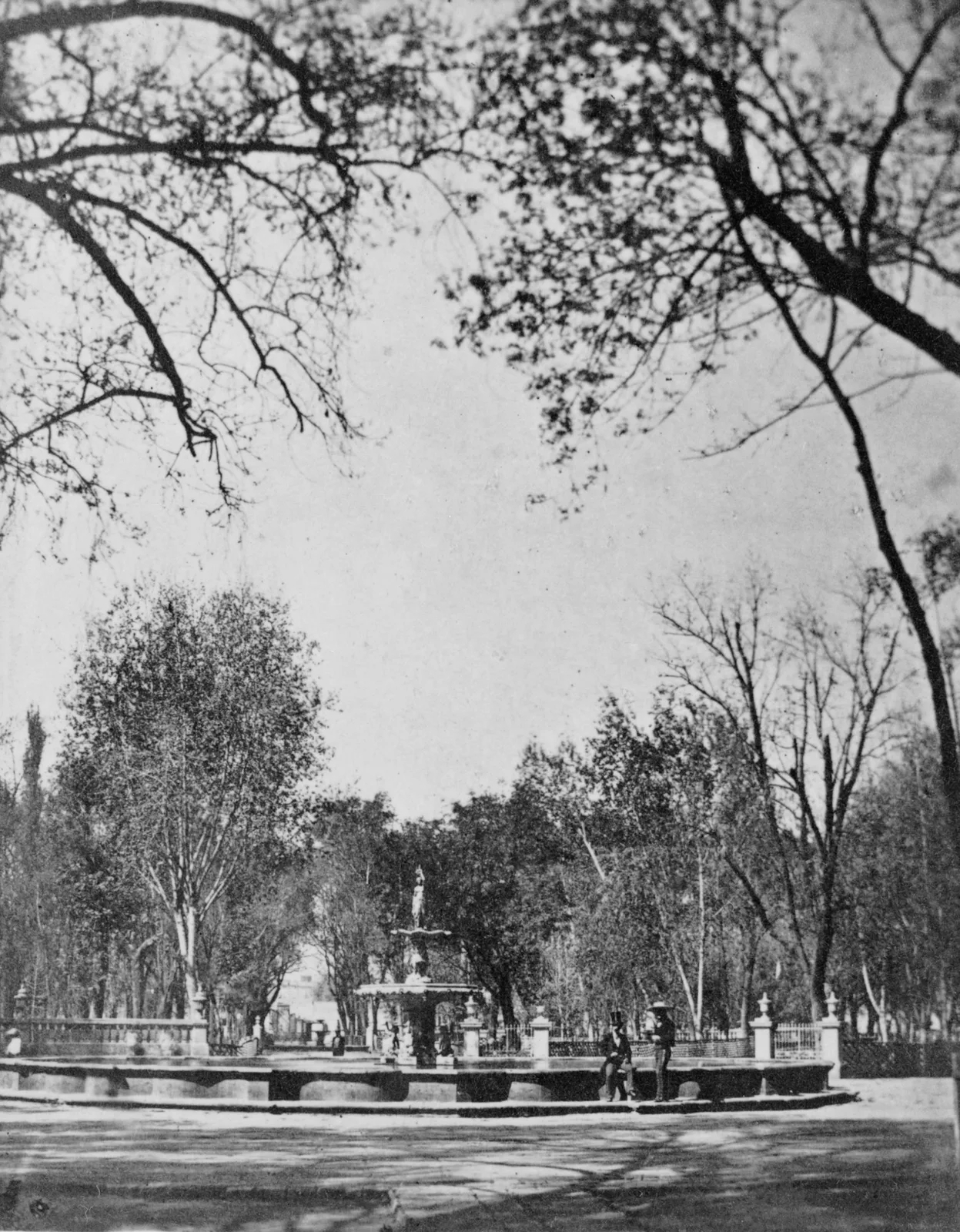
At the start of June 1948 the Archbishop of Mexico, Luis María Martínez, was asked to bless the new Hotel del Prado, opposite the Alameda park in Mexico City. In its dining room was a fresco fifteen metres long, Dream of a Sunday Afternoon in the Alameda Central, crowded with figures from Mexico's history. One of them, the nineteenth-century liberal Ignacio Ramírez, held a placard. It read, in the press reports of the time, "Dios no existe": God does not exist. The archbishop refused to bless the hotel.123 Its painter, Diego Rivera, answered that the archbishop should bless the hotel so that, with divine help, it made the greatest possible profits, and damn his mural so that he could go to hell in peace. He did not shelter behind Ramírez, he added; he was an atheist himself, and religions seemed to him a form of collective neurosis.456
This chapter asks where that atheism came from, what it cost, and why, eight years later and ill with cancer, Rivera painted the words out.
A divided house
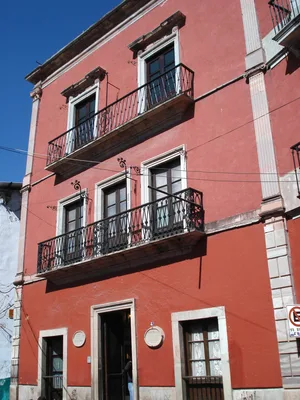
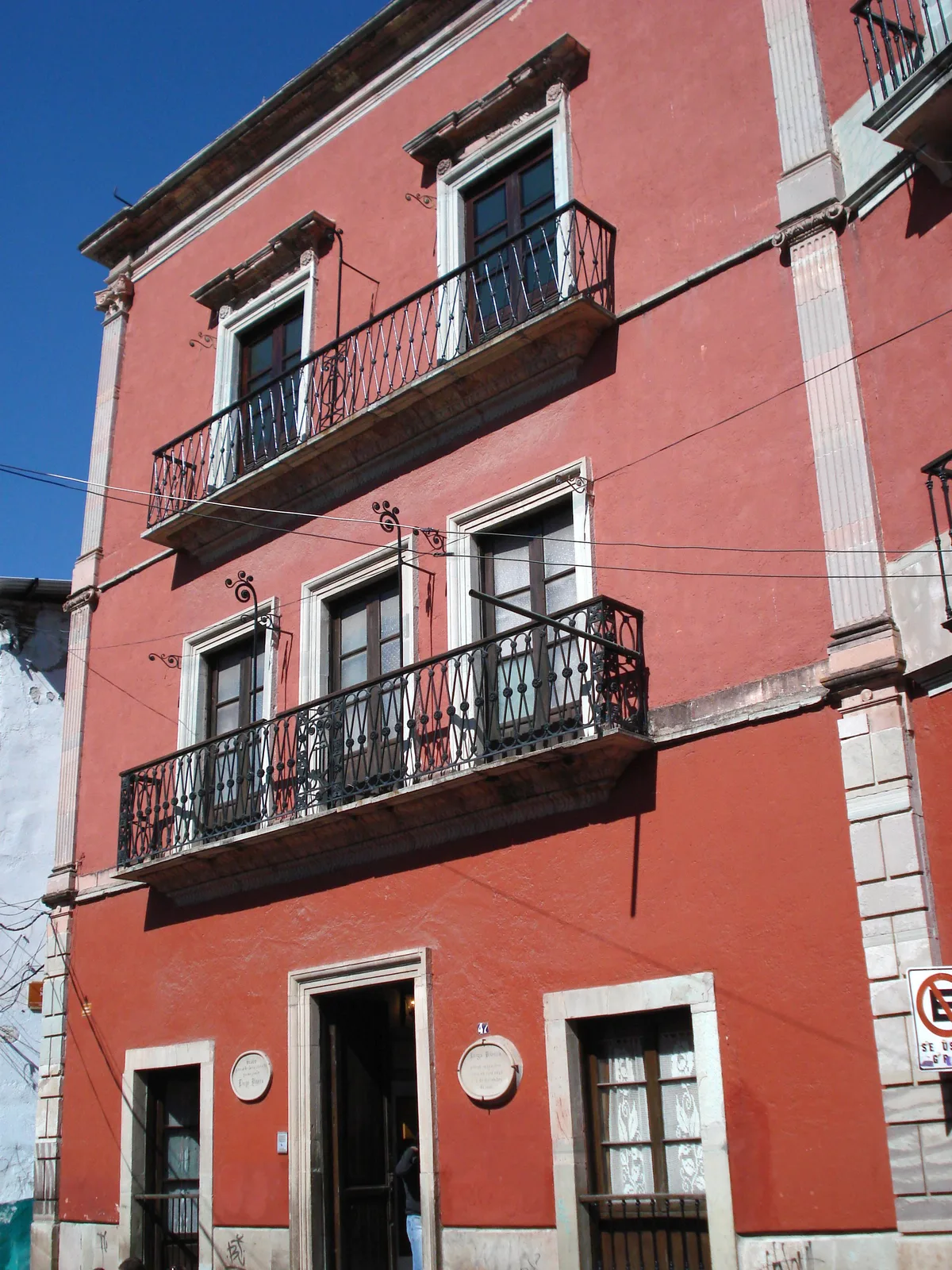
He was born in Guanajuato on 8 December 1886.7 His father, Diego Rivera Acosta, was a school inspector, a town councillor and the editor of a liberal newspaper, a notorious Freemason and an anticlerical; his mother, like her own mother, was a devout Catholic.89 The household was divided over God from the start. Rivera's twin brother died in infancy, and his mother's grief and religiosity, his biographer Patrick Marnham suggests, shaped the boy.10 The first mark on his timeline stands for a divided house rather than a faith. No source read for this chapter records any period of Christian belief in Rivera, or any crisis of faith.11
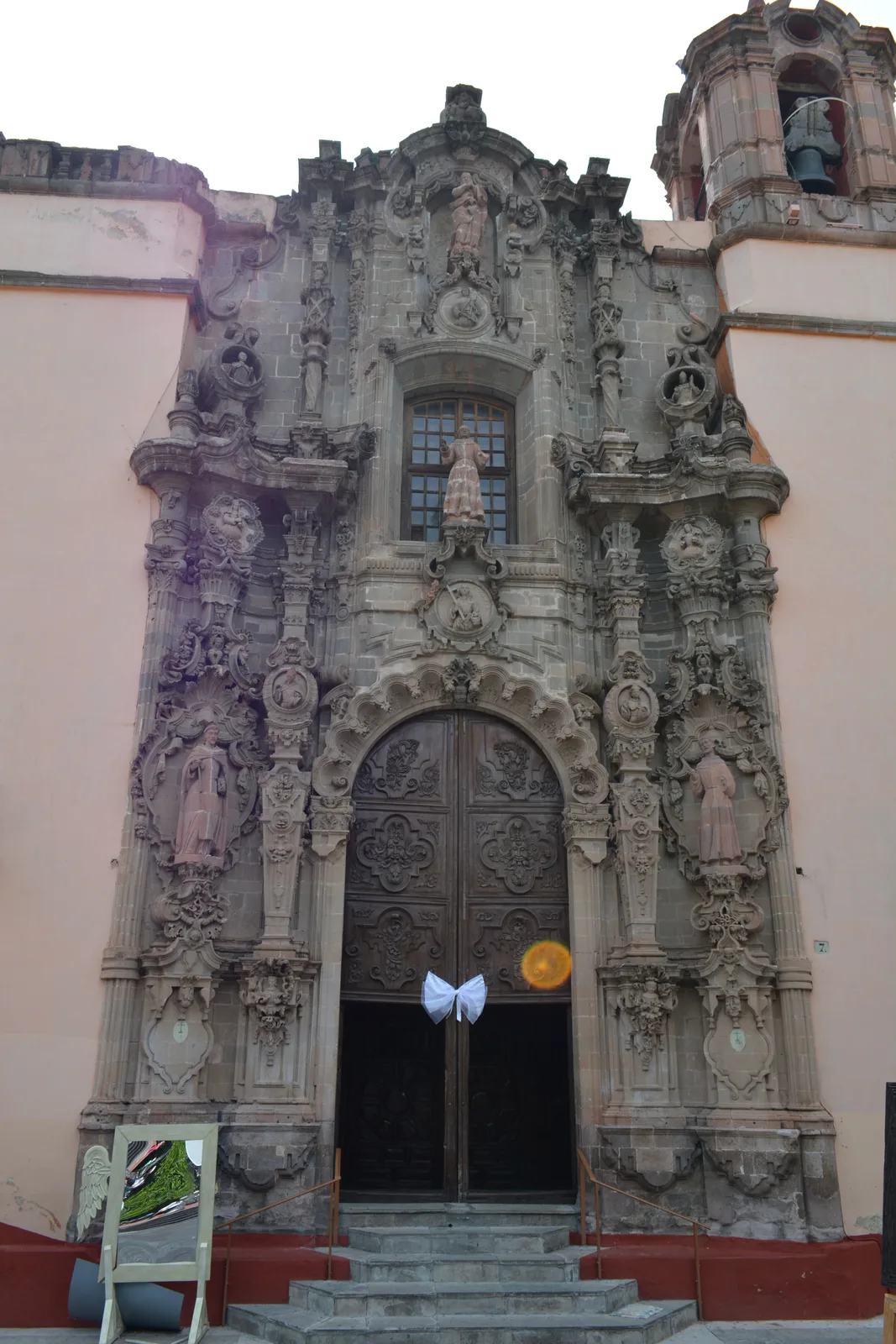
His own story of his first declaration came much later. In 1948 he told a newspaper that he had first stated in public the philosophical opinion that there is no God at the age of six, in the church of San Diego in Guanajuato.1213 In the fuller version, a great-aunt took him to the church against his father's wishes, and he told the congregation that the saints were wood and plaster, that they should stop giving money to the priest, and that no man could sit on a cloud because of gravity; the priest called him Satan, and the boy drove him out with a candlestick. Marnham notes how closely the story resembles the boy Jesus among the elders and the cleansing of the Temple, and puts it with Rivera's other childhood legends; Wolfe, for his part, says Rivera claimed his atheism from the age of five.1415 His timeline places a childhood declaration here, but it is his own claim, not a documented event.
The painter
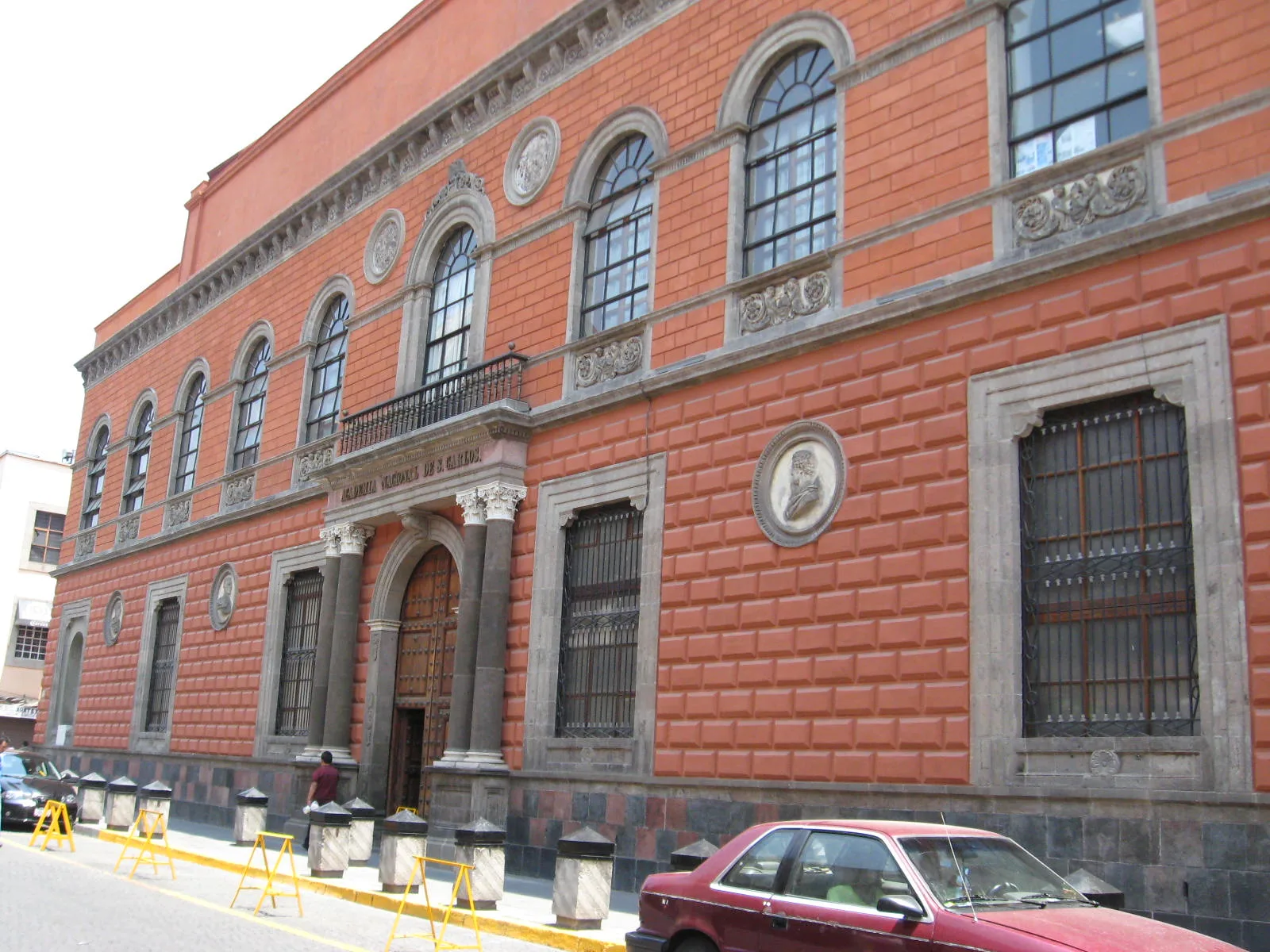
The family moved to Mexico City when he was six or seven; accounts differ on the year and the reason.1617 He entered the Academy of San Carlos at ten and was expelled in 1902 after student riots; a scholarship took him to Madrid in 1907 and Paris in 1909, and he came home in 1921.1819 In the 1920s he painted the frescoes of the Ministry of Education, helped found a revolutionary paper, and went to Moscow as a delegate of the Mexican Communist Party.2021 His biographer Wolfe recalled the fat priests in his murals, taking coins under the Virgin and blessing brutal reaction.22
Ramírez's three words
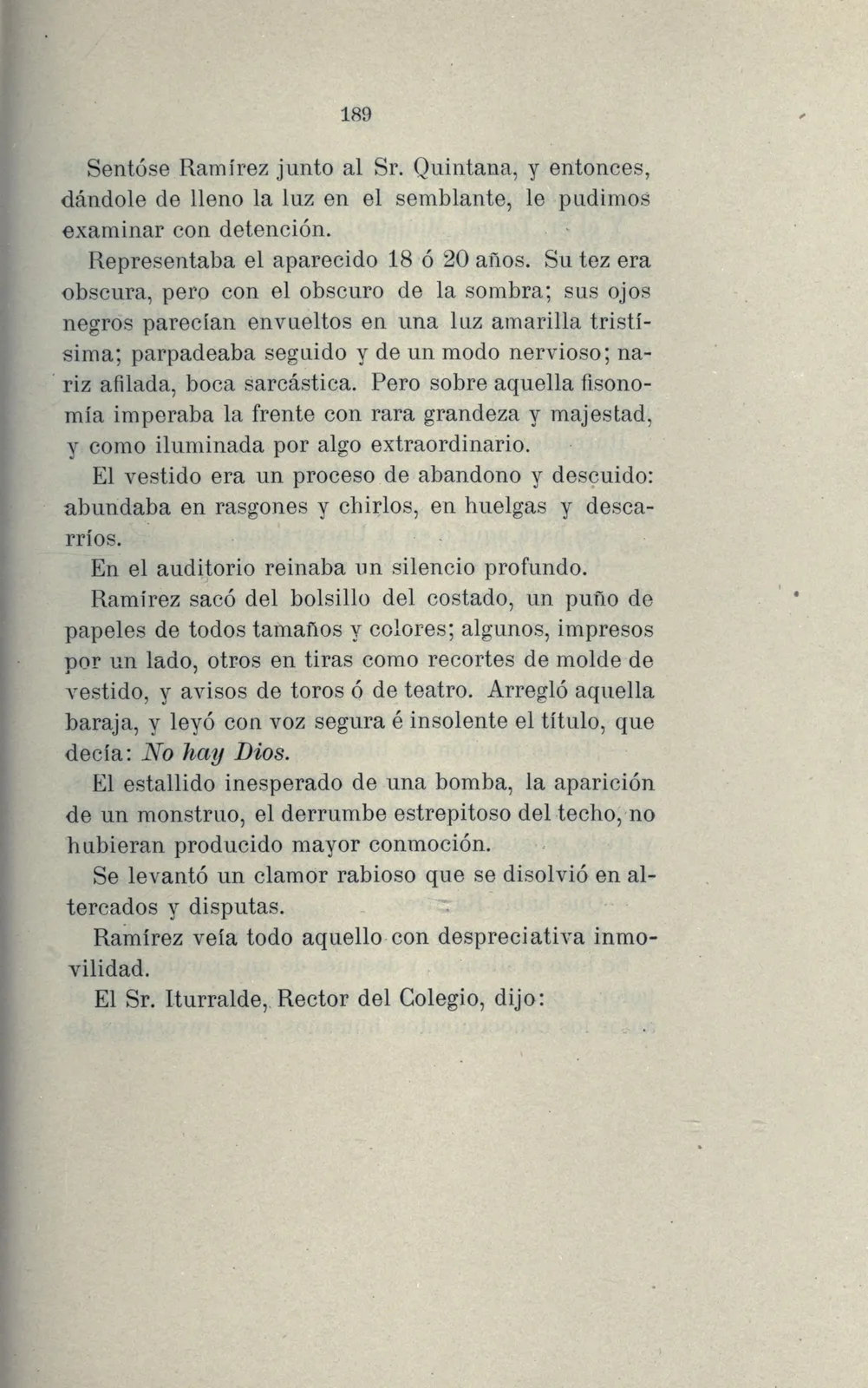
The words on the placard were not Ramírez's own. As an eighteen-year-old, about 1836, Ramírez had read a paper to the Academia de Letrán in Mexico City, and the poet Guillermo Prieto, who was there, remembered that
leyó con voz segura é insolente el título, que decía: No hay Dios.2324
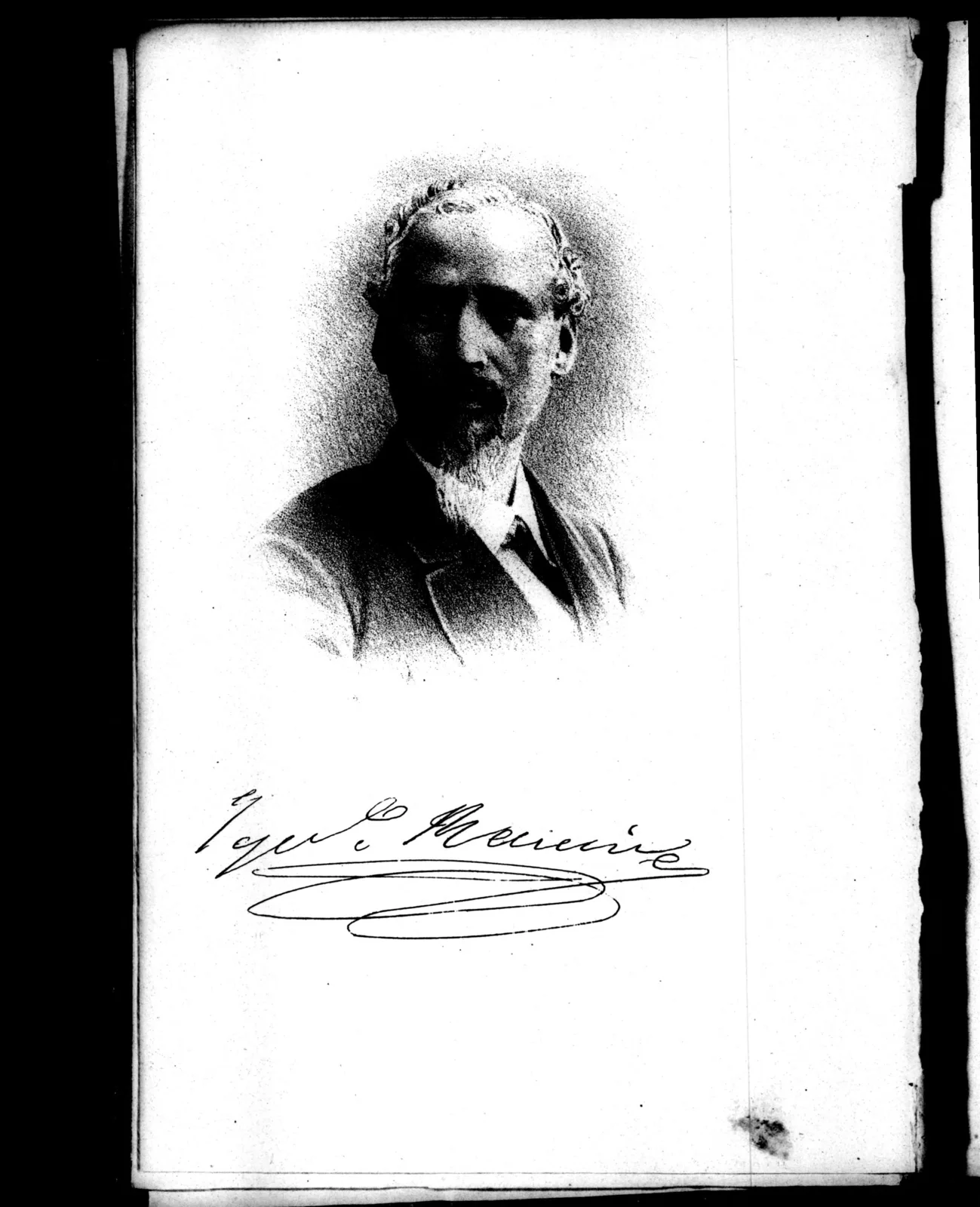
He read in a sure and insolent voice the title, which said: There is no God. The speech was never published.24 Rivera condensed it, and painted it onto a parchment in Ramírez's hand in the mural he finished on 15 September 1947.252 Wolfe wrote that if the phrase did not represent Ramírez's whole philosophy, it was the one that best represented him in Rivera's spirit.2624 Rivera defended it as the freedom of thought that had made liberal Mexico possible, even if Juárez and Ramírez had not been atheists; Juárez, a historian of the episode notes, was in fact a Catholic.27
June 1948
By 1948 the Church in Mexico had recovered from the anticlerical governments of the 1920s and 1930s, and about nine Mexicans in ten called themselves Catholic.28 The hotel's manager, Rivera said, had known of the phrase since the mural was finished and had asked him to erase it, and he had refused, because the history of Mexico was at stake; the manager said Rivera had promised to change it, and Rivera denied it.29 When the archbishop refused his blessing, he said that this was impossible, a fundamental question affecting the religious feelings of Christendom; he had done nothing, he said, but decline to bless a place where atheism was publicly professed.303132 Time reported Rivera saying he was an atheist, that anyone suffering from religion was sick, but that he was no more an enemy of Catholics than of people suffering from tuberculosis.33 His timeline places his public declaration here.
The press divided. One columnist proposed replacing his words with "I exist, therefore there is God"; another wrote that the essence of what was eternally Mexican was God, while telling Catholics not to boycott the hotel; a consultant to the presidency answered that Rivera had claimed the right to dogmatise about what he did not know.343536 One paper called for "direct action" against the artist.37 On the night of 4 June about a hundred engineering students entered the dining room, beat the guards, and one of them, standing on his brother's shoulders, scraped the phrase off with a hammer.38 That same night Rivera came with a crowd of friends from a dinner, among them Frida Kahlo and the painters Orozco and Dr Atl, stood on a chair and wrote the words back.39 The next night someone erased "no existe," leaving "Dios," and gouged the face of the painted child Rivera with a crowbar.40 The hotel hid the mural behind a screen, which stayed for eight years.41 Students marched with banners reading "God does exist," and a few days later stoned Rivera's house and studio.42 The president, Miguel Alemán, called the affair of no importance.43
Some Catholics condemned the attack. One Catholic columnist, Aquiles Elorduy, reminded his readers that when Ramírez had first read his paper the Academia had accepted him as a member and congratulated him, and argued that a Catholic could simply write "God does exist" beneath the phrase.4445 Sixty years later, one of the brothers who erased it said he had let himself be convinced that the phrase was an attack on Mexico, that his act came from an entirely clerical education, and that he had since become a Marxist.4647
April 1956
In 1953 Time called him one of the most successful publicity seekers in the world, whose formula for making news was to invite attack.4849 Frida Kahlo died in 1954.50 Ill with cancer, he went to the Soviet Union for treatment, and from there, encouraged by the Catholic poet Carlos Pellicer, he wrote that he would erase the phrase.5152 Archbishop Martínez died in February 1956.53 In the middle of April, back in Mexico, Rivera climbed the scaffold, replastered the placard, retouched his child self-portrait, and replaced the three words with "Lecture at the Academia de Letrán, 1836." He said that this respected historical truth, removed pretexts and avoided annoyance; that he felt a need for peace and love, for what unites rather than what divides; and that he loved the Virgin of Guadalupe as a symbol of the nation, the banner of Hidalgo and Zapata.545556575859 The New York Times reported that after coming down from the scaffold he told reporters, "I am a Catholic"; his Spanish words are not known, and the full report was not read for this chapter.60 His timeline places his revision here.
What it meant is an open question. Wolfe found it surprising in a man who had boasted of atheism since the age of five; the historian of the episode calls the whole affair a successful attack that ended by pushing the painter into self-censorship.5961 What he painted in its place was not a profession of faith but a historical fact.
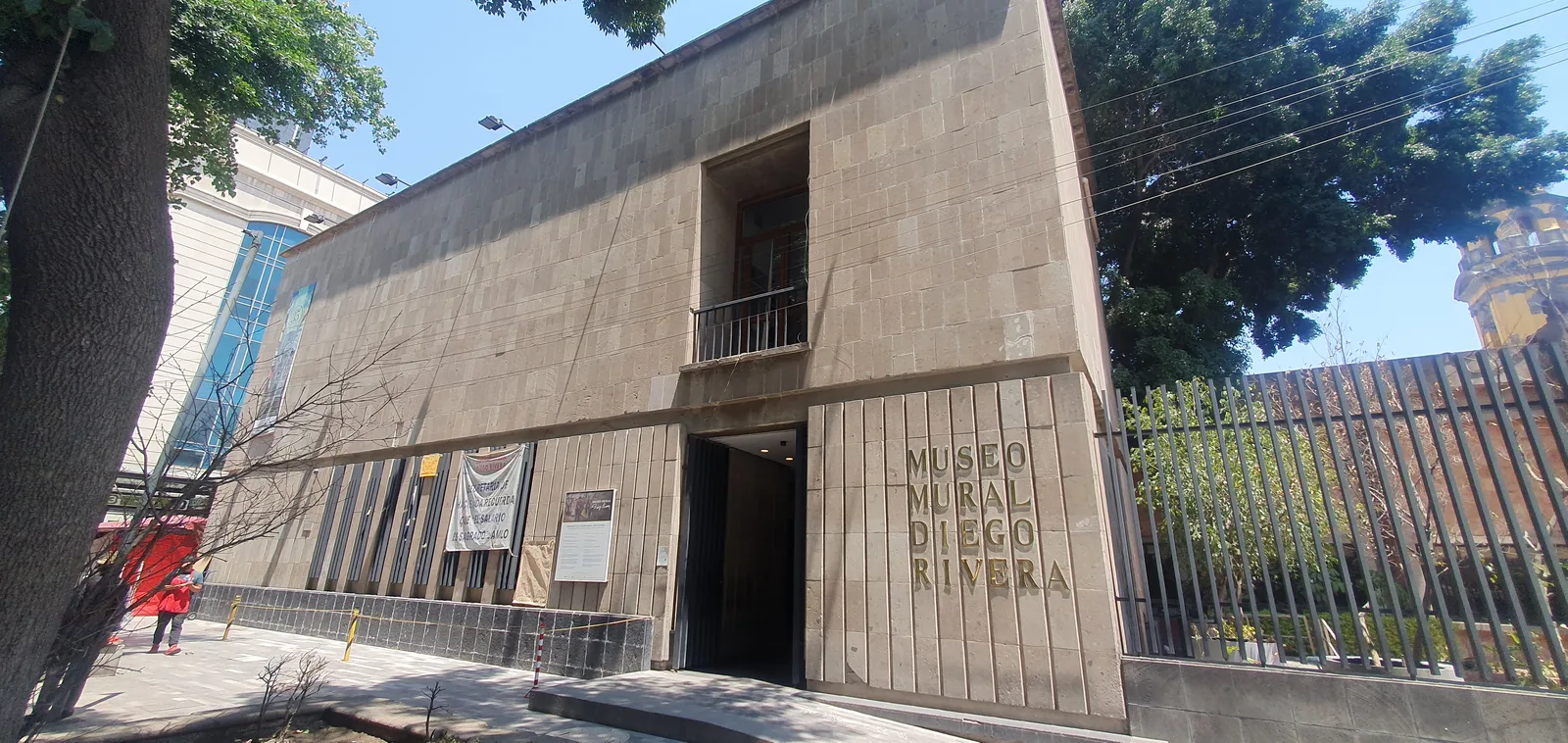
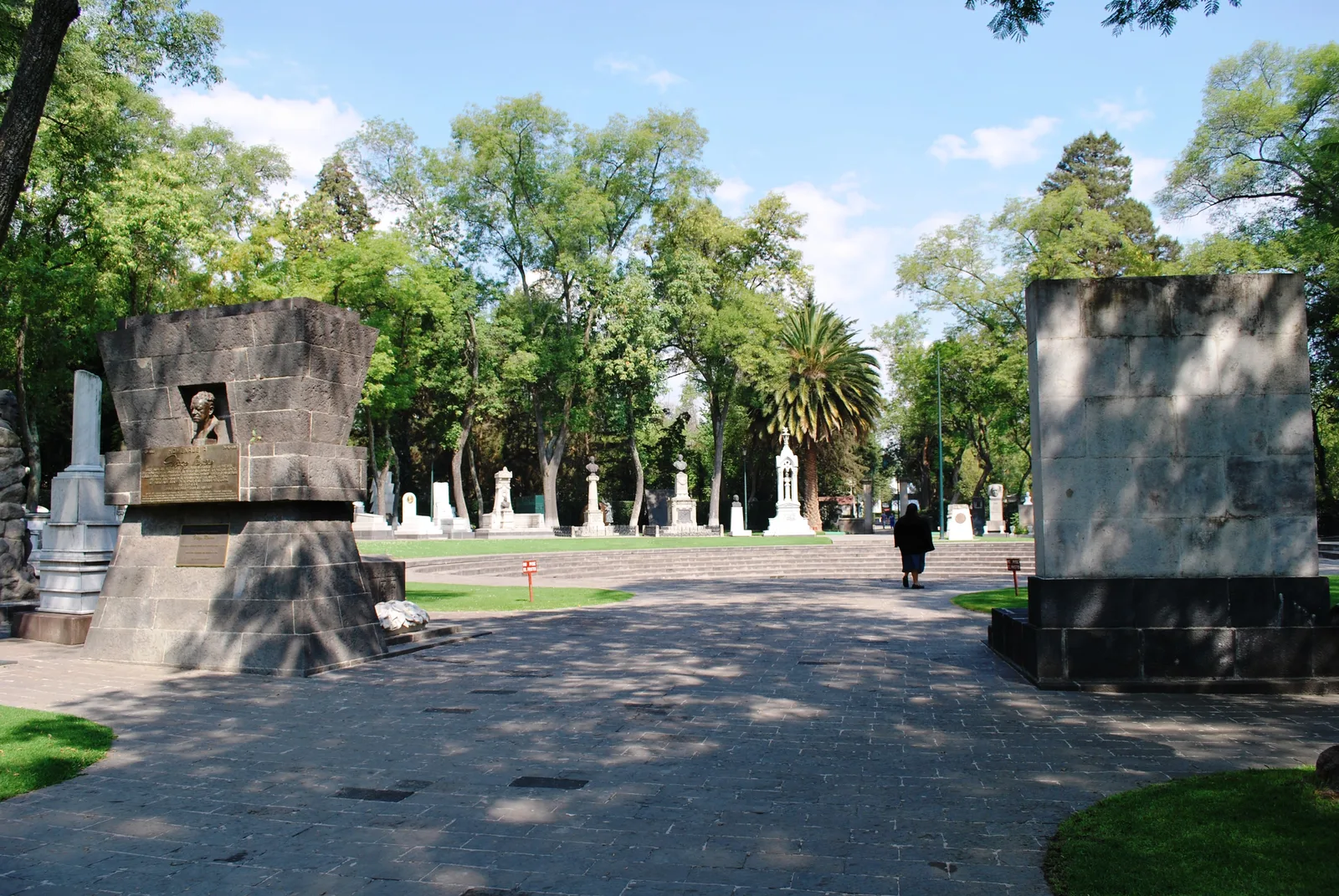
He died on 24 November 1957 and was buried in the Rotunda of Illustrious Persons in Mexico City; whether he received any religious rite is not established.62 The hotel was wrecked in the earthquake of 1985, and the mural, saved, now hangs in its own museum, with the date of Ramírez's lecture where his words had been.63
Did his unbelief change shape?
He said he never had a faith to lose, and the only record of his first atheism is a story he told at sixty-one. For most of his life his unbelief was a painter's weapon, aimed at priests who blessed the powerful. In 1948 he put it in three borrowed words and defended them against an archbishop, the press and a student mob, and for eight years the mural stayed hidden. In 1956, dying, he painted the words out and, by one report, called himself a Catholic, while his own explanation spoke of peace, national symbols and historical truth rather than of God. Whether that was a conversion, a reconciliation or self-censorship, the sources do not settle.
Ignacio Ramírez, whose speech of 1836 gave Rivera his three words, has his own chapter in this book.
Footnotes
-
Harim Benjamín Gutiérrez Márquez, "'Dios no existe': algunos aspectos sociales, religiosos y políticos de la controversia sobre el mural Sueño de una tarde dominical en la Alameda Central, de Diego Rivera, en 1948," Nierika (Universidad Iberoamericana) no. 4 (July–December 2013), pp. 23–37. Peer-reviewed; built on Excélsior, Tiempo, Wolfe, Tibol and Milenio, pp. 24–25. ↩
-
Jessica Soto, "Por escribir 'Dios no existe' en un mural, Diego Rivera fue censurado; así fue la polémica," El Universal, 11 April 2020, updated 14 March 2023; reprints El Universal clippings of 3 and 5 June 1948; Cultura Colectiva, 16 April 2020,; Márquez, Sueño de una tarde dominical…, p. 26. Accounts differ; see the disputed points. ↩ ↩2
-
Márquez, Sueño de una tarde dominical…, p. 28 (Excélsior, 2 June 1948, p. 13); "Art: Business Is Business," Time, 14 June 1948. ↩
-
Márquez, Sueño de una tarde dominical…, p. 28 (Excélsior, 2 June 1948, p. 13). ↩
-
Márquez, Sueño de una tarde dominical…, p. 28 (Excélsior, 2 June 1948, p. 13). ↩
-
Márquez, Sueño de una tarde dominical…, p. 28 (Excélsior, 2 June 1948, p. 13); Soto, "Por escribir 'Dios no existe' en…" (2020). ↩
-
Patrick Marnham, Dreaming with His Eyes Open: A Life of Diego Rivera (New York: Knopf, 1998), chapter 1 only ("Birth of a Fabulist", Guanajuato 1886–1893), as excerpted by the New York Times (archived), saved as
texts/marnham-ch1-excerpt.txt; unpaginated. In copyright; read for facts and paraphrased. The rest of the book (IAdreamingwithhise00marn) is lending-only, ch. 1; Bertram D. Wolfe, Diego Rivera (Washington: Pan American Union, 1947; Internet Archive idDiegoRivera, "Published in the US without copyright before 1989"), saved astexts/wolfe-1947-pau.txt. A short bilingual essay written before the scandal; used for the dated chronology only. Pages mostly unnumbered; cited as "p. [2]" or "chronology". No mention of religion, chronology ("1886: Guanajuato... Nace el 8 de diciembre"). Reported at second hand; the original has not been seen. ↩ -
Marnham, Dreaming with His Eyes Open, ch. 1. ↩
-
Marnham, Dreaming with His Eyes Open, ch. 1. ↩
-
Marnham, Dreaming with His Eyes Open, ch. 1. ↩
-
absence in Marnham ch. 1, Wolfe 1947, Gutiérrez. Not verified. ↩
-
Soto, "Por escribir 'Dios no existe' en…" (2020), (reprinting El Universal, 3 June 1948); Cultura Colectiva. ↩
-
Soto, "Por escribir 'Dios no existe' en…" (2020), (reprinting El Universal, 3 June 1948); Cultura Colectiva. Seen in the biographer's reprint, not the original letter. ↩
-
Marnham, Dreaming with His Eyes Open, ch. 1. ↩
-
Bertram D. Wolfe, The Fabulous Life of Diego Rivera (New York: Stein and Day, 1963; Spanish ed. La fabulosa vida de Diego Rivera, Mexico: Diana/SEP, 1986). NOT READ: IA copies
fabulouslifeofdi0000wolf,fabulouslifeofdi0000bert,fabulouslifeofdi0000beltare lending-only (401), p. 327 (Spanish 1986 ed.), quoted in Gutiérrez p. 35 n. 77. ↩ -
Marnham, Dreaming with His Eyes Open, ch. 1; Wolfe, Diego Rivera (1947), chronology. ↩
-
Marnham, Dreaming with His Eyes Open, ch. 1. ↩
-
Wolfe, Diego Rivera (1947), p. [2] and chronology. ↩
-
Wolfe, Diego Rivera (1947), chronology. ↩
-
Wolfe, Diego Rivera (1947), chronology. ↩
-
Wolfe, Diego Rivera (1947), chronology; "Diego Rivera," English Wikipedia, revision 1372927229 (3 Sept 2026). Map only. ↩
-
Wolfe, Fabulous Life of Diego Rivera (1963), p. 327 (1986 ed.), in Gutiérrez p. 35 n. 77. ↩
-
Guillermo Prieto, narrating Ramírez's reading (1836): Guillermo Prieto, Memorias de mis tiempos (Paris: Bouret, 1906), eyewitness of the Ramírez reading; via episode 36 fact sheet, claim 10 (
texts/ramirez-prieto-excerpt.txt), Memorias de mis tiempos (Paris, 1906), p. 189 (page per episode 36 claim 10);texts/ramirez-prieto-excerpt.txt. ↩ -
Prieto, Memorias de mis tiempos, (via episode 36 claim 10); episode 36 claim 11; Márquez, Sueño de una tarde dominical…, pp. 25–26 (quoting Wolfe 1963 p. 304). ↩ ↩2 ↩3
-
Márquez, Sueño de una tarde dominical…, p. 28. ↩
-
Bertram D. Wolfe on Rivera's choice of phrase: Wolfe, Fabulous Life of Diego Rivera (1963), p. 304 (1986 Spanish ed.), in Gutiérrez p. 26. ↩
-
Márquez, Sueño de una tarde dominical…, p. 28 and n. 33 (Excélsior, 3 June 1948, pp. 17–18). ↩
-
Márquez, Sueño de una tarde dominical…, p. 27. ↩
-
Márquez, Sueño de una tarde dominical…, p. 28; Time; Soto, "Por escribir 'Dios no existe' en…" (2020). ↩
-
Archbishop Luis María Martínez, Archbishop of Mexico 1937–1956, asked whether he would bless the hotel if the phrase stayed (3 June 1948): Soto, "Por escribir 'Dios no existe' en…" (2020), (reprinting El Universal, 3 June 1948). ↩
-
Archbishop Martínez, Excélsior, 3 June 1948, p. 17: Márquez, Sueño de una tarde dominical…, p. 28. ↩
-
Soto, "Por escribir 'Dios no existe' en…" (2020), (3 June 1948); Márquez, Sueño de una tarde dominical…, p. 28. ↩
-
Time. ↩
-
"Catalina", Excélsior columnist, proposing the replacement phrase, 2 June 1948: Márquez, Sueño de una tarde dominical…, p. 29 (Excélsior, 2 June 1948, pp. 6, 19). ↩
-
Carlos Denegri, Excélsior columnist, 4 June 1948: Márquez, Sueño de una tarde dominical…, p. 29 (Excélsior, 4 June 1948, p. 3). ↩
-
Manuel Herrera y Lasso, consultant to the Presidency, answering "religion is neurosis," Excélsior, 3 June 1948, p. 6: Márquez, Sueño de una tarde dominical…, p. 29. ↩
-
Márquez, Sueño de una tarde dominical…, p. 30. ↩
-
Márquez, Sueño de una tarde dominical…, pp. 23, 30; New York Times, 6 June 1948; 22 January 1956; 15 April 1956: article pages blocked (403); only search-result abstracts seen, saved as
texts/nyt-search-snippets.txt. Everything cited to them is secondhand (abstract only), (6 June 1948). ↩ -
Márquez, Sueño de una tarde dominical…, p. 32; Time; Soto, "Por escribir 'Dios no existe' en…" (2020). ↩
-
Márquez, Sueño de una tarde dominical…, pp. 33–34 and n. 68 (Rivera, My Art, My Life, pp. 198–201); "Art: Scratched Face," Time, 21 June 1948. ↩
-
Márquez, Sueño de una tarde dominical…, pp. 33–34. ↩
-
Márquez, Sueño de una tarde dominical…, p. 34. ↩
-
Márquez, Sueño de una tarde dominical…, p. 34. ↩
-
Aquiles Elorduy, Catholic columnist, condemning the attack, Tiempo, 11 June 1948: Márquez, Sueño de una tarde dominical…, p. 33. ↩
-
Márquez, Sueño de una tarde dominical…, pp. 29, 32–33. ↩
-
Ricardo Ludlow, one of the two students who erased the phrase, speaking in 2009: Márquez, Sueño de una tarde dominical…, p. 31 (Milenio, 30 Aug 2009). ↩
-
Márquez, Sueño de una tarde dominical…, pp. 31–32 (Milenio, 30 Aug 2009; Sánchez 2012). ↩
-
Time magazine, 16 February 1953: "Art: For the Cause," Time, 16 February 1953. ↩
-
Time (1953). ↩
-
"Diego Rivera," Spanish Wikipedia, revision 175796140 (12 Oct 2026). Map only; "Diego Rivera,". Tier 4 is the only source for this, as for the other details in this chapter cited to that source alone. ↩
-
Márquez, Sueño de una tarde dominical…, p. 35 (Tiempo, 16 April 1956). ↩
-
Márquez, Sueño de una tarde dominical…, p. 35; NYT snippets; Sopitas.com, "Dios no existe: la frase que desapareció de un mural de Diego Rivera" (Tragicomedias). ↩
-
"Luis María Martínez," English Wikipedia, revision 1375919923 (20 Sept 2026), citing the NYT obituary of 10 Feb 1956, (citing NYT obituary, 10 Feb 1956). ↩
-
Márquez, Sueño de una tarde dominical…, p. 35 (Tibol 2007, pp. 251–252, 270; Wolfe, Fabulous Life of Diego Rivera (1963), pp. 324–328). ↩
-
Márquez, Sueño de una tarde dominical…, p. 35. ↩
-
Márquez, Sueño de una tarde dominical…, p. 35 (Suárez 1962, p. 67). ↩
-
Márquez, Sueño de una tarde dominical…, p. 35 (Tiempo, 16 April 1956; Luis Suárez, Confesiones de Diego Rivera (Mexico: Era, 1962), pp. 26–27, 67; cited by Gutiérrez for the 1956 explanations. Not read, p. 67). ↩
-
Márquez, Sueño de una tarde dominical…, p. 35 (Tiempo, 23 April 1956, p. 7); NYT snippets. ↩
-
Márquez, Sueño de una tarde dominical…, p. 35 and n. 77 (Tibol 2007, pp. 251–252, 270; Wolfe, Fabulous Life of Diego Rivera (1963), pp. 324–328; Suárez, Confesiones de Diego Rivera (1962), pp. 26–27). ↩ ↩2
-
NYT snippets. Abstract is the only source for this, as for the other details in this chapter cited to that source alone. ↩
-
Márquez, Sueño de una tarde dominical…, pp. 35–36. ↩
-
"Diego Rivera,"; "Diego Rivera,". ↩
-
Cultura Colectiva; WP es Sueño (map). ↩
texts/marnham-ch1-excerpt.txt; unpaginated. In copyright; read for facts and paraphrased. The rest of the book (IA dreamingwithhise00marn) is lending-only.; Bertram D. Wolfe, Diego Rivera (Washington: Pan American Union, 1947; Internet Archive id DiegoRivera, "Published in the US without copyright before 1989"), saved as texts/wolfe-1947-pau.txt. A short bilingual essay written before the scandal; used for the dated chronology only. Pages mostly unnumbered; cited as "p. [2]" or "chronology". No mention of religion.; Bertram D. Wolfe, The Fabulous Life of Diego Rivera (New York: Stein and Day, 1963; Spanish ed. La fabulosa vida de Diego Rivera, Mexico: Diana/SEP, 1986). NOT READ: IA copies fabulouslifeofdi0000wolf, fabulouslifeofdi0000bert, fabulouslifeofdi0000belt are lending-only (401); "Diego Rivera," English Wikipedia, revision 1372927229 (3 Sept 2026). Map only.; Guillermo Prieto, Memorias de mis tiempos (Paris: Bouret, 1906), eyewitness of the Ramírez reading; via episode 36 fact sheet, claim 10 (texts/ramirez-prieto-excerpt.txt).; New York Times, 6 June 1948; 22 January 1956; 15 April 1956: article pages blocked (403); only search-result abstracts seen, saved as texts/nyt-search-snippets.txt. Everything cited to them is secondhand (abstract only).; "Art: Scratched Face," Time, 21 June 1948.; "Art: For the Cause," Time, 16 February 1953.; "Diego Rivera," Spanish Wikipedia, revision 175796140 (12 Oct 2026). Map only.; Sopitas.com, "Dios no existe: la frase que desapareció de un mural de Diego Rivera" (Tragicomedias).; "Luis María Martínez," English Wikipedia, revision 1375919923 (20 Sept 2026), citing the NYT obituary of 10 Feb 1956.; Luis Suárez, Confesiones de Diego Rivera (Mexico: Era, 1962), pp. 26–27, 67; cited by Gutiérrez for the 1956 explanations. Not read.In their own words
leyó con voz segura é insolente el título, que decía: No hay Dios.
Dios no existe, afirmó y demostró experimentalmente, Ignacio Ramírez
Que el Sr. Arzobispo bendiga el Hotel del Prado para que con la ayuda divina realice ese establecimiento las mayores ganancias posibles y que maldiga mi Sueño dominical en la Alameda para que yo me vaya tranquilamente a los infiernos
Para afirmar “Dios no existe” no me escudé en don Ignacio Ramírez; soy ateo y las religiones me parecen una forma de neurosis colectiva.
Ningún católico tiene por qué ofenderse a causa de la expresión de una opinión filosófica de la cual yo mismo participo y la expuse públicamente por primera vez a los seis años de edad en la iglesia de San Diego, en Guanajuato, mi tierra natal.
I am an atheist, that’s true, and I think any individual suffering from religion is sick. But . . . I’m not an enemy of Catholics any more than I am an enemy of those suffering from tuberculosis, myopia, paralysis.
necesidad de paz y amor y de lucha por lo que nos une para conseguirlo, no por lo que nos divide
así se respeta la verdad histórica, se eliminan pretextos y se evitan molestias
símbolo de la patria y estandarte de ésta en manos de Hidalgo, el iniciador de la independencia política, y de Emiliano Zapata, iniciador de la independencia de la tierra mexicana para que sólo la posean quienes la trabajan con sus manos
I am a Catholic.
si la cita no era representativa de la filosofía entera de El Nigromante, sí era la que mejor representaba a este personaje en el espíritu de Diego y en su onírica visión de la historia
Tratándose de un hombre que presumía de que su padre fuese librepensador y él mismo un ateo desde los cinco años de edad
Ramírez afirmaba la tesis de que la Humanidad sólo puede avanzar a base de la ayuda mutua, lo que hacía un absurdo de la idea de la ayuda sobrenatural
La composición son recuerdos de mi vida, de mi niñez y de mi juventud, y cubre de 1895 a 1910
The other side
No. Eso no sería posible. Se trata de una cuestión fundamental que afecta a los sentimientos religiosos de la cristianidad.
Yo no he hecho otra que cosa que limitarme a no bendecir un lugar en que se hace fe pública de ateísmo.
Existo, luego hay Dios
Lo mexicano es lo eterno mexicano, y lo eterno mexicano en su esencia más pura es Dios
Me dejé convencer de que esa afirmación era un ataque para México.
¡Bendito sea el acto en que, después de escuchar a Ramírez, éste quedó aceptado como miembro de la Academia y felicitado por todos los escritores eminentes de aquella agrupación!
one of the most successful publicity seekers in the world today. His formula for making news: invite attack.
quien se arroga el derecho de dogmatizar sobre lo que ignora
Where accounts differ
| Point | One account | Another | How the page handles it |
|---|---|---|---|
| Rivera's birth date | 8 Dec 1886, civil record (Marnham ch. 1; Wolfe 1947) | 13 Dec 1886, baptism certificate as read by Ramón Favela (Marnham ch. 1) | Use 8 December; the church record is a footnote. |
| Age of the childhood declaration | Six, in the church of San Diego (Rivera 1948 in El Universal 2020; Marnham) | Five, "ateo desde los cinco años" (Wolfe 1963 in Gutiérrez p. 35 n. 77) | Say "at five or six, by his own later account"; never present as fact. |
| Whether the church scene happened, and whether it ended the Guanajuato years | Rivera: it may have caused the move; family: "a public attack by the clergy" (Marnham) | Marnham: money after the governor's death in 1893; legends resemble Christ stories | Present as Rivera's legend. |
| Year the family left Guanajuato | 1892 (Wolfe 1947) | Late 1893 (Marnham) | Say "when he was six or seven". |
| What Rivera said in 1948 | Spanish: "soy ateo y las religiones me parecen una forma de neurosis colectiva" (Gutiérrez p. 28) | Time's English: "any individual suffering from religion is sick" (Time 1948a); the article of Wikipedia dates the Spanish line to 1956 | Use the Spanish in his own words with the date; mention that English-language papers paraphrased it more harshly. |
| What Rivera asked of the archbishop | "las mayores ganancias posibles" (Gutiérrez) | "la mayor cantidad de dólares" (El Universal 2020) | Quote only the sarcasm both share: bless the hotel, damn the mural. |
| The placard's wording | "Dios no existe" (Gutiérrez; Time; Wikipedia) | "Dios no existe, afirmó y demostró experimentalmente, Ignacio Ramírez" (El Universal 2020; Cultura Colectiva; Rancho Las Voces) | Say the full line is Rivera's condensation; note Ramírez's own wording [Q1]. |
| Date and wording of Ramírez's speech | 1836; "No hay Dios" as the title (Prieto) | 1836 or 1837, thesis "No hay Dios; los seres de la Naturaleza se sostienen por sí mismos" (episode 36 sheet; Altamirano) | Say "as a young man, about 1836". |
| Who restored the phrase and how | Rivera wrote it again with a pencil (Gutiérrez p. 32; El Universal 2020: wet pencil) | "painted the offending words right back" (Time 1948a) | Say he wrote it back the same night. |
| The raid | "cerca de cien estudiantes" with a hammer (Gutiérrez; UNAM bulletin snippet) | Ludlow: "five or six" went in; Time: "table knives" | Give the hundred as the newspaper figure and Ludlow's recollection as his. |
| The second damage | Crowbar, night of 5 June (Gutiérrez); three scratches (Time 1948b) | Rivera: a government carpenter forced to do it (My Art, My Life per Gutiérrez) | Say "someone damaged it again"; give Rivera's accusation as his. |
| Who stood behind the raid | Conejos and the UNAM rector fight; the archbishop's involvement "no tenemos pruebas" (Gutiérrez) | Rivera: manager Torres Rivas and Alemán's secretary de la Selva (Gutiérrez p. 32) | Present each as a claim. |
| Name of the dining room | Salón Versalles (Gutiérrez; WP en) | "Salón de los Candiles" (El Universal 2020) | Use "the hotel's dining room". |
| Date of the paint-out | 15 April 1956 (Gutiérrez p. 35) | NYT dated 15 April 1956 (a Sunday) already reports it done (NYT abstract) | Say "in the middle of April 1956". |
| When Rivera agreed to erase | Letter to Pellicer reported 22 Jan 1956 (NYT abstract); steps taken as he fell ill (Gutiérrez) | 1955, "durante un viaje en la Unión Soviética" (Sopitas) | Say "in a letter from Moscow, around the turn of 1955 and 1956". |
| What the 1956 revision meant | A man ill with cancer seeking peace, who told reporters "I am a Catholic" (NYT abstract; Rivera's own explanation, Q7, Q8) | Self-censorship under pressure (Gutiérrez p. 35); "surprising" for a lifelong anticlerical (Wolfe); the replacement text restores a historical, not a theological, claim | Tell it as an open question: what he said, what he painted, and what his own explanation does and does not claim. |
| How long the mural was hidden | Eight years, 1948–1956 (Gutiérrez; NYT abstract) | "Nine years" (Wikipedia) | Say eight years. |
| Roster dating | Painted 1946–47, finished 15 Sept 1947; scandal June 1948 (Gutiérrez p. 28) | "1947 mural... national scandal" (roster) | The script should give 1947 for the painting and 1948 for the scandal. |
List of illustrations
This page uses only public-domain and Creative Commons images; each is credited with its source and licence.
- House in Guanajuato where Diego Rivera was born (now a museum) — User:Dominik, 2006-12 · User:Dominik, via Wikimedia Commons, CC BY 2.5 · CC BY 2.5 (as stated on Wikimedia Commons)
- Templo de San Diego de Alcala, Guanajuato — ProtoplasmaKid, 2015-10-19 22:22:41 · ProtoplasmaKid, via Wikimedia Commons, CC BY-SA 4.0 · CC BY-SA 4.0 (as stated on Wikimedia Commons)
- Jardin de la Union, Guanajuato (stereo photograph, Vistas Mejicanas) — V. Contreras, 1861-1870 · V. Contreras, via Wikimedia Commons, CC0 · CC0 (as stated on Wikimedia Commons)
- Front facade of the Academy of San Carlos, Mexico City — Thelmadatter, 2009-04-11 · Thelmadatter, via Wikimedia Commons, Public domain · Public domain (as stated on Wikimedia Commons)
- Frontispiece portrait of Ignacio Ramírez with facsimile signature, Obras de Ignacio Ramírez, tomo I — Unknown engraver/photomechanical plate, 1889 · Obras de Ignacio Ramírez, tomo I (México: Secretaría de Fomento, 1889), Univ. of Illinois copy, via Internet Archive · Public domain (published 1889)
- Prieto, Memorias, p. 189: Ramírez reads the paper titled 'No hay Dios' at the Academia de Letrán — Guillermo Prieto, 1906 · Guillermo Prieto, Memorias de mis tiempos, 1828 a 1840 (Paris: Bouret, 1906), via Internet Archive · Public domain (published 1906)
- Alameda Central, Mexico City (photograph, between 1850 and 1880) — Photographie de la Porte 51 Denis, Pestel, Boult Bonne-Nouvelle, No. 3, Paris, between 1850 and 1880 · Photographie de la Porte 51 Denis, Pestel, Boult Bonne-Nouvelle, No. 3, Paris, via Wikimedia Commons, Public domain · Public domain (as stated on Wikimedia Commons)
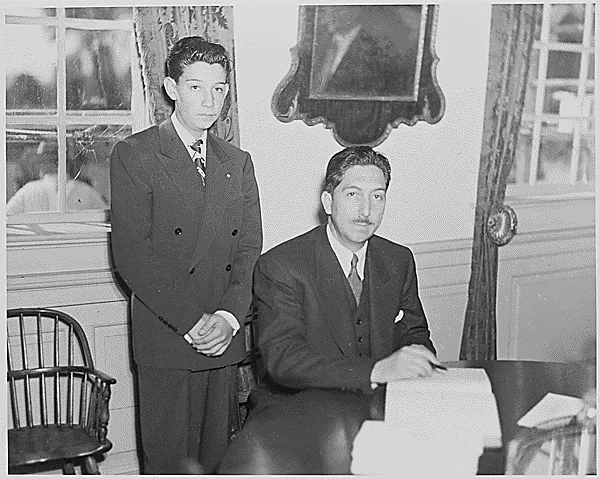
- President Miguel Aleman Valdes and his son signing the guest book at Mount Vernon — Abbie Rowe, U.S. National Park Service, 1947-04-29 · Abbie Rowe, U.S. National Park Service, via Wikimedia Commons, Public domain · Public domain (as stated on Wikimedia Commons)
- Facade of the Museo Mural Diego Rivera, Mexico City — José Luiz, 2024-04-21 11:37:36 · José Luiz, via Wikimedia Commons, CC BY-SA 4.0 · CC BY-SA 4.0 (as stated on Wikimedia Commons)
- Entering the Rotunda of Illustrious Persons, Dolores Cemetery, Mexico City — Thelmadatter, 24 May 2009 (according to Exif data) · Thelmadatter, via Wikimedia Commons, CC BY-SA 3.0 · CC BY-SA 3.0 (as stated on Wikimedia Commons)
Sources
Tier 1 — the subject's own words (writings, letters, diaries, trial records)
- [My Art, My Life] Diego Rivera with Gladys March, My Art, My Life: An Autobiography (New York: Citadel Press, 1960; Spanish ed. Mi arte, mi vida, Mexico: Herrero, 1963). In copyright. NOT READ: the Internet Archive copy
myartmylifeautob0000riveis lending-only (403 on full text). Cited only as Gutiérrez cites it (pp. 198–201 of the 1963 Spanish edition on the Prado affair) and as Sopitas quotes it. Treat his self-mythology with caution. - [Rivera 1948 press statements] Rivera's statements of June 1948 as printed by Excélsior (2 and 3 June 1948) and El Universal (3 June 1948), read only as reproduced in [Gutiérrez] and [El Universal 2020]; also Time, 14 June 1948. The newspaper originals were not seen.
- [Suárez 1962] Luis Suárez, Confesiones de Diego Rivera (Mexico: Era, 1962), pp. 26–27, 67; cited by Gutiérrez for the 1956 explanations. Not read.
Tier 2 — scholarly biographies and encyclopedias
- [Gutiérrez] Harim Benjamín Gutiérrez Márquez, "'Dios no existe': algunos aspectos sociales, religiosos y políticos de la controversia sobre el mural Sueño de una tarde dominical en la Alameda Central, de Diego Rivera, en 1948," Nierika (Universidad Iberoamericana) no. 4 (July–December 2013), pp. 23–37. Peer-reviewed; built on Excélsior, Tiempo, Wolfe, Tibol and Milenio. https://nierika.ibero.mx/index.php/nierika/article/view/529 . PDF saved as
texts/gutierrez-2013-nierika.txt(printed page = PDF page + 22; the text is marked with PDF page numbers). Licence stated by the journal: Creative Commons Reconocimiento, No Comercial, Compartir Igual (CC BY-NC-SA); see Open questions. The main source for the whole 1948 episode. - [Wolfe 1947] Bertram D. Wolfe, Diego Rivera (Washington: Pan American Union, 1947; Internet Archive id
DiegoRivera, "Published in the US without copyright before 1989"), saved astexts/wolfe-1947-pau.txt. A short bilingual essay written before the scandal; used for the dated chronology only. Pages mostly unnumbered; cited as "p. [2]" or "chronology". No mention of religion. - [Wolfe 1963] Bertram D. Wolfe, The Fabulous Life of Diego Rivera (New York: Stein and Day, 1963; Spanish ed. La fabulosa vida de Diego Rivera, Mexico: Diana/SEP, 1986). NOT READ: IA copies
fabulouslifeofdi0000wolf,fabulouslifeofdi0000bert,fabulouslifeofdi0000beltare lending-only (401). Cited as Gutiérrez cites it (pp. 301–305, 324–328 of the 1986 Spanish edition). - [Marnham] Patrick Marnham, Dreaming with His Eyes Open: A Life of Diego Rivera (New York: Knopf, 1998), chapter 1 only ("Birth of a Fabulist", Guanajuato 1886–1893), as excerpted by the New York Times (archived), saved as
texts/marnham-ch1-excerpt.txt; unpaginated. In copyright; read for facts and paraphrased. The rest of the book (IAdreamingwithhise00marn) is lending-only. - [Tibol 2007] Raquel Tibol, Diego Rivera, luces y sombras (Mexico: Random House Mondadori, 2007), pp. 231–252, 270; cited by Gutiérrez. Not read (lending-only).
- [Prieto] Guillermo Prieto, Memorias de mis tiempos (Paris: Bouret, 1906), eyewitness of the Ramírez reading; via episode 36 fact sheet, claim 10 (
texts/ramirez-prieto-excerpt.txt).
Tier 3 — popular biographies and journalism
- [Time 1948a] "Art: Business Is Business," Time, 14 June 1948. https://time.com/archive/6792401/art-business-is-business/ . Saved as
texts/time-1948-06-14.txt. In copyright. - [Time 1948b] "Art: Scratched Face," Time, 21 June 1948. https://time.com/archive/6601171/art-scratched-face/ . Saved as
texts/time-1948-06-21.txt. In copyright. - [Time 1953] "Art: For the Cause," Time, 16 February 1953. https://time.com/archive/6620299/art-for-the-cause/ . Saved as
texts/time-1953-02-16.txt. In copyright. - [El Universal 2020] Jessica Soto, "Por escribir 'Dios no existe' en un mural, Diego Rivera fue censurado; así fue la polémica," El Universal, 11 April 2020, updated 14 March 2023; reprints El Universal clippings of 3 and 5 June 1948. https://www.eluniversal.com.mx/cultura/artes-visuales/por-escribir-dios-no-existe-en-un-mural-diego-rivera-fue-censurado/ . Saved as
texts/el-universal-2020.txt. - [NYT snippets] New York Times, 6 June 1948; 22 January 1956; 15 April 1956: article pages blocked (403); only search-result abstracts seen, saved as
texts/nyt-search-snippets.txt. Everything cited to them is secondhand (abstract only). - [Cultura Colectiva] Cultura Colectiva, 16 April 2020, https://culturacolectiva.com/arte/censura-en-la-obra-de-diego-rivera/ . Saved as
texts/culturacolectiva-2020.txt. Reprints the El Universal statements. - [Sopitas] Sopitas.com, "Dios no existe: la frase que desapareció de un mural de Diego Rivera" (Tragicomedias). https://www.sopitas.com/noticias/dios-no-existe-frase-puso-diego-rivera-uno-de-sus-murales/ . Saved as
texts/sopitas-tragicomedias.txt. Quotes My Art, My Life second-hand; used only as a pointer. - [México Desconocido] "Nadie notó que en Ustedes los ricos tundieron a Diego Rivera por no creer en Dios," https://www.mexicodesconocido.com.mx/nadie-noto-que-en-ustedes-los-ricos-tundieron-a-diego-rivera-por-no-creer-en-dios.html . Saved as
texts/mexico-desconocido-ustedes-los-ricos.txt.
Tier 4 — Wikipedia and similar reference sites (citable; give the article and revision date; prefer a higher tier where one exists)
- [WP en Rivera] "Diego Rivera," English Wikipedia, revision 1372927229 (3 Sept 2026). Map only.
- [WP es Rivera] "Diego Rivera," Spanish Wikipedia, revision 175796140 (12 Oct 2026). Map only.
- [WP en Sueño] "Sueño de una Tarde Dominical en la Alameda Central," English Wikipedia, revision 1361418867 (27 June 2026). Its "I am an atheist... collective neurosis" quotation is attributed to the nine-years-later settlement, which is wrong: the words are from June 1948 [27]. Cited to Stein, Siqueiros: His Life and Works (1994), p. 176 (not seen).
- [WP en Cristero] "Cristero War," English Wikipedia, revision 1379891306 (12 Oct 2026). Dates only.
- [WP en Martínez] "Luis María Martínez," English Wikipedia, revision 1375919923 (20 Sept 2026), citing the NYT obituary of 10 Feb 1956.
- [WP es Ramírez] "Ignacio Ramírez," Spanish Wikipedia, revision 174006851 (18 June 2026). Mentions the mural.
- [WP es Suárez Olvera] "José Suárez Olvera," Spanish Wikipedia, revision 173434583 (13 May 2026): a painter who answered the mural with a painting; cites Novedades, 20 June 1948. Map only.
Opposition sources — contemporary critics and religious responses
- [Gutiérrez] reports and quotes Archbishop Luis María Martínez (Excélsior, 3 June 1948, p. 17), the Excélsior columnists Catalina (2 June, pp. 6, 19), Leopoldo Salazar Viniegra (4 June, p. 6) and Carlos Denegri (4 June, p. 3), Manuel Herrera y Lasso (3 June, p. 6), Aquiles Elorduy (Tiempo, 11 June 1948, p. 11), and the student Ricardo Ludlow (Milenio, 30 Aug 2009).
- [El Universal 2020] reprints the Archbishop's statement and an editorial paragraph (El Universal, 3 and 5 June 1948).
- [Time 1953] a secular critic: "most successful publicity seekers."
Related lives
Ignacio Ramírez (episode 36) — the 1836 speech whose three words Rivera borrowed, and the Reform liberals he put on the wall beside him.
M. N. Roy
M. N. Roy was a priest's son who began among the Bengal revolutionaries "fanatically believing in the spiritual mission of their Motherland". He left that spiritual nationalism for Marx in New York and Mexico (1916–19), and declared in 1922 that liberation could not be fought with religious ideology. In jail in the 1930s he rebuilt his materialism on natural science, against Marxism's certainties. At the end he judged Marxism itself a faith, and offered a humanism that would claim "neither finality nor infallibility". In no text found did he call himself an atheist.
Jawaharlal Nehru
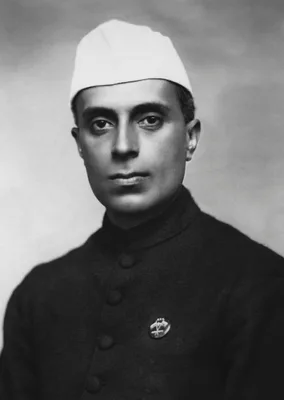
Jawaharlal Nehru was raised by a father who treated religion as a woman's affair, and was initiated into Theosophy by Annie Besant at thirteen. At Harrow and Cambridge it faded into a scientific humanism without "the religious temper", and Gandhi's fasts sharpened him against religion in politics. In his prison Autobiography (1934–35) he declared that organised religion filled him with horror and that he preferred the open sea. In 1944 he softened to "I do not know". As Prime Minister he kept his agnosticism apart from a state that guaranteed every faith and named no God.
Virginia Woolf
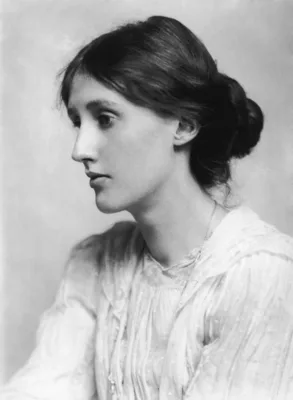
Virginia Woolf was born to a clergyman who had resigned his orders to become an agnostic, and a mother who wrote for "agnostic women". She never had a faith to lose. She tried unbelief out through her characters from 1915 to 1927, and declared it privately in 1928, when Eliot's conversion struck her as obscene. In Three Guineas (1938) she turned it on the Church as an institution. In her last memoir she wrote that there was certainly no God, but a pattern behind the cotton wool of the world.
Lu Xun
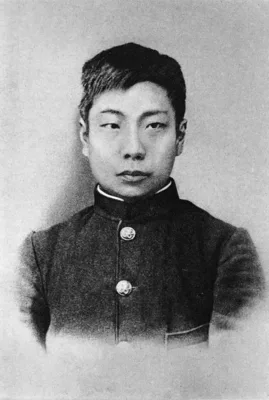
Lu Xun lost faith first in the doctors who failed his dying father. By way of Huxley and the Sendai dissecting room he came to "don't know" about the soul. He defended the farmers' gods against the reformers in 1908, attacked "ghost-talk" in the name of science from 1918, and wrote of the Shaoxing ghosts with love in 1926. Only in the last month of his life, never calling himself an atheist, did he say he was certain that when people die there are no ghosts.