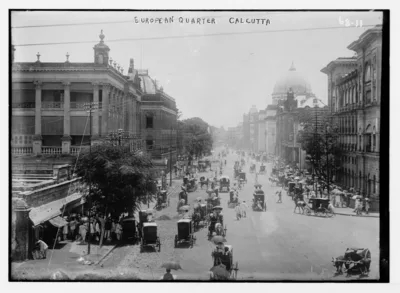
M. N. Roy was a priest's son who began among the Bengal revolutionaries "fanatically believing in the spiritual mission of their Motherland". He left that spiritual nationalism for Marx in New York and Mexico (1916–19), and declared in 1922 that liberation could not be fought with religious ideology. In jail in the 1930s he rebuilt his materialism on natural science, against Marxism's certainties. At the end he judged Marxism itself a faith, and offered a humanism that would claim "neither finality nor infallibility". In no text found did he call himself an atheist.
The belief timeline
- Faith (inferred) (c. 1898–1915) — Born into a hereditary-priest family; as a young Bengal revolutionary he belonged to the religious nationalism of Vivekananda and Aurobindo, which Roy himself later described as "fanatically believing in the spiritual mission of their Motherland". Inferred from the 1922 analysis and Grover's "orthodox nationalist"; no first-person account seen [2][5][6][10]
- Doubt (1916–19) — Lajpat Rai's reply in New York and then Borodin's "dialectical materialism" in Mexico turn nationalism into class analysis (Grover citing the Memoirs; accounts differ on who counted most) [12][15][16]
- Declaration (1920–22) — Second Congress colonial theses (1920); in India in Transition (1922) and India's Problem he states in print that religion is the ideology of reaction ("it is futile... to inspire our movement with religious beliefs") and that "religious superstitions" are a heritage to destroy [18][23][5][6]
- Revision 1: from Marxism to materialism (1929–40) — Expelled from the Comintern 1929; in the jail years he plans a book on Materialism first and a critique of Gandhian "religious revival"; by 1938 "Marxism is not a sacrosanct revealed religion"; 1940 Science and Superstition attacks karma and transmigration [26][30][31][32][36][35]
- Revision 2: to humanism (1946–53) — 22 Theses (Dec 1946), New Humanism (Aug 1947); morality from "innate rationality", conscience "nothing mystic"; in April 1953 "It will not be a dogmatic system claiming finality and infallibility" [38][39][41][43]
Notes to the timeline (19)
- [2] Family of hereditary Sakta Brahmin priests; grandfather head priest of the goddess Kheputeswari at Kheput; father Dinabandhu Bhattacharya a priest, then a Sanskrit teacher; mother Basantakumari Devi; twelve children from the father's first marriage plus eight (the "twelve" and "eight" figures in Wikipedia are inconsistent). — Wikipedia rev. 1372267709. Not verified.
- [5] Roy (1922) described Vivekananda's Vedantism as a nationalism that was "a spiritual imperialism", and the young nationalists who followed him as "fanatically believing in the spiritual mission of their Motherland". — Transition pp. 192–193.
- [6] Roy (1922): the secret societies' idealism was fed with interpretations of the Hindu scriptures, and "the spiritual idealists resorted to bombs and dynamite and pistols"; the practice "was justified by rulings from the scriptures". — Transition p. 194.
- [10] In April 1915 Roy's leader Jatin Mukherji sent him to Batavia for arms; Jatin died in an encounter; Roy went on through Indonesia, Malaya, China and Japan and reached San Francisco on 14 June 1916; the editors call him "second man" to Jatin. Grover: in 1915 he left India "as Narendranath Bhattacharya... he was an orthodox nationalist". — RRRintro p. xiii; Grover p. 1.
- [12] In New York he asked Lajpat Rai how the nationalists proposed to end the poverty of the masses and was "taken aback" by the reply "It does make a great difference whether one is kicked by his brother or by a foreign robber"; "the new light of Marxism flashed through his mind". — Grover p. 1 (citing Roy's Memoirs, Allied Publishers 1964, p. 28). Reported at second hand; the original has not been seen.
- [15] In Mexico he became an important member of the Socialist Party and was "instrumental in its conversion to a Communist Party", formed October 1919, "the first Communist party outside Russia"; the editors say "it was in Mexico that Roy acquired a thorough grounding in Marxism". — RRRintro p. xiii–xiv; "On the Author" p. viii.
- [16] In Mexico he "was initiated into dialectical materialism by Michael Borodin, the Comintern agent" and in November 1919 left for Russia at Lenin's invitation; the editors say Borodin "pursuaded" him. — Grover p. 1; RRRintro p. xiv.
- [18] The Second Congress met at Petrograd on 17 July and in Moscow 19 July–7 August 1920; Lenin said the commission's theses were "unanimous", and that Roy's were "written from the standpoint of India and the great Asiatic nationalities". — SC title page; pp. 112–113.
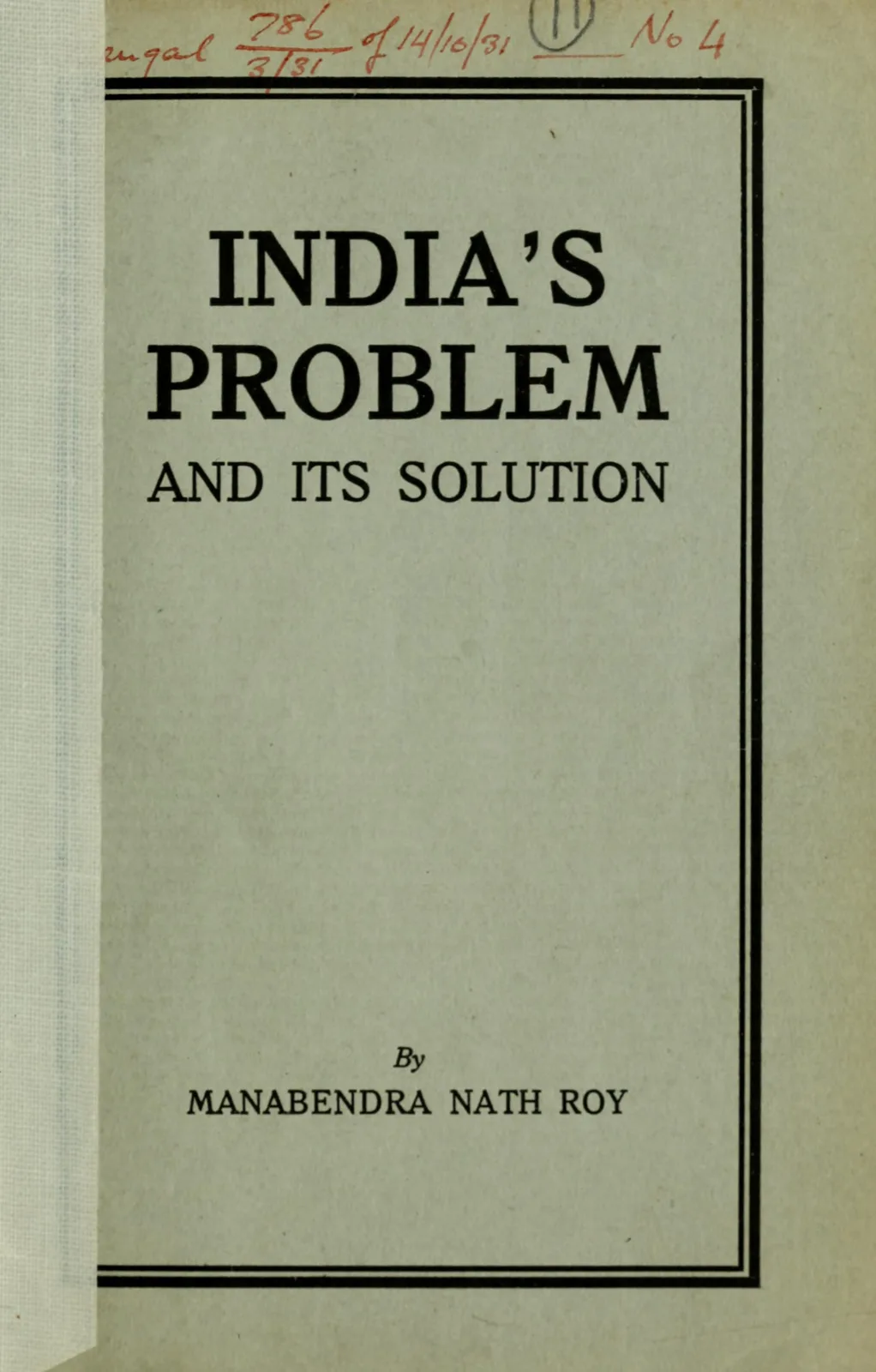
- [23] In an undated pamphlet (probably 1922) he wrote that "it is a mistake to think that the movement for National liberation can be conducted with religious ideology" and called it "futile... to inspire our movement with religious beliefs and social conservatism". — IndiasProblem p. 4.
- [26] Roy "was turned out from the Cominterns in 1929" after writing for the German Communist Opposition; the marxists.org index lists "Expulsion of Roy from the Comintern", Inprecor 13 Dec 1929. — RRR "On the Author" p. viii; marxists.org Roy archive index.
- [30] In jail letters he planned "two books. One on Hindu Religion, Philosophy and Culture; and the other, a critique of Gandhism... (religious revival...)", and "a third one, which must come first... a book on Materialism". — Letters p. 18.
- [31] In jail he was "reading, over again, Feuerbach's Wesen des Christentums". — Letters p. 19.
- [32] His plan for the Materialism book: "to prepare the ground for a materialist interpretation of Indian religion, philosophy and culture"; contents include "Chapter 8: Scepticism, Agnosticism and Atheism; Chapter 9: The End of Religion;... Chapter 14: Marxism"; he wished to refute Bertrand Russell's preface to Lange's History of Materialism. — Letters pp. 25–26.
- [36] In Our Differences (1938) Karnik writes that for the Royists "Marxism is not a sacrosanct revealed religion"; Roy, quoted in Grover (Independent India, 1938), said Indian leftists "have turned their back on Manu to lay their confidence in Marx". — Differences p. 175; Grover p. 31 (n. 21).
- [35] Science and Superstition: the preface (dated Dehradun, July 1940) calls the jail essays "random notes", says "the transmigration of soul and the law of karma are the fundamental articles of faith with the vast bulk of the Indian people", and that "the heretics are harbingers of real spiritual progress"; chapter I (pp. 5–54) takes apart the Shanti Devi reincarnation story. — SciSup pp. 1–4, 5–54.
- [38] The party conference at Bombay in the last week of December 1946 adopted the 22 Theses; the manifesto draft was issued in August 1947 (preface dated 15 August 1947), with help from Philip Spratt, Sikander Choudhury and V. M. Tarkunde. — NewHum Preface.
- [39] New Humanism (1947): "conscience is nothing mystic or mysterious. It is a biological function"; determinism "is not to be confused with the teleological or religious doctrine of predestination"; "Materialism is a monistic philosophy". — NewHum pp. 36, 54.
- [41] In April 1953 he wrote that New Humanism "cannot indeed be a closed system. It will not be a dogmatic system claiming finality and infallibility." — NewHum Preface to the Second Edition (dated Dehradun, April 1953; unpaginated in the scan).
- [43] The editors quote Roy: Radical Humanism "combines mechanistic cosmology, materialist metaphysics, secular rationalist ethics". — RRRintro p. xvii.
From Marx to Humanism
In 1922, in a book written in exile, a young Bengali communist looked back at the revolutionaries of his own generation in Bengal, the secret societies that had tried to drive out the British with bombs. He did not write "we." He wrote of
This youthful band of rebels fanatically believing in the spiritual mission of their Motherland12
Their idealism, he went on, had been fed on the Hindu scriptures, and "the spiritual idealists resorted to bombs and dynamite and pistols: and this practice was justified by rulings from the scriptures."34 The writer was M. N. Roy, who had been one of those rebels. This chapter asks how the son of a family of temple priests travelled from that spiritual nationalism to Marx, and then, after thirty years, beyond Marx to a humanism that, he said, would not claim to be infallible.
A priest's son
He was born Narendranath Bhattacharya in a Bengal village in 1887; Wikipedia gives the date as 21 March.5 Wikipedia also says that his family were hereditary priests of a Hindu goddess, that his father was a priest and then a Sanskrit teacher, and that as a boy he read the novelist Bankim Chandra and the Hindu reformer Vivekananda; his own memoirs, which would settle these points, were not read for this chapter.67 No account of his own childhood faith survives in the sources read.
What survives is his later analysis of the creed of his youth. Vivekananda, he wrote in 1922, had preached that Hinduism, not Indian nationalism, should be aggressive; his nationalism was a spiritual imperialism, and he called on young India to believe in the spiritual mission of India.82 He quoted Vivekananda himself: "Spirituality must conquer the West."910 By 1915, a scholar of his thought writes, Roy was an orthodox nationalist, and that year his leader, Jatin Mukherji, sent him abroad to find arms.11 On the belief timeline, this is where his faith sits, inferred from what he later wrote about his generation.
Marx in New York and Mexico
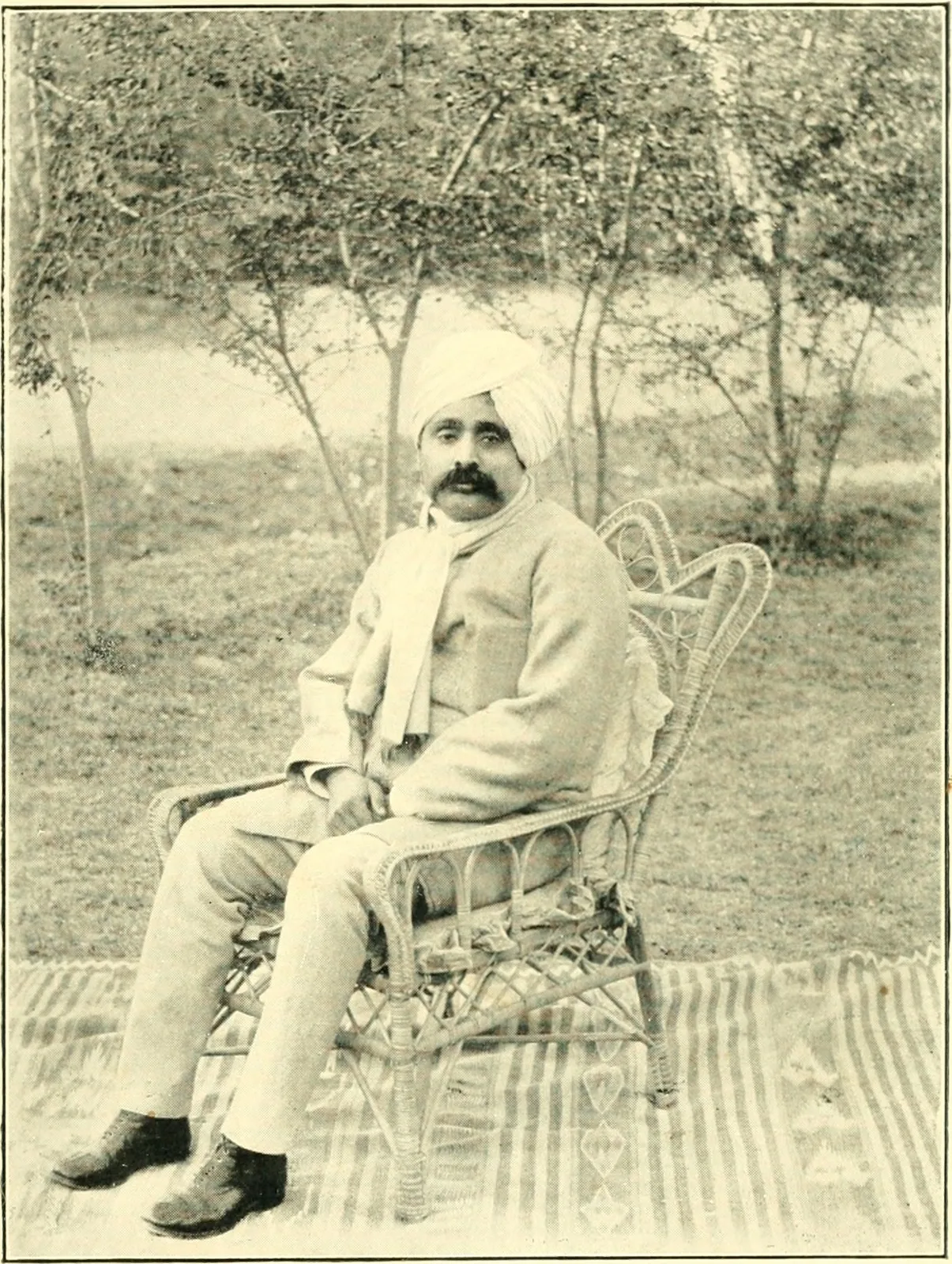
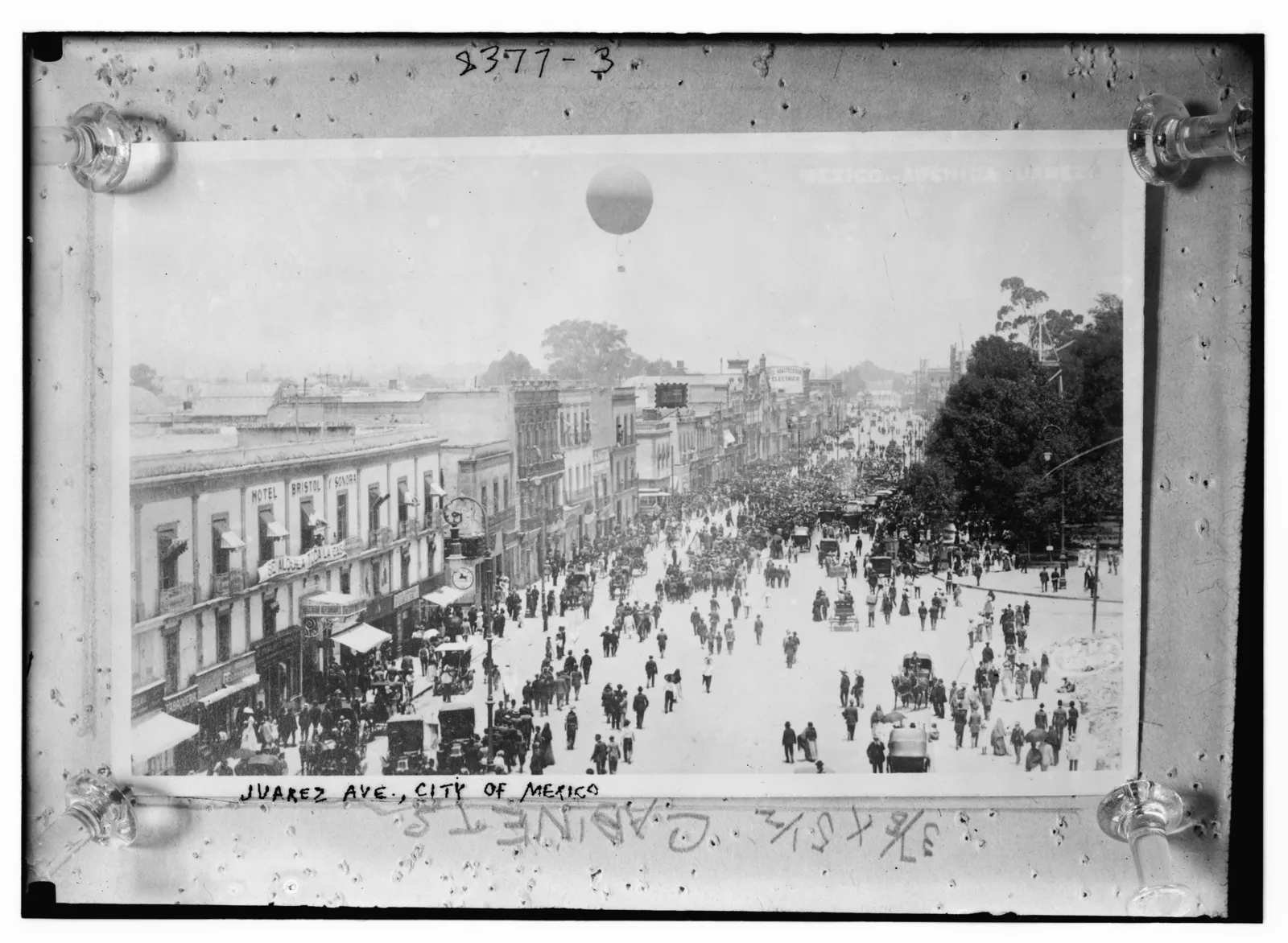
He travelled through the East Indies, China and Japan and reached San Francisco in June 1916, where he took the name Manabendra Nath Roy, which he kept for the rest of his life.1112 In New York, by his memoirs' account as a later scholar reports it, he asked the nationalist leader Lala Lajpat Rai how the nationalists meant to end the poverty of the masses, and was taken aback by the answer that it made a great difference whether one was kicked by one's brother or by a foreign robber. The new light of Marxism, he wrote, flashed through his mind.1314 He married an American, Evelyn Trent, and after an arrest in New York they went to Mexico in the summer of 1917.1516 There, the scholar writes, the Comintern agent Mikhail Borodin initiated him into dialectical materialism, and Roy helped turn the Mexican Socialist Party into a communist party, the first outside Russia.1718 Accounts differ on whether New York or Mexico mattered more; the move took three years. On the timeline, this is where his doubt begins.
The Comintern
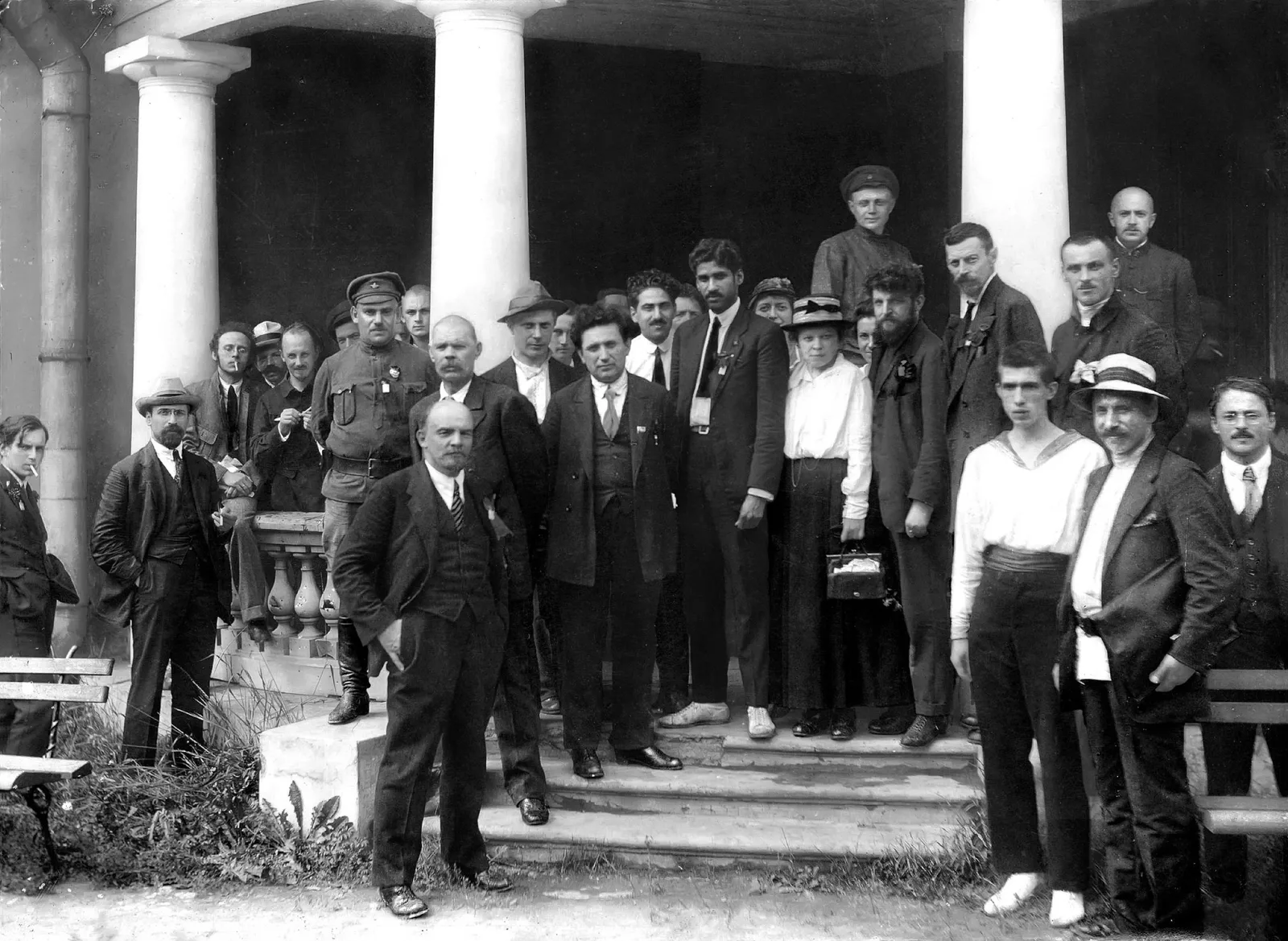
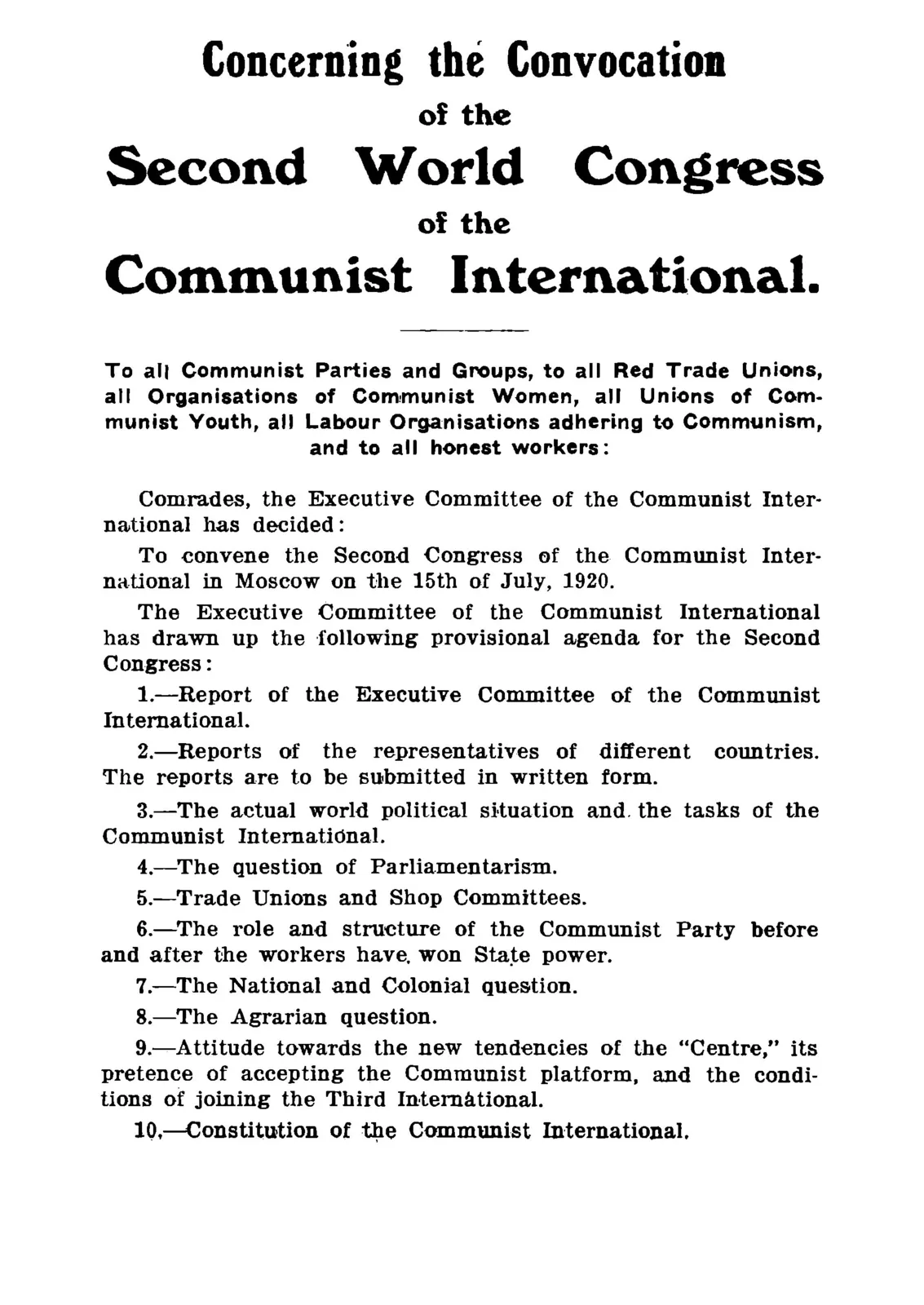
At Lenin's invitation he went to Russia, and in July and August 1920 the Second Congress of the Communist International adopted his supplementary theses on the national and colonial question beside Lenin's own.181920 The commission's amendment, read to the Congress, added to the theses
The necessity of struggle with the reactionary and mediaeval influence of the clergy, of the Christian missions, and other elements.2122
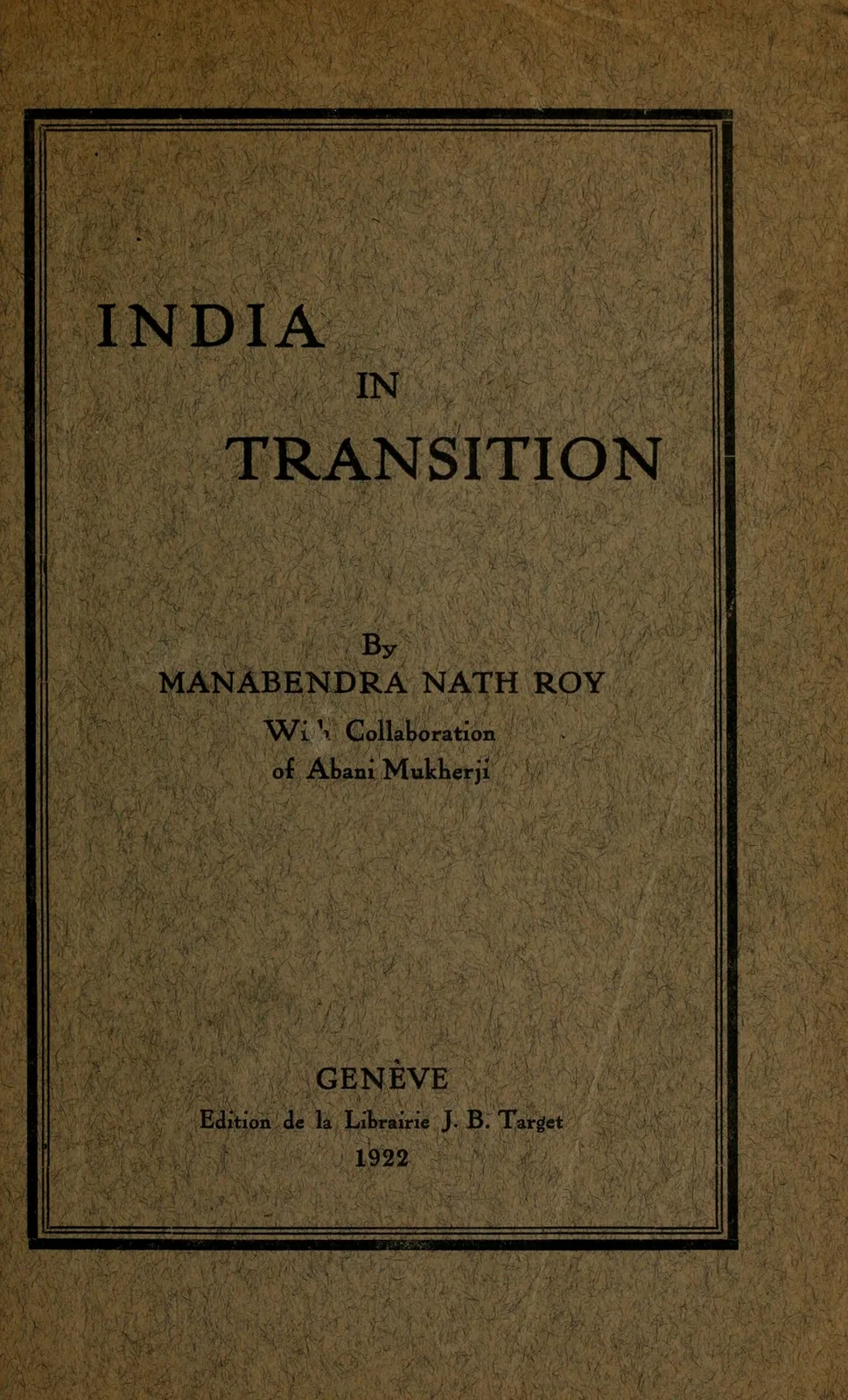
He and Lenin, Roy later wrote, differed over Gandhi: Lenin thought him a revolutionary; Roy saw a religious and cultural revivalist.23 In India in Transition (1922), written with Abani Mukherji, he called Gandhi "an ardent apostle of religious nationalism and a bitter opponent of what he called the 'Satanic Western Civilization,'" and wrote that the Gandhi cult was not new, only an unusually fanatical form of an old one.242526 In a pamphlet of about the same years he said it outright:
Therefore it is a mistake to think that the movement for National liberation can be conducted with religious ideology, because it means to rely on one agency of oppression in order to fight the other.2728
It was futile, he wrote, to inspire the movement with religious beliefs and social conservatism.2928 The timeline places his declaration here.
Jail and materialism
He was expelled from the Comintern in 1929.30 He came back to India secretly in December 1930, was arrested in 1931 and spent more than five years in jail.31 In the statement he was not allowed to make at his trial, he turned the court's religious language against it, calling the rifles used against starving peasants the arms of God.32 In jail he planned his books. The first, he wrote, must be a book on materialism, to prepare the ground for a materialist interpretation of Indian religion, philosophy and culture; among its chapters were to be "Scepticism, Agnosticism and Atheism" and "The End of Religion." He was reading Feuerbach's Essence of Christianity again.3334353637 A scholar writes that in jail he turned to the natural sciences, reading Haeckel and Haldane.38 By 1938 his followers were saying that Marxism was not a sacred revealed religion but a changing philosophy of life.3940 In 1940, in Science and Superstition, he took apart a celebrated case of reincarnation, wrote that a searching criticism of religious thought was a condition of India's renaissance, and that the heretics were the harbingers of real spiritual progress.414243 This is the first revision on his timeline, as he moved from Marxism to a materialism of his own.
New Humanism
He broke with the Congress over the war and formed the Radical Democratic Party in December 1940.44 In December 1946 the party adopted his twenty-two theses, and in August 1947 he issued the manifesto New Humanism.45 Conscience, it said, was nothing mystic or mysterious, but a biological function; determinism was not to be confused with the religious doctrine of predestination.464748 In 1948 the party dissolved itself into a Radical Humanist Movement.49 In April 1953 he wrote that his humanism, based on the ever-expanding body of scientific knowledge, could not be a closed system: it would not be a dogmatic system claiming finality and infallibility.5051 Marxism, he wrote in his last book, was materialist and explicitly anti-religious and atheistic; his own philosophy, as its editors quote him, combined a mechanistic cosmology, a materialist metaphysics and a secular rationalist ethics.525354 The second revision comes here: he now judged Marxism itself a faith, and offered a humanism in its place.
Gandhi, whom he had fought for thirty years, said in 1946 that if he were a dictator religion and the state would be separate; his religion was his personal affair, and he would die for it.5556 A later political scientist, D. C. Grover, objected that Roy's materialism could not explain consciousness, and that having turned away from Marxism he found no way forward and retreated into the rational liberalism of the age before Marx.575859 In 1943 the editor of his jail letters wrote that it was hard to get him to talk about himself, and that the curious and the critical called him the "Mystery Man" of Indian politics.60
He died in January 1954; he had lived and written for years at Dehradun.61
Did his unbelief change shape?
It changed several times, and each stage was a faith he left. He began among the "spiritual idealists" who justified bombs from the scriptures, and left them for Marx, who gave him a materialism and an enemy in religion. In jail he made the materialism his own and set it against Marxism's certainties, and at the end he judged Marxism itself a faith and offered a humanism that would not claim to be final. What is missing is the man himself: no account of his own loss of faith survives in the sources read, and he never wrote, in any text found, that he was an atheist. His word was "materialist," and then "humanist."
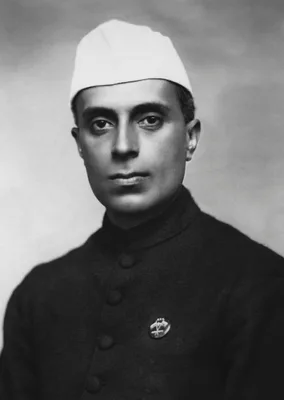
Jawaharlal Nehru, who set out his own agnosticism in his autobiography, has his own chapter in this book.
Footnotes
-
Transition p. 193. ↩
-
Transition p. 194. ↩
-
Transition p. 194. ↩
-
RRRintro p. xiii; Grover p. 1; Wikipedia rev. 1372267709. Not verified. ↩
-
Wikipedia rev. 1372267709. ↩
-
Wikipedia rev. 1372267709 (citing "one biographer"). ↩
-
Transition p. 193. ↩
-
Swami Vivekananda (1863–1902), Hindu reformer whose "Universal Religion" shaped the nationalism of Roy's generation: As quoted by Roy, Transition p. 193 (original unseen). ↩
-
Transition p. 193. ↩
-
Grover p. 1; RRRintro p. xiii. ↩
-
Lala Lajpat Rai, as reported by Roy: Grover p. 1 (citing Memoirs p. 28). ↩
-
Grover p. 1 (citing Roy's Memoirs, Allied Publishers 1964, p. 28). Reported at second hand; the original has not been seen. ↩
-
RRRintro p. xiii; Wikipedia rev. 1372267709. ↩
-
RRRintro p. xiii–xiv; Wikipedia. Accounts differ; see the disputed points. ↩
-
RRRintro p. xiii–xiv; "On the Author" p. viii. ↩
-
SC title page; pp. 112–113. ↩
-
SC pp. 117–118, 121. ↩
-
Commission amendment read to the Second Congress (Maring): SC p. 117. ↩
-
SC p. 117. ↩
-
Grover pp. 10–11 (citing Roy, Memoirs p. 379). ↩
-
Transition p. 235. ↩
-
Transition p. 209. ↩
-
Transition title page, pp. 209, 235. ↩
-
IndiasProblem p. 4. ↩
-
IndiasProblem p. 4. ↩
-
RRR "On the Author" p. viii; marxists.org Roy archive index. ↩
-
RRR "On the Author" pp. viii–ix. ↩
-
Accuse p. [10. ↩
-
Letters p. 26. ↩
-
Letters p. 19. ↩
-
Letters p. 18. ↩
-
Letters p. 19. ↩
-
Letters pp. 25–26. ↩
-
RRRintro p. xv; Grover p. 101; Wikipedia. ↩
-
V. B. Karnik, describing the Royists: Differences p. 175. ↩
-
Differences p. 175; Grover p. 31 (n. 21). ↩
-
SciSup pp. 1–2. ↩
-
SciSup p. 3. ↩
-
SciSup pp. 1–4, 5–54. ↩
-
RRR "On the Author" p. x; NewHum Preface (1947). ↩
-
NewHum Preface. ↩
-
NewHum p. 36 (OCR prints "56"). ↩
-
NewHum p. 54. ↩
-
NewHum pp. 36, 54. ↩
-
NewHum Preface to 2nd ed.; Tarkunde intro. ↩
-
NewHum, Preface to the Second Edition. ↩
-
NewHum Preface to the Second Edition (dated Dehradun, April 1953; unpaginated in the scan). ↩
-
RRR p. 4. ↩
-
RRRintro pp. xv–xvi; RRR p. 4. ↩
-
RRRintro p. xvii. ↩
-
M. K. Gandhi (1946), the believer whom Roy fought; here he shares Roy's secular state but not his reason: Grover p. 68 (Harijan, 22 Sept 1946, p. 321). ↩
-
Grover p. 68 (citing Harijan 22 Sept 1946, p. 321). ↩
-
D. C. Grover (1973), political scientist, a sceptical reader of Roy's later philosophy: Grover p. 122. ↩
-
D. C. Grover: Grover p. 168. ↩
-
Grover pp. 101, 122, 168. ↩
-
Letters, Introduction p. ii. ↩
-
RRRintro p. xv; NewHum prefaces; Wikipedia. ↩
In their own words
This youthful band of rebels fanatically believing in the spiritual mission of their Motherland, embodied in themselves the clash of two forces
the spiritual idealists resorted to bombs and dynamite and pistols: and this practice was justified by rulings from the scriptures.
His nationalism was a spiritual imperialism. He called on Young India to believe in the spiritual mission of India.
Although somewhat unique in its idiosyncracies and fanaticism, the Gandhi cult is not an innovation.
an ardent apostle of religious nationalism and a bitter opponent of what he called the "Satanic Western Civilization"
Therefore it is a mistake to think that the movement for National liberation can be conducted with religious ideology, because it means to rely on one agency of oppression in order to fight the other.
Therefore it is futile, to put it mildly, to inspire our movement with religious beliefs and social conservatism
The necessity of struggle with the reactionary and mediaeval influence of the clergy, of the Christian missions, and other elements.
The rifles employed in putting down the pauperized peasants of Malabar or Burma are the arms of God.
One on Hindu Religion, Philosophy and Culture ; and the other, a critique of Gandhism (theoretical and philosophical)
Just now I am reading, over again, Feuerbach's Wesen des Christentums .
The object is to prepare the ground for a materialist interpretation of Indian religion, philosophy and culture.
Marxism is not a sacrosanct revealed religion ; it is a growing and everchanging philosophy of life.
have turned their back on Manu to lay their confidence in Marx.
The transmigration of soul and the law of karma are the fundamental articles of faith with the vast bulk of the Indian people.
A criticism of religious thought, subjection of traditional beliefs and the time-honoured dogmas of religion to a searching analysis, is a condition for the belated Renaissance of India.
Nevertheless, the heretics are harbingers of real spiritual progress.
In the last analysis, conscience is nothing mystic or mysterious. It is a biological function, as such mechanistic, on the level of consciousness.
The rational and scientific concept of determinism is not to be confused with the teleological or religious doctrine of predestination
Materialism is the essence of the Marxist system. But it did not originate with Marx. It is as old as human thought.
a philosophy which combines mechanistic cosmology, materialist metaphysics, secular rationalist ethics
Based on the ever expanding totality of scientific knowledge, it cannot indeed be a closed system. It will not be a dogmatic system claiming finality and infallibility.
It does make a great difference whether one is kicked by his brother or by a foreign robber.
One of the things on which it is difficult to elicit information from Mr. Roy is himself and his own life.
The other side
Spirituality must conquer the West. Now is the time to work for India's spiritual ideals penetrating deep into the West.
If I were a dictator, religion and state would be separate. I swear by my religion. I will die for it. But it is my personal affair. The state has nothing to do with it.
Roy's re-statement of materialism is open to serious objection. Materialism is unable to explain consciousness, and is refuted on scientific grounds by psychology and physiology
When turned away from Marxism, he no longer found a way forward; he sought a retreat into the rational liberalism of the pre-Marxist age.
Where accounts differ
| Point | One account | Another | How the page handles it |
|---|---|---|---|
| Month Roy left New York for Mexico | June 1917, arrested then released and gone the next day (RRRintro p. xiii) | July 1917, fled because of British spies (Wikipedia) | Say "in the summer of 1917"; accounts differ. |
| What first turned Roy from nationalism to Marxism | The Lajpat Rai exchange in New York ("new light of Marxism", Grover p. 1 citing the Memoirs) and reading in the New York public library (Wikipedia) | Borodin's tutoring in Mexico ("initiated into dialectical materialism", Grover p. 1); "it was in Mexico that Roy acquired a thorough grounding in Marxism" (RRRintro p. xiv) | Both; the move took three years, 1916–19. |
| Whether Roy and Lenin were at odds in 1920 | Lenin reports the commission "unanimous" and calls Roy's theses "of special importance" (SC p. 112) | Roy later: differed over Gandhi and the bourgeoisie (Grover pp. 10–11, citing Memoirs p. 379); Lenin said Roy's theses came "after some changes" (SC pp. 112-115) | Say the theses were adopted together after changes. |
| Who wrote India in Transition | Roy alone (cover of later citations, Wikipedia) | "With collaboration of Abani Mukherji" (title page, Transition) | Credit Roy "with Abani Mukherji". |
| Date of India's Problem and its Solution | "1900" and author born "1893" (IA catalogue; plainly wrong) | Internal evidence of 1922 (non-cooperation, Gaya, "Hakimji") | Cite as undated, c. 1922. |
| When Roy was expelled from the Comintern | 1929 (RRR "On the Author" p. viii) | 13 December 1929, Inprecor (marxists.org index) | Say "in December 1929" only after checking the Inprecor PDF. |
| Roy's own label for his unbelief | He plans "Scepticism, Agnosticism and Atheism" as a chapter (Letters p. 26) | His own camp is "materialist" and "humanist"; no "I am an atheist" found | Use "materialist" and "humanist"; do not put "atheist" in his mouth. |
List of illustrations
This page uses only public-domain and Creative Commons images; each is credited with its source and licence.
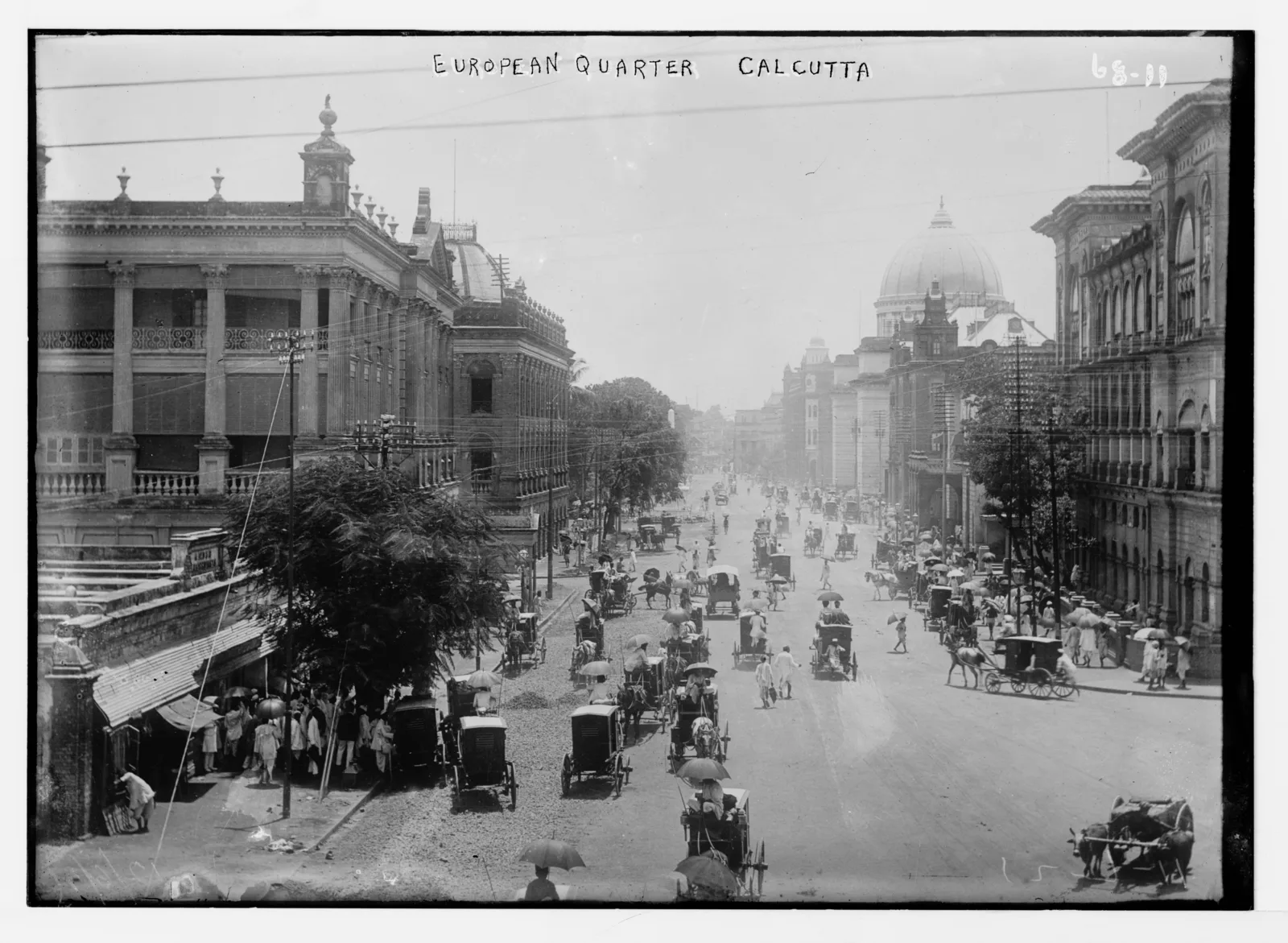
- European Quarter, Calcutta, India — Bain News Service, 1922 · Bain News Service, George Grantham Bain Collection, Prints and Photographs Division, Library of Congress · No known restrictions; Bain News Service, published/created before 1931 (public domain)
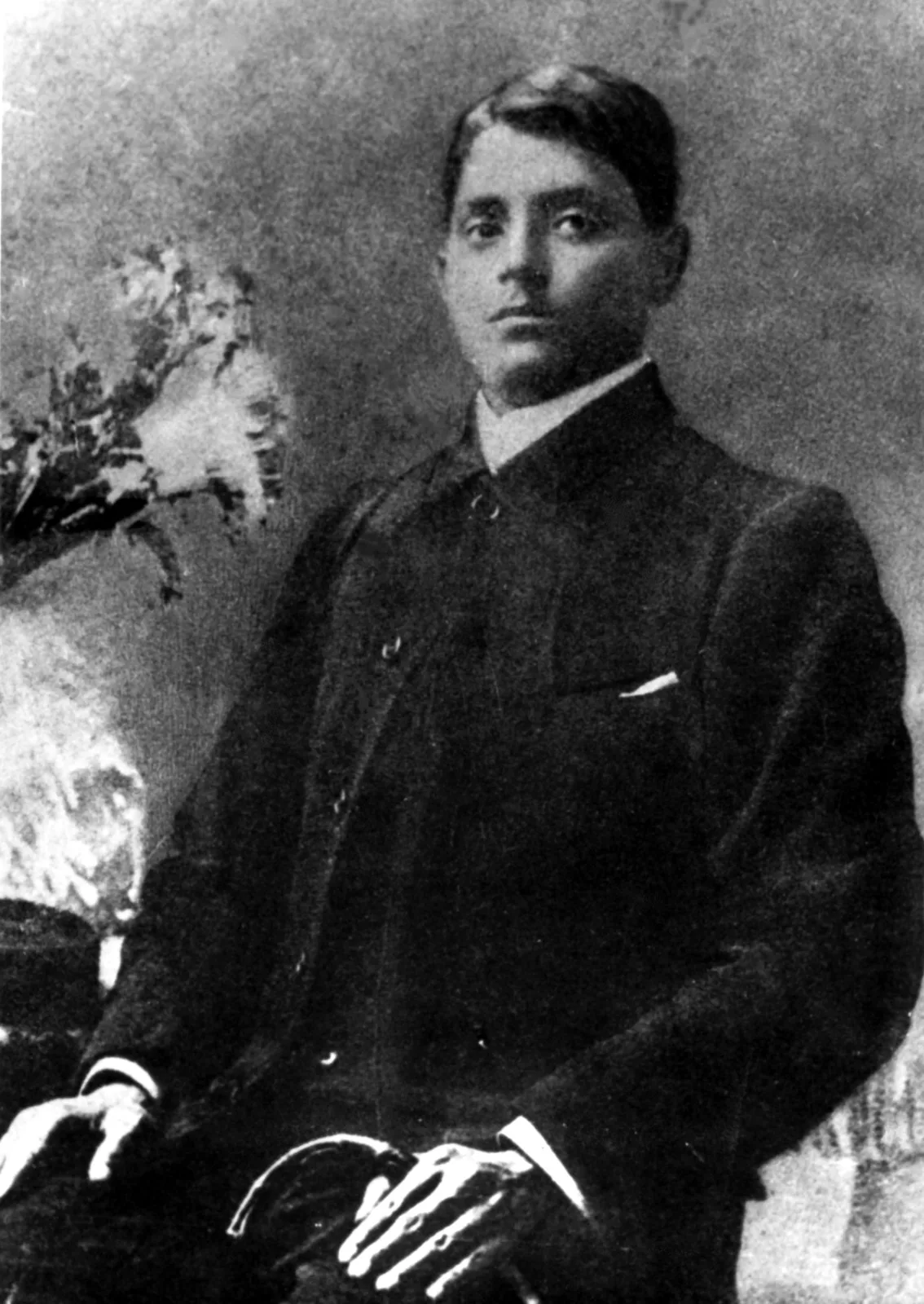
- Jatindranath Mukherjee (Bagha Jatin) in Darjeeling, 1903 — Dr Prithwindra Mukherjee (uploader; photograph of 1903), 1903 · Photograph of 1903, courtesy Dr Prithwindra Mukherjee (Centenaire Magazine), via Wikimedia Commons, CC BY-SA 2.5 · CC BY-SA 2.5 (https://creativecommons.org/licenses/by-sa/2.5) - web only
- Lala Lajpat Rai (plate in The Arya Samaj, 1915, captioned 1908) — Unknown photographer; plate from Lala Lajpat Rai, The Arya Samaj (London: Longmans, Green, 1915), IA aryasamajaccount00lajpuoft, 1908 (published 1915) · The Arya Samaj (London: Longmans, Green, 1915), Internet Archive (University of Toronto Robarts Library copy), via Wikimedia Commons; public domain by date · Public domain (published 1915, before 1931; Commons/Flickr Commons label: No restrictions)
- Mikhail Borodin, portrait — Louis Fischer (from The Soviets in World Affairs, 1930), 1920s (published 1930) · Louis Fischer, The Soviets in World Affairs (1930), via Wikimedia Commons, public domain · Public domain (Wikimedia Commons: Public domain; published 1930)
- Juarez Ave., City of Mexico — Bain News Service, 1910 · Bain News Service, George Grantham Bain Collection, Prints and Photographs Division, Library of Congress · No known restrictions; Bain News Service, created before 1931 (public domain)
- Delegates to the Second Congress of the Comintern at the Uritsky Palace, Petrograd (Lenin, Bukharin, Radek, Gorky among them) — Unknown author (first published in Krasnaya Panorama, no. 8, 24 April 1924), 1920-07-19 · Unknown photographer, first published in Krasnaya Panorama, 1924, via Wikimedia Commons, public domain · Public domain (Wikimedia Commons: Public domain; first published 1924)
- India in Transition, by Manabendra Nath Roy, with the collaboration of Abani Mukherji (Geneve: J. B. Target, 1922), wrapper title page — M. N. Roy, 1922 · M. N. Roy, India in Transition (Geneve: Librairie J. B. Target, 1922), Internet Archive copy indiaintransitio00roymrich · Public domain (published 1922, before 1931; Internet Archive states no rights, check date)
- India's Problem and its Solution, by Manabendra Nath Roy (undated pamphlet, probably 1922), title page — M. N. Roy, c. 1922 (undated; IA catalogue wrongly says 1900) · M. N. Roy, India's Problem and its Solution (n.p., c. 1922), Internet Archive copy indiasproblemits00roym · Public domain (probably published 1922, before 1931; imprint undated, date inferred from internal evidence; Internet Archive states no rights)
- Concerning the Convocation of the Second World Congress of the Communist International (agenda, p. 5 of the proceedings volume) — Communist International (Comintern), 1921 (proceedings of the July-August 1920 congress) · The Second Congress of the Communist International: Proceedings (Petrograd/Moscow, 1921), Internet Archive, Public Domain Mark · Public Domain Mark 1.0 (http://creativecommons.org/publicdomain/mark/1.0/), as stated by the Internet Archive item
Sources
Tier 1 — the subject's own words (writings, letters, diaries, trial records)
- Transition M. N. Roy (with Abani Mukherji), India in Transition (Geneva: Librairie J. B. Target, 1922). IA
indiaintransitio00roymrich; texts/transition.txt. Printed pages cited. PD (pre-1931). - IndiasProblem M. N. Roy, India's Problem and its Solution (n.p., undated; IA catalogue wrongly gives "1900" and author's birth "1893"; internal evidence puts it in 1922). IA
indiasproblemits00roym; texts/indias-problem.txt. Page 4 cited. Probably PD (1922) but undated imprint. - SC Communist International, The Second Congress of the Communist International: Proceedings of Petrograd session of July 17th, and of Moscow sessions of July 19th–August 7th, 1920 (Petrograd/Moscow, 1921). IA
2nd_congress_of_communist_international_proceedings, rights mark PDM; texts/second-congress.txt. English text, printed pages cited. - Accuse M. N. Roy, "I Accuse!": From the Suppressed Statement of Manabendra Nath Roy on Trial for Treason before Sessions Court, Cawnpore, intro. Aswani Kumar Sharma (New York: Roy Defense Committee of India, 1932). IA
iAccuseFromTheSuppressedStatementOfManabendraNathRoyOnTrialFor; texts/i-accuse.txt. Cited by bracketed page. Copyright status unknown (US 1932; renewal not checked). - Differences M. N. Roy, Our Differences (Calcutta: Saraswaty Library, Sept 1938), with "On Royism" by V. B. Karnik (Part II). IA
in.ernet.dli.2015.68440; texts/our-differences.txt. Probably URAA-restored. - SciSup M. N. Roy, Science and Superstition (preface dated Dehradun, July 1940; imprint not in the scan). IA
in.ernet.dli.2015.236717; texts/science-superstition.txt. Probably URAA-restored. - Letters M. N. Roy, Fragments of a Prisoner's Diary, vol. III, Letters from Jail, intro. Abraham S. Erulkar (Dehra Dun: Renaissance Publication / Indian Renaissance Assn., 1943). IA
in.ernet.dli.2015.237116; texts/prisoners-diary.txt. Letters are undated in the scan; written in jail, c. 1932–36. Probably URAA-restored. - NewHum M. N. Roy, New Humanism: A Manifesto (first published 1947; second edition 1953; this scan the Ajanta third reprint, Delhi, 1981, with V. M. Tarkunde's introduction dated 31.10.1980). IA
NewHumanisum; texts/new-humanism.txt. Pages of the 1981 reprint (the OCR garbles some page numbers; "56" is p. 36). Probably URAA-restored. - RRR M. N. Roy, Reason, Romanticism and Revolution (vol. I 1952, vol. II 1955; this scan the Ajanta one-volume reprint of 1989, with "On the Author" and an unsigned "Preface to the 1989 Reprint" by the editor). IA
in.ernet.dli.2015.59148; texts/rrr.txt. (IA catalogues it as 1948.) Probably URAA-restored. - ManNature M. N. Roy (ed.), Man and Nature (Madras: Jupiter Press, 1940). IA
in.ernet.dli.2015.53912; texts/man-and-nature.txt. Downloaded, not yet mined: it is Roy's introduction plus readings from Frazer, Tylor and Haldane. - Not reached (lending-library items refuse download; IA returned 401/403): Roy's Memoirs (1964), Men I Met, Materialism, The Aftermath of Non-Co-operation (1926; on marxists.org as PDF, not extracted), Heresies of the 20th Century (marxists.org PDF, not extracted).
Tier 2 — scholarly biographies and encyclopedias
- Grover D. C. Grover, M. N. Roy: A Study of Revolution and Reason in Indian Politics (Calcutta, 1973). IA
dli.bengal.10689.12277; texts/grover.txt. Printed pages cited. In copyright; used for facts and paraphrase, short quotations only of Roy's own words quoted there. - RRRintro the editors' "On the Author" (pp. vii–x) and "Preface to the 1989 Reprint" (pp. xiii–xvii) in the 1989 RRR reprint above. Unsigned in the OCR; secondary, with some slips (it says Roy "visited" America in 1916).
- Not reached (borrow list): Samaren Roy, M. N. Roy: A Political Biography (Orient Longman, 1997; IA
mnroypoliticalbi0000roys); Sibnarayan Ray, In Freedom's Quest (OUP, Selected Works vol. I, 1987) and the other volumes; Kris Manjapra, M. N. Roy: Marxism and Colonial Cosmopolitanism (2010); John P. Haithcox, Communism and Nationalism in India (Princeton, 1971; IAcommunismnationa0000hait); J. B. H. Wadia, M. N. Roy, the Man (1983; IAmnroymanincomple0000wadi). All borrowable but not downloadable here.
Tier 3 — popular biographies and journalism
- None used.
Tier 4 — Wikipedia and similar reference sites (map only)
- Wikipedia "M. N. Roy", revision 1372267709 of 2026-08-31 (02:21 UTC). Used only to locate the early-life claims; every such claim is marked Wikipedia only and unverified.
- marxists.org Roy archive index (https://www.marxists.org/archive/roy/index.htm, last updated 11 May 2025): used only for the titles and dates of the documents it lists (e.g. "Expulsion of Roy from the Comintern", Inprecor, 13 Dec 1929; G. Safarov, "The End of Mr. Roy", Communist International, Jan 1930), PDFs not read.
Opposition sources — contemporary critics and religious responses
- Vivekananda as quoted by Roy in Transition p. 193 (original in Vivekananda's Complete Works not seen).
- Gandhi in Harijan, 22 Sept 1946, p. 321, as quoted in Grover p. 68 (original not seen).
- Grover (above), a critic of Roy's materialism, 1973.
- Leads not read: G. Safarov, "The End of Mr. Roy (The Ideological Metamorphosis of a Renegade)", Communist International, January 1930 (the Comintern's hostile account of his break, PDF on marxists.org); Roy's essay "Radhakrishnan in the Perspective of Indian Philosophy" and Radhakrishnan's reply, in Schilpp, The Philosophy of Sarvepalli Radhakrishnan (1952), listed in Grover's bibliography.
Related lives
Jawaharlal Nehru — he met Roy at Bombay in 1930 and Faizpur in 1936 (Wikipedia only) and set out his own agnosticism in his Autobiography. Alternative: Bhagat Singh (Marxist turn, atheism in prison). (suggestion; the expensive model decides)

Diego Rivera
Diego Rivera was the son of a Freemason father and a devout mother, and said he had been an atheist since he was five or six, with no faith to lose. His unbelief was a painter's weapon against priests who blessed the powerful. In 1947 he put it into three words borrowed from Ignacio Ramírez, "Dios no existe", and in June 1948 defended them against an archbishop, the press and a student mob. In April 1956, ill with cancer, he painted them out, and by one report called himself a Catholic. His own explanation spoke of peace, national symbols and historical truth, so whether it was conversion, reconciliation or self-censorship the sources do not settle.
Jawaharlal Nehru
Jawaharlal Nehru was raised by a father who treated religion as a woman's affair, and was initiated into Theosophy by Annie Besant at thirteen. At Harrow and Cambridge it faded into a scientific humanism without "the religious temper", and Gandhi's fasts sharpened him against religion in politics. In his prison Autobiography (1934–35) he declared that organised religion filled him with horror and that he preferred the open sea. In 1944 he softened to "I do not know". As Prime Minister he kept his agnosticism apart from a state that guaranteed every faith and named no God.
Zora Neale Hurston
Zora Neale Hurston was a Baptist preacher's daughter in Eatonville who said she loved God because it was the expected answer. Her childhood questions slept until college, where history and philosophy woke them. As Boas's anthropologist she learned belief from the inside, even taking hoodoo initiation, without sharing it. In Dust Tracks (1942) she refused prayer and organized creeds for herself while leaving others their consolation, called herself one with the infinite, and never took the label atheist.
Hu Shih
Hu Shih was raised among his mother's Buddhist devotions. At about eleven he lost his fear of hell from two old sentences by Sima Guang and Fan Zhen. He kept his unbelief from his mother, and declared it in print only after her death, in the 1919 essay that offered "social immortality" as his religion. In 1923 he called himself an atheist on the evidence, ready to change if the evidence changed. In old age he held the same view, with a new insistence on tolerance for believers.