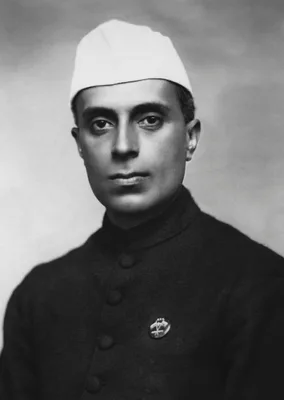
Jawaharlal Nehru was raised by a father who treated religion as a woman's affair, and was initiated into Theosophy by Annie Besant at thirteen. At Harrow and Cambridge it faded into a scientific humanism without "the religious temper", and Gandhi's fasts sharpened him against religion in politics. In his prison Autobiography (1934–35) he declared that organised religion filled him with horror and that he preferred the open sea. In 1944 he softened to "I do not know". As Prime Minister he kept his agnosticism apart from a state that guaranteed every faith and named no God.
The belief timeline
- Faith (c. 1902–1904 (age about 13)) — Theosophist: Brooks's weekly meetings, Besant's lectures, initiation by Besant [12][14][15]
- Doubt (c. 1904–1910) — Fading rather than crisis: Theosophy "left my life completely" after Brooks went and school in England began; Cambridge science and "not having the religious temper" [18][22][24]
- Declaration (1934–1935 (published 1936)) — "What is Religion?": organised religion fills him "with horror"; "I prefer the open sea" [33][34][36]
- Revision (1944 (published 1946); 1946–1954) — Discovery of India: "I do not know"; ethical approach, pagan/pantheistic mood minus God; the Constitution and the will [43][44][45][50][56][59]
Notes to the timeline (15)
- [12] Brooks held weekly theosophist meetings in his rooms: reincarnation, astral bodies, auras, karma, Blavatsky, the Upanishads and Gita, Pythagoras; "For the first time I began to think, consciously and deliberately, of religion and other worlds" — Autobio p. 15; Moraes p. 26; Gopal1 p. 19.
- [14] Besant lectured in Allahabad; he "was deeply moved by her oratory"; at thirteen he asked his father's leave to join the Society; Motilal "laughingly" agreed and Nehru was hurt by his lack of feeling; Motilal, an early member, had soon dropped out — Autobio p. 15; Moraes p. 26.
- [15] Besant herself performed the initiation, "good advice and instruction in some mysterious signs, probably a relic of freemasonry"; Gopal places the ceremony in Banaras, Nehru does not name the place — Autobio p. 15; Gopal1 p. 19; Moraes p. 26. Accounts differ; see the disputed points.
- [18] "Soon after F. T. Brooks left me I lost touch with Theosophy, and in a remarkably short time (partly because I went to school in England) Theosophy left my life completely"; he owes Brooks and Theosophy "a debt"; theosophists went down in his estimation; "for Mrs. Besant, I always had the warmest admiration". Moraes: his interest palled not for any flaw in its tenets but because its people seemed impractical and priggish; Gopal: he "forgot all about the episode" but it left a subconscious, minor influence (austerity of diet) — Autobio p. 16; Moraes p. 27; Gopal1 p. 19.
- [22] At Cambridge: Nietzsche "all the rage"; Shaw's prefaces, Lowes Dickinson; "a vague kind of cyrenaicism, partly natural to youth, partly the influence of Oscar Wilde and Walter Pater"; "Not having the religious temper and disliking the repressions of religion, it was natural for me to seek some other standard"; no religious inhibition about sex — Autobio pp. 19–20.
- [24] He was "influenced by my scientific studies in the university and had some of the assurance which science then possessed"; in 1944 he describes his early approach to life as "more or less scientific", with "a kind of vague humanism" — Autobio pp. 21–22; Discovery p. 25.
- [33] "What is Religion?" (ch. XLVII): organised religion in India and elsewhere "has filled me with horror"; it stands for "blind belief and reaction, dogma and bigotry, superstition and exploitation"; yet it "supplied a deep inner craving"; the Church of England as an instrument of empire; Roman Catholicism "the only living religion, in the restricted sense of the word, in the West"; the Chinese ethical outlook "tinged with religious scepticism" appeals; "I prefer the open sea"; not interested in the afterlife — Autobio pp. 374–377.
- [34] He proposes that the word "religion" be dropped for theology, philosophy, ethics, spirituality etc.; defines religion tentatively as "the inner development of the individual"; engages Dewey and Rolland; will be "a humble camp-follower of the Grand Army" — Autobio pp. 378–380.
- [36] The Autobiography was written entirely in prison, June 1934 to February 1935, "to trace... my own mental development"; first published 1936 (John Lane); reprinted 1942 with an additional chapter; he warns it is "wholly one-sided" — Autobio preface pp. xv–xvi; imprint p. iv.
- [43] "Essentially, I am interested in this world, in this life"; he does not know whether there is a soul or survival after death and the questions "do not trouble me in the least"; he does not believe in karma and reincarnation "as a matter of religious faith"; they are "intellectual speculations" — Discovery pp. 27–28.
- [44] "What the mysterious is I do not know. I do not call it God because God has come to mean much that I do not believe in"; "Any idea of a personal God seems very odd to me"; attracted intellectually to Advaita Vedanta but frightened by its "formless incursions into infinity"; could feel at home in "the old Indian or Greek pagan and pantheistic atmosphere, but minus the conception of God or Gods" — Discovery p. 28.
- [45] "Some kind of ethical approach to life has a strong appeal for me"; he is drawn by Gandhi's stress on right means — Discovery pp. 28–29.
- [50] 13 Dec 1946 Nehru moved the Objectives Resolution, promising "freedom of thought, expression, belief, faith, worship, vocation, association and action, subject to law and public morality"; the text contains no mention of God; on 21 Jan 1947 Rev. Jerome D'Souza regretted that "the name of Almighty God finds no place in this momentous declaration" and understood the mover's reasons "in not bringing in anything which may look like a religious profession"; the Resolution was taken up and passed 22 Jan 1947 — CAD1 pp. 59, 298, 324–325.
- [56] The words "socialist", "secular" and "integrity" were added to the Preamble during the Emergency by Indira Gandhi's government (42nd Amendment, 1976); the word "secular" is in the Preamble as it now stands — WP-Preamble; Preamble (current text). Reported at second hand; the original has not been seen.
- [59] His Last Will and Testament: "I wish to declare with all earnestness that I do not want any religious ceremonies performed for me after my death. I do not believe in such ceremonies, and to submit to them, even as a matter of form, would be hypocrisy and an attempt to delude ourselves and others." The will's date (1954 in the roster) and the clause on his ashes (a handful in the Ganges at Allahabad, the rest scattered over the fields, per recollection) were not found in any free text — WP-Nehru (rev. 2026-10-11). Not verified.
The Open Sea
On 13 December 1946 Jawaharlal Nehru rose in the Constituent Assembly in New Delhi to move the resolution that would set the aims of independent India's constitution. It promised its citizens "freedom of thought, expression, belief, faith, worship, vocation, association and action, subject to law and public morality." It did not mention God. Five weeks later a Jesuit member, the Reverend Jerome D'Souza, rose to say: "I cannot help expressing a regret, Sir, that the name of Almighty God finds no place in this momentous declaration." He added that he understood why the mover had avoided anything that might look like a religious profession.12
Nehru had set out his own position on religion a decade earlier, in an autobiography written in prison. This chapter asks how a boy initiated into Theosophy by Annie Besant became the agnostic who led the world's most religious democracy, and how he kept his own unbelief and the state's neutrality apart.
A woman's affair
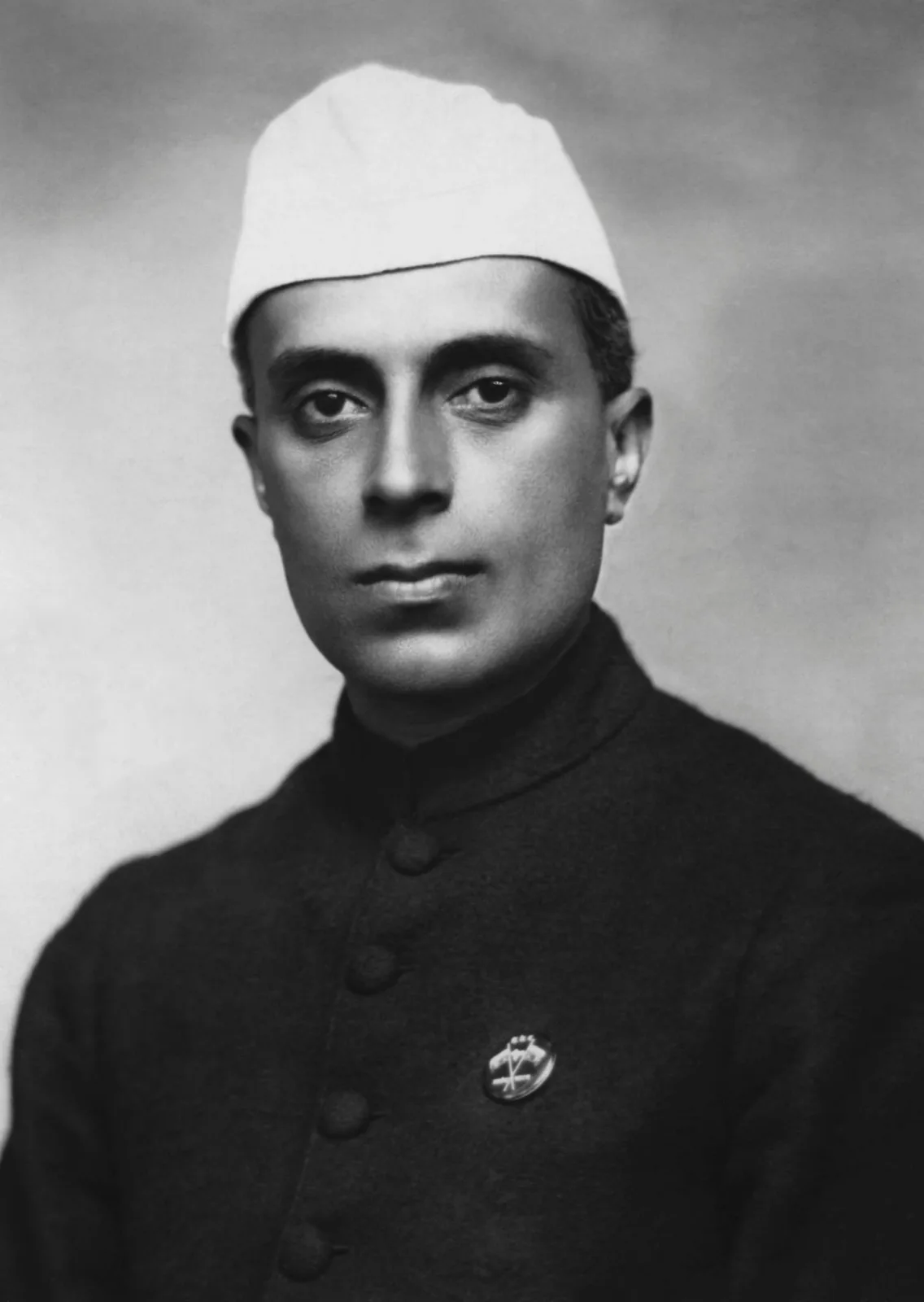
He was born in Allahabad at half past eleven at night on 14 November 1889, into a Kashmiri Brahmin family; his father, Motilal Nehru, was a prosperous lawyer.34 Motilal had refused the purification ceremony expected of a Brahmin returning from Europe, splitting his community, and lived, his biographer Sarvepalli Gopal writes, like an English gentleman.5 In the Autobiography Nehru remembered that he had very hazy notions of religion as a boy, and that it seemed to him a woman's affair: his father and older cousins treated it with humour, while his mother and aunt kept the household's festivals, temple visits and dips in the Ganges and told him the old epics.67 In the year of his birth, his biographer Frank Moraes notes, the atheist Charles Bradlaugh addressed the Indian National Congress in Bombay.8
Theosophy at thirteen
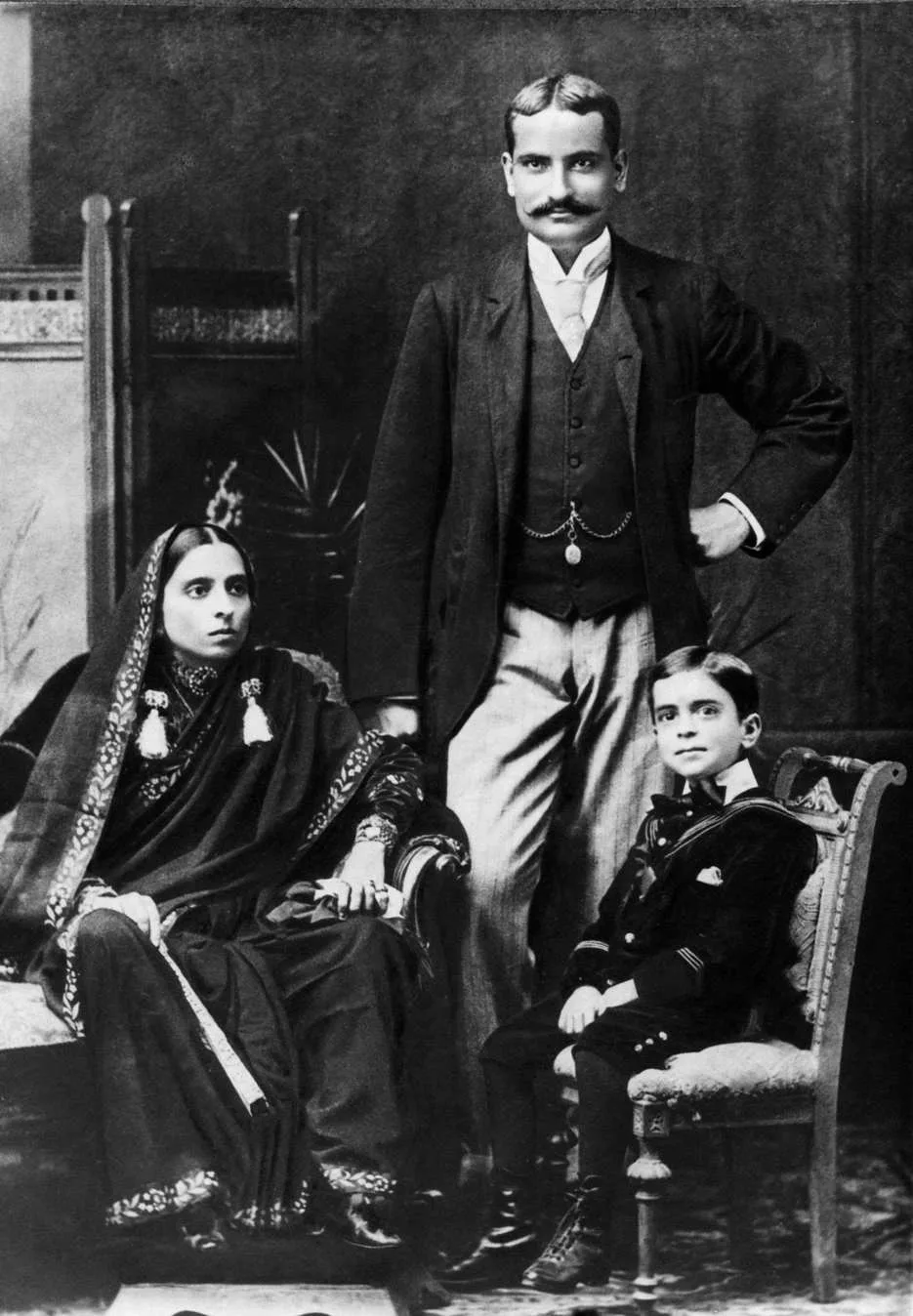
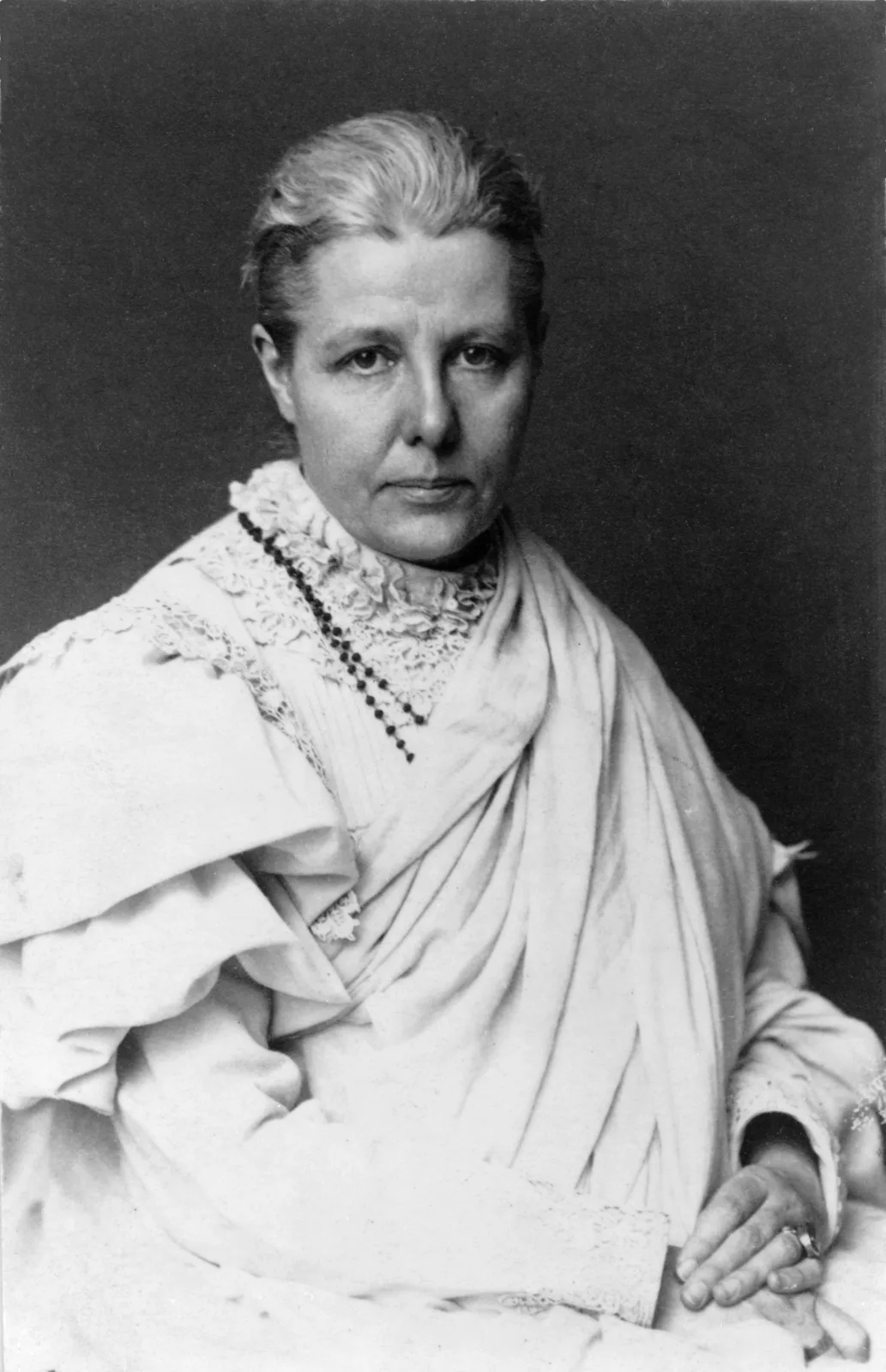
When he was about eleven a resident tutor arrived, Ferdinand Brooks, an Irish-French Theosophist recommended to his father by Annie Besant. Brooks gave him a love of reading and a small laboratory for physics and chemistry, and held weekly Theosophical meetings in his rooms on reincarnation, astral bodies, karma, Blavatsky and the Upanishads. For the first time, Nehru wrote, he began to think consciously about religion and other worlds.9101112 Besant lectured in Allahabad and moved him deeply; at thirteen he asked his father's permission to join the Theosophical Society, and Motilal, who had joined and dropped out years before, laughingly agreed. Besant herself performed the initiation, with good advice and some mysterious signs that Nehru later took for a relic of freemasonry, and he went on to the Theosophical Convention at Benares, where he saw Colonel Olcott with his fine beard.131415 Looking back, he thought he had worn in those days the flat, insipid look of piety and the smugness of one of the elect.16 Those Theosophical years, about 1902 to 1904, are where the timeline places his faith, and they were the only avowed belief of his life.
A fading
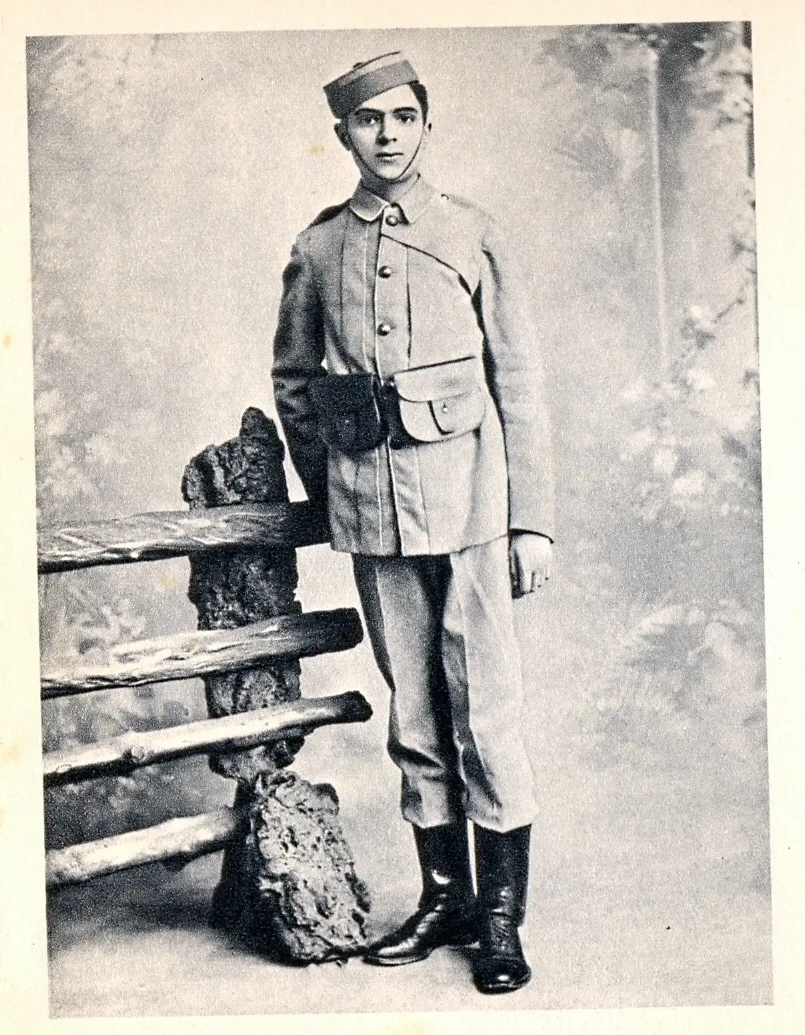
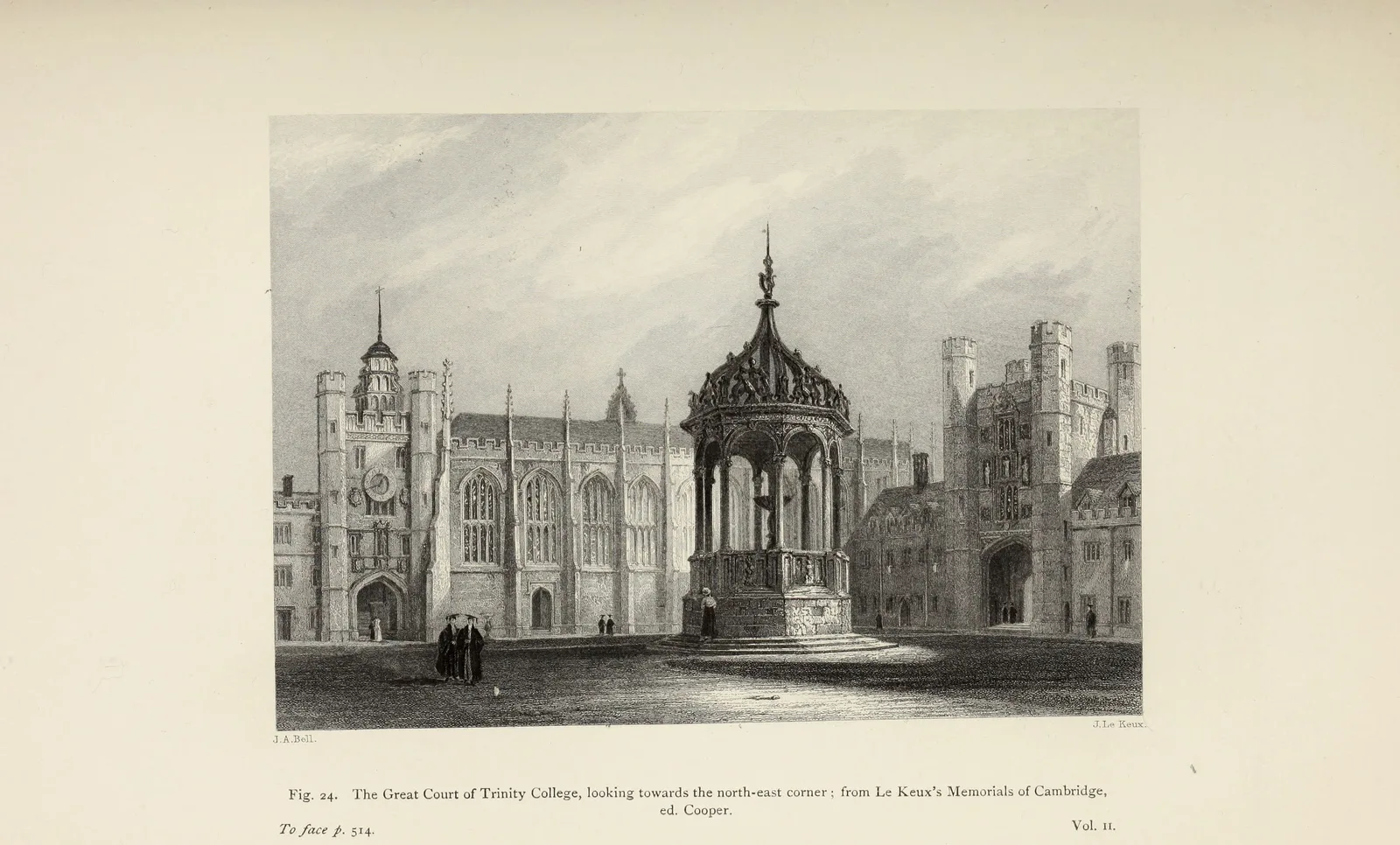
It did not end in a crisis. Soon after Brooks left, Nehru wrote, he lost touch with Theosophy, and, partly because he went to school in England, it left his life completely in a remarkably short time. He kept a debt to Brooks and a warm admiration for Besant.17 Moraes reads it differently: not a flaw in the doctrines but the impractical and self-regarding manner of its devotees.17 At Harrow, from 1905, his interests were politics and aeroplanes, not religion.1819 At Trinity College, Cambridge, from 1907, he read natural sciences, Nietzsche and Shaw, and drifted into what he called a vague kind of cyrenaicism; not having the religious temper, he wrote, it was natural to seek some other standard.2021 A Trinity man, Edwin Montagu, gave him what he called the modern definition of faith: to believe in something your reason tells you cannot be true.22 On the timeline, his doubt is therefore a range, about 1904 to 1910, because the boy's belief faded rather than broke, and the young man's scientific assurance grew up in its place.23
Gandhi
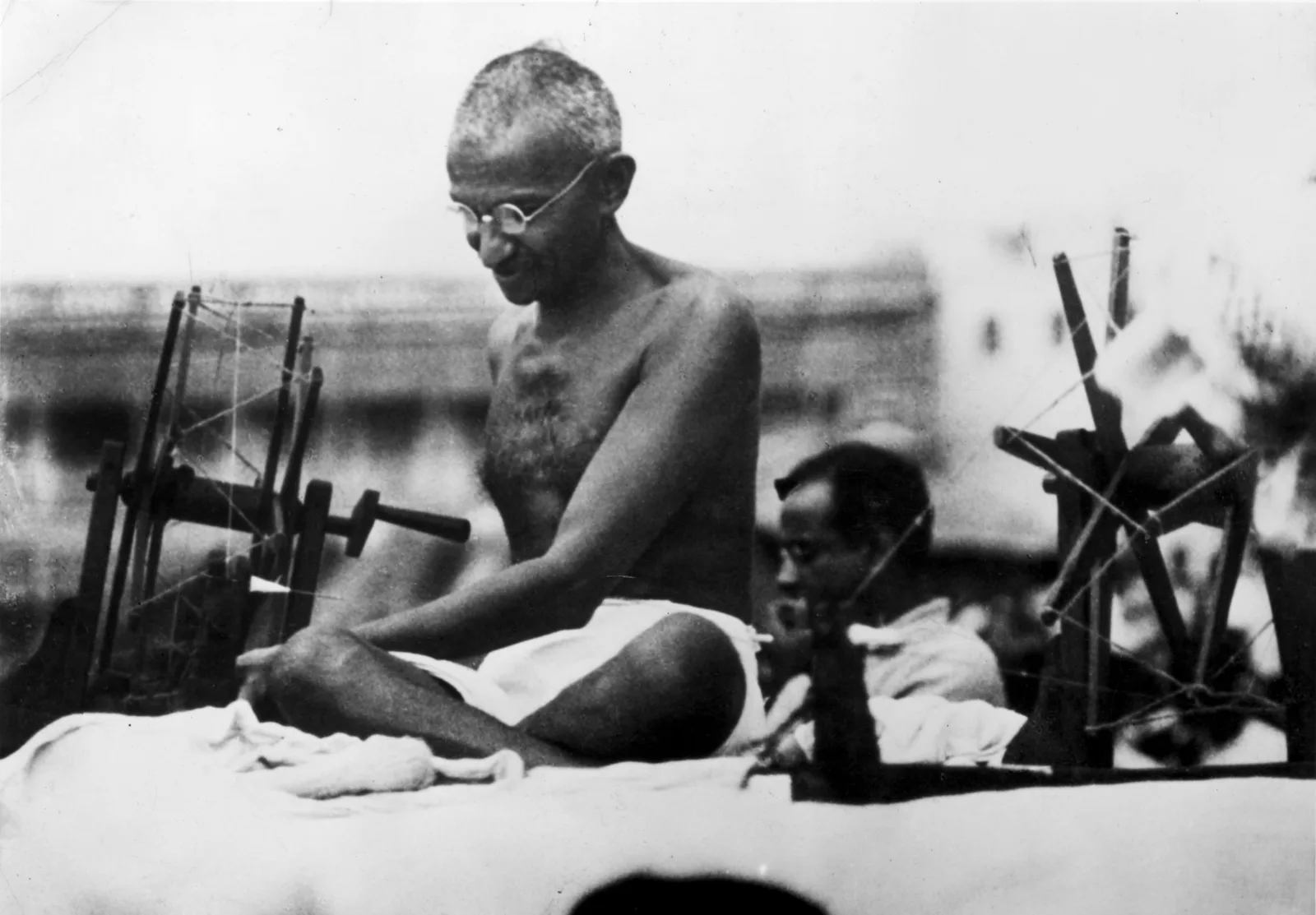
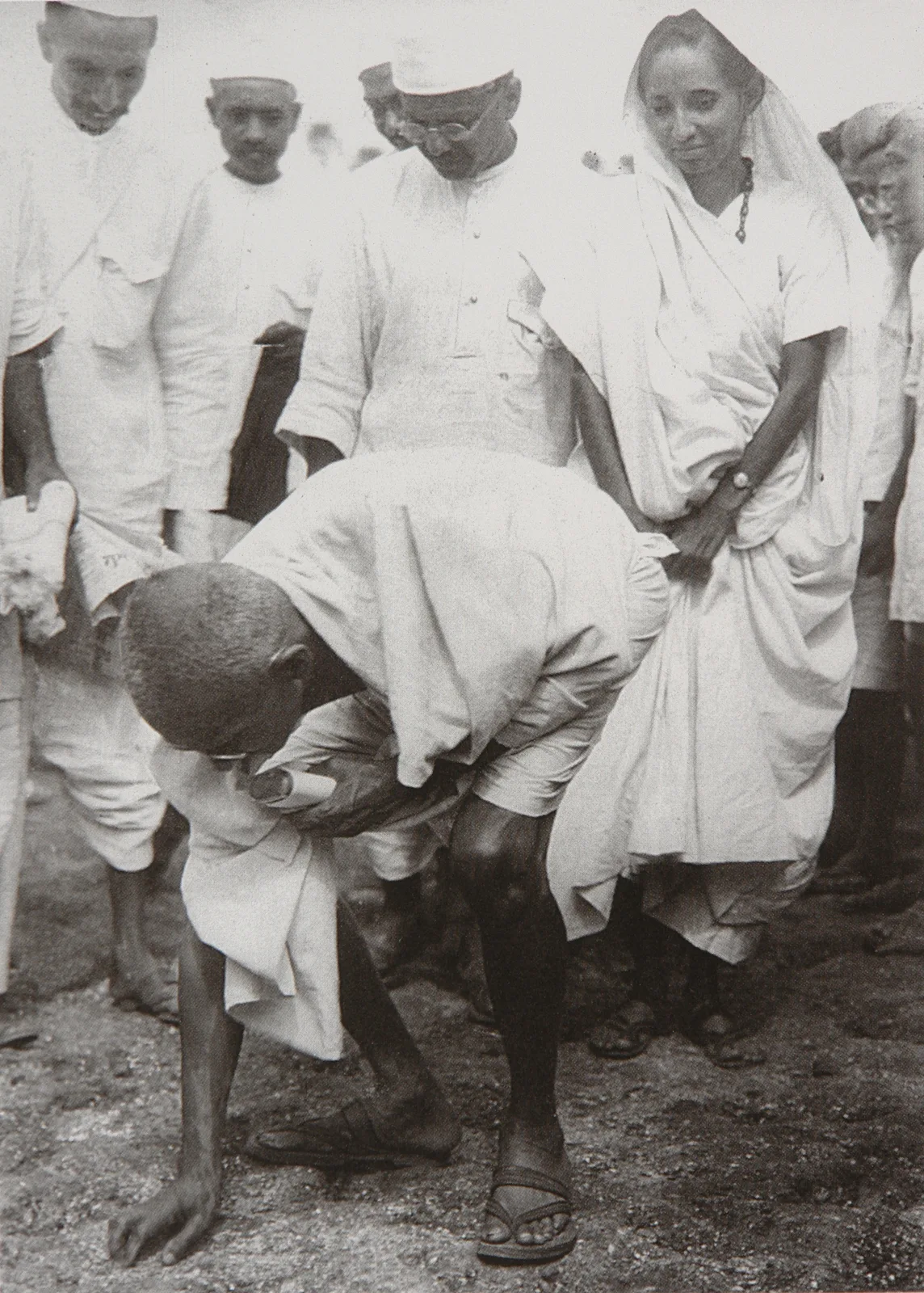
Accounts differ on how complete the fading was. In 1922, in Lucknow jail, he read the Koran, Arnold's Light of Asia and Besant's translation of the Gita, and Gopal judged him at that date still basically an unthinking, conventional Hindu theist.24 What sharpened him was Gandhi. He first met him at the Lucknow Congress at Christmas 1916, and through the 1920s watched him lay continual stress on the religious side of the national movement.2526 Gandhi put it plainly in his own autobiography in 1929: "those, who say that religion has nothing to do with politics, do not know what religion means."2728 Motilal wrote to his son that he could not follow Gandhi's politico-religious philosophy beyond a certain point.29
In September 1932, in jail, Nehru heard that Gandhi had begun a fast unto death over separate electorates for the untouchable castes. He felt angry, he wrote, at Gandhi's religious and sentimental approach to a political question and his frequent references to God, and he wired that he could not judge from a religious point of view. Gandhi's fast of May 1933 seemed to him sheer revivalism, against which clear thinking had no chance, and he felt himself drifting further and further from Gandhi in mind, despite his strong emotional attachment.303132
"What is Religion?"
Between June 1934 and February 1935, in prison, he wrote An Autobiography, published in 1936, to trace, as he said, his own mental development.33 Its chapter "What is Religion?" is where the timeline places his declaration. The spectacle of organised religion in India and elsewhere, he wrote, had filled him with horror, because it stood for blind belief and reaction, dogma and bigotry, superstition and exploitation; and yet he knew it answered some deep inner craving. Others might find a harbour in it. He preferred the open sea, with its storms. He was not much interested in an afterlife; this life was enough to fill his mind.34 He proposed dropping the word "religion" altogether in favour of philosophy, ethics or spirituality, and ended by saying that, on the French writer Romain Rolland's terms, he would be a humble camp-follower of what Rolland called the Grand Army of the religious soul.35 Gandhi, he thought, used the word religion in a sense more moral than doctrinal.36 He also knew that in Hinduism one could profess atheism, as the old philosopher Charvaka had, without ceasing to be a Hindu, and that he himself, born a Brahman, seemed to remain one whatever he said or did.37
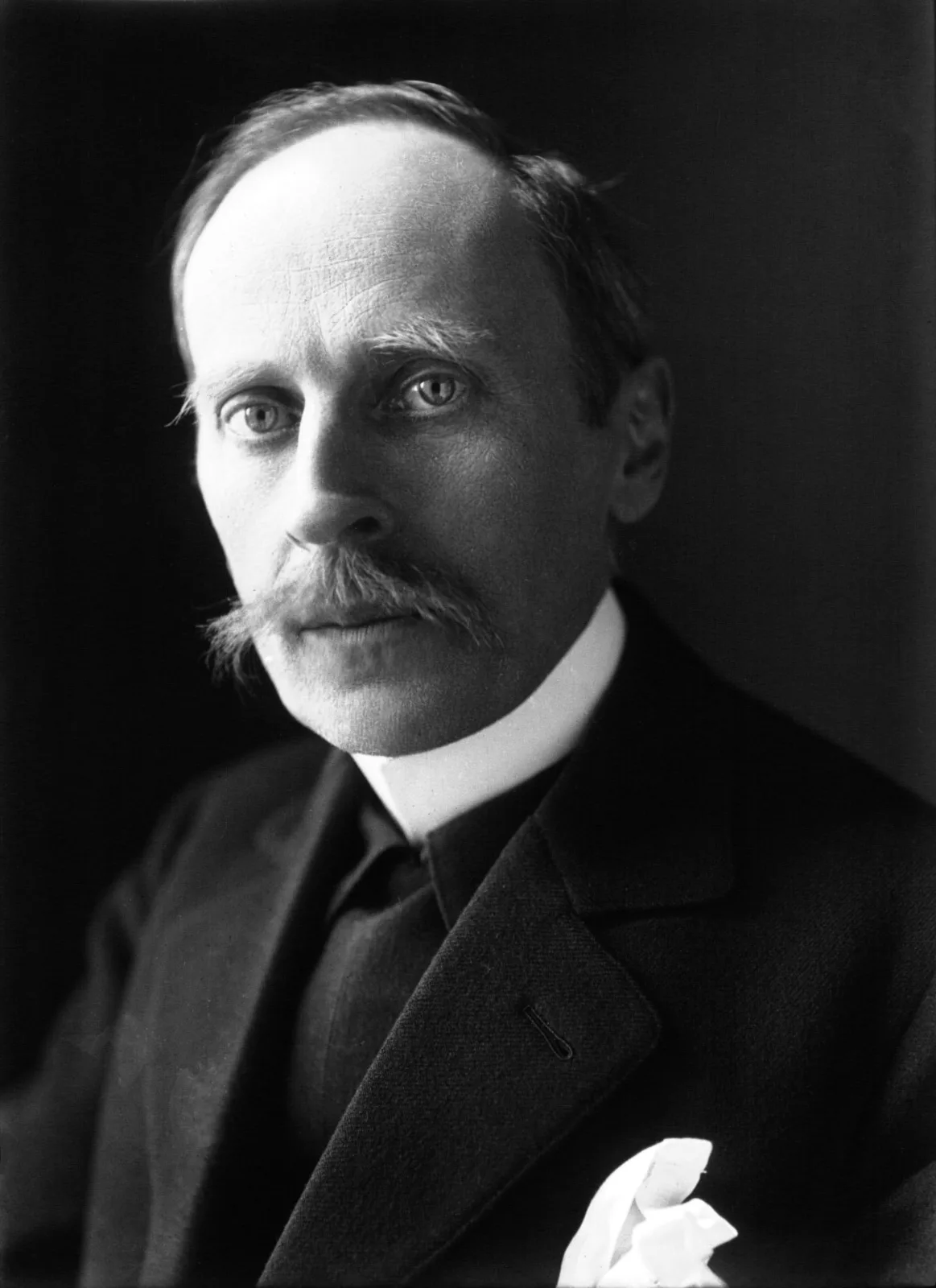
Others gave him the labels he would not give himself. Beatrice Webb wrote in her diary after meeting him in 1938 that he was an agnostic in respect of man's relation to the universe.38 In 1940 a Delhi Muslim monthly called him one of the atheists who would not swear in the name of God, and in the same breath accused him of being a staunch Hindu whenever temples were at stake.3940
I do not know
In 1944, in Ahmadnagar Fort prison, he wrote The Discovery of India. He restated his position more quietly. Religion as he had seen it practised, Hindu, Muslim, Buddhist or Christian, did not attract him: too much superstition, dogma and reliance on the supernatural, though it had given people moral values and an inner need he respected.414243 He was interested, he wrote, in this world and this life. Whether there was a soul or a life after death he did not know, and the question did not trouble him. There was a mystery, but he would not call it God, because the word had come to mean too much he did not believe in; the idea of a personal God seemed very odd to him. He could feel at home in an old Indian or Greek pagan and pantheistic mood, without any gods.4445 What drew him was an ethical approach to life, and Gandhi's stress on right means.46 Gandhi, he now wrote, was essentially a man of religion, a Hindu to the depths of his being, but of a religion with nothing to do with dogma or ritual.47 These pages of 1944, and the political choices that followed, mark the revision on his timeline, which was not a change of mind but a softening of tone.
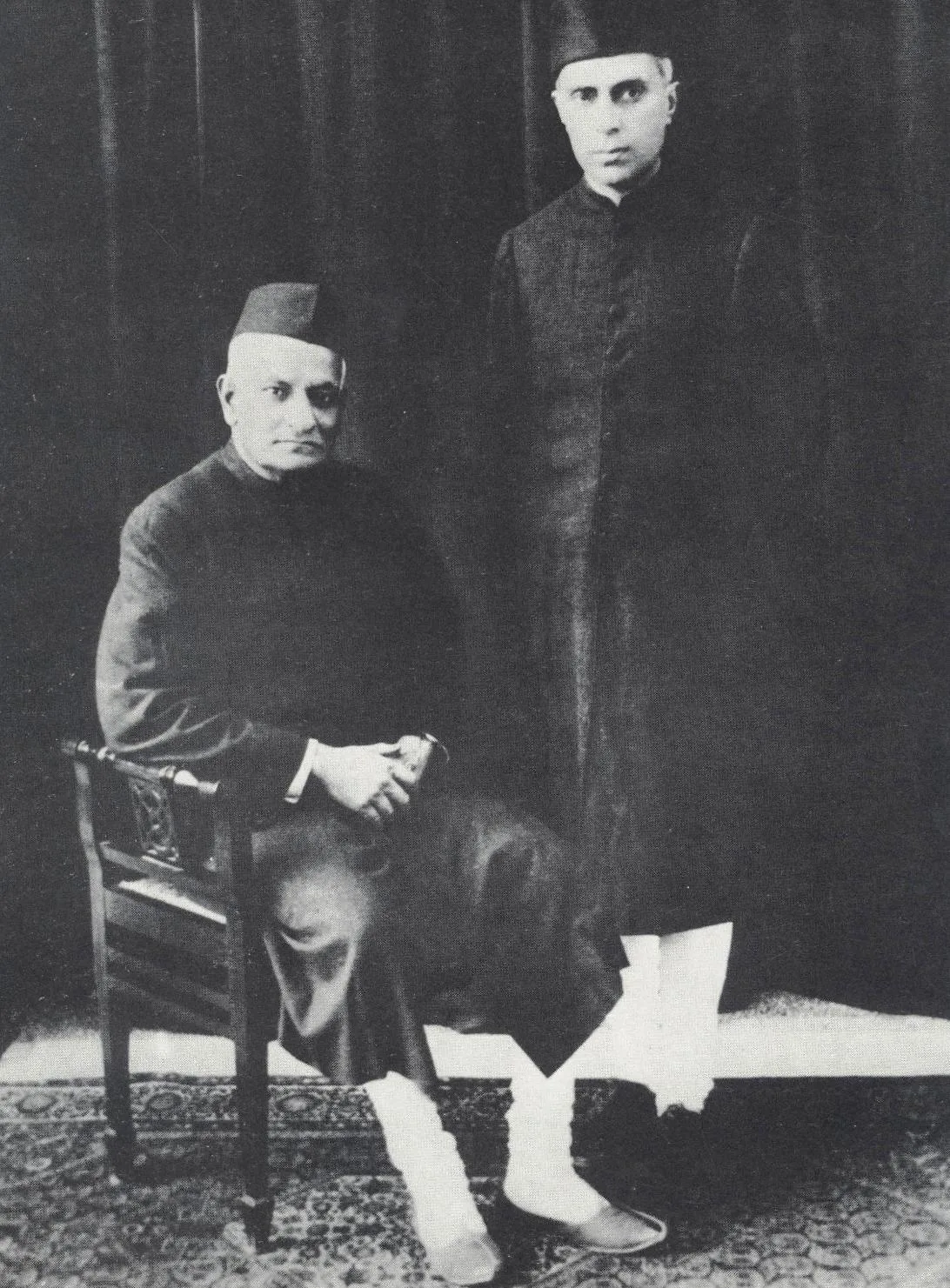
A secular state
As Prime Minister he kept his own agnosticism and the state's neutrality apart, but his decisions show the same mind. When President Rajendra Prasad objected on astrological grounds to 26 January 1950 as the date for inaugurating the Republic, Nehru replied that he had no faith in astrology and would not fix national programmes by astrologers.48 In 1951 Prasad insisted, against his advice, on inaugurating the rebuilt Somnath temple; Nehru thought it contrary to secularism but did not veto it, and made clear that his government had no part in it.49 As president of the Congress that autumn he vowed to fight to his last breath anyone who struck down another on the ground of religion.50 The word "secular" itself entered India's constitution only in 1976, after his death.51
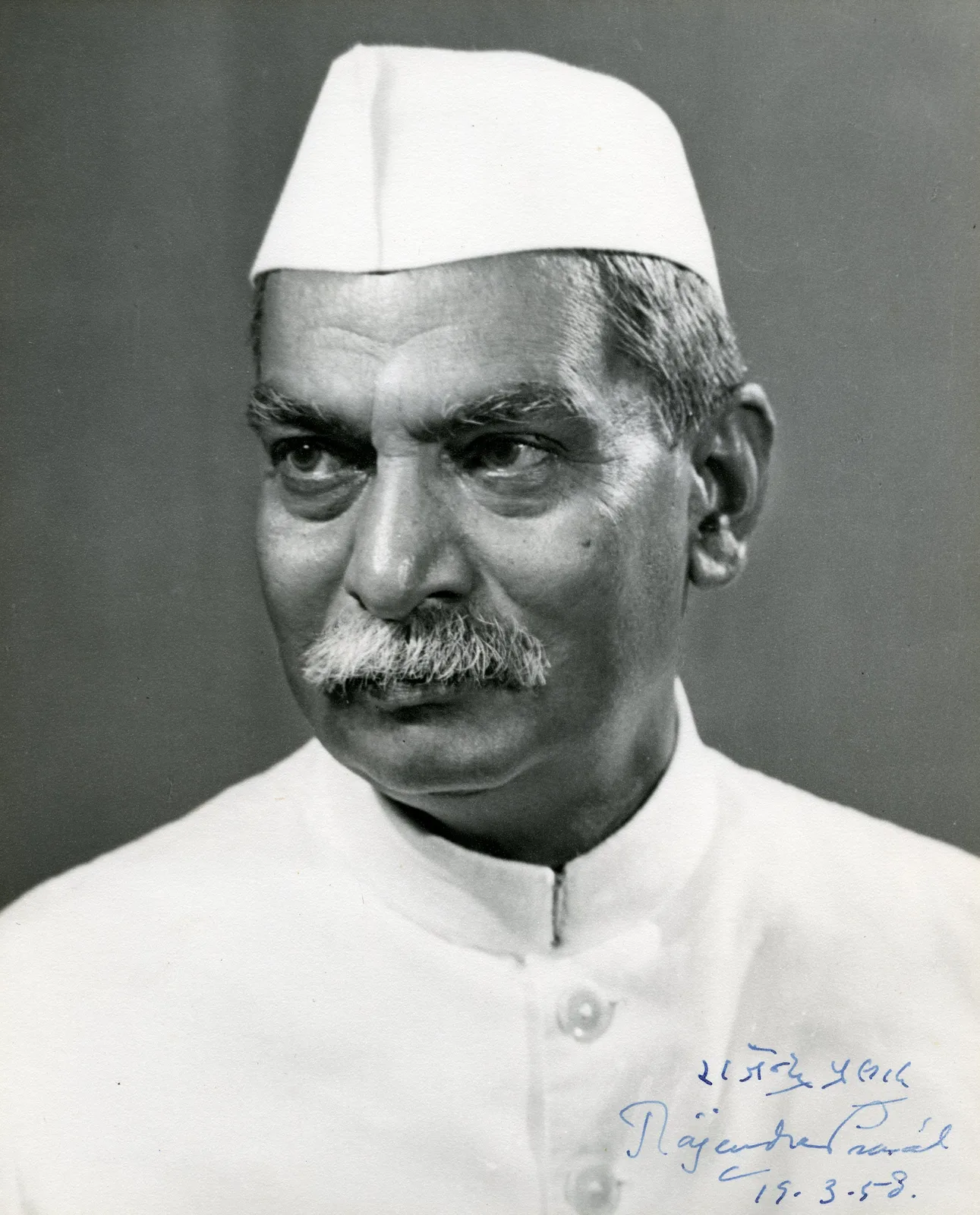
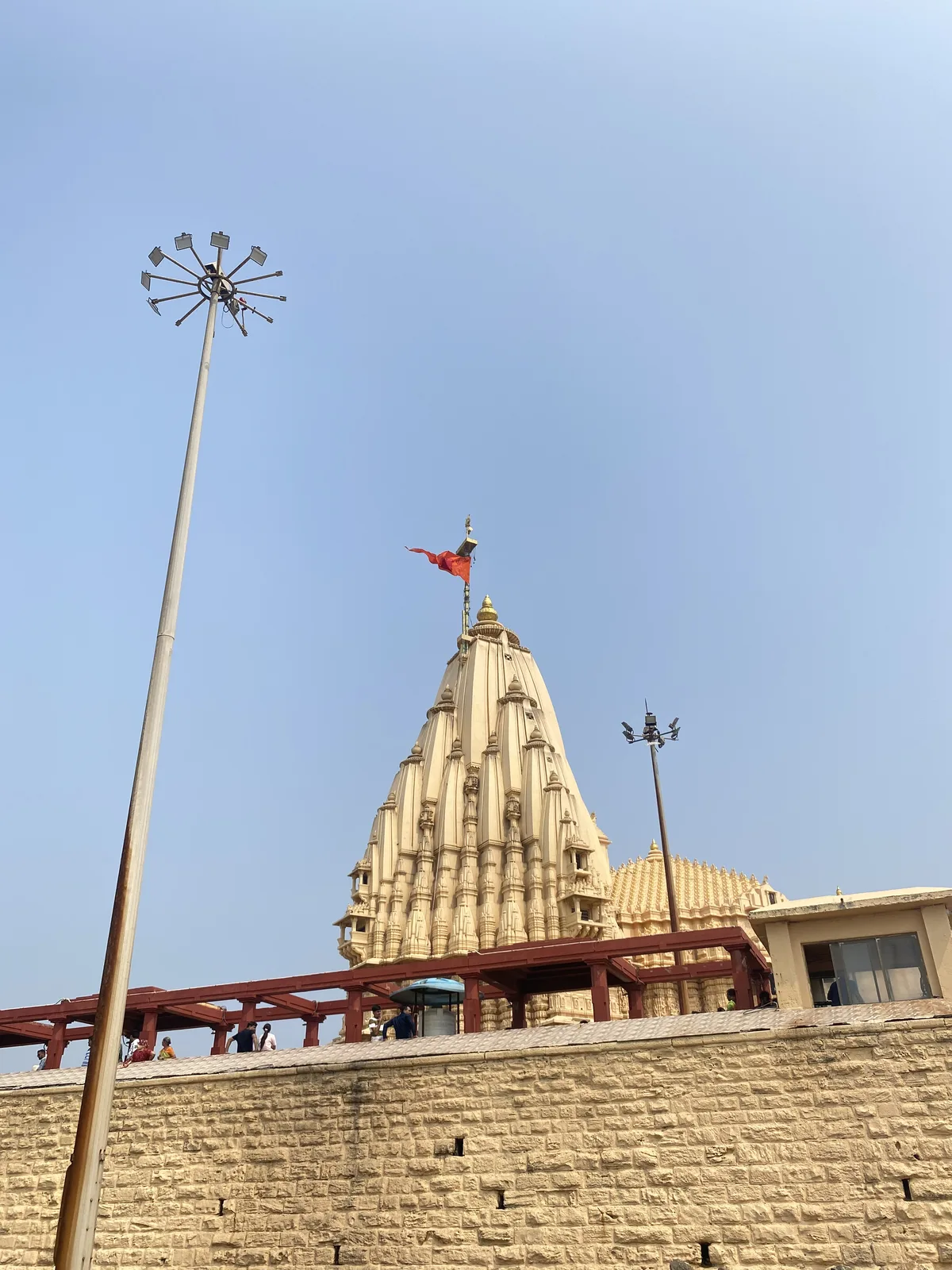
His biographer Gopal sums him up: not a religious person, with no spiritual beliefs or consolations, always a mild agnostic, proud of his pagan outlook on life.52 He died in Delhi on 27 May 1964 and was cremated at Shantivan on the Yamuna.53 A will in which he is reported to have asked for no religious ceremonies is quoted widely, but its text could not be checked for this chapter.54
Annie Besant, who initiated him into Theosophy at thirteen, after her own journey from atheism with Bradlaugh to the occult, has her own chapter in this book.
Footnotes
-
CAD1 pp. 59, 298, 324–325. ↩
-
Rev. Jerome D'Souza, Jesuit and member of the Constituent Assembly, 21 Jan. 1947, on Nehru's Objectives Resolution. He adds: "I do not believe ... I am not pleading here for a doctrine by which the State is made divine" (OCR: "I am not Pleats here"); read the full passage before using.: CAD1 p. 298. ↩
-
Gopal1 p. 16. ↩
-
Moraes p. 19; Autobio p. 118. ↩
-
Autobio p. 13; Gopal1 p. 18 (Motilal "set about living the life of an English gentleman"). ↩
-
Autobio p. 8; Moraes p. 26 (Motilal "inclined to treat religion half humorously as a woman's affair"). ↩
-
Gopal1 p. 16; Autobio p. 8. ↩
-
Moraes p. 19. ↩
-
Autobio p. 14; Gopal1 p. 18; Moraes p. 20 (about twenty-six, Nehru eleven). ↩
-
Autobio p. 14; Gopal1 p. 18; Moraes p. 20. ↩
-
Autobio p. 14; Moraes p. 20; Gopal1 p. 19. ↩
-
Autobio p. 15; Moraes p. 26; Gopal1 p. 19. ↩
-
Autobio p. 15; Moraes p. 26. ↩
-
Autobio p. 15; Gopal1 p. 19; Moraes p. 26. Accounts differ; see the disputed points. ↩
-
Autobio p. 15; Moraes pp. 26–27. ↩
-
Autobio p. 16; Moraes p. 27. ↩
-
Gopal1 p. 19; Autobio pp. 16–17. ↩
-
Autobio pp. 17–19. ↩
-
Autobio p. 19. ↩
-
Autobio pp. 19–20. ↩
-
Autobio p. 21. ↩
-
Autobio pp. 21–22; Discovery p. 25. ↩
-
Gopal1 p. 68. ↩
-
Autobio p. 35. ↩
-
Autobio p. 72. ↩
-
Gandhi2 p. 591. ↩
-
M. K. Gandhi, 1929, Nehru's friend and leader and the believer whose religious politics Nehru found both moving and alarming. Public domain in the US (1929).: Gandhi2 p. 591 (Navajivan Press, 1929; Desai/Nair translation). ↩
-
Gopal1 p. 64. ↩
-
Autobio p. 370. ↩
-
Autobio p. 372. ↩
-
Autobio pp. 372–374; Gopal1 pp. 177–178. ↩
-
Autobio preface pp. xv–xvi; imprint p. iv. ↩
-
Autobio pp. 374–377. ↩
-
Autobio pp. 378–380. ↩
-
Autobio pp. 379–380. ↩
-
Autobio p. 118. ↩
-
Gopal1 p. 236. Reported at second hand; the original has not been seen. ↩
-
Gopal1 p. 266 n. 2. ↩
-
The Urdu monthly Maulvi, Delhi, July 1940 (a Muslim religious periodical); it complains that Nehru is "in the forefront" on a slaughterhouse question but "a staunch Hindu" on mandir questions.: Gopal1 p. 266 n. 2. ↩
-
Discovery preface; imprint. ↩
-
Discovery p. 26. ↩
-
Discovery p. 26. ↩
-
Discovery pp. 27–28. ↩
-
Discovery p. 28. ↩
-
Discovery pp. 28–29. ↩
-
Discovery p. 362. ↩
-
Gopal2 pp. 77–78. ↩
-
Gopal2 p. 155. ↩
-
Gopal2 p. 155. ↩
-
WP-Preamble; Preamble (current text). ↩
-
Gopal2 p. 316. ↩
-
WP-Nehru (rev. 2026-10-11). Not verified. ↩
-
WP-Nehru (rev. 2026-10-11). ↩
In their own words
Of religion I had very hazy notions. It seemed to be a woman's affair.
For the first time I began to think, consciously and deliberately, of religion and other worlds.
I decided to join the Theosophical Society, although I was only thirteen then.
Soon after F. T. Brooks left me I lost touch with Theosophy, and in a remarkably short time (partly because I went to school in England) Theosophy left my life completely.
Not having the religious temper and disliking the repressions of religion, it was natural for me to seek some other standard.
I felt angry with him at his religious and sentimental approach to a political question, and his frequent references to God in connection with it.
It seemed to be sheer revivalism, and clear thinking had not a ghost of a chance against it.
The spectacle of what is called religion, or at any rate organised religion, in India and elsewhere has filled me with horror, and I have frequently condemned it and wished to make a clean sweep of it.
I am afraid it is impossible for me to seek harbourage in this way. I prefer the open sea, with all its storms and tempests.
Nor am I greatly interested in the after life, in what happens after death. I find the problems of this life sufficiently absorbing to fill my mind.
I cannot presume to fulfil the conditions laid down by Romain Rolland, but on these terms I am prepared to be a humble camp-follower of the Grand Army.
A Brahman I was born, and a Brahman I seem to remain whatever I might say or do in regard to religion or social custom.
Religion, as I saw it practised, and accepted even by thinking minds, whether it was Hinduism or Islam or Buddhism or Christianity, did not attract me.
Essentially, I am interested in this world, in this life, not in some other world or a future life.
Whether there is such a thing as a soul, or whether there is a survival after death or not, I do not know; and, important as these questions are, they do not trouble me in the least.
What the mysterious is I do not know. I do not call it God because God has come to mean much that I do not believe in.
I am afraid I have no faith in astrology and certainly I should not like to fix up national programmes in accordance with the dictates of astrologers.
I wish to declare with all earnestness that I do not want any religious ceremonies performed for me after my death. I do not believe in such ceremonies, and to submit to them, even as a matter of form, would be hypocrisy and an attempt to delude ourselves and others.
The other side
my devotion to Truth has drawn me into the field of politics; and I can say without the slightest hesitation, and yet in all humility, that those, who say that religion has nothing to do with politics, do not know what religion means.
I cannot help expressing a regret, Sir, that the name of Almighty God finds no place in this momentous declaration.
No man can live without religion
Atheists like Pandit Jawaharlal Nehru who do not like even to swear in the name of God
Where accounts differ
| Point | One account | Another | How the page handles it |
|---|---|---|---|
| Was Nehru an unbeliever in 1922? | Gopal: in Lucknow gaol, 1922, "basically an unthinking, conventional Hindu theist" (Gopal1 p. 68) | Nehru's own account has Theosophy leaving his life completely in boyhood and no religious temper at Cambridge (Autobio pp. 16, 20) | Say accounts differ: the boy's Theosophy faded in 1904; the man read the Gita in 1922 jail and kept something like the old theism; the settled position is written down in 1934–35. |
| When did Brooks arrive and leave? | Nehru: came when "about eleven", stayed "nearly three years" (Autobio p. 14) | Gopal: in charge "from 1901 to 1904" (Gopal1 p. 18) | Both put the start c. 1900–01, the end c. 1904; say "about three years". |
| Where was he initiated? | Gopal: "at a solemn ceremony in Banaras" (Gopal1 p. 19) | Nehru: Besant "herself performed the ceremony"; he names Benares only for the Convention he then attended (Autobio p. 15) | Say Besant initiated him and that he then attended the Benares Convention. |
| Brooks's parentage | Nehru: partly Irish on father's side, mother French or Belgian (Autobio p. 14) | Moraes: Irish father, Belgian mother, born at sea (Moraes p. 20); Gopal: "Irish-French" (Gopal1 p. 18) | Avoid; say "an Irish-French Theosophist". |
| Why Theosophy faded | Nehru: Brooks left and he went to school in England (Autobio p. 16) | Moraes: not because the tenets were wrong but because its devotees seemed impractical and self-regarding (Moraes p. 27); Gopal: Brooks's influence removed (Gopal1 p. 19) | Give Nehru's reason, with Moraes's gloss as a biographer's reading. |
| Funeral against will | Will: no religious ceremonies (WP-Nehru; unverified) | Cremated "in accordance with Hindu rites" (WP-Nehru) | Do not narrate until the will and the funeral are checked in a borrowed biography; if both hold, say so plainly and say who decided. |
List of illustrations
This page uses only public-domain and Creative Commons images; each is credited with its source and licence.
- Jawaharlal Nehru, circa 1925 — Keystone View Company/FPG, c. 1925 (Commons date 1926) · Keystone View Company/FPG, via Wikimedia Commons, public domain · Public domain (Wikimedia Commons: Public domain)
- Jawaharlal Nehru with his mother Swarup Rani and father Motilal Nehru, 1894 — Unknown author, 1894 · Unknown author (Nehru Memorial Museum and Library image, per Commons), via Wikimedia Commons, public domain · Public domain (Wikimedia Commons: Public domain)
- Annie Besant, LoC — Unknown authorUnknown author, circa 1897date QS:P,+1897-00-00T00:00:00 · Unknown author, via Wikimedia Commons, Public domain · Public domain (Wikimedia Commons)
- Jawaharlal Nehru in cadet uniform at Harrow School — Unknown author (scan by Vinayak Razdan, 2012), c. 1905-07 · Unknown author, via Wikimedia Commons, public domain · Public domain (Wikimedia Commons: Public domain)
- Trinity College: Great Court (Willis, Architectural History of the University of Cambridge, vol. 2) — Robert Willis, 1886 · Robert Willis, The Architectural History of the University of Cambridge (1886), Internet Archive (architecturalhis02will_0), via Wikimedia Commons, public domain · Public domain (Wikimedia Commons: Public domain)
- Gandhi at a spinning wheel during a khadi demonstration in Mirzapur, Uttar Pradesh, 9 June 1925 — Unknown author, 1925-06-09 · Unknown author (via Architectural Digest India, per Commons), via Wikimedia Commons, public domain · Public domain (Wikimedia Commons: Public domain)
- Gandhi at Dandi picking salt at the end of the Salt March, 5 April 1930 — Unknown author (from Gandhi, Phaidon, 2002), 1930-04-05 · Unknown author, via Wikimedia Commons, public domain · Public domain (Wikimedia Commons: Public domain)
- Romain Rolland, French novelist, essayist and playwright — Agence de presse Meurisse, 1914 · Agence de presse Meurisse, Bibliotheque nationale de France (Gallica), via Wikimedia Commons, public domain · Public domain (Wikimedia Commons: Public domain)
- Jawaharlal Nehru, President-elect of the Lahore Congress, with his father Motilal Nehru — Unknown author, 1929 · Unknown author (Nehru Memorial Museum and Library image, per Commons), via Wikimedia Commons, public domain · Public domain (Wikimedia Commons: Public domain)
- Rajendra Prasad (Indian President), signed image for Walter Nash (NZ Prime Minister), 1958 — Archives New Zealand, 1958-04-15 · Archives New Zealand, via Wikimedia Commons, CC BY-SA 2.0 · CC BY-SA 2.0 (Wikimedia Commons: CC BY-SA 2.0)
- Somnath Temple — YAKSH75, 2025-10-21 · YAKSH75, via Wikimedia Commons, CC0 · CC0 (Wikimedia Commons: CC0)
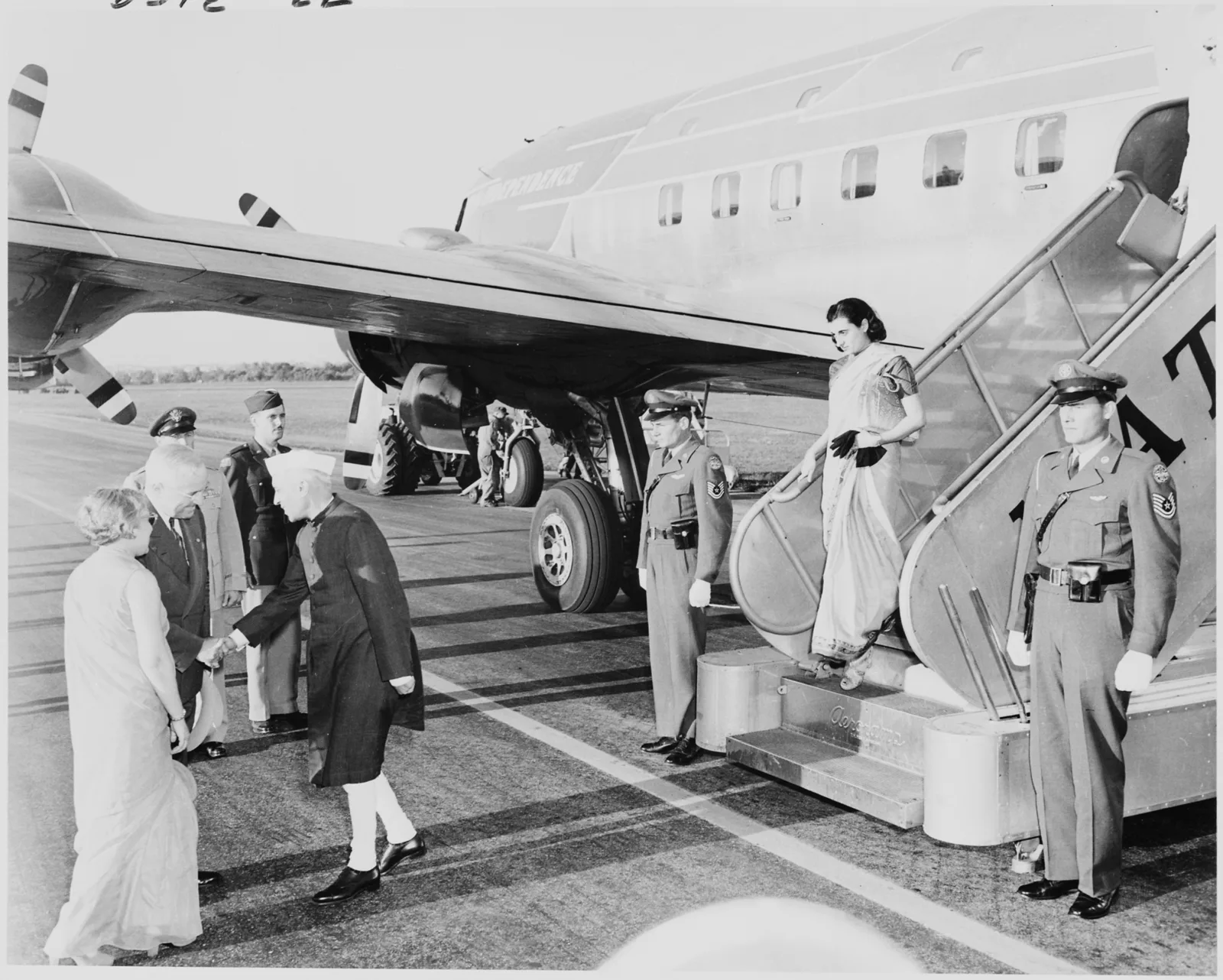
- Photograph of President Truman shaking hands with Prime Minister Jawaharlal Nehru of India upon Nehru's arrival at... — Abbie Rowe (US National Park Service photographer), 1949-10-11 · Abbie Rowe, National Park Service, National Archives and Records Administration (NARA 200152), via Wikimedia Commons, US federal government work, public domain · Public domain (Wikimedia Commons: Public domain; National Archives and Records Administration, Harry S. Truman Library, work of a US federal employee)
Sources
Tier 1 — the subject's own words
- Autobio Jawaharlal Nehru, An Autobiography (first published 1936, John Lane, The Bodley Head, London; reprinted with an additional chapter 1942; this scan is the Jawaharlal Nehru Memorial Fund / Oxford University Press edition, New Delhi, reprinted 1982). Internet Archive
in.ernet.dli.2015.98834; local textresearch/texts/autobio.txt. A second scanin.ernet.dli.2015.526804(John Lane 1936) failed to download (network error); retry to cross-check pagination against the first edition. Page numbers cited are this 1982 edition's. - Discovery Jawaharlal Nehru, The Discovery of India (first published 1946, Signet Press, Calcutta; scan is the Centenary Edition, Oxford University Press, Delhi, 1989). Internet Archive
in.ernet.dli.2015.98835;research/texts/discovery.txt. Page numbers are the Centenary Edition's (page numbers in the OCR fall at the foot of each page; a few OCR page numbers are garbled, e.g. "16" for 26). - CAD1 Constituent Assembly of India, Constituent Assembly Debates, vol. I (9–23 Dec. 1946, 20 Jan.–2 May 1947), Lok Sabha Secretariat 2014 reprint. Internet Archive
eparlib.nic.in.760449;research/texts/cad1.txt. Page numbers are the Debates' own. - Preamble Constitution of India, Preamble in English and Hindi (Ministry of Law and Justice), Internet Archive
PARI.preamble-the-constitution-of-india;research/texts/preamble.txt. This is the amended text (the Hindi shows the 1976 bracketed insertions). - Gandhi2 M. K. Gandhi, The Story of My Experiments with Truth, vol. II, trans. Mahadev Desai and Pyarelal Nair (Navajivan Press, Ahmedabad, 1929). Internet Archive
gandhisautobiogr02gand;research/texts/gandhi-exp2.txt.
Tier 2 — scholarly biographies
- Gopal1 Sarvepalli Gopal, Jawaharlal Nehru: A Biography, vol. I, 1889–1947 (Oxford University Press, 1975/76 impression). Internet Archive
dli.bengal.10689.13225;research/texts/gopal1.txt. In copyright; read and paraphrased only. - Gopal2 Sarvepalli Gopal, Jawaharlal Nehru: A Biography, vol. II, 1947–1956 (OUP, 1979). Internet Archive
dli.bengal.10689.12234;research/texts/gopal2.txt. In copyright; paraphrase only. Vol. III (1956–1964;jawaharlalnehrub0001gopa) is borrow-only and was not readable (HTTP 401). - Moraes Frank Moraes, Jawaharlal Nehru: A Biography (Macmillan, New York, 1956). Internet Archive
in.ernet.dli.2015.125650;research/texts/moraes.txt. In copyright (likely renewed); paraphrase only. Its OCR has doubled spaces.
Tier 3 — journalism and popular
- None read. Shashi Tharoor, Nehru: The Invention of India (2003; IA
nehruinventionof00thar) and Ramachandra Guha, India after Gandhi (2007; IAindiaaftergandhi00guha) are borrow-only (HTTP 401); both likely cover the will and funeral.
Tier 4 — Wikipedia (citable; prefer higher tier)
- WP-Nehru "Jawaharlal Nehru", revision 1379722527 (2026-10-11);
research/texts/wp-nehru.json. Source here for the will's wording, the cremation with Hindu rites, the date and time of death, and the labels "Hindu agnostic" and "scientific humanist". Rests on Wikipedia alone. - WP-Preamble "Preamble to the Constitution of India", revision 1375361508 (2026-09-17). Source for 1976 insertion of "secular".
Opposition sources
- Gandhi2 (above) for Gandhi's own words; CAD1 for D'Souza; Gopal1 p. 266 for the Maulvi (July 1940) and p. 64 for Motilal's remark.
Legal status (URAA reasoning, our reading; flagged for David)
- An Autobiography (1936, London) and The Discovery of India (1946, Calcutta) are public domain in India from 1 January 2025 (author died 27 May 1964; term life plus 60). In the US they are not public domain: both were in copyright in their source countries on 1 January 1996 (India life+60 then in force; UK life+70), so the URAA restored US copyright for 95 years from publication. By that reasoning the 1936 book is protected in the US until the end of 2031 (free on 1 January 2032) and the 1946 book until the end of 2041 (free on 1 January 2042). Quotations from either are therefore marked HOLD in the Quotations table: transcribed and checked against the scan, but not cleared for publication in the US unless David decides otherwise. Paraphrase and page citation are unaffected. The 1942 additional chapter and any US edition (Toward Freedom, John Day, 1941) were not examined.
- Gandhi2 (1929) is public domain in the US (published before 1931). CAD1 is an official record of an Indian legislature; treated as a public record, status not independently settled. The Preamble and Constitution are legal text.
Related lives
Annie Besant — she recommended his tutor, lectured him into the Theosophical Society and personally initiated him at thirteen (Autobio p. 15); the arc runs from her atheism with Bradlaugh to Theosophy, and his in the opposite direction. (The pointer is spoken without "next"; see lessons.)
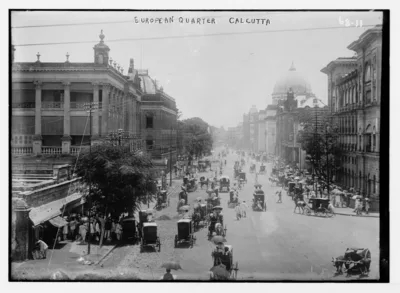
M. N. Roy
M. N. Roy was a priest's son who began among the Bengal revolutionaries "fanatically believing in the spiritual mission of their Motherland". He left that spiritual nationalism for Marx in New York and Mexico (1916–19), and declared in 1922 that liberation could not be fought with religious ideology. In jail in the 1930s he rebuilt his materialism on natural science, against Marxism's certainties. At the end he judged Marxism itself a faith, and offered a humanism that would claim "neither finality nor infallibility". In no text found did he call himself an atheist.
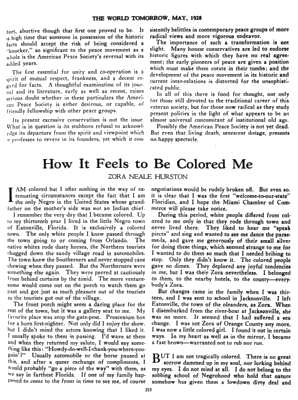
Zora Neale Hurston
Zora Neale Hurston was a Baptist preacher's daughter in Eatonville who said she loved God because it was the expected answer. Her childhood questions slept until college, where history and philosophy woke them. As Boas's anthropologist she learned belief from the inside, even taking hoodoo initiation, without sharing it. In Dust Tracks (1942) she refused prayer and organized creeds for herself while leaving others their consolation, called herself one with the infinite, and never took the label atheist.
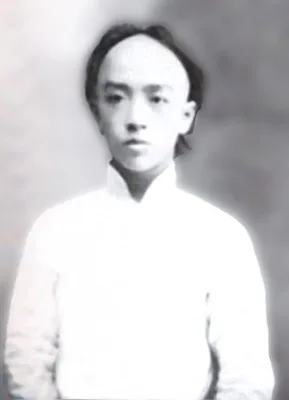
Hu Shih
Hu Shih was raised among his mother's Buddhist devotions. At about eleven he lost his fear of hell from two old sentences by Sima Guang and Fan Zhen. He kept his unbelief from his mother, and declared it in print only after her death, in the 1919 essay that offered "social immortality" as his religion. In 1923 he called himself an atheist on the evidence, ready to change if the evidence changed. In old age he held the same view, with a new insistence on tolerance for believers.
Diego Rivera
Diego Rivera was the son of a Freemason father and a devout mother, and said he had been an atheist since he was five or six, with no faith to lose. His unbelief was a painter's weapon against priests who blessed the powerful. In 1947 he put it into three words borrowed from Ignacio Ramírez, "Dios no existe", and in June 1948 defended them against an archbishop, the press and a student mob. In April 1956, ill with cancer, he painted them out, and by one report called himself a Catholic. His own explanation spoke of peace, national symbols and historical truth, so whether it was conversion, reconciliation or self-censorship the sources do not settle.