Isaac Asimov was raised in Brooklyn by Orthodox parents who, by his memoirs' account, did not press their religion on him. He was an atheist for years before he would use the word, holding to "humanist" and "agnostic" as the honest labels. In 1982 he declared himself an atheist outright. In his last essay, with death close, he thanked atheism for taking away his fear of it.
The belief timeline
- Faith (the household) (1923–1930s) — Orthodox parents, observance not imposed; did Asimov ever believe? Unknown [5]
- Doubt / unbelief (unknown) — Not located in any lawful source
- Declaration (Spring 1982) — Says plainly, in print, that he is an atheist, after years of preferring "humanist" or "agnostic" [21][26]
- Institution (1984 / 1985) — Humanist of the Year 1984 (verified); AHA presidency 1985 (unverified) [20][35]
- Last word (Spring 1992) — "On Religiosity": thankful to atheism for removing the fear of death [29]
The Word He Waited to Use
In the spring of 1982 the philosopher Paul Kurtz sat with Isaac Asimov in his penthouse above Manhattan and asked him whether he was an agnostic, an atheist, a rationalist or a humanist. Asimov, by then the author of more than two hundred books and, the editors noted, the first subscriber to Kurtz's magazine Free Inquiry, answered that he was an atheist, outright. Then he explained why it had taken him so long to say so.12
He had been an atheist for years and years, he said, but he had thought the word intellectually unrespectable, because it claimed a knowledge he did not have; it had seemed better to call himself a humanist or an agnostic. In the end he decided he was a creature of emotion as well as reason. He had no proof that God did not exist, but he strongly suspected it, and he did not want to waste his time on the question.2
This chapter asks where that unbelief came from, why a man who wrote about almost everything waited so long to name it, and what it meant to him at the end.
Petrovichi and Brooklyn
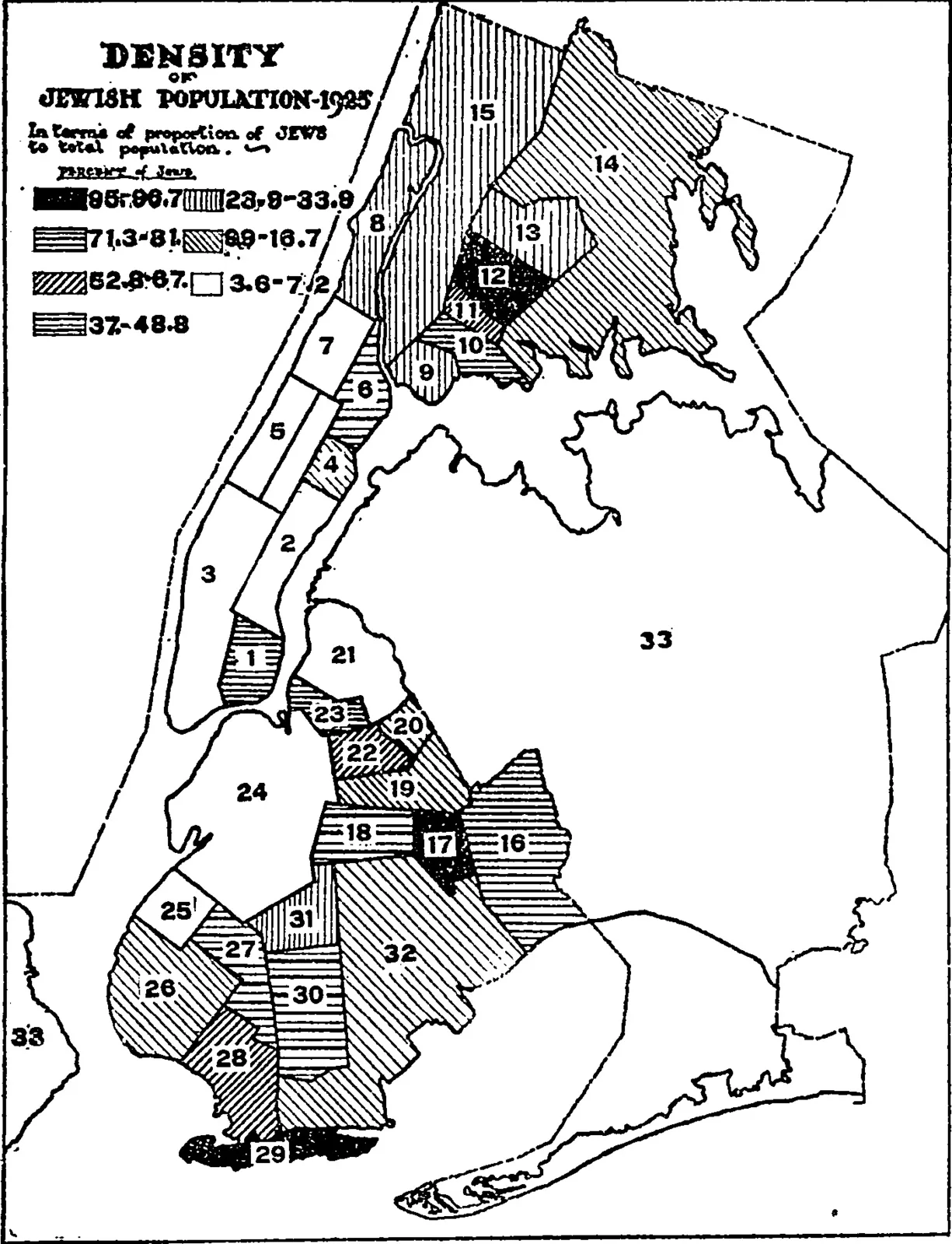
He was born in Russia, in the village of Petrovichi in the Smolensk region, in 1920; the exact day is uncertain.34 The family emigrated to the United States when he was three, and in Brooklyn his parents kept candy stores.56 His parents were Orthodox Jews, but by the accounts drawn from his memoirs they did not press their religion on their children.7 Wikipedia, citing those memoirs, says that he declined a bar mitzvah at thirteen, and that he came to see the Torah as Hebrew mythology in the same way the Iliad is Greek mythology.8 This chapter has not yet checked those memoir pages, which are in copyright and could only be read in a borrowed copy, so the childhood crack, if there was one, is told here at second hand. In later life, by the same account, he wrote that he attended no services and had had no bar mitzvah, but that he was Jewish.9
A chemist who wrote
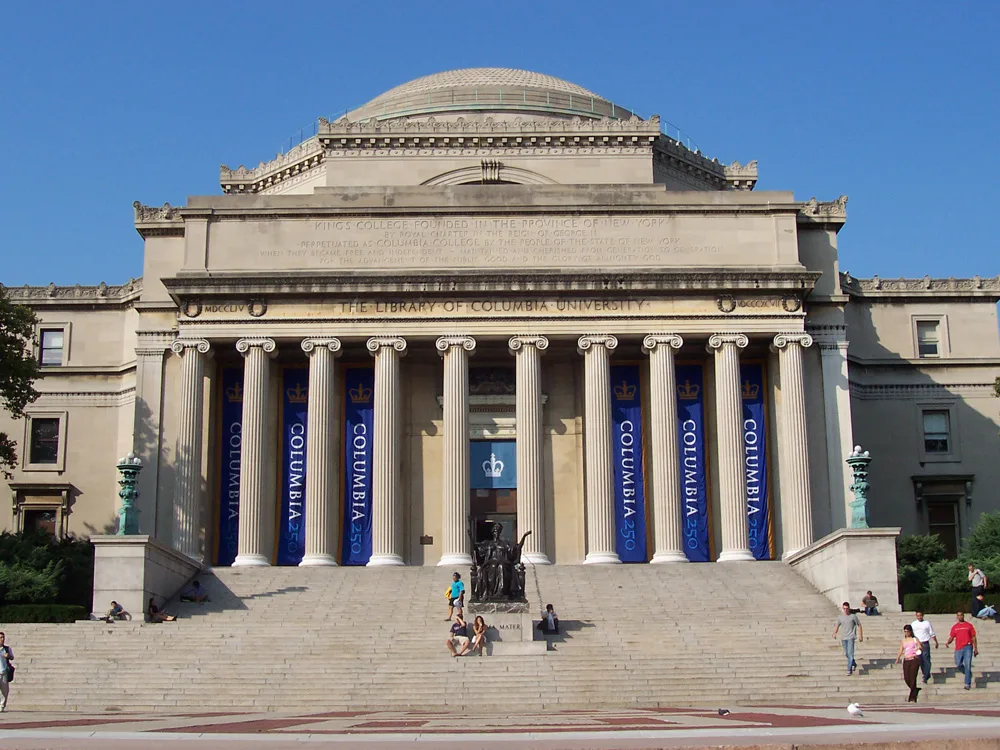
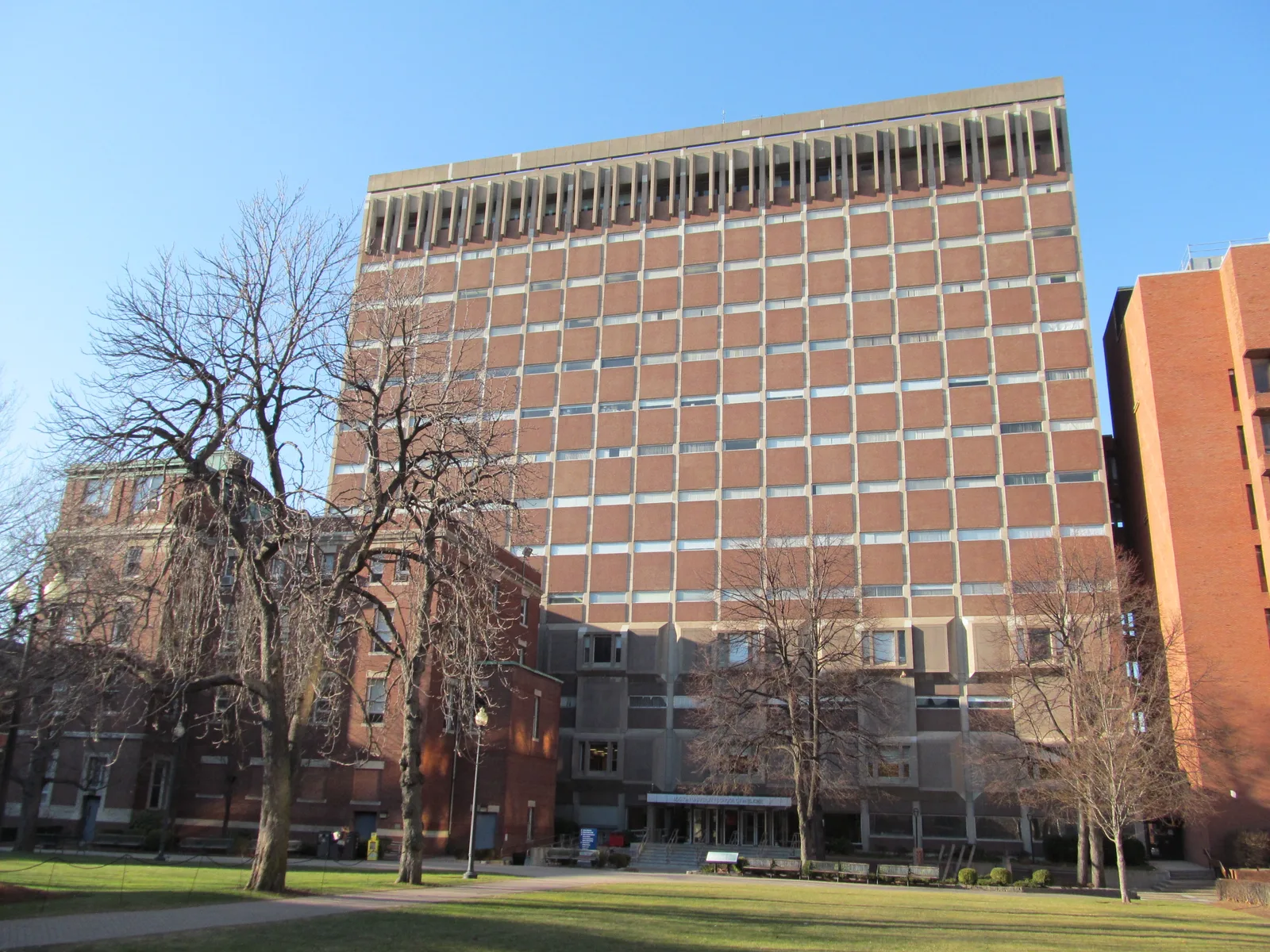
He entered Columbia at fifteen, took a doctorate in chemistry there in 1948, and from 1949 taught biochemistry at the Boston University School of Medicine.1011 Meanwhile he wrote. His first letter appeared in Amazing Stories in November 1938, and his first story sold to the same magazine the next year.1213 In 1977 he told a reporter that he had led a quiet life, that he had done no original research of importance after 1958, and that his heart was in writing.14 By then he lived in a penthouse on West 66th Street, worked by artificial light with the blinds down, and had 188 books to his name, among them guides to Shakespeare and to the Bible.1516 He wrote about the Bible as a scholar of words, in Words in Genesis (1962) and Words from the Exodus (1963).17
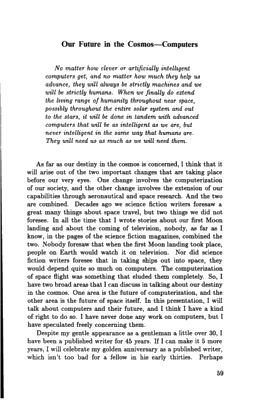
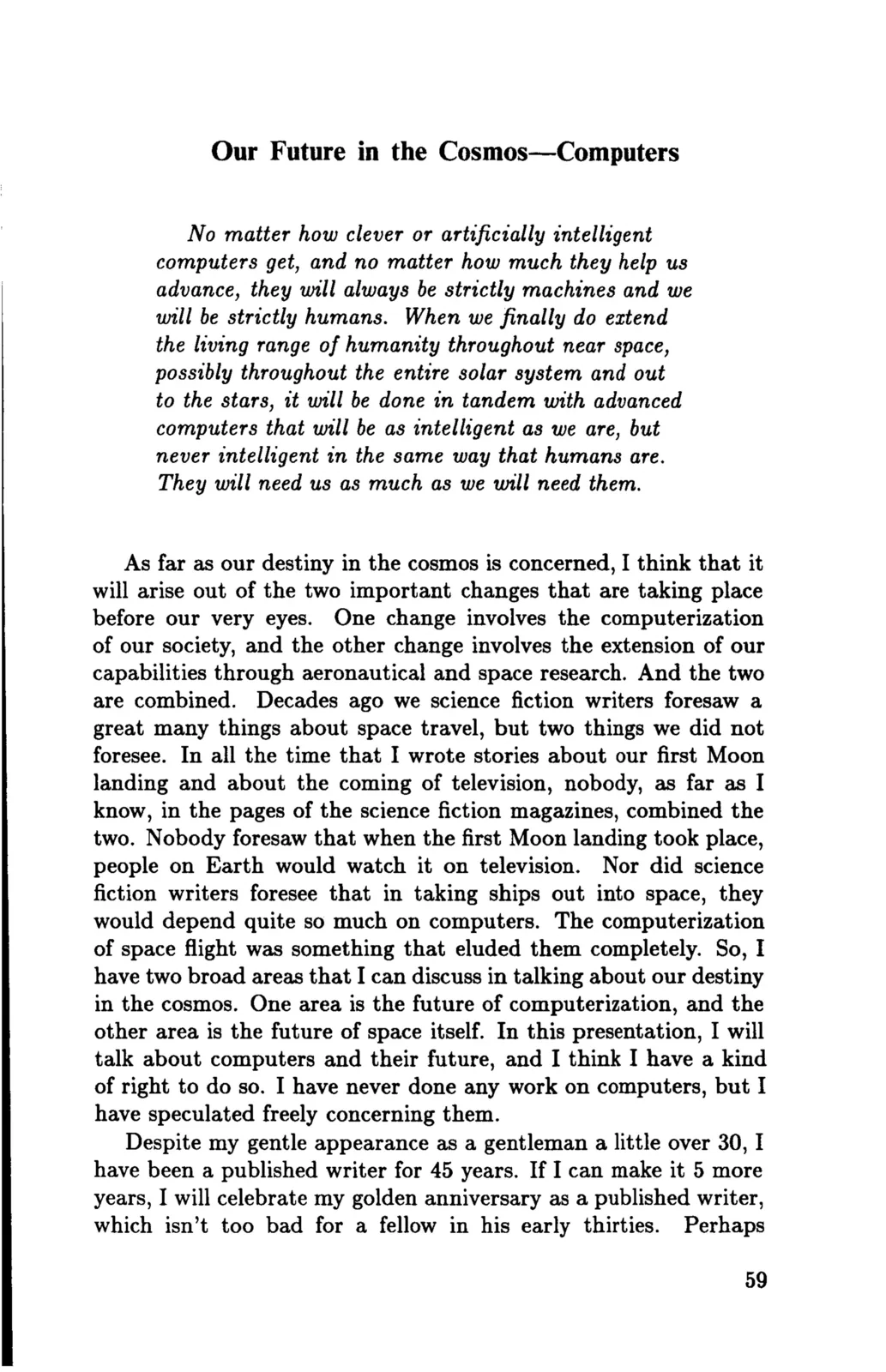
His stories touched on creation without preaching. In "The Last Question" (1956) a computer asked how to reverse the death of the universe can answer only that the data are insufficient, until, at the end of everything, it repeats the first words of Genesis, and there is light.18 In 1983, lecturing for NASA, he said he had grown tired of the old robot plot in which a scientist who makes life has trespassed on the creator's ground, and had decided that robots ought to be machines with safeguards built in.192021 The lecture's foreword said that science changes how we live and what we believe.22
The declaration
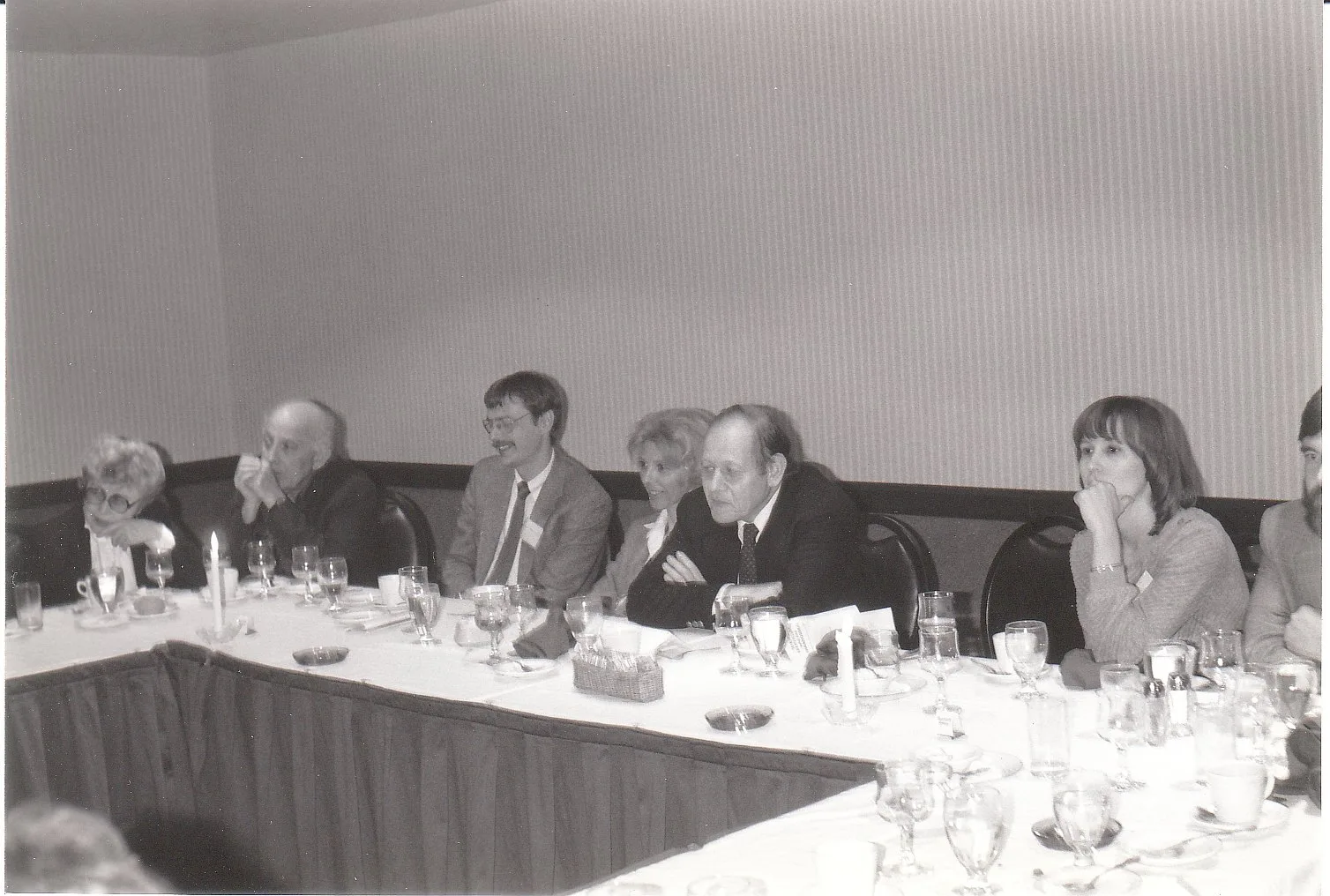
In the 1982 interview with Kurtz he went further than the label. The Bible, he said, was a human document, and he did not think anything was divinely inspired; its account of creation was wrong in almost every respect. He would not object if someone said God had started the big bang and then let the laws of nature run, but he did not believe it, and saw no evidence for a superhuman "Let it be." He had articles of faith of his own, he admitted, chief among them that the universe makes sense.23 Eternal reward and punishment gave him no comfort: he was against punishment, he could not grasp an eternity of anything, and nothingness after death was the only prospect he found worth accepting.24 Morality did not need God, he argued; one could be good simply because goodness makes the world run smoothly, and many people still thought an upright atheist was wicked. A fuss over his atheism, he said, might hurt the sale of his books, but something in him would not trade his opinions for a few extra dollars.25 On the belief timeline, this is where his declaration falls.
In 1984 the American Humanist Association named him Humanist of the Year.26 Wikipedia, citing his memoir, says he was the association's honorary president from 1985 until his death; the association's own pages, as far as they were checked, do not name the office.27
The last word
Near the end of his life a believer published an essay called "The Trouble with Atheists Is that They Don't Want to Believe." Its author named Asimov and Carl Sagan as scientists of shallow mind who clung to believing in nothing, and cited a Yale physicist as saying that leading scientists were open to religion. The critic's essay has not been found; his argument is known here only in Asimov's summary.28 Asimov answered in "On Religiosity," written in 1991 and printed in the spring of 1992. He believed in science, he wrote, and nothing had ever led him to think that a God watched over him. The time of his death was approaching; he expected it to be nothingness, and he was thankful to atheism for taking away his fear of it. He called the Flood, Eden and Lot's wife myths and fairy tales, and ended by accusing the television preachers of caring only about sexual sin.29 That essay is the last mark on his timeline. He died in New York in April 1992.30
Did his unbelief change shape?
Hardly in substance. If the memoir accounts are right, he left his parents' religion as a boy without a struggle, and by his own account he was an atheist for years before he would use the word. What changed was the label: humanist and agnostic while he thought honesty required them, atheist once he decided that he was allowed to say what he strongly suspected. At the end, with death close, the word did the work he wanted from it, and took away the fear.
Kurt Vonnegut, who by Wikipedia's account followed him at the head of the American Humanist Association, has his own chapter in this book.
Footnotes
-
"An Interview with Isaac Asimov on Science and the Bible" (interviewer Paul Kurtz), Free Inquiry vol. 2 no. 2, Spring 1982, pp. 6–10. Page scans read in full; PDF
research/texts/free-inquiry-1982.pdf(from secularhumanism.org/1982/04/an-interview-with-isaac-asimov-on-science-and-the-bible/). Copyright Council for Secular Humanism, p. 6. ↩ -
Burke, Bergman and Asimov, The Impact of Science on Society (NASA SP-482, Washington: GPO, 1985); Asimov's chapter "Our Future in the Cosmos — Computers", a 1983 lecture, edited transcript. A US government publication, public domain, Asimov chapter blurb ("The Russian-born scientist and author"); Max Millard, 100 New Yorkers of the 1970s (2005; Project Gutenberg #17385, a copyrighted book posted with permission): "Westsider: Isaac Asimov" (10-29-77) and "Isaac Asimov: Literary Workaholic" (12-1-77). Paraphrase only. Downloaded as
research/texts/millard-100-new-yorkers.txt. ↩ -
Wikipedia "Petrovichi" (village); Asimov, In Memory Yet Green: The Autobiography of Isaac Asimov, 1920–1954 (Doubleday, 1979), (parents). Not verified. ↩
-
Asimov, In Memory Yet Green. ↩
-
Asimov, In Memory Yet Green. ↩
-
Roster line in plan.md; Asimov, In Memory Yet Green. ↩
-
Wikipedia (map) -> IMYG p. 121; Asimov, I. Asimov: A Memoir (Doubleday, 1994), pp. 11–14. ↩
-
Wikipedia (map) -> Wandering Stars intro; Asimov, I. Asimov, p. 338. ↩
-
Burke, Impact of Science on Society, Asimov blurb (c. p. 57–58). ↩
-
Wikisource Author page. Reported at second hand; the original has not been seen. ↩
-
Wikisource Author page. ↩
-
Catalog of Copyright Entries renewal registrations, as digitised in the NYPL
cce-renewalsdataset (github.com/NYPL/cce-renewals, files 1963–1991). US government records. All lines for Asimov are inresearch/notes/renewals-asimov.txt, 1966; Millard, 100 New Yorkers of the 1970s. ↩ -
Millard, 100 New Yorkers of the 1970s. ↩
-
Millard, 100 New Yorkers of the 1970s. ↩
-
Millard, 100 New Yorkers of the 1970s, mentions "guides to Shakespeare and the Bible"; dates from memory. ↩
-
CCE renewals, 1990, 1991. ↩
-
Asimov, "The Last Question", Science Fiction Quarterly (new series) v. 4 no. 5, Nov. 1956, Columbia Publications, opening p. 6, close after p. 14. ↩
-
Burke, Impact of Science on Society, c. p. 59. ↩
-
Burke, Impact of Science on Society, c. pp. 59–60. ↩
-
Burke, Impact of Science on Society, c. p. 59. ↩
-
Burke, Impact of Science on Society, Foreword and Asimov chapter. ↩
-
Free Inquiry (1982), pp. 6, 8–9. ↩
-
Free Inquiry (1982), pp. 9–10. ↩
-
Free Inquiry (1982), p. 10. ↩
-
American Humanist Association, "Humanists of the Year" list (web.archive.org snapshot of 2013-01-14): Asimov 1984. ↩
-
Wikipedia (map) -> Memoir p. 500. Accounts differ; see the disputed points. ↩
-
Asimov, "On Religiosity", Free Inquiry Spring 1992, pp. 15–16 (reprinted, "Copyright 1991, Davis Publications", from Isaac Asimov's Science Fiction Magazine). PDF
research/texts/free-inquiry-1992-on-religiosity.pdf, p. 15. ↩ -
Asimov, Free Inquiry (1992), pp. 15–16. ↩
-
memory. ↩
research/texts/free-inquiry-1982.pdf (from secularhumanism.org/1982/04/an-interview-with-isaac-asimov-on-science-and-the-bible/). Copyright Council for Secular Humanism.; Burke, Bergman and Asimov, The Impact of Science on Society (NASA SP-482, Washington: GPO, 1985); Asimov's chapter "Our Future in the Cosmos — Computers", a 1983 lecture, edited transcript. A US government publication, public domain.; Max Millard, 100 New Yorkers of the 1970s (2005; Project Gutenberg #17385, a copyrighted book posted with permission): "Westsider: Isaac Asimov" (10-29-77) and "Isaac Asimov: Literary Workaholic" (12-1-77). Paraphrase only. Downloaded as research/texts/millard-100-new-yorkers.txt.; Asimov, In Memory Yet Green: The Autobiography of Isaac Asimov, 1920–1954 (Doubleday, 1979); Asimov, I. Asimov: A Memoir (Doubleday, 1994); Catalog of Copyright Entries renewal registrations, as digitised in the NYPL cce-renewals dataset (github.com/NYPL/cce-renewals, files 1963–1991). US government records. All lines for Asimov are in research/notes/renewals-asimov.txt.; Asimov, "The Last Question", Science Fiction Quarterly (new series) v. 4 no. 5, Nov. 1956, Columbia Publications.; American Humanist Association, "Humanists of the Year" list (web.archive.org snapshot of 2013-01-14): Asimov 1984.; Asimov, "On Religiosity", Free Inquiry Spring 1992, pp. 15–16 (reprinted, "Copyright 1991, Davis Publications", from Isaac Asimov's Science Fiction Magazine). PDF research/texts/free-inquiry-1992-on-religiosity.pdf.In their own words
According to that plot you did something that infringed upon the abilities reserved for the creator, you made life.
I decided that robots really ought to be (hold your breath now) . . . machines, to do work that they were designed to do, but with safeguards built into them.
And AC said, “LET THERE BE LIGHT!” And there was light
THERE IS AS YET INSUFFICIENT DATA FOR A MEANINGFUL ANSWER.
The other side
(none located)
Where accounts differ
| Point | One account | Another | How the page handles it |
|---|---|---|---|
| Birth date | 2 Jan 1920 (official) | An earlier date in 1919 or a different day, as the memoir reportedly explains (memory; unverified) | Say "born in 1920" only; check the memoir. |
| Copyright status of "The Last Question" | No renewal of the magazine issue (Columbia Publications) or of the story under Asimov's name appears in the NYPL renewal data 1963–1991; the 1959 book *Nine Tomorrows* was renewed (RE323599, 1987) as a compilation, which covers new matter only | The scan's printed notice may read 1958, not 1956 (see C24), and the story is widely treated as in copyright | Treat as **probably public domain, not confirmed**; quote only the two short lines in Q3–Q4 after David decides; no long excerpt. |
| AHA office | President from 1985 (roster) | Honorary president 1985–92 (Wikipedia, unchecked) | Say "leader of the American Humanist Association" only after a source names the office. Humanist of the Year 1984 is solid [C31]. |
| Label before 1982 | "Humanist or agnostic" by his own 1982 account [C21] | Wikipedia: he "called himself an atheist for many years" (unsourced for dates) | Use his 1982 words about the delay; do not date the private unbelief. |
| Early stories | All Asimov's 1939–1950 magazine stories were renewed by him (see renewals-asimov.txt) | Gutenberg lists five unrenewed minor pieces | Never quote the early pulp stories ("Reason", "Nightfall", "Liar!", "Runaround", "Foundation"). Five Gutenberg pieces contain nothing on belief. |
List of illustrations
This page uses only public-domain and Creative Commons images; each is credited with its source and licence.
- The Impact of Science on Society (NASA SP-482), first page of Asimov's lecture, printed p. 59 — Isaac Asimov; NASA (GPO), 1985 (lecture of 1983) · NASA Technical Reports Server (NTRS 19850016683), via Internet Archive · Public domain (US federal government publication, NASA SP-482, Washington: GPO, 1985). Internet Archive rights field: not stated
- The Jewish Community in NYC in 1925 (map with district key incl. 17 Brownsville), from 'Jewish Survey Reveals Many Grave Problems' — The New York Times, 1928-03-18 · The New York Times, 18 March 1928, via Wikimedia Commons · Public domain (Commons licence field; published 18 March 1928, before 1931)
- Low Memorial Library, Columbia University (Columbia 250 banners, 2004) — InSapphoWeTrust (Los Angeles, California), 2004-08-26 · InSapphoWeTrust, via Wikimedia Commons, CC BY-SA 2.0 · CC BY-SA 2.0 (https://creativecommons.org/licenses/by-sa/2.0)
- Instructional Building, Boston University School of Medicine, Boston — John Phelan, 2012-01-07 · John Phelan, via Wikimedia Commons, CC BY 3.0 · CC BY 3.0 (https://creativecommons.org/licenses/by/3.0)
- The Impact of Science on Society (NASA SP-482), chapter title page: Isaac Asimov, Our Future in the Cosmos - Computers — Isaac Asimov; NASA (GPO), 1985 (lecture of 1983) · NASA Technical Reports Server (NTRS 19850016683), via Internet Archive · Public domain (US federal government publication, NASA SP-482, Washington: GPO, 1985). Internet Archive rights field: not stated
- Paul Kurtz (third from right, with John Cole, Lynette Nisbet and Mrs Kurtz) at the 1983 CSICOP Conference, Buffalo NY — Robert Sheaffer, 1983 · Robert Sheaffer, via Wikimedia Commons, CC BY-SA 3.0 · CC BY-SA 3.0 (https://creativecommons.org/licenses/by-sa/3.0)
Sources
Tier 1 — the subject's own words (lawfully free)
- [NASA SP-482] Burke, Bergman and Asimov, The Impact of Science on Society (NASA SP-482, Washington: GPO, 1985); Asimov's chapter "Our Future in the Cosmos — Computers", a 1983 lecture, edited transcript. A US government publication, public domain. IA
NASA_NTRS_Archive_19850016683; text inresearch/texts/impact-of-science-nasa.txt. Folios in the OCR sit at page tops and are ambiguous by one page; confirm against the scan. Little on religion. - [SFQ 1956] Asimov, "The Last Question", Science Fiction Quarterly (new series) v. 4 no. 5, Nov. 1956, Columbia Publications. IA
Science_Fiction_Quarterly_New_Series_v04n05_1956-11_slpn; text inresearch/texts/sfq-1956-11-last-question.txt. Status: probably public domain, see Disputed points. The story opens on p. 6 (leaf 5 of the scan). - [Gutenberg set] "The Magnificent Possession" (Future Fiction, July 1940), "Youth" (1952), "Everest" (1953), "Let's Get Together" (1957), "Silly Asses" (1958): Project Gutenberg texts, not renewed, downloaded to
research/texts/. Checked for religion: nothing relevant (no use for this episode beyond showing the early voice). - [Wikisource list] The Author:Isaac Asimov page lists his few public-domain items: the 1948 dissertation, "Hemoglobin and the Universe" (1955), two government and Atomic Energy Commission books, and letters to Amazing Stories (Nov. 1938, Jan. 1939), Comet, and Planet Stories. Pointers only; not retrieved (page titles did not resolve). Saved as
research/notes/wikisource-author-asimov.txt.
Tier 2 — records and reference
- [CCE renewals] Catalog of Copyright Entries renewal registrations, as digitised in the NYPL
cce-renewalsdataset (github.com/NYPL/cce-renewals, files 1963–1991). US government records. All lines for Asimov are inresearch/notes/renewals-asimov.txt. - [Millard 1977] Max Millard, 100 New Yorkers of the 1970s (2005; Project Gutenberg #17385, a copyrighted book posted with permission): "Westsider: Isaac Asimov" (10-29-77) and "Isaac Asimov: Literary Workaholic" (12-1-77). Paraphrase only. Downloaded as
research/texts/millard-100-new-yorkers.txt.
Tier 3 — copyrighted interviews and essays READ in the second pass (paraphrase only; no quotation in the table)
- [FI 1982] "An Interview with Isaac Asimov on Science and the Bible" (interviewer Paul Kurtz), Free Inquiry vol. 2 no. 2, Spring 1982, pp. 6–10. Page scans read in full; PDF
research/texts/free-inquiry-1982.pdf(from secularhumanism.org/1982/04/an-interview-with-isaac-asimov-on-science-and-the-bible/). Copyright Council for Secular Humanism. - [FI 1992] Asimov, "On Religiosity", Free Inquiry Spring 1992, pp. 15–16 (reprinted, "Copyright 1991, Davis Publications", from Isaac Asimov's Science Fiction Magazine). PDF
research/texts/free-inquiry-1992-on-religiosity.pdf. - [AHA HoY] American Humanist Association, "Humanists of the Year" list (web.archive.org snapshot of 2013-01-14): Asimov 1984.
- [FI 2018] Dale DeBakcsy, "Optimism from the Ashes: The Galactic Humanism of Isaac Asimov", Free Inquiry Feb/Mar 2018 (abstract page only; a Tier 3 appreciation calling him a "matter-of-fact atheist"). Text in
research/texts/fi-galactic-humanism.txt.
Tier 3 — copyrighted memoirs (still NOT read: Internet Archive lending items return 401 and search-inside is refused)
- [IMYG] Asimov, In Memory Yet Green: The Autobiography of Isaac Asimov, 1920–1954 (Doubleday, 1979). IA lending copies
inmemoryyetgreen00asim(Avon 1980) andbwb_Y0-BYO-032; OCR text refused (401). Not read. - [IJSF] Asimov, In Joy Still Felt (Doubleday, 1980), covering 1954–1978. IA
injoystillfelt00isaa, lending only (401). Not read. - [Memoir] Asimov, I. Asimov: A Memoir (Doubleday, 1994). IA
iasimovmemoir00asim_0,iasimovmemoir0000asim, lending only (401). Not read. Also IAasimovsguidetobi0000asim(Guide to the Bible, 1971 ed.), lending only. - [Good Life] Asimov, It's Been a Good Life, ed. Janet Jeppson Asimov (Prometheus, 2002).
Tier 4 — maps only
- Wikipedia "Petrovichi" (coordinates and the village). Wikisource Author page (above).
Opposition sources
- Only the unnamed essayist answered in FI 1992 p. 15 (known through Asimov, copyrighted); see C29-C30 and Open questions.
Related lives
Kurt Vonnegut (honorary president of the American Humanist Association, roster entry 73) or Carl Sagan (the scientist's gentler unbelief). Never name a "next" in the script (lessons.md).
Madalyn Murray O'Hair
Madalyn Murray O'Hair was baptised a Presbyterian. In her own later telling she dated her unbelief to a weekend reading of the Bible in grade school. She declared it in 1960 by petitioning Baltimore's schools with her son, and won the 1963 Supreme Court case against required Bible reading. She spent the rest of her life in confrontation as "the Atheist", never revising her unbelief but paying for it with flight, an estranged son and, in the end, a murder that had nothing to do with it.
Richard Feynman
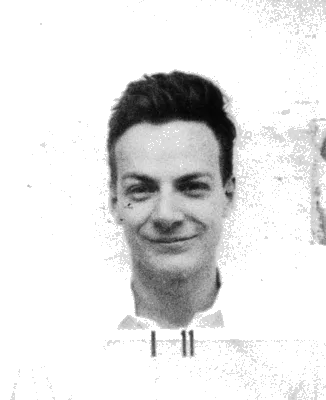
Richard Feynman was raised in a Reform Jewish community by an unbelieving father who taught him that names and uniforms are not knowledge. He left Sunday school at almost thirteen because its history mixed fiction with fact, and refused his father's Kaddish in 1946. In 1956 he argued that science turns "Is there a God?" into "How sure is it?", and in 1967 he refused to be counted among Jewish Nobel winners. Late in life he called himself as strong an atheist as anyone was likely to find, at ease with doubt and not knowing.
Kurt Vonnegut
Kurt Vonnegut inherited his unbelief from a line of German-American freethinkers, beginning with a great-grandfather who asked for no prayers at his coffin. He never had a faith to lose, and found his unbelief confirmed by war and anthropology. In later life he turned not toward God but toward the ethics of the Sermon on the Mount. He called himself a Christ-loving atheist, and a humanist in honour of his parents.
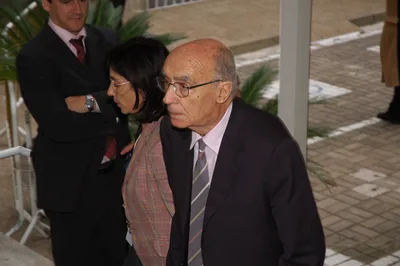
José Saramago
José Saramago never had a faith to lose, so his unbelief is the story of where he aimed it. He aimed it at a Church allied with the landlords (1980), and at the God of the Gospels after what he called "the lesson of doubt" (1991). When the Portuguese government kept his Gospel from a European prize in 1992, it became a public quarrel, and he left for Lanzarote. In 2001 he signed his own word, "atheism". In 2009, while attacking the God of the Bible in Caim, he admitted that "atheist" was only a word, that he was steeped in Christian values, and that there are no absolute atheists.