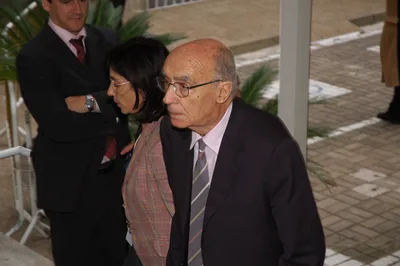
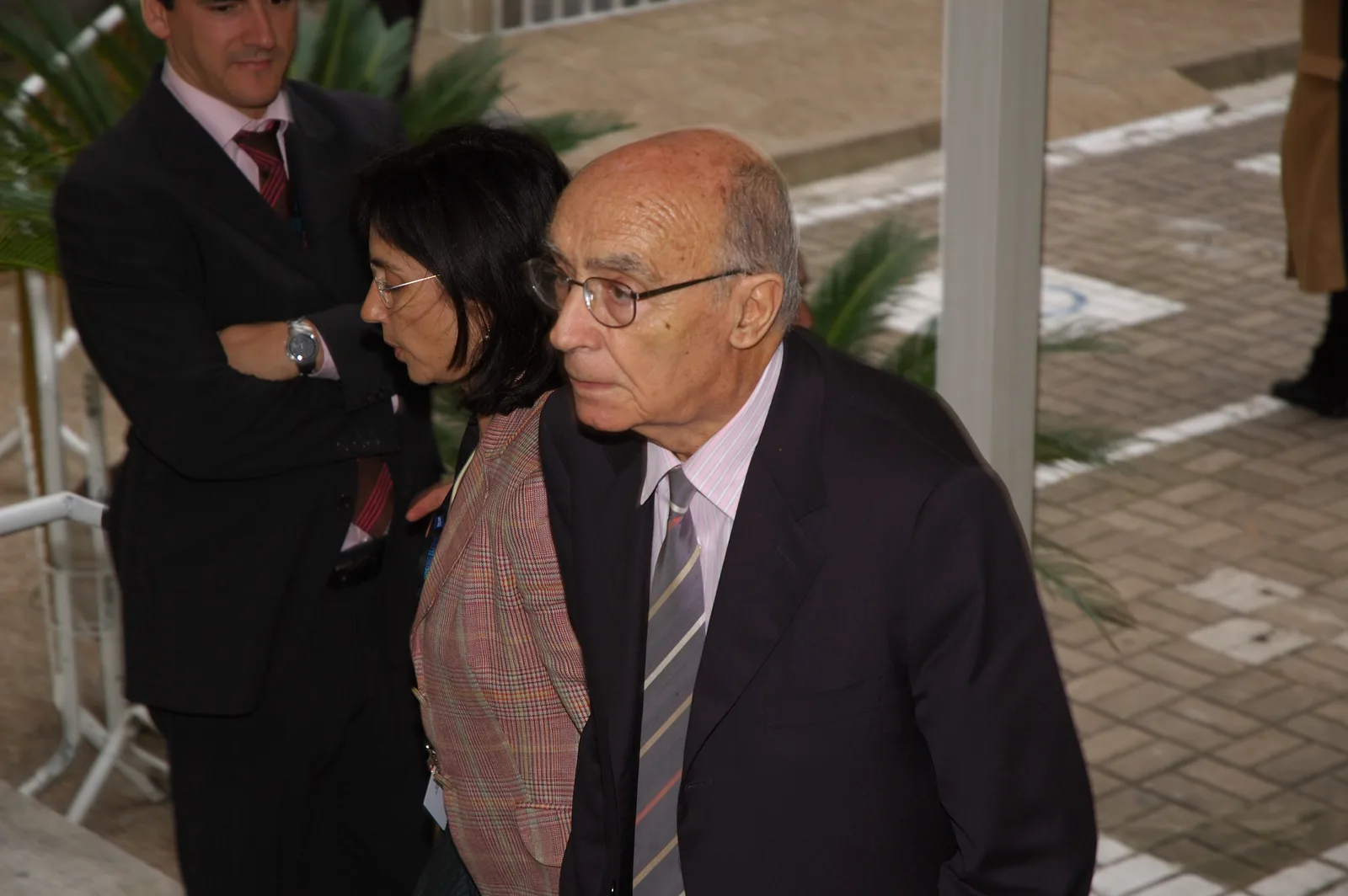
José Saramago never had a faith to lose, so his unbelief is the story of where he aimed it. He aimed it at a Church allied with the landlords (1980), and at the God of the Gospels after what he called "the lesson of doubt" (1991). When the Portuguese government kept his Gospel from a European prize in 1992, it became a public quarrel, and he left for Lanzarote. In 2001 he signed his own word, "atheism". In 2009, while attacking the God of the Bible in Caim, he admitted that "atheist" was only a word, that he was steeped in Christian values, and that there are no absolute atheists.
The belief timeline
- Unbelief without a faith (inferred, from his 2009 account) (childhood to 1940s) — No religious education at school or at home and no adolescent crisis, by his own retrospective statement of 17 Oct 2009; no contemporary document of the childhood was found [59][73]
- The Church as ally of power (1980) — Levantado do Chão (1980), described in 1998 as the story of peasants "deceived by a Church both accomplice and beneficiary" of State and landlords; his Party membership dates from 1969 [11][15][16]
- Doubt (1989–1991) — After the History of the Siege of Lisbon (1989), the novel in which, he says in 1998, he learned "the lesson of doubt", he reads the Gospels "as if for the first time" and writes his own (published Nov 1991); the dating of this mark rests on his own 1998 retrospective (inferred) [19][20][21][22][24]
- Declaration (1992 (public), 2001 (plain self-label)) — The 1992 veto turns the novel into a public quarrel and he leaves Portugal in Feb 1993; the first self-label of "atheism" found in his own signed words is 18 Sept 2001 [25][33][44]
- Revision (2009) — In Oct 2009, around Caim, he says "Ateo es sólo una palabra", that he is "empapado de valores cristianos", that "não há ateus absolutos", and that his target is the religions, not God ("Até porque ele não existe") [53][57][59]
Notes to the timeline (15)
- [59] In the 17 Oct 2009 El País interview he said he never had religious education "ni en el colegio, ni en casa", no religious crisis in adolescence "ni cuando uno empieza a preguntarse sobre la muerte", that "la muerte es la inventora de Dios", and "Ateo es sólo una palabra". — Francesc Relea, "La muerte es la inventora de Dios" (interview), El País, Babelia, 17 October 2009, para. 1, 4.
- [73] No source found documents any baptism, catechism, church attendance or religious instruction in childhood; the only statement is his own, in 2009, that he had no religious education. — absence; Relea, "La muerte es la inventora de Dios", para. 4. Not verified.
- [11] He joined the Portuguese Communist Party in 1969. — Julian Evans, "The militant magician", The Guardian, 28 Dec 2002, (online, "joining the Partido Comunista Português (PCP) in 1969"); Elizabeth Nash, "Saramago the atheist, an outsider in his own land", The Independent, 8 Oct 1998 (Wayback copy). research/texts/independent-1998-10-08-nash.txt.
- [15] In early 1976 he settled for some weeks at Lavre in the Alentejo; the period of study led to Risen from the Ground (1980), "where the way of narrating which characterises my novels was born". — José Saramago, autobiographical note, English translation by Fernando Rodrigues and Tim Crosfield, in Les Prix Nobel. The Nobel Prizes 1998, ed. Tore Frängsmyr (Nobel Foundation, 1999), para. 12.
- [16] In the 1998 lecture he describes the people of Risen from the Ground, like his grandparents, as "Common people I knew, deceived by a Church both accomplice and beneficiary of the power of the State and of the landlords". — José Saramago, Nobel Lecture, Stockholm, December 1998 ("How characters became the masters and the author their apprentice"), same volume, para. 5.
- [19] In the lecture he says the proof-reader of History of the Siege of Lisbon taught the author "the lesson of doubt", and that "probably it was this learning of doubt that made him go through the writing of The Gospel According to Jesus Christ". — NobelLect, para. 10–11.
- [20] He says the Gospel's title "was the result of an optical illusion"; a Lisbon archive dossier places the illusion in 1987 in a street in Seville. — NobelLect, para. 11; Hemeroteca Municipal de Lisboa, "Livros que foram notícia: O Evangelho Segundo Jesus Cristo" (2018), p. 1 text. research/texts/hemeroteca-lisboa-livros-que-foram-noticia-evangelho.txt, p. 1.
- [21] He says that reading the New Testament "as if for the first time" he could not understand the massacre of the innocents (why the only person who could have saved the children did not), or Joseph's lack of remorse, and argues that common sense says God would not send his Son to earth to be killed by a soldier of Herod at two years old. — NobelLect, para. 11.
- [22] He calls the book a "heretical Gospel" in which Joseph accepts guilt and which is "not... one more edifying legend of blessed beings and gods, but the story of a few human beings subjected to a power they fight but cannot defeat". — NobelLect, para. 11.
- [24] O Evangelho segundo Jesus Cristo came out in November 1991 (13 November per Wikipedia); the first printing of 50,000 copies sold out in a month. — Lisboa, "Livros que foram notícia: O Evangelho…", p. 1; "O Evangelho segundo Jesus Cristo", Portuguese Wikipedia, revision 72963152 of 2026-09-12 (source of the Archbishop of Braga quotation and the 13 Nov 1991 date; originals not seen). research/texts/wikipedia-pt-evangelho.txt. Reported at second hand; the original has not been seen.
- [25] On 29 April 1992 the Under-Secretary of State for Culture, António Sousa Lara, told Parliament that he, under his delegated authority, had decided the novel could not be among the works selected for Portugal's entry to the European Literary Prize. — Diário da Assembleia da República, I série, n.º 56, VI Legislatura, 1.ª sessão, 30 April 1992 (sitting of 29 April), pp. 1758–1760 and 1766, p. 1758–1760; Diário da Assembleia da República, II série-B, n.º 20 (suplemento 1), 13 May 1992, p. 12 (Requerimento n.º 818/VI, António Filipe, PCP, 12 May 1992), p. 12.
- [33] In his own account he and his wife moved to Lanzarote "in consequence of" the government censorship, in February 1993, and in 1993 he began the diary Cadernos de Lanzarote. — José Saramago, Autobiografia (Portuguese original, 2008 version; footnote adds that Caim, O Caderno and O Caderno II came after), Fundação José Saramago, (Portuguese; the English Nobel text omits the month); Saramago, Les Prix Nobel. The Nobel…, para. 13.
- [44] In "El 'factor Dios'" (18 Sept 2001) he wrote that religions have been "causa de sufrimientos inenarrables", that gods "sólo existen en el cerebro humano", that God is "inocente como algo que no existe", and asked the believing reader not to adopt "el ateísmo de quien las ha escrito"; he claimed "el derecho a la herejía". — José Saramago, "El 'factor Dios'", El País (Opinión, Tribuna), 18 September 2001, para. 2–4.
- [53] At Penafiel on Sunday night (18 Oct 2009 by calendar) he said "sem a Bíblia seríamos outras pessoas. Provavelmente melhores", called the Bible "um manual de maus costumes", and that he writes not against God "Até porque ele não existe. É contra as religiões." — João Céu e Silva and Roberto Bessa Moreira, "Surpreende-me a frivolidade dos senhores da Igreja", Diário de Notícias, c. 20 Oct 2009. research/texts/dn-2009-frivolidade-dos-senhores-da-igreja.txt.
- [57] At his Lisbon press conference (21 Oct 2009, "ontem" in DN of 22 Oct) he said "Eu sou ateu mas capaz de ser sensato", that there are no absolute atheists because there are no societies where God has not entered, and that a second reason to write was that "já não há fogueiras da Inquisição". — João Céu e Silva, "Saramago quer Caim livro em vez de um caso político", Diário de Notícias, 22 Oct 2009. research/texts/dn-2009-saramago-quer-caim-livro.txt.
The Right to Heresy
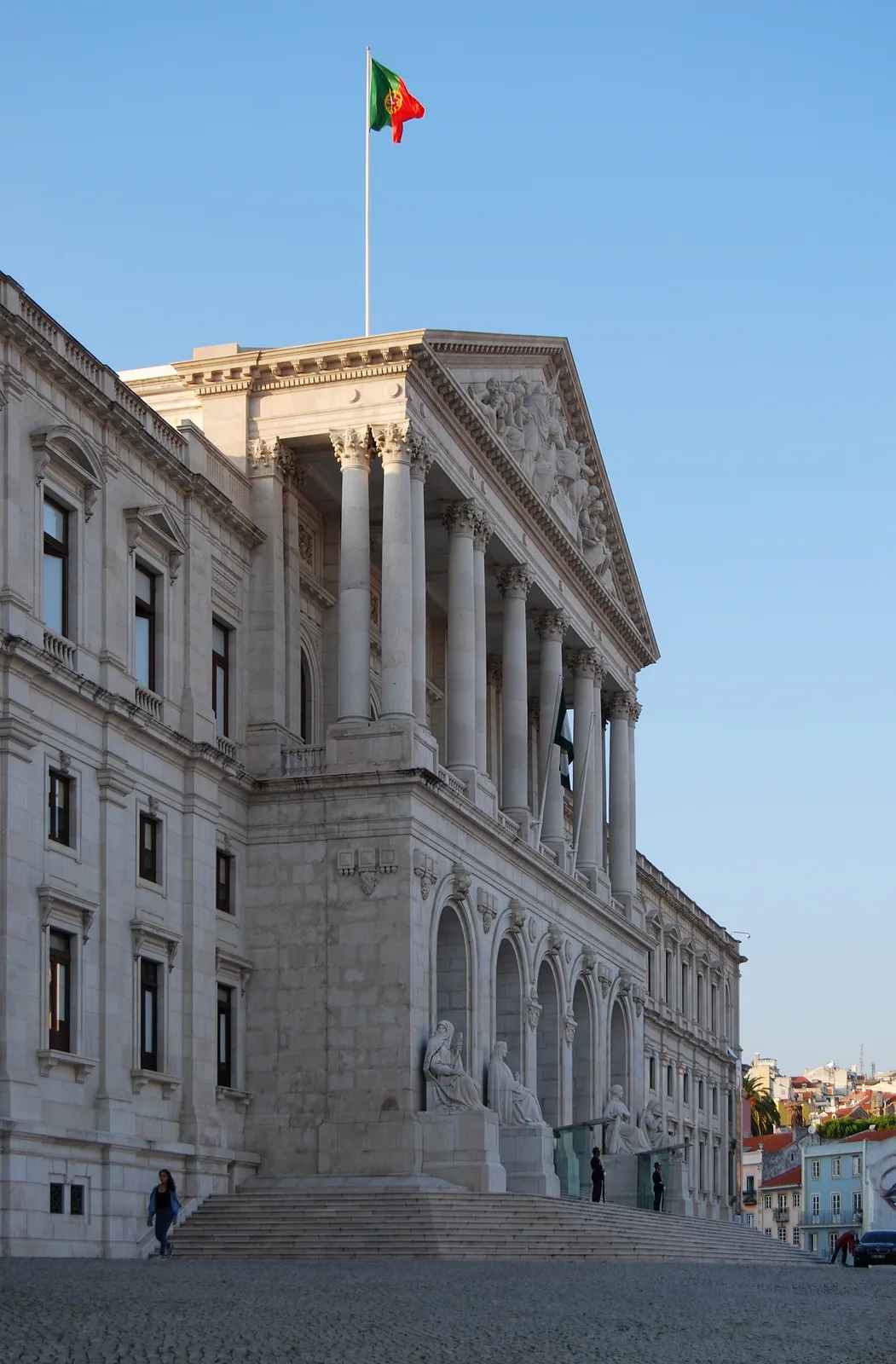
On 29 April 1992 the Portuguese Parliament debated a novel. The Under-Secretary of State for Culture, António Sousa Lara, rose to explain why he had kept O Evangelho segundo Jesus Cristo, The Gospel According to Jesus Christ, out of Portugal's entries for a European literary prize. The book, he said,
attacked principles that have to do with the religious heritage of Christians, and not only of the Church, ... and so, far from uniting the Portuguese, it divided them in what is a spiritual heritage.12
From the opposition benches came the cry "The Inquisition is back!", and a Socialist deputy asked whether Portugal now had an "Ayatollah Lara."3 The novel's author was José Saramago, then sixty-nine, a former mechanic, journalist and Communist. Six years later he won the Nobel Prize. This chapter asks how a man who said he never had a faith came to spend much of his last twenty years writing about God, and how his unbelief was aimed, first at a Church allied with landlords, then at the God of the Bible, and at the end, more gently, at the word "atheist" itself.
Azinhaga and Lisbon
He was born on 16 November 1922 into a family of landless peasants in Azinhaga, a village of the Ribatejo; his parents were José de Sousa and Maria da Piedade. His papers give the 18th, a small fraud, he said, that saved the family a fine for registering him late.45 The registrar added the family's nickname, Saramago, the name of a wild herb whose leaves fed the poor, and the boy learned his full name only when he started school at seven.6
In 1924 his father, who had served as an artilleryman in France in the First World War, left the land for Lisbon and became a policeman. Saramago's older brother Francisco died a few months after the move.78 The family lived in parts of houses shared with other families until he was thirteen or fourteen.9 Until he came of age he went back often, for long stays, to his mother's parents in Azinhaga, Jerónimo Meirinho and Josefa Caixinha. Both were illiterate, and he said in his Nobel lecture that the wisest man he ever knew could not read or write.10
His timeline has no mark for faith. In 2009, at eighty-six, he told an interviewer that he had never had any religious education, neither at school nor at home, and had gone through no religious crisis, either in adolescence or later when one begins to think about death.11 No document of his childhood found for this chapter shows a baptism, a catechism or a church; but that statement is his own, made late in life, and his memoir of his childhood was not read for this chapter.12
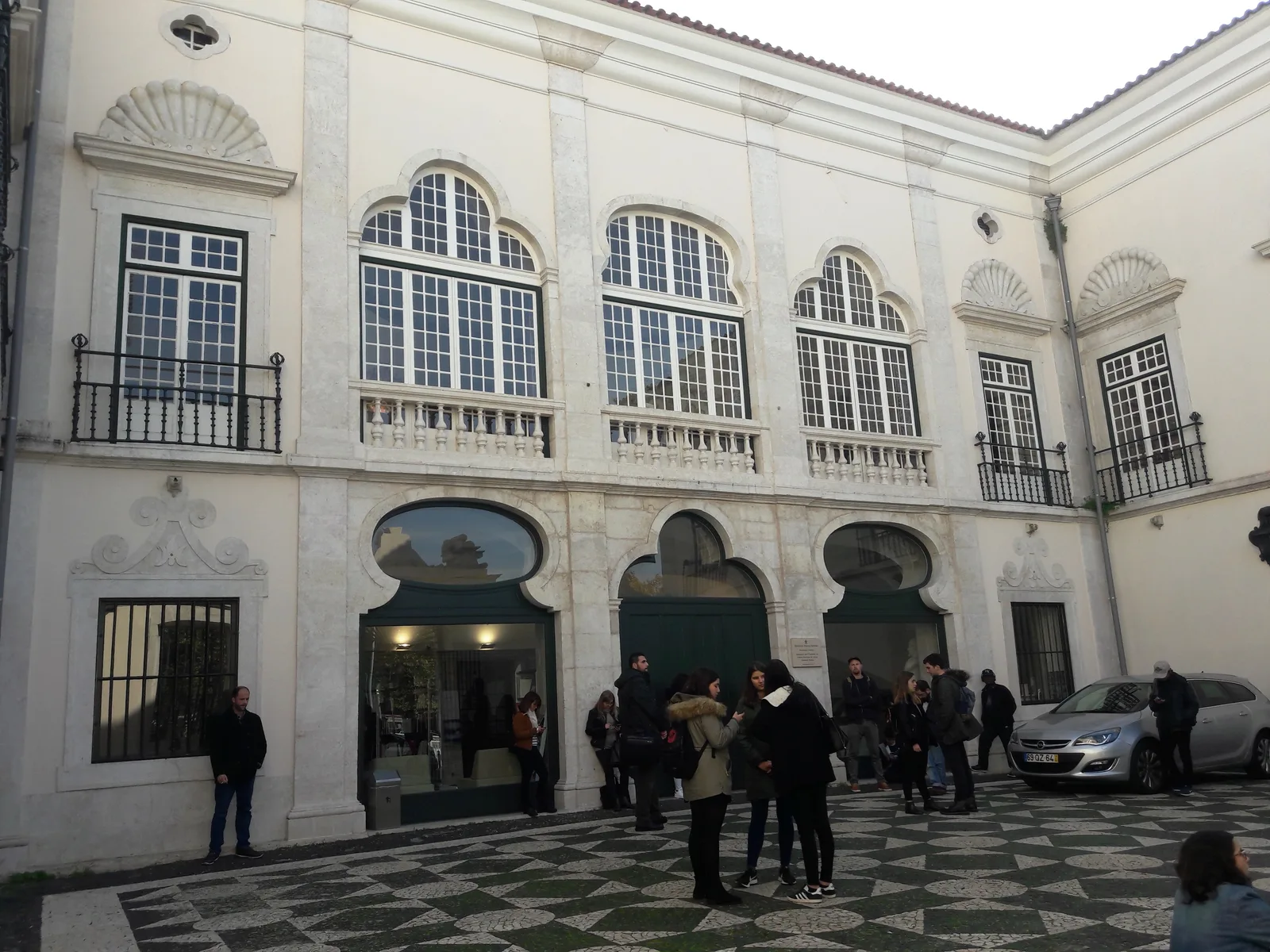
He was a good pupil, but after two years at grammar school the family could not pay, and he trained for five years as a mechanic at a technical school whose course included French and literature. There were no books at home. He read at night in a public library in Lisbon, the library of the Palácio Galveias.13
A Church allied with power
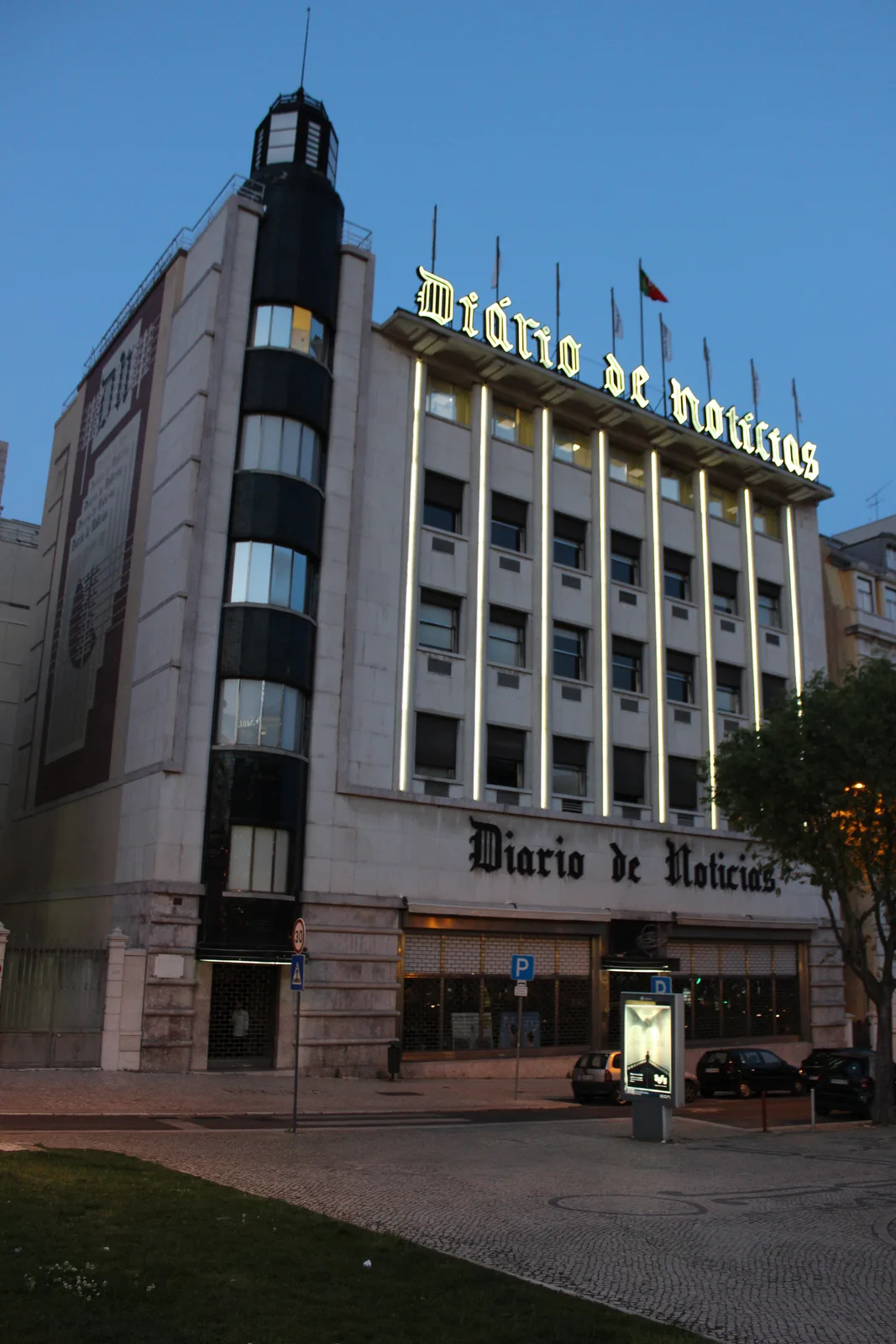
He married Ilda Reis in 1944; their daughter Violante was born in 1947, the year his first novel appeared. In 1949 he lost his job "for political reasons."1415 He joined the Portuguese Communist Party in 1969, and divorced in 1970.1617 He was deputy director of the Lisbon daily Diário de Notícias until the political-military coup of 25 November 1975, after which he was dismissed.18
In 1976 he spent some weeks at Lavre in the Alentejo, and the period of study that followed led to the novel Levantado do Chão, Raised from the Ground (1980), in which, he said, his way of telling a story was born.19 In his Nobel lecture he described its people as he described his grandparents: common people he had known, deceived by a Church that was the accomplice and the beneficiary of the State and the landlords.2021 This is the first mark on his timeline, and his unbelief here is a complaint against an institution.
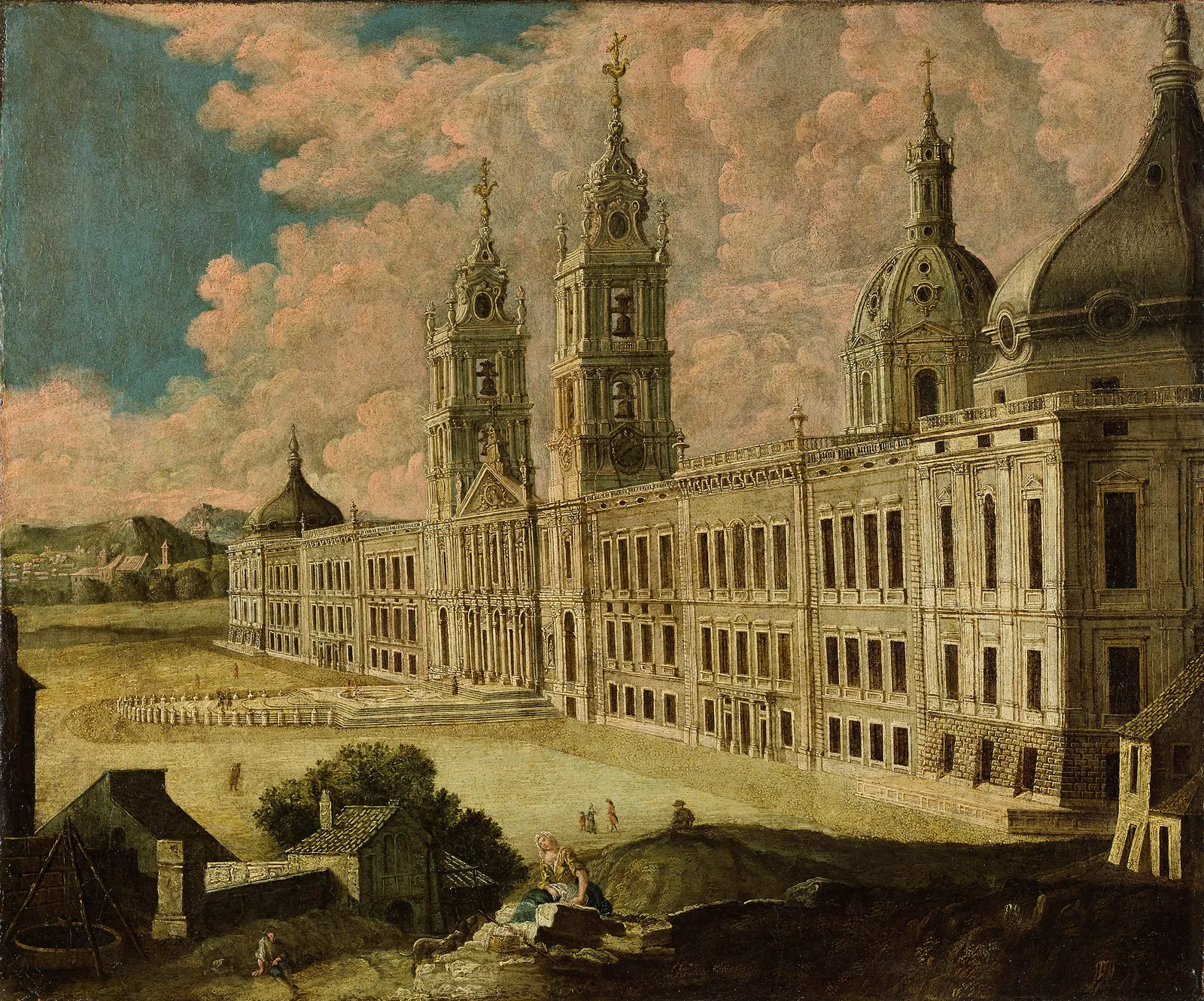
Two years later, in Memorial do Convento (1982), published in English as Baltasar and Blimunda, he set a love story beside the building of the great convent at Mafra in the eighteenth century, a time and country, he said, where superstition and the fires of the Inquisition flourished.22
In 1986 he met the Spanish journalist Pilar del Río, and they married in 1988.23
The lesson of doubt
In 1989 he published The History of the Siege of Lisbon, whose hero is a proof-reader. In the Nobel lecture, speaking of himself in the third person as "the apprentice," he said that the proof-reader had taught the author "the lesson of doubt," and that this lesson probably carried him into his next book.2425 The title of that book, he said, came from an optical illusion; a Lisbon archive dossier places it in a street in Seville in 1987.26
He told the Academy how he came to write it. Reading the New Testament as if for the first time, he could not understand the massacre of the innocents: why the only person who could have saved the children did not do so. Nor could he understand that Joseph felt no remorse. Common sense, he said, would not have God send his Son to earth to be killed by one of Herod's soldiers at the age of two.27 In his Gospel, Joseph takes on the guilt, and the book is not, he said, another edifying legend of blessed beings and gods but the story of a few human beings under a power they fight and cannot defeat.2829 He called it "heretical."29 The Swedish Academy's speech of 1998 read it the same way: in his Gospel the expected order is overturned by God's hunger for power, and Jesus becomes a figure of defiance.30
The novel came out in November 1991. Its first printing of 50,000 copies sold out within a month.31 On the belief timeline, this is where his doubt falls, but it is a doubt about the story, not about a faith of his own.
The veto
In April 1992 Sousa Lara, under authority delegated to him by the government of Aníbal Cavaco Silva, decided that the Gospel could not be among the three Portuguese works put forward for a European literary prize.3233 He told Parliament that six works had been proposed and that he had chosen three, leaving out Saramago's.34 A Communist deputy asked in writing on 12 May whether the newspaper Público was right that the literature institute had proposed only three names and that Sousa Lara had struck Saramago from them; accounts differ on which it was.35 Sousa Lara insisted that he had judged the book and not the man:
I considered that the work, and not the person ... was profoundly polemical, as indeed the critics also considered it.3637
Therefore, under the authority delegated to me, I considered that this work could not be included among those eligible for selection.3837
The book was never banned; it was left out of the national entry.39 Saramago, and the biography published by his foundation, called it censorship.40 In May 1992 the Archbishop of Braga, Eurico Dias Nogueira, described him as a writer who presented himself as a confessed atheist and an impenitent communist; this rests on Portuguese Wikipedia, and the archbishop's original was not seen for this chapter.4142
In February 1993 he and Pilar del Río left Portugal for Lanzarote, in the Canary Islands, as a consequence, he wrote, of the censorship.40 Fifteen years later he told a British interviewer that he had left in protest against the government of the day, not out of anger at Portugal, and that he still paid his taxes there.4344 Sousa Lara never changed his mind. In 2004, after a lunch of reconciliation between Saramago and a later government, he said he did not regret the veto and would do it again; in 2017 he said he would do it twenty times over, that the novel insulted the divinity in a country whose reference is the Bible, and that he had never banned its publication.4539
In Lanzarote he began a diary, the Cadernos de Lanzarote.46 His play In Nomine Dei, set in sixteenth-century Münster, was staged in 1993 as the opera Divara; it taught him, he said in the Nobel lecture, that religions have never been used to bring people together.4748
Stockholm, 1998
The Nobel Prize in Literature was announced on 8 October 1998; he was the first author writing in Portuguese to receive it. The citation praised his "parables sustained by imagination, compassion and irony."49 On the same day the Vatican newspaper L'Osservatore Romano criticised the choice, calling him, in the various English renderings, an ideological communist with an anti-religious outlook.50 The next day, at a press conference in Frankfurt, he answered that the Vatican should keep to its prayers and leave people in peace, and that he respected believers but not the institution. If the Pope had been on the jury, he added, he would have won nothing.515253
The declaration
The Nobel Foundation's pages and the newspapers called him an atheist from the time of the prize.5455 The first time this chapter finds the word in his own signed words is an essay in El País of 18 September 2001 called "El 'factor Dios'." In it he wrote that religions had caused unspeakable suffering, that gods exist only in the human brain, and that God was as innocent as something that does not exist. He asked the believing reader not to adopt the "atheism" of the writer, only to understand him, and he claimed for every person the right to say no, the right to heresy.565758 On his timeline, this is the declaration.
He did not give up his politics. In 2002 he called himself a "hormonal communist," and when he was asked about the crimes committed under communism, he answered that much had been done in history in the name of the best intentions, and that Christianity was a good example.59 In his blog, which has posts from September 2008, he wrote with irony of a homily by Benedict XVI and said the existence of God could not be proved.6061 He recalled a line he had written in his Lanzarote diary in the 1990s, that God is the silence of the universe and man the cry that gives that silence meaning.6263 In 2009 he named the right to heresy as one of two rights missing from the Universal Declaration of Human Rights.64
Caim and the revision
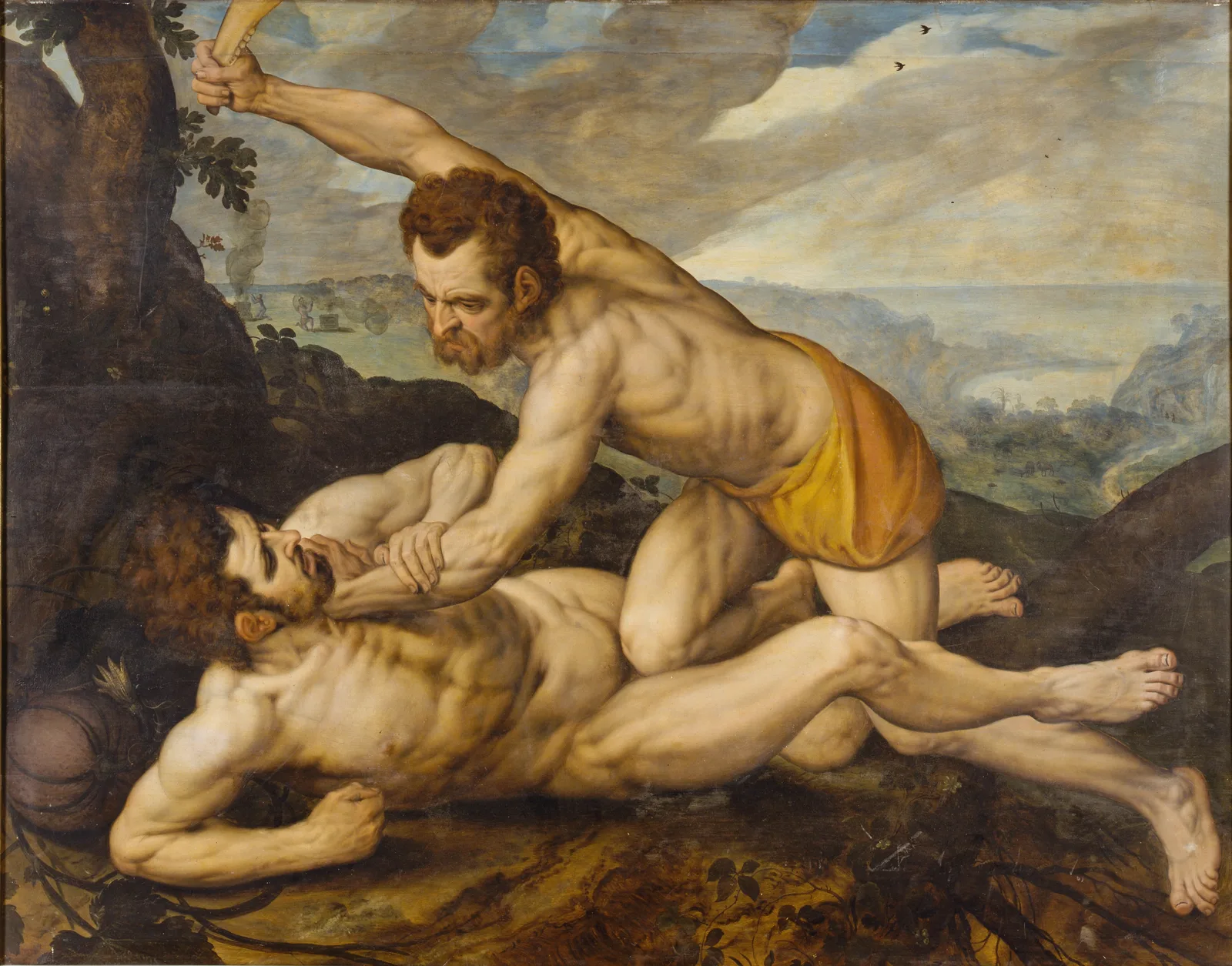
In November 2008, at eighty-six, he began a last novel on the Bible, Caim, Cain, about a subject he said had interested him for more than forty years.65 In October 2009 he went on the attack. At Penafiel he called the Bible a manual of bad habits and a catalogue of cruelty, and said he wrote not against God, since God did not exist, but against the religions.6667 The Church answered at once. The Bishop of Porto, Manuel Clemente, spoke of a "distressing naivety"; the Episcopal Conference's spokesman, Father Manuel Morujão, of a publicity operation and a tone unworthy of a Nobel laureate; the rabbi of Lisbon said Saramago did not know the Bible; and a Portuguese member of the European Parliament said he was ashamed to be his compatriot.686970 Saramago replied that he had simply read what was on the page and spoke about what he read.71
But in the same weeks he said other things too. To El País he said that death is the inventor of God; that "atheist" was only a word; that at bottom he was steeped in Christian values, some of which were also the values of humanism; and that he had every right to talk about God, because God was a problem that touched all of humanity.72737411 At his Lisbon press conference he said he was an atheist but capable of being sensible, and that there are no absolute atheists, because there is no society God has not entered: he could reject God, but he could not erase him by saying he does not exist.757677 In a television debate with Father Carreira das Neves, a professor of biblical studies, he defended the right to heresy; the priest answered that if one does not believe in God there is no heresy. Saramago admitted that he had gone too far in one insult to God.7879 The theologian Anselmo Borges said he liked the book and thought it important, and that if God were what Saramago described, the only possible attitude would be atheism; but God, he said, is not like that.80
This is where the timeline places his revision. He did not come back to belief. He came to say that unbelief was a position inside a Christian culture, not outside it.
The end
He died on Lanzarote on 18 June 2010. His body was flown to Lisbon, where, by the police's count, more than twenty thousand people came to pay their respects, and he was cremated after a funeral on Sunday 20 June. President Cavaco Silva, who as prime minister had backed the veto, did not attend.81 The same Sunday L'Osservatore Romano, in the BBC's rendering, called him "a populist extremist" and "an anti-religious ideologue."8283
Did his unbelief change shape?
Saramago had no faith to lose, and so his unbelief was never a story of loss. It was a story of aim. In 1980 it was aimed at a Church that sided with the landlords. In 1991, after what he called the lesson of doubt, it was aimed at the story of a God who let the children of Bethlehem die. After the veto of 1992, and after the prize, it became a public quarrel, and in 2001 he put his own name to the word "atheism." In 2009 he was angrier than ever at the God of the Bible, and at the same time readier than ever to say that the word was only a word, that he was made of Christian values, and that no one in a world God had entered could be an absolute atheist. What did not change was the right he claimed from 1991 to the end: the right to read the book for himself, and to say no.
In the same debate of 1992, a deputy compared the veto with the fatwa against Salman Rushdie. Salman Rushdie has his own chapter in this book.
Footnotes
-
António Sousa Lara, Under-Secretary of State for Culture, in the Assembleia da República, 29/30 April 1992: Diário da Assembleia da República, I série, n.º 56, VI Legislatura, 1.ª sessão, 30 April 1992 (sitting of 29 April), pp. 1758–1760 and 1766, p. 1759 (trimmed: three lines of heckling and applause omitted at the ellipsis). ↩
-
DAR, p. 1759. ↩
-
DAR, p. 1759, 1760, 1766. ↩
-
José Saramago, autobiographical note, English translation by Fernando Rodrigues and Tim Crosfield, in Les Prix Nobel. The Nobel Prizes 1998, ed. Tore Frängsmyr (Nobel Foundation, 1999), para. 1–2; Nobel Prize Outreach, "José Saramago — Facts", Nobel Prize in Literature 1998. ↩
-
Saramago, Les Prix Nobel. The Nobel…, para. 2. Accounts differ; see the disputed points. ↩
-
Saramago, Les Prix Nobel. The Nobel…, para. 1. ↩
-
Saramago, Les Prix Nobel. The Nobel…, para. 3. ↩
-
Saramago, Les Prix Nobel. The Nobel…, para. 4. ↩
-
Saramago, Les Prix Nobel. The Nobel…, para. 4–5. ↩
-
Saramago, Les Prix Nobel. The Nobel…, para. 5; José Saramago, Nobel Lecture, Stockholm, December 1998 ("How characters became the masters and the author their apprentice"), same volume, para. 1. ↩
-
Francesc Relea, "La muerte es la inventora de Dios" (interview), El País, Babelia, 17 October 2009, para. 1, 4. ↩ ↩2
-
absence; Relea, "La muerte es la inventora de Dios", para. 4. Not verified. ↩
-
Saramago, Les Prix Nobel. The Nobel…, para. 6; José Saramago, Autobiografia (Portuguese original, 2008 version; footnote adds that Caim, O Caderno and O Caderno II came after), Fundação José Saramago, (Foundation biography section). ↩
-
Saramago, Les Prix Nobel. The Nobel…, para. 7. ↩
-
Saramago, Les Prix Nobel. The Nobel…, para. 8. ↩
-
Julian Evans, "The militant magician", The Guardian, 28 Dec 2002, (online, "joining the Partido Comunista Português (PCP) in 1969"); Elizabeth Nash, "Saramago the atheist, an outsider in his own land", The Independent, 8 Oct 1998 (Wayback copy). research/texts/independent-1998-10-08-nash.txt. ↩
-
Saramago, Les Prix Nobel. The Nobel…, para. 9. ↩
-
Saramago, Les Prix Nobel. The Nobel…, para. 11. ↩
-
Saramago, Les Prix Nobel. The Nobel…, para. 12. ↩
-
José Saramago, Nobel lecture, 1998: NobelLect, para. 5. ↩
-
NobelLect, para. 5. ↩
-
NobelLect, para. 7; Saramago, Les Prix Nobel. The Nobel…, para. 12. ↩
-
Saramago, Les Prix Nobel. The Nobel…, para. 12. ↩
-
José Saramago, Nobel lecture, 1998: NobelLect, para. 11. ↩
-
NobelLect, para. 10–11. ↩
-
NobelLect, para. 11; Hemeroteca Municipal de Lisboa, "Livros que foram notícia: O Evangelho Segundo Jesus Cristo" (2018), p. 1 text. research/texts/hemeroteca-lisboa-livros-que-foram-noticia-evangelho.txt, p. 1. ↩
-
NobelLect, para. 11. ↩
-
José Saramago, Nobel lecture, 1998: NobelLect, para. 11. ↩
-
Kjell Espmark (Swedish Academy), award ceremony speech, 10 December 1998, (online, paragraph on his narrative versions). ↩
-
Lisboa, "Livros que foram notícia: O Evangelho…", p. 1; "O Evangelho segundo Jesus Cristo", Portuguese Wikipedia, revision 72963152 of 2026-09-12 (source of the Archbishop of Braga quotation and the 13 Nov 1991 date; originals not seen). research/texts/wikipedia-pt-evangelho.txt. Reported at second hand; the original has not been seen. ↩
-
DAR, p. 1758–1760; Diário da Assembleia da República, II série-B, n.º 20 (suplemento 1), 13 May 1992, p. 12 (Requerimento n.º 818/VI, António Filipe, PCP, 12 May 1992), p. 12. ↩
-
Relea, "La muerte es la inventora de Dios", para. 1; BBC News, "President defends Jose Saramago funeral no-show", 21 June 2010. ↩
-
DAR, p. 1759. ↩
-
DAR-B, p. 12. ↩
-
António Sousa Lara, same debate: DAR, p. 1759. ↩
-
António Sousa Lara, same debate: DAR, p. 1760. ↩
-
Cláudia Carvalho Silva, "Sousa Lara, o antigo governante cansado de falar sobre Saramago", Público, 2 Sept 2017 (Wayback copy). research/texts/publico-2017-sousa-lara.txt. ↩ ↩2
-
FJSAuto, (Portuguese; the English Nobel text omits the month); Saramago, Les Prix Nobel. The Nobel…, para. 13. ↩ ↩2
-
D. Eurico Dias Nogueira, Archbishop of Braga, May 1992: "O Evangelho segundo Jesus Cristo", (Portuguese Wikipedia, rev. 72963152); original not seen. Not checked against the original (no (secondhand; found only on Wikipedia)). ↩
-
"O Evangelho segundo Jesus Cristo". ↩
-
José Saramago, to Maya Jaggi: The Guardian, 22 Nov 2008. ↩
-
Maya Jaggi, interview "New ways of seeing", The Guardian, 22 Nov 2008 (Wayback copy). research/texts/guardian-2008-11-22-jaggi-interview.txt. ↩
-
TSF, "Sousa Lara voltaria a vetar livro de Saramago", 15 April 2004 (date from the Wikipedia citation; the archived page shows none). research/texts/tsf-2004-sousa-lara-voltaria-a-vetar.txt. ↩
-
Saramago, Les Prix Nobel. The Nobel…, para. 13; FJSAuto. ↩
-
Saramago, Les Prix Nobel. The Nobel…, para. 13; NobelLect, para. 12. ↩
-
José Saramago, Nobel lecture, 1998: NobelLect, para. 12. ↩
-
CNN, "In praise of Portuguese", Oct 1998 (Wayback copy). research/texts/cnn-1998-in-praise-of-portuguese.txt; Outreach, "José Saramago — Facts". ↩
-
Reuters, "Nobel Writer, A Communist, Defends Work", New York Times, 12 Oct 1998, section A, p. 9; CNN, "In praise of Portuguese"; Evans, "The militant magician". ↩
-
José Saramago, Frankfurt, 9 Oct 1998: Reuters via NYT, 12 Oct 1998, p. A9. ↩
-
Reuters, "Nobel Writer, A Communist, Defends Work"; El País, 10 Oct 1998, "José Saramago asegura que el Nobel no cambiará sus convicciones políticas", (news-conference report). ↩
-
Reuters, "Nobel Writer, A Communist, Defends Work". ↩
-
Outreach, "José Saramago — Facts". ↩
-
Nash, "Saramago the atheist, an outsider in…". ↩
-
José Saramago: "El 'factor Dios'", El País, 18 Sept 2001, para. 4. ↩
-
José Saramago: "El 'factor Dios'", 2001, para. 2. ↩
-
José Saramago, "El 'factor Dios'", El País (Opinión, Tribuna), 18 September 2001, para. 2–4. ↩
-
Evans, "The militant magician". ↩
-
José Saramago, blog O Caderno (2008–2010): "Deus e Ratzinger", 9 October 2008,, (September 2008 archive). ↩
-
Caderno, 2008-10-09. ↩
-
José Saramago: O Caderno, 9 Oct 2008, "Deus e Ratzinger". COPYRIGHT Fundação José Saramago. He says he wrote it "há uns bons quinze anos" in the Cadernos de Lanzarote. Often quoted as "o ser humano, o grito que dá um sentido" (Wikiquote, El País 2009), and dated 1990 by Wikiquote: not before 1993. ↩
-
Caderno, 2008-10-09. ↩
-
Caderno, 2009-09-28. ↩
-
A. C. M., "Saramago advoga direito à heresia", Diário de Notícias, 24 Oct 2009. research/texts/dn-2009-direito-a-heresia.txt; Relea, "La muerte es la inventora de Dios", para. 8. ↩
-
João Céu e Silva and Roberto Bessa Moreira, "Surpreende-me a frivolidade dos senhores da Igreja", Diário de Notícias, c. 20 Oct 2009. research/texts/dn-2009-frivolidade-dos-senhores-da-igreja.txt. ↩
-
Lusa via Diário de Notícias, "Saramago fala a jornalistas debaixo de fortes críticas de líderes religiosos" and "O Deus da Bíblia é rancoroso, vingativo e má pessoa", October 2009 (Wayback copies). research/texts/dn-lusa-2009-*.txt. ↩
-
Lusa's summary of Bishop Manuel Clemente and Fr Manuel Morujão, Oct 2009: DN/Lusa, Oct 2009 (Lusa gives Clemente's title as president of the Episcopal Conference; see Disputed points). ↩
-
Lusa's summary of Mário David, PSD member of the European Parliament and self-described non-practising Catholic, Oct 2009: DN/Lusa, Oct 2009. ↩
-
Notícias, "Saramago fala a jornalistas debaixo de…". ↩
-
José Saramago, reply to Bishop Clemente: DN, c. 20 Oct 2009. ↩
-
José Saramago: El País, 17 Oct 2009, para. 4. ↩
-
José Saramago: El País, 17 Oct 2009, para. 4. ↩
-
José Saramago: El País, 17 Oct 2009, para. 1. ↩
-
José Saramago, Lisbon press conference: DN, 22 Oct 2009, "Saramago quer Caim livro em vez de um caso político". ↩
-
José Saramago, Lisbon press conference: DN, 22 Oct 2009. ↩
-
João Céu e Silva, "Saramago quer Caim livro em vez de um caso político", Diário de Notícias, 22 Oct 2009. research/texts/dn-2009-saramago-quer-caim-livro.txt. ↩
-
Padre Carreira das Neves, priest and professor of biblical sciences, in the SIC debate with Saramago, 23 Oct 2009: DN, 24 Oct 2009, "Saramago advoga direito à heresia". ↩
-
M, "Saramago advoga direito à heresia". ↩
-
Anselmo Borges, theologian (per DN), on Caim: DN, "Igreja Católica já lê Caim", Oct 2009. ↩
-
Outreach, "José Saramago — Facts"; BBC News, "Nobel-winning author Jose Saramago dies at 87", 18 June 2010; News, "President defends Jose Saramago funeral no-show". ↩
-
L'Osservatore Romano, 20 June 2010 per BBC: News, "President defends Jose Saramago funeral no-show". ↩
-
News, "President defends Jose Saramago funeral no-show". ↩
In their own words
Nunca tuve educación religiosa. Ni en el colegio, ni en casa. No tuve crisis religiosas en la adolescencia ni cuando uno empieza a preguntarse sobre la muerte.
Sinceramente, creo que la muerte es la inventora de Dios. Si fuéramos inmortales no tendríamos ningún motivo para inventar un Dios.
Ateo es sólo una palabra. En el fondo, estoy empapado de valores cristianos, y es verdad que algunos de estos valores coinciden con valores de humanismo.
Hay quien me niega el derecho de hablar de Dios, porque no creo. Y yo digo que tengo todo el derecho del mundo. Quiero hablar de Dios porque es un problema que afecta a toda la humanidad.
Al lector creyente (de cualquier creencia...) que haya conseguido soportar la repugnancia que probablemente le inspiren estas palabras, no le pido que se pase al ateísmo de quien las ha escrito.
Los dioses, pienso yo, sólo existen en el cerebro humano, prosperan o se deterioran dentro del mismo universo que los ha inventado, pero el `factor Dios´, ese, está presente en la vida como si efectivamente fuese dueño y señor de ella.
Dice Nietzsche que todo estaría permitido si Dios no existiese, y yo respondo que precisamente por causa y en nombre de Dios es por lo que se ha permitido y justificado todo, principalmente lo peor, principalmente lo más horrendo y cruel.
el más humano de los derechos: el derecho a decir no, el derecho a la herejía, el derecho a escoger otra cosa, que sólo eso es lo que la palabra herejía significa.
Deus é o silêncio do universo e o homem o grito que dá sentido a esse silêncio.
Se não existe (pelo menos nunca falou com Ratzinger), então tudo isto são histórias que já não assustam ninguém.
dissentir é um dos dois direitos que faltam à Declaração dos Direitos Humanos. O outro é o direito à heresia.
Não haveria este romance se o episódio de Caim e Abel não estivesse na Bíblia onde mostra a crueldade de Deus. Um Deus rancoroso, vingativo e má pessoa. Não há que ter confiança no Deus da Bíblia
a Bíblia é um manual de maus costumes, um catálogo de crueldade e do pior da natureza humana
Eu sou ateu mas capaz de ser sensato
Não há ateus absolutos porque não existem sociedades onde Deus não tivesse entrado. Posso rejeitar mas está cá e não posso apagar Deus ao dizer que não existe.
Não é contra Deus que escreve: "Até porque ele não existe. É contra as religiões."
Abençoada ingenuidade que me permitiu ler o que lá está e não qualquer operação de prestidigitação, dessas em que a exegese é pródiga, forçando as palavras a dizerem apenas o que interessa à Igreja. Leio e falo sobre o que leio.
Sou ateu e sinto-me incapaz, mesmo fazendo um esforço mental, de acreditar em Deus, de me aproximar dessa sensação
The Vatican is easily scandalized, especially by people from outside. They should just focus on their prayers and leave people in peace. I respect those who believe, but I have no respect for the institution.
En 1992 tuve un conflicto con el Ministerio de Educación y Cultura de mi país: me censuró para que no entrara en una terna para el Premio Europa de Literatura porque mi libro [El Evangelio según Jesucristo, 1991] era un atentado contra los sentimientos religiosos portugueses
Common people I knew, deceived by a Church both accomplice and beneficiary of the power of the State and of the landlords, people permanently watched by the police, people so many times innocent victims of the arbitrariness of a false justice.
Well, probably it was this learning of doubt that made him go through the writing of The Gospel According to Jesus Christ.
The apprentice's Gospel is not, consequently, one more edifying legend of blessed beings and gods, but the story of a few human beings subjected to a power they fight but cannot defeat.
Once more, with no other help than the tiny light of his reason, the apprentice had to penetrate the obscure labyrinth of religious beliefs, the beliefs that so easily make human beings kill and be killed.
the church tried to find an explanation for the creation of the world, and they've been defending that idea ever since - with violence. It's a murderous intolerance, like the Inquisition burning people who are seen to be different.
Christianity is a good example: millions of people have been sacrificed for a doctrine which is its opposite, a doctrine that promised and still continues to promise forgiveness, love and compassion.
I left the country as a protest against the government of the time, not anger at Portugal.
The other side
Evangelho Segundo Jesus Cristo é uma obra que, a meu ver, atacou princípios que tem a ver com o património religioso dos cristãos, e não só da Igreja, ... e, portanto, longe de unir os Portugueses, dividiu-os naquilo que é um património espiritual.
Considerei que a obra, e não a pessoa, pois aqui não está em questão a pessoa de José Saramago, nem a sua obra pretérita ou futura, mas tão-só a obra que me era apresentada para este efeito, ou seja, Evangelho Segundo Jesus Cristo, depois de, obviamente, ter pensado sobre o assunto com bastante atenção, ... era profundamente polémica, aliás a crítica também assim a considerou.
Por conseguinte, ao abrigo da tutela que me está delegada, considerei que esta obra não podia ser incluída nas seleccionáveis.
Se tivesse escrito bem sobre Cristo, ficava-lhes bem, agora aquela obra sobre Jesus Cristo não lhes fica bem, com certeza
Mas Saramago enganou-se e as críticas da hierarquia da Igreja Católica não se fizeram esperar, acusado-o de "ingenuidade confrangedora", como fez o presidente da Conferência Episcopal, Bispo Manuel Clemente, ou de estar a protagonizar uma "operação de publicidade" e a usar um tom "ofensivo" que não fica bem a um Prémio Nobel, como disse o porta-voz da mesma instituição, padre Manuel Morujão.
No meio político, José Saramago colheu a crítica mais violenta até ao momento, proferida pelo eurodeputado do PSD Mário David, que falando em nome pessoal e assumindo-se católico não-praticante, disse ter "vergonha" de ser compatriota do escritor e convidou-o a renunciar à "cidadania" portuguesa.
Se não acredita em Deus, não há heresia
"Gostei do livro e até digo que é importante."
yet another ideologically slanted award
Vatican newspaper l'Osservatore Romano on Sunday called Saramago a "populist extremist" and "an anti-religious ideologue".
Um escritor português, ateu confesso e comunista impenitente, como ele mesmo se apresenta, resolveu elaborar uma delirante vida de Cristo, na perspectiva da sua ideologia político-religiosa e distorcida por aqueles parâmetros.
Where accounts differ
| Point | One account | Another | How the page handles it |
|---|---|---|---|
| Birth date | 16 November 1922 (NobelBio, NobelFacts) | 18 November 1922 on his official papers; he says this was a fraud to avoid a fine (NobelBio) | Say he was born on the 16th and registered on the 18th |
| When he left for Lanzarote | February 1993 (his own Portuguese autobiography, FJSAuto) | 1992 (BBC2010b "moved to Lanzarote in 1992"; WP-en); "early 1990s" (BBC2010a) | Say he left after the 1992 veto, in early 1993; the veto year is 1992 |
| Name and year of the prize | Prémio Literário Europeu, 1992 (DAR; ElPais1998a; BBC2010b); Aristeion, a European Commission prize (WP-en, WP-pt) | "European Union's Ariosto prize" (Guardian2002); "(1991)" in a Lisbon archive dossier (Hemeroteca) | Say "a European literary prize" and 1992; Aristeion is the best-supported name but sources differ |
| How the three-name list was made | Sousa Lara: six works proposed, he chose three (DAR p. 1759) | Público, cited in the PCP question of 12 May 1992: the institute proposed three names and Sousa Lara struck Saramago (DAR-B p. 12) | Say accounts differ on whether he cut Saramago from three or selected three from six; both agree he excluded the book |
| Censorship or not | "Censorship" and "veto" (NobelBio; FJSAuto; ElPais1998a) | Sousa Lara: he did not prohibit publication (Publico2017); the book was only left out of the national entry | Say the book was never banned; it was left out of the national entry for the prize |
| Who the Church spoke through, 2009 | Lusa/DN: Bishop Manuel Clemente as "presidente da Conferência Episcopal" (DN-Lusa) | Clemente was bishop of Porto (WP-pt; the Episcopal Conference's president is not named in the sources read) | Say "the Bishop of Porto, Manuel Clemente"; check |
| L'Osservatore Romano, 8 Oct 1998 | "yet another ideologically slanted award" (Reuters1998) | "old-school" communist with a "substantially anti-religious vision" (CNN1998); "inveterate communist with anti-religious views" (Guardian2002); Saramago's reply speaks of a "comunista recalcitrante" (ElPais1998b); "comunista inveterado" (WP-pt) | Do not quote the Vatican paper verbatim until the Italian original is found; paraphrase: it called him an ideological communist with an anti-religious outlook |
| Where "Deus é o silêncio do universo" comes from | Cadernos de Lanzarote, "há uns bons quinze anos" before Oct 2008, i.e. about 1993 (Caderno 2008-10-09; Cadernos began 1993, NobelBio) | "Lanzarote Notebooks (1990)" (Wikiquote) | Date it to the 1990s Cadernos, no volume or page; avoid 1990 |
| Death place | Lanzarote (NobelFacts; BBC) | Tías (WP-pt) | Say Lanzarote |
| Date of the Osservatore obituary | Sunday 20 June 2010 (BBC2010b: "on Sunday") | 19 June 2010 (Folha de S. Paulo headline cited by WP-pt; not read) | Say "days after his death" |
| Date of the Gospel's publication | November 1991 (Hemeroteca) | 13 November 1991 (WP-pt-Ev only) | Say November 1991 |
| Where the "optical illusion" happened | Seville, 1987 (Hemeroteca) | Not given in the lecture (NobelLect) | Say the title came from a mistaken reading, "an optical illusion", as he told it |
List of illustrations
This page uses only public-domain and Creative Commons images; each is credited with its source and licence.
- José Saramago, photograph — Mario Antonio Pena, 2005-09-24 · Mario Antonio Pena, via Wikimedia Commons, CC BY-SA 2.0 · CC BY-SA 2.0
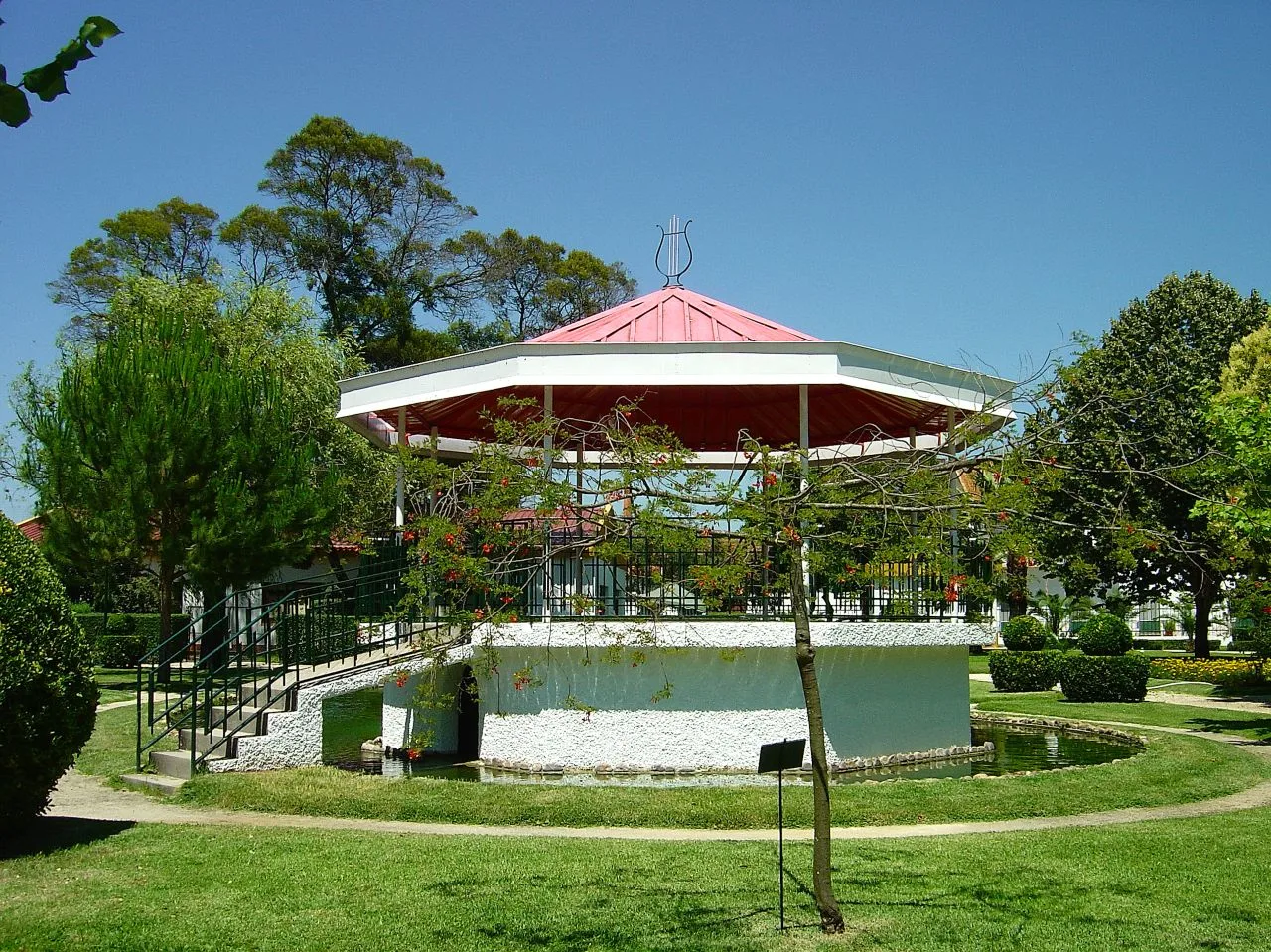
- Azinhaga, Portugal — Vitor Oliveira, 2007-07-06 · Vitor Oliveira, via Wikimedia Commons, CC BY-SA 2.0 · CC BY-SA 2.0
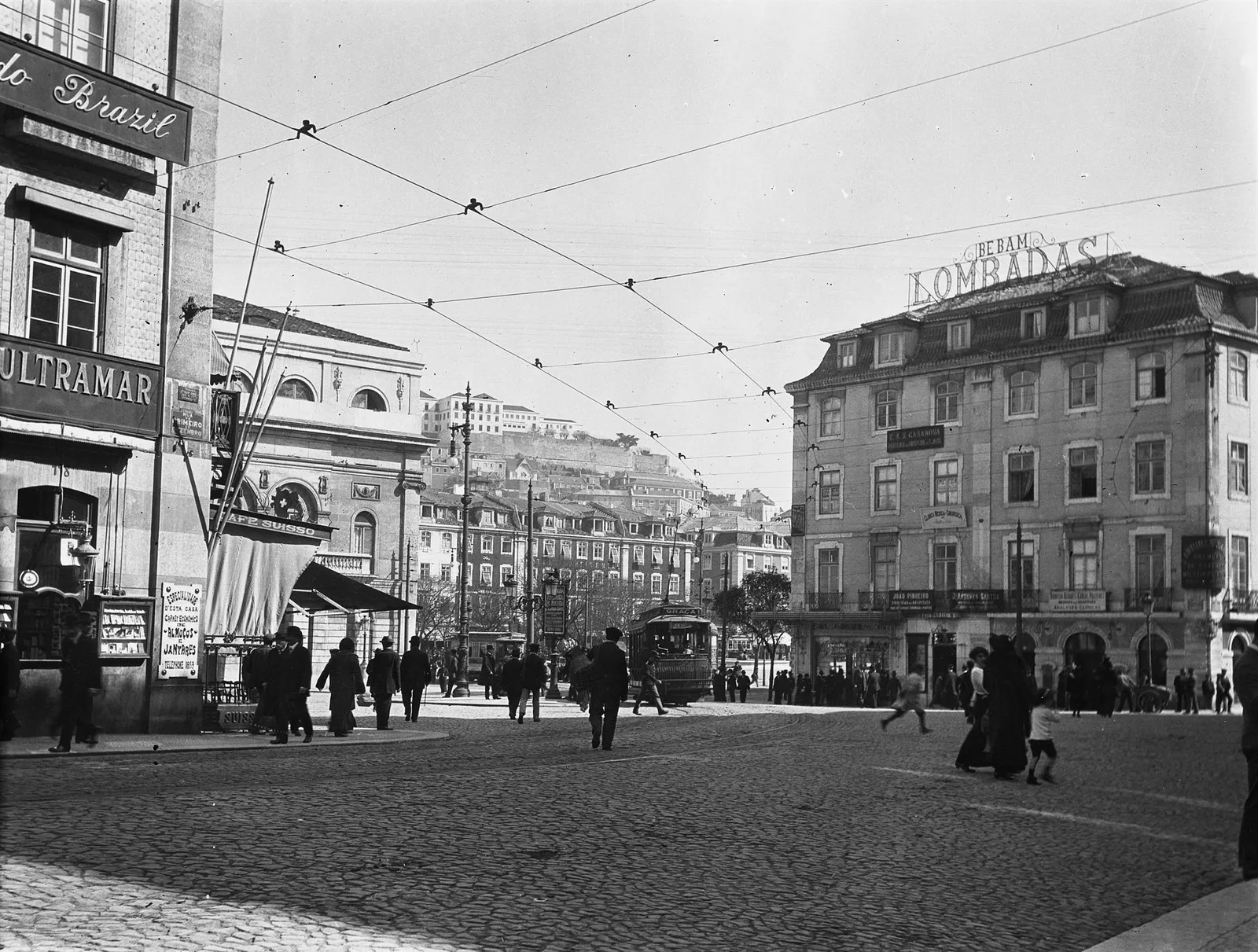
- Rossio, Lisbon, with trams, between 1913 and 1928 — Alexandre Cunha, between 1913 and 1928 · Alexandre Cunha, Arquivo Municipal de Lisboa, via Wikimedia Commons, Public domain · Public domain
- Entrance courtyard of the Biblioteca Palácio Galveias, Lisbon — Hipersyl, 2018-11-28 · Hipersyl, via Wikimedia Commons, CC BY-SA 4.0 · CC BY-SA 4.0
- Diário de Notícias building, Lisbon — Metro Centric, 2015-04-13 · Metro Centric, via Wikimedia Commons, CC BY 2.0 · CC BY 2.0
- The Mafra Convent, before 1755 (painting) — Unknown artist, first half of the 18th century · Unknown artist, via Wikimedia Commons, Public domain (Commons: PD; 18th-century painting) · Public domain
- Pilar del Río in Porto, 2012 — Adritomine, 2012-11-24 · Adritomine, via Wikimedia Commons, CC BY-SA 3.0 · CC BY-SA 3.0
- Palácio de São Bento, home of the Portuguese parliament — Felix König, 2014-09-25 · Felix König, via Wikimedia Commons, CC BY 3.0 · CC BY 3.0
- Cain and Abel — Frans Floris (I), between 1531 and 1570 · Frans Floris, Statens Museum for Kunst (SMK), via Wikimedia Commons, Public domain · Public domain
- Grave memorial of José Saramago where his ashes are buried — Yamen, 2014-08-19 · Yamen, via Wikimedia Commons, CC BY-SA 4.0 · CC BY-SA 4.0
- Casa dos Bicos, Campo das Cebolas, Lisbon (José Saramago Foundation) — Pedro Ribeiro Simões, 2017-06-10 · Pedro Ribeiro Simões, via Wikimedia Commons, CC BY 2.0 · CC BY 2.0
Sources
Tier 1 — the subject's own words (writings, letters, diaries, trial records)
- [NobelBio] José Saramago, autobiographical note, English translation by Fernando Rodrigues and Tim Crosfield, in Les Prix Nobel. The Nobel Prizes 1998, ed. Tore Frängsmyr (Nobel Foundation, 1999). https://www.nobelprize.org/prizes/literature/1998/saramago/biographical/ . Text in research/texts/nobel-bio.txt. Copyright Nobel Foundation; paraphrase only.
- [NobelLect] José Saramago, Nobel Lecture, Stockholm, December 1998 ("How characters became the masters and the author their apprentice"), same volume. https://www.nobelprize.org/prizes/literature/1998/saramago/lecture/ . Text in research/texts/nobel-lecture.txt. Paragraphs counted from the grandfather paragraph as 1. Copyright Nobel Foundation.
- [NobelBanq] José Saramago, banquet speech, 10 December 1998. https://www.nobelprize.org/prizes/literature/1998/saramago/speech/ . Copyright Nobel Foundation. Read, not copied to texts.
- [FJSAuto] José Saramago, Autobiografia (Portuguese original, 2008 version; footnote adds that Caim, O Caderno and O Caderno II came after), Fundação José Saramago. https://www.josesaramago.org/biografia/ . Text in research/texts/fjs-autobiografia-pt.txt. Copyright; paraphrase only.
- [Factor] José Saramago, "El 'factor Dios'", El País (Opinión, Tribuna), 18 September 2001. https://elpais.com/diario/2001/09/18/opinion/1000764007_850215.html . Text in research/texts/elpais-2001-09-18-factor-dios.txt. Spanish published text; the Italian version appeared in La Repubblica on 20 Sept 2001 (per Wikiquote; not seen).
- [Caderno] José Saramago, blog O Caderno (2008–2010): "Deus e Ratzinger", 9 October 2008, https://caderno.josesaramago.org/2008/10/09/ ; "Formentor", 28 September 2009, https://caderno.josesaramago.org/2009/09/ . Texts in research/texts/caderno-*.txt. Copyright Fundação José Saramago.
- [DAR] Diário da Assembleia da República, I série, n.º 56, VI Legislatura, 1.ª sessão, 30 April 1992 (sitting of 29 April), pp. 1758–1760 and 1766. https://debates.parlamento.pt/catalogo/r3/dar/01/06/01/056/1992-04-29/ . Text in research/texts/dar-1992-04-30-i-serie-056.txt (auto-extracted official text; the catalogue dates the sitting 29 April and the issue 30 April). Public record; Sousa Lara's own words.
- [DAR-B] Diário da Assembleia da República, II série-B, n.º 20 (suplemento 1), 13 May 1992, p. 12 (Requerimento n.º 818/VI, António Filipe, PCP, 12 May 1992). https://debates.parlamento.pt/catalogo/r3/dar/s2b/06/01/020S1/1992-05-13/12 . Text in research/texts/dar-1992-05-13-ii-serie-b-020.txt.
Tier 2 — scholarly biographies and encyclopedias
- [NobelFacts] Nobel Prize Outreach, "José Saramago — Facts", Nobel Prize in Literature 1998. https://www.nobelprize.org/prizes/literature/1998/saramago/facts/ . Text in research/texts/nobel-facts.txt. Reference entry (no named author); says "Saramago was an atheist".
- [NobelCer] Kjell Espmark (Swedish Academy), award ceremony speech, 10 December 1998. https://www.nobelprize.org/prizes/literature/1998/ceremony-speech/ . Text in research/texts/nobel-ceremony-speech.txt. Speaker named on the page: Professor Kjell Espmark.
- No freely scanned scholarly biography was found. Not reachable and wanted before the script: Carlos Reis, Diálogos com José Saramago (1998); Juan Arias, José Saramago: el amor posible (1998); João Marques Lopes, Saramago: biografia (2010); As Pequenas Memórias (2006) itself.
Tier 3 — popular biographies and journalism
- [ElPais2009] Francesc Relea, "La muerte es la inventora de Dios" (interview), El País, Babelia, 17 October 2009. https://elpais.com/diario/2009/10/17/babelia/1255738349_850215.html . research/texts/elpais-2009-10-17-entrevista-relea.txt. Saramago's words in Spanish (the interview was done at his Lanzarote house; the language of the original conversation is not stated).
- [ElPais1998a] El País, 9 Oct 1998, "Saramago logra el primer Nobel en portugués". https://elpais.com/diario/1998/10/09/cultura/907884001_850215.html . research/texts/elpais-1998-10-09-nobel.txt.
- [ElPais1998b] El País, 10 Oct 1998, "José Saramago asegura que el Nobel no cambiará sus convicciones políticas". https://elpais.com/diario/1998/10/10/cultura/907970401_850215.html . research/texts/elpais-1998-10-10-convicciones.txt.
- [Reuters1998] Reuters, "Nobel Writer, A Communist, Defends Work", New York Times, 12 Oct 1998, section A, p. 9. https://www.nytimes.com/1998/10/12/world/nobel-writer-a-communist-defends-work.html (Wayback copy). research/texts/nyt-1998-10-12-reuters.txt.
- [CNN1998] CNN, "In praise of Portuguese", Oct 1998 (Wayback copy). research/texts/cnn-1998-in-praise-of-portuguese.txt.
- [Indep1998] Elizabeth Nash, "Saramago the atheist, an outsider in his own land", The Independent, 8 Oct 1998 (Wayback copy). research/texts/independent-1998-10-08-nash.txt.
- [Guardian2002] Julian Evans, "The militant magician", The Guardian, 28 Dec 2002. https://www.theguardian.com/books/2002/dec/28/featuresreviews.guardianreview11 . research/texts/guardian-2002-12-28-militant-magician.txt.
- [Guardian2008] Maya Jaggi, interview "New ways of seeing", The Guardian, 22 Nov 2008 (Wayback copy). research/texts/guardian-2008-11-22-jaggi-interview.txt.
- [BBC2010a] BBC News, "Nobel-winning author Jose Saramago dies at 87", 18 June 2010. https://www.bbc.com/news/10352251 . research/texts/bbc-2010-06-18-dies-at-87.txt.
- [BBC2010b] BBC News, "President defends Jose Saramago funeral no-show", 21 June 2010. https://www.bbc.com/news/10364807 . research/texts/bbc-2010-06-21-cavaco-funeral.txt.
- [DN-Lusa] Lusa via Diário de Notícias, "Saramago fala a jornalistas debaixo de fortes críticas de líderes religiosos" and "O Deus da Bíblia é rancoroso, vingativo e má pessoa", October 2009 (Wayback copies). research/texts/dn-lusa-2009-*.txt.
- [DN-Fri] João Céu e Silva and Roberto Bessa Moreira, "Surpreende-me a frivolidade dos senhores da Igreja", Diário de Notícias, c. 20 Oct 2009. research/texts/dn-2009-frivolidade-dos-senhores-da-igreja.txt.
- [DN-Igreja] João Céu e Silva, "Igreja Católica já lê Caim", Diário de Notícias, c. 21 Oct 2009. research/texts/dn-2009-igreja-catolica-ja-le-caim.txt.
- [DN-Livro] João Céu e Silva, "Saramago quer Caim livro em vez de um caso político", Diário de Notícias, 22 Oct 2009. research/texts/dn-2009-saramago-quer-caim-livro.txt.
- [DN-Incapaz] DN, "Sou incapaz de acreditar em Deus", 23 Oct 2009, quoting La Vanguardia. research/texts/dn-2009-incapaz-de-acreditar-em-deus.txt.
- [DN-Heresia] A. C. M., "Saramago advoga direito à heresia", Diário de Notícias, 24 Oct 2009. research/texts/dn-2009-direito-a-heresia.txt.
- [TSF2004] TSF, "Sousa Lara voltaria a vetar livro de Saramago", 15 April 2004 (date from the Wikipedia citation; the archived page shows none). research/texts/tsf-2004-sousa-lara-voltaria-a-vetar.txt.
- [Publico2017] Cláudia Carvalho Silva, "Sousa Lara, o antigo governante cansado de falar sobre Saramago", Público, 2 Sept 2017 (Wayback copy). research/texts/publico-2017-sousa-lara.txt.
- [Hemeroteca] Hemeroteca Municipal de Lisboa, "Livros que foram notícia: O Evangelho Segundo Jesus Cristo" (2018), p. 1 text. research/texts/hemeroteca-lisboa-livros-que-foram-noticia-evangelho.txt.
Tier 4 — Wikipedia and similar reference sites (citable; give the article and revision date; prefer a higher tier where one exists)
- [WP-en] "José Saramago", English Wikipedia, revision 1379523643 of 2026-10-10 (map only). research/texts/wikipedia-en-saramago.txt.
- [WP-pt] "José Saramago", Portuguese Wikipedia, revision 73161815 of 2026-10-09 (map only). research/texts/wikipedia-pt-saramago.txt.
- [WP-pt-Ev] "O Evangelho segundo Jesus Cristo", Portuguese Wikipedia, revision 72963152 of 2026-09-12 (source of the Archbishop of Braga quotation and the 13 Nov 1991 date; originals not seen). research/texts/wikipedia-pt-evangelho.txt.
- [WP-pt-SL] "António Sousa Lara", Portuguese Wikipedia, revision 72945933 of 2026-09-08. research/texts/wikipedia-pt-sousa-lara.txt.
- [WP-en-Cain] "Cain (novel)", English Wikipedia, revision 1378770260 of 2026-10-06. research/texts/wikipedia-en-cain-novel.txt.
- [Wikiquote] "José Saramago", English Wikiquote (pointers only; several citations unchecked).
Opposition sources — contemporary critics and religious responses
- [DAR] (above) for Sousa Lara in Parliament, 1992; [Publico2017] and [TSF2004] for his later restatements.
- [Reuters1998], [CNN1998], [Guardian2002] for L'Osservatore Romano, 1998; [BBC2010b] for L'Osservatore Romano, June 2010. The original Italian texts were not reached.
- [DN-Lusa], [DN-Igreja], [DN-Heresia] for the Portuguese bishops' spokesman, bishop, rabbi, theologians and the SIC debate on Caim, 2009.
Related lives
Salman Rushdie — in the 1992 Parliament debate a deputy compared the veto of Saramago's Gospel with the Khomeini fatwa on Rushdie ("Teremos em Portugal, agora, um Ayatollah Lara?"); the pointer is a suggestion for the writer, not to be baked into the script.
Kurt Vonnegut
Kurt Vonnegut inherited his unbelief from a line of German-American freethinkers, beginning with a great-grandfather who asked for no prayers at his coffin. He never had a faith to lose, and found his unbelief confirmed by war and anthropology. In later life he turned not toward God but toward the ethics of the Sermon on the Mount. He called himself a Christ-loving atheist, and a humanist in honour of his parents.
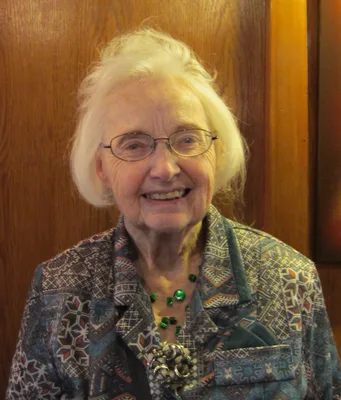
Barbara Smoker
Barbara Smoker was a convent child who wanted to be a Carmelite, and saw no halfway house between the Church and atheism. The war in Ceylon, a confessor's charge of intellectual pride and a reading programme meant to save her faith wore it down, until on 5 November 1949, at a library's philosophy shelves, she found she was no longer a theist of any kind. She never doubted again. She spent the rest of her life on the unbelief in public, at the head of the National Secular Society, at thousands of secular funerals and beside the 1989 march against Rushdie, insisting that atheists had not lost their faith but outgrown it.
Isaac Asimov
Isaac Asimov was raised in Brooklyn by Orthodox parents who, by his memoirs' account, did not press their religion on him. He was an atheist for years before he would use the word, holding to "humanist" and "agnostic" as the honest labels. In 1982 he declared himself an atheist outright. In his last essay, with death close, he thanked atheism for taking away his fear of it.
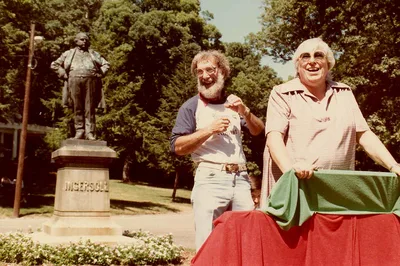
Madalyn Murray O'Hair
Madalyn Murray O'Hair was baptised a Presbyterian. In her own later telling she dated her unbelief to a weekend reading of the Bible in grade school. She declared it in 1960 by petitioning Baltimore's schools with her son, and won the 1963 Supreme Court case against required Bible reading. She spent the rest of her life in confrontation as "the Atheist", never revising her unbelief but paying for it with flight, an estranged son and, in the end, a murder that had nothing to do with it.