Abraham Kovoor was a Kerala vicar general's son who lost his faith as a student in Calcutta. He kept silent through thirty years of teaching in religious schools, because he needed the salary. In his retirement in Ceylon he said plainly that no god made the world, that no soul survives death, and that the godmen were frauds. He backed it with a standing cash challenge that, by his own account, nobody ever took up.
The belief timeline
- Faith (1898–c. 1920) — Born in a vicar-general's household; school at his father's seminary; childhood fears of hell and demons [1][4][18]
- Doubt (1921–1924) — University years in Calcutta: "systematic investigations and rational thinking... made me doubt"; two years learning astrology to test it; the water prank on his mother and neighbours; he says he "discarded Christianity" when he "came of age to think and act independently" [5][18][19][55][60]
- Silence (1928–1959) — Thirty years teaching in mission and other religious schools, saying nothing publicly "to earn my bread and butter" (his own explanation); Cash removes him from scripture class [9][11][15][16][58]
- Challenge (1963 (June)) — The wager of 1963, the rationalist presidency (1960), the fire reward (1970), the Rs 100,000 notice to godmen (1972), tours and books [20][47][49][50][30]
- Bequest (1974–1978) — Wife's body and then his own to the medical faculty and Thurstan College; will: "I am not afraid of death and life after death" [32][35][69]
Notes to the timeline (20)
- [1] Abraham Thomas Kovoor was born at Tiruvalla (Thiruvalla), Kerala, on 10 April 1898, into a Christian (Syrian Christian) family; he died 18 September 1978. — Abraham T. Kovoor, Begone Godmen! Encounters with Spiritual Frauds, edited by V. A. Menon (Jaico Publishing House, Bombay/Mumbai; first impression 1976, seventh impression 1998). Internet Archive item
begone-godmen-at-kovoor, OCR inresearch/texts/begone-godmen-1976-ia-copyrighted.txt(the OCR has no printed page numbers, so citations are by chapter: Foreword; Preface; ch. 1 "Those Challenges"; ch. 2 "Godmen of India"; ch. 3 "Dr. Bhagavantham and Sathya Sai Baba"; ch. 4 "The Concept of God"; ch. 5 "Is there a Life after Death?"; ch. 6 "Astrology"; ch. 9 "The Miracle of Ganga Water"). The Preface and chapters are Kovoor's own prose (the Preface is signed by him at "Thiruvalla", Pamankada Lane); the Introduction (Hariharan Poonjar) and the Foreword "Dr. Kovoor — the Militant Iconoclast" are by others and are written after his death (they speak of him in the past tense and mention the 1974 death of his wife), so they belong to a later impression; the Foreword matches, in part word for word, the sketch printed in [Freethought] pp. 292–293 and is the source Ramendra draws on. Contents list shows 28 chapters, Foreword; Freethought ("The Largest Circulated Rationalist Monthly"), Indian Rationalist Association, 28/18 Pantheon Road, Madras 600 008, editor C. Seshadri; Vol. VIII, No. 10, October 1978: front cover "The End of an Era" (death notice with photograph), editorial "An Irreparable Loss" p. 291, "Dr. Kovoor — The Militant Iconoclast" pp. 292–293, verse "Kovoor's Conquests" p. 293. Internet Archive itemFreethought_Oct1978B(djvu text inresearch/texts/freethought-1978-oct-b.txt; wording of each quotation checked on the page images, leaves 0, 2 and 4). The first contemporary print source found, written within weeks of his death by a movement magazine he belonged to (he was an honorary life member of the Indian Rationalist Association). Sympathetic; it contains errors (it gives his age as 82; his birth as 1898 is in the text), p. 292 (the sketch) and cover; Dr Ramendra (with Dr Kawaljeet), Rationalism, Humanism and Atheism in Twentieth Century Indian Thought (Buddhiwadi Foundation, Patna, 2007; published electronically), chapter 6, "Abraham T. Kovoor." Archive:; Prakash Arumugam, "Dr Abraham T. Kovoor: The Rationalist of Indian Subcontinent," personal web page, 1998 (copyright 1995–2003). Archive:; "Abraham Kovoor," English Wikipedia, revision 1372259938 of 2026-08-31 (research/texts/wikipedia-en-kovoor-2026-10-15-tier4.txt). Its early-life section is unsourced; its footnotes are the Arumugam page, a Reporter Live article (Malayalam, dead link), a dead daijiworld link and Quack 2011. Differs from [BG] on the Jaffna school, the wife's death year and the 1963 prize (Disputed points). The older fetch of 2026-10-14 isresearch/texts/wikipedia-kovoor-tier4.txt; "എ.ടി. കോവൂർ," Malayalam Wikipedia, revision 4596146 of 2026-01-17 (research/texts/wikipedia-ml-kovoor-tier4.txt). A shorter Malayalam rendering of the same English text (born Tiruvalla; father Kovoor Eipe Thoma Kathanar; Calcutta; C.M.S. Kottayam; Ceylon February 1928; wife Kunjamma and son Aries; "Jaffna College at Vaddukoddai" until 1943; Richmond College, Galle; St. Thomas' 1947–53; retired from Thurstan College 1959; Ceylon Rationalist Association president from 1960; wife's death 1976; the will, quoted; died of cancer 18 September 1978). Its infobox links the family article of George Kovoor. It adds no independent source (one reference, the Arumugam page). - [4] He had his school education at the Syrian Christian Seminary, Tiruvalla, "started by his father first at his ancestral home, and later moved on to a dominant site in the town donated by him to the Church." — Kovoor, Begone Godmen! Encounters with Spiritual Frauds, Foreword; Kawaljeet), Rationalism, "Christian Upbringing".
- [18] His account of the doubt: childhood fears of "ghosts, charms, curses, hell, and the anger of gods and demons"; "from my university days" doubt about religious myths, occultism, prophecy, immortal spirits and miracle claims; he was "indoctrinated and brain-washed" in the beliefs and practices of his parents' religion and found "an up-hill task" getting rid of them; as a schoolboy he joked at Christ's and the priests' expense and, told by a sister to take medicine while praying, said he would take the medicine first and "try prayer later." — Kovoor, Begone Godmen! Encounters with Spiritual Frauds, ch. 1 (fears, university days); Kovoor, Begone Godmen! Encounters with Spiritual Frauds, Foreword (brainwashing, up-hill task); Kawaljeet), Rationalism, "Christian Upbringing" (quoting "On Looking Back," 1980: schoolboy jokes, the medicine). Reported at second hand; the original has not been seen.
- [5] Higher education: Bangabasi (Bengabasi) College, Calcutta, botany and zoology; student of Calcutta University 1921 to 1924 ("From 1921 to 1924 my younger brother... and I were students at the University of Calcutta"). — Kovoor, Begone Godmen! Encounters with Spiritual Frauds, ch. 9; Kovoor, Begone Godmen! Encounters with Spiritual Frauds, Foreword (college and subjects); Kawaljeet), Rationalism.
- [19] He says he discarded Christianity and "became a rationalist because I could not accept the Bible as the word of an omniscient god," and chose Sri Lanka over Kerala because most Sri Lankans follow Gautama Buddha, "who taught a more rational and tolerant philosophy than the founders of any other religion." The film address of 1972 gives the other half: he adopted Sri Lanka "as my country, and rationalism as my philosophy as the result of my volitional act." — Kawaljeet), Rationalism, "Christian Upbringing" (quoting 1980 book); Kovoor, Begone Godmen! Encounters with Spiritual Frauds, Foreword (film address, see [67]).
- [55] After that experience the brothers decided to bring their neighbours well water from the Kottarakkara station waiting room instead of Ganges "theertham," and "for four consecutive years we continued to cheat our Christian mother and the Hindu neighbours"; each holiday they heard accounts of "miraculous cures" the neighbours credited to it. — Kovoor, Begone Godmen! Encounters with Spiritual Frauds, ch. 9. An anecdote in the biography, not a documented event.
- [60] He "spent two years of my university days learning astrology from the Hora Sastra" and concluded that astrology rests on chance. — Kovoor, Begone Godmen! Encounters with Spiritual Frauds, ch. 6; Kovoor, Begone Godmen! Encounters with Spiritual Frauds, ch. 1 ("two years learning astrology and palmistry").
- [9] He migrated to Sri Lanka (Ceylon) in 1928 at the invitation of Rev. P. T. Cash, then principal of Jaffna Central College. — Kovoor, Begone Godmen! Encounters with Spiritual Frauds, Foreword; Freethought, p. 293 (migrated 1928; Jaffna Central College); Kawaljeet), Rationalism.
- [11] In his first year in Jaffna he taught scripture to the final-year students (in addition to botany); all passed in scripture with credits and distinctions; next year the subject was not on his timetable and went to the vice-principal, Rev. O. L. Gibbon; asked why, Cash said with a smile that all of them "lost their religions." — Kovoor, Begone Godmen! Encounters with Spiritual Frauds, Foreword; Freethought, p. 293; Kawaljeet), Rationalism, (different wording).
- [15] He began to speak and write publicly about his researches only after his retirement in 1959: "I began giving publicity to my researches, and to express my views on diverse types of superstitious beliefs of men, only after my retirement." — Kovoor, Begone Godmen! Encounters with Spiritual Frauds, ch. 1; Kovoor, Begone Godmen! Encounters with Spiritual Frauds, Foreword; Kawaljeet), Rationalism.
- [16] His reason for silence while employed: "I had to earn my bread and butter by working in non-secular institutions founded to spread blind beliefs." — Kovoor, Begone Godmen! Encounters with Spiritual Frauds, ch. 1; Kawaljeet), Rationalism.
- [58] Cash, "an outstanding botanist," met Kovoor at Ooty while both were collecting mountain flora and invited him to Ceylon; the scripture episode ends with Cash's remark "all of them lost their religions!" (Ramendra's version reads "all your students lost their faith in the Bible"). — Kovoor, Begone Godmen! Encounters with Spiritual Frauds, Foreword; Freethought, p. 293; Kawaljeet), Rationalism.
- [20] The Ceylon Rationalist Association: he was its president from 1960 until his death and edited its annual journal; Ramendra instead calls him its "founder-president" and says his wife was its treasurer until her death (the Foreword says she was treasurer "from the time of its inception"); Freethought calls him "President of Sri Lanka Rationalist Association and an Honorary Life Member of Indian Rationalist Association." — "Abraham Kovoor,", (1960 to death; journal The Ceylon Rationalist Ambassador); "Abraham Kovoor," Thought & Action (Pune; the journal founded by Narendra Dabholkar), by "Rationalist," c. 2010–16. Archive:, (elected 1960); Kawaljeet), Rationalism; Kovoor, Begone Godmen! Encounters with Spiritual Frauds, Foreword; Freethought, cover. Founder or president; 1960 date is wikipedia/t&a is the only source for this, as for the other details in this chapter cited to that source alone.
- [47] His first challenge was issued in June 1963: a wager "between Rs. 1,000 and Rs. 25,000" that no person could tell the serial number of a banknote sealed in an envelope, with a special invitation to Dr J. B. Rhine of Duke University. — Kovoor, Begone Godmen! Encounters with Spiritual Frauds, ch. 1.
- [49] In 1970, in reply to the President of the Kataragama Devotees Association, he offered Rs 100,000 to anyone who could stand on fire for 30 seconds without being burnt; refundable deposit Rs 1,000. — Kovoor, Begone Godmen! Encounters with Spiritual Frauds, ch. 1.
- [50] In 1972, on a visit to India for the filming of Punarjanmam and Maru Piravi, he held receptions and press conferences at Madras, Bangalore, Calicut, Trichur, Ernakulam, Kottayam, Quilon and Trivandrum, said "nobody in the world ever had or has at present divine or supernatural powers," and offered Rs 100,000 to any godman who could perform a miracle under fraud-proof conditions; the offer got wide publicity in India. — Kovoor, Begone Godmen! Encounters with Spiritual Frauds, ch. 2.
- [30] His India campaigns: the Foreword, "two 'Divine Miracle Exposure Campaign[s]' throughout the length and breadth of India in 1975" (with his challenge sent in advance to astrologers, palmists and godmen); T&A, four "Miracle Exposure" tours in the 1960s and 1970s organised by the Indian Rationalist Association, the last in 1976 when he visited Sai Baba's Whitefield ashram and found the baba had gone to Puttaparthi. His own text adds the 1972 trip (). — Kovoor, Begone Godmen! Encounters with Spiritual Frauds, Foreword; Kawaljeet), Rationalism; Thought & Action. Accounts differ; see the disputed points.
- [32] His wife died and her body was sent to the Faculty of Medicine, University of Sri Lanka, Colombo, with the notice "No funeral, no cremation and no flowers"; Freethought (October 1978) and the Foreword say November 1974; Ramendra says November 1974; Wikipedia en and ml say 1976. — Freethought, p. 293 and cover; Kovoor, Begone Godmen! Encounters with Spiritual Frauds, Foreword; Kawaljeet), Rationalism; "Abraham Kovoor,"; "എ.ടി. കോവൂർ,".
- [35] His will: no burial; body to a medical college for anatomy, eyes to an eye bank (Ramendra and Freethought: the eyes have been grafted onto two blind men), skeleton eventually to Thurstan College's science laboratory; the wishes were carried out (T&A) and the skeleton is said to be kept there (Wikipedia). — Kawaljeet), Rationalism; Freethought, cover; Thought & Action; "Abraham Kovoor,", Wikipedia ml (the will text), Thurstan.
- [69] Freethought's cover notice (October 1978): he died on 18 September 1978; President of the Sri Lanka Rationalist Association and honorary life member of the Indian Rationalist Association; "he spent nearly five decades in fighting obscurantism"; "Since he had no belief in soul he willed that his body should be donated to the local Medical College and his eyes to an Eye Bank. Both his eyes have since been grafted to two Indians"; survived by his only son; "his wife having pre-deceased him in 1974 itself." — Freethought, front cover (leaf 0 image checked).
The Man Who Put Money on It
In June 1963 a retired science teacher in Colombo offered a bet. He would wager up to twenty-five thousand rupees, against an equal stake, that nobody, whatever his mystical powers, could read the serial number of a banknote sealed in an envelope; he sent a special invitation to J. B. Rhine of Duke University, who studied extrasensory perception.1 Nobody won it. Over the next fifteen years the stakes rose, and by the early 1970s Abraham Kovoor was offering a hundred thousand rupees to anyone in the world who could show a supernatural power under conditions that ruled out fraud.234 By his own account, nobody ever took up his challenges.5
He did not start as a showman. He was a priest's son who doubted at university, then kept quiet for thirty years. This chapter asks why he kept quiet, and why, when he spoke, he chose to put money on it.
The vicar general's son
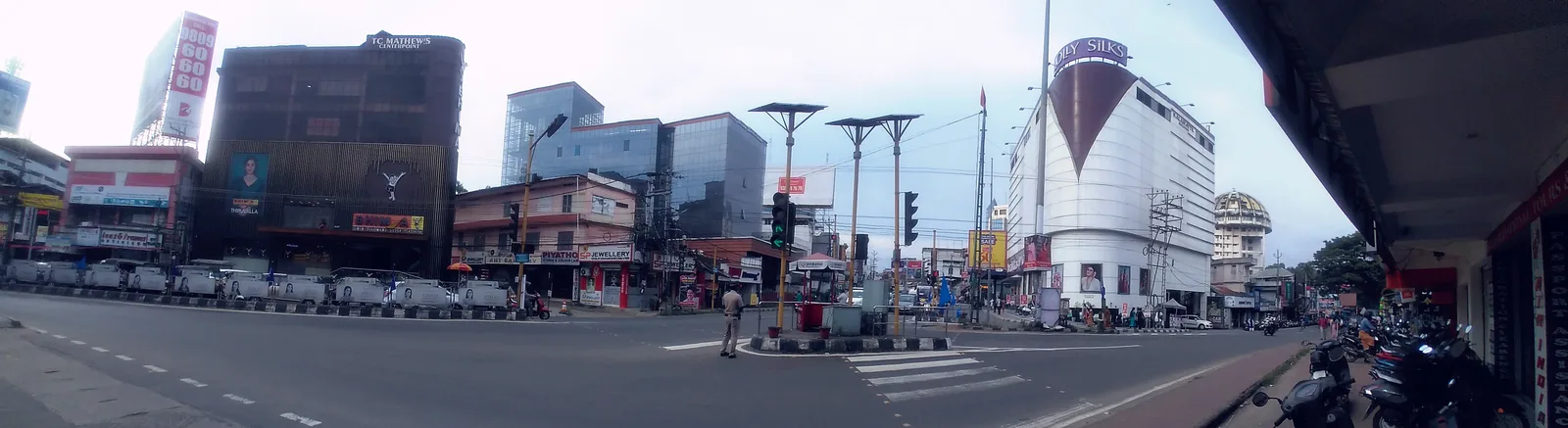
He was born at Tiruvalla in Travancore, now Kerala, on 10 April 1898, into a Syrian Christian family.6 His father was the vicar general of the Mar Thoma Syrian Church, and he went to school at a seminary his father had founded.78 His later account of childhood is of fears: of ghosts, charms, curses, hell, and the anger of gods and demons.9 In his own later words, as his biographer quotes them, he was a Christian in his youth because he was born into a Christian home, and he discarded Christianity when he came of age to think for himself, because he could not accept the Bible as the word of an all-knowing god.1011 On the belief timeline, this is where his faith sits.
Calcutta
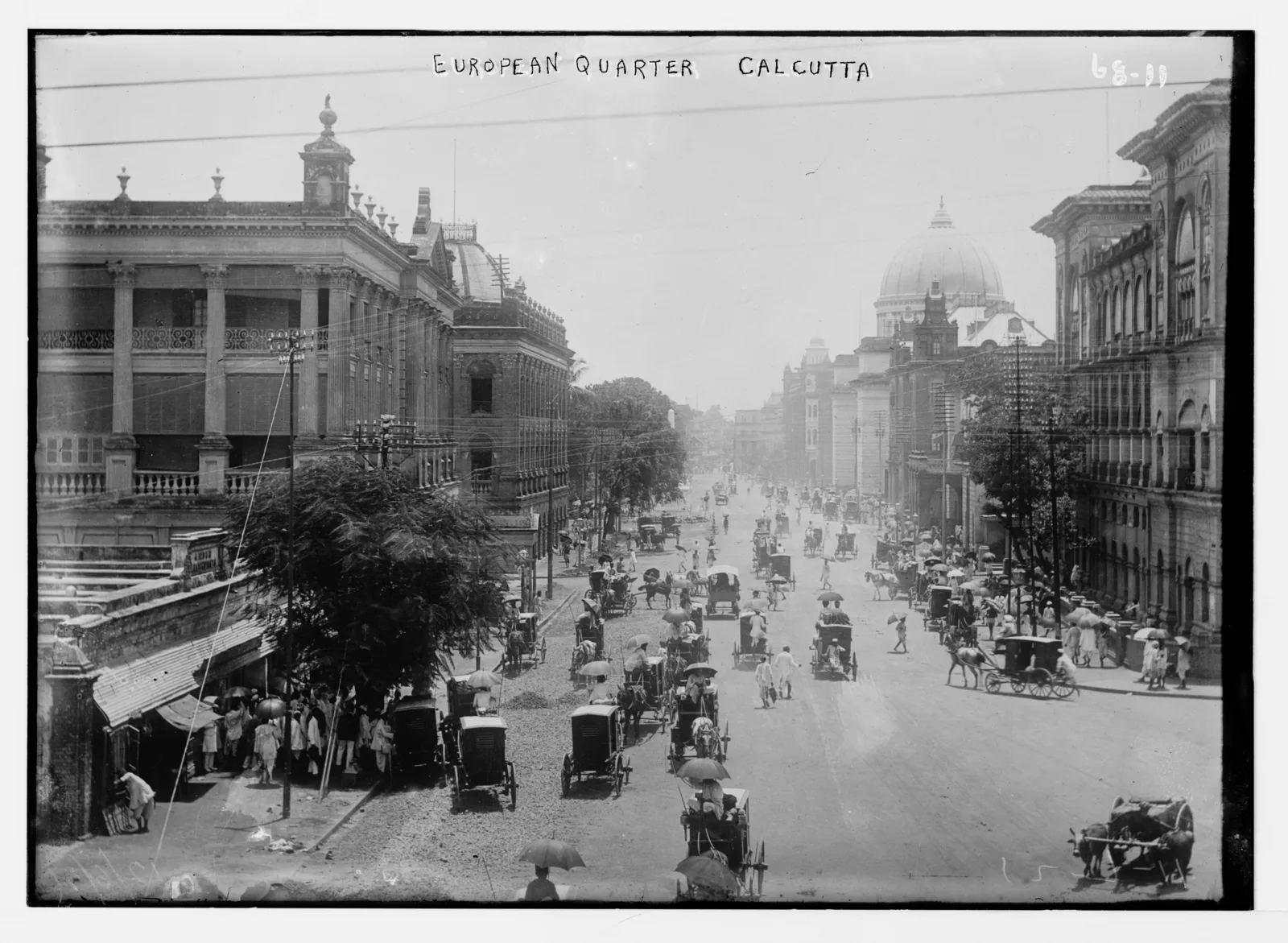
From 1921 to 1924 he studied botany and zoology at the University of Calcutta with his younger brother Behanan.12 It was there, he wrote, that systematic investigation and rational thinking first made him doubt religious myths, prophecies, immortal spirits and the claims of miracle-workers.13 He spent two years of those student days learning astrology from a classical text, and concluded that it rested on chance.14
He also played a trick he told against himself. On his one bath in the Ganges his head struck a decomposing human hand, and the experience sickened him. So when the brothers came home each summer, instead of holy Ganges water they brought their neighbours water from the waiting room at Kottarakkara railway station. For four years, he wrote, they cheated their Christian mother and their Hindu neighbours, and each holiday they heard of the miraculous cures the water had worked. His mother died in 1942 without being told.15161718 On the timeline, this is where his doubt begins.
He married in 1925, on the condition, his biographer says, that their children would get no religious instruction; their only son, Aries, was raised without religion and became a biologist.1920 His mother wept for days, he wrote, because he stepped out on his left foot on the way to his wedding.21
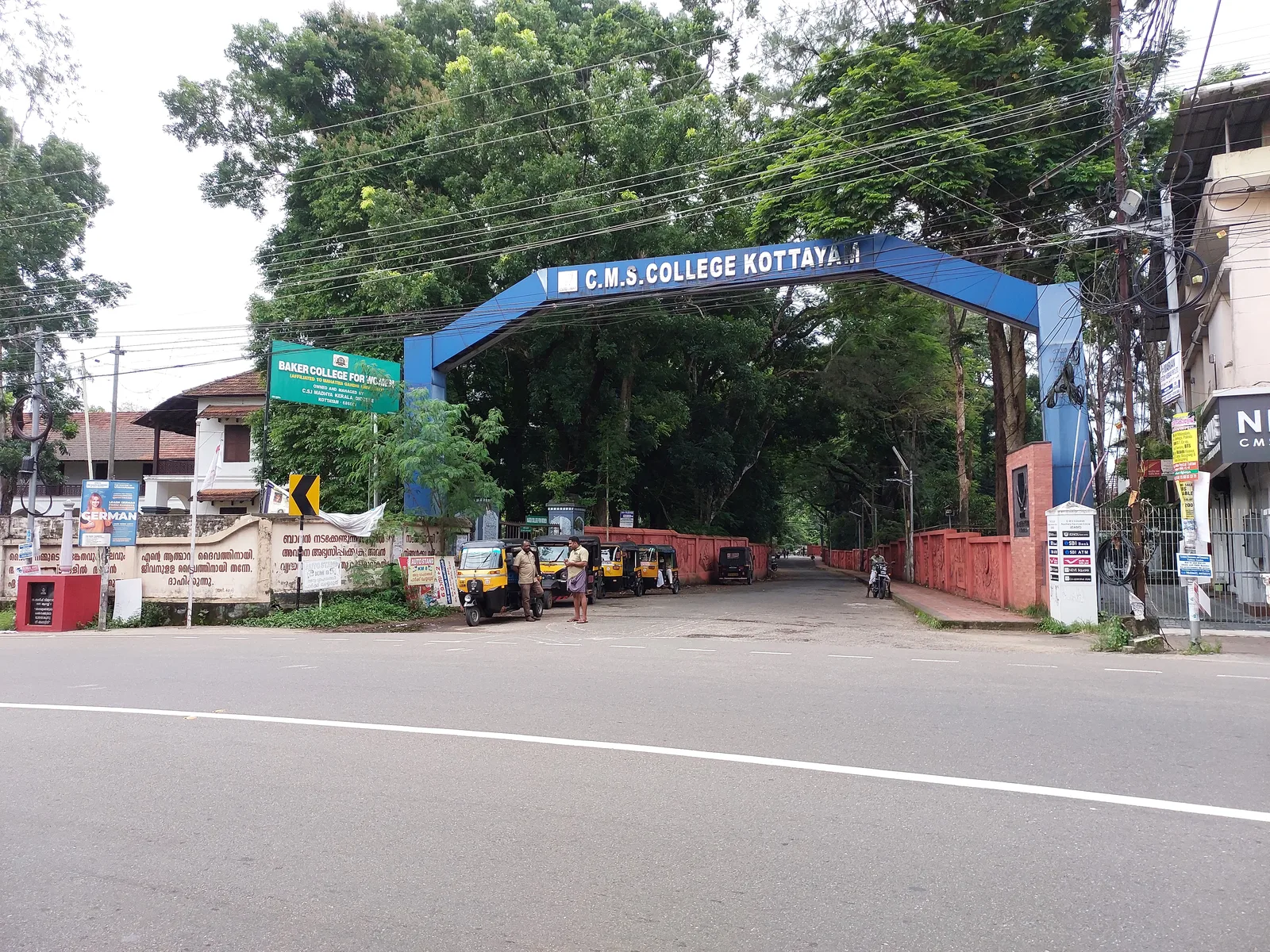
Thirty years of silence
In 1928 he moved to Ceylon at the invitation of the Reverend Percy Cash, principal of Jaffna Central College, a Methodist school, whom he had met collecting mountain plants at Ooty.222324 In his first year he was given scripture to teach as well as botany. His students passed with distinctions, and the next year scripture was not on his timetable. When he asked why, the story goes, Cash told him with a smile that all his students had lost their religion.2526 It is Kovoor's anecdote, told in two wordings, and it cannot be checked.
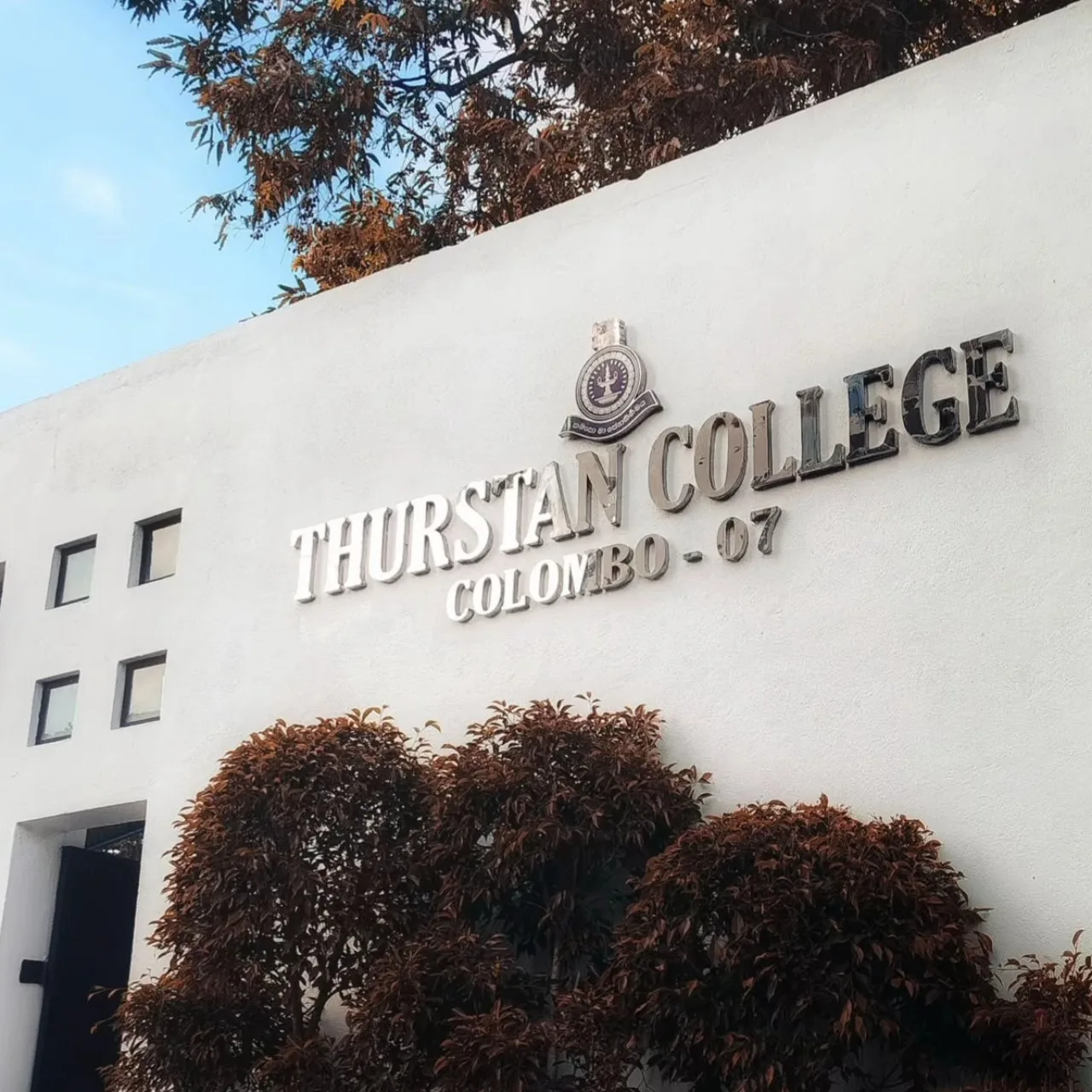
He went on to teach at Richmond College in Galle, at St Thomas' College in Mount Lavinia, and finally at Thurstan College in Colombo, where he retired in 1959 as head of science.2728 Through all those years he said nothing in public. He explained why: he had to earn his bread and butter in religious institutions founded, as he put it, to spread blind beliefs.2930 The timeline shows this as a silence, and it lasted about thirty years.
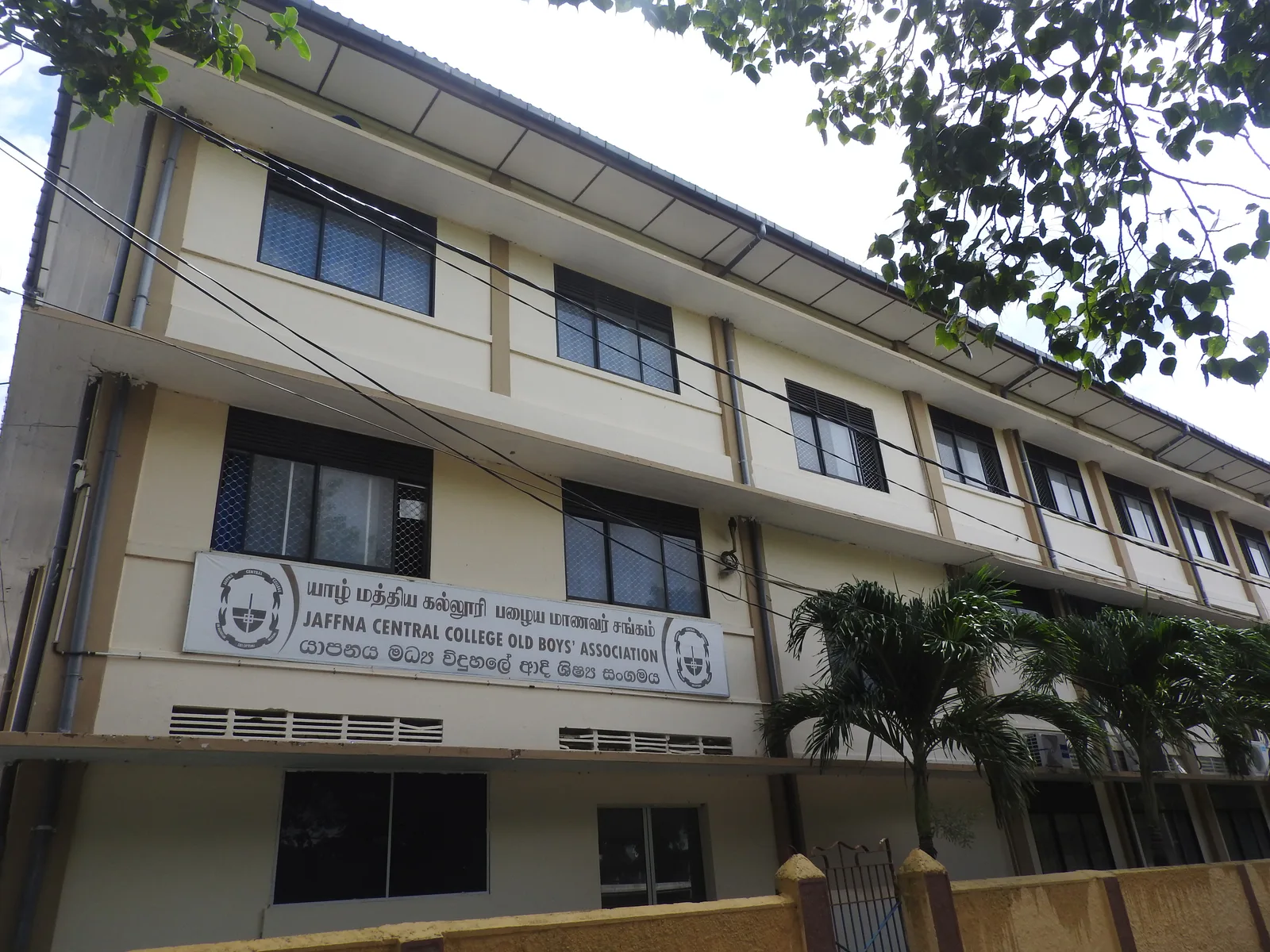
In 1959 he had his first heart attack. In hospital, the Indian rationalist magazine Freethought reported after his death, the Anglican Bishop of Colombo offered to pray for him, and Kovoor refused: he was improving under medical treatment, he said, and did not want the bishop to take a share of the credit.3132 He retired that year, and only then, he wrote, did he begin to publish his investigations and his views.33
The challenge
He became president of the Ceylon Rationalist Association in 1960 and led it until his death.34 The wager of June 1963 was his first challenge; in 1965 he raised the maximum so that occultists from abroad could afford the air fare, and in 1966 lowered the minimum to seventy-five rupees so that local charmers could take part.135 In 1970 he offered a hundred thousand rupees to anyone who could stand on fire for thirty seconds without being burned.2
He recorded his tests. In 1967 a man who had written in the Times of Ceylon that he could read minds answered seven questions at the paper's office and got none right; a spiritualist who offered to show spirits on any day but a holy day failed to come to the test in November 1969, and the newspaper headed its report "A Walkover for Mr. Kovoor."363738 When a fire-walker accepted the challenge, the Education Department withdrew permission to hold the test at Thurstan College, and the fire-walker did not come to the new date.39 The only deposit ever paid, he wrote, came from a devout doctor in Bangalore, who lost it.40
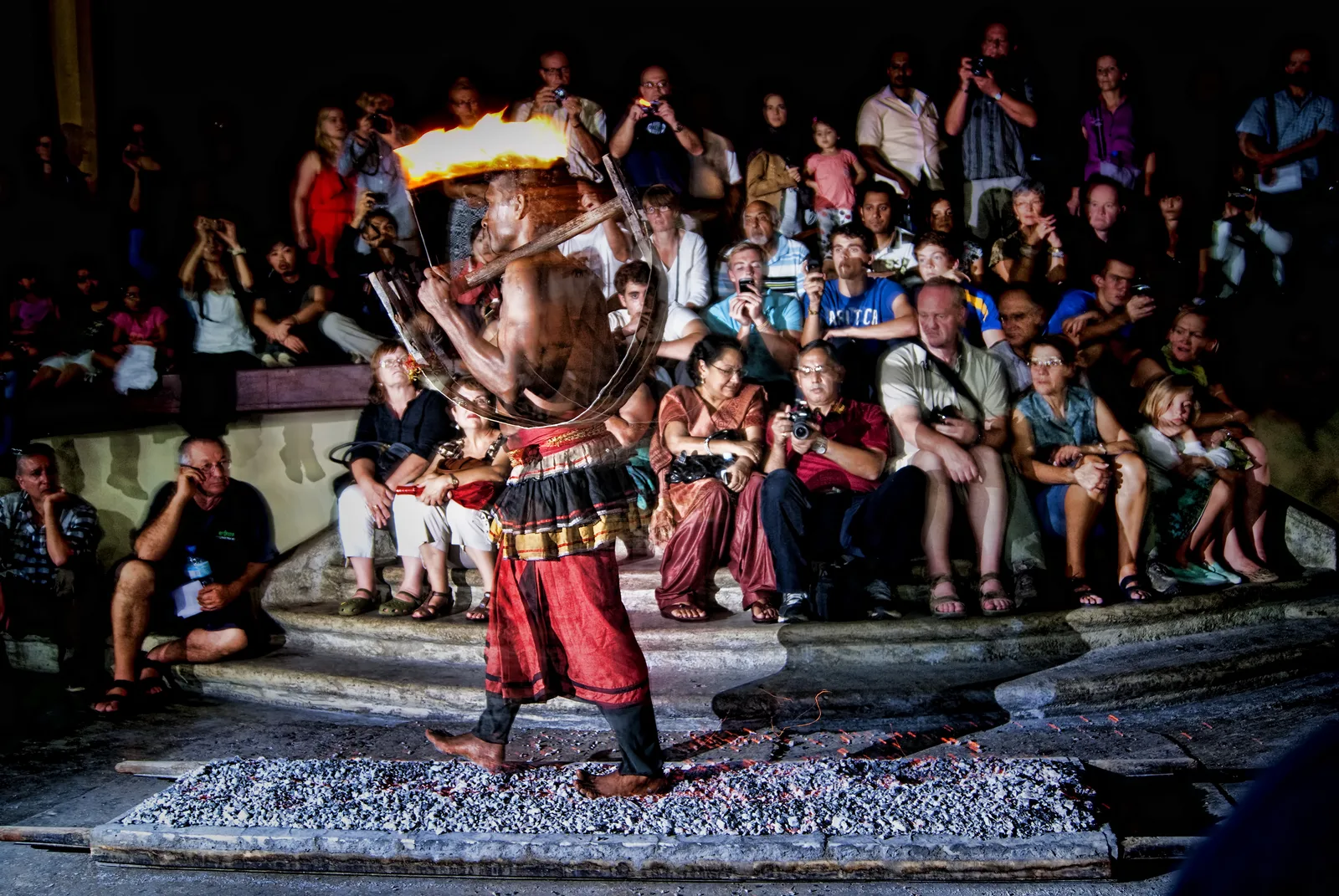
In 1972 he went to India for the filming of Punarjanmam, a Malayalam film based on one of the cases he had treated by hypnosis, in which he appeared as himself, and he held press conferences from Madras to Trivandrum offering a hundred thousand rupees to any godman who could perform a miracle under fraud-proof conditions.34142 He pursued Sathya Sai Baba longest. In 1973, when Sai Baba's defender S. Bhagavantham, a former scientific adviser to the Government of India, told a story of a Japanese watchmaker given a watch out of the air, Kovoor wrote to the president of Seiko, who replied that neither he nor his staff had ever met Sai Baba.4344 At public meetings he produced "holy ash" from his empty hands, and then told the audience that his wife had made it by burning dry cow dung.45
His maxim, which he printed, was that a man who will not let his miracles be investigated is a crook, a man who has not the courage to investigate a miracle is gullible, and a man who believes without checking is a fool.4647 The timeline places his declaration here, and he made it with money.
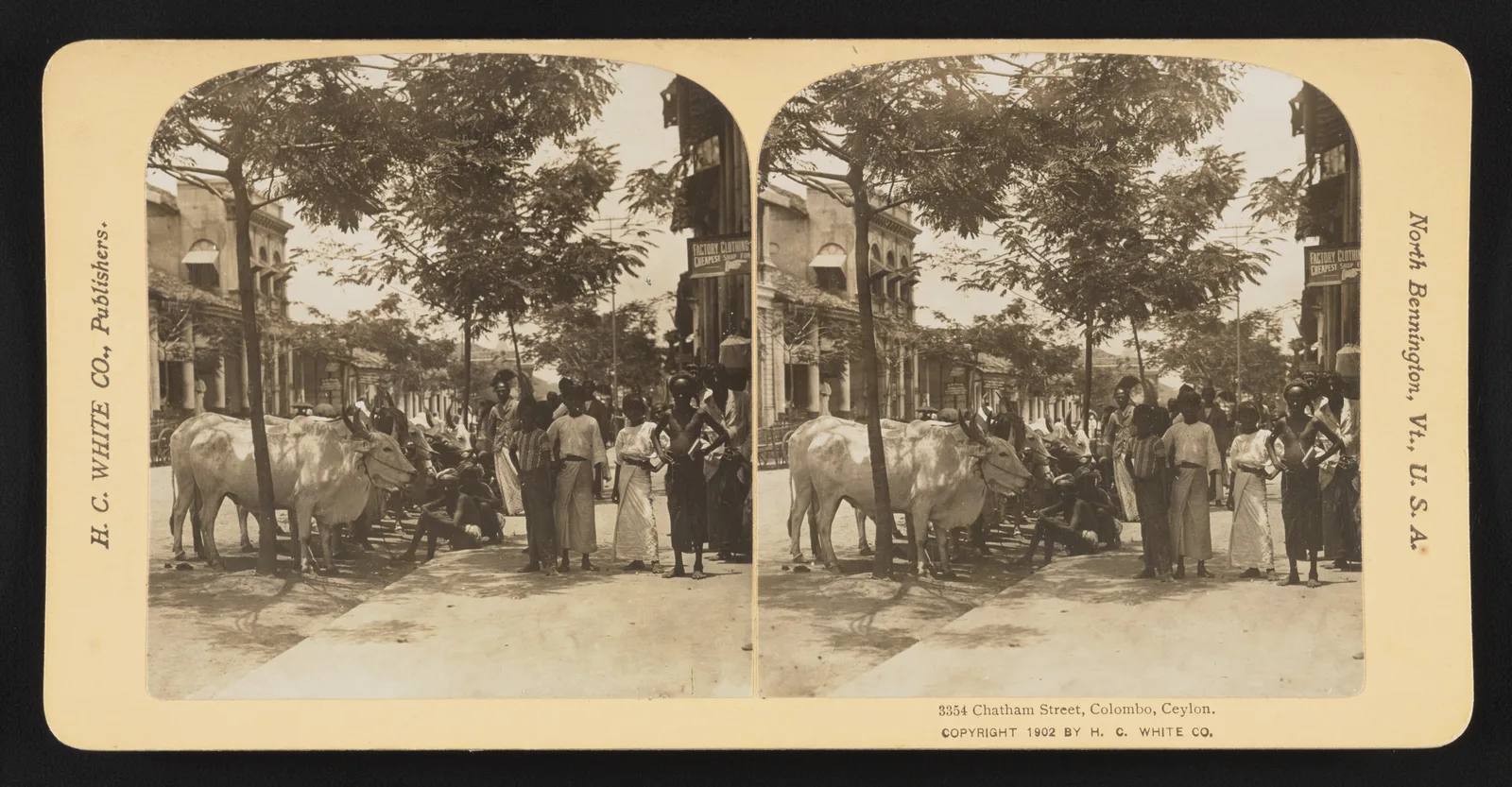
What he said about God
His book Begone Godmen, published in Bombay in 1976, is plain about God. No god created the universe or the living things in it, he wrote, but human beings have created numerous gods; the gods Jehovah, Allah, Brahma, Vishnu and Siva do not exist, but godmen do, and they are a menace.484950 Since the universe is material, he argued, the question of a creator, personal or impersonal, does not arise.5152 Against the God who cares for human beings he set the cobra's fangs, cyclones and cholera, and asked why a benevolent god would have made so many evil things.5354 He did not believe, he wrote at about seventy, that he had a soul or spirit that would survive his death, go to heaven or hell, roam as a ghost or be reborn.5556
His word for himself was "rationalist." In the opening address of the film he said that he had been born a priest's son in Kerala by a geographical and biological accident, and had adopted Sri Lanka as his country and rationalism as his philosophy by his own choice.5758 He never called himself an atheist in that book; the word belongs to his admirers.59
The believers he answered had their own arguments, and he printed them. A Methodist minister in Sri Lanka, the Reverend Fred de Silva, wrote that it was more reasonable to believe in an intelligence behind the ordered movements of the sun, earth and moon, and to call that intelligence God; Kovoor's reply was that intelligence cannot exist without a brain.6061 A follower of Sai Baba wrote to the Ceylon Daily News that only Kovoor's gullible followers would believe that holy ash was mere magic.62
The bequest
His wife Acca died in November 1974. Her body went to the medical faculty in Colombo, and the death notice said she had left behind neither a mind nor a spirit to bother credulous people: no funeral, no cremation, no flowers. The state broadcasting corporation refused to read it, and the matter reached parliament.636465 Kovoor died in Colombo on 18 September 1978.66 Since he had no belief in a soul, Freethought reported, he had left his body to a medical college and his eyes to an eye bank; both eyes were grafted onto two Indians, and his skeleton was to go to the science laboratory at Thurstan College.6768 In his will, it is reported, he wrote that he was not afraid of death or of life after death.69
Did his unbelief change shape?
The belief did not change after Calcutta; the voice did. A priest's son lost his faith as a student and played a prank on his mother with railway-station water, then spent thirty years teaching scripture and botany in religious schools without a word in public, because, he said, he needed the salary. When he retired he made up for the silence with the loudest instrument he had: a standing bet that no one could do what the godmen claimed. Nobody collected.
Narendra Dabholkar, who carried the campaign against superstition into the law of Maharashtra, and whose press record names Kovoor as an influence, has his own chapter in this book.
Footnotes
-
Abraham T. Kovoor, Begone Godmen! Encounters with Spiritual Frauds, edited by V. A. Menon (Jaico Publishing House, Bombay/Mumbai; first impression 1976, seventh impression 1998). Internet Archive item
begone-godmen-at-kovoor, OCR inresearch/texts/begone-godmen-1976-ia-copyrighted.txt(the OCR has no printed page numbers, so citations are by chapter: Foreword; Preface; ch. 1 "Those Challenges"; ch. 2 "Godmen of India"; ch. 3 "Dr. Bhagavantham and Sathya Sai Baba"; ch. 4 "The Concept of God"; ch. 5 "Is there a Life after Death?"; ch. 6 "Astrology"; ch. 9 "The Miracle of Ganga Water"). The Preface and chapters are Kovoor's own prose (the Preface is signed by him at "Thiruvalla", Pamankada Lane); the Introduction (Hariharan Poonjar) and the Foreword "Dr. Kovoor — the Militant Iconoclast" are by others and are written after his death (they speak of him in the past tense and mention the 1974 death of his wife), so they belong to a later impression; the Foreword matches, in part word for word, the sketch printed in [Freethought] pp. 292–293 and is the source Ramendra draws on. Contents list shows 28 chapters, ch. 1. ↩ ↩2 -
Kovoor, Begone Godmen! Encounters with Spiritual Frauds, ch. 1. ↩ ↩2
-
Kovoor, Begone Godmen! Encounters with Spiritual Frauds, ch. 2. ↩ ↩2
-
Kovoor, Begone Godmen! Encounters with Spiritual Frauds, Foreword (the notice, same text as Ramendra); Dr Ramendra (with Dr Kawaljeet), Rationalism, Humanism and Atheism in Twentieth Century Indian Thought (Buddhiwadi Foundation, Patna, 2007; published electronically), chapter 6, "Abraham T. Kovoor." Archive:; "Abraham Kovoor's challenge" (
research/texts/wikipedia-challenge-tier4.txt); [Wikipedia Iype] "Iype Thoma Kathanar," which cites Nalloor Library (church-history site) for the father's life; [Wikipedia Cash] list of principals in "Jaffna Central College"; [Wikipedia Thurstan] "Thurstan College"; [Wikipedia Sai Baba] "Sathya Sai Baba," Criticism section (research/texts/wikipedia-sathya-sai-baba-tier4.txt), citing Ruhela 1997 and 2006, Haraldsson, and the Blitz interview of September 1976; [Wikipedia Punarjanmam], [Wikipedia Maru Piravi], [Wikipedia Premanand], [Wikipedia Behanan], [Wikipedia Kamal Haasan], (1963, "100,000 Sri Lankan rupees"). Accounts differ; see the disputed points. ↩ -
Kovoor, Begone Godmen! Encounters with Spiritual Frauds, ch. 1 ("Although nobody has taken up any of the numerous challenges of mine"); Kawaljeet), Rationalism; Rahul Singh, "The Spell Breaker" (obituary of Basava Premanand), Outlook (India), 2 November 2009. Archive:. ↩
-
Kovoor, Begone Godmen! Encounters with Spiritual Frauds, Foreword; Freethought ("The Largest Circulated Rationalist Monthly"), Indian Rationalist Association, 28/18 Pantheon Road, Madras 600 008, editor C. Seshadri; Vol. VIII, No. 10, October 1978: front cover "The End of an Era" (death notice with photograph), editorial "An Irreparable Loss" p. 291, "Dr. Kovoor — The Militant Iconoclast" pp. 292–293, verse "Kovoor's Conquests" p. 293. Internet Archive item
Freethought_Oct1978B(djvu text inresearch/texts/freethought-1978-oct-b.txt; wording of each quotation checked on the page images, leaves 0, 2 and 4). The first contemporary print source found, written within weeks of his death by a movement magazine he belonged to (he was an honorary life member of the Indian Rationalist Association). Sympathetic; it contains errors (it gives his age as 82; his birth as 1898 is in the text), p. 292 (the sketch) and cover; Kawaljeet), Rationalism; Prakash Arumugam, "Dr Abraham T. Kovoor: The Rationalist of Indian Subcontinent," personal web page, 1998 (copyright 1995–2003). Archive:; "Abraham Kovoor," English Wikipedia, revision 1372259938 of 2026-08-31 (research/texts/wikipedia-en-kovoor-2026-10-15-tier4.txt). Its early-life section is unsourced; its footnotes are the Arumugam page, a Reporter Live article (Malayalam, dead link), a dead daijiworld link and Quack 2011. Differs from [BG] on the Jaffna school, the wife's death year and the 1963 prize (Disputed points). The older fetch of 2026-10-14 isresearch/texts/wikipedia-kovoor-tier4.txt; "എ.ടി. കോവൂർ," Malayalam Wikipedia, revision 4596146 of 2026-01-17 (research/texts/wikipedia-ml-kovoor-tier4.txt). A shorter Malayalam rendering of the same English text (born Tiruvalla; father Kovoor Eipe Thoma Kathanar; Calcutta; C.M.S. Kottayam; Ceylon February 1928; wife Kunjamma and son Aries; "Jaffna College at Vaddukoddai" until 1943; Richmond College, Galle; St. Thomas' 1947–53; retired from Thurstan College 1959; Ceylon Rationalist Association president from 1960; wife's death 1976; the will, quoted; died of cancer 18 September 1978). Its infobox links the family article of George Kovoor. It adds no independent source (one reference, the Arumugam page). ↩ -
Kovoor, Begone Godmen! Encounters with Spiritual Frauds, Foreword; Freethought, p. 292; Kawaljeet), Rationalism, "Biography"; Wikipedia Iype. ↩
-
Kovoor, Begone Godmen! Encounters with Spiritual Frauds, Foreword; Kawaljeet), Rationalism, "Christian Upbringing". ↩
-
Kovoor, Begone Godmen! Encounters with Spiritual Frauds, ch. 1 (fears, university days); Kovoor, Begone Godmen! Encounters with Spiritual Frauds, Foreword (brainwashing, up-hill task); Kawaljeet), Rationalism, "Christian Upbringing" (quoting "On Looking Back," 1980: schoolboy jokes, the medicine). Reported at second hand; the original has not been seen. ↩
-
Kawaljeet), Rationalism, "Christian Upbringing" (quoting 1980 book); Kovoor, Begone Godmen! Encounters with Spiritual Frauds, Foreword (film address, see [67]). ↩
-
Kawaljeet), Rationalism, "Christian Upbringing". Not checked against the original (no (not in BG; the 1980 book not seen)). ↩
-
Kovoor, Begone Godmen! Encounters with Spiritual Frauds, ch. 9; Kovoor, Begone Godmen! Encounters with Spiritual Frauds, Foreword (college and subjects); Kawaljeet), Rationalism. ↩
-
Kovoor, Begone Godmen! Encounters with Spiritual Frauds, ch. 1 "Those Challenges" (also Ramendra ch. 6). ↩
-
Kovoor, Begone Godmen! Encounters with Spiritual Frauds, ch. 6; Kovoor, Begone Godmen! Encounters with Spiritual Frauds, ch. 1 ("two years learning astrology and palmistry"). ↩
-
Kovoor, Begone Godmen! Encounters with Spiritual Frauds, ch. 9. ↩
-
Kovoor, Begone Godmen! Encounters with Spiritual Frauds, ch. 9. An anecdote in the biography, not a documented event. ↩
-
Kovoor, Begone Godmen! Encounters with Spiritual Frauds, ch. 9. ↩
-
Kovoor, Begone Godmen! Encounters with Spiritual Frauds, ch. 9 "The Miracle of Ganga Water". ↩
-
Kawaljeet), Rationalism, "Marriage"; Kovoor, Begone Godmen! Encounters with Spiritual Frauds, Foreword (the decision about the son); Wikipedia. ↩
-
Kawaljeet), Rationalism; Kovoor, Begone Godmen! Encounters with Spiritual Frauds, Foreword; Wikipedia Iype (dates). ↩
-
Kovoor, Begone Godmen! Encounters with Spiritual Frauds, ch. 1. ↩
-
Kovoor, Begone Godmen! Encounters with Spiritual Frauds, Foreword; Freethought, p. 293 (migrated 1928; Jaffna Central College); Kawaljeet), Rationalism. ↩
-
Kovoor, Begone Godmen! Encounters with Spiritual Frauds, Foreword; Freethought, p. 293; Kawaljeet), Rationalism. ↩
-
Kovoor, Begone Godmen! Encounters with Spiritual Frauds, ch. 9. ↩
-
Kovoor, Begone Godmen! Encounters with Spiritual Frauds, Foreword; Freethought, p. 293; Kawaljeet), Rationalism, (different wording). ↩
-
Rev. P. T. Cash, principal of Jaffna Central College (a Methodist school; Cash principal 1922–26, 1928–32, 1934–39 per Wikipedia), as reported by Kovoor: Kawaljeet), Rationalism, (the BG Foreword and Freethought p. 293 give a different wording: "Abraham, I know you produced the best result in scripture. All your students passed in scripture, but all of them lost their religions!"). Not checked against the original (only as Kovoor's retelling; the two printed wordings differ, use the Foreword's (OCR-checked: BG Foreword lines 489-491)). ↩
-
Kovoor, Begone Godmen! Encounters with Spiritual Frauds, Foreword; Freethought, p. 293; "Abraham Kovoor,"; "എ.ടി. കോവൂർ,". ↩
-
Wikipedia Thurstan (citing Daily News 18 Jan 2005); Kovoor, Begone Godmen! Encounters with Spiritual Frauds, Foreword; Freethought, p. 293; Kovoor, Begone Godmen! Encounters with Spiritual Frauds, ch. 1 (the astrology tests were to be held in "Thurstan College Hall"). ↩
-
Kovoor, Begone Godmen! Encounters with Spiritual Frauds, ch. 1; Kawaljeet), Rationalism. ↩
-
Kovoor, Begone Godmen! Encounters with Spiritual Frauds, ch. 1 (also Ramendra ch. 6). ↩
-
Freethought, p. 291 (page image checked). ↩
-
Freethought, October 1978, p. 291. ↩
-
Kovoor, Begone Godmen! Encounters with Spiritual Frauds, ch. 1; Kovoor, Begone Godmen! Encounters with Spiritual Frauds, Foreword; Kawaljeet), Rationalism. ↩
-
"Abraham Kovoor,", (1960 to death; journal The Ceylon Rationalist Ambassador); "Abraham Kovoor," Thought & Action (Pune; the journal founded by Narendra Dabholkar), by "Rationalist," c. 2010–16. Archive:, (elected 1960); Kawaljeet), Rationalism; Kovoor, Begone Godmen! Encounters with Spiritual Frauds, Foreword; Freethought, cover. Founder or president; 1960 date is wikipedia/t&a is the only source for this, as for the other details in this chapter cited to that source alone. ↩
-
Kovoor, Begone Godmen! Encounters with Spiritual Frauds, ch. 1. ↩
-
Kovoor, Begone Godmen! Encounters with Spiritual Frauds, ch. 1. ↩
-
Kovoor, Begone Godmen! Encounters with Spiritual Frauds, ch. 1. ↩
-
Dr M. H. M. Nazeem of Watawala, spiritualist, in a letter of 1969 to Kovoor, as reproduced by him: Kovoor, Begone Godmen! Encounters with Spiritual Frauds, ch. 1. ↩
-
Kovoor, Begone Godmen! Encounters with Spiritual Frauds, ch. 1. ↩
-
Kovoor, Begone Godmen! Encounters with Spiritual Frauds, Preface (his own words); Kovoor, Begone Godmen! Encounters with Spiritual Frauds, Foreword; Arumugam, "Dr Abraham T. Kovoor: The Rationalist…"; Prakash Arumugam, "Lanka's Kovoor – theory: Nobody has supernatural powers. Period," Sunday Observer (Colombo), 30 July 2006, Pow Wow page. Archive:. ↩
-
Wikipedia Punarjanmam (citing Janayugam, 5 April 2010); Kovoor, Begone Godmen! Encounters with Spiritual Frauds, front-matter caption; Kovoor, Begone Godmen! Encounters with Spiritual Frauds, Foreword; Kovoor, Begone Godmen! Encounters with Spiritual Frauds, ch. 3 ("to appear in my own role in the film"). Wikipedia is the only source for this, as for the other details in this chapter cited to that source alone. ↩
-
Kovoor, Begone Godmen! Encounters with Spiritual Frauds, ch. 1; Kovoor, Begone Godmen! Encounters with Spiritual Frauds, ch. 2; Kovoor, Begone Godmen! Encounters with Spiritual Frauds, ch. 6. ↩
-
Kovoor, Begone Godmen! Encounters with Spiritual Frauds, ch. 3 (the letters are reproduced). ↩
-
Kovoor, Begone Godmen! Encounters with Spiritual Frauds, ch. 3. ↩
-
Kovoor, Begone Godmen! Encounters with Spiritual Frauds, ch. 2 (he waved his hands in public meetings in Colombo and Kalutara and in India); Thought & Action. ↩
-
Kovoor, Begone Godmen! Encounters with Spiritual Frauds, ch. 2. ↩
-
Kovoor, Begone Godmen! Encounters with Spiritual Frauds, ch. 2 "Godmen of India"; also Ramendra ch. 6, introduction. ↩
-
Kovoor, Begone Godmen! Encounters with Spiritual Frauds, ch. 2. ↩
-
Kovoor, Begone Godmen! Encounters with Spiritual Frauds, ch. 2. ↩
-
Kovoor, Begone Godmen! Encounters with Spiritual Frauds, ch. 2 "Godmen of India". ↩
-
Kovoor quotes, to answer them, Rev. Fred de Silva (Methodist, Sri Lanka), Bishop J. A. T. Robinson (Honest to God) and Teilhard de Chardin (The Phenomenon of Man); [BG ch. 1, ch. 3] reproduce the Sai Baba devotee's letter to the Ceylon Daily News, Dr Nazeem's letter, and (via Kovoor's summary) Bhagavantham's articles. All are as reproduced by Kovoor, who is an interested party; the originals were not seen. ↩
-
quotes, Honest to God, "The Concept of God". ↩
-
quotes, Honest to God. ↩
-
quotes, Honest to God. ↩
-
Kovoor, Begone Godmen! Encounters with Spiritual Frauds, ch. 5. ↩
-
Kovoor, Begone Godmen! Encounters with Spiritual Frauds, ch. 5 "Is there a Life after Death?". ↩
-
Kovoor, Begone Godmen! Encounters with Spiritual Frauds, Foreword. ↩
-
Kovoor, Begone Godmen! Encounters with Spiritual Frauds, Foreword. ↩
-
Kovoor, Begone Godmen! Encounters with Spiritual Frauds, Introduction; Freethought, p. 293. ↩
-
quotes, Honest to God. ↩
-
Rev. Fred de Silva of the Methodist church (Sri Lanka), from his pamphlet "Does Science leave room for God," as quoted by Kovoor in the chapter that answers him: quotes, Honest to God, "The Concept of God". ↩
-
A Sai Baba devotee, in a letter to the Ceylon Daily News, as quoted by Kovoor (after he produced "holy ash" at meetings in Colombo and Kalutara): Kovoor, Begone Godmen! Encounters with Spiritual Frauds, ch. 1. ↩
-
Freethought, p. 293 and cover; Kovoor, Begone Godmen! Encounters with Spiritual Frauds, Foreword; Kawaljeet), Rationalism; "Abraham Kovoor,"; "എ.ടി. കോവൂർ,". ↩
-
Kovoor, Begone Godmen! Encounters with Spiritual Frauds, Foreword (the whole paragraph); Freethought, p. 293 (the "sensation," parliament and the notice, not the corporation). ↩
-
Notice (attributed to Kovoor's household): Kovoor, Begone Godmen! Encounters with Spiritual Frauds, Foreword; Freethought, p. 293; Kawaljeet), Rationalism, "The Challenge". ↩
-
Freethought, cover; Kawaljeet), Rationalism; Arumugam, "Dr Abraham T. Kovoor: The Rationalist…"; Arumugam, Sunday Observer (2006); Wikipedia. ↩
-
Freethought, front cover (leaf 0 image checked). ↩
-
Kawaljeet), Rationalism; Freethought, cover; Thought & Action; "Abraham Kovoor,", Wikipedia ml (the will text), Thurstan. ↩
-
Thought & Action. Not checked against the original (no). ↩
begone-godmen-at-kovoor, OCR in research/texts/begone-godmen-1976-ia-copyrighted.txt (the OCR has no printed page numbers, so citations are by chapter: Foreword; Preface; ch. 1 "Those Challenges"; ch. 2 "Godmen of India"; ch. 3 "Dr. Bhagavantham and Sathya Sai Baba"; ch. 4 "The Concept of God"; ch. 5 "Is there a Life after Death?"; ch. 6 "Astrology"; ch. 9 "The Miracle of Ganga Water"). The Preface and chapters are Kovoor's own prose (the Preface is signed by him at "Thiruvalla", Pamankada Lane); the Introduction (Hariharan Poonjar) and the Foreword "Dr. Kovoor — the Militant Iconoclast" are by others and are written after his death (they speak of him in the past tense and mention the 1974 death of his wife), so they belong to a later impression; the Foreword matches, in part word for word, the sketch printed in [Freethought] pp. 292–293 and is the source Ramendra draws on. Contents list shows 28 chapters.; Dr Ramendra (with Dr Kawaljeet), Rationalism, Humanism and Atheism in Twentieth Century Indian Thought (Buddhiwadi Foundation, Patna, 2007; published electronically), chapter 6, "Abraham T. Kovoor." Archive:.; "Abraham Kovoor's challenge" (research/texts/wikipedia-challenge-tier4.txt); [Wikipedia Iype] "Iype Thoma Kathanar," which cites Nalloor Library (church-history site) for the father's life; [Wikipedia Cash] list of principals in "Jaffna Central College"; [Wikipedia Thurstan] "Thurstan College"; [Wikipedia Sai Baba] "Sathya Sai Baba," Criticism section (research/texts/wikipedia-sathya-sai-baba-tier4.txt), citing Ruhela 1997 and 2006, Haraldsson, and the Blitz interview of September 1976; [Wikipedia Punarjanmam], [Wikipedia Maru Piravi], [Wikipedia Premanand], [Wikipedia Behanan], [Wikipedia Kamal Haasan].; Rahul Singh, "The Spell Breaker" (obituary of Basava Premanand), Outlook (India), 2 November 2009. Archive:.; Freethought ("The Largest Circulated Rationalist Monthly"), Indian Rationalist Association, 28/18 Pantheon Road, Madras 600 008, editor C. Seshadri; Vol. VIII, No. 10, October 1978: front cover "The End of an Era" (death notice with photograph), editorial "An Irreparable Loss" p. 291, "Dr. Kovoor — The Militant Iconoclast" pp. 292–293, verse "Kovoor's Conquests" p. 293. Internet Archive item Freethought_Oct1978B (djvu text in research/texts/freethought-1978-oct-b.txt; wording of each quotation checked on the page images, leaves 0, 2 and 4). The first contemporary print source found, written within weeks of his death by a movement magazine he belonged to (he was an honorary life member of the Indian Rationalist Association). Sympathetic; it contains errors (it gives his age as 82; his birth as 1898 is in the text).; Prakash Arumugam, "Dr Abraham T. Kovoor: The Rationalist of Indian Subcontinent," personal web page, 1998 (copyright 1995–2003). Archive:.; "Abraham Kovoor," English Wikipedia, revision 1372259938 of 2026-08-31 (research/texts/wikipedia-en-kovoor-2026-10-15-tier4.txt). Its early-life section is unsourced; its footnotes are the Arumugam page, a Reporter Live article (Malayalam, dead link), a dead daijiworld link and Quack 2011. Differs from [BG] on the Jaffna school, the wife's death year and the 1963 prize (Disputed points). The older fetch of 2026-10-14 is research/texts/wikipedia-kovoor-tier4.txt.; "എ.ടി. കോവൂർ," Malayalam Wikipedia, revision 4596146 of 2026-01-17 (research/texts/wikipedia-ml-kovoor-tier4.txt). A shorter Malayalam rendering of the same English text (born Tiruvalla; father Kovoor Eipe Thoma Kathanar; Calcutta; C.M.S. Kottayam; Ceylon February 1928; wife Kunjamma and son Aries; "Jaffna College at Vaddukoddai" until 1943; Richmond College, Galle; St. Thomas' 1947–53; retired from Thurstan College 1959; Ceylon Rationalist Association president from 1960; wife's death 1976; the will, quoted; died of cancer 18 September 1978). Its infobox links the family article of George Kovoor. It adds no independent source (one reference, the Arumugam page).; "Abraham Kovoor," Thought & Action (Pune; the journal founded by Narendra Dabholkar), by "Rationalist," c. 2010–16. Archive:.; Prakash Arumugam, "Lanka's Kovoor – theory: Nobody has supernatural powers. Period," Sunday Observer (Colombo), 30 July 2006, Pow Wow page. Archive:.; Kovoor quotes, to answer them, Rev. Fred de Silva (Methodist, Sri Lanka), Bishop J. A. T. Robinson (Honest to God) and Teilhard de Chardin (The Phenomenon of Man); [BG ch. 1, ch. 3] reproduce the Sai Baba devotee's letter to the Ceylon Daily News, Dr Nazeem's letter, and (via Kovoor's summary) Bhagavantham's articles. All are as reproduced by Kovoor, who is an interested party; the originals were not seen.In their own words
I, Abraham T. Kovoor of' 'Tiruvalla', Pamankada Lane, Colombo-6, do hereby state that I am prepared to pay an award of one lakh Sri Lanka rupees to any one from any part of the world who can demonstrate supernatural or miraculous powers under fraud-proof conditions. This offer will remain open till my death, or till I find the first winner.
He who does not allow his miracles to be investigated is a crook; he who does not have the courage to investigate a miracle is a gullible; and he who is prepared to believe without verification is a fool!
I was a Christian in my youth because I was born and brought up in a Christian home by Christian parents. Most of us cling on to our parents' religion because we are indoctrinated by them from our childhood. But, when I came of age to think and act independently, I discarded Christianity and became a rationalist because I could not accept the Bible as the word of an omniscient god.
Like all others, I too was born as an accidental byproduct of a momentary biological activity of my parents over which I had neither control nor choice.
Some of the worst fears of my childhood were about ghosts, charms, curses, hell, and the anger of gods and demons. Systematic investigations and rational thinking from my university days made me doubt the veracity of numerous religious myths, occultism, prophetic predictions, immortal spirits, and claims of miracle performers.
I refrained from giving expression to opinions earlier because of the fact that I had to earn my bread and butter by working in non-secular institutions founded to spread blind beliefs.
nobody has and nobody ever had supernatural powers. They exist only in the pages of scriptures and sensation-mongering newspapers
Mrs. Acca Kovoor expired leaving behind neither a mind nor a 'spirit' to bother credulous people. According to her wish her body will be removed to the Faculty of Medicine, University of Sri Lanka, Colombo, from Tiruvalla, Pamankada Lane, Colombo-6, today (Friday) at 8 a.m. No funeral, no cremation and no flowers.
Before long when I am bedridden and become useless to my fellow beings and myself, I will not permit my good doctors to prolong my life and suffering anymore.
I am not afraid of death and life after death
But when I came of mature age I adopted an equally beautiful country—Sri Lanka— as my country, and rationalism as my philosophy as the result of my volitional act.
While the imaginary gods like Jehovah, Allah, Brahma, Vishnu, Siva, etc., do not exist, Godmen do exist, and are a menace to humanity.
Although no God was responsible for the creation of the Universe and the living things in it, man on the planet earth was responsible for the creation of numerous gods in the past, and probably he will continue to do so in future.
Since the universe is material, and matter can neither be created nor be destroyed, the question of a personal or impersonal creator does not arise.
think that all these must be the work of an intelligent creator interested in the welfare of man.
And why has a benevolent god created so many evil things?
I do not believe that I have a soul or spirit to survive my death, and go to heaven or hell, or to roam about as my ghost, or even to be reborn.
Till the death of our beloved mother in 1942 she was not told the real truth about the theertham.
for four consecutive years we continued to cheat our Christian mother and the Hindu neighbours
My first challenge was issued in June 1963. I waged an amount between Rs. 1,000 and Rs. 25,000—against an equal amount—that no person, whatever his mystical powers, could tell correctly the serial number on a currency note sealed up in an envelope.
Like all children I was indoctrinated and brain-washed in the superstitious beliefs and practices of my parents' religion, and it was an up-hill task for me to get rid of those foolish notions in my adulthood
He never came, so we never saw; and Ceylon's ace rationalist Abraham Kovoor got a walkover.
No, no, no. I came here for medical treatment, and I am improving under expert medical treatment. I do not want you to take a share of the credit for curing me
Since he had no belief in soul he willed that his body should be donated to the local Medical College and his eyes to an Eye Bank
He boldly states there is no God, No soul to lose or win.
The other side
I know you produced the best result we ever had in scripture. But all your students lost their faith in the Bible.
Science must confine its inquiry only to things belonging to the human senses, while spiritualism transcends the senses. If you want to understand the nature of spiritual power you can do so only through the path of spirituality and not science.
incorrect literature
I prefer him even as a fraudster over the non-fraudster atheists / rationalists.
I find it more reasonable to believe there is an intelligence behind these co-ordinate happenings. I give the name of god to that supreme intelligence.
Only gullibles like Mr. Kovoor's followers would swallow what he so authoritatively states that production of holy ash by saints and swamis is mere magic and not a miracle.
Regarding evidence of spirits, I am prepared to effectively demonstrate the manifestations of spirits on any day, except on poya days, between the sunset and dawn.
Where accounts differ
| Point | One account | Another | How the page handles it |
|---|---|---|---|
| Which Jaffna school, and his dates there | Jaffna Central College, at the invitation of Rev. P. T. Cash; he calls it "Jaffna Central College, where I too was a teacher" (BG ch. 9; Foreword; Freethought p. 293; Ramendra) | Jaffna College, Vaddukoddai, 1928–1943 (Wikipedia en 2026-08-31 and ml); Jaffna College was a different (American mission) school | Jaffna Central College (his own text settles the school). Years: 1928 to 1943; but a Wikipedia list gives Cash as principal only to 1939 ("when Rev. Cash retired" in 1943 does not match): say "until the early 1940s" |
| Founding of the Rationalist Association | Founder-president (Ramendra); wife treasurer "from the time of its inception" (Foreword) | President from 1960 to his death (Wikipedia, T&A) | "He led the Ceylon Rationalist Association from 1960" |
| Year of wife's death | November 1974 (Freethought 1978 cover and p. 293; Foreword; Ramendra) | 1976 (Wikipedia en and ml) | 1974 (a magazine of 1978 and the book's sketch against Wikipedia's undated line); say "in 1974" with the note that Wikipedia says 1976 |
| Wife's name | "Acca" (Ramendra; BG Foreword "Mrs. Acca Kovoor"; the notice) | Kunjamma / Konjamma (Wikipedia) | "his wife, Acca" (the notice names her) |
| Number and dates of Indian tours | Two campaigns in 1975, the book of 1976 (Foreword, Ramendra); the 1972 trip for the film (BG ch. 2, ch. 3) | Four lecture tours in the 1960s and 1970s; last in 1976 (T&A) | "tours across India in the 1970s," naming 1972 (his text) and 1975 |
| Meeting with Premanand | 1969 (Outlook 2009) | 1976 (Wikipedia Premanand) | Leave out the year |
| The "doctorate" | Earned Ph.D., 1972 (Ramendra); "awarded him a doctorate for his thesis" (Foreword) | Honorary degree from a defunct "Church of Materialism" seminary, later returned (T&A); Kovoor: "I do not claim to be a scientist" (BG ch. 6) | Do not call him "Dr." as authority; one line on the controversy |
| Number of "miracles" on the notice | 21 (Ramendra) | 23 (Wikipedia challenge) | "more than twenty feats" or quote the first few only |
| The notice's wording, amount and date | "one lakh Sri Lanka rupees," "fraud-proof" (Ramendra; BG Foreword); Rs 1 lakh with a Rs 100 deposit for India (BG ch. 2, 1972 and after) | "100,000 Sri Lankan rupees," "fool-proof and fraud-proof," in 1963 (Wikipedia en and challenge); Foreword's "twelve years ago in 1963" | The first challenge of June 1963 was a wager of up to Rs 25,000 (Q20); the Rs 100,000 offers date to 1970 (fire) and 1972 (godmen, India). Say "from 1963 he put his own money on the table, and by the early 1970s the sum was a hundred thousand rupees" |
| The Seiko watch story | 1973: he wrote to Bhagavantham on 11 September and to Seiko on 30 October; Hattori replied 8 November 1973 (BG ch. 3) | 1972, "first public criticism" of Sai Baba, from a devotee's claim (Wikipedia Sai Baba) | 1973, and attribute to his own printed letters; do not call it his "first" criticism |
| The Cash remark | "all of them lost their religions!" (BG Foreword, Freethought p. 293) | "all your students lost their faith in the Bible" (Ramendra) | Use the Foreword's wording; flag as Kovoor's anecdote |
| His academic title | Teacher and head of a science department (Ramendra, Foreword, Freethought) | "Professor" (Wikipedia) | "a science teacher" |
| Whether anyone ever lost money | A devotee lost his Rs 1,000 deposit (Kovoor, BG Preface) | "Nobody took up the challenge" (Outlook) | "The only recorded deposit, he said, came from a believer" |
| Cause of death | Cancer (Ramendra; Wikipedia) | "cancer and heart patient"; "fatal heart attack" (Freethought p. 291) | "He died in Colombo on 18 September 1978"; leave out the cause |
| His age at death | 80 (born 1898) | 82 (Freethought editorial p. 291, an error) | 80 |
| Who wrote the early-life sketch | Unsigned (BG Foreword; Freethought pp. 292–293) | Wikipedia and Ramendra treat it as Kovoor's account | Treat as "as told in the biographical note"; for Kovoor's voice use his own chapters |
List of illustrations
This page uses only public-domain and Creative Commons images; each is credited with its source and licence.
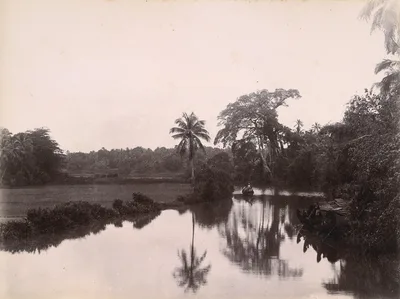
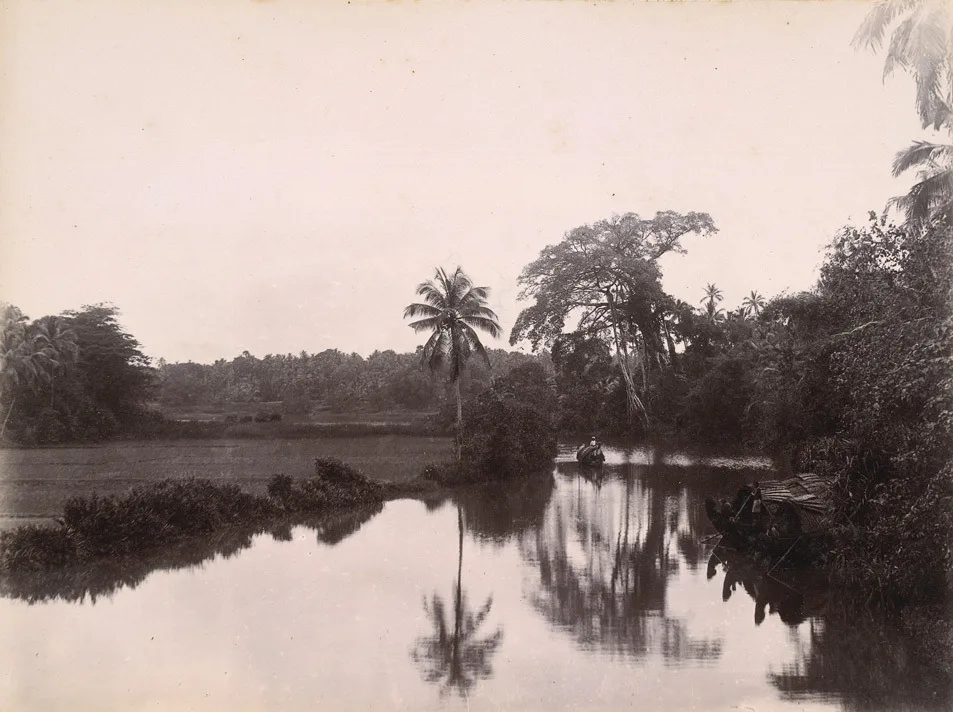
- Backwater, Travancore (c. 1900) — Unknown author (British Library photograph, per Commons), 1900s · Backwater, Travancore, c. 1900, British Library via Wikimedia Commons, public domain · Public domain (Wikimedia Commons licence label: Public domain; British Library source ogimages.bl.uk)
- Panoramic view of SCS Junction, Thiruvalla Town — Editor8220, 2022-10-11 · Editor8220, Wikimedia Commons, CC BY-SA 4.0 · CC BY-SA 4.0
- European Quarter, Calcutta, India — Bain News Service, publisher, 1922 · Bain News Service, George Grantham Bain Collection, Library of Congress Prints and Photographs Division (LCCN 2014680352) · Public domain (published 1922; LoC rights statement: the Library does not own rights, see Bain collection rights page)
- CMS College Kottayam entrance gate — Vis M, 2023-07-11 · Vis M, Wikimedia Commons, CC BY-SA 4.0 · CC BY-SA 4.0
- Jaffna Central College — Yercaud-elango, 2019-10-20 · Yercaud-elango, Wikimedia Commons, CC BY-SA 4.0 · CC BY-SA 4.0
- Firewalking, Kandy, Sri Lanka — Philip Nalangan, 2011-12-17 · Philip Nalangan, Wikimedia Commons, CC BY-SA 4.0 · CC BY-SA 4.0
- Chatham Street, Colombo, Ceylon — Keystone View Company, publisher, 1902 · Keystone View Company, Stereograph Cards, Library of Congress Prints and Photographs Division (LCCN 2021646990) · Public domain (published 1902; LoC rights statement: the Library does not own rights, see Stereographs rights page)
- Thurstan College, Colombo — Gawesh Shanuka, 2026-09-25 · Gawesh Shanuka, Wikimedia Commons, CC0 · CC0
Sources
Tier 1 — the subject's own words (writings, letters, diaries, trial records)
- [BG] Abraham T. Kovoor, Begone Godmen! Encounters with Spiritual Frauds, edited by V. A. Menon (Jaico Publishing House, Bombay/Mumbai; first impression 1976, seventh impression 1998). Internet Archive item
begone-godmen-at-kovoor, OCR inresearch/texts/begone-godmen-1976-ia-copyrighted.txt(the OCR has no printed page numbers, so citations are by chapter: Foreword; Preface; ch. 1 "Those Challenges"; ch. 2 "Godmen of India"; ch. 3 "Dr. Bhagavantham and Sathya Sai Baba"; ch. 4 "The Concept of God"; ch. 5 "Is there a Life after Death?"; ch. 6 "Astrology"; ch. 9 "The Miracle of Ganga Water"). The Preface and chapters are Kovoor's own prose (the Preface is signed by him at "Thiruvalla", Pamankada Lane); the Introduction (Hariharan Poonjar) and the Foreword "Dr. Kovoor — the Militant Iconoclast" are by others and are written after his death (they speak of him in the past tense and mention the 1974 death of his wife), so they belong to a later impression; the Foreword matches, in part word for word, the sketch printed in [Freethought] pp. 292–293 and is the source Ramendra draws on. Contents list shows 28 chapters. - [Challenge] Kovoor's challenge notice (with its conditions and list of "miracles"), as reproduced in [BG Foreword] and in [Ramendra ch. 6] from Begone Godmen ch. 1 "Those Challenges"; a different wording is on the English Wikipedia page [Wikipedia challenge]. The original notice was a public offer (not seen); its date is not stated (see Disputed points). Local copy:
research/texts/ramendra-2007-ch6-kovoor.txt. - [Conclusion] Kovoor, "Dr Kovoor's Conclusion," excerpt of Begone Godmen reproduced on [Arumugam], used there with the permission of Jaico Publishing House; also in part in [SO 2006]. Local copies:
research/texts/arumugam-kovoor-page.txt,research/texts/sunday-observer-2006-07-30.txt. - [On Looking Back] Autobiographical chapter of Gods, Demons and Spirits (1980); seen only as extracts inside [Ramendra ch. 6]. Not seen in full (no scan found; the identifiers on archive.org for the 1980 book do not exist).
- (No dated contemporary letter or newspaper article by him survives in the lawful sources except what he reprints in BG: his letters to Bhagavantham of 11 September and later 1973, to Seiko of 30 October 1973, and his invitation to Nazeem of November 1969.)
Tier 2 — scholarly biographies and encyclopedias
- [Quack 2011] Johannes Quack, Disenchanting India: Organized Rationalism and Criticism of Religion in India (Oxford University Press, 2011), pp. 96–101 (Kovoor), cited by Wikipedia. Still not reached (Google Books and its API refused requests again on 2026-10-15; not on the Internet Archive search). The best scholarly source; read it through a library copy.
- (No other Tier 2 source found. The Caravan obituary by Edamaruku, December 1978, pp. 31–34, is listed by Wikipedia as further reading; not found online.)
Tier 3 — popular biographies and journalism
- [Freethought] Freethought ("The Largest Circulated Rationalist Monthly"), Indian Rationalist Association, 28/18 Pantheon Road, Madras 600 008, editor C. Seshadri; Vol. VIII, No. 10, October 1978: front cover "The End of an Era" (death notice with photograph), editorial "An Irreparable Loss" p. 291, "Dr. Kovoor — The Militant Iconoclast" pp. 292–293, verse "Kovoor's Conquests" p. 293. Internet Archive item
Freethought_Oct1978B(djvu text inresearch/texts/freethought-1978-oct-b.txt; wording of each quotation checked on the page images, leaves 0, 2 and 4). The first contemporary print source found, written within weeks of his death by a movement magazine he belonged to (he was an honorary life member of the Indian Rationalist Association). Sympathetic; it contains errors (it gives his age as 82; his birth as 1898 is in the text). - [Ramendra ch. 6] Dr Ramendra (with Dr Kawaljeet), Rationalism, Humanism and Atheism in Twentieth Century Indian Thought (Buddhiwadi Foundation, Patna, 2007; published electronically), chapter 6, "Abraham T. Kovoor." Archive: https://web.archive.org/web/20080112050935/http://www.buddhiwadi.org/Kovoor.htm . The fullest secondary account. Online, unpaginated; cited by section. Sympathetic. The comparison with [BG] now shows that its biography follows the Foreword of Begone Godmen (e.g. Calcutta, Cash, the Minnesota degree, the wife's obituary) plus extracts from the 1980 book; read it as a digest of those, not as an independent witness.
- [Arumugam] Prakash Arumugam, "Dr Abraham T. Kovoor: The Rationalist of Indian Subcontinent," personal web page, 1998 (copyright 1995–2003). Archive: https://web.archive.org/web/20210502141337/https://arumugam.tripod.com/kovoor.htm . Contains errors and unsourced claims (Calcutta degrees, "psychiatrist," an "Ernst Haeckel Ecology Center" expedition, a Minnesota doctorate described as earned; the last two are also in the BG Foreword) and is used only for what it shares with other sources and for the Jaico-permitted excerpt.
- [SO 2006] Prakash Arumugam, "Lanka's Kovoor – theory: Nobody has supernatural powers. Period," Sunday Observer (Colombo), 30 July 2006, Pow Wow page. Archive: https://web.archive.org/web/20210831211230/http://archives.sundayobserver.lk/2006/07/30/pow03.asp . A reprint of Arumugam's page; not independent.
- [T&A] "Abraham Kovoor," Thought & Action (Pune; the journal founded by Narendra Dabholkar), by "Rationalist," c. 2010–16. Archive: https://web.archive.org/web/20160304073142/http://www.thoughtnaction.co.in/abraham-kovoor/ . Substantially a copy of an older version of the Wikipedia article. Treat as secondhand.
- [Outlook 2009] Rahul Singh, "The Spell Breaker" (obituary of Basava Premanand), Outlook (India), 2 November 2009. Archive: https://web.archive.org/web/20091031114736/http://www.outlookindia.com/article.aspx?262445 . Local copy includes reader comments.
- [Miles 1937] Walter R. Miles, Foreword (p. xiii) to K. T. Behanan, Yoga: A Scientific Evaluation (Macmillan, New York, 1937; the 1938 printing is scanned as Digital Library of India item
dli.csl.6281, OCR inresearch/texts/behanan-yoga-1938-dli.txt). A Yale professor's note on the author, Kovoor's brother: contemporary and independent of the Kovoor sources. It does not mention Abraham. - [Video attempts] On 2026-10-15
research.mjs yt-transcriptreturned "caption track was empty" for three candidates:rRJDNRzzAYs(Rationalists channel, "ആരായിരുന്നു എ.ടി. കോവൂർ? സനൽ ഇടമറുക്", 50:55, Sanal Edamaruku, whose father translated Kovoor);5v_S-fjfRKc(Renai Vision, "എ ടി കോവൂർ അനുസ്മരണം", C. P. John, 27:50);XqxX4_2wins(Deepthink Path, "Abraham Kovoor The Atheist Who Hunted Miracles", 14:51, English). Other candidates, not tried:BEah6Ntelksand-EZqFBCgeC8(Humanist Rationalist Speaks, 29:48 and 27:38),LS5dbH8r7bg(Positive Atheism English Channel, 6:35),viIGY2b95Bw(Sinhala, 3:15). No video was used as a source. A person with yt-dlp installed should retry rRJDNRzzAYs first.
Tier 4 — maps to other sources only (Wikipedia and similar). Cited only with article, language and revision date.
- [Wikipedia en 2026-08-31] "Abraham Kovoor," English Wikipedia, revision 1372259938 of 2026-08-31 (
research/texts/wikipedia-en-kovoor-2026-10-15-tier4.txt). Its early-life section is unsourced; its footnotes are the Arumugam page, a Reporter Live article (Malayalam, dead link), a dead daijiworld link and Quack 2011. Differs from [BG] on the Jaffna school, the wife's death year and the 1963 prize (Disputed points). The older fetch of 2026-10-14 isresearch/texts/wikipedia-kovoor-tier4.txt. - [Wikipedia ml] "എ.ടി. കോവൂർ," Malayalam Wikipedia, revision 4596146 of 2026-01-17 (
research/texts/wikipedia-ml-kovoor-tier4.txt). A shorter Malayalam rendering of the same English text (born Tiruvalla; father Kovoor Eipe Thoma Kathanar; Calcutta; C.M.S. Kottayam; Ceylon February 1928; wife Kunjamma and son Aries; "Jaffna College at Vaddukoddai" until 1943; Richmond College, Galle; St. Thomas' 1947–53; retired from Thurstan College 1959; Ceylon Rationalist Association president from 1960; wife's death 1976; the will, quoted; died of cancer 18 September 1978). Its infobox links the family article of George Kovoor. It adds no independent source (one reference, the Arumugam page). - [Wikipedia challenge] "Abraham Kovoor's challenge" (
research/texts/wikipedia-challenge-tier4.txt); [Wikipedia Iype] "Iype Thoma Kathanar," which cites Nalloor Library (church-history site) for the father's life; [Wikipedia Cash] list of principals in "Jaffna Central College"; [Wikipedia Thurstan] "Thurstan College"; [Wikipedia Sai Baba] "Sathya Sai Baba," Criticism section (research/texts/wikipedia-sathya-sai-baba-tier4.txt), citing Ruhela 1997 and 2006, Haraldsson, and the Blitz interview of September 1976; [Wikipedia Punarjanmam], [Wikipedia Maru Piravi], [Wikipedia Premanand], [Wikipedia Behanan], [Wikipedia Kamal Haasan]. - [Chelliah 1922] J. V. Chelliah, A Century of English Education: the Story of Batticotta Seminary and Jaffna College (American Ceylon Mission Press, Tellippalai, 1922); Internet Archive
ldpd_15444974_000; OCR inresearch/texts/chelliah-1922.txt. Pre-1931, public domain. Context for the American Ceylon Mission school at Vaddukoddai only; it does not mention Kovoor or Cash. (Not the school Kovoor taught at; see Disputed points.) - Leads not followed: Ruhela, Sri Sathya Sai Baba and the Press (M. D. Publications, 1997), which reprints Rahul Singh, "Magic Realism," Times of India, 27 August 1995; Peter Ludwig Brent, Godmen of India (Allen Lane, 1972; IA lending copy
godmenofindia0000bren); Edamaruku, Caravan, December 1978; the A. T. Kovoor Octogenary Souvenir (1978; one poem is printed in Freethought p. 293); Sinhala newspaper Rivira, 26 September 2010 profile (archived at web.archive.org/web/20100929054626/http://www.rivira.lk/2010/09/26/rivinetha2.htm, in a legacy Sinhala font that cannot be decoded; the digits in it suggest the same dates as the other sources: 1898, 1928, 1943, 1947, 1953, 1959, 1960, 1961, 1975, 1978).
Opposition sources — contemporary critics and religious responses
- [BG ch. 4] Kovoor quotes, to answer them, Rev. Fred de Silva (Methodist, Sri Lanka), Bishop J. A. T. Robinson (Honest to God) and Teilhard de Chardin (The Phenomenon of Man); [BG ch. 1, ch. 3] reproduce the Sai Baba devotee's letter to the Ceylon Daily News, Dr Nazeem's letter, and (via Kovoor's summary) Bhagavantham's articles. All are as reproduced by Kovoor, who is an interested party; the originals were not seen.
- [IHEU 2008] "Punjab bans rationalist literature," International Humanist and Ethical Union, partner news from the Tarksheel Society of Punjab, 22 March 2008. Archive: https://web.archive.org/web/20110315044342/http://www.iheu.org/node/3119 . A partisan report, not the Punjab government's own text.
- [Blitz 1976 via Wikipedia] Sathya Sai Baba, interview with R. K. Karanjia, Blitz, September 1976, as quoted in [Wikipedia Sai Baba]; the reply was to Narasimhaiah's committee, not to Kovoor.
- [Ramendra ch. 6] (above) for the report of the principal's reason (Rev. Cash) and of the occultists' protests.
Related lives
E. V. Ramasamy (Periyar), 1879–1973, the Tamil rationalist whom Arumugam pairs with him ("I personally cannot remember any other person in the 20th century other than E.V.R. Periyar... who has done so much to enlighten the people in Indian Subcontinent"); Freethought's own obituary also pairs them ("Like Periyar E.V.R. and Russell he showed 'once a rationalist, always a rationalist'"); or Goparaju Ramachandra Rao (Gora), his Indian contemporary and the fifth chapter of the same book as Kovoor.
Luis Buñuel
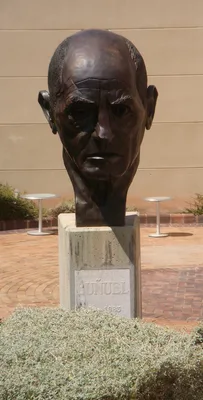
Luis Buñuel's "really blind" faith of medieval Calanda went in three stages: a Jesuit schoolboy's doubt about Hell at fourteen, the loss completed by Darwin at seventeen, and a declaration made not in words but in L'Âge d'or (1930), which right-wing leagues attacked and the police banned. The unbelief was blasphemy in his thirties. In his sixties it calmed into "still an atheist, thank God" (1959), and in his 1982 memoir into a meditation on chance in which believing and not believing came to the same thing.
Goparaju Ramachandra Rao (Gora)
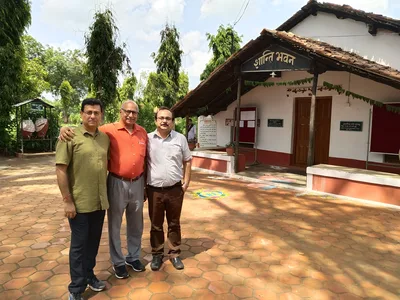
Gora was a Brahmin boy who lost faith in a packet of holy ash. He read his way to the conclusion that people had made God, and lost two teaching posts for saying so. He kept the word atheism against Gandhi's advice, and made it into a programme of eating, marrying and living across caste. It never softened into belief.
Margaret Knight
Margaret Knight had a nominally Christian education and a quiet loss of belief at Cambridge in the mid-1920s. In January 1955 she said on the BBC Home Service, carefully and for doubting parents, that children need not be taught a God any more than Santa Claus, and that Scientific Humanism could ground morals. The national uproar sent her, at her critics' urging, to the Bible and church history. In 1975 she judged Christianity far more harshly than she had on the radio.
Zora Neale Hurston
Zora Neale Hurston was a Baptist preacher's daughter in Eatonville who said she loved God because it was the expected answer. Her childhood questions slept until college, where history and philosophy woke them. As Boas's anthropologist she learned belief from the inside, even taking hoodoo initiation, without sharing it. In Dust Tracks (1942) she refused prayer and organized creeds for herself while leaving others their consolation, called herself one with the infinite, and never took the label atheist.