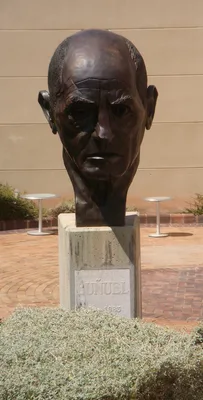
Luis Buñuel's "really blind" faith of medieval Calanda went in three stages: a Jesuit schoolboy's doubt about Hell at fourteen, the loss completed by Darwin at seventeen, and a declaration made not in words but in L'Âge d'or (1930), which right-wing leagues attacked and the police banned. The unbelief was blasphemy in his thirties. In his sixties it calmed into "still an atheist, thank God" (1959), and in his 1982 memoir into a meditation on chance in which believing and not believing came to the same thing.
The belief timeline
- Faith (c. 1900–1914 (until "at least fourteen")) — Calanda and Zaragoza: Mass, the Calanda miracle, Jesuit school; faith "really blind" [3][4][6]
- Doubt (c. 1914) — Doubts about Hell and the Last Judgment at the Jesuits' school [8]
- Loss (c. 1915–1917) — Leaves the Jesuits; reads Spencer, Rousseau, Marx; Darwin finishes the loss of faith [10][11]
- Declaration (1930 (inferred: made in a film, not in words)) — L'Âge d'or: attacked as blasphemy by the Ligue des Patriotes and the right-wing press; his own account calls it above all a film of "amour fou" [20][22][24][27]
- Revision (1959–60 and 1982) — From blasphemy and anticlericalism to a calmer atheism ("Autrefois... je crachais dessus, aujourd'hui je dis: je ne fume pas de ça"); "toujours athée, grâce à Dieu"; the 1982 chapter on chance and mystery [37][44][52]
Notes to the timeline (13)
- [3] In Calanda religion was everywhere: bells marking the hours and deaths, two churches and seven priests; his uncle-priest Santos taught him Latin and French and he helped him say Mass; he played violin in the Virgen del Carmen choir and played at saying Mass in the granary — MUS ch. "Recuerdos de la Edad Media" (before "El milagro de Calanda").
- [4] His faith was "really blind, at least until fourteen"; all believed in the Miracle of Calanda of 1640 (Miguel Juan Pellicer's leg); his father gave the parish a Holy Week sculpture that anarchists burned in the Civil War — MUS ch. "El milagro de Calanda".
- [6] The family moved to Zaragoza when he was an infant; Corazonistas first, then seven years as a half-boarder at the Jesuit Colegio del Salvador; daily Mass at 7:30 and evening rosary; catechism, lives of the saints, apologetics; the teacher asked a pupil to "refute Kant" — MUS ch. "En los jesuitas"; Companion p. 7.
- [8] About fourteen he began to doubt: the existence of Hell and above all the Last Judgment ("inconceivable"; where would the bodies gather?) — MUS ch. "En los jesuitas".
- [10] At fifteen the head of studies kicked him and called him "payaso"; he told his mother he had been expelled; the director would have kept him; he refused to return and finished two years at the state Instituto — MUS ch. "En los jesuitas"; Companion p. 8 (describes "a beating by a study hall proctor").
- [11] In the Instituto years a law student lent him a cheap series of philosophy, history and literature; he found Spencer, Rousseau and Marx; Darwin's Origin "dazzled" him and "made me finish losing my faith"; his virginity ended in a Zaragoza brothel; the First World War was dividing Spain; he was seventeen — MUS ch. "En los jesuitas" (last paragraph).
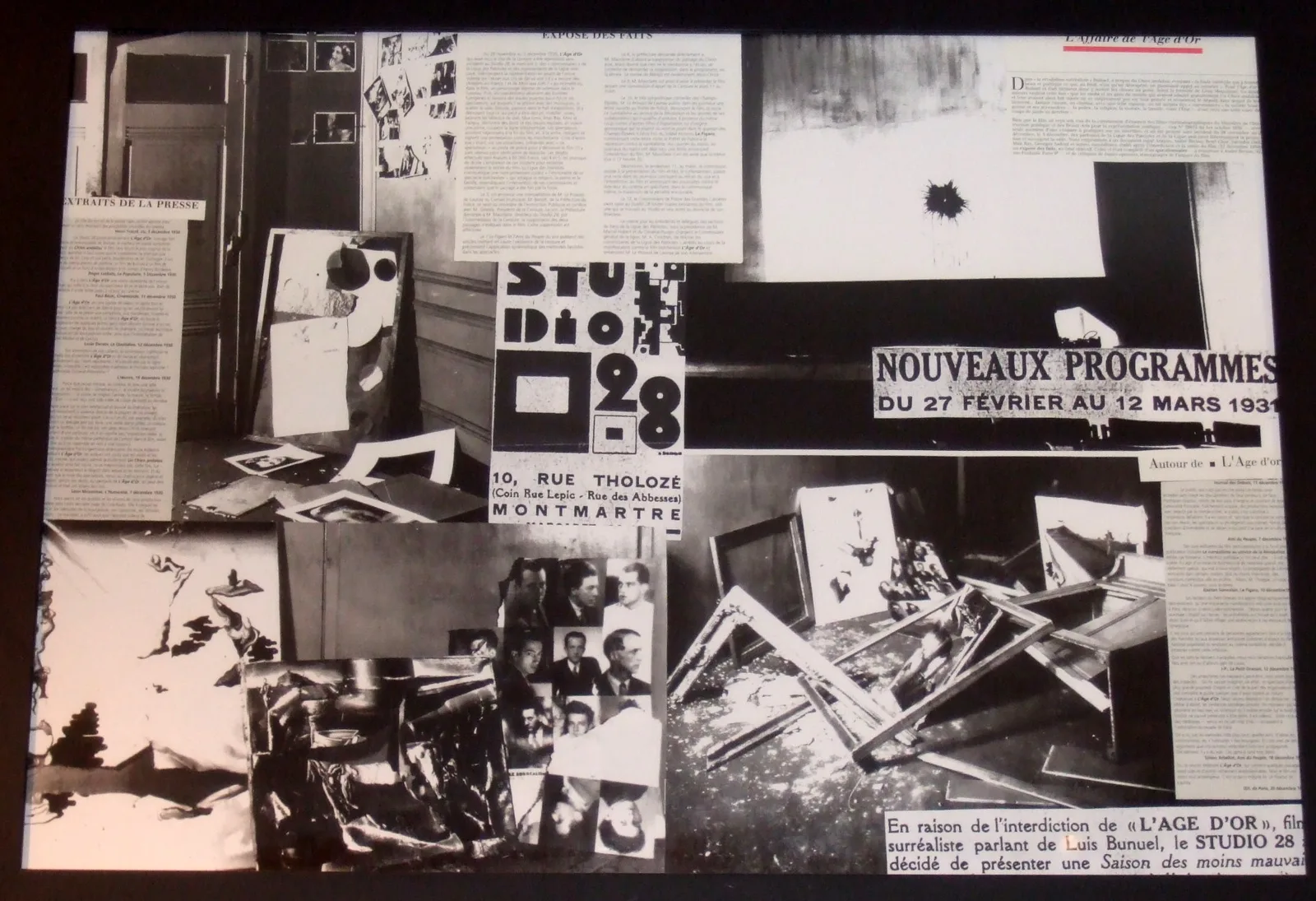
- [20] Release sequence (Sánchez Vidal): silent version 27 May at the Noailles house, sound shows from 30 June, Cinéma Panthéon 22 October, then six sold-out days at Studio 28; on 3 December extreme right-wingers gutted the seats, smashed paintings (Arp, Dalí, Ernst, Miró, Man Ray, Tanguy) and stained the screen; Chiappe banned the film; Buñuel had already left for Spain — Companion pp. 174–75 (Sánchez Vidal).
- [22] Kyrou's account: the film ran at Studio 28 "du 2 octobre au 3 décembre"; on the evening of 3 December men in the audience shouted "On va voir s'il y a encore des chrétiens en France ! " and "Mort aux Juifs !" when on screen a character puts a monstrance in the gutter; stink bombs, ink, slashed paintings; the attackers were "commissaires" of the Ligue des Patriotes and members of the Ligue antijuive — Kyrou pp. 30–31.
- [24] The campaign of the right-wing press began 7 December, led by Le Figaro and L'Ami du Peuple; Bodin in Le Figaro 7 Dec; Sanvoisin in Le Figaro 10 Dec; "G.M." in L'Écho de Paris 10 Dec — Kyrou p. 32. Reported at second hand; the original has not been seen.
- [27] Buñuel's own gloss: "for me it was also, and above all, a film of mad love", an irresistible impulse that pushes a man and woman toward each other when they can never unite — MUS ch. "La edad de oro".
- [37] Kyrou records Buñuel telling him that formerly "quand on me présentait une hostie, je crachais dessus, aujourd'hui je dis: je ne fume pas de ça !"; Kyrou's gloss: "Autrefois, le blasphème, l'anticléricalisme, aujourd'hui l'athéisme, la tendresse totale" — Kyrou p. 67.
- [44] In "Ateo gracias a Dios" (1982) he argues from chance and mystery: faith itself is born of chance; "creer y no creer son la misma cosa"; proof of God's existence would change nothing in his conduct; he cannot believe God watches him; "God does not concern himself with us. If he exists, it is as if he did not exist"; the formula "Soy ateo gracias a Dios" is one he says he "antaño resumí"; atheism leads one to accept the inexplicable; science does not interest him; only at sixty or sixty-five did he accept "the innocence of imagination" and shed the Christian "sin of intention" — MUS ch. "Ateo gracias a Dios".
- [52] The wording "I am still an atheist, thank God": Le Monde, 16 December 1959, interview by Jean de Baroncelli: "Grâce à Dieu, je suis toujours athée !"; L'Express, 12 May 1960, interview by Michèle Manceaux, titled "Luis Buñuel: athée grâce à Dieu": "Je pourrais répondre: « Je suis toujours athée, grâce à Dieu. »" — Kyrou p. 133 (text); Kyrou bibliography (title of the L'Express piece).
Still an Atheist, Thank God
On the evening of 3 December 1930, at the Studio 28 cinema in Montmartre, men in the audience began to shout when a monstrance appeared on the screen in a gutter. They threw ink and stink bombs, slashed the surrealist paintings on show in the foyer and broke the seats; by one account they cried out that they would see whether there were still Christians in France.12 The film was L'Âge d'or, and its director was a thirty-year-old Spaniard, Luis Buñuel. Within days the Paris police had banned it, and the ban lasted fifty years.34
This chapter asks how a boy from an Aragonese town, educated by the Jesuits, lost his faith; how he turned his unbelief into films that scandalised the Church in 1930 and again in 1961; and why, as an old man, he wrote that believing and not believing are the same thing.
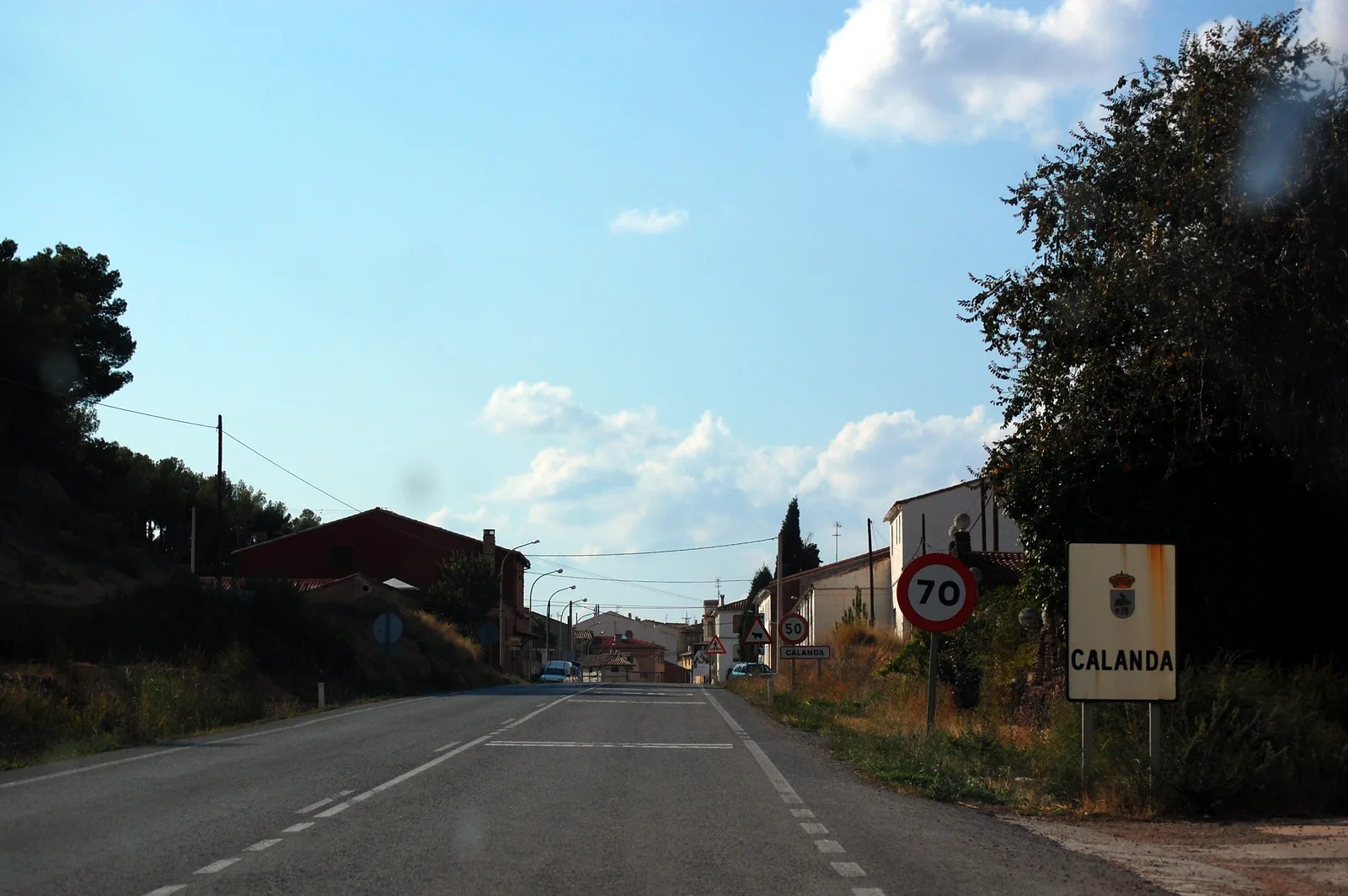
The Middle Ages in Calanda
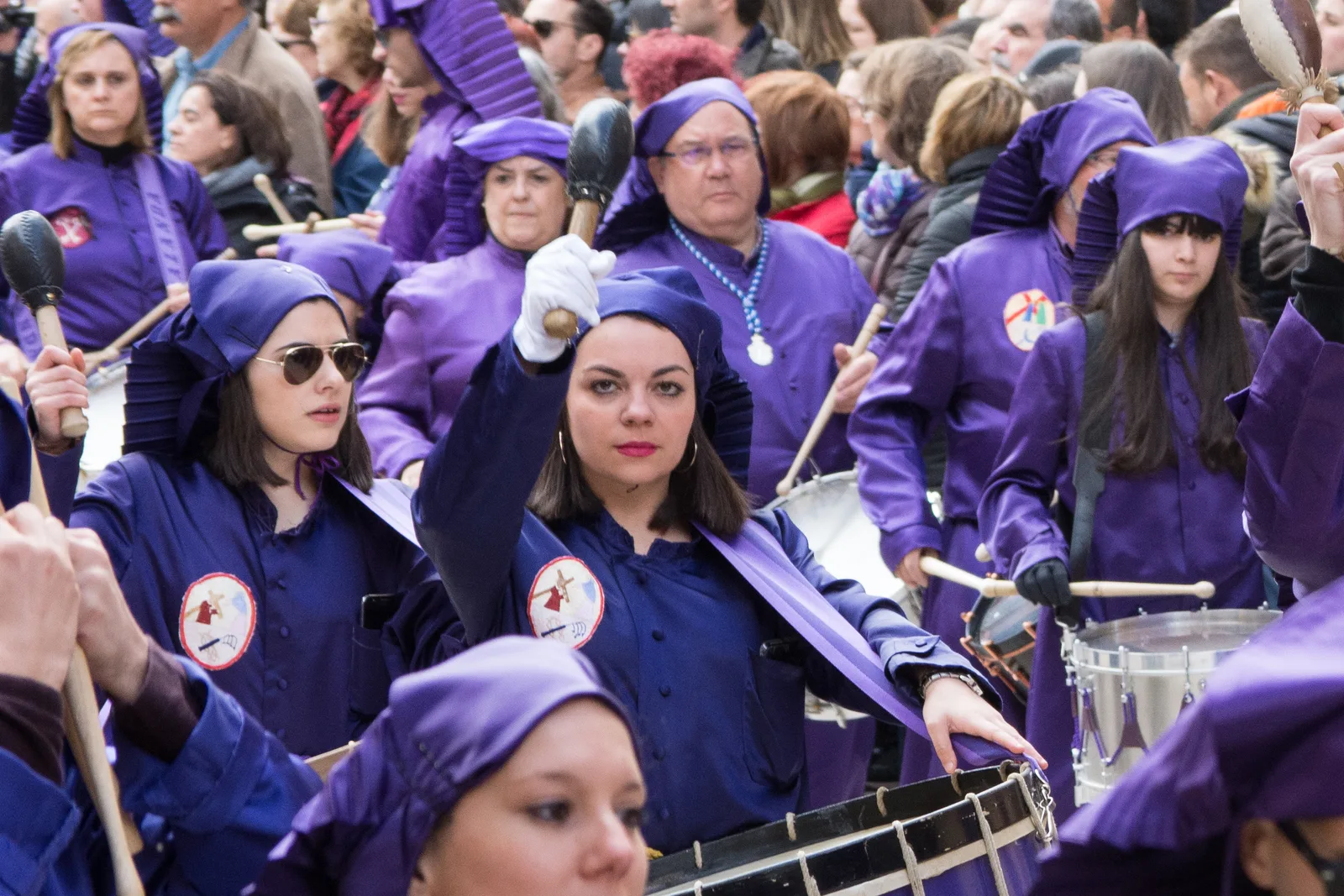
He was born on 22 February 1900 in Calanda, in the province of Teruel, the eldest of seven children of a wealthy father.56 Calanda, he wrote in his memoir, was the Middle Ages prolonged until the First World War, a place where nobody doubted the dogma.7 Bells marked the hours and the deaths; there were two churches and seven priests. An uncle who was a priest taught him Latin and French, and the boy helped him say Mass, played the violin in the choir, and played at saying Mass himself in the granary.8 Everyone believed in the Miracle of Calanda of 1640, when a local man's amputated leg was said to have been restored.9 At Easter the town's drums beat through the night of Good Friday; he heard them, he said, from the age of two months, and later put them into his films.10 His faith, he wrote, was really blind, at least until he was fourteen.119 On the belief timeline, this is where his faith sits.
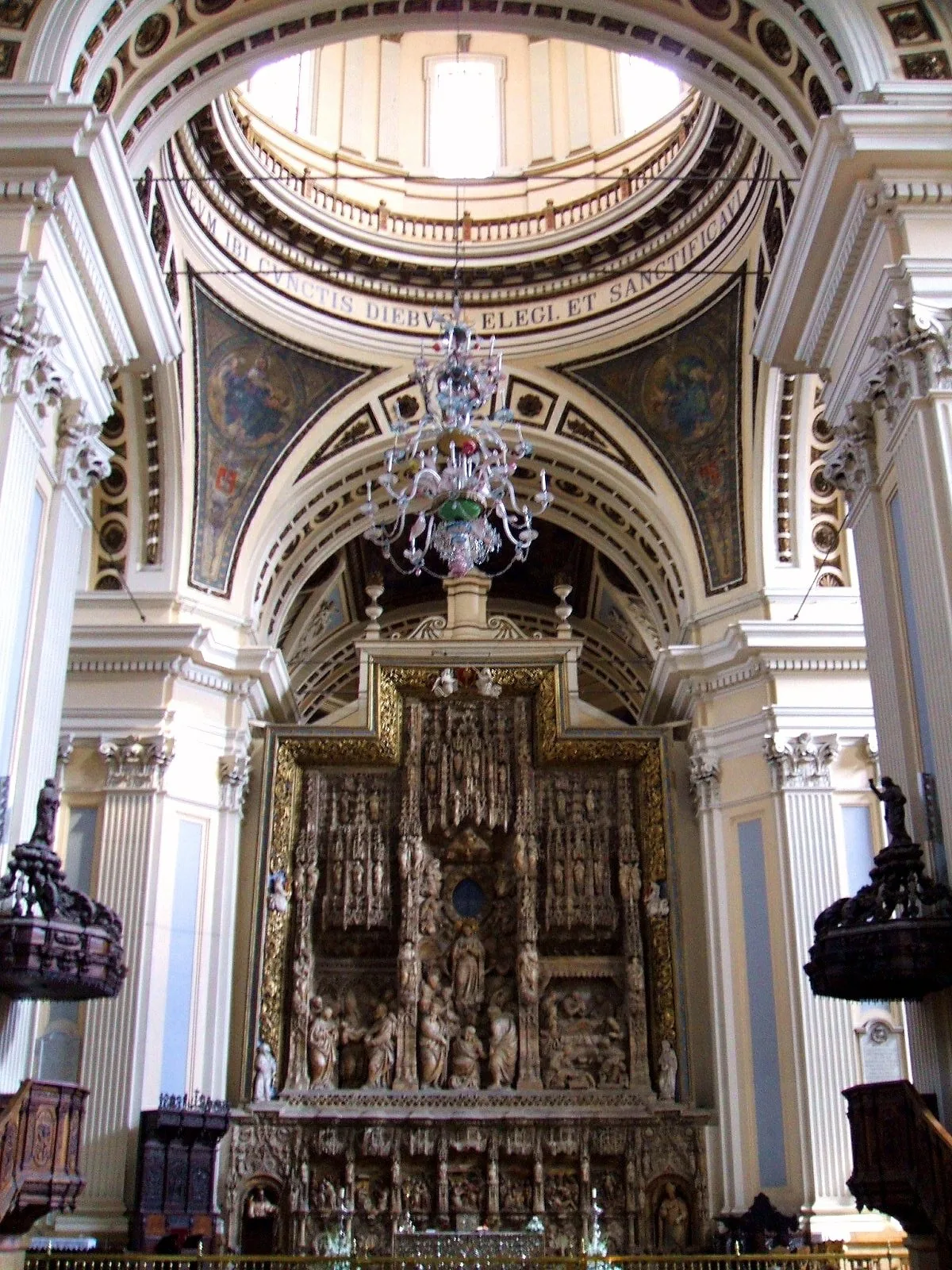
The Jesuits
The family moved to Zaragoza while he was an infant, and for seven years he was a half-boarder at the Jesuit Colegio del Salvador, with Mass every morning at half past seven, the rosary every evening, catechism, the lives of the saints and apologetics; a teacher once asked a pupil to refute Kant.12 The Jesuits taught that chastity was the highest virtue, and the struggle against desire, he wrote, left an overwhelming sense of guilt.13 At about fourteen he began to doubt: first the existence of Hell, and above all the Last Judgment, which seemed to him inconceivable; where would all the bodies of the dead be gathered?1415 On the timeline, his doubt begins here.
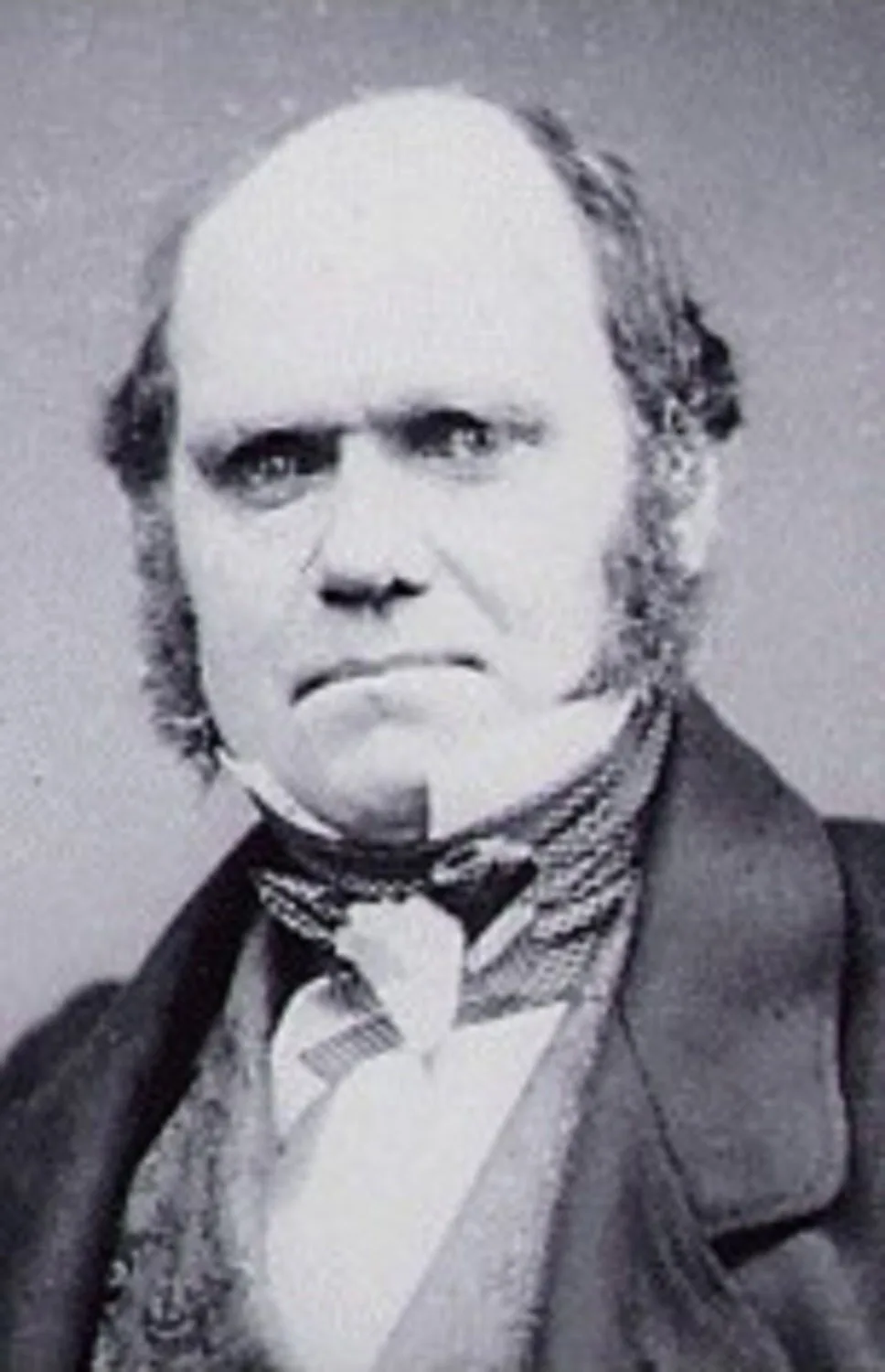
At fifteen the head of studies kicked him and called him a clown; he told his mother he had been expelled, refused to go back, and finished his schooling at the state institute.16 There a law student lent him a cheap series of books of philosophy, history and literature, and he read Spencer, Rousseau and Marx. Then Darwin's Origin of Species dazzled him, he wrote, and made him finish losing his faith. He was seventeen.1718 He kept, all the same, a fairly good memory of the Jesuits; his son remembered him saying that they had taught him discipline, but not to believe a word of the religious part.1920 The timeline places the loss of his faith here.
Madrid and Paris
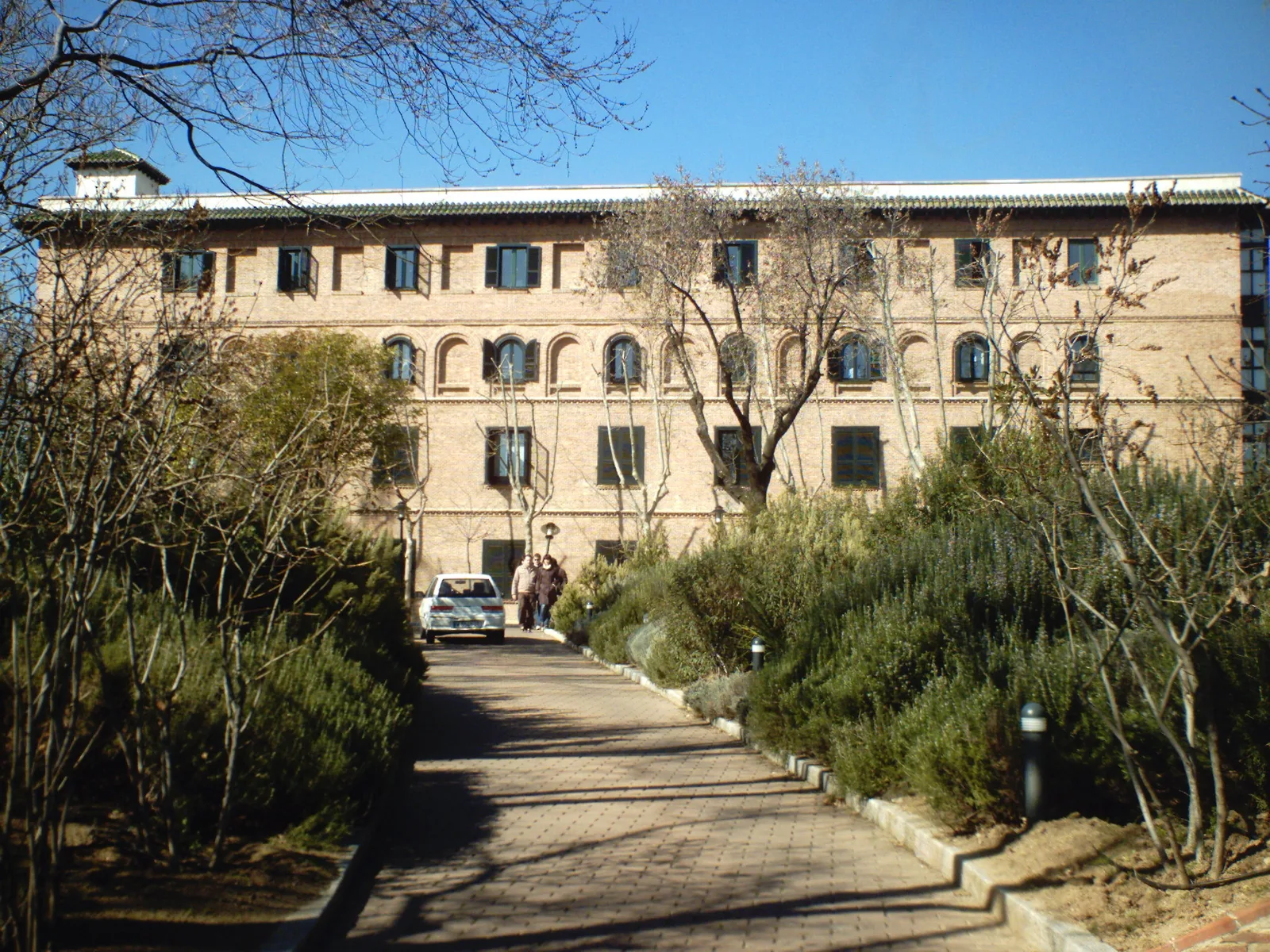
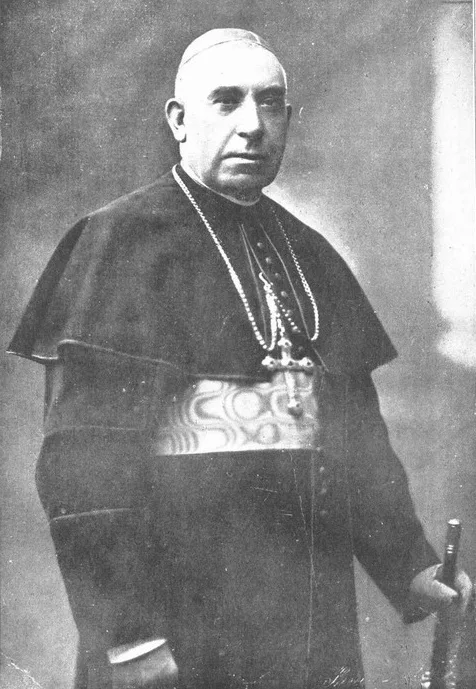
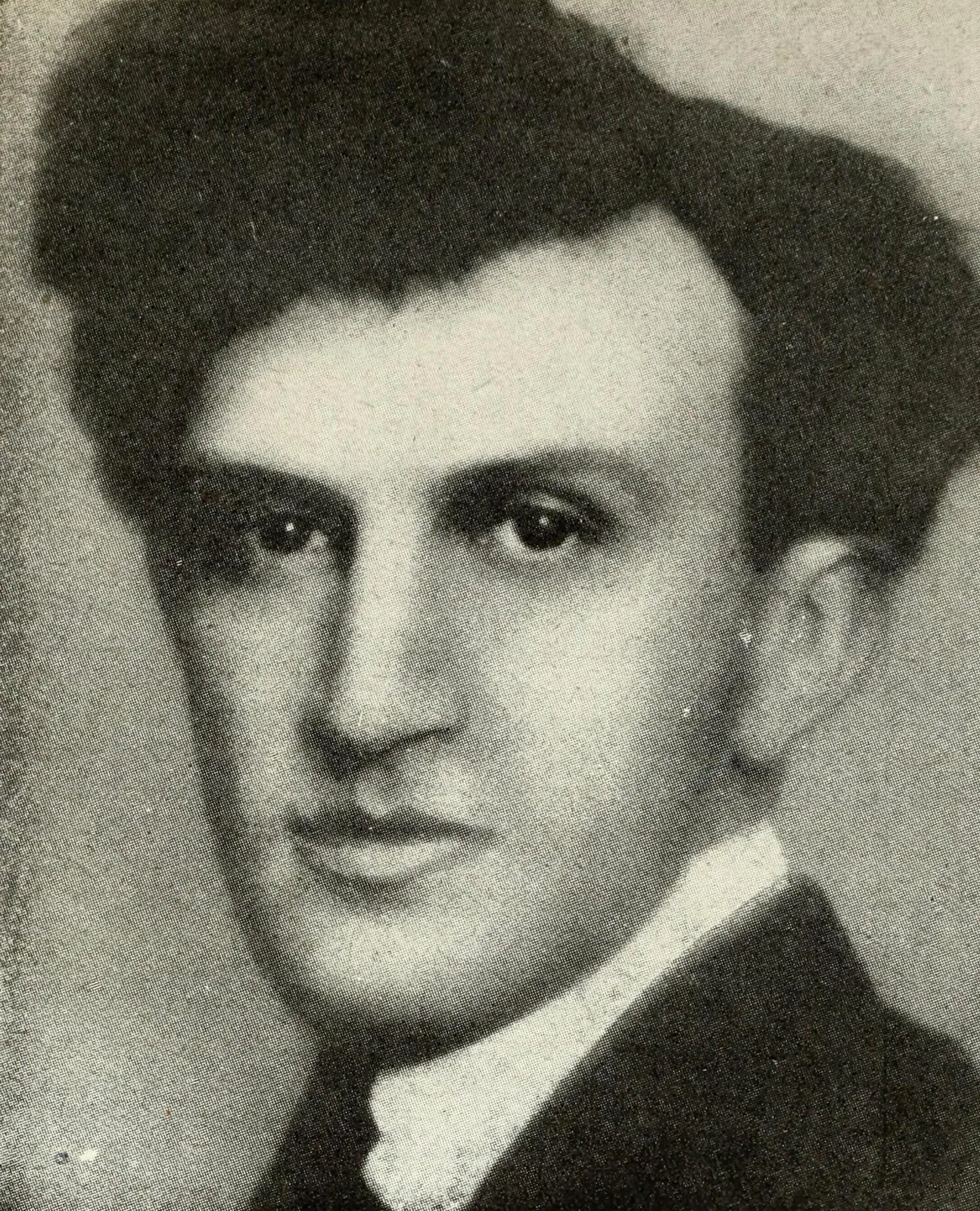
In October 1917 he went to the Residencia de Estudiantes in Madrid, where Federico García Lorca and Salvador Dalí joined his circle.21 When the news came that anarchists had murdered the unpopular Archbishop of Zaragoza, Soldevila, he and his friends drank that night, he recalled, to the damnation of the archbishop's soul.22 In 1925 he went to Paris and worked as assistant to the film-maker Jean Epstein.23 With Dalí he wrote Un chien andalou in under a week, and his mother paid for it; after Man Ray and Louis Aragon saw it, they introduced him to the surrealists, and his meeting with them, he said, decided the rest of his life.24 The group was hostile to anything religious; André Breton once called the little cross on a guest's necklace an intolerable provocation.25
L'Âge d'or
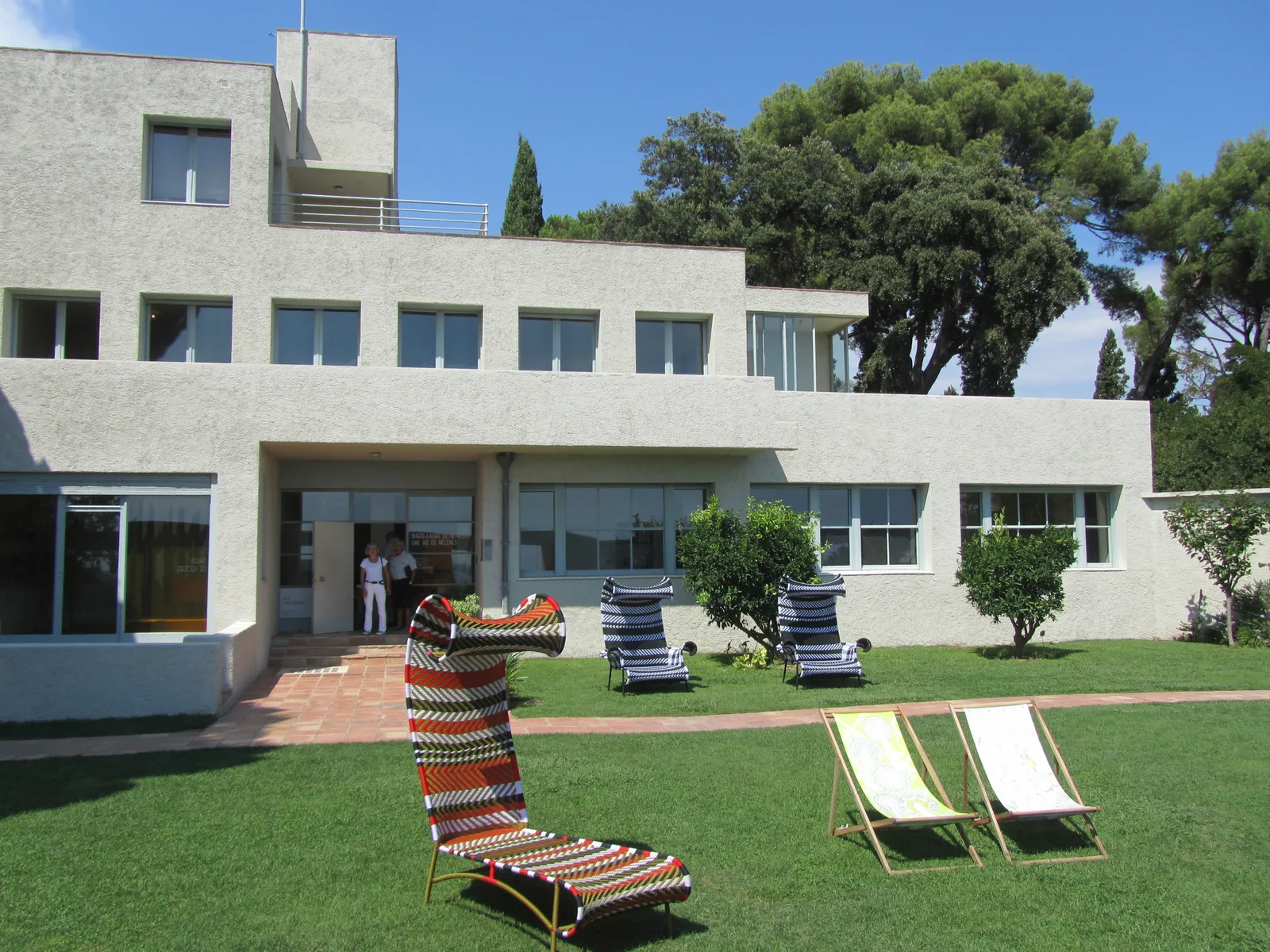
Charles de Noailles and his wife offered him a film with complete freedom; Buñuel refused to work with Stravinsky, he said, because the composer was the kind of man who knelt and beat his breast.2627 He wrote the script alone at Hyères, after quarrelling with Dalí, and L'Âge d'or was first shown privately at the Noailles house in May 1930.271 Its last episode parodies the Marquis de Sade's 120 Days of Sodom with a Christ-like figure as the leader of murderous libertines.28 For him, he wrote later, it was also and above all a film of mad love.2930 Charles de Noailles, he was told, was expelled from the Jockey Club, and his mother went to Rome over talk of excommunication.3
After the riot of 3 December, the nationalist Ligue des Patriotes complained of "the immorality of this Bolshevik spectacle."3132 Then the right-wing press took it up. In Le Figaro on 7 December Richard-Pierre Bodin, writing in defence of the family and of children against the poison of low entertainments, wrote:
The fatherland, the family, religion are dragged through the filth there.3334
Three days later Gaëtan Sanvoisin, in the same paper, called it "an attempt at Bolshevism of a special kind, yes, really special, which aims to rot us," and called on the prefect of police to sweep it away.3534 Another critic simply found it pretentious and dreary, with nothing to do with art.3634 The film was banned and every copy seized.4 The timeline places his declaration here, made in a film and not in words; there is no evidence that he used the word "atheist" of himself in the affair.
War and exile
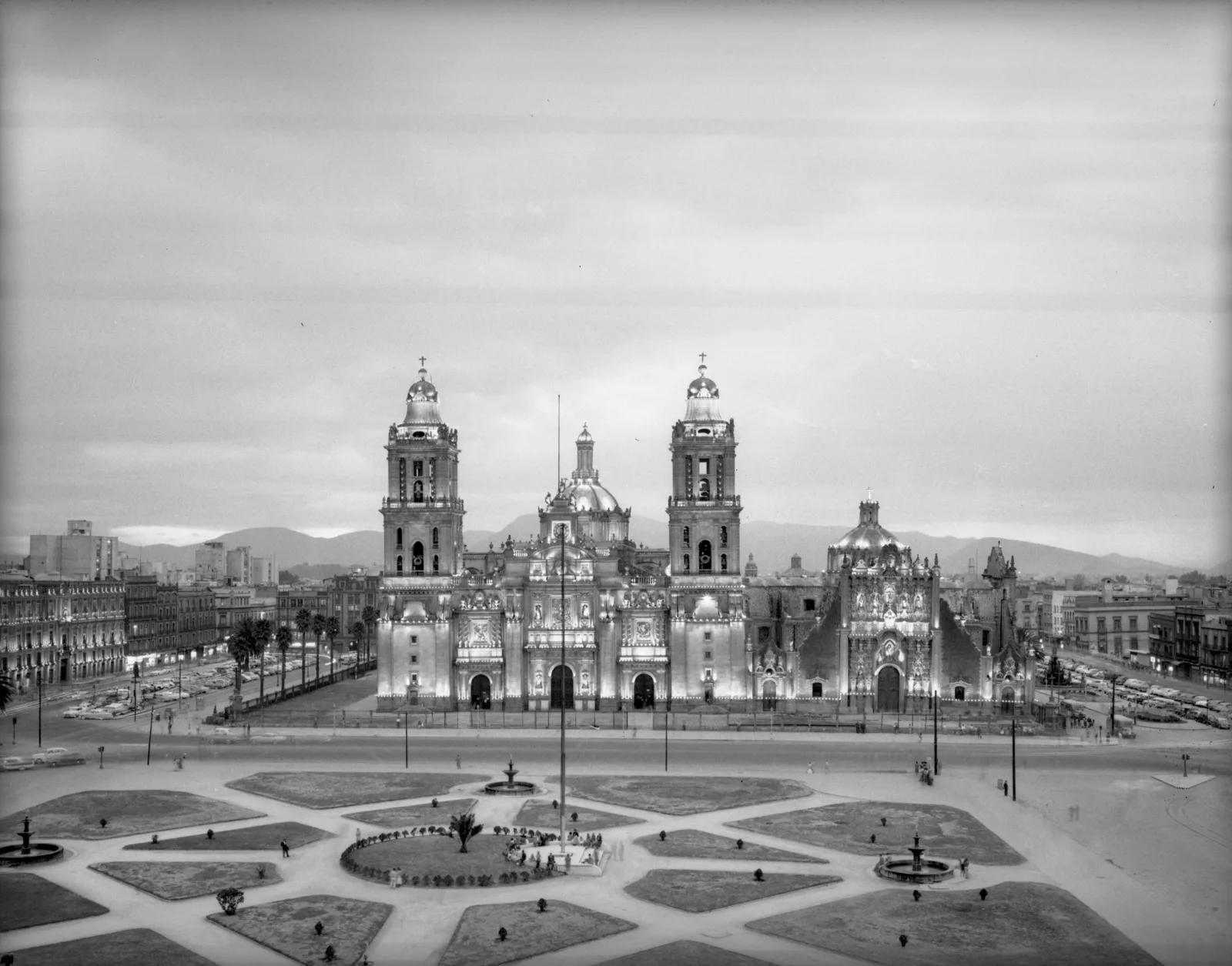
In the Civil War, he wrote, although he had been anticlerical since childhood, he did not in any way approve of the killing of priests; in Calanda anarchists shot eighty-two people, nine Dominicans among them, and later Franco's troops shot about a hundred.3738 He worked for the Republic in Paris and Hollywood, and then at the Museum of Modern Art in New York.39 In 1942 Dalí's Secret Life called him an atheist, which he said was in a way more serious in America than being called a communist, and he left the museum; a historian argues that his films and rumours of far-left politics did more to cost him the job, and accounts differ.404142 He went to Mexico in the mid-1940s and became a Mexican citizen in 1949.43
Nazarín and Viridiana
Nazarín (1958), the story of a holy priest, nearly won the Catholic prize at Cannes, and people began to ask whether Buñuel had come back to the Church.44 In December 1959 he told Le Monde that everyone was free to find in his film what they liked, but that he did not think he had renounced or abjured anything; and he said that he was still an atheist, thank God.454647 To another interviewer he said that he had been brought up in Catholicism and that one must look for God in man.4847 Once, he told a friend, he had spat on a host when it was offered to him; now he just said he did not smoke that.4950
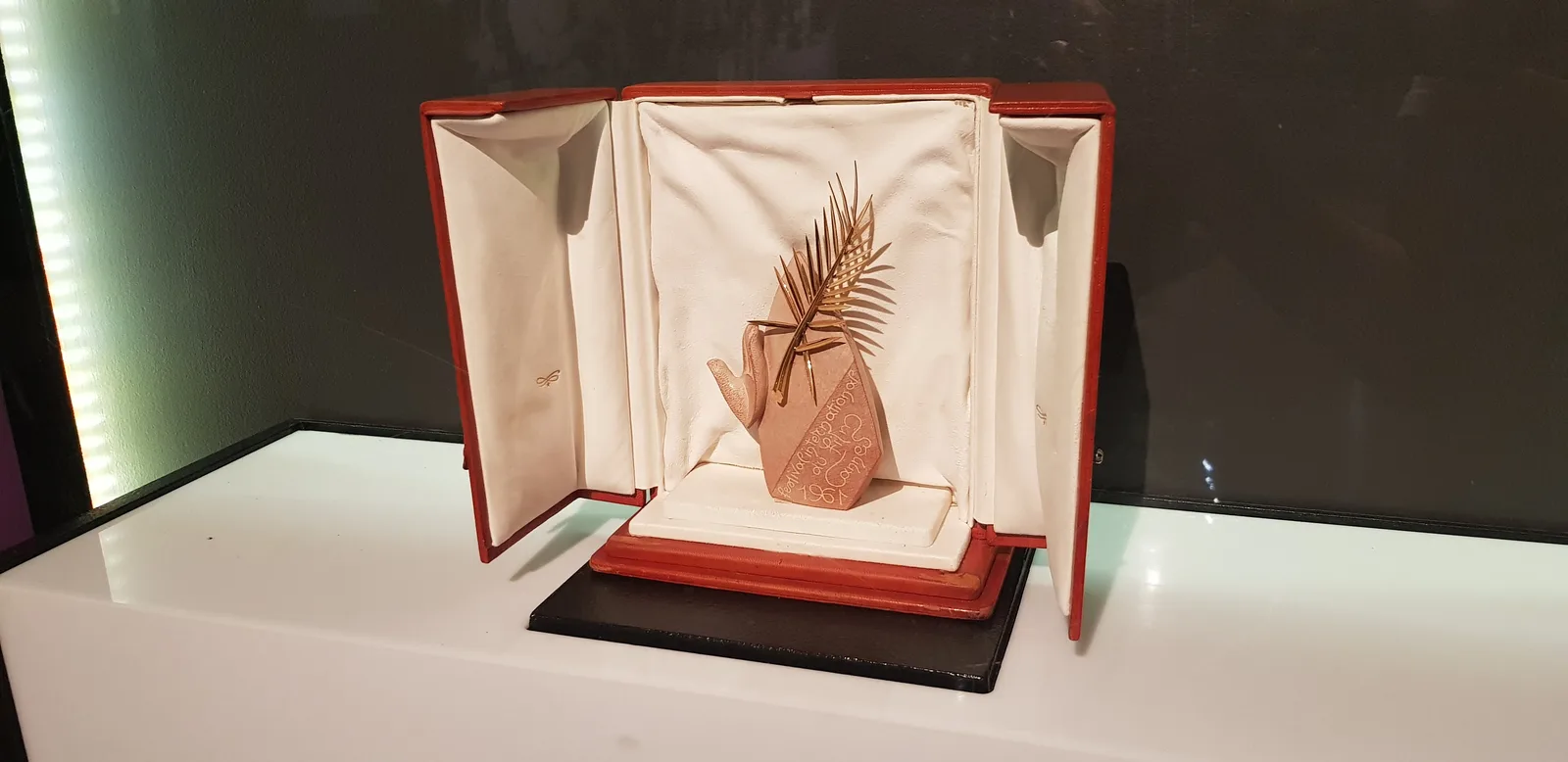
In 1960 he went back to Spain to make Viridiana. It won the Palme d'Or at Cannes in 1961 as a Spanish film; the next day the Vatican newspaper denounced it, the Spanish official who had collected the prize was dismissed, and the film was banned in Spain, where it stayed banned for sixteen years. In Italy he was sentenced to a year in prison if he ever entered the country, a sentence later annulled.515253 In public he insisted that the film was neither anti-Franco nor anti-religious, and that it evoked Leonardo's Last Supper without sacrilege; only twice did he admit that it carried a subversive charge.54 Of a later film, The Milky Way (1969), which one writer called anti-religious and another said looked as if the Vatican had paid for it, he said it was neither for nor against anything.555657 On the timeline, the revision comes here, a move from blasphemy to a calmer atheism.
Atheist thanks to God
In 1982, the year before his death, he published a memoir dictated in French to his screenwriter Jean-Claude Carrière, warning that it was half invented and that he might lie or forget.58 One chapter was called "Atheist thanks to God," a formula he said he had coined long before.5960 Faith itself, he argued, was born of chance, and believing and not believing came to the same thing. If God's existence were proved to him that moment, it would change nothing in his conduct; God did not concern himself with us, and if he existed it was as if he did not.616260 Only at sixty or sixty-five, he wrote, had he understood the innocence of the imagination and shed the Christian sin of intention.6360 Nothing awaited us, he wrote, but rot and the sweetish smell of eternity; and he imagined a last joke, calling his atheist friends and a priest to his bedside, confessing, receiving the last rites, and dying.646566 His son remembered him telling priests that Christ was a fool, and enjoying their company.6768 When a French Dominican in Mexico heard him tell the story of the Miracle of Calanda, the friar answered with a smile: my friend, I think you are going a little too far.699
He died in Mexico City on 29 July 1983, an atheist to the end.70
Did his unbelief change shape?
His faith in Calanda was blind, and it went in three stages: a boy's doubt about Hell at fourteen, the loss completed by Darwin at seventeen, and the declaration made not in words but in a film the police banned. In his thirties his unbelief was blasphemy, an attack on the Church in the Church's own images. In his sixties it became a joke and a shrug, "still an atheist, thank God," and in his memoir a meditation on chance, in which belief and unbelief were the same thing and neither mattered to how a man should live. The drums of Calanda stayed in the films throughout.
Francisco Ferrer, the Catalan educator executed in 1909, whom Buñuel mentions in his memoir, has his own chapter in this book.
Footnotes
-
Kyrou pp. 30–31. ↩
-
MUS ch. "La edad de oro". Reported at second hand; the original has not been seen. ↩ ↩2
-
MUS ch. "Recuerdos de la Edad Media"; Companion p. 6 (Stone and Gutiérrez-Albilla). ↩
-
Companion p. 6. ↩
-
MUS ch. "Recuerdos de la Edad Media". ↩
-
MUS ch. "Recuerdos de la Edad Media" (before "El milagro de Calanda"). ↩
-
MUS ch. "Los tambores de Calanda"; Companion p. 174 (Sánchez Vidal), p. 444 (Kinder, quoting My Last Sigh 1983 p. 20). ↩
-
MUS ch. "El milagro de Calanda". ↩
-
MUS ch. "En los jesuitas"; Companion p. 7. ↩
-
MUS ch. "El milagro de Calanda" (final section). ↩
-
MUS ch. "En los jesuitas". ↩
-
MUS ch. "En los jesuitas". ↩
-
MUS ch. "En los jesuitas"; Companion p. 8 (describes "a beating by a study hall proctor"). ↩
-
MUS ch. "En los jesuitas". ↩
-
MUS ch. "En los jesuitas" (last paragraph). ↩
-
Companion p. 64. ↩
-
MUS ch. "En los jesuitas" and ch. "Madrid: la Residencia" (the military-service remark); Companion p. 64 (Juan Luis Buñuel interview). ↩
-
Residencia p. 21 (Sánchez Vidal); MUS ch. "Madrid: la Residencia de Estudiantes". ↩
-
MUS ch. "Madrid: la Residencia de Estudiantes". ↩
-
MUS ch. "París (1925–1929)"; Kyrou p. 135 (Buñuel's own words, source of the remark not named). ↩
-
MUS ch. "Un chien andalou (1929)". ↩
-
MUS ch. "El surrealismo (1929–1933)" (Breton section). ↩
-
MUS ch. "La edad de oro". ↩
-
Companion p. 12 (Stone and Gutiérrez-Albilla; page approximate, intro). ↩
-
MUS ch. "La edad de oro". ↩
-
MUS ch. "La edad de oro". ↩
-
Ligue des Patriotes, note to the press after 3 Dec 1930; a nationalist league whose members Kyrou says took part in the attack; the League's own claim was that an indignant crowd caused the scandal: Kyrou p. 31. ↩
-
Kyrou p. 31. ↩
-
Richard-Pierre Bodin, Le Figaro, 7 Dec 1930; writes as a defender of "la grandeur de la France", of the family and children against "l'empoisonnement des bas spectacles": Kyrou p. 32 (quoting Le Figaro). ↩
-
Gaëtan Sanvoisin, Le Figaro, 10 Dec 1930; he calls on the prefect: "monsieur Chiappe, un coup de balai ! Vous le pouvez, vous le devez.": Kyrou p. 32. ↩
-
"G.M.", L'Écho de Paris, 10 Dec 1930; an artistic judgment, not a religious one: Kyrou p. 32. ↩
-
MUS ch. "La guerra de España". ↩
-
MUS ch. "La guerra de España (1936–1939)" and ch. "El pacto de Calanda". ↩
-
Kyrou p. 44; Companion p. 14. ↩
-
MUS ch. "Ateo gracias a Dios" (preceding section on Dalí). ↩
-
MUS ch. "Ateo gracias a Dios" (preceding passage on Dalí); Companion p. 14; Kyrou p. 44. ↩
-
Companion p. 83 (Jones). ↩
-
Companion pp. 14–15; Kyrou p. 44. Accounts differ; see the disputed points. ↩
-
MUS ch. "Nazarín"; Companion p. 446 (Kinder quoting My Last Sigh 1983 p. 216). ↩
-
Le Monde 16 Dec 1959, in Kyrou p. 133. ↩
-
Kyrou p. 133. ↩
-
Kyrou p. 133 (text); Kyrou bibliography (title of the L'Express piece). ↩ ↩2
-
L'Express 12 May 1960, in Kyrou p. 133. ↩
-
Kyrou p. 67. ↩
-
Kyrou p. 67. ↩
-
MUS ch. "Viridiana". ↩
-
MUS ch. "Viridiana"; Companion pp. 21–22, 393. ↩
-
Companion p. 446 (Kinder). ↩
-
Companion pp. 88–89 (Jones). ↩
-
MUS ch. "La Vía Láctea". ↩
-
Julio Cortázar, on La Voie lactée (1969), as reported by Buñuel; a leftist writer who read the film as too soft on the Church; Fuentes read it as "combativa, antirreligiosa": MUS ch. "La Vía Láctea". ↩
-
MUS ch. "La Vía Láctea". ↩
-
Companion pp. 94–95 (Jones), p. 38. ↩
-
MUS ch. "Ateo gracias a Dios". ↩
-
MUS ch. "Ateo gracias a Dios". ↩
-
MUS ch. "Ateo gracias a Dios". ↩
-
MUS ch. "Ateo gracias a Dios". ↩
-
MUS ch. "El canto del cisne". ↩
-
MUS ch. "El canto del cisne". ↩
-
MUS ch. "El canto del cisne"; Habla (checked). ↩
-
Companion p. 65. ↩
-
Companion p. 65. ↩
-
A French Dominican in Mexico, c. 1960, replying with a smile when Buñuel told him the Calanda miracle; a believer who answers with gentle scepticism, not with condemnation: MUS ch. "El milagro de Calanda". ↩
-
Companion p. 39 (Stone and Gutiérrez-Albilla). ↩
In their own words
Razonamiento que antaño resumí en esta fórmula: «Soy ateo gracias a Dios».
Grâce à Dieu, je suis toujours athée !
Je pourrais répondre : « Je suis toujours athée, grâce à Dieu. » Je crois qu'il faut chercher Dieu dans l'homme. C'est une attitude très simple.
Nuestra fe era realmente ciega —por lo menos, hasta los catorce años—
Hacia los catorce años, empecé a tener mis dudas sobre la religión que tan cálidamente nos arropaba.
La lectura de El origen de las especies, de Darwin, me deslumbró y me hizo acabar de perder la fe.
Autrefois, quand on me présentait une hostie, je crachais dessus, aujourd'hui je dis : je ne fume pas de ça!
Aunque era anticlerical, y ello desde mi infancia, yo no aprobaba en manera alguna semejante matanza.
En su libro La vida secreta de Salvador Dalí, que apareció en aquellos momentos, habló de mí como de un ateo. En cierto modo, esto era más grave que una acusación de comunismo.
Si se me demostrara ahora mismo la luminosa existencia de Dios, ello no cambiaría estrictamente nada en mi comportamiento.
Dios no se ocupa de nosotros. Si existe, es como si no existiese.
Nada nos espera, sino la podredumbre, el olor dulzón de la eternidad.
Hago llamar a aquellos de mis viejos amigos que son ateos convencidos como yo.
They taught me discipline and all that but don't believe a word of the religious part.
After the election of Pope John XXIII, I was actually invited to New York, where the abominable Spellman's successor, Cardinal Somebody-or-Other, wanted to give me an award for the film.
Quemando las iglesias y los conventos, matando a los sacerdotes, el pueblo designaba con toda claridad a su enemigo hereditario.
Solo hacia los sesenta o sesenta y cinco años de edad comprendí y acepté plenamente la inocencia de la imaginación.
Para mí, se trataba también —y sobre todo— de una película de amor loco
A mis ojos, La Vía Láctea no estaba a favor ni en contra de nada.
¿cómo pueden imaginar que yo vaya a colaborar con un señor que se pone de rodillas y se da golpes en el pecho?
Christo era un majadero
The other side
La patrie, la famille, la religion y sont traînées dans l'ordure.
Il s'agit d'un essai de bolchevisme de caractère spécial, oui, réellement spécial, qui vise à nous pourrir.
l'immoralité de ce spectacle bolcheviste
Ce pensum prétentieux et morne n'a aucun rapport avec l'art d'avant-garde, ni avec l'art tout court.
Amigo mío, me parece que se extralimita usted un poco.
la película le parecía pagada por el Vaticano
Where accounts differ
| Point | One account | Another | How the page handles it |
|---|---|---|---|
| D1 The famous quip | "Thank God I'm still an atheist" (roster; widely repeated). First printed form found: "Grâce à Dieu, je suis toujours athée !" Le Monde, 16 Dec 1959, in Kyrou p. 133; repeated L'Express 12 May 1960 | The 1982 memoir: "Soy ateo gracias a Dios" (without "still"), which he says he had coined earlier "antaño" (MUS) | Say the quip answers a 1959 question about whether Nazarín meant a return to the Church; give the 1982 wording separately. Earlier use not excluded: no scan seen earlier than 1959. |
| D2 L'Âge d'or at Studio 28 | Kyrou p. 30: the film ran there "du 2 octobre au 3 décembre" | Sánchez Vidal, Companion p. 175: Panthéon 22 Oct, then Studio 28, six full houses, attack on 3 Dec | Say the attack was on 3 December 1930, within days or weeks of its commercial opening; do not give an opening date. |
| D3 Date of Le Provost de Launay's letter | Kyrou p. 31: letter appeared "le 10 novembre" | The riot was 3 Dec (Kyrou p. 30), so a letter on 10 Nov is impossible as a reaction; the sentence is probably a slip for December | Do not date the letter. |
| D4 Where Buñuel was | Companion p. 175: he had left Paris for Spain before the Panthéon showing | MUS (Spanish): "ya que yo estaba entonces en París" (but the same sentence says Vicens told him the story, which implies absence) | Say he was not in the cinema; the Spanish translation may have dropped a "no". Check the French original. |
| D5 Why he left the Jesuits | MUS: the head of studies kicked him and called him "payaso"; he lied that he was expelled | Companion p. 8: "a beating by a study hall proctor" | Say a humiliation at the school, in his words a kick. |
| D6 The MoMA exit | Buñuel (MUS, Kyrou p. 44): dismissed or forced out after Dalí's book called him an atheist; a Catholic lobbyist pressed the museum. Memoir date: "tenía cuarenta y tres años" (1943) but also the day of the US landing in Africa (8 Nov 1942, inferred from general history, not in the scan) | Jones, Companion p. 83 (after Martin 2010): the notoriety of the first two films and rumours of far-left politics almost certainly cost him the post; the Companion, in the same chapter (around p. 94), has him insisting it was Dalí's atheism remark that cost him the job "in 1943"; p. 14 says "allegedly" | "Accounts differ": he blamed the atheism charge; a scholar says the films and rumours of Communism. Give 1942–43. |
| D7 Party membership | MUS: never joined, though a "gran simpatizante"; Jones lists his denials (Companion p. 83); he also told an interviewer he was never a Communist or an anarchist (Companion, chapter on Viridiana-era interviews; page not pinned) | Jones, Companion p. 83: joined the Spanish Communist Party before Las Hurdes and spent his life denying it | Not central to belief; mention only if politics enters. |
| D8 Move to Mexico | Companion p. 14: invited in 1946 | Kyrou p. 44 (his notes): "Je suis parti pour le Mexique en 1947" | Say "in the mid-1940s" or 1946–47. |
| D9 Reliability of the memoir | Buñuel warns it is "semi-biographical" and he may lie or forget (Companion p. 94, quoting 1982: 13–14) | Same chapters supply most childhood facts | Where a claim rests on MUS alone, the narration says "in his memoir". |
List of illustrations
This page uses only public-domain and Creative Commons images; each is credited with its source and licence.
- Calanda, Teruel, Aragon (view of the town) — Sergio from Spain, 2008-09-28 · Photograph by Sergio from Spain, Wikimedia Commons, CC BY 2.0 · CC BY 2.0
- Procession of the Pregón on Good Friday, Calanda (Romper la hora, Holy Week drums) — Agustí Amorós Joseph, 2018-03-30 · Photograph by Agustí Amorós Joseph, Wikimedia Commons, CC BY-SA 4.0 (web only; share-alike) · CC BY-SA 4.0
- Basilica del Pilar, Zaragoza — Zarateman, 2010-08-29 · Photograph by Zarateman, Wikimedia Commons, CC0 · CC0
- Charles Darwin, c. 1854-55 — Maull & Polyblank, 1855 · Maull & Polyblank, c. 1855, via Wikimedia Commons, public domain · Public domain (Commons: photograph of c. 1855)
- Residencia de Estudiantes, Madrid: pavilion facade — Ketamino, 2008-02-22 · Photograph by Ketamino, Wikimedia Commons, CC BY-SA 4.0 (web only; share-alike) · CC BY-SA 4.0
- Cardinal Juan Soldevila y Romero, Archbishop of Zaragoza (El Sol, 5 June 1923) — Gustavo Freudenthal (El Sol), 1923-06-05 · El Sol (Madrid), 5 June 1923, via Wikimedia Commons, public domain · Public domain (Commons: newspaper illustration published 1923)
- Jean Epstein, photograph issued in 1920 — Unknown, c. 1920 · Photograph, c. 1920, via Wikimedia Commons (public domain per Commons) · Public domain (Commons: photograph issued 1920; reproduced in Histoire encyclopédique du Cinéma, Laffont 1947)
- Studio 28, Montmartre, Paris (Commons caption: 1931, le scandale de L'Âge d'Or) — Martin Greslou, 2011-10-26 · Photograph by Martin Greslou, Wikimedia Commons, CC0 · CC0
- Villa Noailles, Hyères — Daniel Wilk, 2013-08-18 · Photograph by Daniel Wilk, Wikimedia Commons, CC BY-SA 3.0 (web only; share-alike) · CC BY-SA 3.0
- Mexico City Zócalo and Cathedral, late 1940s or 1950s — Gobierno CDMX (Mexico City government archive, MAF 007305-001), c. 1950s · Gobierno de la Ciudad de México, via Wikimedia Commons, CC0 · CC0
- Palme d'Or awarded to Viridiana (1961), photograph of the trophy — Poromiami, 2020-01-15 · Photograph by Poromiami, Wikimedia Commons, CC BY-SA 4.0 (web only; share-alike) · CC BY-SA 4.0
- House where Luis Buñuel lived in Mexico City — Mario Yaír TS, 2015-12 · Photograph by Mario Yaír TS, Wikimedia Commons, CC BY-SA 4.0 (web only; share-alike) · CC BY-SA 4.0
Sources
Tier 1 — the subject's own words (writings, letters, diaries, interviews)
- MUS Luis Buñuel, Mi último suspiro, trans. Ana María de la Fuente (Barcelona: Penguin Random House Grupo Editorial, 2018; e-book; original Mon dernier soupir, Robert Laffont, Paris, 1982, written with Jean-Claude Carrière). Internet Archive id
bunuel-l.-mi-ultimo-suspiro-barcelona-2018._202502; text inresearch/texts/miultimosuspiro-es.txt. In copyright. Read for facts and paraphrase; Spanish wording quoted here for verification only. English edition (My Last Sigh, 1983) is on IA only as a lending copy (mylastsigh0000bunu, not downloadable); English page numbers appear below only where the Companion quotes them. - Kyrou-int Buñuel's interview remarks as printed in Kyrou (below): Le Monde 16 Dec 1959 (Baroncelli); L'Express 12 May 1960 (Manceaux); remarks to Kyrou. Secondhand through Kyrou; the original newspapers are in copyright (Le Monde, L'Express).
- Habla Habla Buñuel (Cali: Cinemateca del Museo La Tertulia, 1983),
39-habla-bun-uel,research/texts/habla.txt. Excerpts of the memoir in Spanish; used only as a check on the last-chapter joke.
Tier 2 — scholarly biographies and encyclopedias
- Companion Rob Stone and Julián Daniel Gutiérrez-Albilla (eds.), A Companion to Luis Buñuel (Wiley-Blackwell, 2013),
a-companion-to-luis-bunuel-pdfdrive.com,research/texts/companion.txt. Page numbers are read from the running heads in the OCR; each cite is "p. N (author of the chapter)". In copyright. - Kyrou Ado Kyrou, Luis Buñuel (Paris: Éditions Seghers, 1970),
ado-kyrou-luis-bunuel-editions-seghers-1970,research/texts/kyrou.txt. Partisan, surrealist-aligned; used because it reprints the 1930 press and Buñuel's interview remarks. Page markers in the OCR sit at the top of the page they begin (checked on leaf 66–67). Scan is two pages per leaf. In copyright; the 1930 newspaper items it quotes are public domain, but the book is the source I saw. - Residencia Almudena de la Cueva (coord.), Ola Pepín! Dalí, Lorca y Buñuel en la Residencia de Estudiantes (Madrid, 2007),
de-la-cueva-a.-coord.-ola-pepin-dali-lorca-y-bunuel-en-la-residencia-de-es,research/texts/residencia.txt; essay by Agustín Sánchez Vidal. - Mejico Luis Buñuel en Méjico (Cali: Cinemateca del Museo La Tertulia, 1979),
15-luis-bun-uel-en-mejico,research/texts/mejico.txt. Downloaded; nothing used yet. - Not reachable (IA lending copies, 401/403): Baxter, Buñuel (1998,
buuel0000baxt); Gubern and Hammond, Luis Buñuel: The Red Years (2012,luisbunuelredyea0000gube); Edwards, The Discreet Art of Luis Buñuel (1997); Aranda (1976); Durgnat (1968); Mellen (1978); Scarlett, Religion and Spanish Film (2014); Isaac, Midday with Buñuel; Short, The Age of Gold (2008). Objects of Desire (Pérez Turrent and de la Colina) not found on IA.
Tier 3 — popular biographies and journalism
- None used yet.
Tier 4 — Wikipedia and similar reference sites (map only)
- Wikipedia, "Luis Buñuel", revision 1374842371 (14 Sept 2026): used as a map (it cites Navarro, "The Jackboot of Dada", for Dalí's atheism accusation). No claim rests on it.
Opposition sources — contemporary critics and religious responses
- Figaro-1930 Richard-Pierre Bodin, Le Figaro, 7 Dec 1930; Gaëtan Sanvoisin, Le Figaro, 10 Dec 1930; "G.M.", L'Écho de Paris, 10 Dec 1930; Ligue des Patriotes note; all as quoted in Kyrou pp. 31–32. Gallica (403 on 2026-10-14) would give the originals; retry. Public domain once seen.
- Osservatore L'Osservatore Romano, May 1961, on Viridiana: reported by Companion pp. 21, 393 and by MUS; the article text was not found in any scan. Do not quote.
- Dominican the French Dominican in Mexico (c. 1960) and the three Cannes jurors who defended Nazarín, in MUS.
Related lives
Diego Rivera (Mexican muralist, "Dios no existe" mural, 1947; same exile city and same kind of public scandal) or Francisco Ferrer (the Catalan educator shot in 1909, whom Buñuel mentions in the memoir [Ferrer is on the roster; check which is in production]).
Abraham Kovoor
Abraham Kovoor was a Kerala vicar general's son who lost his faith as a student in Calcutta. He kept silent through thirty years of teaching in religious schools, because he needed the salary. In his retirement in Ceylon he said plainly that no god made the world, that no soul survives death, and that the godmen were frauds. He backed it with a standing cash challenge that, by his own account, nobody ever took up.
Goparaju Ramachandra Rao (Gora)
Gora was a Brahmin boy who lost faith in a packet of holy ash. He read his way to the conclusion that people had made God, and lost two teaching posts for saying so. He kept the word atheism against Gandhi's advice, and made it into a programme of eating, marrying and living across caste. It never softened into belief.
Margaret Knight
Margaret Knight had a nominally Christian education and a quiet loss of belief at Cambridge in the mid-1920s. In January 1955 she said on the BBC Home Service, carefully and for doubting parents, that children need not be taught a God any more than Santa Claus, and that Scientific Humanism could ground morals. The national uproar sent her, at her critics' urging, to the Bible and church history. In 1975 she judged Christianity far more harshly than she had on the radio.
Ayn Rand
Ayn Rand was born Alisa Rosenbaum in St Petersburg, and left no account of a childhood faith or its loss. From her first philosophic journal in 1934 she made the rejection of faith the foundation of a philosophy of reason, and said so plainly from the 1940s to the 1960s. Late in life she changed only the label ("Objectivist") and the tone ("intransigent, though not militant"), never the position.