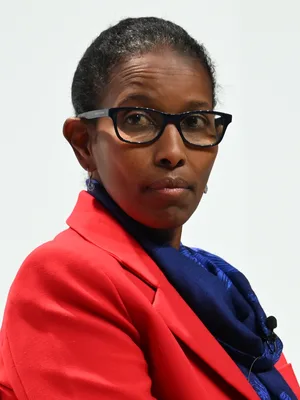
Ayaan Hirsi Ali's childhood Islam was built on fear of Hell, and then on Brotherhood zeal in Nairobi. She kept her doubts behind a "shutter" through her Leiden years, let it fall after 11 September 2001, and said "I don't believe in God" on Corfu in May 2002. She paid for her public unbelief with a murdered collaborator, armed protection and a lost parliamentary seat. In 2023, after a decade of despair, and with civilisational as well as personal reasons, she called herself a lapsed atheist and a Christian.
The belief timeline
- Faith (c. 1985–1987) — Sister Aziza and the Brotherhood preachers in Nairobi turn a child who found ritual tedious into a strict, active believer; the 2023 essay says 1985; *Infidel* says that at seventeen she mostly believed in the Brotherhood's values (her account; paraphrase of copyrighted source) [5][48][49]
- Doubt (1995 to 2002 (the childhood crack is earlier: mid-1980s Nairobi, [50]; the Doubt mark sits at Leiden because this is when an adult reads the case against belief and shuts it out behind a "shutter"; it ends in May 2002)) — Leiden reading from 1995; 11 September 2001 makes her check the Quran and hadith against bin Laden; May 2002 on Corfu she tells her friend of "huge doubts" (paraphrase of copyrighted source) [50][54][55][57]
- Declaration (2002-05 (private, to herself and Ellen); public from 2002 (first dated public break in the official record: 11 Sept 2002 TV, [19]); Reason's 2007 introduction says May 2004 (D8)) — She says aloud "I don't believe in God"; resolves "I would no longer lie, to myself or others"; becomes the public "infidel" of the Netherlands [57][58][64]
- Revision (2023-01/02 (private turning point, prayer); 2023-11-11 (public essay)) — After about a decade of depression and a therapist's phrase "spiritual bankruptcy" she prays; in November 2023 she calls herself "a lapsed atheist" and "a Christian" [40][69]
Notes to the timeline (11)
- [5] In 1985, as a teenager, preachers of the Muslim Brotherhood reached her community in Nairobi; before that she had found ritual tedious and pointless; they offered a direction (the straight path), a purpose (paradise) and a method (the halal and haram), and turned her and her friends into activists (veils, charity, calling Muslims to prayer, demanding that non-Muslims convert); they taught that loyalty to Allah forbade loyalty to unbelievers, with a special hatred for Jews; worldly pleasures such as novels, music, dancing and the cinema, which she loved, were condemned — Ayaan Hirsi Ali, "Why I am now a Christian", UnHerd, 11 Nov 2023.
- [48] At Muslim Girls' Secondary School in Nairobi her religion teacher Sister Aziza (veiled, with an account of her own faith having deepened in Medina) made faith inward and attractive; Hirsi Ali began praying five times a day, wore a headscarf, a cloak and trousers beneath, wanted "to be pure, and good, and serve Allah"; she tried to convert her Christian classmates, who answered that their parents taught them as hers had taught her; charismatic Christian girls bickered with her about the Trinity, "blasphemy" to her — Hirsi Ali, Infidel (Atria Paperback, Simon & Schuster, reprint with a Foreword by Christopher Hitchens, page proofs dated Jan 2008; Google Books volume a0qTQIxxHaYC). In copyright. Read by Google Books snippets (see method); printed pages cited. Internet Archive lending copies (infidel00hirs_0, infidel00hirs, infidelhirs00hirs, infidel0000hirs, infidel0000hirs_d5c0, infidel00ayaa) all refuse the OCR text (401/403). Contents (p. xi): Part I My Childhood; Chapter 6 "Doubt and Defiance" p. 89; Part II My Freedom; Chapter 13 "Leiden" p. 237; Chapter 14 "Leaving God" p. 261; Chapter 15 "Threats" p. 283, p. 79–87.
- [49] Brotherhood influence in Nairobi: the preacher Boqol Sawm, Somali youths in white robes, jilbabs, "debating center" meetings, readings of Hasan al-Banna and Sayyid Qutb; Sister Aziza, who became a Shia, praised Khomeini ("by 1987" the Iranian revolution was eight years old); Hirsi Ali says that at seventeen she "mostly believed in the Brotherhood's values" (c. 1986–87; the 2023 essay says the Brotherhood arrived in 1985) — Ali, Infidel, p. 88, 102–110; Ali, "Why I am now a Christian" (2023).
- [50] The first crack, mid-1980s: she asks why God did not simply make believers of unbelievers; says she "needed to get to the core of what I believed in" while other girls accepted the rules; that her doubts "severely diminished my chances for eternal bliss" but she could not ignore them; that she never felt God's presence in prayer; that someone she confided in comforted her and said such doubts and the sense of moral crisis were part of growing up; a Kenyan boy tells her he is an atheist and "There is no Hell", and she, horrified, answers that he will burn — Ali, Infidel, p. 94, 97, 102, 105, 130–132.
- [54] In Leiden from 1995 she read Darwin, Freud, Spinoza, Durkheim and the history of political ideas; Holland's "very shape" (land taken from the sea) seemed "a challenge to Allah"; she kept a "little shutter" in her brain to go on believing while she read, felt guilt, and told herself she was "pursuing knowledge" and would one day find willpower in a Muslim environment; she was not yet unbelieving — Ali, Infidel, p. 237–240.
- [55] After 11 September 2001 she went into the think tank determined to wake colleagues up, felt she knew people like Atta (the same age; Nairobi debating-centre friends), and took down the Quran and hadith to check bin Laden's quotations; she hated doing it because she knew she would find them and did not want to question God's word; the question she faced was whether the attacks stemmed from true Islam; the Humanist adds that she was eight days into her job — Ali, Infidel, p. 269–271; David Schafer and Michelle Koth, "Absolute Infidel: The Evolution of Ayaan Hirsi Ali", The Humanist, Jan/Feb 2008 (online 22 Dec 2007).
- [57] May 2002, on holiday on Corfu with her friend and housemate Ellen, she took a little brown book, "The Atheist Manifesto", which a boyfriend had handed her in an argument and which she had resisted at the time; before leaving she told Ellen she had huge doubts about God's existence and the Hereafter; she says she knew her answer before four pages were read, that she had left God behind years earlier, that she was already an atheist and had nobody to tell; one night in a Greek hotel she said aloud, in Somali, that she did not believe in God and felt relief and clarity after a long process of seeing the flaws in her belief structure; she went to museums to take in that she would become bones, setting herself the task of accepting a life without God, which means giving her own life its meaning; the watching angels, the guilt over sex before marriage, alcohol and missed observance, and the ever-present prospect of hellfire were gone; afterwards she read the Enlightenment thinkers (Spinoza, Locke, Kant, Mill, Voltaire) and Russell and Popper attentively; she resolved to stop lying to herself and others and says she was no longer afraid of the Hereafter — Ali, Infidel, p. 280–282.
- [58] The fear of hell was the last thing to go: Hitchens's foreword says she told him she was not free of her repressive upbringing until she lost her terror of hell; Infidel p. 281 says the prospect of hellfire "lifted" — Ali, Infidel, p. xv, 281.
- [64] The first dated public break in the record is 11 September 2002 (the false-identity admission on TV, claim 19); *Infidel* p. 285–287 describes two TV appearances that summer (August programme on women in Islam; the 9/11 anniversary talk show where the hosts mention a threatening call) and her father's disapproval; the Reason introduction (2007) says "In May she swore off Islam and all religion" (D8) — Ali, Infidel, p. 285–287; Kamerstuk 30559, nr. 6, bijlage 2, "Feitenrelaas omtrent onderzoek door de IND in 2002" (research/texts/kst-30559-6-b2-feitenrelaas.txt); Rogier van Bakel, "'The Trouble Is the West': Ayaan Hirsi Ali on Islam, immigration, civil liberties, and the fate of the West", Reason, online 10 Oct 2007, November 2007 issue. Accounts differ; see the disputed points.
- [40] UnHerd published her essay "Why I am now a Christian" on 11 November 2023. Its reasons: the West faces great-power authoritarianism (China, Russia), global Islamism and "woke" ideology; secular tools are failing; the only credible unifying answer is the Judeo-Christian legacy; Russell's critique was too narrow; atheism has left a "God hole" filled by quasi-religious dogma; and she found life without spiritual solace "unendurable", nearly self-destructive, with atheism unable to say what life is for. She calls herself no longer a Muslim apostate but a "lapsed atheist" and says she learns a little more at church each Sunday — Ali, "Why I am now a Christian" (2023).
- [69] Her own account of the 2023 turning point: about a decade of intense depression, anxiety and self-loathing; she did not want to live but was not brave enough to end her life, so she self-medicated, and she saw psychiatrists and doctors, trying to treat it with evidence-based science; in January or February 2023 a therapist suggested her condition might be "spiritual bankruptcy"; with nothing left to lose she prayed desperately, which she calls a turning point (no dramatic lights), after which she felt connected to something higher and her zest for life returned; she says she chooses to accept Jesus Christ and the story of Christ and to believe in the resurrection, calls the choice subjective ("different planes of perception"), calls herself a brand new Christian, says she mocked faith in general and Christianity in particular and no longer does, that as a New Atheist she was wrong and contributed to a moral vacuum, that she does not tell others to become Christian, and that she thinks the body does not survive death but cannot say whether consciousness does — "Richard Dawkins vs Ayaan Hirsi Ali: The God Debate", UnHerd, 3 June 2024 (transcript on the page), recorded at UnHerd's Dissident Dialogues, New York, the weekend before 6 May 2024.
The Shutter, the Manifesto and the Lapsed Atheist
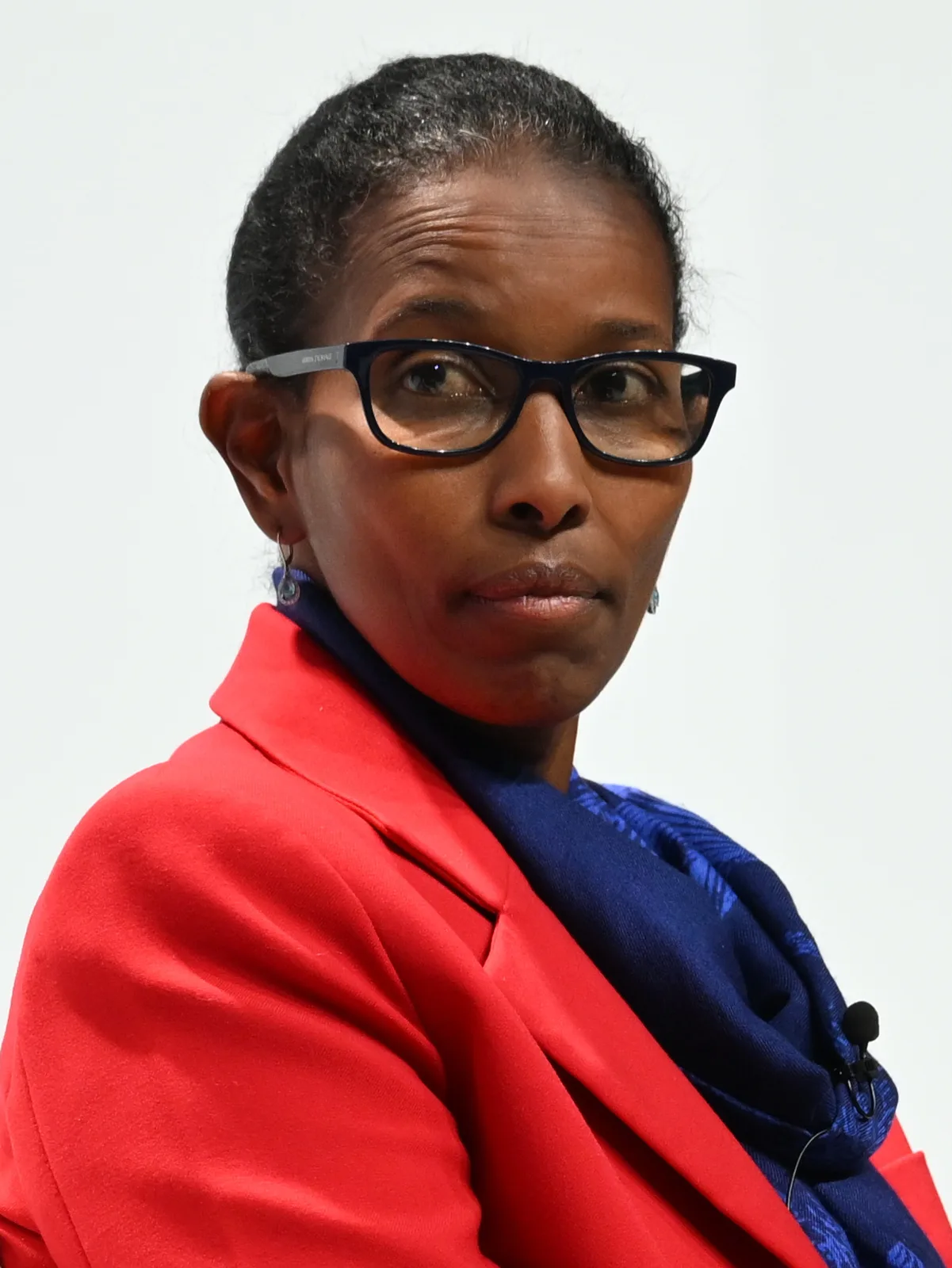
On 11 November 2023 the website UnHerd published an essay by Ayaan Hirsi Ali called "Why I am now a Christian." For twenty years she had been one of the best-known atheists in the world, a former Muslim who had sat in the Dutch parliament under armed guard and had written a memoir called Infidel. Now she wrote that she was no longer a Muslim apostate but a lapsed atheist, and that she went to church on Sundays and was still learning.12
Her title deliberately turned around the title of a lecture by Bertrand Russell, Why I Am Not a Christian, the text she said had freed her in 2002.31 This chapter asks what made a devout Muslim girl from Nairobi stop believing, how her unbelief cost her a seat in parliament and nearly her life, and why, two decades later, she said she had found it unendurable.
A faith built on fear, then on zeal
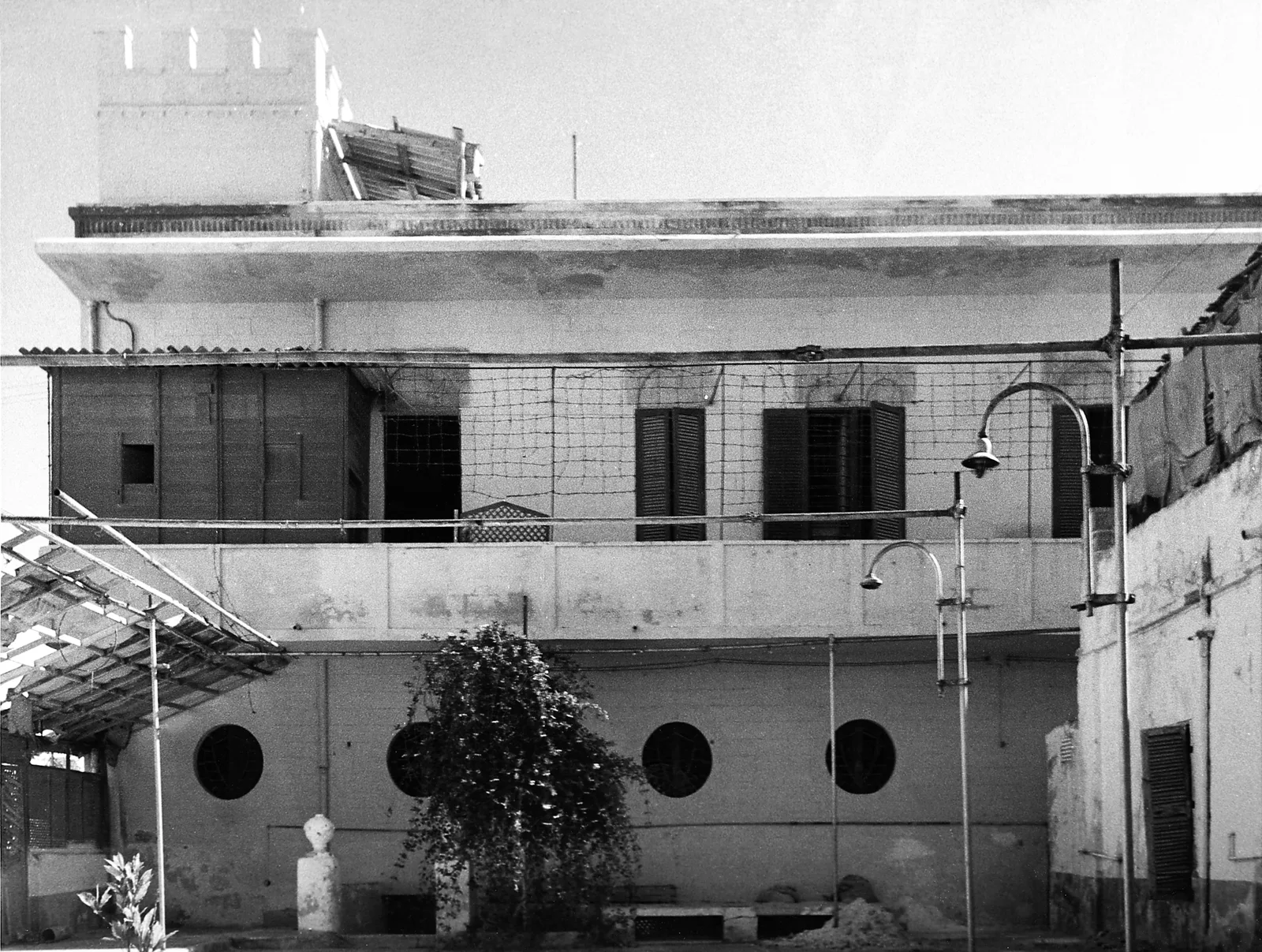
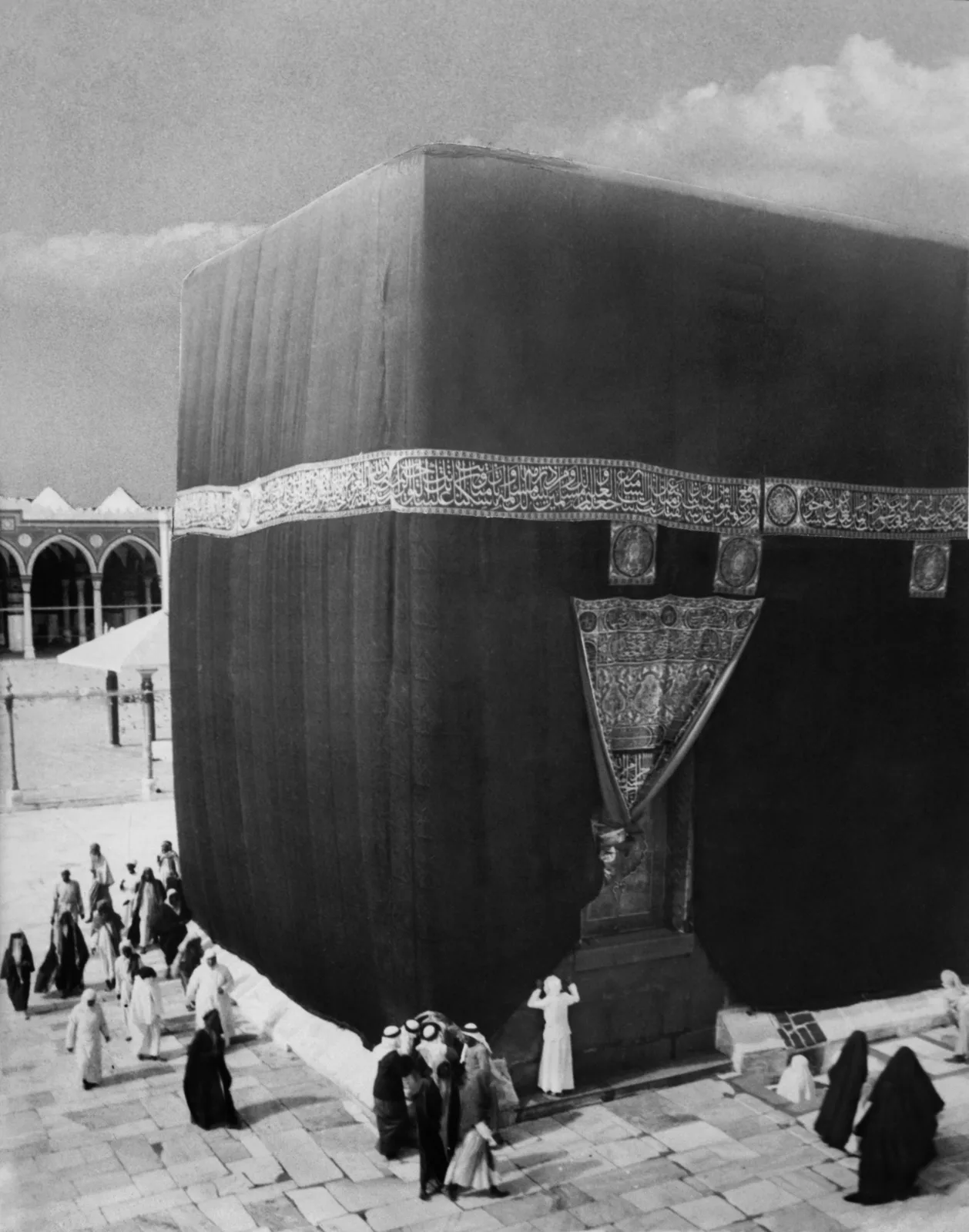
She was born in Mogadishu, by her own statement on 13 November 1969, the daughter of Hirsi Magan Isse, a Somali dissident.45 The family moved as his politics required: to Saudi Arabia, where her mother made the children pray five times a day and school was mostly the Quran, then to Addis Ababa, and then to Nairobi, where they settled in the Somali quarter of Eastleigh.67 In her memory the faith of her childhood was shaped by fear. At the Quran school in Nairobi the teaching was mostly about Hell and its gates, and the Hereafter was more vivid to the children than Heaven.7
At the Muslim Girls' Secondary School in Nairobi a religion teacher she calls Sister Aziza made faith something inward and attractive. The girl began to pray five times a day, covered herself, wanted, as she later put it, to be pure and good and serve Allah, and tried to convert her Christian classmates.8 Then, from about 1985, preachers of the Muslim Brotherhood reached her community. She had found ritual tedious; they offered a straight path, a reward in paradise and a strict list of what was allowed and forbidden, and they made her and her friends into activists.910 By her own account, at seventeen she mostly believed in the Brotherhood's values.10 On her timeline, that zeal of the mid-1980s is her faith.
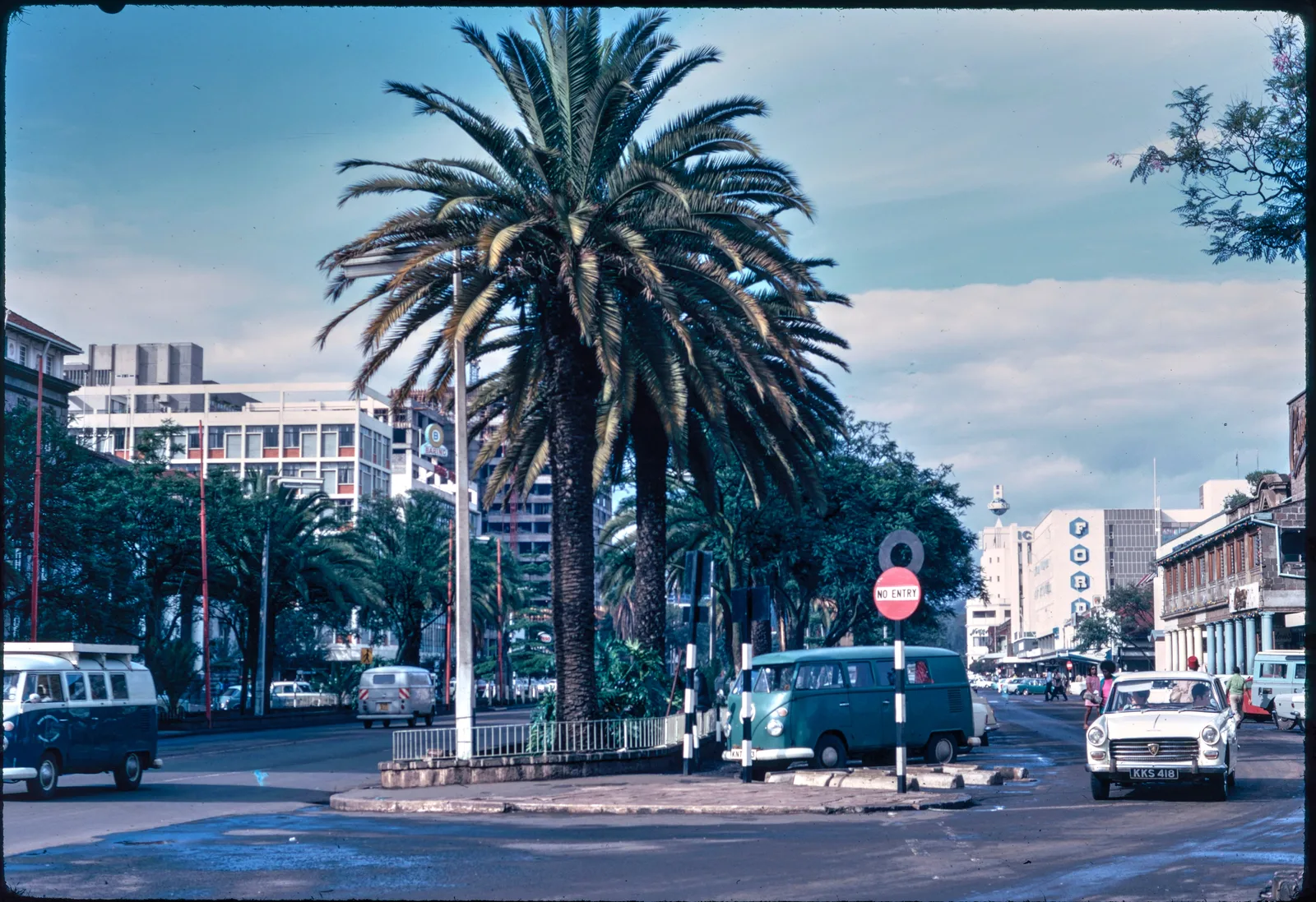
The first crack
The crack came in the same years. She could not make the teaching that unbelievers must burn fit with an almighty and merciful God: why, she asked, had he not simply made them believers? She never felt God's presence in prayer, and she told herself her doubts were ruining her chances of eternal bliss, but she could not put them aside. A Kenyan boy told her he was an atheist and that there was no Hell, and she answered, horrified, that he would burn.11
In February 1989 she heard on the BBC of Ayatollah Khomeini's fatwa against Salman Rushdie. She reasoned that if Rushdie had insulted the Prophet he deserved to die, yet a book-burning she then saw made her uneasy, and she could not say why. By then she was skipping prayers and slipping off to the cinema.1213 This childhood crack is not yet the doubt that her timeline marks. She still believed, and would go on believing for another decade.
The shutter
In July 1992, in Germany on her way to join a relative in Canada whom her father had chosen as her husband, she took a train to the Netherlands instead and asked for asylum. She was admitted as a refugee in August.141516 She gave the name Ali and the birth year 1967, not Magan and 1969; she later said she had chosen her grandfather's birth-name because it was a name to disappear with.17 Her account of the forced marriage was questioned years later in the Dutch parliament, and the record does not settle it.18 She did not, she wrote, come to Europe to escape Islam. That autumn, after her father's curse, she felt damned and feared the judgment to come.15
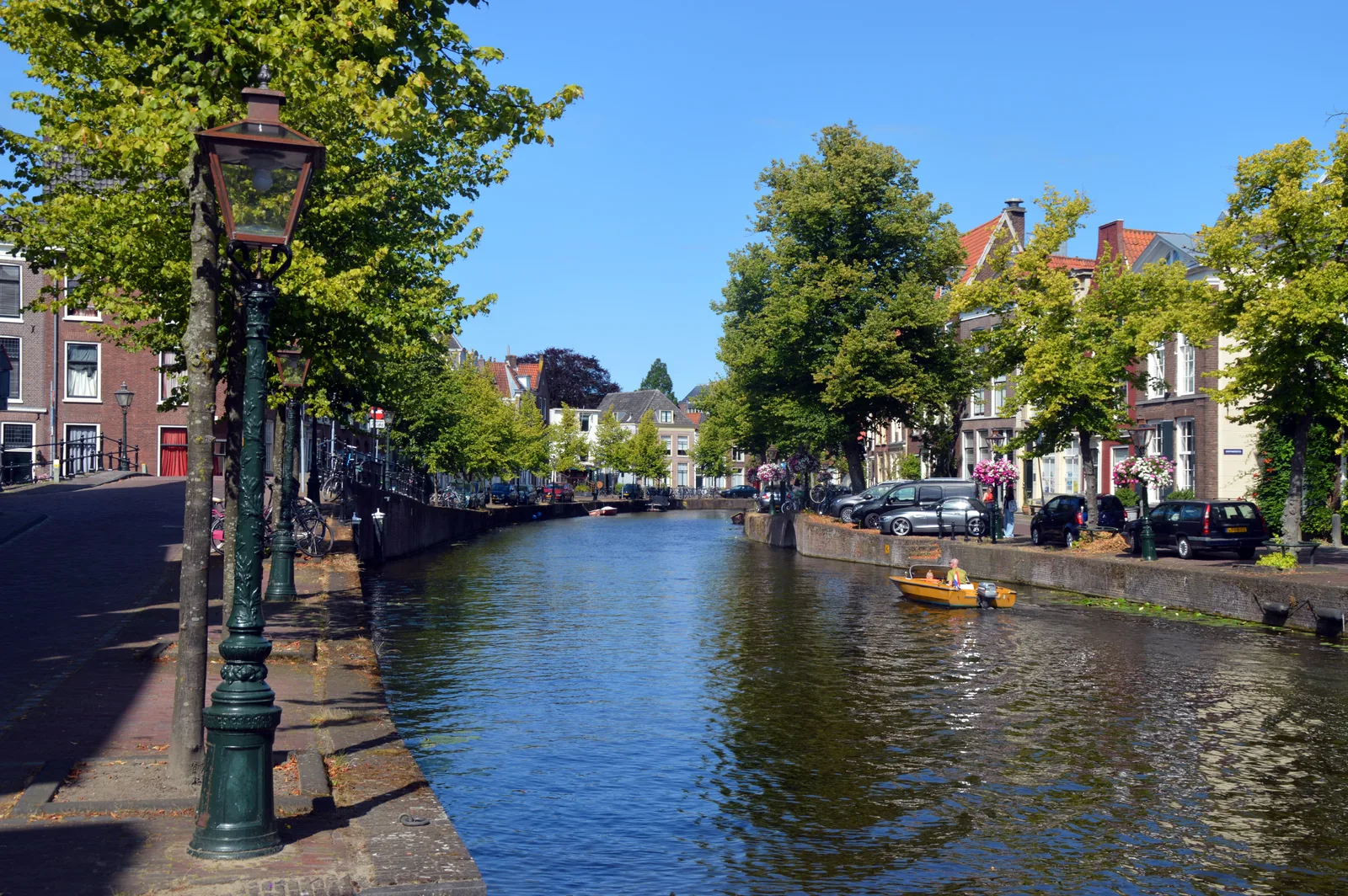
At Leiden University from 1995 she read Darwin, Freud, Spinoza and the history of political ideas. She kept, she wrote, a little shutter in her mind that she could close so as to go on believing while she read, and she told herself she was only pursuing knowledge.19 She took Dutch nationality in 1997 under the name she had given, finished a master's degree in political science in 2000, and in June 2001 joined the research institute of the Dutch Labour Party.2021 The timeline places her doubt in those Leiden years, from 1995 to 2002, the time when an adult read the case against belief and shut it out.
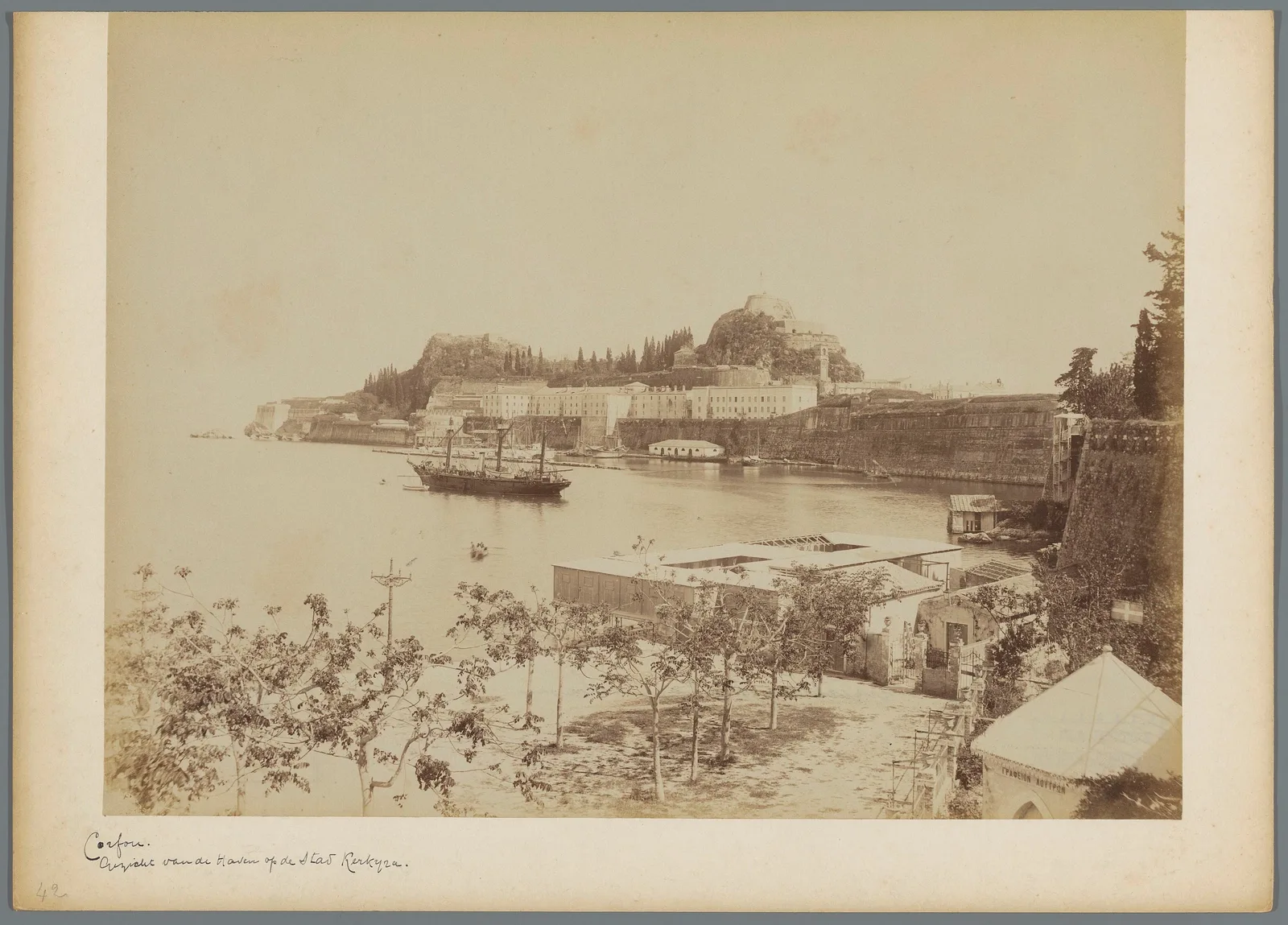
Corfu, May 2002
The shutter failed after 11 September 2001. The attackers had acted in the name of her religion, and she took down the Quran and the hadith to check the quotations Osama bin Laden used. She hated doing it, she wrote, because she knew she would find them and did not want to question God's word. The question she could not now avoid was whether the attacks came from true Islam.2223
In May 2002 she went on holiday to Corfu with her friend and housemate Ellen. She took a small book a Dutch boyfriend had pushed on her during an argument, The Atheist Manifesto, which a 2008 profile identifies as the work of the Leiden philosopher Herman Philipse. Before she left she told Ellen she had huge doubts about God and the Hereafter.2425 She knew her answer, she wrote, before she had read four pages: she had left God behind years before and had no one to tell. One night in her hotel she said aloud, in Somali, that she did not believe in God, and felt relief. The watching angels, the guilt and the ever-present prospect of hellfire were gone, and she resolved to stop lying, to herself or to anyone else.2426 Christopher Hitchens, who wrote the foreword to her memoir, said she had told him she was not free until she lost her terror of Hell.26
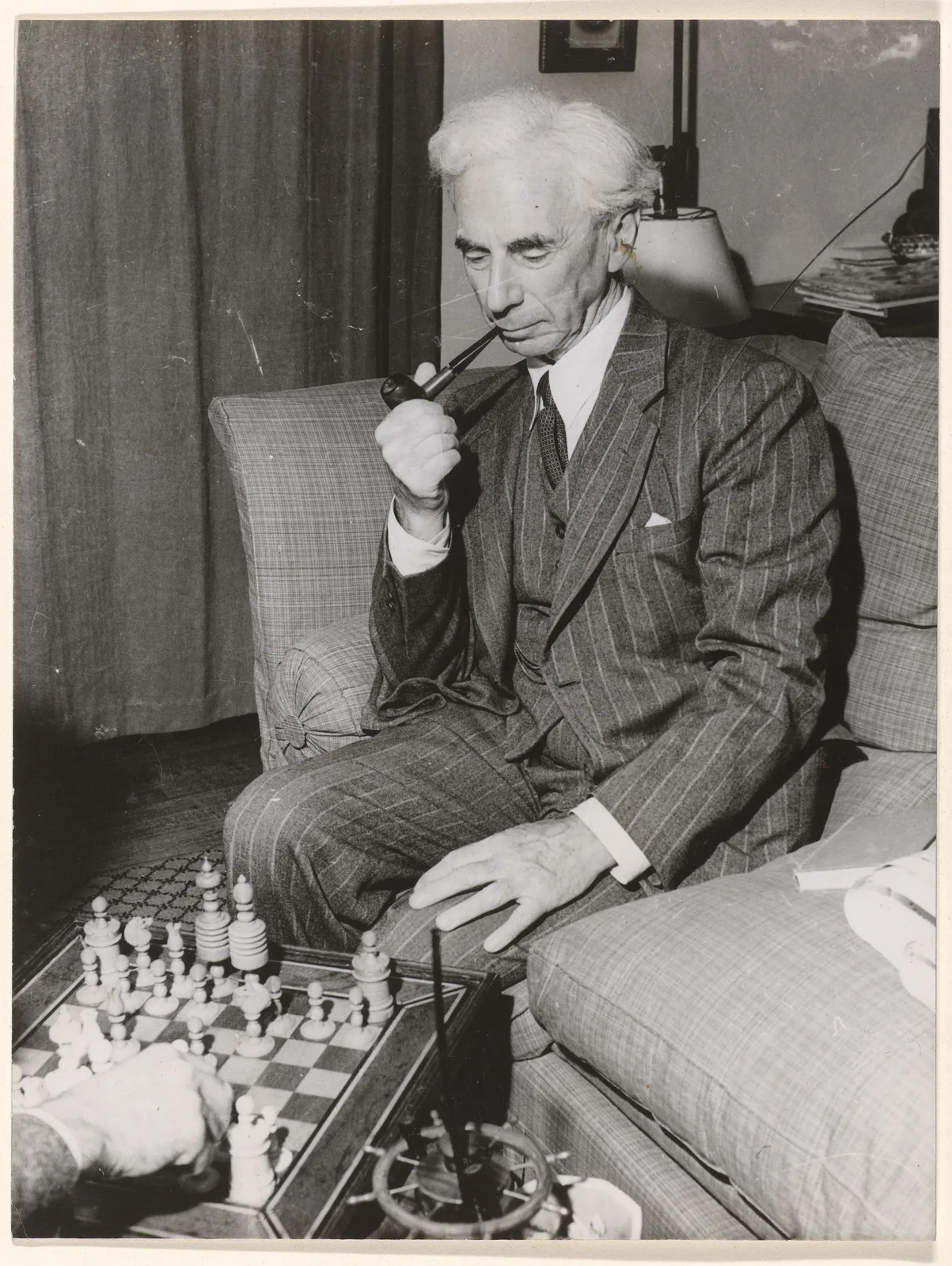
Afterwards, she said, she read Spinoza, Locke, Kant, Mill and Voltaire with her full attention, and Russell and Popper.24 In her later accounts Russell's lecture became the decisive text. She wrote in 2023 that his sentence "Fear is the basis of the whole thing -- fear of the mysterious, fear of defeat, fear of death" matched her own fear of punishment.327 She also credited Russell with the line "When I die, I shall rot," which she tied to the same lecture. The words are not in it. They come, in a slightly longer form, from his earlier book What I Believe (1925): "I believe that when I die I shall rot, and nothing of my ego will survive."282930 The timeline puts her declaration in May 2002, on Corfu.
Unbelief in public, and its price
She did not keep it private. On television that September she spoke about her asylum story, and that autumn she joined the liberal party, the VVD. She was sworn in as a member of the Tweede Kamer, the lower house of the Dutch parliament, on 30 January 2003.313233 Her criticism of Islam made her famous and hated. In August 2004 Dutch television showed Submission, a short film she made with the director Theo van Gogh about the treatment of women under Islam; in September the authorities rated the threat to her as medium to high.34
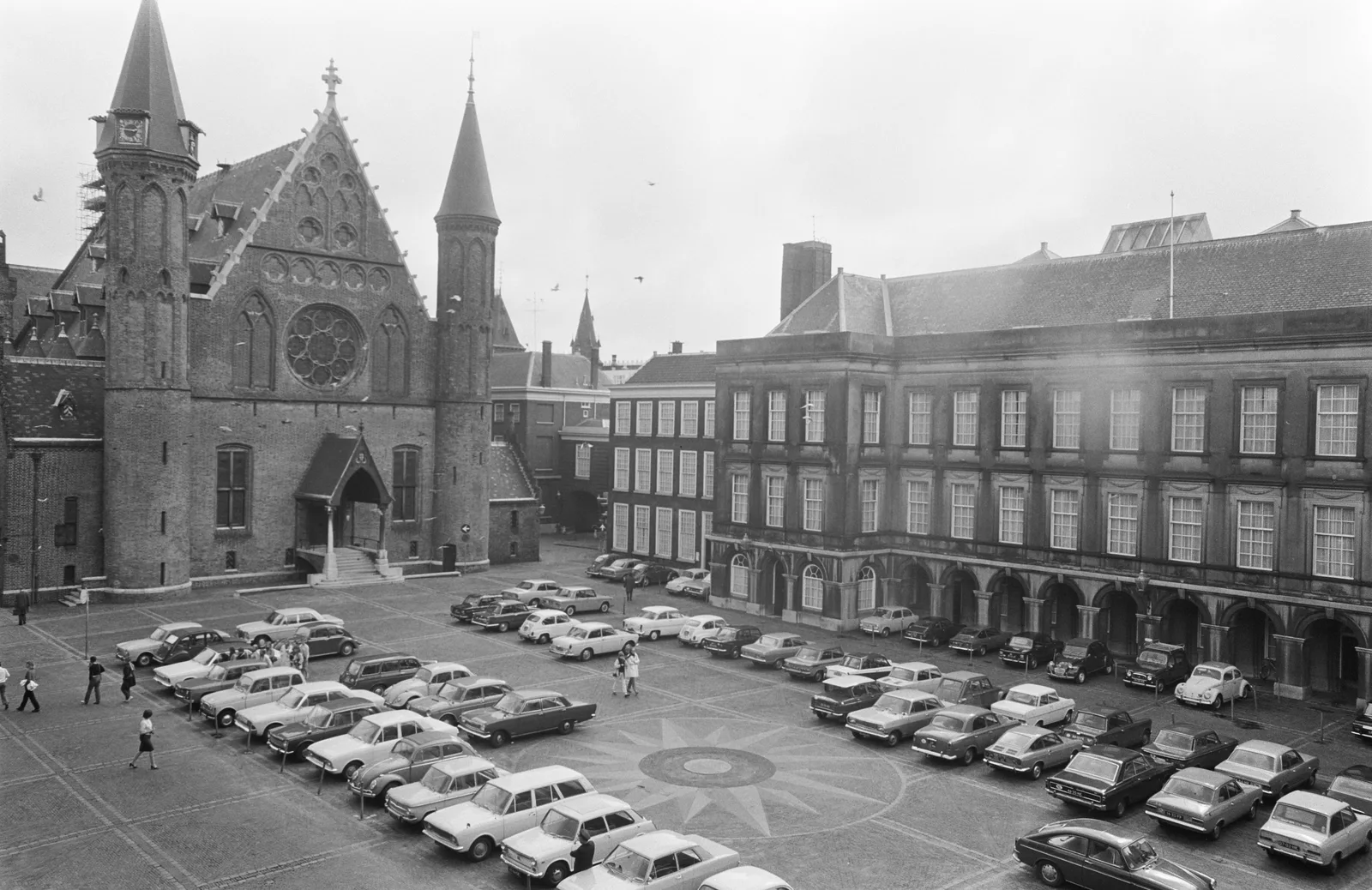
On 2 November 2004 Mohammed Bouyeri murdered Van Gogh in an Amsterdam street. The court found that he had acted from religious conviction with terrorist intent. A letter pinned to the body began: "Dit is een open brief aan de ongelovige fundamentalist" (This is an open letter to the unbelieving fundamentalist). It was meant for her.3536 She went into hiding under maximum protection and could not attend parliament until January 2005. When she returned, the Speaker greeted her: "Welkom terug in ons midden, de plaats waar een Kamerlid thuishoort!" (Welcome back among us, the place where a member of Parliament belongs!)373839 Bouyeri was sentenced to life imprisonment in July 2005.40
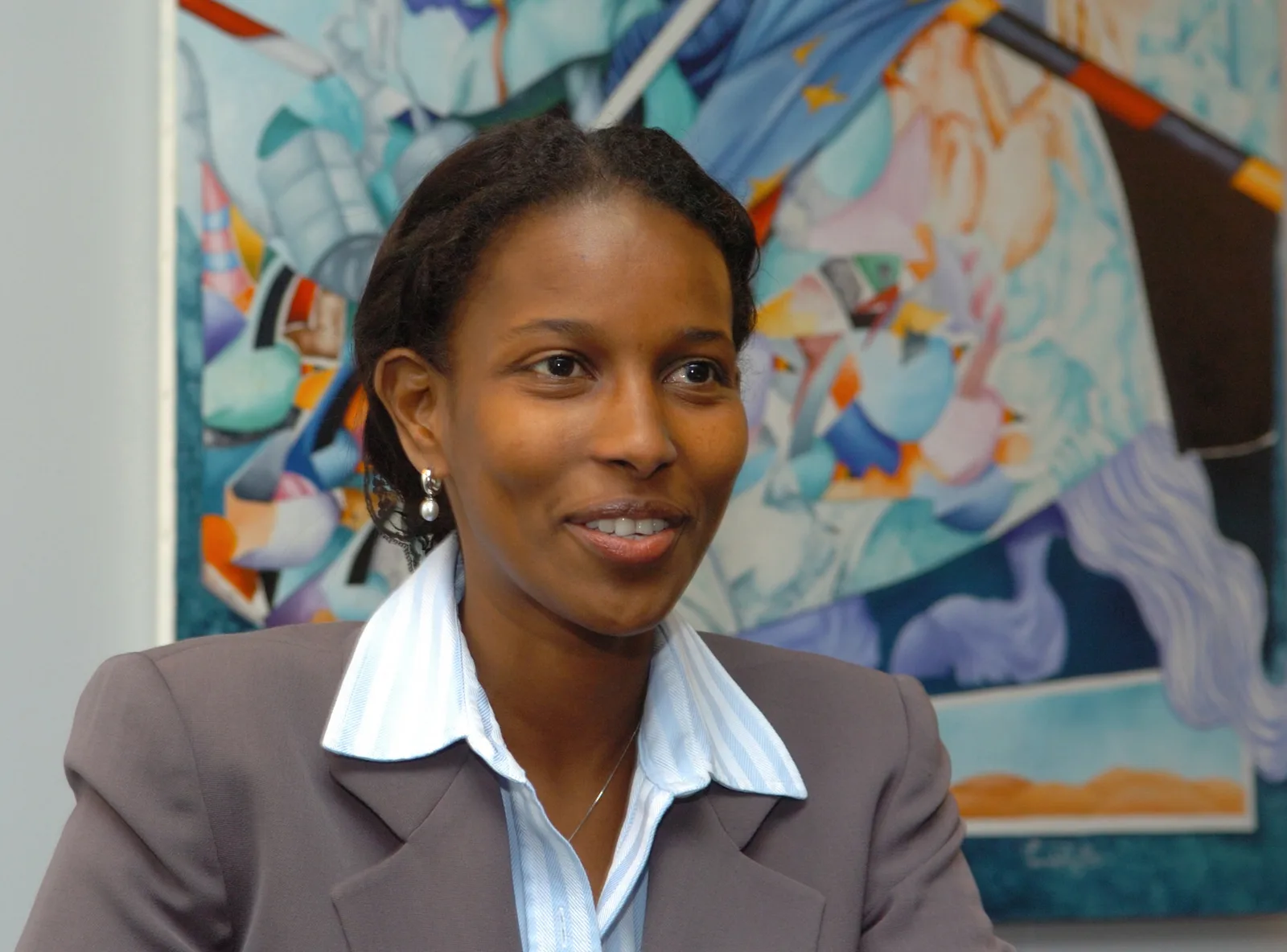
Her opponents were not only militants. The Green-Left leader Femke Halsema, who shared many of her aims, told the chamber in May 2006: "Ayaan Hirsi Ali is voor mijn fractie een geduchte politieke tegenstander. Wij delen idealen met haar, maar vaak vinden wij haar nodeloos kwetsend en provocerend." (For my group Ayaan Hirsi Ali is a formidable political opponent. We share ideals with her, but we often find her needlessly hurtful and provocative.)41
In May 2006 a television documentary showed her Kenyan school register under the name Magan. Her own party's immigration minister, Rita Verdonk, wrote that her naturalisation was provisionally void, and told the chamber that the law allowed "geen andere conclusie" (no other conclusion) than that a person who had used false details had never become Dutch.424344 She resigned her seat after a six-hour debate on 16 May, saying she had used the name Ali because she feared her clan would find her.4546 In June she signed a statement that her earlier claim to have lied about her identity "geeft dus niet de werkelijkheid weer" (therefore does not reflect reality), and that "Ik zal als Ayaan Hirsi Ali door het leven gaan" (I will go through life as Ayaan Hirsi Ali). The minister then found that she had been Dutch all along.47484950 Members said she had signed under pressure; in her memoir she says there was no blackmail, only the pressure of time. Accounts differ.51 The row brought down the government at the end of June.52 She had already been talking to the American Enterprise Institute in Washington, and moved there in September 2006.53
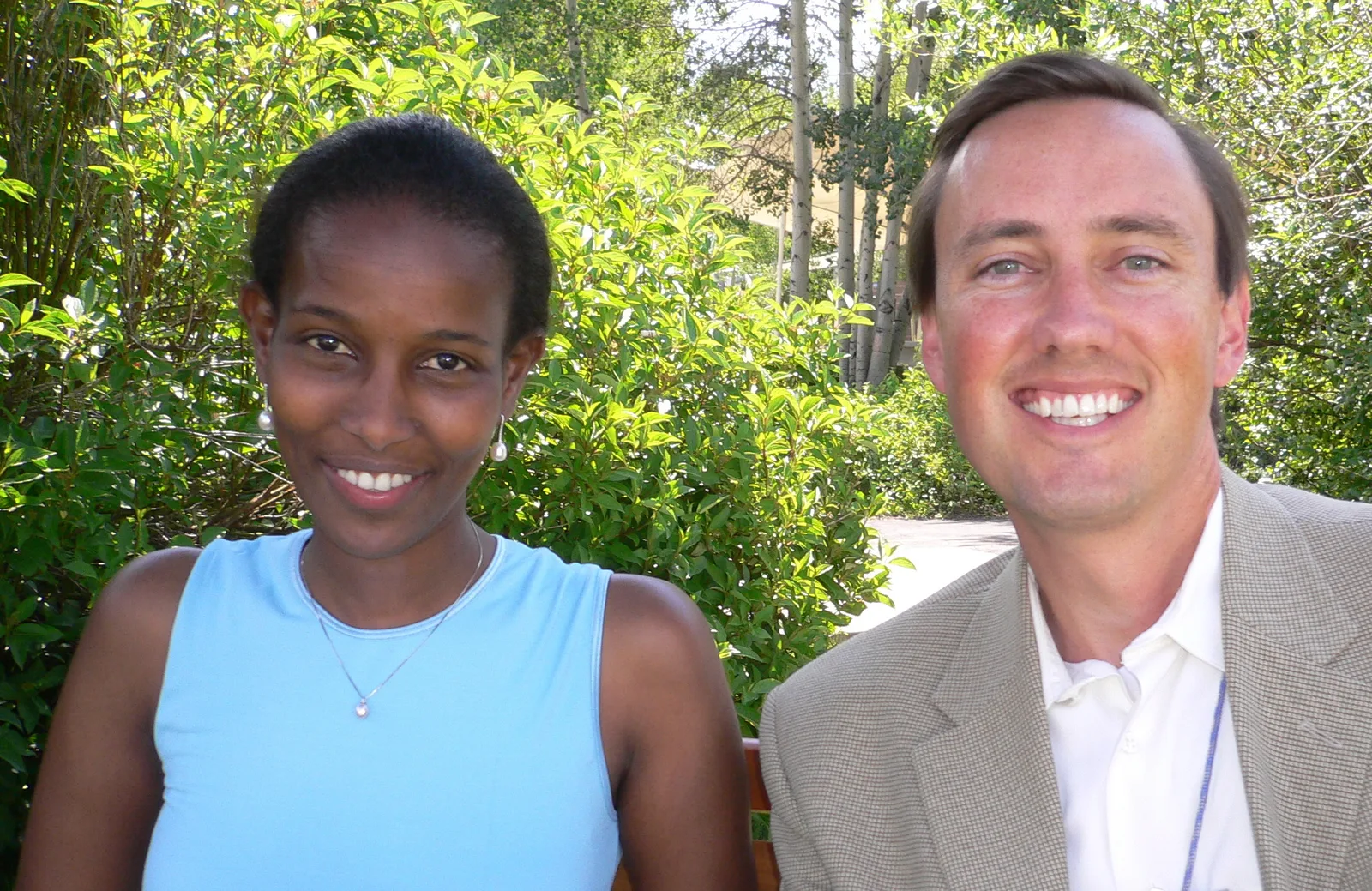
The atheist years
Infidel appeared in 2007, with a foreword by Hitchens.54 That year she told an interviewer that she had feared the institute would be religious because she had become an atheist, that she called herself a classical liberal rather than a conservative, and that she did not press her atheism on her colleagues. If people seeking God rejected atheism, she added, she would rather they became Catholics or Jews than Muslims.55 In Nomad (2010) she called herself an atheist and also praised a reformed, partly secular Christianity as an ally against Islamic fanaticism.55 Her devout father prayed for her to the end. When he phoned in 2004 she promised that if she ever returned to the faith he would be the first to know; at his deathbed, she wrote, she knew she could never again take on his belief in Allah, prophets and holy books.56
The lapsed atheist
Her 2023 essay gave two kinds of reason. One was about civilisation. The West, she wrote, faced authoritarian great powers, global Islamism and what she called woke ideology, and secular tools were failing against them; only the Judeo-Christian inheritance could unite a defence. She cited the historian Tom Holland's Dominion for the Christian roots of freedom of conscience and of the press. Atheism, she wrote, had left a "God hole" that quasi-religious dogmas were filling.157 The other reason was personal: she had found life without spiritual solace unendurable, almost self-destructive.1
In a public conversation with Richard Dawkins in New York in May 2024 she said more. She described about ten years of depression and anxiety, treated by doctors and psychiatrists without success, until in early 2023 a therapist suggested her trouble might be spiritual bankruptcy. With nothing left to lose, she prayed, and she called that the turning point. She said she now chose to accept Jesus Christ and to believe in the resurrection, that she had been wrong to mock faith, and that she did not tell anyone else to become a Christian.5859 That private turn of early 2023, and the essay of November, are where the timeline places her revision.
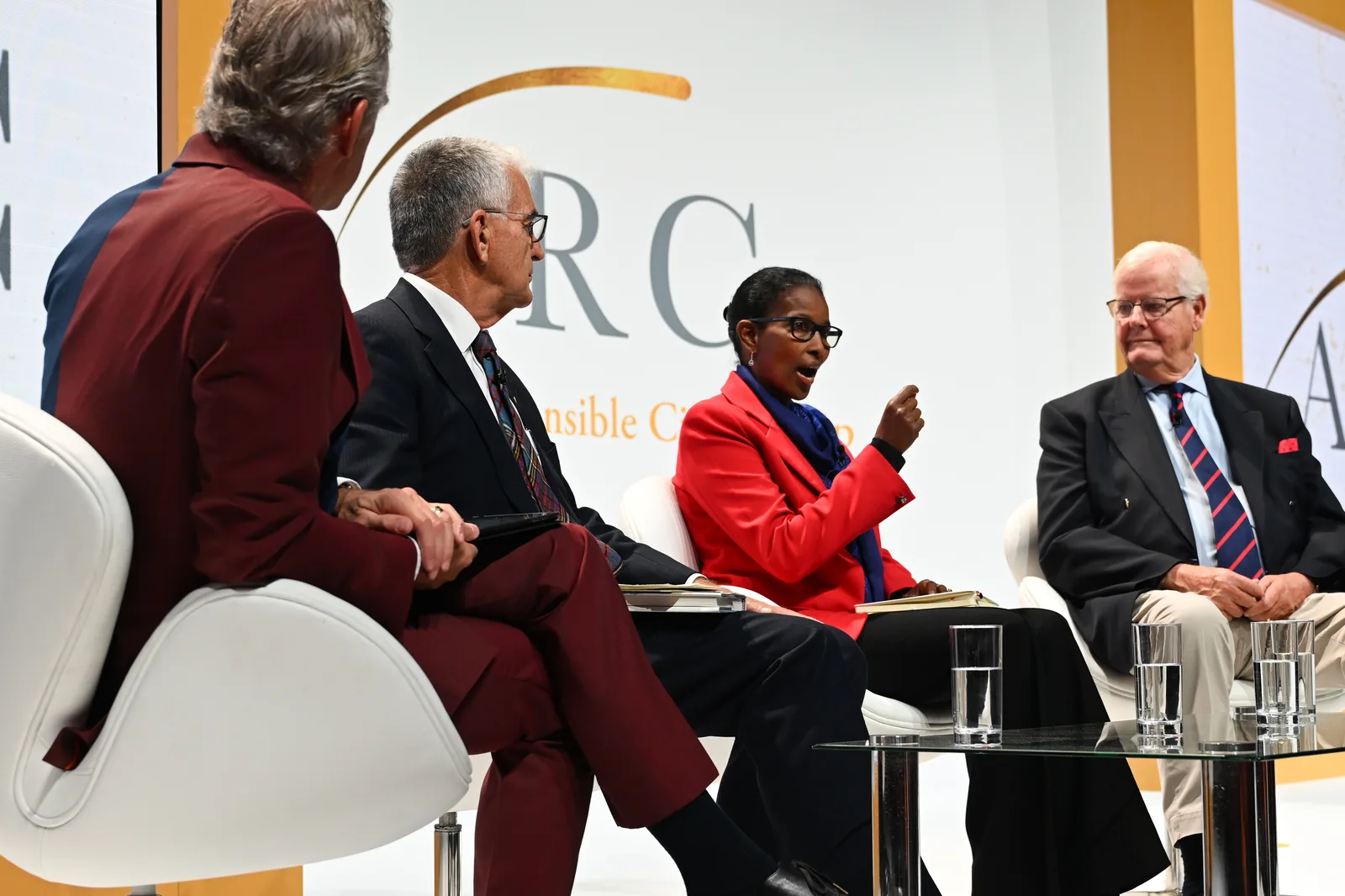
The critics answered from both sides. Dawkins wrote in an open letter that she was no more a Christian than he was; in their conversation he granted that she seemed actually to believe it, while calling Christian doctrine obvious nonsense and agreeing that Islam was worse.6059 The secular writers Paul Fidalgo and Sarah Jones noted that her essay said almost nothing about Christ and read as a political conversion. The Christian scholar Carl Trueman welcomed her, observed that the essay mentioned Jesus only once, and said that whether her profession was genuine was a matter for her pastor.60 She has announced a book with the same title as the essay.61
Her unbelief began in fear of Hell and ended, by her own account, when that fear lifted on Corfu. Its revision began in another kind of despair. Whether the Christian of 2023 is a believer or an ally, as her critics asked, is a question her own words have so far answered in both ways.
Bertrand Russell, whose lecture she credited with freeing her and whose title she turned around twenty-one years later, has his own chapter in this book.
Footnotes
-
Ayaan Hirsi Ali, "Why I am now a Christian", UnHerd, 11 Nov 2023. ↩ ↩2 ↩3 ↩4
-
Ali, "Why I am now a Christian" (2023). ↩
-
Kamerstuk 30559, nr. 6, letter of the minister, 27 June 2006 (research/texts/kst-30559-6-brief.txt), (letter 27 June 2006); Hirsi Ali, Infidel (Atria Paperback, Simon & Schuster, reprint with a Foreword by Christopher Hitchens, page proofs dated Jan 2008; Google Books volume a0qTQIxxHaYC). In copyright. Read by Google Books snippets (see method); printed pages cited. Internet Archive lending copies (infidel00hirs_0, infidel00hirs, infidelhirs00hirs, infidel0000hirs, infidel0000hirs_d5c0, infidel00ayaa) all refuse the OCR text (401/403). Contents (p. xi): Part I My Childhood; Chapter 6 "Doubt and Defiance" p. 89; Part II My Freedom; Chapter 13 "Leiden" p. 237; Chapter 14 "Leaving God" p. 261; Chapter 15 "Threats" p. 283, p. 17. ↩
-
Ali, Infidel, p. 35, 37–38, 46, 56, 61; David Schafer and Michelle Koth, "Absolute Infidel: The Evolution of Ayaan Hirsi Ali", The Humanist, Jan/Feb 2008 (online 22 Dec 2007), (Saudi Arabia three years, Ethiopia about a year, Kenya twelve). ↩
-
Ali, Infidel, p. 17, 37–38, 46, 49, 56, 61–62, 66. ↩
-
Ali, Infidel, p. 79–87. ↩
-
Ali, "Why I am now a Christian" (2023). ↩
-
Ali, Infidel, p. 88, 102–110; Ali, "Why I am now a Christian" (2023). ↩ ↩2
-
Ali, Infidel, p. 94, 97, 102, 105, 130–132. ↩
-
Ali, Infidel, p. 118–119; Schafer, Humanist (2008). ↩
-
Ali, Infidel, p. 118–119. ↩
-
Kamerstuk 30559, nr. 6, bijlage 2, "Feitenrelaas omtrent onderzoek door de IND in 2002" (research/texts/kst-30559-6-b2-feitenrelaas.txt). ↩
-
Ali, Infidel, p. 170–180, 188, 193, 197, 200–207. Accounts differ; see the disputed points. ↩
-
Kst 6; Handelingen Tweede Kamer 2005-2006, pp. 4836-4884, debate on her nationality; Ayaan Hirsi Ali, "Verklaring van mevrouw Ayaan Hirsi Ali", signed 26 June 2006, Kamerstuk 30559, nr. 6, bijlage 1; Ali, Infidel, p. 193. ↩
-
Ali, Infidel, p. 170–180, 188; TK 2006-05-16, (Verdonk: "Het enige wat ik wist, was dat er twijfels waren bij haar vluchtverhaal"). ↩
-
Ali, Infidel, p. 237–240. ↩
-
Kst 6 b2. ↩
-
Schafer, Humanist (2008), (paraphrasing Infidel). Reported at second hand; the original has not been seen. ↩
-
Ali, "Why I am now a Christian" (2023). ↩
-
Ali, Infidel, p. 269–271; Schafer, Humanist (2008). ↩
-
Schafer, Humanist (2008); "Ayaan Hirsi Ali", English Wikipedia, saved at research/notes/wiki-map-hirsi-ali.txt; "Atheïstisch manifest" saved at research/notes/wiki-atheistisch-manifest.txt. Used only to find sources, (Atheïstisch manifest); Dutch library catalogue entry ("voorwoord van Ali Ayaan Hirsi") seen only as a search snippet. ↩
-
Bertrand Russell: Bertrand Russell, "Why I Am Not a Christian", lecture of 6 March 1927, Battersea Town Hall; Little Blue Book No. 1372 text, near the end of the lecture (Little Blue Book 1372 text). ↩
-
Russell, "Why I Am Not a Christian" (1927), (absent); Bertrand Russell, What I Believe (Kegan Paul, 1925; Third Impression). ↩
-
Bertrand Russell: Russell, What I Believe (1925), What I Believe, ch. I, c. p. 20 (Kegan Paul, third impression). ↩
-
Hirsi Ali, Nomad: From Islam to America (Free Press, 2010; Google Books volume 9gggqf9WRZYC). In copyright. Read by snippets; printed pages cited, p. 35–36; Ali, Infidel, p. 282; Ali, "Why I am now a Christian" (2023); "Richard Dawkins vs Ayaan Hirsi Ali: The God Debate", UnHerd, 3 June 2024 (transcript on the page), recorded at UnHerd's Dissident Dialogues, New York, the weekend before 6 May 2024. ↩
-
Kst 6 b2, (IND memo of 10 Dec 2002). ↩
-
Kst 6 b2. ↩
-
Ali, Infidel, p. 285–287; Kst 6 b2; Rogier van Bakel, "'The Trouble Is the West': Ayaan Hirsi Ali on Islam, immigration, civil liberties, and the fate of the West", Reason, online 10 Oct 2007, November 2007 issue. ↩
-
Ali, Infidel, p. 315; Handelingen TK 2004-2005, pp. 1278-1332, debate on the murder of Theo van Gogh (research/texts/tk-2004-11-11.txt), (Halsema, reading the facts account). ↩
-
Rechtbank Amsterdam, 26 July 2005, ECLI:NL:RBAMS:2005:AU0025 (research/texts/bouyeri-verdict.txt); TK 2004-11-11, (Van Aartsen). ↩
-
Mohammed B., in the letter pinned to Van Gogh's body: Bouyeri, charge 5, as proven. ↩
-
Bouyeri, (count 5). ↩
-
Handelingen TK 2004-2005, pp. 2529-2531 (research/texts/tk-2005-01-18.txt). ↩
-
The Speaker of the Tweede Kamer: TK 2005-01-18. ↩
-
Bouyeri. ↩
-
Femke Halsema, GroenLinks leader, 16 May 2006 (translation: "For my group Ayaan Hirsi Ali is a formidable political opponent. We share ideals with her, but we often find her needlessly hurtful and provocative."): TK 2006-05-16. ↩
-
Handelingen TK 2005-2006, pp. 5976-6025; Ali, Infidel, p. 340 (date and title "The Holy Ayaan"). ↩
-
Kst 6. ↩
-
Rita Verdonk, VVD Minister for Immigration and Integration, 16 May 2006 (translation: "If false personal details were used, the law, as confirmed in the Supreme Court judgment, allows no other conclusion than that the person never became Dutch."): TK 2006-05-16. ↩
-
TK 2006-05-16; TK 2006-06-28, (De Wit: "zes uur durend debat"); Ali, Infidel, p. 342. ↩
-
Ayaan Hirsi Ali, in her English press statement of 16 May 2006, as read out in the Kamer by Femke Halsema: TK 2006-06-28, (Halsema's first term). ↩
-
Kst 6. ↩
-
Ali, "Verklaring van mevrouw Ayaan Hirsi Ali" (2006). ↩
-
Ayaan Hirsi Ali: Ali, "Verklaring van mevrouw Ayaan Hirsi Ali" (2006), (Kamerstuk 30559, nr. 6, bijlage 1, 26 June 2006). ↩
-
Ayaan Hirsi Ali: Ali, "Verklaring van mevrouw Ayaan Hirsi Ali" (2006). ↩
-
TK 2006-06-28, (De Wit; Wilders; Verdonk); Ali, Infidel, p. 343–345. ↩
-
TK 2006-06-28; Handelingen TK 2005-2006, pp. 6030-6042 (research/texts/tk-2006-06-29.txt); Ali, Infidel, p. 343–345. ↩
-
Ali, Infidel, p. 339, 342; Schafer, Humanist (2008). ↩
-
NYT review URL (nytimes.com/2007/02/14/books/14grim.html, search result only); Ali, Infidel, p. vii, xiii–xix. Not verified. ↩
-
Bakel, "'The Trouble Is the West': Ayaan…" (2007); Ali, Nomad, p. 24, 216, 243–250; "Richard Dawkins vs Ayaan Hirsi Ali:…" (2024). ↩ ↩2
-
Ali, Nomad, p. 5, 8, 10, 15, 23–28, 274; Ali, Infidel, p. 310. ↩
-
Ali, "Why I am now a Christian" (2023). ↩
-
"Richard Dawkins vs Ayaan Hirsi Ali:…" (2024). ↩
-
Christian Post 2024; Heather Tomlinson, "Ayaan Hirsi Ali's powerful conversion", Christian Today, 6 June 2024 (research/texts/christiantoday-2024.txt); [Christian Post 2024] Anugrah Kumar, Christian Post, 6 May 2024 (research/texts/christianpost-2024.txt) (gives the date of the debate: "over the weekend"); "Richard Dawkins vs Ayaan Hirsi Ali:…" (2024). ↩ ↩2
-
Paul Fidalgo, Free Inquiry (Center for Inquiry), 27 Nov 2023; Sarah Jones, "The Infidel Turned Christian", New York magazine / Intelligencer, 29 Nov 2023; Carl R. Trueman, "Why Ayaan Hirsi Ali Became a Christian", First Things, 30 Nov 2023; "Goodbye, New Atheism", Catholic Answers Magazine (undated, Nov/Dec 2023). ↩ ↩2
-
PW 2025; Cardus 2026; Susanna Lea Associates catalogue entry, Why I Am Now a Christian, Sept 2025 (research/texts/susannalea-book.txt); [PW 2025] Publishers Weekly, "Religion Book Deals: Feb. 19, 2025" (research/texts/pw-deal-2025.txt); [Cardus 2026] Cardus, "The 2026 Shugart Lecture ft. Ayaan Hirsi Ali", 8 Oct 2026 (research/texts/cardus-2026.txt); [Restoring] "Ayaan Hirsi Ali Launches 'Restoring the West'", Substack, 4 Mar 2026 (research/texts/restoring-launch.txt). ↩
In their own words
Fear is the basis of the whole thing -- fear of the mysterious, fear of defeat, fear of death.
I believe that when I die I shall rot, and nothing of my ego will survive.
And I was frightened that if I gave my real name, my clan would hunt me down and find me. So I chose a name that I thought I could disappear with – the real name of my grandfather, who was given the birth-name Ali.
Ik heb het hele verhaal verzonnen. Ik heb niet verteld dat ik Ayaan Hirsi Magan heet, maar gezegd dat ik Ayaan Hirsi Ali heet. Ik heb niet verteld dat ik in 1969 ben geboren, maar gezegd dat ik in 1967 ben geboren, waardoor ik ouder dan mijn broer was.
Mijn mededeling, dat ik over mijn identiteit heb gelogen, geeft dus niet de werkelijkheid weer.
Ik heb, om redenen die er nu niet meer toe doen, een andere naam gebruikt, te weten de naam Ali.
Ik zal als Ayaan Hirsi Ali door het leven gaan.
Dit is een open brief aan de ongelovige fundamentalist
Welkom terug in ons midden, de plaats waar een Kamerlid thuishoort!
The other side
Ayaan Hirsi Ali is voor mijn fractie een geduchte politieke tegenstander. Wij delen idealen met haar, maar vaak vinden wij haar nodeloos kwetsend en provocerend.
Als gebruik is gemaakt van onjuiste persoonsgegevens, laat de wet – dat is bevestigd in het arrest van de Hoge Raad – geen andere conclusie toe dan dat de betrokken persoon nooit Nederlander is geworden.
Where accounts differ
| Point | One account | Another | How the page handles it |
|---|---|---|---|
| D1 The asylum story | She sought refuge from a forced marriage (her account in *Infidel* p. 170–188; her 2006 statements) | Zembla's programme and relatives challenged her story, and the minister in 2006 said only that there were doubts (TK 2006-05-16); official papers confirm the name and birth-date discrepancies, not the forced marriage either way | Give her account and the Dutch findings side by side; the record settles the name and birth year, not the marriage |
| D2 Birth year | 13 Nov 1969, her statement (Kst 6) | 13 Nov 1967, in her application and the decree (Kst 6); *Infidel* p. 193 says she chose 1967 on purpose | Say she gave 1967 in Dutch records and 1969 in 2006 |
| D3 Her surname | Ali, her grandfather's birth name (Kst 6; Verklaring 2006; Infidel p. 193) | Magan, the name her father and family used and the Kenyan registers carry (Kst 6; Zembla) | Both true in her record; the Dutch government accepted Ali on 27 June 2006 |
| D4 The 2006 phone call about Taïda Pasic | She says she told Verdonk before the Pasic debate that she too had lied (Halsema in TK 2006-05-16; *Infidel* p. 341: "But Rita, I lied, too!") | Verdonk says the call was about Pasic, not Hirsi Ali, and she learned nothing new (TK 2006-05-16) | Mention at most that the two accounts differ |
| D5 What began her unbelief, settled as far as the texts allow | *Infidel* (2007, p. 280–282): a Dutch friend's gift, "The Atheist Manifesto" (by The Humanist's identification Philipse's *Atheïstisch manifest*), read in May 2002 on Corfu; she says she "had left God behind years ago" and the book only confirmed it; Russell is named only among thinkers she read afterwards | 2023 essay: in 2002 she found Russell's 1927 lecture and her dissonance eased; *Nomad* (2010, p. 35) and the 2024 debate attribute "When I die I shall rot" to Russell, a sentence that is in *What I Believe* (1925), not in the lecture | Both are her accounts, told at different distances (2007 and 2023); do not call either wrong; say she names a Dutch philosopher's book in 2007 and Russell in 2023 and that the long process came first. Never attach the "rot" line to the lecture |
| D6 The nature of the 2023 turn | Her stated reasons are two: civilisational (the 2023 essay) and personal, a decade of depression and prayer in early 2023 (UnHerd 2024) | Critics: cultural or political rather than spiritual (Fidalgo, Jones); Christian commentators: genuineness is for her pastor (Trueman) | Give her reasons in her order (essay, then the 2024 account), then the criticism, labelled as criticism |
| D7 The 26 June 2006 statement | Signed to settle the matter; the minister says no pressure (TK 2006-06-28, Verdonk) | Opponents called it a political compromise (De Wit, Wilders); she says in *Infidel* p. 344 there was "no blackmail", only "the pressure of time" | Quote Q5 to Q7, say that critics said she signed under pressure and that she describes time pressure, not blackmail |
| D8 When she first publicly left Islam | 2002: *Infidel* p. 280–282 (May 2002, privately); first dated public break 11 Sept 2002 (Kst 6 b2); Wikipedia: publicly Muslim until 28 May 2002 | Reason's 2007 introduction: "In May [2004] she swore off Islam and all religion" (probably a slip, but unexplained) | Say 2002 and give May 2002 as the private moment; do not use 2004 |
| D9 When her belief ended | Before May 2002, "years ago" (*Infidel* p. 281); she kept a "shutter" through the 1990s (p. 239–240) | After 9/11 in autumn 2001 she was reluctant to question "God's word" (*Infidel* p. 271); her 2023 essay says she was "not practising" then and that Russell ended the dissonance in 2002 | Treat it as a long erosion with a May 2002 admission, as she does |
| D10 When the Brotherhood reached her | 1985 (UnHerd 2023) | *Infidel* p. 107: at seventeen (1986–87) she mostly believed in its values; p. 109 "by 1987" | Say "from about 1985 to 1987" |
List of illustrations
This page uses only public-domain and Creative Commons images; each is credited with its source and licence.
- Ayaan Hirsi Ali, ARC Forum, London, 30 October 2023 — ARC Forum, 2023-10-30 · Ayaan Hirsi Ali, ARC Forum, London, 30 October 2023, ARC Forum, via Wikimedia Commons (CC0) · CC0 (Wikimedia Commons licence label)
- Mogadishu, Somalia: Annex Office Building, 1970 — Department of State. Office of the Undersecretary for Management. Bureau of Overseas Buildings Operations. (2001), 1970 · Mogadishu, Somalia: Annex Office Building, 1970, Department of State. Office of the Undersecretary for Management. Bureau of Overseas Buildings Operations. (2001), via Wikimedia Commons (Public domain) · Public domain (Wikimedia Commons licence label)
- Mecca, ca. 1910: The Kaaba — G. Eric or Edith Matson, for American Colony Jerusalem, circa 1910 · Mecca, ca. 1910: The Kaaba, G. Eric or Edith Matson, for American Colony Jerusalem, via Wikimedia Commons (Public domain) · Public domain (Wikimedia Commons licence label)
- Nairobi, corner of Kenyatta Avenue, 24 December 1971 — Guus Gorter, 1971-12-24 · Nairobi, corner of Kenyatta Avenue, 24 December 1971, Guus Gorter, via Wikimedia Commons (CC BY-SA 4.0); attribution required · CC BY-SA 4.0 (Wikimedia Commons licence label)
- The Rapenburg canal, Leiden, 7 August 2024 — Roger Veringmeier, 2024-08-07 · The Rapenburg canal, Leiden, 7 August 2024, Roger Veringmeier, via Wikimedia Commons (CC BY 4.0); attribution required · CC BY 4.0 (Wikimedia Commons licence label)
- Corfu, view of the harbour and the town of Kerkyra, between 1890 and 1910 — Rijksmuseum, between 1890 and 1910 · Corfu, view of the harbour and the town of Kerkyra, between 1890 and 1910, Rijksmuseum, via Wikimedia Commons (CC0) · CC0 (Wikimedia Commons licence label)
- Nobel Prize winner Bertrand Russell, 10 November 1950 — Anefo (Dutch press agency), Fotocollectie Anefo, Rijksmuseum, 1950-11-10 · Nobel Prize winner Bertrand Russell, 10 November 1950, Anefo (Dutch press agency), Fotocollectie Anefo, Rijksmuseum, via Wikimedia Commons (CC0) · CC0 (Wikimedia Commons licence label)
- The Binnenhof, The Hague, with the Ridderzaal and, right, the Tweede Kamer building, 29 August 1969 — Joost Evers / Anefo, 1969-08-29 · The Binnenhof, The Hague, with the Ridderzaal and, right, the Tweede Kamer building, 29 August 1969, Joost Evers / Anefo, via Wikimedia Commons (CC0) · CC0 (Wikimedia Commons licence label)
- Ayaan Hirsi Ali, member of the Dutch Parliament, visiting the European Commission, 1 June 2005 — Georges Boulougouris, 2005-06-01 · Ayaan Hirsi Ali, member of the Dutch Parliament, visiting the European Commission, 1 June 2005, Georges Boulougouris, via Wikimedia Commons (CC BY 4.0); attribution required · CC BY 4.0 (Wikimedia Commons licence label)
- Ayaan Hirsi Ali, 30 June 2006 — Steve Jurvetson from Menlo Park, USA, 2006-06-30 · Ayaan Hirsi Ali, 30 June 2006, Steve Jurvetson from Menlo Park, USA, via Wikimedia Commons (CC BY 2.0); attribution required · CC BY 2.0 (Wikimedia Commons licence label)
- Panel discussion with Ayaan Hirsi Ali at the ARC Forum, London, 30 October 2023 — ARC Forum, 2023-10-30 · Panel discussion with Ayaan Hirsi Ali at the ARC Forum, London, 30 October 2023, ARC Forum, via Wikimedia Commons (CC0) · CC0 (Wikimedia Commons licence label)
Sources
Tier 1 — the subject's own words (writings, letters, diaries, trial records)
- [Verklaring 2006] Ayaan Hirsi Ali, "Verklaring van mevrouw Ayaan Hirsi Ali", signed 26 June 2006, Kamerstuk 30559, nr. 6, bijlage 1. https://repository.overheid.nl/frbr/officielepublicaties/kst/30559-6/kst-30559-6-b1/1/pdf/kst-30559-6-b1.pdf (local: research/texts/kst-30559-6-b1-verklaring.txt). The only free text by her in full.
- [UnHerd 2023] Ayaan Hirsi Ali, "Why I am now a Christian", UnHerd, 11 Nov 2023. https://unherd.com/2023/11/why-i-am-now-a-christian/ . In copyright. Read whole (research/notes/unherd-2023.txt); paraphrase only.
- [UnHerd 2024] "Richard Dawkins vs Ayaan Hirsi Ali: The God Debate", UnHerd, 3 June 2024 (transcript on the page), recorded at UnHerd's Dissident Dialogues, New York, the weekend before 6 May 2024. https://unherd.com/watch-listen/the-god-debate/ . In copyright. Read whole (research/texts/unherd-god-debate-2024.txt); paraphrase only. Her own account of the 2023 turning point.
- [Infidel] Hirsi Ali, Infidel (Atria Paperback, Simon & Schuster, reprint with a Foreword by Christopher Hitchens, page proofs dated Jan 2008; Google Books volume a0qTQIxxHaYC). In copyright. Read by Google Books snippets (see method); printed pages cited. Internet Archive lending copies (infidel00hirs_0, infidel00hirs, infidelhirs00hirs, infidel0000hirs, infidel0000hirs_d5c0, infidel00ayaa) all refuse the OCR text (401/403). Contents (p. xi): Part I My Childhood; Chapter 6 "Doubt and Defiance" p. 89; Part II My Freedom; Chapter 13 "Leiden" p. 237; Chapter 14 "Leaving God" p. 261; Chapter 15 "Threats" p. 283.
- [Nomad] Hirsi Ali, Nomad: From Islam to America (Free Press, 2010; Google Books volume 9gggqf9WRZYC). In copyright. Read by snippets; printed pages cited. IA lending copies (nomadpersonaljou0000hirs, isbn_9781439157329) refuse the text.
- [Heretic] Hirsi Ali, Heretic: Why Islam Needs a Reformation Now (Harper, 2015; Google Books volume dGoOBAAAQBAJ). In copyright. Only the table of contents and a few lines of the introduction were reachable; chapter 1 ("Heretic: My Journey Away from Islam") not read. IA lending copy refuses the text.
- [Reason 2007] Rogier van Bakel, "'The Trouble Is the West': Ayaan Hirsi Ali on Islam, immigration, civil liberties, and the fate of the West", Reason, online 10 Oct 2007, November 2007 issue. https://reason.com/2007/10/10/the-trouble-is-the-west/ (research/texts/reason-2007.txt). In copyright; read whole; paraphrase only.
- [Zoontjesfabriek] Hirsi Ali, De zoontjesfabriek (Augustus, 2002). In copyright; not obtained; its first sentence is read aloud in the Kamer [20].
- [HSGAC 2017] Written testimony to the US Senate Homeland Security and Governmental Affairs Committee, 14 June 2017 (research/texts/hsgac-testimony-2017.txt). Concerns political Islam, not her belief arc.
- [Russell 1927] Bertrand Russell, "Why I Am Not a Christian", lecture of 6 March 1927, Battersea Town Hall; Little Blue Book No. 1372 text. https://archive.org/details/bertrand-russell-why-i-am-not-a-christian_202102 (research/texts/russell-wianac.txt). US public domain.
- [Russell 1925] Bertrand Russell, What I Believe (Kegan Paul, 1925; Third Impression). https://archive.org/details/dli.ministry.24593 (research/texts/russell-what-i-believe-1925.txt). US public domain.
Tier 2 — scholarly biographies and encyclopedias
- None freely reachable. No free scholarly biography of a living subject exists. Scholarship noted but not read: Matt Sheedy, Owning the Secular (Routledge, 2021; chapter "Ayaan Hirsi Ali: from Nomad to Heretic", Google Books PZQ2EAAAQBAJ, partial preview); Mohammad Khalil, Jihad, Radicalism, and the New Atheism (Cambridge UP, 2017).
Tier 3 — popular biographies and journalism
- [Humanist 2008] David Schafer and Michelle Koth, "Absolute Infidel: The Evolution of Ayaan Hirsi Ali", The Humanist, Jan/Feb 2008 (online 22 Dec 2007). https://thehumanist.com/magazine/january-february-2008/features/absolute-infidel-the-evolution-of-ayaan-hirsi-ali (research/texts/humanist-2008.txt). A paraphrase of Infidel by two humanist writers, critical of her 2007 politics; used for dates it supplies (June 2001 job, 2002 reading of Philipse's book, 2006 AEI), always flagged Tier 3.
- [Fidalgo 2023] Paul Fidalgo, Free Inquiry (Center for Inquiry), 27 Nov 2023. https://secularhumanism.org/exclusive/the-enemy-of-her-enemy/ (research/texts/freeinquiry-2023.txt). A secular-humanist critic.
- [Jones 2023] Sarah Jones, "The Infidel Turned Christian", New York magazine / Intelligencer, 29 Nov 2023. https://nymag.com/intelligencer/2023/11/ayaan-hirsi-alis-political-conversion.html (research/texts/nymag-jones-2023.txt). A secular critic from the left.
- [Trueman 2023] Carl R. Trueman, "Why Ayaan Hirsi Ali Became a Christian", First Things, 30 Nov 2023. https://www.firstthings.com/why-ayaan-hirsi-ali-became-a-christian/ (research/texts/firstthings-2023.txt). A Christian commentator.
- [Catholic Answers 2023] "Goodbye, New Atheism", Catholic Answers Magazine (undated, Nov/Dec 2023). https://www.catholic.com/magazine/online-edition/ayaan-hirsi-ali-and-negative-apologetics (research/texts/catholicanswers-2023.txt).
- [Christian Today 2024] Heather Tomlinson, "Ayaan Hirsi Ali's powerful conversion", Christian Today, 6 June 2024 (research/texts/christiantoday-2024.txt); [Christian Post 2024] Anugrah Kumar, Christian Post, 6 May 2024 (research/texts/christianpost-2024.txt) (gives the date of the debate: "over the weekend").
- [ADF 2024] "How One 'Obscure Baker' Helped Spark Ayaan Hirsi Ali's Conversion to Christianity", Alliance Defending Freedom, 2024 (research/texts/adf-baker-2024.txt). A Christian legal advocacy group; partisan; she is quoted from a video interview that was not seen.
- [Susanna Lea] Susanna Lea Associates catalogue entry, Why I Am Now a Christian, Sept 2025 (research/texts/susannalea-book.txt); [PW 2025] Publishers Weekly, "Religion Book Deals: Feb. 19, 2025" (research/texts/pw-deal-2025.txt); [Cardus 2026] Cardus, "The 2026 Shugart Lecture ft. Ayaan Hirsi Ali", 8 Oct 2026 (research/texts/cardus-2026.txt); [Restoring] "Ayaan Hirsi Ali Launches 'Restoring the West'", Substack, 4 Mar 2026 (research/texts/restoring-launch.txt).
- Leads not read: Zembla, "De heilige Ayaan" (VARA, 11 May 2006); Elsevier, "Ik geloof niet meer" (2002, dead link); Trouw, Lodewijk Dros, "Dwars op haar eigen Verlichtingspad" (29 Jan 2003, dead link); NYT review, 14 Feb 2007; Patheos, "What's New With Famed Christian Convert Ayaan Hirsi Ali?" (May 2026; blocked 403/429); Michael Shermer Show #387; Reasonable Faith podcast on her conversion.
Tier 4 — maps to other sources only (Wikipedia and similar). Never cited in the script.
- [Wikipedia map] "Ayaan Hirsi Ali", English Wikipedia, saved at research/notes/wiki-map-hirsi-ali.txt; "Atheïstisch manifest" saved at research/notes/wiki-atheistisch-manifest.txt. Used only to find sources.
Official records (government publications; free to quote, see reuse note)
- [TK 2006-05-16] Handelingen Tweede Kamer 2005-2006, pp. 4836-4884, debate on her nationality. https://zoek.officielebekendmakingen.nl/h-tk-20052006-4836-4884.html (research/texts/tk-2006-05-16.txt). Cite by speaker.
- [TK 2006-06-28] Handelingen TK 2005-2006, pp. 5976-6025. https://zoek.officielebekendmakingen.nl/h-tk-20052006-5976-6025.html (research/texts/tk-2006-06-28.txt).
- [TK 2006-06-29] Handelingen TK 2005-2006, pp. 6030-6042 (research/texts/tk-2006-06-29.txt).
- [TK 2004-11-11] Handelingen TK 2004-2005, pp. 1278-1332, debate on the murder of Theo van Gogh (research/texts/tk-2004-11-11.txt).
- [TK 2005-01-18] Handelingen TK 2004-2005, pp. 2529-2531 (research/texts/tk-2005-01-18.txt).
- [TK other] Saved, not mined: 5 Feb 2004, 6 Apr 2004, 31 Aug 2004, 22 Mar 2006.
- [Kst 6] Kamerstuk 30559, nr. 6, letter of the minister, 27 June 2006 (research/texts/kst-30559-6-brief.txt).
- [Kst 6 b2] Kamerstuk 30559, nr. 6, bijlage 2, "Feitenrelaas omtrent onderzoek door de IND in 2002" (research/texts/kst-30559-6-b2-feitenrelaas.txt).
- [Bouyeri] Rechtbank Amsterdam, 26 July 2005, ECLI:NL:RBAMS:2005:AU0025 (research/texts/bouyeri-verdict.txt).
- [Hansard] UK Parliament API: three passing mentions (2008, 2015, 2018); not used.
Opposition sources — contemporary critics and religious responses
- [TK 2006-05-16] Halsema, Verdonk. Fair critics of her style and her case.
- [Bouyeri] The hostile believer's letter, as quoted in the judgment.
- [Fidalgo 2023], [Jones 2023], [Trueman 2023], [Catholic Answers 2023] and Richard Dawkins's open letter and 2024 debate answers (via [Fidalgo 2023] and [UnHerd 2024]): critics of the 2023 conversion from the secular, the political and the Christian sides; paraphrase only.
- Not obtainable freely: any Muslim scholar's or community's reasoned reply to her views.
Related lives
Bertrand Russell — the lecture she says turned her in 2002, and the lecture whose title she reverses in 2023. Alternative: Salman Rushdie, whose fatwa she thought justified at nineteen if he had insulted the Prophet, with unease at the book burning. (Never "Next:"; the close says "has their own episode in this series".)
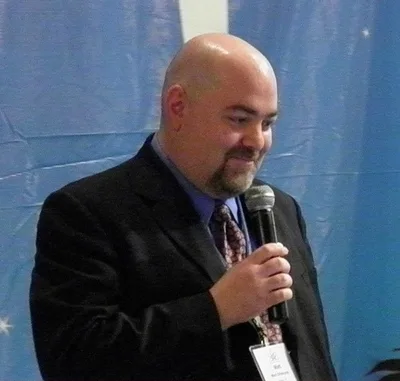
Matt Dillahunty
Matt Dillahunty was a Southern Baptist who had meant to become a minister. He lost his job in 2001 and set out to rebuild his faith by study, and the study destroyed it in stages, beginning with a Bible story he found immoral. By 2006 he was hosting a weekly television argument with believers. His unbelief has widened since into a self-described skepticism, but has not reversed.
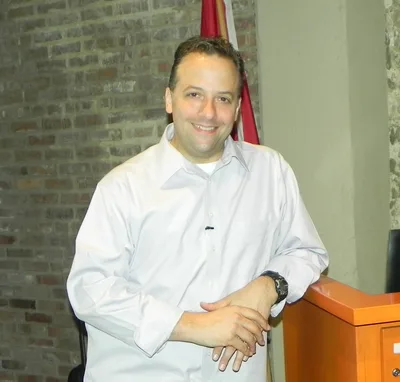
Seth Andrews
Seth Andrews was a Tulsa boy raised on a literal Bible, and became a Christian radio host. He put the doubts raised by Rich Mullins's death and 9/11 into storage for years. In his late thirties, after a Hitchens video and an unfiltered reading of the Bible, he let them out, and in 2008 he told his parents he was an atheist. Since then he has widened his unbelief into politics, while looking back more gently on the believer he was.
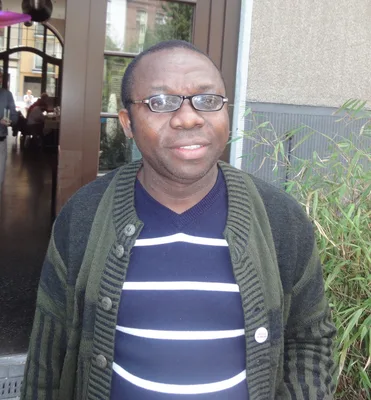
Leo Igwe
Leo Igwe was an altar boy and a seminarian from twelve. He lost his faith slowly in the seminary, through a grieving woman's question at a funeral he led at nineteen, and through the philosophers' arguments for God, which came to seem absurd. He waited years before leaving in 1994, and founded Nigeria's humanist movement in 1996. He turned his unbelief from an argument with the church into a dangerous campaign against witchcraft accusations. His 2017 thesis reframed that campaign around the accused's own agency, widening its aim without changing its substance.
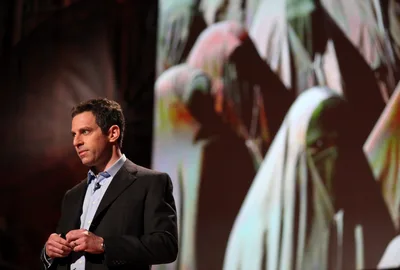
Sam Harris
Sam Harris was raised with no religion to rebel against. At thirteen, after a friend's death, he went looking for what religion said about death, and then for spiritual experience, through drugs and years of meditation in India and Nepal. The attacks of 11 September 2001 turned that private seeking into a public argument against religious certainty, in The End of Faith (2004). Waking Up (2014) brought the contemplative interest, which had come first, back to the centre: a change of emphasis rather than a reversal.