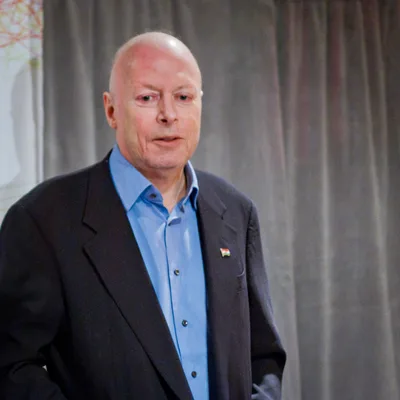
Christopher Hitchens was brought up in a Church of England that his household did not press. He dated his unbelief to a teacher's lesson about green grass at nine and a headmaster's talk of comfort at thirteen, and assumed it through twenty years of Marxist politics. After the Rushdie fatwa and 11 September he turned it into a campaign, with god is not Great in 2007. He spent his last eighteen months defending it in advance against the deathbed conversion that, as he predicted, was claimed for him after his death.
The belief timeline
- Faith (1949-c.1958) — Nominal Church of England upbringing; boarding school at eight with compulsory services; hymns, choir, top of the scripture class [3][5][10]
- Doubt (c.1958 (age about nine); again at about thirteen) — Mrs Watts and the green grass: "appalled"; objections to praise, prayer and the miracle stories; the headmaster's "you will one day" at nearly thirteen and the glimpse of Freud [6][7][8][9]
- Declaration (2007-05) — god is not Great, the public case against all religion; motives named by the Telegraph: the 1989 fatwa and 9/11 [20][21]
- Revision (better named "Test") (2010-06 to 2011-12) — Cancer in public; says in advance, in print, that any conversion report is to be disbelieved; the claim is made after his death [30][31][32][38][39]
Notes to the timeline (14)
- [3] At eight he went to Mount House, a boarding prep school at Tavistock on the edge of Dartmoor; the headmaster was Hugh Wortham — Hitchens, "Fragments from an Education", Slate, June 2010 (an excerpt from Hitch-22). In copyright.
research/texts/slate-fragments-education.txt(https://slate.com/news-and-politics/2010/06/fragments-from-an-education.html). The only text of the memoir's schooling chapter read; Christopher Hitchens, god is not Great: How Religion Poisons Everything (New York: Twelve / Hachette, first edition, May 2007). In copyright. Read in full-text OCR:research/texts/ging.txt, Internet Archive identifiergod-is-not-great-christopher-hitchens(an unauthorised upload; read for checking only under David's 2026-10-14 rule). The OCR keeps the printed running heads, so pages are exact for the even-numbered heads and inferred for the odd; chapter 1 is pp. 1-13. No quotation taken from it, p. 1; Obituary of Christopher Hitchens, New York Times, 16 Dec 2011 (with corrections of 23 Dec 2011).research/texts/nyt-obit-2011.txt, via the Wayback Machine capture of 9 May 2019. Used as the best reference entry; a newspaper obituary, so Tier 2/3. - [5] At Mount House religion was compulsory: daily divine service morning and evening, lessons in what he calls the "sinister fairy tales" of Christianity; yet he enjoyed the hymns and psalms, sang in the choir, read from the lectern on Sundays, and usually passed top in scripture class. The earlier sheet's claim that he "declined communal prayers from an early age" is not supported by anything read and is dropped — Hitchens, "Fragments from an Education"; Hitchens, god is not Great, pp. 1-2.
- [10] His parents did not try to impose religion; his father had not loved his strict Baptist/Calvinist upbringing; his mother preferred assimilation, partly for his sake, to the Judaism of her forebears. He says "my particular atheism is a Protestant atheism", because his first disagreement was with the King James Bible and the Cranmer prayer book; he also lists himself as an Anglican in childhood — Hitchens, god is not Great, p. 11; Hitchens, god is not Great, p. 195.
- [6] The first crack, in his own telling: at about nine, Mrs Jean Watts, a nature and scripture teacher, told the class God made the grass green because green is restful to our eyes; he was "appalled" and "simply knew" she had it backwards (the eyes adapted to nature). He says he then had no notion of the argument from design, Darwin or chlorophyll — Hitchens, god is not Great, pp. 1-3 (ch. 1).
- [7] He says other objections followed "in a fairly short time": why praise God so incessantly; why heal one blind man and not blindness; the Gadarene pigs seemed "sinister"; why prayer had no result; why confess in public to being a sinner; why sex was treated as toxic — Hitchens, god is not Great, pp. 3-4.
- [8] At nearly thirteen the headmaster told some boys one evening they would see the point of faith "when you start to lose loved ones"; Hitchens felt "indignation as well as disbelief" (it would make religion a comfort, not a truth); he says he had just been given a glimpse of Freud's The Future of an Illusion. The book does not name the headmaster; Slate-Education names Hugh Wortham as headmaster of Mount House, which makes the identification likely but inferential — Hitchens, god is not Great, pp. 3-4; Hitchens, "Fragments from an Education".
- [9] He says he had already found "four irreducible objections" before his voice broke: religion misrepresents the origins of man and the cosmos; combines servility with solipsism; is the result and cause of sexual repression; and rests on wish-thinking. He also says his was not a chance at belief "destroyed by child abuse or brutish indoctrination" — Hitchens, god is not Great, pp. 4-5.
- [20] Motives for the later campaign: the Telegraph says that, though he had long been an atheist, two episodes turned him into a crusader against organised religion: the 1989 fatwa on Rushdie and the 11 September attack, after which he "swore a sort of oath to remain coldly furious" until the forces were brought to account. In GING he tells how Rushdie stayed in his Washington flat over Thanksgiving weekend 1993 and a State Department official warned him of intercepted threats of revenge on him and his family, which he says "put me on notice" of what he already knew — Nigel Farndale, "An audience with Christopher Hitchens", Daily Telegraph, 2 June 2010.
research/texts/telegraph-audience.txt(via Wayback capture); Hitchens, god is not Great, pp. 29-31. Reported at second hand; the original has not been seen. - [21] god is not Great: How Religion Poisons Everything, first edition May 2007; ch. 1 ends: religion "poisons everything" (p. 13). National Book Award nomination on 10 Oct 2007 not checked — Hitchens, god is not Great, title page and p. 13. Not verified.
- [30] His advance statement, in the same essay: if cancer reached his brain and, as "a terrified, half-aware imbecile", he screamed for a priest, he states "while I am still lucid" that "the entity thus humiliating itself would not in fact be 'me'", and asks readers to "bear this in mind, in case of any later rumors or fabrications" — Hitchens, "Unanswerable Prayers", Vanity Fair, 2 Sept 2010 online (Oct 2010 issue). In copyright.
research/texts/vf-unanswerable-prayers.txt(https://www.vanityfair.com/culture/features/2010/10/hitchens-201010). - [31] At Pew on 12 October 2010 he said that his "contempt for the forced consolation of religion" had increased since he knew he probably did not have long to live; that he resented the idea that a dying person should abandon "the principles of a lifetime"; and that attempts at deathbed conversions of Paine, or lies afterwards about Darwin and others, were "wholly contemptible". Peter added that it would be "quite grotesque" to imagine someone needing cancer to see the merits of religion. In GING (pp. 268-270) he had already written that Paine and Hume declined consolation and that the Darwin deathbed story is fabricated — Pew Forum, "Can Civilization Survive Without God? A Conversation with Christopher and Peter Hitchens", 12 Oct 2010; full transcript read at the old Pew Forum address, transcript; Eric Marrapodi, "Hitchens brothers debate if civilization can survive without God", CNN Belief Blog, 13 Oct 2010 (Wayback capture).
research/texts/cnn-brothers.txt; Hitchens, god is not Great, pp. 268-270. - [32] In an Atlantic interview (August 2010) he said a deathbed remark of belief would come from "a raving, terrified person whose cancer has spread to the brain" and that "no one recognizable as myself would ever make such a remark" (wording as reported by the NYT, which first mis-credited it to itself and corrected) — NYT-Obit, (with correction of 23 Dec 2011); Jeffrey Goldberg, "Hitchens Talks to Goldblog About Cancer and God", The Atlantic, 6 Aug 2010: a video post; only the introduction is text (
research/texts/goldberg-2010.txt). His words from it are known only through NYT-Obit and Frum, (video, not read). - [38] Taunton's claim (as Frum reports it): after two car journeys, one of 13 hours from Washington to Birmingham, Alabama, during which the two read and discussed the Gospel of John, Taunton wrote that Hitchens was "weighing the costs of conversion", had "flirtations" with Christianity and was "secretly negotiating" with God but lacked the courage to defect; Taunton reports Hitchens calling John's promise of eternal life "not without its appeal to a dying man". The New York Times ran a news piece with the headline "Christopher Hitchens Was Shaky in His Atheism, New Book Suggests"; Chris Matthews and David Horowitz praised the book. Taunton's own book is unread — David Frum, "Betraying the Faith of Christopher Hitchens", The Atlantic, 9 June 2016.
research/texts/frum-atlantic-2016.txt(Wayback capture of 17 Dec 2017). Quotes Taunton's book at length and records Frum's interview with Taunton. - [39] Frum's reply: Hitchens "repeatedly and emphatically warned" such claims would come; Taunton gives no quoted words or actions of Hitchens in support of the central thesis; asked for textual support, Taunton said "some of this of course is speculative"; Taunton seldom took contemporaneous notes; the sceptic Michael Shermer withdrew a blurb. Frum cites Hitchens on Charlie Rose, CNN's Anderson Cooper and the Atlantic (August 2010), which were not read — Frum, "Betraying the Faith of Christopher Hitchens".
The Boy Who Was Appalled, and the Man Who Would Not Be Converted
In September 2010, three months after he learned that he had cancer of the oesophagus, Christopher Hitchens wrote an essay for Vanity Fair about the people who were praying for him. Some prayed for his recovery, some for his soul, and some websites said the cancer was God's revenge. Near the end he made a statement for the record. If the cancer reached his brain and he ever called for a priest, he wrote, the frightened person doing the calling would not really be him, and readers should remember that if they later heard any rumour of a conversion.12
He was writing his own deathbed in advance, because he knew how often the deathbeds of unbelievers had been rewritten after they died. This chapter asks how a boy who sang in the school choir came to be the most combative unbeliever of his generation, and why the last argument of his life was about what would be said of him after it.
A naval family and a boarding school
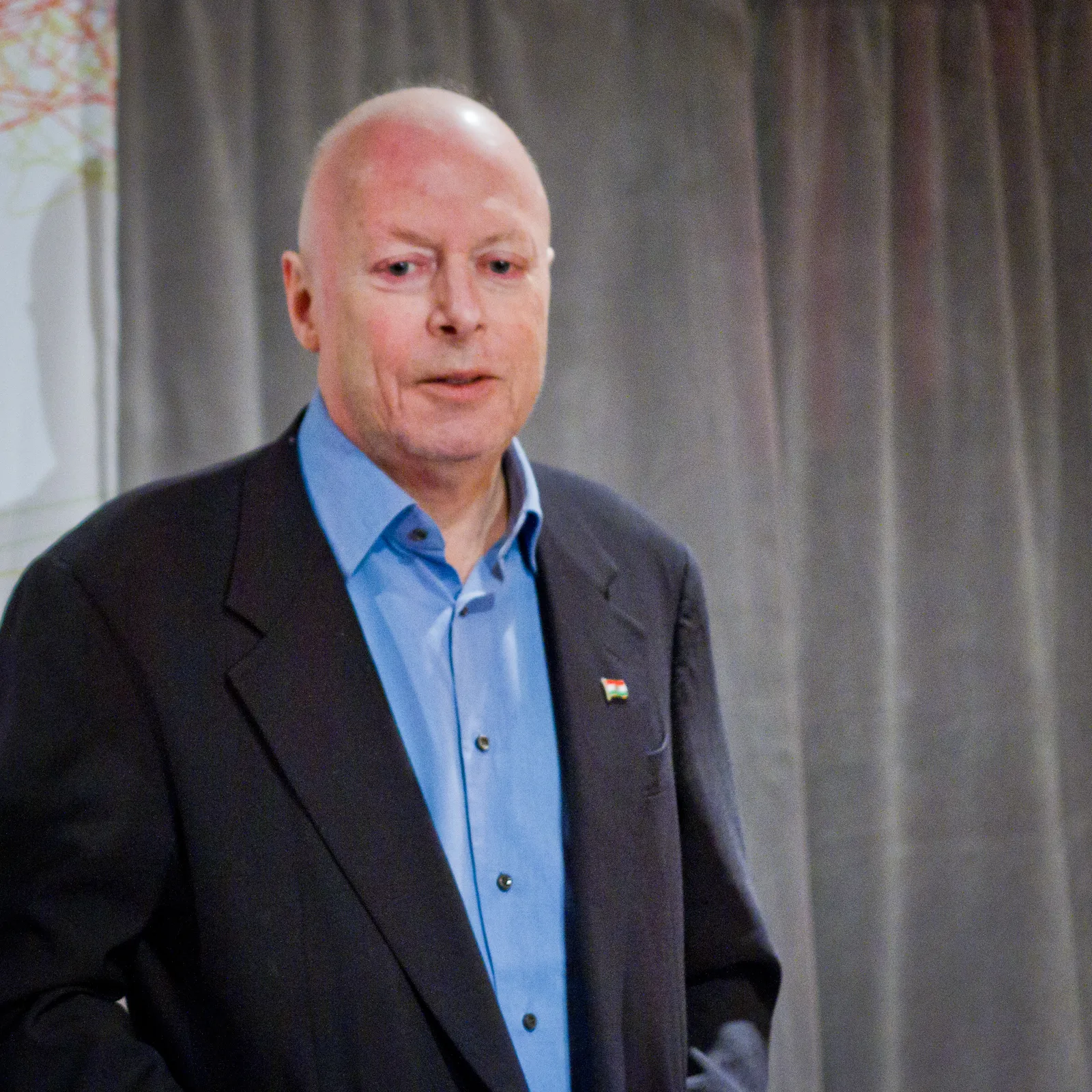
He was born in Portsmouth on 13 April 1949, the elder son of a Royal Navy officer, Commander Eric Hitchens, and Yvonne, who had served as a Wren and met his father in 1945. His younger brother Peter was born two years later.34 The household was Church of England in the ordinary, unpressing way. His father had not enjoyed his own strict Baptist upbringing and did not impose religion on his sons, and his mother, as he learned only much later, had reasons of her own for keeping quiet about her family's faith.5
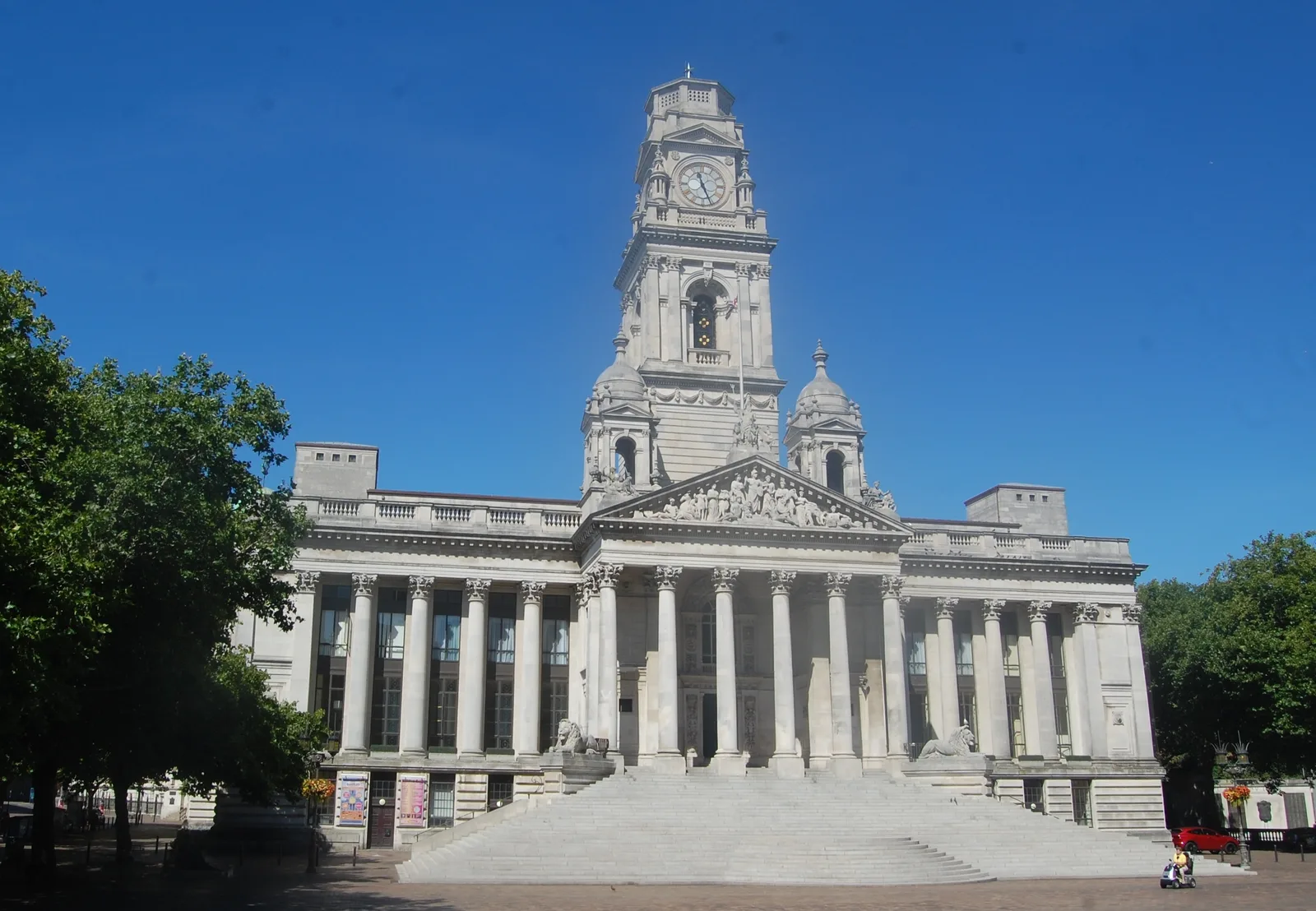
At eight he was sent to Mount House, a boarding school near Tavistock on the edge of Dartmoor, where religion was not a matter of choice. There were services morning and evening every day. He did not resent all of it. He liked the hymns and psalms, sang in the choir, read the lesson from the lectern on Sundays, and usually came top in scripture.67 On the belief timeline, that compulsory, half-enjoyed Christianity of his schooldays is his faith. No source has him ever believing it in the way his teachers hoped.
Green grass at nine
In the first chapter of god is not Great, written almost fifty years later, he set down the moment he dated the crack from. When he was about nine, a teacher of nature and scripture, Mrs Jean Watts, told the class that God had made the grass green because green is the colour most restful to our eyes. He remembered being appalled. Even then, he said, he knew she had it the wrong way round: our eyes had adjusted to the green of nature, not the other way about. He knew nothing yet of the argument from design, of Darwin, or of chlorophyll.8
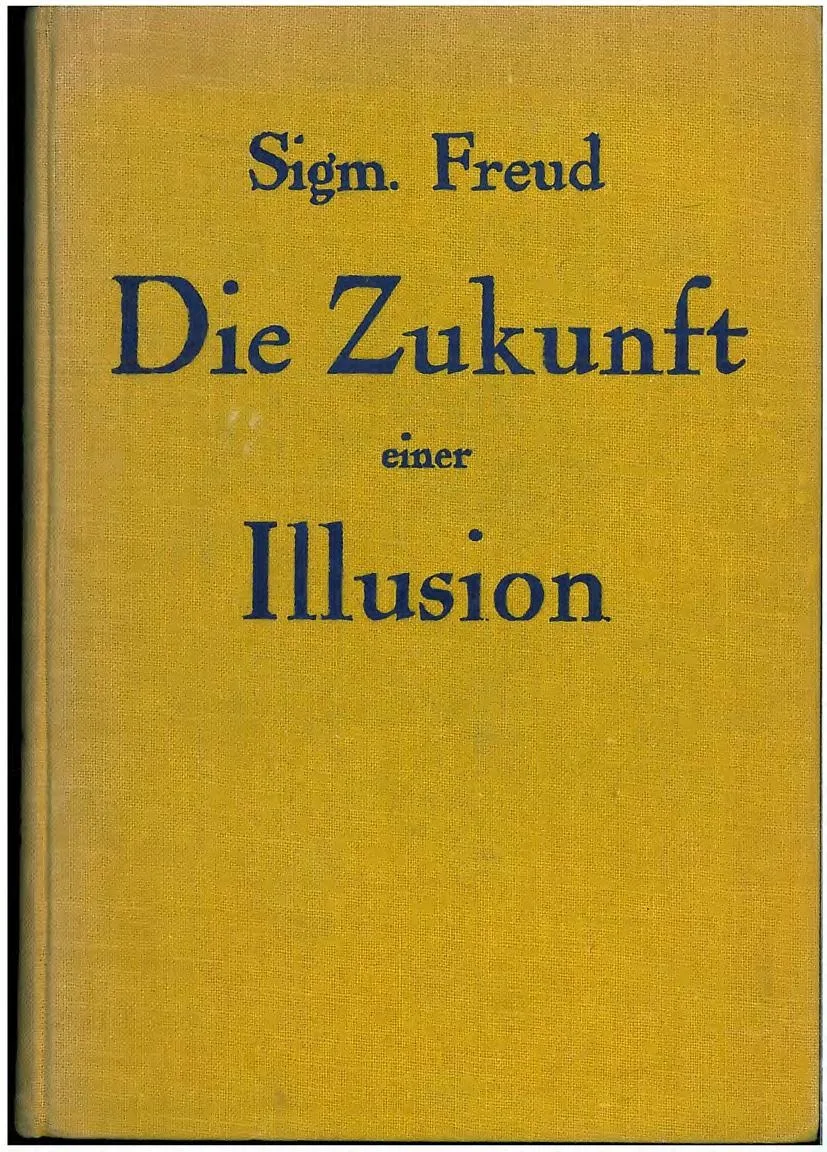
Other objections followed quickly, by his own account. Why did God need to be praised so constantly? Why heal one blind man and leave blindness in the world? Why did prayer seem to change nothing, and why should a boy confess in public to being a miserable sinner?9 Then, when he was nearly thirteen, his headmaster told a group of boys one evening that they would see the point of faith one day, when they started to lose the people they loved. Hitchens felt indignation as well as disbelief, because the headmaster had offered religion as a comfort, not as something true. He had just been shown, he said, a glimpse of Freud's The Future of an Illusion, which argues that religion grows out of wishing.10
So, by his own telling, before his voice broke he already had the four objections he would make for the rest of his life: that religion gets the origins of humanity and the cosmos wrong, that it combines servility with self-importance, that it is both a cause and a result of sexual repression, and that it rests on wishful thinking. He was careful to add that no one had beaten or bullied the faith out of him.11 That puts his doubt on the timeline unusually early, at about nine, with a second beat at thirteen. It also explains why later he refused to call himself a seeker. He had stopped looking before he was a teenager.12
Later he called his own unbelief a Protestant atheism, because his first quarrel had been with the King James Bible and the Book of Common Prayer, and he kept a fondness for both. He said that if he went back to Devon he would happily sit quietly at the back of an old country church.512
Politics first
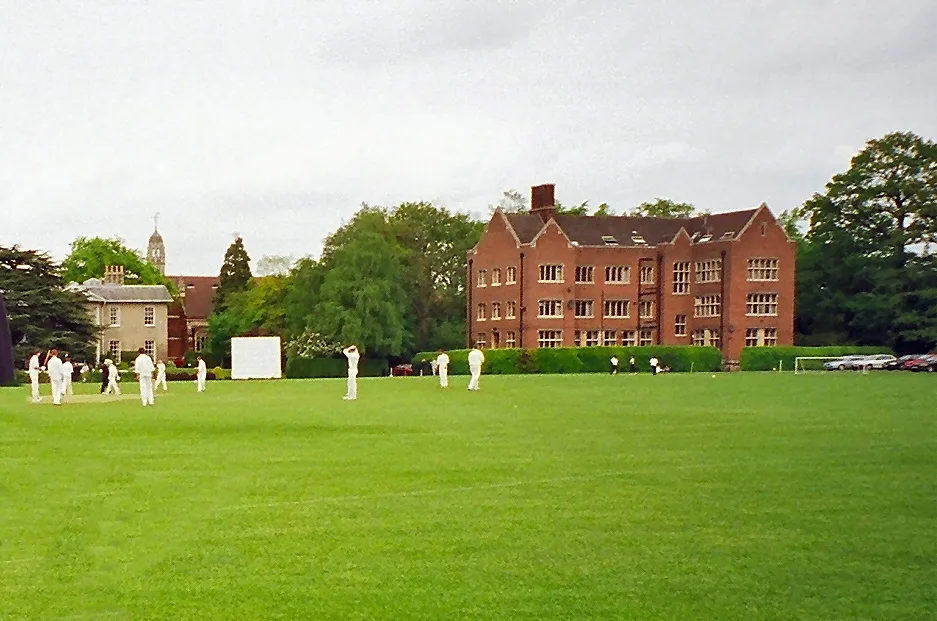
From Mount House he went to The Leys, a Methodist school in Cambridge, where, according to a reviewer's account of his memoir, he read Tawney's Religion and the Rise of Capitalism at fourteen to get through the boredom of chapel.1314 In the spring of 1967 his brother Peter burned his Bible on the playing fields of his Cambridge boarding school. Peter would later return to Christianity; Christopher never had anything to return to.15
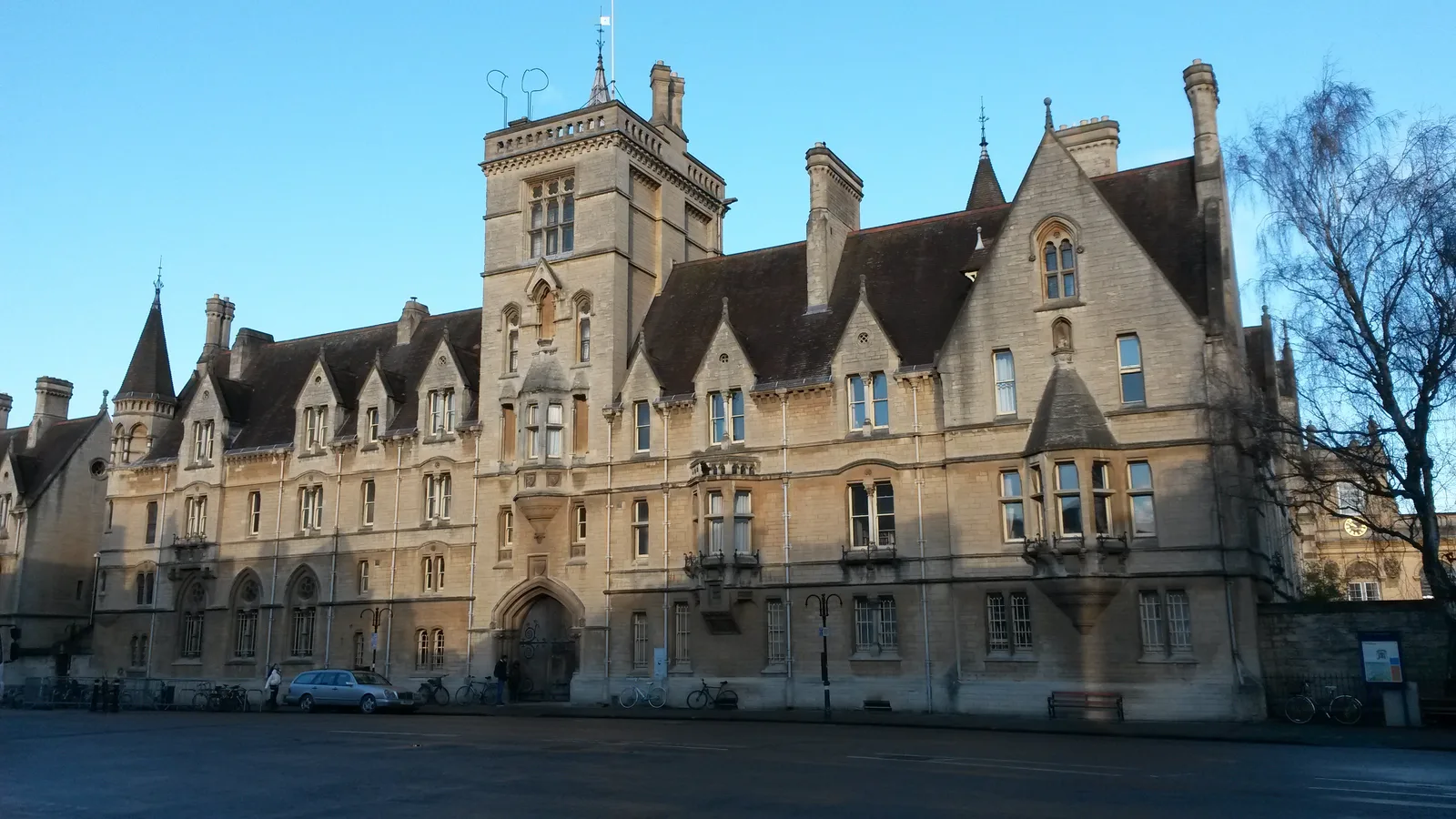
At Balliol College, Oxford, from 1967 he read philosophy, politics and economics, joined the International Socialists, and, under the influence of the socialist writer Peter Sedgwick, became an anti-Stalinist Marxist.1617 For the next twenty years his unbelief was simply assumed. His energy went into left-wing politics and journalism, first in London and from the early 1980s in the United States.18
Two family events from these years are sometimes woven into accounts of his unbelief, and the sources do not support either link. In 1973 his mother died in Athens in a suicide pact with a lover who had left the priesthood.19 In 1987, after his father died, he learned through his brother that his mother's family had been Jewish, and from then on he called himself a Jew by descent; Peter, who traced the family tree, put the Jewish line at one thirty-second.20 Hitchens spoke about both events, but no source read for this chapter has him saying that either changed what he believed about God.
From unbeliever to campaigner
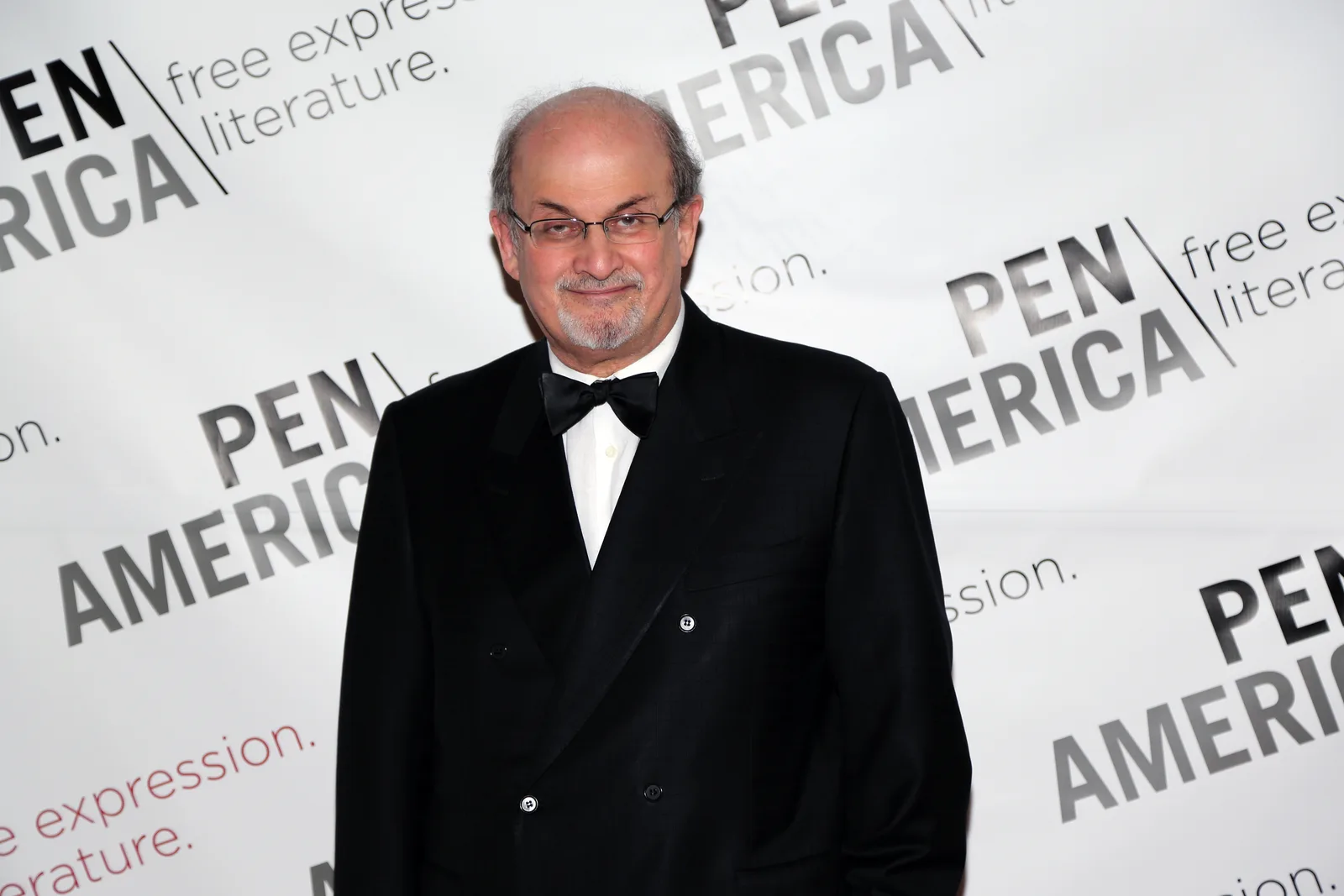
What changed was not his belief but its temperature. A Daily Telegraph profile in 2010 named two events that turned a long-time atheist into a campaigner against organised religion.21 The first was the fatwa of February 1989 calling for the death of his friend Salman Rushdie for his novel The Satanic Verses. Hitchens later told how Rushdie stayed in his Washington flat over the Thanksgiving weekend of 1993, and how afterwards a State Department official warned him of intercepted talk of revenge on him and his family.21
In between came his first book-length attack on a religious figure, The Missionary Position (1995), a polemic against Mother Teresa of Calcutta.22
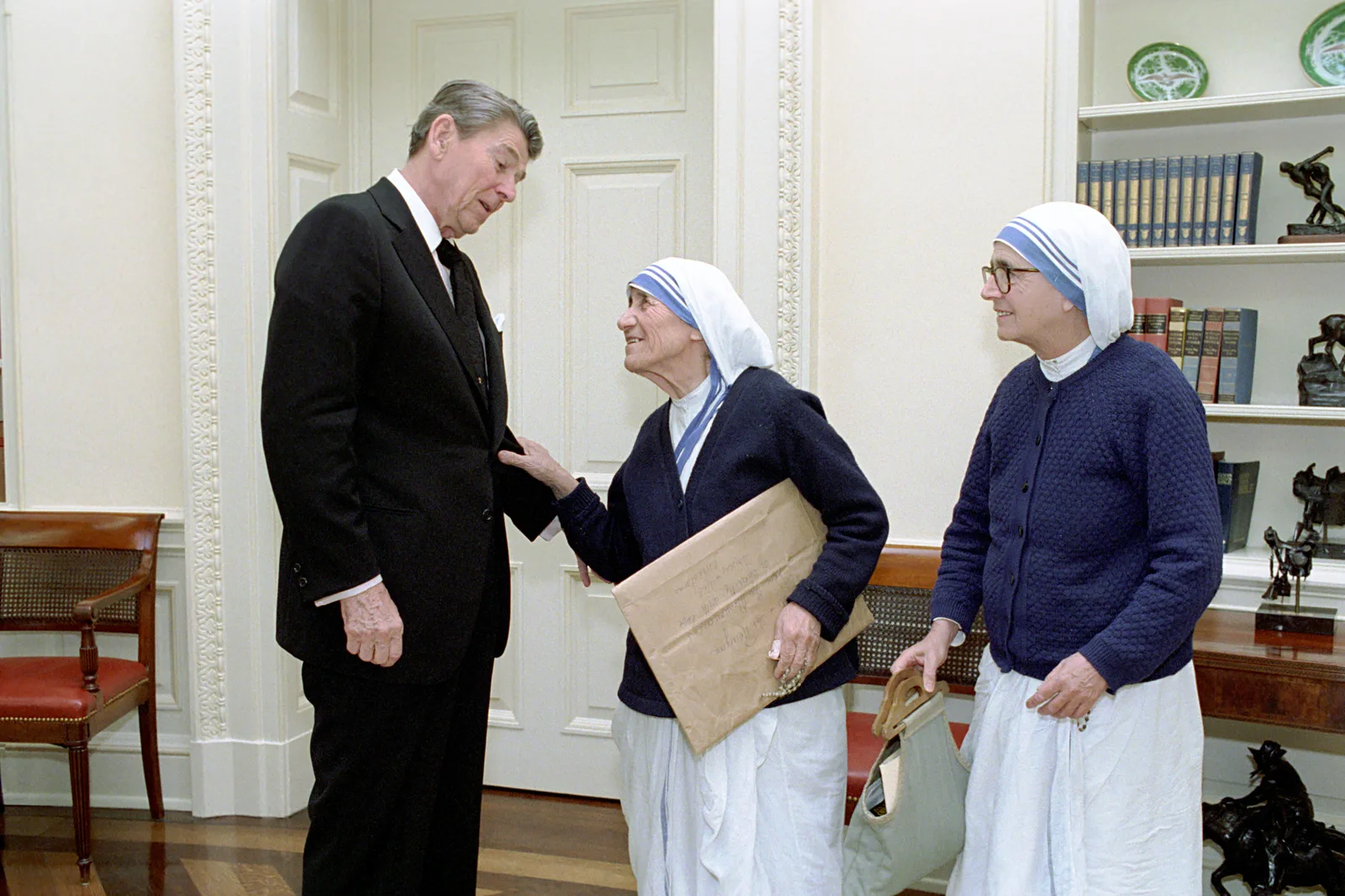
The second event was 11 September 2001. In the Telegraph's account, he resolved after the attacks to stay coldly angry until those responsible had been brought to account.21 Six years later, in May 2007, he published god is not Great: How Religion Poisons Everything, the book that marks the declaration on his timeline.23
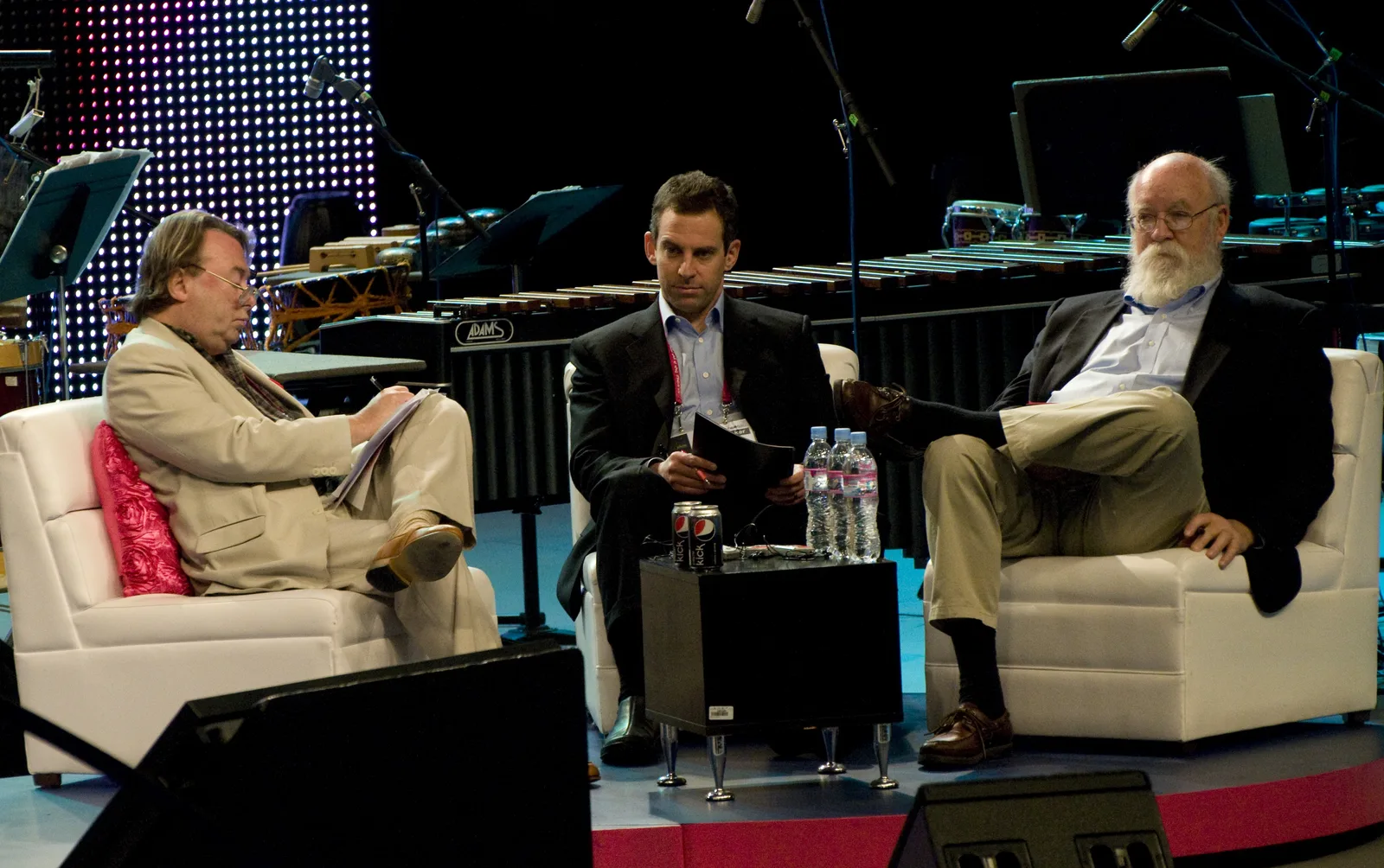
The book does not argue only that God does not exist. In one chapter he called his position antitheism: not merely the absence of belief, but the view that one ought to be glad that the religious stories are not true.24 Elsewhere he proposed a rule that became attached to his name: that a claim made without evidence can be set aside without evidence.25 He called himself an infidel and grouped himself with atheists, agnostics and secular humanists, and he disliked the label "New Atheist" that was soon attached to him and to Richard Dawkins, Sam Harris and Daniel Dennett, on the grounds that there was nothing new about it.2627
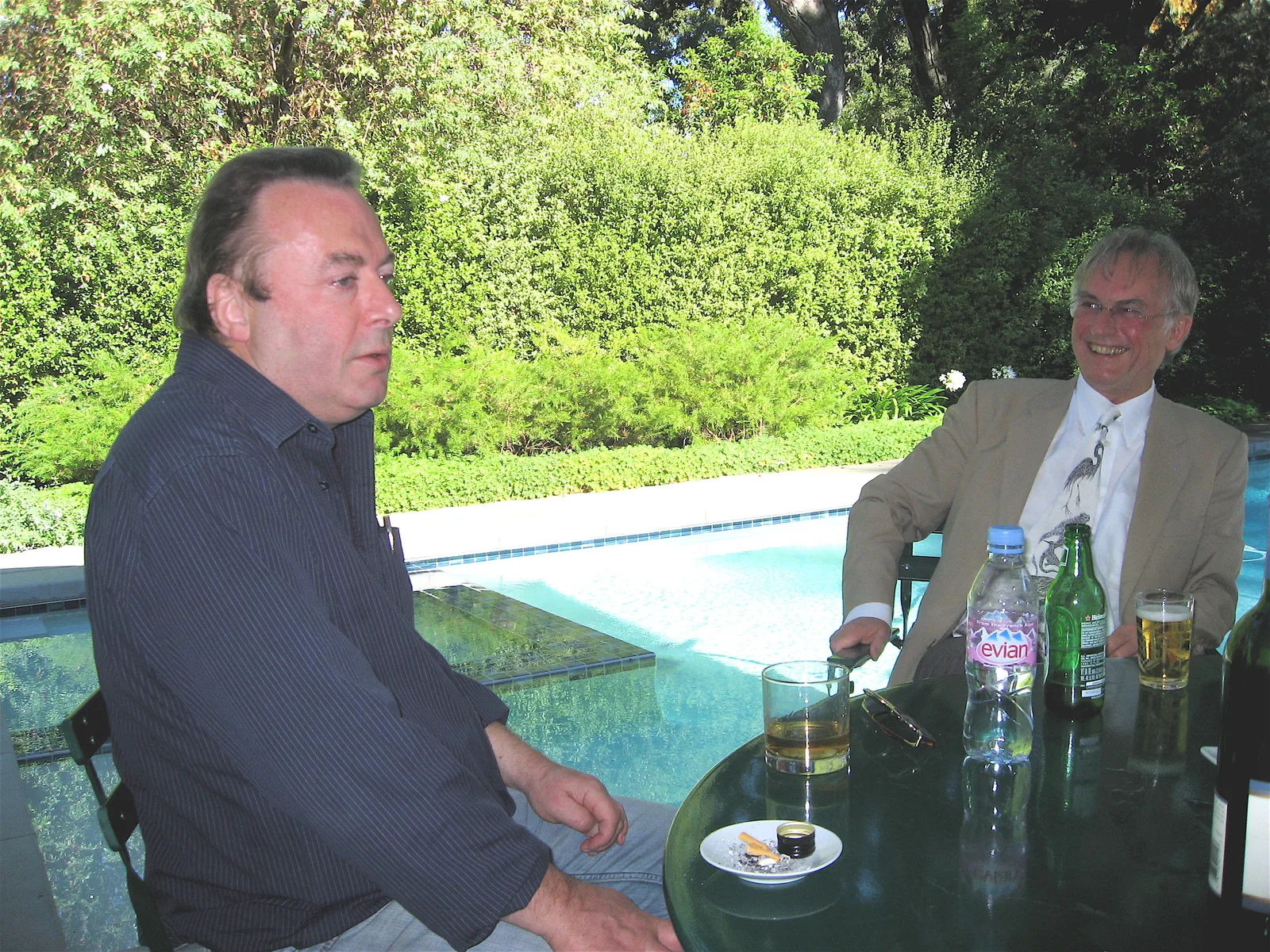
He took the argument on the road. He exchanged letters with the Christian pastor Douglas Wilson in Christianity Today, debated the philosopher William Lane Craig at Biola University in April 2009, and in April 2008 debated his brother Peter at Grand Rapids, after which the brothers, long estranged, made peace.2829 He told a reporter in 2010 that he differed from Dawkins in one respect: he had no wish to convert everyone.27
The brother who believed
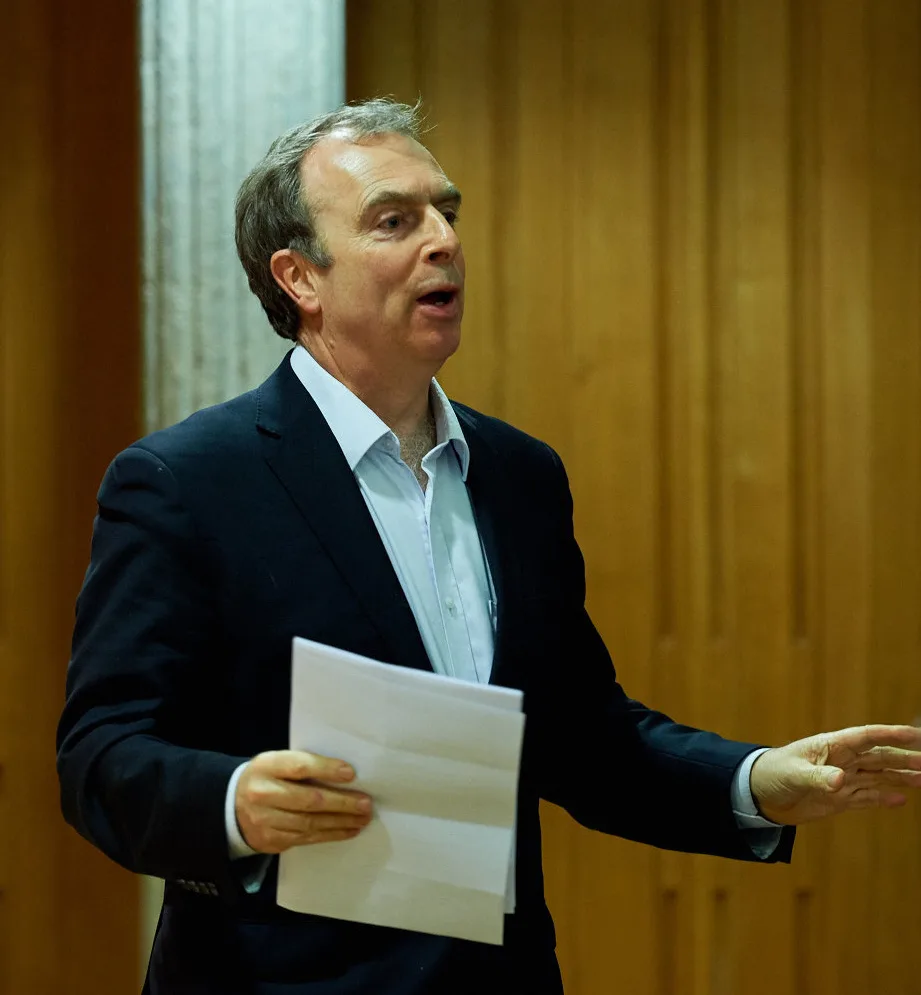
The most serious of his opponents was in his own family. Peter Hitchens, a journalist, had been an atheist as a young man and came back to the Church of England. He said that what turned him was seeing socialism in practice in Eastern Europe and Moscow, and in 2010 he answered his brother's book with one of his own, The Rage Against God.15 His case, put in person in Washington in October 2010, was that a civilisation needs the restraint of Christian belief, that most people already live as practical atheists, and that unbelievers should face Nietzsche's conclusion that without God there is no absolute right and wrong.30
Christopher said in June 2010 that he still could not work out why his brother held a conviction about the supernatural, even after reading his book.31 The essayist Theodore Dalrymple, himself not a believer, reviewed both brothers' books together and sided with Peter: in his reading, the real division between them was whether human beings can live by reason alone.32
The test
In June 2010, on the tour for his memoir Hitch-22, he woke in his New York hotel unable to breathe and was taken to hospital. The cancer had begun in his oesophagus and spread to a lymph node and a lung. It was the disease that had killed his father at seventy-nine.3334
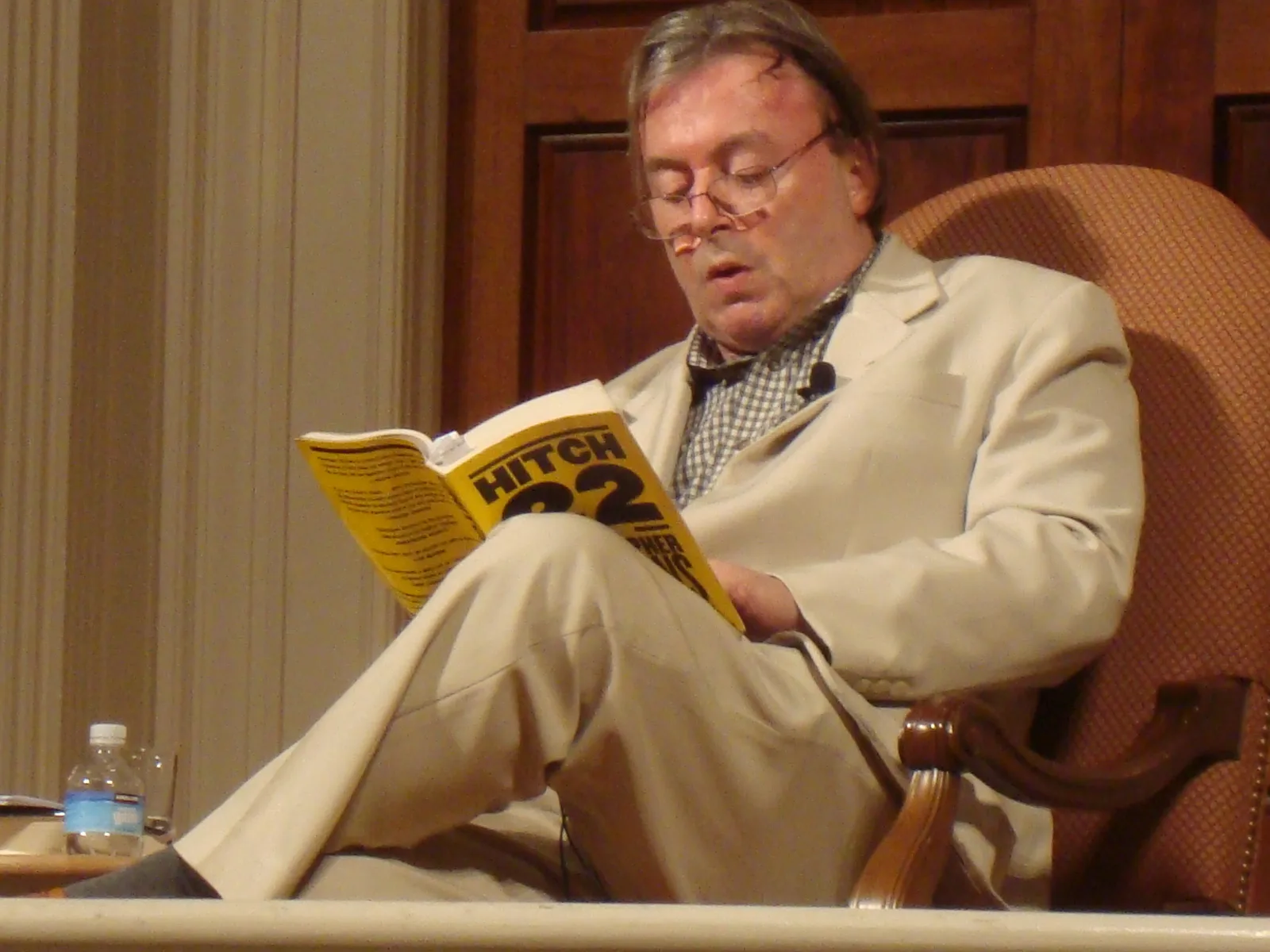
He wrote about the illness in public, in a series of essays for Vanity Fair. Believers wrote to say they were praying. Douglas Wilson prayed that he would fight the disease and make himself right with eternity; the evangelical writer Larry Taunton said salvation mattered more than health. Hitchens, who asked them what exactly they were praying for, reported their answers without scorn.1 His geneticist friend Francis Collins, director of the National Institutes of Health and a believing Christian, advised him on the science of his treatment. Hitchens called him one of the greatest living Americans and noted that Collins never suggested prayer.135
On 12 October 2010 he and Peter appeared together at the Pew Forum in Washington. He said that knowing he probably did not have long to live had only increased his contempt for the consolations religion forces on the dying, that he resented the idea that a dying man should abandon the principles of a lifetime, and that the deathbed conversions once attempted on Thomas Paine, and the stories later told about Darwin, were contemptible.36 He had made the same argument in god is not Great, where he set Paine and Hume, who declined consolation at the end, against the invented story of Darwin's deathbed return to faith.36 In November, five months into treatment, he debated the former prime minister Tony Blair in Toronto on whether religion is a force for good in the world.28
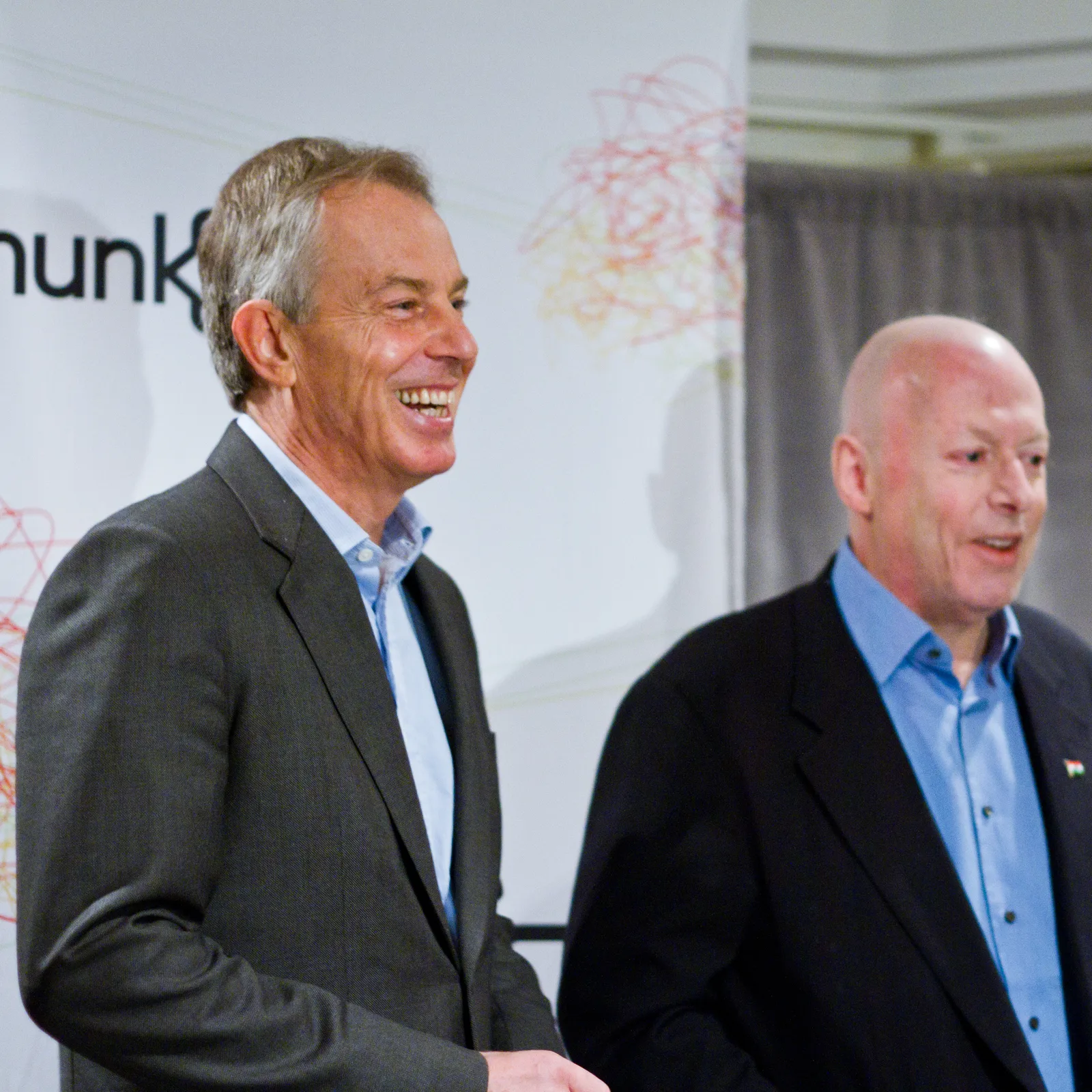
He died of pneumonia, a complication of the cancer, at the M. D. Anderson Cancer Center in Houston on 15 December 2011. He was sixty-two.37 His last essays were collected as Mortality in 2012, and a reviewer called much of it a last, defiant and reasoned defence of unbelief.38 At his memorial in the Great Hall of Cooper Union in New York in April 2012, Collins played the piano and said he had prayed for his friend. A film clip showed Hitchens, bald from chemotherapy, saying he would never change his mind about an afterlife, then adding that he did like surprises.39
Accounts differ, as he said they would
In 2016 Larry Taunton published The Faith of Christopher Hitchens. Drawing on two long car journeys during which the two men had read and discussed the Gospel of John together, he argued that Hitchens had been privately weighing conversion and had lacked the nerve to go through with it.4041 The journalist David Frum replied that the book offered no words or actions of Hitchens to support its central claim, that Taunton had admitted part of it was speculative, and that Hitchens had warned, repeatedly and in public, that exactly such a claim would be made.4243
Accounts differ, then, and this chapter does not settle them. What can be said is what Hitchens himself said, in print and while still lucid: that he had never been a seeker, that he did not expect to become one, and that any report of a late conversion should be doubted. His unbelief had begun at nine with a question about green grass, and the last thing he did with it was to defend it in advance against those who would tell his story after him.
Richard Dawkins, whose argument from biology Hitchens shared and whose wish to convert everyone he did not, has his own chapter in this book.
Footnotes
-
Hitchens, "Unanswerable Prayers", Vanity Fair, 2 Sept 2010 online (Oct 2010 issue). In copyright.
research/texts/vf-unanswerable-prayers.txt(https://www.vanityfair.com/culture/features/2010/10/hitchens-201010). ↩ ↩2 ↩3 -
Hitchens, "Unanswerable Prayers". ↩
-
Obituary of Christopher Hitchens, New York Times, 16 Dec 2011 (with corrections of 23 Dec 2011).
research/texts/nyt-obit-2011.txt, via the Wayback Machine capture of 9 May 2019. Used as the best reference entry; a newspaper obituary, so Tier 2/3; Hitchens, "The Commander: My Father, Eric Hitchens", Slate, 2 June 2010 (an excerpt from Hitch-22). In copyright.research/texts/slate-commander.txt. ↩ -
Hitchens, "The Commander: My Father, Eric Hitchens"; Review of Hitch-22, Independent, 27 May 2010.
research/texts/independent-hitch22-review.txt; Decca Aitkenhead, interview, Guardian, 22 May 2010.research/texts/guardian-aitkenhead-2010.txt. Not verified. ↩ -
Christopher Hitchens, god is not Great: How Religion Poisons Everything (New York: Twelve / Hachette, first edition, May 2007). In copyright. Read in full-text OCR:
research/texts/ging.txt, Internet Archive identifiergod-is-not-great-christopher-hitchens(an unauthorised upload; read for checking only under David's 2026-10-14 rule). The OCR keeps the printed running heads, so pages are exact for the even-numbered heads and inferred for the odd; chapter 1 is pp. 1-13. No quotation taken from it, p. 11; Hitchens, god is not Great, p. 195. ↩ ↩2 -
Hitchens, "Fragments from an Education", Slate, June 2010 (an excerpt from Hitch-22). In copyright.
research/texts/slate-fragments-education.txt(https://slate.com/news-and-politics/2010/06/fragments-from-an-education.html). The only text of the memoir's schooling chapter read; Hitchens, god is not Great, p. 1; NYT-Obit. ↩ -
Hitchens, "Fragments from an Education"; Hitchens, god is not Great, pp. 1-2. ↩
-
Hitchens, god is not Great, pp. 1-3 (ch. 1). ↩
-
Hitchens, god is not Great, pp. 3-4. ↩
-
Hitchens, god is not Great, pp. 3-4; Hitchens, "Fragments from an Education". ↩
-
Hitchens, god is not Great, pp. 4-5. ↩
-
Hitchens, god is not Great, p. 195; NYT-Obit; Peter Wilby, "Christopher Hitchens obituary", Guardian, 16 Dec 2011.
research/texts/guardian-obit-2011.txt. ↩ -
Indep-Review, (reviewer's paraphrase of Hitch-22). Reported at second hand; the original has not been seen. ↩
-
Theodore Dalrymple, "The Brothers Grim", First Things, 1 June 2010.
research/texts/firstthings-brothers-grim.txt. A review of both brothers' memoirs by a non-religious critic who sides with Peter; Pew Forum, "Can Civilization Survive Without God? A Conversation with Christopher and Peter Hitchens", 12 Oct 2010; full transcript read at the old Pew Forum address. ↩ ↩2 -
Indep-Review; NYT-Obit. ↩
-
NYT-Obit; David Frum, "Betraying the Faith of Christopher Hitchens", The Atlantic, 9 June 2016.
research/texts/frum-atlantic-2016.txt(Wayback capture of 17 Dec 2017). Quotes Taunton's book at length and records Frum's interview with Taunton. ↩ -
NYT-Obit; Nigel Farndale, "An audience with Christopher Hitchens", Daily Telegraph, 2 June 2010.
research/texts/telegraph-audience.txt(via Wayback capture); Lynn Barber, "Look who's talking", Observer, 14 Apr 2002 (https://www.theguardian.com/books/2002/apr/14/politics). Interview with Hitchens, then promoting Prepared for the Worst; source for the Jewish discovery.research/texts/observer-barber-2002.txt. ↩ -
NYT-Obit; Indep-Review; Review of Hitch-22, Guardian, 29 May 2010.
research/texts/guardian-hitch22-review.txt; Farndale, "An audience with Christopher Hitchens". ↩ -
Barber, "Look who's talking"; NYT-Obit; Wilby, "Christopher Hitchens obituary". ↩
-
Farndale, "An audience with Christopher Hitchens"; Hitchens, god is not Great, pp. 29-31. ↩ ↩2 ↩3
-
NYT-Obit. ↩
-
Hitchens, god is not Great, title page and p. 13. ↩
-
Hitchens, god is not Great, p. 102. ↩
-
Hitchens, god is not Great, p. 150; Andrew Anthony, "Christopher Hitchens: 'You have to choose your future regrets'", Observer/Guardian, 13-14 Nov 2010.
research/texts/guardian-cancer-interview-2010.txt. ↩ -
Hitchens, god is not Great, pp. 5, 8, 11; Anthony, "Christopher Hitchens: 'You have to choose…". ↩
-
Hitchens and Douglas Wilson, "Is Christianity Good for the World?", Christianity Today web exchange, from 8 May 2007. In copyright.
research/texts/ct-wilson-2007.txt(opening message only read); Stan Guthrie, "Hitchens vs. Craig: Round Two", Christianity Today, 6 Apr 2009 (Wayback).research/texts/ct-craig-2009b.txt; Forum, "Can Civilization Survive Without God? A…"; Eric Marrapodi, "Hitchens brothers debate if civilization can survive without God", CNN Belief Blog, 13 Oct 2010 (Wayback capture).research/texts/cnn-brothers.txt. ↩ ↩2 -
Aitkenhead; Barber, "Look who's talking"; Wilby, "Christopher Hitchens obituary"; Forum, "Can Civilization Survive Without God? A…". ↩
-
Peter Hitchens, brother, journalist, Anglican, former atheist; living: his case that civilisation needs the restraint of Christianity, that practical atheism is how most people behave, and that atheists should face Nietzsche's conclusion that there is no absolute right and wrong without God; and his own account of leaving atheism after seeing socialism in practice: Forum, "Can Civilization Survive Without God? A…", transcript; Dalrymple, "The Brothers Grim"; Marrapodi, "Hitchens brothers debate if civilization can…"; Peter Hitchens, The Rage Against God: How Atheism Led Me to Faith (Zondervan, 2010). In copyright.
rageagainstgodho0000hitclending-only; UNREAD. Known through Dalrymple's review and the passage read aloud at the Pew event, (unread). Not checked against the original (wording located in the Pew transcript; not cleared). ↩ -
Farndale, "An audience with Christopher Hitchens". ↩
-
Theodore Dalrymple, psychiatrist and writer, not himself religious: Hitchens's judgments are nuanced only about himself, and the brothers' division is whether man can live by reason alone: Dalrymple, "The Brothers Grim". Not checked against the original (wording located; not cleared). ↩
-
Hitchens, "Topic of Cancer", Vanity Fair, 4 Aug 2010 online (Sept 2010 issue). In copyright.
research/texts/vf-topic-of-cancer.txt(https://www.vanityfair.com/culture/features/2010/09/hitchens-201009). ↩ -
Hitchens, "Topic of Cancer"; NYT-Obit. ↩
-
Hitchens, "Tumortown", Vanity Fair, 8 Oct 2010 online (Nov 2010 issue). In copyright.
research/texts/vf-tumortown.txt(https://www.vanityfair.com/culture/features/2010/11/hitchens-201011); Ed Pilkington, memorial report, Guardian, 20 Apr 2012.research/texts/guardian-memorial-2012.txt. ↩ -
Forum, "Can Civilization Survive Without God? A…", transcript; Marrapodi, "Hitchens brothers debate if civilization can…"; Hitchens, god is not Great, pp. 268-270. ↩ ↩2
-
NYT-Obit, (with correction). ↩
-
Christopher Buckley, review of Mortality, New York Times Book Review, 2 Sept 2012 (print date 30 Aug online).
research/texts/nyt-mortality-review.txt, via Wayback. ↩ -
Guardian-Memorial; Vanity Fair, memorial report, 20 Apr 2012.
research/texts/vf-memorial-2012.txt; Andrew Sullivan, "The Hitch Has Landed", The Dish, 20 Apr 2012 (Wayback).research/texts/sullivan-service.txt. ↩ -
Frum, "Betraying the Faith of Christopher Hitchens". ↩
-
Larry Taunton, American evangelical writer: Hitchens was privately weighing conversion, covering for it with bombast, and lost his nerve: Larry Taunton, The Faith of Christopher Hitchens: The Restless Soul of the World's Most Notorious Atheist (Nashville: Nelson Books, 2016). In copyright.
faithofchristoph0000taun_c2f1and two others lending-only; UNREAD. Known only through Frum, (unread); as quoted in Frum. Not checked against the original (wording seen in Frum only; disputed). ↩ -
Frum, "Betraying the Faith of Christopher Hitchens". ↩
-
David Frum, journalist: the claim rests on Taunton's inferences and speculation, not on any quoted word of Hitchens, whose own repeated warnings Taunton disregards: Frum, "Betraying the Faith of Christopher Hitchens". Not checked against the original (wording located; not cleared). ↩
research/texts/vf-unanswerable-prayers.txt (https://www.vanityfair.com/culture/features/2010/10/hitchens-201010).; Obituary of Christopher Hitchens, New York Times, 16 Dec 2011 (with corrections of 23 Dec 2011). research/texts/nyt-obit-2011.txt, via the Wayback Machine capture of 9 May 2019. Used as the best reference entry; a newspaper obituary, so Tier 2/3.; Hitchens, "The Commander: My Father, Eric Hitchens", Slate, 2 June 2010 (an excerpt from Hitch-22). In copyright. research/texts/slate-commander.txt.; Review of Hitch-22, Independent, 27 May 2010. research/texts/independent-hitch22-review.txt.; Decca Aitkenhead, interview, Guardian, 22 May 2010. research/texts/guardian-aitkenhead-2010.txt.; Christopher Hitchens, god is not Great: How Religion Poisons Everything (New York: Twelve / Hachette, first edition, May 2007). In copyright. Read in full-text OCR: research/texts/ging.txt, Internet Archive identifier god-is-not-great-christopher-hitchens (an unauthorised upload; read for checking only under David's 2026-10-14 rule). The OCR keeps the printed running heads, so pages are exact for the even-numbered heads and inferred for the odd; chapter 1 is pp. 1-13. No quotation taken from it.; Hitchens, "Fragments from an Education", Slate, June 2010 (an excerpt from Hitch-22). In copyright. research/texts/slate-fragments-education.txt (https://slate.com/news-and-politics/2010/06/fragments-from-an-education.html). The only text of the memoir's schooling chapter read.; Peter Wilby, "Christopher Hitchens obituary", Guardian, 16 Dec 2011. research/texts/guardian-obit-2011.txt.; Theodore Dalrymple, "The Brothers Grim", First Things, 1 June 2010. research/texts/firstthings-brothers-grim.txt. A review of both brothers' memoirs by a non-religious critic who sides with Peter.; Pew Forum, "Can Civilization Survive Without God? A Conversation with Christopher and Peter Hitchens", 12 Oct 2010; full transcript read at the old Pew Forum address.; David Frum, "Betraying the Faith of Christopher Hitchens", The Atlantic, 9 June 2016. research/texts/frum-atlantic-2016.txt (Wayback capture of 17 Dec 2017). Quotes Taunton's book at length and records Frum's interview with Taunton.; Nigel Farndale, "An audience with Christopher Hitchens", Daily Telegraph, 2 June 2010. research/texts/telegraph-audience.txt (via Wayback capture).; Lynn Barber, "Look who's talking", Observer, 14 Apr 2002 (https://www.theguardian.com/books/2002/apr/14/politics). Interview with Hitchens, then promoting Prepared for the Worst; source for the Jewish discovery. research/texts/observer-barber-2002.txt.; Review of Hitch-22, Guardian, 29 May 2010. research/texts/guardian-hitch22-review.txt.; Andrew Anthony, "Christopher Hitchens: 'You have to choose your future regrets'", Observer/Guardian, 13-14 Nov 2010. research/texts/guardian-cancer-interview-2010.txt.; Hitchens and Douglas Wilson, "Is Christianity Good for the World?", Christianity Today web exchange, from 8 May 2007. In copyright. research/texts/ct-wilson-2007.txt (opening message only read).; Stan Guthrie, "Hitchens vs. Craig: Round Two", Christianity Today, 6 Apr 2009 (Wayback). research/texts/ct-craig-2009b.txt.; Eric Marrapodi, "Hitchens brothers debate if civilization can survive without God", CNN Belief Blog, 13 Oct 2010 (Wayback capture). research/texts/cnn-brothers.txt.; Peter Hitchens, The Rage Against God: How Atheism Led Me to Faith (Zondervan, 2010). In copyright. rageagainstgodho0000hitc lending-only; UNREAD. Known through Dalrymple's review and the passage read aloud at the Pew event.; Hitchens, "Topic of Cancer", Vanity Fair, 4 Aug 2010 online (Sept 2010 issue). In copyright. research/texts/vf-topic-of-cancer.txt (https://www.vanityfair.com/culture/features/2010/09/hitchens-201009).; Hitchens, "Tumortown", Vanity Fair, 8 Oct 2010 online (Nov 2010 issue). In copyright. research/texts/vf-tumortown.txt (https://www.vanityfair.com/culture/features/2010/11/hitchens-201011).; Ed Pilkington, memorial report, Guardian, 20 Apr 2012. research/texts/guardian-memorial-2012.txt.; Christopher Buckley, review of Mortality, New York Times Book Review, 2 Sept 2012 (print date 30 Aug online). research/texts/nyt-mortality-review.txt, via Wayback.; Vanity Fair, memorial report, 20 Apr 2012. research/texts/vf-memorial-2012.txt.; Andrew Sullivan, "The Hitch Has Landed", The Dish, 20 Apr 2012 (Wayback). research/texts/sullivan-service.txt.; Larry Taunton, The Faith of Christopher Hitchens: The Restless Soul of the World's Most Notorious Atheist (Nashville: Nelson Books, 2016). In copyright. faithofchristoph0000taun_c2f1 and two others lending-only; UNREAD. Known only through Frum.In their own words
—
—
—
—
—
—
The other side
—
—
—
—
—
—
Where accounts differ
| Point | One account | Another | How the page handles it |
|---|---|---|---|
| Late spiritual openness before death | Taunton: Hitchens was drawn toward faith and said so privately in two car journeys (Taunton, via Frum) | Frum: no word of Hitchens supports it; Taunton calls his own account partly "speculative"; Hitchens warned in advance, in print and on air, that any such report was to be disbelieved (VF-Prayers, Pew-2010, NYT-Obit quoting the Atlantic); the memorial film has him saying he would never change his mind but likes surprises (Guardian-Memorial); Dawkins's reply (via Wikipedia, interview with Alex O'Connor, not read) | Say "accounts differ"; give Taunton's claim, give Frum's reply, give Hitchens's advance statement; never assert either |
| How and from whom he learned of his Jewish line | Barber 2002: the grandmother "Dodo" told Peter's bride and then Peter; Peter told Christopher; Christopher "thrilled" (Barber); NYT: learned after his father's death in 1987 | Peter's count of one thirty-second (Barber, Guardian-Obit); Hitchens's own telling in Hitch-22 and in the 1988 essay "Prepared for the Worst" unread | State the discovery in 1987 through Peter; give Hitchens's claim by matrilineal descent and Peter's count as a disagreement |
| Date of the Craig debate | 4 April 2009 (CT-Craig) | the fact sheet's first guess of 2008 | settled: 2009 |
| Last words | "Capitalism." "Downfall." (Sullivan, from Steve Wasserman) | not independently reported | omit |
| Whether the Mortality "if I convert" line is a joke | Wikipedia reports it as a serious statement | Buckley (NYT) calls it the "frisky 'convert' bit" echoing GING; book unread | treat as a quip unless the book's context shows otherwise; do not use as evidence of anything |
| Collins as doctor | Guardian-Memorial and the earlier sheet: the doctor who treated him | VF-Tumortown: oncologist was Dr Frederick Smith; Collins a friend who advised | say Collins was a friend and adviser |
| Whether he declined prayer at school | Earlier sheet (Wikipedia map): declined communal prayers from an early age | Slate-Education and GING: sang in the choir, read the lesson, top in scripture; refused the doctrine, not the ritual | drop the prayer-refusal lead; use his own account |
| The headmaster of the "you will one day" remark | GING: "the headmaster", unnamed | Slate-Education names Hugh Wortham as Mount House's headmaster | say "his headmaster"; do not name him |
| Vanity Fair contributing editor from | 1992 (Wikipedia, Mortality article) | 1982 (Wilby, Guardian-Obit) | not needed for the arc |
List of illustrations
This page uses only public-domain and Creative Commons images; each is credited with its source and licence.
- Hitchens 2010 — Andrew Rusk from Toronto, Canada, 2010-11-26 · Andrew Rusk from Toronto, Canada, via Wikimedia Commons, CC BY 2.0 · CC BY 2.0 (Wikimedia Commons file page; https://creativecommons.org/licenses/by/2.0)
- Portsmouth Guildhall, Guildhall Square, Portsmouth (NHLE Code 1104316) (August 2022) (1) — Hassocks5489, 2022-08-10 · Hassocks5489, via Wikimedia Commons, CC0 · CC0 (Wikimedia Commons file page; http://creativecommons.org/publicdomain/zero/1.0/deed.en)
- Town Hall, Bedford Square, Tavistock, Devon - May 2025 — Mutney, 2025-05-03 · Mutney, via Wikimedia Commons, CC BY 4.0 · CC BY 4.0 (Wikimedia Commons file page; https://creativecommons.org/licenses/by/4.0)
- Freud 1927 Die Zukunft einer Illusion — unknown designer, 1927 · unknown designer, via Wikimedia Commons, Public domain · Public domain (Wikimedia Commons file page)
- The Leys School, Cambridge — User:PaddyBriggs at English Wikipedia, 15 Novembe · User:PaddyBriggs at English Wikipedia, via Wikimedia Commons, Public domain · Public domain (Wikimedia Commons file page)
- Balliol College from Broad Street — BethNaught, 2015-01-18 · BethNaught, via Wikimedia Commons, CC0 · CC0 (Wikimedia Commons file page; http://creativecommons.org/publicdomain/zero/1.0/deed.en)
- Salman Rushdie 2014 — © Ed Lederman/PEN American Center, 2014-05-05 · © Ed Lederman/PEN American Center, via Wikimedia Commons, CC BY 2.0 · CC BY 2.0 (Wikimedia Commons file page; https://creativecommons.org/licenses/by/2.0)
- Meeting with Mother Teresa of Calcutta with Sister Priscilla in Oval Office - DPLA - 8eecb8f96742ffa50f67ef956b8f2e35 — President (1981-1989 : Reagan). White House Photographic Office. 1981-1989, 1985-12-16 · President (1981-1989 : Reagan). White House Photographic Office. 1981-1989, via Wikimedia Commons, Public domain · Public domain (Wikimedia Commons file page)
- Mimetic Foment - Dawkins and Hitchens — Steve Jurvetson, 2007-07-14 · Steve Jurvetson, via Wikimedia Commons, CC BY 2.0 · CC BY 2.0 (Wikimedia Commons file page; https://creativecommons.org/licenses/by/2.0)
- Christopher Hitchens, Sam Harris y Daniel Dennett en CDI 2009.jpg — Werther mx, 2009 · Werther mx, via Wikimedia Commons, CC BY-SA 3.0 · CC BY-SA 3.0 (Wikimedia Commons file page; https://creativecommons.org/licenses/by-sa/3.0)
- Peter Hitchens at SidneySussex — Nigel Luckhurst, 2015-03-13 · Nigel Luckhurst, via Wikimedia Commons, CC BY-SA 4.0 · CC BY-SA 4.0 (Wikimedia Commons file page; https://creativecommons.org/licenses/by-sa/4.0)
- Christopher Hitchens reading his book Hitch 22 — meesh from washington dc, 2010-06-14 · meesh from washington dc, via Wikimedia Commons, CC BY 2.0 · CC BY 2.0 (Wikimedia Commons file page; https://creativecommons.org/licenses/by/2.0)
- Tony Blair and Christopher Hitchens — Andrew Rusk from Toronto, Canada, 2010-11-26 · Andrew Rusk from Toronto, Canada, via Wikimedia Commons, CC BY 2.0 · CC BY 2.0 (Wikimedia Commons file page; https://creativecommons.org/licenses/by/2.0)
Sources
Tier 1 — the subject's own words (writings, letters, diaries, trial records)
- [GING] Christopher Hitchens, god is not Great: How Religion Poisons Everything (New York: Twelve / Hachette, first edition, May 2007). In copyright. Read in full-text OCR:
research/texts/ging.txt, Internet Archive identifiergod-is-not-great-christopher-hitchens(an unauthorised upload; read for checking only under David's 2026-10-14 rule). The OCR keeps the printed running heads, so pages are exact for the even-numbered heads and inferred for the odd; chapter 1 is pp. 1-13. No quotation taken from it. - [VF-Topic] Hitchens, "Topic of Cancer", Vanity Fair, 4 Aug 2010 online (Sept 2010 issue). In copyright.
research/texts/vf-topic-of-cancer.txt(https://www.vanityfair.com/culture/features/2010/09/hitchens-201009). - [VF-Prayers] Hitchens, "Unanswerable Prayers", Vanity Fair, 2 Sept 2010 online (Oct 2010 issue). In copyright.
research/texts/vf-unanswerable-prayers.txt(https://www.vanityfair.com/culture/features/2010/10/hitchens-201010). - [VF-Tumortown] Hitchens, "Tumortown", Vanity Fair, 8 Oct 2010 online (Nov 2010 issue). In copyright.
research/texts/vf-tumortown.txt(https://www.vanityfair.com/culture/features/2010/11/hitchens-201011). - [VF-King] Hitchens, "When the King Saved God", Vanity Fair, May 2011. In copyright.
research/texts/vf-201005-king.txt. Used for the father's funeral reading only. - [Slate-Commander] Hitchens, "The Commander: My Father, Eric Hitchens", Slate, 2 June 2010 (an excerpt from Hitch-22). In copyright.
research/texts/slate-commander.txt. - [Slate-Education] Hitchens, "Fragments from an Education", Slate, June 2010 (an excerpt from Hitch-22). In copyright.
research/texts/slate-fragments-education.txt(https://slate.com/news-and-politics/2010/06/fragments-from-an-education.html). The only text of the memoir's schooling chapter read. - [Hitch-22] Hitchens, Hitch-22: A Memoir (Twelve, 2010). In copyright. Internet Archive items (
hitch22memoir0000hitc_w2j6,hitch22memoir0000hitc,hitch22memoir0000chriand others) are lending-only; UNREAD. Cited below only through reviews and the two Slate excerpts. - [Mortality] Hitchens, Mortality (Twelve, 2012). In copyright.
mortality00hitc,mortality0000hitclending-only; UNREAD. Cited only through the Vanity Fair originals and the NYT review. - [CT-Wilson] Hitchens and Douglas Wilson, "Is Christianity Good for the World?", Christianity Today web exchange, from 8 May 2007. In copyright.
research/texts/ct-wilson-2007.txt(opening message only read). - [ACLU-NSA] ACLU v. NSA, 438 F. Supp. 2d 754 (E.D. Mich. 2006), Wikisource transcription of the federal opinion. Public domain.
research/texts/aclu-v-nsa.txt(order and signature only).
Tier 2 — scholarly biographies and encyclopedias
- [ODNB] Oxford Dictionary of National Biography, entry for Hitchens. Subscription; not reached.
- [NYT-Obit] Obituary of Christopher Hitchens, New York Times, 16 Dec 2011 (with corrections of 23 Dec 2011).
research/texts/nyt-obit-2011.txt, via the Wayback Machine capture of 9 May 2019. Used as the best reference entry; a newspaper obituary, so Tier 2/3. - [Guardian-Obit] Peter Wilby, "Christopher Hitchens obituary", Guardian, 16 Dec 2011.
research/texts/guardian-obit-2011.txt. - No scholarly biography found.
Tier 3 — popular biographies and journalism
- [Barber] Lynn Barber, "Look who's talking", Observer, 14 Apr 2002 (https://www.theguardian.com/books/2002/apr/14/politics). Interview with Hitchens, then promoting Prepared for the Worst; source for the Jewish discovery.
research/texts/observer-barber-2002.txt. - [Aitkenhead] Decca Aitkenhead, interview, Guardian, 22 May 2010.
research/texts/guardian-aitkenhead-2010.txt. - [Telegraph] Nigel Farndale, "An audience with Christopher Hitchens", Daily Telegraph, 2 June 2010.
research/texts/telegraph-audience.txt(via Wayback capture). - [Guardian-Anthony] Andrew Anthony, "Christopher Hitchens: 'You have to choose your future regrets'", Observer/Guardian, 13-14 Nov 2010.
research/texts/guardian-cancer-interview-2010.txt. - [Guardian-Review] Review of Hitch-22, Guardian, 29 May 2010.
research/texts/guardian-hitch22-review.txt. - [Indep-Review] Review of Hitch-22, Independent, 27 May 2010.
research/texts/independent-hitch22-review.txt. - [Buckley-NYT] Christopher Buckley, review of Mortality, New York Times Book Review, 2 Sept 2012 (print date 30 Aug online).
research/texts/nyt-mortality-review.txt, via Wayback. - [Pew-2010] Pew Forum, "Can Civilization Survive Without God? A Conversation with Christopher and Peter Hitchens", 12 Oct 2010; full transcript read at the old Pew Forum address https://www.pewforum.org/2010/10/12/can-civilization-survive-without-god/ (
research/texts/pew-forum-old.txt); video page https://www.pewresearch.org/religion/2010/10/12/video-can-civilization-survive-without-god-a-conversation-with-christopher-and-peter-hitchens/ (pew-2010.txt). Pew's reuse terms were not checked; treat as copyrighted. - [CNN-Pew] Eric Marrapodi, "Hitchens brothers debate if civilization can survive without God", CNN Belief Blog, 13 Oct 2010 (Wayback capture).
research/texts/cnn-brothers.txt. - [Goldberg] Jeffrey Goldberg, "Hitchens Talks to Goldblog About Cancer and God", The Atlantic, 6 Aug 2010: a video post; only the introduction is text (
research/texts/goldberg-2010.txt). His words from it are known only through NYT-Obit and Frum. - [CT-Craig] Stan Guthrie, "Hitchens vs. Craig: Round Two", Christianity Today, 6 Apr 2009 (Wayback).
research/texts/ct-craig-2009b.txt. - [Sullivan] Andrew Sullivan, "The Hitch Has Landed", The Dish, 20 Apr 2012 (Wayback).
research/texts/sullivan-service.txt. - [Guardian-Memorial] Ed Pilkington, memorial report, Guardian, 20 Apr 2012.
research/texts/guardian-memorial-2012.txt. - [VF-Memorial] Vanity Fair, memorial report, 20 Apr 2012.
research/texts/vf-memorial-2012.txt. - [Taunton] Larry Taunton, The Faith of Christopher Hitchens: The Restless Soul of the World's Most Notorious Atheist (Nashville: Nelson Books, 2016). In copyright.
faithofchristoph0000taun_c2f1and two others lending-only; UNREAD. Known only through Frum.
Tier 4 — maps to other sources only (Wikipedia and similar). Never cited in the script.
- Wikipedia, "Christopher Hitchens" (extract
research/notes/wikipedia-map.txt; raw pageresearch/notes/wp-raw.txt), "Mortality (book)" (research/notes/wp-mortality.txt) and "Peter Hitchens" (research/texts/wp-peter-raw.txt). Used to find the sources above. - Wikimedia Commons has CC BY / CC BY-SA photographs (e.g. File:Hitchens Blair.jpg, 2010 Toronto, CC BY 2.0; File:Christopher Hitchens, 2007.jpg, CC BY 2.0; File:Hitchens 2010.jpg, CC BY 2.0). Only for the gatherer.
Opposition sources — contemporary critics and religious responses
- [Rage] Peter Hitchens, The Rage Against God: How Atheism Led Me to Faith (Zondervan, 2010). In copyright.
rageagainstgodho0000hitclending-only; UNREAD. Known through Dalrymple's review and the passage read aloud at the Pew event. - [Dalrymple] Theodore Dalrymple, "The Brothers Grim", First Things, 1 June 2010.
research/texts/firstthings-brothers-grim.txt. A review of both brothers' memoirs by a non-religious critic who sides with Peter. - [Frum] David Frum, "Betraying the Faith of Christopher Hitchens", The Atlantic, 9 June 2016.
research/texts/frum-atlantic-2016.txt(Wayback capture of 17 Dec 2017). Quotes Taunton's book at length and records Frum's interview with Taunton. - [Pew-2010], [CNN-Pew], [Telegraph] as above.
Related lives
to be chosen by David (candidates in the series: Richard Dawkins, Sam Harris and Daniel Dennett, the other three of the "Four Horsemen"; Thomas Paine, whose deathbed Hitchens used as the model case for fabricated conversions [31, 36]; Ayaan Hirsi Ali). Not baked into the video.
Salman Rushdie
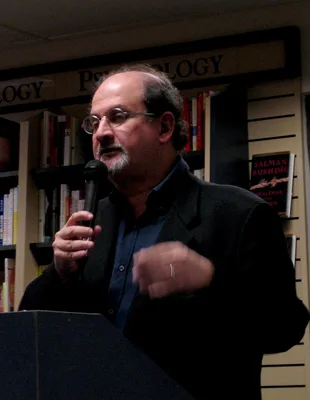
Salman Rushdie was raised in a secular Muslim family with an atheist father. He left no record of a crisis of faith, only an undated drift from childhood belief in the stories. He made his unbelief public through The Satanic Verses (1988), a novel about revelation "from the point of view of an unbeliever", which brought the 1989 fatwa. Under that threat he signed the Muslim creed in December 1990 and disowned it by 1992. After that his unbelief hardened, through "hard-line atheist" in 2006 to a stabbing in 2022 that brought, he said, no revelation.
Douglas Adams
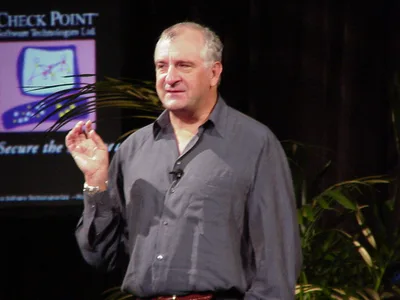
Douglas Adams was a committed schoolboy Christian who lost his faith in two steps fifteen years apart. At about eighteen a street evangelist showed him that the standards of proof he had learned at school did not apply to religion, and he became an agnostic without an alternative explanation of life. In his thirties Dawkins's books gave him one, and he became, in his own careful words, convinced that there is no god. He held that position to the end, while his tone moved from comedy to the puddle and the "artificial god", keeping the carols and the Bach.

Narendra Dabholkar
Narendra Dabholkar was a Satara doctor who had long since stopped believing in God. In 1982 he gave up medicine to fight superstition, and built a movement that, against his first wish, stayed neutral on God and attacked only fraud and exploitation. He defended that compromise as right for the cause. He was shot dead in Pune in 2013, and the law he fought for, which protects worship and never mentions God, was issued within days of his death.
Annie Laurie Gaylor
Annie Laurie Gaylor is a third-generation freethinker raised without religion, with no faith to lose. She met religion first as "under God" in a fifth-grade pledge, and then as the force her mother blamed for women's oppression. From 1976, when at twenty she co-founded the Freedom From Religion Foundation, she expressed her unbelief as a single demand: keep religion out of government. She pressed it through pickets, books and lawsuits the courts mostly turned away on standing, and after 2004, as co-president, through billboards and bus signs. The method changed; the conviction, as far as the record shows, did not.