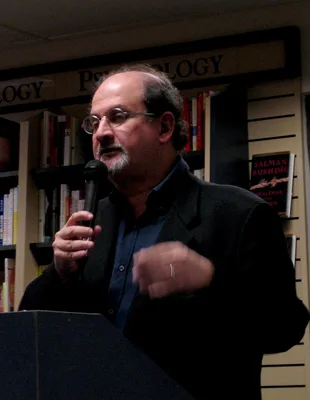
Salman Rushdie was raised in a secular Muslim family with an atheist father. He left no record of a crisis of faith, only an undated drift from childhood belief in the stories. He made his unbelief public through The Satanic Verses (1988), a novel about revelation "from the point of view of an unbeliever", which brought the 1989 fatwa. Under that threat he signed the Muslim creed in December 1990 and disowned it by 1992. After that his unbelief hardened, through "hard-line atheist" in 2006 to a stabbing in 2022 that brought, he said, no revelation.
The belief timeline
- Faith (childhood) (1947–c. 1960) — Born into a Muslim family in Bombay that was by his account secular and mostly non-religious (father an atheist); a devout grandfather; "nothing was sacred" to the boy, yet on some level he believed the stories; in 1989 he says he "used to be more religious" than he is. How much he believed, and until when, is not dated [34][35][37][40]
- Doubt (undated; before 1989 (roster says teens; no source found)) — Loses belief; by 1989 "lapsed" and not believing in God. Contributing factors found: a household of non-believers, a grandfather he could tell he was not sure of God, boarding school in England from 13, and at Cambridge the 1966 reading of the Muhammad special subject, which gave him the "satanic verses" story (a source of the novel, not a loss of faith). No account of the moment of loss was reachable [34][35][38][39][40]
- Declaration (1988-09-26 (novel); earliest dated plain statement of unbelief, winter 1988–89) — Publishes The Satanic Verses, a novel written "from the point of view of an unbeliever"; the first dated plain statement of his own unbelief is the BOMB interview ("lapsed Muslim"); after the fatwa he states it publicly in February 1990 (ICA lecture; "In Good Faith"). A novel is not a declaration of atheism; see Open questions [5][40][42][43][49]
- Revision (1990-12-24) — Signs the Muslim creed and disavows what offends, in an attempt to end the death threat; by March 1992 he calls it the "so-called conversion statement" and regrets signing it [21][44][46]
- Reaffirmation (2006–2024) — "A hard-line atheist" (2006); "not religious" (2012); "my godlessness remains intact", and surviving the 2022 stabbing brought no revelation (2024) [48][49][51][52]
Notes to the timeline (16)
- [34] The Rushdie family was Muslim but secular; Rushdie says he came from "a family of mostly non-religious people" (his youngest sister Nabeelah, who died young, was devout) and that he was "the son of an atheist" — David Remnick, "The Defiance of Salman Rushdie", The New Yorker, 6 Feb 2023 (issue 13 Feb 2023): a profile based on interviews with Rushdie.
research/texts/newyorker-2023-defiance.txt. Tier 2/3, ("The family was Muslim, but secular"); Salman Rushdie, Knife: Meditations After an Attempted Murder, Random House, 2024; read in the German translation by Bernhard Robben, Knife: Gedanken nach einem Mordversuch, Penguin Verlag, 2024 (ebook OCR,research/texts/knife-2024.txt). Chapter numbers 1–8 are the book's; the English wording was not seen, so the German is not quoted as Rushdie's own words, ch. 3 and ch. 7; CBS/NPR 2024 ("secular Muslim family"). - [35] His mother's father was a devout, believing Muslim (pilgrimage to Mecca, five daily prayers) and the most tolerant, open-minded man he knew; Rushdie says he would tell him "I'm not sure I believe in God", and the grandfather answered with humour — "Bill Moyers on Faith & Reason: Bill Moyers and Salman Rushdie", PBS, 23 Jun 2006, transcript at pbs.org/moyers/faithandreason/print/faithandreason101_print.html.
research/texts/pbs-moyers-2006-transcript.txt. - [37] As a boy he took in religious stories as stories: "nothing was sacred" to him, yet on some level he believed them all; later he says the gods "bumping into you in the street" of India shaped his writing and his sense of realism — Remnick, "The Defiance of Salman Rushdie"; "Bill Moyers on Faith & Reason:…".
- [40] In a BOMB interview published in spring 1989 (apparently conducted before the fatwa) he accepted the description "lapsed Muslim": he "used to be more religious" than now; "lapsed" means he does not believe in God or an external Supreme Being; he considers himself shaped by Muslim culture, a student of it; he is working out spiritual values that are internal, not validated from outside — "Salman Rushdie by Ameena Meer", BOMB 27 (Spring 1989), online 1 Apr 1989,.
- [38] He was at boarding school in England from the age of thirteen (January 1961), where he sang the Messiah in the Rugby chapel and enjoyed the music; the school chapel and, later, King's College chapel are the church he remembers with affection — Rushdie, Knife, ch. 2 and ch. 7; "Bill Moyers on Faith & Reason:…"; Remnick, "The Defiance of Salman Rushdie".
- [39] At Cambridge in 1966 he chose a new special subject, "Muhammad, the Rise of Islam and the Early Caliphate", read under Arthur Hibbert, and met the "Satanic verses" story ("Good story"); in 1967 a lecture by Nikolaus Pevsner on Gothic and Renaissance churches struck him as placing the human at the centre rather than God — Salman Rushdie, "The Disappeared", The New Yorker, 10 Sep 2012 (issue of 17 Sep 2012), an extract from Joseph Anton (third person).
research/texts/newyorker-2012-the-disappeared.txt; Remnick, "The Defiance of Salman Rushdie"; Jennifer Bardi, "Such a Voice Is Needed: The Humanist Interview with Salman Rushdie", The Humanist, 22 Oct 2019 (Nov–Dec 2019 issue), with Rushdie's acceptance text "Humanism's Great Lesson".research/texts/humanist-interview.txt. - [5] Penguin Viking published The Satanic Verses in London on 26 September 1988 — HL 5 Mar 1990 cc1018–19 (Lord Harris of Greenwich); Rushdie, "The Disappeared", (British edition, Monday 26 Sep 1988).
- [42] In the Herbert Read lecture "Is Nothing Sacred?" (ICA, 6 Feb 1990, read by Harold Pinter) he said his sense of god had ceased to exist long ago, that he had described himself as living after the death of god, that his "post-godliness" did not need to bring him into conflict with belief, and that he had never felt the need to make his lack of belief something to go to war about; now he asks whether he finds something sacred after all (the freedom of the imagination), and proposes art and the novel as a secular answer to the needs religion meets (awe, answers, a code to live by) — Salman Rushdie, "Is Nothing Sacred?", Herbert Read Memorial Lecture, ICA London, 6 Feb 1990, delivered by Harold Pinter; Granta pamphlet; web copy at granta.com/is-nothing-sacred (read through a Wayback copy of 18 Dec 2024).
research/texts/granta-is-nothing-sacred.txt. - [43] In February 1990 essays and interviews (including the Independent, 4 Feb 1990) he apologised for the anguish, asked Muslims to reread the book as a parable, and said that since he did not consider himself a Muslim and did not believe in God he could not be an apostate or heretic; he still wanted the paperback and criticised the DPP's decision — Martin Kramer, "The Invasion of Islam", in Ami Ayalon (ed.), Middle East Contemporary Survey, vol. XIV, 1990 (Westview Press, Boulder, with the Moshe Dayan Center, Tel Aviv University, 1992), pp. 177–181; the section "Rushdie's Return to Islam" is at pp. 179–180. Internet Archive item
invasion_of_islam_1990;research/texts/invasion-of-islam.txt. In copyright; paraphrase, p. 179 and n. 6. Reported at second hand; the original has not been seen. - [49] In the 2012 memoir extract he calls The Satanic Verses an "artistic engagement with the phenomenon of revelation... from the point of view of an unbeliever"; says he came from a Muslim culture of honour and shame "even though he was not religious" — Rushdie, "The Disappeared"; Pankaj Mishra, review of Joseph Anton, Guardian, 18 Sep 2012.
research/texts/guardian-2012-09-18-joseph-anton-review.txt. - [21] On 24 Dec 1990 Rushdie released a four-point statement before Egyptian and other Muslim scholars: the Muslim creed; disavowal of anything in the novel insulting the Prophet or Islam; no paperback and no further translations "while any risk of further offense exists"; continued work for understanding of Islam — Chris Hedges, "Rushdie Seeks to Mend His Rift With Islam", New York Times, 25 Dec 1990, Section 1, p. 9 (read in a Wayback copy of 26 Jun 2023; includes the AP text of the 24 Dec statement).
research/texts/nyt-1990-12-25-hedges.txt. Copyright; paraphrase only, (AP text, Section 1, p. 9); Kramer, Middle East Contemporary Survey, pp. 179–180; BBC On This Day, "1990: Iranian leader upholds Rushdie fatwa" (26 Dec). Copyright; paraphrase, ("renewed his faith in Islam on Christmas Eve"). - [44] The 24 Dec 1990 statement was organised by Hisham al-'Issawi, a dentist and president of the Islamic Society for the Promotion of Religious Tolerance, with Egyptian backing; signed in the presence of Muhammad 'Ali Mahjub; the Egyptian scholars called it a conversion; Rushdie's own words described a journey of "intellectual understanding of religion" in which "religion for me has always meant Islam" — Kramer, Middle East Contemporary Survey, pp. 179–180; Hedges, "Rushdie Seeks to Mend His Rift With Islam".
- [46] In March 1992 the Washington Post described Rushdie as a "secular" Muslim; he said the lowest point came after December 1990, regretted "the so-called conversion statement", which he said was not written by him, and said there was "not the faintest" glimmer of compromise on the other side — Al Kamen, Washington Post, 25 Mar 1992, republished 15 Aug 2022 as "In 1992, Salman Rushdie wasn't sure he'd ever be safe" (Wayback copy).
research/texts/wapo-2022-08-15-kamen-1992.txt. - [48] In 2006 he told Moyers "I'm a hard-line atheist"; religions are "created out of human imagination"; our moral sense "precedes religion"; religion at its best builds King's College Chapel and at its worst murders people; atheists, he jokes, are obsessed with God — "Bill Moyers on Faith & Reason:…".
- [51] In Knife (2024) he writes that all his life he was an atheist, son of an atheist and father of two atheists (Zafar silent about it, Milan open); that he is "not religious"; that he wants to set out his views on religion one last time; that "my godlessness remains intact" and will not change in his "second life"; that he will no longer defend The Satanic Verses and is proud of it — Rushdie, Knife, ch. 1 (lines 867–875), ch. 3, ch. 7 (German ed.).
- [52] After the stabbing he says there was no heavenly choir, no revelation "except that there's no revelation to be had"; death comes as the end; survival feels like a miracle he cannot explain, "a contradiction" for someone who does not believe in the supernatural — "Salman Rushdie on the 2022 attack that nearly took his life", 60 Minutes, Anderson Cooper, first broadcast 14 Apr 2024 (web transcript updated 8 Feb 2026).
research/texts/cbs-60min-2024-knife.txt; Rushdie, Knife, ch. 3.
The Satanic Verses
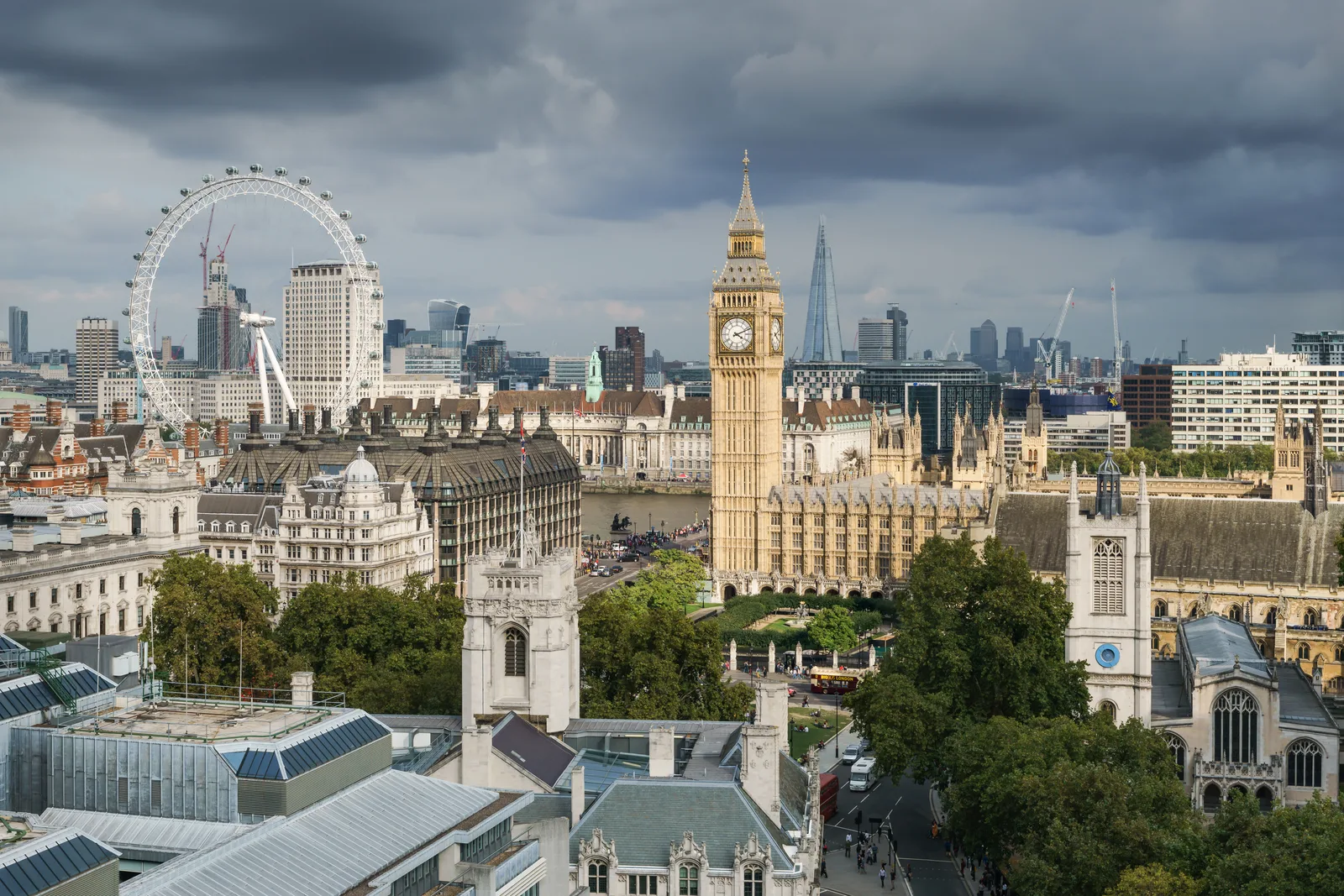
On 5 March 1990 a Labour peer, Lord Harris of Greenwich, read into the record of the House of Lords the English text of a sentence of death pronounced thirteen months before:
I inform the proud Moslem people of the world that the author of The Satanic Verses book which is against Islam, the Prophet, and the Koran, and all those involved in its publication who were aware of its content, are sentenced to death. I ask all the Moslems to execute them wherever they find them12
The words were Ayatollah Khomeini's, of 14 February 1989, and the author was Salman Rushdie. "He has committed no offence known to our law," Lord Harris said; "all he has done is to exercise his right to free speech in a democracy."3 This chapter asks how a novelist from a secular Muslim family came to write, in his own words, a novel about revelation from the point of view of an unbeliever, and what the decades of threat that followed did to his unbelief.
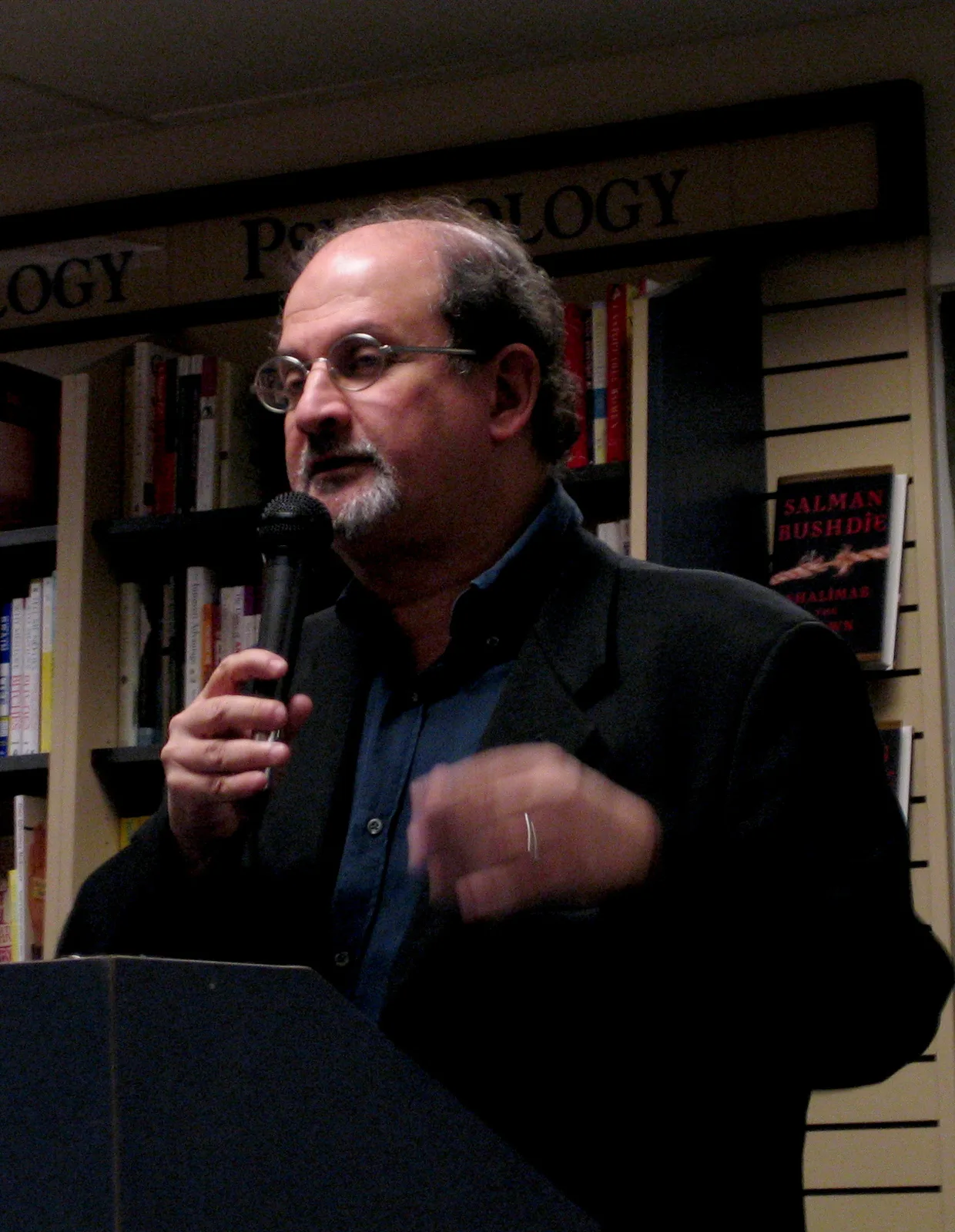
Bombay
He was born to Muslim parents in Bombay on 19 June 1947.4 The family, as the journalist David Remnick puts it, was Muslim but secular, and Rushdie himself says he came from a family of mostly non-religious people and was the son of an atheist; his father had taken the name Rushdie in honour of the medieval philosopher Ibn Rushd, Averroes.56 His mother's father was devout, a pilgrim to Mecca who prayed five times a day, and the most tolerant and open-minded man Rushdie knew; the boy could tell him that he was not sure he believed in God, and the old man answered with humour.7 As a child he took in the stories of the gods as stories; nothing was sacred to him, Remnick writes, yet on some level he believed them all.8
How religious he was as a boy, and when he stopped believing, the sources do not settle. In 1989 he said that he used to be more religious than he was; in 1990 he wrote that he had never been brought up as a believer; accounts differ, and no account of a moment of loss has been found.91011 On his timeline, both the faith and the doubt are inferred.
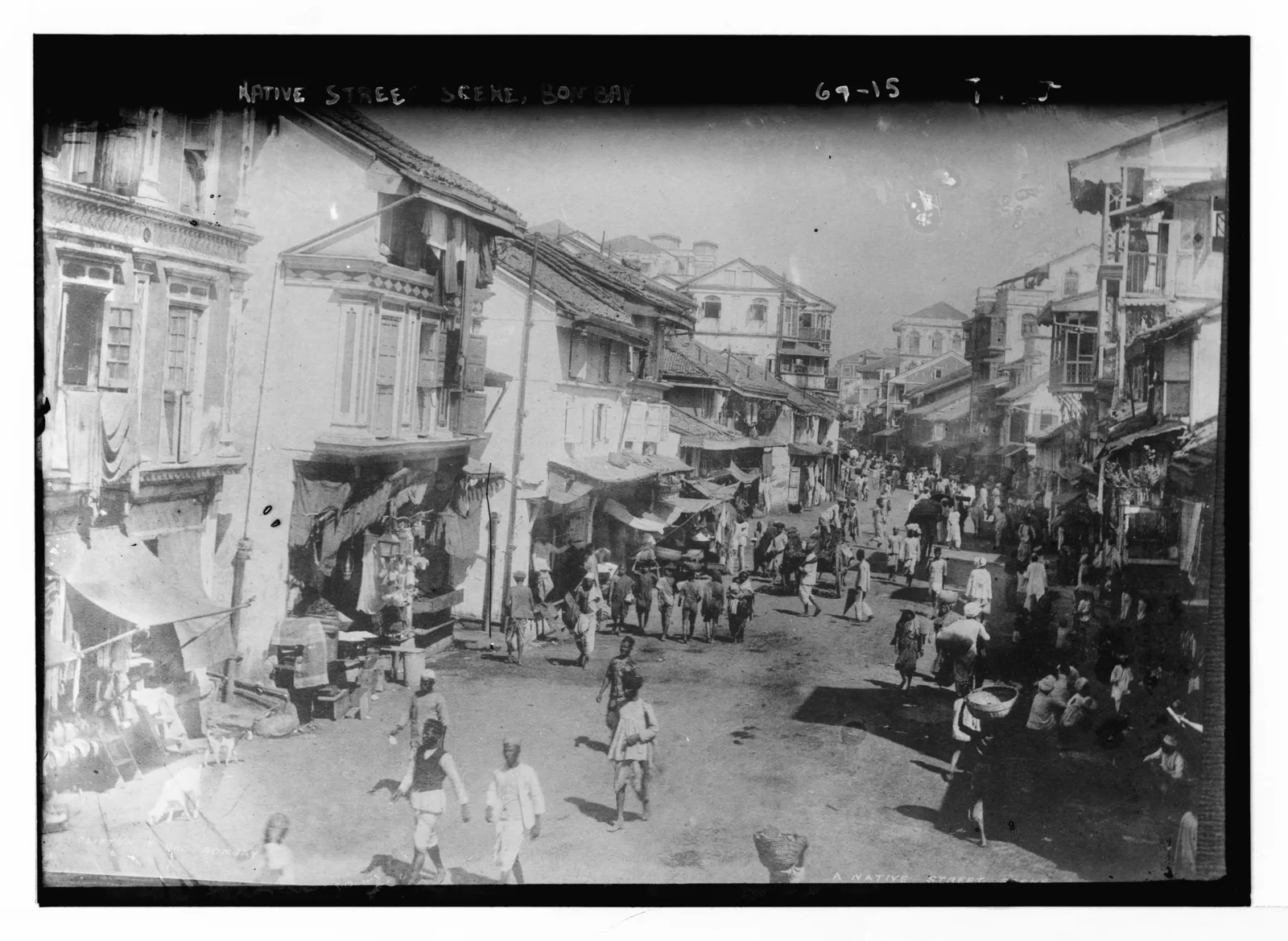
Rugby and King's
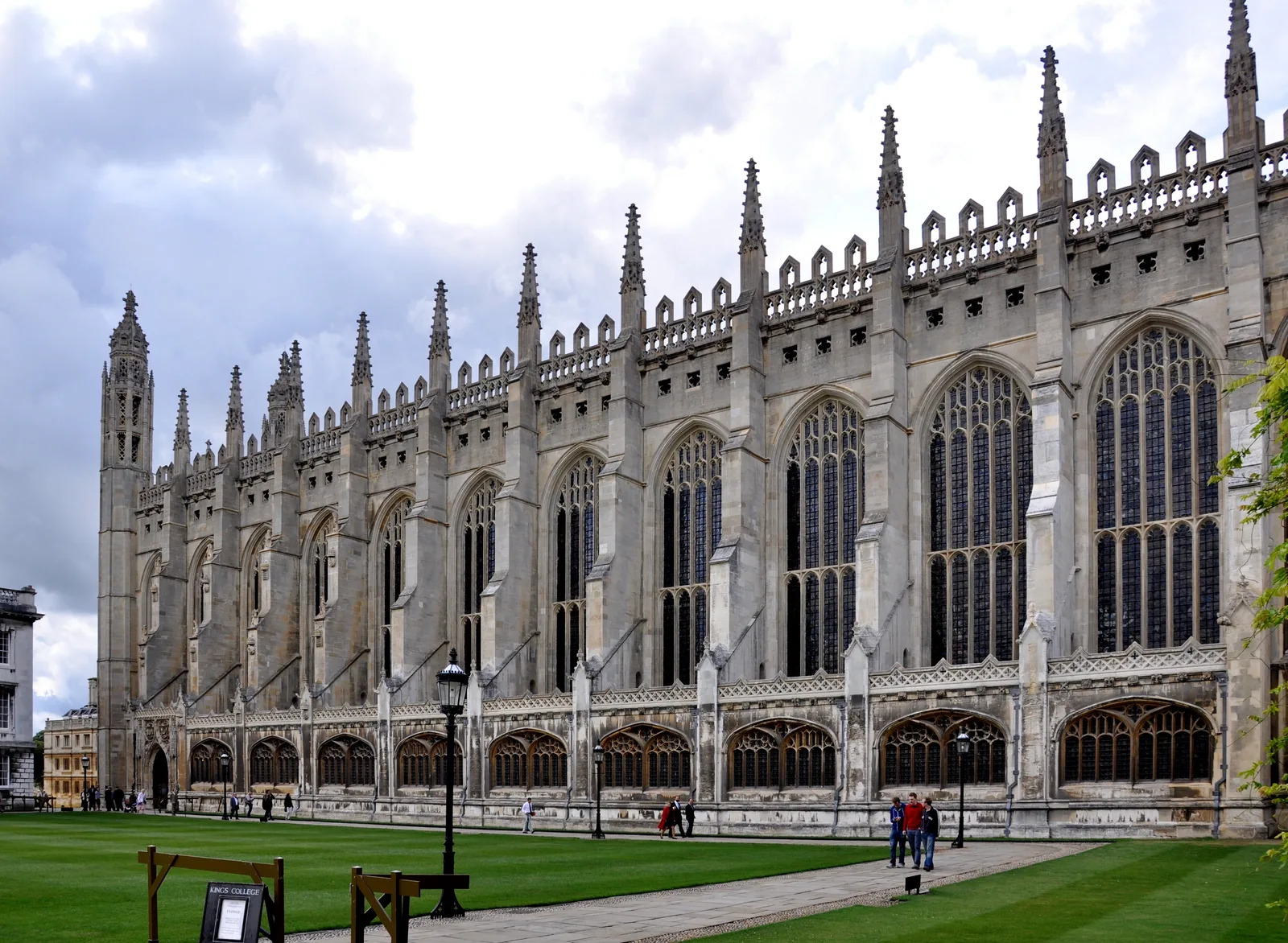
In January 1961, at thirteen, he flew with his father to England and went to Rugby School, where he sang Handel's Messiah in the chapel and loved the music.1213 He read history at King's College, Cambridge, and graduated in 1968; the school chapel and King's College Chapel, he said, are the churches he remembers with affection.1413 In 1966, choosing a special subject on Muhammad and the rise of Islam, he came on the story of the "satanic verses"; it was, he thought, a good story.15
The novel
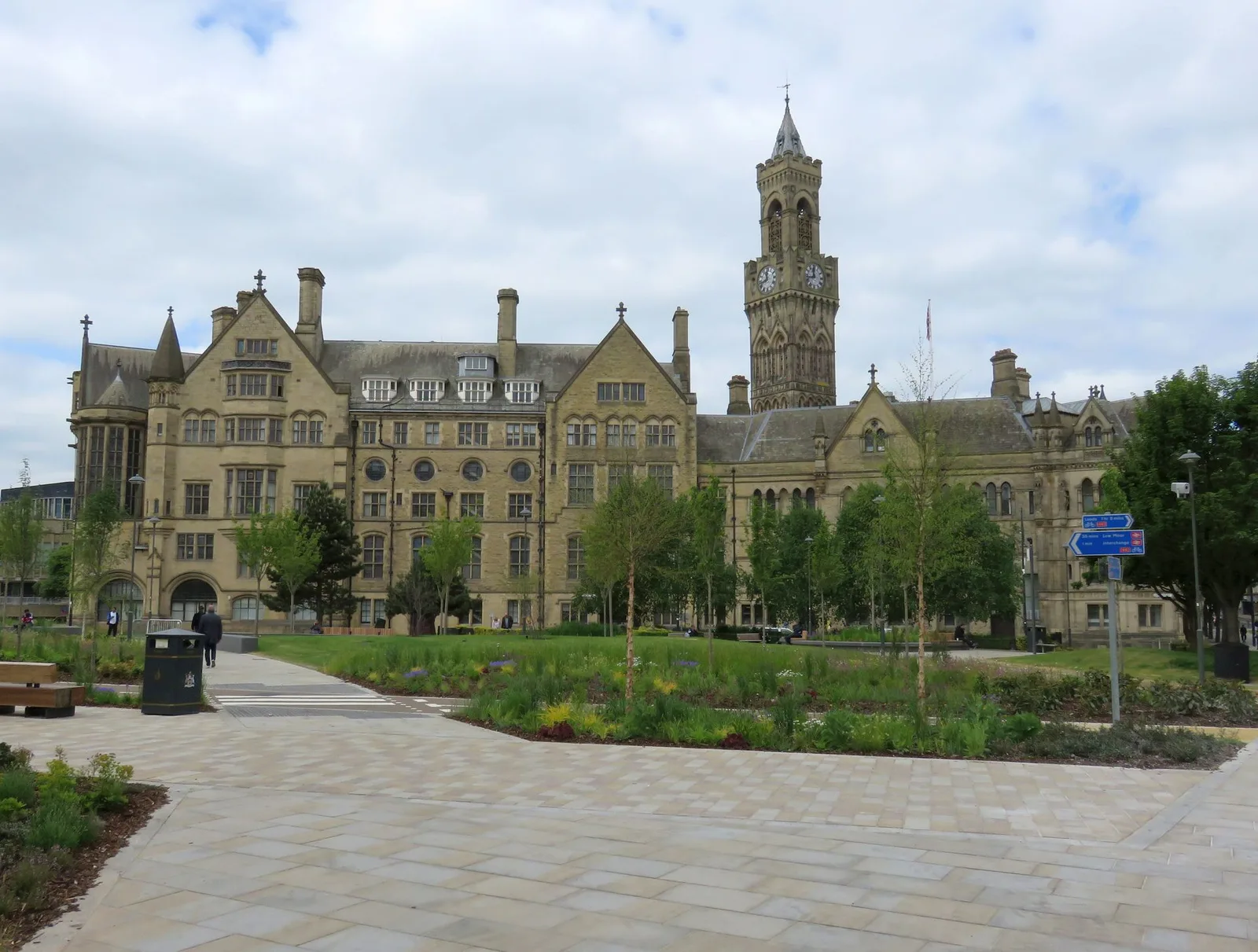
The Satanic Verses was published in London on 26 September 1988 and won the Whitbread Prize for novels that November.1617 He had expected, he said later, that some religious conservatives would object, but nothing like what came, though he also said he knew what he was doing in the passages that gave offence.18 Within weeks the book was banned in many countries with Muslim majorities, and early in 1989 a group of Muslims in Bradford ceremonially burned a copy.1920 In an interview published that spring, apparently given before the fatwa, he accepted the description "lapsed Muslim": he no longer believed in God or in an external supreme being, though he was shaped by Muslim culture more than any other.10 He later called the novel an artistic engagement with revelation from the point of view of an unbeliever.21 On the belief timeline, this is the declaration: a novel first, and a plain statement only in an interview.
The fatwa
In February 1989 thousands marched on the American Cultural Center in Islamabad, and five were shot dead.22 On 14 February Khomeini pronounced the sentence.2 That day the Metropolitan Police decided he needed protection, and within a day he was in a safe house.23 On 21 February the Foreign Secretary, Sir Geoffrey Howe, told the House of Commons that the sentence was
an attack, not only on the author and publishers of the book, but on the fundamental freedoms for which our society stands: the freedom of expression, religious tolerance and the rule of law.2425
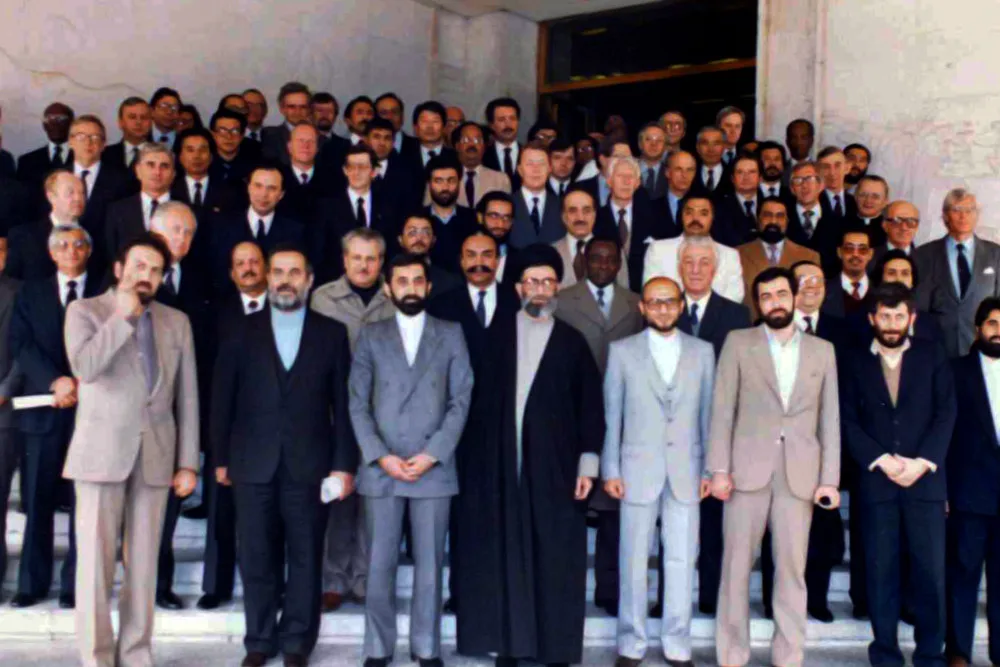
He reported that Rushdie had issued a statement at the weekend apologising for any distress caused to Muslims by his book; Rushdie later said he loathed the text, which officials had prepared for him, and thought it useless.262728 The Iranian president, Ali Khamenei, had suggested the sentence might be lifted if Rushdie apologised; Khomeini answered that he must die even if he became the most pious of Muslims.29 Britain withdrew its embassy staff from Tehran, and in March Iran broke off relations.2530 On 14 March the US House of Representatives resolved that it
condemns the death threats issued by Ayatollah Ruhollah Khomeini against Salman Rushdie and others associated with the publication and distribution of his book The Satanic Verses3132
Khomeini died in June 1989, and his successors reaffirmed the edict.33
The other side
The opposition was not all of one kind. In the Commons debate of 21 February 1989, the Labour spokesman Gerald Kaufman quoted Zaki Badawi, chairman of the Imams and Moslems Council: "Any incitement to violence would be contrary to our faith," and it would be slander to imply that Khomeini spoke for Muslim opinion.343536 Kaufman held that authors must have the right, within the law, to write and publish freely, and that Muslims offended by what had been published had the right, within the law, to express their distress.3738 Several members who condemned the threats still found the book, as one of them put it, "deeply offensive to Islam."39 The Bishop of Manchester, who had read it with some care, told the Lords that what Muslim leaders wanted understood was the depth of the offence; but he argued for repealing the blasphemy law, which protected only Christianity, because "God does not need that kind of protection."404142 Others wanted the sentence carried out. Kalim Siddiqui of the Muslim Institute declared, as a peer quoted him, that "everywhere Muslim masses have endorsed the Imam's fatwa on Rushdie."4344 Some writers were hostile too: John le Carré, Remnick reports, wanted the book withdrawn until a calmer time, and Roald Dahl called its author a dangerous opportunist.45
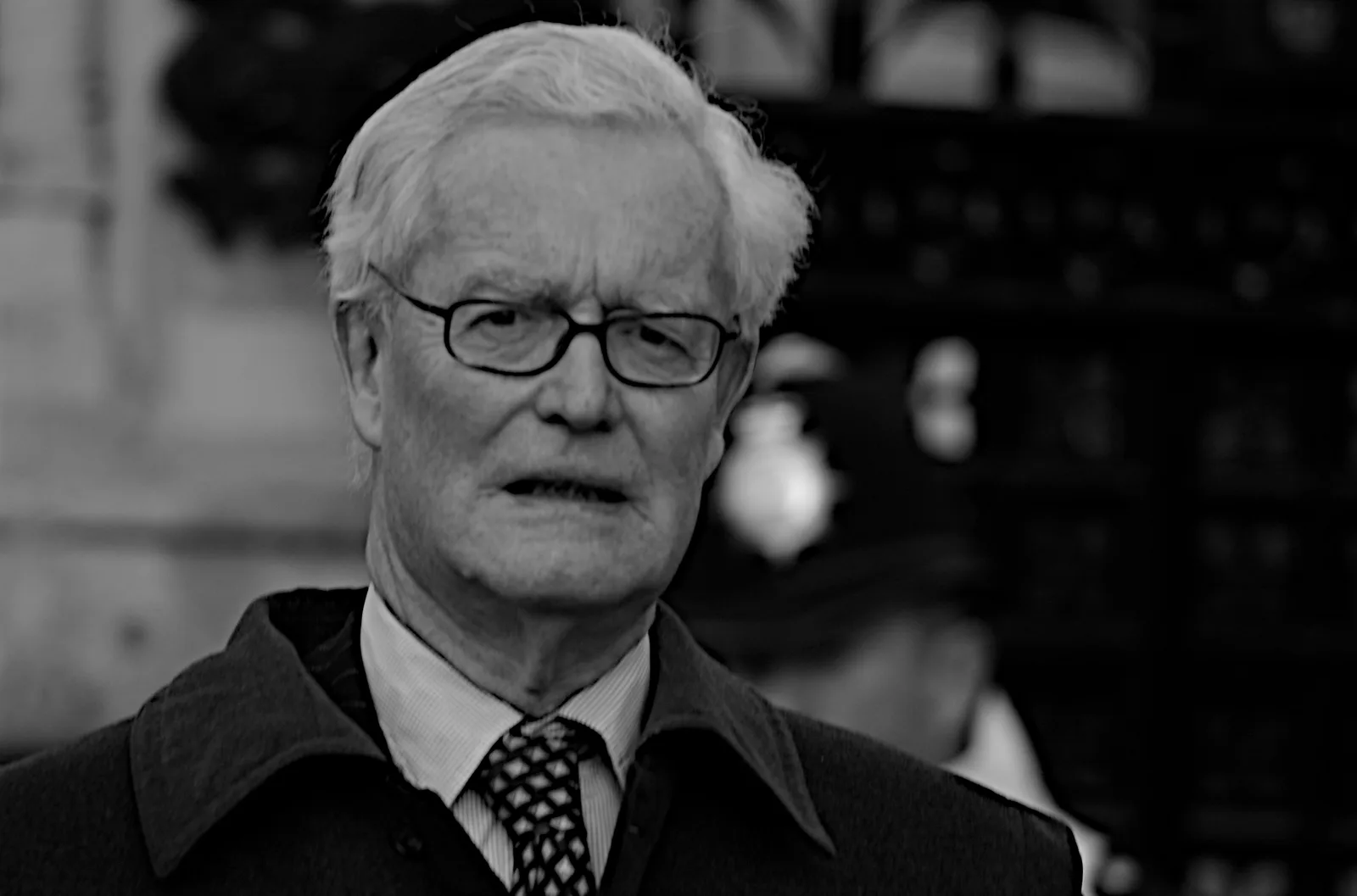
Is nothing sacred?
On 6 February 1990 his lecture "Is Nothing Sacred?" was read for him by Harold Pinter at the Institute of Contemporary Arts in London. His sense of God, he said, had ceased to exist long ago; he lived after the death of God, and had never felt the need to make his lack of belief something to go to war about. Now he asked whether something was sacred to him after all, and answered with the freedom of the imagination, offering art and the novel as a secular answer to the needs religion met.46 That month he wrote that since he did not consider himself a Muslim and did not believe in God, he could not be an apostate or a heretic.47
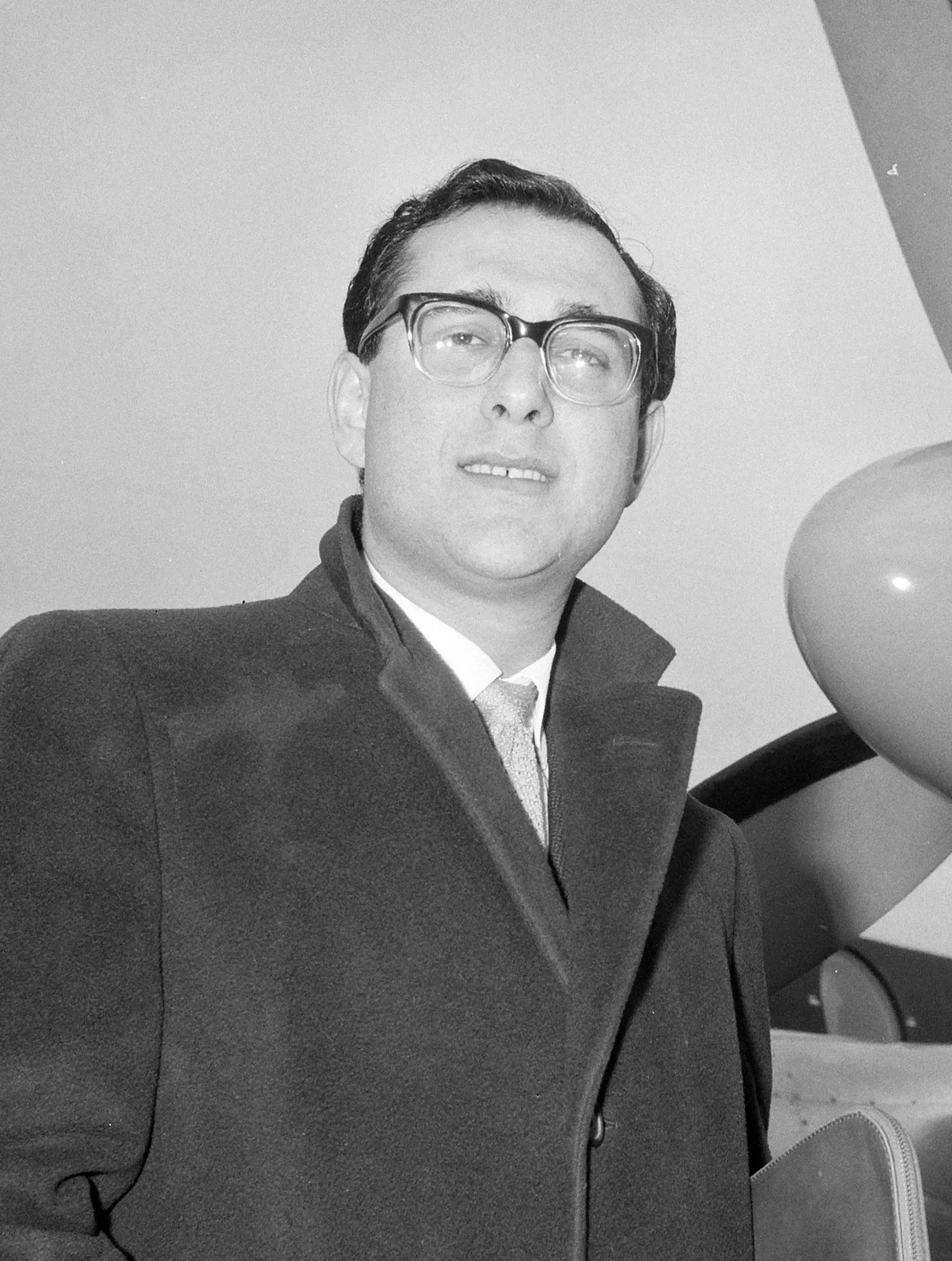
The conversion statement
On 24 December 1990, before Egyptian and other Muslim scholars, he signed a statement affirming the Muslim creed, disavowing anything in the novel that insulted the Prophet or Islam, and promising no paperback and no further translations while any risk of offence remained.4849 In The Times that week, two secondary sources report, he wrote that although he came from a Muslim family he had never been brought up as a believer, but that he could now say he was a Muslim, though certainly not a good one.11 Two days later Khamenei said that the decree remained unchanged even if he repented.50 By March 1992 Rushdie called it the so-called conversion statement, not written by him, and said he should not have signed it.5152 No source shows that he ever came to believe; his memoir, a reviewer writes, presents it as fear and confusion.53 On his timeline, this is the revision: a profession of faith made under threat and disowned within fifteen months.
Hard-line atheist
In September 1998 Iran's foreign minister told Britain, as a British minister reported to the Commons, that his government would
take no action whatsoever to threaten the life of Salman Rushdie or anybody associated with his work, nor will it encourage or assist anybody to do so.5455
As a peer warned, a fatwa cannot technically be withdrawn.56 In 2006 Rushdie told an American interviewer that he was a hard-line atheist; religions were made from human imagination, and our moral sense came before religion; at its best religion built King's College Chapel, and at its worst it murdered people.57 He was knighted in 2007.58 In 2012, in his memoir Joseph Anton, he called himself an unbeliever.5921 In 2019 the American Humanist Association named him its Humanist of the Year, and he said he had always felt part of the humanist community.60
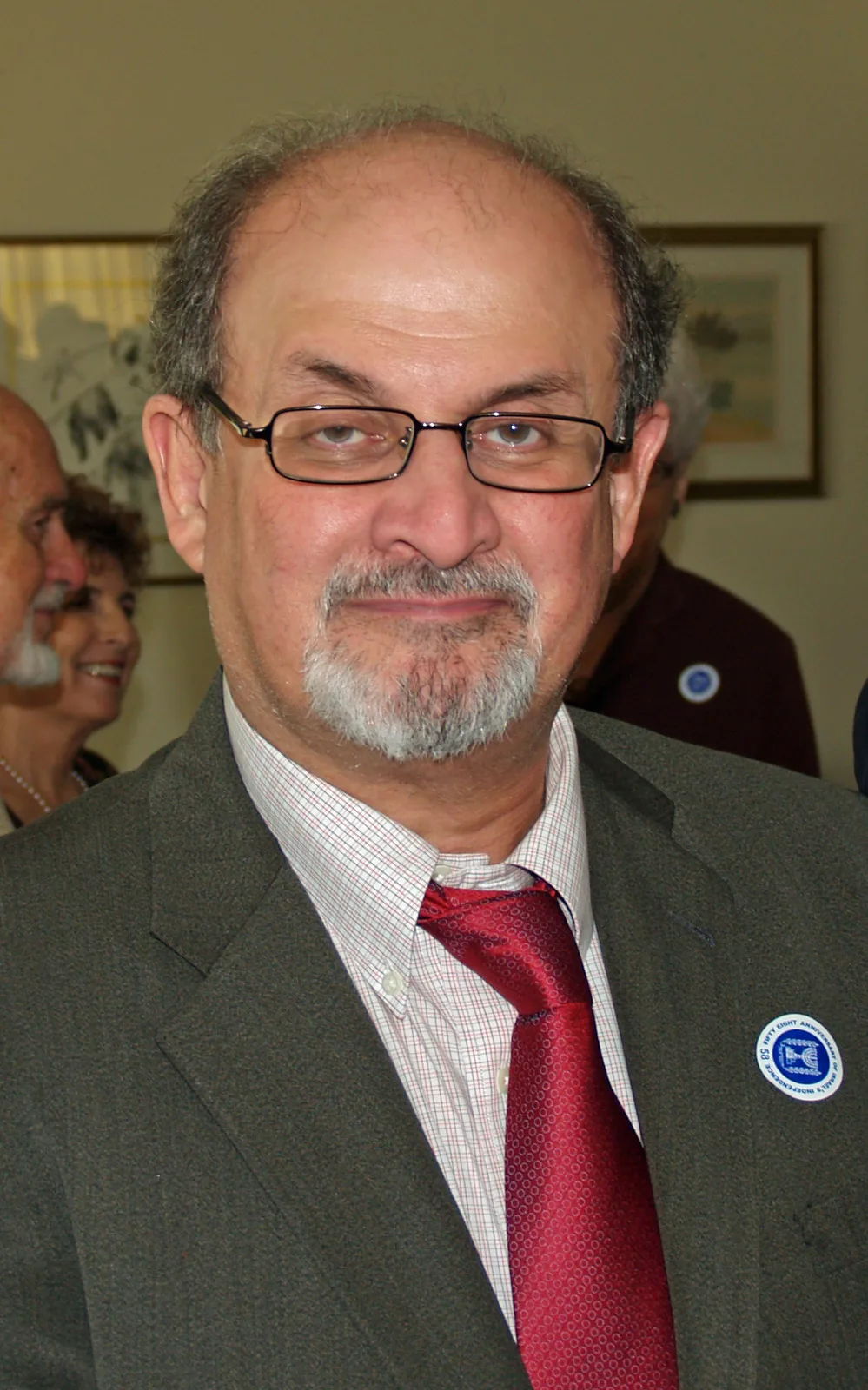
Knife
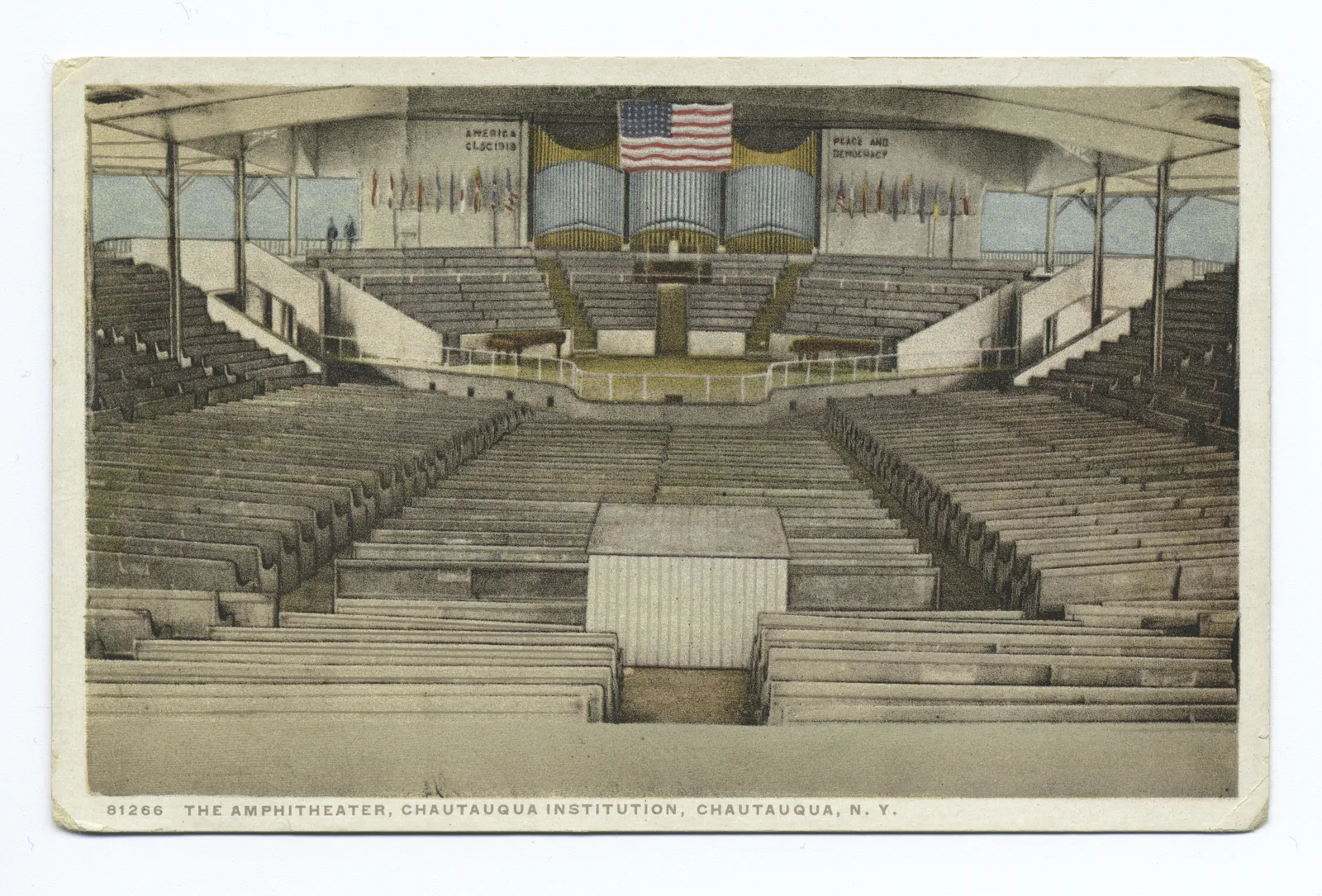
On 12 August 2022, about to give a talk at the Chautauqua Institution in New York State, he was stabbed fifteen times in about twenty-seven seconds, and lost the sight of his right eye; the moderator, Henry Reese, was also wounded.6162 His attacker was convicted in 2025 and sentenced to twenty-five years.63 In Knife (2024) Rushdie wrote that he had been an atheist all his life, the son of an atheist and the father of two, and that his godlessness remained intact.64 When he was asked what he had seen at the edge of death, he said there had been no heavenly choir and no revelation, except that there was no revelation to be had; that he had survived felt to him like a miracle he could not explain, a contradiction for a man who did not believe in the supernatural.65 On his timeline, this is the reaffirmation.
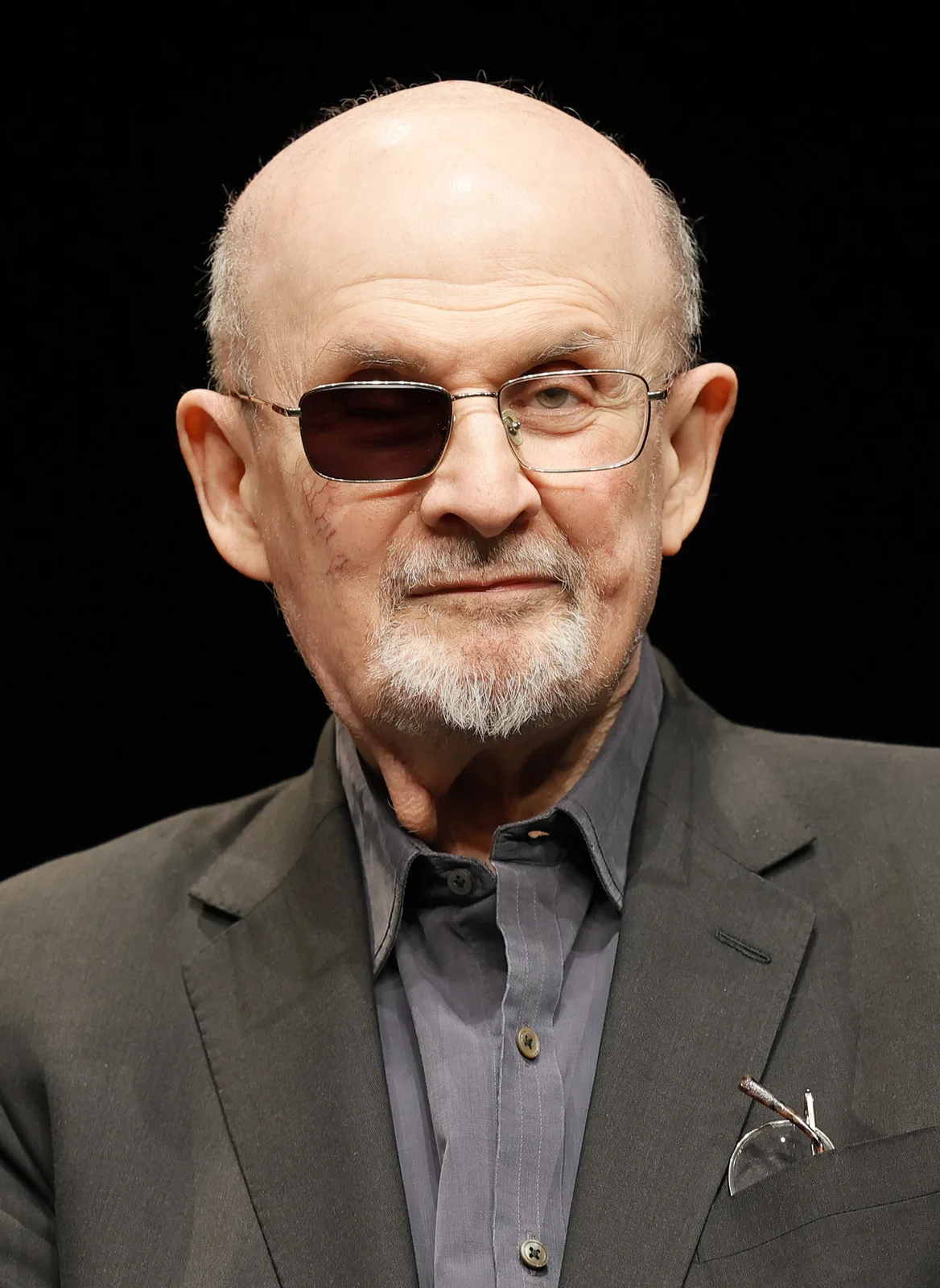
Did his unbelief change shape?
He grew up among unbelievers, and his unbelief, by his own later account, was never a crisis. He made it public first through a novel, and the novel turned it into a matter of life and death. Under that pressure it bent once: for fifteen months in 1990 and 1991 he called himself a Muslim, then said he should not have. After that it straightened and hardened, through "hard-line atheist" in 2006 to a knife in 2022 that brought, he said, no revelation. What he called sacred, from 1990 on, was not a god but the freedom to imagine.
Taslima Nasrin, the Bangladeshi writer driven into exile by a fatwa in 1994, has her own chapter in this book.
Footnotes
-
Ayatollah Khomeini, 14 Feb 1989, as read into the record by Lord Harris of Greenwich: HL Deb 5 Mar 1990 vol 516 cc1018–19. ↩
-
Commons, "Iran", HC Deb vol 147 cc839–46. Open Parliament Licence.
research/texts/hans-1989-02-21-iran.txt, c839 (Howe); HL 5 Mar 1990 cc1018–19 (Harris quotes the words); Salman Rushdie, "The Disappeared", The New Yorker, 10 Sep 2012 (issue of 17 Sep 2012), an extract from Joseph Anton (third person).research/texts/newyorker-2012-the-disappeared.txt. ↩ ↩2 -
Lord Harris of Greenwich, Labour peer: HL Deb 5 Mar 1990 vol 516, within cc1018–23. ↩
-
Chris Hedges, "Rushdie Seeks to Mend His Rift With Islam", New York Times, 25 Dec 1990, Section 1, p. 9 (read in a Wayback copy of 26 Jun 2023; includes the AP text of the 24 Dec statement).
research/texts/nyt-1990-12-25-hedges.txt. Copyright; paraphrase only, (news report); Salman Rushdie, Knife: Meditations After an Attempted Murder, Random House, 2024; read in the German translation by Bernhard Robben, Knife: Gedanken nach einem Mordversuch, Penguin Verlag, 2024 (ebook OCR,research/texts/knife-2024.txt). Chapter numbers 1–8 are the book's; the English wording was not seen, so the German is not quoted as Rushdie's own words, (German ed., author note: born 1947 in Bombay); David Remnick, "The Defiance of Salman Rushdie", The New Yorker, 6 Feb 2023 (issue 13 Feb 2023): a profile based on interviews with Rushdie.research/texts/newyorker-2023-defiance.txt. Tier 2/3, (grew up in Bombay). ↩ -
Remnick, "The Defiance of Salman Rushdie", ("The family was Muslim, but secular"); Rushdie, Knife, ch. 3 and ch. 7; CBS/NPR 2024 ("secular Muslim family"). ↩
-
Rushdie, Knife, ch. 7. ↩
-
"Bill Moyers on Faith & Reason: Bill Moyers and Salman Rushdie", PBS, 23 Jun 2006, transcript at pbs.org/moyers/faithandreason/print/faithandreason101_print.html.
research/texts/pbs-moyers-2006-transcript.txt. ↩ -
Remnick, "The Defiance of Salman Rushdie"; "Bill Moyers on Faith & Reason:…". ↩
-
"Salman Rushdie by Ameena Meer", BOMB 27 (Spring 1989), online 1 Apr 1989,, ("used to be more religious"); Salman Rushdie, "Is Nothing Sacred?", Herbert Read Memorial Lecture, ICA London, 6 Feb 1990, delivered by Harold Pinter; Granta pamphlet; web copy at granta.com/is-nothing-sacred (read through a Wayback copy of 18 Dec 2024).
research/texts/granta-is-nothing-sacred.txt, ("long ago"); Rushdie, Knife, ch. 3 (atheist all his life). Joseph Anton, the likely source, not read. Not verified. ↩ -
Mohamed Arshad Ahmedi, Rushdie: Haunted by his unholy ghosts, 3rd ed., Islam International Publications, Tilford, 2007 (first ed. Avon Books, London, 1997); pp. 138–141 on the 1990 statement. An Ahmadiyya author; a hostile account, with a conspiracy argument that this sheet does not adopt.
research/texts/haunted-unholy-ghosts.txt, pp. 139–141 (title, date and quotations); Martin Kramer, "The Invasion of Islam", in Ami Ayalon (ed.), Middle East Contemporary Survey, vol. XIV, 1990 (Westview Press, Boulder, with the Moshe Dayan Center, Tel Aviv University, 1992), pp. 177–181; the section "Rushdie's Return to Islam" is at pp. 179–180. Internet Archive iteminvasion_of_islam_1990;research/texts/invasion-of-islam.txt. In copyright; paraphrase, p. 180 n. 7 (cites The Times, 28 Dec 1990, for the passage on his "own way towards an intellectual understanding of religion"). Reported at second hand; the original has not been seen. ↩ ↩2 -
Rushdie, Knife, ch. 2 (flew to England with his father in January 1961, boarding-school life to begin; Rugby named in ch. 7); Remnick, "The Defiance of Salman Rushdie", ("At the age of thirteen ... sent off to Rugby"). ↩
-
Rushdie, Knife, ch. 2 and ch. 7; "Bill Moyers on Faith & Reason:…"; Remnick, "The Defiance of Salman Rushdie". ↩ ↩2
-
Rushdie, Knife, ch. 2 (graduated at King's, 1968); Rushdie, "The Disappeared", (second year of history, 1966); "Bill Moyers on Faith & Reason:…", (King's, window onto the chapel); Remnick, "The Defiance of Salman Rushdie". ↩
-
Rushdie, "The Disappeared"; Remnick, "The Defiance of Salman Rushdie"; Jennifer Bardi, "Such a Voice Is Needed: The Humanist Interview with Salman Rushdie", The Humanist, 22 Oct 2019 (Nov–Dec 2019 issue), with Rushdie's acceptance text "Humanism's Great Lesson".
research/texts/humanist-interview.txt. ↩ -
HL 5 Mar 1990 cc1018–19 (Lord Harris of Greenwich); Rushdie, "The Disappeared", (British edition, Monday 26 Sep 1988). ↩
-
HL 5 Mar 1990 c1018 (Harris). ↩
-
Al Kamen, Washington Post, 25 Mar 1992, republished 15 Aug 2022 as "In 1992, Salman Rushdie wasn't sure he'd ever be safe" (Wayback copy).
research/texts/wapo-2022-08-15-kamen-1992.txt; "Salman Rushdie on the 2022 attack that nearly took his life", 60 Minutes, Anderson Cooper, first broadcast 14 Apr 2024 (web transcript updated 8 Feb 2026).research/texts/cbs-60min-2024-knife.txt; Rushdie, "The Disappeared". ↩ -
HL 5 Mar 1990 c1018 (Harris); Hedges, "Rushdie Seeks to Mend His Rift With Islam", (more than 20 countries). ↩
-
HL 5 Mar 1990 c1018 (Harris); Obituary of Kalim Siddiqui, Independent, April 1996; "New Muslim chief condemns Rushdie", Independent, 7 May 1996.
independent-siddiqui-obit.txt,independent-new-muslim-chief.txt, (Siddiqui obit: "burning of The Satanic Verses in Bradford in January"). ↩ -
Rushdie, "The Disappeared"; Pankaj Mishra, review of Joseph Anton, Guardian, 18 Sep 2012.
research/texts/guardian-2012-09-18-joseph-anton-review.txt. ↩ ↩2 -
Hedges, "Rushdie Seeks to Mend His Rift With Islam"; Rushdie, "The Disappeared", (two thousand protesters, Islamabad, 12 Feb, five shot dead). ↩
-
HC WA 9 Mar 1989 c605W (Hurd); HL 5 Mar 1990 c1019 (Harris); HC WA 1 Mar 1989 c181W (Hurd). ↩
-
Sir Geoffrey Howe: HC Deb 21 Feb 1989 vol 147 c839. ↩
-
Sir Geoffrey Howe: HC Deb 21 Feb 1989 vol 147 c839. ↩
-
Commons, "Iran" (1989), c839 (Howe); HL 5 Mar 1990 c1034 (Cledwyn, mis-dated 1990; see Disputed points); Ahmedi, Rushdie, p. 138 gives The Times, 20 Feb 1989 as its place of printing. ↩
-
Rushdie, "The Disappeared". ↩
-
Commons, "Iran" (1989), c839 (Howe); Kramer, Middle East Contemporary Survey, p. 178 (Khameneh'i suggested pardon on apology; Khomeini answered that Rushdie must die "even if he became the most pious of Muslims"). ↩
-
Commons, "Iran (Diplomatic Relations)", vol 148 cc895–9.
hans-1989-03-08-iran-dipl.txt, c895 (Howe), c895 (Kaufman). ↩ -
House of Representatives, 14 Mar 1989: H. Res. 102 (101st Congress), resolved clause (1). ↩
-
H. Res. 102, 101st Congress, engrossed in House 14 Mar 1989 (US government document, public domain); Congress.gov action log. ↩
-
Hedges, "Rushdie Seeks to Mend His Rift With Islam"; BBC On This Day, "1990: Iranian leader upholds Rushdie fatwa" (26 Dec). Copyright; paraphrase; Kramer, Middle East Contemporary Survey, p. 177. ↩
-
Dr Zaki Badawi, chairman of the Imams and Moslems Council, quoted by Gerald Kaufman: HC Deb 21 Feb 1989 vol 147 c840. ↩
-
Dr Zaki Badawi, as above: HC Deb 21 Feb 1989 c840. ↩
-
Commons, "Iran" (1989), c840 (Kaufman quoting Badawi). ↩
-
Gerald Kaufman, for the Opposition: HC Deb 21 Feb 1989 vol 147 c840. ↩
-
Gerald Kaufman: HC Deb 21 Feb 1989 vol 147 c840. ↩
-
David Steel MP, Liberal Democrat, upholding "the absolute freedom to write and to publish": HC Deb 8 Mar 1989 vol 148 c896. ↩
-
The Lord Bishop of Manchester, who says he had read the book "with some care": HL Deb 5 Mar 1990 vol 516 c1032. ↩
-
The Lord Bishop of Manchester: HL Deb 5 Mar 1990 vol 516 c1033. ↩
-
HC 7 Mar 1990 cc886–7 (Cryer); HL WA 22 Mar 1989 c816WA (Earl Ferrers). ↩
-
Dr Kalim Siddiqui, director of the Moslem Institute, as quoted by Lord Hutchinson of Lullington from a lecture of 1 April 1989: HL Deb 5 Mar 1990 vol 516 c1026. ↩
-
Independent (1996), (obituary; 7 May 1996 report); Kramer, Middle East Contemporary Survey, p. 180. ↩
-
Remnick, "The Defiance of Salman Rushdie"; Mishra2012. ↩
-
Rushdie, "Is Nothing Sacred?". ↩
-
Kramer, Middle East Contemporary Survey, p. 179 and n. 6. ↩
-
Hedges, "Rushdie Seeks to Mend His Rift With Islam", (AP text, Section 1, p. 9); Kramer, Middle East Contemporary Survey, pp. 179–180; Day, "1990: Iranian leader upholds Rushdie fatwa", ("renewed his faith in Islam on Christmas Eve"). ↩
-
Kramer, Middle East Contemporary Survey, pp. 179–180; Hedges, "Rushdie Seeks to Mend His Rift With Islam". ↩
-
Day, "1990: Iranian leader upholds Rushdie fatwa"; Kramer, Middle East Contemporary Survey, p. 180 (Tehran radio, 26 Dec). ↩
-
WaPo1992, (Kamen, 25 Mar 1992); Mishra2012, (JA: "fear and confusion force him to re-embrace Islam"); Remnick, "The Defiance of Salman Rushdie", (he signed to calm the waters; true "in a way", for the culture). ↩
-
WaPo1992. ↩
-
Mishra2012, (reviewing Joseph Anton). ↩
-
Mr Fatchett, Minister of State, Foreign Office, reporting Dr Kharrazi's statement of 24 Sep 1998: HC Deb 28 Oct 1998 vol 318 cc198–9W. ↩
-
Iran (Mr Fatchett), vol 318 cc198–9W.
hans-1998-10-28-wa-iran.txt, cc198–9W (Fatchett); Lords, "Iran", vol 594 cc824–36.hans-1998-11-11-lords-iran.txt, cc828, 830, 832–4; "Bill Moyers on Faith & Reason:…", (the Kharrazi statement shown). ↩ -
Lord Desai: HL Deb 11 Nov 1998 vol 594 c828. ↩
-
"Bill Moyers on Faith & Reason:…". ↩
-
The London Gazette, issue 58358 (supplement), 16 Jun 2007, p. 1, Birthday Honours List, Knights Bachelor (Open Government Licence).
research/texts/gazette-58358-supp-p1.txt;, p. 1 (Knights Bachelor). ↩ -
Rushdie, "The Disappeared", (Sep 2012); Mishra2012, (18 Sep 2012); Review of Knife, Guardian, 15 Apr 2024.
research/texts/guardian-2024-04-15-knife-review.txt, (alias). ↩ -
Bardi, "Such a Voice Is Needed: The…". ↩
-
Ramon Antonio Vargas, Guardian, 12 Aug 2022 (archived copy read). Copyright; paraphrase, (original report); Guardian (2024), (15 stab wounds, 27 seconds, Henry Reese); "Salman Rushdie on the 2022 attack…"; Guardian 2025b. ↩
-
Guardian (2024); "Man found guilty of attempted murder in Salman Rushdie stabbing trial", 21 Feb 2025; [Guardian 2025b] "Man who stabbed Salman Rushdie sentenced to 25 years in prison", 16 May 2025; [Guardian 2026] "Salman Rushdie attacker faces US terrorism trial", 22 Jul 2026; [BBC 2025] "Salman Rushdie attacker found guilty of attempted murder and assault", 21 Feb 2025. Files
guardian-2025-02-21-verdict.txt,guardian-2025-05-16-sentenced.txt,guardian-2026-07-22-terrorism-trial.txt,bbc-2025-verdict.txt; Guardian 2026 (film piece, 18 Sep 2026). ↩ -
[Guardian 2025b]; BBC 2025; Guardian 2025b; "Salman Rushdie on the 2022 attack…", (25 years). ↩
-
Rushdie, Knife, ch. 1 (lines 867–875), ch. 3, ch. 7 (German ed.). ↩
-
"Salman Rushdie on the 2022 attack…"; Rushdie, Knife, ch. 3. ↩
research/texts/hans-1989-02-21-iran.txt.; Salman Rushdie, "The Disappeared", The New Yorker, 10 Sep 2012 (issue of 17 Sep 2012), an extract from Joseph Anton (third person). research/texts/newyorker-2012-the-disappeared.txt.; Chris Hedges, "Rushdie Seeks to Mend His Rift With Islam", New York Times, 25 Dec 1990, Section 1, p. 9 (read in a Wayback copy of 26 Jun 2023; includes the AP text of the 24 Dec statement). research/texts/nyt-1990-12-25-hedges.txt. Copyright; paraphrase only.; Salman Rushdie, Knife: Meditations After an Attempted Murder, Random House, 2024; read in the German translation by Bernhard Robben, Knife: Gedanken nach einem Mordversuch, Penguin Verlag, 2024 (ebook OCR, research/texts/knife-2024.txt). Chapter numbers 1–8 are the book's; the English wording was not seen, so the German is not quoted as Rushdie's own words.; David Remnick, "The Defiance of Salman Rushdie", The New Yorker, 6 Feb 2023 (issue 13 Feb 2023): a profile based on interviews with Rushdie. research/texts/newyorker-2023-defiance.txt. Tier 2/3.; "Bill Moyers on Faith & Reason: Bill Moyers and Salman Rushdie", PBS, 23 Jun 2006, transcript at pbs.org/moyers/faithandreason/print/faithandreason101_print.html. research/texts/pbs-moyers-2006-transcript.txt.; "Salman Rushdie by Ameena Meer", BOMB 27 (Spring 1989), online 1 Apr 1989,.; Salman Rushdie, "Is Nothing Sacred?", Herbert Read Memorial Lecture, ICA London, 6 Feb 1990, delivered by Harold Pinter; Granta pamphlet; web copy at granta.com/is-nothing-sacred (read through a Wayback copy of 18 Dec 2024). research/texts/granta-is-nothing-sacred.txt.; Mohamed Arshad Ahmedi, Rushdie: Haunted by his unholy ghosts, 3rd ed., Islam International Publications, Tilford, 2007 (first ed. Avon Books, London, 1997); pp. 138–141 on the 1990 statement. An Ahmadiyya author; a hostile account, with a conspiracy argument that this sheet does not adopt. research/texts/haunted-unholy-ghosts.txt.; Martin Kramer, "The Invasion of Islam", in Ami Ayalon (ed.), Middle East Contemporary Survey, vol. XIV, 1990 (Westview Press, Boulder, with the Moshe Dayan Center, Tel Aviv University, 1992), pp. 177–181; the section "Rushdie's Return to Islam" is at pp. 179–180. Internet Archive item invasion_of_islam_1990; research/texts/invasion-of-islam.txt. In copyright; paraphrase.; Jennifer Bardi, "Such a Voice Is Needed: The Humanist Interview with Salman Rushdie", The Humanist, 22 Oct 2019 (Nov–Dec 2019 issue), with Rushdie's acceptance text "Humanism's Great Lesson". research/texts/humanist-interview.txt.; Al Kamen, Washington Post, 25 Mar 1992, republished 15 Aug 2022 as "In 1992, Salman Rushdie wasn't sure he'd ever be safe" (Wayback copy). research/texts/wapo-2022-08-15-kamen-1992.txt.; "Salman Rushdie on the 2022 attack that nearly took his life", 60 Minutes, Anderson Cooper, first broadcast 14 Apr 2024 (web transcript updated 8 Feb 2026). research/texts/cbs-60min-2024-knife.txt.; Obituary of Kalim Siddiqui, Independent, April 1996; "New Muslim chief condemns Rushdie", Independent, 7 May 1996. independent-siddiqui-obit.txt, independent-new-muslim-chief.txt.; Pankaj Mishra, review of Joseph Anton, Guardian, 18 Sep 2012. research/texts/guardian-2012-09-18-joseph-anton-review.txt.; Commons, "Iran (Diplomatic Relations)", vol 148 cc895–9. hans-1989-03-08-iran-dipl.txt.; H. Res. 102, 101st Congress, engrossed in House 14 Mar 1989 (US government document, public domain).; BBC On This Day, "1990: Iranian leader upholds Rushdie fatwa" (26 Dec). Copyright; paraphrase.; Iran (Mr Fatchett), vol 318 cc198–9W. hans-1998-10-28-wa-iran.txt.; Lords, "Iran", vol 594 cc824–36. hans-1998-11-11-lords-iran.txt.; The London Gazette, issue 58358 (supplement), 16 Jun 2007, p. 1, Birthday Honours List, Knights Bachelor (Open Government Licence). research/texts/gazette-58358-supp-p1.txt;.; Review of Knife, Guardian, 15 Apr 2024. research/texts/guardian-2024-04-15-knife-review.txt.; Ramon Antonio Vargas, Guardian, 12 Aug 2022 (archived copy read). Copyright; paraphrase.; "Man found guilty of attempted murder in Salman Rushdie stabbing trial", 21 Feb 2025; [Guardian 2025b] "Man who stabbed Salman Rushdie sentenced to 25 years in prison", 16 May 2025; [Guardian 2026] "Salman Rushdie attacker faces US terrorism trial", 22 Jul 2026; [BBC 2025] "Salman Rushdie attacker found guilty of attempted murder and assault", 21 Feb 2025. Files guardian-2025-02-21-verdict.txt, guardian-2025-05-16-sentenced.txt, guardian-2026-07-22-terrorism-trial.txt, bbc-2025-verdict.txt.In their own words
I inform the proud Moslem people of the world that the author of The Satanic Verses book which is against Islam, the Prophet, and the Koran, and all those involved in its publication who were aware of its content, are sentenced to death. I ask all the Moslems to execute them wherever they find them
On 14 February, Ayatollah Khomeini made a statement inciting Moslems to violence against Mr. Salman Rushdie, the author, and the publishers of "The Satanic Verses".
As the House knows, Mr. Rushdie issued a statement at the weekend apologising for any distress caused to Moslems by his book.
It was an attack, not only on the author and publishers of the book, but on the fundamental freedoms for which our society stands: the freedom of expression, religious tolerance and the rule of law.
In this free democracy, authors must have the right, within the law, to write and publish freely.
In this free democracy, Moslems offended and affronted by what has been published have the right, within the law, to give full expression to their concern, their distress and their sense of serious affront to their religious convictions.
we uphold in this country the fundamental principle that there is a freedom to write and to speak peacefully
condemns the death threats issued by Ayatollah Ruhollah Khomeini against Salman Rushdie and others associated with the publication and distribution of his book The Satanic Verses
He has committed no offence known to our law. All he has done is to exercise his right to free speech in a democracy.
In my understanding, God does not need that kind of protection.
He made it clear that his Government will take no action whatsoever to threaten the life of Salman Rushdie or anybody associated with his work, nor will it encourage or assist anybody to do so.
although the Rushdie fatwa has been officially disowned, fatwas cannot technically be withdrawn
Ahmed Salman Rushdie, Author. For services to Literature.
The other side
Any incitement to violence would be contrary to our faith.
It would be slander to imply that Ayatollah Khomeini is an accepted and recognised voice of Moslem opinion.
many of us will regret that they should have been occasioned by publication of a work which is clearly and understandably offensive to our Moslem friends.
a book that many of us recognise is deeply offensive to Islam, not least to the Moslem population of this country
the insult that this book represents to the Moslem world
has through his writings, which in my opinion are scurrilous and blasphemous, greatly offended the Arab world and caused great offence to many devout Moslems
What leaders of the Moslem communities want us to appreciate is the depth of offence that has been caused by the publication of The Satanic Verses.
Everywhere Muslim masses have endorsed the Imam's fatwa on Rushdie.
According to Islam Rushdie must be punished. I put Islamic law first, British law second
Personally, I am not attracted to Mr. Rushdie's book; I found The Satanic Verses turgid and hard going although the style may be good.
Mr. Rushdie's life has been threatened in a way which entitles him, like any British citizen, to request protection
Where accounts differ
| Point | One account | Another | How the page handles it |
|---|---|---|---|
| How religious Rushdie was as a boy | BOMB1989: "I used to be more religious than I am"; Moyers2006: he told his devout grandfather he was not sure he believed in God | Times, 28 Dec 1990 (via Ahmedi2007, Kramer1992): "never brought up as a believer ... secular humanism"; Knife: son of an atheist, family mostly non-religious; Remnick2023: "on some level he believed" the stories | Say "accounts differ". The two 1989–90 statements were made in different circumstances (a literary interview; a statement meant to reassure Muslims). Do not claim a childhood faith crisis; none is on record |
| Date of the first apology | Hansard HC 21 Feb 1989 c839: "at the weekend" (18/19 Feb 1989); Ahmedi2007 cites The Times of 20 Feb 1989 | Lord Cledwyn, HL 5 Mar 1990 c1034, says "18th February 1990"; the year is plainly a slip, since the Foreign Secretary reported it a year earlier | Use 1989 and say "the weekend of 18 February"; do not repeat the 1990 date. Tell the audience in a lower-third only if the date is given |
| Who reaffirmed the fatwa on 9 Feb 1990 | Lord Cledwyn, HL 5 Mar 1990 c1035, says Khomeini did on 9th February | Khomeini died in June 1989 (NYT 1990, BBC 1990, Kramer1992), so the speaker must mean his successor, Khamenei, or a different date | Do not use the 9 Feb 1990 item until the date and speaker are checked in a free source |
| Rushdie's state of mind in 1990 | NYT1990 / BBC 1990: he "renewed his faith in Islam" (the Egyptian scholars called it a conversion) | WaPo1992: "the so-called conversion statement ... was not even written by me ... I shouldn't have done it"; Remnick2023: he reasoned it was true "in a way", for the culture, though he did not believe in the supernatural; Mishra2012: fear and confusion | Say "accounts differ" and give both once: the statement named the Muslim creed; he later disowned the wording; no source shows he ever came to believe |
| Whether the 1990 statement was "retracted" | The earlier draft of this sheet and the brief: "retracted afterwards" | No formal retraction found; WaPo1992 shows regret within fifteen months, and his later books (Knife 2024) say he no longer wishes to defend the book but express no regret for it | Say "he disowned it", not "retracted", until Joseph Anton is read |
| The title of the 1990 essay | The brief: "Why I Have Embraced Islam" | Not found in a free source; Ahmedi2007 p. 139 and Kramer1992 n. 7 place a Times article of 28 Dec 1990 under that heading or on that subject | Title and date are secondhand; use "an article in The Times that month" unless the article is seen |
| How many threats were prosecutable | DPP, via Lord Chancellor, HL 19 Feb 1990: insufficient evidence in every case | Lord Harris, Lord Hutchinson, Lord Simon of Glaisdale: evidence existed, and a prosecution could be refused only on public-policy grounds (HL 5 Mar 1990 cc1019–29) | Present as a dispute between the Law Officers and several peers |
| Size and nature of the offence | Muslim critics in Hansard speak of "insult" to the Prophet; Rushdie's defenders speak of literature and free speech | The Bishop of Manchester notes that the book's harshest passages were aimed at Britain and racism, not Islam (HL 5 Mar 1990 c1032); Rushdie himself said he meant an "engagement ... from the point of view of an unbeliever" (NYer2012) | Put both and let the viewer see the book was read differently by different readers |
| Matar's birthplace | BBC 2025: born in Fairview, New Jersey, to Lebanese parents | Guardian 2026: "a US-Lebanese dual citizen born in California" | Say "of Fairview, New Jersey" (the residence all sources give); do not give a birthplace |
| When Matar was "convicted" | Guardian 2025a, BBC 2025: jury verdict 21 Feb 2025; Guardian 2025b: sentence 16 May 2025 | Guardian 2026: "convicted last May" | Treat the 2026 phrase as a slip for the May sentence; give Feb 2025 (verdict) and May 2025 (sentence) |
List of illustrations
This page uses only public-domain and Creative Commons images; each is credited with its source and licence.
- Salman Rushdie (Barcelona, 2005) — Ken Conley (kwc), 2005-10-03 · Salman Rushdie (Barcelona, 2005), Ken Conley (kwc), via Wikimedia Commons (CC BY-SA 2.0); attribution required · CC BY-SA 2.0 (Wikimedia Commons licence label)
- Street scene, Bombay, India — Bain News Service, 1922 · Street scene, Bombay, India, George Grantham Bain Collection, Prints and Photographs Division, Library of Congress · Public domain (photograph of 1922, published before 1931; the Library of Congress states it does not own rights and gives no restriction)
- Rugby School Chapel, Dunchurch Road, Rugby (NHLE 1183714) — User:Hassocks5489, 2024-03-24 · Rugby School Chapel, Dunchurch Road, Rugby (NHLE 1183714), User:Hassocks5489, via Wikimedia Commons (CC0) · CC0 (Wikimedia Commons licence label)
- King's College Chapel, Cambridge — Andreas Praefcke, 2011-06-18 · King's College Chapel, Cambridge, Andreas Praefcke, via Wikimedia Commons (CC BY 3.0); attribution required · CC BY 3.0 (Wikimedia Commons licence label)
- Bradford Town Hall — Gerald England, 2025-05-19 · Bradford Town Hall, Gerald England, via Wikimedia Commons (CC BY-SA 2.0); attribution required · CC BY-SA 2.0 (Wikimedia Commons licence label)
- President Ali Khamenei meets foreign chargés d'affaires and ambassadors, Tehran — Khamenei.ir, 1989-02-09 · President Ali Khamenei meets foreign chargés d'affaires and ambassadors, Tehran, Khamenei.ir, via Wikimedia Commons (CC BY 4.0); attribution required · CC BY 4.0 (Wikimedia Commons licence label)
- The Palace of Westminster from the dome of Methodist Central Hall — Colin, 2014-09-21 · The Palace of Westminster from the dome of Methodist Central Hall, Colin, via Wikimedia Commons (CC BY-SA 4.0); attribution required · CC BY-SA 4.0 (Wikimedia Commons licence label)
- Douglas Hurd heads for the Lords — Steve Punter (Flickr), 2007-11-22 · Douglas Hurd heads for the Lords, Steve Punter (Flickr), via Wikimedia Commons (CC BY 2.0); attribution required · CC BY 2.0 (Wikimedia Commons licence label)
- Harold Pinter in Holland for The Birthday Party — Jack de Nijs for Anefo (Dutch National Archives), 1962-03-01 · Harold Pinter in Holland for The Birthday Party, Jack de Nijs for Anefo (Dutch National Archives), via Wikimedia Commons (CC0) · CC0 (Wikimedia Commons licence label)
- Salman Rushdie at a breakfast for Amos Oz, New York, 24 September 2008 — David Shankbone, 2008-09-24 · Salman Rushdie at a breakfast for Amos Oz, New York, 24 September 2008, David Shankbone, via Wikimedia Commons (CC BY-SA 3.0); attribution required · CC BY-SA 3.0 (Wikimedia Commons licence label)
- The Amphitheater, Chautauqua Institution, Chautauqua, N. Y. (postcard 81266) — Publisher not stated (postcard in the NYPL collection; scan by NYPL), after 1898 · The Amphitheater, Chautauqua Institution, Chautauqua, N. Y. (postcard 81266), Publisher not stated (postcard in the NYPL collection; scan by NYPL), via Wikimedia Commons (Public domain) · Public domain (Wikimedia Commons licence label; NYPL postcard, published before 1931)
- Salman Rushdie at the Knife book launch, Deutsches Theater Berlin, international literature festival berlin — Elena Ternovaja, 2024-05-16 · Salman Rushdie at the Knife book launch, Deutsches Theater Berlin, international literature festival berlin, Elena Ternovaja, via Wikimedia Commons (CC BY-SA 3.0); attribution required · CC BY-SA 3.0 (Wikimedia Commons licence label)
Sources
Tier 1 — the subject's own words (writings, letters, diaries, trial records)
- [BOMB1989] "Salman Rushdie by Ameena Meer", BOMB 27 (Spring 1989), online 1 Apr 1989, https://bombmagazine.org/articles/salman-rushdie/.
research/texts/bomb-1989-meer-interview.txt. Conducted in London before the fatwa (he receives her in his living room; hiding is not mentioned). - [Granta1990] Salman Rushdie, "Is Nothing Sacred?", Herbert Read Memorial Lecture, ICA London, 6 Feb 1990, delivered by Harold Pinter; Granta pamphlet; web copy at granta.com/is-nothing-sacred (read through a Wayback copy of 18 Dec 2024).
research/texts/granta-is-nothing-sacred.txt. - [NYer2012] Salman Rushdie, "The Disappeared", The New Yorker, 10 Sep 2012 (issue of 17 Sep 2012), an extract from Joseph Anton (third person).
research/texts/newyorker-2012-the-disappeared.txt. - [Knife] Salman Rushdie, Knife: Meditations After an Attempted Murder, Random House, 2024; read in the German translation by Bernhard Robben, Knife: Gedanken nach einem Mordversuch, Penguin Verlag, 2024 (ebook OCR,
research/texts/knife-2024.txt). Chapter numbers 1–8 are the book's; the English wording was not seen, so the German is not quoted as Rushdie's own words. - [SV] The Satanic Verses, Viking, 1988; a 2008 Random House text (
satanic-verses-2008.txt) read for the loss-of-faith passages of the characters only (fiction; not evidence about his own history). - [JosephAnton] Joseph Anton: A Memoir (Jonathan Cape / Random House, 2012). Lending copies at the Internet Archive (josephantonmemoi00salm and three others) are closed to guest access; not read. Known only through [NYer2012], [Mishra2012], [Remnick2023].
- [ImaginaryHomelands] Imaginary Homelands (Granta, 1991), including "In Good Faith" (Independent on Sunday, 4 Feb 1990): closed lending copies; not read. "In Good Faith" is known only through [Kramer1992].
- [Moyers2006] "Bill Moyers on Faith & Reason: Bill Moyers and Salman Rushdie", PBS, 23 Jun 2006, transcript at pbs.org/moyers/faithandreason/print/faithandreason101_print.html.
research/texts/pbs-moyers-2006-transcript.txt. - [CBS2024] "Salman Rushdie on the 2022 attack that nearly took his life", 60 Minutes, Anderson Cooper, first broadcast 14 Apr 2024 (web transcript updated 8 Feb 2026).
research/texts/cbs-60min-2024-knife.txt. - [Humanist2019] Jennifer Bardi, "Such a Voice Is Needed: The Humanist Interview with Salman Rushdie", The Humanist, 22 Oct 2019 (Nov–Dec 2019 issue), with Rushdie's acceptance text "Humanism's Great Lesson".
research/texts/humanist-interview.txt. - The 24 Dec 1990 statement: text taken from the AP version printed in [NYT1990]; the Feb 1989 apology text appears in [NYer2012] and [Ahmedi2007].
Tier 2 — scholarly biographies and encyclopedias
- [Kramer1992] Martin Kramer, "The Invasion of Islam", in Ami Ayalon (ed.), Middle East Contemporary Survey, vol. XIV, 1990 (Westview Press, Boulder, with the Moshe Dayan Center, Tel Aviv University, 1992), pp. 177–181; the section "Rushdie's Return to Islam" is at pp. 179–180. Internet Archive item
invasion_of_islam_1990;research/texts/invasion-of-islam.txt. In copyright; paraphrase. - [Remnick2023] David Remnick, "The Defiance of Salman Rushdie", The New Yorker, 6 Feb 2023 (issue 13 Feb 2023): a profile based on interviews with Rushdie.
research/texts/newyorker-2023-defiance.txt. Tier 2/3. - Not read (closed lending copies, or not found): Malise Ruthven, A Satanic Affair (1990); Kenan Malik, From Fatwa to Jihad (2009); Lisa Appignanesi and Sara Maitland (eds.), The Rushdie File (1989); Shabbir Akhtar, Be Careful with Muhammad! (1989); Daniel Pipes, The Rushdie Affair (1990); Ziauddin Sardar, Distorted Imagination (1990); Conversations with Salman Rushdie (2000).
Tier 2b — official and legislative records (free; openly licensed or public domain)
- [Gazette2007] The London Gazette, issue 58358 (supplement), 16 Jun 2007, p. 1, Birthday Honours List, Knights Bachelor (Open Government Licence).
research/texts/gazette-58358-supp-p1.txt; https://www.thegazette.co.uk/London/issue/58358/supplement/1. - [HC 21 Feb 1989] Commons, "Iran", HC Deb vol 147 cc839–46. Open Parliament Licence.
research/texts/hans-1989-02-21-iran.txt. https://api.parliament.uk/historic-hansard/commons/1989/feb/21/iran - [HL 21 Feb 1989] Lords, "Iran: Withdrawal of UK Mission".
research/texts/hans-1989-02-21-lords-iran.txt(saved; not yet cited). - [HC 6 Mar 1989] Commons, "The Satanic Verses", HC Deb vol 148 c618 (Standing Order No. 20 application, refused).
hans-1989-03-06-sv.txt. - [HC 8 Mar 1989] Commons, "Iran (Diplomatic Relations)", vol 148 cc895–9.
hans-1989-03-08-iran-dipl.txt. - [HC WA 1989] Written Answers, Home Office: 24 Feb (c838W), 1 Mar (c181W), 9 Mar (c605W), 5 Jul (cc194–5W), 19 Oct (c183W) 1989; FCO 13 Mar 1989 (cc25–6W). Files
hans-1989-02-24-…,…03-01-…,…03-09-…,…03-13-…,…07-05-…,…10-19-…. - [HL 12 Apr 1989] Lords, "Mr. Salman Rushdie: Police Protection", vol 506 cc250–1.
hans-1989-04-12-lords-police.txt. - [HL WA 1989] Lords Written Answers 15 Nov (c1400WA), 11 Dec 1989 (cc1205–6WA); 22 Mar 1989 blasphemy law (c816WA).
- [HC 30 Jun 1989] Commons, "Blasphemy" (Greenway Bill presented) vol 155 c1211; [HC 7 Jul 1989] vol 156 c655.
- [HL 19 Feb 1990] Lords, "Mr. Salman Rushdie: Death Threats", vol 516 cc8–11; [HL 20 Feb 1990] (saved, not yet cited); [HL 5 Mar 1990] Lords debate, vol 516 cc1018–42.
hans-1990-02-19-lords-threats.txt,hans-1990-03-05-lords-threats.txt. - [HC 6 Mar 1990] Blasphemy (Greenway), vol 168 c731; [HC 7 Mar 1990] Blasphemy (No. 2) (Cryer), vol 168 cc886–8.
- [HC WA 1990] 15 Feb 1990 (cc371–2W); 20 Dec 1990 (c279W and c330W); 15 Jan 1991 (protection costs).
- [HC 28 Oct 1998 WA] Iran (Mr Fatchett), vol 318 cc198–9W.
hans-1998-10-28-wa-iran.txt. - [HL 11 Nov 1998] Lords, "Iran", vol 594 cc824–36.
hans-1998-11-11-lords-iran.txt. - [HRes102] H. Res. 102, 101st Congress, engrossed in House 14 Mar 1989 (US government document, public domain). https://www.congress.gov/101/bills/HRES102/BILLS-hres102eh.htm.
hres102-engrossed.html. Actions via the Congress.gov API: introduced 2 Mar 1989 by Rep. George Miller; considered under suspension 14 Mar; agreed to by voice vote, 14 Mar 1989.
Tier 3 — popular biographies and journalism (facts only; none is quoted)
- [NYT1990] Chris Hedges, "Rushdie Seeks to Mend His Rift With Islam", New York Times, 25 Dec 1990, Section 1, p. 9 (read in a Wayback copy of 26 Jun 2023; includes the AP text of the 24 Dec statement).
research/texts/nyt-1990-12-25-hedges.txt. Copyright; paraphrase only. - [WaPo1992] Al Kamen, Washington Post, 25 Mar 1992, republished 15 Aug 2022 as "In 1992, Salman Rushdie wasn't sure he'd ever be safe" (Wayback copy).
research/texts/wapo-2022-08-15-kamen-1992.txt. - [Mishra2012] Pankaj Mishra, review of Joseph Anton, Guardian, 18 Sep 2012.
research/texts/guardian-2012-09-18-joseph-anton-review.txt. - [Ahmedi2007] Mohamed Arshad Ahmedi, Rushdie: Haunted by his unholy ghosts, 3rd ed., Islam International Publications, Tilford, 2007 (first ed. Avon Books, London, 1997); pp. 138–141 on the 1990 statement. An Ahmadiyya author; a hostile account, with a conspiracy argument that this sheet does not adopt.
research/texts/haunted-unholy-ghosts.txt. - [BBC 1990] BBC On This Day, "1990: Iranian leader upholds Rushdie fatwa" (26 Dec). Copyright; paraphrase.
- [Guardian 2022] Ramon Antonio Vargas, Guardian, 12 Aug 2022 (archived copy read). Copyright; paraphrase.
- [Guardian 2024] Review of Knife, Guardian, 15 Apr 2024.
research/texts/guardian-2024-04-15-knife-review.txt. - [Guardian 2025a] "Man found guilty of attempted murder in Salman Rushdie stabbing trial", 21 Feb 2025; [Guardian 2025b] "Man who stabbed Salman Rushdie sentenced to 25 years in prison", 16 May 2025; [Guardian 2026] "Salman Rushdie attacker faces US terrorism trial", 22 Jul 2026; [BBC 2025] "Salman Rushdie attacker found guilty of attempted murder and assault", 21 Feb 2025. Files
guardian-2025-02-21-verdict.txt,guardian-2025-05-16-sentenced.txt,guardian-2026-07-22-terrorism-trial.txt,bbc-2025-verdict.txt. - [Independent 1996] Obituary of Kalim Siddiqui, Independent, April 1996; "New Muslim chief condemns Rushdie", Independent, 7 May 1996.
independent-siddiqui-obit.txt,independent-new-muslim-chief.txt. - [Guardian 2010] Benedicte Page, Guardian, 12 Oct 2010 (fatwa memoir in progress). Copyright.
Tier 4 — maps to other sources only (Wikipedia and similar). Never cited in the script.
- Wikipedia "Salman Rushdie", "The Satanic Verses controversy", "Attack on Salman Rushdie": used only to find the references (the BOMB interview, "Is Nothing Sacred?", Kamen 1992, the Gazette, the Guardian and BBC trial reports).
Opposition sources — contemporary critics and religious responses
- Hansard speakers named in the Opposition voices table (all openly licensed).
- [Kramer1992] for the positions of Egyptian and Saudi 'ulama, Khamenei, Hizballah radio and Siddiqui; [Independent 1996]; [Ahmedi2007]; [Remnick2023] for non-Muslim critics (Dahl, Trevor-Roper, le Carré, others); [Mishra2012].
- Shabbir Akhtar and the others in the "not read" list above.
Related lives
Taslima Nasrin (b. 1962), Bangladeshi writer driven into exile by a fatwa in 1994, or Avijit Roy (1972–2015), killed for blogging; both belong to the same story of what a book can cost. (Neither episode is started; David to choose. Production numbers never appear in public titles.)
Narendra Dabholkar
Narendra Dabholkar was a Satara doctor who had long since stopped believing in God. In 1982 he gave up medicine to fight superstition, and built a movement that, against his first wish, stayed neutral on God and attacked only fraud and exploitation. He defended that compromise as right for the cause. He was shot dead in Pune in 2013, and the law he fought for, which protects worship and never mentions God, was issued within days of his death.
Christopher Hitchens
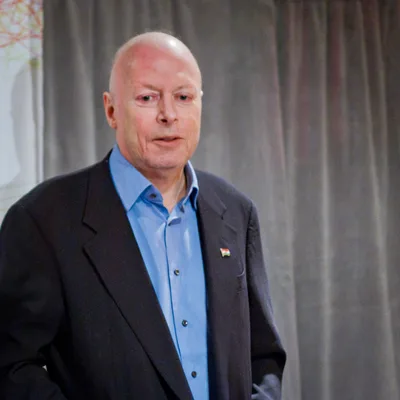
Christopher Hitchens was brought up in a Church of England that his household did not press. He dated his unbelief to a teacher's lesson about green grass at nine and a headmaster's talk of comfort at thirteen, and assumed it through twenty years of Marxist politics. After the Rushdie fatwa and 11 September he turned it into a campaign, with god is not Great in 2007. He spent his last eighteen months defending it in advance against the deathbed conversion that, as he predicted, was claimed for him after his death.
Daniel Dennett
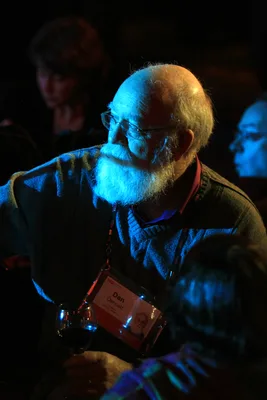
Daniel Dennett was raised in a mild New England Christianity and stopped believing as a teenager, without any crisis. Only in 2003, alarmed by theocratic talk after 11 September, did he declare himself a "bright" in public. He then turned from arguing against God to studying religion, and the unbelieving clergy who serve it, as natural phenomena. He met his own brush with death in 2006 by thanking goodness, not God.
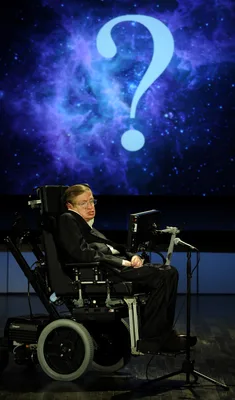
Stephen Hawking
Stephen Hawking was never a believer. He watched his schoolfriends' Christian enthusiasm with amused detachment, and asked from boyhood whether the universe needed a God to start it. For decades he kept "God" as a figure of speech for the laws of physics, the "mind of God" of 1988. From 2010 to 2011 he said plainly that God was unnecessary and heaven a fairy story, and in 2014 he called himself an atheist. In his posthumous book he still kept the word "God" as an impersonal name for the laws of nature.