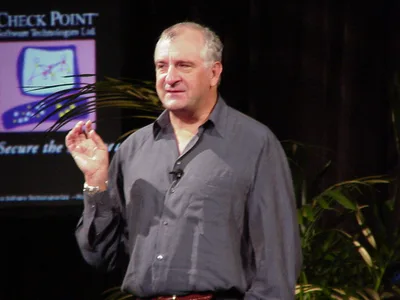
Douglas Adams was a committed schoolboy Christian who lost his faith in two steps fifteen years apart. At about eighteen a street evangelist showed him that the standards of proof he had learned at school did not apply to religion, and he became an agnostic without an alternative explanation of life. In his thirties Dawkins's books gave him one, and he became, in his own careful words, convinced that there is no god. He held that position to the end, while his tone moved from comedy to the puddle and the "artificial god", keeping the carols and the Bach.
The belief timeline
- Faith (c. 1964-1970 (inferred; teenage years, boarder at Brentwood from 1964-09)) — A committed Christian who worked for the school chapel and loved the choir [4][5][3]
- Doubt (c. 1970 (inferred from "about eighteen")) — The street evangelist; the realisation that standards of argument from History, Physics, Latin and Maths did not apply to religion; he becomes an agnostic [7][8][9]
- Conviction (c. 1982-86 by his own phrase "early thirties"; 1984 agnostic statement (secondhand) and 1986 publication of *The Blind Watchmaker* suggest after 1984) — Dawkins's books: evolution gives "all of the infinite and baffling complexity of life" from stunning simplicity; he is now convinced there is no god [13][12][14]
- Declaration (1998 (interview, Winter 1998-99 print; Cambridge speech 1998-09)) — "Radical Atheist" in the American Atheists interview; "out-and-out atheist" and the puddle analogy at Digital Biota 2 [25][26][19][21]
- Revision (of tone, not of position) (1998-2000) — The "artificial god" argument: no actual god, but fictions such as money and religion are real and worth understanding; still holds carol services and is moved by Bach's B minor Mass [22][33]
Notes to the timeline (15)
- [4] Adams: as a teenager he was "a committed Christian. It was in my background. I used to work for the school chapel in fact" — AAweb (Q&A 2, answer); AAmag pp. 4-6.
- [5] Adams: "As a child I was an active Christian. I used to love the school choir and remember the carol service as always such an emotional thing." — Wroe00 (web, paragraph on carol services).
- [3] He entered the prep school of Brentwood School in September 1959, became a boarder in September 1964 and left in December 1970 — WP-Adams (Simpson 2003 pp. 8; Webb); Wroe01 confirms Brentwood prep school and boarding. Reported at second hand; the original has not been seen.
- [7] Adams: one day at about eighteen he stopped to listen to a street evangelist and it "began to be borne in on me that he was talking complete nonsense" — AAweb (Q&A 2); AAmag pp. 4-6. Date is inferred (eighteen = between 1970-03 and 1971-03; he left school 1970-12 per [3]); place, street and evangelist's words unknown.
- [8] His reason: in History, Physics, Latin and Maths he had learned "standards of argument, standards of proof, standards of logic", had just been taught to spot logical fallacies, and saw the standards did not seem to apply in religious matters; in religious education the arguments offered were "embarrassingly childish" and "never subject to the kind of outright challenge" — AAweb (Q&A 2); AAmag pp. 4-6.
- [9] He then became an agnostic: "I thought and thought and thought" but lacked "a good working model of any other explanation for... life, the universe and everything to put in its place" — AAweb (Q&A 2); AAmag pp. 4-6.
- [13] Adams: "Sometime around my early thirties I stumbled upon evolutionary biology, particularly in the form of Richard Dawkins's books The Selfish Gene and then The Blind Watchmaker and suddenly (on, I think the second reading of The Selfish Gene) it all fell into place"; the awe it inspired made religious awe "seem, frankly, silly beside it" — AAweb (Q&A 2); AAmag pp. 4-6.
- [12] In 1984 Adams said he was "very firmly agnostic" and that atheism seemed irrational because "there's no evidence either way" — WP-Adams "Views on religion" (Simpson 2003 p. 242). Wikipedia's quotation not traced to a primary text.
- [14] *The Blind Watchmaker* was published in 1986 (Adams was 34); *The Selfish Gene* in 1976 — WP-BW (infobox and lead).
- [25] The AA interview by David Silverman appeared in *The American Atheist* vol. 37 no. 1, Winter 1998-1999, pp. 4-6 — AAmag (web head: "Winter 1998-1999 ... Volume 37 No. 1"); pp. 4-6 from WP-Adams citation, not seen on the printed page.
- [26] The interviewer asked: "you have been described as a 'radical Atheist.' Is this accurate?" and Adams answered "Yes. I think I use the term radical rather loosely, just for emphasis... just to signal that I really mean it, have thought about it a great deal, and that it's an opinion I hold seriously" — AAweb (Q&A 1); AAmag pp. 4-6.
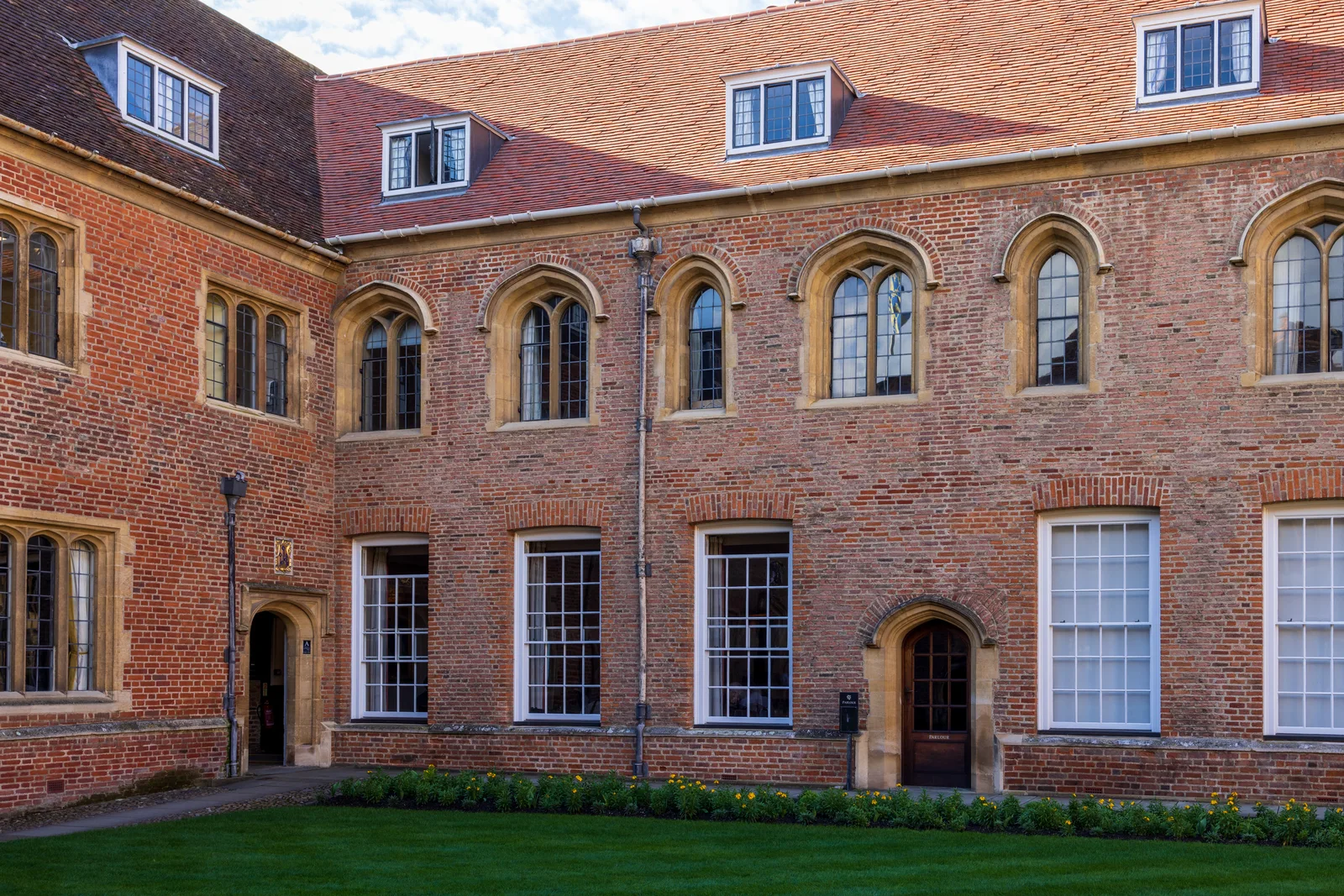
- [19] The speech "Is there an Artificial God?" was given at Digital Biota 2, held at Magdalene College, Cambridge, in September 1998; Bruce Damer says Adams spoke "off the cuff" and thanks Steve Grand for the transcript — Biota (web, head note).
- [21] The puddle analogy: early man, a maker, asks "So who made this then?" and concludes the world was made for him, "rather as if you imagine a puddle waking up one morning" and thinking the hole fits it so well it "must have been made to have me in it"; the puddle is surprised when it dries up — Biota (web, paragraphs beginning "Where does the idea of God come from?" and "This is rather as if").
- [22] The speech's conclusion: there is "an artificial god": religion, like money, is a fiction made by people that has real power and function, and we should understand what it does "rather than throwing out the baby with the bath water"; "though there isn't an actual god there is an artificial god" — Biota (web, closing paragraphs).
- [33] Adams hosted carol services at his Islington home each Christmas and said Bach's B minor Mass "still absolutely moves me to tears to hear it. I find the whole business of religion profoundly interesting. But it does mystify me that otherwise intelligent people take it seriously" — Wroe00 (web, paragraph on parties and carols).
The Puddle
In September 1998, at a conference called Digital Biota held at Magdalene College, Cambridge, the author of The Hitchhiker's Guide to the Galaxy gave an unprepared talk called "Is there an Artificial God?" He described himself in it as an out-and-out atheist.12 Then he told a story. Imagine, he said, a puddle waking up one morning and thinking what an interesting hole it found itself in; how neatly it fitted; how staggeringly well, in fact, so that it must have been made to have the puddle in it. And it is surprised, he said, when it dries up.34
The speaker was Douglas Adams. This chapter asks how a boy who sang in the school choir and worked for the school chapel came, in two steps and about fifteen years apart, to that puddle, and what he kept of religion after he had stopped believing in it.
A committed Christian
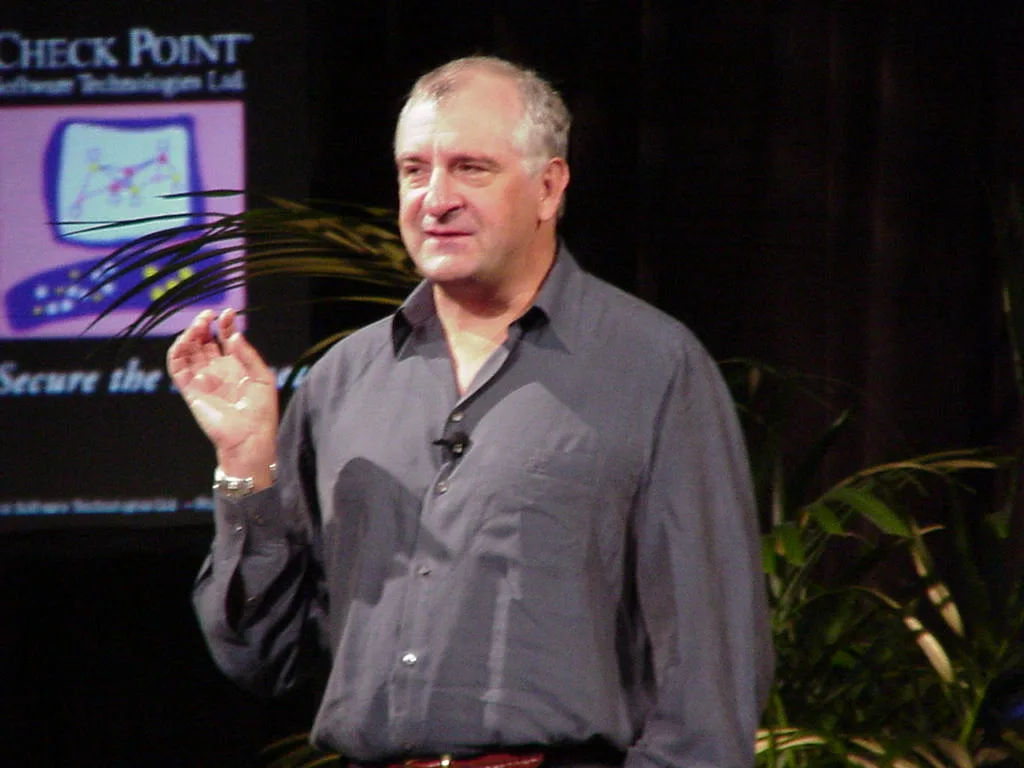
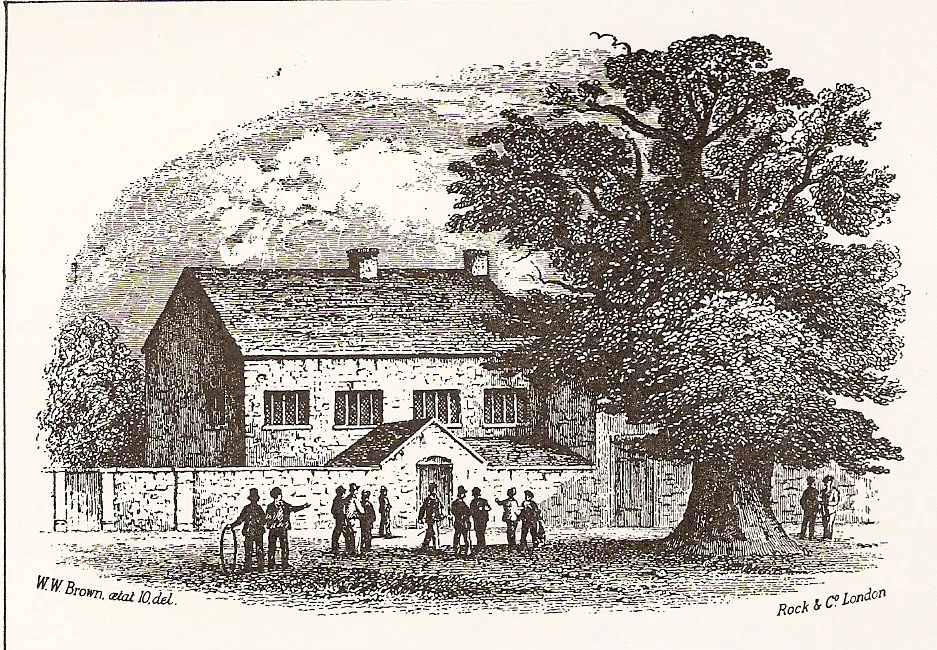
He was born in Cambridge on 11 March 1952; he liked to point out that his initials were DNA.56 His parents divorced when he was five.7 He went to Brentwood School, first to its preparatory school and then, from 1964, as a boarder, until December 1970.8 As a teenager, he said in 1998, he had been a committed Christian; it was in his background, and he worked for the school chapel.910 He loved the school choir, he said, and remembered the carol service as always an emotional thing.1112 On the belief timeline, that is his faith.
The street evangelist
Then one day, when he was about eighteen, he stopped in the street to listen to an evangelist, and it gradually dawned on him, he said, that the man was talking complete nonsense, and that he had better think about it.1314 He called it a corny story, and said he had put it glibly. What lay behind it was school. In history, physics, Latin and mathematics he had been taught standards of argument, proof and logic, and had just learned to spot logical fallacies; and it suddenly became clear to him that these standards did not seem to apply in religion, where the arguments he had been given were, he said, embarrassingly childish and never really challenged.1516 So he became an agnostic, and thought and thought and thought, but he had no good working model of any other explanation for life, the universe and everything to put in God's place.1718 On the timeline, this is where his doubt begins, dated only by the age he gives.
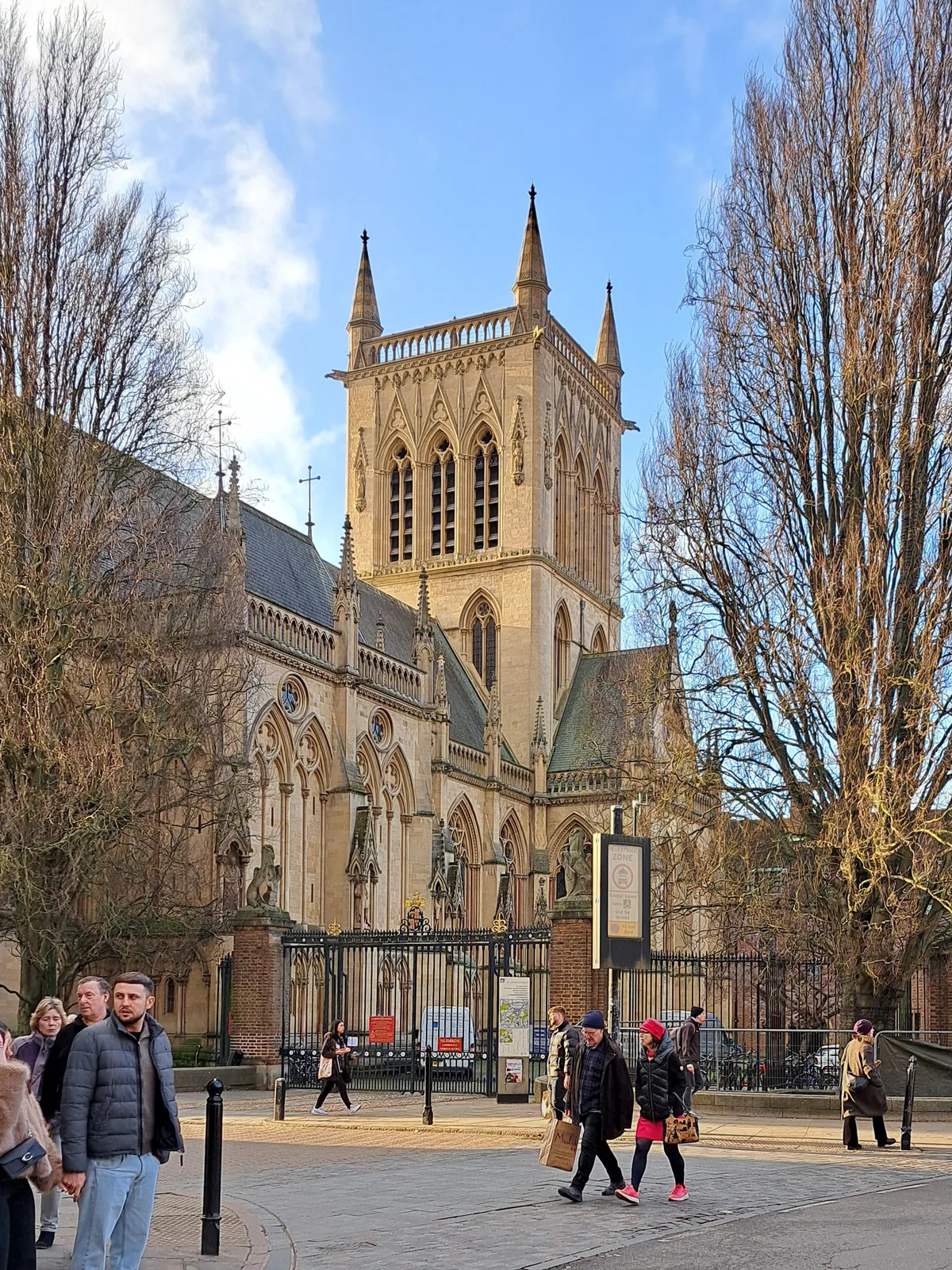
He went to St John's College, Cambridge, in 1971 to read English.19 No source connects Cambridge with any change in his belief. The Hitchhiker's Guide to the Galaxy began on BBC radio in March 1978, and the novel followed in 1979.20 One journalist has argued that the early comedy was devoted to questioning God's existence; that is an opinion, not his.21 In 1984, as his biographer reports it, Adams said he was very firmly agnostic, and that atheism seemed irrational because there was no evidence either way.2223
Converted by Dawkins
Some time in his early thirties, he said, he came upon evolutionary biology, in particular Richard Dawkins's books The Selfish Gene and The Blind Watchmaker, and it was on the second reading of The Selfish Gene, he thought, that it all fell into place.2425 The awe of understanding evolution, of all the baffling complexity of life arising from stunning simplicity, made religious awe seem, he said, frankly silly beside it; he would take the awe of understanding over the awe of ignorance any day.2625 Since The Blind Watchmaker appeared in 1986, and he still called himself an agnostic in 1984, the change probably came after 1984; he gave no year.2723 On the timeline, this is the conviction: the second step, from agnostic to atheist, a decade and a half after the first.
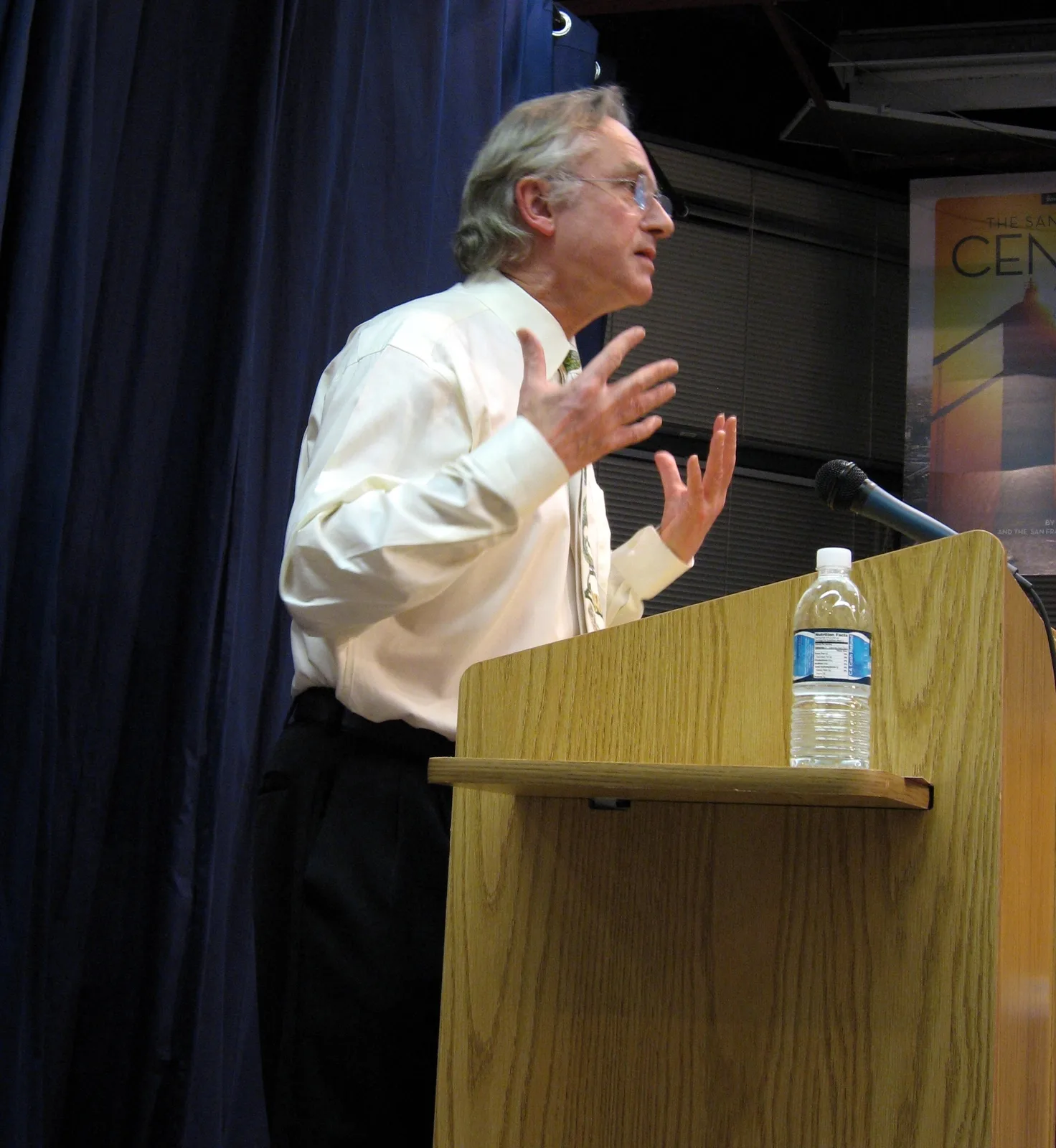
Dawkins, in turn, read Adams's novel Dirk Gently's Holistic Detective Agency and wrote him the only fan letter he ever wrote; Adams answered that he was a fan of Dawkins's books, and invited him to his London house.28 At Adams's fortieth birthday party he introduced Dawkins to the woman Dawkins married.29
"Radical, just for emphasis"
In 1998 The American Atheist interviewed him. The interviewer said he had been described as a radical atheist, and asked whether that was accurate. Yes, Adams said; he used the word "radical" rather loosely, just for emphasis, to signal that he really meant it, had thought about it a great deal and held it seriously.3031 He was careful about one distinction. He did not, he said, believe that there is no god; he did not see what belief had to do with it. He was convinced that there is no god, a subtle difference.3233 God, he said, used to be the best explanation we had, and we now had vastly better ones; a god would now be something that itself needed an insurmountable amount of explaining.3435 England, he thought, had drifted from vague, wishy-washy Anglicanism to vague, wishy-washy agnosticism, both of them signs of a wish not to think too hard, and his atheism had never cost him anything there; no one ever tried to save him.3637 He was fascinated by religion, he added, which was a completely different thing from believing in it.3839
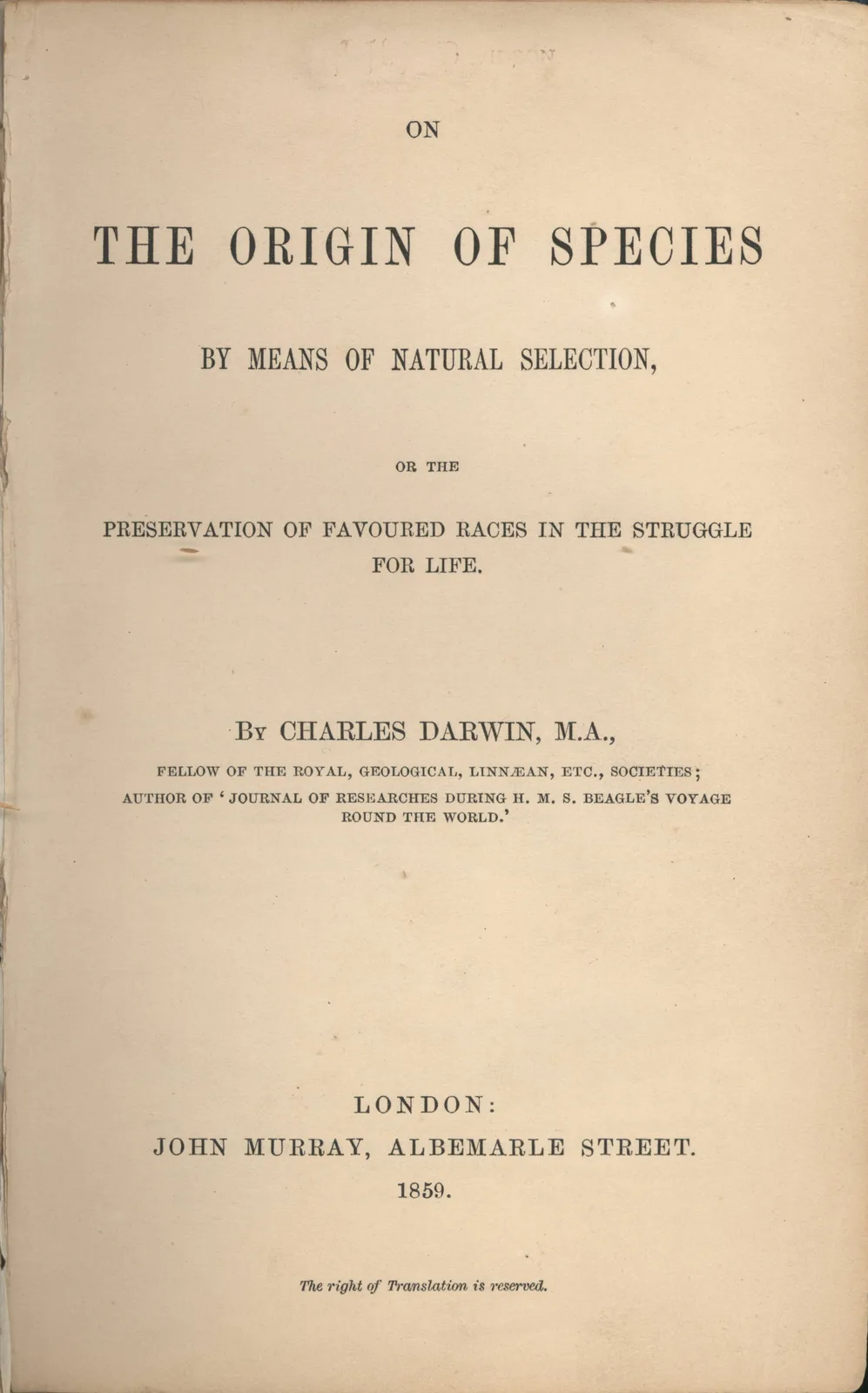
That September came the speech at Magdalene and the puddle. In it he called Darwin's book of 1859 "the bombshell," and argued that a designer would only raise the question of who had designed the designer, gods all the way up.40 On his timeline, this is the declaration.
The artificial god
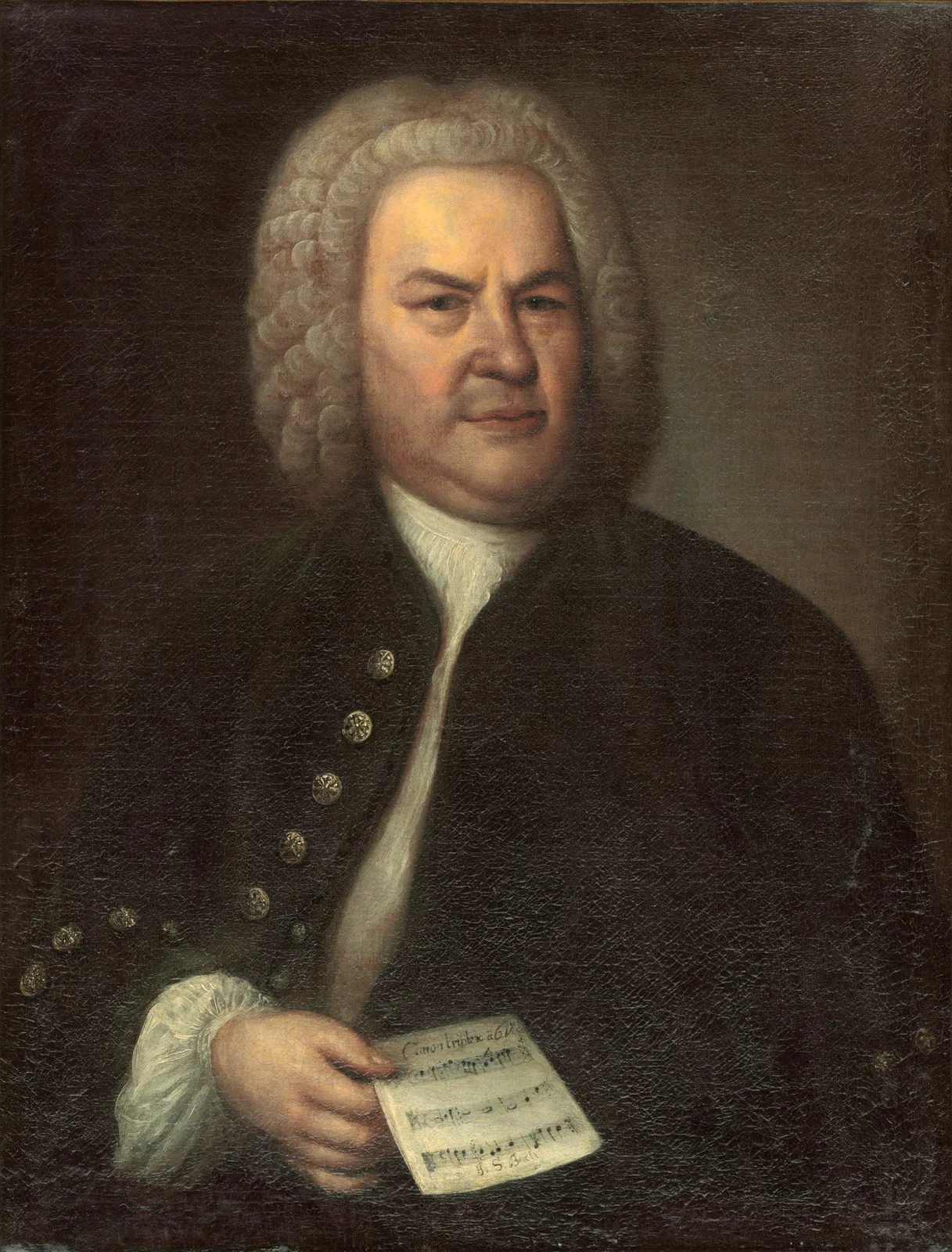
The speech did not end where the puddle did. Religion, Adams argued, was like money: a fiction made by people that nonetheless had real power and real uses, and we should understand what it does rather than throw out the baby with the bath water. So, he concluded, though there is no actual god, there is an artificial god, and we should probably bear that in mind.4142 He went on holding carol services at his home in Islington every Christmas. He thought Bach mistaken, he said, but the B minor Mass was one of the great summits of human achievement, and it still moved him to tears; what mystified him was that otherwise intelligent people took religion seriously.434445 When his daughter was born, in 1994, she had four "non-godparents."46 A journalist who interviewed him in 2000 called him an enthusiastic, almost evangelical, atheist.47 On his timeline, this is the revision, not of the position but of its tone.
No contemporary believer's reply to Adams has been found for this chapter.
The end
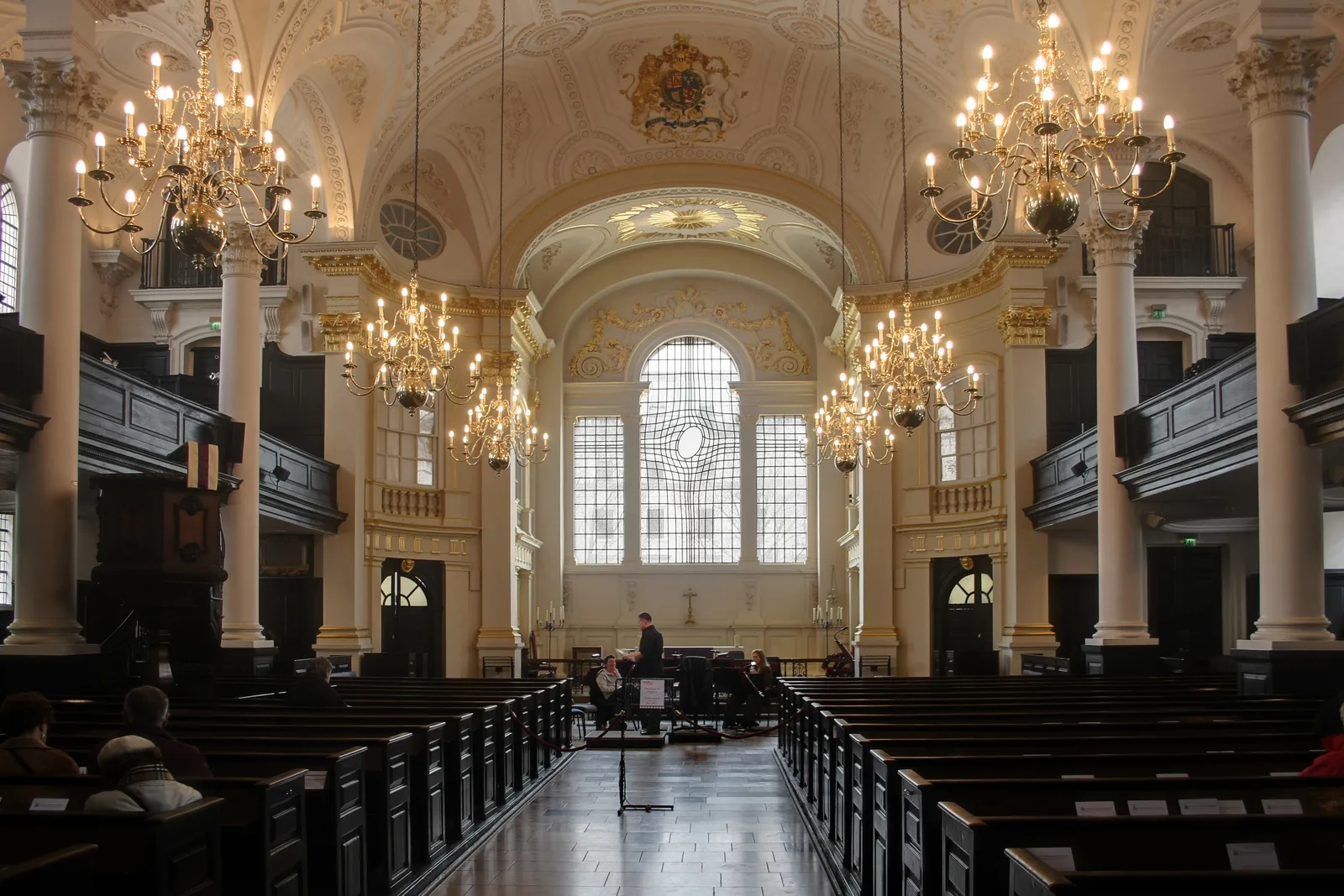
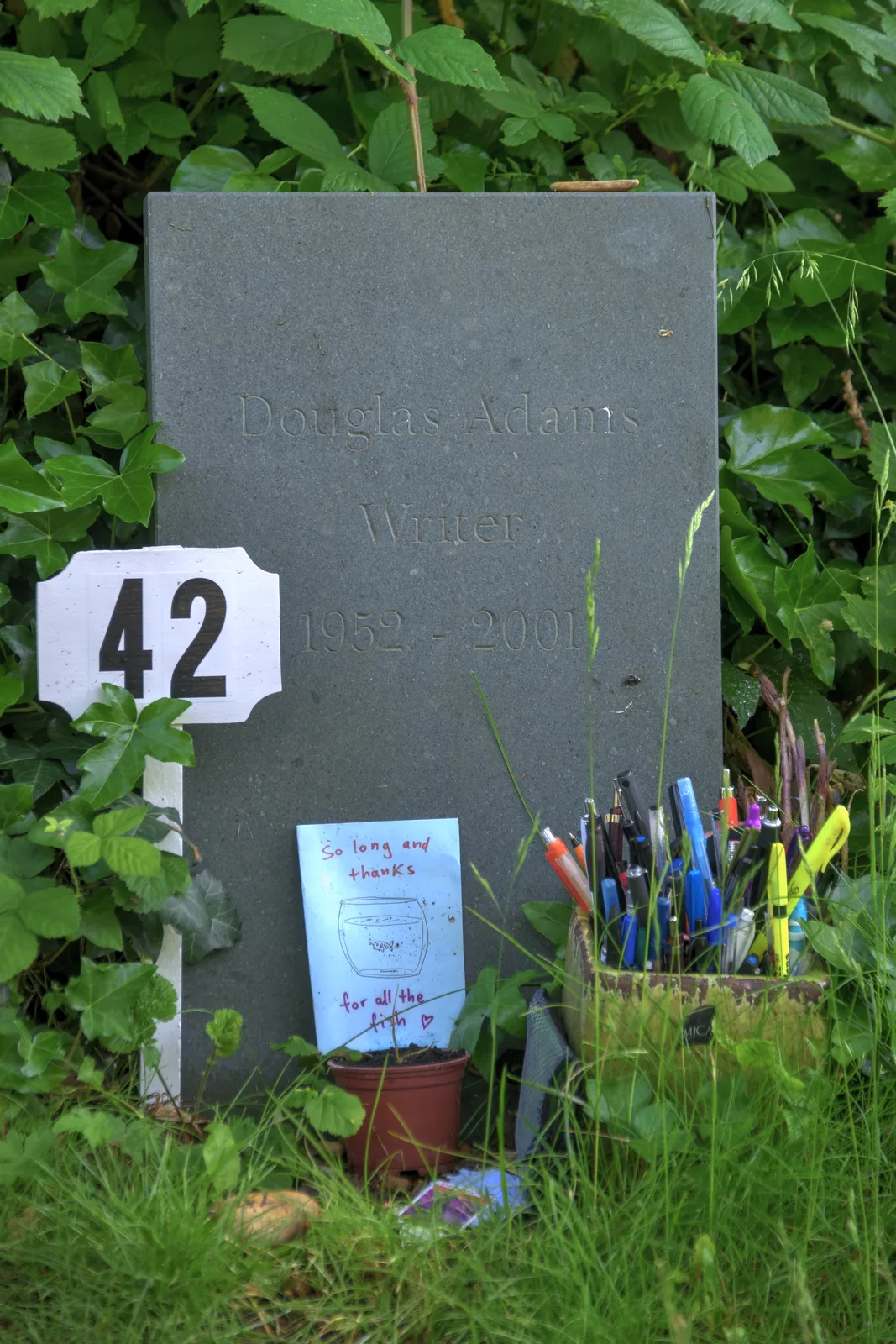
In 1999 he moved to Santa Barbara, California.48 On 11 May 2001 he collapsed in a gym there and died of a heart attack, aged forty-nine.49 Two days later Dawkins wrote in the Guardian that his piece was not an obituary, not a tribute and not a eulogy, but a lament. He remembered Adams miming a puddle of water fitting itself snugly into a hole in the ground, to show the vain conceit that the universe must have been made for us.50515253 A memorial service was held at St Martin-in-the-Fields in London that September, and Dawkins was among the speakers.54 His ashes were buried at Highgate Cemetery in 2002.55 Five years later Dawkins dedicated The God Delusion to him, calling him, by one reviewer's quotation, his cleverest, funniest, most open-minded, wittiest, tallest and possibly only convert.5657
Did his unbelief change shape?
It changed twice, in two clear steps. At about eighteen a street evangelist made him see that the standards of proof he had learned at school did not apply to religion, and he became an agnostic who could not yet explain the world without God. In his thirties Dawkins and Darwin gave him that explanation, and he became an atheist. After that the position held, and only the tone moved, from the jokes of the 1970s to the careful distinction between belief and conviction, the puddle, and finally the argument that religion, like money, is a human invention worth understanding. He kept the carols and the Bach.
Richard Dawkins, whose books made Adams an atheist and who called him possibly his only convert, has his own chapter in this book.
Footnotes
-
Biota (web, head note). ↩
-
Biota (web, para 5). ↩
-
Douglas Adams: Biota (Digital Biota 2, Cambridge, September 1998), web. ↩
-
Biota (web, paragraphs beginning "Where does the idea of God come from?" and "This is rather as if"). ↩
-
Wroe01 (web, last line: "born March 11 1952; died May 11 2001"; "born in Cambridge"); WP-Adams (Simpson 2003 p. 6). ↩
-
Biota (web, para 4). ↩
-
Wroe01 (web, "when Adams was five, his parents divorced"); WP-Adams (Webb 2017, Ainsworth 2017 p. 42). Reported at second hand; the original has not been seen. ↩
-
WP-Adams (Simpson 2003 pp. 8; Webb); Wroe01 confirms Brentwood prep school and boarding. ↩
-
Douglas Adams: AAweb (atheists.org, Wayback 2009-02-21); AAmag vol. 37 no. 1, pp. 4-6. ↩
-
AAweb (Q&A 2, answer); AAmag pp. 4-6. ↩
-
Douglas Adams: Wroe00, Guardian, 3 June 2000, web. ↩
-
Wroe00 (web, paragraph on carol services). ↩
-
Douglas Adams: AAweb; AAmag pp. 4-6. ↩
-
AAweb (Q&A 2); AAmag pp. 4-6. Date is inferred (eighteen = between 1970-03 and 1971-03; he left school 1970-12 per [3]); place, street and evangelist's words unknown. ↩
-
Douglas Adams: AAweb; AAmag pp. 4-6. ↩
-
AAweb (Q&A 2); AAmag pp. 4-6. ↩
-
Douglas Adams: AAweb; AAmag pp. 4-6. ↩
-
AAweb (Q&A 2); AAmag pp. 4-6. ↩
-
Wroe01 (St John's, English: verified); WP-Adams (Webb 2017 para 4; Simpson 2003 p. 27: year, essay, degree). ↩
-
WP-Adams (Simpson 2003 p. 114, 136; Webb). ↩
-
Bloom (web para 2). ↩
-
Douglas Adams (1984): WP-Adams "Views on religion", citing Simpson 2003 p. 242. Not checked against the original (no (secondhand; Simpson not read)). ↩
-
WP-Adams "Views on religion" (Simpson 2003 p. 242). Wikipedia's quotation not traced to a primary text. ↩ ↩2
-
Douglas Adams: AAweb; AAmag pp. 4-6. ↩
-
Douglas Adams: AAweb; AAmag pp. 4-6. ↩
-
WP-BW (infobox and lead). ↩
-
Dawkins01 (web, paragraph "Douglas and I met"). ↩
-
Dawkins01 (web, para 5: "he introduced me to my wife - at his 40th birthday party"). ↩
-
Douglas Adams: AAweb (Q&A 1); AAmag pp. 4-6. ↩
-
AAweb (Q&A 1); AAmag pp. 4-6. ↩
-
Douglas Adams: AAweb (Q&A 1); AAmag pp. 4-6. ↩
-
AAweb (Q&A 1). ↩
-
Douglas Adams: AAweb (Q&A 1); AAmag pp. 4-6. ↩
-
AAweb (Q&A 1). ↩
-
Douglas Adams: AAweb (Q&A 1); AAmag pp. 4-6. ↩
-
AAweb (Q&A 1, 3, 4, 5). ↩
-
Douglas Adams: AAweb; AAmag pp. 4-6. ↩
-
AAweb (last answer but one). ↩
-
Biota (web, "The bombshell comes in 1859"; "gods all the way up"). ↩
-
Douglas Adams: Biota, web, final paragraph before Q&A. ↩
-
Biota (web, closing paragraphs). ↩
-
Douglas Adams: Wroe00, web. ↩
-
Wroe00, web. ↩
-
Wroe00 (web, paragraph on parties and carols). ↩
-
Wroe01 (web, last paragraph: "married in 1991"); Wroe00 (web, paragraph on Polly). ↩
-
Wroe00 (web, paragraph on carols). ↩
-
Wroe01 (web, "In 1999, he moved to Santa Barbara"). ↩
-
Wroe01; Dawkins01 ("A sudden heart attack, in the gym in Santa Barbara"); WP-Adams (Webb 2005 pp. 4, 9-10; NYT obituary, LA Weekly). ↩
-
Richard Dawkins: Dawkins01, Guardian, 13 May 2001, web. ↩
-
Richard Dawkins (about Adams): Dawkins01, web. ↩
-
Dawkins01 (web, para 2); BBCsvc. ↩
-
Dawkins01 (web, para beginning "He laughed at his own jokes"). ↩
-
BBCsvc (web). ↩
-
WP-Adams (Simpson 2003 pp. 337-338; Webb 2017 para 15). ↩
-
Richard Dawkins: The God Delusion (2006) p. 117, as quoted in Bloom, Daily Maverick, 12 May 2011. Not checked against the original (no (secondhand; book not read)). Bloom's ellipsis hides the rest; check the edition. ↩
-
Bloom (web, para 5); WP-Adams (cites Bloom). ↩
In their own words
As a teenager I was a committed Christian. It was in my background. I used to work for the school chapel in fact.
Then one day when I was about eighteen I was walking down the street when I heard a street evangelist and, dutifully, stopped to listen. As I listened it began to be borne in on me that he was talking complete nonsense, and that I had better have a bit of a think about it.
In fact we had just been learning how to spot the different types of logical fallacy, and it suddenly became apparent to me that these standards simply didn't seem to apply in religious matters.
So I became an Agnostic. And I thought and thought and thought.
Sometime around my early thirties I stumbled upon evolutionary biology, particularly in the form of Richard Dawkins's books The Selfish Gene and then The Blind Watchmaker and suddenly (on, I think the second reading of The Selfish Gene) it all fell into place.
I'd take the awe of understanding over the awe of ignorance any day.
It's easier to say that I am a radical Atheist, just to signal that I really mean it, have thought about it a great deal, and that it's an opinion I hold seriously.
I really do not believe that there is a god - in fact I am convinced that there is not a god (a subtle difference).
God used to be the best explanation we'd got, and we've now got vastly better ones.
This is rather as if you imagine a puddle waking up one morning and thinking, 'This is an interesting world I find myself in—an interesting hole I find myself in—fits me rather neatly, doesn't it? In fact it fits me staggeringly well, must have been made to have me in it!'
Therefore, I would argue that though there isn't an actual god there is an artificial god and we should probably bear that in mind.
I am fascinated by religion. (That's a completely different thing from believing in it!)
As a child I was an active Christian. I used to love the school choir and remember the carol service as always such an emotional thing.
The fact that I think Bach was mistaken doesn't alter the fact that I think the B minor mass is one of the great pinnacles of human achievement.
In England we seem to have drifted from vague wishy-washy Anglicanism to vague wishy-washy Agnosticism - both of which I think betoken a desire not to have to think about things too much.
Douglas, I miss you. You are my cleverest, funniest, most open-minded, wittiest, tallest, and possibly only convert.
This is not an obituary; there'll be time enough for them. It is not a tribute, not a considered assessment of a brilliant life, not a eulogy.
he mimed a wonderfully funny imitation of a puddle of water, fitting itself snugly into a depression in the ground, the depression uncannily being exactly the same shape as the puddle.
very firmly agnostic
Isn't it enough to see that a garden is beautiful without having to believe that there are fairies at the bottom of it too?
The other side
(not found)
it does mystify me that otherwise intelligent people take it seriously
Where accounts differ
| Point | One account | Another | How the page handles it |
|---|---|---|---|
| When he moved from agnostic to atheist | Adams: "Sometime around my early thirties" (AAweb), i.e. c. 1982-86 | In 1984, aged 32, "very firmly agnostic" (Simpson p. 242 via WP-Adams); *The Blind Watchmaker* not published until 1986 (WP-BW); Dawkins read Adams's *Dirk Gently* (1987) before they met (Dawkins01) | Say "in his early thirties, by his own count, probably after 1984". Do not give a year. |
| Whether "radical atheist" was his own phrase | The interviewer says he "has been described as a 'radical Atheist'" and Adams replies he uses "radical" "rather loosely, just for emphasis" (AAweb) | Wikipedia and Humanist Heritage call it "self-described" (WP-Adams, HumHer) | Say the label came up in the interview and he accepted it, with his reason |
| When the American Atheists interview appeared | Winter 1998-99 in *The American Atheist* (AAmag) | AAweb note: "published posthumously in ... The Salmon of Doubt" (that is the book reprint, 2002) | Date the interview 1998; say the book reprinted it |
| Whether Dawkins gave a eulogy | Dawkins says his Guardian article is "not a eulogy" (Dawkins01); roster and brief say "eulogy" | Dawkins spoke at the memorial service of 17 September 2001 (BBCsvc); his words there not seen | Call the Guardian piece "a lament"; call the memorial address "a tribute" only after its text is found |
| Day of death | 11 May 2001, the date in Wroe01, WP-Adams, HumHer (a Friday on the US Pacific coast) | Dawkins's article opens "who died on Saturday" and describes reading the news on a UK Saturday morning (Dawkins01) | Use 11 May 2001; the Saturday is the UK morning the news arrived |
| Strength of his teenage faith | "a committed Christian", "an active Christian" (AAweb, Wroe00) | "extremely religious" (Simpson p. 241 via WP-Adams); the brief says "fairly devout" (source unknown) | Use his own words; do not use "devout" until Webb is read |
| Father's occupation | "a teacher" (Wroe01) | management consultant and computer salesman, formerly a probation officer (WP-Adams, citing Simpson p. 7) | Leave out; not needed |
| Where the puddle came from | The 1998 Cambridge speech (Biota), where it illustrates the "who made this?" fallacy | Dawkins says Adams mimed it in person, undated (Dawkins01); *The Salmon of Doubt* may carry another version (not read) | Present the speech as the one dated, documented telling |
List of illustrations
This page uses only public-domain and Creative Commons images; each is credited with its source and licence.
- Douglas Adams San Francisco — John Johnson from Iowa City, USA, 2000-03-15/17 · John Johnson from Iowa City, USA, via Wikimedia Commons, CC BY 2.0 · CC BY 2.0 (Wikimedia Commons)
- Brentwood School, 1847 — W. W. Brown (Rock & Co.), 1847 · W. W. Brown (Rock & Co.), via Wikimedia Commons, Public domain · Public domain (Wikimedia Commons)
- St John's College Chapel from NE — DougieMcC, 2025-12-15 · DougieMcC, via Wikimedia Commons, CC BY 4.0 · CC BY 4.0 (Wikimedia Commons)
- Richard Dawkins 2006 — Steve Jurvetson, 2006-10-29 · Steve Jurvetson, via Wikimedia Commons, CC BY 2.0 · CC BY 2.0 (Wikimedia Commons)
- Origin of Species title page — John Murray, Publisher, 1859 · John Murray, Publisher, via Wikimedia Commons, Public domain · Public domain
- First Court, Magdalene College 2024-03-14 — The wub, 2024-03-14 · The wub, via Wikimedia Commons, CC BY-SA 4.0 · CC BY-SA 4.0 (Wikimedia Commons)
- Johann Sebastian Bach in 1746, with riddle canon — Elias Gottlob Haussmann, 1746 · Elias Gottlob Haussmann, via Wikimedia Commons, Public domain · Public domain (Wikimedia Commons)
- Saint Martin in the Fields-2 (interior) — David Castor (user dcastor), undated · David Castor (user dcastor), via Wikimedia Commons, Public domain · Public domain (Wikimedia Commons)
- Grave of Douglas Adams, Highgate Cemetery 2016-06-09 — August Schwerdfeger, 2016-06-09 · August Schwerdfeger, via Wikimedia Commons, CC BY 4.0 · CC BY 4.0 (Wikimedia Commons)
Sources
Tier 1 — the subject's own words (writings, letters, diaries, trial records)
- Biota Douglas Adams, "Is there an Artificial God?", speech at Digital Biota 2, Magdalene College, Cambridge, September 1998; transcript by Steve Grand, posted by Bruce Damer at biota.org/people/douglasadams (read from the Wayback Machine snapshot of 2006-01-04, 14:14:25; copy
texts/biota-speech.txt). Footer: "Copyright is owned by the author": NOT openly licensed. Damer's note says Adams spoke "off the cuff". The speech is reportedly in The Salmon of Doubt (not confirmed; the book is not reachable). - AAmag David Silverman, "Life, the Universe, and Everything: An Interview with Douglas Adams", The American Atheist vol. 37 no. 1 (Winter 1998-1999), pp. 4-6 (page range from the Wikipedia citation; web copy at americanatheist.org/win98-99/T2/silverman.html, Wayback snapshot of 2008-03-10; copy
texts/aa-magazine.txt, which has damaged apostrophes). Adams's answers are his own words. Copyright American Atheists; no open licence seen. - AAweb The same interview, atheists.org page "Interview: Douglas Adams", Wayback snapshot of 2009-02-21 (copy
texts/aa-interview.txt, clean text). Its note says the interview "was published posthumously in his book The Salmon of Doubt" (the book, 2002; first printing was the magazine, 1998-99). Site footer 2009: "copyright 2009 american atheists". - Salmon Douglas Adams, The Salmon of Doubt: Hitchhiking the Galaxy One Last Time (Macmillan UK / Harmony US, 2002). In copyright; the Internet Archive copies (
salmonofdoubt00doug_0,salmonofdoubt0000doug,salmonofdoubthit0000adam_s5i4and others) are borrow-only and the OCR is blocked (HTTP 401/403). NOT READ; page numbers unknown.
Tier 2 — scholarly biographies and encyclopedias
- Webb Nick Webb, Wish You Were Here: The Official Biography of Douglas Adams (Ballantine, 2005 US paperback; Headline 2003 UK). Internet Archive
wishyouwerehereo00webb(borrow-only; OCR blocked). NOT READ; cited only as Wikipedia cites it. - Simpson M. J. Simpson, Hitchhiker: A Biography of Douglas Adams (Justin, Charles & Co., 2003); IA
hitchhikerbiogra0000simp(borrow-only). NOT READ; pp. 8, 241, 242, 337-338 as Wikipedia cites them. - ODNB Nick Webb, "Adams, Douglas Noel (1952-2001)", Oxford Dictionary of National Biography, doi 10.1093/ref:odnb/75853. Paywalled; NOT READ.
Tier 3 — popular biographies and journalism
- Wroe00 Nicholas Wroe, "Planet of the japes", The Guardian, 3 June 2000 (web copy via Wayback, 2014 snapshot;
texts/wroe-2000.txt). Contains Adams's own words on his childhood faith, carol services and Bach. - Wroe01 Nicholas Wroe, "Obituary: Douglas Adams", The Guardian, 15 May 2001 (
texts/wroe-obit-2001.txt). - Dawkins01 Richard Dawkins, "Lament for Douglas Adams" (A friend's lament), The Guardian, Sunday 13 May 2001 (
texts/dawkins-lament.txt; web copy dated 13 May 2001, 20:28 EDT). Dawkins calls it "not a eulogy". - Bloom Kevin Bloom, "Life, the universe, and Douglas Adams - ten years later", Daily Maverick, 12 May 2011 (
texts/dailymaverick.txt). Quotes Adams's AA interview and Dawkins's God Delusion passage "on page 117" (edition not stated). - BBCsvc BBC Online, "Douglas Adams - Service of Celebration", bbc.co.uk/cult/hitchhikers/celebration/about.shtml (Wayback 2005-03-29;
texts/bbc-celebration.txt). - HumHer Humanists UK, "Douglas Adams (1952-2001)", Humanist Heritage (Wayback 2025-04-27;
texts/humanist-heritage.txt). - Dawkins06 Richard Dawkins, The God Delusion (Bantam, 2006): borrow-only on IA (
goddelusi00dawk, 401). NOT READ; passage taken from Bloom.
Tier 4 — Wikipedia and similar reference sites (citable; give the article and revision date; prefer a higher tier where one exists)
- WP-Adams "Douglas Adams", Wikipedia, revision 1379987228 of 2026-10-13T02:43:46Z (
texts/wikipedia-adams.txt, wikitext). Map to Webb, Simpson, Wroe, Silverman. - WP-Salmon "The Salmon of Doubt", Wikipedia, revision 1378013513 of 2026-10-02T12:42:21Z (
texts/wikipedia-salmon.txt). - WP-BW "The Blind Watchmaker", Wikipedia, revision 1362350122 of 2026-07-03T10:44:00Z (publication year 1986).
Opposition sources — contemporary critics and religious responses
- None reached. See Opposition voices and Open questions. The sources do not give the evangelist's words; no contemporary believer's reply to Adams's atheism has yet been found in a freely readable text.
Related lives
Richard Dawkins (b. 1941) — he named Adams "possibly only convert" and dedicated *The God Delusion* to his memory; the roster already carries Dawkins ("Unbelief from biology").
Christopher Hitchens
Christopher Hitchens was brought up in a Church of England that his household did not press. He dated his unbelief to a teacher's lesson about green grass at nine and a headmaster's talk of comfort at thirteen, and assumed it through twenty years of Marxist politics. After the Rushdie fatwa and 11 September he turned it into a campaign, with god is not Great in 2007. He spent his last eighteen months defending it in advance against the deathbed conversion that, as he predicted, was claimed for him after his death.
Annie Laurie Gaylor
Annie Laurie Gaylor is a third-generation freethinker raised without religion, with no faith to lose. She met religion first as "under God" in a fifth-grade pledge, and then as the force her mother blamed for women's oppression. From 1976, when at twenty she co-founded the Freedom From Religion Foundation, she expressed her unbelief as a single demand: keep religion out of government. She pressed it through pickets, books and lawsuits the courts mostly turned away on standing, and after 2004, as co-president, through billboards and bus signs. The method changed; the conviction, as far as the record shows, did not.
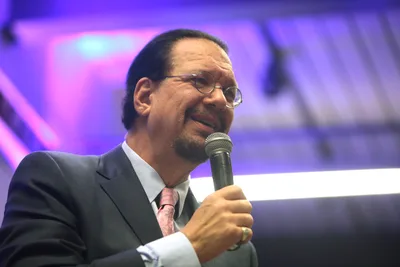
Penn Jillette
Penn Jillette came from a churchgoing family in Greenfield. At about sixteen he became an atheist by reading the Bible through, and told his pastor so. He kept the unbelief unchanged for fifty years while its voice grew from a private remark into a radio credo (2005), books and a skeptic's stage persona. He restated its label ("beyond atheism", then agnostic on knowledge and atheist on belief), and untied it from the libertarian politics he had once said came from the same "I don't know".
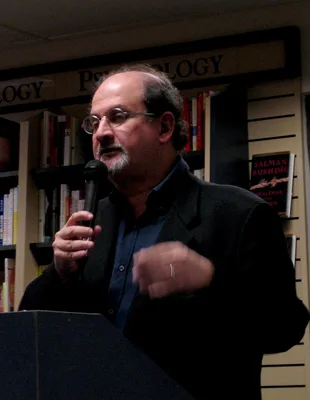
Salman Rushdie
Salman Rushdie was raised in a secular Muslim family with an atheist father. He left no record of a crisis of faith, only an undated drift from childhood belief in the stories. He made his unbelief public through The Satanic Verses (1988), a novel about revelation "from the point of view of an unbeliever", which brought the 1989 fatwa. Under that threat he signed the Muslim creed in December 1990 and disowned it by 1992. After that his unbelief hardened, through "hard-line atheist" in 2006 to a stabbing in 2022 that brought, he said, no revelation.