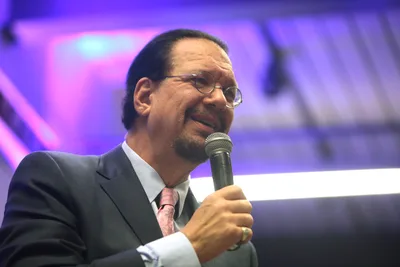
Penn Jillette came from a churchgoing family in Greenfield. At about sixteen he became an atheist by reading the Bible through, and told his pastor so. He kept the unbelief unchanged for fifty years while its voice grew from a private remark into a radio credo (2005), books and a skeptic's stage persona. He restated its label ("beyond atheism", then agnostic on knowledge and atheist on belief), and untied it from the libertarian politics he had once said came from the same "I don't know".
The belief timeline
- Faith (weak; childhood churchgoing, not a documented conviction) (before c. 1971) — Churchgoing family, youth group; he says he was "really interested, as one should be, about religion" [2][4]
- Doubt / break (the Bible read through) (c. 1971–72 (age 16, inferred)) — Reads the Bible cover to cover; appalled by contradictions and "the anti-humanness of it" [4]
- Declaration (private, then public) (c. 1971–72 told the pastor; first public remarks found 1994, broadcast case 2004–05) — Tells the pastor he is an atheist; later TV episode on the Bible (2004, secondhand) and the NPR essay (2005-11-21), where he states his belief as a positive credo [6][13][9]
- Revision (restatement, not reversal) (2011–2016 (and 2026, unverified)) — From "I don't know, so... I don't believe" (2011) to the agnostic/atheist two-question formulation (2016); the politics he once linked to atheism, libertarianism, he disavows in 2020 while keeping atheism [16][21][27]
Notes to the timeline (8)
- [2] His family went to church; the interviewer's premise is that he even mowed the church's lawn (his answer does not dispute it) — AHA-HNN, Q1.
- [4] At sixteen he was in the church youth group under a pastor who was "smart, well-educated and wonderful," read the Bible cover to cover, and was "appalled by the contradictions" and by "the anti-humanness of it" and by God telling Abraham to kill his son — AHA-HNN, Q2 answer.
- [6] He told his pastor he was an atheist when he finished the Bible and began calling himself an atheist at about sixteen; in late 2012 he said it had been "forty years" as an "out of the closet atheist" — AHA-HNN, Q2.
- [13] Season 2, episode 6, "The Bible: Fact or Fiction?" aired 6 May 2004; includes the line "we need more atheists" — WQ-PJ. Reported at second hand; the original has not been seen.
- [9] "There Is No God" aired on NPR Morning Edition on 21 Nov 2005 as a This I Believe essay; he says "I'm beyond atheism," distinguishes not believing (no work) from "I believe there is no God," and says that belief "informs every moment of my life" — NPR-TIB.
- [16] CNN essay of 16 Aug 2011, published the day God, No! came out: "What makes me libertarian is what makes me an atheist -- I don't know. If I don't know, I don't believe." — CNN-2011.
- [21] In June 2016 he wrote that 9/11 did not create atheists but made them speak up; that "atheist" "defines us by inaction"; that "agnostic" is the answer on knowledge "(which every sane person is)" and that a deist is "really just an atheist before Darwin"; that Christians in his life "have treated me wonderfully" and his admitting there is no god "has nothing to do with rebelling against them" — CNN-2016.
- [27] He stopped calling himself libertarian after a lockdown email from a libertarian group asking him to lead an anti-mask demonstration (Cracked, Jan 2024); Wikipedia dates the disavowal to 2020 — Cracked-2024; WP-PJ.
The Bible Read Through
In November 2005 a magician read an essay on National Public Radio's Morning Edition, in the series This I Believe. Penn Jillette, of the magic act Penn & Teller, said that he believed there was no God. He was, he said, "beyond atheism": not believing in God takes no work, but believing that there is no God was a conviction, and it shaped every moment of his life.12
This chapter asks how a boy from a churchgoing family in a small New England town came to that belief, and how a showman, who made his living from honest deception, turned unbelief into part of the act and then, over the years, kept restating what it meant.
Greenfield and the youth group
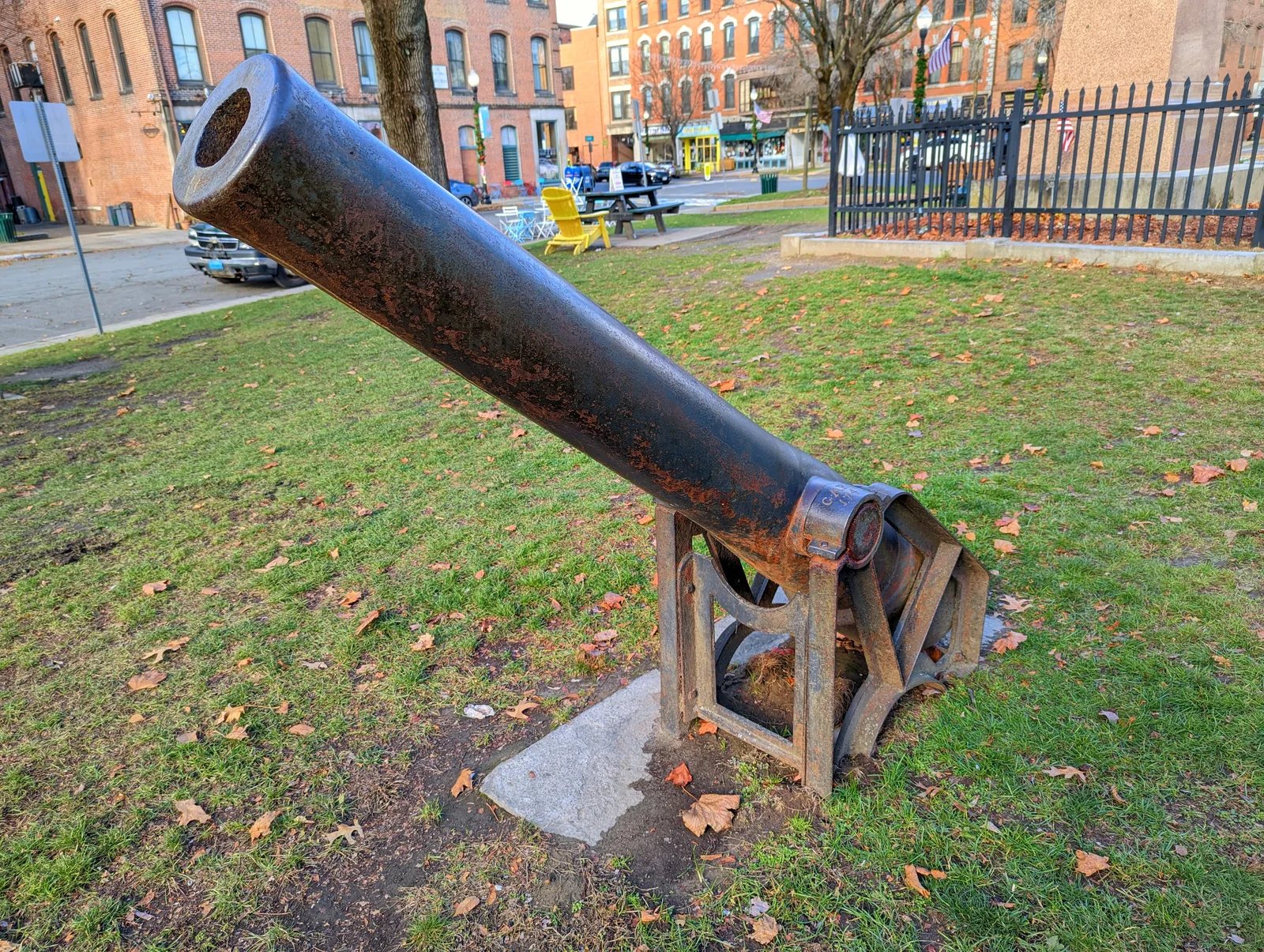
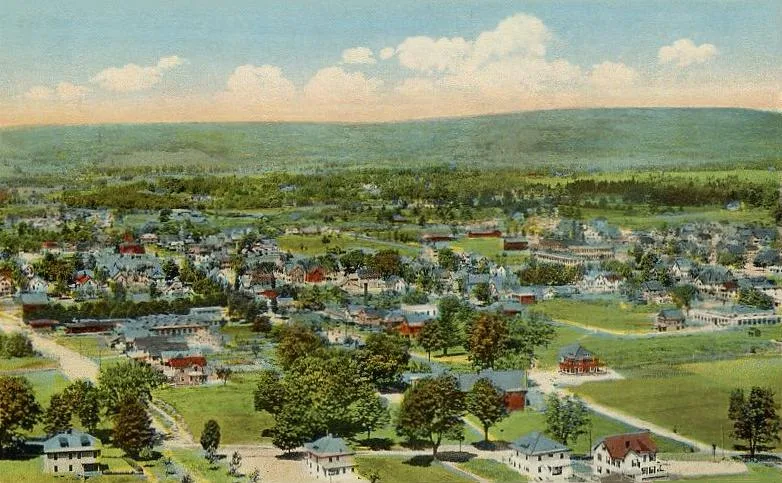
He was born Penn Fraser Jillette in Greenfield, Massachusetts, on 5 March 1955, according to Wikipedia.3 His father worked at the county jail; his mother, by the same account, was a secretary.4 The family went to church; an interviewer's question in 2012 assumed that the boy had even mowed the church lawn, and his answer did not dispute it.5 He was, he said, interested in religion, as one should be.6 On the belief timeline, this is where his faith begins, and it is a weak mark: churchgoing, not a documented conviction.
At sixteen he was in the church youth group, led by a pastor he remembered as smart, well educated and wonderful. He read the Bible from cover to cover. What he found there appalled him: the contradictions, what he called its anti-humanness, and above all God telling Abraham to kill his son.76 Asked in 2012 how he had gone from Christian to atheist, he answered: by reading the Bible. He added that he was not sure, at sixteen, that he was aware of all of it.8
When he had finished the Bible, he told his pastor he was an atheist, and from about sixteen he called himself one.910 As he tells it, the pastor kept him in the youth group for about a year. Then he told Penn's parents that they could stop coming to church, because their son was doing a better job of turning the children into atheists than the pastor was of turning them into Christians.1112 That is Penn's recollection, forty years on, and no other account of it exists; Wikipedia's version, that he was asked to leave the church, compresses it.12 The timeline places his doubt here, along with his private declaration, dated only by the age he gives.
His family did not divide over it. His father, he said, lived his whole life as a Christian and died one; his mother admitted she was an atheist only when she was over eighty. His parents' philosophy was live and let live, and there was no pressure either way.1314 In 2016 he wrote that the Christians of his childhood had treated him wonderfully, and that his saying there was no god had nothing to do with rebelling against them.1516
A magician who tells the truth
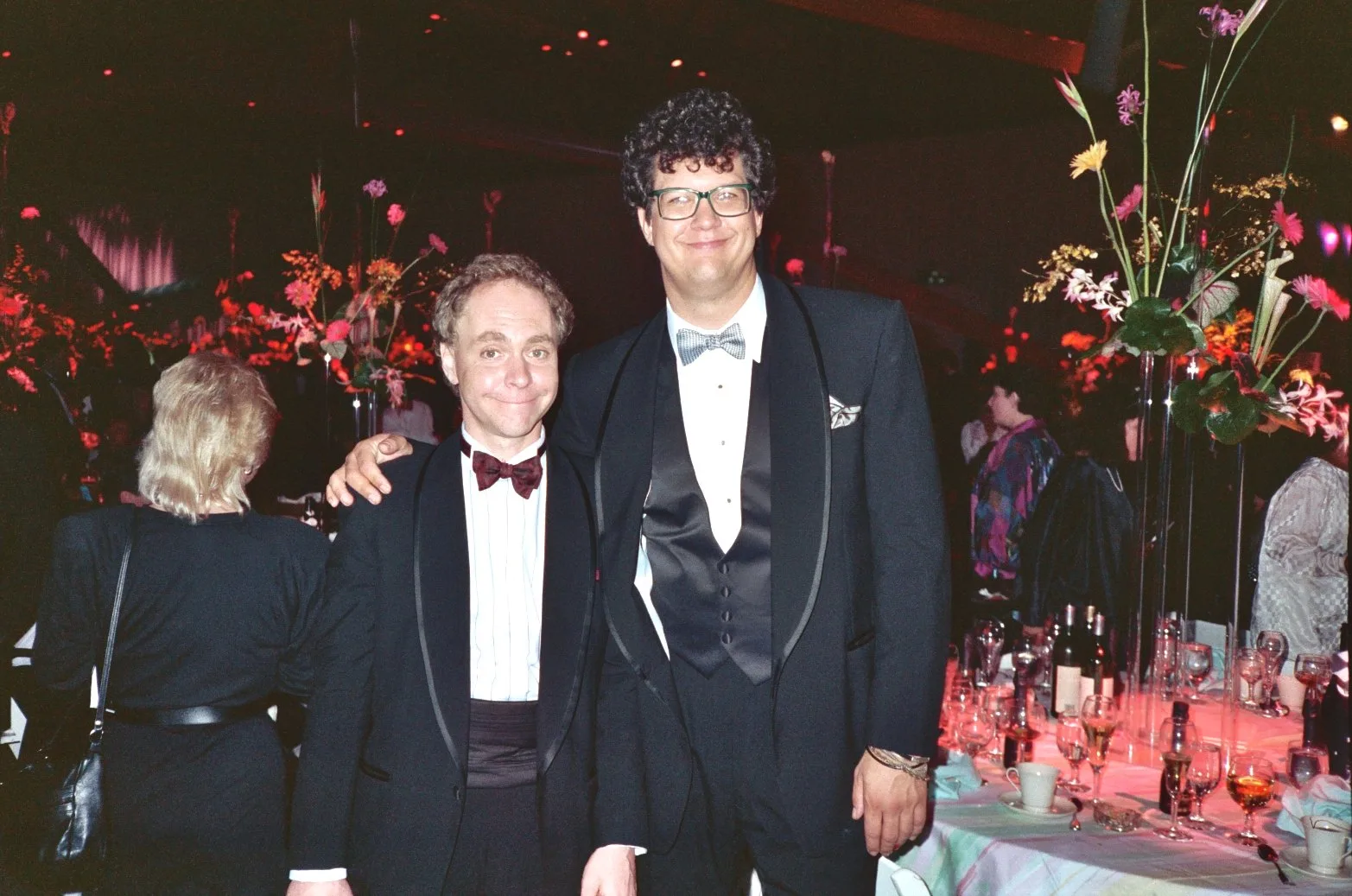
Wikipedia says that at eighteen he saw a show by the magician James Randi and admired a performer who told the audience openly that he was deceiving them.17 In August 1975 he gave his first show with Teller and Weir Chrisemer at the Minnesota Renaissance Festival, and in 1981 he and Teller became Penn & Teller; the dates come from Wikipedia.18
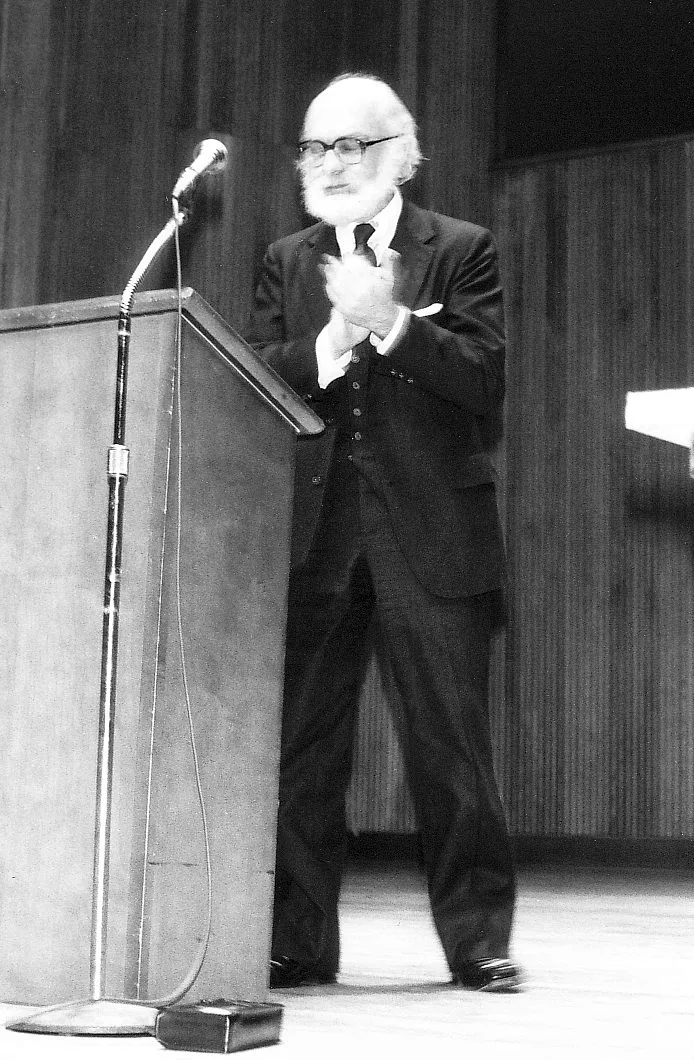
Little survives of his unbelief in public before the new century. In a 1994 interview with Reason, arguing against censorship of violence in films and books, he remarked that every lunatic who kills people has a Bible lying around; it was an argument about the First Amendment, not a statement of his creed.1920
Saying it out loud
From 2003 to 2010 Penn & Teller made Bullshit!, a series for the cable channel Showtime.21 One episode, in 2004, was on the Bible; it was not seen for this chapter.22 Critics in Slate and the A.V. Club found the series one-sided, by Wikipedia's summary.23 In 2007, by Wikipedia's account, he took the "Blasphemy Challenge," denying the Holy Spirit on video.24
Then came the radio essay of November 2005. It is the fullest early statement of his belief, and it is mostly about what that belief gave him. He did not need heaven; the love of his family was enough, and it seemed to him rude to beg the invisible for more. Believing there is no God meant that he could be forgiven only by kindness and faulty memories. It kept him honest, because he could be proven wrong. And it meant that the suffering he had seen in his own family was not the work of an all-powerful being who did not care to help, but something people might one day help each other with.25262728 The timeline puts his public declaration here.
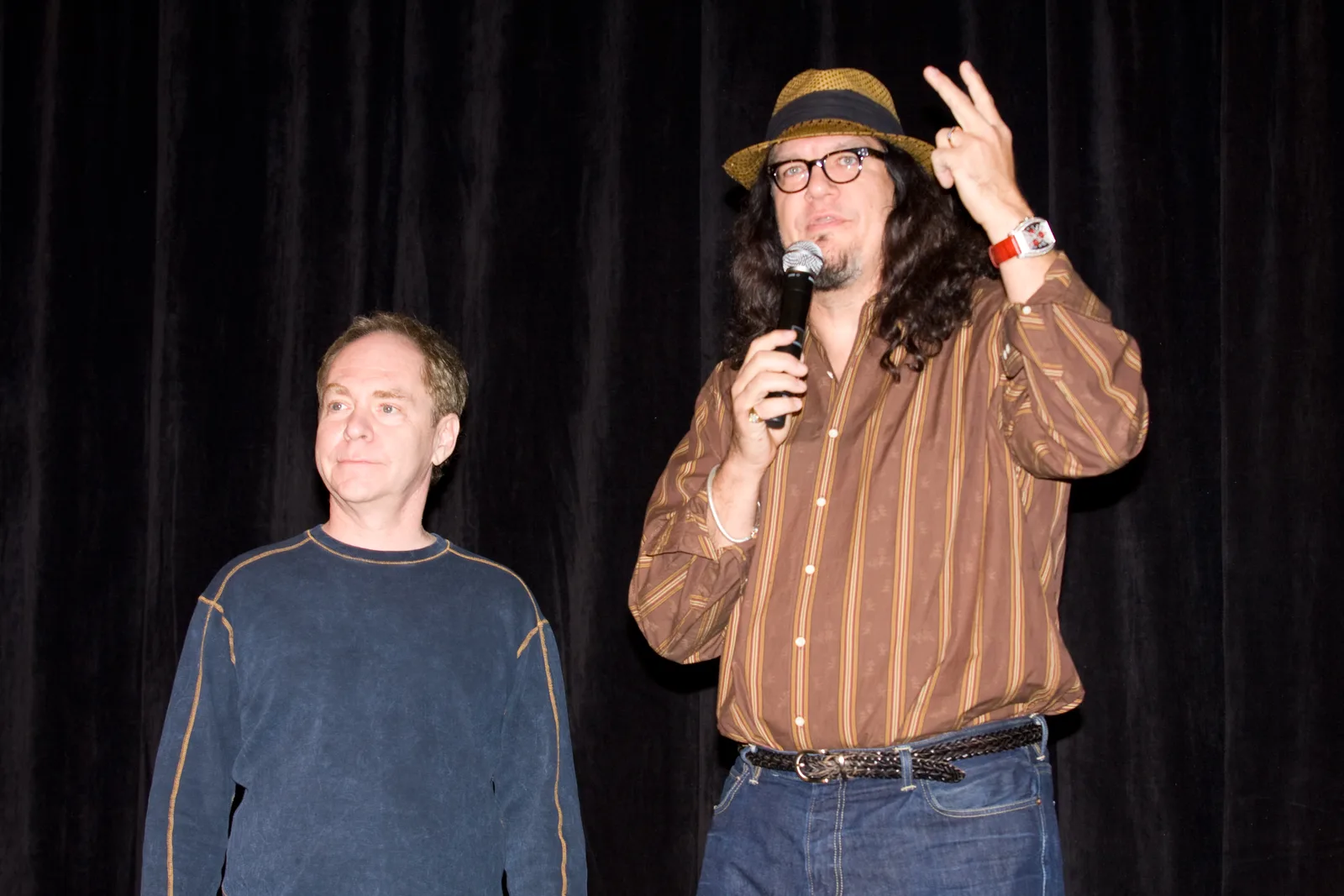
He was a showman, and his unbelief became part of the show. In August 2011 he published God, No!, in which, according to the trade journal Kirkus, each of the Ten Commandments is replaced with an atheist's suggestion.29 Kirkus found it a digressive collection of thoughts from a wise-cracking atheist, and wrote that he seemed to want his readers to find him offensive and would be disappointed if they did not, while granting him a witty finesse.3031 On the day of publication he wrote for CNN that what made him a libertarian was what made him an atheist: he did not know, and if he did not know, he did not believe.3233
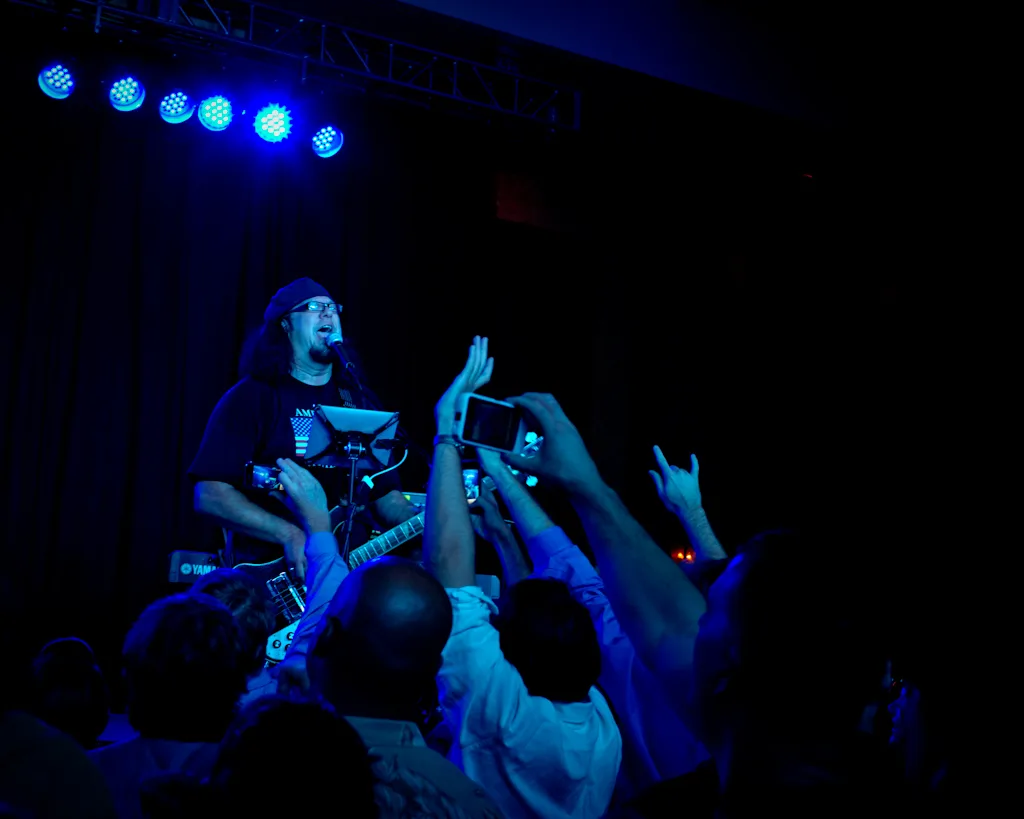
A second book, Every Day Is an Atheist Holiday!, followed in 2012, about his family and life without religion.34 In an interview that December he said he had been an "out of the closet atheist" for forty years. He called himself an atheist, but did not speak for the organisation American Atheists, and a skeptic, but did not speak for Randi's foundation.3536 He was in favour of proselytising, he said, though not to change anyone's mind.36 Being open about it had not cost him anything; if anything it had made him more successful, and there was no real bravery in it for him.37 Close to death, with guns pulled on him, in operating rooms and with a disease of the ear that might have killed him, he had never felt what the humanist Paul Kurtz called "the transcendental seduction."3839 What frightened him was not missing an afterlife but missing parts of this life.4039
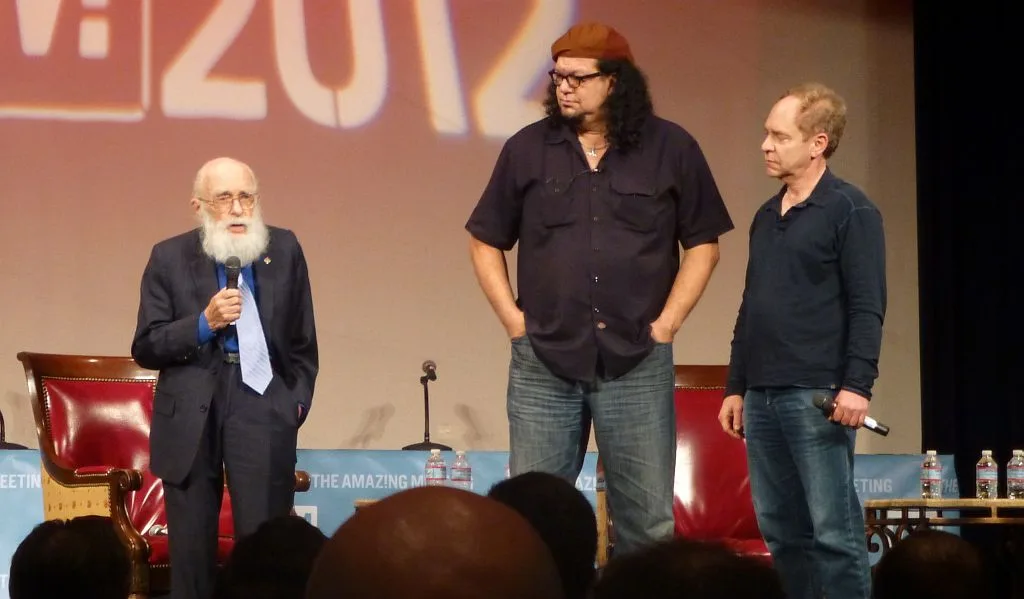
Restatements
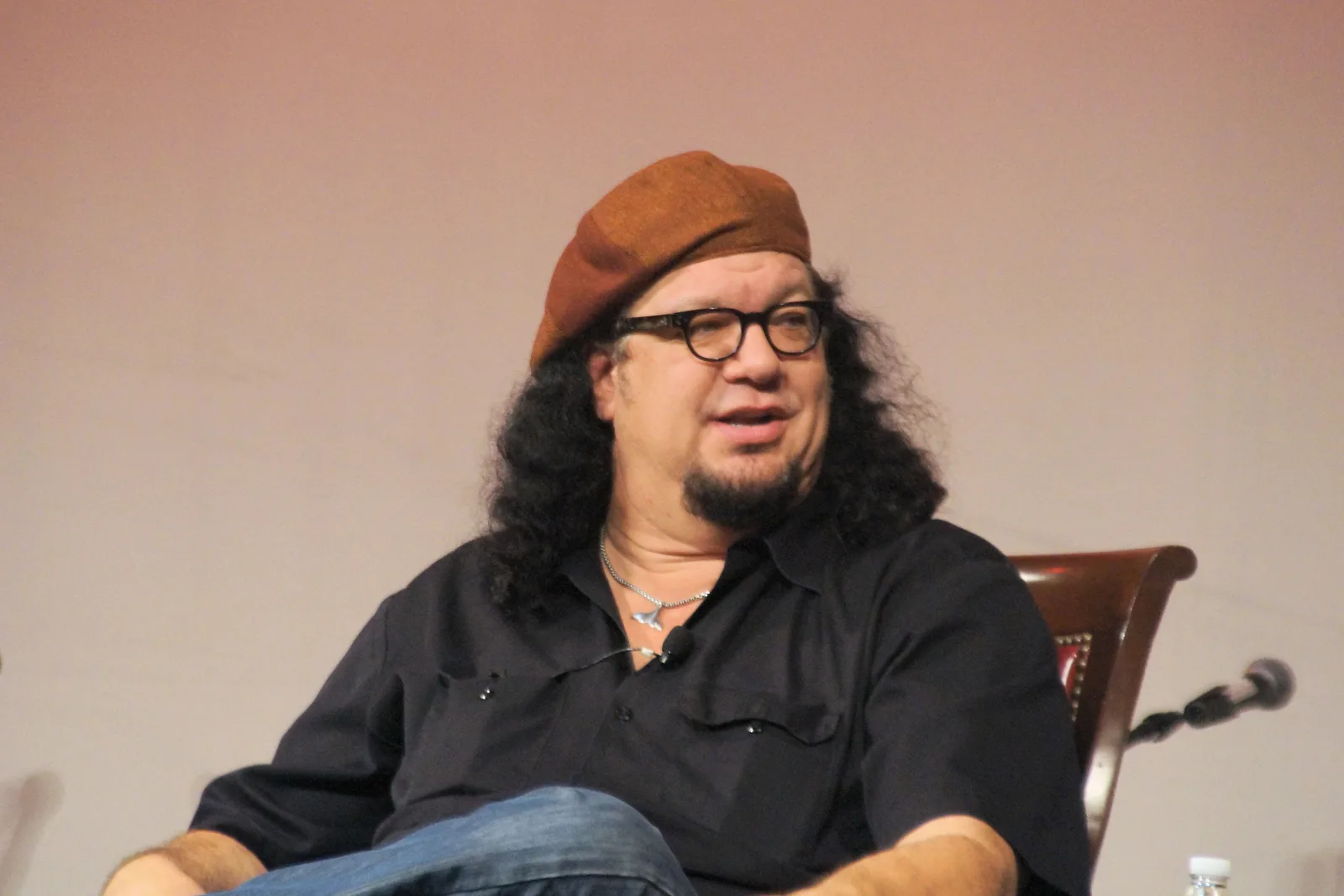
The belief itself has not moved in the record; what he has revised is what he calls it and what he ties to it. In 2012 he said that his atheism and his libertarianism both came from his optimism and were linked in his heart, though not by logic.41 In June 2016, for CNN, he put the labels in order. The attacks of 11 September 2001, he wrote, had not made people atheists but had made atheists speak up. "Atheist," he wrote, defined people by what they did not do. "Agnostic" answered the question of how much anyone can know, and every sane person was agnostic; but then one still had to say what one believed, and that came down to atheist or theist. A deist, he added, was really just an atheist before Darwin.424316
Around 2020, according to Wikipedia, he stopped calling himself a libertarian. He told an interviewer that the break came during the pandemic lockdowns, when a libertarian group asked him to lead a demonstration against masks.44 He kept the atheism. In 2014 a Las Vegas columnist reported him saying on his podcast that his children laughed whenever the word "god" came up.45 On the timeline, this is his revision, and it is a restatement, not a reversal.
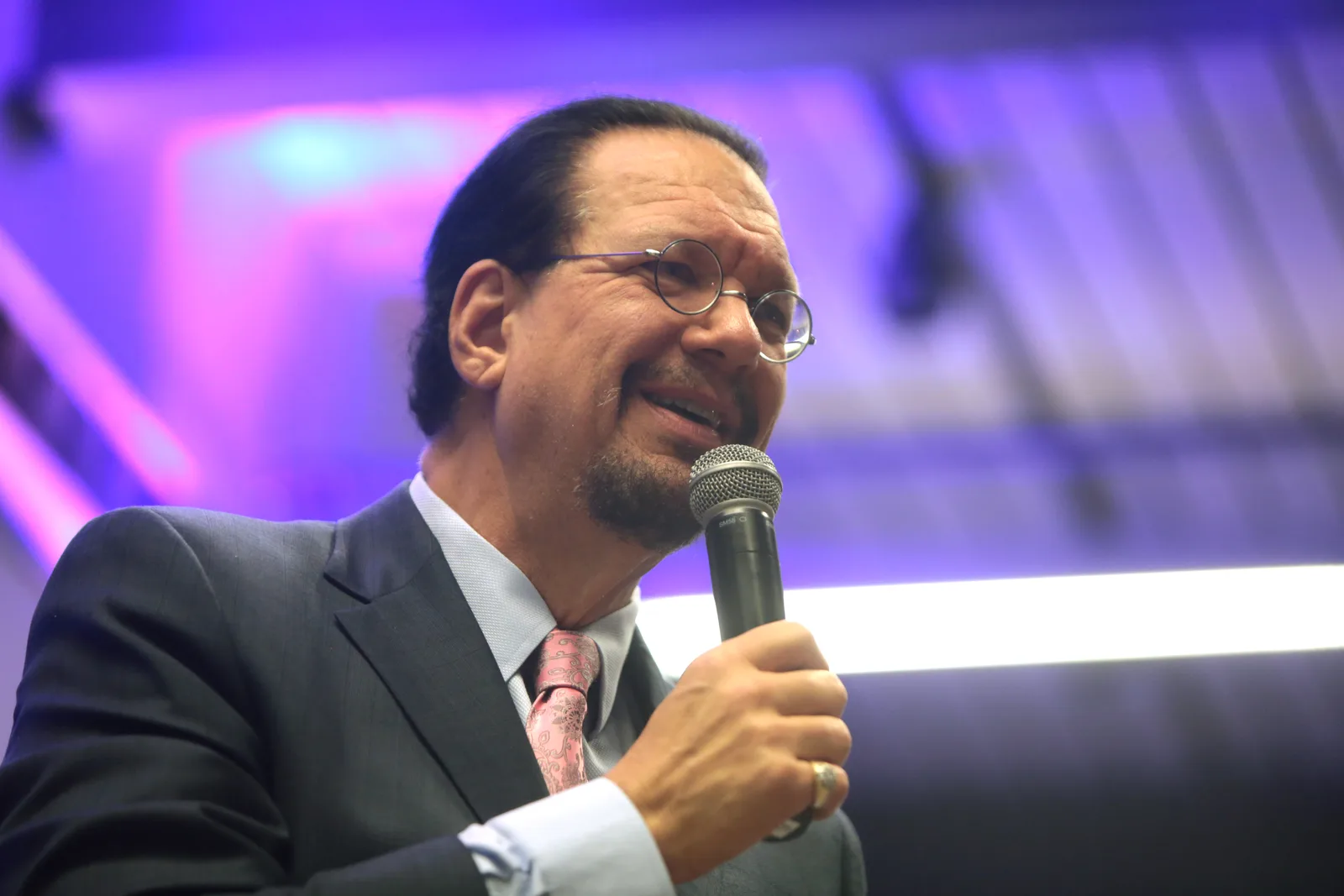
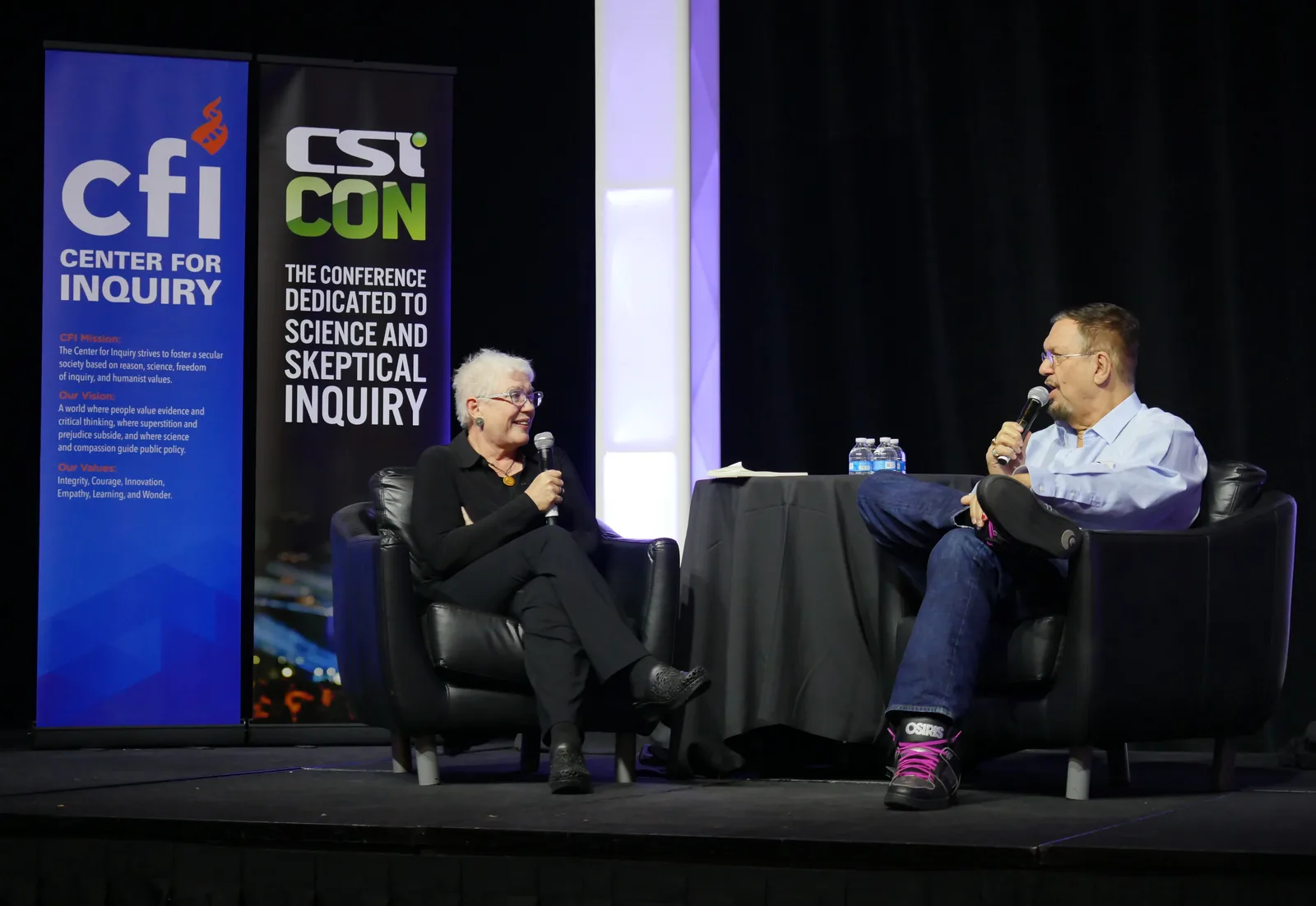
Did his unbelief change shape?
He came to his unbelief by a plain road: a teenager read the whole Bible and did not like what he found. After that his belief barely changed. What changed was its voice. A private remark to a pastor became, thirty years later, a credo on public radio, then a book, and then a careful set of definitions. He tied his atheism to his libertarian politics and then untied them, and he moved from "beyond atheism" to "agnostic on knowledge, atheist on belief" without, as far as the record shows, believing anything different. A magician who built his act on telling the audience it was being fooled applied the same rule to the Bible.
Christopher Hitchens, whose books shared a shelf with his in the same decade of public atheism, has his own chapter in this book.
Footnotes
-
Penn Jillette: NPR-TIB (opening of the essay), 21 Nov 2005. ↩
-
NPR-TIB. ↩
-
WP-PJ lead and Early life. Reported at second hand; the original has not been seen. ↩
-
WP-PJ Early life; father's job also in Cracked-2024 ("jail guard in a small town"). ↩
-
AHA-HNN, Q1. ↩
-
Penn Jillette: AHA-HNN, answer to Shaffer's first question, Dec 2012. ↩
-
AHA-HNN, Q2. ↩
-
Penn Jillette: AHA-HNN. ↩
-
AHA-HNN, Q2. ↩
-
The pastor, as reported by Penn Jillette: AHA-HNN. ↩
-
Penn Jillette: AHA-HNN, answer 3. ↩
-
AHA-HNN, Q3; mother also CNN-2016 video excerpt ("didn't say she was an atheist until she was in her 80s"). ↩
-
Penn Jillette: CNN-2016 page (embedded excerpt from an earlier CNN video piece, "Source: CNN"). ↩
-
WP-PJ. Not verified. ↩
-
WP-PJ. ↩
-
Penn Jillette: Reason-1994, April 1994. ↩
-
Reason-1994. ↩
-
WP-BS. ↩
-
WQ-PJ. ↩
-
WP-BS Criticism. ↩
-
WP-PJ; Blasphemy-2007. Accounts differ; see the disputed points. ↩
-
Penn Jillette: NPR-TIB. ↩
-
Penn Jillette: NPR-TIB. ↩
-
Penn Jillette: NPR-TIB. Long; trim only with ellipsis. ↩
-
NPR-TIB. ↩
-
Kirkus-2011; WP-PJ. ↩
-
Kirkus Reviews (trade reviewer, unsigned), on God, No!, 2011: Kirkus-2011. ↩
-
Kirkus Reviews (unsigned), same review. The reviewer also writes "Jillette writes with a witty finesse that certainly adds humor": Kirkus-2011. ↩
-
Penn Jillette: CNN-2011, 16 Aug 2011. ↩
-
CNN-2011. ↩
-
AHA-HNN intro; WP-PJ bibliography. ↩
-
Penn Jillette: AHA-HNN, last answer. ↩
-
AHA-HNN Q3. ↩
-
Penn Jillette: AHA-HNN. ↩
-
Penn Jillette: AHA-HNN. ↩
-
AHA-HNN Q7-Q8. ↩
-
Penn Jillette: CNN-2016 page (embedded excerpt). ↩
-
Penn Jillette: CNN-2016 page (embedded excerpt). ↩
-
Cracked-2024; WP-PJ. ↩
-
RJ-2014. ↩
In their own words
I believe that there is no God. I'm beyond atheism. Atheism is not believing in God.
It seems just rude to beg the invisible for more.
Believing there's no God means I can't really be forgiven except by kindness and faulty memories.
Believing there is no God means the suffering I've seen in my family, and indeed all the suffering in the world, isn't caused by an omniscient, omnipresent, omnipotent force that isn't bothered to help or is just testing us, but rather something we all may be able to help others with in the future.
By reading the Bible. I was sixteen and part of the youth group with a pastor who was smart, well-educated and wonderful.
I finished reading the Bible and told my pastor I was an atheist.
Your son is doing a better job at turning the children atheist than I am at turning them Christian so you can stop coming to church.
My father spent his whole life as a Christian and died as a Christian.
I haven't felt what Paul Kurtz called the transcendental seduction.
The scary thing is not that we'll miss an afterlife, but we'll miss parts of life.
I call myself an atheist, but I don't speak for the American Atheists.
What makes me libertarian is what makes me an atheist -- I don't know. If I don't know, I don't believe.
My admitting there’s no god has nothing to do with rebelling against them: I loved them then, with their honest smiles and weird-ass coffee Jell-O, and still do.
“Agnostic” answers the epistemological question of how perfect knowledge can be, but once you’ve said you’re agnostic (which every sane person is), you still have to answer the theological question about your personal belief – and that comes down to “atheist” or “theist.”
But a deist is really just an atheist before Darwin.
Every nut who kills people has a Bible lying around.
The other side
Admittedly digressive, tangential collection of random thoughts and observations about life from the perspective of a wise-cracking atheist.
Favoring shock value, the author gives the impression that he would be extremely disappointed if his audience did not find him offensive.
(UNVERIFIED, secondhand: Slate original not reached; do not use) One of the unwritten rules for winning an argument against an inflammatory, irrational opponent is to calmly adhere to a loftier set of rhetorical standards. Penn and Teller showily throw this notion into the trash.
See above: Q7 and Q8 — the pastor (who kept him in the group a year) and his father (a Christian "whole life," no pressure) are the believers who appear in Penn's own account
Where accounts differ
| Point | One account | Another | How the page handles it |
|---|---|---|---|
| Age at loss of faith | "Early teens" (WP-PJ, no source cited for it) | "I was sixteen" at the youth group; "began referring to myself as an atheist at about sixteen" (AHA-HNN, 2012) | Use his own 2012 account, "about sixteen," and say it is his retelling |
| Why he left church | "Asked to leave the church" after questions "made skeptics of his peers" (WP-PJ) | The pastor kept him about a year, then told his parents they could stop coming; Penn's report (AHA-HNN) | Use the AHA account; Wikipedia compresses it and the "peers" claim is not in the interview |
| Date of the "Every nut ... Bible" line | 2008 (WQ-PJ, "Bull Sessions" Reason, 15 Jan 2008) | April 1994 (Reason-1994, actual text) | Cite 1994; the line is not shown in the 2008 piece (not fetched; reason.com 404) |
| Date of Blasphemy Challenge | January 2007 (WP-PJ) | The cited video is posted 29 Mar 2007 (Blasphemy-2007 metadata, via Wikipedia reference) | Say "2007"; do not give a month |
| Roster line "lost his faith as a teenager by reading the Bible" | Supported as his own account: AHA-HNN (2012) | Wikiquote's line from God, No! p. 42, "Reading the Bible is the fast track to atheism," is a generalization about atheists, not a personal date (secondhand) | Say he describes his own path that way, in his 2012 account |
| Roster: "the Gideon who gave him a Bible" | Wikipedia: a fan gave him a pocket Gideon Bible after a show and he was grateful (2008 Penn Says) | Not verifiable: the video was not reached; the giver is not named | Treat as secondhand until the video or the book chapter is seen; the "Gideon" is the Bible's publisher, not a man named Gideon |
List of illustrations
This page uses only public-domain and Creative Commons images; each is credited with its source and licence.
- Penn and Teller at the 40th Emmy Awards Governor's Ball — Alan Light, 1988-08-01 · Wikimedia Commons: Alan Light via Wikimedia Commons, CC BY 2.0 · CC BY 2.0
- Artillery, Court Square, Greenfield, Massachusetts — Daderot, 2022-11-18 · Wikimedia Commons: Daderot via Wikimedia Commons, CC0 · CC0
- Bird's-eye View from Poet's Seat Tower, Greenfield, MA (1917 postcard) — Unknown author, 1917 · Wikimedia Commons: Wikimedia Commons (1917 postcard), Public domain (Wikimedia Commons file page: 'Public domain', from a 1917 postcard) · Public domain (Wikimedia Commons file page: 'Public domain', from a 1917 postcard)
- James Randi speaking at the 1983 CSICOP Conference, Buffalo, NY — Robert Sheaffer, 1983 · Wikimedia Commons: Robert Sheaffer via Wikimedia Commons, CC BY-SA 3.0 · CC BY-SA 3.0
- Penn and Teller at TAM 6 (The Amazing Meeting) — Scott a hurst, 2008-06-20 · Wikimedia Commons: Scott a hurst via Wikimedia Commons, CC BY-SA 3.0 · CC BY-SA 3.0
- Penn Jillette leading the No God Band at his private party during TAM 9, Las Vegas, 15 July 2011 — Steven Williams, 2011-07-15 · Wikimedia Commons: Steven Williams via Wikimedia Commons, CC BY-SA 3.0 · CC BY-SA 3.0
- Penn Jillette speaking at The Amaz!ng Meeting 2012, Southpoint Casino, Las Vegas — BDEngler, 2012-07-14 · Wikimedia Commons: BDEngler via Wikimedia Commons, CC BY-SA 3.0 · CC BY-SA 3.0
- Penn & Teller on stage with James Randi at The Amazing Meeting 2012 (Saturday keynote) — Greg Dorais, 2012-07-14 · Wikimedia Commons: Greg Dorais via Wikimedia Commons, CC BY-SA 3.0 · CC BY-SA 3.0
- Penn Jillette speaking at the 2016 Young Americans for Liberty National Convention, Catholic University of America, Washington — Gage Skidmore, 2016-07-28 · Wikimedia Commons: Gage Skidmore via Wikimedia Commons, CC BY-SA 2.0 · CC BY-SA 2.0
- Rio hotel and casino, Las Vegas — Ypsilon from Finland, 2013-04-07 · Wikimedia Commons: Ypsilon via Wikimedia Commons, CC0 · CC0
- Julia Sweeney and Penn Jillette at CSICon 2022 — Karl Withakay, 2022-10-22 · Wikimedia Commons: Karl Withakay via Wikimedia Commons, CC BY-SA 4.0 · CC BY-SA 4.0
Sources
Tier 1 — the subject's own words (essays, interviews, broadcasts)
- NPR-TIB Penn Jillette, "There Is No God," This I Believe essay, as heard on NPR Morning Edition, 21 Nov 2005. Read at the Wayback capture of 2009-02-11: http://web.archive.org/web/20090211061643id_/http://www.thisibelieve.org:80/dsp_ShowEssay.php?uid=34 . Page states "no reproduction or excerpting is permitted without written consent from This I Believe, Inc." Copyrighted; npr.org story URLs return 404 today.
- AHA-HNN Ryan Shaffer, "Morality, Religion and Bullsh*t: An Interview with Penn Jillette," Humanist Network News, American Humanist Association, Dec 2012 (URL slug 2012-12). Wayback capture 2013-11-02: http://web.archive.org/web/20131102205959id_/http://americanhumanist.org/HNN/details/2012-12-morality-religion-and-bullsht-an-interview-with-penn . Copyright 2013 AHA. Primary source for the loss-of-faith account. No pagination; cite by question.
- CNN-2011 Penn Jillette, "I don't know, so I'm an atheist libertarian," CNN.com, 16 Aug 2011. https://www.cnn.com/2011/OPINION/08/16/jillette.atheist.libertarian/index.html
- CNN-2016 Penn Jillette, "Time for atheists to stand up and be counted," CNN Opinion, 2 Jun 2016. https://www.cnn.com/2016/06/02/opinions/atheists-reason-rally-jillette/index.html (the page also carries embedded excerpts from earlier CNN video pieces by him, each marked "Source: CNN").
- Reason-1994 Steven Kurtz, "Voodoo and Violence" (interview with Penn Jillette), Reason, April 1994. https://reason.com/1994/04/01/voodoo-and-violence/
- Cracked-2024 Tim Grierson, "Penn Jillette Wants to Talk It All Out," Cracked, 23 Jan 2024. https://www.cracked.com/article_40871_penn-jillette-wants-to-talk-it-all-out.html (politics; used for the libertarianism revision only).
- GodNo-2011 Penn Jillette, God, No! Signs You May Already Be an Atheist and Other Magical Tales (Simon & Schuster, 2011; 256 pp.). NOT READ. The Internet Archive copies (godnosignsyoumay01jill, godnosignsyoumay0000jill) are lending-only; the full text returned 401 and was not circumvented. Borrow before the script.
- Holiday-2012 Penn Jillette, Every Day Is an Atheist Holiday! More Magical Tales from the Author of God, No! (Blue Rider Press, 2012). NOT READ. IA copy everydayisatheis0000jill (lending-only, 401).
- PennSays-2008 Penn Says, episode "A Gift of a Bible" (Crackle, Dec 2008; YouTube "The Gift of A Bible", natecalaway, 28 Feb 2009, id fa9JE_ZVL88). NOT REACHED: YouTube captions unavailable to the tool (no captions found). Known only through Wikiquote and Wikipedia.
- BS-Bible Penn & Teller: Bullshit!, season 2, episode 6, "The Bible: Fact or Fiction?" (Showtime, 6 May 2004). NOT SEEN. Known only through Wikiquote.
- Blasphemy-2007 "Penn's Blasphemy," YouTube x2INdxjHgU0 (posted 2007-03-29). NOT REACHED (captions empty).
Tier 2 — scholarly biographies and encyclopedias
- None found. No scholarly biography or reference entry on Penn Jillette (ANB, ODNB) exists in the sources reached. Penn's own memoir-style books are Tier 1.
Tier 3 — popular biographies and journalism
- RJ-2014 Doug Elfman, "Penn Jillette's kids Moxie CrimeFighter and Zolten laugh at 'god'," Las Vegas Review-Journal, 19 Mar 2014 (Wayback 2021-01-31 capture). https://www.reviewjournal.com/entertainment/penn-jillettes-kids-moxie-crimefighter-and-zolten-laugh-at-god/
- Kirkus-2011 Kirkus Reviews, review of God, No!, posted 19 Jul 2011, issue 1 Aug 2011. https://www.kirkusreviews.com/book-reviews/penn-jillette/god-no/
Tier 4 — Wikipedia and similar reference sites (map only)
- WP-PJ Wikipedia, "Penn Jillette," revision 1378868753 (2026-10-06T16:42:00Z). https://en.wikipedia.org/w/index.php?title=Penn_Jillette&oldid=1378868753 . Early life, 1973, Randi at 18, 1975 act, atheism section.
- WP-BS Wikipedia, "Penn & Teller: Bullshit!" (accessed 2026-10-14): 2003 premiere, 89 episodes, criticism section.
- WQ-PJ Wikiquote, "Penn Jillette" (accessed 2026-10-14). Secondhand quotations; at least one is misdated (see Disputed points).
Opposition sources — contemporary critics and religious responses
- Kirkus-2011 (above): critical review of the book.
- Cass-Slate Dennis Cass, Slate review of Bullshit!, quoted in WP-BS. Original not reached.
- Lapin-Beck Rabbi Daniel Lapin, The Glenn Beck Program, 12 Apr 2013, via WQ-PJ. Original not reached.
Related lives
Richard Dawkins (b. 1941) or Christopher Hitchens (1949-2011), the writers of the same public-atheism decade whose books he shared a shelf with; or James Randi if added to the roster. (Draft; the expensive model chooses, and the script must not name a "next".)
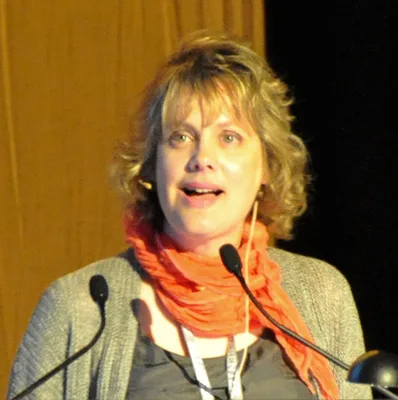
Annie Laurie Gaylor
Annie Laurie Gaylor is a third-generation freethinker raised without religion, with no faith to lose. She met religion first as "under God" in a fifth-grade pledge, and then as the force her mother blamed for women's oppression. From 1976, when at twenty she co-founded the Freedom From Religion Foundation, she expressed her unbelief as a single demand: keep religion out of government. She pressed it through pickets, books and lawsuits the courts mostly turned away on standing, and after 2004, as co-president, through billboards and bus signs. The method changed; the conviction, as far as the record shows, did not.
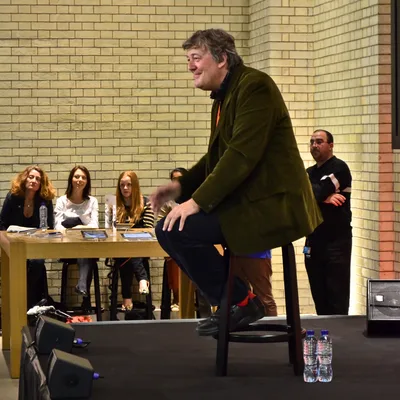
Stephen Fry
Stephen Fry was brought up "in no faith at all". He went through an adolescent love of the Anglican church before deciding, in a phrase he called grand, that he was too "Hellenic" to believe. His unbelief never changed after that, but its forms did: "reason is my religion" (2005), a campaign against the Catholic Church (2009), and an angry hypothetical answer about God on Irish television (2015) that was reported under a blasphemy law he had once half-defended, a law Ireland then voted away (2018). Finally came his retellings of the Greek myths.
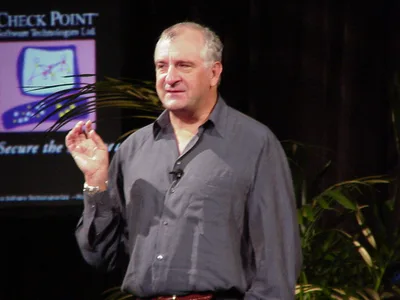
Douglas Adams
Douglas Adams was a committed schoolboy Christian who lost his faith in two steps fifteen years apart. At about eighteen a street evangelist showed him that the standards of proof he had learned at school did not apply to religion, and he became an agnostic without an alternative explanation of life. In his thirties Dawkins's books gave him one, and he became, in his own careful words, convinced that there is no god. He held that position to the end, while his tone moved from comedy to the puddle and the "artificial god", keeping the carols and the Bach.
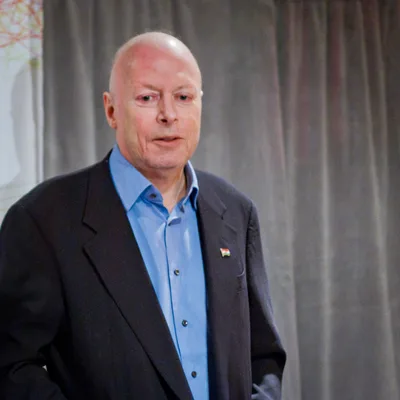
Christopher Hitchens
Christopher Hitchens was brought up in a Church of England that his household did not press. He dated his unbelief to a teacher's lesson about green grass at nine and a headmaster's talk of comfort at thirteen, and assumed it through twenty years of Marxist politics. After the Rushdie fatwa and 11 September he turned it into a campaign, with god is not Great in 2007. He spent his last eighteen months defending it in advance against the deathbed conversion that, as he predicted, was claimed for him after his death.