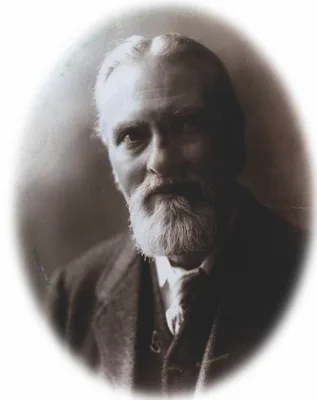
G. W. Foote was a Plymouth boy raised Anglican and Unitarian, who read himself into scepticism and reached London in 1868 "with very little religion". He became Bradlaugh's disciple, then a moderate Secularist. After Parliament's treatment of Bradlaugh he turned to ridicule, founding The Freethinker (1881) on the principle that superstition hates laughter. He served twelve months for blasphemy in 1883 with "Religion none" on his cell card, and succeeded Bradlaugh in 1890 as "an Atheist, and a teacher of Atheism".
The belief timeline
- Faith (c.1850-c.1865 (inferred span)) — Raised an Anglican, then a Unitarian by about fifteen (secondhand); Wheeler says he "was converted in youth" [2][8]
- Doubt (c.1865-1867 (inferred; undated by Foote)) — At Plymouth he "read and thought for myself", passed through "various stages of scepticism", outgrew Unitarianism before he had heard of Secularism or Atheism [3][4]
- Declaration (1868-1870 (first print 1870)) — Hears Bradlaugh in London, joins the Hall of Science set, writes first article for the National Reformer in 1870. The content of the article is not known, so the "declaration" date is inferred from the act of writing for an atheist paper [5][7][10]
- Revision (1880-1881) — After Bradlaugh's treatment he abandons the scholarly line of 1876-79 for ridicule: "revolutionised my ideas of Freethought policy"; the Freethinker is launched May 1881 [16][18][19]
- Restatement (January 1894) — As NSS president: "I am an Atheist, and a teacher of Atheism" (in a letter answering a bishop's claim that an atheist murderer was converted) [49]
Notes to the timeline (11)
- [2] His father, a customs officer, died when he was about four; he was raised an Anglican and became a Unitarian by about fifteen; surname originally "Foot" — Wikipedia citing Royle (ODNB); NSS ("brought up an Anglican but by the age of 15 was drawn to unitarianism"). Reported at second hand; the original has not been seen.
- [8] Wheeler: Foote "was converted in youth, but became a Freethinker by reading and independent thought" — Wheeler p. 131.
- [3] In Plymouth he "read and thought for myself", "gradually passed through various stages of scepticism", until dissatisfied even with the "advanced Unitarianism" of the Rev. J. K. Applebee; no literature beyond that position, and no one to ask — Remin p. 5.
- [4] He had never heard of Secularism or Atheism "in any definite way"; as a little boy he was shown an Atheist in the street and took him for "a devil in human form" — Remin p. 5.
- [5] He came to London in January 1868, aged eighteen, "with very little religion" — Remin p. 5; Wheeler p. 131 (1868).
- [7] Three or four weeks later he heard Bradlaugh, and from then on went whenever he could; Bradlaugh became "the god of my young idolatry" — Remin p. 6.
- [10] His first article in the National Reformer was in 1870 — Remin p. 7.
- [16] When Bradlaugh was committed to the Clock Tower (1880) Foote "saw my duty sun-clear" and resumed contributions to his journal; NSS: until then he "had favoured a quiet scholarly life" — Remin p. 21; NSS.
- [18] The paper's avowed object was "relentless war against Superstition in general, and the Christian Superstition in particular", using Science, Scholarship, Philosophy and Ethics and "any weapons of ridicule or sarcasm" — Prisoner p. 17; NSS (first issue: "anti-Christian organ ... chiefly aggressive").
- [19] Bradlaugh's "infamous treatment by the bigots" had "revolutionised my ideas of Freethought policy"; until then he had thought the combat ended and Freethinkers should cultivate the ground won — Prisoner p. 18.
- [49] In January 1894: "I am an Atheist, and a teacher of Atheism. I am the President of the National Secular Society" — FlowersII p. 276.
Superstition Hates Laughter
In March 1883, in the Central Criminal Court in London, Mr Justice North sentenced a thirty-three-year-old editor to twelve months in prison for blasphemous libel. He regretted, he said, "to find a person of your undoubted intelligence, a man gifted by God with such great ability," who "should have chosen to prostitute his talents to the service of the Devil." The editor answered from the dock: "Thank you, my lord; the sentence is worthy of your creed."12345 When he was entered at Holloway and asked his religion, he said "None", and "Religion none" stayed on his cell card for a year.67
His crime was a Christmas number of The Freethinker, a weekly that mocked the Bible with comic drawings.8 George William Foote had founded it two years before, on the principle that "Superstition dislikes argument, but it hates laughter".910 This chapter follows how a Plymouth boy who once took an atheist for "a devil in human form" became the editor who went to prison for laughing at God, and what he meant by it.
Plymouth
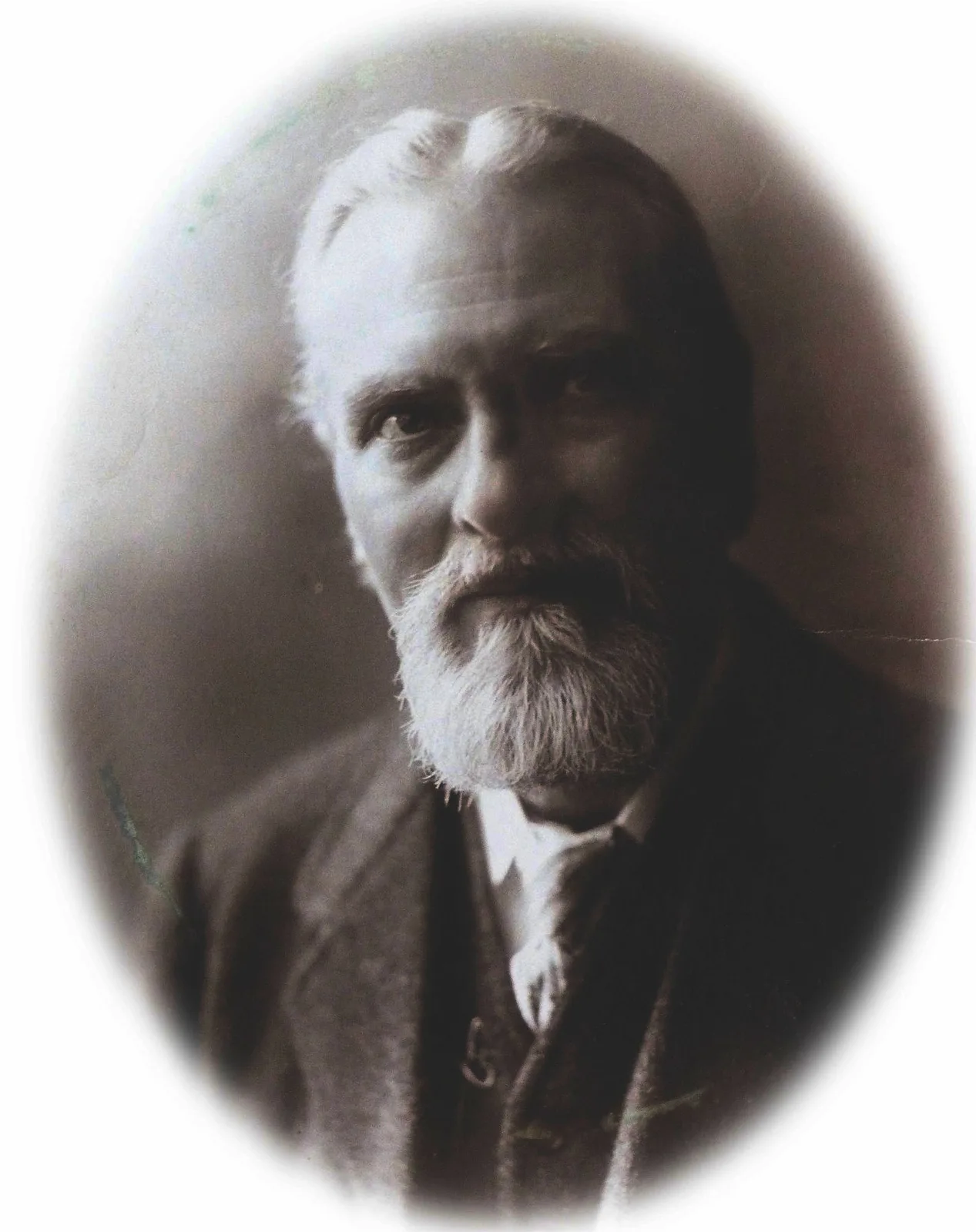
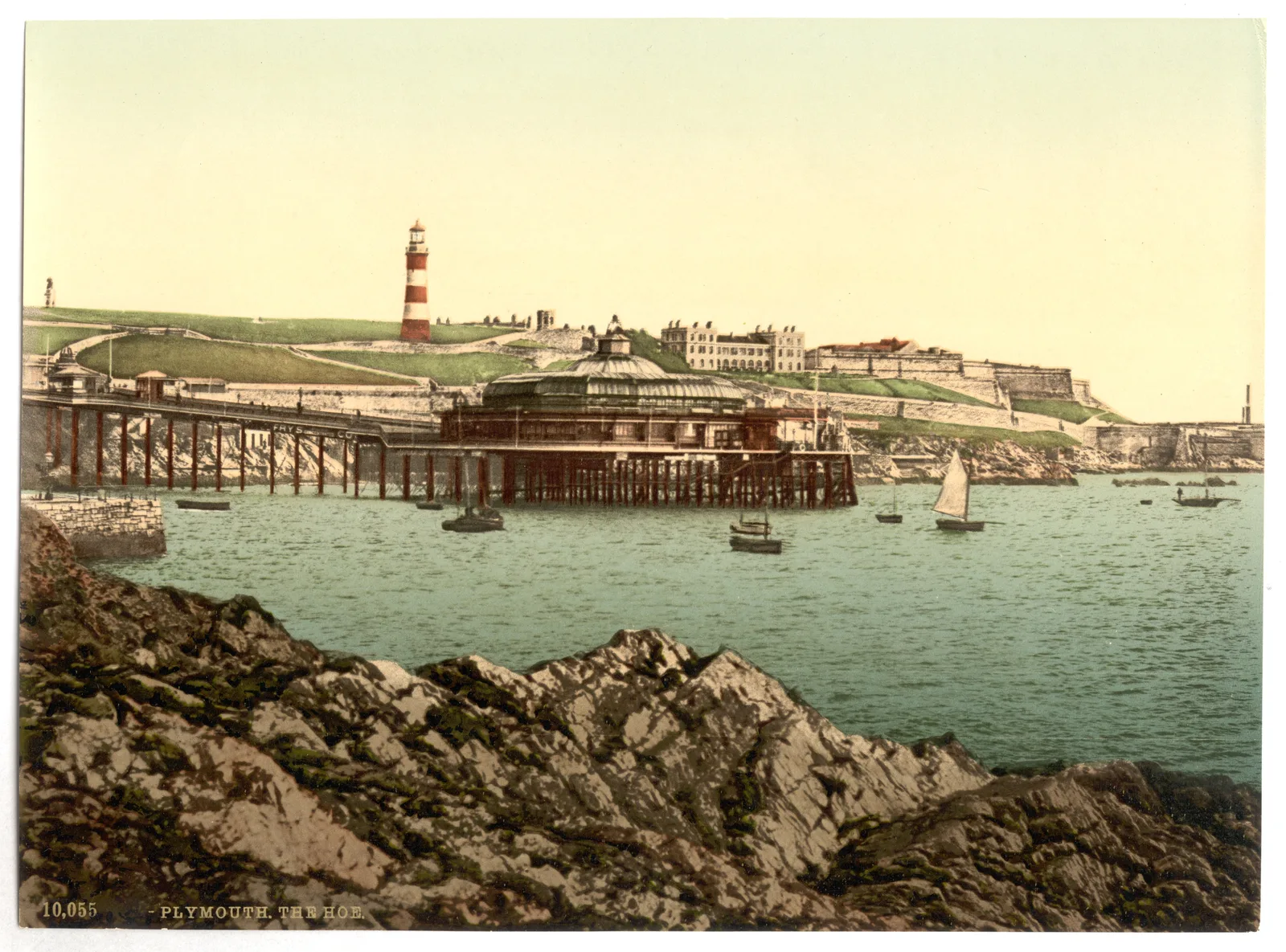
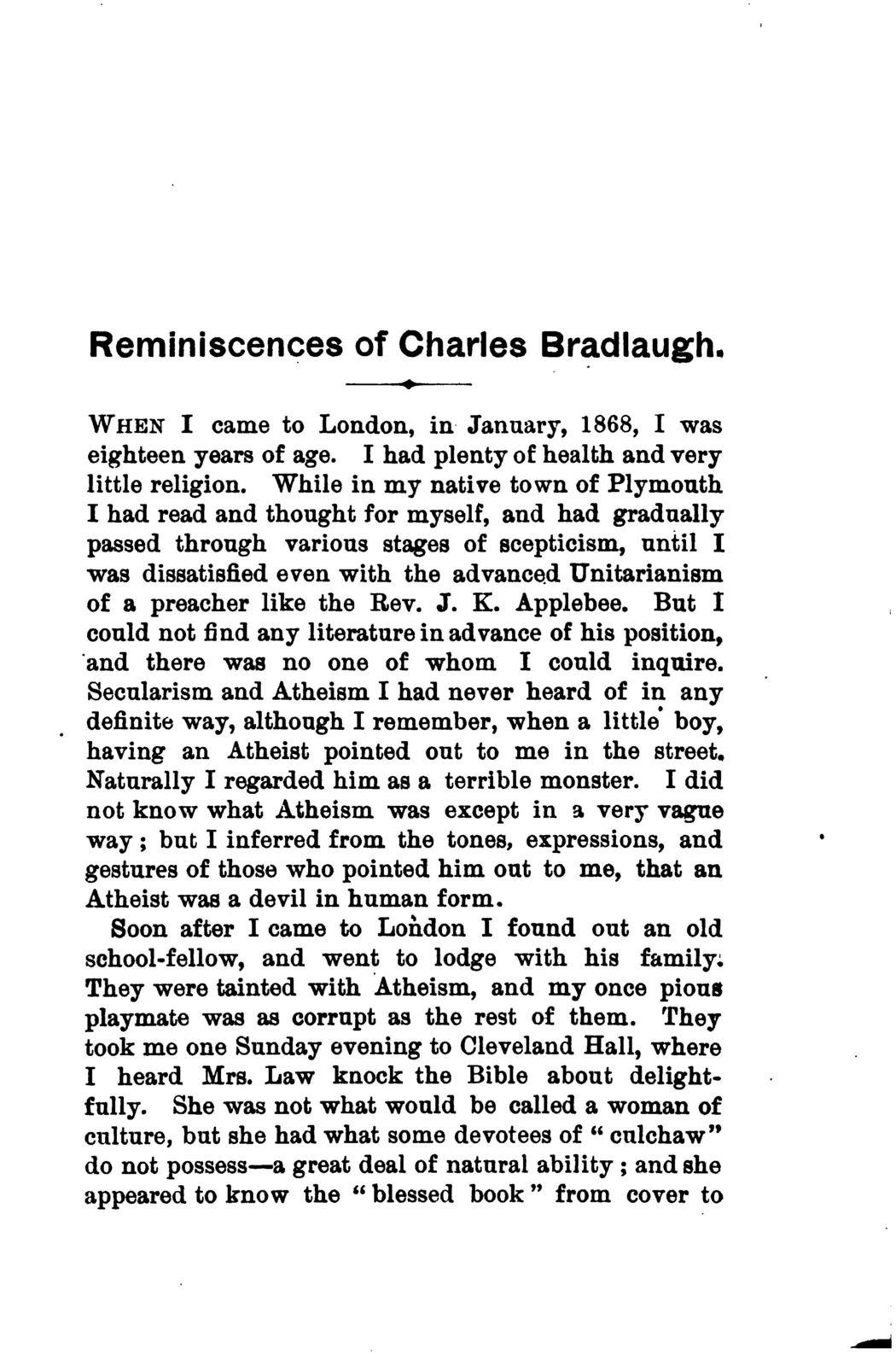
He was born at Plymouth on 11 January 1850. His father, a customs officer, died when he was about four; he was raised in the Church of England and was drawn to Unitarianism by about fifteen.1112 On the belief timeline, his faith belongs to those years, and that rests on his biographers. Of the doubt that followed, he left one paragraph. "While in my native town of Plymouth I had read and thought for myself, and had gradually passed through various stages of scepticism, until I was dissatisfied even with the advanced Unitarianism of a preacher like the Rev. J. K. Applebee."1314 He had never heard of Secularism or atheism except "in a very vague way"; as a little boy, when someone pointed out an atheist in the street, "I inferred from the tones, expressions, and gestures of those who pointed him out to me, that an Atheist was a devil in human form."1516 He gave no date; his doubt falls in his last Plymouth years, about 1865 to 1867.
Bradlaugh
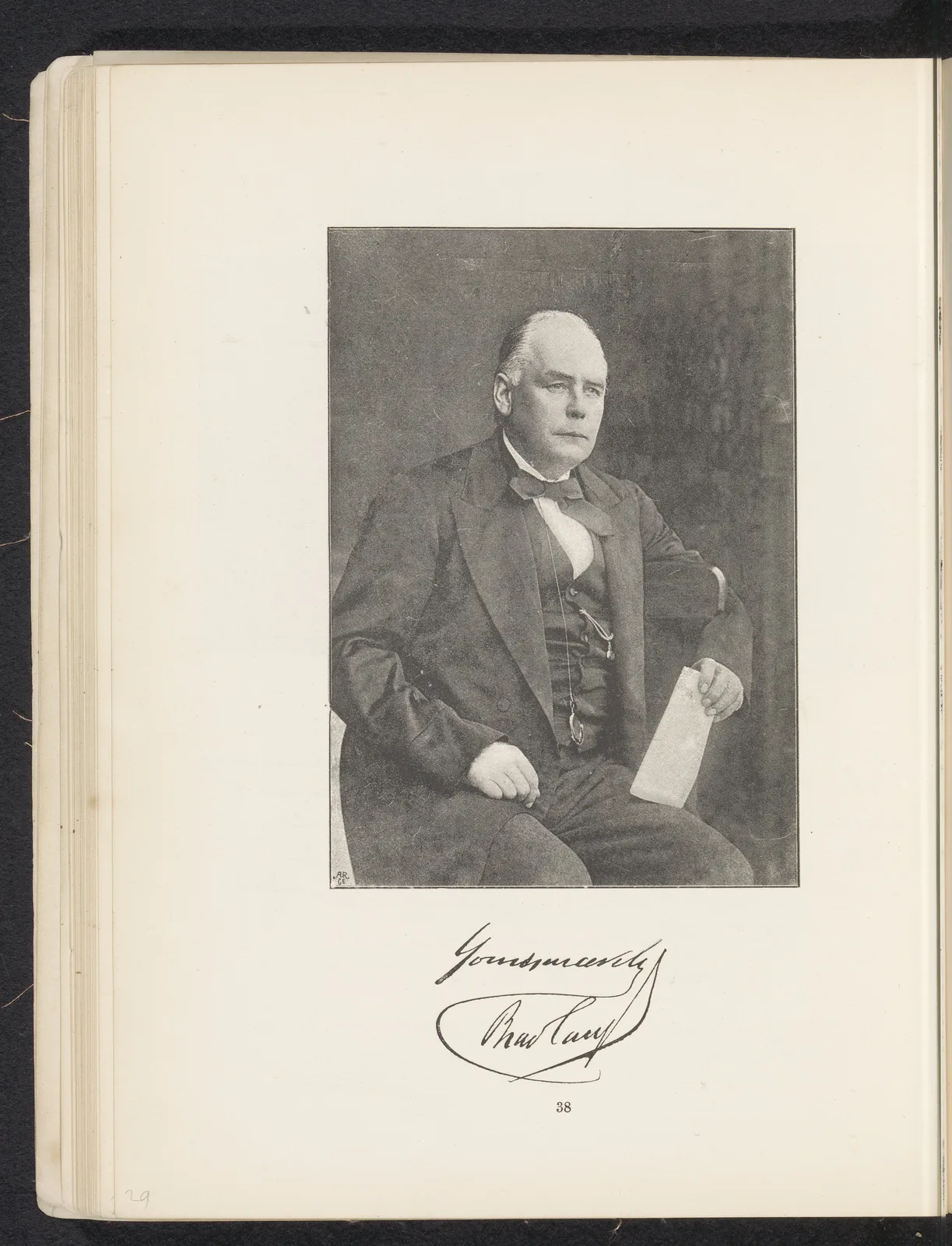
"When I came to London, in January, 1868, I was eighteen years of age. I had plenty of health and very little religion."1718 He lodged with a family "tainted with Atheism", who took him to Cleveland Hall to hear a woman lecturer "knock the Bible about". A few weeks later he heard Charles Bradlaugh, and went back whenever he could; Bradlaugh became "the 'god' of my young idolatry".192021 He taught in the Sunday school of the Hall of Science, and in 1870 wrote his first article for Bradlaugh's National Reformer.2223 On the timeline, that is his declaration, inferred from the act of writing for an atheist paper; what the article said is not known.
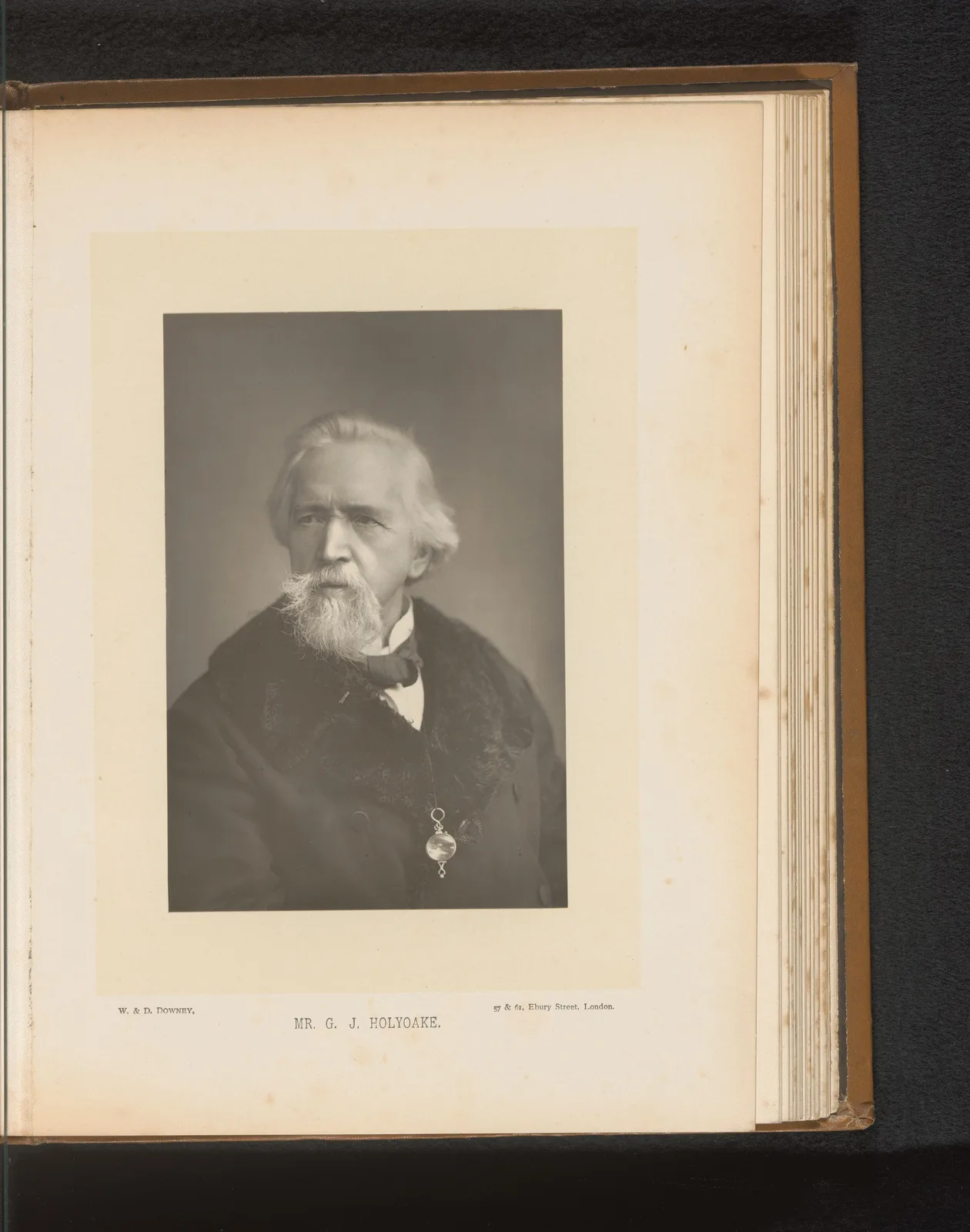
Then they parted. "Owing to circumstances, into which I need not enter, I saw little of Mr. Bradlaugh between 1875 and 1880," Foote wrote; other accounts say he was expelled from Bradlaugh's National Secular Society in 1876 and joined George Jacob Holyoake's rival body.242526 In those years he was a moderate. He ran The Secularist with Holyoake and in 1879 wrote Secularism the True Philosophy of Life.2728
The Freethinker
What changed him was Bradlaugh's treatment by Parliament. When Bradlaugh, elected for Northampton, was refused his seat and locked in the Clock Tower in 1880, Foote "saw my duty sun-clear".29 "Mr. Bradlaugh's infamous treatment by the bigots had revolutionised my ideas of Freethought policy."3031 In May 1881 he started The Freethinker, "with the avowed object of waging 'relentless war against Superstition in general, and the Christian Superstition in particular.'"323334 "I hold that the one great work of our time is the destruction of theology, the immemorial enemy of mankind."35 The fifth number carried the first of the "Comic Bible Sketches", and on New Year's Day 1882 the paper announced: "We ask no quarter and we shall give none."93637 That change from the scholar's line to the satirist's is his revision on the timeline, a revision of method, not of belief.
Questions were asked in Parliament. The Home Secretary, Sir William Harcourt, agreed that "nothing can be more pernicious or more abhorrent to all right-thinking people than publications of this description", but thought prosecutions did more harm than good.3839 A revivalist preacher, Henry Varley, circulated MPs urging them to "stay this hideous prostitution of the liberty of the Press".40 Foote answered that blasphemy laws fell only on the poor: "Heresy in expensive books for the upper classes is safe, but heresy in cheap publications for the people incurs a terrible danger."4142 On the last day of 1882 he set out his argument for ridicule: "on the Atheist's principles there can be no such sacredness, and I decline to recognise it. I take the full consequences and claim the full liberty of my belief."434445
Prison
There were two prosecutions. The first, over the summer numbers of 1882, was moved to the Queen's Bench.464748 The second was for the Christmas number of December 1882, with its series of cartoons, "A New Life of Christ".849 At the Old Bailey in March 1883 the first jury could not agree, and North kept Foote in Newgate over the weekend; the second convicted, and North gave him twelve months, his partner Ramsey nine, and Kemp, who sold the paper, three.501 Harcourt told the Commons that summer that the Christmas number was "an obscene libel" and refused to advise remission, though a memorial for Foote's release had "many thousands" of signatures.5152
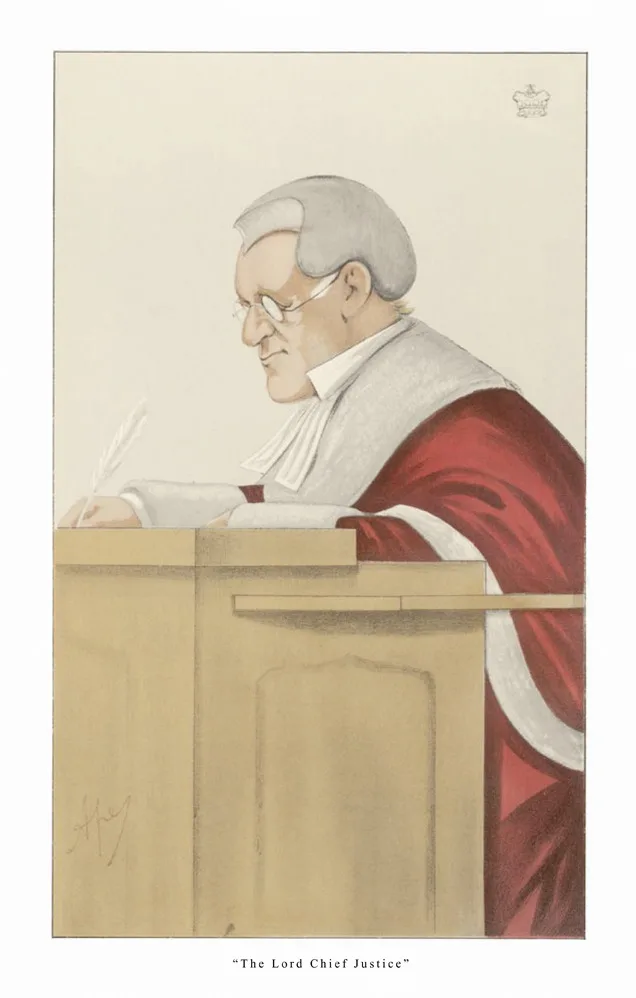
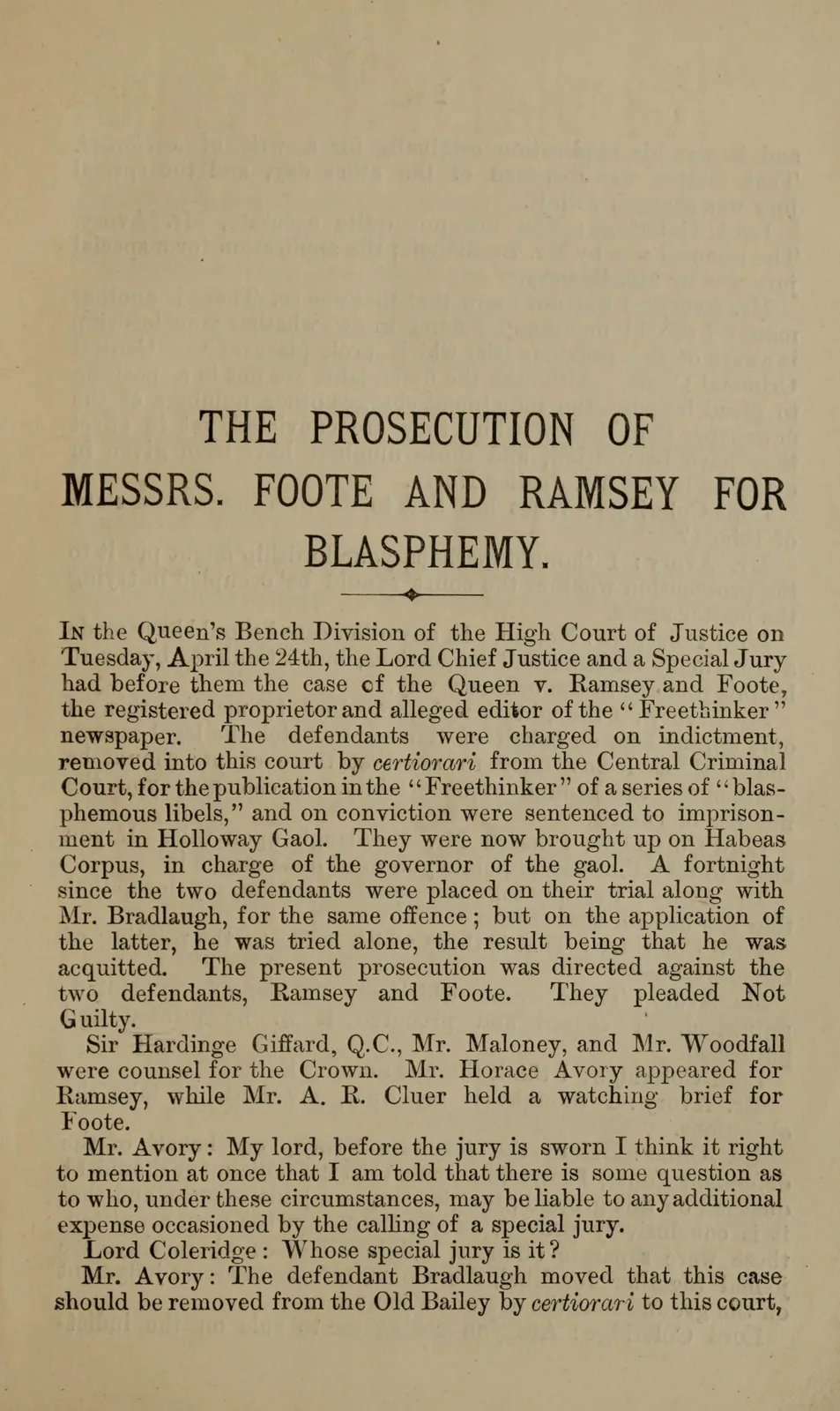
In April, brought from Holloway, he stood trial on the first indictment before the Lord Chief Justice, Lord Coleridge, and that jury too failed to agree.53 Coleridge's summing-up was the fairest thing said against him. "If decencies of controversy are observed, even the fundamentals of religion may be attacked without a person being guilty of blasphemous libels." Foote, he said, "may be blasphemous, but he certainly is not licentious"; but between the "grave, earnest, reverent" attacks of a Mill and the cartoons there was "not a difference of degree but of kind".54555657 He thought the law just, and still warned the jury that "the most odious is the discriminating laxity, which lays hold of particular persons and does not lay hold of others liable to the same censure."5859
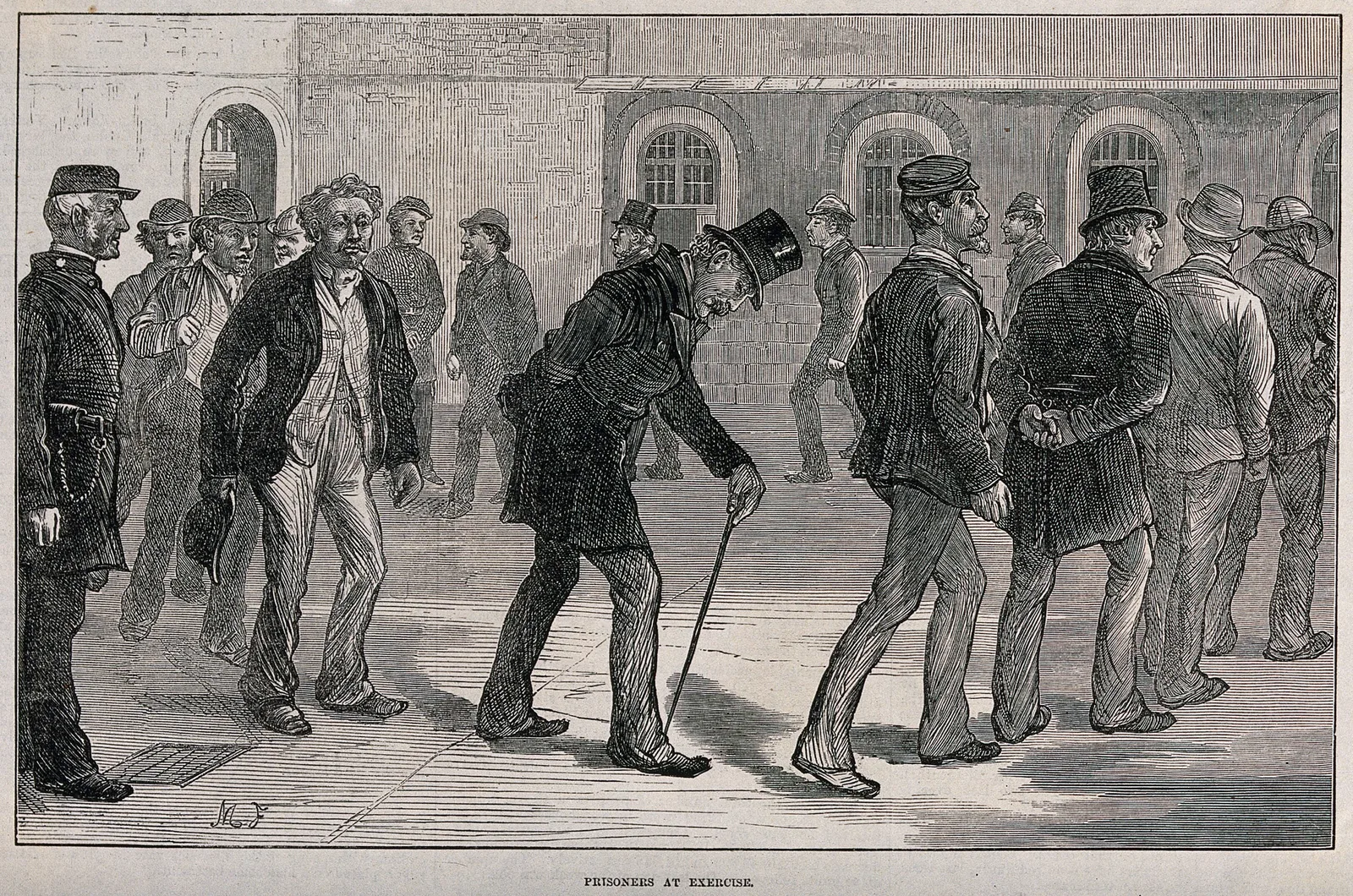
He was released at the end of February 1884.60 At a banquet at the Hall of Science he promised "to flinch no hair's breadth from the line he pursued before", and left the first copy of his paper at Justice North's house.61 Two years later he wrote: "It is more than possible that I shall be the last prisoner for blasphemy in England."6263
President
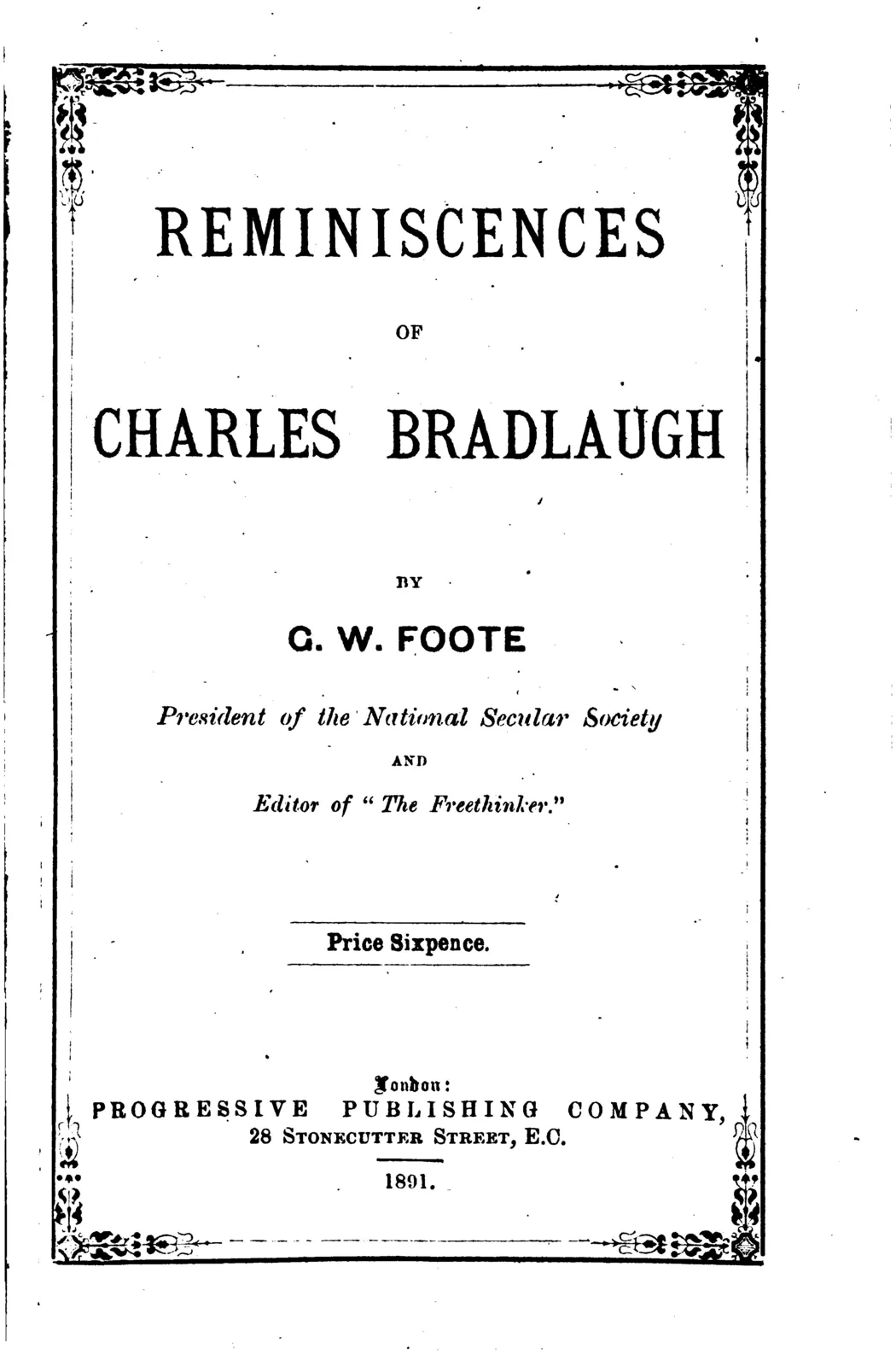
On 16 February 1890 Bradlaugh resigned the presidency of the National Secular Society and named Foote his successor.64 In 1894, answering a bishop who had claimed an atheist murderer converted, Foote wrote: "I am an Atheist, and a teacher of Atheism. I am the President of the National Secular Society."6566 That was a restatement, not a change. He opposed socialism, went bankrupt in the first years of the new century, and steered the Society toward pressure-group politics.67 He died at Westcliff-on-Sea on 17 October 1915.68
Foote's unbelief began in solitary reading and ended as a public trade, with ridicule as its tool and prison as its price. Annie Besant, who stood with him on the defence committee of 1883 and later quarrelled with him, has her own chapter in this book.
Footnotes
-
Prisoner p. 105. ↩
-
Prisoner p. 106; Wheeler p. 132. ↩
-
Mr. Justice North, sentencing, March 1883: Prisoner p. 105. ↩
-
Prisoner p. 106. ↩
-
Prisoner pp. 114-115. ↩
-
Prisoner p. 115. ↩
-
Prisoner p. 20. ↩
-
Wheeler p. 131; Wikipedia (rev. 1376137634). ↩
-
Wikipedia citing Royle (ODNB); NSS ("brought up an Anglican but by the age of 15 was drawn to unitarianism"). Reported at second hand; the original has not been seen. ↩
-
Remin p. 5. ↩
-
Remin p. 5. ↩
-
Remin p. 5. ↩
-
Remin p. 5. ↩
-
Remin p. 5; Wheeler p. 131 (1868). ↩
-
Remin p. 5. ↩
-
Remin pp. 5-6. ↩
-
Remin p. 6. ↩
-
Remin p. 6. ↩
-
Wheeler p. 131; Remin p. 7 (Sunday School, YMSA). ↩
-
Remin p. 7. ↩
-
Remin p. 21. ↩
-
NSS; Wikipedia citing Royle. ↩
-
Remin p. 21. ↩
-
Wheeler p. 131. ↩
-
Wheeler pp. 131-132. ↩
-
Remin p. 21; NSS. ↩
-
Prisoner p. 18. ↩
-
Prisoner p. 18. ↩
-
Prisoner p. 17; Remin p. 21; Report p. 6 (Maloney: "from the time the paper began in May, 1881"). Accounts differ; see the disputed points. ↩
-
Prisoner p. 17; NSS (first issue: "anti-Christian organ ... chiefly aggressive"). ↩
-
Prisoner p. 17. ↩
-
Prisoner pp. 18-19. ↩
-
Prisoner pp. 20-21. ↩
-
Prisoner p. 21. ↩
-
Prisoner pp. 22-23; Hansard 9 Feb 1882 vol 266 cc232-3. ↩
-
Sir William Harcourt, 9 Feb 1882 (Foote's reprint on p. 23 words it slightly differently): Hansard 9 Feb 1882 vol 266 cc232-3. ↩
-
Henry Varley, revivalist, in a private circular to MPs (January 1882): Prisoner p. 22 (Foote's reprint; the circular itself not seen). ↩
-
Prisoner p. 35 (protest at the Mansion House, 21 July 1882). ↩
-
Prisoner p. 35. ↩
-
Prisoner p. 52. ↩
-
Prisoner p. 52. ↩
-
Prisoner p. 52. ↩
-
Prisoner pp. 25, 30; Report p. 5. ↩
-
Prisoner pp. 27-29, 33-34. Foote's account is the only source for this, as for the other details in this chapter cited to that source alone. ↩
-
Prisoner p. 37. ↩
-
Prisoner pp. 54-56. ↩
-
Prisoner pp. 67, 82-84. ↩
-
Prisoner pp. 166-168; Hansard 24 July 1883 vol 282 cc295-7. ↩
-
Sir William Harcourt, Home Secretary: Hansard 24 July 1883 vol 282 cc295-7. ↩
-
Report pp. 1, 79-80; Wheeler p. 132; Prisoner p. 29 (25 April). ↩
-
Report pp. 76-77. ↩
-
Lord Coleridge, Lord Chief Justice, summing up, 25 April 1883: Report p. 76. ↩
-
Lord Coleridge: Report p. 76. ↩
-
Lord Coleridge, comparing Mill and the "grave, earnest, reverent" attackers with the Freethinker: Report p. 76. ↩
-
Lord Coleridge: Report p. 78. ↩
-
Lord Coleridge (cuts against the prosecution while still telling the jury to apply the law): Report p. 78. ↩
-
Prisoner p. 176. ↩
-
Prisoner pp. 177-179. ↩
-
Prisoner p. 6. ↩
-
Prisoner p. 6. ↩
-
Remin pp. 39-40. ↩
-
FlowersII p. 276. ↩
-
FlowersII p. 276. ↩
-
Wikipedia citing Royle; NSS. ↩
-
Wikipedia citing Royle and Cohen. ↩
In their own words
When I came to London, in January, 1868, I was eighteen years of age. I had plenty of health and very little religion.
While in my native town of Plymouth I had read and thought for myself, and had gradually passed through various stages of scepticism, until I was dissatisfied even with the advanced Unitarianism of a preacher like the Rev. J. K. Applebee.
I did not know what Atheism was except in a very vague way; but I inferred from the tones, expressions, and gestures of those who pointed him out to me, that an Atheist was a devil in human form.
He became the " god " of my young idolatry.
Owing to circumstances, into which I need not enter, I saw little of Mr. Bradlaugh between 1875 and 1880.
In the merry month of May, 1881, I started a paper called the Freethinker, with the avowed object of waging "relentless war against Superstition in general, and the Christian Superstition in particular."
Mr. Bradlaugh's infamous treatment by the bigots had revolutionised my ideas of Freethought policy.
I hold that the one great work of our time is the destruction of theology, the immemorial enemy of mankind
Superstition dislikes argument, but it hates laughter.
We ask no quarter and we shall give none.
I take the full consequences and claim the full liberty of my belief.
Now I insist that on the Atheist's principles there can be no such sacredness, and I decline to recognise it.
Thank you, my lord; the sentence is worthy of your creed.
None
I am an Atheist, and a teacher of Atheism. I am the President of the National Secular Society
It is more than possible that I shall be the last prisoner for blasphemy in England.
Heresy in expensive books for the upper classes is safe, but heresy in cheap publications for the people incurs a terrible danger.
The other side
if decencies of controversy are observed, even the fundamentals of religion may be attacked without a person being guilty of blasphemous libels.
He may be blasphemous, but he certainly is not licentious, in the ordinary sense of the word; and you do not find him pandering to the bad passions of mankind.
no one can read these articles without seeing a difference between them and the incriminated publications which I am obliged to say is not a difference of degree but of kind.
I think it is a just law that persons should be obliged to respect the feelings and opinions of those amongst them.
the most odious is the discriminating laxity, which lays hold of particular persons and does not lay hold of others liable to the same censure.
when a person indulges in malignant scoffing, and abuse, and derision, gross caricatures, and parodies, flagrant insults, and outrages to the feelings of ninety-nine people out of a hundred
I regret extremely to find a person of your undoubted intelligence, a man gifted by God with such great ability, should have chosen to prostitute his talents to the service of the Devil.
I have seen it, and I have no hesitation in saying that it is, in the most strict sense of the word, an obscene libel. It is a scandalous outrage upon public decency.
I agree that nothing can be more pernicious or more abhorrent to all right-thinking people than publications of this description.
devise means to stay this hideous prostitution of the liberty of the Press, by making these shameless blasphemers amenable to the existing law.
it was impossible for any Christian man to read them without feeling that they came within that description
Where accounts differ
| Point | One account | Another | How the page handles it |
|---|---|---|---|
| Launch date of the Freethinker | May 1881 (Prisoner p. 17; Remin p. 21; Report p. 6) | "Sept. '81" (Wheeler 1889, p. 132) | Say May 1881; three sources agree |
| Foote's retort to North | "Thank you, my lord; the sentence is worthy of your creed" (Prisoner p. 106) | "I thank you, my lord; your sentence is worthy of your creed" (Wheeler p. 132); "My Lord, I thank you, it is worthy of your creed" (NSS) | Quote Foote's own wording, say accounts differ slightly |
| Date of the first Mansion House hearing | Tuesday 11 July 1882 (Report p. 5: "the 11th of July last"; summons of 12 July in Prisoner p. 33 names a hearing on 17 July) | "Tuesday morning, May 11" (Prisoner p. 30) | Use July; Foote's "May" is a slip (11 July 1882 was a Tuesday; summons came in July) |
| Day before the Old Bailey trial | "Tuesday, February 27" for the certiorari hearing, then "the next morning, February 29" (Prisoner p. 60, p. 60 text) | Trial began Thursday 1 March (Prisoner p. 67); there was no 29 February in 1883 | Say late February and 1 March 1883 |
| Length of the sentence served | Twelve months, from 5 March 1883 (Prisoner p. 105; Wheeler p. 132) | Discharged 25 February (Prisoner p. 176; year 1884 by context), about nine days short of a year; Ramsey and Kemp were also freed about eleven days early (Prisoner p. 173) | Say "twelve months" and, if needed, "released at the end of February 1884" |
| Why Foote left Bradlaugh's circle in the 1870s | "Owing to circumstances, into which I need not enter" (Remin p. 21) | Expelled from NSS 1876; critic over Fruits of Philosophy 1877 (NSS, Wikipedia/Royle; neither seen in a scan) | Say the break is documented only in later summaries; Foote himself would not explain it |
| When Foote succeeded Bradlaugh | 16 Feb 1890 (Remin pp. 39-40) | "until Charles Bradlaugh died in 1891 ... at that time Foote was elected" (FTA) | Use 1890; FTA is wrong |
| Justice North's religion | Foote implies a creed ("worthy of your creed") and FTA calls North "a Catholic judge" (no source) | Not found in any scan | Do not state North's denomination |
| Which prosecution was the "cartoon" case | Both: the indictment of 1882 numbers (cartoons incl. 28 May 1882, tried by Coleridge) and the Christmas Number (convicted) (Prisoner pp. 48, 51; NSS) | Wikipedia lumps them as one trial in March 1883 | Say two prosecutions; the conviction was for the Christmas Number |
List of illustrations
This page uses only public-domain and Creative Commons images; each is credited with its source and licence.
- Portrait of G. W. Foote — Unknown author, c. 1910 · Wikimedia Commons, retouched copy of a portrait from the Freethinker archive · Public domain (Wikimedia Commons: Public domain; photograph by an unknown author, c. 1910, before 1931)
- The Hoe, from the Rusty Anchor, Plymouth, England (Photochrom print) — Detroit Publishing Co., Photochrom Print Collection, between 1890 and 1900 · Photochrom Print Collection, Library of Congress Prints and Photographs Division (LCCN 2002708046), via Wikimedia Commons, public domain · Public domain (Library of Congress Photochrom Print Collection, no known restrictions)
- Portret van Charles Bradlaugh (photograph) — Unknown photographer (Rijksmuseum RP-F-2001-7-67-29), c. 1881-1891 · Rijksmuseum, Amsterdam, CC0, via Wikimedia Commons · CC0 (Rijksmuseum); photograph public domain
- Reminiscences of Charles Bradlaugh, p. 5: 'When I came to London, in January, 1868...' (Plymouth scepticism, Rev. J. K. Applebee, Cleveland Hall, Mrs Law) — G. W. Foote, 1891 · Internet Archive (reminiscencesch00footgoog), public domain · Public domain (published before 1931; Internet Archive scan of a Google Books digitisation)
- Portret van George Holyoake, RP-F-2001-7-232D-24 — Rijksmuseum, c1883 · Wikimedia Commons, Rijksmuseum; CC0 · CC0
- Flowers of Freethought, by G. W. Foote (first series), title page — G. W. Foote, 1893 · Internet Archive (flowersoffreetho00footrich, University of California Libraries), public domain · Public domain (published before 1931; Internet Archive scan)
- Vanity Fair: Lord Coleridge, "The Lord Chief Justice", 5 March 1887 — Carlo Pellegrini ("Ape"), 1887-03-05 · Vanity Fair, 5 March 1887, via Wikimedia Commons · Public domain (Wikimedia Commons: Public domain; published 1887)
- The Prosecution of Messrs. Foote and Ramsey for Blasphemy, p. 1 (Queen's Bench, 24 April 1883) — Progressive Publishing Company, 1883 · Internet Archive (prosecutionofmes00foot, J. F. C. Harrison Collection, Brigham Young University), public domain · Public domain (published before 1931; Internet Archive scan)
- Newgate Prison, London: male prisoners taking exercise by walking around the prison yard. Wood engraving after M. Fitzgerald, 1873 (lettered 'Prisoners at exercise. M.F.') — Michael Fitzgerald (after), Illustrated London News, 1873 · Wellcome Collection (37852i), Public Domain Mark · Public Domain Mark
- Reminiscences of Charles Bradlaugh, by G. W. Foote, title page — G. W. Foote, 1891 · Internet Archive (reminiscencesch00footgoog), public domain · Public domain (published before 1931; Internet Archive scan of a Google Books digitisation)
Sources
Tier 1 — the subject's own words (writings, letters, diaries, trial records)
- Prisoner G. W. Foote, Prisoner for Blasphemy (London: Progressive Publishing Co., 1886; preface dated 1 Feb 1886). Internet Archive
prisonerforblas00footgoog(OCR intexts/prisoner.txt); clean text Project Gutenberg #7076 (texts/prisoner-gutenberg.txt). Page numbers are the printed ones. Public domain (US, pre-1931). - Remin G. W. Foote, Reminiscences of Charles Bradlaugh (London: Progressive Publishing Co., 1891; introduction dated 30 March 1891). IA
reminiscencesch00footgoog; Gutenberg #30205. - FlowersII G. W. Foote, Flowers of Freethought, second series (London, 1894; preface June 1894). IA
flowersfreethou00footgoog(page numbers); Gutenberg #30203. Essays are dated by Foote where noted. - FlowersI G. W. Foote, Flowers of Freethought, first series (1893). IA
flowersoffreetho00footrich; Gutenberg #30202. Downloaded, little used yet. - Arrows G. W. Foote, Arrows of Freethought (Gutenberg #30204; no page numbers). Downloaded, not yet mined.
- Comic G. W. Foote, Comic Bible Sketches (Gutenberg #30210). Downloaded; the sketches' pictures are the point, text not yet used.
- Report The Prosecution of Messrs. Foote and Ramsey for Blasphemy ("Full Report of the Trial of G. W. Foote and W. J. Ramsey for Blasphemy, April 1883", London: Progressive Publishing Co., 1883). IA
prosecutionofmes00foot. A partisan publication by Foote's own press, but a verbatim report of the Queen's Bench trial (24-25 April 1883); Coleridge's words are his own. - Hansard Historic Hansard: HC Deb 9 Feb 1882 vol 266 cc232-3; 13 Feb 1882 vol 266 c493; 24 July 1883 vol 282 cc295-7 (saved in
texts/hansard-*.txt). Crown copyright/UK Parliament open licence.
Tier 2 — scholarly biographies and encyclopedias
- Wheeler J. M. Wheeler, A Biographical Dictionary of Freethinkers of All Ages and Nations (London: Progressive Publishing Co., 1889), entries "Foote (George William)" pp. 131-132, "Ramsey (William James)", "Forder (Robert)". IA
biographicaldict00whee. Contemporary and by Foote's colleague (so friendly); not a scholarly source in the modern sense. - Royle (ODNB) Edward Royle, "Foote, George William (1850-1915)", Oxford DNB (2004), doi 10.1093/ref:odnb/41002. Paywalled; not reached. Its content is seen only through Wikipedia's citations, so every claim from it is "secondhand".
- Not reached, to borrow: Royle, Victorian Infidels (1974) and Radicals, Secularists and Republicans (1980); Marsh, Word Crimes (1998); Herrick, Vision and Realism (1982); Cohen's memorial notices in the Freethinker (31 Oct 1915).
Tier 3 — popular biographies and journalism
- NSS National Secular Society, "G.W. Foote and the Freethinker blasphemy trials", https://www.secularism.org.uk/the-freethinker-blasphemy-trials (read 2026-10-14). An institutional history by Foote's own society.
- FTA Freethought Archives, "G.W. Foote - Biographical Note", http://www.ftarchives.net/foote/fbio.htm (read 2026-10-14). Carries errors (says Bradlaugh died 1891 "at that time" Foote was elected; calls North a Catholic judge without citing).
Tier 4 — Wikipedia and similar reference sites
- Wikipedia "G. W. Foote", revision 1376137634 of 2026-09-22. A map only; its biographical paragraphs cite Royle (ODNB) and the NSS page.
Opposition sources — contemporary critics and religious responses
- Report (Maloney for the prosecution; Lord Coleridge's summing up).
- Prisoner (Justice North's sentence p. 105; Recorder Chambers's charge to the grand jury p. 36 and Henry Varley's circular p. 22, both as Foote prints them).
- Hansard (Harcourt, 1882 and 1883).
Related lives
Annie Besant — his old colleague in the Freethinker defence committee of 1883, later his opponent over Theosophy [see Open questions]. (Close wording: "has their own episode in this series"; no "Next:" pointer.)
Shibli Shumayyil
Shibli Shumayyil was a Catholic boy from Mount Lebanon who lost his religion training as a doctor in France, and then lost his last "cause of causes" to the question "what is the cause of your cause?" In 1884 he carried Büchner's Darwin into Arabic, with a preface tracing the gods to fear and ignorance. He spent thirty years in Cairo denying a hidden power that watches and judges human deeds, while defending the faith of others. He renamed his unbelief "natural monism" and "the religion of humanity", and never called it atheism.
Sigmund Freud
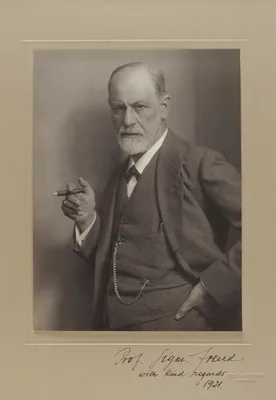
Sigmund Freud was a Jewish boy in Catholic Vienna, turned to science by Goethe and trained in Brücke's laboratory. He left no public-domain account of losing a faith. From 1907 he made unbelief clinical, treating religion as a wish-fulfilment rooted in the child's longing for a father: an "illusion" in 1927 that was not necessarily an error, and a "mass-delusion" by 1930. He kept a pastor as a friend, and granted religion's history respect.
Clarence Darrow
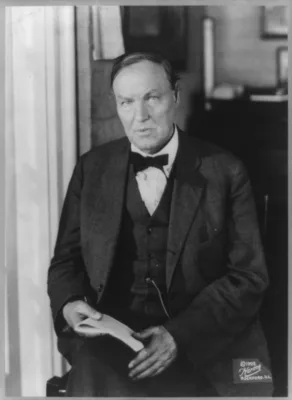
Clarence Darrow was raised by a doubting father in a churchgoing village. He came to unbelief through a philosophy of pity, the view that every person is made by heredity and circumstance, and he gave up the hope of immortality reluctantly. At Dayton in 1925 he accepted the word agnostic as a compliment, while cross-examining the Bible's most famous defender.
Francisco Ferrer
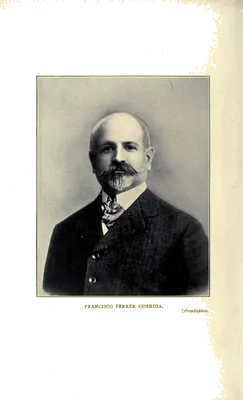
Francisco Ferrer was raised by devout Catholic farmers at Alella, and broke with their faith and politics as a young Republican. In his Paris years he called himself "a convinced atheist". He spent a Catholic pupil's legacy on a Barcelona school meant to banish religion from children's minds. He was acquitted once, and then shot at Montjuïc in 1909 as "author and chief" of a rising no single act of his was shown to have caused. He refused the priests to the last, and forbade any cult, even of himself.