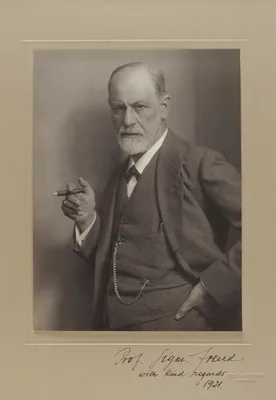
Sigmund Freud was a Jewish boy in Catholic Vienna, turned to science by Goethe and trained in Brücke's laboratory. He left no public-domain account of losing a faith. From 1907 he made unbelief clinical, treating religion as a wish-fulfilment rooted in the child's longing for a father: an "illusion" in 1927 that was not necessarily an error, and a "mass-delusion" by 1930. He kept a pastor as a friend, and granted religion's history respect.
The belief timeline
- Inheritance (c. 1865–73) — A Jewish boyhood in Vienna: the Philippson Bible's pictures, the father who picked up his cap, Hannibal against Rome, class-mates who made him choose a stance [6][7][15]
- Doubt (c. 1873–82 (open; lead)) — Goethe's "Nature" turns him to natural science; Brücke's institute is his scientific school; the source of the unbelief itself is not documented in free texts (Feuerbach, Brentano, the "godless" self-description are all leads) [9][12][13][42][43]
- Declaration (1907, 1913, 1927) — The first published analogy of religion with obsession (1907); the god derived from the father (1913); the book-length case that religion is "illusion" (1927) [17][21][23]
- Revision (1930–39) — The wording hardens to "mass-delusion" and he declines the "oceanic" feeling (1930); then exile, the burning of his books and Moses and Monotheism (1939; in-copyright, lead) [29][31][35][47]
Notes to the timeline (15)
- [6] "Forced by the anti-semitic sentiment among my class-mates to assume a definite attitude," he made Hannibal, the Semitic general, his hero: "Hannibal and Rome symbolised for me as a youth the antithesis between the tenaciousness of the Jews and the organisation of the Catholic Church" — Sigmund Freud, The Interpretation of Dreams, translated by A. A. Brill (New York: Macmillan, 1913; third English edition of Brill's version), p. 164.
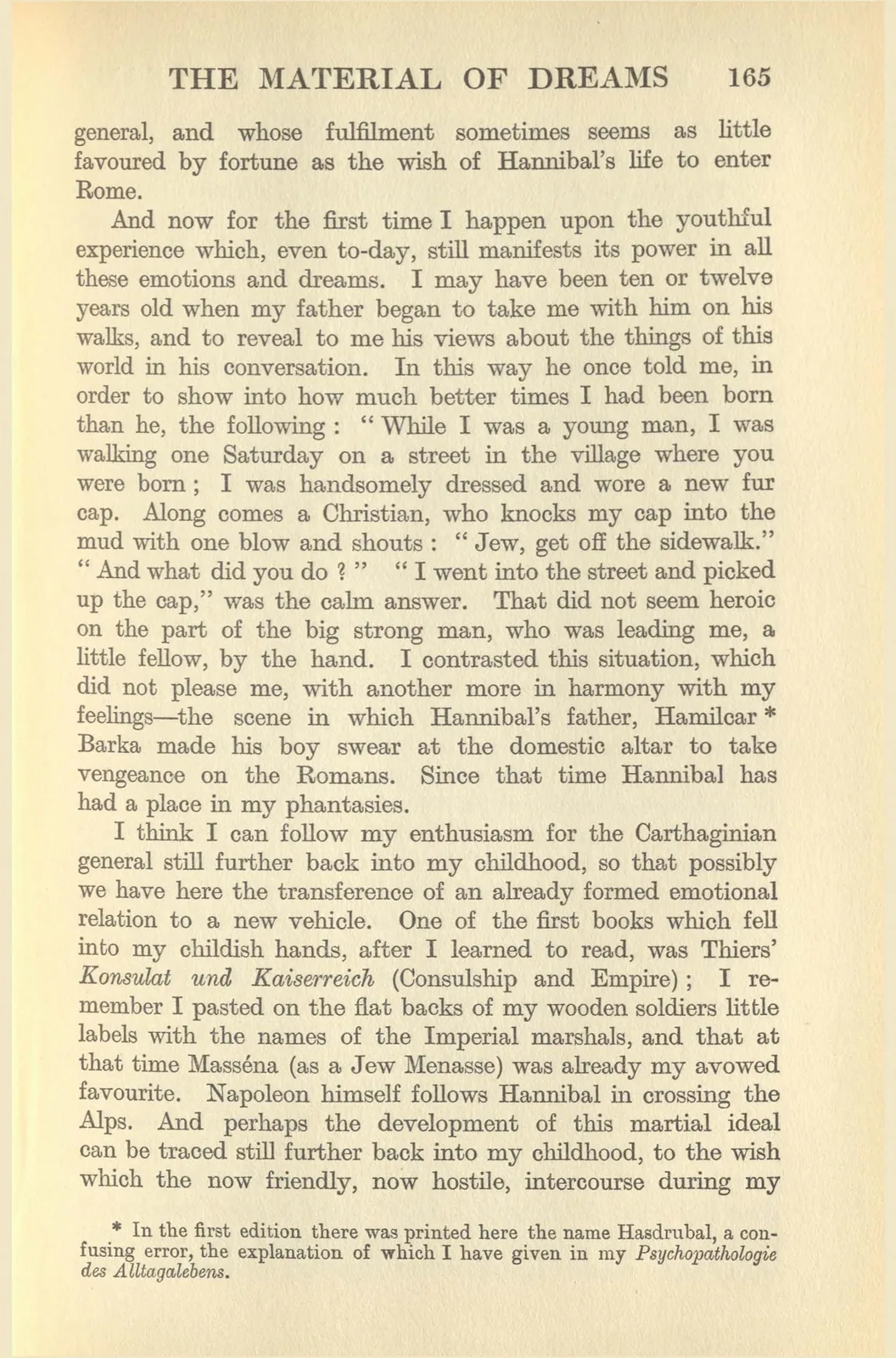
- [7] At ten or twelve his father told him the cap story (a Christian knocked his new fur cap into the mud, "Jew, get off the sidewalk," and his father stepped into the street and picked it up); the boy found this "not heroic" — Freud, Interpretation of Dreams, p. 165; Fritz Wittels, Sigmund Freud: His Personality, His Teaching, & His School, translated by Eden and Cedar Paul (London: George Allen & Unwin, 1924), p. 247 repeats it in a different translation ("pavement").
- [15] At seven or eight he had a vivid dream of his mother carried in by figures with birds' beaks, taken "from the illustrations of Philippson's bible" (Egyptian deities with sparrowhawk heads) — Freud, Interpretation of Dreams, pp. 460–61.
- [9] A public reading of Goethe's "short, incomparably beautiful essay" on Nature induced him to study natural science while he was still undecided in the graduating class — Freud, Interpretation of Dreams, p. 347; Wittels, Sigmund Freud, p. 19.
- [12] While still a student he became demonstrator under Ernst Brücke at the physiological institute; Brücke was professor from 1849 to 1890 and died in 1892. Freud's own account: Brücke caught him late and "what overwhelmed me was the terrible blue eyes" — Wittels, Sigmund Freud, p. 22 (Brücke's dates); Freud, Interpretation of Dreams, p. 332. Reported at second hand; the original has not been seen.
- [13] He ceased working in Brücke's laboratory two years before 1884, i.e. c. 1882, and after Paris never renewed relations with Brücke — Wittels, Sigmund Freud, pp. 23, 27.
- [42] Freud as a student read Feuerbach and called him a philosopher he revered (letters to Silberstein and Fluss, 1870s) — Silberstein/Fluss letters (modern editions; in copyright); Jones vol. 1. Not verified.
- [43] Brücke's laboratory belonged to the Helmholtz school of anti-vitalist physiology, a materialist programme — Bernfeld 1944; Jones; Gay (all in copyright).
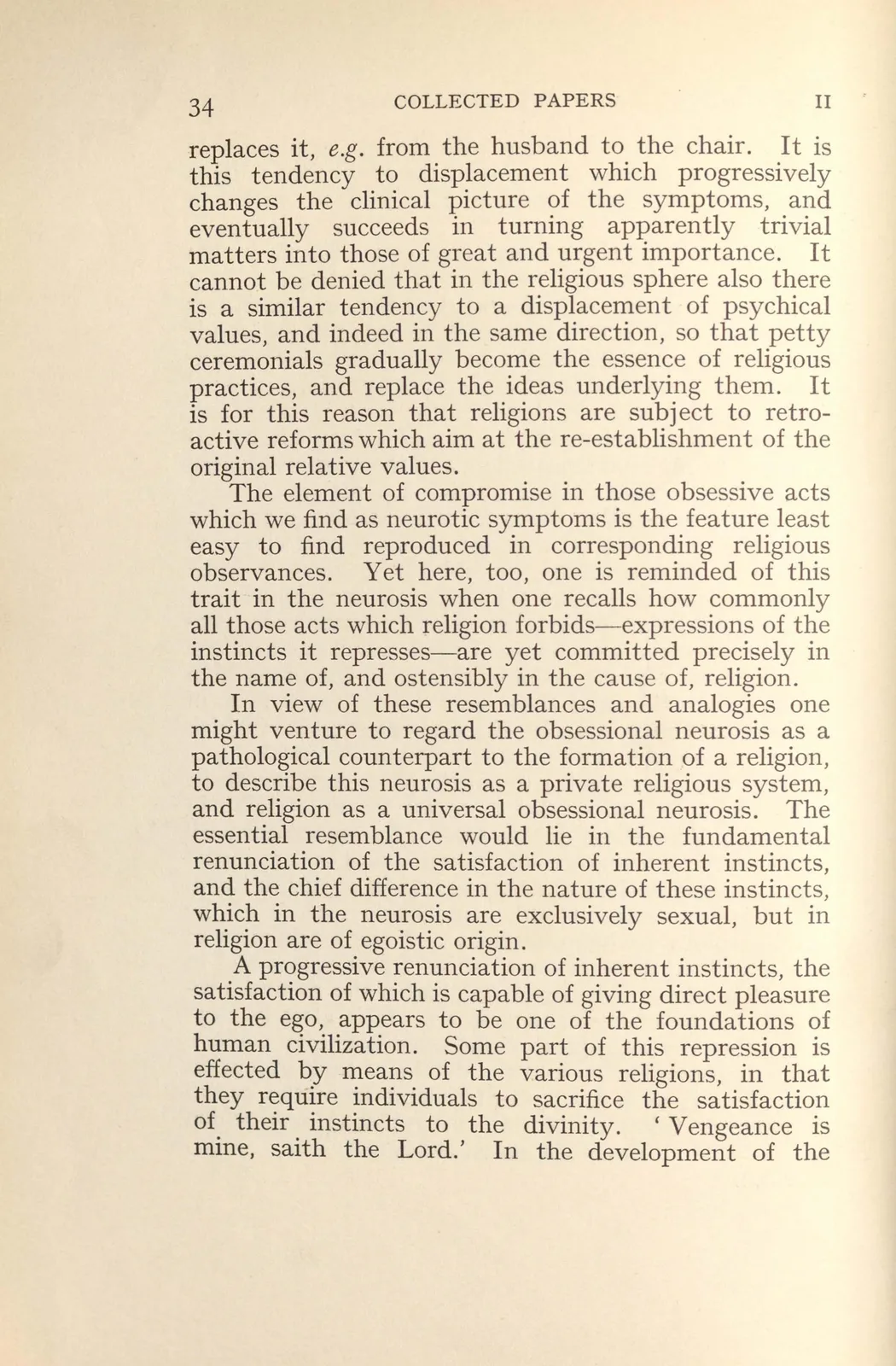
- [17] "Obsessive Acts and Religious Practices" (1907), first printed in Zeitschrift für Religionspsychologie, Bd. I, 1907, argues that obsessive ceremonials and religious observances resemble each other "something more than superficially" — Sigmund Freud, Collected Papers, vol. II, Clinical Papers; Papers on Technique, International Psycho-Analytical Library No. 8, authorized translation under the supervision of Joan Riviere (London: Hogarth Press, 1924). "Obsessive Acts and Religious Practices" (1907) translated by R. C. McWatters, p. 25 and footnote.
- [21] Totem and Taboo: "the totem itself is nothing but a substitute for the father... Thus the totem may have been the first form of the father substitute and the god a later one in which the father regained his human form"; the "root of all religious evolution" is "the longing for the father" — Sigmund Freud, Totem and Taboo: Resemblances between the Psychic Lives of Savages and Neurotics, authorized English translation by A. A. Brill (New York: Moffat, Yard and Company, copyright 1918; second printing 1919), pp. 232–33, 244.
- [23] In The Future of an Illusion religious ideas "are not the residue of experience or the final result of reflection; they are illusions, fulfilments of the oldest, strongest and most insistent wishes of mankind"; "An illusion is not the same as an error"; "we call a belief an illusion when wish-fulfilment is a prominent factor in its motivation" — Sigmund Freud, The Future of an Illusion, translated by W. D. Robson-Scott, International Psycho-Analytical Library (London: Hogarth Press and Institute of Psycho-Analysis; New York: Liveright), first published 1928; the scan is the seventh impression, 1955, same text, pp. 52–55.
- [29] In Civilization and Its Discontents Freud reports that a friend, to whom he had sent "my little book which treats of religion as an illusion", wrote that he agreed entirely with the views on religion but that Freud had not understood the source of religious sentiment, a feeling of "eternity... something 'oceanic'", and one "may rightly call oneself religious on the ground of this oceanic feeling alone, even though one reject all beliefs and all illusions"; Freud: "I cannot discover this 'oceanic' feeling in myself" — Sigmund Freud, Civilization and Its Discontents, translated by Joan Riviere, International Psycho-Analytical Library No. 17 (London: Hogarth Press, 1930), pp. 7–9.
- [31] In 1930 he writes: "The religions of humanity, too, must be classified as mass-delusions of this kind", having said in 1927 that an illusion "need not be necessarily false" and is distinct from a delusion — Freud, Civilization and Its Discontents, p. 36; Freud, Future of an Illusion, pp. 53–54.
- [35] On 10 May 1933 the Washington Evening Star reported the burning in Berlin that night: some 30,000 books to be burned in Opera Square at 11 p.m., Goebbels to speak, and works of "Sigmund Freud" among those "being burned" — "[Nazi book burning]," Evening Star (Washington, D.C.), 10 May 1933, image 20 (LoC Chronicling America, sn83045462), image 20.
- [47] Moses and Monotheism (1939) argued that Moses was an Egyptian; Freud treats religion as having a "historical truth"; written in Vienna and finished in London — K. Jones translation 1939 (in copyright; not downloaded). Lead; paraphrase is the only source for this, as for the other details in this chapter cited to that source alone.
The Voice of the Intellect
In 1927 a Viennese doctor of seventy-one published a short book called The Future of an Illusion. Its central claim was that religious doctrines "are not the residue of experience or the final result of reflection; they are illusions, fulfilments of the oldest, strongest and most insistent wishes of mankind; the secret of their strength is the strength of these wishes."12 He was careful, more careful than his readers have usually been. "An illusion is not the same as an error, it is indeed not necessarily an error," he wrote, and "it does not lie within the scope of this enquiry to estimate the value of religious doctrines as truth."1345
Sigmund Freud did not write about how he lost his faith. The public-domain record shows the world he grew up in and the science he trained in, and then, from 1907, the case he made against religion as a doctor of the mind. This chapter follows that record, says plainly where it falls silent, and asks how, for Freud, unbelief became a diagnosis.
A Jewish boyhood in Vienna
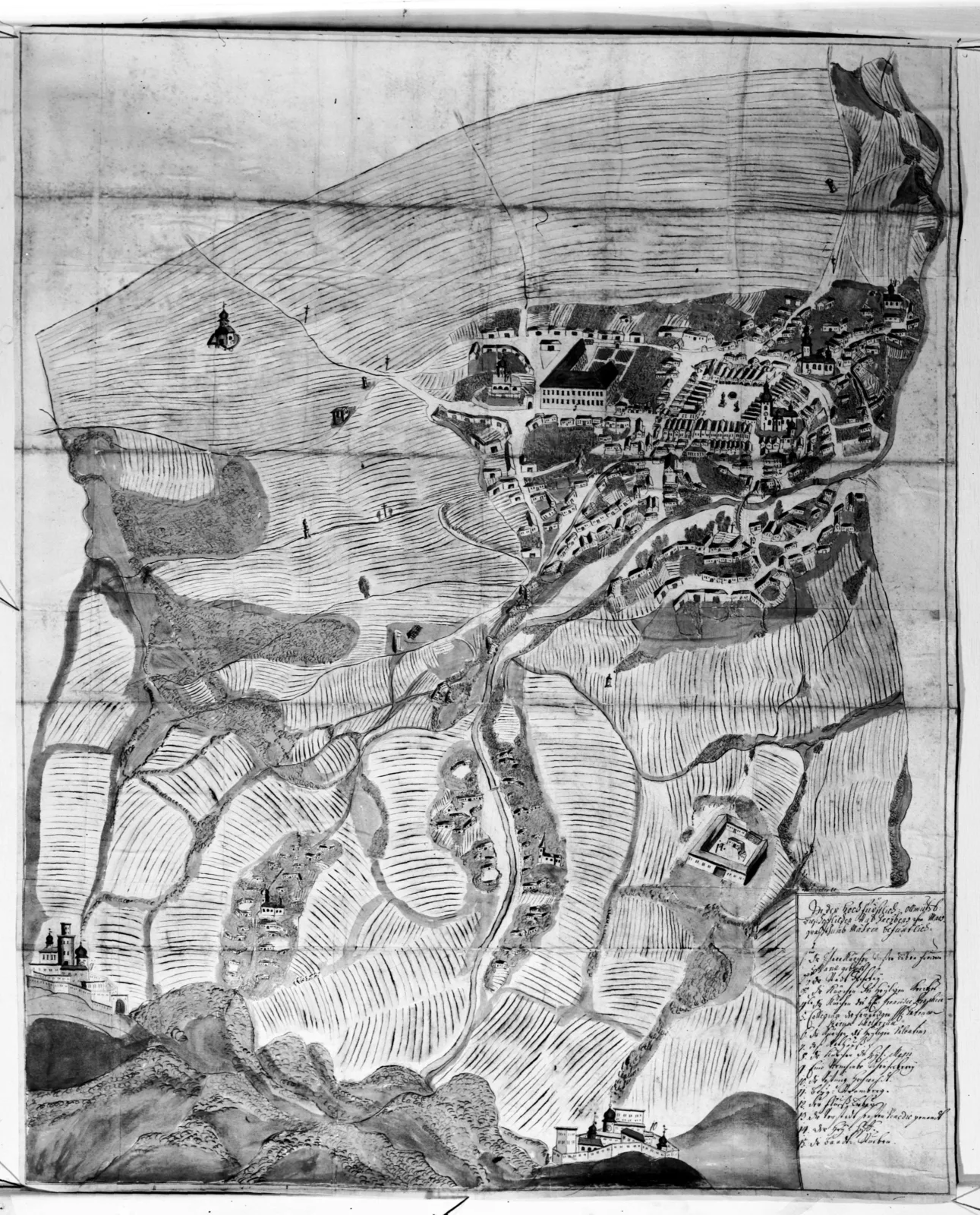
He was born in 1856 in Freiberg, "a small village of Moravia, inhabited by Slavs," now Příbor in the Czech Republic. His father, married before, was already a grandfather; Sigmund was the first child of his young wife.67 When he was three the family moved to Leipzig and a year later to Vienna.8
There was an illustrated Bible in the house, Philippson's edition. At seven or eight Freud dreamed of his mother being carried by "very tall figures—draped in a peculiar manner—with beaks," which he later traced to its pictures: "I believe they represented deities with heads of sparrowhawks from an Egyptian tomb relief."910 What faith his father practised is a question the free sources do not answer.11
He remembered being Jewish in a Catholic city. At school, "forced by the anti-semitic sentiment among my class-mates to assume a definite attitude," he took the Semitic general Hannibal for his hero: "Hannibal and Rome symbolised for me as a youth the antithesis between the tenaciousness of the Jews and the organisation of the Catholic Church."1213 At ten or twelve his father told him how, as a young man, a Christian had knocked his new fur cap into the mud, shouting "Jew, get off the sidewalk." "And what did you do?" the boy asked. "I went into the street and picked up the cap." "That did not seem heroic," Freud wrote, "on the part of the big strong man, who was leading me, a little fellow, by the hand."1415
Science
He was uncertain what to study until, near the end of school, he heard Goethe's "short, incomparably beautiful essay" on Nature read aloud, and that, he said, decided him for natural science.16 As a student he worked in the physiological institute of Ernst Brücke, the "great master" whose "terrible blue eyes" he never forgot.17 He studied with Jean-Martin Charcot in Paris in 1885–86.18
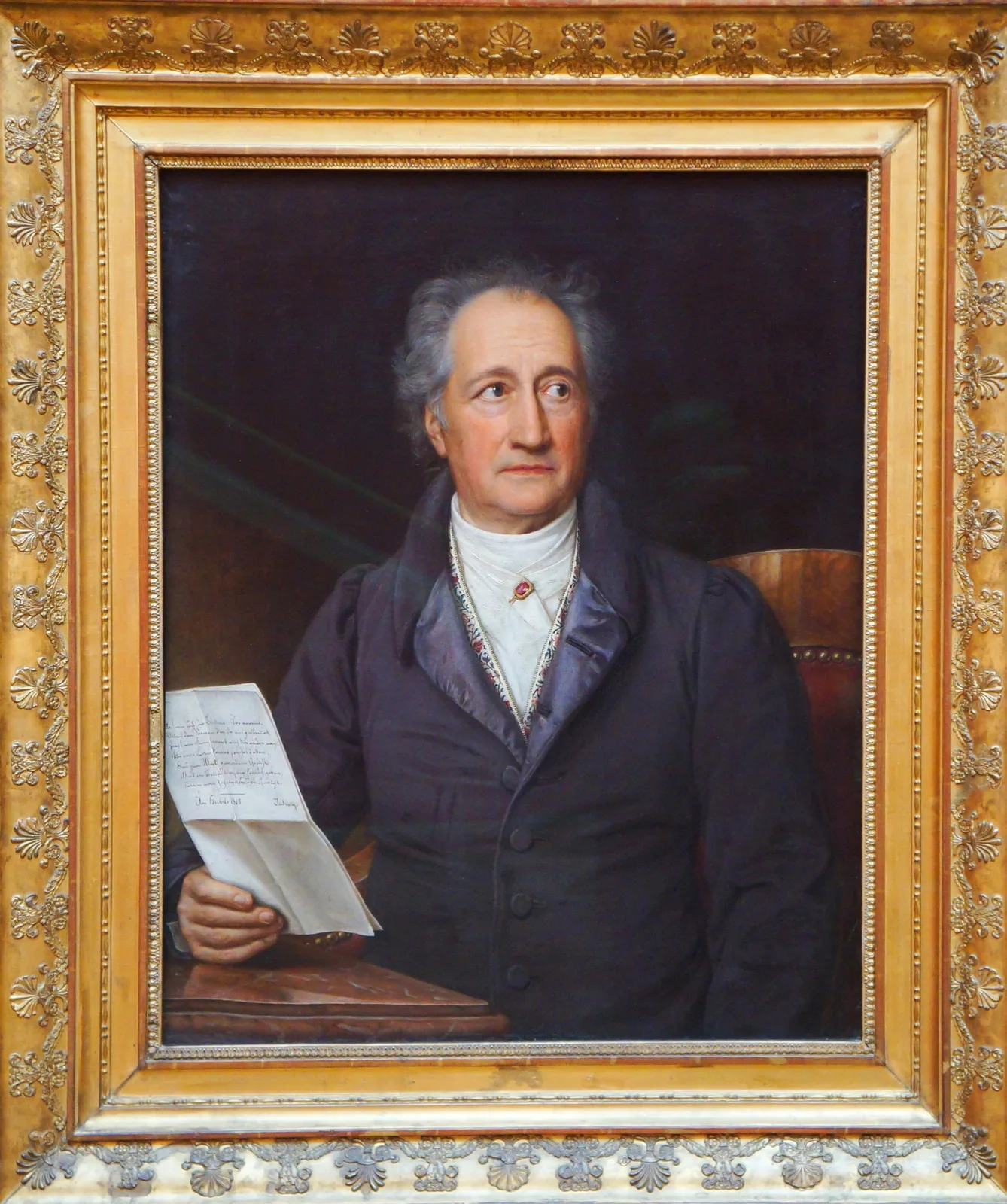
When and why he stopped believing is not recorded in the sources this book can quote. Later biographers point to his reading of Ludwig Feuerbach as a student, to the materialist physiology of Brücke's school, and to a letter of 1918 in which he called himself "godless"; all three rest on letters and studies still in copyright, and they are left out here.192021
His father died in 1896. Freud called that loss "the most significant event, the deepest loss, in the life of a man," and said that The Interpretation of Dreams (1900) was "a reaction to the death of my father."2223
Religion on the couch
His first published word on religion came in 1907. "I am certainly not the first to be struck by the resemblance between what are called obsessive acts in neurotics and those religious observances by means of which the faithful give expression to their piety," he began, and he ended: "one might venture to regard the obsessional neurosis as a pathological counterpart to the formation of a religion, to describe this neurosis as a private religious system, and religion as a universal obsessional neurosis."24252627
In Totem and Taboo (1913) he went looking for the origin of gods themselves. "Psychoanalysis has revealed to us that the totem animal is really a substitute for the father," he wrote, and "the totem may have been the first form of the father substitute and the god a later one in which the father regained his human form."282930 The book ended with a line from Goethe's Faust: "In the beginning was the deed."3132
The pastor
A believing friend was a Reformed pastor in Zurich, Oskar Pfister, who used psychoanalysis in his work with the young. Freud wrote the introduction to Pfister's book in 1917.3334 Pfister answered Freud's unbelief in advance: "Psychoanalysis in no way violates the claims of truth of the Christian religion as such. Of course ... it destroys many spurious religious experiences." Analysis, he said, had shown him "the beauty and the blessing of a healthy, ethically pure piety."353637
The Future of an Illusion
The 1927 book made the case at length. Religious belief, Freud argued, was the child's longing for a protecting father carried into adult life; "thus religion would be the universal obsessional neurosis of humanity. It, like the child's, originated in the Oedipus complex, the relation to the father."3839 He did not sneer. Knowing the historical value of religious doctrines, he wrote, "increases our respect for them," and the true believer was in some ways protected against neurosis.3840 But humanity had to grow up: "Man cannot remain a child for ever; he must venture at last into the hostile world. This may be called 'education to reality.'"4142
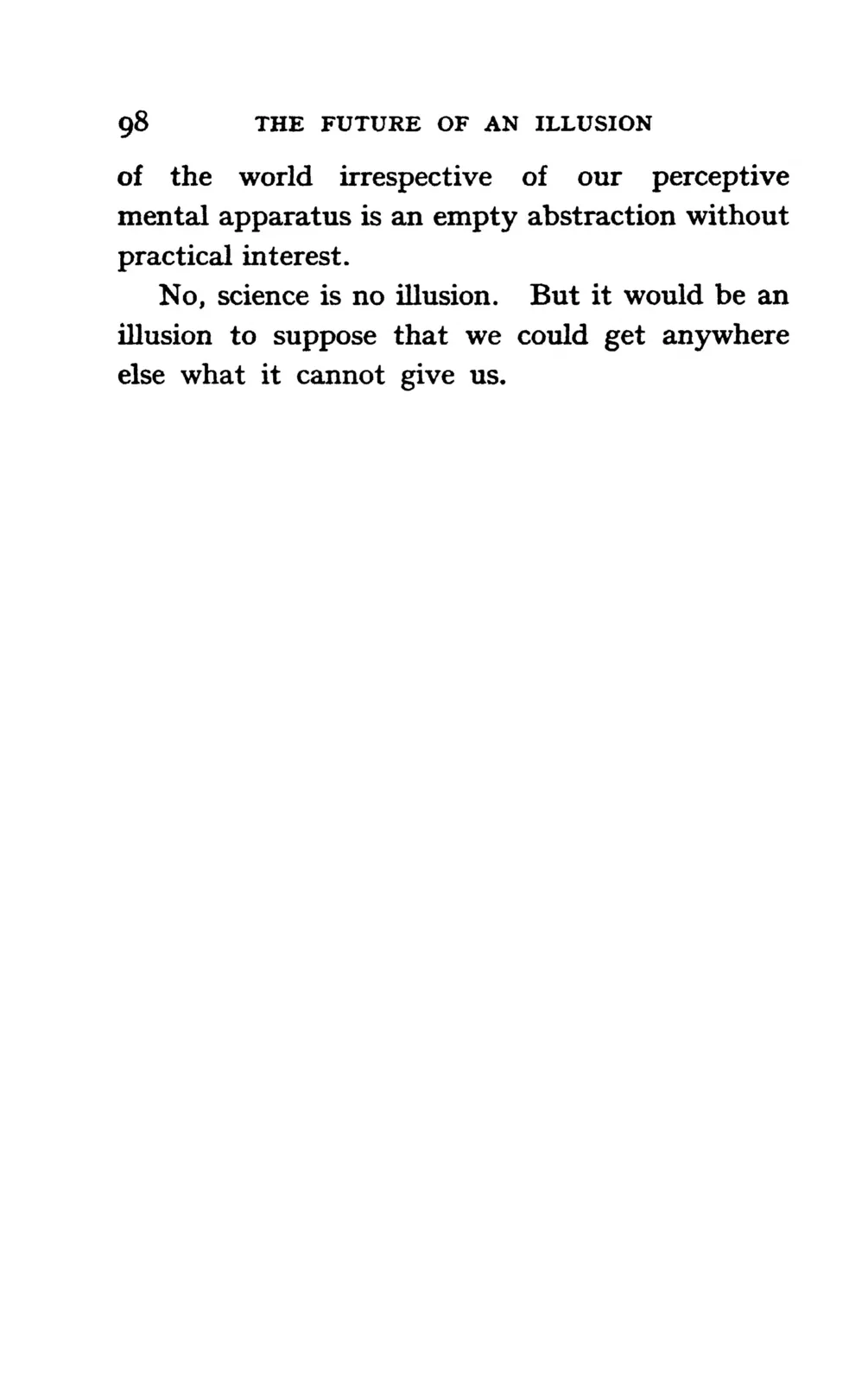
He gave the believer a voice in his own book. "Once before such an attempt to substitute reason for religion was made, officially and in the grand manner," the imagined objector says. "Surely you remember the French Revolution and Robespierre? ... It is being repeated in Russia at present ... Do you not think we may assume that man cannot do without religion?"4344 Freud's answer was patience: "The voice of the intellect is a soft one, but it does not rest until it has gained a hearing." And his last lines: "No, science is no illusion. But it would be an illusion to suppose that we could get anywhere else what it cannot give us."414546
Pfister replied in print the next year, though his reply is not in the public domain.47
The oceanic feeling
A friend wrote to him after reading the book (later scholars identify him as the French writer Romain Rolland, whom Freud did not name). He agreed with Freud about beliefs, but said Freud had missed the source of religion, a feeling of "eternity ... something 'oceanic'": "One may rightly call oneself religious on the ground of this oceanic feeling alone, even though one reject all beliefs and all illusions."484950 Freud answered in Civilization and Its Discontents (1930): "I cannot discover this 'oceanic' feeling in myself."4851
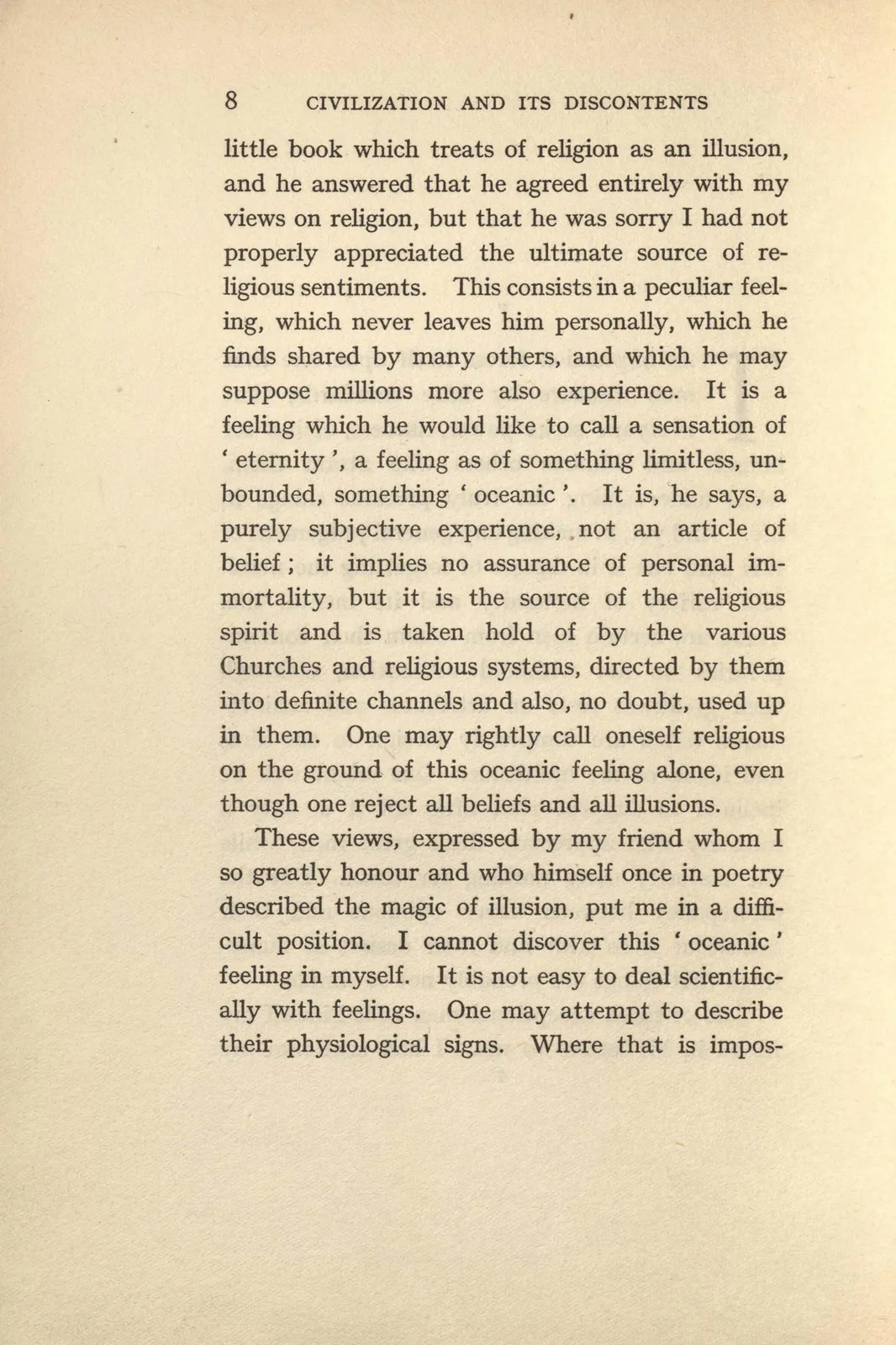
He traced religion again to childhood: "I could not point to any need in childhood so strong as that for a father's protection." The whole religious picture was "so patently infantile, so incongruous with reality, that to one whose attitude to humanity is friendly it is painful to think that the great majority of mortals will never be able to rise above this view of life."525354 And his wording hardened. Three years after insisting that an illusion was not a delusion, he wrote: "The religions of humanity, too, must be classified as mass-delusions of this kind."5556
Exile
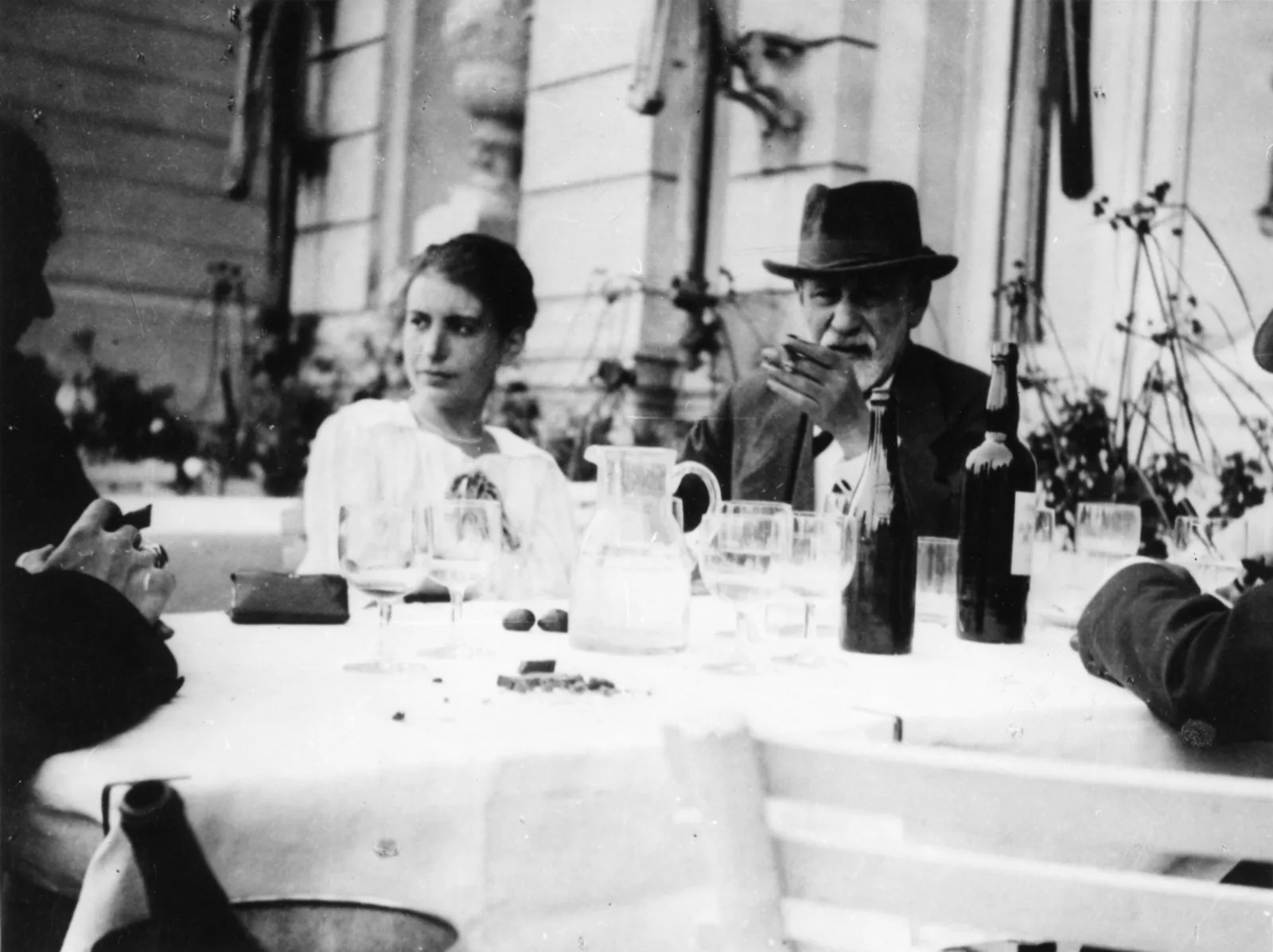
On 10 May 1933 his books were among those burned in Berlin's Opera Square.57 In June 1938, after Germany annexed Austria, he arrived in London from Vienna, aged eighty-two, with his wife and two of his children, hoping to finish a book on the Bible.58 That book, Moses and Monotheism (1939), is still in copyright and is not quoted here.59 He died at his home in Hampstead on 23 September 1939, "an exile from his beloved Vienna."60
What he left
Freud's unbelief is visible in this book only from the outside, in what he wrote about other people's faith. A boy from a Jewish family in Catholic Vienna, turned to science by Goethe and trained in Brücke's laboratory, he grew into a doctor who treated belief as a symptom to be understood rather than a claim to be refuted, and then, as he aged, as something closer to a collective delusion. He kept a pastor as a friend, gave the believer a fair hearing in his own book, and admitted that religion's history earned it respect. The idea he made clinical, that people make their gods out of their own needs, came to him from an older tradition; its nineteenth-century form belongs to Ludwig Feuerbach, who has his own chapter in this book.
Footnotes
-
Sigmund Freud, The Future of an Illusion, translated by W. D. Robson-Scott, International Psycho-Analytical Library (London: Hogarth Press and Institute of Psycho-Analysis; New York: Liveright), first published 1928; the scan is the seventh impression, 1955, same text, pp. 52–55. ↩ ↩2
-
Freud, Future of an Illusion, p. 52 (Robson-Scott 1928). ↩
-
Freud, Future of an Illusion, p. 57. ↩
-
Freud, Future of an Illusion, p. 53 (1928). ↩
-
Freud, Future of an Illusion, p. 57 (1928). ↩
-
Fritz Wittels, Sigmund Freud: His Personality, His Teaching, & His School, translated by Eden and Cedar Paul (London: George Allen & Unwin, 1924), p. 15. Reported at second hand; the original has not been seen. ↩
-
Sigmund Freud, The Interpretation of Dreams, translated by A. A. Brill (New York: Macmillan, 1913; third English edition of Brill's version), p. 164. ↩
-
Wittels, Sigmund Freud, p. 17. ↩
-
Freud, Interpretation of Dreams, pp. 460–61. ↩
-
Freud, Interpretation of Dreams, pp. 460–61 (Brill 1913). ↩
-
Jones; Gay; Yerushalmi (all in copyright). Not verified. ↩
-
Freud, Interpretation of Dreams, p. 164. ↩
-
Freud, Interpretation of Dreams, p. 164 (Brill 1913). ↩
-
Freud, Interpretation of Dreams, p. 165; Wittels, Sigmund Freud, p. 247 repeats it in a different translation ("pavement"). ↩
-
Freud, Interpretation of Dreams, p. 165 (Brill 1913). ↩
-
Freud, Interpretation of Dreams, p. 347; Wittels, Sigmund Freud, p. 19. ↩
-
Wittels, Sigmund Freud, p. 22 (Brücke's dates); Freud, Interpretation of Dreams, p. 332. ↩
-
Wittels, Sigmund Freud, pp. 27, 31. ↩
-
Silberstein/Fluss letters (modern editions; in copyright); Jones vol. 1. ↩
-
Bernfeld 1944; Jones; Gay (all in copyright). ↩
-
Freud–Pfister letters, published 1963 (in copyright). ↩
-
Freud, Interpretation of Dreams, Preface to the Second Edition (Berchtesgaden, summer 1908). ↩
-
Freud, Interpretation of Dreams, Preface to the Second Edition (1908), Brill 1913 front matter. ↩
-
Sigmund Freud, Collected Papers, vol. II, Clinical Papers; Papers on Technique, International Psycho-Analytical Library No. 8, authorized translation under the supervision of Joan Riviere (London: Hogarth Press, 1924). "Obsessive Acts and Religious Practices" (1907) translated by R. C. McWatters, p. 25 and footnote. ↩
-
Freud, Collected Papers, p. 34. ↩
-
Freud, Collected Papers, p. 25 (1924, trans. R. C. McWatters). ↩
-
Freud, Collected Papers, p. 34 (1924). ↩
-
Sigmund Freud, Totem and Taboo: Resemblances between the Psychic Lives of Savages and Neurotics, authorized English translation by A. A. Brill (New York: Moffat, Yard and Company, copyright 1918; second printing 1919), pp. 232–33, 244. ↩
-
Freud, Totem and Taboo, pp. 232–33 (Brill 1918). ↩
-
Freud, Totem and Taboo, p. 244 (Brill 1918). ↩
-
Freud, Totem and Taboo, last page of text (pp. 265–66; page number not read exactly). ↩
-
Freud, Totem and Taboo, last page of text, pp. 265–66 (Brill 1918). ↩
-
Sigmund Freud, Collected Papers, vol. I, Early Papers; On the History of the Psycho-Analytic Movement, International Psycho-Analytical Library No. 7 (London: Hogarth Press, 1924), p. 322 (first mention); the education section (page not read from the scan). ↩
-
Oskar Pfister, The Psychoanalytic Method, authorized translation by Charles Rockwell Payne, with an Introduction by Sigmund Freud (New York: Moffat, Yard and Company, 1917; London: Kegan Paul), title page; Introduction p. v. ↩
-
Pfister, Psychoanalytic Method, pp. 412–13. ↩
-
Oskar Pfister, Reformed pastor and seminary teacher in Zurich, analyst and Freud's friend; writing in 1917, ten years before The Future of an Illusion: Pfister, Psychoanalytic Method, p. 412 (Payne 1917). ↩
-
Oskar Pfister, same book: Pfister, Psychoanalytic Method, p. 413 (1917). ↩
-
Freud, Future of an Illusion, p. 76 (1928). ↩
-
Freud, Future of an Illusion, p. 77 (1928). ↩
-
Freud, Future of an Illusion, p. 86 (1928). ↩
-
Freud, Future of an Illusion, pp. 79–80. ↩
-
The imagined believer in The Future of an Illusion, staged by Freud himself; a stand-in, not a named critic: Freud, Future of an Illusion, p. 80 (1928). ↩
-
Freud, Future of an Illusion, p. 93 (1928). ↩
-
Freud, Future of an Illusion, p. 98 (1928). ↩
-
Imago 14 (1928) in German; English in a 1993 translation (in copyright). ↩
-
Sigmund Freud, Civilization and Its Discontents, translated by Joan Riviere, International Psycho-Analytical Library No. 17 (London: Hogarth Press, 1930), pp. 7–9. ↩ ↩2
-
Later scholarship (not in the Civ text). ↩
-
Freud, Civilization and Its Discontents, p. 8 (Riviere 1930). ↩
-
Freud, Civilization and Its Discontents, p. 8 (Riviere 1930). ↩
-
Freud, Civilization and Its Discontents, pp. 21–23. ↩
-
Freud, Civilization and Its Discontents, p. 21 (1930). ↩
-
Freud, Civilization and Its Discontents, p. 23 (1930). ↩
-
Freud, Civilization and Its Discontents, p. 36; Freud, Future of an Illusion, pp. 53–54. ↩
-
Freud, Civilization and Its Discontents, p. 36 (1930). ↩
-
"[Nazi book burning]," Evening Star (Washington, D.C.), 10 May 1933, image 20 (LoC Chronicling America, sn83045462), image 20. ↩
-
"Dr. Freud in London in Search of 'Peace'," Associated Press, Evening Star, 6 June 1938, image 4, image 4. ↩
-
K. Jones translation 1939 (in copyright; not downloaded). Lead; paraphrase is the only source for this, as for the other details in this chapter cited to that source alone. ↩
-
"Prof. Sigmund Freud Dies at 83 in Exile in London," Associated Press, Evening Star, 24 September 1939, images 1 and 12, images 1 and 12. ↩
In their own words
"Hannibal and Rome symbolised for me as a youth the antithesis between the tenaciousness of the Jews and the organisation of the Catholic Church."
"While I was a young man, I was walking one Saturday on a street in the village where you were born; I was handsomely dressed and wore a new fur cap. Along comes a Christian, who knocks my cap into the mud with one blow and shouts: “Jew, get off the sidewalk.” “And what did you do?” “I went into the street and picked up the cap,” was the calm answer. That did not seem heroic on the part of the big strong man, who was leading me, a little fellow, by the hand."
"It proved to be for me a part of my self-analysis, a reaction to the death of my father—that is, to the most significant event, the deepest loss, in the life of a man."
"The very tall figures—draped in a peculiar manner—with beaks, I had taken from the illustrations of Philippson’s bible; I believe they represented deities with heads of sparrowhawks from an Egyptian tomb relief."
"I am certainly not the first to be struck by the resemblance between what are called obsessive acts in neurotics and those religious observances by means of which the faithful give expression to their piety."
"In view of these resemblances and analogies one might venture to regard the obsessional neurosis as a pathological counterpart to the formation of a religion, to describe this neurosis as a private religious system, and religion as a universal obsessional neurosis."
"Psychoanalysis has revealed to us that the totem animal is really a substitute for the father."
"Thus the totem may have been the first form of the father substitute and the god a later one in which the father regained his human form."
"In the beginning was the deed."
"they are illusions, fulfilments of the oldest, strongest and most insistent wishes of mankind; the secret of their strength is the strength of these wishes."
"An illusion is not the same as an error, it is indeed not necessarily an error."
"It does not lie within the scope of this enquiry to estimate the value of religious doctrines as truth. It suffices that we have recognized them, psychologically considered, as illusions."
"Thus religion would be the universal obsessional neurosis of humanity. It, like the child's, originated in the Oedipus complex, the relation to the father."
"Our knowledge of the historical value of certain religious doctrines increases our respect for them, but it does not invalidate our proposal to exclude them from the motivation of cultural laws."
"Man cannot remain a child for ever; he must venture at last into the hostile world."
"The voice of the intellect is a soft one, but it does not rest until it has gained a hearing."
"No, science is no illusion. But it would be an illusion to suppose that we could get anywhere else what it cannot give us."
"I cannot discover this ‘oceanic’ feeling in myself."
"The whole thing is so patently infantile, so incongruous with reality, that to one whose attitude to humanity is friendly it is painful to think that the great majority of mortals will never be able to rise above this view of life."
"The religions of humanity, too, must be classified as mass-delusions of this kind."
"I could not point to any need in childhood so strong as that for a father’s protection."
"I myself ventured the first approach to the problems of the psychology of religion, in 1910, by drawing a parallel between religious ritual and the ceremonials of neurotics."
The other side
"Psychoanalysis in no way violates the claims of truth of the Christian religion as such. Of course, as already noticed, it destroys many spurious religious experiences by showing the illusory complex-function at the bottom of these."
"I confess that the beauty and the blessing of a healthy, ethically pure piety have only become overwhelmingly clear to me from the investigations here described."
"One may rightly call oneself religious on the ground of this oceanic feeling alone, even though one reject all beliefs and all illusions."
"Once before such an attempt to substitute reason for religion was made, officially and in the grand manner. Surely you remember the French Revolution and Robespierre, and also how short-lived and how deplorably ineffectual the experiment? It is being repeated in Russia at present, and we need not be curious about the result. Do you not think we may assume that man cannot do without religion?"
Where accounts differ
| Point | One account | Another | How the page handles it |
|---|---|---|---|
| Year of the first religion-and-obsession paper | 1907, Zeitschrift für Religionspsychologie, vol. 1 (CP2 p. 25 note) | "in 1910" (CP1 p. 322, the 1914 History, as read from OCR "rgro") | Use 1907, the date of publication; if the 1914 sentence is quoted, say Freud himself dates it to 1910. Check the page image of CP1 p. 322. |
| The cap story | Dreams p. 165: "Jew, get off the sidewalk" | Wittels p. 247: "Jew, get off the pavement" (another translation; also "Sabbath" for "Saturday") | Quote Brill; note the story is Freud's report of his father's report. |
| Whether Goethe's essay was the real reason for choosing medicine | Freud: the reading "induced me to study the natural science" (Dreams p. 347) | Wittels p. 19: reads as "a screen-memory; I do not know what the real determinant was"; Freud elsewhere calls the choice "uncongenial" | Say Freud gives the Goethe reading as the reason and that he later called medicine itself uncongenial; do not add Wittels's guess. |
| The word for what religion is | 1927: "illusions", explicitly "not the same as an error" (Future pp. 53–54) | 1930: "mass-delusions" (Civ p. 36) | Treat as a hardening of wording between the two books; say so plainly, do not say he had always meant "delusion". |
| Freud's own self-label | "a completely godless Jew" (1918 letter, lead) | In the 1927 book he makes the psychological, not metaphysical, claim (Future p. 57) | Use the letter only after it is verified; otherwise let the 1927 sentence define the stance. |
List of illustrations
This page uses only public-domain and Creative Commons images; each is credited with its source and licence.
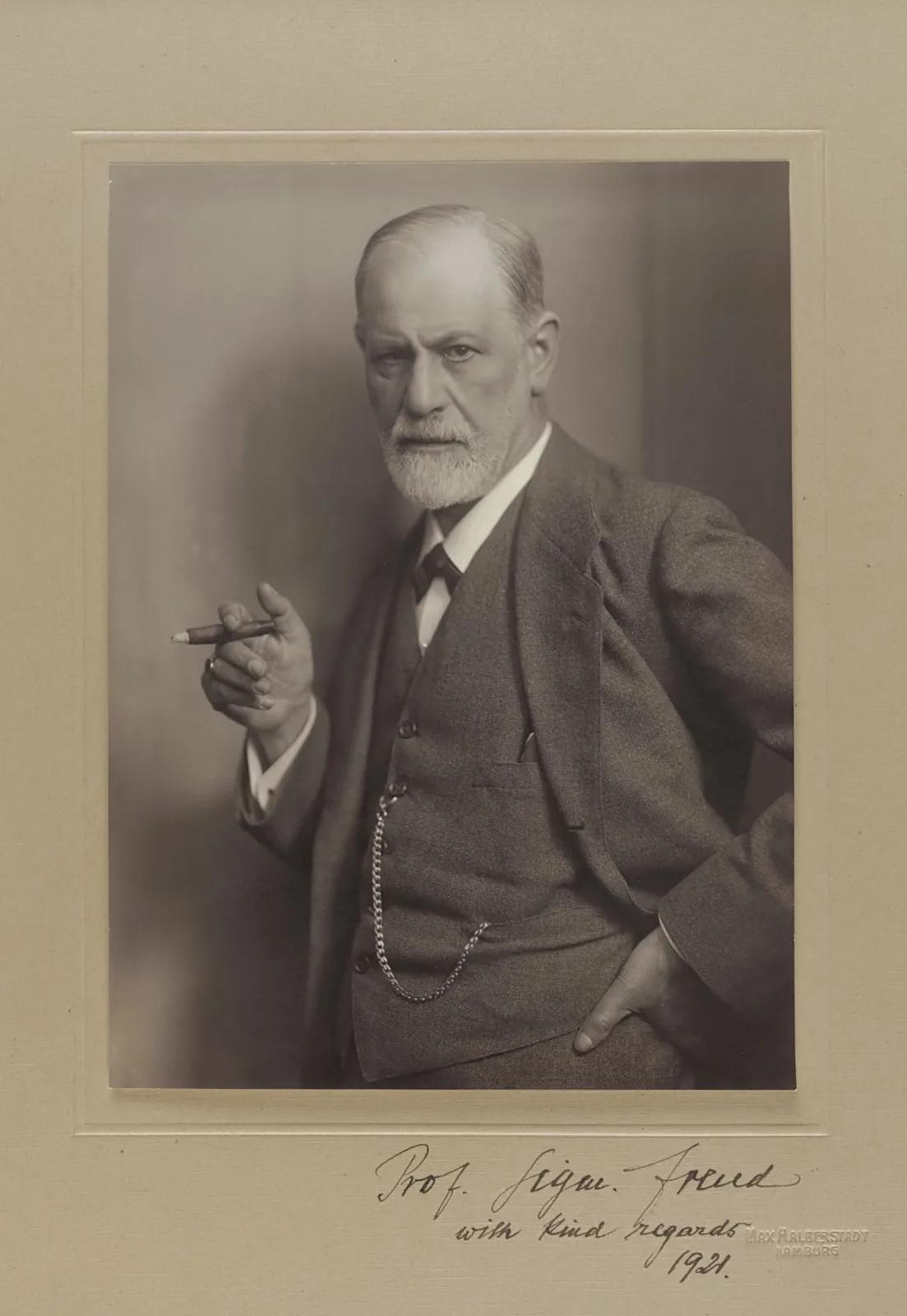
- Sigmund Freud, portrait — Max Halberstadt, c. 1921 · Max Halberstadt, Sigmund Freud, c. 1921, via Wikimedia Commons, public domain · Public domain (Wikimedia Commons: Public domain; photograph of c. 1921, published before 1931)
- Veduta of Příbor (Freiberg), 1728 — Karel Ludvík Chrámek, 1728 · Karel Ludvík Chrámek, Veduta of Příbor, 1728 (Commons photograph), via Wikimedia Commons, public domain · Public domain (Wikimedia Commons: Public domain; print of 1728)
- The Interpretation of Dreams, p. 165 (the fur cap story) — Sigmund Freud, translated by A. A. Brill, 1913 · Sigmund Freud, translated by A. A. Brill, The Interpretation of Dreams, third English edition (London: George Allen & Company, 1913), Internet Archive (freud-1913-dreams), public domain · Public domain (published 1913; Internet Archive scan)
- Johann Wolfgang von Goethe, portrait of 1828 — Joseph Karl Stieler, 1828 · Joseph Karl Stieler, Johann Wolfgang von Goethe, 1828, via Wikimedia Commons, public domain · Public domain (Wikimedia Commons: Public domain; painting of 1828, photograph of the painting)
- Collected Papers II, p. 34 ('religion as a universal obsessional neurosis') — Sigmund Freud, translated by R. C. McWatters, 1924 · Sigmund Freud, translated by R. C. McWatters, Collected Papers, vol. II (London: Hogarth Press and the Institute of Psycho-Analysis, 1924), Internet Archive (freud-1924-cp-2), public domain · Public domain (published 1924; Internet Archive scan)
- Third International Psychoanalytic Congress, Weimar, 21 September 1911 — Franz Vältl, Weimar, 1911-09-21 · Franz Vältl, Psychoanalytic Congress, Weimar, 21 September 1911; Library of Congress, via Wikimedia Commons, public domain · Public domain (Wikimedia Commons: Public domain; photograph of 1911; Library of Congress Prints and Photographs Division)
- The Future of an Illusion, p. 98 — Sigmund Freud, translated by W. D. Robson-Scott, 1928 · Sigmund Freud, translated by W. D. Robson-Scott, The Future of an Illusion (London: Hogarth Press and the Institute of Psycho-Analysis, 1928), Internet Archive (in.ernet.dli.2015.221666), public domain · Public domain (published 1928; Internet Archive scan)
- Civilization and Its Discontents, p. 8 (the friend's letter) — Sigmund Freud, translated by Joan Riviere, 1930 · Sigmund Freud, translated by Joan Riviere, Civilization and Its Discontents (London: Hogarth Press and the Institute of Psycho-Analysis, 1930), Internet Archive (freud-1930-discontents), public domain · Public domain (published 1930; Internet Archive scan)
- Sigmund and Anna Freud at The Hague, 1920 — Unknown photographer (Freud Museum press photograph), 1920 · Unknown photographer, Sigmund and Anna Freud, The Hague, 1920, via Wikimedia Commons, via Wikimedia Commons, public domain · Public domain (Wikimedia Commons: Public domain; photograph of 1920)
Sources
Tier 1 — the subject's own words (writings, letters, diaries, trial records)
- [Future] Sigmund Freud, The Future of an Illusion, translated by W. D. Robson-Scott, International Psycho-Analytical Library (London: Hogarth Press and Institute of Psycho-Analysis; New York: Liveright), first published 1928; the scan is the seventh impression, 1955, same text. https://archive.org/details/futureofillusion0000freu_z3s3 . Text: research/texts/future-1928.txt. A second scan (research/texts/future-1928-dli.txt, https://archive.org/details/in.ernet.dli.2015.221666) was downloaded for cross-checking and not otherwise used. Page numbers are read from the running heads in the OCR; pages that open a chapter carry no head and are inferred from the neighbouring heads.
- [Civ] Sigmund Freud, Civilization and Its Discontents, translated by Joan Riviere, International Psycho-Analytical Library No. 17 (London: Hogarth Press, 1930). https://archive.org/details/freud-1930-discontents . Text: research/texts/civilization-1930.txt. The text does not name the friend of the "oceanic" letter.
- [Totem] Sigmund Freud, Totem and Taboo: Resemblances between the Psychic Lives of Savages and Neurotics, authorized English translation by A. A. Brill (New York: Moffat, Yard and Company, copyright 1918; second printing 1919). https://archive.org/details/totemtabooresemb00freu . Text: research/texts/totem-1918.txt. German original 1913.
- [Dreams] Sigmund Freud, The Interpretation of Dreams, translated by A. A. Brill (New York: Macmillan, 1913; third English edition of Brill's version). https://archive.org/details/freud-1913-dreams . Text: research/texts/dreams-1913.txt. German original 1900; prefaces of 1908 and later are in the front matter. Running heads are hard to read in this OCR; page numbers cited are the printed numbers visible in the text.
- [CP1] Sigmund Freud, Collected Papers, vol. I, Early Papers; On the History of the Psycho-Analytic Movement, International Psycho-Analytical Library No. 7 (London: Hogarth Press, 1924). https://archive.org/details/freud-1924-cp-1 . Text: research/texts/cp1-1924.txt.
- [CP2] Sigmund Freud, Collected Papers, vol. II, Clinical Papers; Papers on Technique, International Psycho-Analytical Library No. 8, authorized translation under the supervision of Joan Riviere (London: Hogarth Press, 1924). "Obsessive Acts and Religious Practices" (1907) translated by R. C. McWatters. https://archive.org/details/freud-1924-cp-2 . Text: research/texts/cp2-1924.txt.
- [Not scanned, in copyright, leads only] Freud's letters to Pfister (published as Psychoanalysis and Faith, 1963), letters to Eduard Silberstein and Emil Fluss (1870s; modern editions), the 1926 B'nai B'rith address, the Hebrew preface to Totem and Taboo (1930), An Autobiographical Study (Strachey, 1935), Moses and Monotheism (K. Jones, 1939). Not downloaded; per the project rule on in-copyright books, no unauthorised scan was used.
Tier 2 — scholarly biographies and encyclopedias
- None free and in the public domain were found. Ernest Jones, The Life and Work of Sigmund Freud (1953–57), Peter Gay, Freud: A Life for Our Time (1988) and Yosef Hayim Yerushalmi, Freud's Moses (1991) are in copyright: LEADS for the claims marked "lead", not cited as sources here.
Tier 3 — popular biographies and journalism
- [Wittels] Fritz Wittels, Sigmund Freud: His Personality, His Teaching, & His School, translated by Eden and Cedar Paul (London: George Allen & Unwin, 1924). https://archive.org/details/55521090R.nlm.nih.gov . Text: research/texts/wittels-1924.txt. A disciple-turned-critic; the preface reproduces corrections Freud sent him. Page numbers are the printed numbers in the OCR.
- [ES 1933] "[Nazi book burning]," Evening Star (Washington, D.C.), 10 May 1933, image 20 (LoC Chronicling America, sn83045462). https://www.loc.gov/resource/sn83045462/1933-05-10/ed-1/?sp=20 . OCR is noisy; the page image should be read before a still is used.
- [ES 1938] "Dr. Freud in London in Search of 'Peace'," Associated Press, Evening Star, 6 June 1938, image 4. https://www.loc.gov/resource/sn83045462/1938-06-06/ed-1/?sp=4
- [ES 1939] "Prof. Sigmund Freud Dies at 83 in Exile in London," Associated Press, Evening Star, 24 September 1939, images 1 and 12. https://www.loc.gov/resource/sn83045462/1939-09-24/ed-1/?sp=1 . The newspaper text is used for facts only; the AP wire copyright status of the articles is for the picture pass to settle before a page image is used.
- [IJP 1928/2] The International Journal of Psycho-Analysis, vol. 9 part 2 (April 1928), report of the Berlin Psycho-Analytical Society. https://archive.org/details/ijp-ix-1928-2 . Text: research/texts/ijp-1928-2.txt. Also downloaded and not used: parts 9/1 (1928) and the 1926 seventieth-birthday number (research/texts/ijp-1928-1.txt, ijp-1926-70th.txt; no B'nai B'rith address in it).
Tier 4 — maps to other sources only (Wikipedia and similar). Never cited in the script.
- Wikipedia, "Sigmund Freud"; "The Future of an Illusion"; "Oskar Pfister"; Freud Museum London website. Used only to know what to look for.
Opposition sources — contemporary critics and religious responses
- [Pfister] Oskar Pfister, The Psychoanalytic Method, authorized translation by Charles Rockwell Payne, with an Introduction by Sigmund Freud (New York: Moffat, Yard and Company, 1917; London: Kegan Paul). https://archive.org/details/psychoanalyticme00pfisuoft . Text: research/texts/pfister-1917.txt. Pfister is "Pastor and Seminary Teacher in Zurich". His 1928 reply to Freud is in German in Imago and in English only in a copyrighted 1993 translation: lead.
- [Future objector] The imagined believer who interrupts Freud in chapters VIII–IX of [Future] (an objection Freud himself stages, not a named critic).
- [Civ friend] The correspondent who raises the "oceanic" feeling in [Civ], as reported by Freud.
Related lives
Ludwig Feuerbach (episode 11) — the nineteenth-century source of the "projection" idea that Freud's father-longing account extends (Freud's own reading of Feuerbach is a LEAD, see); alternative: Karl Marx (episode 41), also Jewish-born and a reader of Feuerbach. Not to be named as "next" in any script (series rule).
Clarence Darrow
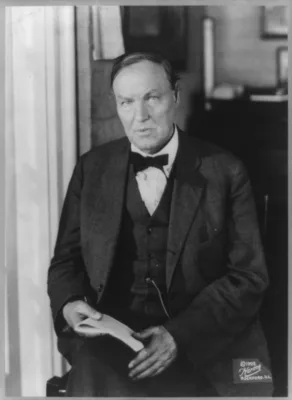
Clarence Darrow was raised by a doubting father in a churchgoing village. He came to unbelief through a philosophy of pity, the view that every person is made by heredity and circumstance, and he gave up the hope of immortality reluctantly. At Dayton in 1925 he accepted the word agnostic as a compliment, while cross-examining the Bible's most famous defender.
Francisco Ferrer
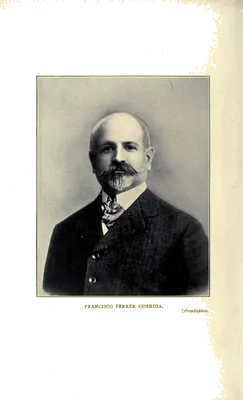
Francisco Ferrer was raised by devout Catholic farmers at Alella, and broke with their faith and politics as a young Republican. In his Paris years he called himself "a convinced atheist". He spent a Catholic pupil's legacy on a Barcelona school meant to banish religion from children's minds. He was acquitted once, and then shot at Montjuïc in 1909 as "author and chief" of a rising no single act of his was shown to have caused. He refused the priests to the last, and forbade any cult, even of himself.
Shibli Shumayyil
Shibli Shumayyil was a Catholic boy from Mount Lebanon who lost his religion training as a doctor in France, and then lost his last "cause of causes" to the question "what is the cause of your cause?" In 1884 he carried Büchner's Darwin into Arabic, with a preface tracing the gods to fear and ignorance. He spent thirty years in Cairo denying a hidden power that watches and judges human deeds, while defending the faith of others. He renamed his unbelief "natural monism" and "the religion of humanity", and never called it atheism.
G. W. Foote
G. W. Foote was a Plymouth boy raised Anglican and Unitarian, who read himself into scepticism and reached London in 1868 "with very little religion". He became Bradlaugh's disciple, then a moderate Secularist. After Parliament's treatment of Bradlaugh he turned to ridicule, founding The Freethinker (1881) on the principle that superstition hates laughter. He served twelve months for blasphemy in 1883 with "Religion none" on his cell card, and succeeded Bradlaugh in 1890 as "an Atheist, and a teacher of Atheism".