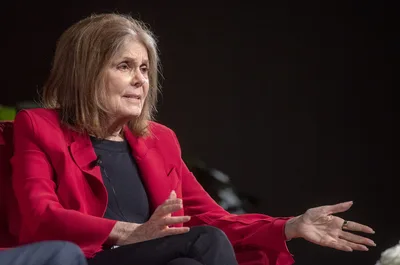
Gloria Steinem had no faith to lose, only an inheritance of Theosophist grandmothers, a Jewish father, a Protestant mother and a childhood baptism. Feminism, from 1969, made her see religion as power. She said so in 1970 (the church as a support of myth), in 2001 ("politics made sacred") and in 2014 ("politics in the sky"). In 2012 she named herself a humanist, and a spiritual one, refusing "atheist" as a definition by absence.
The belief timeline
- Inheritance (c. 1934–1944) — Born to a Theosophist mother, Theosophist grandmothers and a Jewish father; baptised a Congregationalist at about ten, an act her mother thought would be remembered [5][6]
- Turn (1969 (to be confirmed)) — Becomes a feminist after the abortion speak-out; afterwards loses "what little interest" she had in religion and asks why God looks like the ruling class (undated) [15][18]
- Declaration (1970 (church as an instrument of myth) / 2001 (CNN: "If God is a man, then man is God")) — First dated public statements: the 1970 Senate remark, then 2001 (second-hand) and 2014 "politics in the sky" [16][22][23]
- Naming (2012-06-08) — Accepts the title "humanist", declines "atheist", adds "spiritual" [24][29]
Notes to the timeline (9)
- [5] Steinem, 2012: "My mother and grandmothers were theosophists, so I'd grown up with coloring books called Lotus Leaves for the Young" — Humanist-Sp (para. 6).
- [6] Raised "in Theosophy," and baptised in a Congregational church at ten because her mother thought she should be old enough to remember it — JWA, "Why Is Gloria Steinem in a Jewish Women's Encyclopedia?".
- [15] 1969: covering an abortion speak-out was the "turning point" that propelled her toward the women's movement ("big click") — JWA (A Spokesperson); WP-Steinem.
- [18] "She lost what little interest she had in religion when she became a feminist and started 'wondering why God always looks like the ruling class,' but she still loves the pagan parts of Christmas" — JWA (Pogrebin).
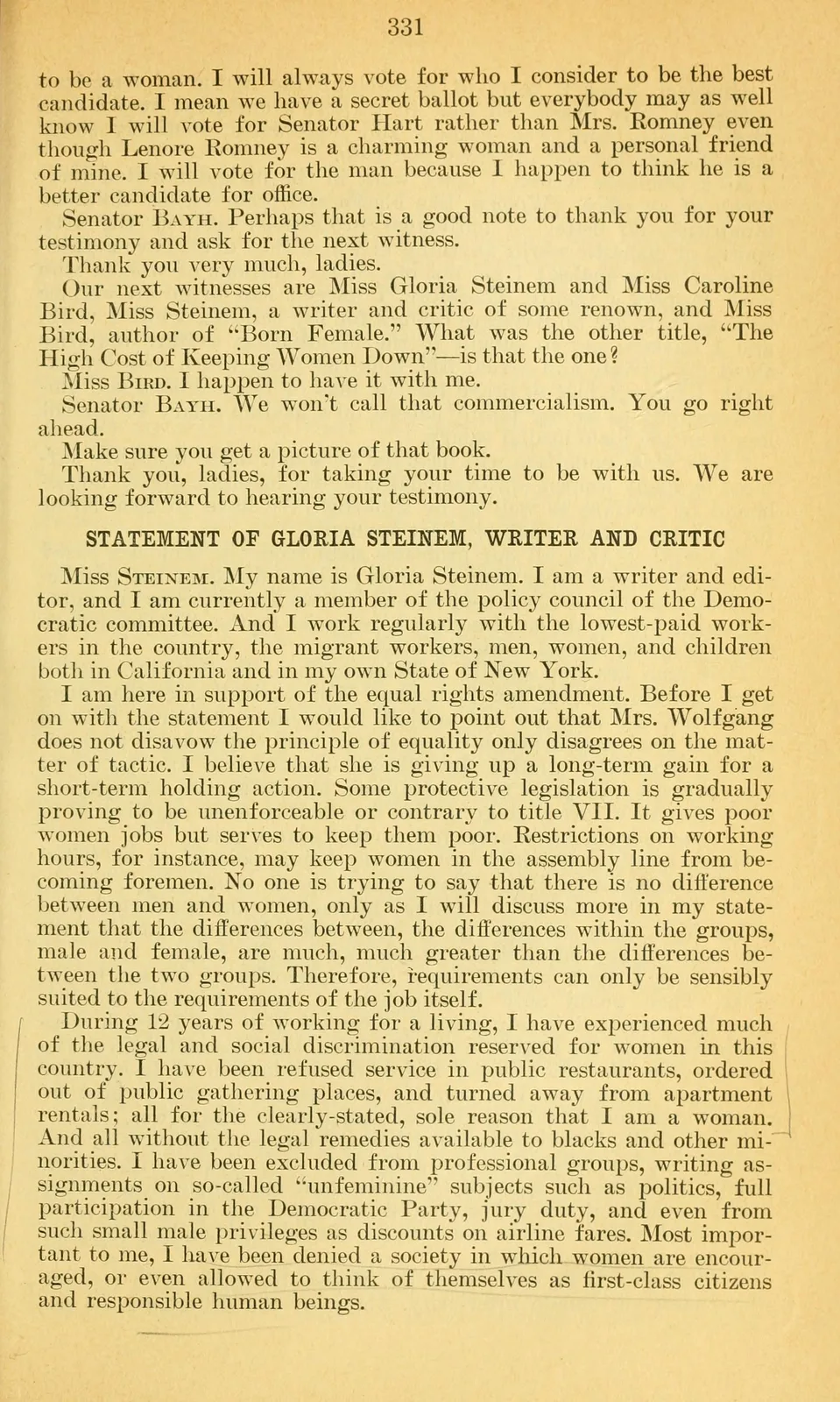
- [16] 6 May 1970: Senate ERA testimony, p. 336: "science is used to support current myth and economics almost as much as the church was." The testimony does not otherwise discuss religion — Hearing pp. 331-337 (p. 336 checked against the page image, leaf 354).
- [22] 2001 CNN interview: "religion is often politics made sacred. If God is a man, then man is God. We need to return and go forward to the understanding that there is God in all living things, not more in men than women..." — Sojo (quoting CNN). Reported at second hand; the original has not been seen.
- [23] Early February 2014, MAKERS conference, asked for feminism's "biggest problem": "What we don't talk about enough is religion. I think that spirituality is one thing. But religion is just politics in the sky." — Sojo; SMH.
- [24] Named 2012 Humanist of the Year by the American Humanist Association; presented 8 June 2012 at the AHA's 71st annual conference, New Orleans — Humanist-Sp (header); WP-Steinem (Awards).
- [29] She "declare[s] this the first meeting of the post-patriarchal, post-monotheistic, post-nationalist, post-racist, post-sexist age" and endorses "post-theological" — Humanist-Sp; Humanist-Int.
A God Who Looks Like the Ruling Class
On 8 June 2012, in New Orleans, the American Humanist Association gave its Humanist of the Year award to the feminist writer and organiser Gloria Steinem.1 The day before, an interviewer had asked whether she accepted the title. She did; she had always thought "humanist" a good word. But she would not call herself an atheist. That would be defining herself by the absence of something, and human beings, she said, work on yes, not on no. Her objection to religion, she said, was not about not believing; it was about rejecting a god who looks like the ruling class.234
This chapter asks how a woman raised among Theosophists, who never had a creed to lose, came to see religion as politics, and why at the end she chose "humanist" and "spiritual" rather than "atheist."
Theosophists in Toledo
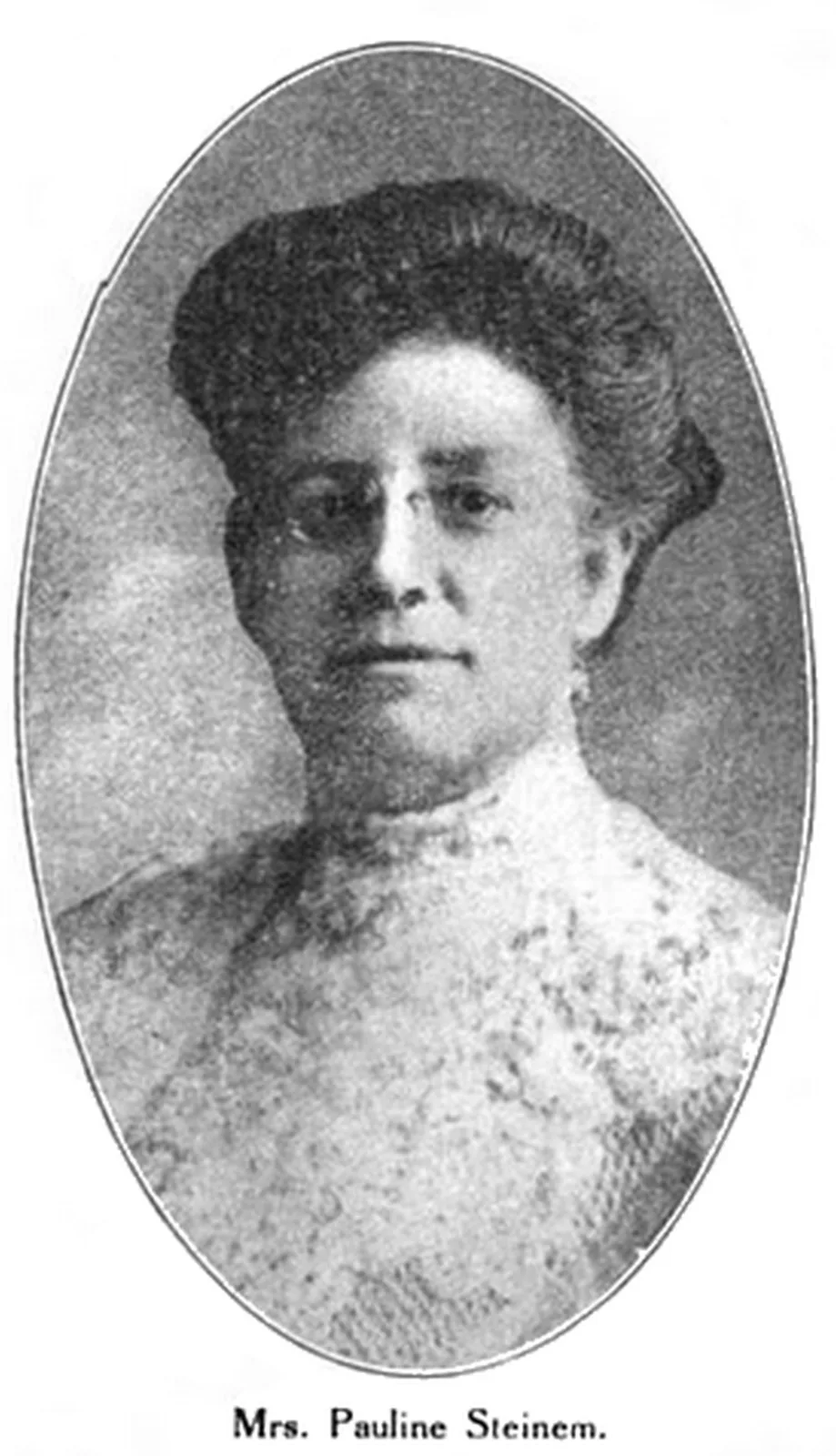
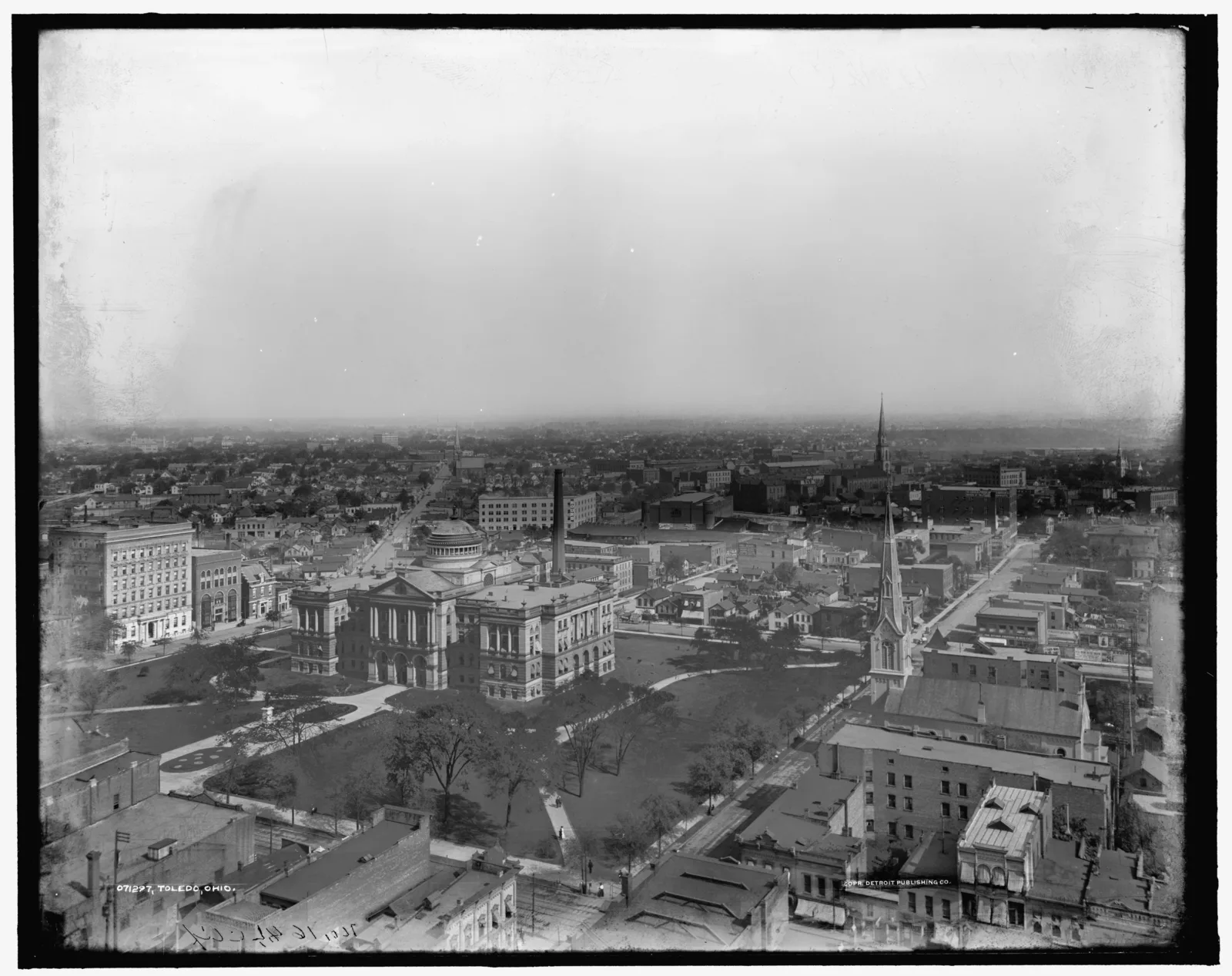
She was born in Toledo, Ohio, on 25 March 1934.5 Her father, Leo Steinem, was Jewish, and her mother, Ruth Nuneviller, a Presbyterian.6 Her grandmother Pauline Perlmutter Steinem, a Reform Jewish teacher and suffragist, was the first woman elected to the Toledo Board of Education, in 1904, and she was also a follower of Theosophy, which one biographer describes as a nonsectarian movement that emphasised social justice and moral accountability.789 Steinem said in 2012 that her mother and both her grandmothers were Theosophists, and that she had grown up with colouring books called Lotus Leaves for the Young.10 At about ten her mother had her baptised in a Congregational church, because she thought her daughter should be old enough to remember it.11 Pauline died when Gloria was five, and Gloria learned only as an adult that her grandmother had been a suffragist.1213
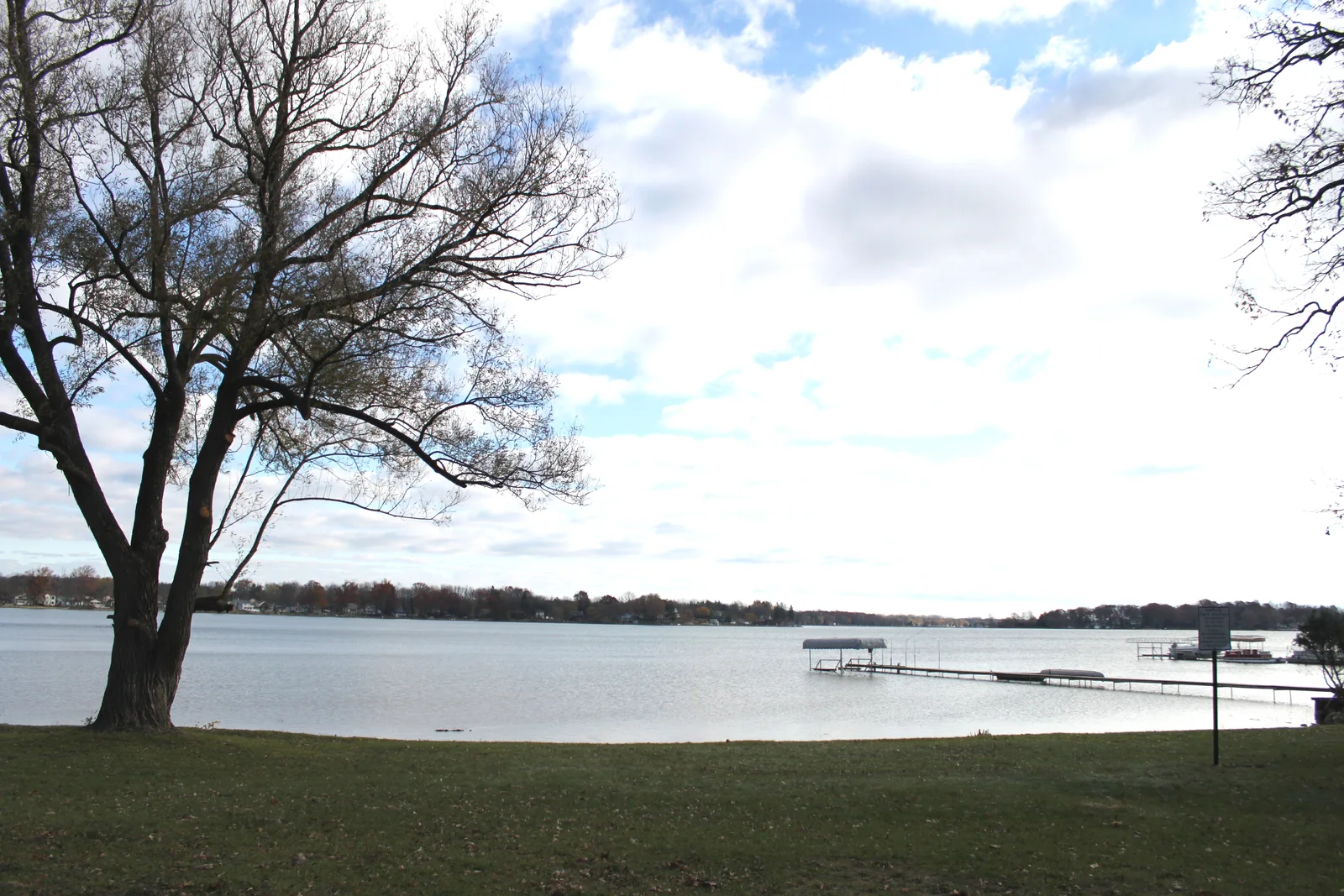
Her childhood was unsettled. The family travelled in a trailer, and she did not spend a full year in school until she was twelve; in the summers her father ran a resort at Clark Lake in Michigan.14 Her mother suffered disabling depressions, and the girl became her carer; her parents parted in the mid-1940s.15 This is the first mark on her timeline, and it is an inheritance, not a faith: a household of Theosophists, Jews and Protestants in which no single creed was taught.
Smith and India
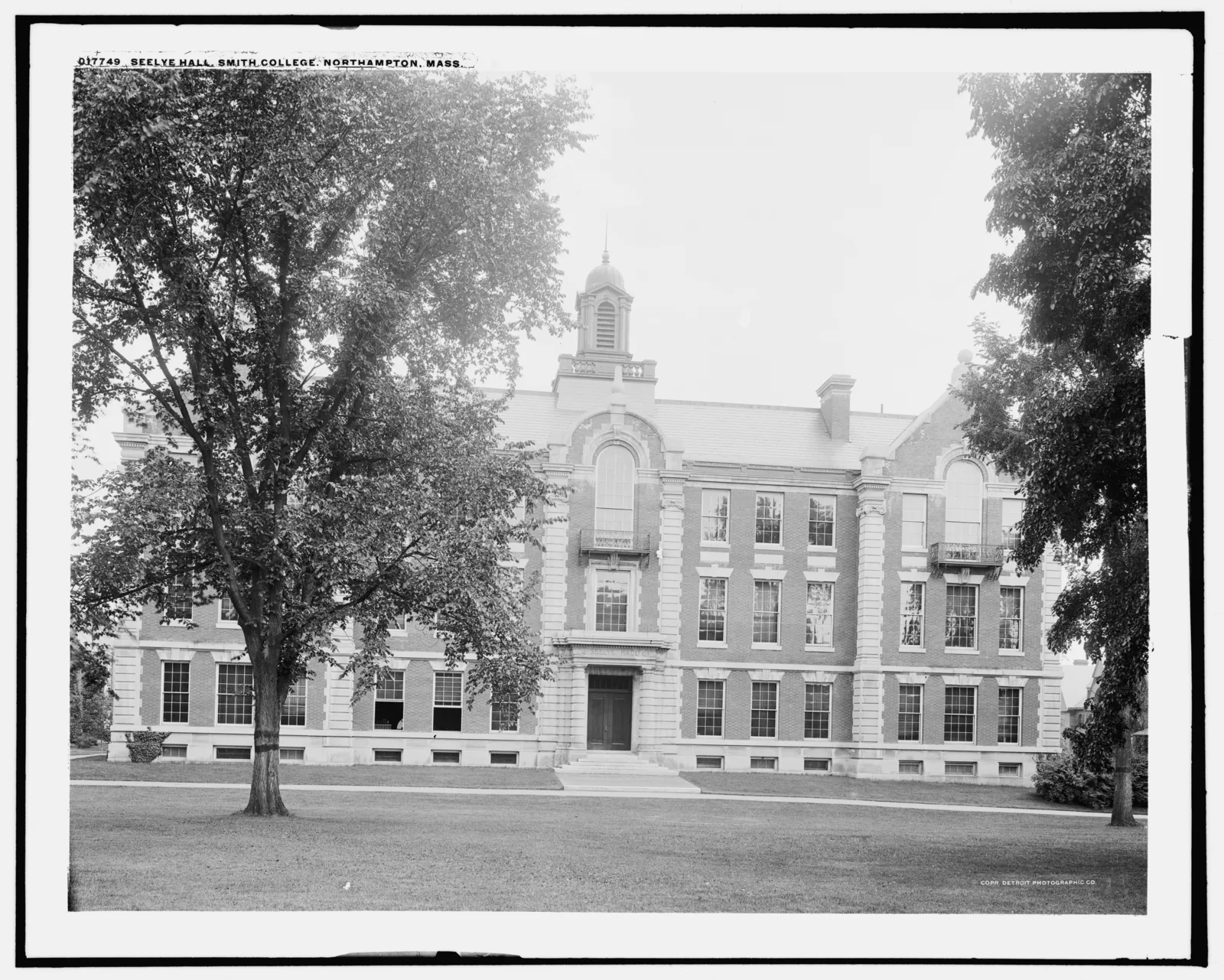
She went to Smith College from 1952 to 1956 and graduated with honours.16 Then she spent nearly two years in India on a fellowship.17 There she befriended the widow of M. N. Roy, the Indian revolutionary who had turned to a philosophy he called "Radical Humanism," as she recalled in 2012.18
The turn
In 1969 she covered a public speak-out about abortion, and it was, by her own account, the turning point that sent her into the women's movement.19 The writer Letty Cottin Pogrebin wrote that Steinem lost what little interest she had in religion when she became a feminist and began wondering why God always looks like the ruling class, though she still loved the pagan parts of Christmas.20 On the belief timeline, this is where she turns, dated only by the movement it followed.
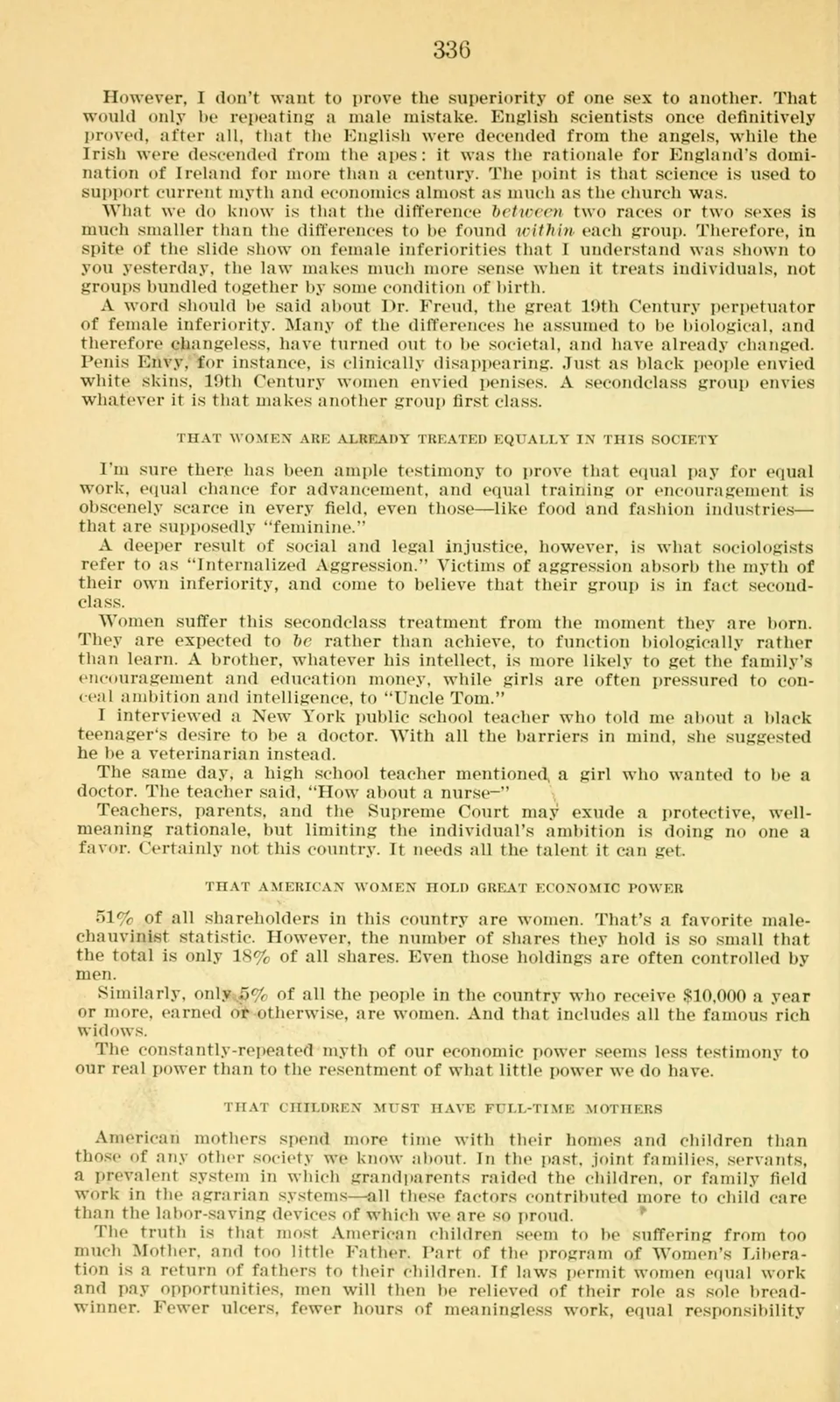
On 6 May 1970 she testified to a Senate subcommittee for the Equal Rights Amendment. Her statement did not otherwise discuss religion, but one sentence put the church among the old supports of women's inequality:
The point is that science is used to support current myth and economics almost as much as the church was.2122
In the early 1970s she co-founded Ms. magazine.23
Religion as politics
Her public statements about religion came late and in few words. In a CNN interview of 2001, as one magazine later reported it, she said that religion is often politics made sacred, and that if God is a man, then man is God.24 She never, she said, identified herself as a Christian, but wherever there was antisemitism she identified as a Jew.25 For some twenty years she joined a group of women who held their own Passover seder, and she said it was the first spiritual occasion in her feminist life; she was drawn, she said, to the mystical side of Judaism.26 On her timeline, this is the declaration.
In June 2012 she accepted the humanist award. In her speech she declared the meeting the first of a post-patriarchal and post-monotheistic age, and argued, from her own reading of ancient Egypt, that religion had taken God away from women and from nature in order to make it acceptable to conquer them both; that is her claim, not settled history.2728 For people like her, she said, religion was still politics, only politics one was not supposed to criticise.29 To reporters who asked whether she believed in God, she said her answer was no: she believed in people, and in nature. She would add the word "spiritual" to "humanist," because humanism was sometimes thought to leave spirituality out, and spirituality to her was the opposite of religion, the belief that all living things share some value.34 She was more often confronted, she said, by women from religious traditions who did not feel they had a place in the feminist movement.30 On her timeline, this is where she names herself.
In February 2014, asked at a conference what feminism did not talk about enough, she named religion: spirituality was one thing, she said, but religion was politics in the sky, and it gained power from silence.31
The other side
Her opponents were not all alike. In 2004 the Vatican's Congregation for the Doctrine of the Faith, under Cardinal Ratzinger, wrote in a letter against a feminism that treated the liberation of women as requiring criticism of Scripture and its "patriarchal" God, and answered that in Christ the enmity between men and women could be, and had been, overcome; the letter does not name Steinem.3233 The television evangelist Pat Robertson, campaigning against an equal rights amendment in Iowa in 1992, caricatured feminism as a movement that encouraged women to leave their husbands and practise witchcraft.34 Some believers shared part of her complaint. When she died, an Anglican journalist, Julia Baird, quoted Steinem's "politics in the sky" and wrote that mainstream feminists had too often ignored women clergy; an Anglican bishop in Adelaide, Sophie Relf-Christopher, said that a theology requiring women to stay grateful, unordained and quiet was not compatible with the message of Jesus.3536
The end
She died at her home in Manhattan on 2 September 2026, aged ninety-two.37 In a filmed interview released the next day, her last message was that people should tell their own stories.38
Did her unbelief change shape?
She had no faith to lose, only an inheritance: Theosophist grandmothers, a Jewish father, a Protestant mother and a baptism she was meant to remember. What feminism gave her was a reason to look at religion as power, and from 1970 to 2014 that was how she spoke of it: the church as a support of myth, religion as politics made sacred, politics in the sky. When she was finally named, in 2012, she chose the name herself: a humanist, and a spiritual one, who would not be defined by what she did not believe.
Ernestine Rose, a nineteenth-century campaigner for women's rights who lectured in defence of atheism, has her own chapter in this book.
Footnotes
-
Humanist-Sp (header); WP-Steinem (Awards). ↩
-
Humanist-Int. ↩
-
JWA (Early Life); WP-Steinem. ↩
-
JTA; JWA ("Scotch Presbyterian mother"); WP-Steinem. ↩
-
WP-Pauline; Gurvis p. 10; Kveller; JWA. ↩
-
Gurvis p. 10; WP-Pauline. ↩
-
Gurvis p. 10; JTA. ↩
-
Humanist-Sp (para. 6). ↩
-
JWA, "Why Is Gloria Steinem in a Jewish Women's Encyclopedia?". ↩
-
JTA, quoting Steinem's JWA essay. ↩
-
JWA; WP-Pauline. ↩
-
JWA (Early Life). ↩
-
JWA; WP-Steinem. Accounts differ; see the disputed points. ↩
-
JWA; WP-Steinem. ↩
-
JWA (India); WP-Steinem (abortion, citing her memoir dedication). Reported at second hand; the original has not been seen. ↩
-
Humanist-Sp (paras. 6-7). ↩
-
JWA (A Spokesperson); WP-Steinem. ↩
-
JWA (Pogrebin). ↩
-
Hearing p. 336. ↩
-
Hearing pp. 331-337 (p. 336 checked against the page image, leaf 354). ↩
-
JWA; WP-Steinem. ↩
-
Sojo (quoting CNN). ↩
-
JWA; JTA; BNG. ↩
-
JWA (Jewish Connections); BNG. ↩
-
Humanist-Sp; Humanist-Int. ↩
-
Humanist-Sp (paras. 8-11). ↩
-
Humanist-Sp. ↩
-
Humanist-Int. ↩
-
Sojo; SMH. ↩
-
Congregation for the Doctrine of the Faith (Cardinal Ratzinger, prefect), 31 July 2004; Catholic teaching authority, not naming Steinem: Vatican, para. 2. ↩
-
Same letter, para. 12, reading Galatians 3:27-28: Vatican. ↩
-
Pat Robertson, TV evangelist, against the Iowa Equal Rights Amendment, 1992 (a hostile caricature; do not present as the Church's view): TIME 7 Sep 1992. ↩
-
Julia Baird, Australian journalist and Anglican author, 5 September 2026: SMH. ↩
-
Bishop Sophie Relf-Christopher (Anglican, Adelaide), quoted by Baird, 2026; a believer who shares part of Steinem's complaint: SMH. ↩
-
JTA; Meaww; Deadline; WP-Steinem. ↩
-
Deadline; Meaww. ↩
In their own words
I always thought that “humanist” was a good word long before I understood that anyone thought it was a bad word. It seems to me that it means you believe in the great potential and the best of human beings
I do say, “No. I believe in people. I believe in nature,” but I still understand how much cultural pressure there is.
If it were up to me, I would not define myself by the absence of something; “theist” is a believer, so with “atheist” you’re defining yourself by the absence of something. I think human beings work on yes, not on no.
Yes, a humanist except that humanism sometimes is not seen as inclusive of spirituality. To me, spirituality is the opposite of religion. It’s the belief that all living things share some value.
Yes, because it’s not about not believing. It’s about rejecting a god who looks like the ruling class.
My mother and grandmothers were theosophists, so I'd grown up with coloring books called Lotus Leaves for the Young, and so on.
Of course, for us religion is still politics—it's just politics you’re not supposed to criticize.
I’m here to declare this the first meeting of the post-patriarchal, post-monotheistic, post-nationalist, post-racist, post-sexist age.
It’s fascinating—this withdrawal of God from women and from all of nature in order to make it okay to conquer them both. It was an actual process.
This is a room that celebrates the invisible in our spirits, and the visible in the world.
The point is that science is used to support current myth and economics almost as much as the church was.
Never in my life have I identified myself as a Christian, but wherever there is antisemitism, I identify as a Jew.
She lost what little interest she had in religion when she became a feminist and started “wondering why God always looks like the ruling class,”
The women’s seder introduced me to ritual. It was the first spiritually-centered occasion in my feminist life.
I’m more often confronted by women who come from religious traditions and don’t feel that they have a place in the feminist movement.
What we don’t talk about enough is religion. I think that spirituality is one thing. But religion is just politics in the sky. I think we really have to talk about it. Because it gains power from silence.
religion is often politics made sacred. If God is a man, then man is God.
This is the most important thing we can do for each other — to know each other through stories.
The other side
Above all it strengthens the idea that the liberation of women entails criticism of Sacred Scripture, which would be seen as handing on a patriarchal conception of God nourished by an essentially male-dominated culture.
Faced with the abuse of power, the answer for women is to seek power.
In Christ the rivalry, enmity and violence which disfigured the relationship between men and women can be overcome and have been overcome.
It is about a socialist, anti-family political movement that encourages women to leave their husbands, kill their children, practice witchcraft, destroy capitalism and become lesbians.
Women clergy are often ignored by mainstream feminists, whether from a belief that the church is intractable, concern about religion being used to oppress women (Gloria Steinem, who died this week, called it “politics in the sky”), or an impatience with faith.
If what you believe about God requires women to remain permanently grateful, un-ordained, quiet, or endlessly available, it is not a theology that is compatible with the message of Jesus Christ.
Despite the efforts of churches and faith-based non-profits to eradicate sex trafficking, domestic abuse, and the poverty in which many of the world’s women are mired
Where accounts differ
| Point | One account | Another | How the page handles it |
|---|---|---|---|
| Parents' separation/divorce | Separated 1944, when she was ten (WP-Steinem) | Divorced 1945; she was eleven (JWA) | Say "when she was ten or eleven" or "in the mid-1940s". |
| Founding of Ms. | 1971 (JWA) | 1972 (WP-Steinem) | Say "Ms. began as an insert in 1971 and as a magazine in 1972" only after checking; otherwise "in the early 1970s". |
| Pauline's birth year | 1864 (tombstone, WP-Pauline) | 1863 or 1866 (other sources, same article) | Avoid. |
| Which suffrage body | "National Woman Suffrage Association" (JWA, WP-Steinem) | NAWSA, the National American Woman Suffrage Association (Gurvis, WP-Pauline) | Say "the suffrage movement". |
| Was she "raised without religion"? | "raised without much religion" (RNS, snippet) | "raised in Theosophy," baptised at ten, mother and grandmothers Theosophists (JWA, Humanist-Sp) | Say she was raised without a conventional faith, in a Theosophist and Jewish-Protestant household. |
| Husband's death | 30 December 2003 (WP) | January 2004 (JWA) | Not needed. |
List of illustrations
This page uses only public-domain and Creative Commons images; each is credited with its source and licence.
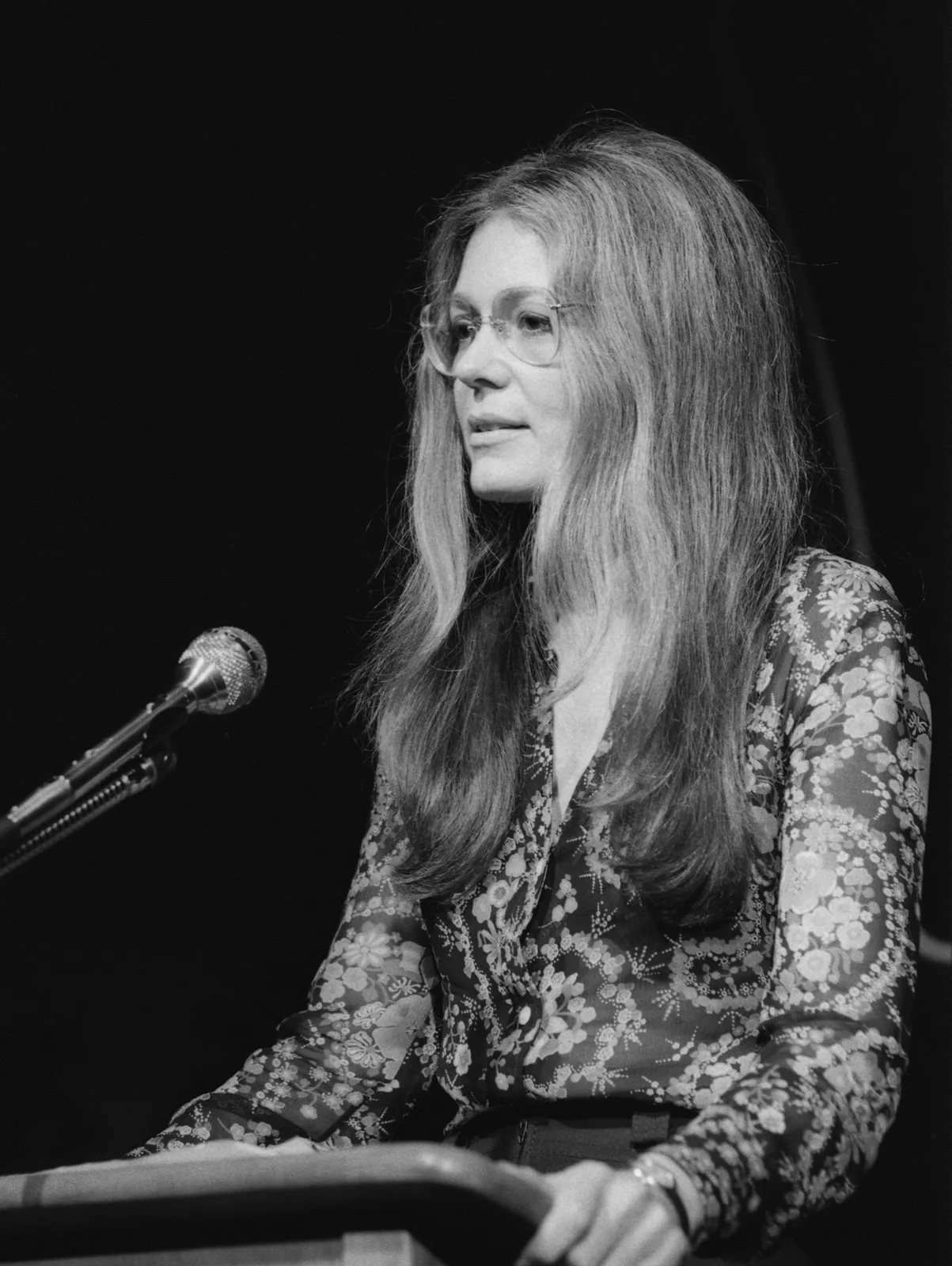
- Gloria Steinem at a women's conference held at the LBJ Library, 9 Nov. 1975 — Jay Godwin (LBJ Library), 1975-11-09 · LBJ Presidential Library (Jay Godwin), via Wikimedia Commons; Public Domain Mark · Public Domain Mark 1.0 (LBJ Library Flickr stream; Commons tag PD-USGov)
- Pauline Perlmutter Steinem, from 'For the Woman Who Reads', Labor Digest, Nov. 1909, p. 19 — No photographer credited, 1909-11 · Labor Digest (Nov. 1909), via Wikimedia Commons; public domain · Public domain (Commons: published 1909)
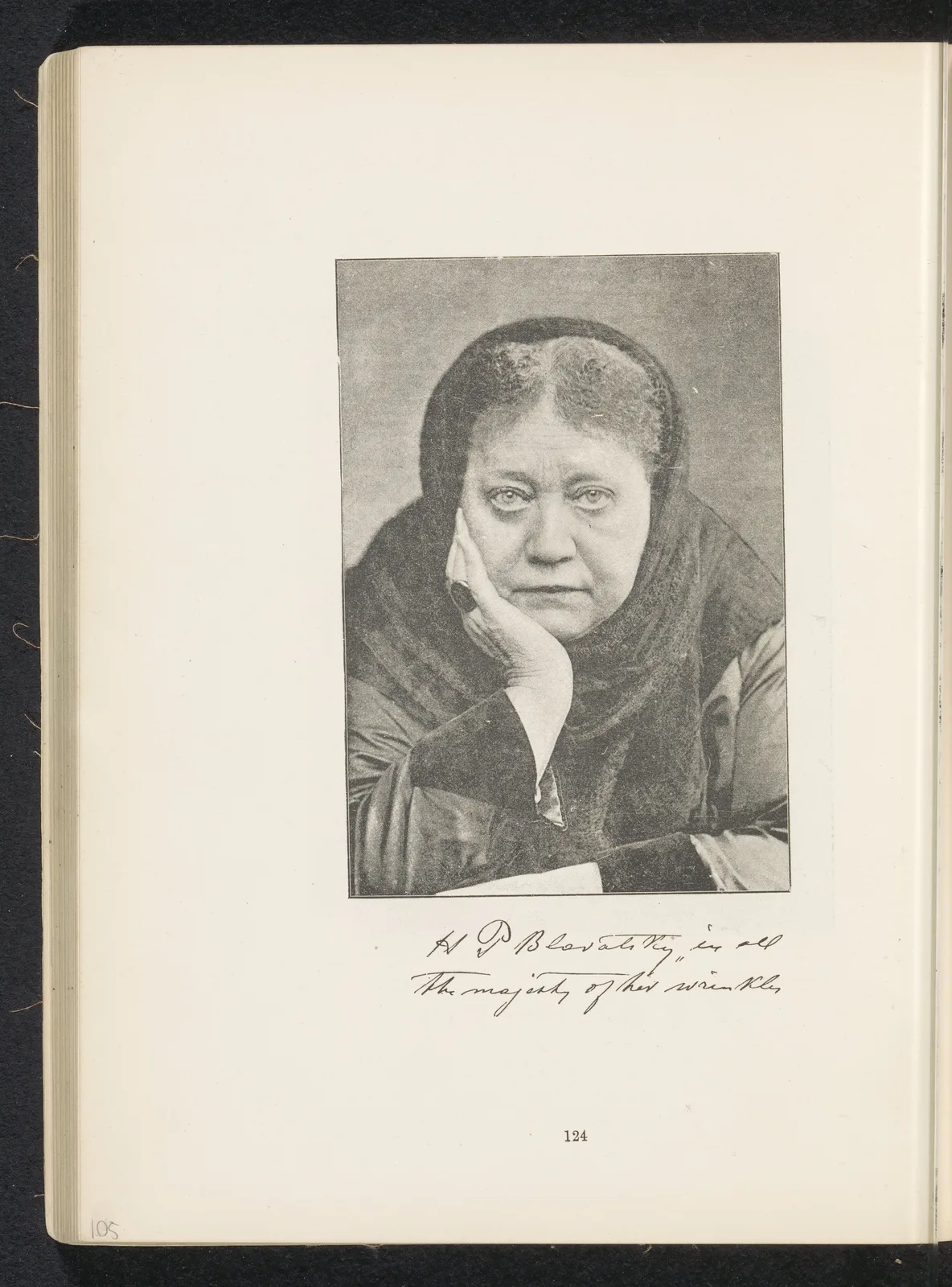
- Portret van Helena Blavatsky (RP-F-2001-7-67-105) — Anonymous (photomechanical print), c. 1881-before 1891 · Rijksmuseum, Amsterdam, RP-F-2001-7-67-105; CC0, via Wikimedia Commons · CC0 1.0 (Rijksmuseum, per Commons file page)
- Toledo, Ohio — Detroit Publishing Co., copyright claimant and publisher, c. 1900 · Library of Congress, Prints & Photographs Division, Detroit Publishing Company Collection · Public domain: The Library of Congress believes that many of the papers in the Detroit Publishing Company collection are in the public domain or have no known copyright restrictions and are free to use and reuse. For example, all photos published in the U.S. more than 95 years ago are in the public domain. (LoC rights statement, Detroit Publishing Company Collection; published about c. 1900)
- Clark Lake, Columbia Township, Michigan, from Columbia Township Park, facing east — Dwight Burdette, 2010-10-29 · Dwight Burdette, CC BY 3.0, via Wikimedia Commons · CC BY 3.0 (https://creativecommons.org/licenses/by/3.0)
- Seelye Hall, Smith College, Northampton, Mass. — Detroit Publishing Co., copyright claimant and publisher, c. 1906 · Library of Congress, Prints & Photographs Division, Detroit Publishing Company Collection · Public domain: The Library of Congress believes that many of the papers in the Detroit Publishing Company collection are in the public domain or have no known copyright restrictions and are free to use and reuse. For example, all photos published in the U.S. more than 95 years ago are in the public domain. (LoC rights statement, Detroit Publishing Company Collection; published about c. 1906)
- The 'Equal Rights' Amendment, Senate Judiciary Subcommittee hearings, May 1970, p. 331 (opening of Steinem's statement, 6 May 1970) — United States Congress, Senate, Committee on the Judiciary, Subcommittee on Constitutional Amendments, 1970-05-06 · Internet Archive, equalrightsamend00unit (US Government Printing Office, 1970) · Public domain (US federal government publication; Internet Archive states no rights for this item)
- The 'Equal Rights' Amendment, Senate Judiciary Subcommittee hearings, May 1970, p. 336 (Steinem: 'science is used to support current myth and economics almost as much as the church was') — United States Congress, Senate, Committee on the Judiciary, Subcommittee on Constitutional Amendments, 1970-05-06 · Internet Archive, equalrightsamend00unit (US Government Printing Office, 1970) · Public domain (US federal government publication; Internet Archive states no rights for this item)
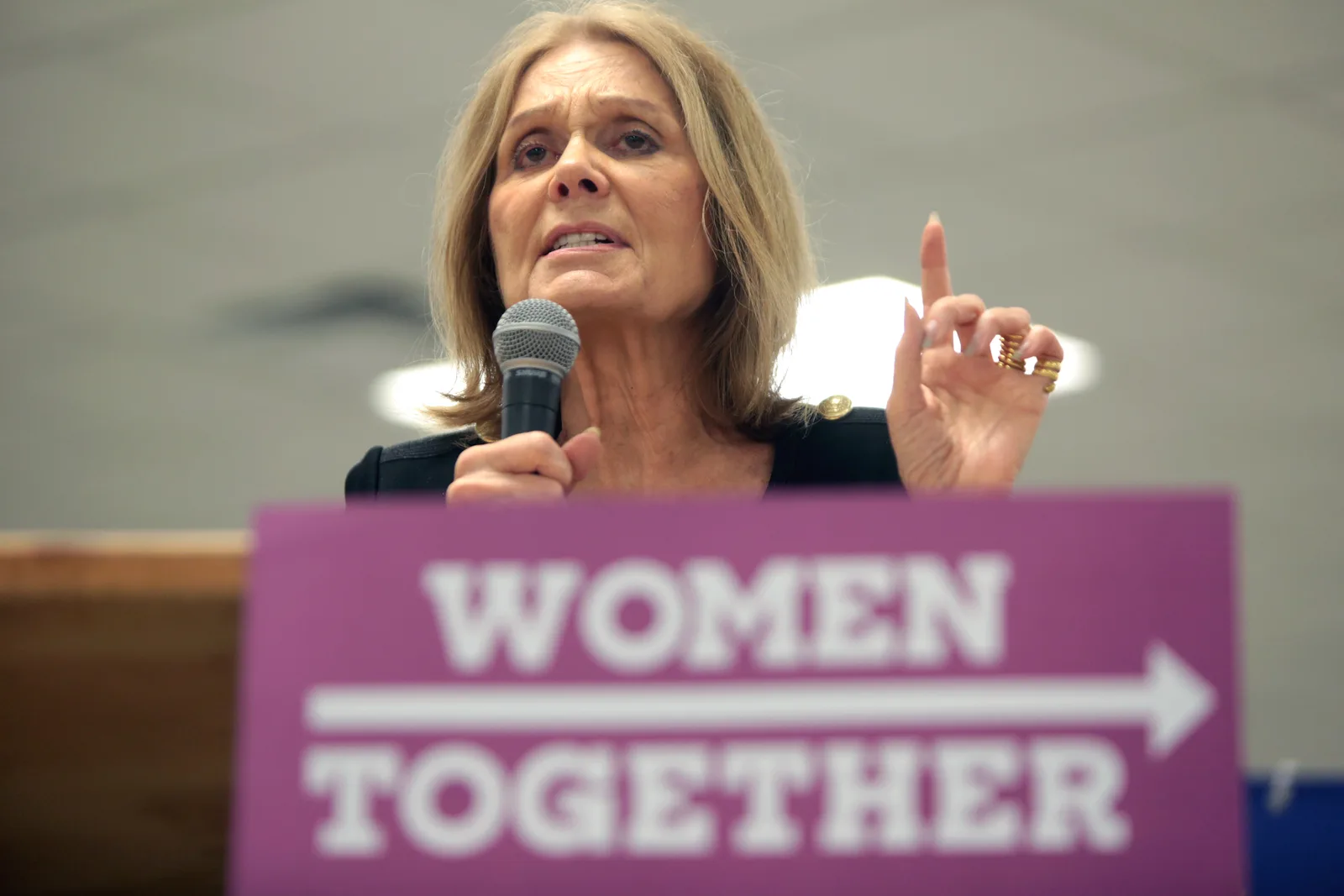
- Gloria Steinem speaking with supporters at the Women Together Arizona Summit, Phoenix — Gage Skidmore, 2016-09-17 · Gage Skidmore, CC BY-SA 3.0, via Wikimedia Commons · CC BY-SA 3.0 (https://creativecommons.org/licenses/by-sa/3.0)
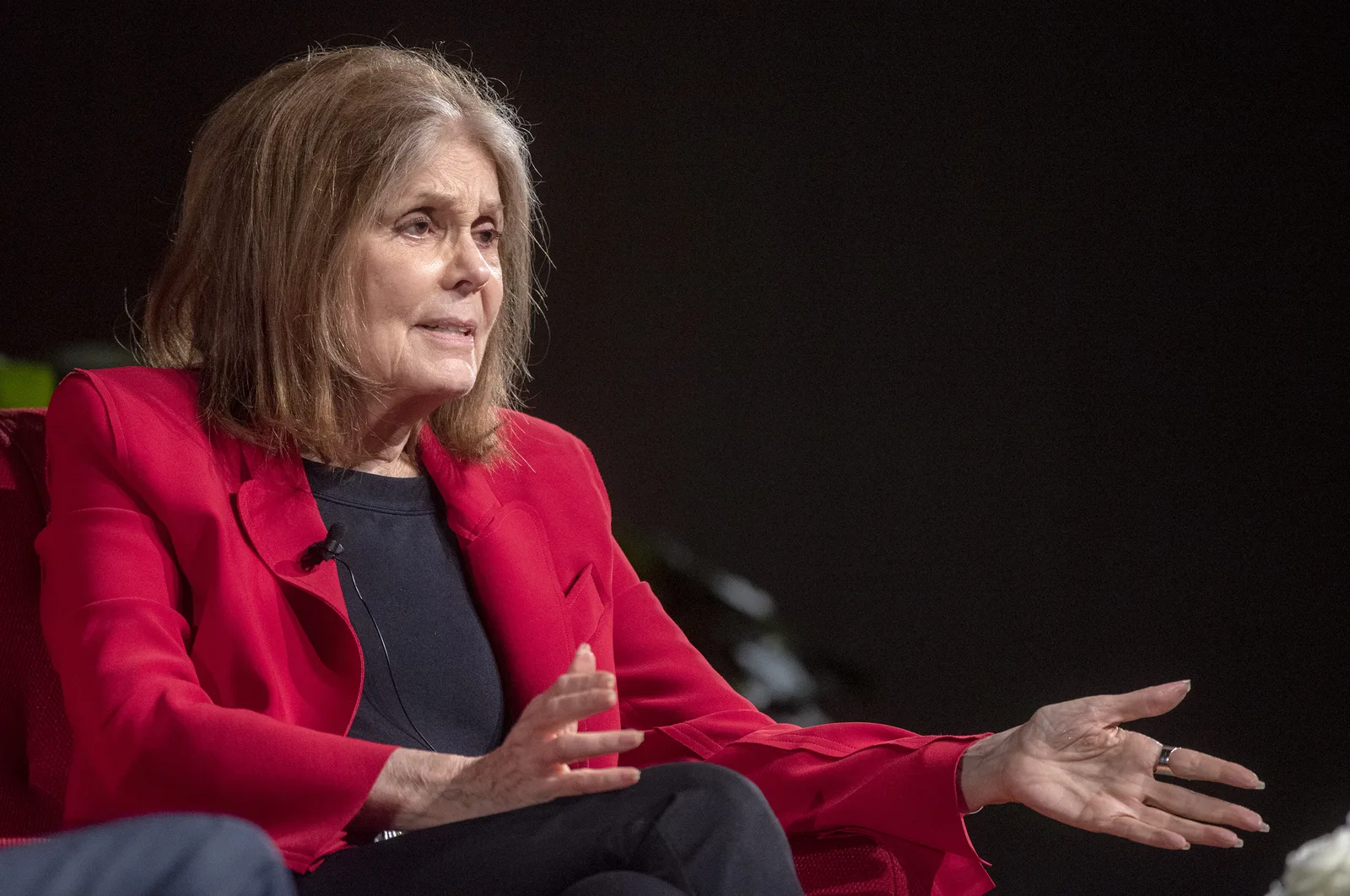
- Gloria Steinem in conversation, Friends of the LBJ Library, 6 Nov. 2019 — Jay Godwin (LBJ Library), 2019-11-06 · LBJ Presidential Library (Jay Godwin), via Wikimedia Commons; Public Domain Mark · Public Domain Mark 1.0 (LBJ Library Flickr stream; Commons tag PD-USGov)
Sources
Tier 1 — the subject's own words
- Hearing U.S. Senate, Committee on the Judiciary, Subcommittee on Constitutional Amendments, The "Equal Rights" Amendment, hearings on S.J. Res. 61, 91st Cong., 2nd sess., 5-7 May 1970 (GPO, 1970); Steinem's statement and prepared testimony 6 May 1970, pp. 331-337. Internet Archive
equalrightsamend00unit; savedresearch/texts/senate-era-1970.txt. US government record; public domain. - Humanist-Int "The Humanist Interview with Gloria Steinem," interviewer Jennifer Bardi, The Humanist, September/October 2012 (recorded 7 June 2012). thehumanist.com;
research/texts/humanist-interview-2012.txt. In copyright (AHA); not openly licensed. - Humanist-Sp "How I Got into This Room," adapted from her acceptance speech of 8 June 2012, The Humanist, November/December 2012. thehumanist.com;
research/texts/humanist-speech-2012.txt. In copyright (AHA). - JWA Letty Cottin Pogrebin, "Gloria Steinem," Shalvi/Hyman Encyclopedia of Jewish Women (Jewish Women's Archive). Read through a 2024 Wayback copy;
research/texts/jwa-steinem.txt. Contains Steinem's own sentences as quoted by Pogrebin. - Road / Revolution / Outrageous My Life on the Road (2015), Revolution from Within (1992), Outrageous Acts and Everyday Rebellions (1983): Internet Archive lending copies (
mylifeonroad0000stei,revolutionfromwisteirich,outrageousactsevsst00stei) returned 401/403; NOT READ. Everything attributed to them here is second-hand.
Tier 2 — scholarly biographies and encyclopedias
- JWA (above) is also the Tier 2 entry.
- Gurvis Sandra Gurvis, "Toledo Trendsetter: Pauline Perlmutter Steinem," Pathways (Ohio Humanities), Winter 2019, p. 10.
research/notes/raw-gurvis.pdf. - Heilbrun Carolyn G. Heilbrun, The Education of a Woman: The Life of Gloria Steinem (Ballantine, 1995): listed in JWA's bibliography; not obtained.
Tier 3 — popular biographies and journalism
- JTA Obituary, Jewish Telegraphic Agency, 3 September 2026.
research/texts/jta-obit.txt. - Kveller "Remembering Gloria Steinem's Jewish Activist Grandmother," Kveller, September 2026.
research/texts/kveller-pauline.txt. - BNG "Gloria Steinem was inspired by Jewish heritage," Baptist News Global, September 2026.
research/texts/baptistnews-2026.txt. - Sojo Jamie Calloway-Hanauer, "Is Religion the 'Biggest Problem' Facing Feminism Today?", Sojourners, 12 February 2014.
research/texts/sojourners-religion-feminism.txt. - Deadline / Meaww Deadline, "'Famous Last Words' With Gloria Steinem Streaming Now on Netflix," September 2026; Meaww, "Gloria Steinem's final message revealed", September 2026.
research/texts/deadline-last-words.txt,meaww-last-words.txt. - Seen only as search-engine snippets (pages blocked): Religion News Service / The Forward, 3 September 2026 ("raised without much religion and generally described herself as secular"); Ohio History Connection and WTOL obituary pages.
Tier 4 — Wikipedia and similar reference sites
- WP-Steinem "Gloria Steinem," Wikipedia, text as of 2026-10-14;
research/texts/wikipedia-steinem.txt. Used only for dates that other sources repeat; its account says Pauline chaired the "National Woman Suffrage Association" educational committee (JWA wording; Gurvis says NAWSA, the later body). - WP-Pauline "Pauline Perlmutter Steinem," Wikipedia, as of 2026-10-14 (extract fetched by API; not saved as a file).
Opposition sources — contemporary critics and religious responses
- Vatican Congregation for the Doctrine of the Faith, Letter to the Bishops of the Catholic Church on the Collaboration of Men and Women in the Church and in the World, 31 July 2004;
research/texts/vatican-2004-letter.txt. Does not name Steinem; answers the tendency she represents. - TIME "The Week," Time, 7 September 1992 (Pat Robertson on the Iowa ERA);
research/texts/time-1992-09-07.txt. - SMH Julia Baird, "Of God, Dolly and Gloria Steinem ... and the women who keep the faith," Sydney Morning Herald, 5 September 2026;
research/texts/smh-2026-keep-the-faith.txt.
Related lives
Elizabeth Cady Stanton (04): the earlier feminist who attacked the churches' claim that women's subordination came from God, and was censured for it; Steinem names her in the 2012 interview. (Alternative: Madalyn Murray O'Hair or Annie Besant, another Theosophy-touched woman.)
Carl Sagan
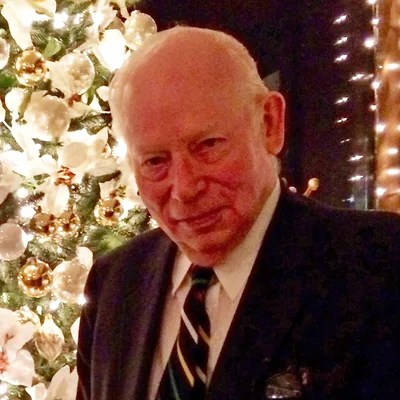
Carl Sagan was raised in a Jewish household in Brooklyn and told no story of lost faith, though as a teenager he filled a notebook with arguments about God. From 1979 he stated in print a position that refused both the certainty of belief and the certainty of atheism. He argued all his life that religious claims should be tested like any others, and found his awe in nature. He faced his death in 1996 calling himself an agnostic and expressly not an atheist, with no revision and no deathbed conversion.
Steven Weinberg
Steven Weinberg was born to Jewish parents, with no faith on record to lose. From cosmology he drew the conclusion that the universe has no purpose built into it. He said so first as physics softened by "the grace of tragedy" (1977), then as a moral charge against religion grounded in his own family's deaths (1999). In "Without God" (2008) he gave an honest account of what living without God costs and how it can be done with good humour. In print he never called himself an atheist.
John Lennon
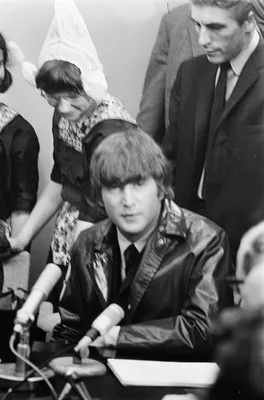
John Lennon was brought up lightly Anglican by his Aunt Mimi at St Peter's, Woolton, and drifted from belief with fame. In 1966 he stumbled into an accidental declaration that he had to apologise for. He looked for a teacher in the Maharishi and came away disappointed. He chose his declaration in the song "God" (1970), renouncing every authority from Jesus to the Beatles. In 1980 he revised the tone, calling himself neither anti-Christ nor antireligious, but a man who refused every package, Christian, Buddhist or Marxist.
Barbara Smoker
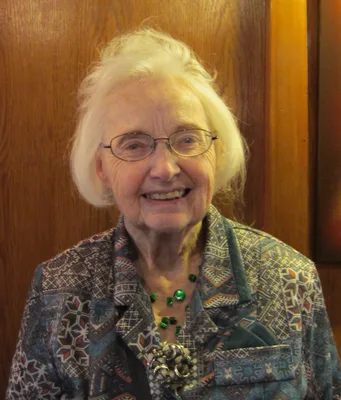
Barbara Smoker was a convent child who wanted to be a Carmelite, and saw no halfway house between the Church and atheism. The war in Ceylon, a confessor's charge of intellectual pride and a reading programme meant to save her faith wore it down, until on 5 November 1949, at a library's philosophy shelves, she found she was no longer a theist of any kind. She never doubted again. She spent the rest of her life on the unbelief in public, at the head of the National Secular Society, at thousands of secular funerals and beside the 1989 march against Rushdie, insisting that atheists had not lost their faith but outgrown it.