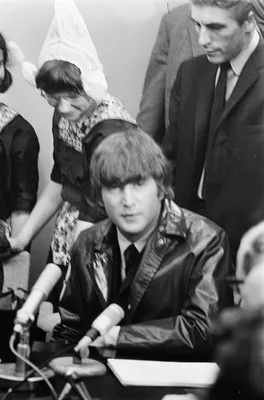
John Lennon was brought up lightly Anglican by his Aunt Mimi at St Peter's, Woolton, and drifted from belief with fame. In 1966 he stumbled into an accidental declaration that he had to apologise for. He looked for a teacher in the Maharishi and came away disappointed. He chose his declaration in the song "God" (1970), renouncing every authority from Jesus to the Beatles. In 1980 he revised the tone, calling himself neither anti-Christ nor antireligious, but a man who refused every package, Christian, Buddhist or Marxist.
The belief timeline
- Faith (1940s–1957) — Raised Anglican at St Peter's, Woolton; youth group, occasional choir; the practice was Mimi's more than his [3][4][6]
- Doubt (by 1964–65) — Press officer says all four Beatles had dropped their upbringing; Lennon "more agnostic than atheistic" (secondhand) [11][12]
- Declaration (accidental) (1966-03-04 and 1966-08-11) — Cleave interview says Christianity will shrink and the Beatles are now more popular; the August storm forces a public apology while he insists he was lamenting a decline [17][31][32]
- Search (1967-08 to 1968-04) — Transcendental Meditation, Rishikesh; leaves after two months disillusioned, tying it to a lifelong wish for a missing parent [41][48][49][50]
- Declaration (chosen) (1970-10-09 / 1970-12-11) — "God" renounces every idol, ending with the Beatles [55][56][58]
- Revision (1980-09) — Playboy: "anti-Christ or antireligion" is wrong; brought up a Christian; understands Christ's parables only now; still no proselytising and no "package" [67][68][69]
Notes to the timeline (18)
- [3] He was raised as an Anglican; he attended St Peter's Anglican church, Woolton. — John Lennon, rev. 1379079374 (2026-10-07); Religious views of the Beatles, rev. 1379936243 (2026-10-12), "Background". Reported at second hand; the original has not been seen.
- [4] At St Peter's he was a member of the youth group and sang occasionally in the choir; "John's visits to church were less frequent" than Mimi's, and he sang in the choir at weddings. — St Peter's Church, Woolton, "The Beatles Connection" (parish website, 2018 capture; Graham Paisley, site administrator).
research/texts/stpeters-church-site-2018.txt; WikiRVB. - [6] Mimi was a regular member of the St Peter's congregation. — Church, "The Beatles Connection".
- [11] In August 1964 Beatles press officer Derek Taylor told the Saturday Evening Post the four had abandoned their religious upbringings and were "completely anti-Christ" (Taylor's words, not Lennon's). — WikiRVB, "The Beatles years"; David A. Noebel, The Marxist Minstrels: A Handbook on Communist Subversion of Music (American Christian College Press, 1974); OCR
research/texts/noebel-marxist-minstrels.txt, internet archive copy; chapter XVI "Rock, Drugs and the Beatles", about pp. 99–113 per the book's index; OCR page breaks are garbled, so page numbers are approximate. An opposition source and a secondary source for 1965–66 items, about p. 100. - [12] In a February 1965 Playboy interview Lennon described the group as "more agnostic than atheistic"; McCartney said they might seem antireligious because none of them believed in God. — Noebel, Marxist Minstrels, about pp. 100–101 (citing Playboy); WikiRVB.
- [17] He said Christianity would shrink and vanish, that he was sure of it and would be proved right, that the Beatles were now more popular than Jesus, and that he did not know which would go first, rock and roll or Christianity. — Beatles Chicago Press Conference #1, 11 Aug 1966, Astor Tower Hotel; transcribed by Jay Spangler from video and audio, Beatles Interviews Database (beatlesinterviews.org). Local file
research/texts/chicago-pressconf-1966.txt; page notesresearch/notes/bi-1966-0811.html. No page numbers; cite as "Chicago1", (introduction quotes it); More popular than Jesus, rev. 1369757099 (2026-08-16). Cites Rodriguez, Gould, Turner, Unger, Cynthia Lennon; the original sources were not reached; Noebel, Marxist Minstrels, about pp. 102–103. - [31] At the first conference Lennon said he had been talking to a friend and used "the Beatles" as a remote example of what influenced kids; that he could have said television; that he meant it as a fact about England, not a comparison with Jesus; and that he was sorry he had opened his mouth even though he never meant what people thought. — Chicago1.
- [32] At the second conference Lennon said he did not profess to be a practising Christian, as he had been brought up to be; that Christ was what he was; that he had no unchristian thoughts; that Christianity seemed to be shrinking and losing contact and nothing better was replacing it; and that he had been deploring that, not knocking religion. — Beatles Chicago Press Conference #2, same day, travelling press and DJs.
research/texts/chicago-pressconf2-1966.txt;research/notes/bi-1966-0812.html. - [41] In August 1967 the Beatles attended the Maharishi's Bangor seminar and learned of Epstein's death on 27 August; Harrison and Lennon were the most committed and appeared twice on David Frost's programme to advocate TM. — The Beatles in India, rev. 1369310438 (2026-08-14), "Background".
- [48] Lennon and Harrison left on 12 April 1968 after rumours about the Maharishi's conduct towards Mia Farrow and another student. — WikiIndia.
- [49] In 1970 Lennon told Wenner that after a night's argument about the rumours they confronted the Maharishi, Lennon spoke for the group, told him that if he was so cosmic he would know why they were leaving, and felt he had called his bluff; he said "Sexy Sadie" was about him; he said he always expected too much and had always been expecting his mother, or some parent. — "Lennon Remembers, Part One", Jann S. Wenner's interview of Lennon and Ono, New York, 8 Dec 1970; Rolling Stone, via Wayback copy.
research/texts/lennon-remembers-rs.txt. Cite by question topic (no page numbers), (the "Whose idea was it to go to India?" exchange). - [50] Ono said in 1980 that John "lasted two months" with the Maharishi; the Beatles' arrival in India (15 Feb) to departure (12 April) is about eight weeks. — Playboy80 p. 1; WikiIndia.
- [55] Demos of "God" were taped on 26 July 1970; the final take was 9 October 1970 at Abbey Road with Ringo Starr, Klaus Voormann and Billy Preston; the album was released 11 December 1970. — John Lennon/Plastic Ono Band (fetched 2026-10-14); God (John Lennon song), rev. 1370227838 (2026-08-19).
- [56] "God" (album *John Lennon/Plastic Ono Band*, 1970) describes God as a human measure of pain, then lists authorities and idols he no longer believes in (scriptures, Jesus, Buddhism, mantras, kings, Elvis, Dylan) ending with the Beatles, and says he believes only in himself and Ono; the last section says the dream is over and that he is just John. (Described, not quoted.) — WikiGod; WikiPOB; "Lennon Remembers, Part One".
- [58] Lennon said the "I don't believe" list was like a Christmas-card list that got out of hand, he thought about leaving a gap for listeners to fill in, "Beatles" was the last because he no longer believed in myth, and the dream being over meant the generation, not only the band. — "Lennon Remembers, Part One", (exchange on "I don't believe in Beatles").
- [67] In that interview Lennon said people always took him to be anti-Christ or antireligious, which he was not; he called himself a most religious fellow, brought up a Christian, who only now understood some of Christ's parables; people, he said, got hooked on the teacher and missed the message. — Playboy80 p. 3.
- [68] On Bob Dylan's born-again Christianity he declined to judge, but said religion suffers from the "Onward, Christian Soldiers" habit of marching and converting; he said he was no more a Buddhist than a Christian, admiring only that Buddhism does not proselytise. — Playboy80 p. 3.
- [69] He said gurus, presidents and religions are substitute fathers (he named Maharishi, Janov; his own father was absent); the messenger gets worshipped instead of the message, whether Christianity, Islam, Buddhism, Confucianism, Marxism or Maoism; you do not need "the Christian package or the Marxist package". — Playboy80 p. 3.
More Popular Than Jesus, and No More a Buddhist Than a Christian
On 11 August 1966, in a room at the Astor Tower Hotel in Chicago, John Lennon apologised for something he had said about Jesus five months earlier. In England nobody had minded. In America radio stations had banned the Beatles, and listeners had burned their records. Lennon told the reporters he was sorry he had opened his mouth. He had not meant what people thought, he said; he had been talking about England, and he could as easily have said television. At a second press conference that day he added that he did not claim to be a practising Christian, as he had been brought up to be, but that he had no unchristian thoughts, and that he had been regretting Christianity's decline, not knocking it.1234
The remark that started it is usually remembered as a boast. This chapter asks what Lennon actually believed, how a choirboy from a Liverpool suburb became the author of the best-known song ever written about a world without heaven, and why, at the end of his life, he insisted he had never been against religion at all.
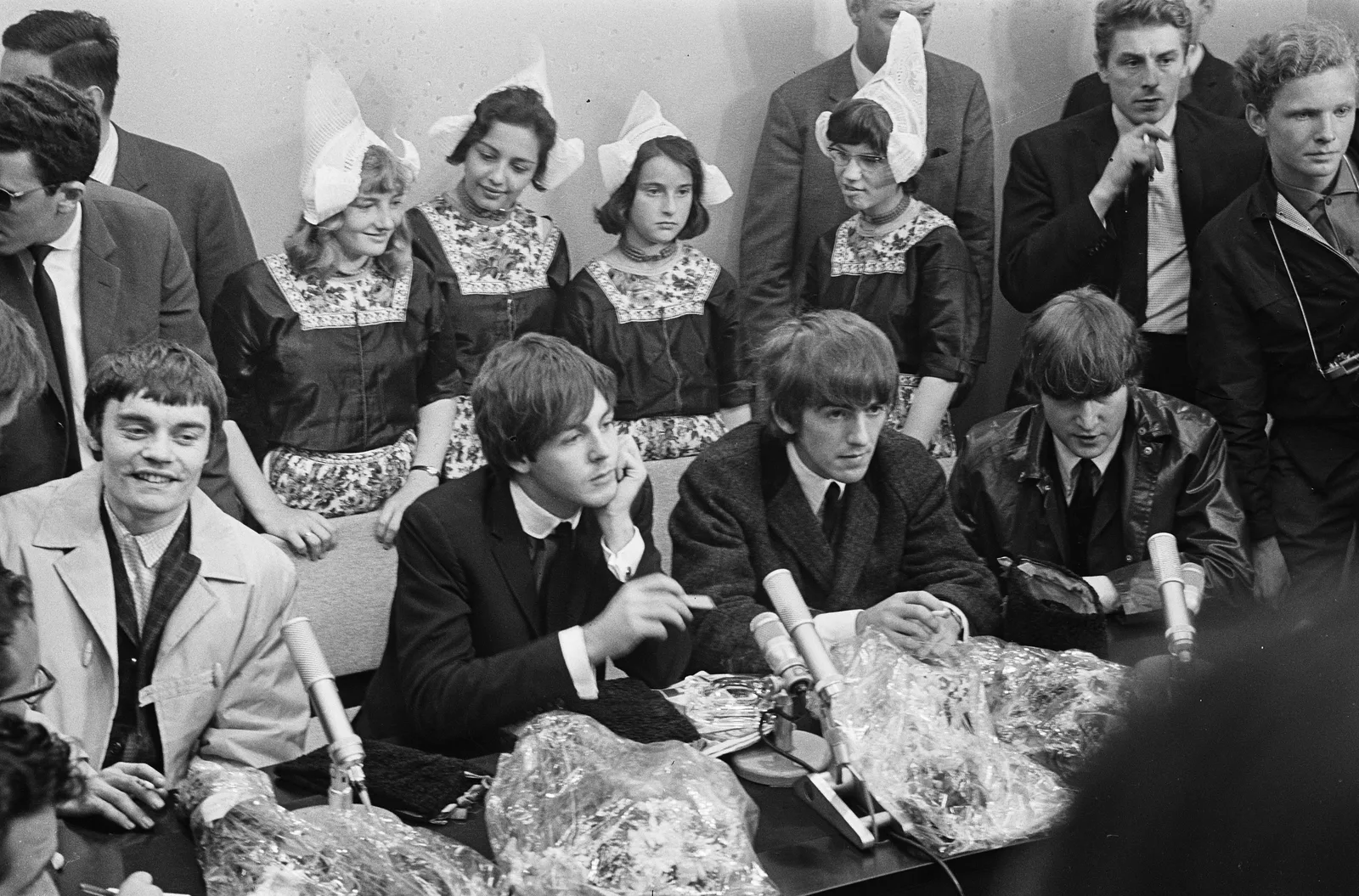
Aunt Mimi's church
He was born in Liverpool on 9 October 1940, the only child of Alfred Lennon, a merchant seaman, and Julia Stanley. From about the age of five he was brought up by his mother's sister Mimi and her husband George Smith at their house, Mendips, on Menlove Avenue in Woolton.56 He was raised in the Church of England. Mimi was a regular at St Peter's, the parish church; John went to the youth group and sometimes sang in the choir, though less often than his aunt went to church. Accounts differ on how often he was there.78910 On the belief timeline, that light, inherited Anglicanism is his faith, and he said himself in 1980 that he had been brought up a Christian.11
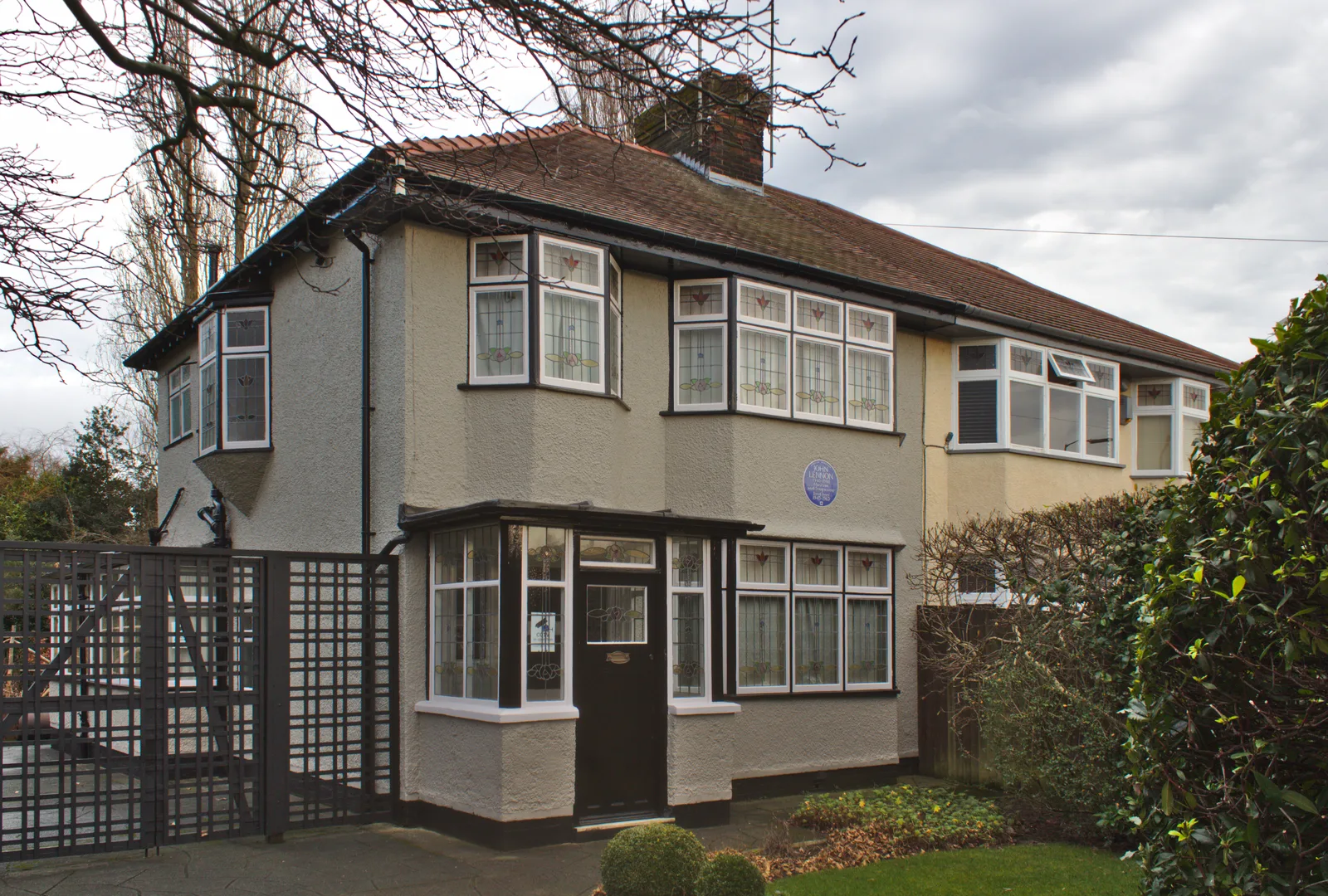
St Peter's also gave him the rest of his life. His Uncle George died in 1955 and was buried in its churchyard, and on 6 July 1957 Lennon's group, the Quarrymen, played at the church's summer fête. That afternoon, in the church hall, he met Paul McCartney.1213 A year later his mother was killed by a car on Menlove Avenue. He spent the next two years drinking and fighting. No source read for this chapter ties her death to what he believed, and this chapter does not suggest a link.14
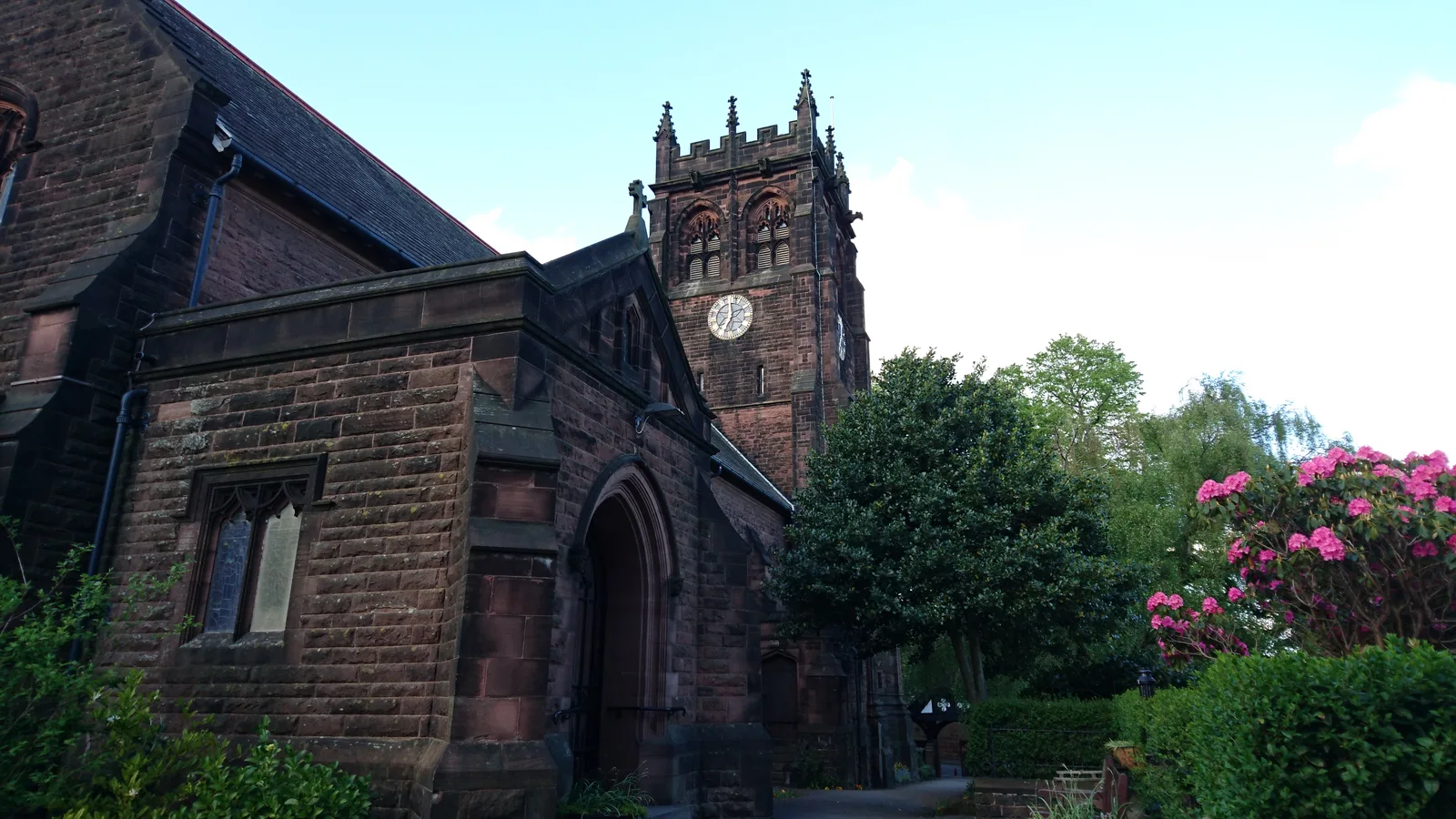
More popular than Jesus
There is no record of a moment when he stopped believing. The earliest signs come from the years of fame. In August 1964 the Beatles' press officer, Derek Taylor, told an American magazine that all four had left their religious upbringing behind, and in a Playboy interview of February 1965 Lennon is reported to have described the group as more agnostic than atheistic. Both come to us at second hand.1516 That is why the timeline places his doubt at 1964–65 and not in his childhood: it is the first date at which the evidence exists.
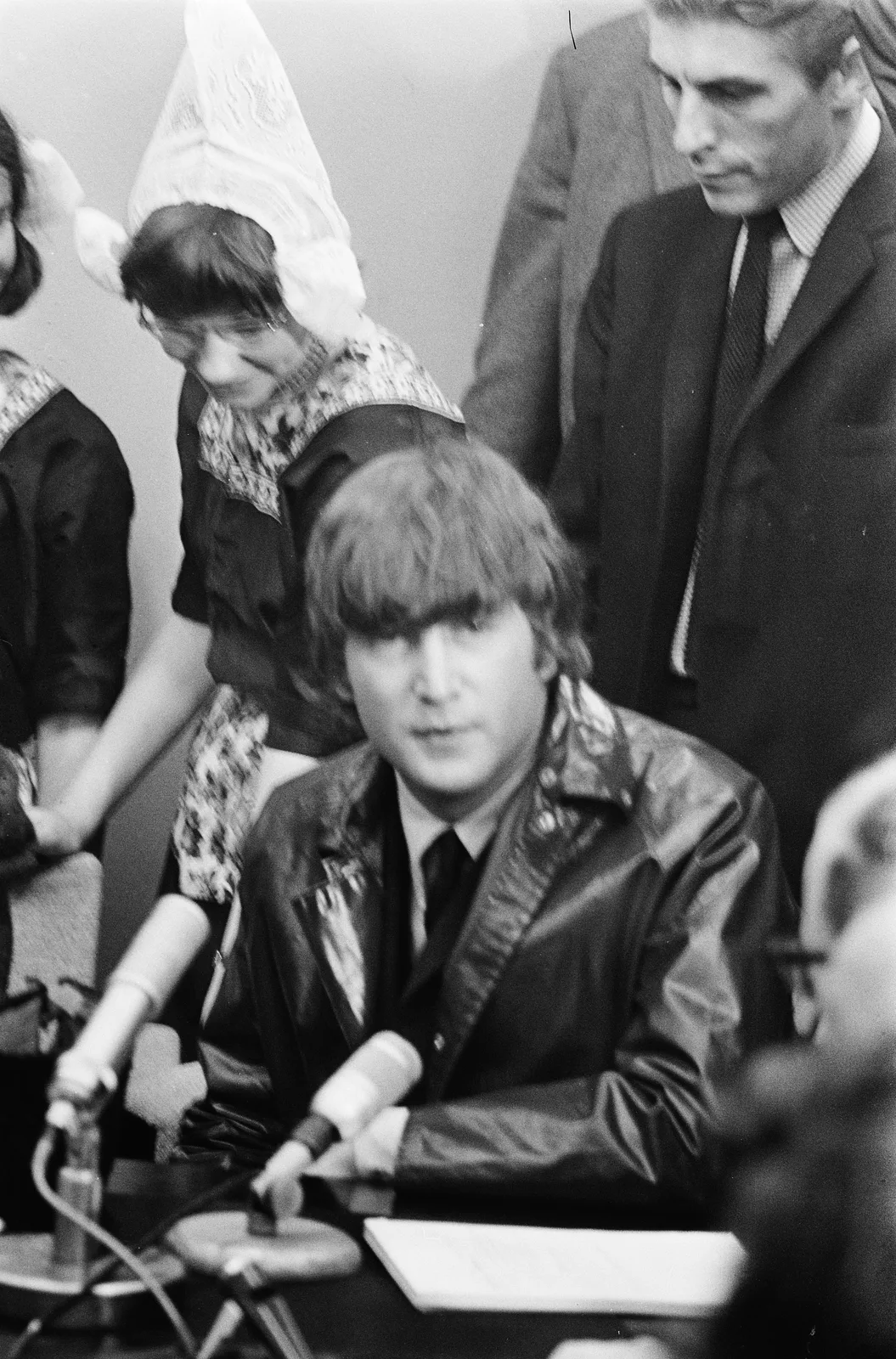
In February 1966 the journalist Maureen Cleave, a friend, interviewed him at his house in Weybridge for the London Evening Standard. She found that he was reading widely about religion.17 Her profile, published on 4 March, reported him saying that Christianity would shrink and vanish, that the Beatles were now more popular than Jesus, and that he did not know which would go first, rock and roll or Christianity. Jesus was all right, he said, but his disciples were thick and ordinary, and it was their twisting of the story that spoiled it.181920 In Britain, where church attendance was falling and a bishop, John Robinson, had published Honest to God in 1963, the remarks caused barely a ripple.2122
They crossed the Atlantic slowly. At the end of July an American teen magazine put the line on its cover, and two disc jockeys at a Birmingham, Alabama, radio station asked listeners what they thought and destroyed Beatles records on air. One of them, Tommy Charles, said the remark was so absurd and sacrilegious that something had to be done to show the Beatles they could not get away with it.232425 More than thirty stations stopped playing the band, and on 13 August, two days after the apology, Klan members burned a Beatles record on a cross. The Memphis city council voted not to let its facilities be used to ridicule anyone's religion, though the concerts there went ahead. The Vatican's press said that some subjects must not be treated profanely, even among beatniks.1262728 A San Francisco columnist, Charles McCabe, wrote that Lennon was no madman but had caught the actor's habit of believing in himself, and hoped he would stop thinking himself God before it hurt him.29
Not every Christian took offence. The Jesuit magazine America said that Lennon had stated what many Christian educators would admit.30 After the Chicago apology the Vatican paper accepted it, and Tommy Charles cancelled his bonfire.31 The 1966 remark is the first declaration on his timeline, but an accidental one: a profile remark, a storm and an apology, not a statement he chose. The tour that followed helped persuade the Beatles to stop touring.32
The search
The next year he went looking. In August 1967 the Beatles went to hear the Maharishi Mahesh Yogi teach Transcendental Meditation at Bangor in Wales, where they learned of the death of their manager, Brian Epstein. Lennon and George Harrison became the most committed and went on television to promote the practice.33 In February 1968 Lennon and his wife Cynthia went with Harrison to the Maharishi's ashram at Rishikesh in northern India. Friends remembered him looking for an answer; Cynthia called him evangelical in his enthusiasm.3435 There he wrote "Dear Prudence," for a fellow student who had shut herself away in meditation trying, he said, to reach God faster than anyone.36
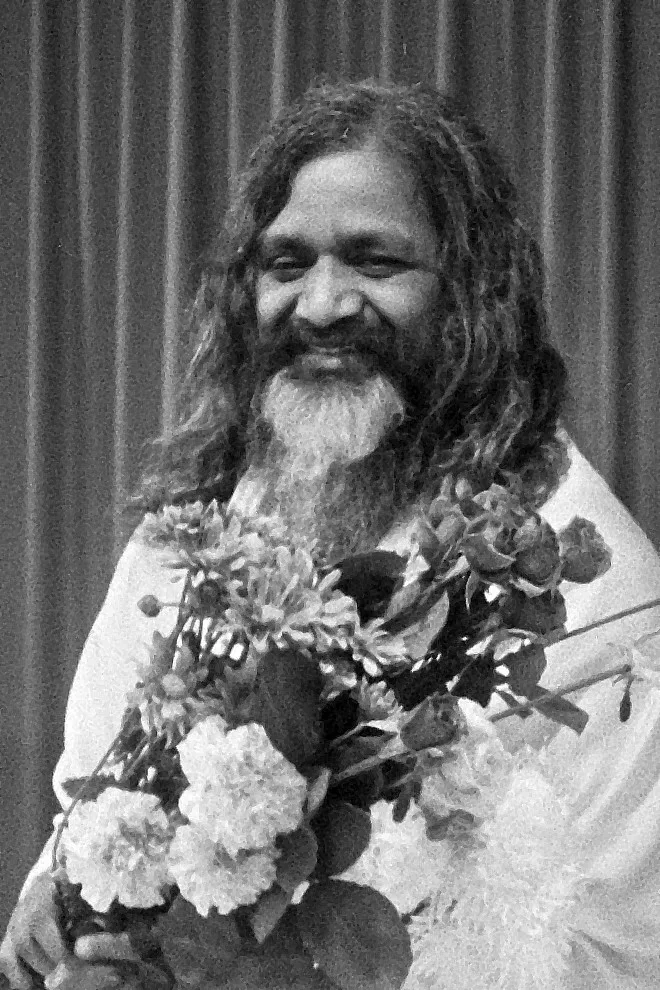

The search lasted about two months. On 12 April 1968 Lennon and Harrison left after rumours about the Maharishi's conduct towards women students. The rumours were disputed then and since; Lennon believed them.373839 He told Rolling Stone in 1970 that he had confronted the Maharishi, told him that if he was so cosmic he would know why they were leaving, and felt he had called his bluff. He wrote "Sexy Sadie" about him. And he gave a reason for his disappointment that went beyond the Maharishi: he always expected too much, he said, and had always been expecting his mother, or some parent.40 That search of 1967–68 is a mark of its own on his timeline.
"God"
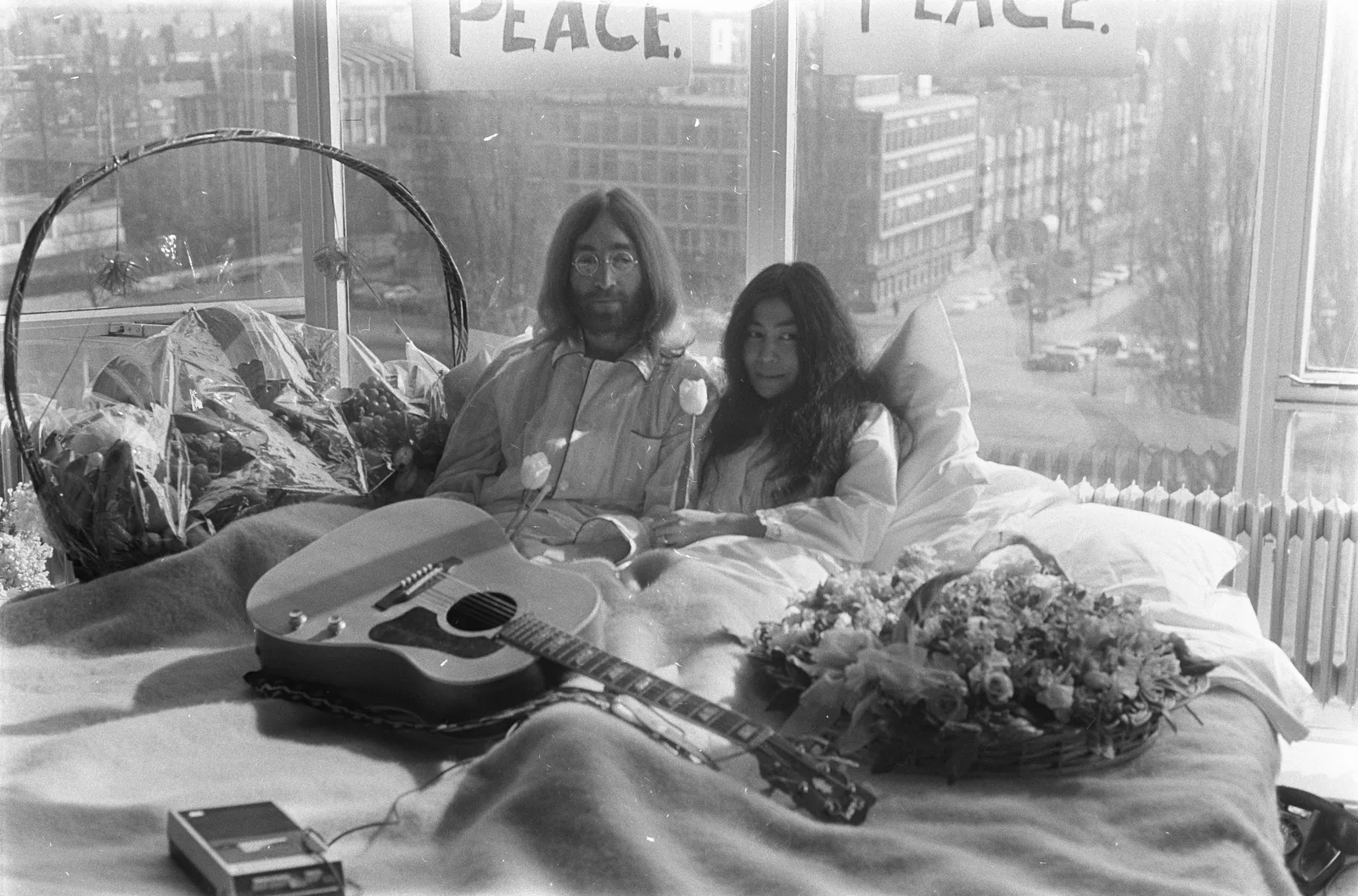
In 1970 he and Yoko Ono spent five months in primal therapy with the American psychologist Arthur Janov, and the album that came out of it was about childhood loss and pain.41 He recorded its central song, "God," on his thirtieth birthday, 9 October 1970.42 It opens by calling God a concept by which we measure our pain, then lists everything Lennon no longer believes in: scriptures, Jesus, Buddhism, mantras, kings, Elvis, Dylan, and last of all the Beatles. He believes, the song ends, only in himself and Yoko, and the dream is over.43
Asked about it by Jann Wenner of Rolling Stone that December, he said the idea of God as a measure of pain had come to him as his own revelation, that the bigger the pain the more God you look for, and that he did not know the philosophers who had said something like it before. Others credit his talks with Janov; accounts differ.44 The list, he said, had grown like a Christmas-card list that got out of hand, and he put the Beatles last because he no longer believed in myth.45 Asked whether the Beatles had been taken for God's messengers, he said that if there is a God, we are all of it.46 The song is the second declaration on his timeline, and this time he chose it.
A year later came "Imagine," which asks the listener to picture a world with no heaven or hell and no religion, as well as no countries and no possessions, living in peace.4748 It upset some religious listeners from the start, and believing musicians later answered "God" with songs of their own.4950
A most religious fellow
In September 1980 he gave a long interview to David Sheff for Playboy. People had always taken him to be anti-Christ or antireligious, he said, and he was neither. He called himself a most religious fellow who had been brought up a Christian and was only now beginning to understand some of Christ's parables; the trouble was that people got hooked on the teacher and missed the message.51 On Bob Dylan's recent conversion he would not pass judgement, but he disliked the habit of marching and converting, and said he was no more a Buddhist than a Christian, admiring only that Buddhism does not try to win converts.52 Gurus, presidents and religions, he said, were substitute fathers. Whether the package was Christian or Marxist, people worshipped the messenger instead of the message, and he told his readers to make their own dream and not expect any leader, or Jesus Christ, to make it for them.5354 He said "Imagine" asked whether one could picture a world without countries or religions, and that its message was a positive one.48
On his timeline, this late interview is the revision. It does not take back "God." It makes clearer what "God" had refused: not the teaching of Jesus but every authority, religious or secular, that asks to be followed.
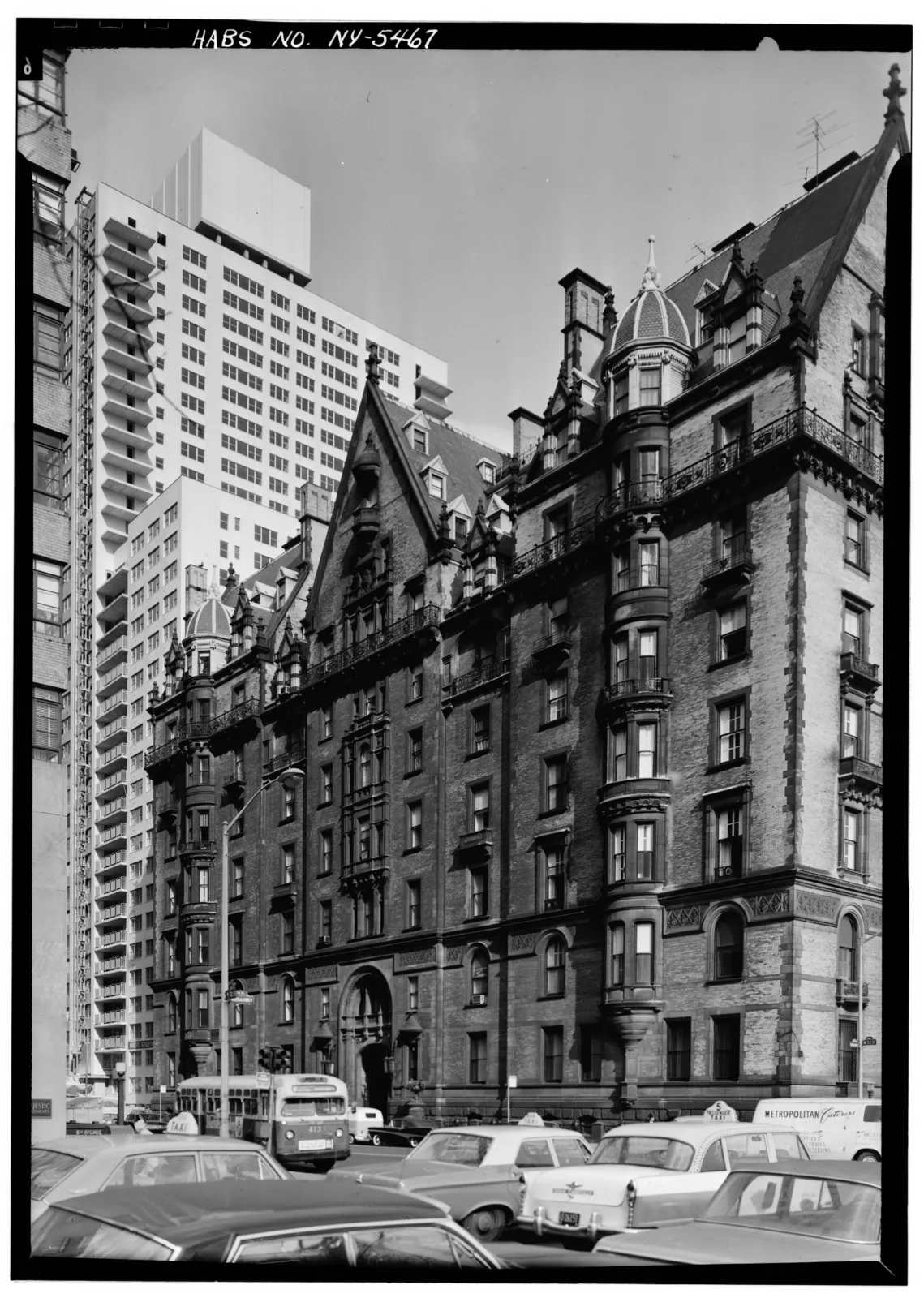
On 8 December 1980 he was shot dead outside the Dakota. Yoko Ono asked that there be no funeral, but a silent vigil to pray for his soul.55 His killer later said that the 1966 remark and the songs "God" and "Imagine" had angered him, among other things; his motives were mixed, and this chapter does not make Lennon's unbelief their cause.56 In January 1981 "Imagine" went back to number one in Britain.57
Kurt Vonnegut, who called himself a Christ-loving atheist and so arrived by another road where Lennon ended, has his own chapter in this book.
Footnotes
-
More popular than Jesus, rev. 1369757099 (2026-08-16). Cites Rodriguez, Gould, Turner, Unger, Cynthia Lennon; the original sources were not reached; Beatles Chicago Press Conference #1, 11 Aug 1966, Astor Tower Hotel; transcribed by Jay Spangler from video and audio, Beatles Interviews Database (beatlesinterviews.org). Local file
research/texts/chicago-pressconf-1966.txt; page notesresearch/notes/bi-1966-0811.html. No page numbers; cite as "Chicago1", introduction. ↩ ↩2 -
Chicago1; Beatles Chicago Press Conference #2, same day, travelling press and DJs.
research/texts/chicago-pressconf2-1966.txt;research/notes/bi-1966-0812.html, introductions. ↩ -
Chicago1. ↩
-
Chicago2. ↩
-
John Lennon, rev. 1379079374 (2026-10-07), "Early years". Reported at second hand; the original has not been seen. ↩
-
WikiLennon, "Early years". ↩
-
WikiLennon; Religious views of the Beatles, rev. 1379936243 (2026-10-12), "Background". ↩
-
St Peter's Church, Woolton, "The Beatles Connection" (parish website, 2018 capture; Graham Paisley, site administrator).
research/texts/stpeters-church-site-2018.txt; WikiRVB. ↩ -
Nigel Walley, rev. 1349680265 (2026-04-18), "Early life". See disputed points; wikipedia is the only source for this, as for the other details in this chapter cited to that source alone. ↩
-
Church, "The Beatles Connection". ↩
-
Playboy80 p. 3. ↩
-
Church, "The Beatles Connection"; WikiLennon; WikiMimi (saved). ↩
-
WikiLennon; Church, "The Beatles Connection". ↩
-
WikiLennon; WikiWalley. ↩
-
WikiRVB, "The Beatles years"; David A. Noebel, The Marxist Minstrels: A Handbook on Communist Subversion of Music (American Christian College Press, 1974); OCR
research/texts/noebel-marxist-minstrels.txt, internet archive copy; chapter XVI "Rock, Drugs and the Beatles", about pp. 99–113 per the book's index; OCR page breaks are garbled, so page numbers are approximate. An opposition source and a secondary source for 1965–66 items, about p. 100. ↩ -
Noebel, Marxist Minstrels, about pp. 100–101 (citing Playboy); WikiRVB. ↩
-
WikiMPJ, "Background". ↩
-
WikiMPJ; Maureen Cleave, rev. 1370237471 (2026-08-19). ↩
-
Chicago1, (introduction quotes it); WikiMPJ; Noebel, Marxist Minstrels, about pp. 102–103. ↩
-
Chicago1, introduction; WikiMPJ. ↩
-
WikiMPJ; Chicago2. ↩
-
WikiMPJ, "Background". ↩
-
WikiMPJ. ↩
-
WikiMPJ, "Escalation". ↩
-
WikiMPJ, "Escalation". ↩
-
WikiMPJ, "US tour incidents". ↩
-
WikiMPJ. ↩
-
WikiMPJ. ↩
-
Noebel, Marxist Minstrels, about pp. 101–103. ↩
-
WikiMPJ. ↩
-
WikiMPJ. ↩
-
WikiMPJ; WikiLennon. ↩
-
The Beatles in India, rev. 1369310438 (2026-08-14), "Background". ↩
-
WikiIndia, "Arrivals". ↩
-
WikiIndia, "Experience". ↩
-
WikiIndia, "Songwriting". ↩
-
WikiIndia. ↩
-
Playboy80 p. 1; WikiIndia. ↩
-
WikiSadie; , [WikiSadie] Maharishi Mahesh Yogi; Sexy Sadie (rev. 1350688559, 2026-04-23). Accounts differ; see the disputed points. ↩
-
"Lennon Remembers, Part One", Jann S. Wenner's interview of Lennon and Ono, New York, 8 Dec 1970; Rolling Stone, via Wayback copy.
research/texts/lennon-remembers-rs.txt. Cite by question topic (no page numbers), (the "Whose idea was it to go to India?" exchange). ↩ -
WikiLennon; John Lennon/Plastic Ono Band (fetched 2026-10-14). ↩
-
WikiPOB; God (John Lennon song), rev. 1370227838 (2026-08-19). ↩
-
WikiGod; WikiPOB; "Lennon Remembers, Part One". ↩
-
"Lennon Remembers, Part One", (the "concept of pain" exchange); WikiGod. ↩
-
"Lennon Remembers, Part One", (exchange on "I don't believe in Beatles"). ↩
-
"Lennon Remembers, Part One". ↩
-
Imagine (song), rev. 1380134873 (2026-10-14). ↩
-
WikiImagine; WikiMPJ. ↩
-
WikiGod, "Legacy". ↩
-
Playboy80 p. 3. ↩
-
Playboy80 p. 3. ↩
-
Playboy80 p. 3. ↩
-
Playboy80 p. 3. ↩
-
WikiLennon. ↩
-
, [WikiChapman] Death of John Lennon; Mark David Chapman; WikiChapman. ↩
-
WikiImagine; WikiMPJ. ↩
research/texts/chicago-pressconf-1966.txt; page notes research/notes/bi-1966-0811.html. No page numbers; cite as "Chicago1".; Beatles Chicago Press Conference #2, same day, travelling press and DJs. research/texts/chicago-pressconf2-1966.txt; research/notes/bi-1966-0812.html.; John Lennon, rev. 1379079374 (2026-10-07).; Religious views of the Beatles, rev. 1379936243 (2026-10-12).; St Peter's Church, Woolton, "The Beatles Connection" (parish website, 2018 capture; Graham Paisley, site administrator). research/texts/stpeters-church-site-2018.txt.; Nigel Walley, rev. 1349680265 (2026-04-18).; David A. Noebel, The Marxist Minstrels: A Handbook on Communist Subversion of Music (American Christian College Press, 1974); OCR research/texts/noebel-marxist-minstrels.txt, internet archive copy; chapter XVI "Rock, Drugs and the Beatles", about pp. 99–113 per the book's index; OCR page breaks are garbled, so page numbers are approximate. An opposition source and a secondary source for 1965–66 items.; Maureen Cleave, rev. 1370237471 (2026-08-19).; The Beatles in India, rev. 1369310438 (2026-08-14).; , [WikiSadie] Maharishi Mahesh Yogi; Sexy Sadie (rev. 1350688559, 2026-04-23).; "Lennon Remembers, Part One", Jann S. Wenner's interview of Lennon and Ono, New York, 8 Dec 1970; Rolling Stone, via Wayback copy. research/texts/lennon-remembers-rs.txt. Cite by question topic (no page numbers).; John Lennon/Plastic Ono Band (fetched 2026-10-14).; God (John Lennon song), rev. 1370227838 (2026-08-19).; Imagine (song), rev. 1380134873 (2026-10-14).; , [WikiChapman] Death of John Lennon; Mark David Chapman.Where accounts differ
| Point | One account | Another | How the page handles it |
|---|---|---|---|
| How active Lennon was at St Peter's | Sunday school and church choir alongside Nigel Walley (WikiWalley) [5] | Youth group, occasionally in the choir at weddings; visits less frequent than Mimi's (StPeters2018) [4] | Say he sang in the choir and attended Sunday school and the youth group and that the evidence for how often is thin; keep the picture of Mimi as the regular. |
| Whether Lennon meant the 1966 remark as a boast or a lament | A "boast" by a young working-class man (Vatican 2010, via WikiMPJ) [75]; "He thinks he's God" (McCabe) [79] | A regretful observation about Christianity's decline (Lennon at Chicago [31] [32]; George Harrison, Chicago1 [34]; BM39 [37]) | Give both; Lennon's own explanation is paraphrased, the critics' reading stated fairly. |
| The Maharishi allegations | Rumours of advances on Farrow and others were the reason the Beatles left; Lennon believed them (Remembers1 [49]; Farrow, WikiSadie [51]) | Harrison, Cynthia Lennon, McCartney later said nothing happened; the story came from Alexis Mardas (WikiSadie, WikiMaharishi) [51] | Narration says the allegation was disputed then and since; say that Lennon believed it. |
| When Lennon left Rishikesh | 12 April 1968 with Harrison (WikiIndia) [48] | Wikipedia's Maharishi article says "16 days later" after Starr's departure (WikiMaharishi), which would be mid-March, and "two months" in Playboy 1980 [50] | Use 12 April; verify in a Tier 2 biography (Lewisohn, Norman, Saltzman). |
| What Lennon said at Chicago about God | "not as an old man in the sky ... what people call God is something in all of us" (WikiMPJ, WikiRVB) | Not found in either Chicago transcript on beatlesinterviews.org (Chicago1, Chicago2) | Do not use that sentence until a source is found; it may come from another 1966 interview. |
| Where "God" came from | Lennon: his own revelation, written fast, from "three songs" (Remembers1 [57]) | Wikipedia: arising from discussions with Janov about belief and emotional pain (WikiGod [57]) | Give Lennon's account; mention Janov as context. |
| Date and wording of "more agnostic than atheistic" | February 1965 Playboy (Noebel; WikiRVB) | Not seen directly | Treat as secondhand until the Playboy article is read. |
| Whether Lennon returned to Christianity in 1977 | "Briefly converted" (WikiRVB, WikiMPJ) [71] | Nothing in Remembers or Playboy; the 1980 Playboy interview treats Dylan's conversion with distance [68] | Do not use. |
List of illustrations
This page uses only public-domain and Creative Commons images; each is credited with its source and licence.
- The Beatles at the Schiphol press conference — Harry Pot (Anefo), 1964-06-05 · Nationaal Archief, Fotocollectie Anefo, 916-5124 · CC0 (Commons states: CC0)
- Mendips, 251 Menlove Avenue, Woolton, Liverpool — Rodhullandemu, 2020-01-07 · Rodhullandemu, via Wikimedia Commons (CC BY-SA 4.0) · CC BY-SA 4.0 (Commons states: CC BY-SA 4.0)
- St Peter's parish church, Woolton, Liverpool — James Pye, 2016-05-16 · James Pye, via Wikimedia Commons (CC BY-SA 4.0) · CC BY-SA 4.0 (Commons states: CC BY-SA 4.0)
- John Lennon at the Beatles press conference, Schiphol Airport — Harry Pot for Anefo, 1964-06-05 · Nationaal Archief, Fotocollectie Anefo, 916-5131 · CC0 (Commons states: CC0)
- Maharishi Mahesh Yogi at the Concertgebouw, Amsterdam — Ben Merk (Anefo), 1967-09-01 · Nationaal Archief, Fotocollectie Anefo (cropped copy via Wikimedia Commons) · CC0 (Commons states: CC0)
- Entry gate of the Beatles Ashram (Maharishi's former ashram), Rishikesh — SnehaShrivastava, 2018-08-02 · SnehaShrivastava, via Wikimedia Commons (CC BY-SA 4.0) · CC BY-SA 4.0 (Commons states: CC BY-SA 4.0)
- John Lennon and Yoko Ono in bed at the Amsterdam Hilton — Eric Koch for Anefo, 1969-03-25 · Nationaal Archief, Fotocollectie Anefo, 922-2309 · CC0 (Commons states: CC0)
- The Dakota, south (front) facade, 1 West 72nd Street, New York — Jack Boucher, Historic American Buildings Survey (National Park Service), 1965 · Historic American Buildings Survey, National Park Service, via Library of Congress and Wikimedia Commons · Public domain (Commons: work of a US federal government employee, HABS/NPS; LoC Prints & Photographs Division, HABS NY,31-NEYO,74-1) (Commons states: Public domain)
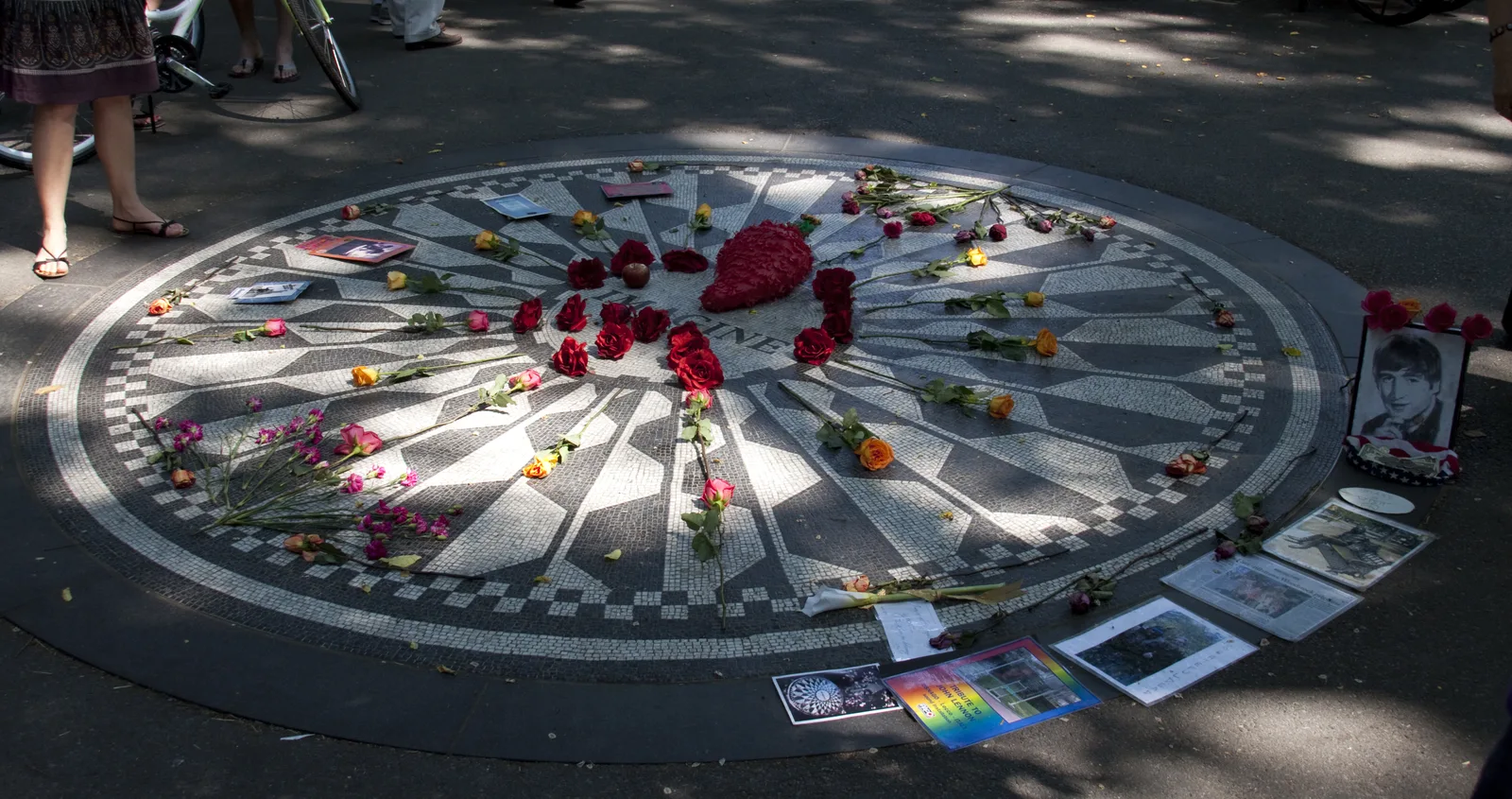
- Imagine mosaic, Strawberry Fields, Central Park — Tony Hisgett, 2010-05-31 · Tony Hisgett, via Wikimedia Commons (CC BY 2.0) · CC BY 2.0 (Commons states: CC BY 2.0)
Sources
Tier 1 — the subject's own words (interviews, press conferences; all in copyright, paraphrase only)
- [Chicago1] Beatles Chicago Press Conference #1, 11 Aug 1966, Astor Tower Hotel; transcribed by Jay Spangler from video and audio, Beatles Interviews Database (beatlesinterviews.org). Local file
research/texts/chicago-pressconf-1966.txt; page notesresearch/notes/bi-1966-0811.html. No page numbers; cite as "Chicago1". - [Chicago2] Beatles Chicago Press Conference #2, same day, travelling press and DJs.
research/texts/chicago-pressconf2-1966.txt;research/notes/bi-1966-0812.html. - [Remembers1] "Lennon Remembers, Part One", Jann S. Wenner's interview of Lennon and Ono, New York, 8 Dec 1970; Rolling Stone, via Wayback copy.
research/texts/lennon-remembers-rs.txt. Cite by question topic (no page numbers). - [Remembers2] Part Two of the same.
research/texts/lennon-remembers-rs2.txt. Not used for religion; checked. - [Playboy80-1], [Playboy80-2], [Playboy80-3] Playboy Interview with John Lennon and Yoko Ono, David Sheff, interviewed September 1980, published January 1981 issue; web transcript in three pages at beatlesinterviews.org.
research/texts/playboy1980.txt(page 1),playboy1980-p2.txt,playboy1980-p3.txt. Cited as "Playboy80 p. 1/2/3", meaning the web page. The web transcript omits the long passage on "Imagine" and the prayer book that Wikipedia cites to Sheff; those are marked secondhand. - [Davies] Hunter Davies, The Beatles: The Authorised Biography (1968), excerpts.
research/texts/davies-excerpts.txt(about 2,100 lines). Searched for church, Sunday school and religion; nothing found beyond Noebel's citations. Not cited. - [BM39] The Beatles Book Monthly no. 39 (October 1966), Beat Publications, London; OCR
research/texts/bm39.txt(poor OCR). Alsobm38.txt(Sept 1966),bm40.txt(Nov 1966): no relevant material. - [HitParader72] Hit Parader interview 1972 on who wrote what in Lennon–McCartney songs (
hitparader1972.txt): no religious content; not cited.
Tier 3 — popular biographies and journalism
- [StPeters2018] St Peter's Church, Woolton, "The Beatles Connection" (parish website, 2018 capture; Graham Paisley, site administrator).
research/texts/stpeters-church-site-2018.txt. - [Noebel] David A. Noebel, The Marxist Minstrels: A Handbook on Communist Subversion of Music (American Christian College Press, 1974); OCR
research/texts/noebel-marxist-minstrels.txt, internet archive copy; chapter XVI "Rock, Drugs and the Beatles", about pp. 99–113 per the book's index; OCR page breaks are garbled, so page numbers are approximate. An opposition source and a secondary source for 1965–66 items. - [BM39] above counts as contemporary fan journalism (pro-Beatles).
Tier 4 — Wikipedia and similar reference sites (citable; article and revision date; prefer a higher tier where one exists)
- [WikiLennon] John Lennon, rev. 1379079374 (2026-10-07).
- [WikiMPJ] More popular than Jesus, rev. 1369757099 (2026-08-16). Cites Rodriguez, Gould, Turner, Unger, Cynthia Lennon; the original sources were not reached.
- [WikiRVB] Religious views of the Beatles, rev. 1379936243 (2026-10-12).
- [WikiIndia] The Beatles in India, rev. 1369310438 (2026-08-14).
- [WikiGod] God (John Lennon song), rev. 1370227838 (2026-08-19).
- [WikiImagine] Imagine (song), rev. 1380134873 (2026-10-14).
- [WikiPOB] John Lennon/Plastic Ono Band (fetched 2026-10-14).
- [WikiWalley] Nigel Walley, rev. 1349680265 (2026-04-18).
- [WikiCleave] Maureen Cleave, rev. 1370237471 (2026-08-19).
- [WikiMaharishi], [WikiSadie] Maharishi Mahesh Yogi; Sexy Sadie (rev. 1350688559, 2026-04-23).
- [WikiDeath], [WikiChapman] Death of John Lennon; Mark David Chapman.
- Also saved, not cited: Mimi Smith, Mendips, Julia Lennon, Woolton, Datebook (stub), Yoko Ono, Arthur Janov, The Passover Plot, Imagine (album), John Lennon Peace Monument. The Wikipedia page for St Peter's Church, Woolton does not exist.
Opposition sources — contemporary critics and religious responses
- [WikiMPJ] for the 1966 radio, Memphis council, Vatican and press reactions (secondhand; originals not seen).
- [Noebel] for Charles McCabe's 1966 column and Noebel's own argument.
- [Chicago1], [Chicago2] for the reporters' questions, which carry the questioners' view.
Related lives
Kurt Vonnegut (roster, 1922–2007), who called himself a "Christ-loving atheist": the same pairing of unbelief with a loyalty to Jesus's teaching that Lennon reached in 1980. (Alternative: Annie Besant, for the Eastern-teacher turn.)
Carl Sagan
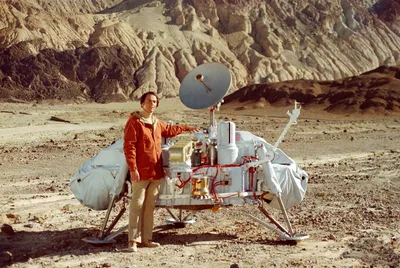
Carl Sagan was raised in a Jewish household in Brooklyn and told no story of lost faith, though as a teenager he filled a notebook with arguments about God. From 1979 he stated in print a position that refused both the certainty of belief and the certainty of atheism. He argued all his life that religious claims should be tested like any others, and found his awe in nature. He faced his death in 1996 calling himself an agnostic and expressly not an atheist, with no revision and no deathbed conversion.
Gloria Steinem
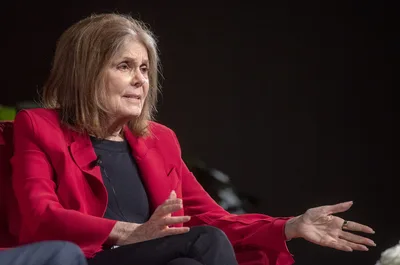
Gloria Steinem had no faith to lose, only an inheritance of Theosophist grandmothers, a Jewish father, a Protestant mother and a childhood baptism. Feminism, from 1969, made her see religion as power. She said so in 1970 (the church as a support of myth), in 2001 ("politics made sacred") and in 2014 ("politics in the sky"). In 2012 she named herself a humanist, and a spiritual one, refusing "atheist" as a definition by absence.
Steven Weinberg
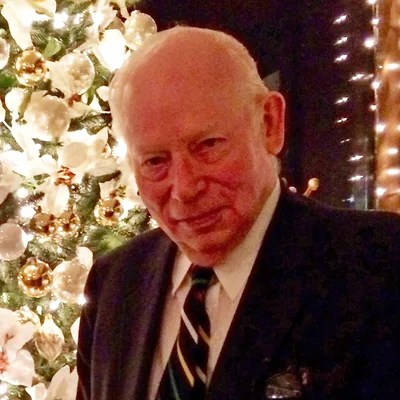
Steven Weinberg was born to Jewish parents, with no faith on record to lose. From cosmology he drew the conclusion that the universe has no purpose built into it. He said so first as physics softened by "the grace of tragedy" (1977), then as a moral charge against religion grounded in his own family's deaths (1999). In "Without God" (2008) he gave an honest account of what living without God costs and how it can be done with good humour. In print he never called himself an atheist.
Barbara Smoker
Barbara Smoker was a convent child who wanted to be a Carmelite, and saw no halfway house between the Church and atheism. The war in Ceylon, a confessor's charge of intellectual pride and a reading programme meant to save her faith wore it down, until on 5 November 1949, at a library's philosophy shelves, she found she was no longer a theist of any kind. She never doubted again. She spent the rest of her life on the unbelief in public, at the head of the National Secular Society, at thousands of secular funerals and beside the 1989 march against Rushdie, insisting that atheists had not lost their faith but outgrown it.