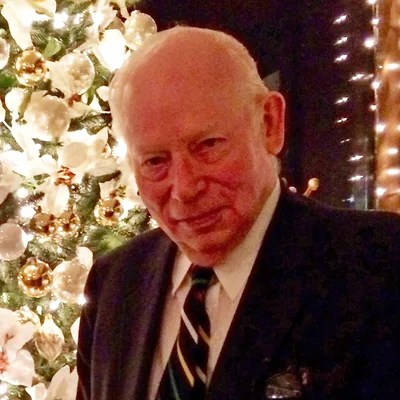
Steven Weinberg was born to Jewish parents, with no faith on record to lose. From cosmology he drew the conclusion that the universe has no purpose built into it. He said so first as physics softened by "the grace of tragedy" (1977), then as a moral charge against religion grounded in his own family's deaths (1999). In "Without God" (2008) he gave an honest account of what living without God costs and how it can be done with good humour. In print he never called himself an atheist.
The belief timeline
- Formation (1933) — Born to Jewish parents in New York; the household encouraged science. No religious practice or belief is documented. [1][3][5][57]
- Unbelief (date inferred) (1950–1954) — At Cornell, Will Herberg "worried about my lack of religious faith." Weinberg's own 2008 recollection is the only evidence; no earlier moment of loss is documented. [8]
- Declaration (1977 for the cosmology; April 1999 for religion) — 1977: the universe "seems pointless" (a conclusion about the cosmos, not yet an attack on faith). April 1999: refuses a "constructive dialogue" with religion and, in the October essay, says the moral influence of religion has been "awful." [16][29][36]
- Revision (2001–2008) — 2001: the lack of cosmic purpose is "a tragic view," but "we can make a point for ourselves." 2008: how to live without God, with its costs named (the afterlife, religious poetry) and a concession to a poet and a priest. [39][44][46][47]
Notes to the timeline (12)
- [1] Born 3 May 1933 in New York City — Dylan Loeb McClain, "Steven Weinberg, Groundbreaking Nobelist in Physics, Dies at 88," The New York Times, 25 July 2021 (nytimes.com returns 403). Read as reproduced on the University of Texas physics-history site, (text via UTPH); Steven Weinberg, "Biographical," written in 1979 and printed in Nobel Lectures, Physics 1971–1980 (World Scientific, 1992), (gives 1933, New York City, no day); "Steven Weinberg," English Wikipedia, revision 1380302250 of 14 October 2026 (23:38 UTC), used as a map. Saved: research/notes/sw-wikipedia-raw.txt. Day: nyt and wikipedia is the only source for this, as for the other details in this chapter cited to that source alone.
- [3] His parents were Jewish; in 1979 the press said his father was born in New York, his mother (Eva Israel) in Germany, and his grandparents came from Romania; Weinberg was "the grandson of Jewish immigrants" — "Three Scientists, Two Jewish and One Moslem, Win Nobel Prize," Jewish Telegraphic Agency, 16 October 1979; Benjamin Ivry, "Remembering Steven Weinberg, the Nobel-prize winning physicist who argued with God," The Forward, 28 July 2021. Read through the Wayback copy, ("Jewish structure to his thinking"); Stephen C. Meyer, "Steven Weinberg and the twilight of the godless universe," The Jerusalem Post, 14 August 2021, ("Born to Jewish parents").
- [5] His "early inclination toward science received encouragement from my father"; a cousin's discarded chemistry set started his interest in chemistry and then atoms — Weinberg, "Biographical,"; Interview with Steven Weinberg by Joanna Rose, 7 December 2001, transcript, (answer to the first question).
- [57] No source read documents his religious upbringing, Hebrew schooling, bar mitzvah or any early belief. The roster's "raised in a Jewish family in New York" is supported for parentage and place, not for religious practice — All sources above. Not verified.
- [8] At Cornell he knew Will Herberg, who "worried about my lack of religious faith" and warned that "we must worship God, because otherwise we would start worshiping each other"; Weinberg replied "we should get out of the habit of worshiping anything." Weinberg called Herberg a rabbi and in November 2008 corrected it: "Will Herberg was a theologian and a religious figure, but not a rabbi." Dating to 1950–54 is an inference from "when I was an undergraduate" — Steven Weinberg, "Without God" (The New York Review of Books, 25 September 2008, vol. 55 no. 14). Web text, paragraph beginning "When I was an undergraduate"; Bob Lockner, David S. Cunningham, Edward Castner, Blayney Colmore and Steven Weinberg's reply, "'Without God': An Exchange" (NYRB, 20 November 2008), "Two corrections".
- [16] The book ends: "It is almost irresistible for humans to believe that we have some special relation to the universe... The more the universe seems comprehensible, the more it also seems pointless." Human life, he says, could be "a more-or-less farcical outcome of a chain of accidents" (p. 148), and the earth, seen from the aeroplane, "just a tiny part of an overwhelmingly hostile universe" (pp. 148–149) — Steven Weinberg, The First Three Minutes: A Modern View of the Origin of the Universe (British paperback, Fontana/Flamingo, with the Afterword "Cosmology Since 1976"; year not printed in the OCR, probably the 1983 printing; original US edition Basic Books 1977). Internet Archive scan, identifier TheFirstThreeMinutesAModernViewOfTheOriginOfTheUniverseS.Weinberg (an uploader's scan of unclear licence; used to read for facts and wording only), pp. 148–149.
- [29] At the conference Weinberg said "I don't want a constructive dialogue with religion... I think they should remain at odds with each other"; he told the LA Times reporter the dialogue forced him to "hone his arguments" — Times science writer (byline not captured), "Religion vs. Science: Devil Is in the Details," Los Angeles Times, 22 April 1999.
- [36] "Although I really don't believe in a cosmic designer, the reason that I am taking the trouble to argue about it is that I think that on balance the moral influence of religion has been awful." He lists pogroms, crusades, jihads and the killers of Sadat, Rabin and Gandhi, and that Christianity "lived comfortably with slavery" — Steven Weinberg, "A Designer Universe?" (The New York Review of Books, 21 October 1999; based on a talk of April 1999). Web text, cited by the opening words of the paragraph, paragraphs beginning "The issues that I have been asked" and "This is much too big a question".
- [39] Nobel interview, 7 December 2001 (Joanna Rose): asked about "pointless," he said "there is no cosmic plan for us"; "It's not an entirely happy view of human life. I think it's a tragic view"; "if there is no point in nature, we can make a point for ourselves"; "our tragedy is that there is no script" — NobelInt.
- [44] "Without God" (25 September 2008): four sources of tension between science and religion (mysteries explained naturally; humans no longer central; Darwin and Wallace; reliance on authority); he cites Gibbon, Galileo, al-Ghazali, Newton, and Feynman again — Weinberg, "Without God".
- [46] The costs he names: poetry that rests on belief (Herbert, Vaughan, Hopkins), and above all the loss of the promise of an afterlife ("This is the thing that makes cowards of us all"); the remedy: pleasures of physics, the ordinary pleasures, art, and "good humor, but without God"; moral life does not depend on belief ("as for example, me") — Weinberg, "Without God", final paragraphs.
- [47] His reply of 20 November 2008 grants that David Middleton's poetry "does show religious inspiration, and that I liked it," corrects Herberg and Lisieux, answers Castner that he cares "whether the 'larger power'... has an independent existence," and tells Colmore he "has evidently gained a courage and a sweetness of temper that I can only envy and admire" — WG-Exch, "Steven Weinberg replies".
No Script
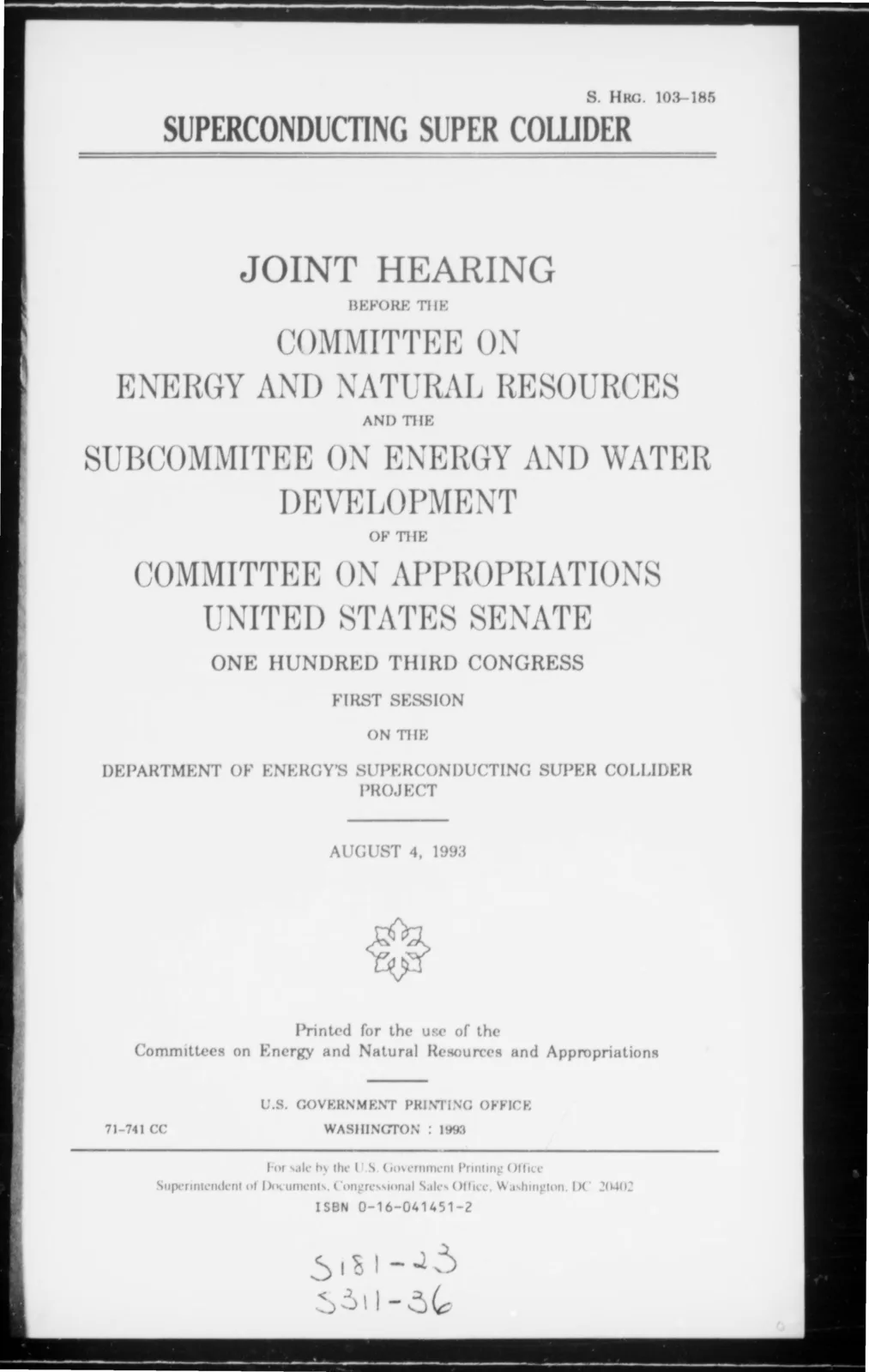
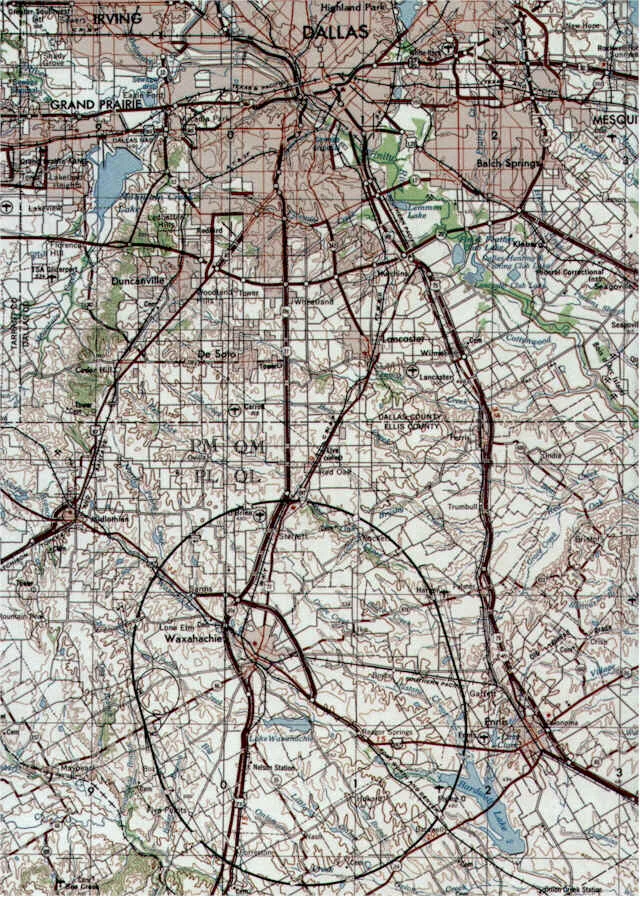
On 4 August 1993 a Nobel physicist from Texas sat before a Senate committee and tried to save the Superconducting Super Collider, a giant particle accelerator planned near Waxahachie. "We are not really after the particles," he told the senators; "we are after the principles."12 Then the chairman, Senator J. Bennett Johnston, asked about the Big Bang. Some Americans, he said, even some senators, were reluctant to ask the question, because they saw religious significance in the theory:
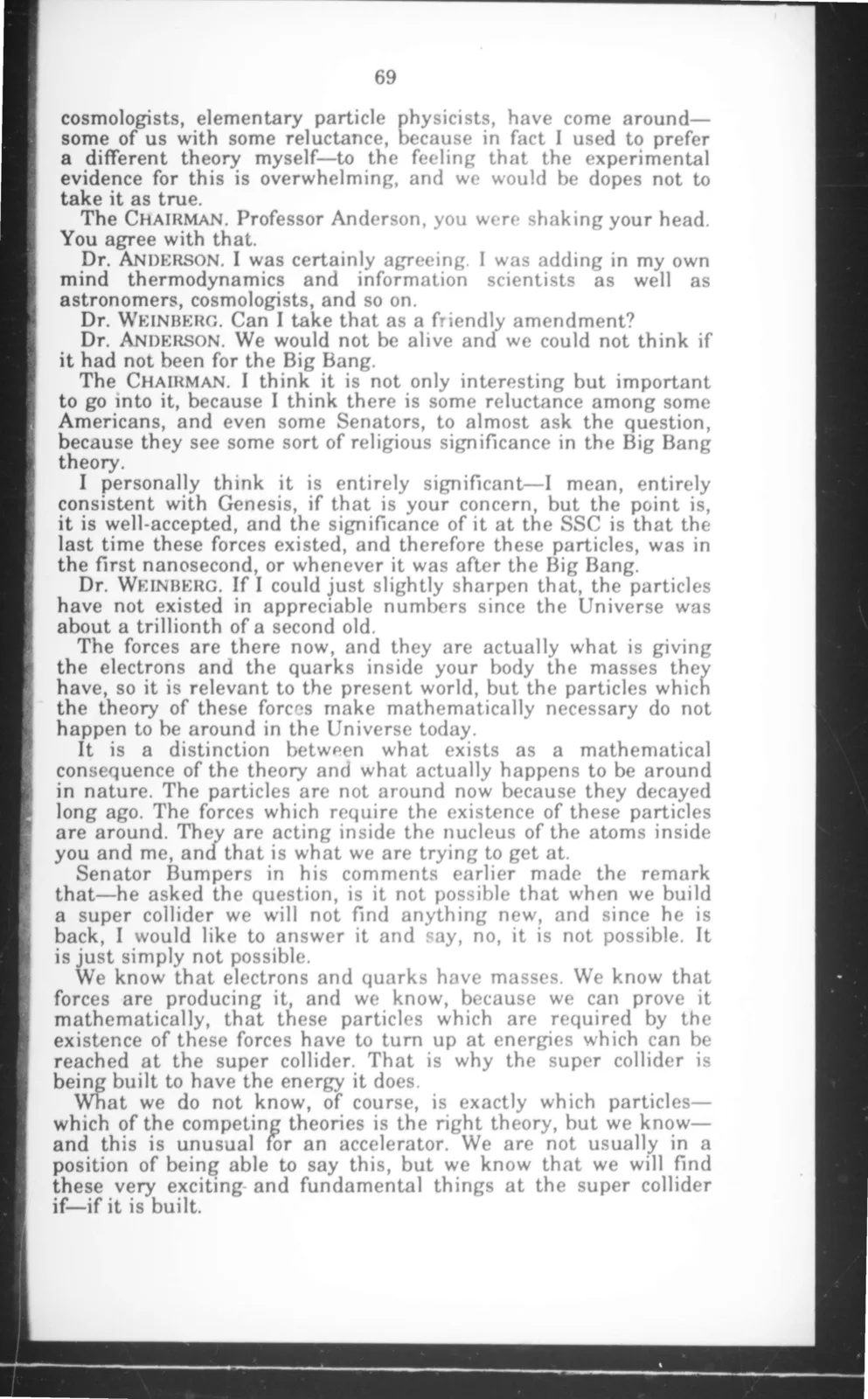
I personally think it is entirely significant—I mean, entirely consistent with Genesis, if that is your concern34
Steven Weinberg answered that nearly all working astronomers, cosmologists and particle physicists had come round to it:
some of us with some reluctance, because in fact I used to prefer a different theory myself—to the feeling that the experimental evidence for this is overwhelming, and we would be dopes not to take it as true.56
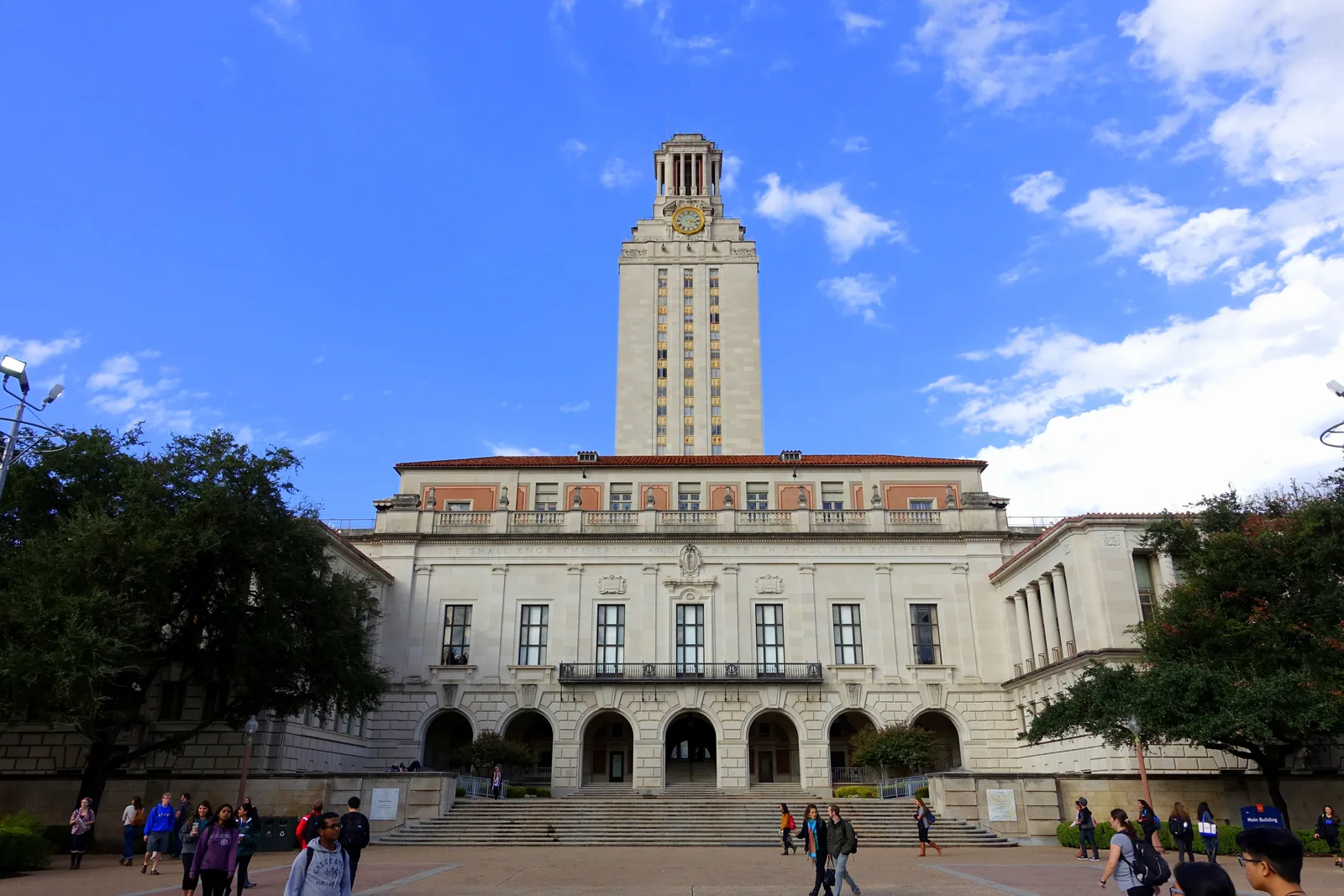
The collider never received the money to be finished, and it was cancelled.7 This chapter asks how a physicist with no faith on record to lose came to argue, in public and in print, that the universe has no purpose built into it, that religion had done more harm than good, and finally that living without God has real costs and can still be done well.
The Bronx and Cornell
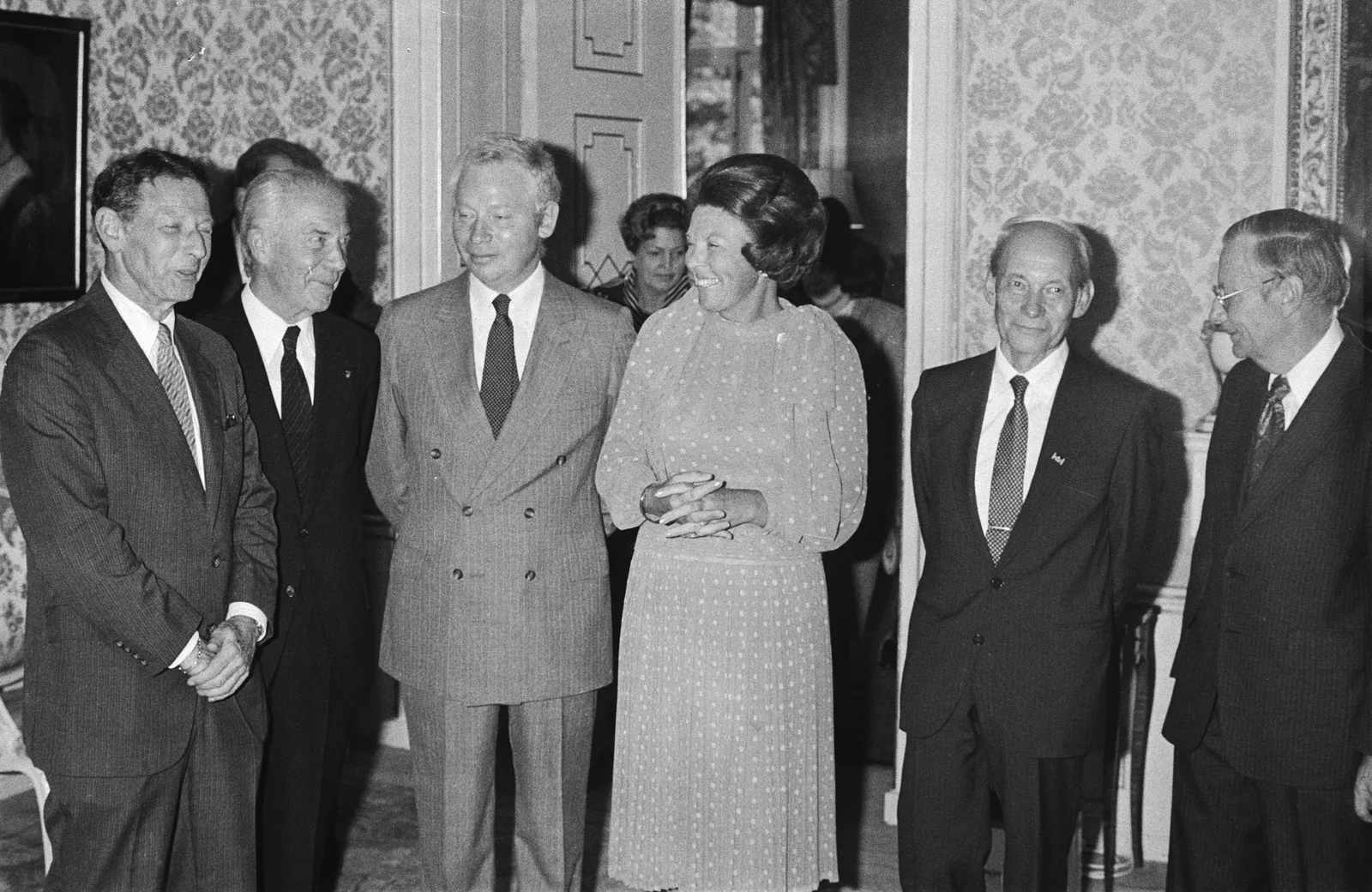
He was born in New York City on 3 May 1933, the only child of Frederick Weinberg, a court stenographer, and Eva Weinberg, born Israel, a homemaker.89 His parents were Jewish; the press in 1979 called him the grandson of Jewish immigrants.10 His father encouraged his early interest in science, and a cousin's discarded chemistry set started it.11 At the Bronx High School of Science his classmates included Sheldon Glashow, with whom he would one day share a Nobel Prize, and by fifteen or sixteen he had settled on theoretical physics.12 He was the first in his family to go to college.13 No source read for this chapter shows any religious practice in his childhood, any Hebrew schooling or bar mitzvah, or any belief to lose.14 On the belief timeline, this is the formation.

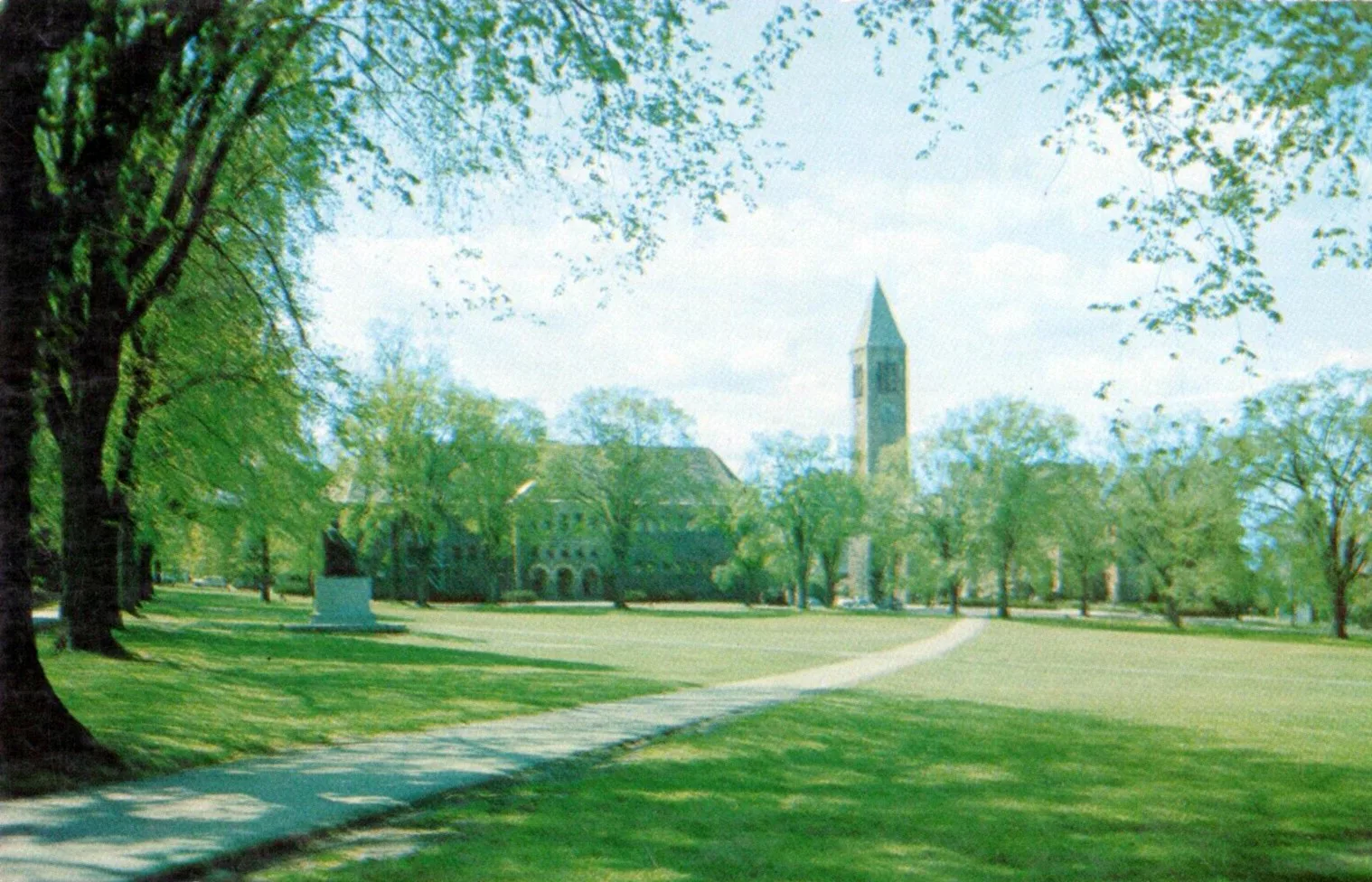
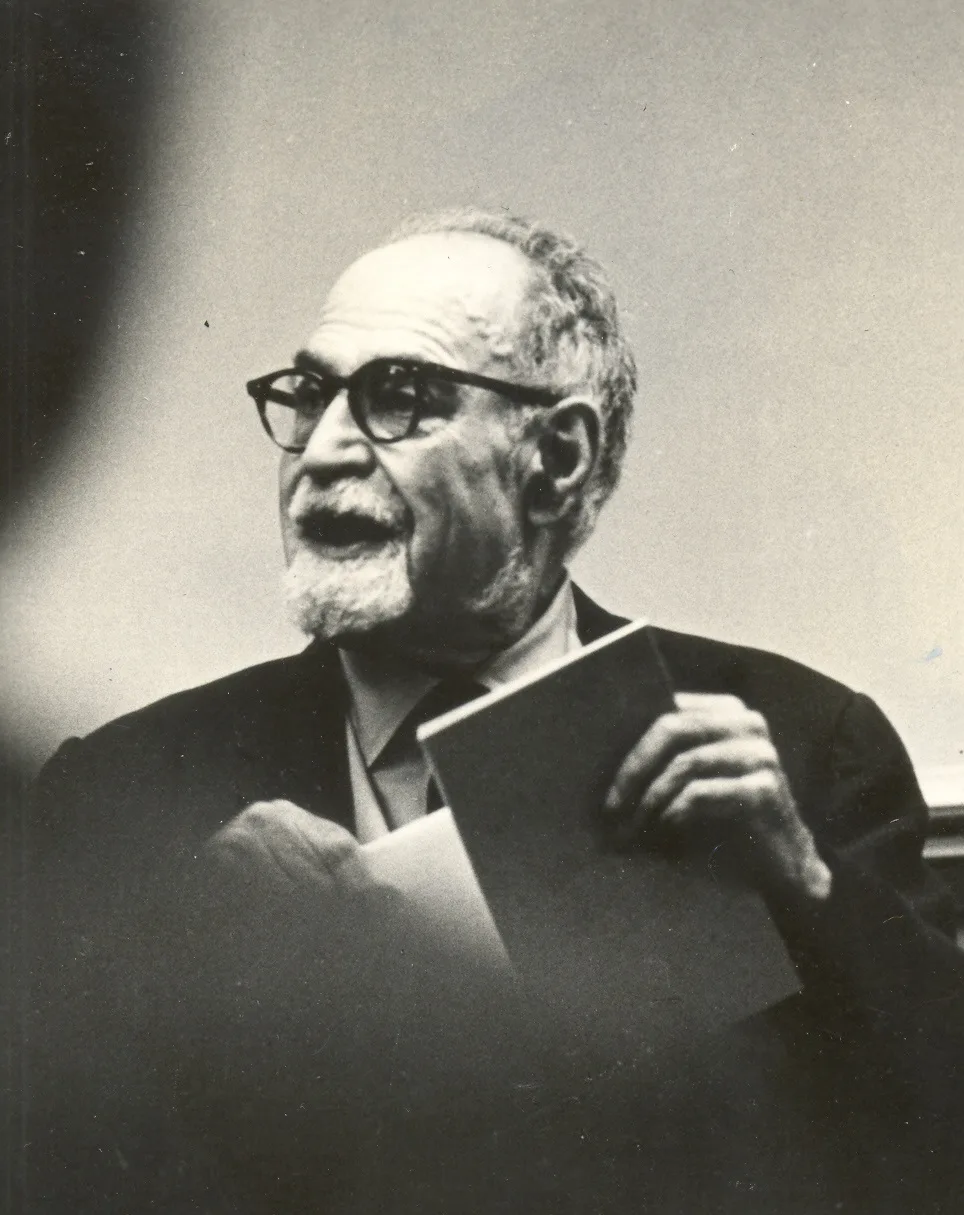
He went to Cornell, where he met Louise Goldwasser; they married in 1954, the year he graduated.1516 At Cornell, he wrote in 2008, he knew the theologian Will Herberg, who worried about his lack of religious faith. Herberg warned him that people must worship God, or they would start worshipping each other. Weinberg thought Herberg right about the danger but proposed a different cure: to get out of the habit of worshipping anything.1718 (In 2008 he first called Herberg a rabbi, then corrected himself: Herberg was a theologian and a religious figure, but not a rabbi.18) It is the earliest sign of his unbelief in the record, dated only by "when I was an undergraduate," and the timeline marks it as the beginning of his unbelief.
A model of leptons
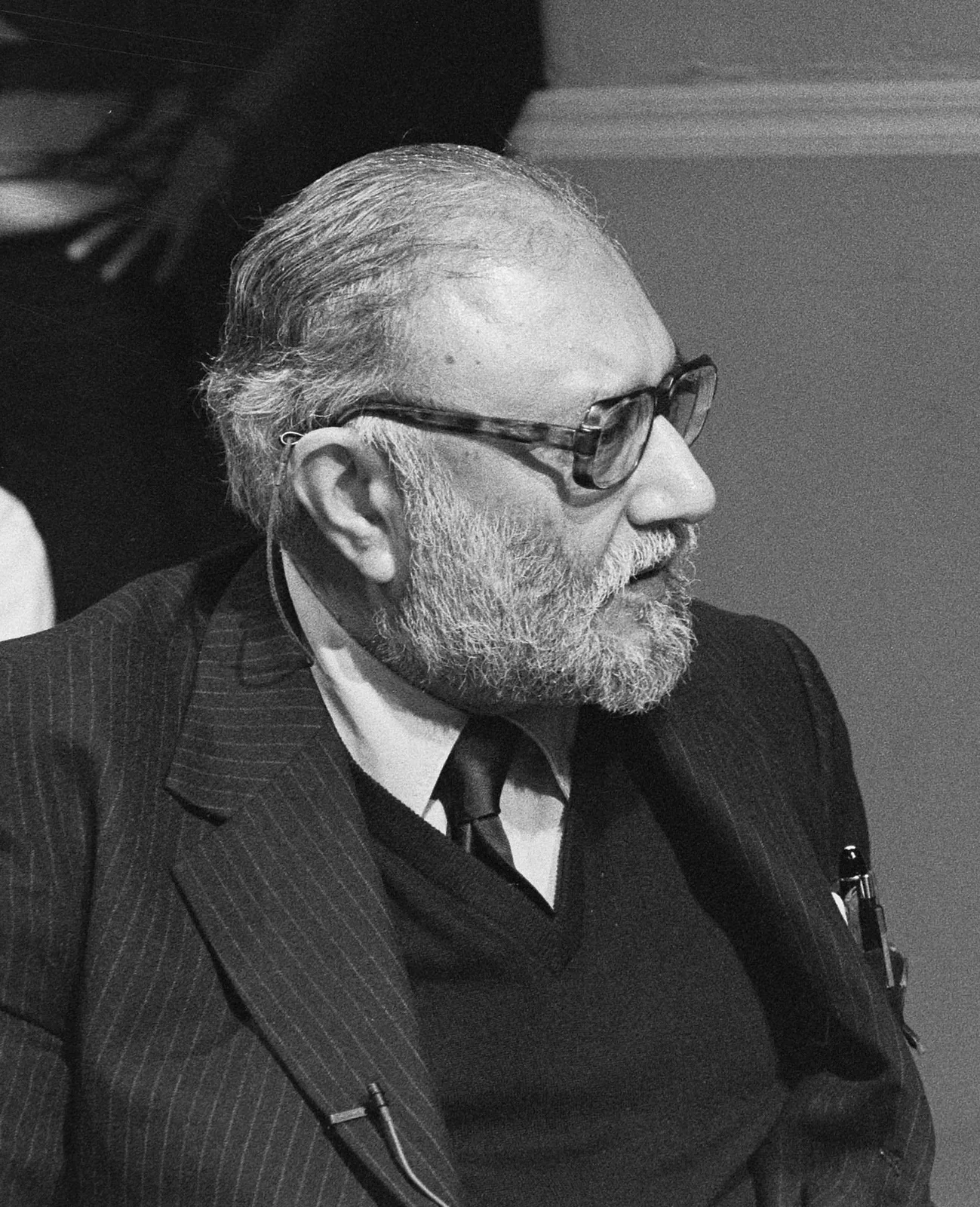
After a year in Copenhagen and a doctorate at Princeton in 1957 he taught at Columbia, Berkeley, Harvard and MIT.1920 In 1967 he published "A Model of Leptons," the paper for which he shared the Nobel Prize in Physics in 1979 with Glashow and Abdus Salam.21 In 1982 he moved to the University of Texas at Austin, where Louise had joined the law faculty two years before.22
"Pointless"
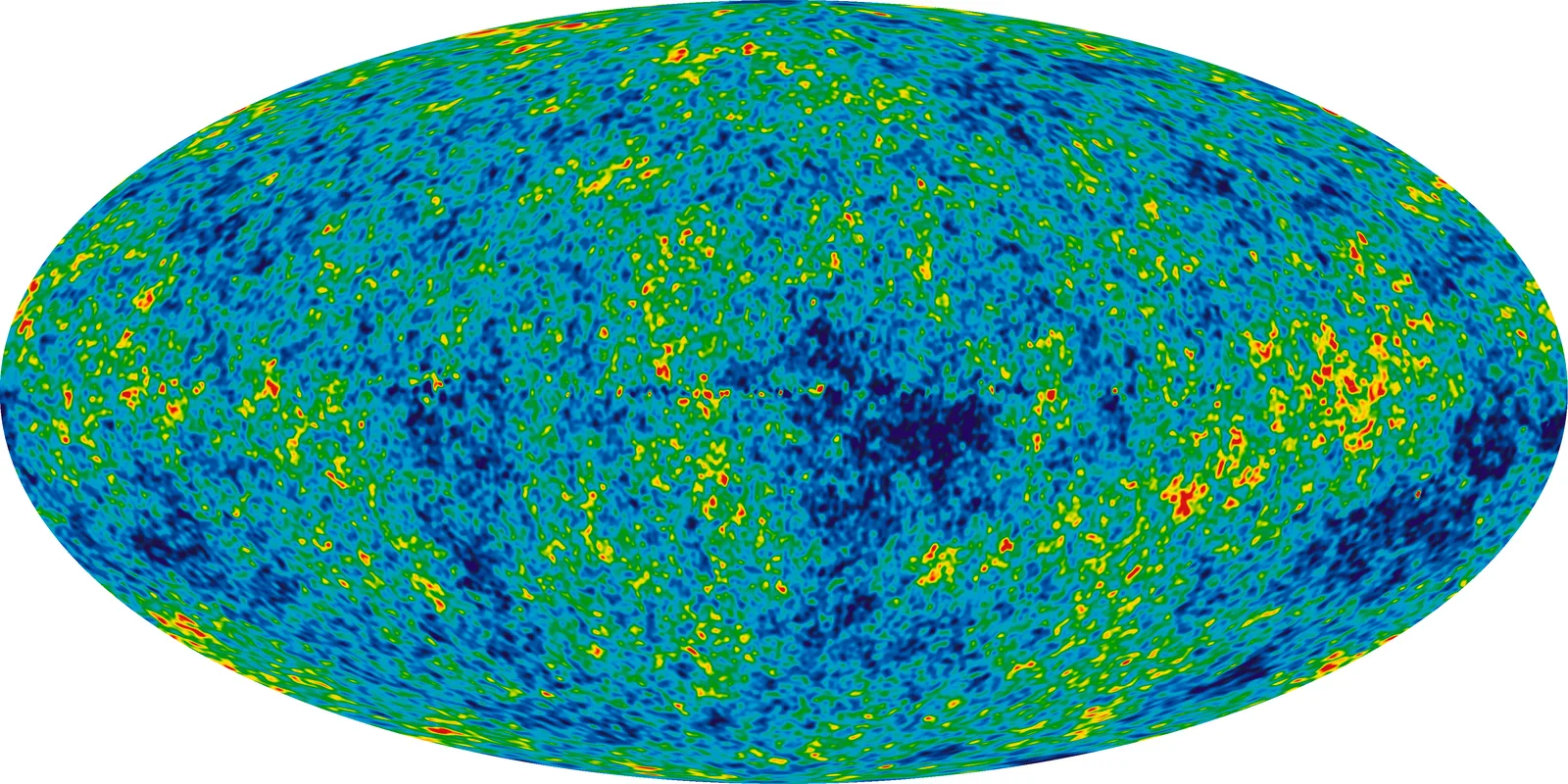
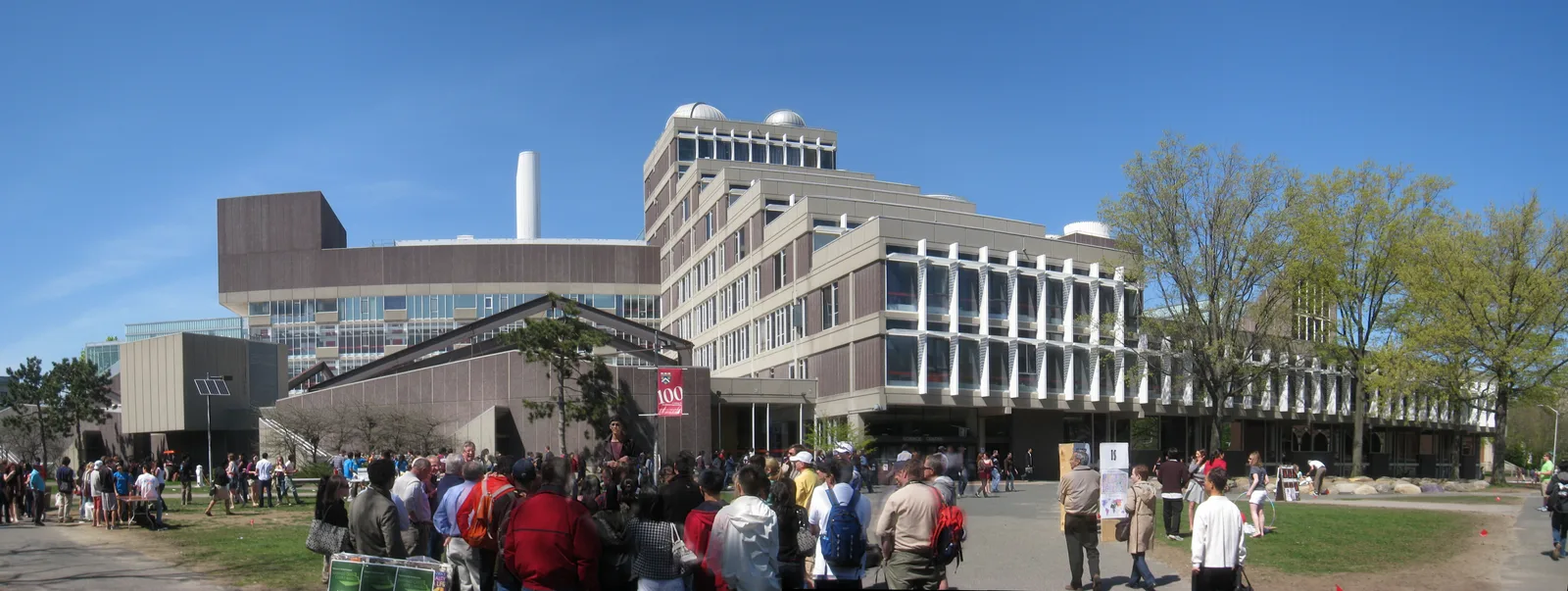
In November 1973 he gave a talk at the opening of Harvard's new science centre, and an editor urged him to make it a book. What, he asked himself, could be more interesting than the problem of Genesis?23 The First Three Minutes was written in 1976 and published in 1977.24 Near its end he described looking down from an aeroplane at 30,000 feet, over Wyoming, on an earth that looked soft and comfortable, and then reminded himself that it was a tiny part of an overwhelmingly hostile universe.2526 People found it almost irresistible, he wrote, to believe they had a special relation to the universe; but human life might be the more or less farcical outcome of a chain of accidents. And then came the sentence for which the book is remembered: the more the universe seems comprehensible, the more it also seems pointless.2726
It is often quoted without its next paragraph. Men and women, he went on, are not content to comfort themselves with tales of gods and giants; and the effort to understand the universe is one of the very few things that lifts human life a little above farce and gives it some of the grace of tragedy.2829 This is the first part of his declaration on the timeline. It is a conclusion about the cosmos, not yet an attack on faith.
The collider
He testified for the Super Collider twice, in April 1987 and in August 1993.30 It was there, in 1993, that he admitted he had once preferred another theory to the Big Bang. Wikipedia and a later critic attribute to him the remark that the steady-state theory was the most attractive because it least resembled Genesis, but no primary source for that sentence has been found; the Senate record shows only that he once preferred "a different theory."316
Not a constructive dialogue
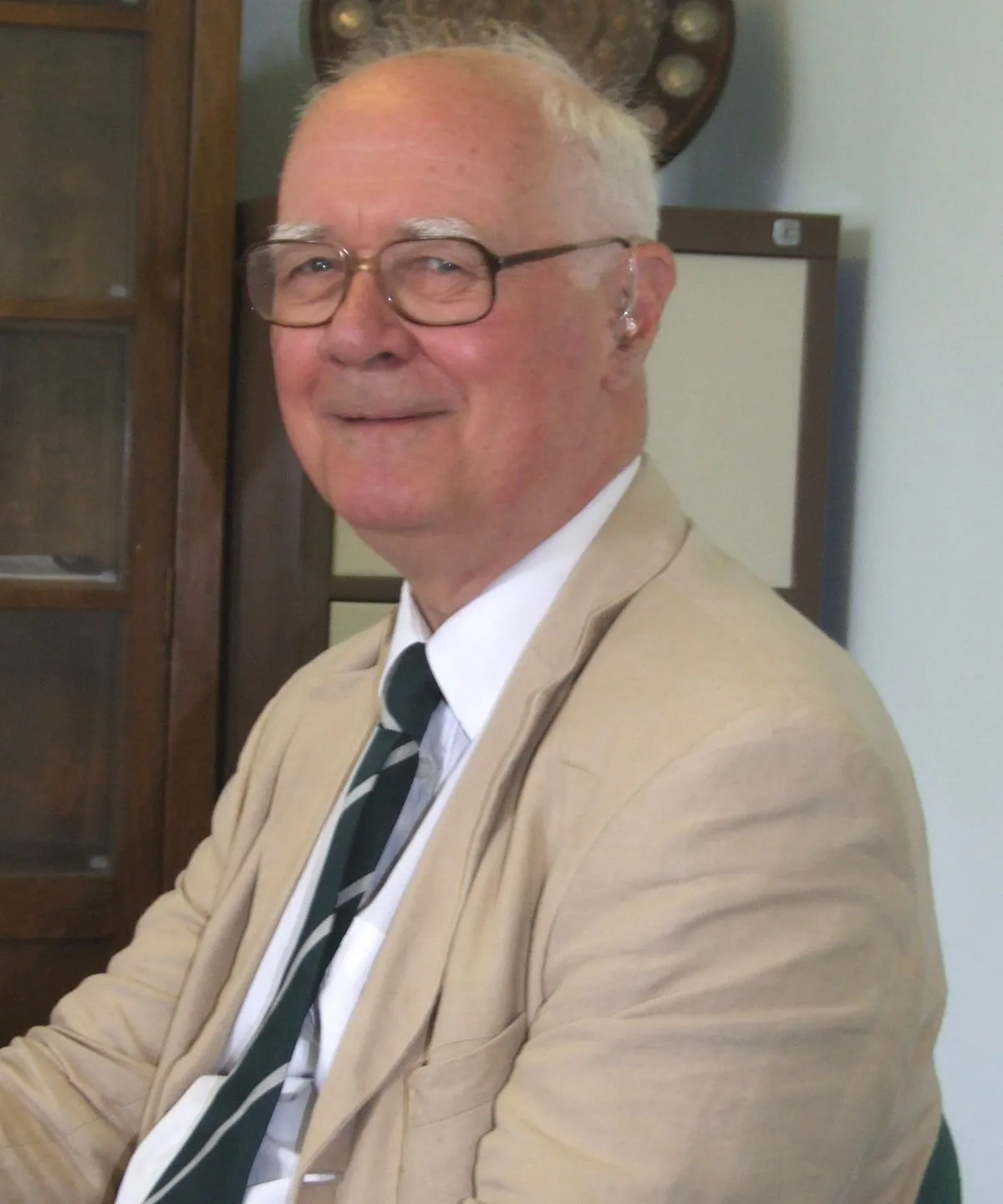
In April 1999 the American Association for the Advancement of Science held a conference on science and religion in Washington, paid for largely by the John Templeton Foundation; accounts differ on its name.32 Weinberg told it that he did not want a constructive dialogue with religion; the two, he thought, should remain at odds.3334 To his old friend John Polkinghorne, a physicist who had become an Anglican priest, he said that he was in the more vulnerable position, since he could be proved wrong. Polkinghorne answered that physics might tell us music is vibrations, but could not do justice to being moved by great music.353637
That October he printed the talk as "A Designer Universe?" in the New York Review of Books.38 He asked whether the universe showed signs of a designer with a special concern for human life, and said that he did not see them. He listed his own reasons: he had seen his mother die painfully of cancer, his father's personality destroyed by Alzheimer's disease, and scores of his cousins murdered in the Holocaust. The signs of a benevolent designer, he wrote, were pretty well hidden.3940 He did not believe in a cosmic designer, he said, and he was taking the trouble to argue about it because he thought that on balance the moral influence of religion had been awful. He named pogroms, crusades and jihads, the murderers of Sadat, Rabin and Gandhi, and the long ease of Christianity with slavery.4142 It was here, in a passage on slavery, that he wrote the sentence that has been quoted ever since: that with or without religion good people can behave well and bad people can do evil, but that for good people to do evil, that takes religion.4344 The spoken version reported in April had different wording, and the line "Religion is an insult to human dignity," often attached to it, has not been found in any source read for this chapter.
He ended with the remark that one of the great achievements of science had been, if not to make it impossible for intelligent people to be religious, then at least to make it possible for them not to be, and that he was all in favour of a dialogue between science and religion, but not a constructive one.454647 That year the Freedom From Religion Foundation gave him its first "Emperor Has No Clothes Award."48 This is the second part of that declaration.
"No script"
In an interview for the Nobel Foundation in December 2001 he was asked what he had meant by "pointless." He meant, he said, that there is no cosmic plan for us; we are not actors in a drama written with us in the starring role. It was not an entirely happy view of human life; it was a tragic view. But if there is no point in nature, he said, we can make a point for ourselves. For Lear and Othello the tragedy is in Shakespeare's script; our tragedy, he said, is that there is no script.495051 The American Humanist Association named him its Humanist of the Year in 2002.52
He could be harder than that. In a BBC series of 2004, as one newspaper reported it, he called science corrosive of religious belief, "and it's a good thing too."5354 A stronger remark, that the world needs to wake up from its long nightmare of religious belief, is attributed to a conference of 2006, but its primary source has not been found, and it is not, as some obituaries said, in The First Three Minutes.55
Living without God
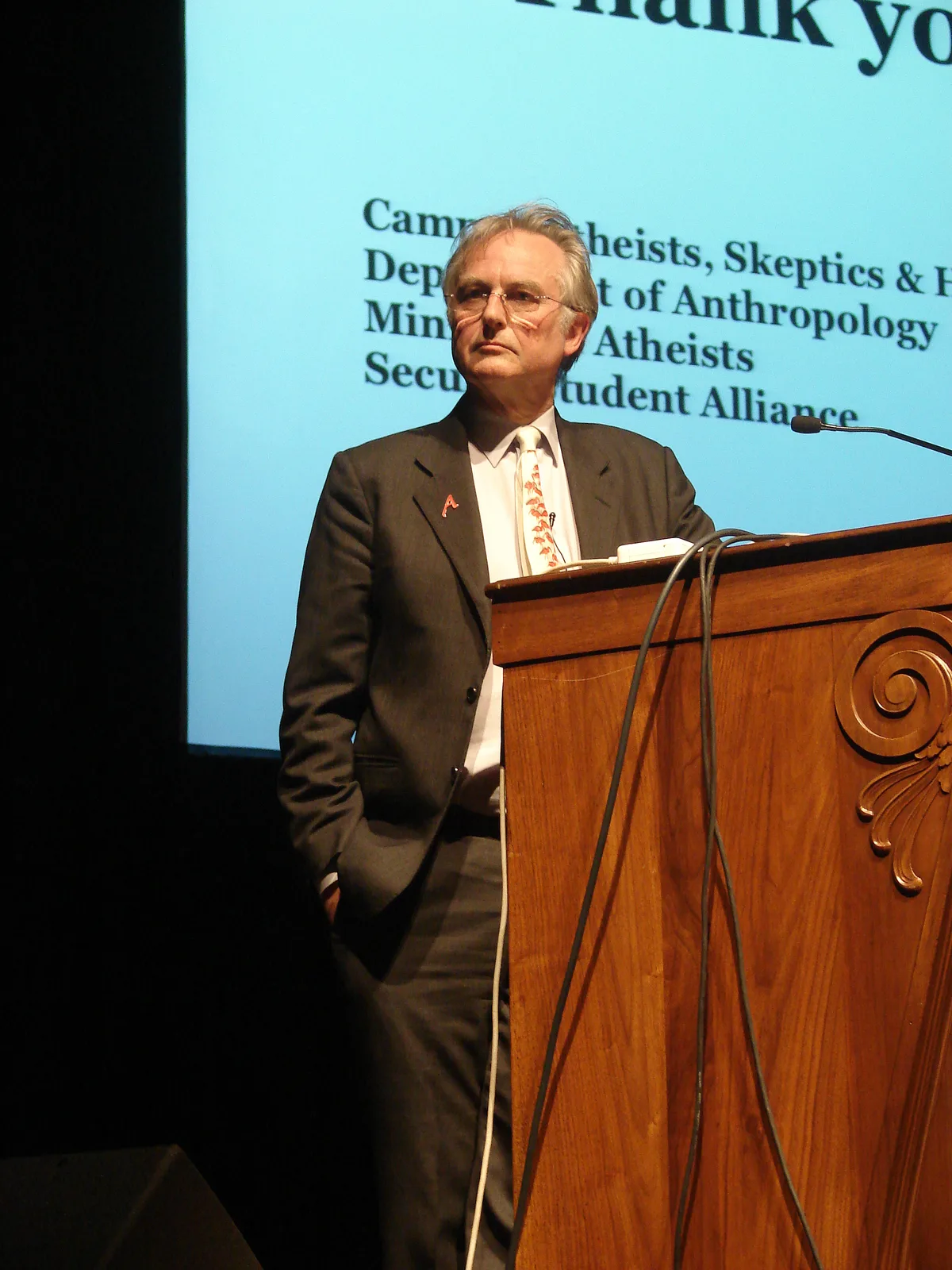
In September 2008 he published "Without God" in the New York Review. He did not mean, he wrote, to argue that the decline of belief was a good thing, although he thought it was, nor to talk anyone out of religion, as Richard Dawkins, Sam Harris and Christopher Hitchens had tried to do. He wrote for those who had already lost their religious beliefs, or who might be losing them, about how to live without God.56 He named the costs. There was the religious poetry of Herbert, Vaughan and Hopkins, which no unbeliever could fully share, and, above all, the promise of an afterlife: as belief weakens, more and more people know that after death there is nothing, and that, he wrote, is the thing that makes cowards of us all.5758 The remedies were the pleasures of science, the ordinary pleasures of life, and art. Morality did not depend on faith; there were plenty of people without it who lived exemplary moral lives, as, he added, he did himself.5958 Living without God was not easy, he concluded, but there was a certain honour, or perhaps only a grim satisfaction, in facing our condition without despair and without wishful thinking, "with good humor, but without God."6058
The letters that followed were from believers. A professor of religion said that his lack of engagement with theology had blinded him to the Christian themes of the plays he admired; a retired Presbyterian minister held that the human spirit's quest beyond itself was not dying out; and an Episcopal priest wrote that, thanks to ancient texts and rituals, he did not fear the nothing of death.616263 Weinberg granted that one correspondent's poetry showed religious inspiration and that he liked it, and he wrote of the priest that he had gained, perhaps through his life in the church, a courage and a sweetness of temper that Weinberg could only envy and admire.6465 On his timeline, this is the revision: not a change of mind, but an unbeliever counting what unbelief costs and conceding what belief can give.
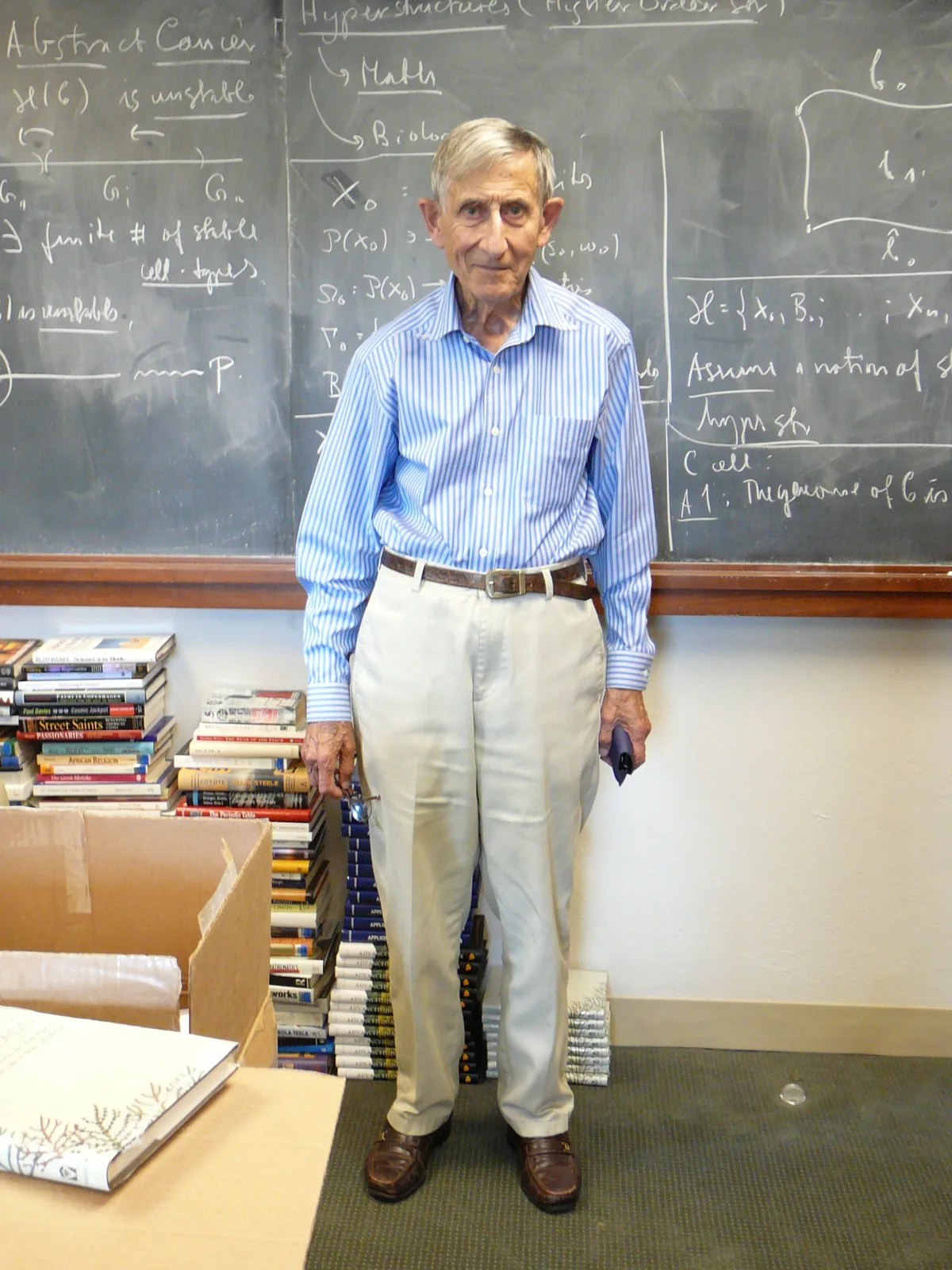
His friend Freeman Dyson, reviewing his essays in 2010, found in them a streak of militant atheism, and yet saw in Weinberg's hope of a final theory of physics a faith of its own, which Dyson respected without sharing.666768 After Weinberg's death, the intelligent-design advocate Stephen Meyer argued that his own discoveries, a universe with a beginning and finely tuned from the start, did not imply a purposeless cosmos.6970
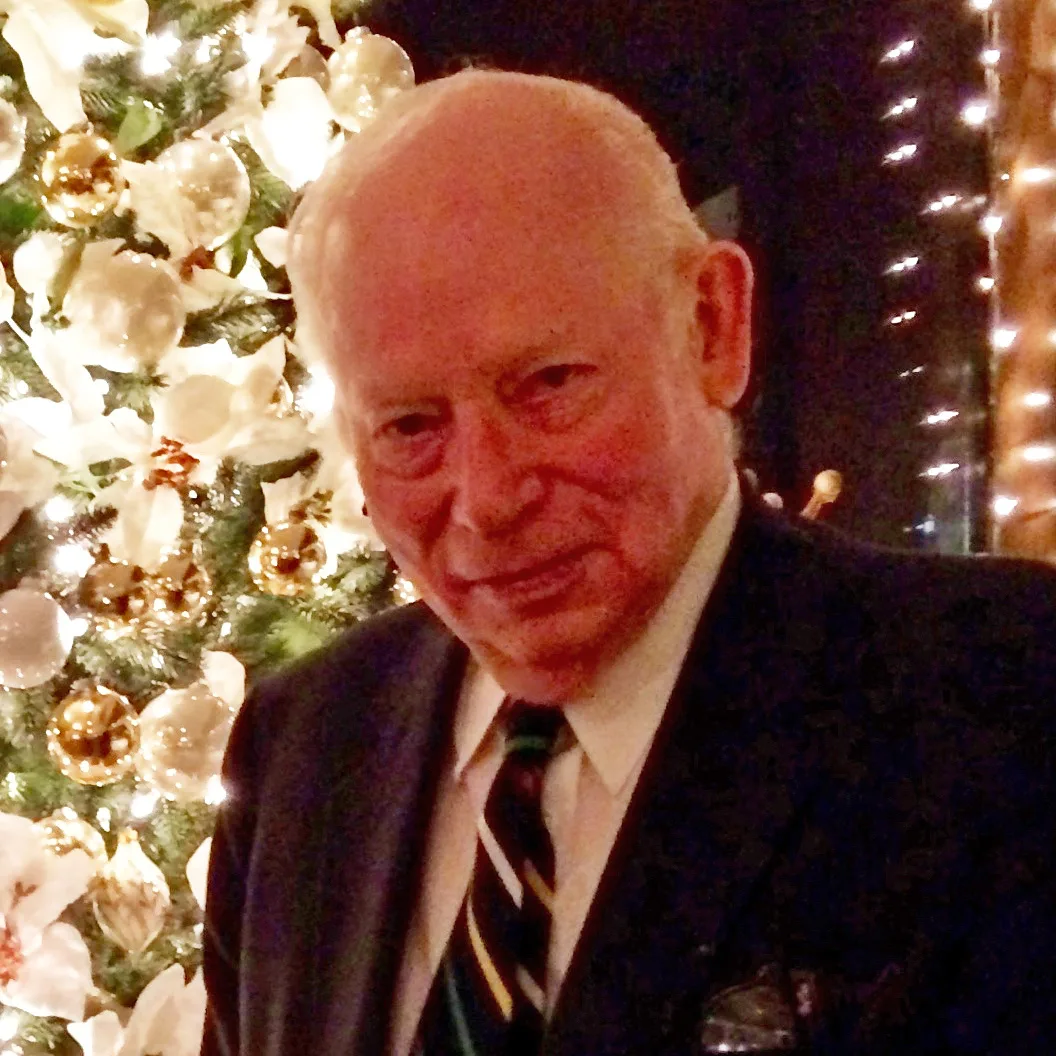
He died in a hospital in Austin on 23 July 2021, aged eighty-eight.71 A colleague remembered him saying, in a conversation about religion, that he knew many atheists with very high moral standards, for instance himself; it is an anecdote, and the nearest thing on record to his own use of the word.72
Did his unbelief change shape?
There was no faith to lose, and no record of one. What changed was what he did with his unbelief. In 1977 it was a physicist's conclusion about the cosmos, softened at once by the grace of the effort to understand it. In 1999 it became a moral charge against religion, made with the evidence of his own family's deaths. In 2001 it was a tragedy without a script, and in 2008 a careful account of what living without God costs, written with respect for a priest's courage. He never seems to have called himself an atheist in print; he described the position instead, and he kept describing it more fully.
Richard Feynman, the physicist whose line about the universe as too large a stage for God to watch man's struggle Weinberg quoted in 1999 and 2008, has his own chapter in this book.
Footnotes
-
U.S. Senate, Superconducting Super Collider: Joint Hearing before the Committee on Energy and Natural Resources and the Subcommittee on Energy and Water Development of the Committee on Appropriations, 103rd Cong., 1st sess., 4 August 1993 (S. Hrg. 103-185). Internet Archive identifier micro_IA41152623_1137, p. 49. ↩
-
SSC93, p. 49. ↩
-
Sen. J. Bennett Johnston, chairman of the 4 Aug 1993 SSC hearing, on the Big Bang (a believer-neutral voice, offered to a Nobel physicist who preferred a different theory): SSC93, p. 69. ↩
-
SSC93, p. 69. ↩
-
SSC93, pp. 68–69 (page break after "astronomers,"). ↩
-
SSC93, (OCR line 6381: "greenfield site near Waxahachie"); "UT Austin Mourns Death of World-Renowned Physicist Steven Weinberg," UT News, 24 July 2021; "Steven Weinberg," English Wikipedia, revision 1380302250 of 14 October 2026 (23:38 UTC), used as a map. Saved: research/notes/sw-wikipedia-raw.txt. ↩
-
Dylan Loeb McClain, "Steven Weinberg, Groundbreaking Nobelist in Physics, Dies at 88," The New York Times, 25 July 2021 (nytimes.com returns 403). Read as reproduced on the University of Texas physics-history site, (text via UTPH); Steven Weinberg, "Biographical," written in 1979 and printed in Nobel Lectures, Physics 1971–1980 (World Scientific, 1992), (gives 1933, New York City, no day); "Steven Weinberg,". Day: nyt and wikipedia is the only source for this, as for the other details in this chapter cited to that source alone. ↩
-
McClain, "Steven Weinberg, Groundbreaking Nobelist in Physics,…"; Weinberg, "Biographical,", ("Frederick and Eva Weinberg"). ↩
-
"Three Scientists, Two Jewish and One Moslem, Win Nobel Prize," Jewish Telegraphic Agency, 16 October 1979; Benjamin Ivry, "Remembering Steven Weinberg, the Nobel-prize winning physicist who argued with God," The Forward, 28 July 2021. Read through the Wayback copy, ("Jewish structure to his thinking"); Stephen C. Meyer, "Steven Weinberg and the twilight of the godless universe," The Jerusalem Post, 14 August 2021, ("Born to Jewish parents"). ↩
-
Weinberg, "Biographical,"; Interview with Steven Weinberg by Joanna Rose, 7 December 2001, transcript, (answer to the first question). ↩
-
Weinberg, "Biographical,"; "Three Scientists, Two Jewish and One…"; "A Science Odyssey: People and Discoveries: Steven Weinberg" (WGBH, 1998); "Steven Weinberg,". Reported at second hand; the original has not been seen. ↩
-
"UT Austin Mourns Death of World-Renowned…". ↩
-
All sources above. Not verified. ↩
-
Weinberg, "Biographical,"; "Steven Weinberg,". ↩
-
Weinberg, "Biographical,"; McClain, "Steven Weinberg, Groundbreaking Nobelist in Physics,…"; UTPH. ↩
-
Steven Weinberg, "Without God" (The New York Review of Books, 25 September 2008, vol. 55 no. 14). Web text, paragraph beginning "When I was an undergraduate". ↩
-
Weinberg, "Without God", paragraph beginning "When I was an undergraduate"; Bob Lockner, David S. Cunningham, Edward Castner, Blayney Colmore and Steven Weinberg's reply, "'Without God': An Exchange" (NYRB, 20 November 2008), "Two corrections". ↩ ↩2
-
Weinberg, "Biographical,"; McClain, "Steven Weinberg, Groundbreaking Nobelist in Physics,…". ↩
-
Weinberg, "Biographical,". ↩
-
McClain, "Steven Weinberg, Groundbreaking Nobelist in Physics,…"; Weinberg, "Biographical,"; "Three Scientists, Two Jewish and One…". ↩
-
Weinberg, "Biographical,"; McClain, "Steven Weinberg, Groundbreaking Nobelist in Physics,…". ↩
-
Steven Weinberg, The First Three Minutes: A Modern View of the Origin of the Universe (British paperback, Fontana/Flamingo, with the Afterword "Cosmology Since 1976"; year not printed in the OCR, probably the 1983 printing; original US edition Basic Books 1977). Internet Archive scan, identifier TheFirstThreeMinutesAModernViewOfTheOriginOfTheUniverseS.Weinberg (an uploader's scan of unclear licence; used to read for facts and wording only), pp. 9–10 (Preface); McClain, "Steven Weinberg, Groundbreaking Nobelist in Physics,…". ↩
-
FTM, p. 151 (Afterword: "since the book was written in 1976"); Weinberg, "Biographical,". ↩
-
FTM, p. 148. ↩
-
FTM, p. 149 (Fontana/Flamingo paperback). (C). OCR prints "point- less" across a line break. Often quoted as "the universe seems pointless" without "also," and without the next paragraph (Q5). ↩
-
FTM, p. 149; "A Science Odyssey: People and Discoveries: Steven Weinberg", prints it. ↩
-
FTM, p. 149. ↩
-
U.S. Senate, Superconducting Super Collider: Hearing before the Subcommittee on Energy Research and Development of the Committee on Energy and Natural Resources, 100th Cong., 1st sess., 7 April 1987. Internet Archive identifier micro_IA41152840_0858, (Weinberg named at OCR line 9579; hearing date on title page); SSC93, pp. 48–50. ↩
-
"Steven Weinberg,"; Meyer, "Steven Weinberg and the twilight of…". Accounts differ; see the disputed points. ↩
-
Steven Weinberg, "A Designer Universe?" (The New York Review of Books, 21 October 1999; based on a talk of April 1999). Web text, cited by the opening words of the paragraph, footnote 1; Times science writer (byline not captured), "Religion vs. Science: Devil Is in the Details," Los Angeles Times, 22 April 1999. ↩
-
LAT-1999, (22 April 1999). ↩
-
LAT-1999. ↩
-
LAT-1999. ↩
-
John Polkinghorne, Anglican priest and former physicist, Weinberg's "old friend," speaking at the April 1999 conference: LAT-1999. ↩
-
LAT-1999; Ivry, "Remembering Steven Weinberg, the Nobel-prize winning…". ↩
-
Weinberg, "A Designer Universe?", footnote 1. ↩
-
Weinberg, "A Designer Universe?", paragraph beginning "This is a question that you all will have to answer". ↩
-
Weinberg, "A Designer Universe?", paragraph beginning "This is a question that you all will have to answer". ↩
-
Weinberg, "A Designer Universe?", paragraph beginning "The issues that I have been asked". ↩
-
Weinberg, "A Designer Universe?", paragraphs beginning "The issues that I have been asked" and "This is much too big a question". ↩
-
Weinberg, "A Designer Universe?", paragraph beginning "Where religion did make a difference" (NYRB, 21 Oct 1999). (C). Often quoted without "can behave well" and "can do evil." Popular versions ("Religion is an insult to human dignity...") differ; see Disputed points. Original wording is "good people can behave well", not "good people doing good things". ↩
-
Weinberg, "A Designer Universe?", paragraph beginning "Where religion did make a difference". ↩
-
Weinberg, "A Designer Universe?", last paragraph but one. ↩
-
Weinberg, "A Designer Universe?", same paragraph as Q11. ↩
-
Weinberg, "A Designer Universe?", last two paragraphs. ↩
-
FFRF page (search snippet; Cloudflare blocks the page); "Steven Weinberg,". ↩
-
NobelInt, (7 December 2001). ↩
-
NobelInt, (7 December 2001). ↩
-
NobelInt. ↩
-
American Humanist Association, list of Humanist of the Year awardees, (list under "2002"). ↩
-
Ivry, "Remembering Steven Weinberg, the Nobel-prize winning…", (28 July 2021), quoting the BBC film. ↩
-
Ivry, "Remembering Steven Weinberg, the Nobel-prize winning…", (quoting the BBC film; BBC film not seen). ↩
-
"Steven Weinberg," English Wikiquote, retrieved 14 October 2026 (revision id not captured); a map to quotations only, never a citation for wording. Saved: research/notes/sw-wikiquote-raw.txt, (no primary source given). ↩
-
Weinberg, "Without God", paragraph beginning "It is not my purpose here". ↩
-
Weinberg, "Without God", paragraph beginning "The more we reflect on the pleasures of life". ↩
-
Weinberg, "Without God", paragraph beginning "I do not think we have to worry". ↩
-
Weinberg, "Without God", last paragraph. ↩
-
David S. Cunningham, professor of religion, Hope College, letter to the NYRB, 20 Nov 2008: WG-Exch. ↩
-
Edward Castner, retired Presbyterian minister, letter to the NYRB, 20 Nov 2008: WG-Exch. ↩
-
Blayney Colmore, Episcopal priest, letter to the NYRB, 20 Nov 2008 (Weinberg answers it in Q19): WG-Exch. ↩
-
WG-Exch, (20 Nov 2008), "Steven Weinberg replies". ↩
-
WG-Exch, "Steven Weinberg replies". ↩
-
Freeman Dyson, physicist and friend, reviewing Lake Views: Freeman Dyson, review of Lake Views, "What Price Glory?", The New York Review of Books, 10 June 2010. ↩
-
Freeman Dyson, same review (his "faith" is Weinberg's belief in a Final Theory): Dyson-2010. ↩
-
Dyson-2010. ↩
-
Stephen C. Meyer, Discovery Institute (intelligent-design advocate), Jerusalem Post, 14 Aug 2021: Meyer, "Steven Weinberg and the twilight of…". ↩
-
Meyer, "Steven Weinberg and the twilight of…". ↩
-
McClain, "Steven Weinberg, Groundbreaking Nobelist in Physics,…"; "UT Austin Mourns Death of World-Renowned…"; Weinberg, "Biographical,", ("died on 23 July 2021"). ↩
-
UTPH (colleague's recollection, page's own text). ↩
In their own words
With or without religion, good people can behave well and bad people can do evil; but for good people to do evil—that takes religion.
With or without religion, you would have good people doing good things and evil people doing evil things. But for good people to do evil things, that takes religion.
Religion is an insult to human dignity.
The more the universe seems comprehensible, the more it also seems pointless.
The effort to understand the universe is one of the very few things that lifts human life a little above the level of farce, and gives it some of the grace of tragedy.
There is no cosmic plan for us. We are not actors in a drama that has been written with us playing the starring role.
what I like to say is that our tragedy is that there is no script.
You are certainly free to think that way, but then I don't know why you use words like "designer" or "God," except perhaps as a form of protective coloration.
I have seen a mother die painfully of cancer, a father's personality destroyed by Alzheimer's disease, and scores of second and third cousins murdered in the Holocaust. Signs of a benevolent designer are pretty well hidden.
although I really don't believe in a cosmic designer, the reason that I am taking the trouble to argue about it is that I think that on balance the moral influence of religion has been awful.
One of the great achievements of science has been, if not to make it impossible for intelligent people to be religious, then at least to make it possible for them not to be religious. We should not retreat from this accomplishment.
I am all in favor of a dialogue between science and religion, but not a constructive dialogue.
I don't want a constructive dialogue with religion
I'm in a much more vulnerable position than you are
When I was an undergraduate I knew a rabbi, Will Herberg, who worried about my lack of religious faith. He warned me that we must worship God, because otherwise we would start worshiping each other. He was right about the danger, but I would suggest a different cure: we should get out of the habit of worshiping anything.
As religious belief weakens, more and more of us know that after death there is nothing. This is the thing that makes cowards of us all.
Living without God isn't easy. But its very difficulty offers one other consolation—that there is a certain honor, or perhaps just a grim satisfaction, in facing up to our condition without despair and without wishful thinking—with good humor, but without God.
There are plenty of people without religious faith who live exemplary moral lives (as for example, me)
I have to add that, perhaps through his life in his church, Reverend Colmore has evidently gained a courage and a sweetness of temper that I can only envy and admire.
We are not really after the particles, we are after the principles.
Almost all working astronomers, cosmologists, elementary particle physicists, have come around—some of us with some reluctance, because in fact I used to prefer a different theory myself—to the feeling that the experimental evidence for this is overwhelming, and we would be dopes not to take it as true.
If there is no point in the universe that we discover by the methods of science, there is a point that we can give the universe by the way we live, by loving each other, by discovering things about nature, by creating works of art.
corrosive of religious belief. And it's a good thing too.
I think the world needs to wake up from its long nightmare of religious belief; and anything that we scientists can do to weaken the hold of religion should be done, and may in fact be our greatest contribution to civilization.
The other side
Physics may tell us that music is vibrations
too profound to have simple answers. . . . Human consciousness allows us to look through many windows on reality
I find it ironic that Weinberg, after declaring so vehemently his hostility to religious beliefs, emerges in his writing about science as a man of faith.
I also have profound respect for his faith, although I do not share it.
Apparently, Professor Weinberg's wholesale lack of serious engagement with theology has blinded him not only to the biblical allusions that dominate the plays, but also to their consistent focus on intensely theological themes such as the quality of mercy, the hollowness of revenge, and the absolute necessity of forgiveness—all filtered through a specifically Christian lens.
What needs to be affirmed is that there is a basic and ongoing quest of the human spirit, directed beyond itself, that is not weakening, let alone dying out.
I not only do not fear the nothing of death, but largely, I think, thanks to being immersed in ancient texts and rituals that, as many now understand, were not about facts, nor about an alternative reality, but about the wonder of finding ourselves in this unlikely existence, have become satisfied, even grateful, for being here for this rich moment in cosmic history.
Yet Weinberg's own research built upon, or helped to make, two key scientific discoveries – the universe had a beginning and has been finely-tuned from the beginning – that do not imply a purposeless cosmos.
I personally think it is entirely significant—I mean, entirely consistent with Genesis, if that is your concern
Where accounts differ
| Point | One account | Another | How the page handles it |
|---|---|---|---|
| Wording and first occasion of the "good people ... religion" line | Written, NYRB 21 Oct 1999: "With or without religion, good people can behave well and bad people can do evil; but for good people to do evil—that takes religion" (Designer) | Spoken, as reported 20 April 1999: "With or without religion, you would have good people doing good things and evil people doing evil things. But for good people to do evil things, that takes religion" (quotationspage.com for the NYT; NYT page not read); and widely circulated "Religion is an insult to human dignity. With or without it you would have good people ..." (Wikiquote, FFRF; primary not found) | Use the NYRB wording and say it comes from the April talk as printed that October; if the spoken wording is wanted, read the NYT page first |
| The conference's name and date | "Conference on Cosmic Design," April 1999 (Designer, footnote 1) | "Cosmic Questions," three days, week before 22 April 1999 (LAT-1999); the Forward puts the debate at the National Museum of Natural History | Say "an April 1999 science and religion conference in Washington"; day not fixed |
| Source of "Anything that we scientists can do to weaken the hold of religion should be done..." | The First Three Minutes (NYT obituary 2021; UTPH repeats it) | Closing remarks at "Beyond Belief," 5 November 2006 (Wikiquote); the sentence is not in the Fontana edition of the book (searched all 7,169 lines for "weaken") | Do not attribute it to the book; if used, cite the 2006 remarks only after the primary is found |
| The steady-state / Genesis remark | Attributed to him by Wikipedia (citing Feist 2017, p. 174) and Meyer-2021 | His own 1993 Senate testimony confirms he once "preferred a different theory" but does not name it or give a reason (SSC93 p. 68) | Say he once preferred a rival to the Big Bang; give the Genesis reason only after the primary (perhaps an interview in Lightman and Brawer's Origins, 1990, unchecked) is found |
| Whether Herberg was a rabbi | Weinberg, 25 Sept 2008: "I knew a rabbi, Will Herberg" | Weinberg, 20 Nov 2008: "Will Herberg was a theologian and a religious figure, but not a rabbi" | Say "the theologian Will Herberg" |
| The flaming-sword exchange | LAT-1999: Weinberg says if a flaming sword chopped off his head there would be no further need to debate God | Forward: the sword is Genesis's cherubim sword, Polkinghorne objects it presupposes a vengeful God, Weinberg answers "a janitorial problem" | Use the LA Times version; the janitorial line only if the NYT page confirms it |
| Whether he was "raised" religious | Roster: "raised in a Jewish family in New York" | Sources show Jewish parents and a family that encouraged science; no source shows religious practice or a childhood faith (claim 57) | Say "born to Jewish parents"; no claim about faith lost |
List of illustrations
This page uses only public-domain and Creative Commons images; each is credited with its source and licence.
- Queen Beatrix meets Nobel Laureates in 1983c.jpg — Croes, Rob C. for Anefo, 1983-08-31 · Croes, Rob C. for Anefo, Nationaal Archief, Fotocollectie Anefo, via Wikimedia Commons, CC0 · CC0 (https://creativecommons.org/publicdomain/zero/1.0/deed.en); stated on the Commons file page
- BronxHSofScience.jpg — Bxsstudent, 2006-07-31 · Bxsstudent, via Wikimedia Commons, Public domain · Public domain; stated on the Commons file page
- Cornell University - The Quadrangle.jpg — William Jubb Co., Syracuse, circa 1953date QS:P,+1953-00-00T00:00:00Z/9,P1480,Q5727902 · William Jubb Co., Syracuse, via Wikimedia Commons, Public domain · Public domain; stated on the Commons file page
- Will Herberg.jpg — Maglor.valinor, 1970-03-10 · Maglor.valinor, via Wikimedia Commons, CC BY-SA 4.0 · CC BY-SA 4.0 (https://creativecommons.org/licenses/by-sa/4.0); stated on the Commons file page
- Abdus Salam 1987.jpg — Molendijk, Bart / Anefo, 1987-05-30 · Molendijk, Bart / Anefo, Nationaal Archief, Fotocollectie Anefo, via Wikimedia Commons, CC BY-SA 3.0 nl · CC BY-SA 3.0 nl (https://creativecommons.org/licenses/by-sa/3.0/nl/deed.en); stated on the Commons file page
- Main Building (University of Texas at Austin) - DSC08595.jpg — Daderot, 2015-11-17 17:26:10 · Daderot, via Wikimedia Commons, CC0 · CC0 (https://creativecommons.org/publicdomain/zero/1.0/deed.en); stated on the Commons file page
- WMAP 2012.png — NASA / WMAP Science Team, 2012-12-21 22:30:50 · NASA / WMAP Science Team, via Wikimedia Commons, Public domain · Public domain; stated on the Commons file page
- Harvard University Science Center - panorama.jpg — Daderot, 2010-04-24 · Daderot, via Wikimedia Commons, Public domain · Public domain; stated on the Commons file page
- S. Hrg. 103-185, Superconducting Super Collider: Joint Hearing, title page, 4 August 1993 — United States Congress, Senate (U.S. Government Printing Office), 1993-08-04 · U.S. Senate hearing record, Government Printing Office / Congressional Information Service microfiche, via Internet Archive (micro_IA41152623_1137) · Public domain (work of the US federal government, U.S. GPO publication); Internet Archive rights field: not stated
- S. Hrg. 103-185, p. 69: Weinberg 'I used to prefer a different theory myself'; Chairman Johnston on 'some sort of religious significance in the Big Bang' — United States Congress, Senate (U.S. Government Printing Office), 1993-08-04 · U.S. Senate hearing record, Government Printing Office / Congressional Information Service microfiche, via Internet Archive (micro_IA41152623_1137) · Public domain (work of the US federal government, U.S. GPO publication); Internet Archive rights field: not stated
- Superconducting Super Collider, map 1.jpg — U.S. Government., late 1980sdate QS:P,+1980-00-00T00:00:00Z/8 · U.S. Government., via Wikimedia Commons, Public domain · Public domain; stated on the Commons file page
- Johnpolkinghorne.jpg — Jack1956, 2007-07 · Jack1956, via Wikimedia Commons, CC BY-SA 3.0 · CC BY-SA 3.0 (https://creativecommons.org/licenses/by-sa/3.0/); stated on the Commons file page
- Freeman dyson.jpg — Monroem, 2007-08-07 · Monroem, via Wikimedia Commons, CC BY-SA 3.0 · CC BY-SA 3.0 (https://creativecommons.org/licenses/by-sa/3.0); stated on the Commons file page
- Richard Dawkins (5559728011).jpg — syslfrog from Normal, IL, USA, 2009-03-04 20:53 · syslfrog from Normal, IL, USA, via Wikimedia Commons, CC BY 2.0 · CC BY 2.0 (https://creativecommons.org/licenses/by/2.0); stated on the Commons file page
- Physics Nobel Laureate Steven Weinberg, December, 2014.jpg — Betsythedevine, 2014-12-23 20:48:47 · Betsythedevine, via Wikimedia Commons, CC BY-SA 4.0 · CC BY-SA 4.0 (https://creativecommons.org/licenses/by-sa/4.0); stated on the Commons file page
Sources
Tier 1 — the subject's own words (writings, letters, diaries, trial records)
- [Designer] Steven Weinberg, "A Designer Universe?" (The New York Review of Books, 21 October 1999; based on a talk of April 1999). Web text, cited by the opening words of the paragraph. https://www.nybooks.com/articles/1999/10/21/a-designer-universe/ Text saved: research/texts/nyrb-designer-universe.txt. (C)
- [WithoutGod] Steven Weinberg, "Without God" (The New York Review of Books, 25 September 2008, vol. 55 no. 14). Web text. https://www.nybooks.com/articles/2008/09/25/without-god/ Text saved: research/texts/nyrb-without-god.txt. (C)
- [WG-Exch] Bob Lockner, David S. Cunningham, Edward Castner, Blayney Colmore and Steven Weinberg's reply, "'Without God': An Exchange" (NYRB, 20 November 2008). https://www.nybooks.com/articles/2008/11/20/without-god-an-exchange/ Text saved: research/texts/nyrb-without-god-exchange.txt. (C)
- [FTM] Steven Weinberg, The First Three Minutes: A Modern View of the Origin of the Universe (British paperback, Fontana/Flamingo, with the Afterword "Cosmology Since 1976"; year not printed in the OCR, probably the 1983 printing; original US edition Basic Books 1977). Internet Archive scan, identifier TheFirstThreeMinutesAModernViewOfTheOriginOfTheUniverseS.Weinberg (an uploader's scan of unclear licence; used to read for facts and wording only). Text saved: research/texts/first-three-minutes.txt. Printed page numbers from the running heads. (C)
- [NobelBio] Steven Weinberg, "Biographical," written in 1979 and printed in Nobel Lectures, Physics 1971–1980 (World Scientific, 1992). https://www.nobelprize.org/prizes/physics/1979/weinberg/biographical/ Text saved: research/texts/nobel-bio.txt. (C, Nobel Foundation)
- [NobelInt] Interview with Steven Weinberg by Joanna Rose, 7 December 2001, transcript. https://www.nobelprize.org/prizes/physics/1979/weinberg/interview/ Text saved: research/texts/nobel-interview-2001.txt. (C, Nobel Prize Outreach)
- [SSC93] U.S. Senate, Superconducting Super Collider: Joint Hearing before the Committee on Energy and Natural Resources and the Subcommittee on Energy and Water Development of the Committee on Appropriations, 103rd Cong., 1st sess., 4 August 1993 (S. Hrg. 103-185). Internet Archive identifier micro_IA41152623_1137. Text saved: research/texts/ssc-senate-1993-08-04.txt. US government record, free to quote. Printed page numbers are the running heads (the OCR places each number at the top of its page).
- [SSC87] U.S. Senate, Superconducting Super Collider: Hearing before the Subcommittee on Energy Research and Development of the Committee on Energy and Natural Resources, 100th Cong., 1st sess., 7 April 1987. Internet Archive identifier micro_IA41152840_0858. Text saved: research/texts/ssc-senate-1987-04-07.txt. Weinberg's testimony and prepared statement follow the line "Steven Weinberg, Nobel Laureate in Physics in 1979" (OCR line 9579); no religious content found. Free to quote.
- [SSC88] U.S. House Committee on Science, Space, and Technology, hearing of 22 March 1988 (IA micro_IA41152637_0342); and the House subcommittee hearing of 7 May 1987 (IA micro_IA41152829_0063). Downloaded and searched; Weinberg appears only in a biographical note (1988) and not at all (1987). No religious content.
- [LifeInPhysics] Steven Weinberg, Steven Weinberg: A Life in Physics (Cambridge University Press, online 22 November 2024, print 12 December 2024; doi:10.1017/9781009513487; metadata from Crossref). NOT READ. His own account of his early years may be here.
- [FacingUp / LakeViews / Dreams] Facing Up (Harvard UP, 2001), Lake Views (Harvard UP Belknap, 2009), Dreams of a Final Theory (Pantheon 1992). NOT READ: Internet Archive lending copies return 401 and Google Books shows no preview. Known only through Wikiquote, Wikipedia and Dyson's review.
Tier 2 — scholarly biographies and encyclopedias
- [NobelBio] and [NobelInt] above also serve as the authoritative reference entries.
- Not retrieved: John Preskill, "Steven Weinberg (1933–2021)," Science 373:1092 (3 September 2021), doi:10.1126/science.abl8187; Royal Society biographical memoir (not found); Nature obituary (JS-gated).
Tier 3 — popular biographies and journalism
- [NYT-obit] Dylan Loeb McClain, "Steven Weinberg, Groundbreaking Nobelist in Physics, Dies at 88," The New York Times, 25 July 2021 (nytimes.com returns 403). Read as reproduced on the University of Texas physics-history site. https://utphysicshistory.net/StevenWeinberg.html Text saved: research/texts/utph-weinberg.txt (cited as UTPH where the page itself is the source, e.g. the colleague's anecdote).
- [UT-News] "UT Austin Mourns Death of World-Renowned Physicist Steven Weinberg," UT News, 24 July 2021. https://news.utexas.edu/2021/07/24/ut-austin-mourns-death-of-world-renowned-physicist-steven-weinberg/ Text saved: research/texts/ut-news-2021-07-24.txt.
- [LAT-1999] Times science writer (byline not captured), "Religion vs. Science: Devil Is in the Details," Los Angeles Times, 22 April 1999. https://www.latimes.com/archives/la-xpm-1999-apr-22-me-29821-story.html Text saved: research/texts/latimes-1999-04-22.txt.
- [NYT-1999] "Crossing Flaming Swords Over God and Physics," The New York Times, 20 April 1999. https://www.nytimes.com/1999/04/20/science/crossing-flaming-swords-over-god-and-physics.html NOT READ (403; Wayback rate-limited). Known from a search-engine snippet only.
- [Forward] Benjamin Ivry, "Remembering Steven Weinberg, the Nobel-prize winning physicist who argued with God," The Forward, 28 July 2021. Read through the Wayback copy. Text saved: research/texts/forward-obit.txt.
- [JTA-1979] "Three Scientists, Two Jewish and One Moslem, Win Nobel Prize," Jewish Telegraphic Agency, 16 October 1979. https://www.jta.org/1979/10/16/archive/three-scientists-two-jewish-and-one-moslem-win-nobel-prize Text saved: research/notes/sw-jta-1979.txt.
- [PBS-ASO] "A Science Odyssey: People and Discoveries: Steven Weinberg" (WGBH, 1998). Text saved: research/texts/pbs-aso-1998.txt.
- [TexasTribune] "Nobel Laureate Becomes Reluctant Anti-Gun Leader," The Texas Tribune, 26 January 2016. Text saved: research/notes/sw-texastribune-2016.txt.
- [AHA] American Humanist Association, list of Humanist of the Year awardees. https://americanhumanist.org/awardees/ Text saved: research/notes/sw-aha-awardees.txt.
- Leads not retrieved: BBC "The Atheism Tapes" episode (2004; YouTube ids Rdq_2c2dCgE, 3IZeQ3-ykc0, 0pSk_5ChKU4, p9g8SbI_HxI have no captions here; BBC material, copyright); AIP Niels Bohr Library oral histories with Weinberg of 5 and 10 May 1988, 28 June 1991 and 20 August 2020 (repository.aip.org nodes 129082, 128793, 129453; the site returns 403 to this tool); Internet Archive audio "A Conversation with Steven Weinberg" (id a-conversation-with-steven-weinberg, 2004-10-11, MP3 only, uploader-marked Public Domain Mark; provenance unverified, do not rely on the mark).
Tier 4 — Wikipedia and similar reference sites (citable; give the article and revision date; prefer a higher tier where one exists)
- [Wikipedia] "Steven Weinberg," English Wikipedia, revision 1380302250 of 14 October 2026 (23:38 UTC), used as a map. Saved: research/notes/sw-wikipedia-raw.txt.
- [Wikiquote] "Steven Weinberg," English Wikiquote, retrieved 14 October 2026 (revision id not captured); a map to quotations only, never a citation for wording. Saved: research/notes/sw-wikiquote-raw.txt.
Opposition sources — contemporary critics and religious responses
- [Dyson-2010] Freeman Dyson, review of Lake Views, "What Price Glory?", The New York Review of Books, 10 June 2010. https://www.nybooks.com/articles/2010/06/10/what-price-glory/ Text saved: research/texts/dyson-what-price-glory.txt.
- [Meyer-2021] Stephen C. Meyer, "Steven Weinberg and the twilight of the godless universe," The Jerusalem Post, 14 August 2021. https://www.jpost.com/opinion/steven-weinberg-and-the-twilight-of-the-godless-universe-676705 Text saved: research/texts/jpost-meyer-2021.txt. Meyer is director of the Discovery Institute's Center for Science and Culture, an intelligent-design organisation.
- [LAT-1999] (above) for John Polkinghorne's remarks at the conference.
- [WG-Exch] (above) for the letters of Cunningham, Castner and Colmore.
Related lives
Richard Feynman (physicist whose line about the universe as "a stage for God to watch man's struggle" Weinberg quotes in 1999 and 2008), or Stephen Hawking (physicist whose "no God" is on record by 2011). Alternative: Carl Sagan.
Carl Sagan
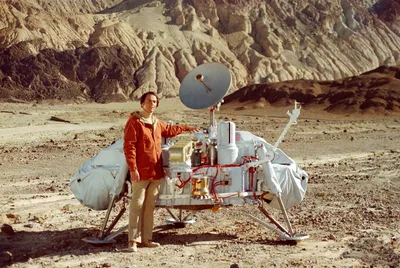
Carl Sagan was raised in a Jewish household in Brooklyn and told no story of lost faith, though as a teenager he filled a notebook with arguments about God. From 1979 he stated in print a position that refused both the certainty of belief and the certainty of atheism. He argued all his life that religious claims should be tested like any others, and found his awe in nature. He faced his death in 1996 calling himself an agnostic and expressly not an atheist, with no revision and no deathbed conversion.
Gloria Steinem
Gloria Steinem had no faith to lose, only an inheritance of Theosophist grandmothers, a Jewish father, a Protestant mother and a childhood baptism. Feminism, from 1969, made her see religion as power. She said so in 1970 (the church as a support of myth), in 2001 ("politics made sacred") and in 2014 ("politics in the sky"). In 2012 she named herself a humanist, and a spiritual one, refusing "atheist" as a definition by absence.
John Lennon
John Lennon was brought up lightly Anglican by his Aunt Mimi at St Peter's, Woolton, and drifted from belief with fame. In 1966 he stumbled into an accidental declaration that he had to apologise for. He looked for a teacher in the Maharishi and came away disappointed. He chose his declaration in the song "God" (1970), renouncing every authority from Jesus to the Beatles. In 1980 he revised the tone, calling himself neither anti-Christ nor antireligious, but a man who refused every package, Christian, Buddhist or Marxist.
Barbara Smoker
Barbara Smoker was a convent child who wanted to be a Carmelite, and saw no halfway house between the Church and atheism. The war in Ceylon, a confessor's charge of intellectual pride and a reading programme meant to save her faith wore it down, until on 5 November 1949, at a library's philosophy shelves, she found she was no longer a theist of any kind. She never doubted again. She spent the rest of her life on the unbelief in public, at the head of the National Secular Society, at thousands of secular funerals and beside the 1989 march against Rushdie, insisting that atheists had not lost their faith but outgrown it.