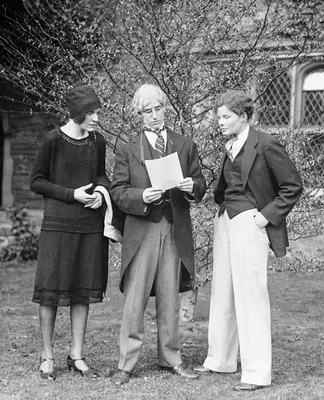
Katharine Hepburn did not lose a faith but inherited an unbelief, from Ingersoll-going grandparents and a father who called Christianity bunk. She held it through her brother's death when she was thirteen. She stated it plainly only once, at eighty-four, in 1991. In her last talks she softened the word to a "higher power", while keeping the same creed of kindness without heaven or hell.
The belief timeline
- Inheritance (1892-1907) — Both parental lines had left the church before she was born: Houghton grandparents "abandoned the recognized church" for Ingersoll; her father called Christianity "bunk" [7][9][10]
- Loss (1921-03-30) — Tom's death; Higham says it ended her belief in "a benign destiny or in a life after death" (biographer's inference, not her own statement) [14][17]
- Declaration (1991) — "I'm an atheist, and that's it" (Ladies' Home Journal, Oct. 1991), the year of *Me* [24][25]
- Revision (c. 1980s-2003 (undated)) — To Berg: "higher power" talk, "I don't believe Man is the Supreme Being", doubt that Jesus was the son of God; the label softens [26]
Notes to the timeline (8)
- [7] Maternal grandparents (Houghtons) were freethinkers: they were interested in Robert Ingersoll, "the great agnostic," went to all his lectures, and had "abandoned the recognized church" — Me (Houghton family passage); Leaming (Fred "under the influence of the popular orator Robert G. Ingersoll, had become a freethinker, a scoffer, and an atheist"; the Houghton brothers Amory and Charlie were vestrymen at Christ Church, Corning).
- [9] The girl Kathy Houghton (the mother), after going to church alone in Buffalo, "stopped going to church" as her father's depression deepened (Leaming's text: "Perhaps if she prayed in secret... her father would stop wanting to die") — Leaming (snippet; the identity of "she" inferred from context).
- [10] Her father, Thomas, rejected religion: he called Christianity "bunk", told Kate "I never believed a word he said!" of his preacher father, said believers were "either lower-class or uneducated", yet attended St. Luke's, Church Hill, with her — Leaming.
- [14] Her brother Tom (b. 8 Nov 1905), two and a half years older, died 30 March 1921 in New York while visiting Aunt Mary Towle at Charlton Street over the Easter school holiday; she was 13 (she writes "fourteen") — Me; WP-KH; Leaming (Tom b. 1905, d. 1921). Accounts differ; see the disputed points.
- [17] After Tom's death she became "nervous, moody", "suspicious of people", "arrogant and disrespectful, bitter, and hateful of religion"; "After seeing Tom dead, she no longer believed in a benign destiny or in a life after death" — Higham (page unrecoverable); WP-KH for nervous/moody and leaving Oxford School; Me ("I didn't want to be in any school"). Reported at second hand; the original has not been seen.
- [24] In 1991 she told Ladies' Home Journal: "I'm an atheist, and that's it. I believe there's nothing we can know except that we should be kind to each other and do what we can for other people" — LHJ (Blyth, Oct. 1991, p. 215, per Wikipedia); wording in Smith 2002 (no comma after "know"; Wikipedia has one).
- [25] *Me: Stories of My Life* was published in 1991 — IA catalogue records (1991 and 1992 printings); WP-KH.
- [26] Berg's later talks at Fenwick: she asked "how can anybody look at that... and not believe in God... some higher power, some divine force at work in the universe greater than Man, some god that created... us?"; "I would have to say that I don't believe Man is the Supreme Being"; of Jesus, "I believe he lived... an exemplary human being... was he the son of God?... I don't think I could honestly say"; "I don't really believe in Heaven and Hell — but in the here and now". Berg adds that she was "always more at home with the physical than the metaphysical" and uncomfortable with religion; he took her flower remark to be "absolutely literal" — Berg (page unrecoverable; talks "over the next two decades", undated).
An Inherited Unbelief
In October 1991, at eighty-four, the actress Katharine Hepburn told the Ladies' Home Journal that she was an atheist, and that was that. She believed, she said, that there was nothing we could know except that we should be kind to each other and do what we could for other people.1 That year she published her memoir, Me.2 It was the plainest thing she ever said about God, and it was not the last.
This chapter asks where her unbelief came from, since it seems she had no faith to lose, and why, in her last years, she talked about it in softer words.
Two families that left the church
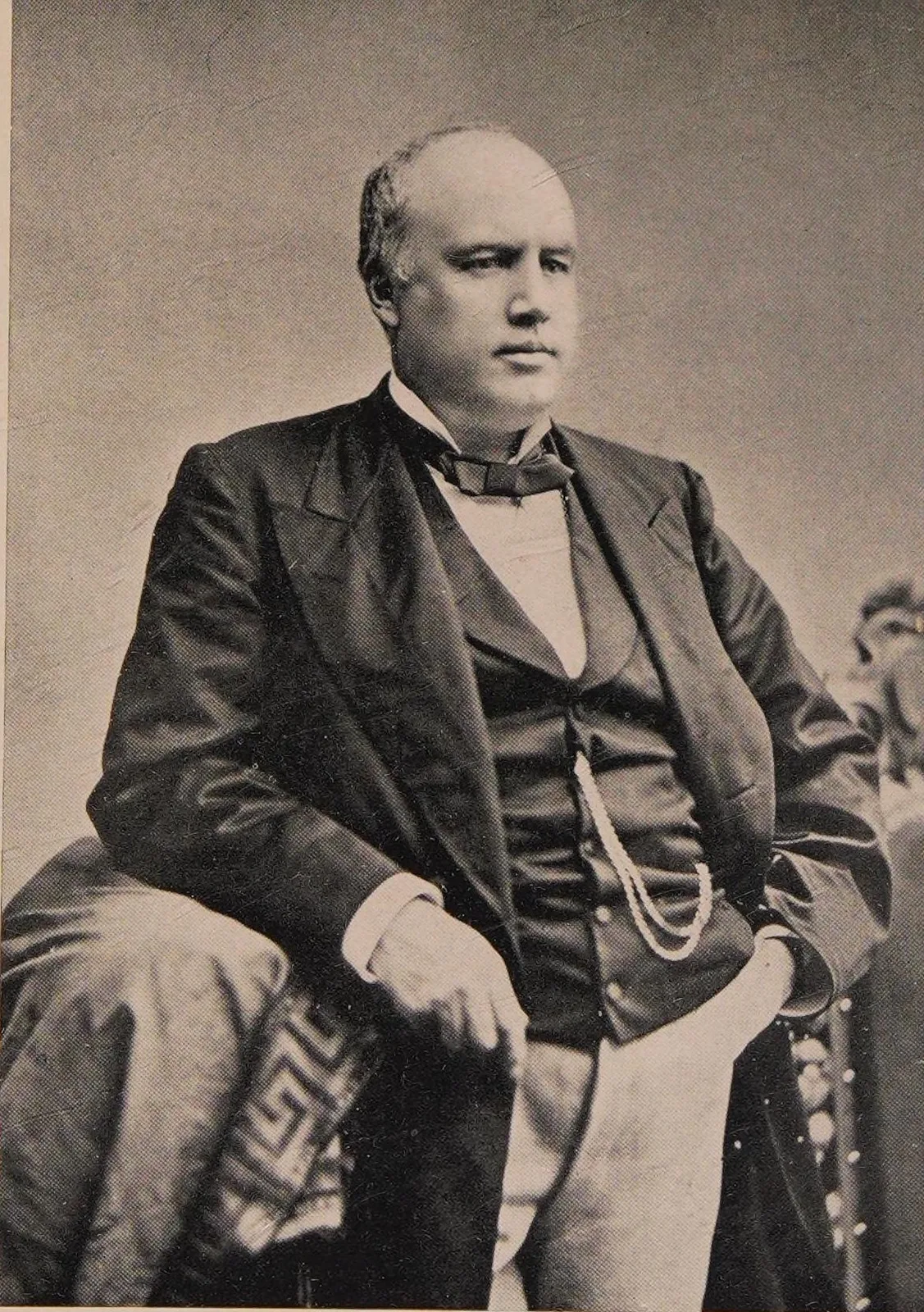
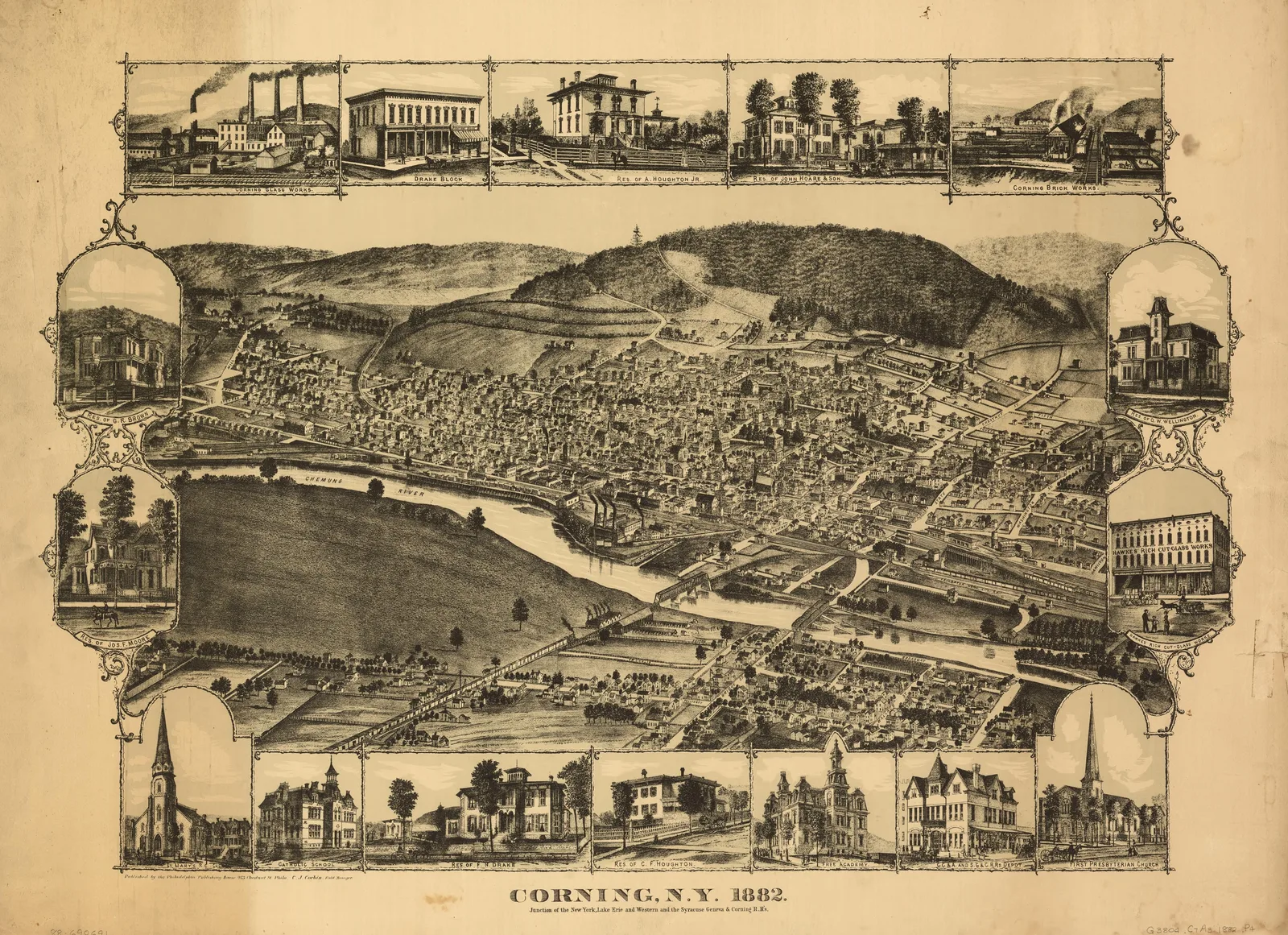
She was born in Hartford, Connecticut, on 12 May 1907, the second of six children.3 Her mother's parents, the Houghtons, were, in her own account, freethinkers who went to all the lectures of Robert Ingersoll, "the great agnostic," and had left the established church; a biographer writes that her grandfather Fred Houghton had become under Ingersoll's influence a freethinker, a scoffer and an atheist.45 He died in 1892, and no minister prayed at his burial; his wife died two years later.6 Their daughter Kathy, the actress's mother, stopped going to church as a girl.7
Her father's father was an Episcopal minister who never earned more than six hundred dollars a year.8 Her father, Thomas Hepburn, a urologist at Hartford Hospital, rejected his father's religion; by a biographer's account he called Christianity bunk and said he had never believed a word his preacher father said.910 On the belief timeline, this first mark is an inheritance, not a faith.
The Hartford house
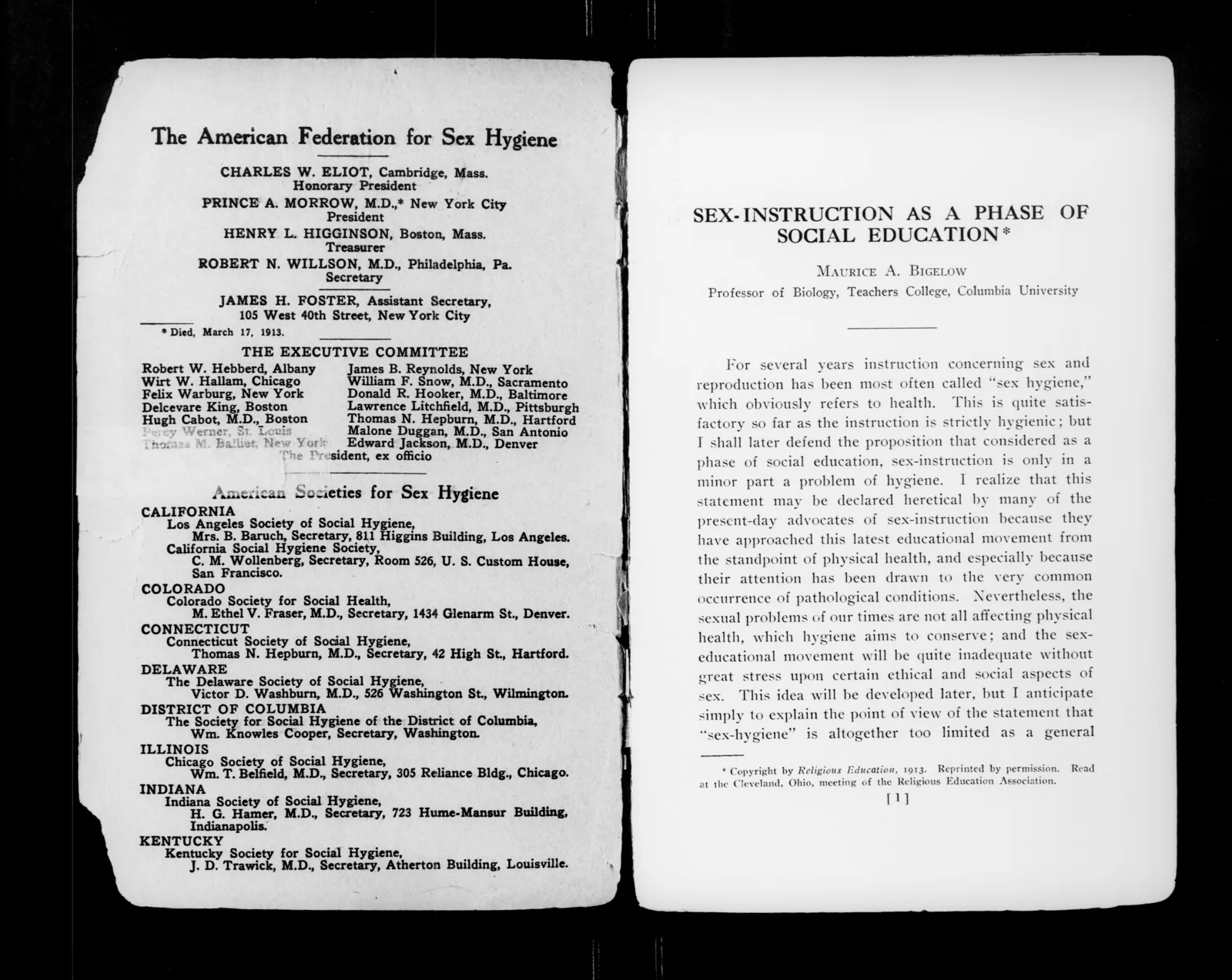
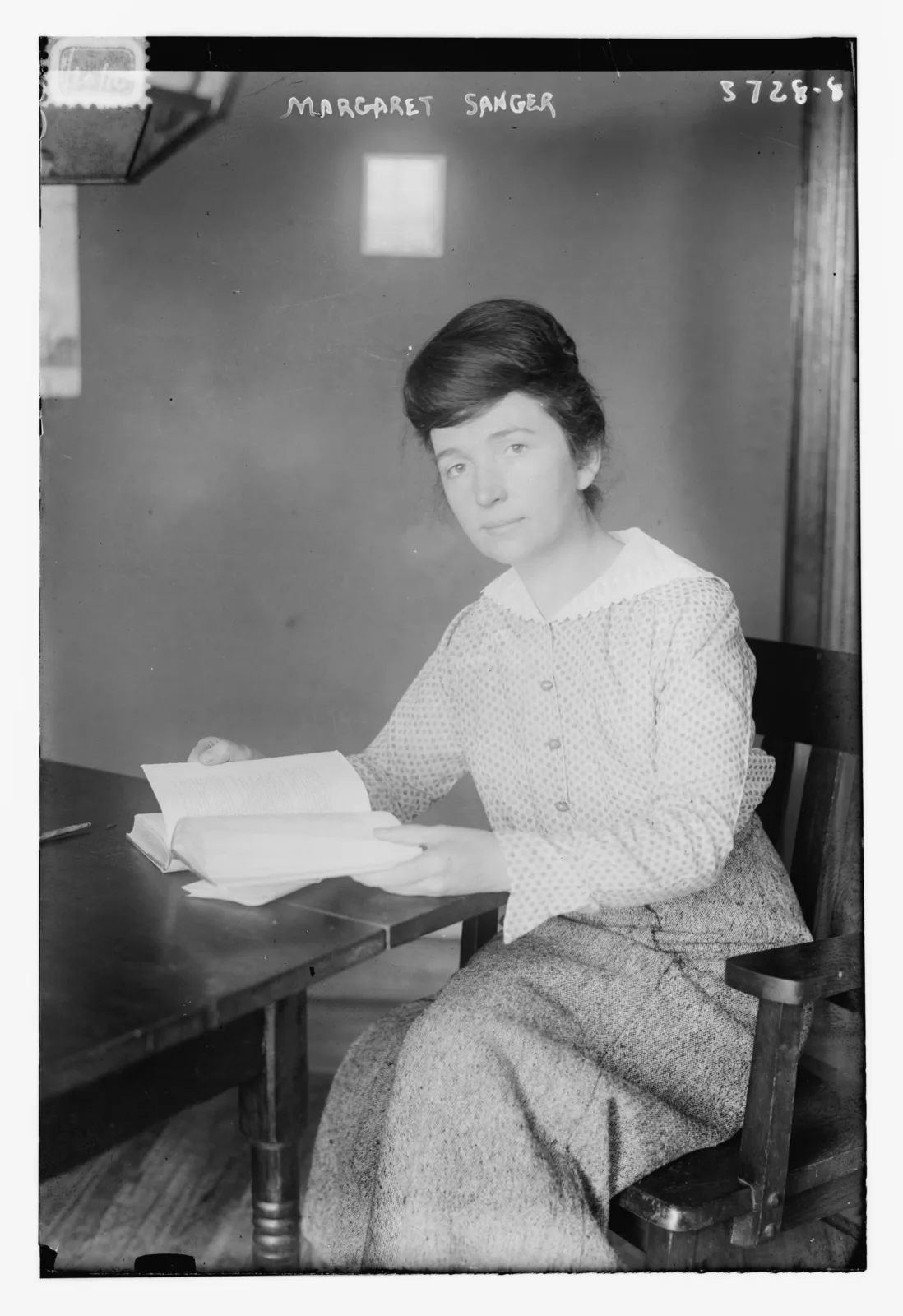
Her parents were reformers. Her father worked against venereal disease; by 1913 he was secretary of the Connecticut Society of Social Hygiene.11 Her mother co-founded the Hartford Equal Franchise League, led the Connecticut suffragists, and later campaigned for birth control as an ally of Margaret Sanger; in January 1934 she led the birth-control advocates at a congressional hearing at which the radio priest Charles Coughlin spoke against them.1213 At home the children heard medicine, politics and social questions discussed at the table, and were encouraged to argue any subject; guests at tea included Emmeline Pankhurst, Margaret Sanger and Rebecca West; on Sundays the family walked in the hills and hunted wildflowers. No source mentions church.14 She called herself the product of two very remarkable parents.15
The Catholic Church gave the formal answer to her mother's cause in 1930, when Pope Pius XI declared in the encyclical Casti Connubii that any deliberate frustration of the act of marriage's power to generate life was an offence against the law of God and of nature, and a grave sin.16 No reasoned religious criticism aimed at Hepburn herself has been found.
Tom
On 30 March 1921 her elder brother Tom, fifteen, was found dead in New York, at the house of their aunt Mary Towle, during the Easter school holiday; she was thirteen, though she wrote fourteen. The papers first reported suicide; the family held that it was an accident, and accounts still differ.1718 Tom was cremated and buried at Cedar Hill in Hartford with a short prayer from his grandfather; their mother never spoke of him afterwards.19 One biographer writes that after seeing Tom dead she no longer believed in a benign destiny or in a life after death; that is his inference, not her statement.20 For years she gave Tom's birthday, 8 November, as her own.21 The timeline places her loss here, but what was lost was not a creed; it was a test of an unbelief she already had.
Bryn Mawr and the stage
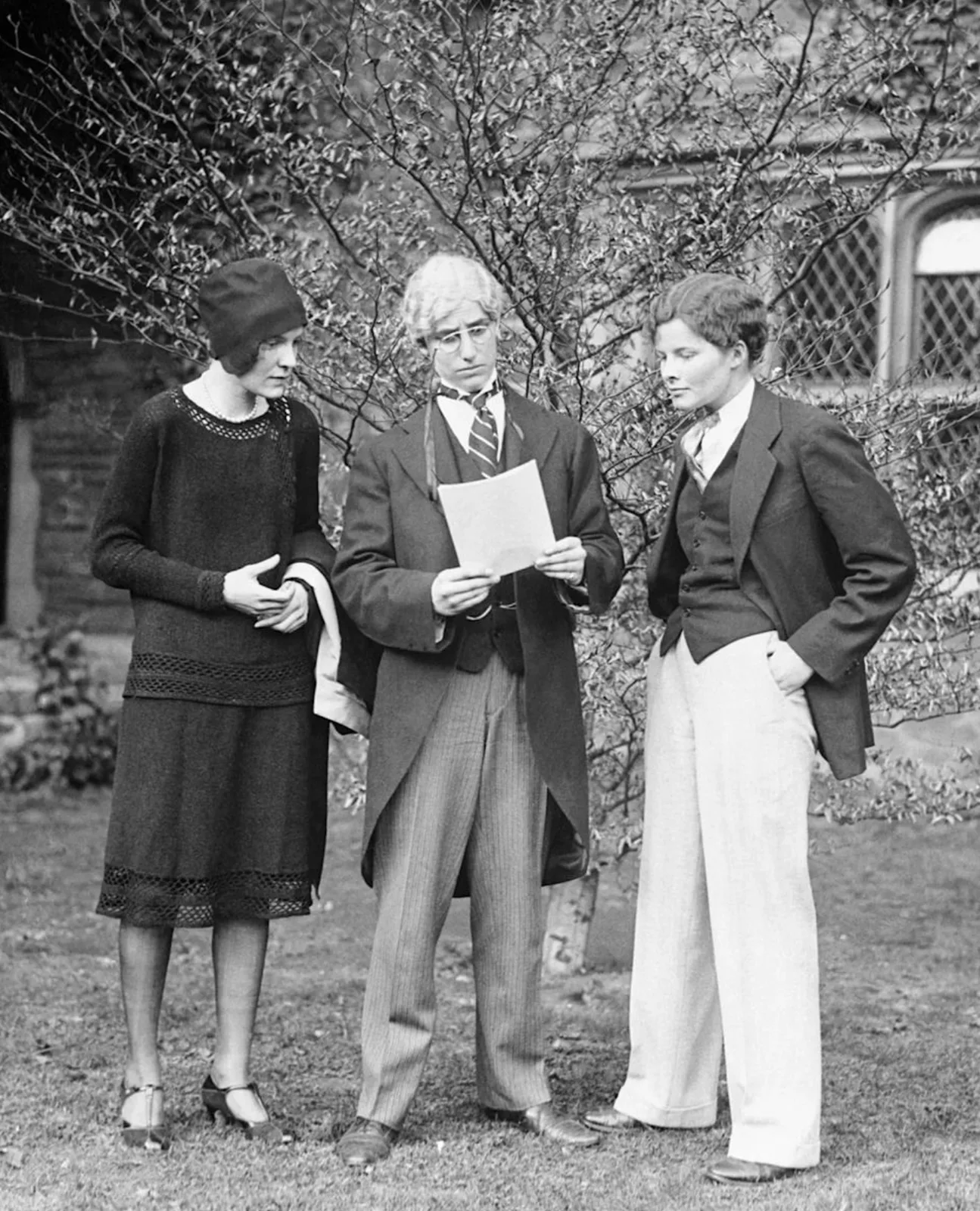
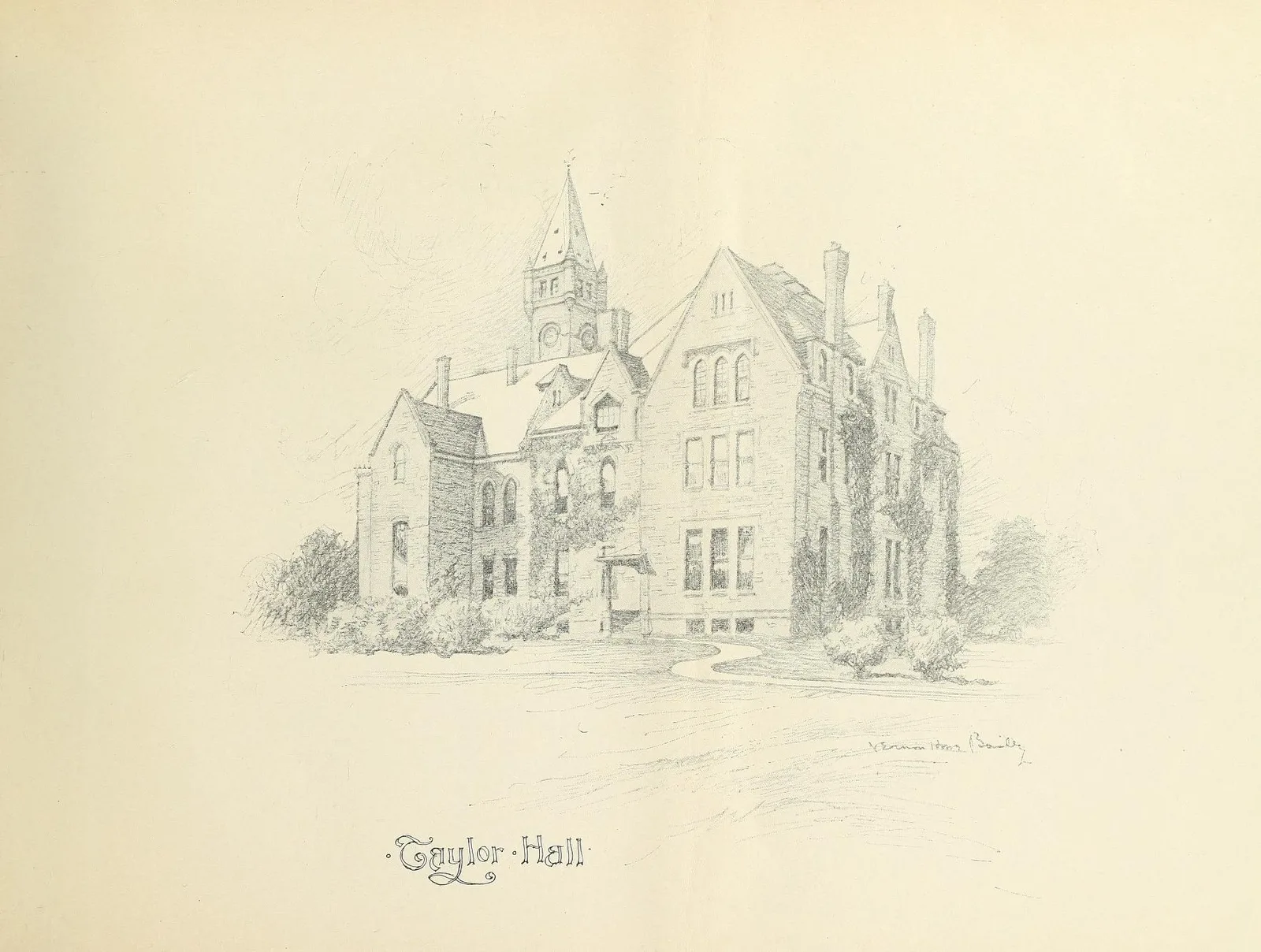
She went to Bryn Mawr, her mother's college, in 1924.22 Once, she wrote in her memoir, in the years when she was close to the agent Leland Hayward, a doctor at a dinner asked her about God, and she answered that of course she believed in God, but what she meant by God might not be what he meant; he froze with horror, she wrote, left, and was never seen again.23 Her friend the writer Garson Kanin described her in 1971 as an atheist, an agnostic or a freethinker, depending on one's understanding of the labels, and as practising Albert Schweitzer's reverence for life; yet when Spencer Tracy, her companion of many years and a devout Catholic, died in 1967, she placed in his coffin a St Christopher, a piece of marble and his rosary.2425 By Wikipedia's account, she stayed away from his funeral for his family's sake.25 In 1985, Wikipedia says, the American Humanist Association gave her its arts award.26
Declaration and second thoughts
Her one plain declaration came in 1991: she was an atheist, and she believed in kindness.1 That is where the timeline places her declaration. But in talks with her biographer A. Scott Berg, over the last two decades of her life, she spoke differently. Looking at a flower, she asked how anyone could not believe in God, or in some higher power at work in the universe greater than man; she said she did not believe man was the supreme being; she thought Jesus had lived and been an exemplary human being, but could not honestly say he was the son of God; and she did not really believe in heaven and hell, only in the here and now. Berg wrote that she was always more at home with the physical than the metaphysical, and uncomfortable with religion.27 On the timeline, this is her revision: the label softens, but the substance hardly moves. In her eighties, by Wikipedia's account, she said she had no fear of death, which must be like a long sleep.28
She died at the family's summer house at Fenwick, Connecticut, on 29 June 2003, and at her request there was no memorial service; she was buried at Cedar Hill in Hartford.29
Did her unbelief change shape?
She inherited it. Her grandparents left the church for Ingersoll, her father dismissed his own father's religion, and her mother stopped going to church as a girl; in the Hartford house there was no faith to lose. Her brother's death at thirteen tested it, and it held. She was vague for most of her life, then plain once, at eighty-four, and vague again at the end, when a flower could make her speak of a higher power. Through all of it the creed she named was the one she had learned at home: kindness, and doing what one could for other people.
Robert G. Ingersoll, whose lectures her grandparents went to and whose freethinking came down to her through her mother, has his own chapter in this book.
Footnotes
-
LHJ (Blyth, Oct. 1991, p. 215, per Wikipedia); wording in Smith 2002 (no comma after "know"; Wikipedia has one). ↩ ↩2
-
IA catalogue records (1991 and 1992 printings); WP-KH. ↩
-
WP-KH; Smith (entry "Hepburn, Katharine (12 May 1907- ) Born in Hartford"). ↩
-
Me (Houghton family passage); Leaming (Fred "under the influence of the popular orator Robert G. Ingersoll, had become a freethinker, a scoffer, and an atheist"; the Houghton brothers Amory and Charlie were vestrymen at Christ Church, Corning). ↩
-
Leaming (index, via search snippet); WP-Mother. ↩
-
Me; Leaming; WP-Mother (dates). ↩
-
Leaming (snippet; the identity of "she" inferred from context). ↩
-
Me; Courant ("son of an Episcopal minister"); Leaming. ↩
-
Me (family chapter, page unrecoverable); Courant; WP-Mother. ↩
-
Leaming. ↩
-
Bigelow 1913 (leaf lists); Courant; WP-KH. Accounts differ; see the disputed points. ↩
-
WP-Mother (citing 1917 Meriden Morning Record, not seen). Reported at second hand; the original has not been seen. ↩
-
SangerPapers (letterheads, 1934 clipping "Coughlin of Detroit and advocates led by Mrs. Thomas N. Hepburn of Hartford"); WP-Mother. ↩
-
Me; Courant; WP-KH (citing Higham p. 2). ↩
-
WP-KH (citing Me p. 21). ↩
-
Pope Pius XI, 1930; the Catholic Church's formal answer to the birth-control movement the Hepburn parents led. Its reason: a purpose of marriage that may not be frustrated, grounded in "the law of God and of nature".: Casti Connubii para. 56 (
research/texts/casti-connubii-vatican-en.txt). ↩ -
Me; WP-KH; Leaming (Tom b. 1905, d. 1921). ↩
-
Me; Leaming; Higham. ↩
-
Leaming; Me. ↩
-
Higham (page unrecoverable); WP-KH for nervous/moody and leaving Oxford School; Me ("I didn't want to be in any school"). ↩
-
WP-KH (citing Me). ↩
-
WP-KH. ↩
-
Me (page unrecoverable). Not verified. ↩
-
Kanin (pp. 250-51, not confirmed). ↩
-
WP-KH (citing Curtis p. 878); Kanin ("a devout Catholic"); Me (Tracy "a bad Catholic" talk, and Father Ciklic's remark that he concentrated on "the bad and none of the good which your religion offered"). ↩ ↩2
-
WP-KH (citing The Humanist, Sept-Oct 2003, not seen). ↩
-
Berg (page unrecoverable; talks "over the next two decades", undated). ↩
-
WP-KH (citing All About Me, 1993). ↩
-
WP-KH (citing Guardian obituary, 30 June 2003, not retrieved). ↩
In their own words
any use whatsoever of matrimony exercised in such a way that the act is deliberately frustrated in its natural power to generate life is an offense against the law of God and of nature, and those who indulge in such are branded with the guilt of a grave sin.
The other side
any use whatsoever of matrimony exercised in such a way that the act is deliberately frustrated in its natural power to generate life is an offense against the law of God and of nature, and those who indulge in such are branded with the guilt of a grave sin.
Where accounts differ
| Point | One account | Another | How the page handles it |
|---|---|---|---|
| Tom's death | Accident or an experiment gone wrong: the family's account; Hepburn thought of a stage hanging seen a week before (Me: father's statement; Higham) | Suicide: first press reports; "Tom's suicide was the fourth such death in the family" (Leaming) | Say "accounts differ"; Hepburn's own memoir leaves it "unexplained" |
| Her age at Tom's death | 13 (born May 1907; WP-KH) | "I was fourteen years old" (Me) | Use "thirteen" and note she wrote fourteen, a sign of the birthday she borrowed from Tom (Me / WP-KH) |
| What she believed | "I'm an atheist, and that's it" (1991, LHJ via Smith) | "How can anybody look at that and not believe in God?"; "some higher power"; doubts Jesus was God's son (Berg, undated, 1980s-2003); "I do of course believe in God ... but what I mean by God may not be what ..." (Me, 1930s) | Present the 1991 declaration as the headline and the hedged remarks as the revision; Berg himself says he took the flower remark as literal and that she was vague |
| Founding of the social-hygiene body | Her father "founded the American Social Hygiene Society" (Courant, via brother Robert) | "helped establish the New England Social Hygiene Association" (WP-KH); Secretary of the Connecticut Society and committee member of the American Federation (Bigelow 1913) | Say he was an early organiser and committee member; do not say "founder" |
| Cavett air dates | Part 1 2 Oct, Part 2 3 Oct 1973 (WP-KH) | IA item "day 2" dated 1973-10-02 | Say "October 1973" |
| Houghton grandfather's name | "Alfred" (Me) | "Fred" (Leaming) | Use "Fred (Alfred) Houghton" once |
| Cause of lost belief | Tom's death (Higham, a biographer's inference) | Inherited family freethought (Me, Leaming): there was no faith to lose | Treat 1921 as a test of an inherited position, not a deconversion |
List of illustrations
This page uses only public-domain and Creative Commons images; each is credited with its source and licence.
- Margaret Barker and Katharine Hepburn rehearsing for a Bryn Mawr play, 'Hartford Girl in Bryn Mawr Play', Hartford Courant, 24 April 1927, p. 83 — Unknown (Hartford Courant staff photographer), 1927-04-24 · Wikimedia Commons, from the Hartford Courant, 24 April 1927, p. 83 · Public domain (Wikimedia Commons file page: 'Public domain', template PD-US-expired; published in a newspaper on 24 April 1927, before 1931)
- Robert G. Ingersoll in 1877 (aged 44), seated, photograph by Bradley and Rulofson, San Francisco — Bradley & Rulofson, San Francisco (the book's caption spells 'Rulopson'), 1877 · Internet Archive, Herman E. Kittredge, Ingersoll: A Biographical Appreciation (New York: Dresden Publishing Co., 1911), digitized scan bwb_S0-AWN-773_13 · Public domain (book published 1911; US work before 1931; Internet Archive item states no rights)
- Corning, N.Y., 1882: junction of the New York, Lake Erie, and Western and the Syracuse, Geneva & Corning R.R.'s (bird's-eye view) — Philadelphia Publishing House; C. J. Corbin, 1882 · Library of Congress, Geography and Map Division · Public domain (1882 print). Library of Congress states: "The content of the Library of Congress Geography and Map Division digitized collections is free to use and reuse unless a Rights Advisory statement is present that indicates otherwise." No Rights Advisory on the record.
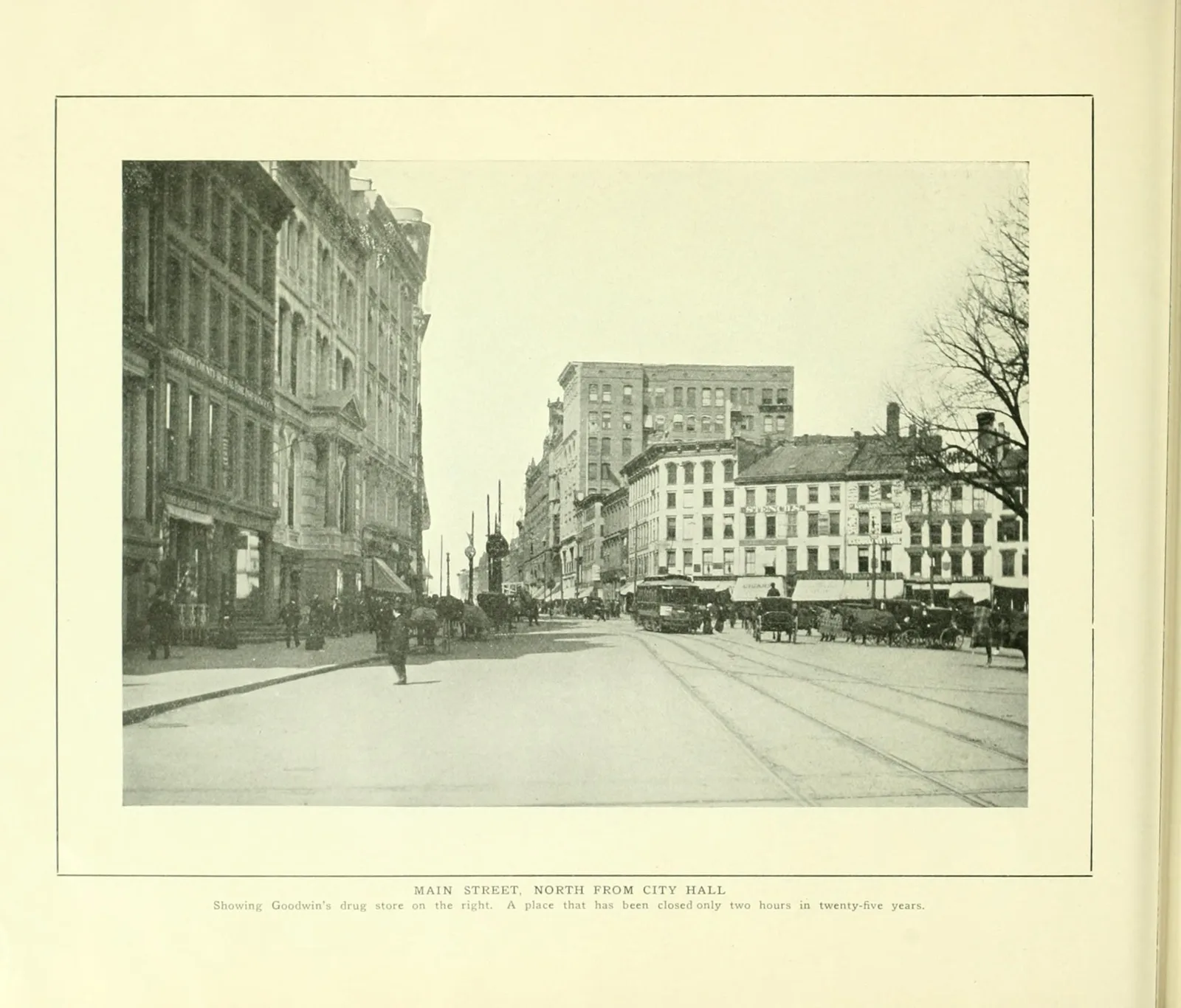
- Souvenir of Hartford: 'Main Street, North from City Hall' (L. H. Nelson Company, 1908) — L. H. Nelson Company, Portland, Maine (photographs), 1908 · Internet Archive, Library of Congress copy, souvenirofhartfo00port (leaf 8, width 3000) · Public domain (published 1906, 1908; Internet Archive item states no rights, 'not stated; check date')
- The American Federation for Sex Hygiene: executive committee (Thomas N. Hepburn, M.D., Hartford) and 'American Societies for Sex Hygiene' (Connecticut Society of Social Hygiene, Thomas N. Hepburn, M.D., Secretary, 42 High St., Hartford), in Maurice A. Bigelow, Sex-instruction as a phase of social education (1913) — Maurice A. Bigelow (American Federation for Sex Hygiene), 1913 · Internet Archive, Columbia University Libraries microform copy, sexinstructionas00bige (leaf 3, width 3000) · Public domain (published 1913). Internet Archive item states no rights ('not stated; check date')
- Margaret Sanger (Bain News Service, 1916) — Bain News Service, 1916 · Library of Congress, Prints & Photographs Division, George Grantham Bain Collection · Public domain (Bain News Service photograph of 1916, published before 1931). Library of Congress states: "The Library of Congress does not own rights to material in its collections." No other rights statement on the record; basis is the pre-1931 date.
- Taylor Hall (sketch), Bryn Mawr College Calendar: Academic Buildings and Halls of Residence, November 1910 — Bryn Mawr College, 1910-11 · Wikimedia Commons, from Bryn Mawr College Calendar (Bryn Mawr College, November 1910) · Public domain (Wikimedia Commons file page: 'Public domain'; Bryn Mawr College publication of November 1910, before 1931)
Sources
Tier 1 — the subject's own words (writings, letters, diaries, trial records)
- Me Katharine Hepburn, Me: Stories of My Life (Knopf, 1991). Read only through Internet Archive full-text search snippets (lending copy, full text not downloadable): ids
mestoriesofmylifhepb00hepb(1991), alsome00kath_0,mestoriesofmylif00hepb(1992). Passages stitched inresearch/notes/me-expanded.txtandfts-me.txt. Printed page numbers are NOT recoverable from these snippets; where Wikipedia gives a page (p. 21 "two very remarkable parents"), that is flagged as Wikipedia's. In copyright: paraphrase only. - LHJ Myrna Blyth, "Kate Talks Straight," Ladies' Home Journal, October 1991, p. 215 (as cited by Wikipedia). Not seen; wording confirmed in Smith 2002.
- Cavett The Dick Cavett Show, ABC, October 1973, two parts. IA item
the-absolute-best-katharine-hepburn-interview-day-2-with-dick-cavett(video, 1973-10-02 per IA); no transcript, not watched. - AllAboutMe Katharine Hepburn: All About Me, TNT, 1993. IA item
katharine-hepburn-all-about-me-1993(video, not watched). Quoted only through Wikipedia.
Tier 2 — scholarly biographies and encyclopedias
- Leaming Barbara Leaming, Katharine Hepburn (Crown, 1995). IA
katharinehepburn00leam. Snippet reading via IA full-text search (research/notes/leaming-expanded.txt,fts-leaming.txt); page numbers not recoverable (the index shows "Ingersoll, Robert G., 54"). Footnoted, archival (Houghton family papers). - Berg A. Scott Berg, Kate Remembered (Putnam, 2003). IA
katerememberedka0000berg. Snippet reading (berg-expanded.txt); page not recoverable. Berg was a friend and wrote from conversations over two decades. - ANB Thomas W. Collins, "Hepburn, Katharine," American National Biography Online (2005), doi 10.1093/anb/9780198606697.article.1803757. Located, not readable.
Tier 3 — popular biographies and journalism
- Higham Charles Higham, Kate: The Life of Katharine Hepburn (Norton, 1981). IA
kate00char. Snippet reading (higham-expanded.txt); page not recoverable. Tier 3: unsourced interpretive passages. - Kanin Garson Kanin, Tracy and Hepburn: An Intimate Memoir (Viking, 1971). IA
tracyhepburninti0000kani. Snippet reading (kanin-expanded.txt); the page markers "250" seen beside the passage fit Wikipedia's p. 251 citation but are not confirmed. - Mann William J. Mann, Kate: The Woman Who Was Hepburn (Holt, 2006). IA
katewomanwhowash00mann. Searched for religion and atheist: nothing found. - Smith Warren Allen Smith, Celebrities in Hell (Barricade, 2002). IA
celebritiesinhel0000smit. Entry for Hepburn quotes the Ladies' Home Journal line (smith-celebrities.txt). A compilation of atheists; its quotation is a secondary witness. - Courant "Dr. Thomas Hepburn & Son: A Father's Day Remembrance," Hartford Courant, 16 June 1996. Saved in
research/texts/courant-1996.txt. Interview with her brother Dr. Robert Hepburn. - SangerPapers Papers of Margaret Sanger (NYU / Smith College microfilm), IA items
per_papers-of-margaret-sanger_..., read as search snippets (letterheads and a 1934 clipping). Reproduces mid-century documents; licence unchecked, used as evidence only.
Tier 4 — Wikipedia and similar reference sites
- WP-KH Wikipedia, "Katharine Hepburn", revision of 2026-09-27 (wikitext saved in
research/texts/wp-hepburn.txt). Its early-life and belief paragraphs cite Higham, Berg, Chandler, Hepburn 1991, Kanin 1971, Cavett and Blyth; each claim resting on it alone is marked. - WP-Mother Wikipedia, "Katharine Martha Houghton Hepburn", revision of 2026-09-24 (
research/texts/wp-mother.txt). - Wikiquote "Katharine Hepburn" (
research/texts/wikiquote.txt): no belief quotations; not used.
Other
- Bigelow Maurice A. Bigelow, Sex-instruction as a phase of social education (American Federation for Sex Hygiene, New York, 1913). IA
sexinstructionas00bige; public domain (1913); textresearch/texts/bigelow-sex-instruction.txt. Unpaginated leaf lists naming Dr. Hepburn.
Opposition sources — contemporary critics and religious responses
- CC Pius XI, encyclical Casti Connubii (31 December 1930), English text on vatican.va, saved as
research/texts/casti-connubii-vatican-en.txt. The reasoned Catholic case against what the mother campaigned for; publication licence of the English rendering not checked. - Coughlin Father Charles E. Coughlin, 1934 testimony and broadcasts (cited by Wikipedia and Leaming; no PD text found).
Related lives
Robert G. Ingersoll — her maternal grandparents went to all his lectures [7, 8, 31]. (Alternative: Margaret Sanger, the mother's ally, if she is built.)
Bhagat Singh
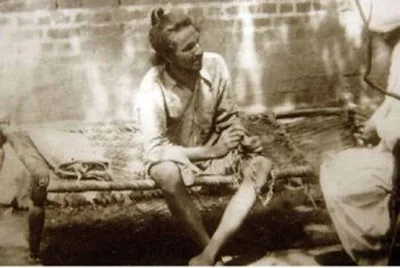
Bhagat Singh was an Arya Samaj schoolboy who prayed for hours. He read his way out of belief in God during a crisis in his revolutionary party in 1925–26, and in 1927 refused prayer when the police offered it as a way out. In the condemned cell in 1930 he answered the charge that his atheism was vanity. What he revised in his last months was the bomb, not the unbelief.
Simone de Beauvoir
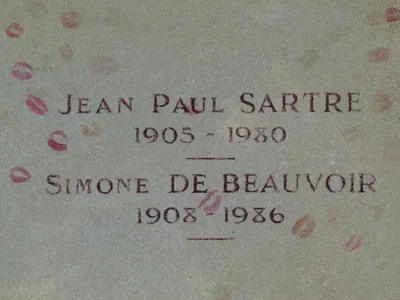
Simone de Beauvoir was raised by a devout mother and an unbelieving father as an exalted Catholic girl who thought of becoming a nun. She lost her faith gradually at about fourteen, and at eighteen felt its meaning as the word "alone". She did not campaign against belief but built an ethics on its absence (1944–47), arguing that without God we are wholly responsible, and wrote The Second Sex (1949), which the Vatican banned. She held to the position through the death of her believing mother (1963) and what she saw as Sartre's last turn toward religious language (1980).
Ayn Rand
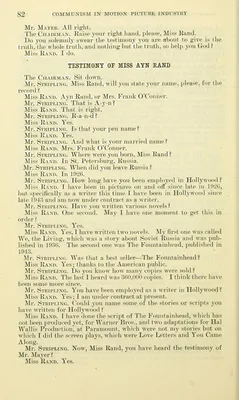
Ayn Rand was born Alisa Rosenbaum in St Petersburg, and left no account of a childhood faith or its loss. From her first philosophic journal in 1934 she made the rejection of faith the foundation of a philosophy of reason, and said so plainly from the 1940s to the 1960s. Late in life she changed only the label ("Objectivist") and the tone ("intransigent, though not militant"), never the position.
Jean-Paul Sartre
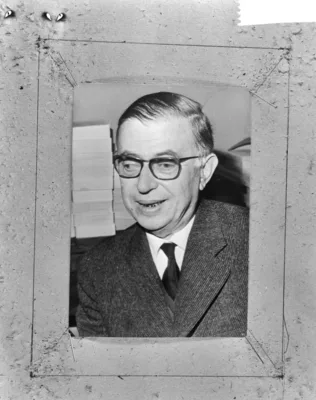
Jean-Paul Sartre was baptised into a family whose faith was more form than conviction. By his own account the belief never took root: it went first through his grandparents' indifference, and then, one morning at La Rochelle in 1917, in a single thought that God did not exist. He made that absence the premise of a philosophy of freedom, and spent years expelling the substitute faith of writing as salvation. In old age he admitted that traces of the idea of God remained in him.