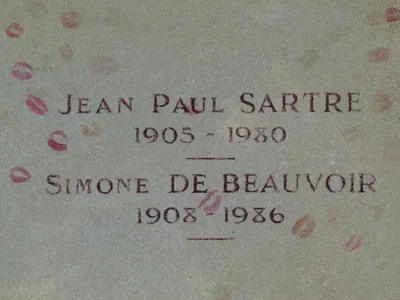
Simone de Beauvoir was raised by a devout mother and an unbelieving father as an exalted Catholic girl who thought of becoming a nun. She lost her faith gradually at about fourteen, and at eighteen felt its meaning as the word "alone". She did not campaign against belief but built an ethics on its absence (1944–47), arguing that without God we are wholly responsible, and wrote The Second Sex (1949), which the Vatican banned. She held to the position through the death of her believing mother (1963) and what she saw as Sartre's last turn toward religious language (1980).
The belief timeline
- Faith (c. 1913–c. 1922) — Catholic home, Catholic school, frequent communion, wish to be a nun; "croyante exaltée et mystique" for a few years (WP-fr) [3][4][5]
- Doubt (loss) (c. 1922, age 14) — The faith drains away, over months by the memoir's account (pp. 187–96); crisis of faith ending in "no God" (IEP). Why this and not the 1926–27 diaries: the 1927 passage is the adult's sense of what the loss means, not the loss [6][7][9]
- Declaration (1944–1958) — *Pyrrhus et Cinéas* (1944), *The Ethics of Ambiguity* (1947) argue a world without God as the ground of ethics; the loss itself is told in print only in 1958 [20][21][24]
- Revision (late test, not reversal) (1963–1980) — Her mother's death in 1963 and Sartre's drift toward religious language in 1980 test the position; the sources show no change, only defence of it; to be confirmed against the books [25][26][27][29]
Notes to the timeline (13)
- [3] A younger sister Hélène, "Poupette"; father introduced her to literature and encouraged her to write; the child vowed never to become a housewife or mother; she spent much of her childhood "rebelling against the values of her faith and bourgeois ideology" — Debra Bergoffen and Megan Burke, "Simone de Beauvoir", Stanford Encyclopedia of Philosophy (first published 2004-08-17; last modified 2023-01-11 per the page metadata), §1.
- [4] She was raised Catholic, educated in convent schools, began taking communion three times a week at 7 (Kirkpatrick p. 31) and intended to become a nun — "Simone de Beauvoir" (
wikipedia-en-map.txt); cites Kirkpatrick pp. 28–83 by page, "Religious upbringing", citing Kirkpatrick p. 31 for the communion detail only; the nun claim carries no page. Reported at second hand; the original has not been seen. - [5] Raised by a very pious mother, she herself became for some years an "exalted and mystical" believer before gradually losing her faith at fourteen, well before leaving the Cours Désir — "Simone de Beauvoir" (
wikipedia-fr-map.txt), "Émancipation progressive", citing the memoir pp. 187–96. - [6] At fourteen she had "a crisis of faith and decided definitively that there was no God"; she "remained an atheist until her death"; the rejection of religion was followed by her decision to pursue philosophy — Shannon Mussett (author per Wikipedia's citation; not shown in the text file), "Simone de Beauvoir", Internet Encyclopedia of Philosophy, life section.
- [7] "Although initially devout in her faith, at age fourteen Beauvoir rejected the existence of God, which was a pivotal moment in her life"; it "propelled Beauvoir into studying philosophy" — Bergoffen, Stanford Encyclopedia of Philosophy, §1.
- [9] In the diary of c. 1926–27 she wrote of feeling the "terrible significance of the word alone"; WP-en dates her becoming an atheist (in the adult sense) to this period, citing Kirkpatrick p. 73; WP-fr says the 1927 diary already shows her "good faith" and "authenticity" ideas arising from the pressure of her Christianity — "Simone de Beauvoir", "Young Adulthood"; "Simone de Beauvoir", (diary of 1927).
- [20] *Pyrrhus et Cinéas* (1944), her first philosophical essay, is sharply critical of "the Hegelian absolute, the Christian conception of God and abstract entities" that demand renunciation of freedom — Bergoffen, Stanford Encyclopedia of Philosophy, §4; Internet Encyclopedia of Philosophy.
- [21] *The Ethics of Ambiguity* (1947) takes its stand as existentialist; SEP: "a secularism that rejects the ideas of God and Humanity" as absolutes; she rejects Dostoevsky's "if God is dead everything is permitted": without God "to pardon us" we are "totally and inexcusably responsible"; the problem of secularism is not licence but "the problem of the 'we'" — Bergoffen, Stanford Encyclopedia of Philosophy, §5 (SEP's wording, not hers); Simone de Beauvoir, La cérémonie des adieux, suivi de Entretiens avec Jean-Paul Sartre (août-septembre 1974) (Gallimard, 1981), front matter gives the French title and 1947.
- [24] *Mémoires d'une jeune fille rangée* was published by Gallimard in 1958 and is the first of four autobiographical volumes; SEP gives the first three volumes as 1958–63 and the fourth as 1974 — Bergoffen, Stanford Encyclopedia of Philosophy, §1; Merve Emre, "Simone de Beauvoir's lost novel of early love" (on Les Inséparables), The New Yorker, 23 Aug 2021 (print 30 Aug 2021); "Mémoires d'une jeune fille rangée" (
wikipedia-fr-mjfr.txt); [WP-fr-UMTD] "Une mort très douce" (wikipedia-fr-umtd.txt); [WP-fr-Lacoin] "Élisabeth Lacoin" (wikipedia-fr-lacoin.txt); [WP-en-VEE] "A Very Easy Death" (wikipedia-en-vee.txt); [WP-en-EoA] "The Ethics of Ambiguity" (wikipedia-en-eoa.txt); [WP-en-SS] "The Second Sex" (wikipedia-en-ss.txt). - [25] *Une mort très douce* (1964) is her account of the last weeks of her mother (born 1886 in Alsace-Lorraine, died autumn 1963 after a fall and a diagnosis of terminal intestinal cancer); written in December 1963 from a journal — "Simone de Beauvoir", -VEE (Bair 1990 pp. 490, 492, 506); "Simone de Beauvoir", -UMTD; Bergoffen, Stanford Encyclopedia of Philosophy, §11.
- [26] Her mother, "a devout Catholic", never asked for a priest, which surprised her daughters (Pantheon 1985 p. 60, per WP-en); WP-fr-UMTD calls the book's death scene one seen "from the standpoint of the atheist narrator and her believing mother". Whether a priest or the last rites came later is NOT established in anything I read — "Simone de Beauvoir", -VEE; "Simone de Beauvoir", -UMTD.
- [27] In *Adieux* she says Benny Lévy ("Victor") had changed since Sartre met him: "like many former Maoists, he had turned to God, the God of Israel", and his view of the world had become spiritualist and religious; she read the Sartre–Lévy interview eight days before its publication and was "consternée"; she quotes Sartre complaining that Victor wants the whole origin of morality in the Torah, which he did not think at all — Beauvoir, La cérémonie des adieux, p. 150 (printed header "150 La cérémonie des adieux" precedes the passage).
- [29] The narrative ends: "Sa mort nous sépare. Ma mort ne nous réunira pas" (his death separates us, my death will not reunite us); it is beautiful that their lives agreed so long — Beauvoir, La cérémonie des adieux, p. 159 (last page of the narrative; header "160" not recovered by OCR, so p. 159 or 160). Paraphrase; wording in q1 for checking is the only source for this, as for the other details in this chapter cited to that source alone.
Alone
In 1980 Jean-Paul Sartre gave a series of interviews to Benny Lévy, and Simone de Beauvoir, his companion of fifty years, read them eight days before they were published. She was dismayed. Lévy, she wrote in her account of Sartre's last years, had changed: like many former Maoists, he had turned to God, the God of Israel, and his view of the world had become spiritual and religious; and he wanted, Sartre complained to her, to find the whole origin of morality in the Torah, which Sartre did not think at all.1 When Sartre died, he was buried on 19 April 1980 with the simple funeral he had wanted, and she ended her book with the thought that his death separated them, and hers would not reunite them.23
This chapter asks how a girl raised in a devout Catholic household lost her faith at fourteen, and how her unbelief became the ground of an ethics of freedom and of a book that the Vatican put on its list of forbidden books.
A Catholic girlhood
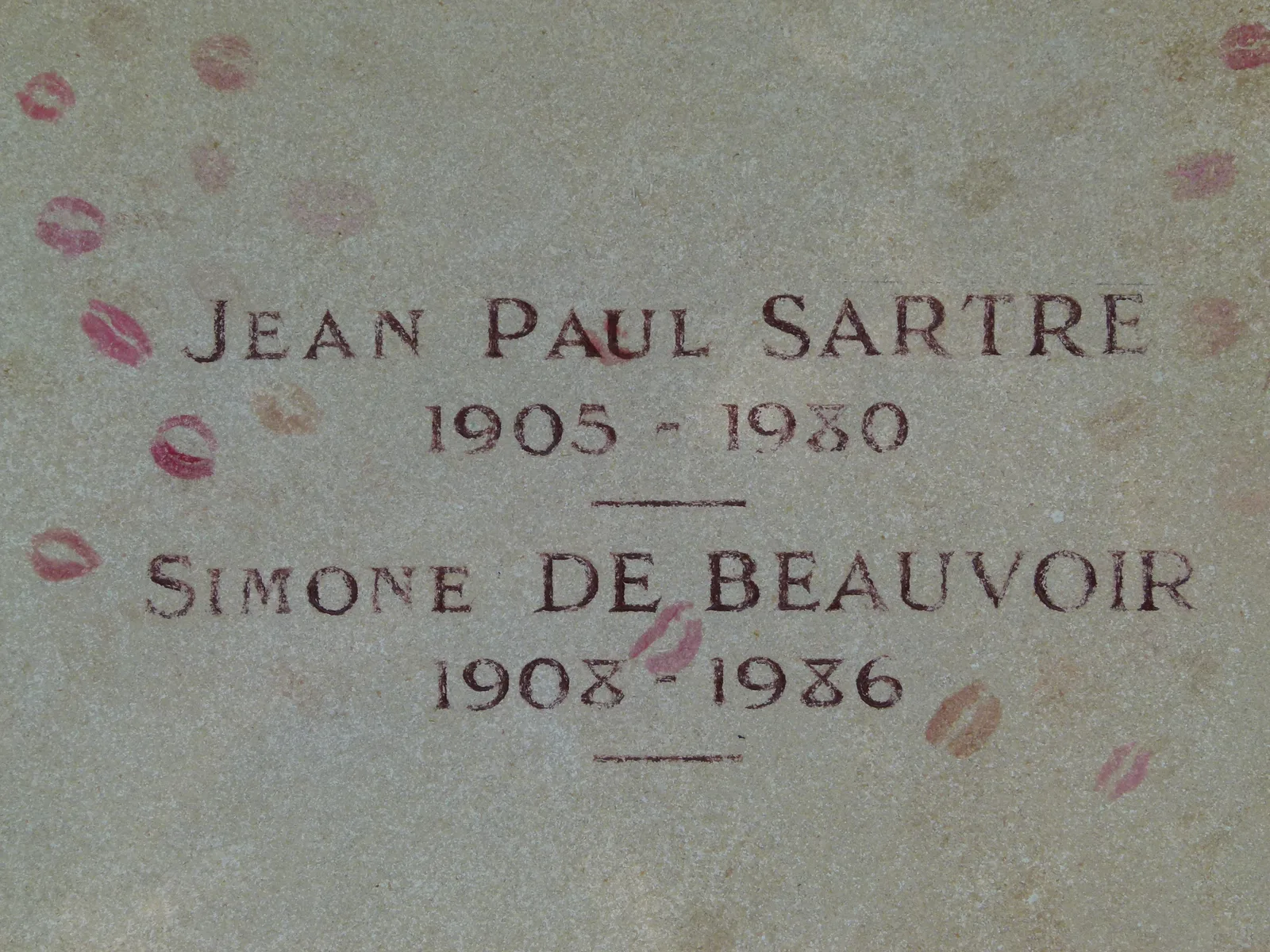
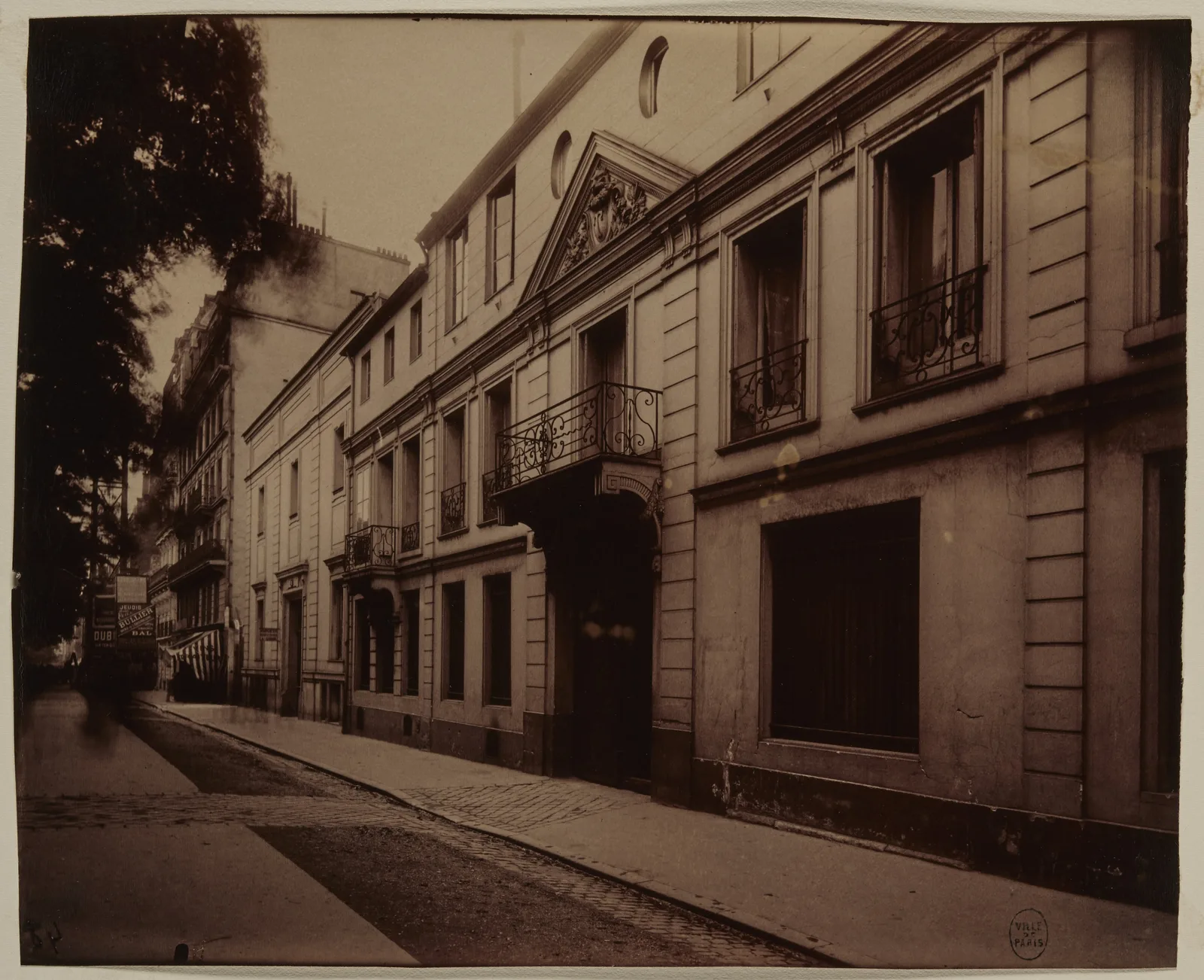
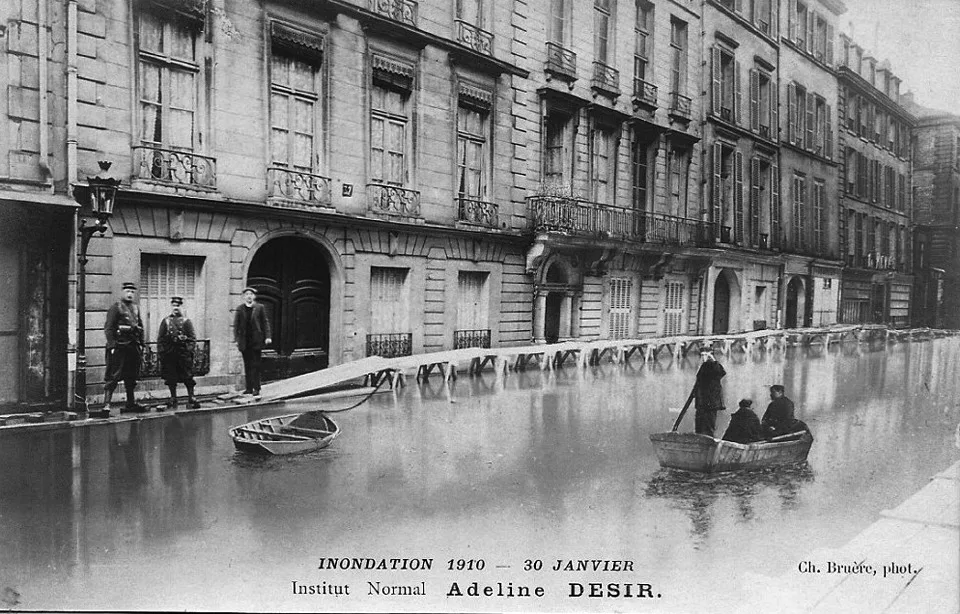
She was born in Paris on 9 January 1908, on the boulevard du Montparnasse, according to her birth record.4 Her father, a lawyer by training who loved the theatre and literature, had, one encyclopedia notes, his atheism; her mother was deeply religious and devoted to raising her children Catholic, and the family's religious and bourgeois values became a source of serious conflict between mother and daughter.5 From the age of five she went to the Cours Désir, a private Catholic school for girls.6 By her biographer's account she was taking communion three times a week at seven, and she thought of becoming a nun.7 For some years, the French encyclopedia says, she was an exalted and mystical believer.8 On the belief timeline, this is where her faith sits.
At school, around the age of ten, she met Élisabeth Lacoin, "Zaza," the third of nine children of a wealthy Catholic family, who became her closest friend.9 After the First World War her grandfather's bank failed, and the family moved to a cramped flat; without a dowry, a scholar observes, a bourgeois marriage now seemed unlikely for her.1011
Fourteen
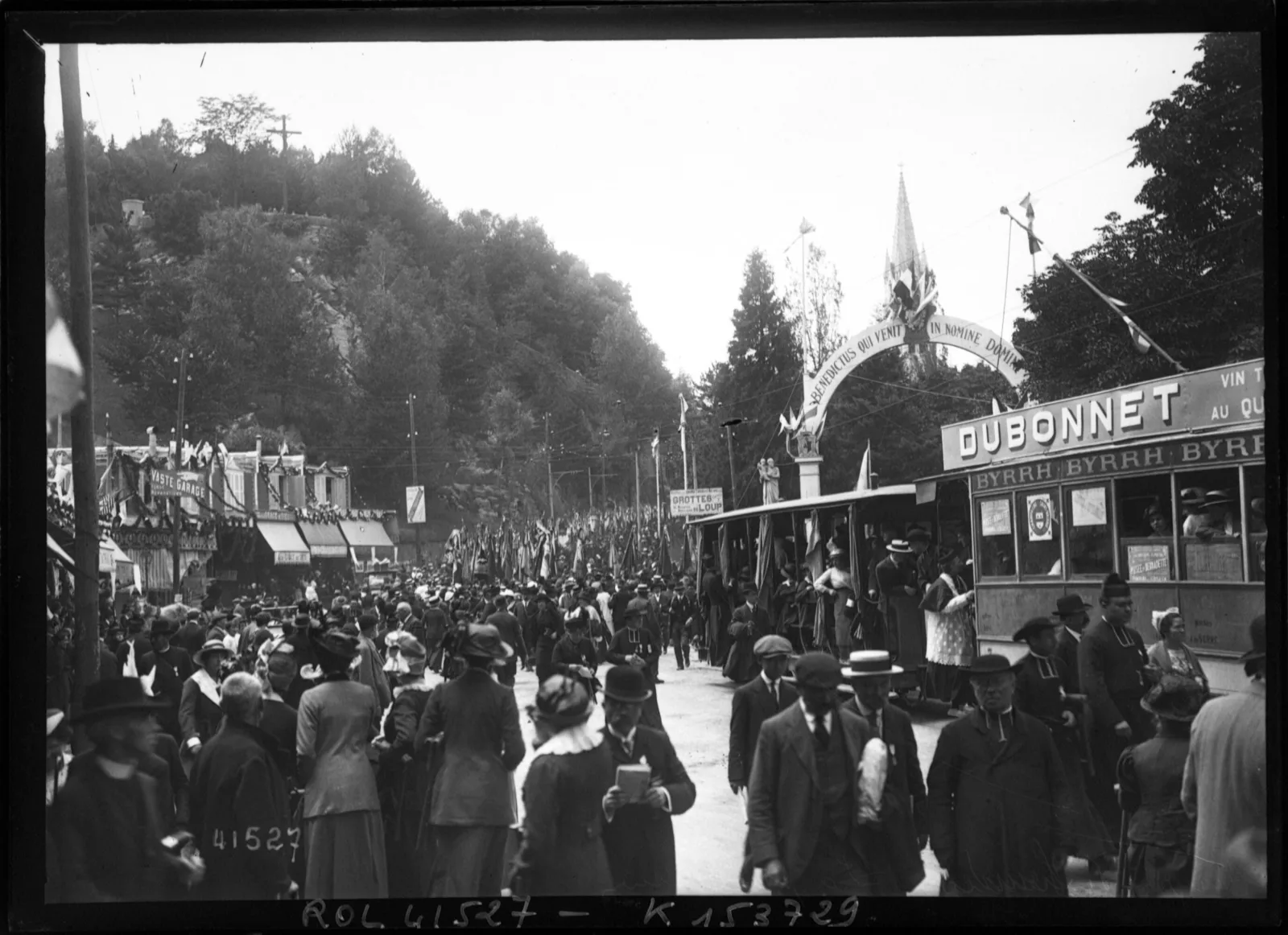
At about fourteen she had a crisis of faith and decided once and for all that there was no God.1213 She told the story only in 1958, in Memoirs of a Dutiful Daughter, where, by the French encyclopedia's summary of the pages, the faith drained away gradually, well before she left the Cours Désir.814 The rejection of God, scholars write, was a turning point that sent her toward philosophy.1213 On the timeline, this is where her doubt begins, and it is also the loss, since no return followed. At eighteen, by her biographer's account, a visit to Lourdes left her disgusted.15 Her diary of about 1926 or 1927, as her biographer reports it, speaks of feeling the terrible significance of the word "alone"; Wikipedia places her atheism in the adult sense there, and the two dates are better read as the loss and the moment she understood what it meant.16
The Sorbonne
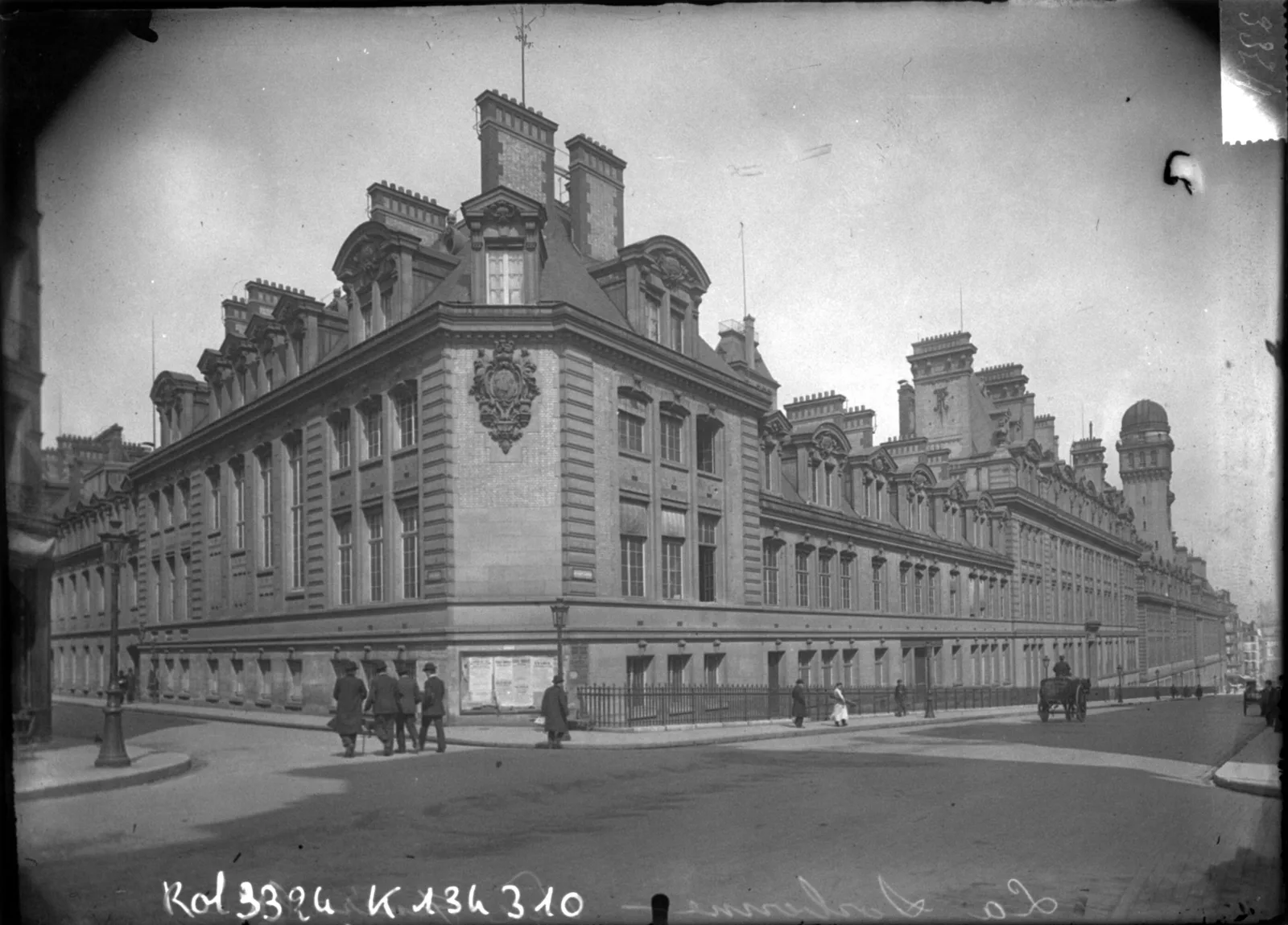
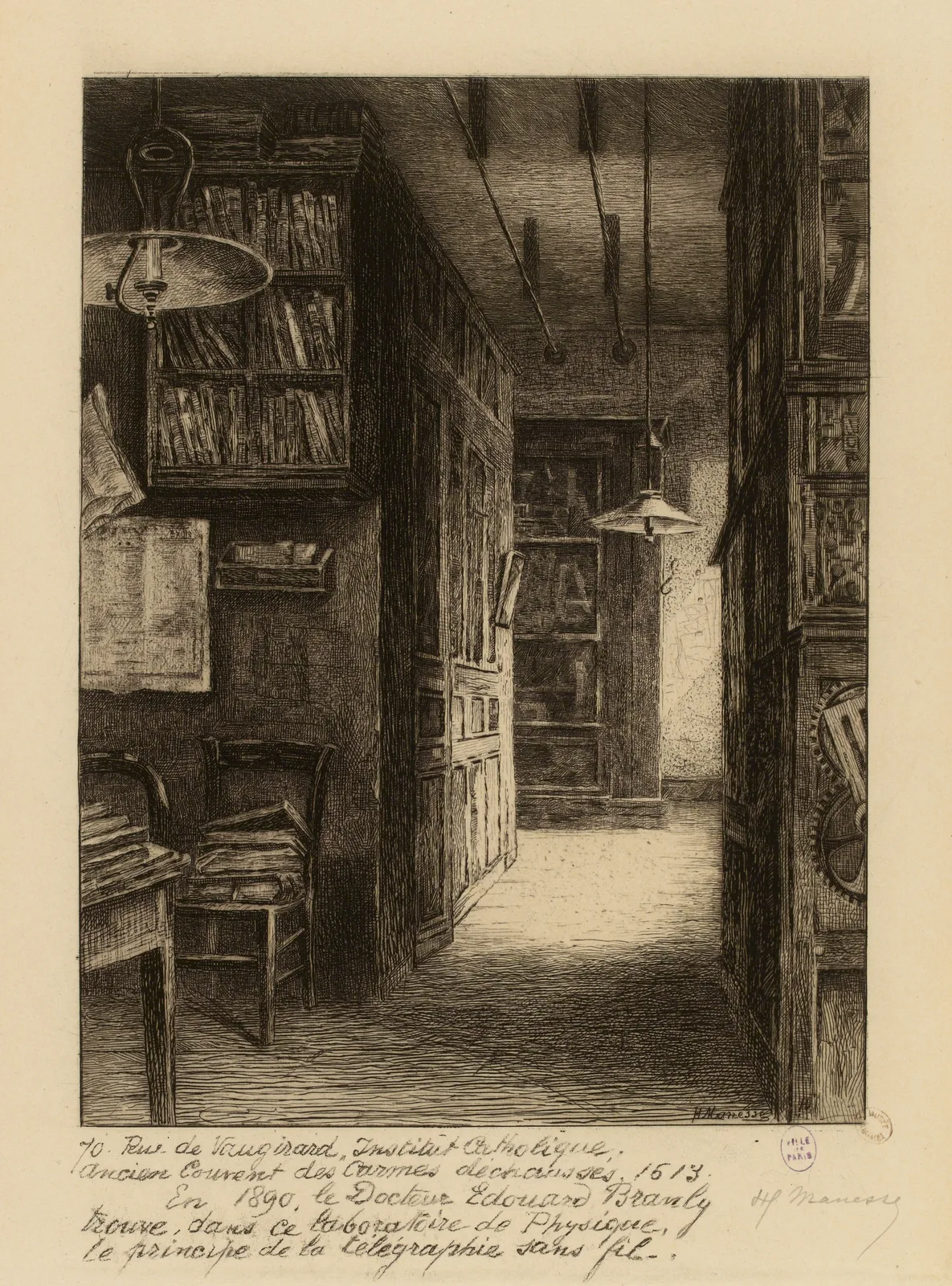
Her teachers at the Cours Désir warned her parents that a year at the Sorbonne would cost her her faith and her morals, so in 1925 she was sent instead to the Institut catholique to study mathematics, and to a Catholic institution in Neuilly for letters.17 She went on to the Sorbonne all the same, taking her certificate in general philosophy in 1927, and in 1929 came second in the national examination in philosophy, after Sartre.1819 That November Zaza died suddenly; the doctors could not agree on the name of the illness. Zaza had loved the philosopher Maurice Merleau-Ponty, and her mother had opposed the match. Beauvoir believed for a long time, she wrote, that she had paid for her own freedom with Zaza's death, and she never forgave Madame Lacoin; she believed her friend had been killed by her oppressive milieu.202122 In a novel written in 1954 and left unpublished, the narrator is repelled by the religiosity of her friend's family, and her faith in God is replaced by her love for the friend.22
A world without God
Her first published novel appeared in 1943.23 In her first philosophical essay, Pyrrhus and Cineas (1944), she criticised the Christian conception of God, together with the Hegelian absolute, as an abstraction that asked people to give up their freedom.24 In The Ethics of Ambiguity (1947) she called herself an existentialist and argued, as one encyclopedia summarises it, for a secularism that rejected both God and Humanity as absolutes. Against Dostoevsky's claim that if God is dead everything is permitted, she argued the opposite: without a God to pardon us, we are wholly and inexcusably responsible, and the real problem of a world without God is not licence but how to live together.25 The timeline places her declaration here, made in philosophy and not in confession.
The Second Sex (1949) argued that a girl is taught to worship a male god, and treated women's mystical devotion as a relation to something unreal; the Vatican placed it on the Index of Prohibited Books, where it stayed until the Index was abolished in 1966.2627 The Catholic novelist François Mauriac attacked its candour in crude terms; his printed argument against it was not read for this chapter.28 No believer's reasoned answer to her has been found in the sources read.
Her mother and Sartre
Her mother died in 1963, after a fall and a diagnosis of cancer, and Beauvoir wrote of her last weeks in A Very Easy Death (1964), the death of a believing mother seen by her atheist daughter; her mother, a devout Catholic, did not ask for a priest, which surprised her daughters.2930 In the conversations she recorded with Sartre in 1974, she asked him how his atheism had arisen and grown; he answered that at eight or nine he had been on no more than neighbourly terms with God, and that he had always thought, as an atheist, that nothing came after death.31 Then came the interviews of 1980, what she saw as Sartre's turn toward religious language under Lévy's influence, and her dismay.1 On the timeline, this is her revision, but the test changed nothing; the sources show only her defence of her position.
She died in Paris on 14 April 1986, and was buried beside Sartre at Montparnasse.32
Did her unbelief change shape?
Her faith was intense and short. It went at fourteen, gradually by her own account, and what it left was the word "alone," which she felt in her diary at eighteen or nineteen. She did not campaign against belief; she built on its absence, and her ethics, from 1944 on, began with the claim that without God we are wholly responsible for what we do. Her unbelief was tested twice late in life, by the quiet death of her believing mother and by Sartre's last turn toward God's language, and it held both times.
Jean-Paul Sartre, her companion for fifty years, who lost his own faith at eleven, has his own chapter in this book.
Footnotes
-
Simone de Beauvoir, La cérémonie des adieux, suivi de Entretiens avec Jean-Paul Sartre (août-septembre 1974) (Gallimard, 1981), p. 150 (printed header "150 La cérémonie des adieux" precedes the passage). ↩ ↩2
-
Beauvoir, La cérémonie des adieux, pp. 157–58 (burial wishes, p. 157; "exactement l'enterrement que souhaitait Sartre", p. 158); the Sartre sheet's claims 22 and 52. ↩
-
Beauvoir, La cérémonie des adieux, p. 159 (last page of the narrative; header "160" not recovered by OCR, so p. 159 or 160). Paraphrase; wording in q1 for checking is the only source for this, as for the other details in this chapter cited to that source alone. ↩
-
Debra Bergoffen and Megan Burke, "Simone de Beauvoir", Stanford Encyclopedia of Philosophy (first published 2004-08-17; last modified 2023-01-11 per the page metadata), §1; "Simone de Beauvoir" (
wikipedia-fr-map.txt), (Paris, 103 boulevard du Montparnasse, per birth record cited). ↩ -
Shannon Mussett (author per Wikipedia's citation; not shown in the text file), "Simone de Beauvoir", Internet Encyclopedia of Philosophy, life section; Bergoffen, Stanford Encyclopedia of Philosophy, §1 ("traditional bourgeois, Catholic upbringing"). ↩
-
"Simone de Beauvoir"; Bergoffen, Stanford Encyclopedia of Philosophy, §1; Internet Encyclopedia of Philosophy; Claudia Card, ed., The Cambridge Companion to Simone de Beauvoir (Cambridge University Press, 2003; online ed. 2006), Andrew chapter (before p. 28). Not verified. ↩
-
"Simone de Beauvoir" (
wikipedia-en-map.txt); cites Kirkpatrick pp. 28–83 by page, "Religious upbringing", citing Kirkpatrick p. 31 for the communion detail only; the nun claim carries no page. Reported at second hand; the original has not been seen. ↩ -
"Simone de Beauvoir", "Émancipation progressive", citing the memoir pp. 187–96. ↩ ↩2
-
Merve Emre, "Simone de Beauvoir's lost novel of early love" (on Les Inséparables), The New Yorker, 23 Aug 2021 (print 30 Aug 2021); "Simone de Beauvoir"; Bergoffen, Stanford Encyclopedia of Philosophy, §1. ↩
-
"Simone de Beauvoir"; Bergoffen, Stanford Encyclopedia of Philosophy, §1. ↩
-
Bergoffen, Stanford Encyclopedia of Philosophy, §1. ↩
-
Bergoffen, Stanford Encyclopedia of Philosophy, §1; Emre, Les Inséparables; "Mémoires d'une jeune fille rangée" (
wikipedia-fr-mjfr.txt); [WP-fr-UMTD] "Une mort très douce" (wikipedia-fr-umtd.txt); [WP-fr-Lacoin] "Élisabeth Lacoin" (wikipedia-fr-lacoin.txt); [WP-en-VEE] "A Very Easy Death" (wikipedia-en-vee.txt); [WP-en-EoA] "The Ethics of Ambiguity" (wikipedia-en-eoa.txt); [WP-en-SS] "The Second Sex" (wikipedia-en-ss.txt). ↩ -
"Simone de Beauvoir", "Young Adulthood". ↩
-
"Simone de Beauvoir", "Young Adulthood"; "Simone de Beauvoir", (diary of 1927). ↩
-
"Simone de Beauvoir", "Émancipation progressive". ↩
-
"Simone de Beauvoir"; Card, Cambridge Companion to Simone de Beauvoir, Andrew chapter (before p. 28). ↩
-
"Simone de Beauvoir"; Bergoffen, Stanford Encyclopedia of Philosophy, §1. ↩
-
"Simone de Beauvoir", -Lacoin; Emre, Les Inséparables, (clinic at Saint-Cloud, "viral encephalitis, the doctors suspected"); Card, Cambridge Companion to Simone de Beauvoir, Fricker pp. 212–13. Accounts differ; see the disputed points. ↩
-
Card, Cambridge Companion to Simone de Beauvoir, Fricker pp. 212–13 (quoting MD 359–60); Bergoffen, Stanford Encyclopedia of Philosophy, §1; Internet Encyclopedia of Philosophy. ↩
-
Bergoffen, Stanford Encyclopedia of Philosophy, §3; Beauvoir, La cérémonie des adieux, front matter lists it as 1943. ↩
-
Bergoffen, Stanford Encyclopedia of Philosophy, §4; Internet Encyclopedia of Philosophy. ↩
-
Bergoffen, Stanford Encyclopedia of Philosophy, §5 (SEP's wording, not hers); Beauvoir, La cérémonie des adieux, front matter gives the French title and 1947. ↩
-
"Simone de Beauvoir", -SS; Bergoffen, Stanford Encyclopedia of Philosophy, §7. ↩
-
"Simone de Beauvoir", -SS; "Simone de Beauvoir". ↩
-
François Mauriac, Catholic novelist, Nobel laureate 1952, to the staff of Les Temps modernes, 1949: "Simone de Beauvoir", (cited as a quotation, original not seen). Not checked against the original (no; and it is an insult, not an argument: use only to show tone of the Catholic reaction, and prefer Mauriac's own printed reasoning if found). ↩
-
"Simone de Beauvoir", -VEE (Bair 1990 pp. 490, 492, 506); "Simone de Beauvoir", -UMTD; Bergoffen, Stanford Encyclopedia of Philosophy, §11. ↩
-
"Simone de Beauvoir", -VEE; "Simone de Beauvoir", -UMTD. ↩
-
Beauvoir, La cérémonie des adieux, Entretiens section, printed headers read "545"–"547" in the OCR (likely 345–47; unresolved). ↩
-
"Simone de Beauvoir", (citing Britannica archive); Beauvoir, La cérémonie des adieux, (Sartre's burial at Montparnasse, pp. 157–59). ↩
wikipedia-fr-map.txt).; Shannon Mussett (author per Wikipedia's citation; not shown in the text file), "Simone de Beauvoir", Internet Encyclopedia of Philosophy.; Claudia Card, ed., The Cambridge Companion to Simone de Beauvoir (Cambridge University Press, 2003; online ed. 2006); "Simone de Beauvoir" (wikipedia-en-map.txt); cites Kirkpatrick pp. 28–83 by page.; Merve Emre, "Simone de Beauvoir's lost novel of early love" (on Les Inséparables), The New Yorker, 23 Aug 2021 (print 30 Aug 2021).; "Mémoires d'une jeune fille rangée" (wikipedia-fr-mjfr.txt); [WP-fr-UMTD] "Une mort très douce" (wikipedia-fr-umtd.txt); [WP-fr-Lacoin] "Élisabeth Lacoin" (wikipedia-fr-lacoin.txt); [WP-en-VEE] "A Very Easy Death" (wikipedia-en-vee.txt); [WP-en-EoA] "The Ethics of Ambiguity" (wikipedia-en-eoa.txt); [WP-en-SS] "The Second Sex" (wikipedia-en-ss.txt).In their own words
Sa mort nous sépare. Ma mort ne nous réunira pas. C’est ainsi ; il est déjà beau que nos vies aient pu si longtemps s’accorder.
Je voudrais savoir comment votre athéisme est né et s’est développé en vous.
Il s’était tourné vers Dieu : le Dieu d’Israël, puisqu’il était juif
The other side
en un an de Sorbonne, je perdrais ma foi et mes mœurs
à présent, je sais tout sur le vagin de votre patronne
[no quotation; paraphrase only] The Vatican placed The Second Sex on its list of prohibited books
Where accounts differ
| Point | One account | Another | How the page handles it |
|---|---|---|---|
| When she lost her faith | At fourteen, c. 1922 (SEP, IEP; WP-fr, citing the memoir pp. 187–96 and adding that it was gradual) | The adult's atheism, with the word "alone" taking its "terrible significance," in the 1926–27 diaries (WP-en, citing Kirkpatrick p. 73) | Say "at about fourteen, as she told it in 1958" and that she herself spoke of it as gradual; give the later diary entry as the moment she grasped what it meant; check Kirkpatrick and the diaries |
| Zaza's death: place | A clinic at Saint-Cloud (NewYorker) | Death record at Sceaux, hospitalised 13 Nov, died 25 Nov 1929 (WP-fr-Lacoin, citing the Hauts-de-Seine archive record) | Say "in November 1929" and name no town, or follow the death record |
| Zaza's death: cause | Meningitis, "meningitis, encephalitis; no one was quite sure" (SEP; the memoir as quoted in Companion p. 212) | Viral encephalitis (NewYorker; WP-fr-Lacoin) | "The doctors could not agree on the name of the illness" |
| Zaza's name | "Élisabeth Mabille" (memoir; SEP and IEP use it as if real) | Élisabeth Lacoin (WP-fr; NewYorker) | Say "Zaza, whom she calls Élisabeth Mabille in the memoir and whose real name was Élisabeth Lacoin" |
| Parents' marriage | December 1906 (IEP) | 1907 (WP-en-VEE) | Do not give the year |
| Place of the Cours Désir years | Until the baccalauréat (WP-fr) | Until age 17 (IEP) | "Until she was seventeen" (consistent with both) |
List of illustrations
This page uses only public-domain and Creative Commons images; each is credited with its source and licence.
- Tombe de Sartre et Beauvoir au cimetiere du Montparnasse — Dinkum, 2011-10-01 · Dinkum, Wikimedia Commons, own work · CC0
- Boulevard du Montparnasse, 85 (Maison du peintre Hyacinthe Rigaud), albumen print — Eugène Atget, 1904 · Musée Carnavalet, Histoire de Paris (Paris Musées Collections, PH33913), via Wikimedia Commons; CC0 · CC0
- Le Cours Desir, victime de la crue de 1910. Vue de l'entrée de la rue Jacob (postcard) — Ch. Bruère (photographer); postcard, no publisher named, 1910 · Private collection, postcard of 1910, via Wikimedia Commons · Public domain (Commons tag PD-old-70-1923; photograph of 1910 published as postcard)
- 26-7-14, congrès de Lourdes, la procession à l'entrée du sanctuaire: press photograph — Agence Rol, 1914-07-26 · Agence Rol, Bibliothèque nationale de France (Gallica, btv1b6931006g), via Wikimedia Commons · Public domain (published before 1931); Commons tags PD-France, PD-1996, PD-US-expired
- La Sorbonne, vue générale [Paris, 5e arrondissement]: press photograph — Agence Rol, 1909 · Agence Rol, Bibliothèque nationale de France (Gallica, btv1b6911509w), via Wikimedia Commons · Public domain (published before 1931); Commons tags PD-France and PD-anon-expired
- 70 rue de Vaugirard, Institut catholique (from Le vieux Paris s'en va, 2e série), etching — Georges-Henri Manesse, 1906-1908 · Musée Carnavalet, Histoire de Paris (Paris Musées Collections, G.16885), via Wikimedia Commons; CC0 · CC0
- Jean Paul Sartre (kop), Bestanddeelnr 917-9600 — Anefo (Nationaal Archief), 1965-07-12 · Nationaal Archief, Fotocollectie Anefo (via Wikimedia Commons) · CC0
Sources
Tier 1 — the subject's own words
- [Adieux] Simone de Beauvoir, La cérémonie des adieux, suivi de Entretiens avec Jean-Paul Sartre (août-septembre 1974) (Gallimard, 1981). OCR scan, file
69-sartre/research/texts/adieux-fr.txt(reused; the scan's page headers run through the text, e.g. "La cérémonie des adieux 150"). In copyright: paraphrase only, quotation not publishable. Page numbers below are the printed headers; the Entretiens section's headers are partly misread by OCR (see Open questions). - [MJFR] Mémoires d'une jeune fille rangée (Gallimard, 1958; Folio ed. 2007). NOT READ: Internet Archive copies are lending-library items (
memoirsofdutiful00beau1959 World Publishing, English;simonedebeauvoir0000unse_i7g81958, French;memoiresdunejeun0000simo;bwb_W9-BBD-960;mylifevolume1mem0000simo) and their text files returned 401/403. All page cites to the memoir are second-hand through [Companion] or [WP-fr]. - [UMTD] Une mort très douce (Gallimard, 1964; Pantheon English, 1985). NOT READ (
veryeasydeath0000beaulocked). The itemAVeryEasyDeath-Hindi-SimoneDeBeauvoiris a Hindi OCR and unusable. - [EoA] Pour une morale de l'ambiguïté (1947; Frechtman trans. 1948). NOT READ (
ethicsofambiguit00beau,ethicsofambiguit0000beau,ethicsofambiguit0000simolocked). - [SS] Le Deuxième Sexe (1949). NOT READ (
secondsex0000beau_z5i1,secondsex0000beau_e9u7locked). - [ASD] Tout compte fait / All Said and Done (1972; O'Brian trans. 1974). NOT READ (
allsaiddone00beau,isbn_9781569249819locked). - Also locked: La force de l'âge (
laforcedelge00beau), Force of Circumstance (several ids).
Tier 2 — scholarly biographies and encyclopedias
- [Companion] Claudia Card, ed., The Cambridge Companion to Simone de Beauvoir (Cambridge University Press, 2003; online ed. 2006). IA id
the-cambridge-companion-to-simone-de-beauvoir; text fileresearch/texts/camb-beauvoir.txt. Chapters cited: Miranda Fricker, "Life-story in Beauvoir's memoirs" (pp. 212–19); Barbara S. Andrew, "Beauvoir's place in philosophical thought" (before p. 28). Quotes Beauvoir from the Penguin Memoirs (1959; "MD"). - [SEP] Debra Bergoffen and Megan Burke, "Simone de Beauvoir", Stanford Encyclopedia of Philosophy (first published 2004-08-17; last modified 2023-01-11 per the page metadata). https://plato.stanford.edu/entries/beauvoir/ ;
research/texts/sep-beauvoir.txt. - [IEP] Shannon Mussett (author per Wikipedia's citation; not shown in the text file), "Simone de Beauvoir", Internet Encyclopedia of Philosophy. https://iep.utm.edu/simone-de-beauvoir/ ;
research/texts/iep-beauvoir.txt; page date not recorded.
Tier 3 — popular biographies and journalism
- [NewYorker] Merve Emre, "Simone de Beauvoir's lost novel of early love" (on Les Inséparables), The New Yorker, 23 Aug 2021 (print 30 Aug 2021). https://www.newyorker.com/magazine/2021/08/30/simone-de-beauvoirs-lost-novel-of-early-love ;
research/texts/newyorker-inseparables.txt. - Not reached: Kate Kirkpatrick, Becoming Beauvoir (Bloomsbury, 2019/2020); Deirdre Bair, Simone de Beauvoir: A Biography (Summit, 1990); Toril Moi, Simone de Beauvoir: The Making of an Intellectual Woman (1994) (IA copies locked); documentary
youtube-3YPin6ZQpe8"Simone de Beauvoir, l'aventure d'être soi" (Public Sénat, 2021) on IA, no transcript fetched (yt-dlp not tried); the McCullough article on religious accompaniment in Une mort très douce (below).
Tier 4 — Wikipedia and similar reference sites
- [WP-en] "Simone de Beauvoir" (
wikipedia-en-map.txt); cites Kirkpatrick pp. 28–83 by page. - [WP-fr] "Simone de Beauvoir" (
wikipedia-fr-map.txt). - [WP-fr-MJFR] "Mémoires d'une jeune fille rangée" (
wikipedia-fr-mjfr.txt); [WP-fr-UMTD] "Une mort très douce" (wikipedia-fr-umtd.txt); [WP-fr-Lacoin] "Élisabeth Lacoin" (wikipedia-fr-lacoin.txt); [WP-en-VEE] "A Very Easy Death" (wikipedia-en-vee.txt); [WP-en-EoA] "The Ethics of Ambiguity" (wikipedia-en-eoa.txt); [WP-en-SS] "The Second Sex" (wikipedia-en-ss.txt). - Also in the Sartre folder:
69-sartre/research/fact-sheet.md(the Adieux page cites there were cross-checked against it).
Opposition sources — contemporary critics and religious responses
- [Mauriac] François Mauriac's note to Les Temps modernes on The Second Sex (1949), as quoted by WP-fr; original not seen.
- [Teachers] The Cours Désir teachers' warning that a year at the Sorbonne would cost her faith and morals, as quoted in the memoir (p. 225, via WP-fr); original not seen.
- [Vatican] The Index librorum prohibitorum listing of The Second Sex; WP-en and WP-fr; date and decree text not seen.
- [McCullough] Jordan Owen McCullough, "Bien accompagner la fin de vie: Medical, Religious and Spiritual accompagnement in Simone de Beauvoir's Une mort très douce", Australian Journal of French Studies 57:3 (Dec 2020), pp. 365–80, doi 10.3828/ajfs.2020.31 (Crossref metadata fetched; the publisher page returned 403; not read).
Related lives
Jean-Paul Sartre (episode 69) — her partner for fifty years; *La cérémonie des adieux* (1981) is her account of his last years and of her dismay when he seemed to turn toward religious language in 1980; both lost faith in childhood (his at eleven, hers at fourteen).
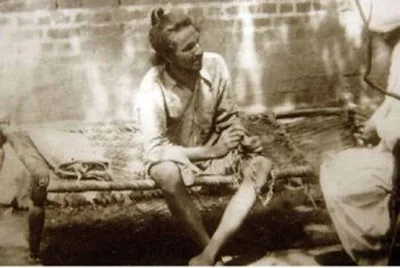
Bhagat Singh
Bhagat Singh was an Arya Samaj schoolboy who prayed for hours. He read his way out of belief in God during a crisis in his revolutionary party in 1925–26, and in 1927 refused prayer when the police offered it as a way out. In the condemned cell in 1930 he answered the charge that his atheism was vanity. What he revised in his last months was the bomb, not the unbelief.
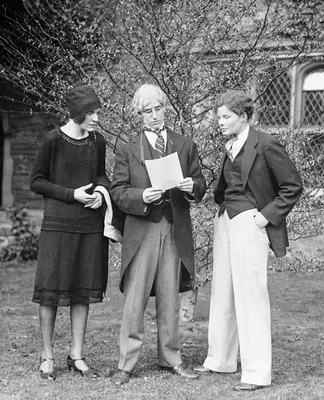
Katharine Hepburn
Katharine Hepburn did not lose a faith but inherited an unbelief, from Ingersoll-going grandparents and a father who called Christianity bunk. She held it through her brother's death when she was thirteen. She stated it plainly only once, at eighty-four, in 1991. In her last talks she softened the word to a "higher power", while keeping the same creed of kindness without heaven or hell.
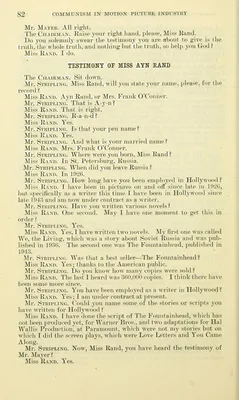
Ayn Rand
Ayn Rand was born Alisa Rosenbaum in St Petersburg, and left no account of a childhood faith or its loss. From her first philosophic journal in 1934 she made the rejection of faith the foundation of a philosophy of reason, and said so plainly from the 1940s to the 1960s. Late in life she changed only the label ("Objectivist") and the tone ("intransigent, though not militant"), never the position.
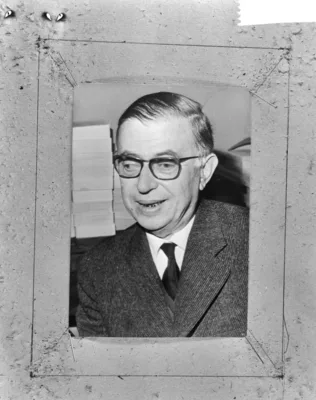
Jean-Paul Sartre
Jean-Paul Sartre was baptised into a family whose faith was more form than conviction. By his own account the belief never took root: it went first through his grandparents' indifference, and then, one morning at La Rochelle in 1917, in a single thought that God did not exist. He made that absence the premise of a philosophy of freedom, and spent years expelling the substitute faith of writing as salvation. In old age he admitted that traces of the idea of God remained in him.