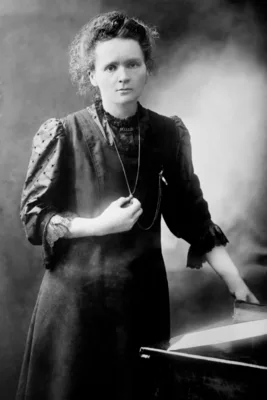
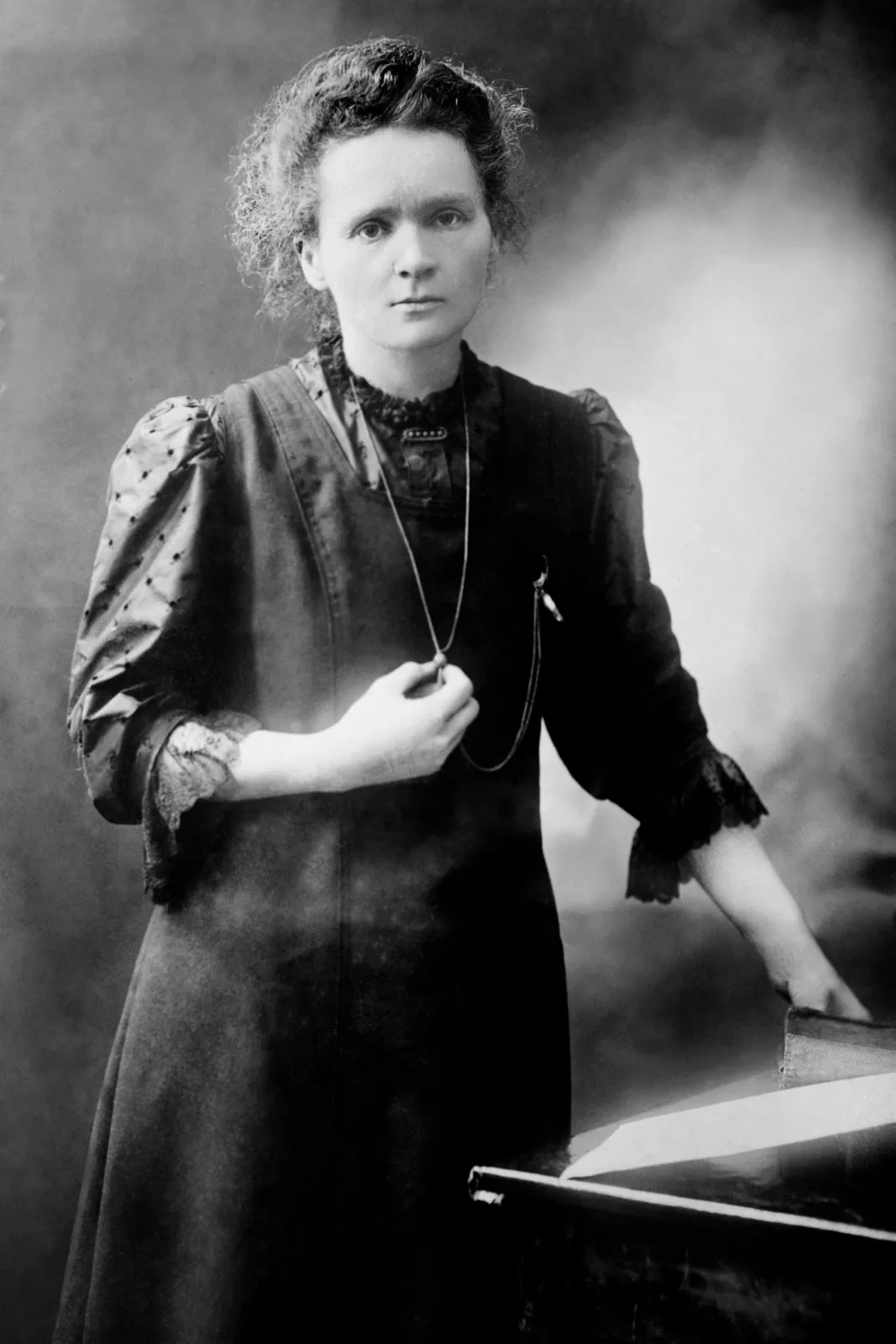
Marie Curie was a devout Catholic girl in Russian-ruled Warsaw who lost her eldest sister and then her mother. By her daughter's account she felt revolt against the God she had prayed to. She let her faith lapse among the Warsaw positivists while keeping up appearances. From 1895 she declared her unbelief by acts rather than words: a civil marriage, unbaptised daughters and funerals without ceremony. She left only one published sentence of her own: "I myself did not practice any."
The belief timeline
- Faith (1867–1878) — Catholic baptism, first communion, daily church with her pious mother; prays to save her [3][4][8]
- Doubt (1876–1878, hardening 1878) — Zofia's death then her mother's; "the secret stir of revolt" (Eve Curie); "seeds of a doubt" (Reid). Marie's own account says only "first great sorrow" [5][6][9][10]
- Lapse (1884–1887) — Faith "evaporated"; positivism and the Floating University; outward conformity ("church every Sunday") but privately cannot share Christian consolation [16][21][22][23]
- Declaration (by act, not word) (1895-07-26 and 1897) — Civil marriage with no religious rite; daughters not baptised. Her only written sentence: "I myself did not practice any." [28][29][31]
- Revision (none found) — No recorded return to belief; she told her daughters they were free to choose a religion; the question for the script is whether anything changed after Pierre's death in 1906 [33]
Notes to the timeline (15)
- [3] She was baptised in St Mary's church and made her first communion at the Dominicans' church — Eve Curie, Madame Curie: A Biography, tr. Vincent Sheean (Garden City: Doubleday, Doran, 1937); scan IA
madamecuriebiogr00evec_0(1938 printing). Page numbers as printed (the number heads each page). Copyright; paraphrase only. The authoritative family source, but a daughter's memorial biography: scenes she could not have witnessed (Marie praying at the Chapel of Our Lady in November 1876) are reconstruction. File:research/texts/eve-curie.txt, p. 24. - [4] Her mother had "an ardent piety (my parents were both Catholics), but she was never intolerant"; Marie felt the mother's dominion deeply; Reid describes the mother's long hours kneeling at a prie-dieu and Marie's admiration — Marie Curie, Pierre Curie, with Autobiographical Notes by Marie Curie, tr. Charlotte and Vernon Kellogg, intro. Marie Mattingly Meloney (New York: Macmillan, 1923). Project Gutenberg ebook #69617 (proofread from HathiTrust images; no page numbers in the text, so cited by chapter: "Pierre Curie ch. I–VII" for the Pierre Curie part, "AN ch. I–IV" for the Autobiographical Notes). Public domain in the US. File:
research/texts/pierre-curie.txt, AN ch. I (Q2); Curie, Madame Curie, p. 24; Robert Reid, Marie Curie (1974); the scan read is the SPANISH translation, Biblioteca Salvat de Grandes Biografías (IA itemrobert-reid-marie-curie, listed as 1995). Pages as printed in the Spanish edition; below p. 100 the OCR gives only every fifth page marker, so those pages are ranges. Copyright; paraphrase only. File:research/texts/reid.txt. (Reid's footnotes cite the Bibliothèque nationale Curie papers and personal communications.), pp. col. 19–24. - [8] Eve Curie describes the child praying with passion in the Chapel of Our Lady to save her mother, offering her own life; scene is a reconstruction — Curie, Madame Curie, p. 24. Reported at second hand; the original has not been seen.
- [5] Her eldest sister Zofia died of typhus in January 1876 (Marie says "at the early age of fourteen") — Curie, Madame Curie, p. 23; Reid, Marie Curie, pp. col. 19–24 and p. 408; Curie, Pierre Curie, AN ch. I.
- [6] Her mother, ill with tuberculosis, died on 9 May 1878; she asked the doctor to make way for the priest and made the sign of the cross over the family — Curie, Madame Curie, p. 28; Reid, Marie Curie, p. 408; Curie, Pierre Curie, AN ch. I ("died at forty-two").
- [9] Eve Curie: after the deaths Marie, kneeling in the Catholic church she had attended with her mother, "experienced the secret stir of revolt within her" and no longer prayed "with the same love" to the God who had struck such blows — Curie, Madame Curie, p. 29.
- [10] Reid: her experience in her mother's last years "sowed the seeds of a doubt" that became disapproval, not intolerance, of religion; a remark to a friend, "I would like to believe, but I cannot, I cannot", rests on a personal communication from Mrs M. W. Davis, 1971 — Reid, Marie Curie, p. 198 (fn. 155).
- [16] The group were positivists, "much influenced" by Comte; Reid lists anticlericalism among the positivist postulates; Eve adds Spencer and the prestige of Darwin, Pasteur and Claude Bernard — Curie, Madame Curie, p. 52; Reid, Marie Curie, pp. col. 29–31.
- [21] On 5 April 1886 she wrote, ironically, of her "exemplary conduct": church every Sunday and holiday — Curie, Madame Curie, pp. 66–67.
- [22] In a letter of 4 April (1887 by sequence; the OCR reads "188y") to Henrietta she says she cannot share "Christian resignation", would "never voluntarily contribute toward anybody's loss of faith", hates hypocrisy and respects sincere faith — Curie, Madame Curie, p. 76.
- [23] Eve: by this time "by tradition and convention she remained a practicing Christian, but her faith had been shaken by Mme Sklodovska's death; little by little it had now evaporated" — Curie, Madame Curie, p. 51.
- [28] Pierre professed no religion (Marie); Reid calls him agnostic — Curie, Pierre Curie, Pierre Curie ch. IV (Q1); Reid, Marie Curie, c. pp. 84–89.
- [29] The marriage, July 1895, was a civil ceremony "in conformity with our mutual wish" (Marie); 26 July at Sceaux town hall, no white dress, ring or religious ceremony, because Pierre was a freethinker and Marie "for a long time past, had ceased the practices of religion" (Eve) — Curie, Pierre Curie, Pierre Curie ch. IV (Q1); Curie, Madame Curie, pp. 136–137.
- [31] Irene (born 1897) and Eve (born 1904) were not baptised and received no pious education; Marie said they were free to choose a religion later — Curie, Madame Curie, p. 268; Reid, Marie Curie, p. 198 and p. 409–410.
- [33] No source records any return to belief or any public statement by Marie on religion. In 1923 she wrote of Pierre, "Believing only in the pacific might of science and of reason, he lived for the search of truth" — Curie, Pierre Curie, Pierre Curie ch. VII (Q10).
I Myself Did Not Practice Any
In July 1895 Maria Skłodowska, a Polish student of physics in Paris, married the French physicist Pierre Curie at the town hall of Sceaux. Twenty-eight years later, writing her husband's life, she described the wedding in one sentence: "In conformity with our mutual wish it was the simplest service possible,--a civil ceremony, for Pierre Curie professed no religion, and I myself did not practice any."12
It is the only sentence she ever published about her own religion. She won two Nobel Prizes, was fought over in the French press as a freethinker, and raised two daughters without baptism, but she never explained in public why she had stopped believing. This chapter asks what can be known of that change from her own words and her family's memory, and is careful to say which is which.
A Catholic childhood in Warsaw
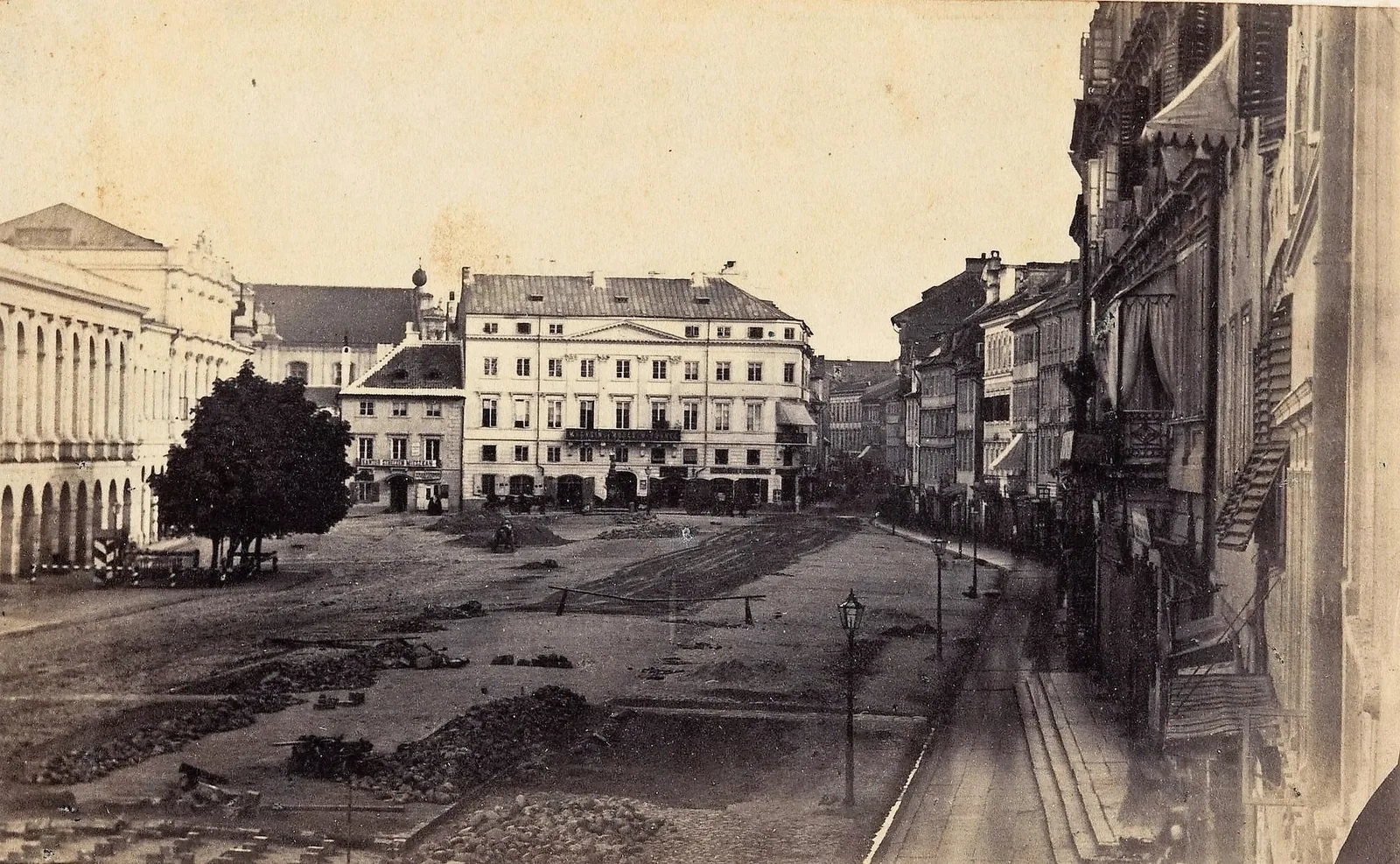
She was born in Warsaw on 7 November 1867, the youngest of five children of two Catholic schoolteachers. Her father taught physics and mathematics; her mother ran a school for girls.34 Poland was then ruled by Russia, and she remembered the Russian state schools as places where Polish children were spied on and where "the moral atmosphere was altogether unbearable."56 According to her daughter Eve, who wrote her life in 1937, she was baptised at St Mary's and made her first communion at the Dominicans' church, and went to church every day with her mother and sisters.7
Her mother's faith was deep, and Marie remembered it without resentment: "She had an ardent piety (my parents were both Catholics), but she was never intolerant; differences in religious belief did not trouble her; she was equally kind to any one not sharing her opinions."89 On her timeline, that ordinary, devout Catholic childhood stands as her faith.
Two deaths
In January 1876 her eldest sister Zofia died of typhus caught from a boarder in the family's flat.10 Her mother was already ill with tuberculosis and had withdrawn from embracing her children. Eve Curie describes the girl praying in a chapel for her mother's recovery and offering her own life in exchange, a scene she could only have reconstructed.1112 On 9 May 1878 her mother died. At the end she asked the doctor to make way for the priest and made the sign of the cross over her family.11
Marie wrote that the death "was the first great sorrow of my life and threw me into a profound depression."1314 She said nothing about God. The account of what it did to her faith is her daughter's. Eve wrote that, kneeling in the church where she had prayed with her mother, the ten-year-old felt the secret stir of revolt and could no longer pray with the same love to a God who had struck such blows. Her biographer Robert Reid wrote more cautiously that those years sowed the seeds of a doubt that later became disapproval of religion, though never intolerance.1516 Accounts of how and when she lost her faith rest on these two writers, not on her, and they differ in emphasis. Her timeline places the doubt at 1876–78, with that caution attached.
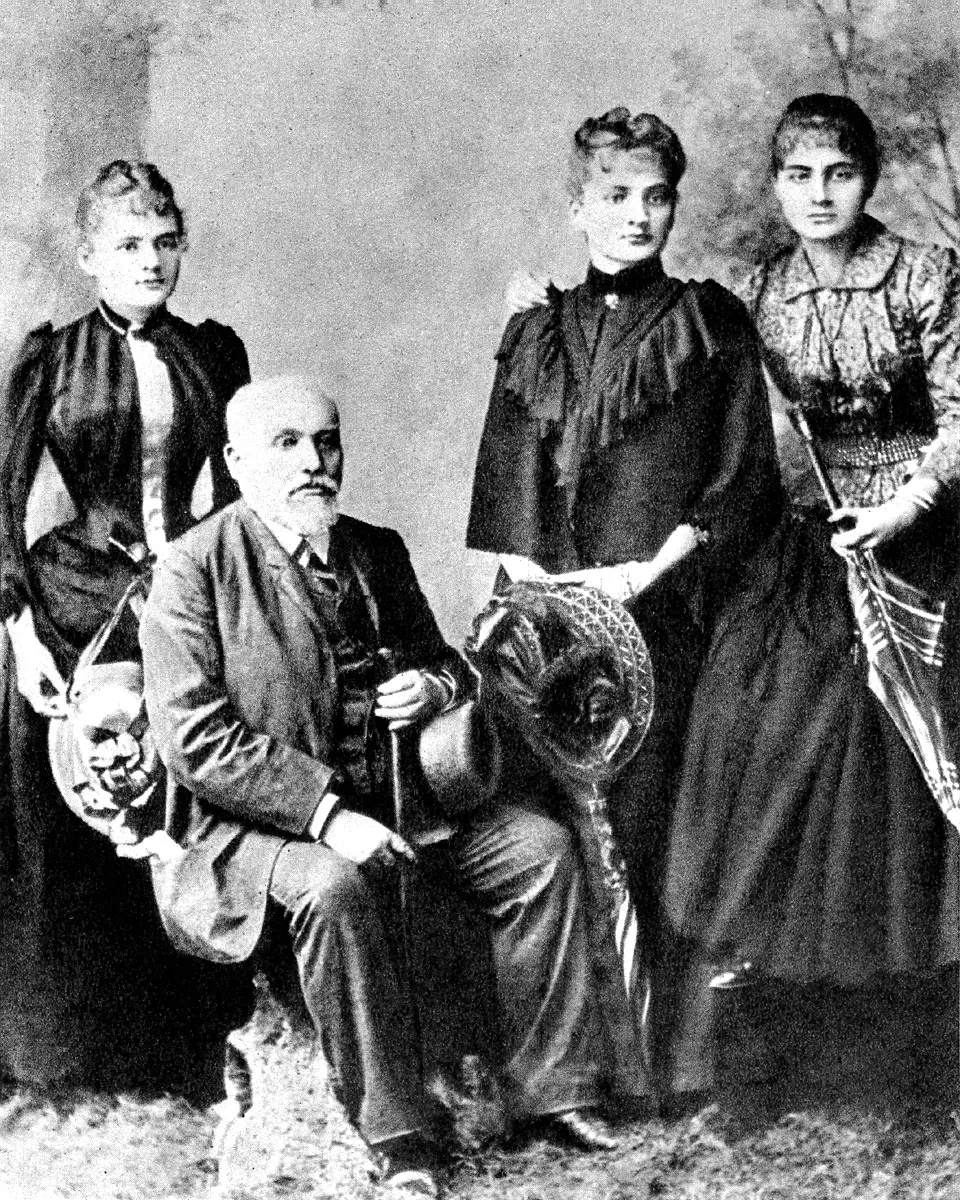
Her father, by Eve's account, was a lukewarm Catholic and a freethinker without admitting it, and Marie lived under his influence for six or seven years after her mother's death.17 She finished school in June 1883 with a gold medal and then spent a year in the country, recovering from what Reid calls her first nervous depression.18
The positive idealists
Back in Warsaw she joined a secret evening school that taught Polish women anatomy, natural history and sociology in private flats, later called the Floating University. She described it herself, without naming it, as "an enthusiastic group of young men and women of Warsaw, who united in a common desire to study, and whose activities were at the same time social and patriotic," adding that "this was a secret organization, which made everything extremely difficult."192021 Her biographers say that the circle followed the positivism of Auguste Comte, with its faith in science and its suspicion of the Church, and read Spencer, Darwin and Pasteur.22 She and her sister Bronya signed a photograph to a friend as "two positive idealists."23
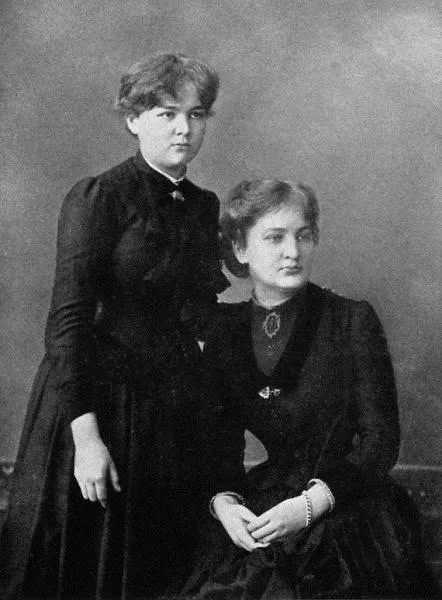
In January 1886, at eighteen, she went to work as a governess for a family in the country at Szczuki.24 Her letters from there, which survive only in her daughter's translation, show the lapse in progress. In April 1886 she joked that her exemplary conduct included going to church every Sunday and holiday.25 A year later, writing to a cousin after a death in the family, she said she could not share Christian resignation, did not understand the faith of those who could, would never willingly help anyone lose their faith, and hated hypocrisy.26 Eve summed it up: by convention she still practised, but her faith, shaken by her mother's death, had little by little evaporated.27 Her timeline marks these years, 1884 to 1887, as the lapse, and they are the first point at which her own words, though translated, bear on the question.
A civil marriage
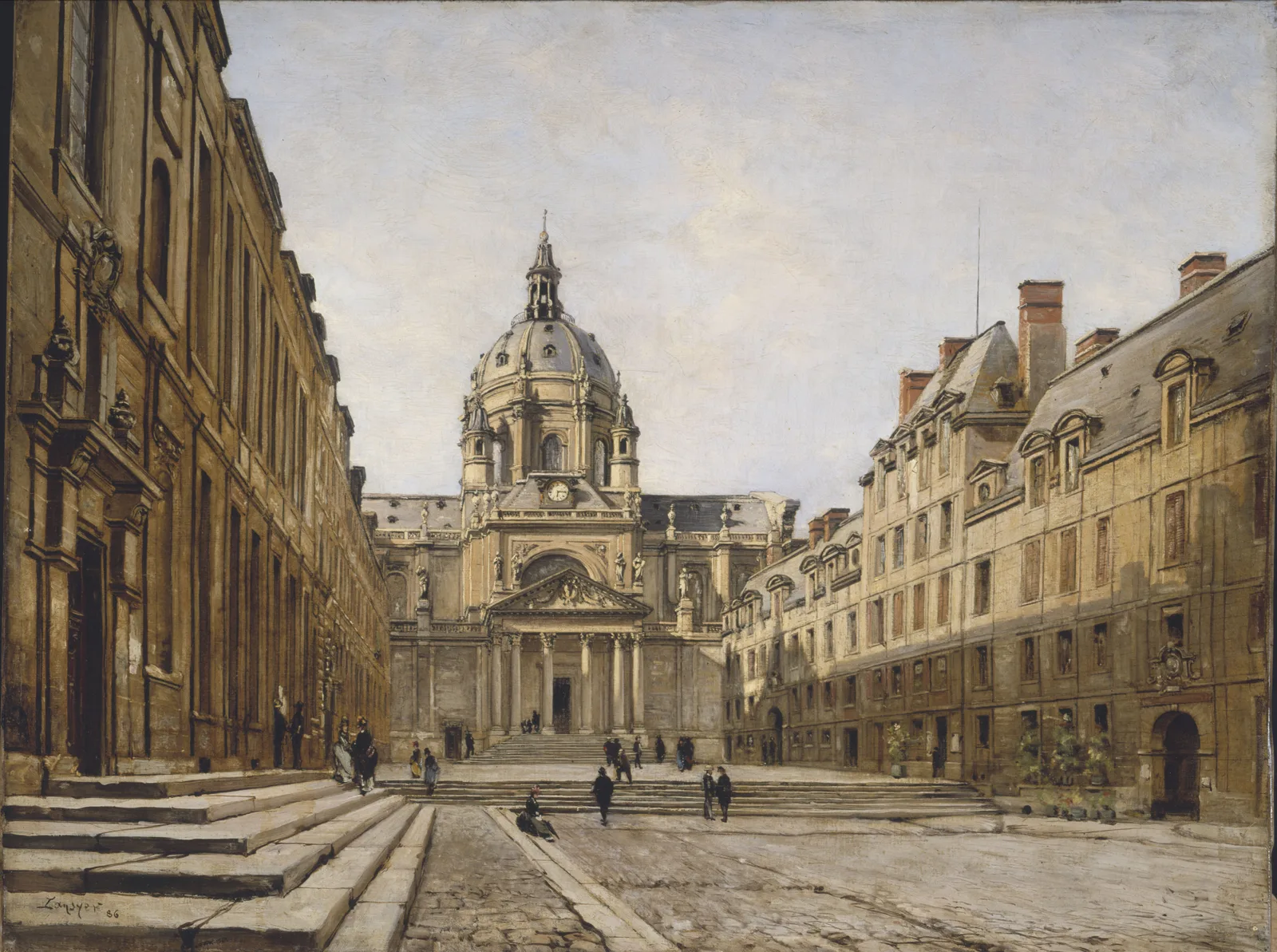
She reached Paris in November 1891 to study at the Sorbonne, and in the spring of 1894 she met Pierre Curie.2829 His father, Dr Eugène Curie, was a republican of the old kind. Marie wrote of him: "Like them, a free thinker and an anticlerical, he did not have his sons baptized, nor did he have them practice any form of religion."3031 She found, she wrote, a surprising kinship with Pierre and a likeness in the moral atmosphere in which both had been raised.29 Pierre wrote to her in 1894 of three dreams, for her country, for humanity and for science, and added: "Of all these dreams, I believe the last, alone, is legitimate."32
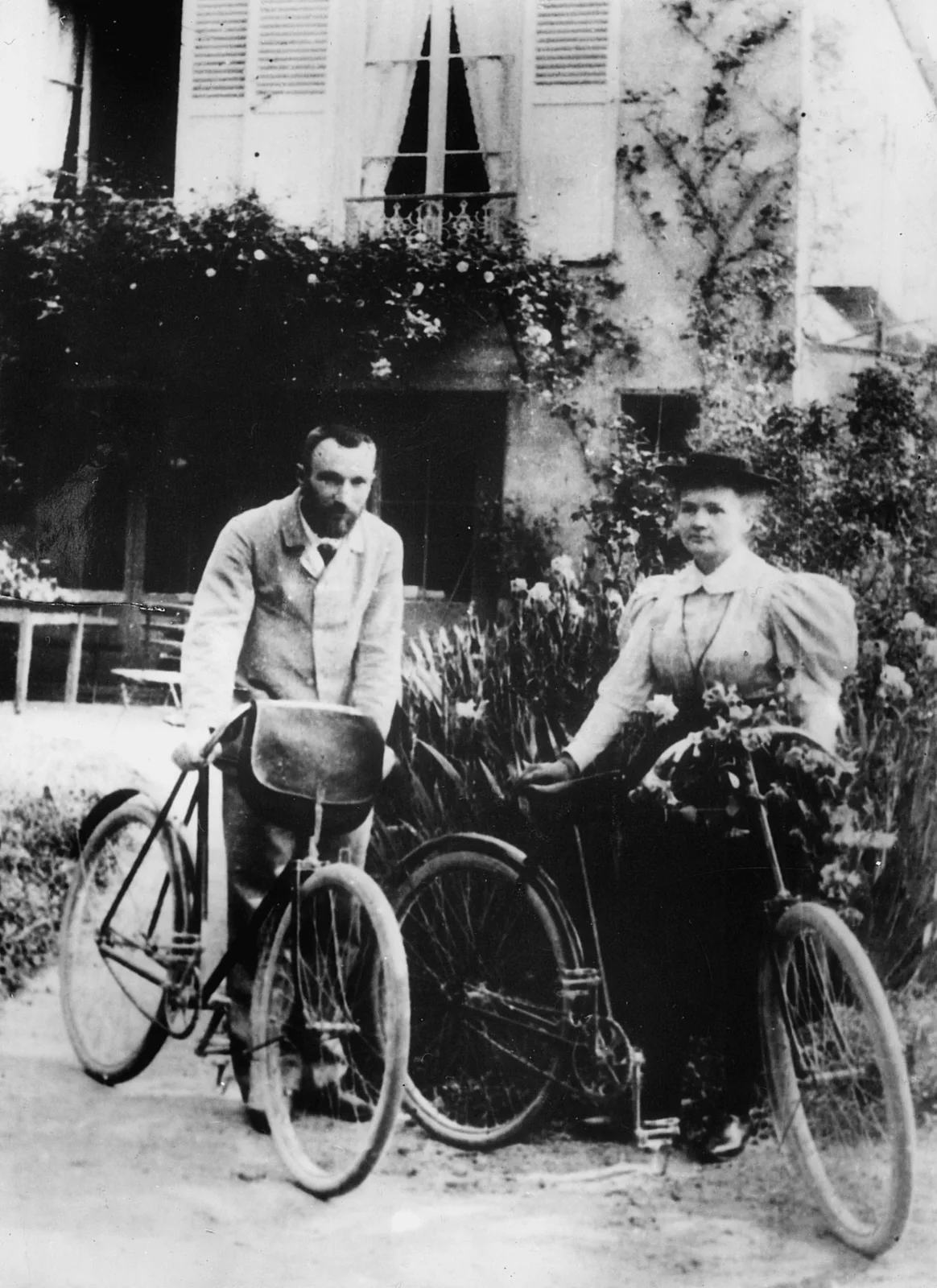
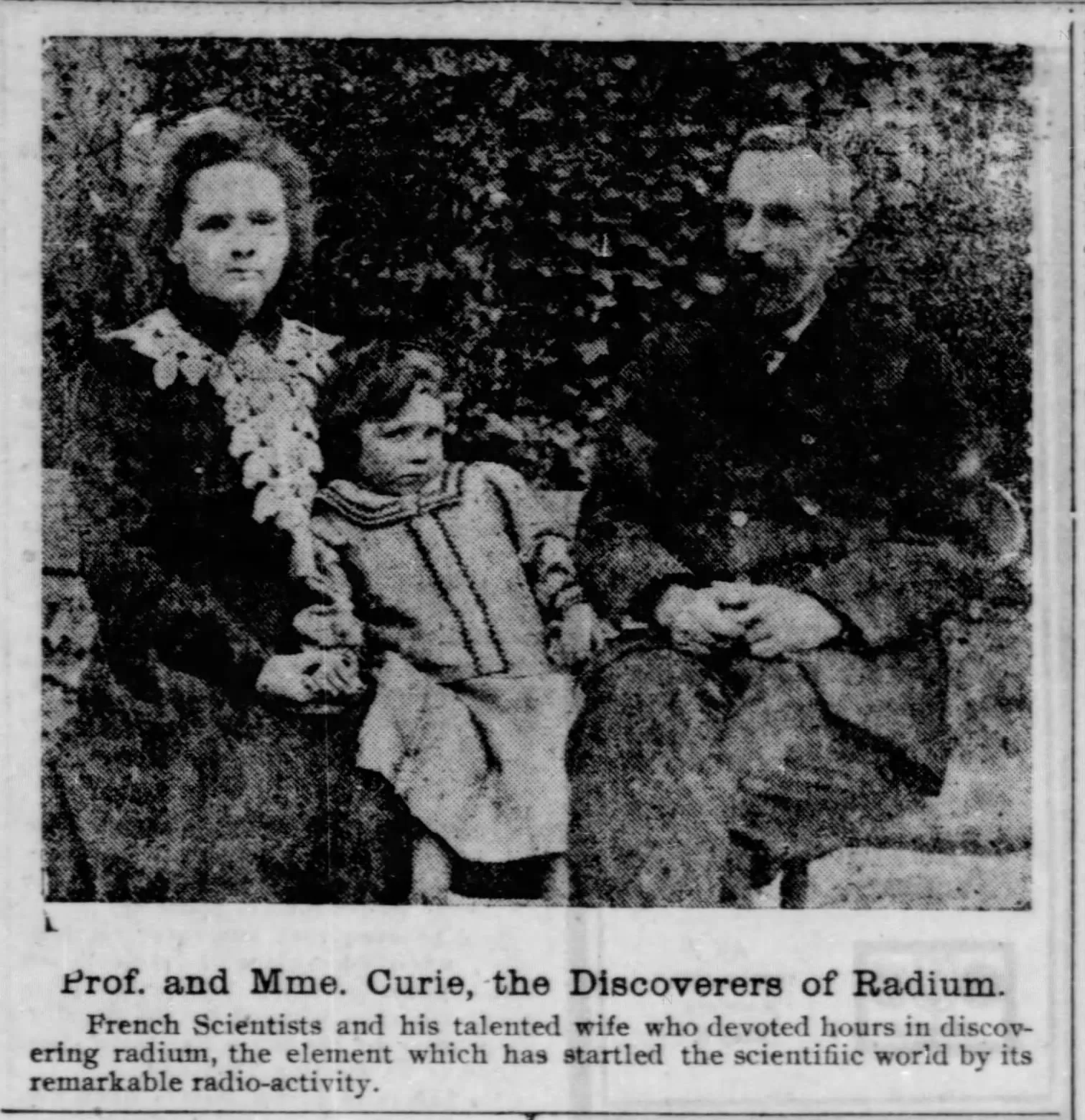
They married on 26 July 1895 at the town hall of Sceaux, without a white dress, a ring or a priest.133 Two years later their daughter Irène was born, and in 1904 their second daughter, Eve. Neither was baptised, and Marie told them they would be free to choose a religion later.34 Eve gave the reason: her mother felt unable to teach them doctrines she no longer believed, and above all feared for them the distress she herself had felt when she lost her faith. There was, Eve added, no anticlerical spite in it.35 On her timeline, the marriage and the unbaptised daughters count as her declaration. It was a declaration made by acts, not words.
Around 1905 the Curies went to watch the Italian medium Eusapia Paladino at séances, as observers rather than believers. They found tricks, and Marie later lost interest.36
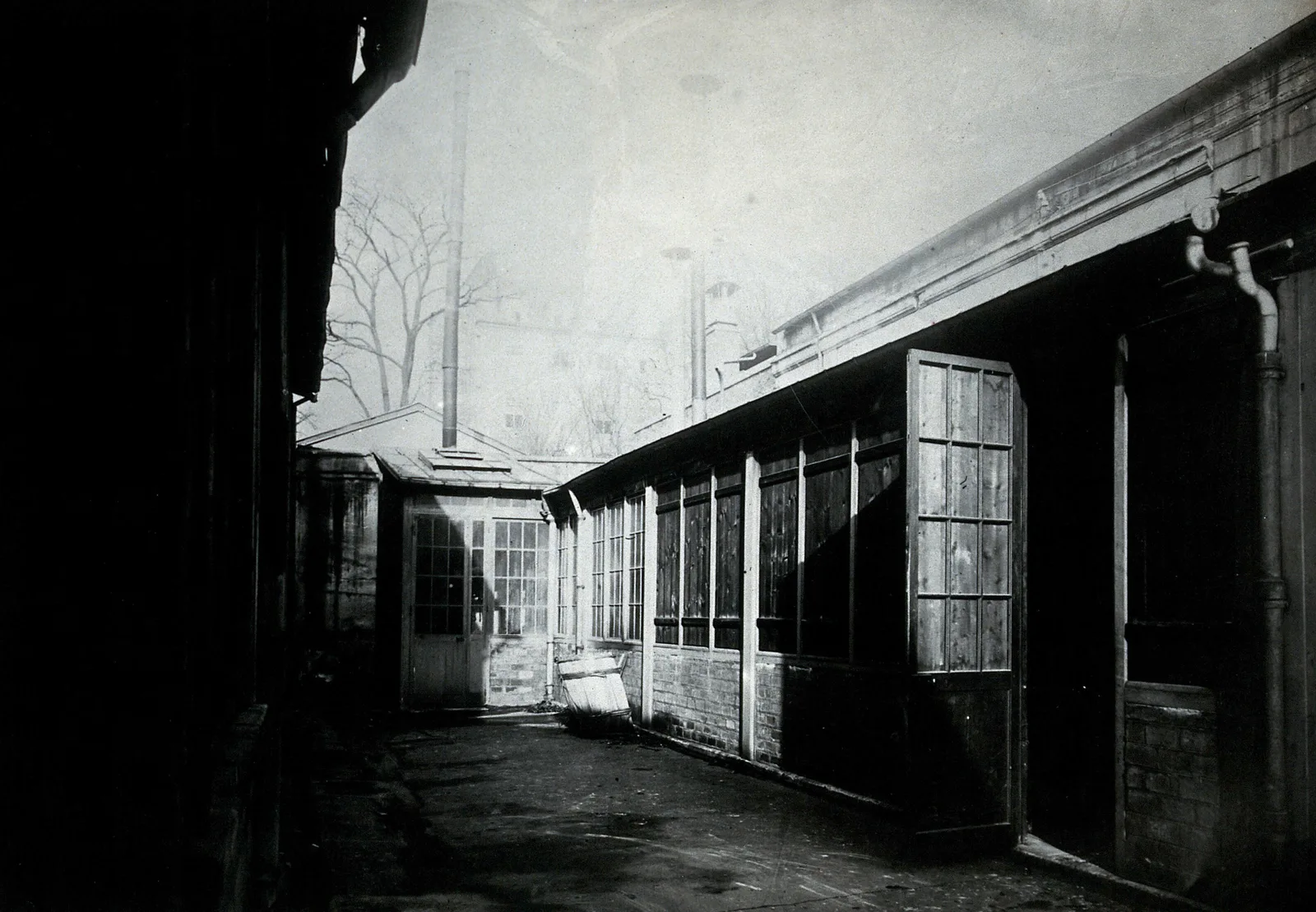
Without ceremony
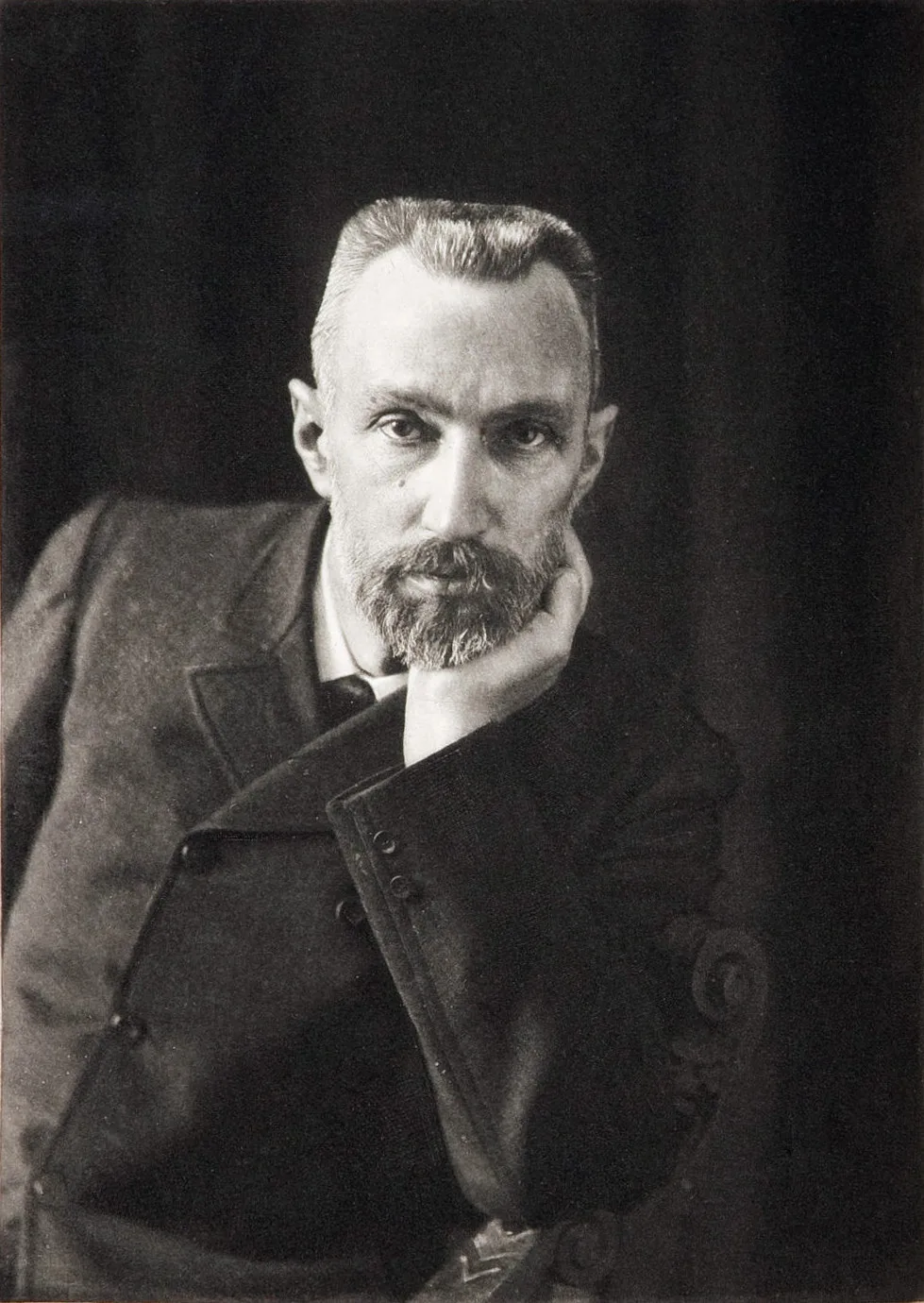
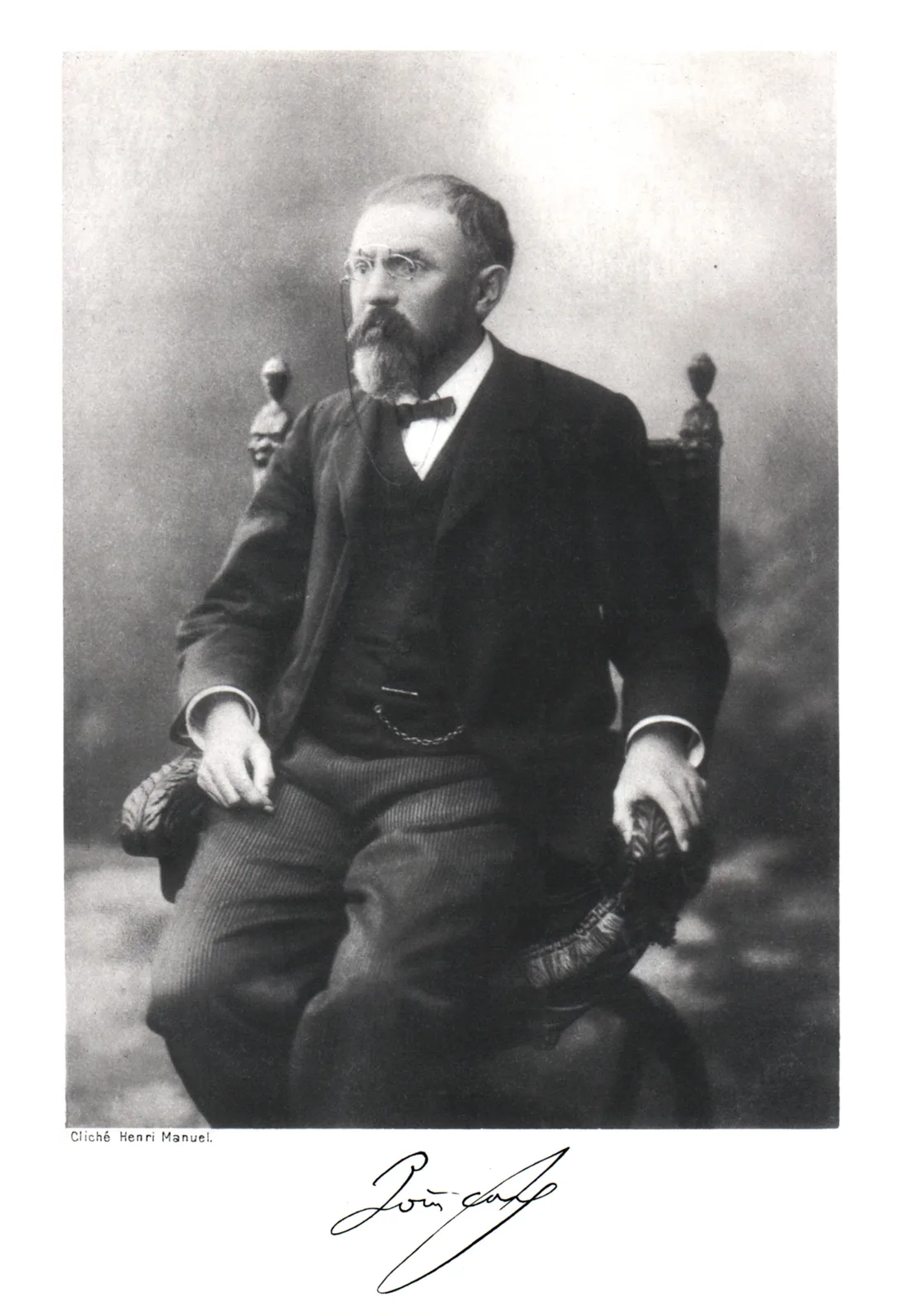
On 19 April 1906 Pierre was killed in a street accident in the rue Dauphine. Marie wrote: "Faithful to the memory of him who had left us, we wished a simple interment in the family vault in the little cemetery at Sceaux. There was neither official ceremony nor address, and only his friends accompanied him to his last home."3738 The diary she kept afterwards, as Eve printed it, is addressed to Pierre and makes no appeal to God.39 Among the tributes she later reprinted was one by the mathematician Henri Poincaré: "It matters little in what God he believed; it is not the God, but faith, that performs miracles."4041 Her own summary of her husband's creed was that "believing only in the pacific might of science and of reason, he lived for the search of truth."4243
Freethinkers and clericals
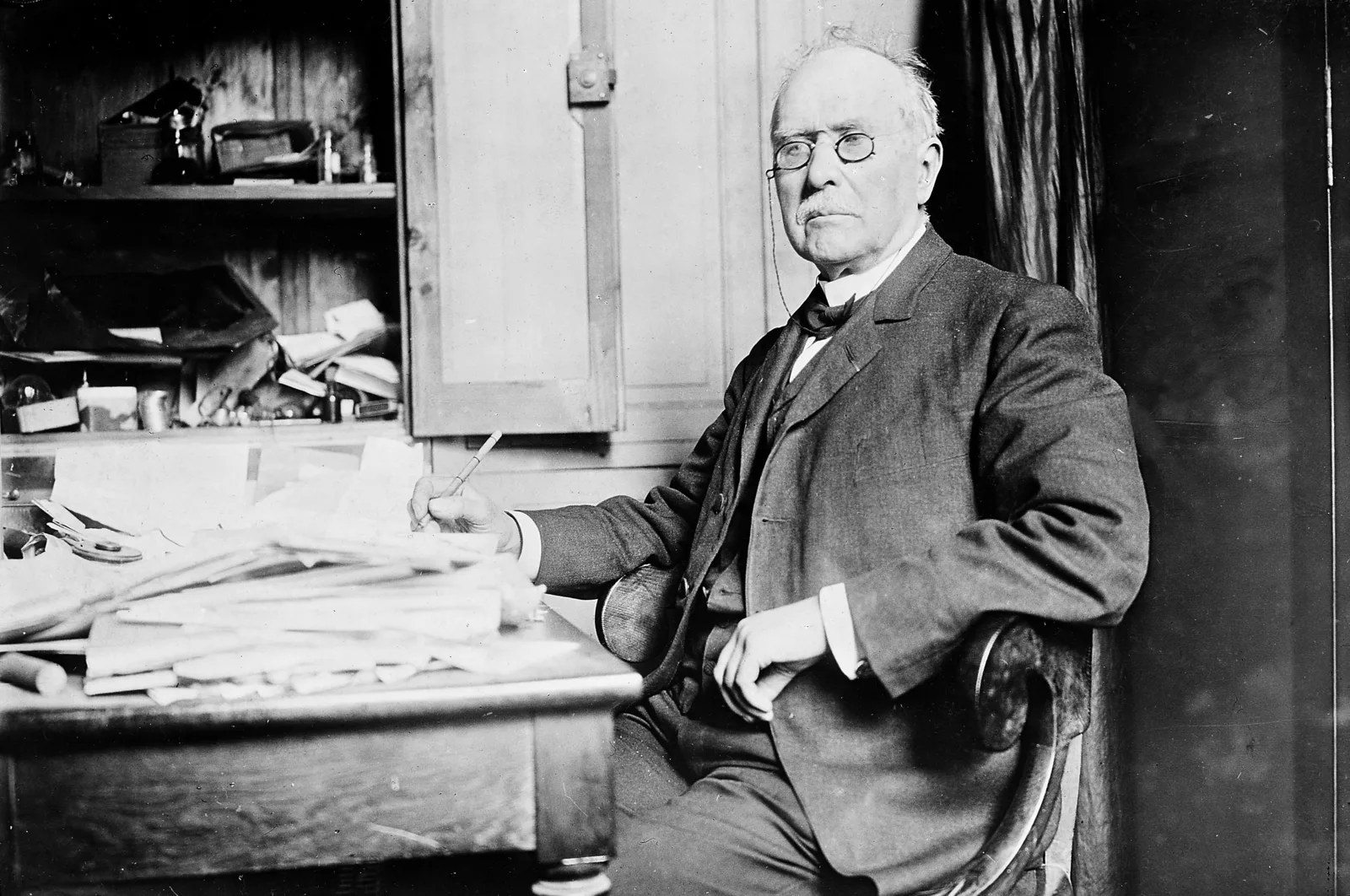
In January 1911 she stood for election to the French Academy of Sciences against the physicist Édouard Branly, a devout Catholic who taught at the Catholic Institute of Paris. The press took sides along the lines of the time: freethinkers, liberals and feminists for Curie; Catholics and nationalists for Branly. Informers, Eve wrote, told Catholics that she was Jewish and told freethinkers that she was Catholic.4445 Branly won. Eve says she lost by one vote; Reid gives the second ballot as thirty to twenty-eight. Accounts differ.46
That November the nationalist paper L'Action Française, under Léon Daudet, seized on her friendship with the married physicist Paul Langevin and cast her as a foreign woman who had wrecked a French home. Its attack, as her biographers report it, was on the Pole and the foreigner, not on the unbeliever; no clerical text calling her godless has been found.474849 A month later she received her second Nobel Prize, in chemistry.50
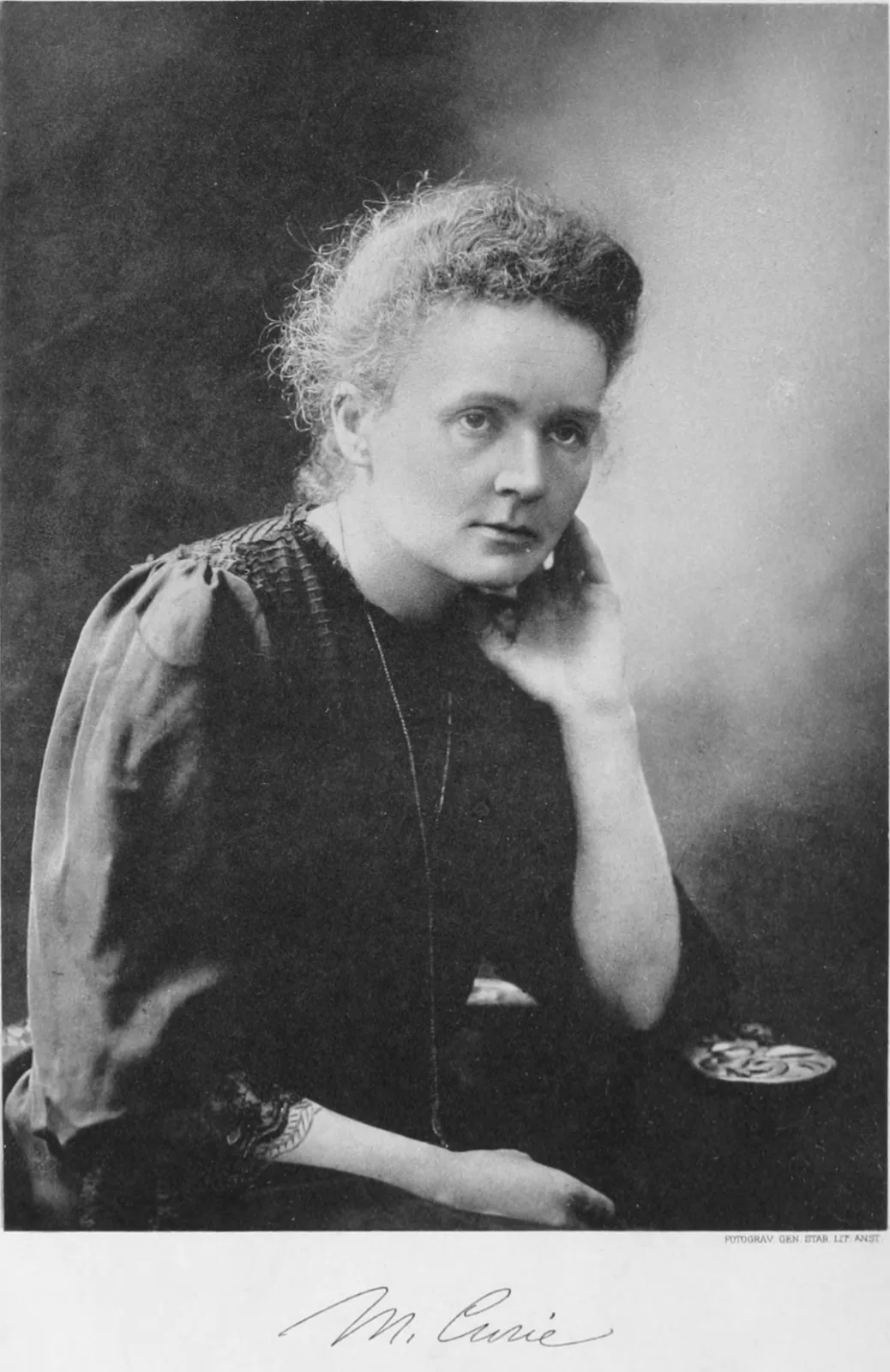
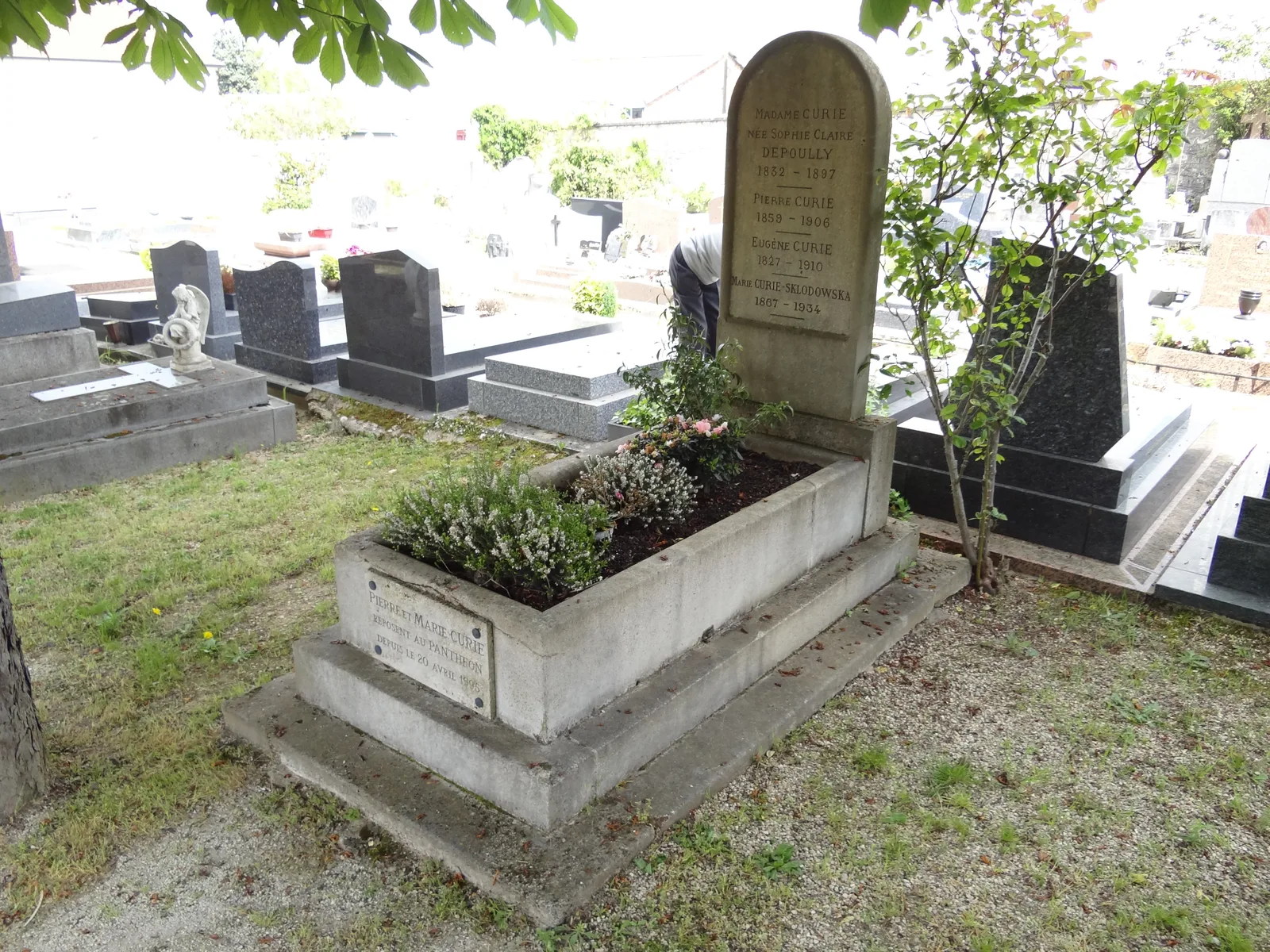
She left no later statement about religion and no sign of a return to it, so her timeline has no revision mark.42 She died at the sanatorium of Sancellemoz in the French Alps on 4 July 1934 and was buried two days later at Sceaux, above Pierre, without speeches or processions. Her brother and sister threw a handful of Polish earth into the grave. Neither of her biographers mentions a religious service.51 Her unbelief was private, expressed in a wedding, a christening that did not happen and a funeral, and it survives in a single sentence of her own.
Charles Darwin, who also lost his faith slowly, kept his unbelief largely private and was buried with honours by a nation that admired his science, has his own chapter in this book.
Footnotes
-
Marie Curie, Pierre Curie, with Autobiographical Notes by Marie Curie, tr. Charlotte and Vernon Kellogg, intro. Marie Mattingly Meloney (New York: Macmillan, 1923). Project Gutenberg ebook #69617 (proofread from HathiTrust images; no page numbers in the text, so cited by chapter: "Pierre Curie ch. I–VII" for the Pierre Curie part, "AN ch. I–IV" for the Autobiographical Notes). Public domain in the US. File:
research/texts/pierre-curie.txt, Pierre Curie ch. IV (Q1); Eve Curie, Madame Curie: A Biography, tr. Vincent Sheean (Garden City: Doubleday, Doran, 1937); scan IAmadamecuriebiogr00evec_0(1938 printing). Page numbers as printed (the number heads each page). Copyright; paraphrase only. The authoritative family source, but a daughter's memorial biography: scenes she could not have witnessed (Marie praying at the Chapel of Our Lady in November 1876) are reconstruction. File:research/texts/eve-curie.txt, pp. 136–137. ↩ ↩2 -
Marie Curie: Curie, Pierre Curie, Pierre Curie ch. IV ("Life, Personality and Character"), Gutenberg #69617. ↩
-
Curie, Pierre Curie, AN ch. I; Robert Reid, Marie Curie (1974); the scan read is the SPANISH translation, Biblioteca Salvat de Grandes Biografías (IA item
robert-reid-marie-curie, listed as 1995). Pages as printed in the Spanish edition; below p. 100 the OCR gives only every fifth page marker, so those pages are ranges. Copyright; paraphrase only. File:research/texts/reid.txt. (Reid's footnotes cite the Bibliothèque nationale Curie papers and personal communications.), p. 408 (chronology). ↩ -
Curie, Pierre Curie, AN ch. I. ↩
-
Curie, Pierre Curie, AN ch. I (Q11). ↩
-
Marie Curie, of Russian state schools: Curie, Pierre Curie, Autobiographical Notes ch. I. ↩
-
Curie, Madame Curie, p. 24. ↩
-
Curie, Pierre Curie, AN ch. I (Q2); Curie, Madame Curie, p. 24; Reid, Marie Curie, pp. col. 19–24. ↩
-
Marie Curie, of her mother: Curie, Pierre Curie, Autobiographical Notes ch. I. ↩
-
Curie, Madame Curie, p. 23; Reid, Marie Curie, pp. col. 19–24 and p. 408; Curie, Pierre Curie, AN ch. I. ↩
-
Curie, Madame Curie, p. 28; Reid, Marie Curie, p. 408; Curie, Pierre Curie, AN ch. I ("died at forty-two"). ↩ ↩2
-
Curie, Madame Curie, p. 24. Reported at second hand; the original has not been seen. ↩
-
Curie, Pierre Curie, AN ch. I (Q3). ↩
-
Marie Curie, of her mother's death: Curie, Pierre Curie, Autobiographical Notes ch. I. ↩
-
Curie, Madame Curie, p. 29. ↩
-
Reid, Marie Curie, p. 198 (fn. 155). ↩
-
Curie, Madame Curie, p. 51. ↩
-
Curie, Madame Curie, p. 39; Reid, Marie Curie, p. 408; Curie, Pierre Curie, AN ch. I (a year's rest). ↩
-
Curie, Madame Curie, pp. 52–53; Reid, Marie Curie, pp. 29–30 and p. 408; Curie, Pierre Curie, AN ch. I (Q7, Q8: a secret group giving evening courses). ↩
-
Marie Curie: Curie, Pierre Curie, Autobiographical Notes ch. I. ↩
-
Marie Curie: Curie, Pierre Curie, Autobiographical Notes ch. I. ↩
-
Curie, Madame Curie, p. 52; Reid, Marie Curie, pp. col. 29–31. ↩
-
Curie, Madame Curie, p. 55; Reid, Marie Curie, c. p. 31. ↩
-
Curie, Madame Curie, p. 63; Reid, Marie Curie, p. 408; Curie, Pierre Curie, AN ch. I (aged "scarcely seventeen"). ↩
-
Curie, Madame Curie, pp. 66–67. ↩
-
Curie, Madame Curie, p. 76. ↩
-
Curie, Madame Curie, p. 51. ↩
-
Reid, Marie Curie, p. 408; Curie, Madame Curie, p. 95 (courses begin 3 Nov 1891). ↩
-
Curie, Pierre Curie, Pierre Curie ch. I (Q4); Curie, Madame Curie, pp. 128, 229. ↩
-
Marie Curie, of Dr Eugene Curie: Curie, Pierre Curie, Pierre Curie ch. I. ↩
-
Pierre Curie (letter of 1894, quoted by Marie): Curie, Pierre Curie, Pierre Curie ch. IV. ↩
-
Reid, Marie Curie, c. pp. 84–89. ↩
-
Curie, Madame Curie, p. 268; Reid, Marie Curie, p. 198 and p. 409–410. ↩
-
Curie, Madame Curie, p. 268. ↩
-
Curie, Madame Curie, pp. 229–230; Reid, Marie Curie, c. p. 181 and p. 410. ↩
-
Curie, Pierre Curie, Pierre Curie ch. VII (Q6); Curie, Madame Curie, pp. 250–251. ↩
-
Marie Curie: Curie, Pierre Curie, Pierre Curie ch. VII. ↩
-
Curie, Madame Curie, pp. 251–254. ↩
-
Curie, Pierre Curie, Pierre Curie ch. VII (Q5); Curie, Madame Curie, p. 251. ↩
-
Henri Poincare, of Pierre Curie (quoted by Marie): Curie, Pierre Curie, Pierre Curie ch. VII, "Extracts from Published Appreciations". ↩
-
Marie Curie, of Pierre: Curie, Pierre Curie, Pierre Curie ch. VII. ↩
-
Reid, Marie Curie, pp. 231–234; Curie, Madame Curie, p. 277. ↩
-
Reid, Marie Curie, p. 234; Curie, Madame Curie, p. 277. ↩
-
Curie, Madame Curie, p. 277; Reid, Marie Curie, p. 236. Accounts differ; see the disputed points. ↩
-
Reid, Marie Curie, p. 250; Curie, Madame Curie, pp. 279–280. ↩
-
Curie, Madame Curie, p. 280. ↩
-
Leon Daudet, editor of L'Action Française, nationalist, Catholic-aligned royalist press: Reid, Marie Curie, p. 250, fn. 199: L'Action Française, 17 November 1911 (original not seen). Not checked against the original (no: retry Gallica/Retronews for the original French). ↩
-
Curie, Madame Curie, p. 278; Reid, Marie Curie, p. 250. ↩
-
Curie, Madame Curie, pp. 384–385; Reid, Marie Curie, p. 407–408. ↩
research/texts/pierre-curie.txt.; Eve Curie, Madame Curie: A Biography, tr. Vincent Sheean (Garden City: Doubleday, Doran, 1937); scan IA madamecuriebiogr00evec_0 (1938 printing). Page numbers as printed (the number heads each page). Copyright; paraphrase only. The authoritative family source, but a daughter's memorial biography: scenes she could not have witnessed (Marie praying at the Chapel of Our Lady in November 1876) are reconstruction. File: research/texts/eve-curie.txt.; Robert Reid, Marie Curie (1974); the scan read is the SPANISH translation, Biblioteca Salvat de Grandes Biografías (IA item robert-reid-marie-curie, listed as 1995). Pages as printed in the Spanish edition; below p. 100 the OCR gives only every fifth page marker, so those pages are ranges. Copyright; paraphrase only. File: research/texts/reid.txt. (Reid's footnotes cite the Bibliothèque nationale Curie papers and personal communications.)In their own words
In conformity with our mutual wish it was the simplest service possible,--a civil ceremony, for Pierre Curie professed no religion, and I myself did not practice any.
She had an ardent piety (my parents were both Catholics), but she was never intolerant; differences in religious belief did not trouble her; she was equally kind to any one not sharing her opinions.
This catastrophe was the first great sorrow of my life and threw me into a profound depression.
Like them, a free thinker and an anticlerical, he did not have his sons baptized, nor did he have them practice any form of religion.
It matters little in what God he believed; it is not the God, but faith, that performs miracles.
Faithful to the memory of him who had left us, we wished a simple interment in the family vault in the little cemetery at Sceaux. There was neither official ceremony nor address, and only his friends accompanied him to his last home.
Other means of instruction came to me through my being one of an enthusiastic group of young men and women of Warsaw, who united in a common desire to study, and whose activities were at the same time social and patriotic.
There is no need to say that this was a secret organization, which made everything extremely difficult.
Of all these dreams, I believe the last, alone, is legitimate.
Believing only in the pacific might of science and of reason, he lived for the search of truth.
So what the pupils were taught was of questionable value, and the moral atmosphere was altogether unbearable.
The other side
See above: no verbatim opposition text in the public domain has been recovered. Substance (paraphrase only, from Reid p. 250 and Eve p. 280): Leon Daudet's L'Action Française, 17 Nov 1911, made the Langevin affair a new Dreyfus case, casting Marie as a Polish foreigner who destroyed a French home, and recalled the words sent Lavoisier to the guillotine, "The Republic has no need of savants".
See above: the clerical camp in the 1911 Académie vote. Substance (paraphrase): Branly's supporters, among them Paul de Cassagnac in L'Autorité, praised him for the humane and imperial uses of wireless telegraphy; Branly, a Catholic and Commander of the Order of St Gregory, was the candidate of the Catholic and nationalist press.
Where accounts differ
| Point | One account | Another | How the page handles it |
|---|---|---|---|
| Marie's age at her mother's death | "I was then only nine years old" (Marie1923 AN ch. I) | "little Manyusya who was only ten" (Eve p. 28); born 7 Nov 1867, mother died 9 May 1878, so ten | Say "ten" by arithmetic, or say "she was ten, though she later wrote nine"; do not read the quotation with the age |
| Whether and when she "lost her faith" | Faith shaken by her mother's death and "evaporated" by about 1884–86 (Eve pp. 29, 51) | Doubt sown in the mother's last years, becoming disapproval of religion, not intolerance (Reid p. 198); Marie's own writing says nothing | Say it comes from her daughter and her biographer, not from her; use her 1886–87 letters as the dated evidence |
| The Académie vote margin | "Missed being elected by one vote" (Eve p. 277) | First ballot 28–29 with one vote for Brillouin; second ballot Branly 30, Curie 28 (Reid p. 236) | "By two votes on the final ballot (accounts differ: one vote on the first)" |
| Founding of the Floating University | Created in 1884 (Reid chronology, p. 408) | Other histories place its beginnings earlier, c. 1882–83 (not checked in this pass) | Say "in the mid-1880s"; verify before giving a year |
| Which church for the first communion/baptism | St Mary's baptism, Dominican first communion (Eve p. 24) | Not confirmed elsewhere | Unverified detail, avoid naming churches without a second source |
| Date of the Paladino sittings | 1904 (Reid p. 410) | "At this period", c. 1905 (Eve p. 229) | Say "around 1905" |
List of illustrations
This page uses only public-domain and Creative Commons images; each is credited with its source and licence.
- Marie Curie, c. 1898 — Unknown photographer, c. 1898 · Wikimedia Commons · Public domain
- Krakowskie Przedmieście, Warsaw, early 1860s — Karol Beyer, c. 1863 · Wikimedia Commons · Public domain
- Władysław Skłodowski with his daughters Maria, Bronisława and Helena, 1890 — Unknown photographer, 1890 · Wikimedia Commons (scanned from Helena Skłodowska-Szalay, Ze wspomnień..., 1958) · Public domain
- Maria Skłodowska and her sister Bronisława, c. 1886 — Unknown photographer, c. 1886 · Wikimedia Commons · Public domain
- La Cour de l'ancienne Sorbonne — Emmanuel Lansyer, 1886 · Wikimedia Commons (Musée Carnavalet / Paris Musées) · Public domain
- Marie and Pierre Curie on their honeymoon, 1895 — Unknown photographer, c. 1895 · Wikimedia Commons · Public domain
- Marie, Pierre and Irène Curie, 1903 — Unknown photographer, 1903-08-29 (newspaper print) · Wikimedia Commons (from The Times-Democrat family photo, 1903) · Public domain
- The laboratories of Marie and Pierre Curie, Paris: exterior courtyard where treatment of noxious gases took place. Photograph, ca. 1900 — Unknown photographer, c. 1900 · Wellcome Collection · Public Domain Mark
- Pierre Curie, c. 1906 — Dujardin, c. 1906 · Wikimedia Commons · Public domain
- Henri Poincaré, before 1912 — Henri Manuel, before 1912 · Wikimedia Commons · Public domain
- Édouard Branly — Dornac (Paul Marsan), undated (before 1911?) · Wikimedia Commons, from Wellcome Collection (M0015154), CC BY 4.0 · CC BY 4.0
- Marie Curie, Nobel Prize in Chemistry portrait, 1911 — Fotograv. - Generalstabens Litografiska Anstalt, Stockholm, 1911 (published 1912 in Les Prix Nobel) · Wikimedia Commons (Nobel Foundation, Les Prix Nobel 1911) · Public domain
- The former tomb of Pierre and Marie Curie, Sceaux cemetery, 2024 — Antoine Rex, 2024-04-14 · Wikimedia Commons (Antoine Rex) · CC0
Sources
Tier 1 — the subject's own words
- [Marie1923] Marie Curie, Pierre Curie, with Autobiographical Notes by Marie Curie, tr. Charlotte and Vernon Kellogg, intro. Marie Mattingly Meloney (New York: Macmillan, 1923). Project Gutenberg ebook #69617 (proofread from HathiTrust images; no page numbers in the text, so cited by chapter: "Pierre Curie ch. I–VII" for the Pierre Curie part, "AN ch. I–IV" for the Autobiographical Notes). Public domain in the US. File:
research/texts/pierre-curie.txt. - [Vassar] Marie Curie, The Discovery of Radium: Address at Vassar College, 14 May 1921 (Gutenberg #61622). Checked for religion: nothing. File:
research/texts/vassar.txt. - Her letters of 1886–87 to Henrietta Michalowska and her brother, and Marie's diary of 1906, are cited only through Eve Curie's English translation (copyright); the Polish originals were not seen.
Tier 2 — scholarly biographies
- [Reid] Robert Reid, Marie Curie (1974); the scan read is the SPANISH translation, Biblioteca Salvat de Grandes Biografías (IA item
robert-reid-marie-curie, listed as 1995). Pages as printed in the Spanish edition; below p. 100 the OCR gives only every fifth page marker, so those pages are ranges. Copyright; paraphrase only. File:research/texts/reid.txt. (Reid's footnotes cite the Bibliothèque nationale Curie papers and personal communications.) - [Quinn] Susan Quinn, Marie Curie: A Life (Addison-Wesley, 1995), IA
mariecurielife00quin: lending-only, the full text returned 403. NOT READ. Must be borrowed to check the loss-of-faith narrative and the 1911 sections.
Tier 3 — popular biographies and journalism
- [Eve] Eve Curie, Madame Curie: A Biography, tr. Vincent Sheean (Garden City: Doubleday, Doran, 1937); scan IA
madamecuriebiogr00evec_0(1938 printing). Page numbers as printed (the number heads each page). Copyright; paraphrase only. The authoritative family source, but a daughter's memorial biography: scenes she could not have witnessed (Marie praying at the Chapel of Our Lady in November 1876) are reconstruction. File:research/texts/eve-curie.txt. - [Heroines] Mary R. Parkman, Heroines of Service (Gutenberg #42451): chapter on Curie checked, nothing on religion. File
research/texts/heroines.txt(not cited).
Tier 4 — Wikipedia
- Not fetched in this pass. Use only as a map; nothing in the table rests on it.
Opposition sources — contemporary critics and religious responses
- [Reid] pp. 231–236, 250 (the 1911 press camps and L'Action Française). The original newspapers (L'Action Française 17 Nov 1911, L'Autorité, Le Figaro, Le Temps) were not reached: Gallica returned 403 and the Chronicling America OCR for The Sun, 17 Jan 1911, was unusable. Retry Gallica and Retronews.
Related lives
(to settle) a subject whose unbelief was also private and handed down through family: candidates are Charles Darwin (doubt kept quiet, children raised in the church), Sigmund Freud, or Bertrand Russell. Do not name a "Next" in the script (lessons.md).
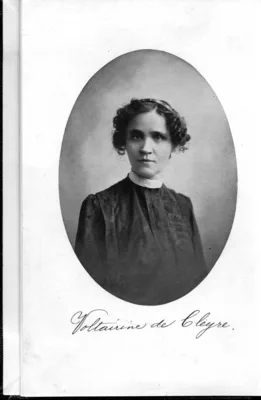
Voltairine de Cleyre
Voltairine de Cleyre was named for Voltaire by a freethinking father who then returned to the church and put her in a convent. She came out "a freethinker" after refusing to say what she did not feel. She lectured a nature-theist freethought until the Chicago hangings of 1887 turned it against the state. In her last years she held that belief in God had little to do with freedom, while her own view stayed "no God in the soul or out of it". The refusal to lie held the whole life together.
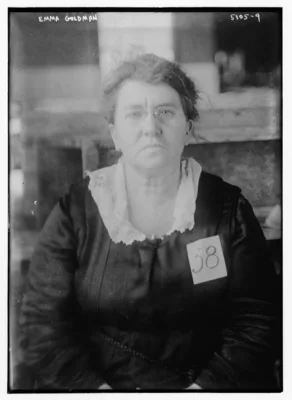
Emma Goldman
Emma Goldman had no faith to lose, only a religion she met as discipline in a Jewish childhood. Her atheism grew out of her pity for the hanged and out of her anarchism, and by 1893 it was a flat public statement. In 1913 and 1916 it became an argument for the earth over heaven. In Soviet Russia it turned on the revolution's own church.
Kōtoku Shūsui
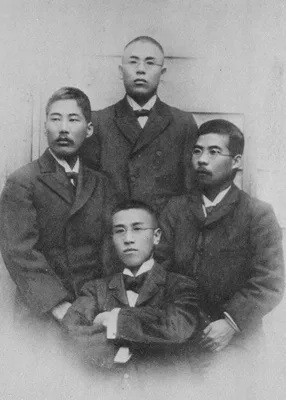
Kōtoku Shūsui was schooled in the Confucian classics and formed as the pupil of Nakae Chōmin, whose last book denied God and the soul. In 1901 he refused his Christian friend Uchimura's God, for a morality without fear or future judgment. In politics he moved from socialism to anarchism. He spent his last months in Tokyo Prison writing a book to obliterate Christ from history, and went to the gallows in 1911 having, as his last poem says, prayed to no god.
Bertrand Russell
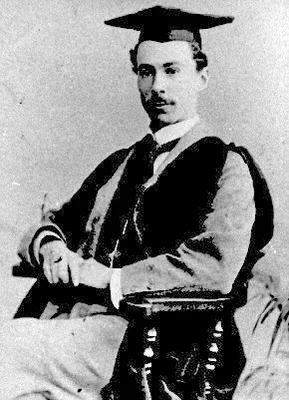
Bertrand Russell was raised in his grandmother's devout Unitarian household after his freethinking parents died. At eighteen he gave up the First Cause over a sentence of Mill's. He tried for twenty years to keep a religion without God, then declared himself a dissenter from all religions, and paid for it in 1940. He never claimed more than that there was no evidence for God.