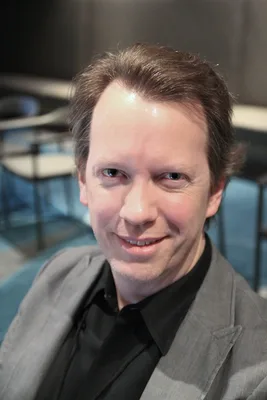
Sean Carroll was raised Episcopalian near Philadelphia, and the family's church-going ended when his grandmother died, when he was about ten. He drifted from belief gradually, with no crisis, and first called himself an atheist aloud at Villanova, a Catholic university, after hearing a rock song that treated unbelief as something to be happy about. His first public argument was a 2003 Notre Dame paper, published in 2005, that treated God as a hypothesis to be rejected on scientific grounds; his blog, his refusal of Templeton money (2013) and his 2014 debate with William Lane Craig followed. From about 2009 he changed his method rather than his conclusion: he gave up arguing that God does not exist in favour of "poetic naturalism" (2016), saying he had no interest in attacking religion and preferred the constructive work of following naturalism through.
The belief timeline
- Faith (c. 1966 to c. 1976) — Mild, habitual Episcopalian church-going, kept up partly for his grandmother; "a believer, such as it was"; the church-going ends when she dies, at about his tenth year [4][5][6][7]
- Doubt (c. 1976 onward; clear by the Villanova years (c. 1984 to 1988, inferred)) — A gradual drift with no crisis, "put into your mind very gradually by many, many little things"; it crystallises at Villanova when he hears a rock song that treats atheism as something one could be happy and proud about, and says "I'm an atheist" aloud [6][7][14][15]
- Declaration (2003 (paper published 2005)) — His first public, argued statement: the Notre Dame paper that treats God as a hypothesis to be rejected on scientific grounds; the Free Press pitch of c. 2000 shows the intent earlier [18][21][22]
- Revision (2009 to 2016 (the 2015 speech is the clearest statement)) — Not a change of conclusion but of method and tone: from "God doesn't exist" arguments and Templeton refusals to "no real interest in giving religion-bashing talks", "constructive work", and "poetic naturalism"; he still calls the evidence "incontrovertible" in 2016 [29][39][47][48][49][56]
Notes to the timeline (15)
- [4] When very young the family went to church every Sunday; when his mother's mother died, when he was about ten, they stopped, because the church-going was "clearly for her benefit". The best part for him was pancakes afterwards. — Interview of Sean Carroll by David Zierler, 4 January 2021, Niels Bohr Library and Archives, American Institute of Physics (oral history 45034), answer to "Was the church part of your upbringing".
- [5] He describes his religious experience as "always fairly mild": never repulsed by the church, never attracted to it. No childhood experience pushed him toward his later public stance ("quite the opposite"). — AIP, same passage and the next answer.
- [6] He says he was "a believer, such as it was" when young, "drifted away very, very gradually", and was never a strong or outspoken atheist before college. — AIP, answer on experiences that sparked his stand.
- [7] On the Premier show he says he grew up in a "fairly mildly religious" suburban white American family going to an Episcopalian church, and that through junior high, high school and college he "became more clear" about an atheist point of view; "I wasn't born an atheist." — "Unbelievable? Sean Carroll (naturalism) vs Luke Barnes (theism)", Premier Christian Radio, host Justin Brierley, about 5:34 to 6:30.
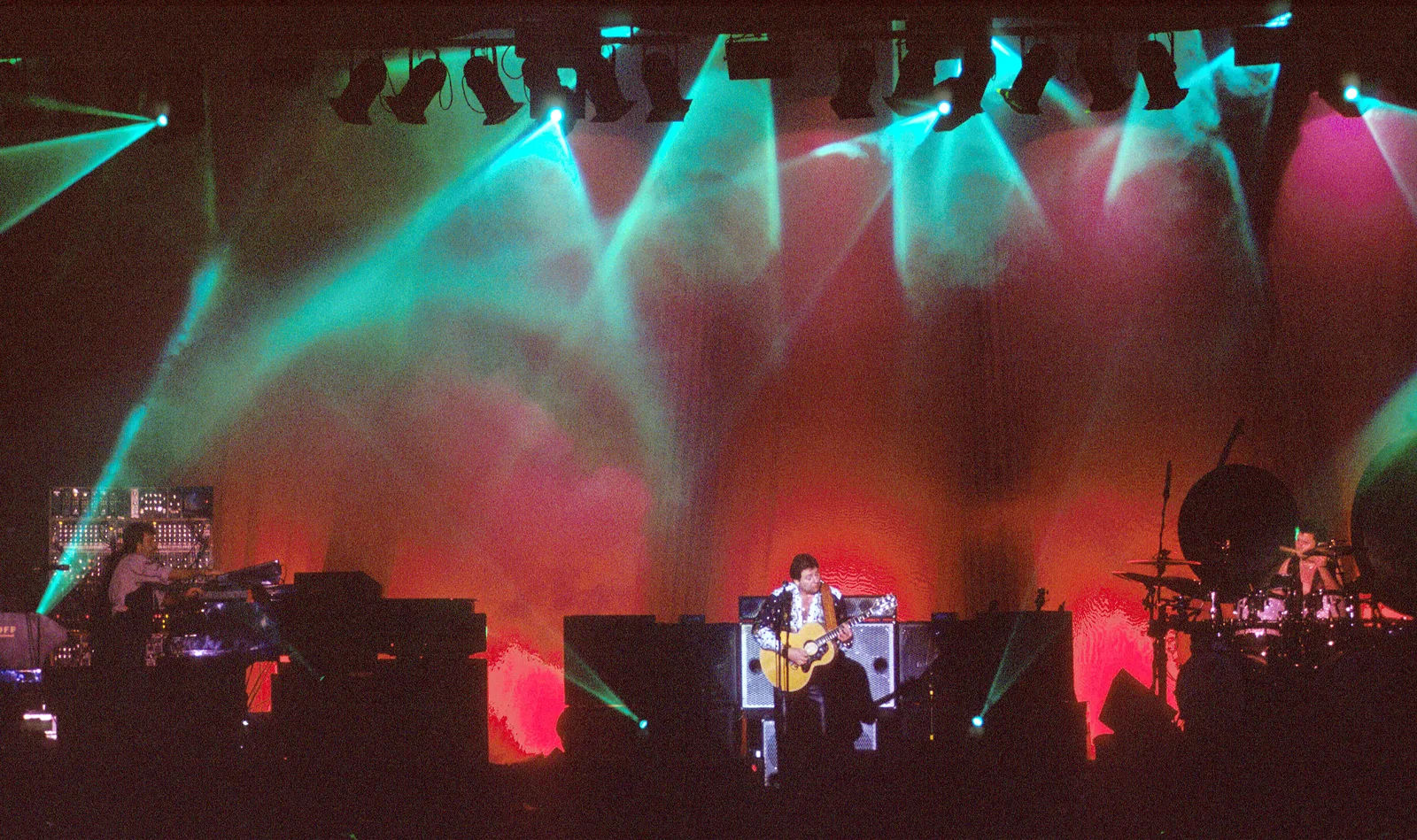
- [14] What "flicked the switch" at Villanova was listening to Emerson, Lake and Palmer's "The Only Way": his "first exposure to the idea that you could not only be atheist but be happy with it", proud rather than embarrassed; "that was the moment that crystalized it, when I finally got to say that I was an atheist." The year is not given. — AIP, answer to "no experiences early in life".
- [15] He says these ideas "get put into your mind very gradually by many, many little things", and that he became an outspoken atheist only at the Catholic university. — AIP, same answer.
- [18] At Chicago (he thinks 2000, maybe 1999) the Free Press editor Stephen Morrow knocked on his door; Carroll said the world had enough cosmology books and needed one saying God does not exist; the publisher refused because no one knew him. Dawkins's *The God Delusion* then sold hugely; Morrow later became his editor at Dutton. — AIP, answer on becoming a public intellectual.
- [21] The ND paper was "prepared for God and Physical Cosmology: Russian-Anglo American Conference on Cosmology and Theology, Notre Dame, January/February 2003" and published in Faith and Philosophy 22, 622 (2005). — Sean M. Carroll, "Why (Almost All) Cosmologists are Atheists", prepared for the Notre Dame conference God and Physical Cosmology, January/February 2003; Faith and Philosophy 22 (2005), 622, header.
- [22] The paper's argument: science and religion are not a priori incompatible but in practice diverge; if science can discriminate between pictures of reality we reach a "strictly materialist conception"; adding God "would just make things more complicated, and this hypothesis should be rejected by scientific standards"; he presents a position "that has come down to us from the Enlightenment". — Carroll, "Why (Almost All) Cosmologists are Atheists", abstract, introduction and conclusions.
- [29] In April 2009 he writes that "us atheists" should "diversify our portfolio" beyond skepticism and mocking creationists and "put forward a positive agenda for living our lives without the comforting untruths handed down by religion"; he thinks Dawkins and his ilk have helped by showing that it is "perfectly okay to not believe in God, and be proud of it". — Blog, "Post-Christian America", 5 April 2009 (texts/blog-2009-04-post_christian_america.txt).
- [39] On Templeton (8 and 9 May 2013): he will not take money from the John Templeton Foundation or speak at its events because "any time respectable scientists take money from Templeton, they lend their respectability" to the idea that science and religion are paths to the same truth; he does not think the Foundation evil; and "the shift in perspective from theism to atheism is arguably the single most important bit of progress in fundamental ontology over the last 500 years". AIP (2021) repeats: "I just think they're wrong." — Sean Carroll, "Science and Religion Can't Be Reconciled: Why I won't take money from the Templeton Foundation", Slate, 9 May 2013 (first posted on his blog as "On Templeton", 8 May 2013), Slate; AIP.
- [47] The 2015 blog on the award speech says he has "no real interest in giving religion-bashing talks" and cares more about "the hard and constructive work of exploring the consequences of naturalism"; the speech was on death and physics: strong reason (never proof) to think there is no afterlife; life is "a process, not a substance". — Blog, "Life Is the Flame of a Candle", 3 January 2015 (texts/blog-2015-01-life_is_the_flame_of_a_candle.txt), 3 January 2015.
- [48] In May 2016 (Salon) he defines naturalism as "only one world, the natural world"; "Naturalists are atheists... but the label is a positive claim about what one does believe in"; poetic naturalism: "many ways of talking about that world". — Émile P. Torres, interview with Sean Carroll, "'The evidence is pretty incontrovertible that he doesn't exist'", Salon, 8 May 2016 (by email; Carroll's answers are his own words).
- [49] In the same interview: the evidence that God does not exist is "pretty incontrovertible"; he does not want to treat someone "as my enemy just because we disagree"; and it is "not true that every effect has a cause". — Salon.
- [56] In January 2021 he says that berating people does not persuade ("hectoring people and berating them... That doesn't work"); the useful thing is to "be friendly, be likable, be openminded", though that is hard online; and that "thinking like a scientist" leads to the conclusion that God does not exist. — AIP, answers on public image and religion.
Naturalism, Argued To
On 21 February 2014, at a Baptist seminary in New Orleans, a cosmologist from Caltech stood opposite the Christian philosopher William Lane Craig to debate whether modern cosmology gives any reason to believe in God.1 Before he went, Sean Carroll wrote on his blog that his aim was not to win but to say things that were true and understandable; in some corners the consensus was that he would be crushed.2 Craig opened by arguing that contemporary cosmology makes God's existence considerably more probable than it would otherwise be, while denying that it proves anything.34 Carroll answered that cause and effect are not the vocabulary of fundamental physics, that a complete and consistent model of the universe is all that can be asked of it, and that our metaphysics has to follow our physics.56
This chapter asks how a boy from a family of steelworkers, who went to church every Sunday, came to argue in a seminary that the universe needs no God, and why he then lost interest in arguing about it.
A mild childhood
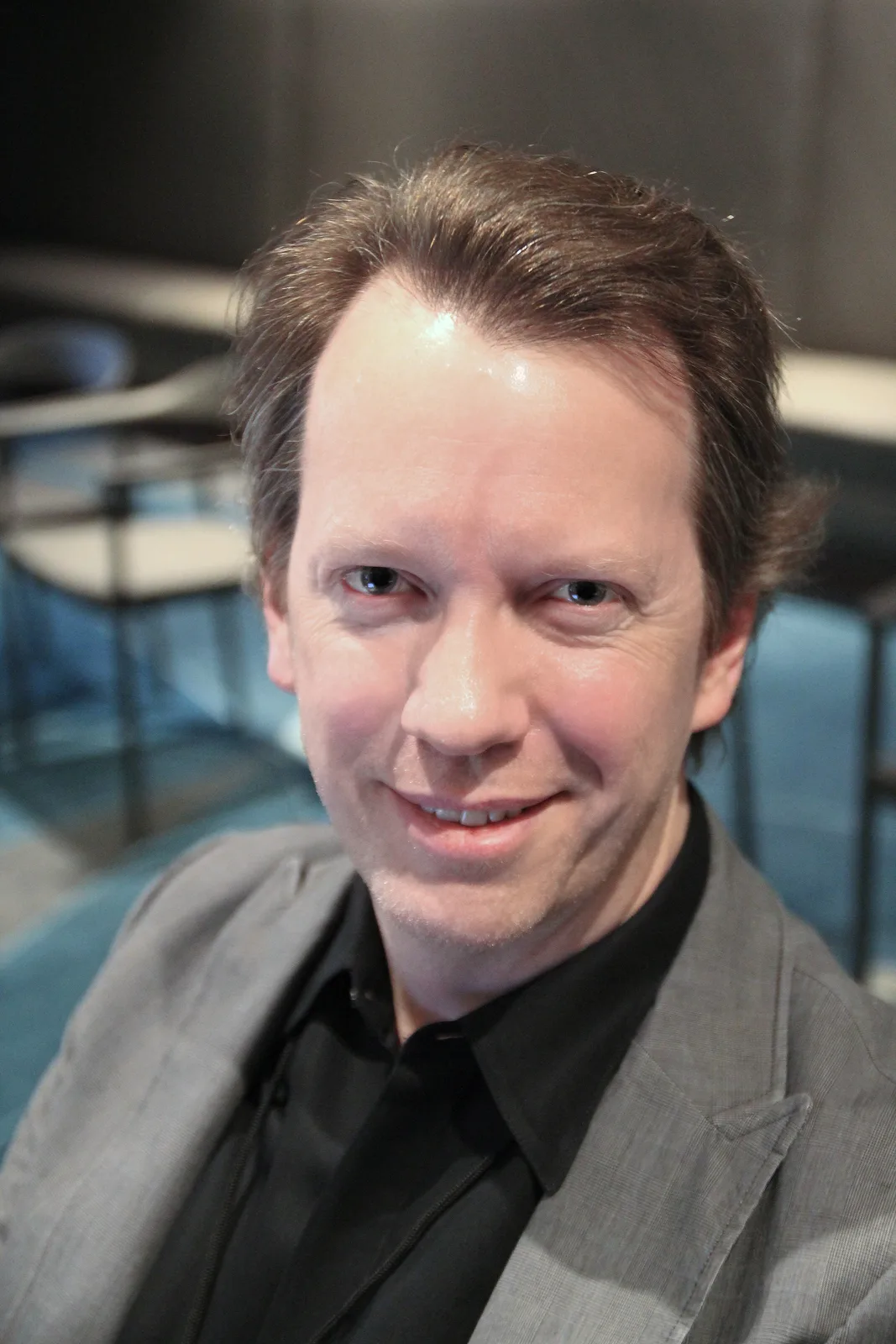
He was born on 5 October 1966 and grew up in Levittown and then Yardley, in Bucks County, Pennsylvania, near Philadelphia.78 His was a family of steelworkers: both grandfathers worked for U.S. Steel, and his mother was a secretary there. His parents divorced when he was six, his father largely left the picture, and his mother raised him in a household that was politically conservative.89
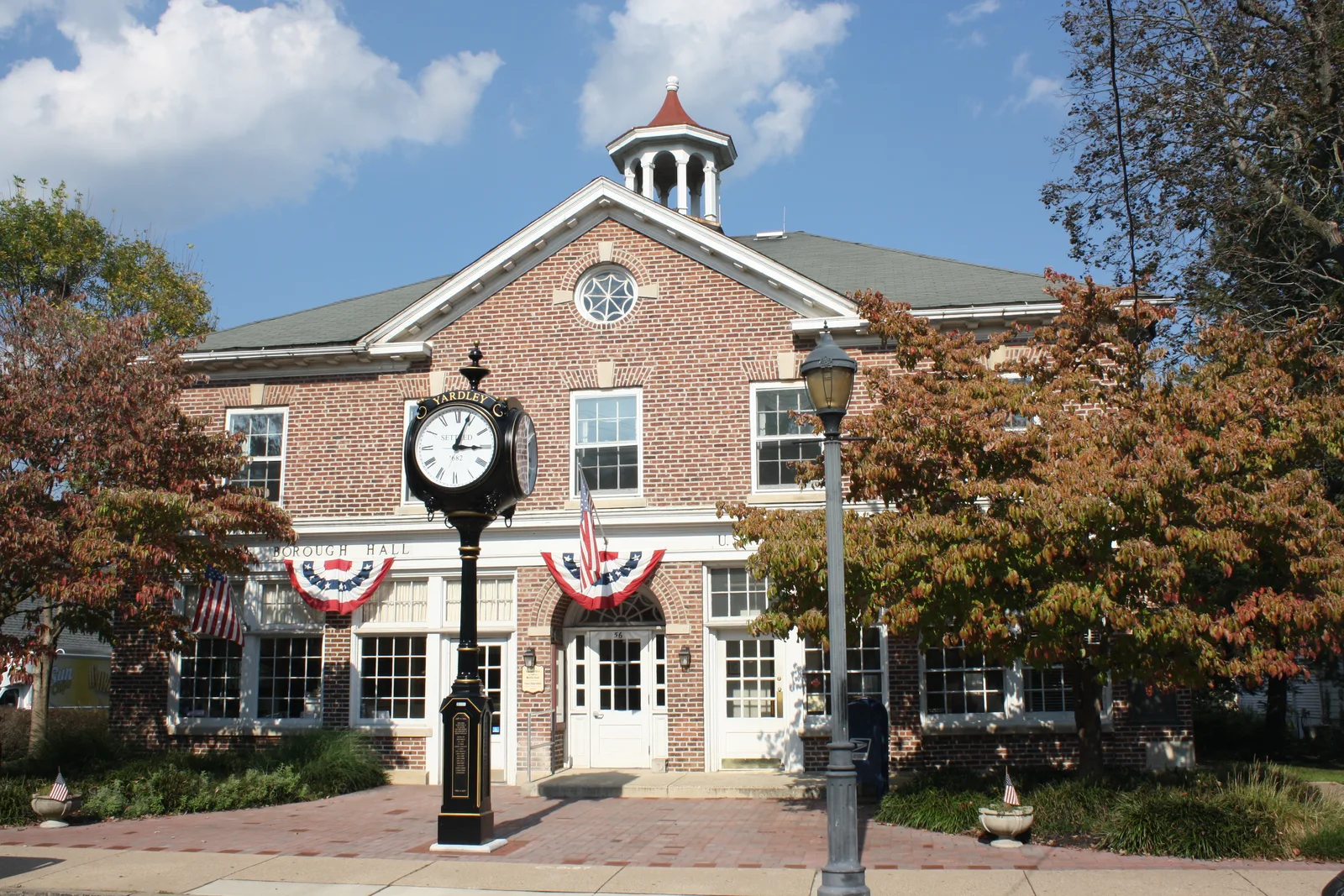
When he was very young the family went to church every Sunday. The church was Episcopalian, and he has since described it as a declining parish with a few dozen people, which he places in Trenton, New Jersey, across the river from Yardley.10111213 He has called his religious experience always fairly mild: he was never repulsed by the church and never drawn to it, and the best part of Sunday was the pancakes afterwards.1014 He was, he has said, a believer, such as it was.15 On the belief timeline, this is where his faith sits, and it is a faint mark.
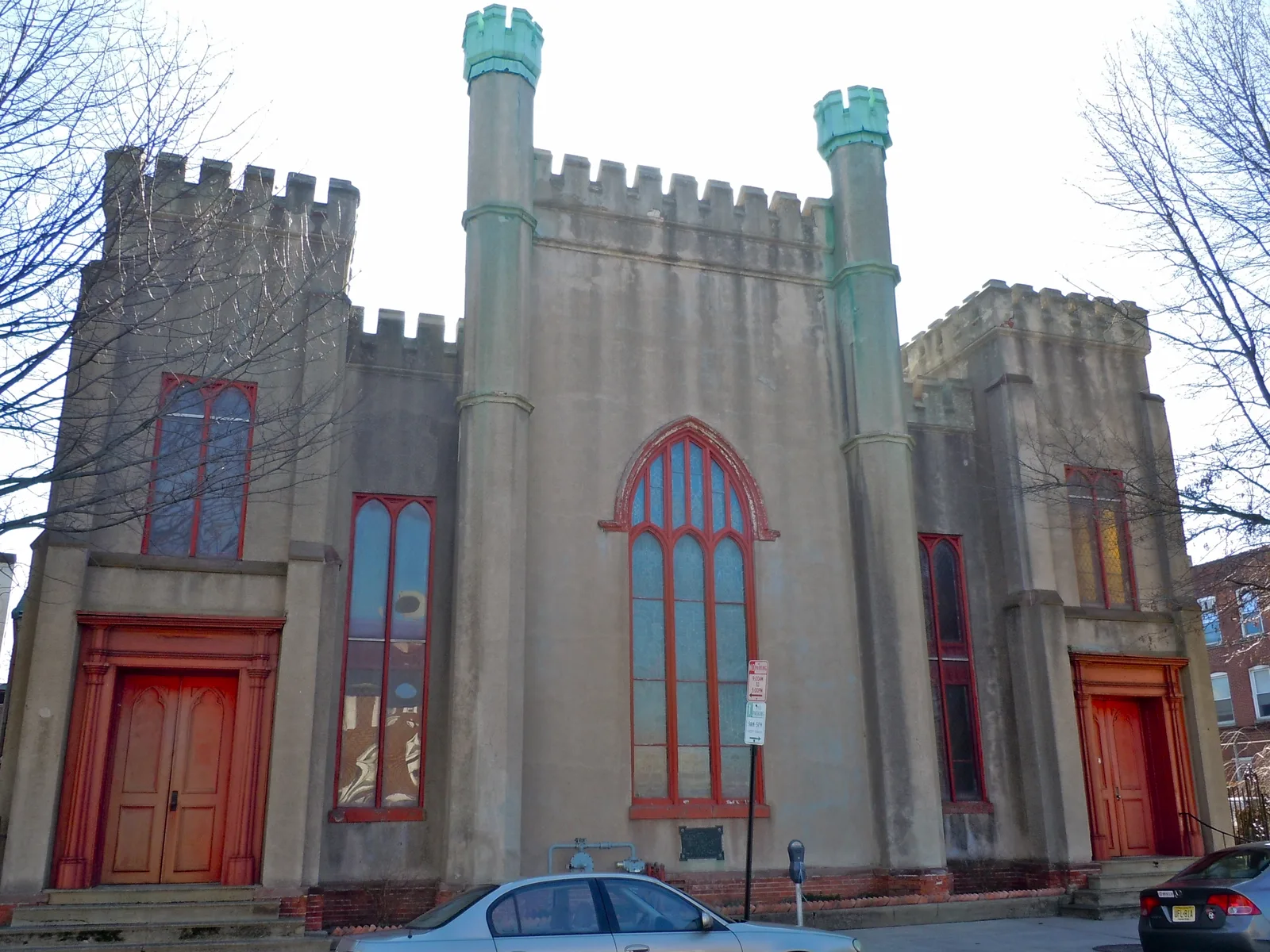
The church-going ended when he was about ten, when his mother's mother died. The family had been going, he has said, for her benefit.10 In the same year he read library books about black holes, quarks and the Big Bang and decided to be a physicist. He tells the two stories side by side and links neither to the other.16
Many little things
Nothing happened next, and that is the point of his story. By his own account he drifted away from belief very gradually, through junior high, high school and college, becoming clearer with time about an atheist point of view. He was not born an atheist, he said in 2017, and no single experience pushed him; such ideas, he has said, are put into the mind by many little things.151117
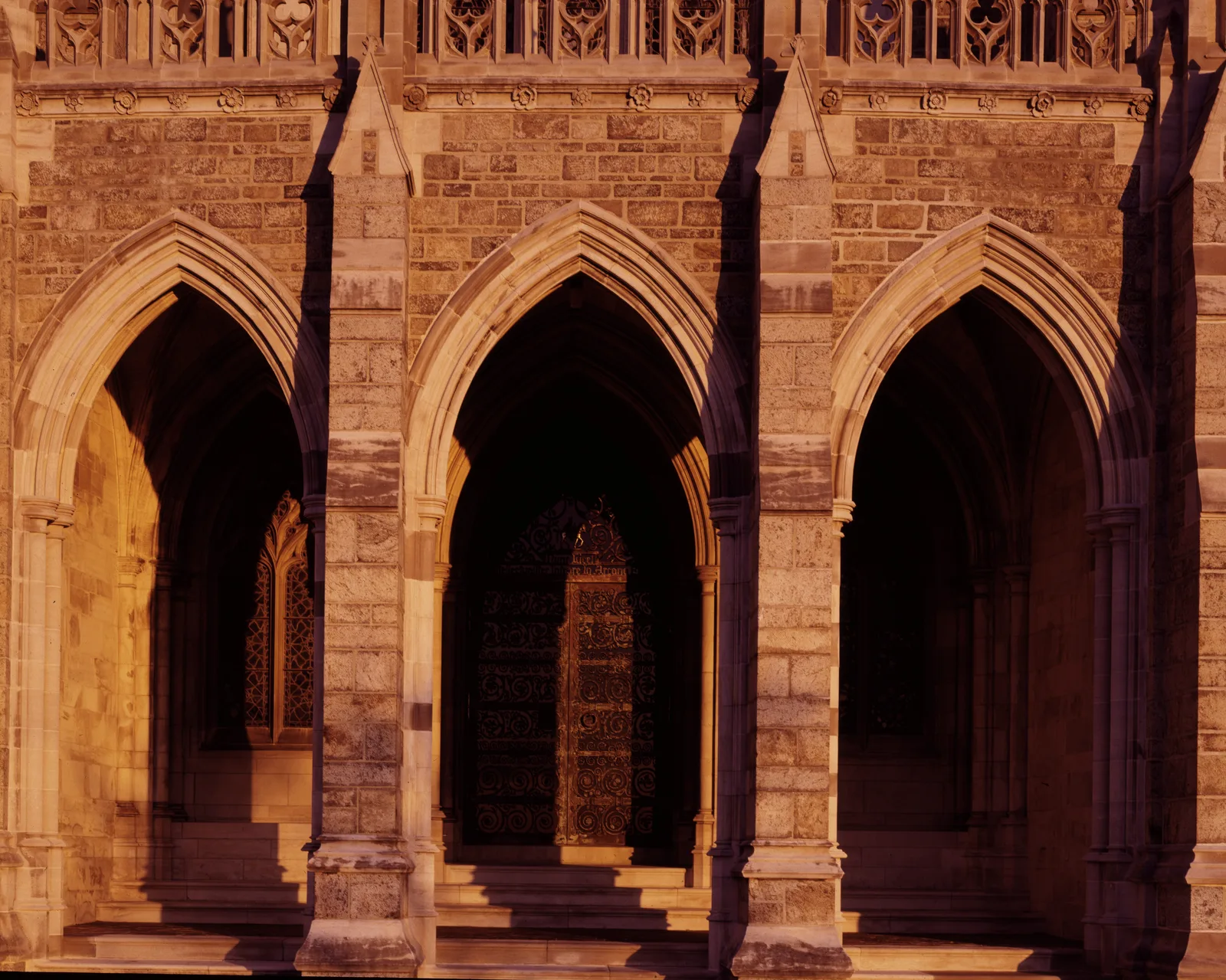
He chose Villanova, a Catholic university near home, because it offered him full tuition on merit; he would have gone to Harvard if he could.18 He took the required religion classes and enjoyed them, and the required philosophy led him to six semesters of it and a minor.19 What flicked the switch, he told an interviewer in 2021, was music. At Villanova he heard Emerson, Lake and Palmer's song "The Only Way (Hymn)", from the 1971 album Tarkus, and for the first time met the idea that a person could not only be an atheist but be happy and proud about it. That, he said, was the moment it crystallised, and the first time he said that he was an atheist.2021 He gives no year. His college years can only be inferred, from his 1993 doctorate and a paper he published in 1990, as about 1984 to 1988.22
On the timeline, his doubt sits here, in his college years, and not at the age of ten when the church-going stopped, because he describes no crisis and no date. The loss was a drift that began in childhood, and the song at Villanova is the first moment he names, the point at which an unbelief he had not examined became one he would say aloud. The timeline marks it as inferred, because no source dates it.2017
A physicist first
He took his doctorate in astronomy at the Harvard-Smithsonian Center for Astrophysics in 1993, under George Field, then held postdoctoral posts at MIT and at Santa Barbara, and joined the faculty of the University of Chicago.22 His unbelief cost him nothing there. Atheism, he has said, is fairly uncontroversial in physics departments. His friend Don Page, a leading cosmologist and a born-again evangelical, talks about God in his lectures, and everyone nods along.23
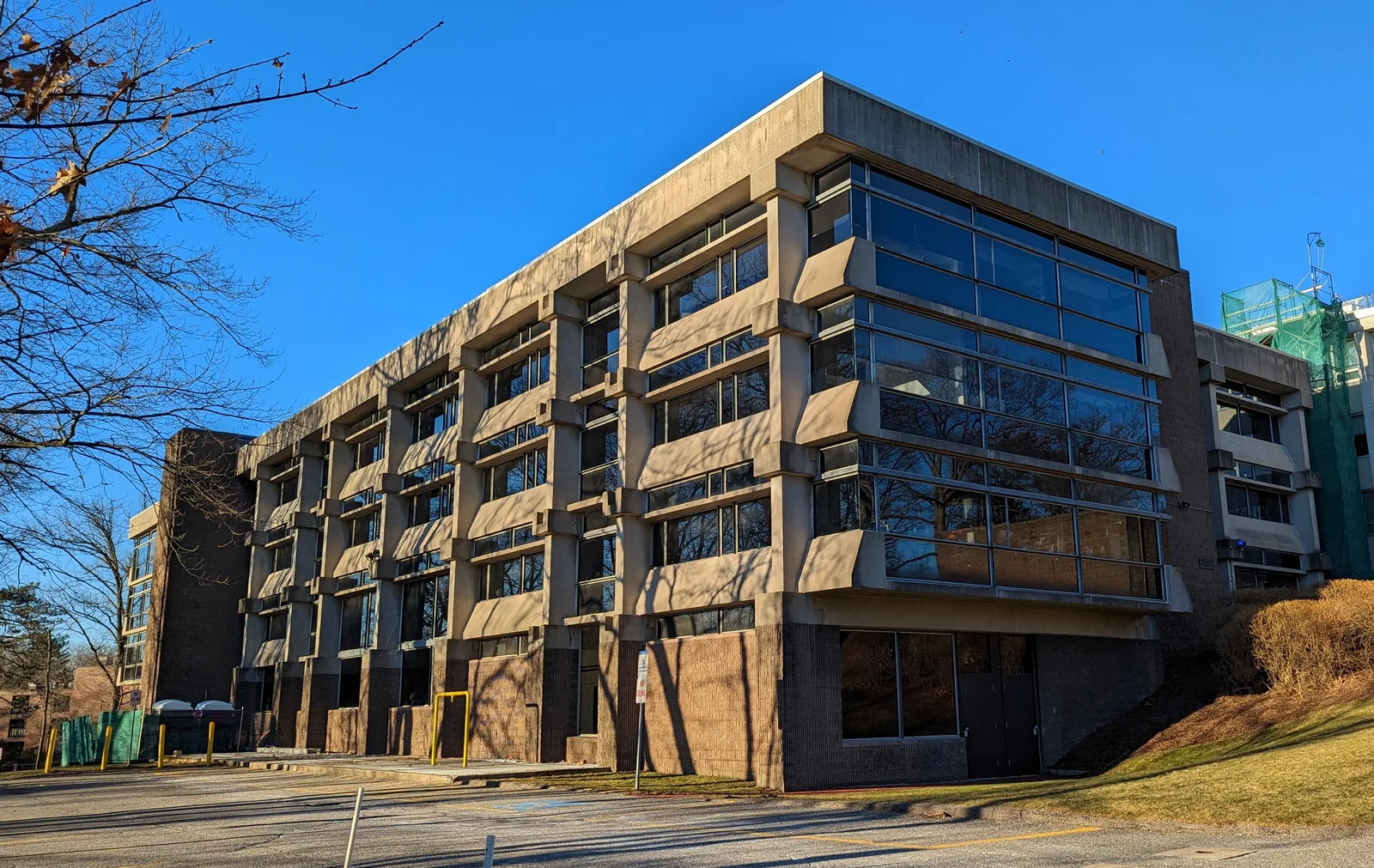
The intent to say something in public came early. At Chicago, in about 2000, an editor from the Free Press knocked on his door looking for a book. Carroll told him that the world had enough books about cosmology and needed one that said God does not exist. The publisher declined, because nobody knew who he was. Six years later Richard Dawkins's The God Delusion sold hugely, and the same editor, by then at another house, became Carroll's own.24
The paper for Notre Dame
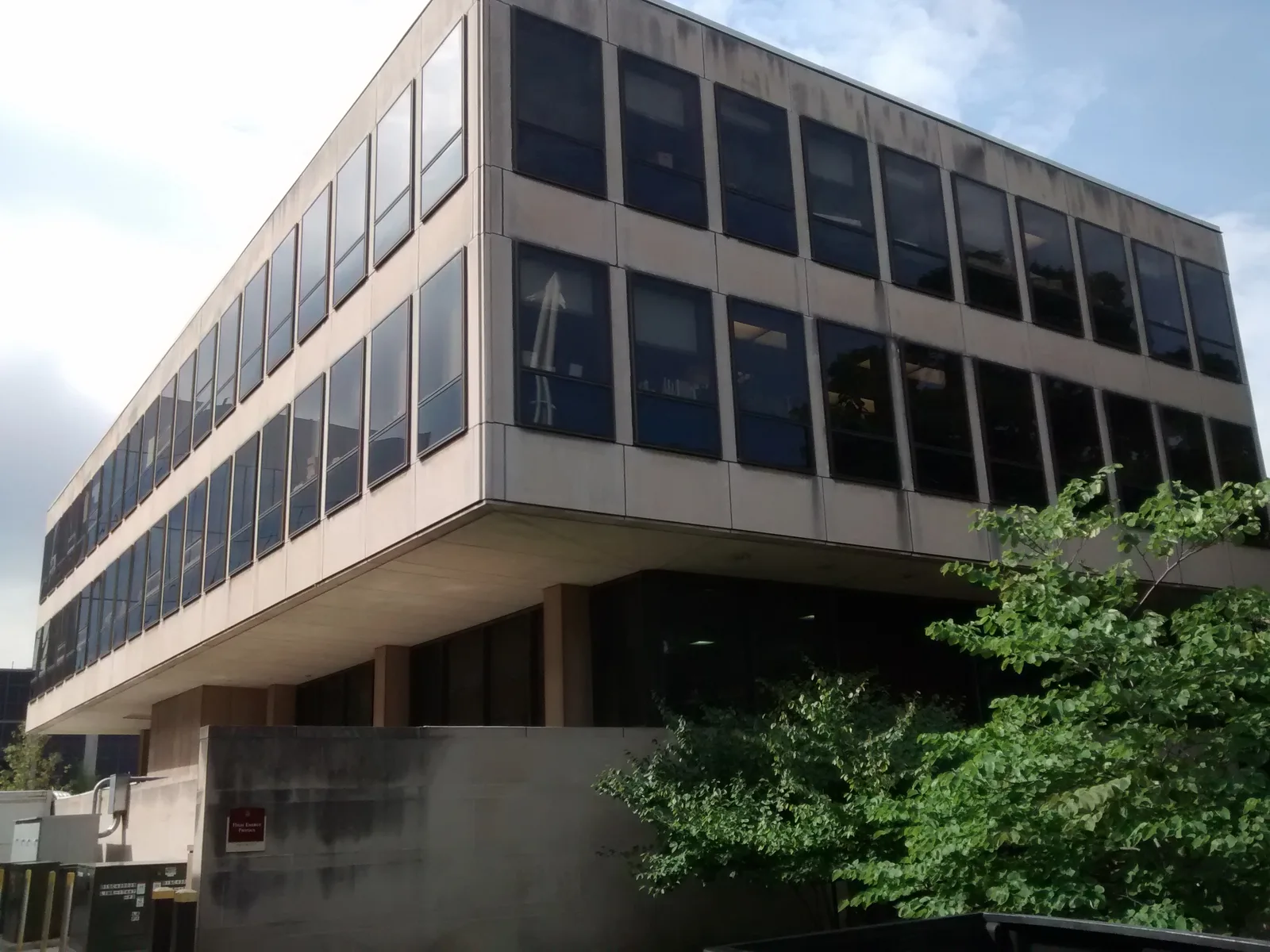
His first public argument was a paper for a conference on God and physical cosmology at the University of Notre Dame in January and February 2003, published two years later in the journal Faith and Philosophy under the title "Why (Almost All) Cosmologists Are Atheists".25 Its case was modest in form. Science and religion, he wrote, are not incompatible in principle, but in practice they diverge. If science can discriminate between pictures of reality at all, it arrives at a strictly materialist conception, and adding God to that picture would only make it more complicated, so the hypothesis should be rejected by ordinary scientific standards. He presented the position as an old one, handed down from the Enlightenment, not a discovery of his own.262728 The word he set against theism in 2003 was materialism, not yet naturalism.29 The timeline puts his declaration here.
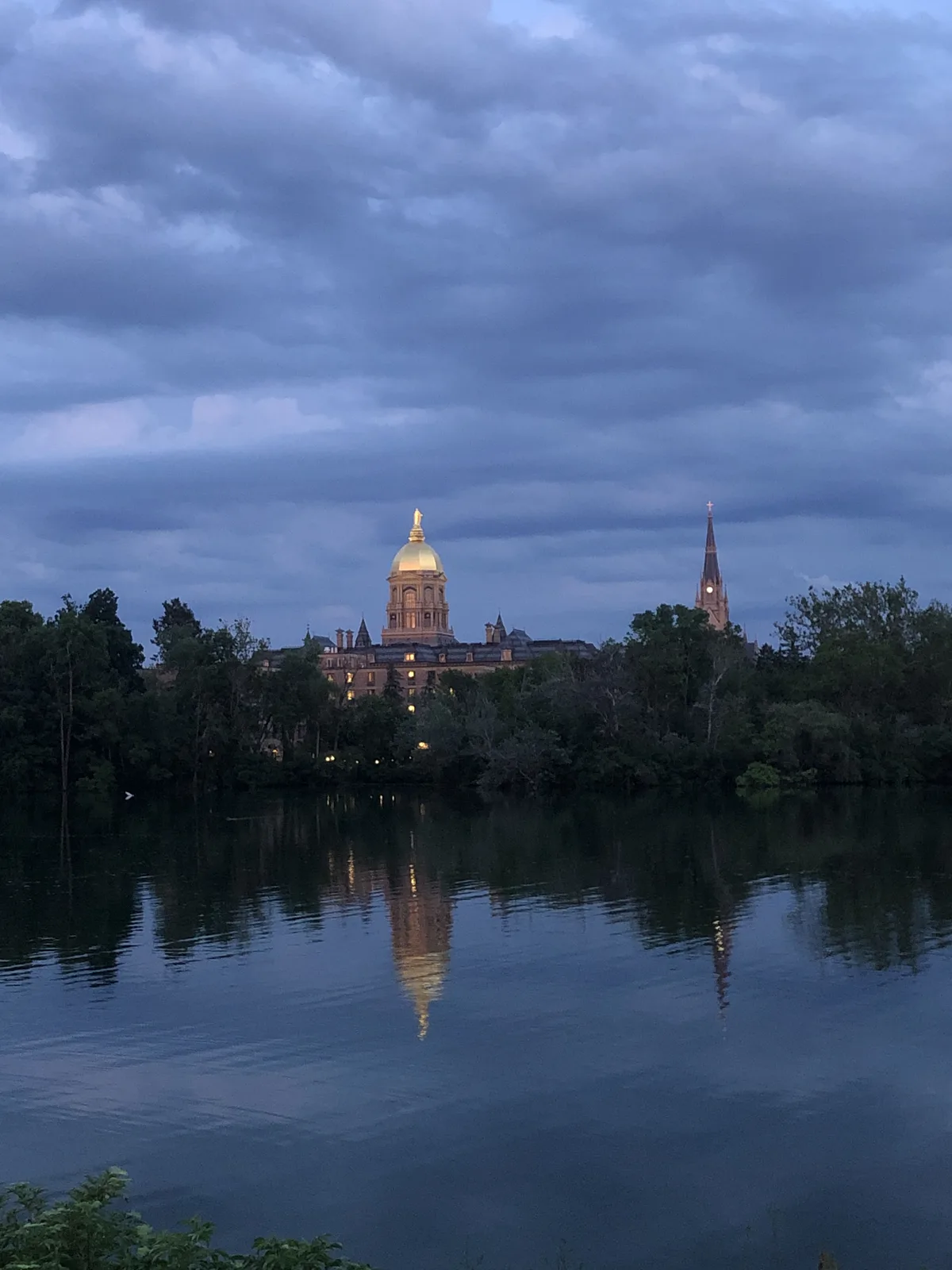
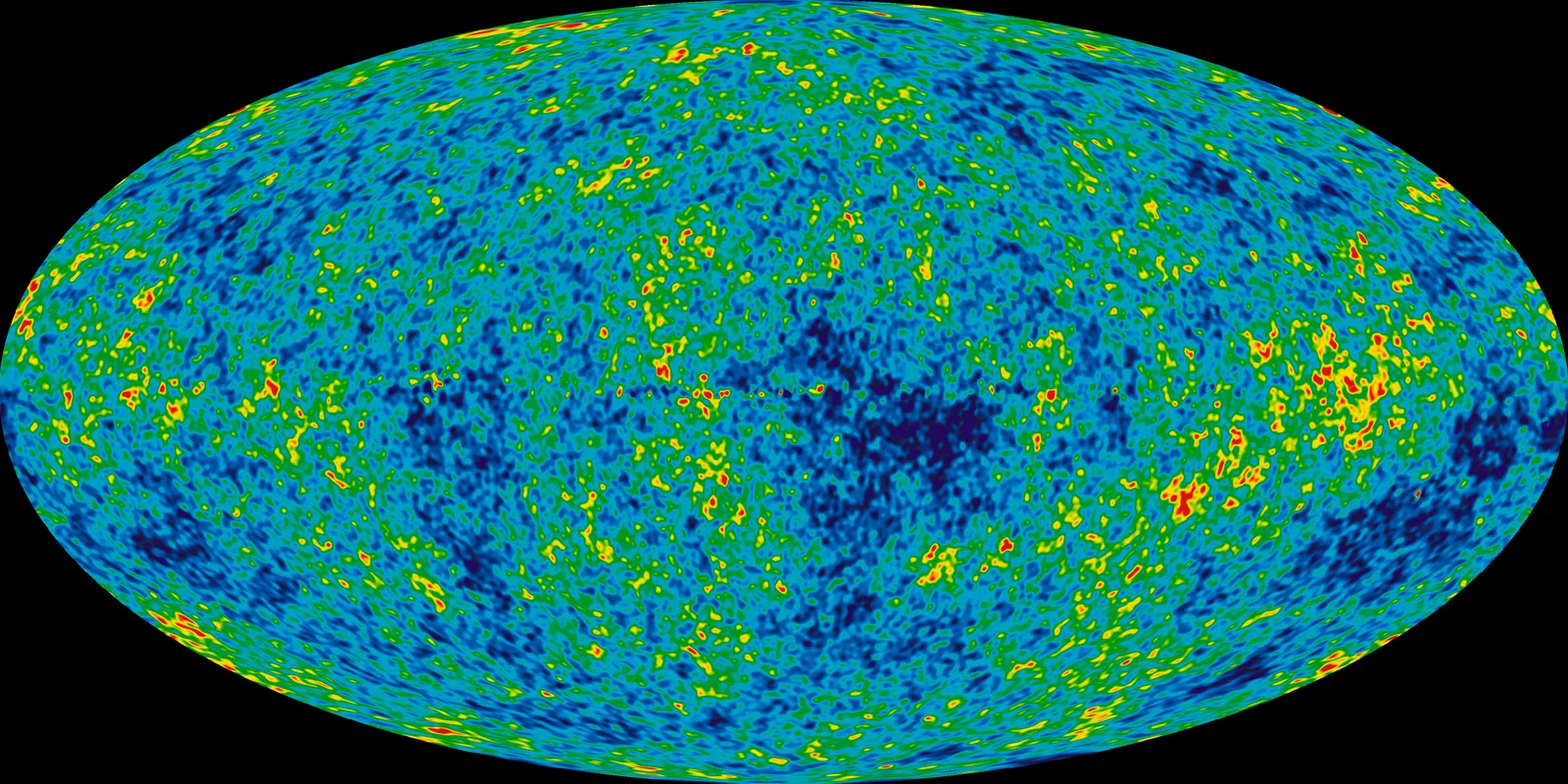
In 2004, with the classicist Shadi Bartsch, he taught a Chicago course called Moments in Atheism, and found how little had been written about the history of unbelief, and how reluctant people had been to call themselves atheists before the nineteenth century.3031 That June, on the blog he had begun, he defined the God he did not believe in: a conscious being with a part in creation, with supernatural powers, and able to care about human beings. If "God" meant only nature or love, he wrote, then fine, God exists, but why use the word.3233 That sentence is the test this book applies to everyone in it, and it is why he is here.
The blog years
For the next decade the blog carried his unbelief in short, dated pieces. When The God Delusion appeared in 2006 he had mixed feelings: he agreed with Dawkins that God does not exist, and thought that question relatively simple, but objected to mixing it up with two others, whether religion is harmful and why people are religious.34 He quoted Terry Eagleton's jibe that reading Dawkins on theology was like reading a man whose only knowledge of biology came from a book of British birds, and answered that theology which does not bear on whether God exists is beside the point.3534 In 2007 he offered readers a choice of two worlds, one of impersonal laws and one with a caring deity, and said he would choose without hesitation the material world he actually believed in.3637
In 2009 he began to say that this was not enough. Atheists, he wrote, should diversify beyond scepticism and mocking creationists and put forward a positive programme for living without the comforting untruths of religion; Dawkins and his allies had done the useful work of showing that it was acceptable to disbelieve and be proud of it.383940 The same year he argued that science and religion are incompatible, but only as a matter of fact about the world we live in, not of logic, and that a religious person could be a good scientist.41 In 2011 he took on a colleague's firm agnosticism about life after death: given what physics knows, he wrote, we know there is no afterlife in the way we know the Moon is not made of cheese.42 Describing a television panel that year, he listed himself plainly as the committed atheist.43
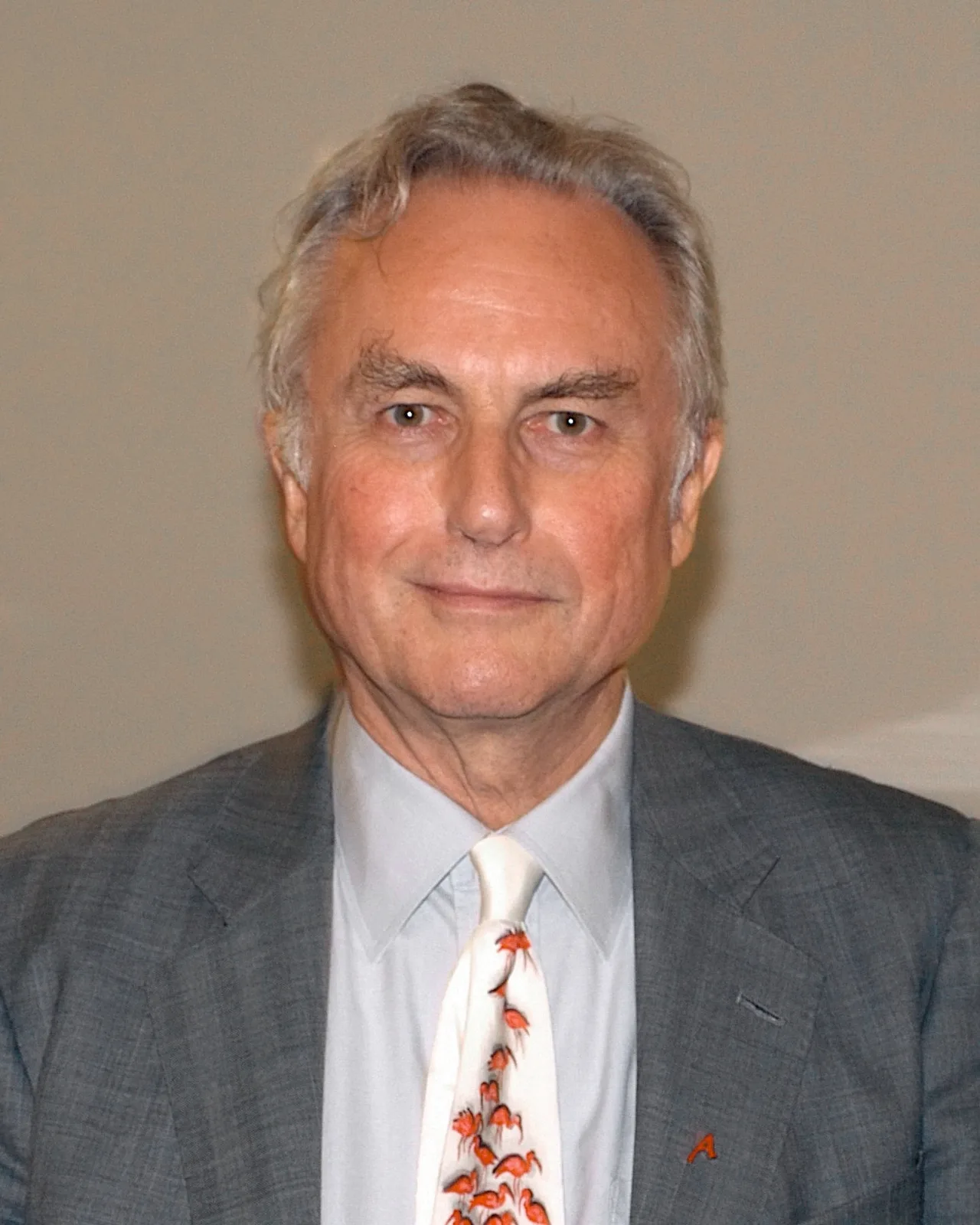
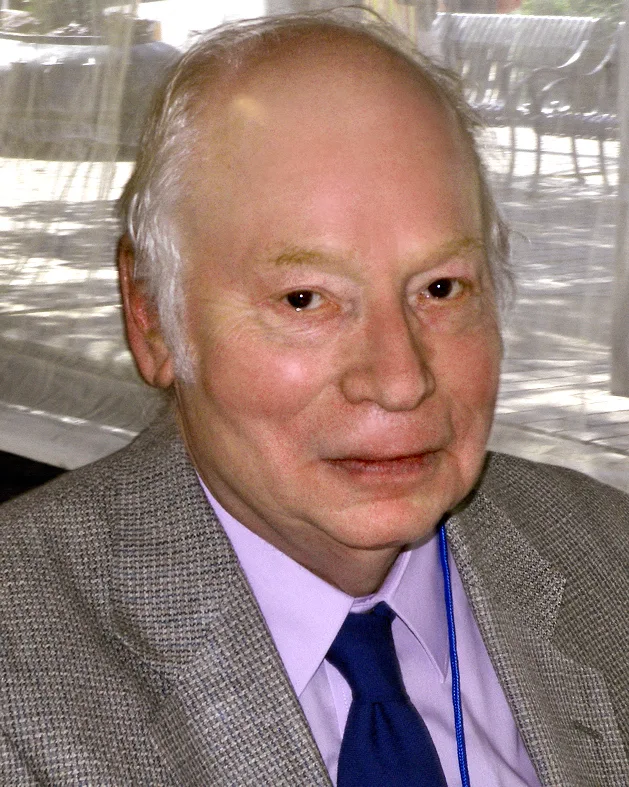
The arguments brought their first cost in 2012, when an essay of his for a Blackwell companion, arguing that a God with free choices sits badly with the qualities of a good scientific theory, was reported in the press. The mail that followed called him a servant of Satan and promised to see him in hell. William Lane Craig's reply on his podcast was, Carroll noted, more temperate.4445 That August he wrote that atheists were mostly right on the metaphysics but needed to raise their game on epistemology and ethics, and in October he convened a workshop called Moving Naturalism Forward, with Dawkins, Daniel Dennett, Steven Weinberg, Jerry Coyne and others, to begin the constructive work.464748 Naturalism was now his word.
Templeton
The one cost he chose for himself came in May 2013, when he explained in Slate why he would not take money from the John Templeton Foundation or speak at its events. The foundation was not evil, he wrote, but whenever respectable scientists took its money they lent their respectability to the idea that science and religion are two paths to the same truth, and he did not believe they were. The shift from theism to atheism, he added, was arguably the most important progress in fundamental ontology in five hundred years.495051 Eight years later he put it more simply: he just thought they were wrong.49
That is the whole of the price, as far as the record shows: hate mail, and money declined. He was denied tenure at Chicago in 2006 and moved to Caltech, but he gives academic reasons for it, and no one has tied the decision to his atheism.52
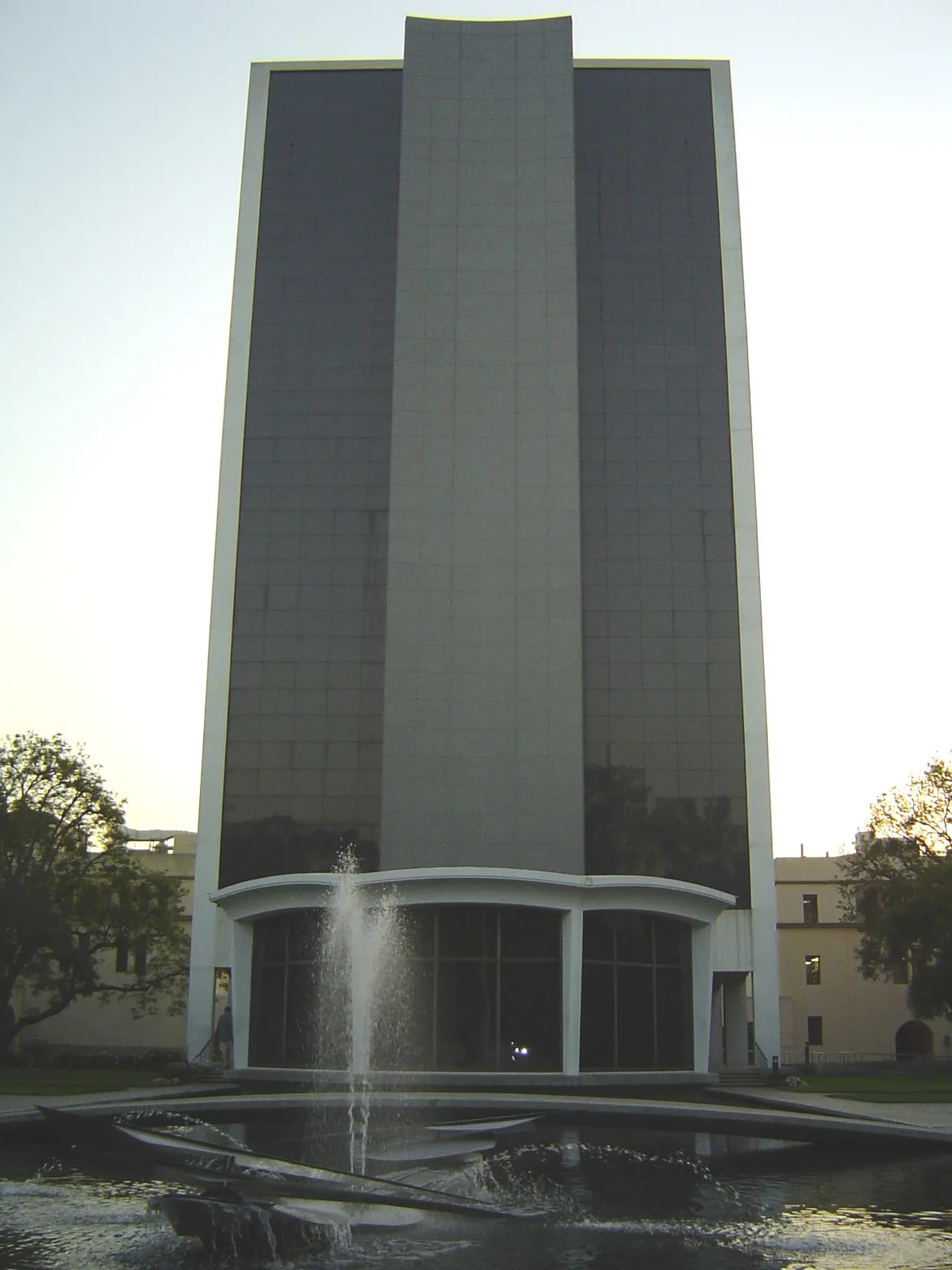
New Orleans
The debate with Craig, at the Greer-Heard Forum of the New Orleans Baptist Theological Seminary in February 2014, was the high point of the arguing years. A month earlier he had held a dialogue with the theist philosopher Hans Halvorson at Caltech, and they had largely agreed; he went to New Orleans, he wrote, not to win but to be understood.2 Craig argued from the universe's beginning and its fine-tuning; Carroll replied that models of the universe without a cause can be built, Hartle and Hawking's among them, and that demanding more than a complete and consistent model was a relic of a pre-scientific way of thinking.53
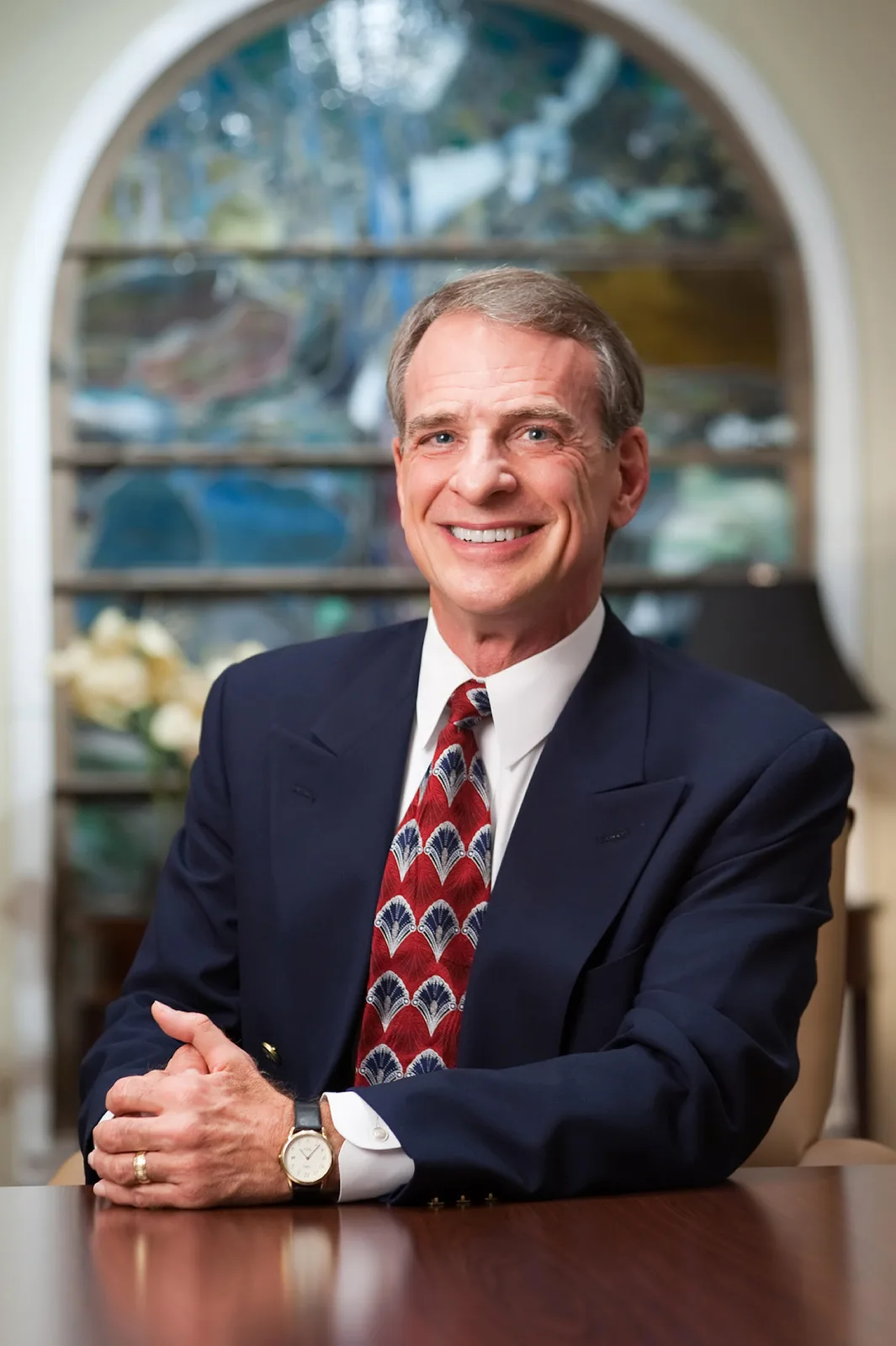
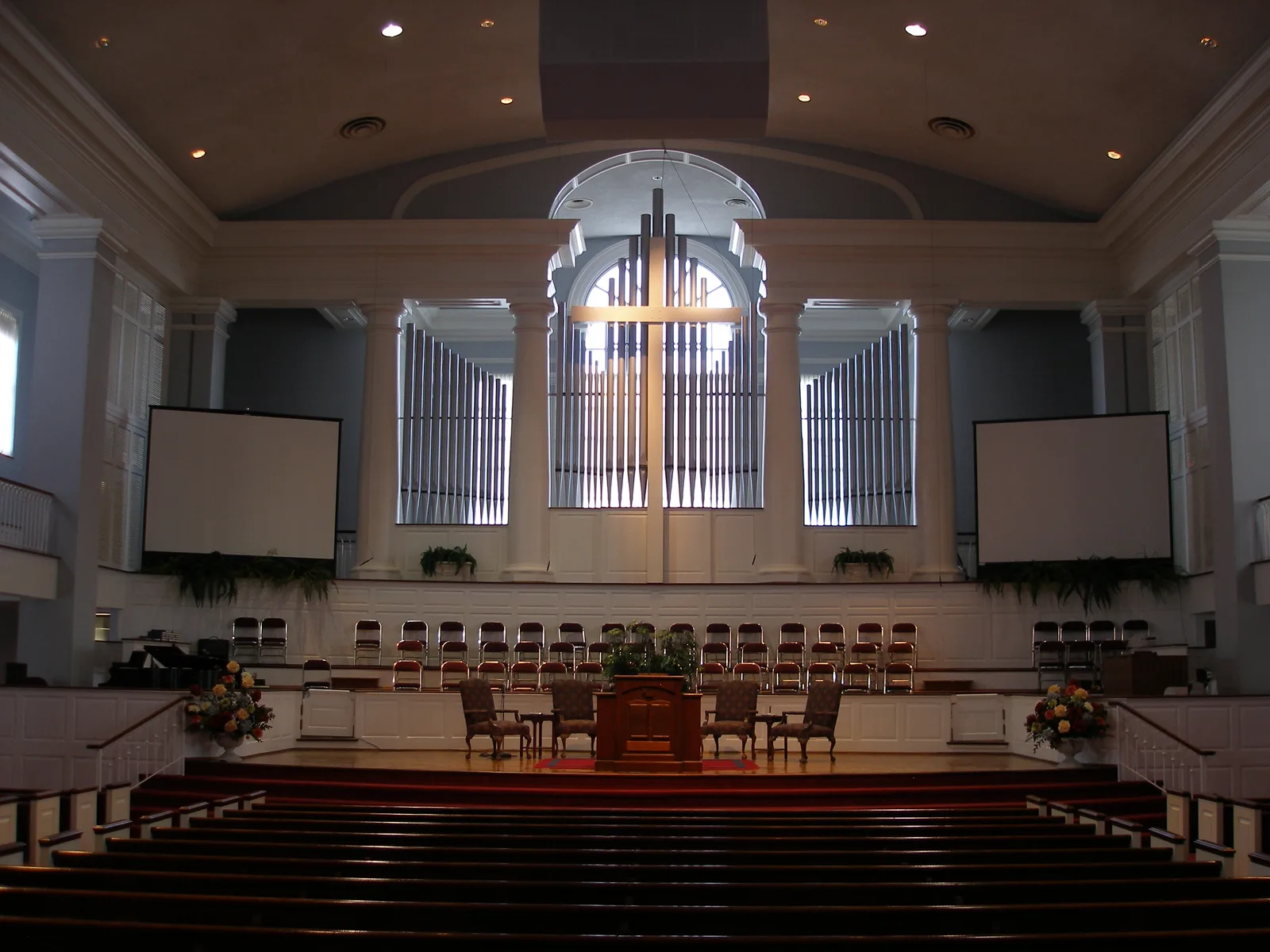
Nobody judged it. Craig waited for the transcript and then replied in three posts that May. Carroll's sentence that metaphysics must follow physics, he wrote, was an expression of epistemological naturalism, and metaphysics by its nature goes beyond physics; physics stops at the beginning of the universe, so it cannot rule out a cause beyond it. He also conceded that one of Carroll's three complaints about his argument was quite correct.535455 Eleven years later, in a video looking back, Craig said he had carried virtually every argument, that Carroll had corrected him on a point about quantum mechanics, and that scientists carry an aura of authority with audiences that philosophers do not.5657 Both sides claimed the argument, and this book does not score it.
The other side
Craig is the main believing voice in this story, and his reason is a serious one: that a method which stops at physics cannot see what lies beyond physics.54 The astrophysicist Luke Barnes, a Christian, read Carroll's 2016 book and said on radio in 2017 that it made no assumption of naturalism but argued its way there; he disagreed with the conclusion, of course, but he granted the method.5859 Carroll has returned the courtesy. He does not treat someone as an enemy because they disagree with him, he said in 2016, and he has kept a born-again cosmologist as a friend.6023
From argument to construction
The turn in his story is not a change of conclusion but of what he wanted to do with it. In October 2014 the Freedom From Religion Foundation gave him its Emperor Has No Clothes award, and he used the speech to talk about death: physics gives strong reason, never proof, to think there is no afterlife, and life is a process, not a substance.6162 Writing it up the next January, he said he had no real interest in giving talks that bashed religion, and cared much more for the hard, constructive work of exploring what naturalism implies.6263 On the timeline, this is where his revision falls.
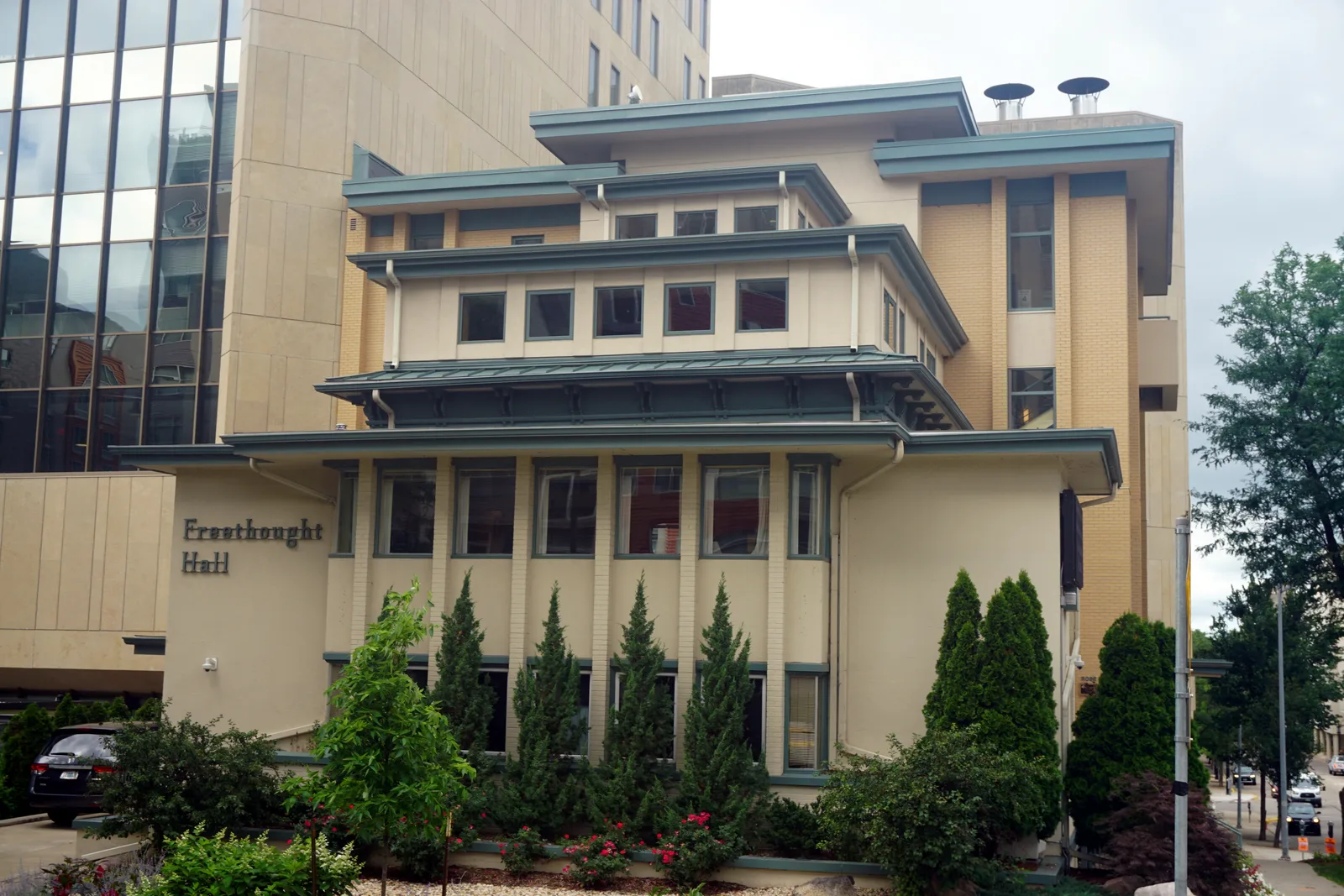
The Big Picture (2016) gave the programme a name, poetic naturalism: there is only one world, the natural world, and there are many useful ways of talking about it. Naturalists are atheists, he told an interviewer, but the label states what one does believe rather than what one rejects. He still called the evidence that God does not exist pretty incontrovertible, and he still held that it is not true that every effect has a cause. Our beliefs, he said, hang together in planets of mutual support; our confidence should never reach exactly nothing or exactly certainty; and the finiteness of life is what gives it value.6460656667 He gave the Gifford Lectures at Glasgow that year.68 On a Christian radio programme in 2017 he said he was happy to be called an atheist, but that it was not the first description he would choose, because it names what he does not believe.5869
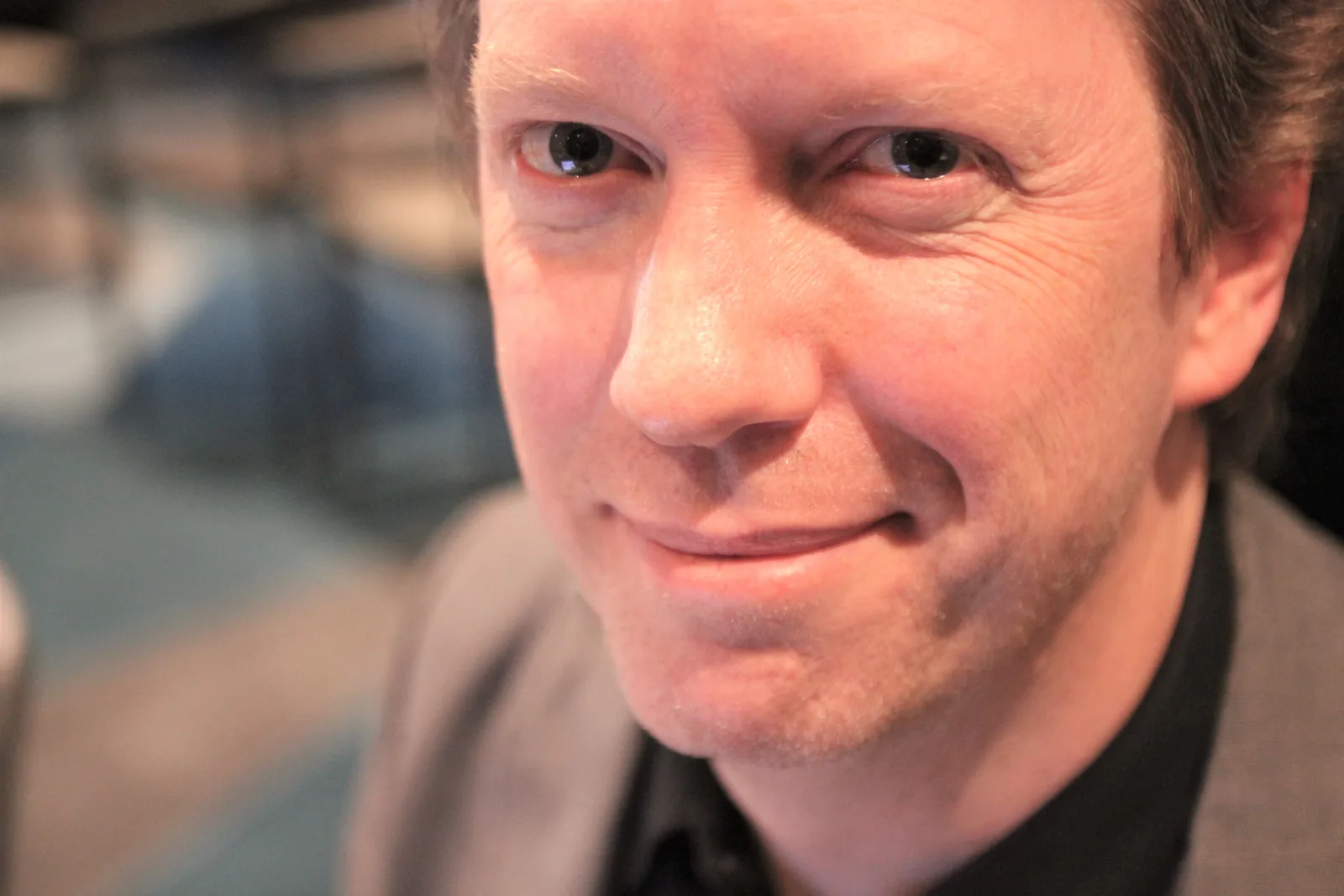
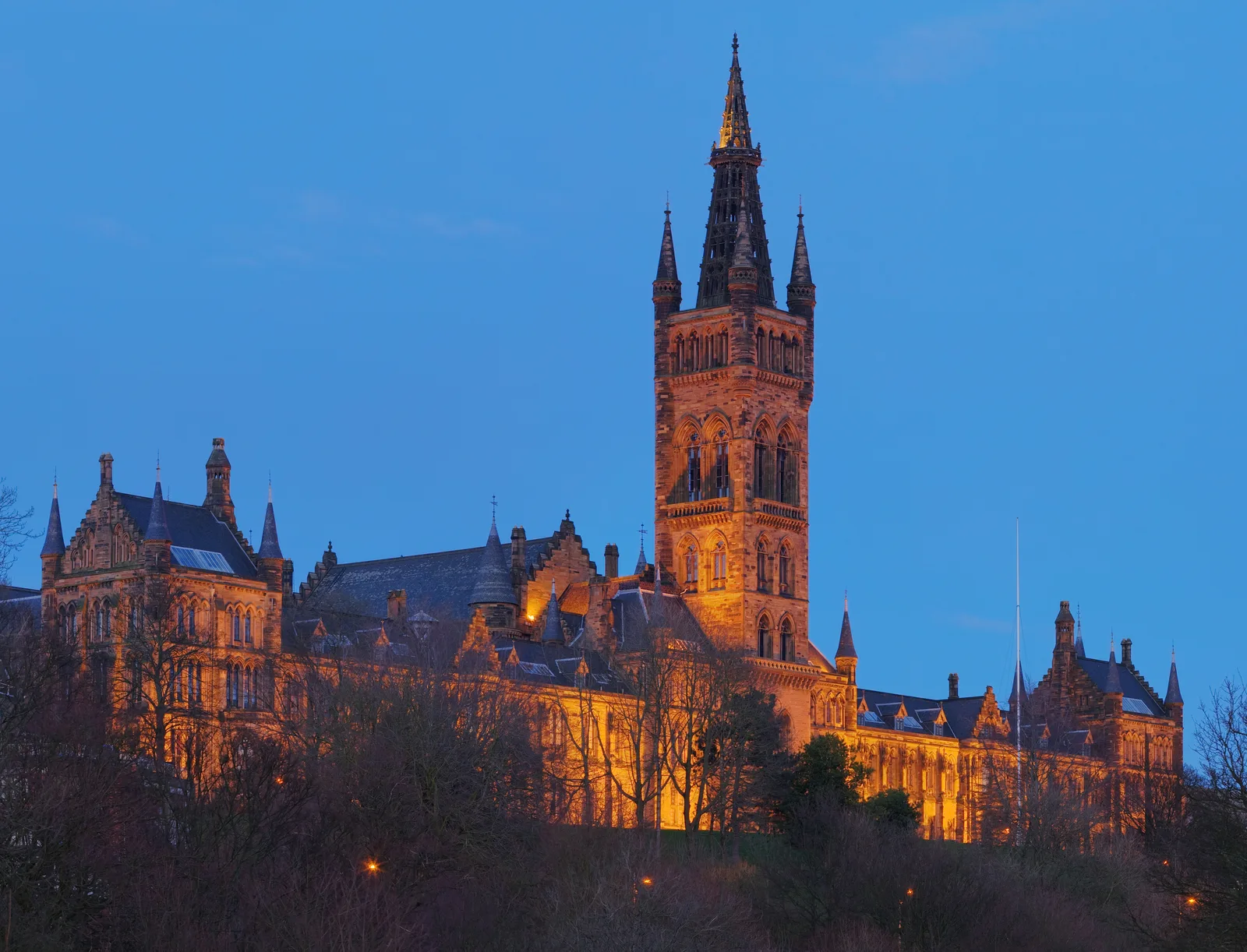
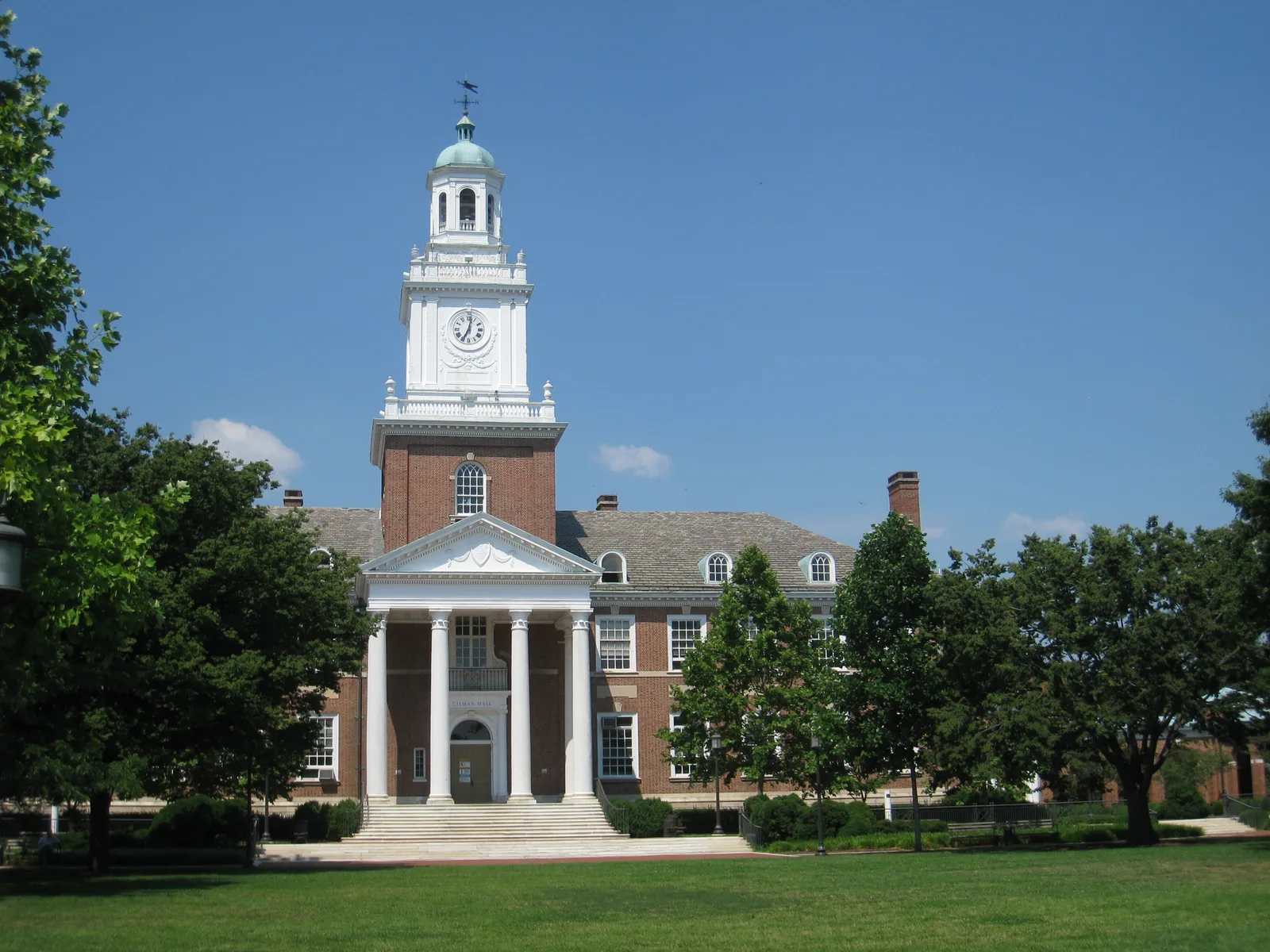
Since 2018 his podcast has carried the same temper. He is after the big ideas, he told the humanist theologian Anthony Pinn in its fourth episode, and asked whether atheism or humanism could supply the community that churches had.70 He is not personally religious, he said in 2019, but he finds the history of religious thought fascinating and important.7172 In 2021 he told an oral historian that hectoring people and calling them irrational does not work, that the useful thing is to be friendly, likeable and open-minded, and that thinking like a scientist still leads to the conclusion that God does not exist.73 In 2022 he became Homewood Professor of Natural Philosophy at Johns Hopkins, a joint post in physics and philosophy, which is to say the job of building the naturalism he had once only argued for.74 In 2024, interviewing a scholar of a multiracial megachurch, he compared it, with curiosity rather than scorn, to the small parish of his boyhood.7513
Did his unbelief change shape?
The conclusion has not moved in the forty years since a song at a Catholic university gave a quiet drift its name. What changed is the work he wanted to do with it. For a decade he argued that God does not exist, on blogs, in journals and on a seminary stage, and paid for it in hate mail and in money he declined. Then he decided that the argument was won and uninteresting, and that the harder task was to say what a world without God is like and how to live in it. He has never called himself an agnostic, and he still prefers to be known by what he believes.
Steven Weinberg, who joined Carroll's workshop in 2012 and drew the same conclusion from cosmology a generation earlier, has his own chapter in this book.
Footnotes
-
Blog, "William Lane Craig Debate", 28 January 2014 (texts/blog-2014-01-william_lane_craig_debate.txt); Reasonable Faith site search for "Sean Carroll" (texts/craig-rf-search-results.txt): list of Craig's podcasts and posts on Carroll, with the debate's title, (title truncated there); "Sean M. Carroll", English Wikipedia, revision 1379415860 of 2026-10-09. Used as a map and for birth date, Gifford Lectures and the 2012 Caltech debate, rev. 1379415860 (full title); "William Lane Craig vs Sean Carroll, 'God and Cosmology'", 2014 Greer-Heard Forum, 21 February 2014; ReasonableFaithOrg upload of 2014-03-03, 0:01 to 0:04. ↩
-
"William Lane Craig vs Sean Carroll,…", about 8:40 to 9:40. ↩ ↩2
-
William Lane Craig, opening speech, 21 Feb 2014. He rejects "God of the gaps" reasoning and says cosmology does not prove God.: "William Lane Craig vs Sean Carroll,…", about 8:40 to 9:30. ↩
-
"William Lane Craig vs Sean Carroll,…", about 31:00 to 33:00; CraigRF368. ↩ ↩2
-
CraigRF368 (quoting Carroll's opening speech); "William Lane Craig vs Sean Carroll,…", about 31:15. ↩
-
"Sean M. Carroll", rev. 1379415860. Reported at second hand; the original has not been seen. ↩
-
Interview of Sean Carroll by David Zierler, 4 January 2021, Niels Bohr Library and Archives, American Institute of Physics (oral history 45034), answer on parents and neighbourhood. ↩ ↩2
-
AIP, answers on parents. ↩
-
AIP, answer to "Was the church part of your upbringing". ↩ ↩2 ↩3
-
"Unbelievable? Sean Carroll (naturalism) vs Luke Barnes (theism)", Premier Christian Radio, host Justin Brierley, about 5:34 to 6:30. ↩ ↩2
-
Blog, "Post-Christian America", 5 April 2009 (texts/blog-2009-04-post_christian_america.txt), 5 April 2009. ↩
-
Mindscape podcast, episode 290, "Hahrie Han on Making Multicultural Democracy Work", 23 September 2024 (texts/mindscape-2024_09_23_290.txt), 0:43. ↩ ↩2
-
AIP, same passage and the next answer. ↩
-
AIP; "Unbelievable? Sean Carroll (naturalism) vs Luke Barnes (theism)", about 5:06. ↩
-
AIP, answers on college. ↩
-
AIP, answers on college and on foundations of physics. ↩
-
"Tarkus", English Wikipedia, revision 1378565158 of 2026-10-05 (release date of the album that carries "The Only Way (Hymn)"), rev. 1378565158. ↩
-
"About", preposterousuniverse.com (career summary, Pennsbury High School); "Sean M. Carroll". Not verified. ↩ ↩2
-
AIP, answer on becoming a public intellectual. ↩
-
Sean M. Carroll, "Why (Almost All) Cosmologists are Atheists", prepared for the Notre Dame conference God and Physical Cosmology, January/February 2003; Faith and Philosophy 22 (2005), 622, header. ↩
-
Carroll, "Why (Almost All) Cosmologists are Atheists", abstract, introduction and conclusions. ↩
-
Carroll, "Why (Almost All) Cosmologists are Atheists", Conclusions (Faith and Philosophy 22, 2005). ↩
-
Carroll, "Why (Almost All) Cosmologists are Atheists", Introduction. ↩
-
Carroll, "Why (Almost All) Cosmologists are Atheists". ↩
-
Blog, "Moments in Atheism", March 2004; AIP. ↩
-
Blog, "Moments in Atheism", blog, March 2004. ↩
-
Blog, "God: threat, or menace?", June 2004 (texts/blog-2004-06-god_threat_or_menace.txt). ↩
-
Blog, "God: threat, or menace?", blog, June 2004. ↩
-
Blog, "The God Conundrum", 29 October 2006 (texts/blog-2006-10-the_god_conundrum.txt). ↩ ↩2
-
Terry Eagleton, literary critic, reviewing Dawkins in the London Review of Books (2006); quoted by Carroll. Aimed at Dawkins, not Carroll. Effect on Carroll: he agrees with Dawkins's conclusion but says theology that does not bear on whether God exists is "beside the point", and he faults Dawkins's strategy of mixing questions. Secondhand: the review itself was not fetched.: Blog, "The God Conundrum", blog, 29 Oct 2006. ↩
-
Blog, "Consolations of Materialist Philosophy", 11 July 2007 (texts/blog-2007-07-consolations_of_materialist_ph.txt). ↩
-
Blog, "Consolations of Materialist Philosophy", blog, 11 July 2007. ↩
-
Blog, "The Sacred", 26 January 2009 (texts/blog-2009-01-the_sacred.txt). ↩
-
Blog, "Post-Christian America". ↩
-
Blog, "Post-Christian America", blog, 5 April 2009. ↩
-
Blog, "Science and Religion are Not Compatible", 23 June 2009 (texts/blog-2009-06-science_and_religion_are_not_c.txt). ↩
-
Blog (cross-posted at Scientific American), "Physics and the Immortality of the Soul", 23 May 2011 (texts/blog-2011-05-physics_and_the_immortality_of.txt). ↩
-
Blog, "God and Cosmology Conversation", 9 August 2011 (texts/blog-2011-08-god_and_cosmology_conversation.txt). ↩
-
Sean Carroll, "Does the Universe Need God?", The Blackwell Companion to Science and Christianity, ed. James B. Stump and Alan G. Padgett (2012), section on personhood. ↩
-
Blog, "Let the Universe Be the Universe", 25 September 2012 (texts/blog-2012-09-let_the_universe_be_the_universe.txt); also reproduced in full in Craig's Q&A #286, 25 September 2012; Craig, Q&A #286 "Sean Carroll's Reply to the RF Podcast", 8 October 2012 (texts/craig-rf-carrolls-reply.txt). Reproduces Carroll's "Let the Universe Be the Universe". ↩
-
Blog, "Chatting Atheism", 19 August 2012 (texts/blog-2012-08-chatting_atheism.txt). ↩
-
Blog, "Moving Naturalism Forward: Videos and Recap", 11 December 2012 (texts/blog-2012-12-moving_naturalism_forward_vide.txt), 11 December 2012. ↩
-
Blog, "Chatting Atheism", blog, 19 Aug 2012. ↩
-
Sean Carroll, "Science and Religion Can't Be Reconciled: Why I won't take money from the Templeton Foundation", Slate, 9 May 2013 (first posted on his blog as "On Templeton", 8 May 2013), Slate; AIP. ↩ ↩2
-
Carroll, "Science and Religion Can't Be Reconciled:…", Slate, 9 May 2013. ↩
-
Carroll, "Science and Religion Can't Be Reconciled:…", Slate, 9 May 2013. ↩
-
AIP; "Sean M. Carroll". ↩
-
CraigRF368; CraigRF369; CraigRF370. ↩
-
William Lane Craig, Christian philosopher and apologist, the debate's opponent. His reason: physics stops at the origin of the universe, so a cause beyond it cannot be ruled out by physics. Effect on Carroll: none visible in his writing except to sharpen the point that "the question you should be asking is what is the best model"; Carroll's 2012 reply calls engaging Craig "fundamentally less interesting" than engaging open-minded people.: CraigRF368, 5 May 2014. ↩ ↩2
-
William Lane Craig, on Carroll's sentence "Our metaphysics must follow our physics" (see Q20).: CraigRF368, 5 May 2014. ↩
-
William Lane Craig (drcraigvideos), "What I Got Right (And Wrong) In My Debate with Sean Carroll", YouTube 9xOA2yJ-v7c, uploaded 2025-08-08; auto-captions (texts/craig-what-i-got-right.txt). ↩
-
William Lane Craig, 2025 video. Same video: Carroll "corrected me on that point" about quantum unitarity, and "the great high priests of our culture today are in fact professional scientists", a complaint about scientific authority. Fair reading: a combative self-assessment that also concedes an error.: (drcraigvideos), "What I Got Right (And Wrong)…". ↩
-
"Unbelievable? Sean Carroll (naturalism) vs Luke Barnes (theism)", about 5:34 to 6:30, 11:00 to 16:30, 18:17. ↩ ↩2
-
Luke Barnes, Christian astrophysicist, Sydney, co-author with the atheist Geraint Lewis of A Fortunate Universe; on Carroll's The Big Picture: "I disagree with the conclusion of course" but Carroll "argues to" naturalism. A believer reading Carroll fairly. Effect on Carroll: he repeats that naturalism is a conclusion, not an assumption.: "Unbelievable? Sean Carroll (naturalism) vs Luke Barnes (theism)", about 16:00. ↩
-
Émile P. Torres, interview with Sean Carroll, "'The evidence is pretty incontrovertible that he doesn't exist'", Salon, 8 May 2016 (by email; Carroll's answers are his own words). ↩ ↩2
-
Blog, "Life Is the Flame of a Candle", 3 January 2015 (texts/blog-2015-01-life_is_the_flame_of_a_candle.txt); "About"; "Sean M. Carroll". ↩
-
Blog, "Life Is the Flame of a Candle", blog, 3 Jan 2015. ↩
-
Salon. ↩
-
Salon. ↩
-
Salon, interview, 8 May 2016. ↩
-
Salon, interview, 8 May 2016. ↩
-
"Sean M. Carroll", rev. 1379415860. ↩
-
"Unbelievable? Sean Carroll (naturalism) vs Luke Barnes (theism)", about 5:45. ↩
-
Mindscape podcast, episode 4, "Anthony Pinn on Humanism, Theology, and the Black Community", 12 July 2018 (texts/mindscape-2018_07_12_episode_4.txt). ↩
-
Mindscape podcast, episode 48, "Marq de Villiers on Hell and Damnation", 27 May 2019 (texts/mindscape-2019_05_27_episode_48.txt). ↩
-
podcast, "Marq de Villiers on Hell and Damnation", Mindscape 48, 27 May 2019, about 2:00. ↩
-
AIP, answers on public image and religion. ↩
-
"About". ↩
-
podcast, "Hahrie Han on Making Multicultural Democracy Work". ↩
In their own words
I just drifted away very, very gradually.
It was my first exposure to the idea that you could not only be atheist but be happy with it.
the thing that flicked the switch in my head was listening to music
So, it wasn't until I went to Catholic university that I became an outspoken atheist.
It was clearly for her benefit that we were going.
I was never repulsed by the church, nor attracted to it in any way.
What the world really needs is a book that says God does not exist.
I was raised as an Episcopalian.
Completely different from the church that I went to as a kid was declining Episcopalian parish in Trenton, New Jersey, with a few dozen people, maybe.
I wasn't born an atheist
it's not the first self-description that I choose
I am therefore led to conclude that adding God would just make things more complicated, and this hypothesis should be rejected by scientific standards.
Essentially I will be defending a position that has come down to us from the Enlightenment
Whatever most people have in mind when they speak of God, it must be some being that is able to care about we humans.
Not only would I unhesitatingly choose the purely-materialist cosmos in which I actually believe, I would have guessed that almost all atheists would do so.
we need to put forward a positive agenda for living our lives without the comforting untruths handed down by religion
Science and religion are not compatible.
I don't think that science and religion are reconciling or can be reconciled in any meaningful sense
The shift in perspective from theism to atheism is arguably the single most important bit of progress in fundamental ontology over the last 500 years.
Our metaphysics must follow our physics.
But I have the overwhelming advantage of being right.
I have no real interest in giving religion-bashing talks; I care a lot more about doing the hard and constructive work of exploring the consequences of naturalism.
Naturalists are atheists
the evidence is pretty incontrovertible that he doesn't
hectoring people and berating them and telling them they're irrational. That doesn't work.
I'm after the ideas, the big ideas.
as much as I'm not personally religious, the history of religious thought I think is both fascinating and important
while we atheists are mostly right on the metaphysics , we need to really raise our game when it comes to epistemology and metaethics
Also fascinating how reluctant people were to declare themselves atheists (until the 19th century), no matter how obviously the implications of their work were pushing them in that direction.
I'm a straight, white, upper-class, lapsed-Episcopalian Anglo-American male
The other side
Metaphysics goes beyond physics-that's what "metaphysics" means!
This is an expression of epistemological naturalism.
the evidence of contemporary cosmology actually renders God's existence considerably more probable than it would have been without it
I think I carried virtually every argument in that debate.
there's no assumption of naturalism in the book
Imagine someone holding forth on biology whose only knowledge of the subject is the Book of British Birds , and you have a rough idea of what it feels like to read Richard Dawkins on theology
Where accounts differ
| Point | One account | Another | How the page handles it |
|---|---|---|---|
| When his unbelief formed | A gradual drift from the age of ten, "very, very gradually", unnoticed until Villanova (AIP, 2021) | "Gradually through my junior high school, high school, college years" he became "more clear" (Premier, 2017) | The two are consistent. Say plainly that he describes no crisis and no date; the Villanova song is the moment he says it "crystalized". |
| Where his boyhood church was | Family in Levittown and Yardley, Pennsylvania (AIP) | "Declining Episcopalian parish in Trenton, New Jersey" (Han, 2024) | Not a contradiction (Yardley is a short drive from Trenton, across the Delaware) but no source says the same parish both times. Say "an Episcopalian parish near Philadelphia and Trenton" or avoid a town. |
| Who won the Craig debate | Craig: he "carried virtually every argument" (CraigVideo, 2025) and the audience was swayed by scientific "authority" | Carroll: his "goal here is not to win the debate" (CraigPost, 2014); some predicted he would be crushed | No judges decided it. Report that both sides claimed the argument; do not score it. |
| Whether Guth and the Borde-Guth-Vilenkin theorem support a beginning | Craig: the theorem supports a beginning and Guth's contrary view rests on the Carroll-Chen model (CraigVideo) | Carroll: the theorems concern classical spacetimes and cannot settle the beginning (Universe, 2012) | Do not adjudicate in the script; it is a physics dispute. Name it only if the debate is shown in detail. |
| Date of the Premier "Unbelievable?" programme | 28 October 2017, per the brief's "28 Oct 2017" (it matches the upload date of a reaction video that plays the programme) | No date on the broadcast itself was reachable; the YouTube id in the brief (bXE_YJzpw-o) does not load | Write "in 2017" only after the Premier page or podcast feed is found; until then "in a radio debate" with no date. |
| Who coined "poetic naturalism" | Wikipedia: "the term he is credited with coining" (rev. 1379415860) | Salon interviewer: "to my knowledge, you coined" it (2016); no earlier use found | Say he "called his view poetic naturalism"; do not say he invented the phrase. |
List of illustrations
This page uses only public-domain and Creative Commons images; each is credited with its source and licence.
- Sean Carroll at LogiCalLA, 14 January 2017 — Sgerbic, 2017-01-14 · Sgerbic, via Wikimedia Commons, CC BY-SA 4.0 · CC BY-SA 4.0 (Wikimedia Commons file page; https://creativecommons.org/licenses/by-sa/4.0/)
- Yardley Historic District, Borough Hall, 56 S. Main Street, Yardley, Pennsylvania — Shuvaev, 2012-10-05 · Shuvaev, via Wikimedia Commons, CC BY-SA 3.0 · CC BY-SA 3.0 (Wikimedia Commons file page; https://creativecommons.org/licenses/by-sa/3.0/)
- St. Michael's Episcopal Church, 140 N. Warren Street, Trenton, New Jersey — Smallbones, 2011-03-25 · Smallbones, via Wikimedia Commons, CC0 · CC0 (Wikimedia Commons file page; https://creativecommons.org/publicdomain/zero/1.0/)
- Emerson, Lake & Palmer in concert, 1992 — Gorupdebesanez, 1992 · Gorupdebesanez, via Wikimedia Commons, CC BY-SA 3.0 · CC BY-SA 3.0 (Wikimedia Commons file page; https://creativecommons.org/licenses/by-sa/3.0/)
- Detail of the 1883 Saint Thomas of Villanova Church, Villanova, Pennsylvania — Carol M. Highsmith, between 1980 and 2006 · Carol M. Highsmith, Library of Congress (LCCN2011635129), via Wikimedia Commons · Public domain (Wikimedia Commons file page; Carol M. Highsmith donated her work to the public; LCCN2011635129)
- Harvard-Smithsonian Center for Astrophysics, Cambridge, Massachusetts — Daderot, 2023-03-19 · Daderot, via Wikimedia Commons, CC0 · CC0 (Wikimedia Commons file page; http://creativecommons.org/publicdomain/zero/1.0/deed.en)
- Enrico Fermi Institute, University of Chicago — Mx. Granger, 2015-09-10 · Mx. Granger, via Wikimedia Commons, CC0 · CC0 (Wikimedia Commons file page; https://creativecommons.org/publicdomain/zero/1.0/)
- Mary Atop the Golden Dome, University of Notre Dame — Scu ba, 2019-06-26 · Scu ba, via Wikimedia Commons, CC0 · CC0 (Wikimedia Commons file page; http://creativecommons.org/publicdomain/zero/1.0/deed.en)
- Nine Year Microwave Sky (WMAP all-sky cosmic microwave background map) — NASA / WMAP Science Team, 2012-12-21 · NASA / WMAP Science Team, via Wikimedia Commons · Public domain (Wikimedia Commons file page; NASA / WMAP Science Team; US federal government work)
- Richard Dawkins at Cooper Union, New York, 29 September 2010 — David Shankbone, 2010-09-29 · David Shankbone, via Wikimedia Commons, CC BY 3.0 · CC BY 3.0 (Wikimedia Commons file page; https://creativecommons.org/licenses/by/3.0/)
- Steven Weinberg at the Texas Book Festival, 16 October 2010 — Larry D. Moore, 2010-10-16 · Larry D. Moore, via Wikimedia Commons, CC BY 4.0 · CC BY 4.0 (Wikimedia Commons file page; https://creativecommons.org/licenses/by/4.0)
- Millikan Library at Caltech — en:User:Geographer, 2005-07-07 · en:User:Geographer, via Wikimedia Commons, CC BY 1.0 · CC BY 1.0 (Wikimedia Commons file page; https://creativecommons.org/licenses/by/1.0/)
- William Lane Craig (official press photograph, 2014) — ReasonableFaith.org, 2014-03-13 · ReasonableFaith.org, via Wikimedia Commons, CC BY 3.0 · CC BY 3.0 (Wikimedia Commons file page; https://creativecommons.org/licenses/by/3.0/)
- Leavell Chapel, New Orleans Baptist Theological Seminary, 30 November 1999 — Dmd88drvr, 1999-11-30 · Dmd88drvr, via Wikimedia Commons, CC BY-SA 4.0 · CC BY-SA 4.0 (Wikimedia Commons file page; https://creativecommons.org/licenses/by-sa/4.0/)
- Freethought Hall in Madison, Wisconsin, August 2022 — Michael Barera, 2022-08-08 · Michael Barera, via Wikimedia Commons, CC BY-SA 4.0 · CC BY-SA 4.0 (Wikimedia Commons file page; https://creativecommons.org/licenses/by-sa/4.0/)
- Sean Carroll, close-up (LogiCalLA, 14 January 2017) — Sgerbic, 2017-01-14 · Sgerbic, via Wikimedia Commons, CC BY-SA 4.0 · CC BY-SA 4.0 (Wikimedia Commons file page; https://creativecommons.org/licenses/by-sa/4.0/)
- The Gilbert Scott Building, University of Glasgow, February 2008 — Diliff, 2008-02-24 · Diliff, via Wikimedia Commons, CC BY 3.0 · CC BY 3.0 (Wikimedia Commons file page; https://creativecommons.org/licenses/by/3.0/)
- Gilman Hall, Johns Hopkins University, Baltimore, Maryland — Daderot, 2008-07 · Daderot, via Wikimedia Commons, public domain · Public domain (Wikimedia Commons file page; own work released by the author)
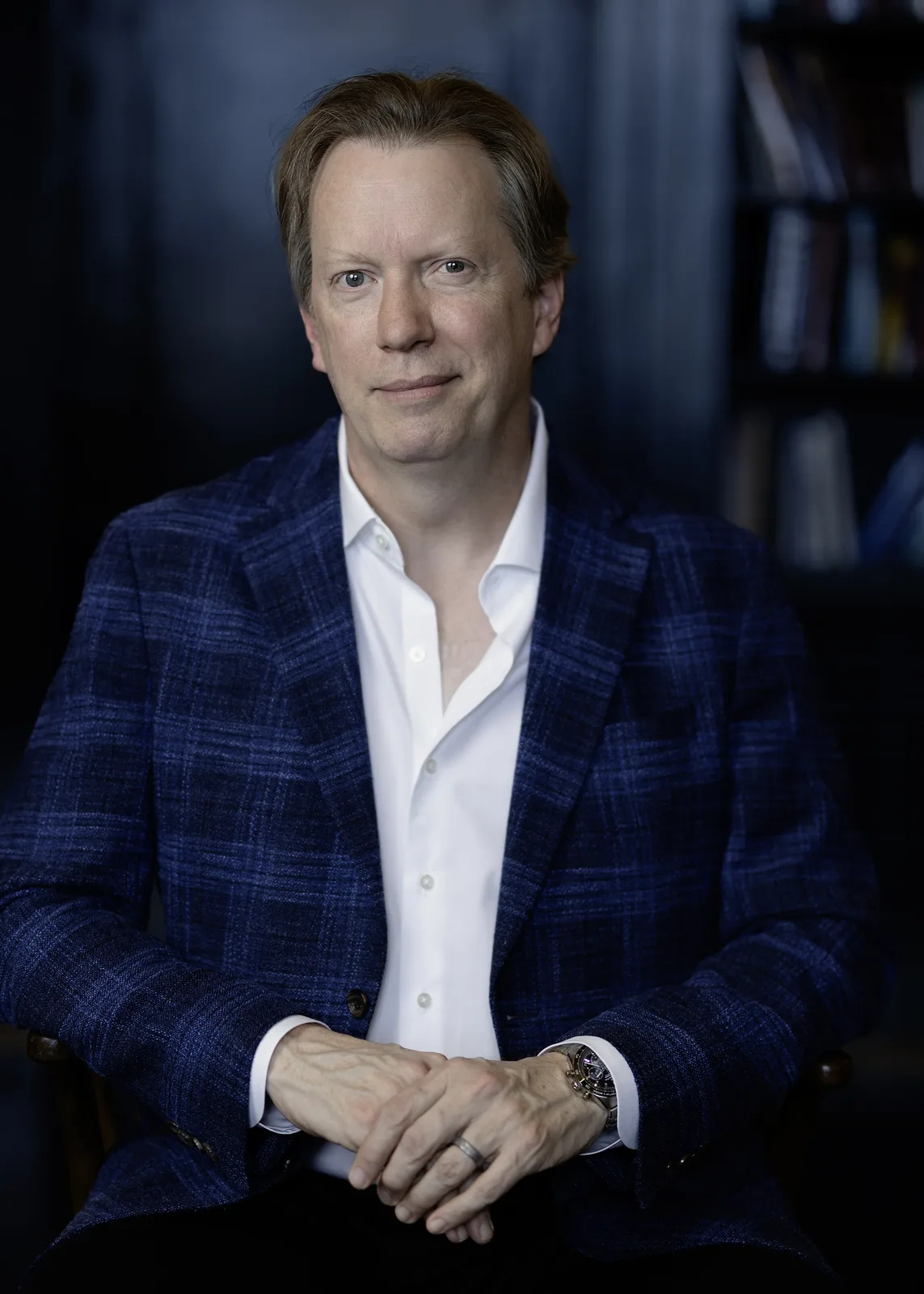
- Sean Carroll in 2026 — Cmichel67, 2026-05-19 · Cmichel67, via Wikimedia Commons, CC BY-SA 4.0 · CC BY-SA 4.0 (Wikimedia Commons file page; https://creativecommons.org/licenses/by-sa/4.0/)
Sources
Tier 1: the subject's own words (writings, letters, diaries, trial records)
- [AIP] Interview of Sean Carroll by David Zierler, 4 January 2021, Niels Bohr Library and Archives, American Institute of Physics (oral history 45034). https://www.aip.org/history-programs/niels-bohr-library/oral-histories/45034. Direct fetch returns 403; text taken from the Wayback Machine copy of 20 February 2024 (texts/aip-oral-history-2021.txt). The AIP terms say the transcript "may not be quoted, reproduced or redistributed" without AIP's written permission, so everything from it is paraphrase-only (or ask AIP). Edited by interviewee. Web transcript, no pagination.
- [Premier] "Unbelievable? Sean Carroll (naturalism) vs Luke Barnes (theism)", Premier Christian Radio, host Justin Brierley. https://www.youtube.com/watch?v=KdzJZG19Axk (a reaction video by the channel PineCreek, uploaded 2017-10-28, which plays the broadcast with the uploaders' comments inserted at about 9:30). Auto-generated captions, so wording must be checked against audio; stamps are the upload's timeline (texts/premier-unbelievable-carroll-barnes.txt). The Premier original (YouTube id given in the brief, bXE_YJzpw-o) is not reachable.
- [Debate] "William Lane Craig vs Sean Carroll, 'God and Cosmology'", 2014 Greer-Heard Forum, 21 February 2014; ReasonableFaithOrg upload of 2014-03-03. https://www.youtube.com/watch?v=X0qKZqPy9T8. Auto-generated captions (texts/craig-carroll-debate-2014.txt). The id given in the brief (sM47acQ7pEQ) is a different video, a Penrose lecture; do not use. Craig's three Q&A posts quote Carroll's speeches from the official transcript, which gives a second check on Carroll's wording.
- [ND] Sean M. Carroll, "Why (Almost All) Cosmologists are Atheists", prepared for the Notre Dame conference God and Physical Cosmology, January/February 2003; Faith and Philosophy 22 (2005), 622. https://www.preposterousuniverse.com/writings/nd-paper/ (texts/nd-paper-2005.txt). Author's page; no open licence stated.
- [DTUNG] Sean Carroll, "Does the Universe Need God?", The Blackwell Companion to Science and Christianity, ed. James B. Stump and Alan G. Padgett (2012). https://www.preposterousuniverse.com/writings/dtung/ (texts/dtung-2012.txt).
- [About] "About", preposterousuniverse.com (career summary, Pennsbury High School). https://www.preposterousuniverse.com/about/ (texts/about-sean.txt; retrieved 2026-10-15).
- [Moments] Blog, "Moments in Atheism", March 2004. https://www.preposterousuniverse.com/blog/2004/03/01/moments-in-atheism/ (texts/blog-2004-03-moments_in_atheism.txt).
- [Menace] Blog, "God: threat, or menace?", June 2004 (texts/blog-2004-06-god_threat_or_menace.txt).
- [Conundrum] Blog, "The God Conundrum", 29 October 2006 (texts/blog-2006-10-the_god_conundrum.txt).
- [Consolations] Blog, "Consolations of Materialist Philosophy", 11 July 2007 (texts/blog-2007-07-consolations_of_materialist_ph.txt).
- [Sacred] Blog, "The Sacred", 26 January 2009 (texts/blog-2009-01-the_sacred.txt).
- [PostChristian] Blog, "Post-Christian America", 5 April 2009 (texts/blog-2009-04-post_christian_america.txt).
- [Incompatible] Blog, "Science and Religion are Not Compatible", 23 June 2009 (texts/blog-2009-06-science_and_religion_are_not_c.txt).
- [Reluctance] Blog, "Reluctance to Let Go", 16 June 2010 (texts/blog-2010-06-reluctance_to_let_go.txt).
- [Immortality] Blog (cross-posted at Scientific American), "Physics and the Immortality of the Soul", 23 May 2011 (texts/blog-2011-05-physics_and_the_immortality_of.txt).
- [Panel] Blog, "God and Cosmology Conversation", 9 August 2011 (texts/blog-2011-08-god_and_cosmology_conversation.txt).
- [Chatting] Blog, "Chatting Atheism", 19 August 2012 (texts/blog-2012-08-chatting_atheism.txt).
- [Universe] Blog, "Let the Universe Be the Universe", 25 September 2012 (texts/blog-2012-09-let_the_universe_be_the_universe.txt); also reproduced in full in Craig's Q&A #286.
- [MNF] Blog, "Moving Naturalism Forward: Videos and Recap", 11 December 2012 (texts/blog-2012-12-moving_naturalism_forward_vide.txt).
- [Templeton] Sean Carroll, "Science and Religion Can't Be Reconciled: Why I won't take money from the Templeton Foundation", Slate, 9 May 2013 (first posted on his blog as "On Templeton", 8 May 2013). https://slate.com (texts/slate-2013.txt; texts/blog-2013-05-on_templeton.txt).
- [CraigPost] Blog, "William Lane Craig Debate", 28 January 2014 (texts/blog-2014-01-william_lane_craig_debate.txt).
- [DebateVideos] Blog, "God/Cosmology Debate Videos", 27 February 2014 (texts/blog-2014-02-godcosmology_debate_videos.txt).
- [Salaita] Blog, "Troublesome Speech and the UIUC Boycott", 3 September 2014 (texts/blog-2014-09-troublesome_speech_and_the_uiu.txt); used only for one self-description.
- [Flame] Blog, "Life Is the Flame of a Candle", 3 January 2015 (texts/blog-2015-01-life_is_the_flame_of_a_candle.txt).
- [Pinn] Mindscape podcast, episode 4, "Anthony Pinn on Humanism, Theology, and the Black Community", 12 July 2018 (texts/mindscape-2018_07_12_episode_4.txt).
- [Hell] Mindscape podcast, episode 48, "Marq de Villiers on Hell and Damnation", 27 May 2019 (texts/mindscape-2019_05_27_episode_48.txt).
- [Han] Mindscape podcast, episode 290, "Hahrie Han on Making Multicultural Democracy Work", 23 September 2024 (texts/mindscape-2024_09_23_290.txt).
Tier 2: scholarly biographies and encyclopedias
- None found. No scholarly biography exists; he is a living scientist. The AIP oral history is the nearest to a scholarly record and is listed under Tier 1 because the words are his.
Tier 3: popular biographies and journalism
- [Salon] Émile P. Torres, interview with Sean Carroll, "'The evidence is pretty incontrovertible that he doesn't exist'", Salon, 8 May 2016 (by email; Carroll's answers are his own words). https://www.salon.com/2016/05/08/ (texts/salon-2016.txt; Wayback copy texts/salon-2016-wayback.txt).
Tier 4: Wikipedia and similar reference sites (citable; give the article and revision date; prefer a higher tier where one exists)
- [Wiki-Carroll] "Sean M. Carroll", English Wikipedia, revision 1379415860 of 2026-10-09. Used as a map and for birth date, Gifford Lectures and the 2012 Caltech debate.
- [Wiki-Tarkus] "Tarkus", English Wikipedia, revision 1378565158 of 2026-10-05 (release date of the album that carries "The Only Way (Hymn)").
Opposition sources: contemporary critics and religious responses
- [CraigRF368] [CraigRF369] [CraigRF370] William Lane Craig, Reasonable Faith Question of the Week #368 "Some Reflections on the Sean Carroll Debate" (5 May 2014), #369 "Further Reflections..." (12 May 2014), #370 "Still More Reflections..." (19 May 2014). https://www.reasonablefaith.org/writings/question-answer/some-reflections-on-the-sean-carroll-debate/ and sister URLs (texts/craig-rf-*.txt). In copyright; paraphrase-only.
- [CraigRF286] Craig, Q&A #286 "Sean Carroll's Reply to the RF Podcast", 8 October 2012 (texts/craig-rf-carrolls-reply.txt). Reproduces Carroll's "Let the Universe Be the Universe".
- [CraigVideo] William Lane Craig (drcraigvideos), "What I Got Right (And Wrong) In My Debate with Sean Carroll", YouTube 9xOA2yJ-v7c, uploaded 2025-08-08; auto-captions (texts/craig-what-i-got-right.txt).
- [CraigRFSearch] Reasonable Faith site search for "Sean Carroll" (texts/craig-rf-search-results.txt): list of Craig's podcasts and posts on Carroll, with the debate's title.
- [Barnes] Luke Barnes, in the [Premier] broadcast.
- [Eagleton] Terry Eagleton's London Review of Books review of The God Delusion (2006), reached here only through Carroll's quotation of it in [Conundrum] (original not fetched; secondhand).
Related lives
Steven Weinberg (physicist who took part in Carroll's 2012 workshop and whose unbelief also came through physics) or Carl Sagan (the gentle unbelief, scientist's wonder in place of faith). Suggestion only; never named "next" in a script.
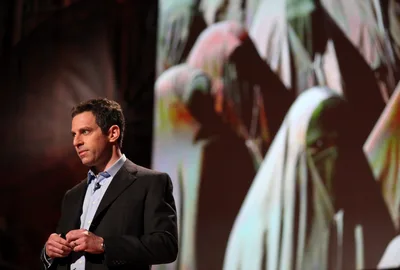
Sam Harris
Sam Harris was raised with no religion to rebel against. At thirteen, after a friend's death, he went looking for what religion said about death, and then for spiritual experience, through drugs and years of meditation in India and Nepal. The attacks of 11 September 2001 turned that private seeking into a public argument against religious certainty, in The End of Faith (2004). Waking Up (2014) brought the contemplative interest, which had come first, back to the centre: a change of emphasis rather than a reversal.
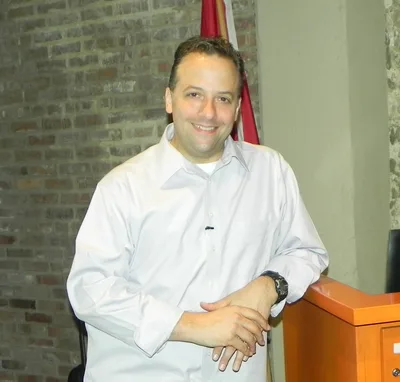
Seth Andrews
Seth Andrews was a Tulsa boy raised on a literal Bible, and became a Christian radio host. He put the doubts raised by Rich Mullins's death and 9/11 into storage for years. In his late thirties, after a Hitchens video and an unfiltered reading of the Bible, he let them out, and in 2008 he told his parents he was an atheist. Since then he has widened his unbelief into politics, while looking back more gently on the believer he was.
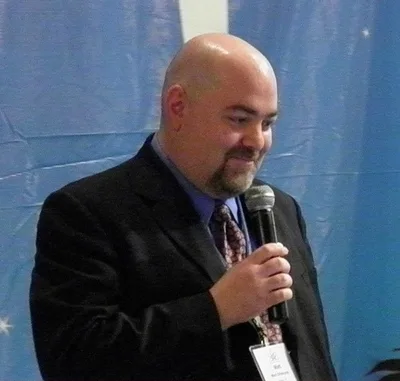
Matt Dillahunty
Matt Dillahunty was a Southern Baptist who had meant to become a minister. He lost his job in 2001 and set out to rebuild his faith by study, and the study destroyed it in stages, beginning with a Bible story he found immoral. By 2006 he was hosting a weekly television argument with believers. His unbelief has widened since into a self-described skepticism, but has not reversed.
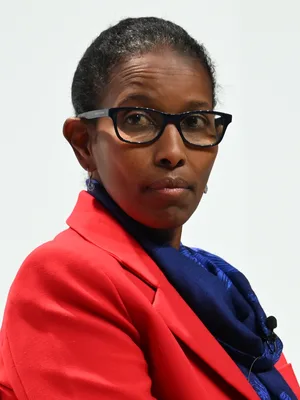
Ayaan Hirsi Ali
Ayaan Hirsi Ali's childhood Islam was built on fear of Hell, and then on Brotherhood zeal in Nairobi. She kept her doubts behind a "shutter" through her Leiden years, let it fall after 11 September 2001, and said "I don't believe in God" on Corfu in May 2002. She paid for her public unbelief with a murdered collaborator, armed protection and a lost parliamentary seat. In 2023, after a decade of despair, and with civilisational as well as personal reasons, she called herself a lapsed atheist and a Christian.