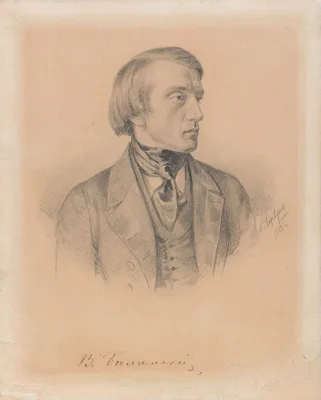
Vissarion Belinsky was a village priest's grandson, and his own young faith was the idealism of the Moscow circle ("the presence of God", 1837). He lost it to grief at Stankevich's death in 1840 and to his break with Hegel, and wrote privately in 1841 that "negation is my God". He said it in public only once, from abroad, in the 1847 Letter to Gogol: the Church was the prop of the knout, and Christ the teacher of freedom it had betrayed. The letter was banned in Russia, copied by hand, and read aloud by Dostoevsky at the price of a death sentence.
The belief timeline
- Faith (1837 (childhood: priest's grandson, Law of God at school; doubt in the house from the father)) — The childhood setting was mixed: a pious grandfather, a father charged with godlessness. As a young man in the Stankevich circle his religion was idealist: "the presence of God", prayer to "the eternal spirit of life" (1 Nov 1837) [2][4][5][9]
- Doubt (1840 (not childhood)) — Stankevich dies; Belinsky refuses philosophy's "Moloch of the General" and wants to know whether the soul survives: "I still want to believe and still cannot." The reasons the mark sits here and not earlier: in 1837 he calls such questions "godless" and in 1838-39 he had accepted "reality is rational"; the first thought that costs him his belief is the death of a friend [12][13][14]
- Declaration (8 Sept 1841 (private); 15 July 1847 (public)) — "Negation is my God" to Botkin; six years later the Letter to Gogol, written abroad because "in Russia the Shpekins open other people's letters" [17][26]
- Revision (none documented) — The Letter shifts from "negation" to claiming Christ as the first teacher of freedom against the Church; Dostoevsky says the earlier Belinsky had said Christ would be "unnoticed" today. Whether this is revision or tactic is open [14][20][30]
Notes to the timeline (11)
- [2] Paternal grandfather Fr. Nikifor was priest at Belyn', Penza province, remembered as a pious ascetic; the surname "Belinsky" derives from the village — A. N. Pypin, Belinsky, ego zhizn i perepiska (St Petersburg, Kolos, 1908; IA
bielinski00pypiuoft, 692 leaves; edition statement not checked; first edition 1876). Quotes Belinsky's letters of 1837-41 and an abridged Letter to Gogol. Savedtexts/pypin-1908.txt(good OCR, old orthography). Tier 1 for the letter excerpts, Tier 2 for the narrative, p. 7. - [4] Chembar's literate people accused the father of godlessness, not attending church and reading Voltaire (alongside Eckartshausen and Jung-Stilling); "as they say", from Ivanov's memoir — Pypin, Belinsky, p. 8.
- [5] At the Chembar district school the Law of God was taught by a cathedral priest — Pypin, Belinsky, p. 13.
- [9] Letter to Bakunin, 1 Nov 1837: he feels "the presence of God" when speaking of his convictions; calls a doubting thought "godless" and says the revelation of truth is the one good for which a man must pray to "the eternal spirit of life" — Pypin, Belinsky, pp. 167, 169.
- [12] Herzen quarrelled with him over "reality is rational" ("There is no doubt about it," Belinsky answered, of the tyranny); in Petersburg in 1840 Belinsky opened the reconciliation: "You've won the day" and from then fought his former theory — Herzen, My Past and Thoughts, tr. Constance Garnett, vol. 2 (New York: Knopf, 1924; Gutenberg #78332); ch. XXV, Belinsky spelled "Byelinsky". No printed pages in the ebook; locators are chapter and line in
texts/herzen-2.txt. (Vols. 3 and 4 downloaded, no Belinsky material.), ch. XXV (lines 3970-3990, 4166-4190). - [13] After Stankevich's death he wrote Botkin that he would not leave "this Moloch which philosophy has called the General" alone and that the question of personal immortality is "the alpha and omega of truth" — Pypin, Belinsky, pp. 321-323.
- [14] In the same correspondence: "I still want to believe and still cannot", on whether Stankevich survives — Pypin, Belinsky, p. 324.
- [17] The text beginning "Ich danke ergebenst" in the brief is not in the letter: the Russian is "Благодарю покорно, Егор Фёдорович" (Hegel), a Russian idiom — Pypin, Belinsky, p. 366; Belinsky, Selected Philosophical Works (Moscow, Foreign Languages Publishing House, 1948; IA
dli.ernet.236351). English; contains the Letter to Gogol (pp. 603-612 printed; OCR running heads are damaged, so pages are reconstructed), the Botkin letters of 1 Mar and 8 Sept 1841, and Soviet notes. Copyright status uncertain (Soviet translation), so used for checking and page references only and never quoted. Savedtexts/belinsky-spw-1948.txt. No pre-1931 English translation of the Letter was found, p. 360. - [26] Belinsky wrote the reply as an article in three mornings on a table in the next room, drafting in pencil, copying it fair and keeping a copy; Annenkov was "frightened both by tone and content"; Belinsky: "All measures should be taken to protect people from a rabid man, even if it were Homer himself"; he left on 3 July O.S. (15 July N.S.) — P. V. Annenkov, Zamechatelnoe desyatiletie 1838-1848 (1880), ch. XXXIV-XXXV, ru.wikisource (whole text,
texts/annenkov-ru-index.txt). Eyewitness at Salzbrunn. The English translation (1968) is copyrighted and not used, ch. XXXV; Belinsky, Pismo N. V. Gogolyu (15 July 1847 N.S.), ru.wikisource.org "Письмо Н. В. Гоголю 15 июля 1847 г. (Белинский)", text from N. V. Gogol v russkoi kritike (Moscow, 1953), pp. 243-252. Savedresearch/texts/letter-gogol-ru.txt. Russian text public domain; modern spelling; the autograph is lost (SPW48 p. 530), the text goes back to Herzen's Polar Star 1855. Translations below are the project's own; Belinsky, Selected Philosophical Works, p. 612. - [20] Dostoevsky recalls that Belinsky "straight away began with atheism" when he met him (after "Poor Folk", spring 1845), loved Christ's figure no better than socialism did, said Christ would be an unremarkable man today, and prized George Sand, Cabet, Leroux, Proudhon, Feuerbach and Strauss; they fell out within about a year — Dostoevsky, Dnevnik pisatelya 1873, ch. II "Starye lyudi", ru.wikisource.
texts/dostoevsky-diary-1873-II-ru.txt. Recollection of 1845-46, written 27 years later and in a polemical context, ch. II. - [30] In the Letter Belinsky says the Church "has always served as the prop of the knout and the servant of despotism"; Christ was "the first to bring people the teaching of freedom, equality and brotherhood", a teaching that saved men "only until it organised itself into a Church and adopted Orthodoxy"; the Church became a hierarchy, a champion of inequality — Belinsky, Pismo N. V. Gogolyu; Belinsky, Selected Philosophical Works, p. 606.
Negation Is My God
In the summer of 1847, at the spa of Salzbrunn in Silesia, a dying Russian critic sat for three mornings at a table in the next room and wrote a letter in pencil, copying it out fair and keeping a copy. His friend Pavel Annenkov, who watched him, was "frightened both by tone and content". "Everything must be done to protect people from a rabid man," Vissarion Belinsky said, "even if the rabid man were Homer himself."12 The rabid man was Nikolai Gogol, the author of Dead Souls, and the letter began: "Preacher of the knout, apostle of ignorance, champion of obscurantism and darkness, panegyrist of Tatar manners".3
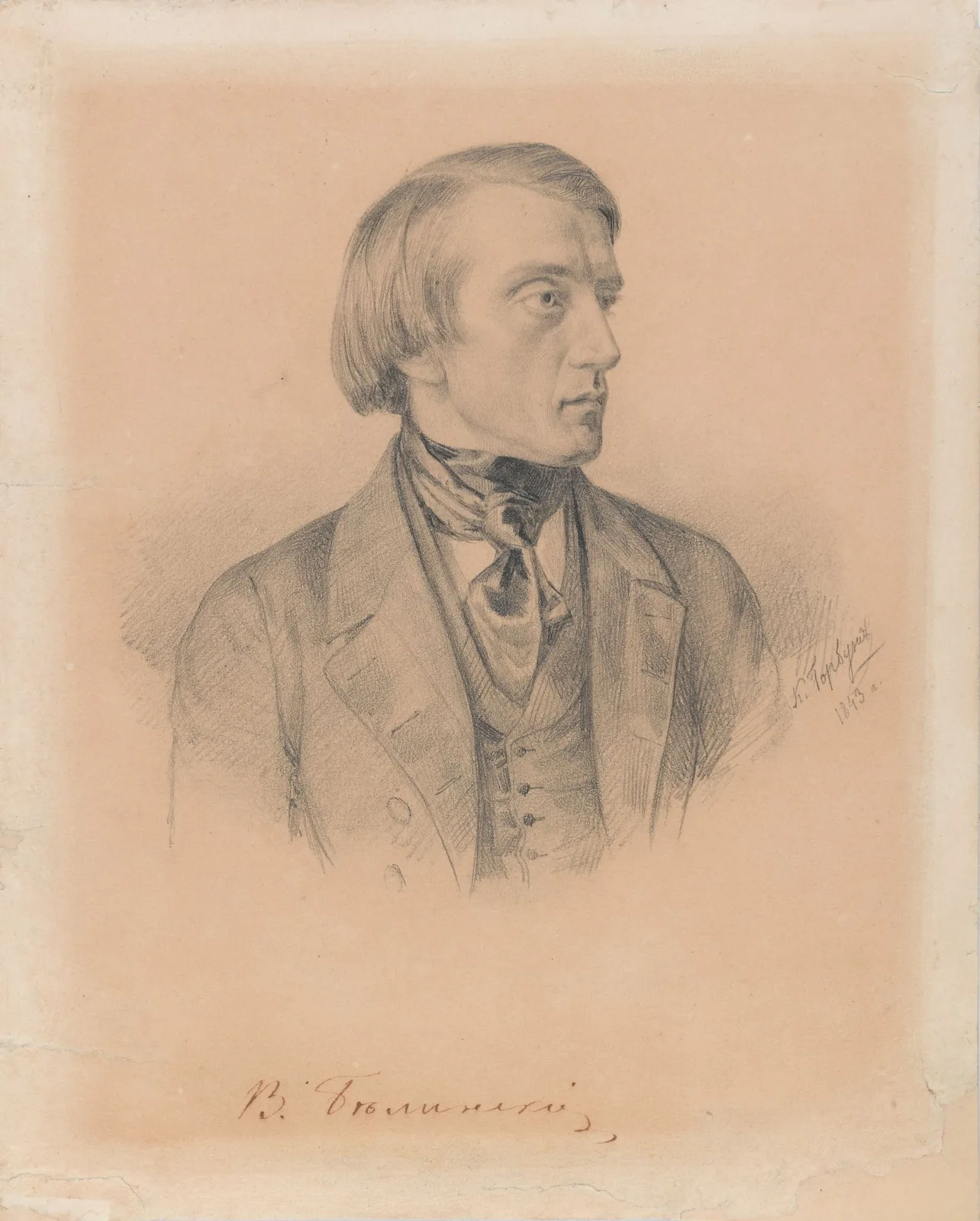
Belinsky could write that only because he was abroad: in Russia, the letter says, the post was opened. He died the next year. The letter was not printed in Russia; it went round by hand, and two years later a young writer named Fyodor Dostoevsky was condemned to death, among other things, for reading it aloud.4 This chapter follows the way to that letter: from a priest's grandson who prayed to "the eternal spirit of life", through grief and Hegel, to "negation is my God", and then to a public letter that attacked the Church in the name of Christ. The translations from the Russian are this book's own unless they are said to be Garnett's.
A priest's grandson
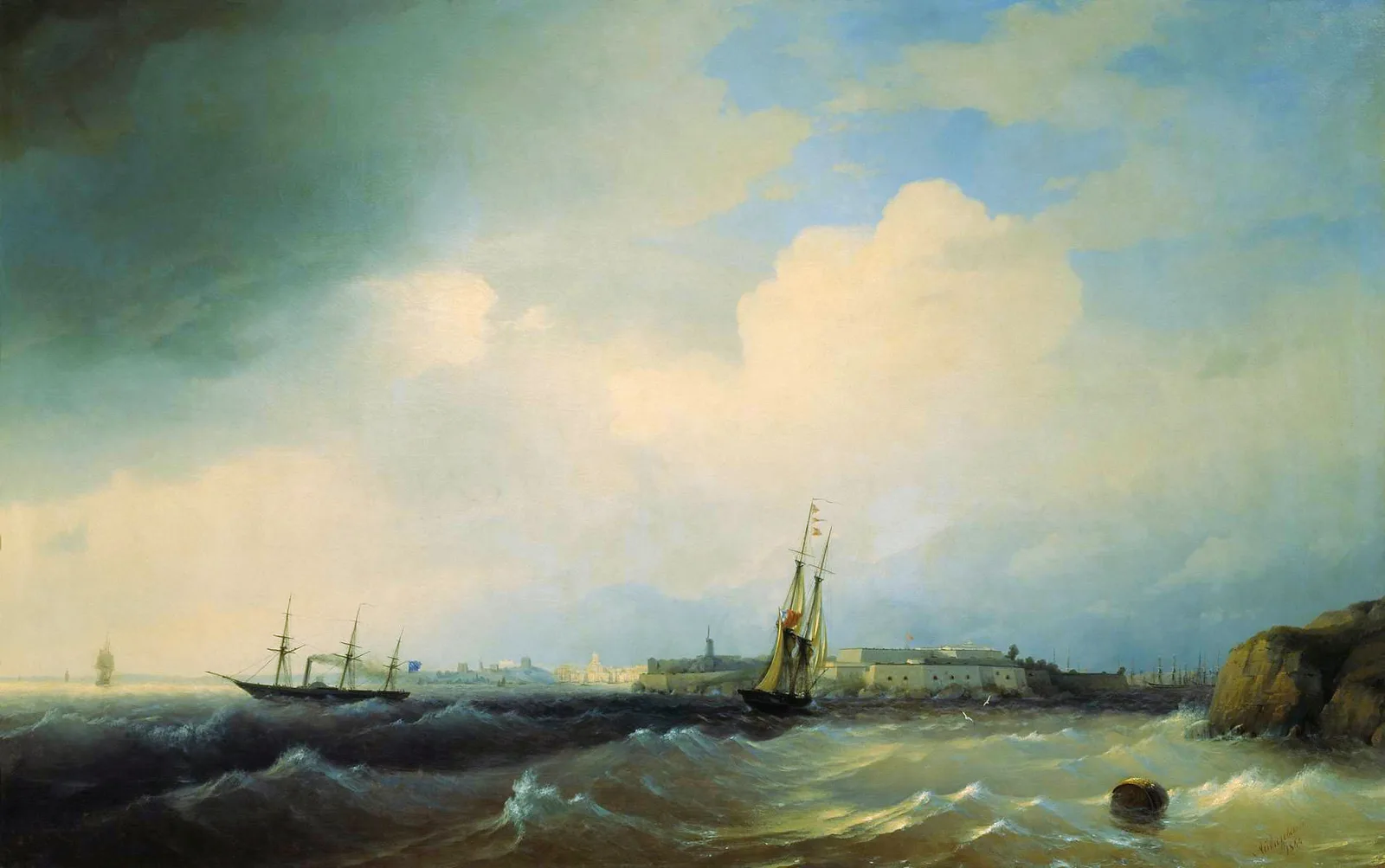
He was born at Sveaborg, the naval fortress off Helsinki, in 1811; older sources say 1810.5 His grandfather was a village priest at Belyn' in Penza province, remembered as a pious ascetic, and the family name came from the village.6 His father, a naval doctor, settled in 1816 as district doctor at Chembar, where, as the story was told, the townsfolk accused him of godlessness, of not going to church and of reading Voltaire.78 At the district school the boy learned the Law of God from a cathedral priest.9 He went to the Penza gymnasium and in 1829 to Moscow University, from which he was expelled in 1832, officially "for incapacity", after writing a tragedy with speeches against serfdom.1011
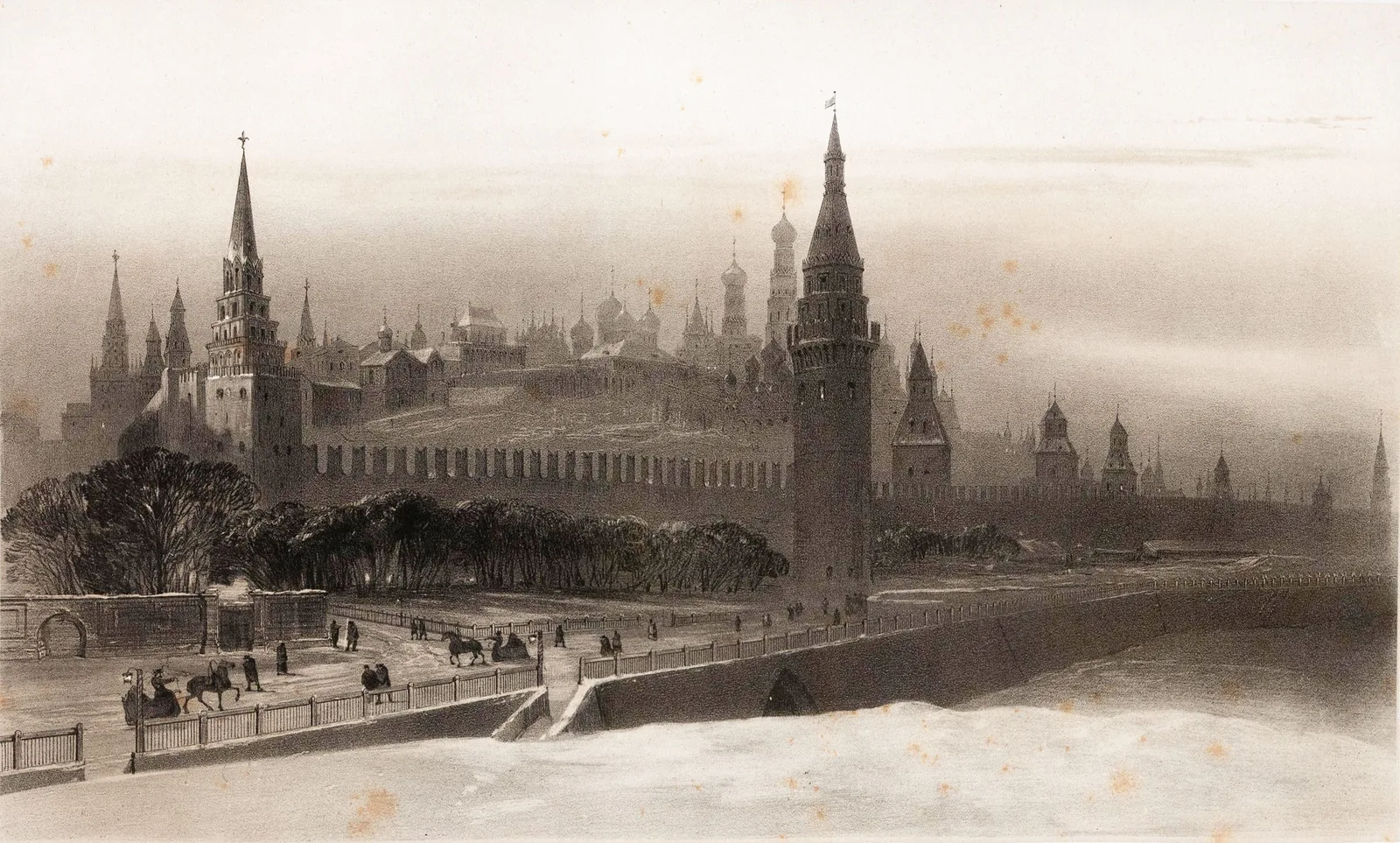
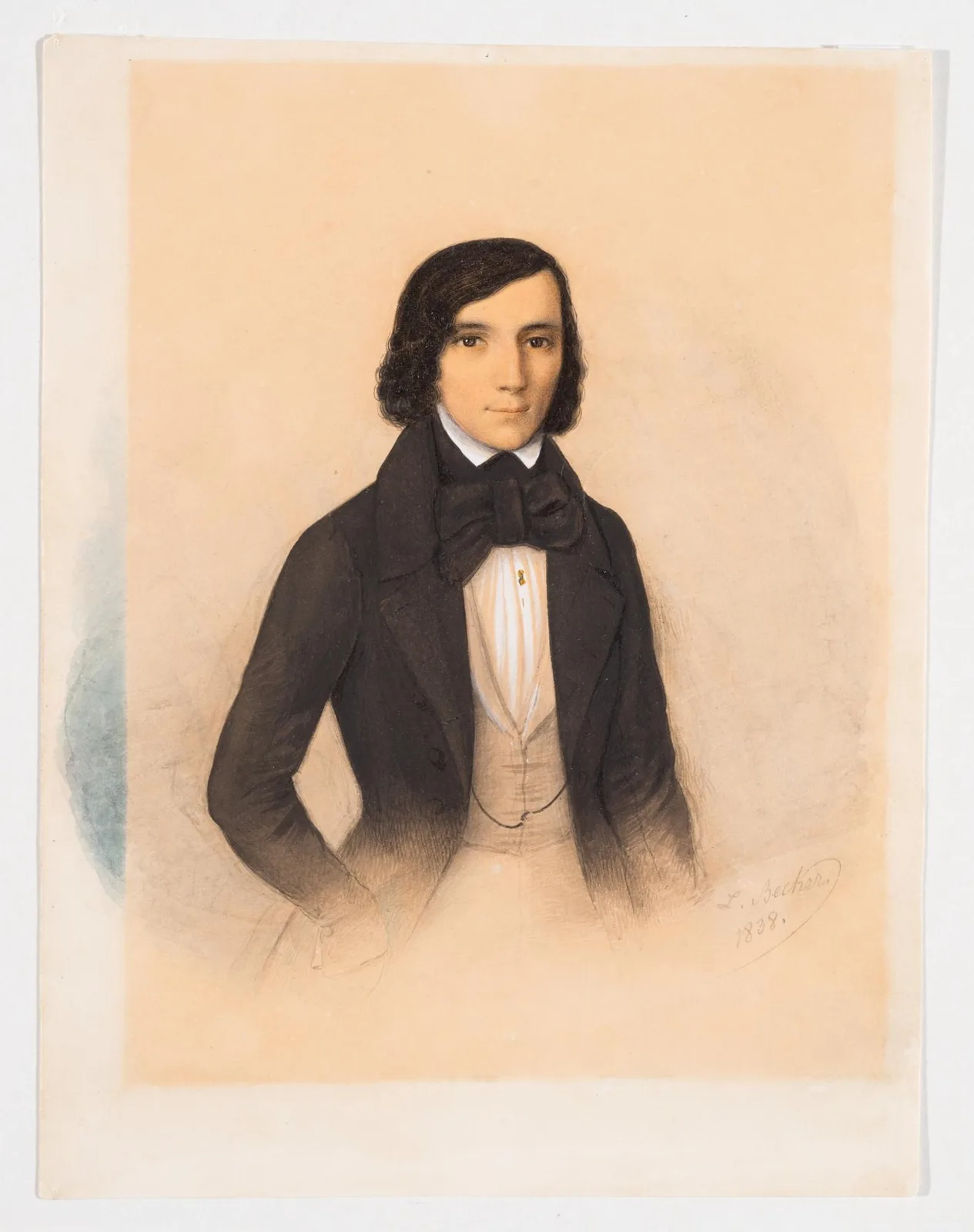
As a young critic in Moscow, among the circle of Nikolai Stankevich and Mikhail Bakunin, his religion was the idealism of the German philosophers. In November 1837 he wrote to Bakunin that when he spoke of his convictions, "I feel the presence of God in me". A doubting thought, he went on, was "godless and unworthy of an enlightened man", and the revelation of truth was the one good "for which a man must pray with emotion to the eternal spirit of life".121314 The timeline places his faith here: an adult's idealist faith, set against a childhood in which a pious grandfather and a father reputed godless had already stood side by side.
Hegel and a death
In 1838 and 1839, under Bakunin's influence, he took up Hegel's "all that is real is rational" and applied it to Russia, which meant reconciling himself to the tsar's order. His friend Alexander Herzen quarrelled with him about it.1516 In late 1839 he moved to St Petersburg to run the criticism section of Fatherland Notes, and the reality of Petersburg horrified him.17 Then Stankevich died. To his friend Vasily Botkin he wrote that the question of personal immortality was "the alpha and omega of truth": "I spit on a philosophy that passed this question by with contempt only because it was unable to solve it." And of Stankevich: "I still want to believe as much as ever, and still cannot."18192021 The timeline places his doubt here, in 1840, and not in his childhood, because in 1837 he had called such questions godless and in 1838 he had accepted the world as rational. The first thing that cost him his belief was a friend's death.
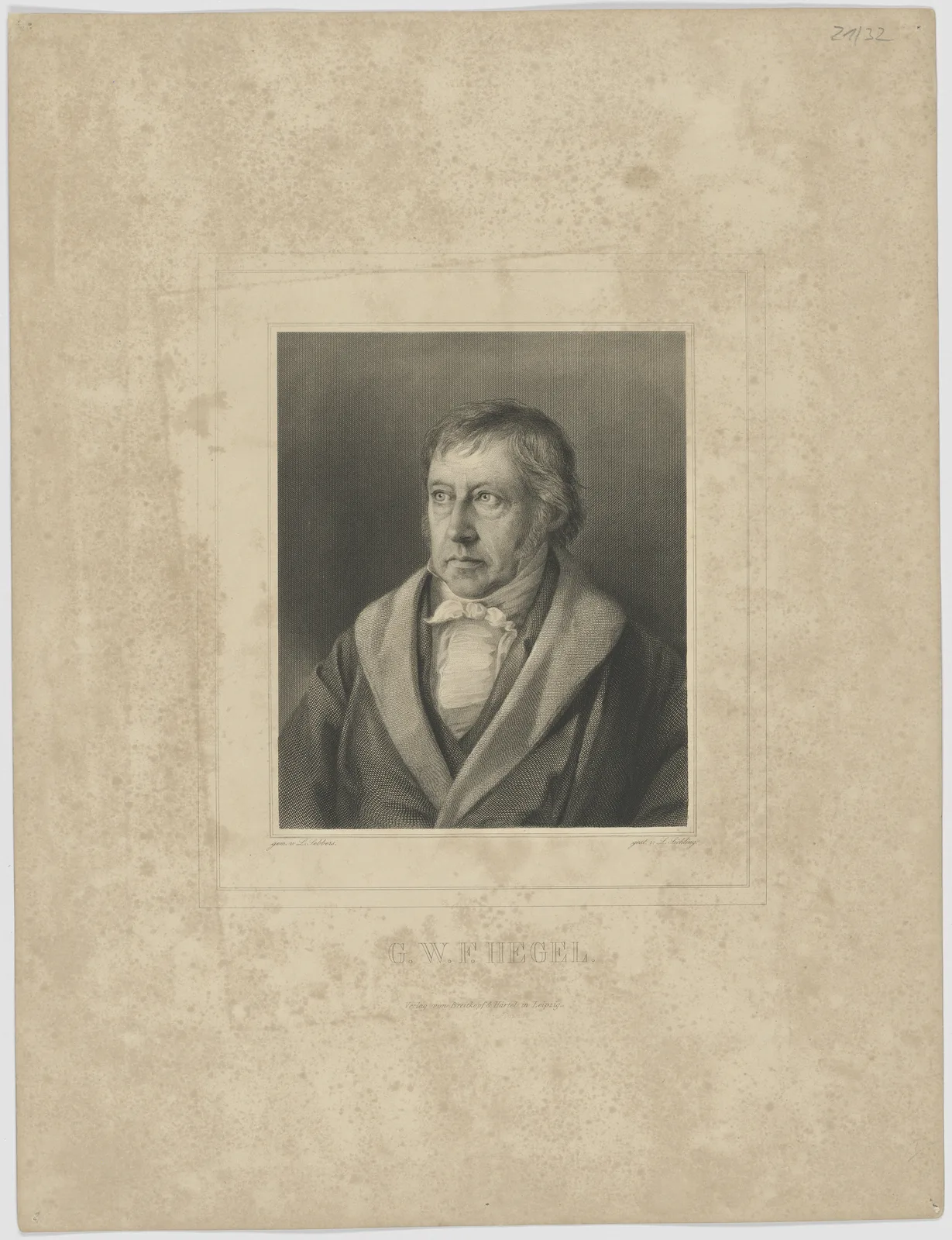
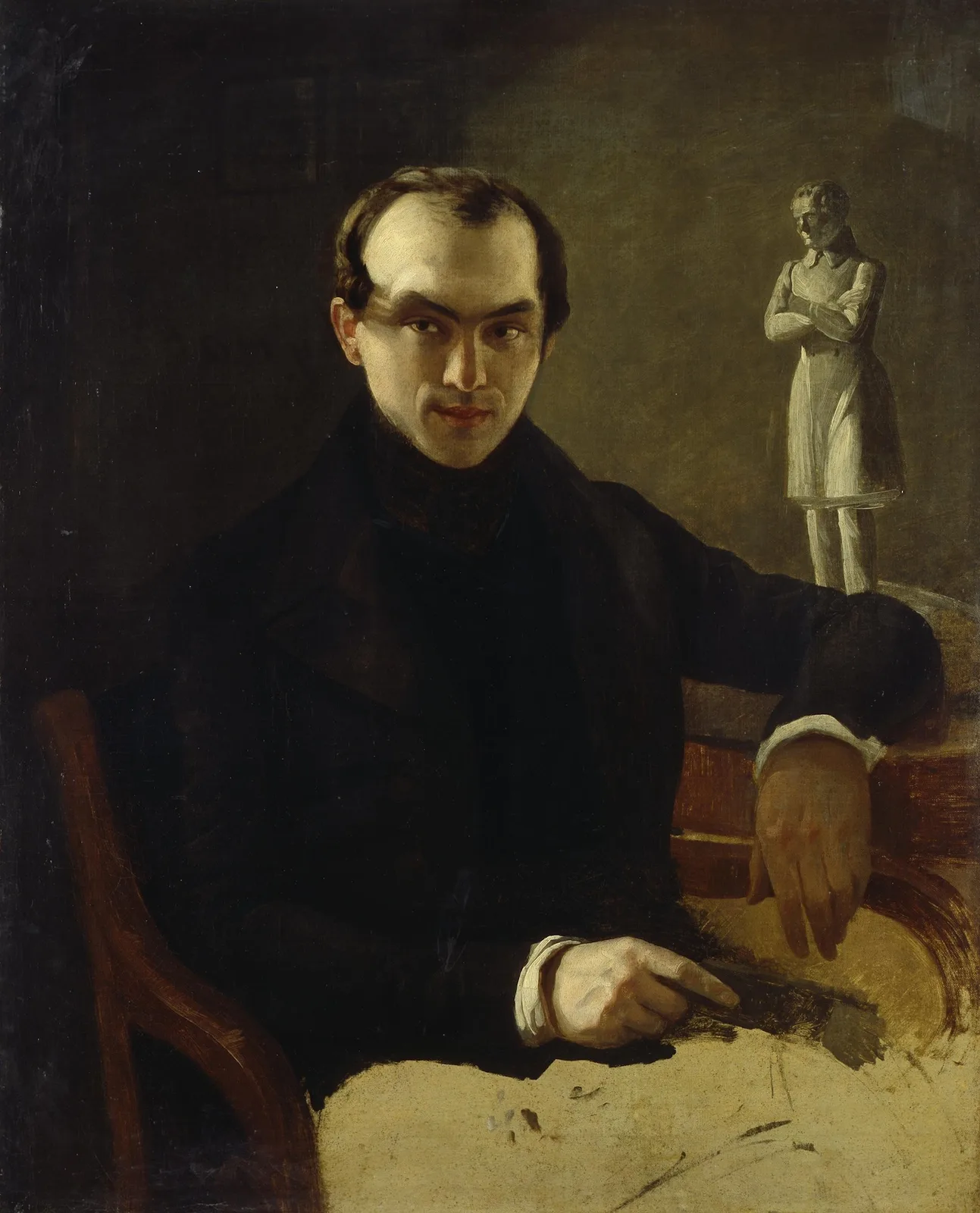
In March 1841 he broke with Hegel in a letter to Botkin: "I thank you humbly, Yegor Fedorovich," he wrote, giving Hegel a Russian name and patronymic, "I bow to your philosophical cap." He demanded an account for every victim of history.2223 (A German version of that line, "Ich danke ergebenst", often attributed to him, is not in the letter.24) In September he went further. "Negation is my God. In history my heroes are the destroyers of the old": Luther, Voltaire, the Encyclopaedists, Byron's Cain. He preferred the blasphemies of Voltaire to the authority of religion.2526 On the timeline, that letter is his private declaration. He made his peace with Herzen; Herzen later said he had come to his scepticism "won by suffering".1627
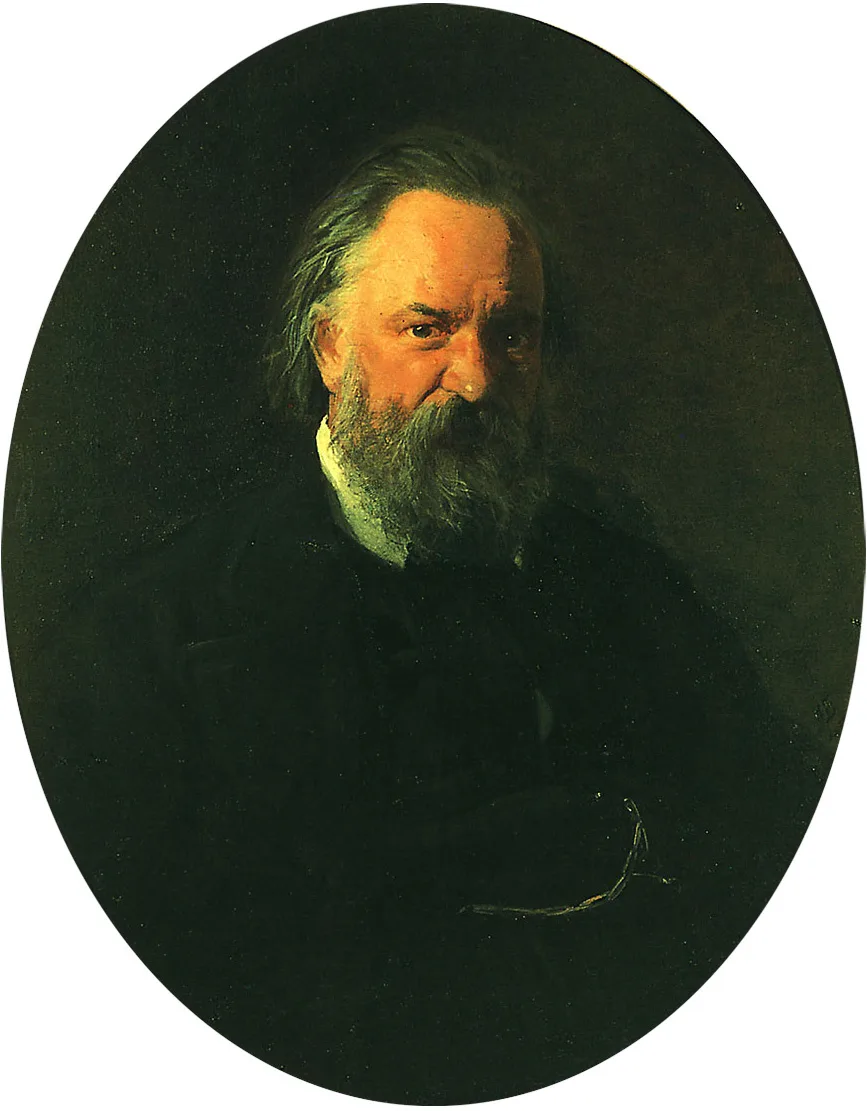
Friends remembered him in those years. Ivan Turgenev recalled him breaking off a long argument when someone suggested dinner: "We have not yet settled the question of God's existence, and you want to eat!"2829 Herzen saw him go white and walk out of a dinner where the hosts served Lenten food "for the sake of the servants", calling that hypocrisy worse than any open vice.3031 When the young Dostoevsky met him in 1845, Belinsky "began with me straight away with atheism", and told him that Christ, born in their own time, "would be the most unremarkable, ordinary man".323334 Dostoevsky, writing as a believer in 1873, added that "there remained the radiant figure of Christ himself, which was hardest to fight."35
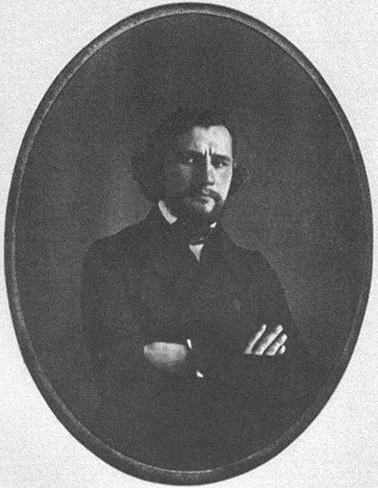
The Letter to Gogol
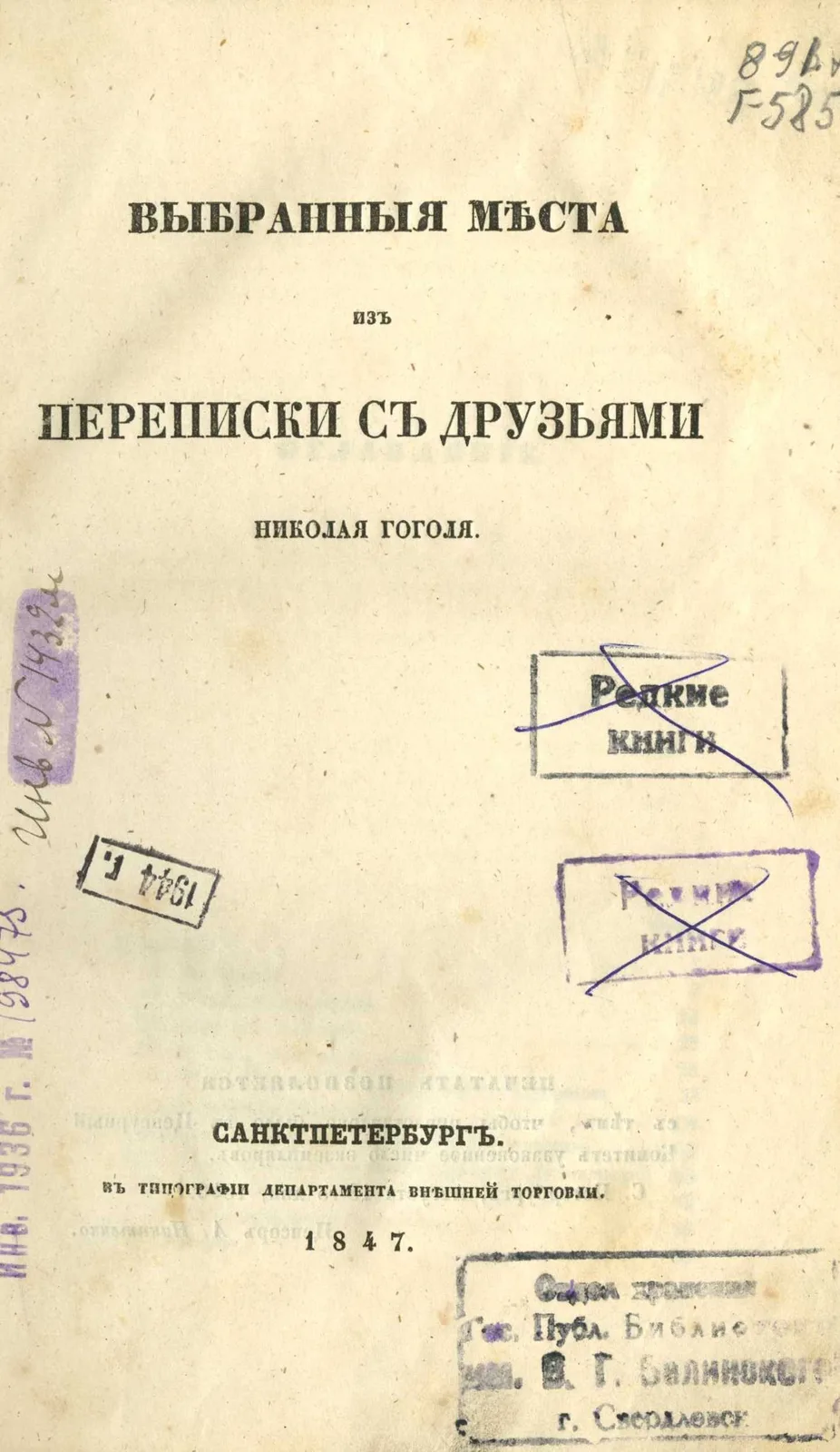
In early 1847 Gogol published Selected Passages from Correspondence with Friends, a book of advice in the voice of an Orthodox moralist, counselling landowners and defending the Church.3637 Belinsky's review was cut by the censor.38 He was dying of consumption, and friends had paid for a cure at Salzbrunn. There a letter from Gogol reached him: "I thought I would be generously forgiven, and that in my book there was a seed of general reconciliation, not discord."394041
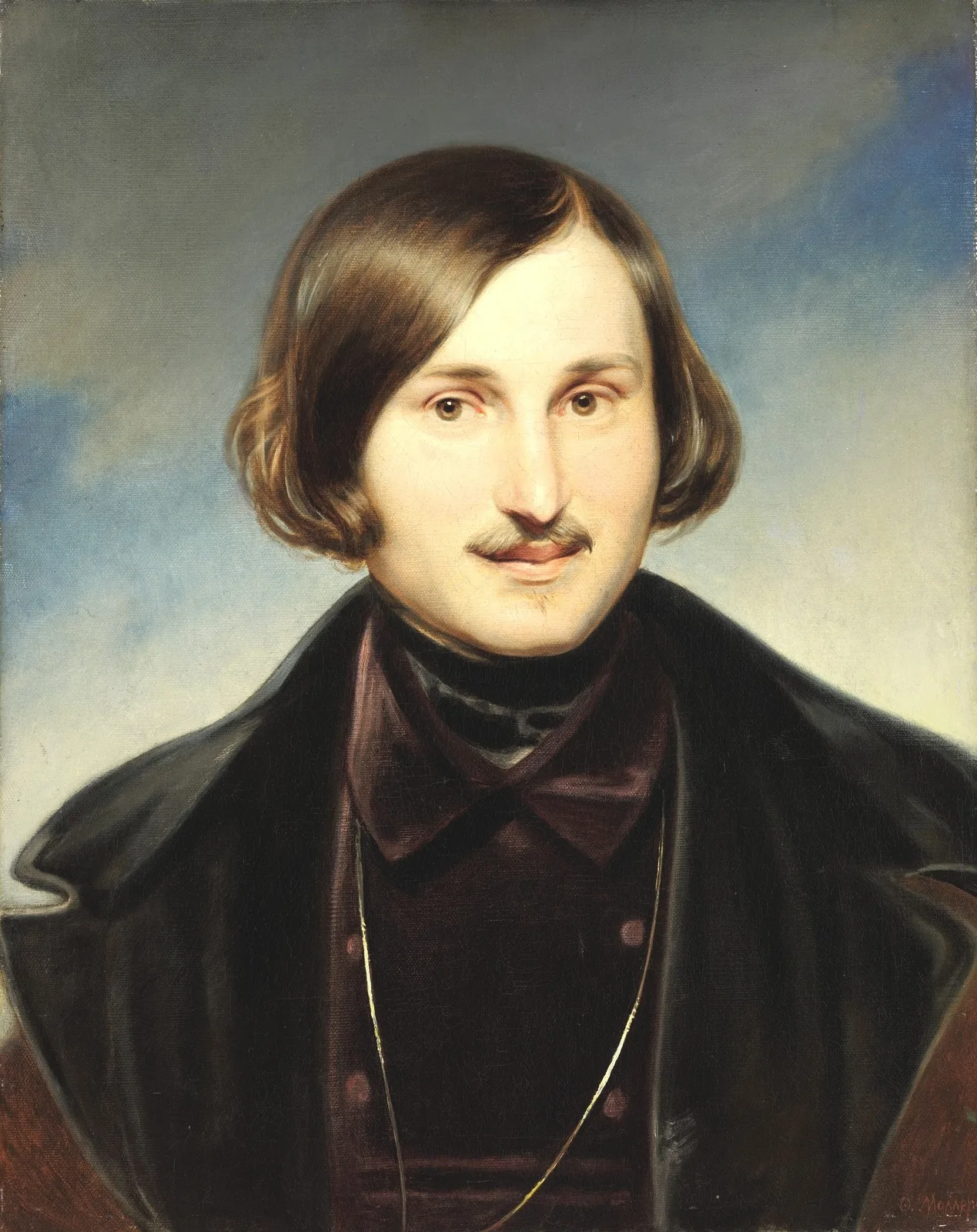
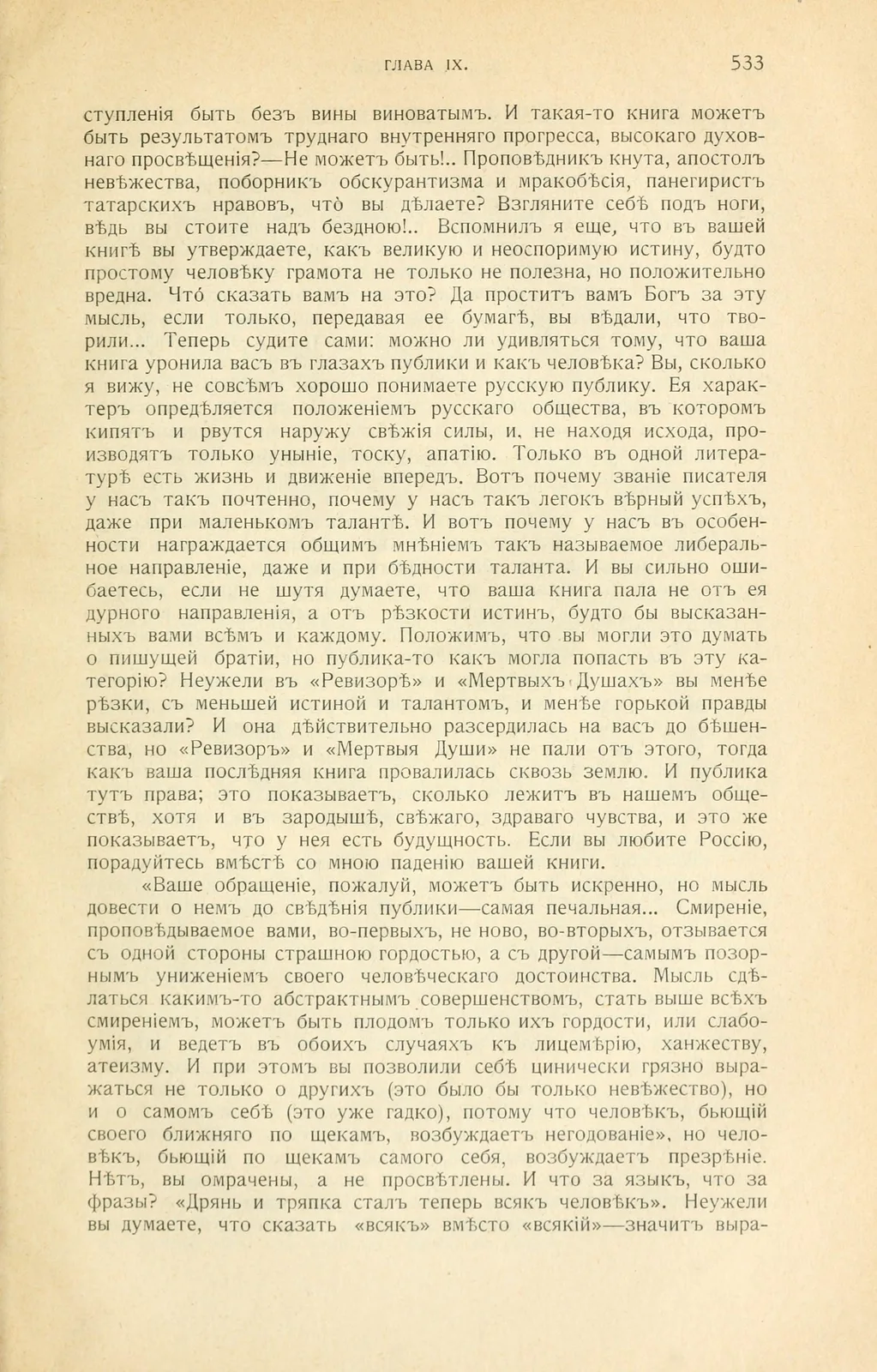
The timeline treats his answer as the public declaration, though it is not a declaration of atheism. "That you rest such teaching on the Orthodox Church I can understand: it has always been the prop of the knout and the flatterer of despotism; but why have you mixed Christ into it?" Christ, he wrote, was the first to bring men the teaching of freedom, equality and brotherhood, and it saved them only until it became a Church; the Church "appeared as a hierarchy, and so as the champion of inequality, a flatterer of power, an enemy and persecutor of brotherhood among men".424344 Voltaire, who put out the fires of fanaticism with mockery, was "more a son of Christ, flesh of his flesh and bone of his bone, than all your priests, bishops, metropolitans and patriarchs".4546 And the Russian people? "Look closer and you will see that it is by its nature a profoundly atheistic people. There is still much superstition in it, but not a trace of religiousness."4547 That sentence is about the people, not about Belinsky, though it is often quoted as his own creed.
In Paris he read the draft to Herzen, who told Annenkov: "It is a work of genius, and it seems to be his testament as well."4849 Gogol wrote a long reply and never sent it. "Who, in your view, can interpret Christ better and more closely now?" he asked; he had not meant to praise the clergy who disgraced the Church, but those who raised it up.505152 What he did send, from Ostend in August, was short: "God knows, perhaps there is some part of truth in your words." "You and I have both gone to excess. I, at least, admit it; do you?"5354
Copied by hand
Belinsky died in Petersburg on 26 May 1848 (Old Style); one reference book gives 28 May.55 There was no revision on record; whether the letter's appeal to Christ was a change of mind or a debater's tactic aimed at a Christian reader, the sources cannot say. The head of the political police is said to have regretted that he died before he could be made to rot in prison.56
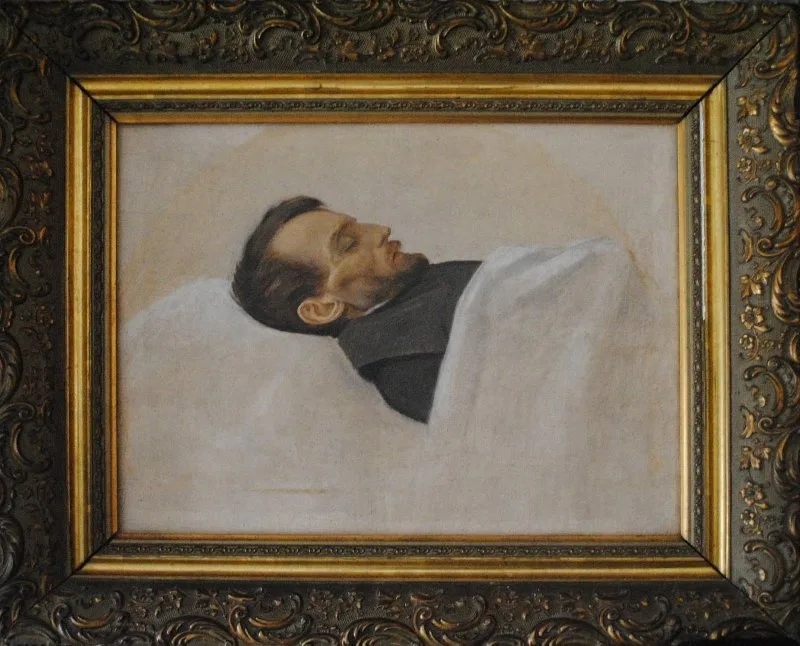
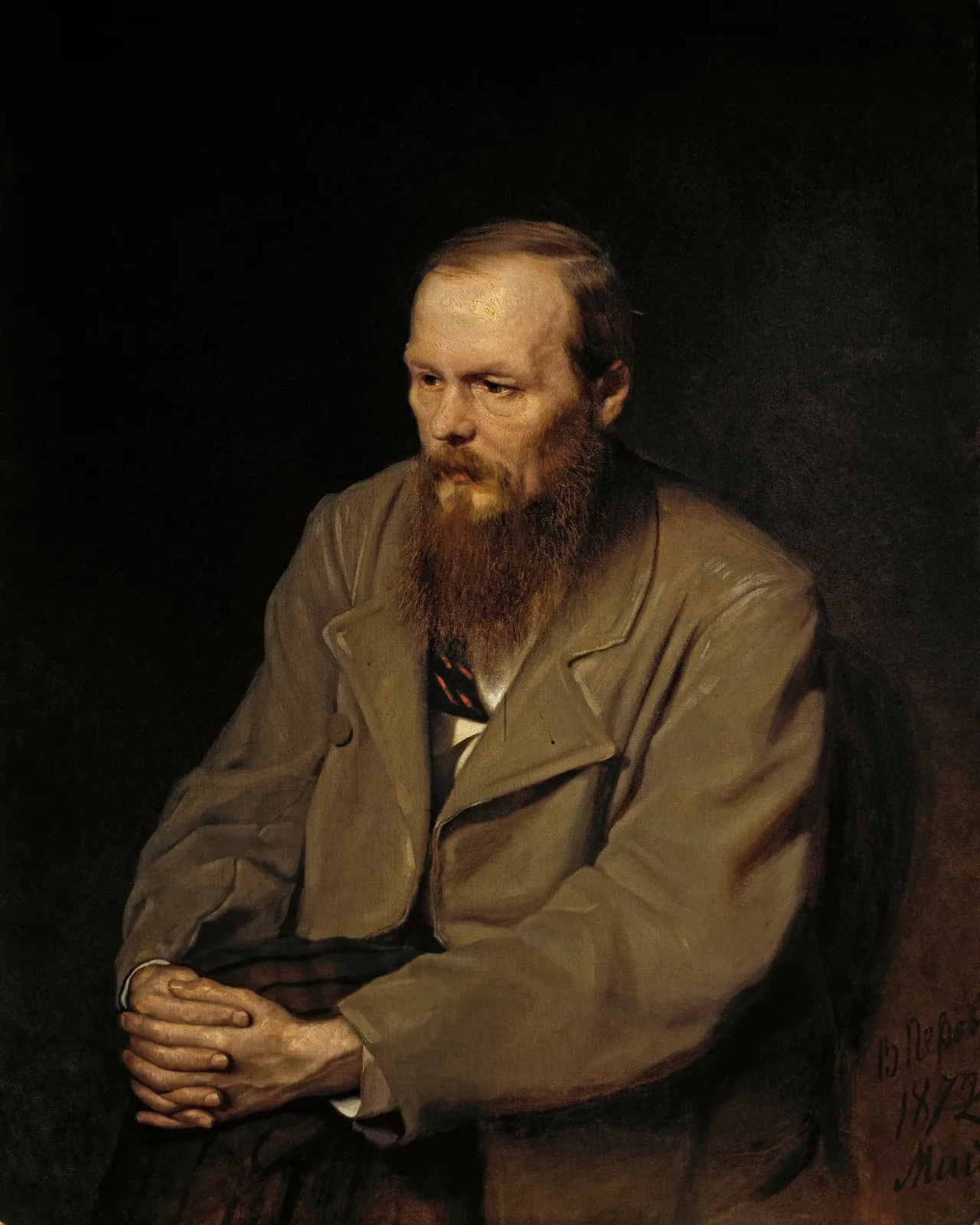
The letter lived. In 1849 Dostoevsky read it aloud to the Petrashevsky circle and let it be copied; he was arrested, and the sentence cited "the circulation of the letter of the writer Belinsky, full of insolent expressions against the Orthodox Church and the supreme authority". On 21 December 1849 he heard a sentence of death read on Semyonovsky Square, and was reprieved on the spot.457 Herzen printed the letter in London in 1855.58 A year later the Slavophile Ivan Aksakov told his father that there was not a provincial schoolteacher who did not know it by heart.59
Herzen called him "one of the most remarkable figures of the period of Nicholas".60 The friend who had taught him Hegel in the Moscow years, Mikhail Bakunin, carried negation further still, and has his own chapter in this book.
Footnotes
-
P. V. Annenkov, Zamechatelnoe desyatiletie 1838-1848 (1880), ch. XXXIV-XXXV, ru.wikisource (whole text,
texts/annenkov-ru-index.txt). Eyewitness at Salzbrunn. The English translation (1968) is copyrighted and not used, ch. XXXV; Belinsky, Pismo N. V. Gogolyu (15 July 1847 N.S.), ru.wikisource.org "Письмо Н. В. Гоголю 15 июля 1847 г. (Белинский)", text from N. V. Gogol v russkoi kritike (Moscow, 1953), pp. 243-252. Savedresearch/texts/letter-gogol-ru.txt. Russian text public domain; modern spelling; the autograph is lost (SPW48 p. 530), the text goes back to Herzen's Polar Star 1855. Translations below are the project's own; Belinsky, Selected Philosophical Works (Moscow, Foreign Languages Publishing House, 1948; IAdli.ernet.236351). English; contains the Letter to Gogol (pp. 603-612 printed; OCR running heads are damaged, so pages are reconstructed), the Botkin letters of 1 Mar and 8 Sept 1841, and Soviet notes. Copyright status uncertain (Soviet translation), so used for checking and page references only and never quoted. Savedtexts/belinsky-spw-1948.txt. No pre-1931 English translation of the Letter was found, p. 612. ↩ -
Annenkov, Zamechatelnoe desyatiletie 1838-1848, ch. XXXV. ↩
-
Belinsky, Pismo N. V. Gogolyu; A. N. Pypin, Belinsky, ego zhizn i perepiska (St Petersburg, Kolos, 1908; IA
bielinski00pypiuoft, 692 leaves; edition statement not checked; first edition 1876). Quotes Belinsky's letters of 1837-41 and an abridged Letter to Gogol. Savedtexts/pypin-1908.txt(good OCR, old orthography). Tier 1 for the letter excerpts, Tier 2 for the narrative, p. 533 (modern spelling in Letter-ru); Belinsky, Selected Philosophical Works, p. 606. ↩ -
Same, "Dostoevsky, F. M."
texts/esbe-dostoevsky-ru.txt. ↩ ↩2 -
Entsiklopedicheskii slovar Brokgauza i Efrona, vol. V (1891), pp. 191-194, "Belinsky" (by P. M.).
texts/esbe-belinsky-ru.txt, p. 191; Pypin, Belinsky, p. 7 and note; Belinsky, Selected Philosophical Works, p. ix. Accounts differ; see the disputed points. ↩ -
Pypin, Belinsky, p. 7. ↩
-
Pypin, Belinsky, p. 7; Entsiklopedicheskii slovar, p. 191. ↩
-
Pypin, Belinsky, p. 8. ↩
-
Pypin, Belinsky, p. 13. ↩
-
Entsiklopedicheskii slovar, p. 191. ↩
-
Entsiklopedicheskii slovar, p. 191; Belinsky, Selected Philosophical Works, p. ix-x (adds "unsound health"; says the real reason was the tragedy). ↩
-
Pypin, Belinsky, pp. 167, 169. ↩
-
Pypin, Belinsky, p. 167. ↩
-
Pypin, Belinsky, p. 169. ↩
-
Entsiklopedicheskii slovar, p. 193; Herzen, My Past and Thoughts, tr. Constance Garnett, vol. 2 (New York: Knopf, 1924; Gutenberg #78332); ch. XXV, Belinsky spelled "Byelinsky". No printed pages in the ebook; locators are chapter and line in
texts/herzen-2.txt. (Vols. 3 and 4 downloaded, no Belinsky material.), ch. XXV (lines 3963-3990). ↩ -
Herzen, My Past and Thoughts, ch. XXV (lines 3970-3990, 4166-4190). ↩ ↩2
-
Entsiklopedicheskii slovar, p. 193; Annenkov, Zamechatelnoe desyatiletie 1838-1848, ch. I. ↩
-
Pypin, Belinsky, pp. 321-323. ↩
-
Pypin, Belinsky, p. 324. ↩
-
Pypin, Belinsky, pp. 321-322. ↩
-
Pypin, Belinsky, p. 324. ↩
-
Pypin, Belinsky, p. 366 (Russian); Belinsky, Selected Philosophical Works, pp. 359-361 (English). ↩
-
Pypin, Belinsky, p. 366; Belinsky, Selected Philosophical Works, p. 360. ↩
-
Pypin, Belinsky, p. 366; Belinsky, Selected Philosophical Works, p. 360. ↩
-
Pypin, Belinsky, p. 384; Belinsky, Selected Philosophical Works, pp. 363-365. ↩
-
Pypin, Belinsky, p. 384 (old orthography: "Отрицан1е — мой Богъ"); Belinsky, Selected Philosophical Works, p. 364 ("My God is negation!"). ↩
-
Herzen, My Past and Thoughts, ch. XXV (lines 4206-4215). ↩
-
Turgenev, Vospominaniya o Belinskom (Vestnik Evropy, 1869, no. 4, pp. 693-729), ru.wikisource.
texts/turgenev-vospominaniya-belinsky-ru.txt, (ch. 2, "Воспоминания о Белинском"). ↩ -
Turgenev, Vospominaniya o Belinskom, (Vestnik Evropy 1869, no. 4). ↩
-
Herzen, My Past and Thoughts, ch. XXV (lines 4340-4352). ↩
-
Herzen, My Past and Thoughts, ch. XXV (Garnett, Knopf 1924). ↩
-
Dostoevsky, Dnevnik pisatelya 1873, ch. II "Starye lyudi", ru.wikisource.
texts/dostoevsky-diary-1873-II-ru.txt. Recollection of 1845-46, written 27 years later and in a polemical context, ch. II. ↩ -
Dostoevsky on Belinsky, 1873: Dostoevsky, Dnevnik pisatelya, ch. II. ↩
-
Dostoevsky, Dnevnik pisatelya, ch. II. ↩
-
Dostoevsky, 1873, on why Belinsky's atheism had to deal with Christ. "Yet there remained the radiant figure of Christ himself, which was hardest to fight." Dostoevsky, then a young admirer, wrote it as a believer and a former convict who read the Gospel for four years in prison: Dostoevsky, Dnevnik pisatelya, ch. II. ↩
-
Belinsky, Selected Philosophical Works, p. 527 (notes); Entsiklopedicheskii slovar. ↩
-
Gogol, Selected Passages, ch. XXV "Selskii sud i rasprava" (1845), ru.wikisource.
texts/gogol-selected-passages-XXV-ru.txt. (-XXXIand-XXXIIfiles were saved but the pages fetched are other chapters; not used.); Belinsky, Pismo N. V. Gogolyu. ↩ -
Gogol to Belinsky, c. 20 June 1847, ru.wikisource (Gogol, PSS vol. 13, 1952, pp. 326-328).
texts/gogol-letter-june-ru.txt, (note); Belinsky, Selected Philosophical Works, pp. 527-528 (his letter to Botkin). ↩ -
GogolJune; Belinsky, Selected Philosophical Works, p. 528. ↩
-
Annenkov, Zamechatelnoe desyatiletie 1838-1848, ch. XXXIV. ↩
-
Gogol, author of Dead Souls and a devout Orthodox writer, to Belinsky, c. 20 June 1847. "I thought I would be generously forgiven, and that in my book there was a seed of general reconciliation, not discord.": GogolJune. ↩
-
Belinsky, Pismo N. V. Gogolyu; Belinsky, Selected Philosophical Works, p. 606. ↩
-
Belinsky, Pismo N. V. Gogolyu; Belinsky, Selected Philosophical Works, p. 606. ↩
-
Belinsky, Pismo N. V. Gogolyu; Belinsky, Selected Philosophical Works, p. 606. ↩
-
Belinsky, Pismo N. V. Gogolyu; Belinsky, Selected Philosophical Works, pp. 606-607. ↩ ↩2
-
Belinsky, Pismo N. V. Gogolyu; Belinsky, Selected Philosophical Works, p. 606. ↩
-
Belinsky, Pismo N. V. Gogolyu; Belinsky, Selected Philosophical Works, p. 607. "Look closer and you will see that it is by its nature a profoundly atheistic people. There is still much superstition in it, but not a trace of religiousness." About the Russian people, not Belinsky; often quoted as his own creed. ↩
-
Annenkov, Zamechatelnoe desyatiletie 1838-1848, ch. XXXV; Herzen, My Past and Thoughts, ch. XXV (lines 4439-4448). ↩
-
Herzen to Annenkov: Annenkov, Zamechatelnoe desyatiletie 1838-1848, ch. XXXV. ↩
-
Gogol, unsent draft reply, late July-early Aug 1847 (PSS 13, pp. 435-446); published 1856; text has editorial brackets for reconstructed words.
texts/gogol-letter-julaug-ru.txt. ↩ -
Gogol, unsent draft reply, late July-early Aug 1847. "Who, in your view, can interpret Christ better and more closely now?" He goes on to ask whether it is the "communists and socialists". Part of a long argument that Belinsky separated the Church from Christ although its pastors died for his word: GogolDraft. ↩
-
Gogol, same draft. "I did not at all mean to sing a hymn to the clergy who disgraced our Church, but to the clergy who raised it up." Also: "I knew many bad priests ... but I also met some whose holiness of life I marvelled at": GogolDraft. ↩
-
Gogol to Belinsky, Ostend, 10 Aug 1847 N.S. (PSS 13, pp. 360-361).
texts/gogol-reply-1847-ru.txt. ↩ -
Gogol to Belinsky, Ostend, 10 Aug 1847 N.S. "God knows, perhaps there is some part of truth in your words." Followed by "You and I have both gone to excess. I, at least, admit it; do you?": GogolAug. ↩
-
Pypin, Belinsky, pp. 660-661 (approx.). ↩
-
Belinsky, Selected Philosophical Works, pp. xi, 529. Reported at second hand; the original has not been seen. ↩
-
Military court wording on Dostoevsky, 1849. "For participation in criminal designs, for the circulation of the letter of the writer Belinsky, full of insolent expressions against the Orthodox Church and the supreme authority." The state's reason, as quoted by ESBE: Same, "Dostoevsky, F. M.". ↩
-
Belinsky, Selected Philosophical Works, pp. xi-xii and 530; Gogol correspondence page (Wikisource: "опубл. 1855"). 1905 ban: soviet editors is the only source for this, as for the other details in this chapter cited to that source alone. ↩
-
Belinsky, Selected Philosophical Works, pp. 529-530. ↩
-
Herzen: Herzen, My Past and Thoughts, ch. XXV. ↩
texts/annenkov-ru-index.txt). Eyewitness at Salzbrunn. The English translation (1968) is copyrighted and not used.; Belinsky, Pismo N. V. Gogolyu (15 July 1847 N.S.), ru.wikisource.org "Письмо Н. В. Гоголю 15 июля 1847 г. (Белинский)", text from N. V. Gogol v russkoi kritike (Moscow, 1953), pp. 243-252. Saved research/texts/letter-gogol-ru.txt. Russian text public domain; modern spelling; the autograph is lost (SPW48 p. 530), the text goes back to Herzen's Polar Star 1855. Translations below are the project's own.; Belinsky, Selected Philosophical Works (Moscow, Foreign Languages Publishing House, 1948; IA dli.ernet.236351). English; contains the Letter to Gogol (pp. 603-612 printed; OCR running heads are damaged, so pages are reconstructed), the Botkin letters of 1 Mar and 8 Sept 1841, and Soviet notes. Copyright status uncertain (Soviet translation), so used for checking and page references only and never quoted. Saved texts/belinsky-spw-1948.txt. No pre-1931 English translation of the Letter was found.; A. N. Pypin, Belinsky, ego zhizn i perepiska (St Petersburg, Kolos, 1908; IA bielinski00pypiuoft, 692 leaves; edition statement not checked; first edition 1876). Quotes Belinsky's letters of 1837-41 and an abridged Letter to Gogol. Saved texts/pypin-1908.txt (good OCR, old orthography). Tier 1 for the letter excerpts, Tier 2 for the narrative.; Same, "Dostoevsky, F. M." texts/esbe-dostoevsky-ru.txt.; Entsiklopedicheskii slovar Brokgauza i Efrona, vol. V (1891), pp. 191-194, "Belinsky" (by P. M.). texts/esbe-belinsky-ru.txt.; Herzen, My Past and Thoughts, tr. Constance Garnett, vol. 2 (New York: Knopf, 1924; Gutenberg #78332); ch. XXV, Belinsky spelled "Byelinsky". No printed pages in the ebook; locators are chapter and line in texts/herzen-2.txt. (Vols. 3 and 4 downloaded, no Belinsky material.); Turgenev, Vospominaniya o Belinskom (Vestnik Evropy, 1869, no. 4, pp. 693-729), ru.wikisource. texts/turgenev-vospominaniya-belinsky-ru.txt.; Dostoevsky, Dnevnik pisatelya 1873, ch. II "Starye lyudi", ru.wikisource. texts/dostoevsky-diary-1873-II-ru.txt. Recollection of 1845-46, written 27 years later and in a polemical context.; Gogol, Selected Passages, ch. XXV "Selskii sud i rasprava" (1845), ru.wikisource. texts/gogol-selected-passages-XXV-ru.txt. (-XXXI and -XXXII files were saved but the pages fetched are other chapters; not used.); Gogol to Belinsky, c. 20 June 1847, ru.wikisource (Gogol, PSS vol. 13, 1952, pp. 326-328). texts/gogol-letter-june-ru.txt.; Gogol, unsent draft reply, late July-early Aug 1847 (PSS 13, pp. 435-446); published 1856; text has editorial brackets for reconstructed words. texts/gogol-letter-julaug-ru.txt.; Gogol to Belinsky, Ostend, 10 Aug 1847 N.S. (PSS 13, pp. 360-361). texts/gogol-reply-1847-ru.txt.In their own words
Проповедник кнута, апостол невежества, поборник обскурантизма и мракобесия, панегирист татарских нравов
Что Вы подобное учение опираете на православную церковь — это я ещё понимаю: она всегда была опорою кнута и угодницей деспотизма; но Христа-то зачем Вы примешали тут?
Церковь же явилась иерархией, стало быть поборницею неравенства, льстецом власти, врагом и гонительницею братства между людьми
какой-нибудь Вольтер, орудием насмешки потушивший в Европе костры фанатизма и невежества, конечно, больше сын Христа, плоть от плоти его и кость от костей его, нежели все Ваши попы, архиереи, митрополиты и патриархи
Приглядитесь пристальнее, и Вы увидите, что это по натуре своей глубоко атеистический народ. В нём ещё много суеверия, но нет и следа религиозности
Отрицание — мой Бог. В истории мои герои — разрушители старого
Благодарю покорно, Егор Фёдорович (Гегель) — кланяюсь вашему философскому колпаку
Увидишь, что этот вопрос — альфа и омега истины, и что в его решении — наше искупление. Я плюю на философию, которая потому только с презрением прошла мимо этого вопроса, что не в силах была решить его.
все также хочется верить и все также не верится
Мы не решили еще вопроса о существовании Бога, — сказал он мне однажды с горьким упреком, — а вы хотите есть!
Надо всеми мерами спасать людей от бешеного человека, хотя бы взбесившийся был сам Гомер.
Это — гениальная вещь, да это, кажется, и завещание его.
'For the sake of the servants,' said Byelinsky, and he turned pale.
And in still more civilised countries there is a guillotine for those who think that a good thing.
I regard Byelinsky as one of the most remarkable figures of the period of Nicholas.
Я застал его страстным социалистом, и он прямо начал со мной с атеизма.
поверьте же, что ваш Христос, если бы родился в наше время, был бы самым незаметным и обыкновенным человеком
ощущу в себе присутствие Божие
что такая мысль безбожна и недостойна просветленнаго человека, что откровение истины есть единственное благо, за которое человек умиленно должен молиться вечному духу жизни
"I have accepted the truth — and in the words God and religion I see darkness, gloom, shackles and the knout"
The other side
Я думал, что мне великодушно простят и что в книге моей зародыш примирения всеобщего, а не раздора.
Кто же, по-вашему, ближе и лучше может истолковать теперь Христа?
я вовсе не думал воздавать песнь духовенству, опозорившему нашу церковь, но духовенству, возвысившему нашу церковь
Бог весть, может быть, и в ваших словах есть часть правды.
Тут оставалась, однако, сияющая личность самого Христа, с которою всего труднее было бороться.
За участие в преступных замыслах, распространение письма литератора Белинского, полного дерзких выражений против православной церкви и верховной власти
Where accounts differ
| Point | One account | Another | How the page handles it |
|---|---|---|---|
| Year of birth | 30 May 1810 (ESBE-B p. 191); February 1810 per D. P. Ivanov's note and Belinsky's own March 1846 remark about turning 35/36 on 11 June "your way" (Pypin08 p. 7 note, OCR unclear) | 1811 (SPW48 p. ix; roster; standard modern date) | Say "born in 1811 (older sources give 1810)" or avoid the year; 11 June N.S. birthday not confirmed in the texts |
| Day of death | 28 May 1848 (ESBE-B p. 194) | 26 May 1848, five in the morning (Pypin08 quoting Sovremennik and Otechestvennye Zapiski; SPW48 p. xi, "26 May (7 June)") | Use 26 May O.S. (7 June N.S.) |
| Date of the Letter | 3 July O.S. (SPW48 heading) / 15 July N.S. ("Salzbrunn, July 15") | Pypin08 p. 532 note: the 15 July date printed in 1872 was either N.S. = 3 July O.S., the day he left Salzbrunn, or an error for 15 June | Say "mid-July 1847, in Salzbrunn" |
| "Atheism" or "Chinaism" in the Letter | Pypin08 p. 533 prints "ханжеству, атеизму" (lead-in to Gogol's "humility") | Letter-ru and SPW48 p. 611 have "китаизму" / "Chinaism" | Do not rest the narration on the word in this sentence; use the passage on the Russian people (Q5) instead |
| Who condemned Dostoevsky and how | ESBE-D: auditoriat verdict eight years' hard labour, Tsar made it four years; the death sentence was read on the square | Brief says "sentenced to death partly for reading it aloud" | Say "condemned to death, and reprieved on the square"; confirm the court from a second source |
| "Ich danke ergebenst" | Brief's attribution to the Botkin letters | Pypin08 p. 366: the phrase is Russian "Благодарю покорно" | Do not use the German |
| Autograph | SPW48: the original is lost; text is Polar Star 1855 | Letter-ru: PD text from the 1953 edition | Say the text comes from Herzen's 1855 printing |
| Banned until 1905 | SPW48 p. xi-xii (Soviet editors) | no second source seen | Say "banned in Russia" only |
List of illustrations
This page uses only public-domain and Creative Commons images; each is credited with its source and licence.
- Kirill Gorbunov, Vissarion Belinsky, 1843, Tretyakov Gallery 3270.jpg — Kirill Gorbunov, 1843 (in Julian calendar) · Wikimedia Commons (Горбунов Кирилл Антонович. Портрет писателя Виссариона Григорьевича Белинского (1809-1848) | Государственный каталог Музейного фонда Российской Федера); Kirill Gorbunov; Public domain · Public domain
- Ivan Aivazovsky - Sveaborg.jpg — Ivan Aivazovsky, 1844date QS:P571,+1844-00-00T00:00:00Z/9 · Wikimedia Commons; Ivan Aivazovsky; Public domain · Public domain
- Commission scientifique du Nord - B. Lauvergne - Vue du Kremlin à Moscou.jpg — Barthélemy Lauvergne, circa 1840date QS:P571,+1840-00-00T00:00:00Z/9,P1480,Q5727902 · Wikimedia Commons; Barthélemy Lauvergne; Public domain · Public domain
- Nikolay Vladimirovitch Stankevitch by Karl Becker - GIM.jpg — Karl Becker, 1838 · Wikimedia Commons (https://catalog.shm.ru/entity/OBJECT/2176640); Karl Becker; Public domain · Public domain
- Hegel by Sichling.jpg — Lazarus Gottlieb Sichling, Unknown date · Wikimedia Commons (https://www.flickr.com/photos/ubleipzig/17031556862/); Lazarus Gottlieb Sichling; Public domain · Public domain
- Portrait of Vasily Botkin.jpg — Kirill Gorbunov, between 1838 and 1849date QS:P,+1850-00-00T00:00:00Z/7,P1319,+1838-00-00T00:00:00Z/9,P1326,+1849-00-00T00:00:00Z/9 · Wikimedia Commons (Hermitage Museum); Kirill Gorbunov; Public domain · Public domain
- Herzen ge.jpg — Nikolai Ge, 1867date QS:P571,+1867-00-00T00:00:00Z/9 · Wikimedia Commons (nibiryukov.narod.ru Transferred from ru.wikipedia; transferred to Commons by User:Lockal using CommonsHelper. 28 June 2005 (original upload date)); Nikolai Ge; Public domain · Public domain
- Turgenev 1840s.jpg — Daguerreotype, 1840s, 2002-12-13 · Wikimedia Commons (http://www.turgenev.org.ru/art-gallery/zhizn-iskusstvo-vremya/005.htm); Daguerreotype, 1840s; CC0 · CC0
- N.Gogol by F.Moller (1840, Tretyakov gallery).jpg — Otto Friedrich Theodor von Möller, early 1840sdate QS:P571,+1840-00-00T00:00:00Z/8 · Wikimedia Commons (Tretyakov Gallery); Otto Friedrich Theodor von Möller; Public domain · Public domain
- Выбранные места из переписки с друзьями.jpg — Unknown authorUnknown author, 1847 · Wikimedia Commons (http://book.uraic.ru/uralkp/center/exhibition/ngog/gog/gog1.html); Unknown author; Public domain · Public domain
- Pypin, Bielinski (St Petersburg: Kolos, 1908), p. 533, with Belinsky's Letter to Gogol — A. N. Pypin, 1908 · Internet Archive, bielinski00pypiuoft; A. N. Pypin · Public domain (published before 1931)
- Kirill Gorbunov, Vissarion Belinsky on His Deathbed, 1848, Penza Museums of Literature ОГЛММ КП-5796; from goskatalog.ru.jpg — Kirill Gorbunov, 1848 (in Julian calendar) · Wikimedia Commons (Государственный каталог Музейного фонда Российской Федерации); Kirill Gorbunov; Public domain · Public domain
- Vasily Perov - Портрет Ф.М.Достоевского - Google Art Project.jpg — Vasily Perov, 1872 · Wikimedia Commons (Google Arts & Culture — kgHBFHS7SpcayQ); Vasily Perov; Public domain · Public domain
Sources
Tier 1 — the subject's own words (writings, letters, diaries, trial records)
- [Letter-ru] Belinsky, Pismo N. V. Gogolyu (15 July 1847 N.S.), ru.wikisource.org "Письмо Н. В. Гоголю 15 июля 1847 г. (Белинский)", text from N. V. Gogol v russkoi kritike (Moscow, 1953), pp. 243-252. Saved
research/texts/letter-gogol-ru.txt. Russian text public domain; modern spelling; the autograph is lost (SPW48 p. 530), the text goes back to Herzen's Polar Star 1855. Translations below are the project's own. - [Pypin08] A. N. Pypin, Belinsky, ego zhizn i perepiska (St Petersburg, Kolos, 1908; IA
bielinski00pypiuoft, 692 leaves; edition statement not checked; first edition 1876). Quotes Belinsky's letters of 1837-41 and an abridged Letter to Gogol. Savedtexts/pypin-1908.txt(good OCR, old orthography). Tier 1 for the letter excerpts, Tier 2 for the narrative. - [Pypin76] Same work, 1876 (IA
bielinskegozhiz00pypigoog). OCR too garbled for citation; used only to confirm that the 1810 birth passage is in the first edition. Savedtexts/pypin-1876.txt. - [SPW48] Belinsky, Selected Philosophical Works (Moscow, Foreign Languages Publishing House, 1948; IA
dli.ernet.236351). English; contains the Letter to Gogol (pp. 603-612 printed; OCR running heads are damaged, so pages are reconstructed), the Botkin letters of 1 Mar and 8 Sept 1841, and Soviet notes. Copyright status uncertain (Soviet translation), so used for checking and page references only and never quoted. Savedtexts/belinsky-spw-1948.txt. No pre-1931 English translation of the Letter was found. - [GogolJune] Gogol to Belinsky, c. 20 June 1847, ru.wikisource (Gogol, PSS vol. 13, 1952, pp. 326-328).
texts/gogol-letter-june-ru.txt. - [GogolAug] Gogol to Belinsky, Ostend, 10 Aug 1847 N.S. (PSS 13, pp. 360-361).
texts/gogol-reply-1847-ru.txt. - [GogolDraft] Gogol, unsent draft reply, late July-early Aug 1847 (PSS 13, pp. 435-446); published 1856; text has editorial brackets for reconstructed words.
texts/gogol-letter-julaug-ru.txt. - [GogolSP25] Gogol, Selected Passages, ch. XXV "Selskii sud i rasprava" (1845), ru.wikisource.
texts/gogol-selected-passages-XXV-ru.txt. (-XXXIand-XXXIIfiles were saved but the pages fetched are other chapters; not used.) - [Dost73] Dostoevsky, Dnevnik pisatelya 1873, ch. II "Starye lyudi", ru.wikisource.
texts/dostoevsky-diary-1873-II-ru.txt. Recollection of 1845-46, written 27 years later and in a polemical context.
Tier 2 — scholarly biographies and encyclopedias
- [ESBE-B] Entsiklopedicheskii slovar Brokgauza i Efrona, vol. V (1891), pp. 191-194, "Belinsky" (by P. M.).
texts/esbe-belinsky-ru.txt. - [ESBE-D] Same, "Dostoevsky, F. M."
texts/esbe-dostoevsky-ru.txt. - [Herzen2] Herzen, My Past and Thoughts, tr. Constance Garnett, vol. 2 (New York: Knopf, 1924; Gutenberg #78332); ch. XXV, Belinsky spelled "Byelinsky". No printed pages in the ebook; locators are chapter and line in
texts/herzen-2.txt. (Vols. 3 and 4 downloaded, no Belinsky material.) - [Annenkov] P. V. Annenkov, Zamechatelnoe desyatiletie 1838-1848 (1880), ch. XXXIV-XXXV, ru.wikisource (whole text,
texts/annenkov-ru-index.txt). Eyewitness at Salzbrunn. The English translation (1968) is copyrighted and not used. - [Turgenev-ru] Turgenev, Vospominaniya o Belinskom (Vestnik Evropy, 1869, no. 4, pp. 693-729), ru.wikisource.
texts/turgenev-vospominaniya-belinsky-ru.txt. - [RBS] Russkii biograficheskii slovar "Belinsky" saved as
texts/rbs-belinsky-ru.txt(240,000 characters; not read for this draft). - [Panaev] Panaev, Literaturnye vospominaniya saved
texts/panaev-literary-memoirs-ru.txt; searched for "atheism" only; nothing cited.
Tier 3 — popular biographies and journalism
- None used.
Tier 4 — Wikipedia and similar reference sites
- Not consulted. (Roster dates 1811-1848 follow SPW48 and modern reference practice; see Disputed points.)
Opposition sources — contemporary critics and religious responses
- [GogolJune], [GogolDraft], [GogolAug], [Dost73], and the military verdict as quoted in [ESBE-D].
Related lives
(not baked into the script, per lessons) candidates: Chernyshevsky is not on the roster; Bakunin (the Stankevich-circle friend who gave him Hegel) is, and Marx (read Feuerbach in the same decade).
Ernestine Rose
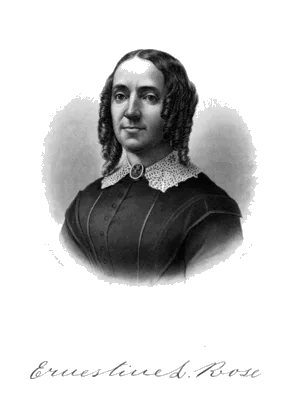
Ernestine Rose was a rabbi's daughter who could not love a God who wanted suffering, and she gave up her father's faith at fourteen. She spent thirty years in America fighting for women's property and rights, while keeping her religious arguments off the movement's platform. In 1861 she called herself, in print and without retreat, an atheist who believed in man.
Charles Darwin
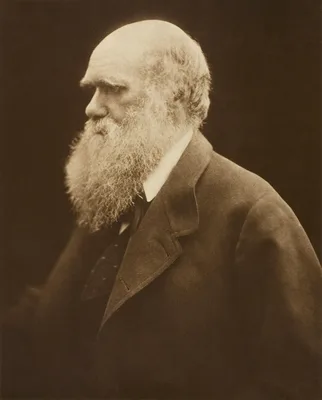
Charles Darwin was a would-be country clergyman who believed every word of the Bible. Between 1836 and 1839 he gave up Christianity as a revelation "at a very slow rate" and without distress, by reasoning about miracles, the Gospels and other religions. He kept a designing God until his own theory left design little to do, and ended "content to remain an Agnostic". He kept the whole road private, for his family's sake and from his own judgement that attacks on religion did no good.
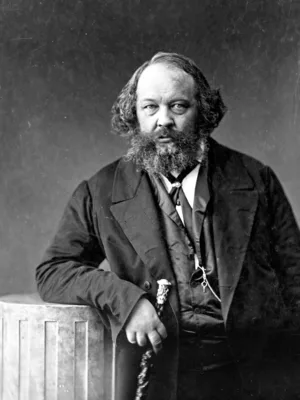
Mikhail Bakunin
Mikhail Bakunin's Orthodox boyhood cooled at cadet school, and his early philosophy was a religion he used to defend the state. He became a revolutionary in Dresden in 1842 while still speaking of "a new religion", and believed in a personal God into his late forties. He turned to open atheism only in the 1860s, in his fight with Mazzini's religious republicanism. After that, God, the state and every master stood or fell together for him.
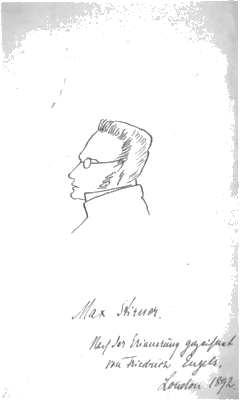
Max Stirner
Max Stirner was a Bayreuth Lutheran with a theology student's training and no recorded crisis of faith. He moved among Bauer's Berlin radicals until, in The Ego and Its Own (1844), he rejected not only God but the "Man" that Feuerbach and the humanist atheists had put in God's place. He refused the name atheist, because he counted those atheists among the pious. He restated the position once against his critics in 1845, and then fell silent into translation, debt and an early death.