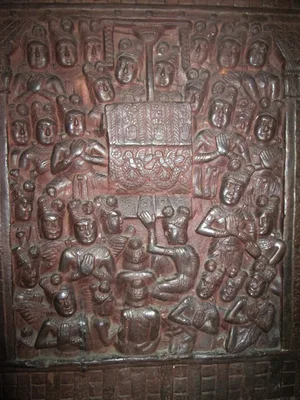
Ajita Kesakambali was a wandering teacher of the Ganges valley around 500 BCE. He taught that a person is four elements and nothing more, that gifts and sacrifices earn nothing, and that the wise and the foolish alike are annihilated at death. No motive, life or writing of his survives. We know the doctrine only because the Buddhist and Jain schools that wanted to refute it wrote it down; the later Cārvāka school, often made his heir, was in large part described by its enemies too.
The belief timeline
- Declaration (c. 500 BCE (undatable)) — Asked by the king what a recluse's life is worth, he says there is no gift, no fruit of deeds, no other world; man is four elements [5]
- Record (after the Buddha; Pali books put together over the next centuries) — The doctrine is written down by Buddhist opponents, with the Buddha's reply [2][7][8]
- Afterlife (1st millennium CE to 14th c.) — The doctrine reappears in Jain polemic and in later Lokāyata and Cārvāka material, and Rhys Davids argues the later schools were partly the opponents' invention [12][19][20][21]
Notes to the timeline (8)
- [5] The king tells the Buddha that he asked Ajita the same question; Ajita's reply is the annihilation doctrine; the king neither applauded nor blamed and left — T. W. Rhys Davids, Dialogues of the Buddha, vol. I (Sacred Books of the Buddhists II; 1899, reprinted 1923), Sāmaññaphala Sutta, Brahmajāla Sutta, Kassapa-Sīhanāda Sutta. Internet Archive
dialoguesofbuddh01davi. Text 1899; page numbers are those of the printed volume, pp. 73-74. - [2] Rhys Davids (1899) reports Bühler's view that the Pali books are good evidence "certainly for the fifth, probably for the sixth, century B.C."; the Kathāvatthu was composed by Tissa, son of Moggali, in the middle of the third century BCE — Davids, Dialogues of the Buddha, vol. I, p. xx; Introduction (Kathāvatthu passage, page not yet fixed).
- [7] The Buddha's reply to the king's question is not a rebuttal of Ajita: he gives the "immediate fruit" of the recluse's life as calm and insight, "higher and sweeter" than any craft's reward, and the sutta ends with the Buddha saying the king, had he not killed his father, would have won the "eye for the truth" — Davids, Dialogues of the Buddha, vol. I, pp. 76-95, esp. 94 and 95.
- [8] Brahmajāla Sutta names seven annihilationist views; the first holds the soul has form, is made of the four elements and is offspring of father and mother, cut off at the body's dissolution; the Buddha says all the sixty-two views are a net in which the speculators are caught; no teacher is named in this passage — Davids, Dialogues of the Buddha, vol. I, pp. 46-48, 53-54.
- [12] The Jain Sūtrakṛtāṅga (Book 2, Lecture 1) describes ascetics who go to a king and teach that the soul is the body and ends with it; those who believe it say there is no sin in killing — Hermann Jacobi, Jaina Sūtras, part II (Sacred Books of the East 45, Oxford, 1895), Introduction and Sūtrakṛtāṅga.
mlbd.gainasutraspart20000vol-45.unse, pp. 339-341. - [19] Rhys Davids (1899): "about 500 B.C." Lokāyata meant "Nature-lore" and was no school; Kumārila (8th c.) used it as abuse; Śaṅkara ascribed a soul-view to Lokāyatikas; the system was "fathered" on Cārvāka, "a mythical character in the Mahabharata, an ogre"; "of the real existence of a school... there is no trace" — Davids, Dialogues of the Buddha, vol. I, pp. 166-172.
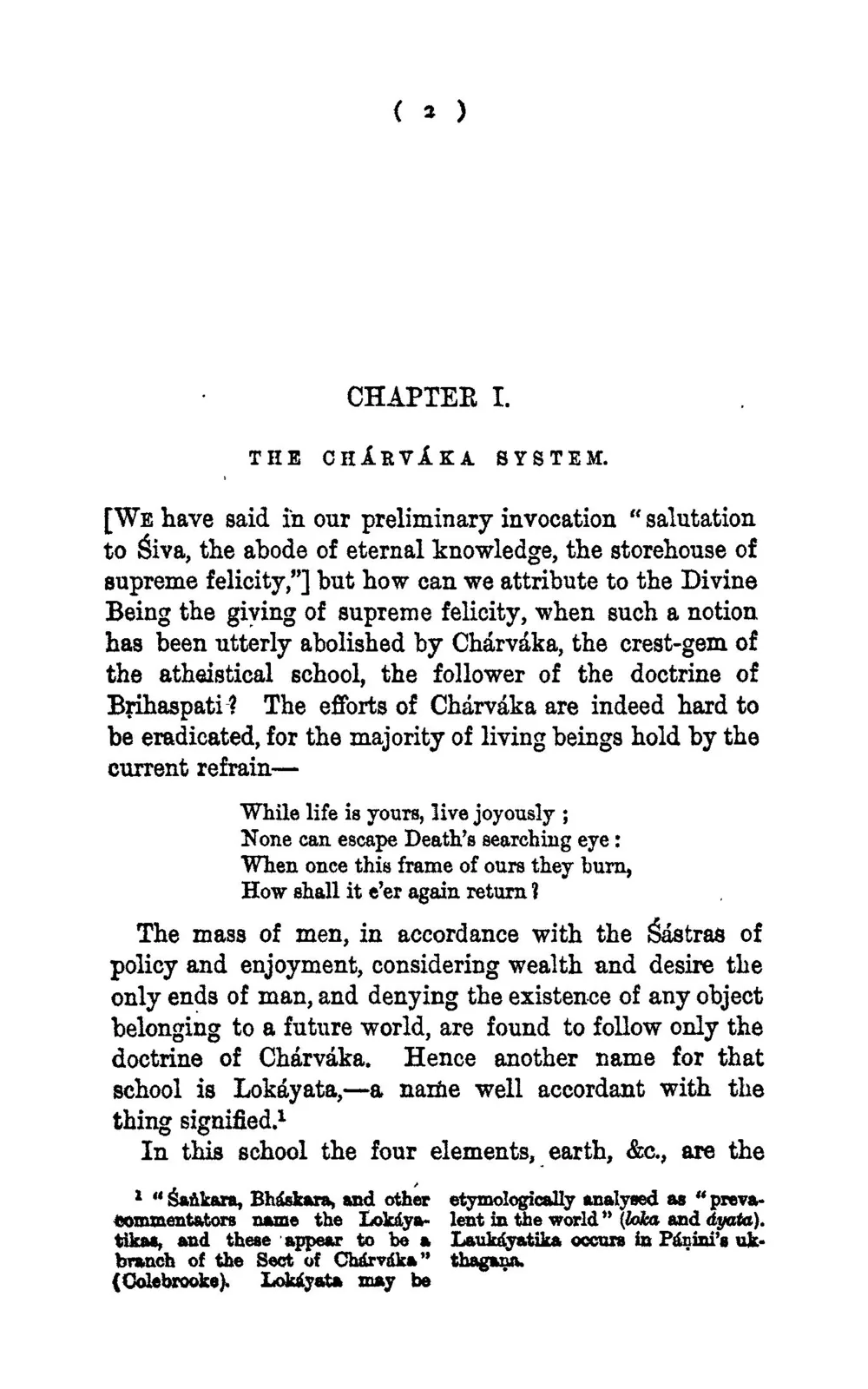
- [20] Mādhava's chapter I (Cowell and Gough 1882) calls Cārvāka "the crest-gem of the atheistical school, the follower of the doctrine of Bṛihaspati", gives Lokāyata as another name, teaches the four elements produce intelligence like an intoxicant from fermenting ingredients, and cites Bṛhad-āraṇyaka Upaniṣad II.4.12 — E. B. Cowell and A. E. Gough, The Sarva-Darśana-Saṃgraha (Trübner, 1882), Chapter I, "The Chārvāka System" (pp. 2-12 per its Contents). Project Gutenberg 34125, Internet Archive
thesarvadarsanas34125gut. The Gutenberg text carries no page numbers, Chapter I (pp. 2-12 of the 1882 edition, per Contents). - [21] Mādhava is dated by Rhys Davids to the fourteenth century CE; he calls his account chiefly based on "certain infidel doggrel verses" and says "the Lokayata had no doubt, at that time, long ceased to exist" — Davids, Dialogues of the Buddha, vol. I, p. 172.
Of the Garment of Hair
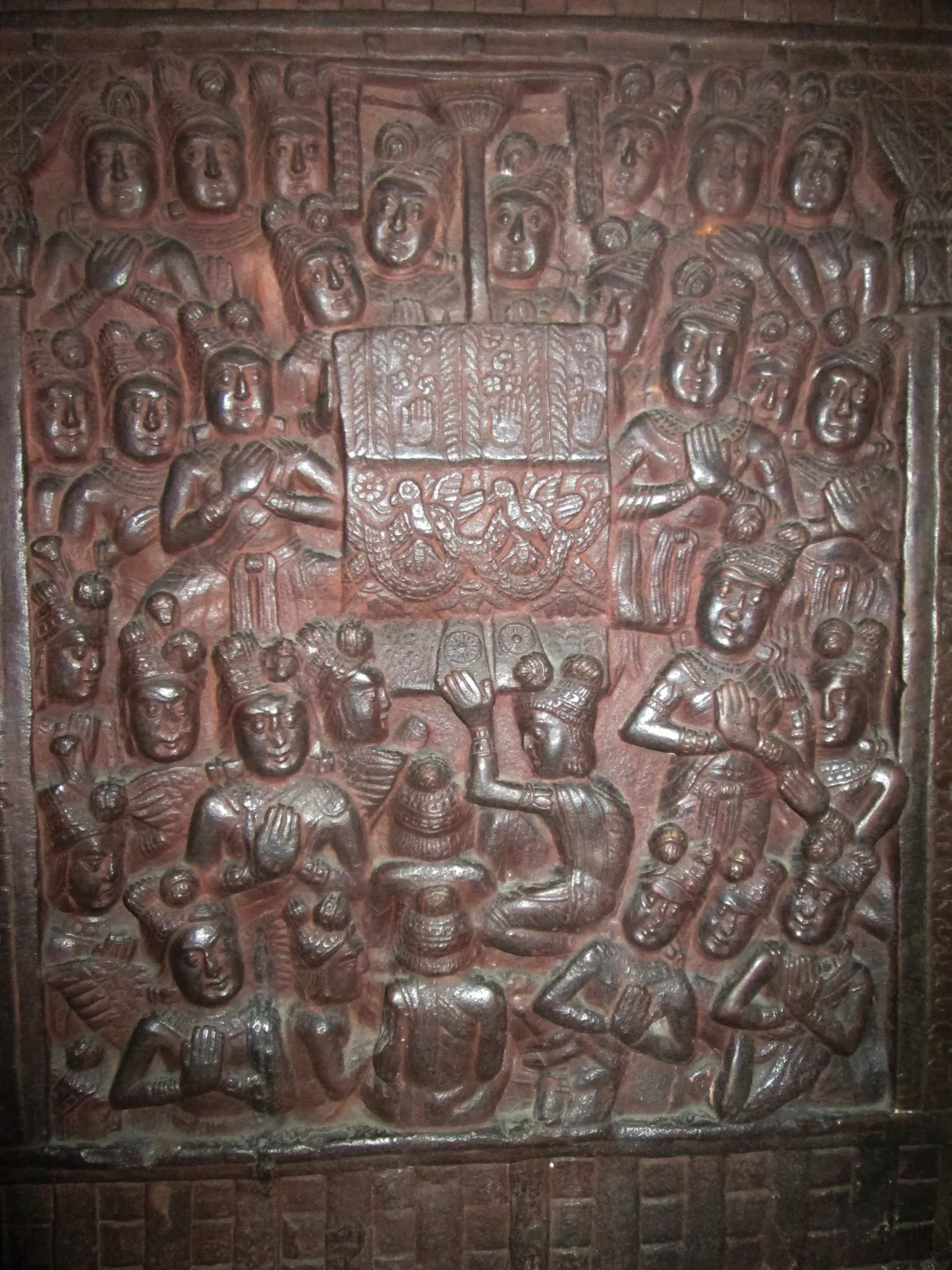
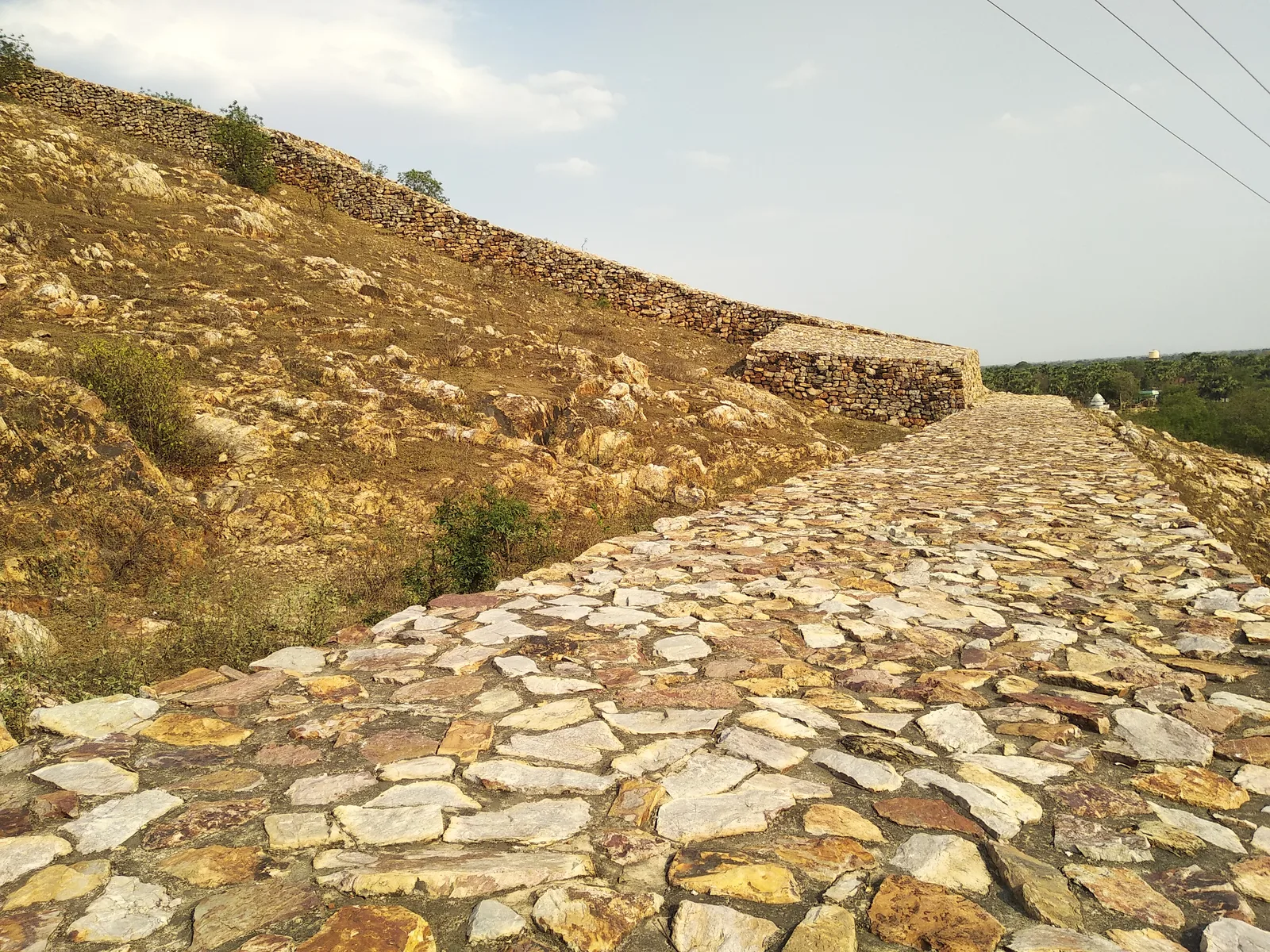
On a full-moon night in the kingdom of Magadha, in the Ganges valley, a king asked his ministers which holy man he might visit. That, at least, is how a Buddhist scripture begins. The king was Ajātasattu, ruler of Magadha from the city of Rājagaha, and his ministers named six famous teachers one after another. One of them was "Ajita of the garment of hair."12
Later the king told the Buddha what Ajita had said when he asked him what a holy life was worth. "There is no such thing, O king, as alms or sacrifice or offering. There is neither fruit nor result of good or evil deeds. There is no such thing as this world or the next." A person, Ajita said, is four elements, and at death each goes back where it came from.345 These few sentences are almost everything we know about a teacher who held that nothing of us survives death. They were written down by his opponents. This chapter tells what can be known about Ajita Kesakambali, and how little that is. (Quotations are from the English translations of T. W. Rhys Davids, 1899, and Hermann Jacobi, 1895.)
A name and a paragraph
No life of Ajita survives. No source gives his birth, his death, his family, his teacher or a single writing of his own; he appears only as a name in a list of six teachers and as the speaker of one paragraph.6 The texts that preserve him, the Pali scriptures of the Buddhists, are good evidence, the scholar Georg Bühler judged, "certainly for the fifth, probably for the sixth, century B.C.," though they were put into their final form later.7 He is usually placed around 500 BCE, a contemporary of the Buddha.
His name is a description. "Kesakambali" means "of the garment of hair," a blanket of hair; Buddhist commentators writing many centuries later said it was human hair.289 That is all the portrait there is.
The king's question
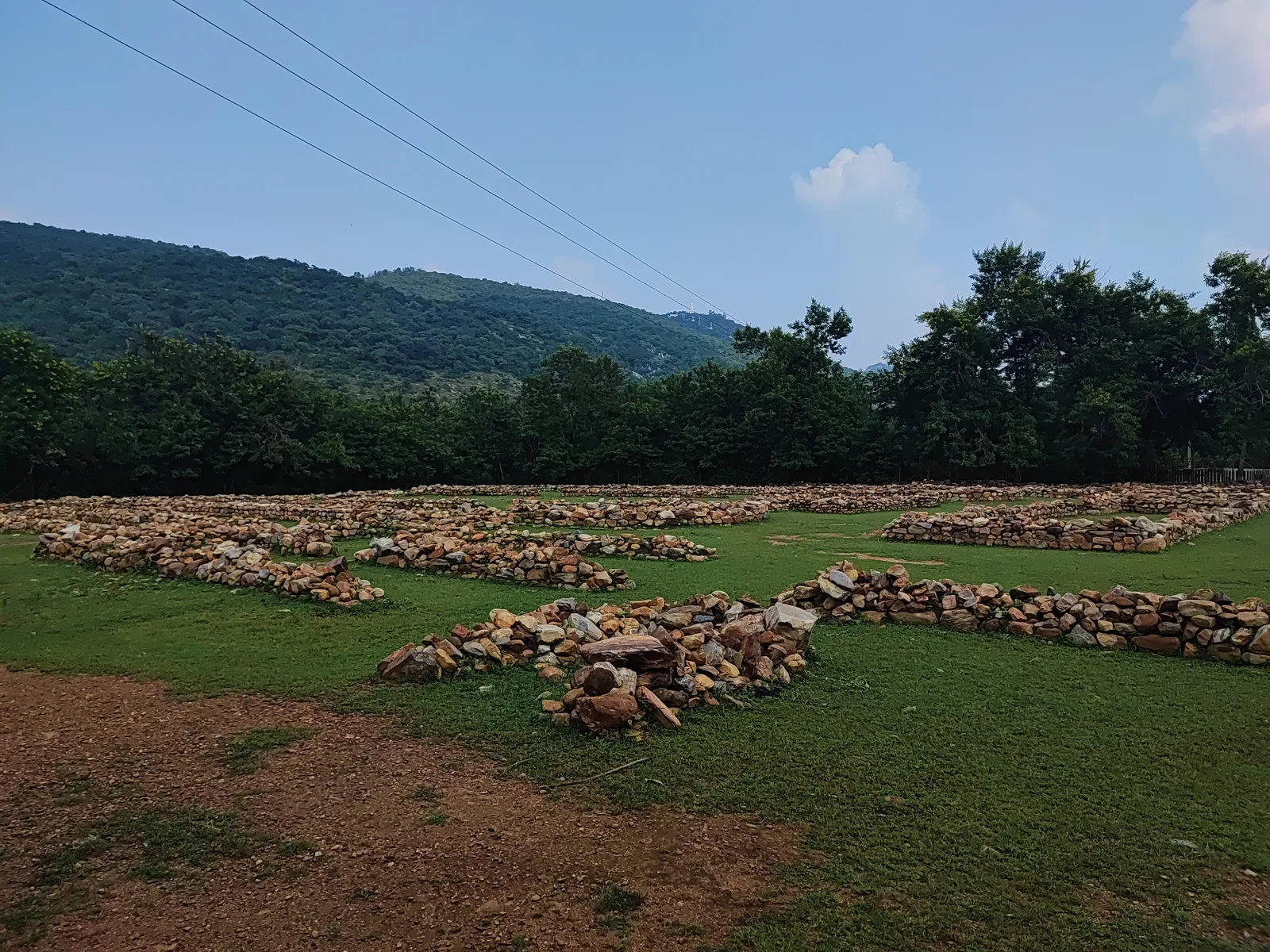
The scripture is the Sāmaññaphala Sutta, "the fruits of the life of a recluse." King Ajātasattu, it says, went to the Buddha in the mango grove of his physician Jīvaka at Rājagaha and asked him a practical question: craftsmen and soldiers can see the reward of their work in this life; can a monk? He told the Buddha that he had asked the same question of six other teachers, and he repeated their answers.13
Ajita's answer, as the king reported it, was the bleakest of all. "There is neither father nor mother, nor beings springing into life without them." "A human being is built up of the four elements. When he dies the earthy in him returns and relapses to the earth, the fluid to the water, the heat to the fire, the windy to the air, and his faculties pass into space." Gifts to holy men earn nothing: "It is a doctrine of fools, this talk of gifts. It is an empty lie, mere idle talk, when men say there is profit therein. Fools and wise alike, on the dissolution of the body, are cut off, annihilated, and after death they are not."34510 The king, the scripture says, neither applauded nor blamed what he heard, and went away.3
What the passage records is a denial of the religious economy of its world: of offerings and sacrifices, of good and bad deeds bearing fruit in later lives, of any world beyond this one. As Rhys Davids put it, Ajita, "in preaching annihilation at death, shuts out the possibility of any effect to be worked by Karma."11 The text never says why he believed it; no motive survives.
Heard at third hand
It is worth being plain about how the words reach us. Ajita spoke to the king; the king, in the story, repeated it to the Buddha; and the Buddha's followers remembered and recited it, and wrote it down in the scriptures of their own school. The same paragraph appears in other Buddhist texts "as the view of a typical sophist."12 The Buddha's answer to the king was not a point-by-point refutation of Ajita. He described instead the "immediate fruit" of a monk's life, a calm and insight "higher and sweeter" than any craft's reward.13 And he closed with a judgment on the king himself, who had come to power by killing his father: "If, brethren, the king had not put his father to death, that righteous man, and righteous king, then would the clear and spotless eye for the truth have arisen in him."1314
Other Buddhist texts answer the doctrine without naming him. One lists seven views of "annihilation," the first holding that the self "has form, is built up of the four elements, and is the offspring of father and mother," and is "cut off, destroyed, on the dissolution of the body." The Buddha calls all such speculations a net: "this way and that they plunge about, but they are in it."151617 Another sutta repeats Ajita's teaching word for word and offers the plainest argument against it: if it were true, the ascetic and the householder would end the same, and "without my doing a stroke, my task is done, and I have lived the higher life without essaying it at all."1819
The Jain record
The Jains, the other great ascetic movement of the time, preserved something very like it. Their scripture, the Sūtrakṛtāṅga, describes teachers who go to kings and teach that the soul and body are one and perish together, and it describes the same funeral the Buddhists described: "Other men carry it (viz. the corpse) away to burn it. When it has been consumed by fire, only dove-coloured bones remain, and the four bearers return with the hearse to their village."2021 When Hermann Jacobi translated the Jain texts in 1895 he laid them beside the Pali and found the four bearers and the dove-coloured bones in both.22
The Jains drew a harder conclusion from the doctrine than the Buddhists did. Its holders, they said, thought that a man who "kills and causes to kill ... he may even sell and kill a man ... does not do wrong."2324 That was an opponent's inference; the Pali report of Ajita says only that deeds bear no fruit.
The Cārvākas
Many centuries later Indian philosophers wrote of a materialist school called the Lokāyata or Cārvāka, and it is easy to make Ajita its founder. The evidence does not quite allow it. The fullest account of the Cārvākas comes from a fourteenth-century compendium of philosophies, the Sarvadarśanasaṃgraha of Mādhava, which calls Cārvāka "the crest-gem of the atheistical school" and quotes verses attributed to a sage named Bṛhaspati: "There is no heaven, no final liberation, nor any soul in another world."2526 It also gives a cheerful refrain: "While life is yours, live joyously; None can escape Death's searching eye."2728 None of that pleasure-seeking is in the Pali report of Ajita.29
Rhys Davids, writing in 1899, doubted that a Lokāyata school had ever existed as a school at all: "Throughout the whole story we have no evidence of any one who called himself a Lokayatika," and Mādhava's "very able description has all the appearance of being drawn from his own imagination."30313233 Later scholars have disagreed with him, and the question is still argued.30 What is clear is that Ajita's four elements are older than the name Cārvāka.
What he left
Ajita Kesakambali is the clearest case in this book of unbelief known only through its enemies. We do not know what made him think as he did, what he did with his life, or how he died. We know one paragraph, recited by a rival school to show the emptiness of every teacher but its own, and preserved for that reason for two and a half thousand years. It says that a person is earth, water, fire and air; that gifts to holy men buy nothing; and that the wise and the foolish alike, at death, "are cut off, annihilated, and after death they are not." A Greek who reached a similar conclusion by a different road two centuries later, and who taught that death is nothing to fear, was Epicurus, and he has his own chapter in this book.
Footnotes
-
T. W. Rhys Davids, Dialogues of the Buddha, vol. I (Sacred Books of the Buddhists II; 1899, reprinted 1923), Sāmaññaphala Sutta, Brahmajāla Sutta, Kassapa-Sīhanāda Sutta. Internet Archive
dialoguesofbuddh01davi. Text 1899; page numbers are those of the printed volume, pp. 65-67 (the six named at pp. 66-67). ↩ ↩2 -
Davids, Dialogues of the Buddha, vol. I, p. 73 (and index "Human hair, worn as clothing, 231"). ↩ ↩2
-
Davids, Dialogues of the Buddha, vol. I, pp. 73-74. ↩ ↩2 ↩3 ↩4
-
Ajita (as reported by Ajātasattu in the Buddhist text): Davids, Dialogues of the Buddha, vol. I, p. 73 (Sāmaññaphala §23). ↩ ↩2
-
Ajita (reported): Davids, Dialogues of the Buddha, vol. I, p. 73. ↩ ↩2
-
Davids, Dialogues of the Buddha, vol. I, pp. 66-74; absence confirmed by search of RD I, RD II, Jacobi, Chalmers I. ↩
-
Davids, Dialogues of the Buddha, vol. I, p. xx; Introduction (Kathāvatthu passage, page not yet fixed). ↩
-
Davids, Dialogues of the Buddha, vol. I, p. 231, note 2. ↩
-
T. W. Rhys Davids: Davids, Dialogues of the Buddha, vol. I, p. 231, n. 2. ↩
-
Ajita (reported): Davids, Dialogues of the Buddha, vol. I, p. 74. ↩
-
Davids, Dialogues of the Buddha, vol. I, p. 76, note 1. ↩
-
Davids, Dialogues of the Buddha, vol. I, p. 73, note 1. ↩
-
Davids, Dialogues of the Buddha, vol. I, pp. 76-95, esp. 94 and 95. ↩ ↩2
-
The Buddha, closing the Sāmaññaphala; the Buddha's judgment on the king who had visited Ajita: Davids, Dialogues of the Buddha, vol. I, p. 95 (§102). ↩
-
Davids, Dialogues of the Buddha, vol. I, pp. 46-48, 53-54. ↩
-
Unnamed annihilationist, Brahmajāla: Davids, Dialogues of the Buddha, vol. I, p. 46 (§10). ↩
-
The Buddha, Brahmajāla, on all speculators about past and future, which include the annihilationists: Davids, Dialogues of the Buddha, vol. I, p. 54 (§72). ↩
-
Lord Chalmers, Further Dialogues of the Buddha, vol. I (Sacred Books of the Buddhists V, 1926), Sandaka Sutta (Majjhima 76), Apaṇṇaka Sutta (60).
in.gov.ignca.9135. Published 1926, so public domain in the US, p. 364. ↩ -
The Buddhist argument in the Sandaka Sutta, put as the thought of an intelligent hearer; a refutation by the school that preserved Ajita's words: Chalmers, Further Dialogues of the Buddha, vol. I, p. 364. ↩
-
Hermann Jacobi, Jaina Sūtras, part II (Sacred Books of the East 45, Oxford, 1895), Introduction and Sūtrakṛtāṅga.
mlbd.gainasutraspart20000vol-45.unse, pp. 339-341. ↩ -
Materialist teaching, Sūtrakṛtāṅga: Jacobi, Jaina Sūtras, p. 340 (II.1.§15). ↩
-
Jacobi, Jaina Sūtras, pp. xxiii-xxiv. ↩
-
Jacobi, Jaina Sūtras, pp. 341-343. ↩
-
Elements-materialists, Sūtrakṛtāṅga: Jacobi, Jaina Sūtras, p. 343 (II.1.§23). ↩
-
E. B. Cowell and A. E. Gough, The Sarva-Darśana-Saṃgraha (Trübner, 1882), Chapter I, "The Chārvāka System" (pp. 2-12 per its Contents). Project Gutenberg 34125, Internet Archive
thesarvadarsanas34125gut. The Gutenberg text carries no page numbers, Chapter I (pp. 2-12 of the 1882 edition, per Contents). ↩ -
"Bṛihaspati", in Mādhava: Cowell, Sarva-Darśana-Saṃgraha, Chapter I. ↩
-
Cowell, Sarva-Darśana-Saṃgraha, Chapter I. ↩
-
Current refrain quoted by Mādhava: Cowell, Sarva-Darśana-Saṃgraha, Chapter I (Cowell and Gough 1882; pp. 2-12). ↩
-
compare RD I pp. 73-74 with SDS Chapter I. ↩
-
Davids, Dialogues of the Buddha, vol. I, p. 172. ↩
-
T. W. Rhys Davids, 1899: Davids, Dialogues of the Buddha, vol. I, p. 172. ↩
-
T. W. Rhys Davids on Mādhava: Davids, Dialogues of the Buddha, vol. I, p. 172. ↩
dialoguesofbuddh01davi. Text 1899; page numbers are those of the printed volume.; Lord Chalmers, Further Dialogues of the Buddha, vol. I (Sacred Books of the Buddhists V, 1926), Sandaka Sutta (Majjhima 76), Apaṇṇaka Sutta (60). in.gov.ignca.9135. Published 1926, so public domain in the US.; Hermann Jacobi, Jaina Sūtras, part II (Sacred Books of the East 45, Oxford, 1895), Introduction and Sūtrakṛtāṅga. mlbd.gainasutraspart20000vol-45.unse.; E. B. Cowell and A. E. Gough, The Sarva-Darśana-Saṃgraha (Trübner, 1882), Chapter I, "The Chārvāka System" (pp. 2-12 per its Contents). Project Gutenberg 34125, Internet Archive thesarvadarsanas34125gut. The Gutenberg text carries no page numbers.In their own words
There is no such thing, O king, as alms or sacrifice or offering. There is neither fruit nor result of good or evil deeds. There is no such thing as this world or the next. There is neither father nor mother, nor beings springing into life without them.
A human being is built up of the four elements. When he dies the earthy in him returns and relapses to the earth, the fluid to the water, the heat to the fire, the windy to the air, and his faculties pass into space.
It is a doctrine of fools, this talk of gifts. It is an empty lie, mere idle talk, when men say there is profit therein. Fools and wise alike, on the dissolution of the body, are cut off, annihilated, and after death they are not.
Other men carry it (viz. the corpse) away to burn it. When it has been consumed by fire, only dove-coloured bones remain, and the four bearers return with the hearse to their village.
A man buys and causes to buy, kills and causes to kill, cooks and causes to cook, he may even sell and kill a man. Know, that even in this case he does not do wrong.
Some profess (the exclusive belief in) the five gross elements: earth, water, fire, wind, and air.
While life is yours, live joyously; None can escape Death's searching eye: When once this frame of ours they burn, How shall it e'er again return?
There is no heaven, no final liberation, nor any soul in another world, Nor do the actions of the four castes, orders, &c., produce any real effect.
Since, Sir, this soul has form, is built up of the four elements, and is the offspring of father and mother, It is cut off, destroyed, on the dissolution of the body
Throughout the whole story we have no evidence of any one who called himself a Lokayatika, or his own knowledge Lokayata.
His very able description has all the appearance of being drawn from his own imagination
Both commentators say the hair is human hair.
The other side
If all this teacher says is true, then, without my doing a stroke, my task is done, and I have lived the higher life without essaying it at all.
If, brethren, the king had not put his father to death, that righteous man, and righteous king, then would the clear and spotless eye for the truth have arisen in him, even as he sat there
they, all of them, are entrapped in the net of these sixty-two modes; this way and that they plunge about, but they are in it
I, Prince, have neither seen or heard of any one holding such a view, such an opinion.
Where accounts differ
| Point | One account | Another | How the page handles it |
|---|---|---|---|
| Whether a "school" of Ajita existed | Pali texts speak of "a following" and teacher of a school (RD I pp. 66-67) | Pali gives no named disciples or text; the only record is the opponent's | Say there was a following but nothing of it survives |
| Whether Lokāyata/Cārvāka continues Ajita | Jacobi puts the Pali and Jain materialist passages side by side as one tradition (Jacobi pp. xxiii-xxiv) | Rhys Davids (1899): no evidence of a school called Lokāyata; Mādhava's Cārvāka is "drawn from his own imagination" (RD I p. 172) | Say accounts differ; Ajita's four-element doctrine is older and earlier than the name Cārvāka |
| "Hair blanket": human hair or animal hair | Human hair (RD I p. 231 n.2, commentators) | Rhys Davids corrects an earlier rendering "skin of a wild beast" (Vinaya Texts II 247) | Say commentators say human hair, and that the Pali phrase is the garment he is named for |
| Whether Ajita preached pleasure-seeking | The later Cārvāka verses do (SDS Chapter I) | The Pali report says nothing of pleasure (RD I pp. 73-74) | Do not attribute "eat, drink and be merry" to Ajita |
| Whether the materialist doctrine licensed killing | Jain texts say its holders held killing no sin (Jacobi pp. 340, 343) | The Pali text on Ajita says only that no act has fruit (RD I p. 73); Rhys Davids notes the lack of karmic effect (p. 76 n.1) | Present it as the consequence opponents drew |
List of illustrations
This page uses only public-domain and Creative Commons images; each is credited with its source and licence.
- Ajatashatru Worships the Buddha — Anandajoti, 2013-03-01 16:03:20 · Wikimedia Commons, Anandajoti (CC0) · CC0
- Cyclopean Wall of Rajgir — Rohit Sharma, 2023-04-04 15:33:12 · Wikimedia Commons, Rohit Sharma (CC BY-SA 4.0) · CC BY-SA 4.0
- Jivakarama Vihara - Rajgir 03 — Sumitsurai, 2023-10-08 13:03:30 · Wikimedia Commons, Sumitsurai (CC BY-SA 4.0) · CC BY-SA 4.0
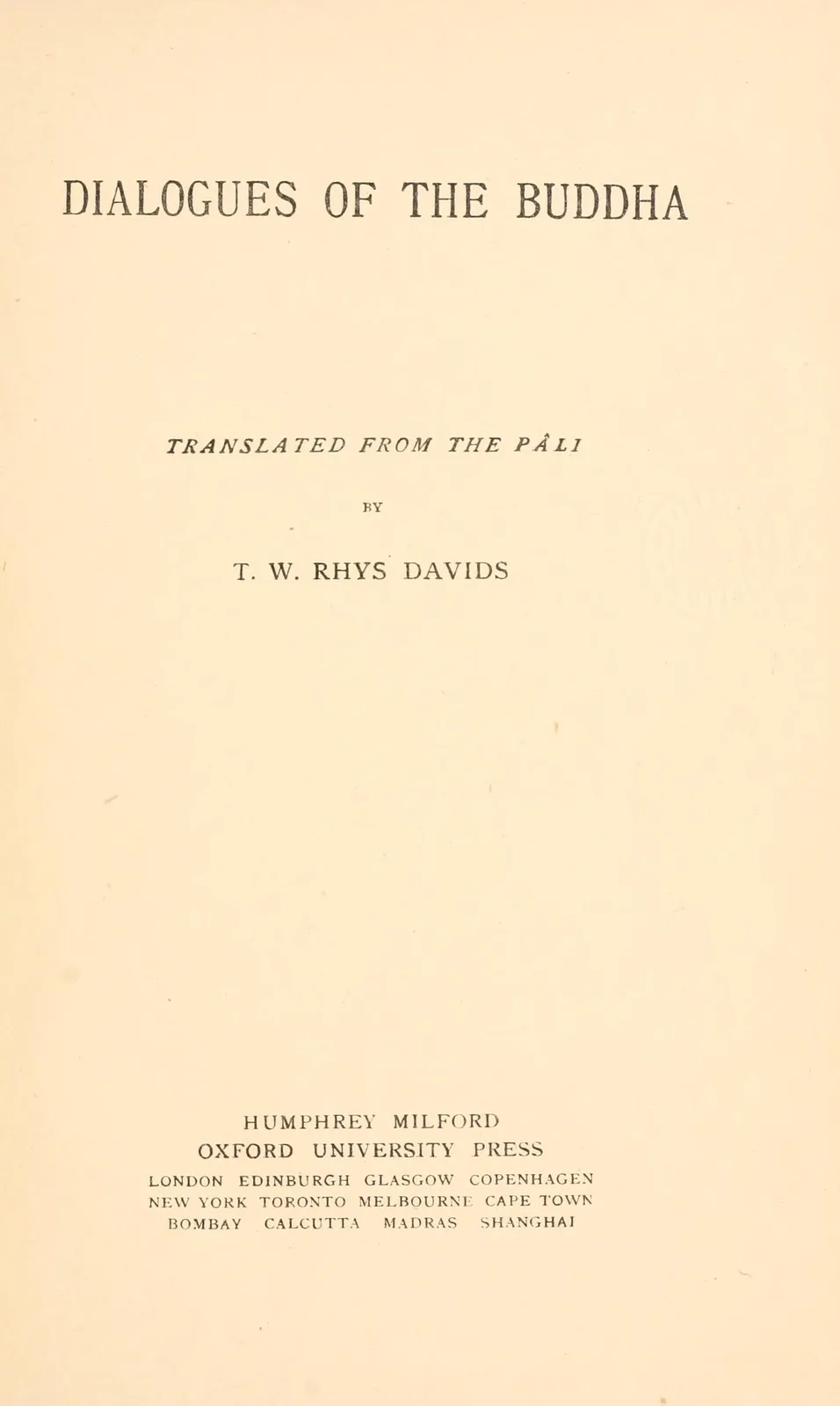
- Dialogues of the Buddha, translated from the Pali by T. W. Rhys Davids (Sacred Books of the Buddhists vol. II, Oxford: Henry Frowde, 1899), title page — T. W. Rhys Davids (translator), 1899 · Internet Archive, dialoguesofbuddh01davi · Public domain (published 1899; Internet Archive scan, no rights statement; US public domain by date)
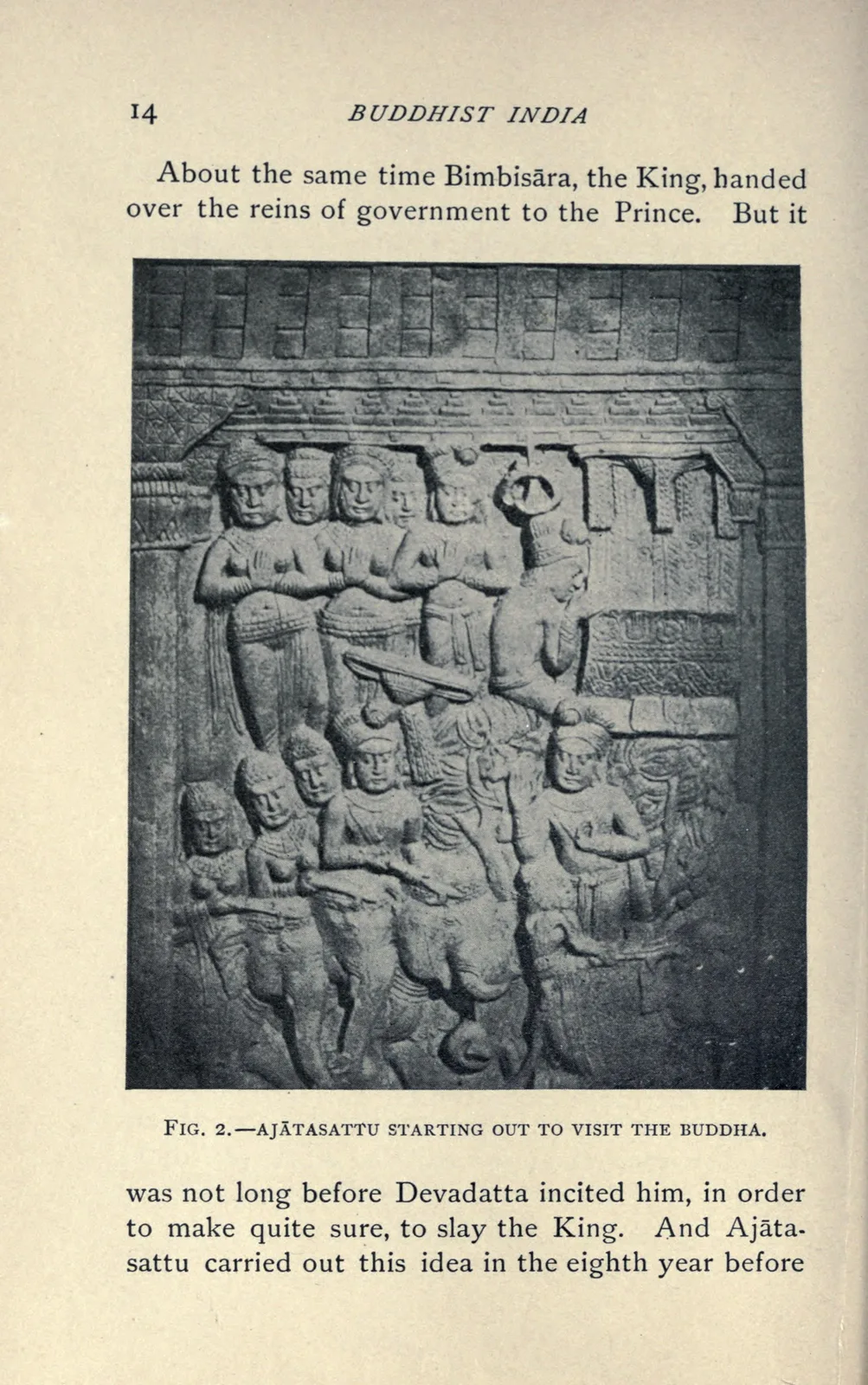
- Ajatasattu starting out to visit the Buddha (Bharhut relief, plate in Buddhist India, 1903, Fig. 2) — T. W. Rhys Davids (book); relief from the Bharhut stupa, after Cunningham, 1903 · Internet Archive, buddhistindia00davirich · Public domain (published 1903; Internet Archive scan, no rights statement; US public domain by date)
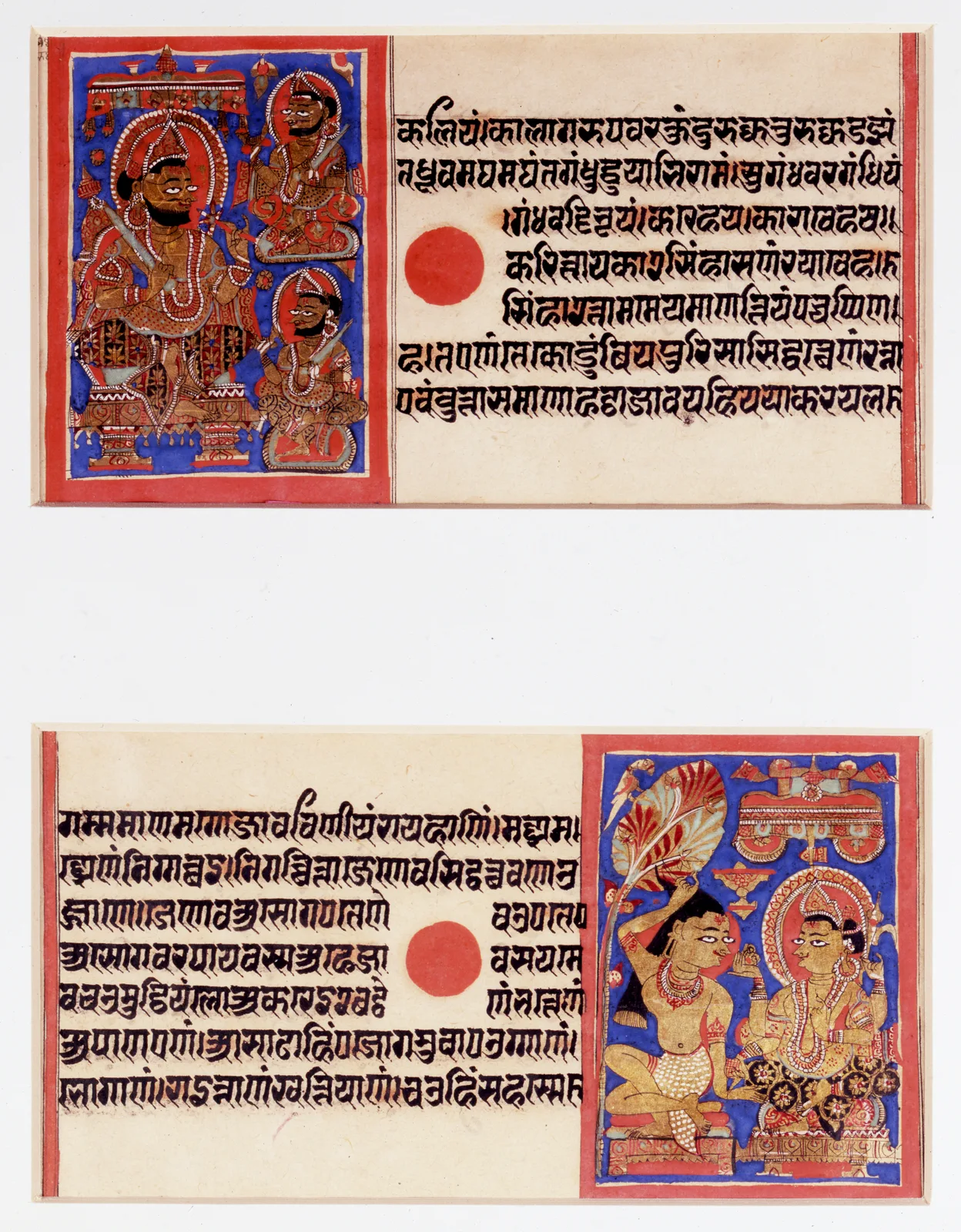
- Indian - Two Illustrated Pages from a "Kalpasutra" Manuscript - Walters W910 — Unknown, circa 1450date QS:P571,+1450-00-00T00:00:00Z/9,P1480,Q5727902 · Wikimedia Commons, unknown (Public domain) · Public domain
- Sarva-Darsana-Samgraha (Cowell and Gough, 1882), Chapter I, The Charvaka System, opening page — Madhava Acharya; E. B. Cowell and A. E. Gough (translators), 1882 · Internet Archive, Sarva-Darsana-Samgraha.by.Madhavacharya-Vidyaranya.tr.by.E.B.Cowell · Public domain (published 1882; Internet Archive scan, no rights statement; US public domain by date)
Sources
Tier 1 — the subject's own words
- [RD I] T. W. Rhys Davids, Dialogues of the Buddha, vol. I (Sacred Books of the Buddhists II; 1899, reprinted 1923), Sāmaññaphala Sutta, Brahmajāla Sutta, Kassapa-Sīhanāda Sutta. Internet Archive
dialoguesofbuddh01davi. Text 1899; page numbers are those of the printed volume. - [RD II] T. W. Rhys Davids, Dialogues of the Buddha, vol. II (1910), Pāyāsi Suttanta.
dialoguesofbuddh02davi. - [Jacobi] Hermann Jacobi, Jaina Sūtras, part II (Sacred Books of the East 45, Oxford, 1895), Introduction and Sūtrakṛtāṅga.
mlbd.gainasutraspart20000vol-45.unse. - [Chalmers I] Lord Chalmers, Further Dialogues of the Buddha, vol. I (Sacred Books of the Buddhists V, 1926), Sandaka Sutta (Majjhima 76), Apaṇṇaka Sutta (60).
in.gov.ignca.9135. Published 1926, so public domain in the US. - [SDS] E. B. Cowell and A. E. Gough, The Sarva-Darśana-Saṃgraha (Trübner, 1882), Chapter I, "The Chārvāka System" (pp. 2-12 per its Contents). Project Gutenberg 34125, Internet Archive
thesarvadarsanas34125gut. The Gutenberg text carries no page numbers.
Tier 2 — scholarly biographies and encyclopedias
- [RD India] T. W. Rhys Davids, Buddhist India (1903),
buddhistindia00davirich. Downloaded; no direct mention of Ajita found by search. - [Milinda] T. W. Rhys Davids, The Questions of King Milinda part 1 (SBE 35, 1890),
wg935. Downloaded; used only as a pointer for "Lokāyata" (p. 7 per its index). - Not used because in copyright: A. L. Basham (1951) on the Ājīvikas; Bhattacharya and Chattopadhyaya on Lokāyata; the Pali Text Society Anguttara translation (1932 onward). These would add the Aṅguttara "hair blanket is the worst of cloths" remark (AN I 286, Gradual Sayings), which this fact sheet therefore cannot quote.
Tier 3 — popular biographies and journalism
- None used.
Tier 4 — maps to other sources only
- Wikipedia "Ajita Kesakambali" and "Cārvāka" as maps only; not cited.
Opposition sources
- [RD I] the Buddha's replies in the Sāmaññaphala and the Brahmajāla; [Chalmers I] the Sandaka Sutta argument; [Jacobi] the Jain polemic.
Related lives
Epicurus or Lucretius (the ancient materialist line, a different road to the same denial of an afterlife); or Abu al-Ala al-Maarri / Ibn al-Rawandi (other unbelievers known through opponents).

Protagoras
Protagoras, the first professed sophist and a friend of Pericles, opened his book On the Gods by saying he could not know whether they exist, because the question is obscure and life is short. He doubted rather than denied. Late writers say Athens burned the book and drove him to his death at sea; Plato's Socrates says he kept his good name to the end. The sources cannot settle it.
Diagoras of Melos
Diagoras of Melos was a poet whose lost hymns were thought pious. By 423 BCE he was the Athenian stage's byword for godlessness. In 415, in a city panicked by the mutilation of the herms, a year after it had crushed his island, he was condemned with a bounty on his head for profaning the Mysteries. No word of his own survives, and the sources leave open whether he denied the gods, mocked their rites, or was punished for being a Melian.
Prodicus of Ceos
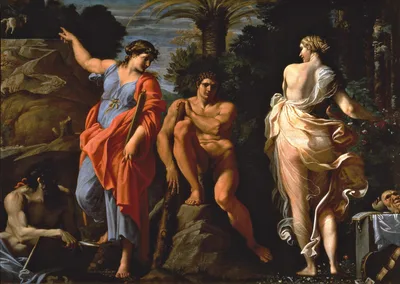
Prodicus of Ceos was the fee-taking sophist famous for fine distinctions and for the fable of the Choice of Heracles. He left no surviving word on the gods. Later writers report that he explained them as the ancients' names for what fed and helped them: bread as Demeter, wine as Dionysus, the Nile as a god. From the third century BCE they listed him among the "so-called atheists". His unbelief is a reported theory and a label others fixed on him, not a declaration of his own.
Critias
Critias was Plato's aristocratic kinsman and the hardest of the Thirty who ruled Athens in blood in 404–403 BCE. He left no word about his own belief. His name as an unbeliever rests on one verse speech, quoted by Sextus Empiricus six centuries later, in which the trickster Sisyphus says a clever man invented the fear of gods to police secret crimes. Ancient and modern readers give that speech either to Critias or to Euripides, so his unbelief is an attribution, not a confession.