
Protagoras, the first professed sophist and a friend of Pericles, opened his book On the Gods by saying he could not know whether they exist, because the question is obscure and life is short. He doubted rather than denied. Late writers say Athens burned the book and drove him to his death at sea; Plato's Socrates says he kept his good name to the end. The sources cannot settle it.
The belief timeline
- Faith (not documented) — No source describes his religion. In Plato's Protagoras (a literary portrait) he calls man the only animal with gods, "because he alone was of their kindred," and speaks as an orthodox Greek would [16]
- Doubt (undated) — His stated grounds for not knowing: "the obscurity of the question and the shortness of human life." No source dates the doubt or names an event that caused it [13]
- Declaration (undated; probably 430s to 410s BCE) — The book On the Gods, read in public at Athens, opening with the statement of ignorance [13][18]
- Revision (none recorded) — The ancient sources give no later statement. Plato's Meno says his reputation stood to the end; the trial tradition says the opposite [30][24]
Notes to the timeline (5)
- [16] In Plato's Protagoras his Great Speech says man alone of the animals "had any gods, because he alone was of their kindred," and raised altars and images; Grote notes that Plato makes him speak about the gods exactly as an orthodox Greek would — Plato, Protagoras, tr. B. Jowett (Project Gutenberg #1591),
research/texts/gutenberg-protagoras-jowett.txt; cited by Stephanus number (316c–317c the opening speech; 318e–319a the aim of his teaching; 320c–328d the Great Speech and the Prometheus myth; 314e Pericles's sons). A literary portrait written after Protagoras's death; the speeches are Plato's composition, 320c–322a; George Grote, A History of Greece, 12-vol. edition (London: John Murray; the scan is the 1888 printing of the revised edition), vol. VII, ch. LXVII "Sophists as paid teachers — Protagoras," pp. 49–50, vol. VII p. 49. - [13] The opening of On the Gods survives in several ancient wordings: DL, "I have no means of knowing either that they exist or that they do not exist" with the two reasons; Eusebius 14.3.7, "I neither know that they exist, nor that they do not exist, nor of what nature they are"; Eusebius 14.19 (Aristocles), "I know not either that they exist, nor what their nature is: for there are many things that hinder me"; Grote's own rendering names "the uncertainty of the subject, the shortness of human life, and many other causes." The two reasons the script can rely on appear in DL and Grote; Eusebius's two versions give "many things that hinder" and omit life's shortness — Diogenes Laertius, Lives of Eminent Philosophers, tr. R. D. Hicks (Loeb Classical Library, vol. II, London: Heinemann, 1925), book 9, ch. 8 (sections 50–56), vol. II pp. 463–69; the section numbers are the stable reference, 9.51, p. 465; Eusebius, Preparation for the Gospel (Praeparatio Evangelica), tr. E. H. Gifford (Oxford: Clarendon Press, 1903), 14.3.7 (Gifford pp. 775–76; Viger p. 720) and 14.19 (Gifford p. 824; Viger p. 766a) for the opening of On the Gods, and 14.20 (p. 825) for the man-measure fragment, 14.3.7, pp. 775–76; Eusebius, Preparation for the Gospel, 14.19, p. 824; Grote, History of Greece, vol. VII p. 49.
- [18] DL says the first book Protagoras read in public was On the Gods; at Athens, in Euripides' house, or as some say Megacleides', or the Lyceum with his disciple Archagoras reading it — Laertius, Lives of Eminent Philosophers, 9.54, p. 467.
- [30] Plato's Socrates says Protagoras "was never found out," had a good reputation to the day of the dialogue, and died at about seventy after forty years in practice, with no hint of any trial — Plato, Meno, tr. B. Jowett (Project Gutenberg #1643),
research/texts/gutenberg-meno-jowett.txt; 91c–92a (Anytus on the sophists; Socrates on Protagoras's reputation), 91d–e. - [24] The trial tradition: for the opening of On the Gods, DL says the Athenians expelled him and burnt his works in the market-place after a herald collected them from everyone who owned a copy — Laertius, Lives of Eminent Philosophers, 9.52, p. 465. Accounts differ; see the disputed points.
The Shortness of Human Life
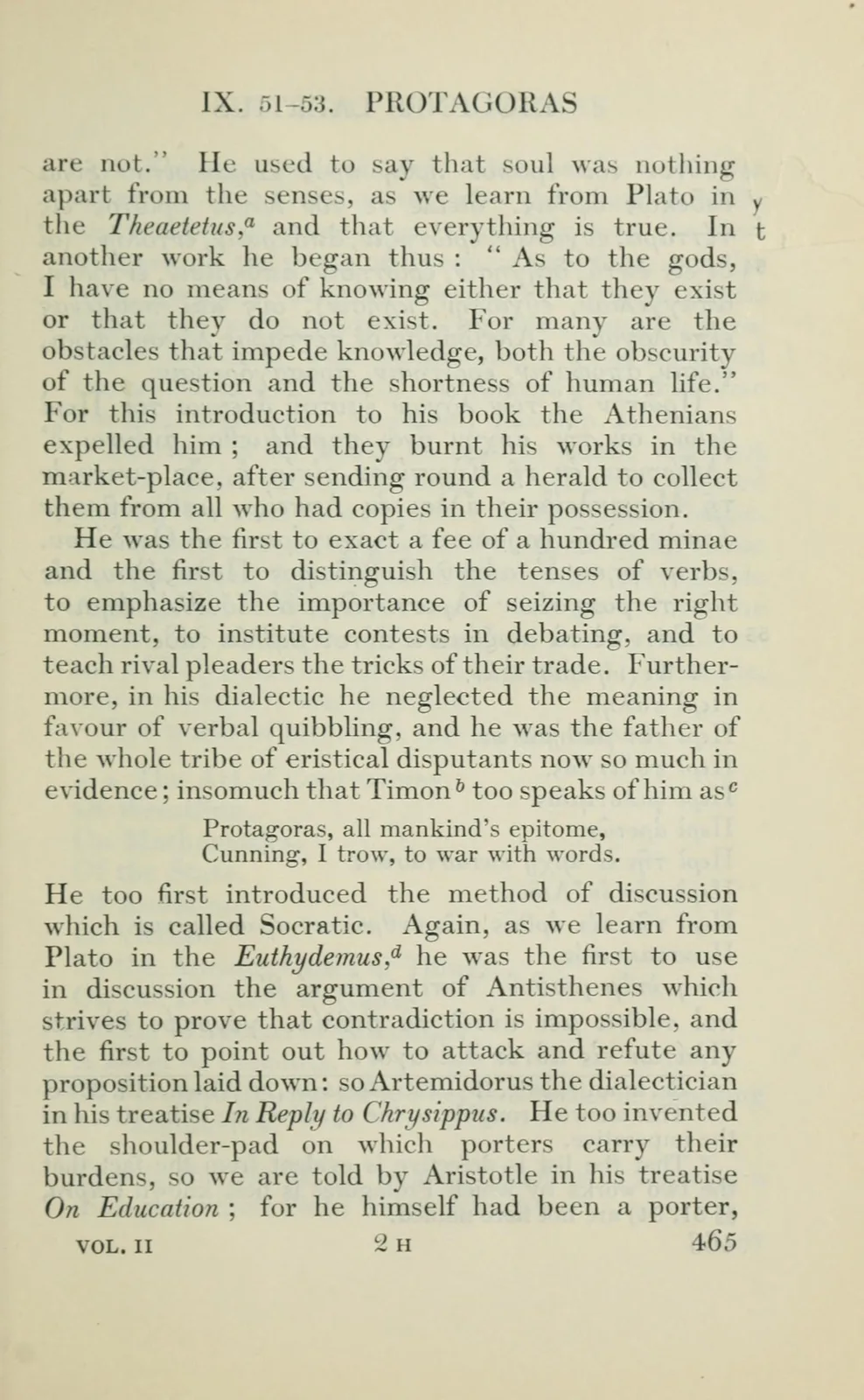
A famous teacher stood up in Athens, in the second half of the fifth century BCE, to read a new book aloud. By one account he read it in the house of the playwright Euripides; by others, in another rich man's house, or in the grove of the Lyceum.1 Its opening has survived, quoted by later writers, though nothing else of the book does. "As to the gods, I have no means of knowing either that they exist or that they do not exist. For many are the obstacles that impede knowledge, both the obscurity of the question and the shortness of human life."23
What happened next is the most disputed story in this book. Ancient writers say that the Athenians prosecuted him for those two sentences, sent a herald round the city to collect every copy of the book, burned them in the market-place, and drove him out, and that he drowned trying to escape across the sea to Sicily. A great modern scholar said the story was impossible. This chapter tells both, and asks what we can know about the man who wrote the plainest early statement that the existence of the gods cannot be known.
A teacher for pay
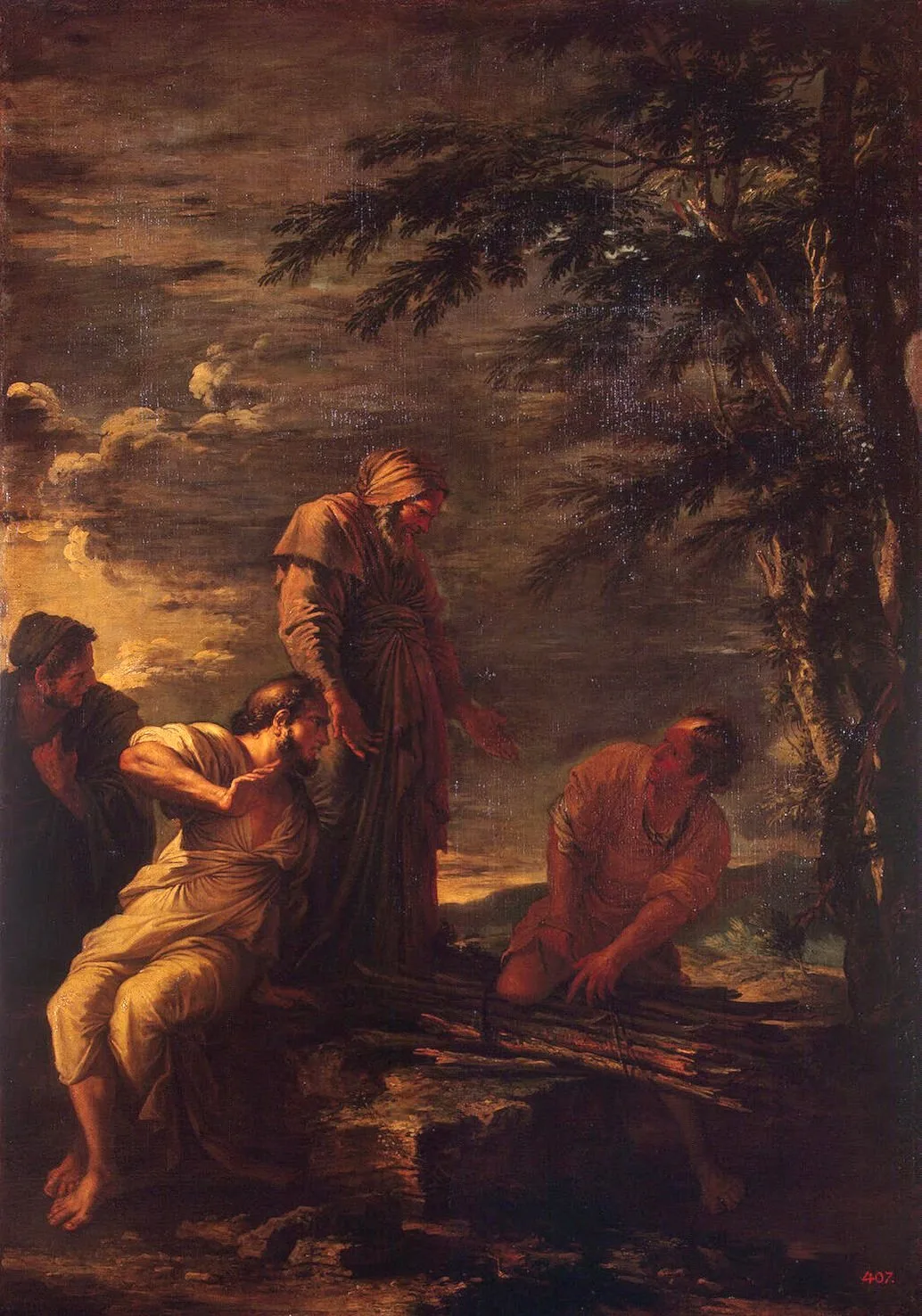
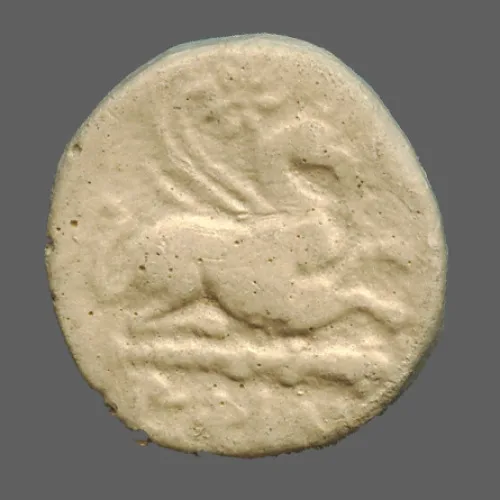
Protagoras was born in Abdera, a Greek city on the coast of Thrace, around 490 BCE; one ancient comic poet said Teos instead, and the ancient dates disagree by twenty years.45 His father was Artemon, or by another account Maeandrius.4 An ancient story, which the biographer Diogenes Laertius took from a lost work of Aristotle, says he was once a porter who invented a pad for carrying loads, and that his fellow townsman Democritus noticed how skilfully he tied his bundles of wood and took him on as a pupil. Modern scholars doubt it, since Democritus seems to have been younger, and the followers of Epicurus later used the porter story as an insult.678
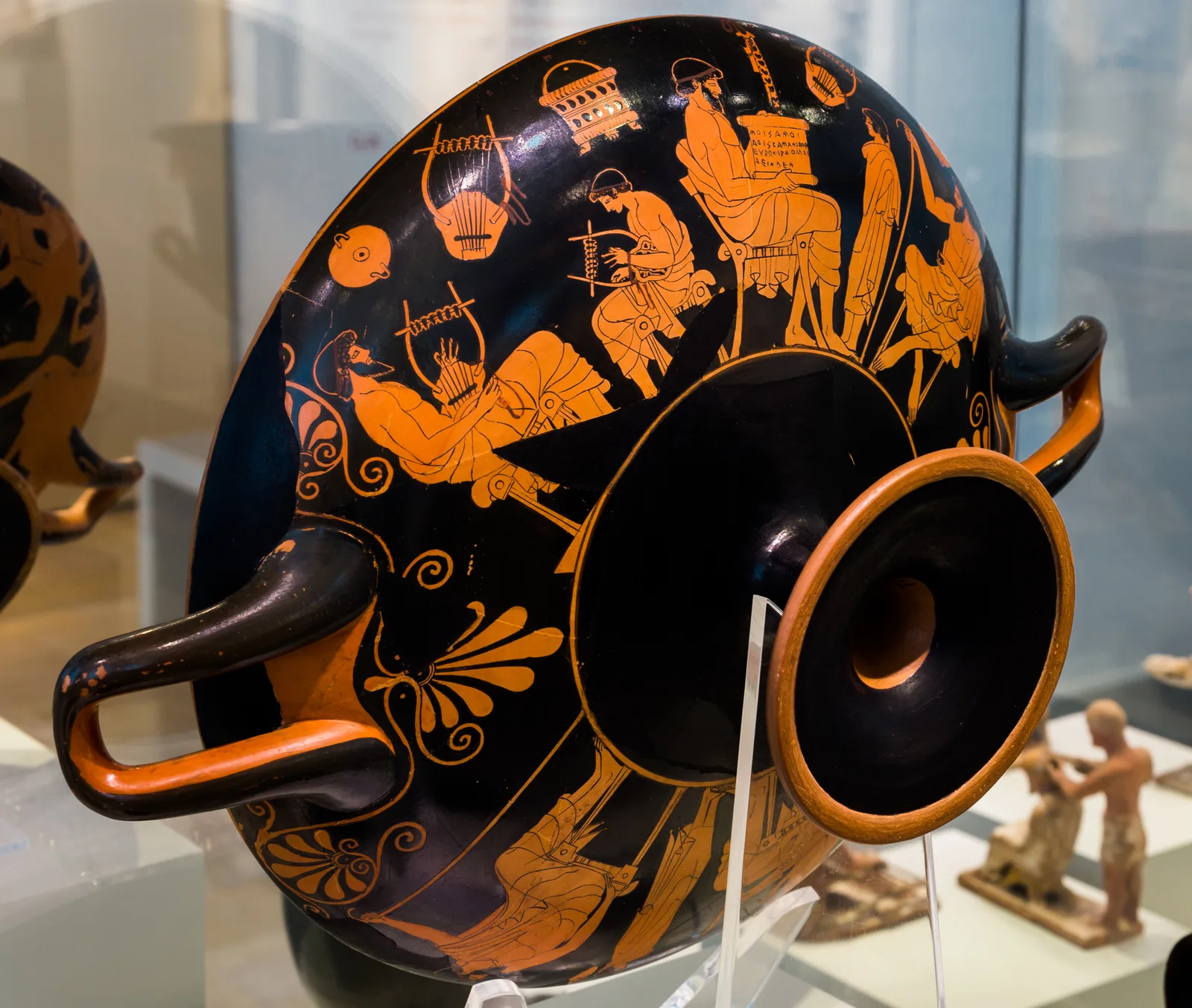
What is certain is what he became: the first of the Greek "sophists," teachers who travelled from city to city and charged high fees to teach young men how to speak and to succeed. He was said to be the first to charge a hundred minae.9 Plato, who was critical of the sophists, gave him a speech in which he says the name openly: "I take an entirely opposite course, and acknowledge myself to be a Sophist and instructor of mankind; such an open acknowledgement appears to me to be a better sort of caution than concealment."1011 What he taught, in Plato's version, was "prudence in affairs private as well as public," how to run one's house and how to "speak and act for the best in the affairs of the state."1213 He was said to be the first to argue that there are two sides to every question.1415
The friend of Pericles
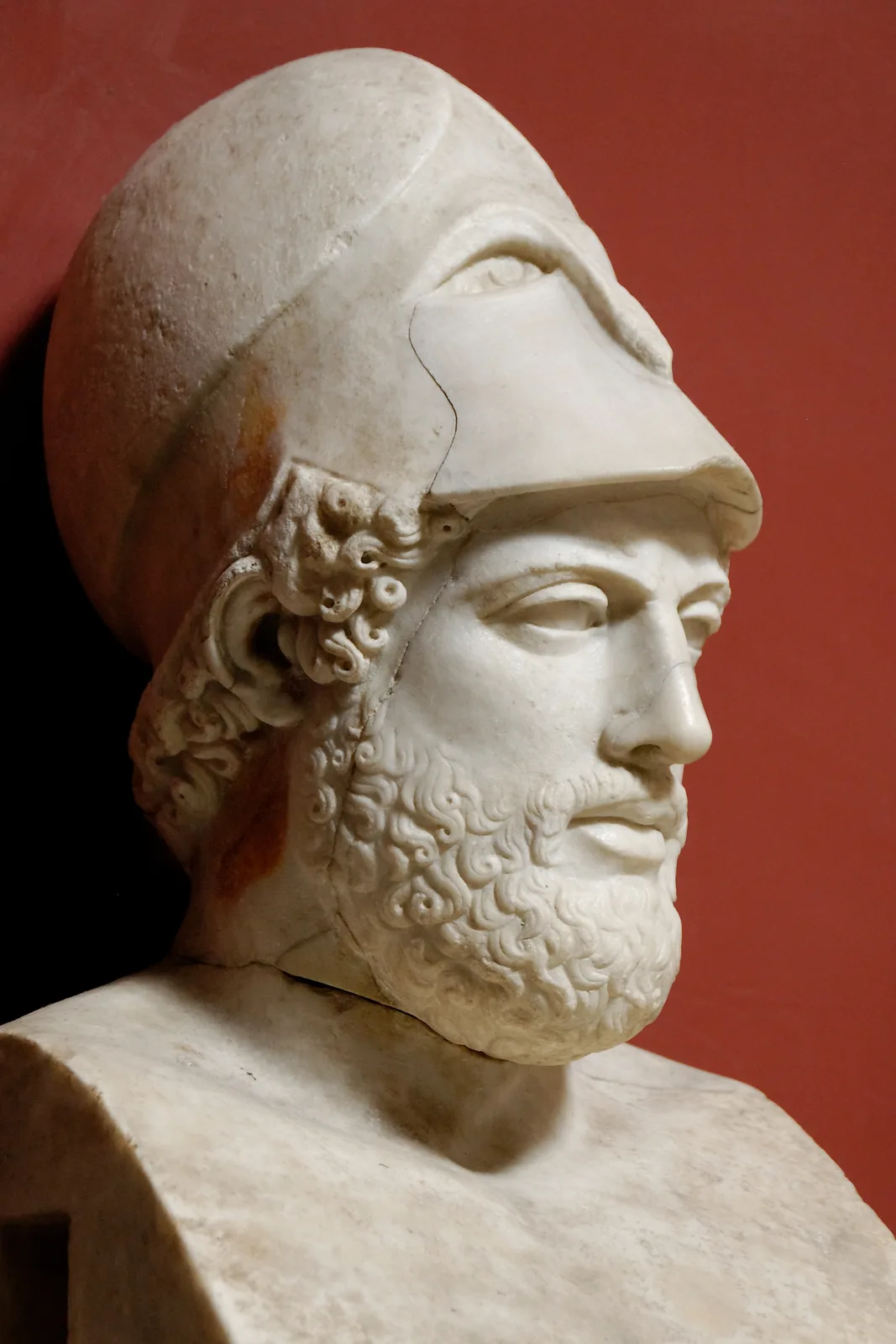
At Athens he moved among the most powerful men in the city. Plato places him in the house of the rich Callias, with the sons of Pericles walking beside him.1617 Plutarch tells how Pericles and Protagoras once spent a whole day arguing whether a man accidentally killed by a javelin at the games was killed by the javelin, by the thrower, or by the organisers of the games.1618 When the colony of Thurii was founded in southern Italy in 444 or 443 BCE, Protagoras was said to have drawn up its laws.1920
Man is the measure
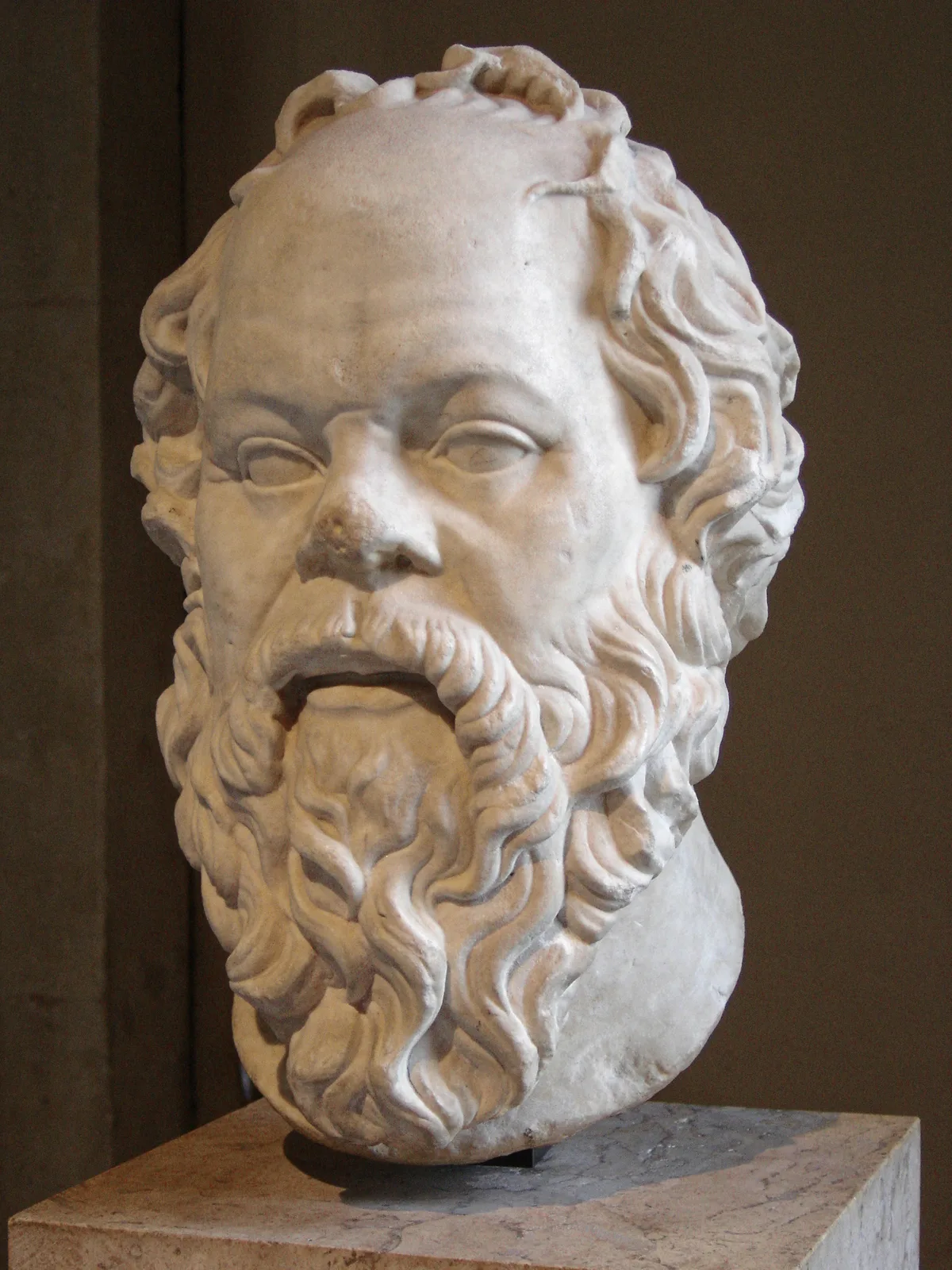
He is best known for another opening sentence, from a work Plato calls Truth: "Man is the measure of all things, of things that are that they are, and of things that are not that they are not."2122 Plato's Socrates read it to mean that things are to each person as they appear to that person, and a Victorian translator called it the first distinct statement of the relativity of knowledge.23 Socrates mocked it: why not say a pig or a baboon was the measure of all things? But he also admitted that Protagoras was dead and could not answer, and that "we insult over his orphan child."242526
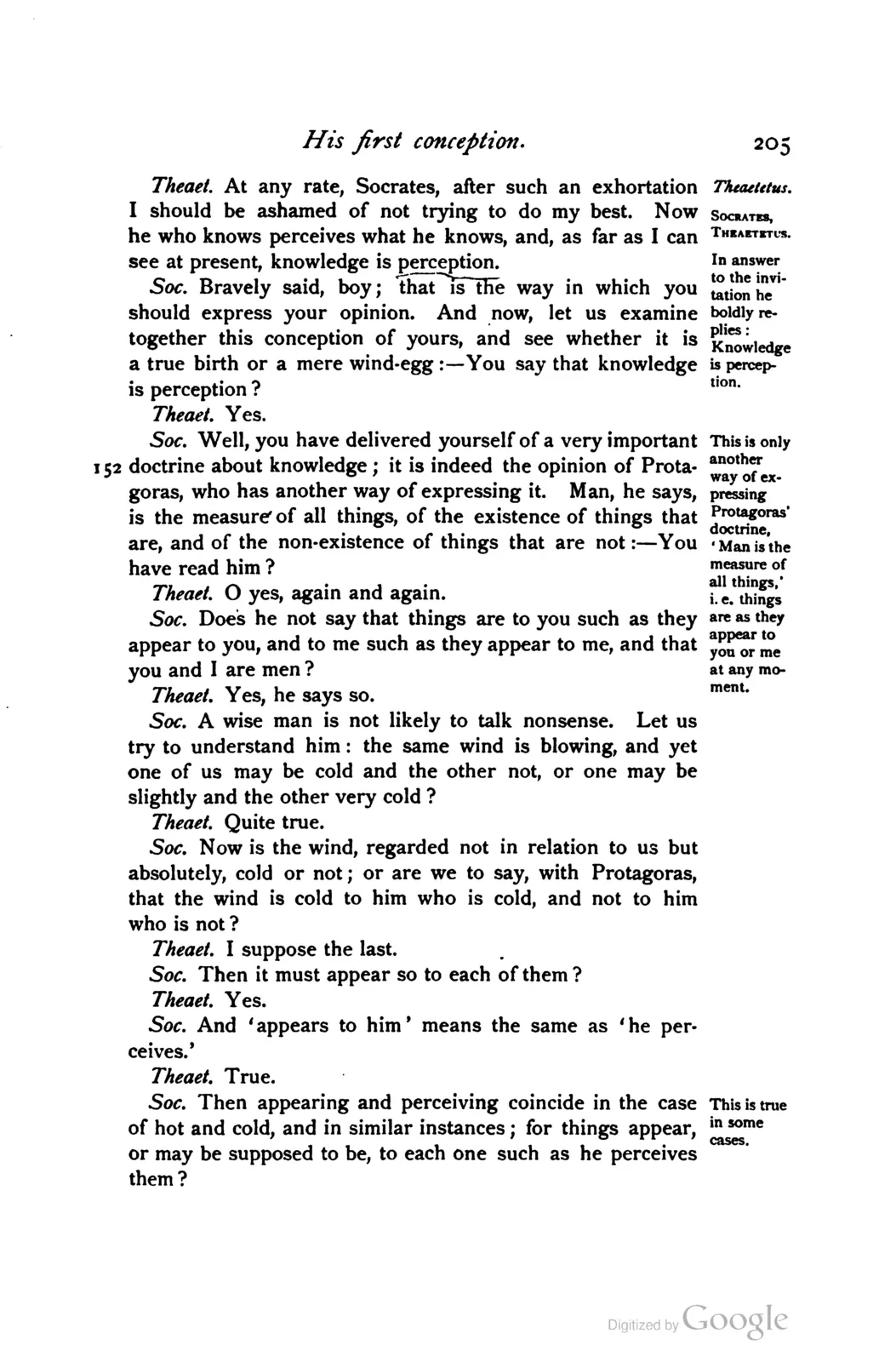
On the Gods
The sentence about the gods comes down to us in several forms, because several later writers quoted it in their own words. The fullest, in Diogenes Laertius, gives the two reasons: the obscurity of the question and the shortness of life. The Christian bishop Eusebius quotes it twice, once as "I neither know that they exist, nor that they do not exist, nor of what nature they are," and once with "many things that hinder me."232728 The Roman Cicero, nearly four centuries after him, drew the distinction that still matters: Protagoras was one of those who doubted whether there were any gods, unlike Diagoras and Theodorus, who "entirely believed there were no such beings."2930
He gives no date for the doubt and names no event that caused it; the two reasons he gives are about knowledge, not about a loss. No source describes his religion before the book. In Plato's dialogue Protagoras is even given a myth in which man alone of the animals "had any gods, because he alone was of their kindred," and the nineteenth-century historian George Grote noted that Plato has him speak of the gods exactly as an orthodox Greek would.3132 Whether that is Protagoras or Plato's invention we cannot tell. Plato's Socrates, speaking for him, has him say instead that he banishes the existence or non-existence of the gods "from writing and speech."3334 A modern historian thought the whole movement of the sophists was skeptical "not to religion but to science."35
The burning of the books
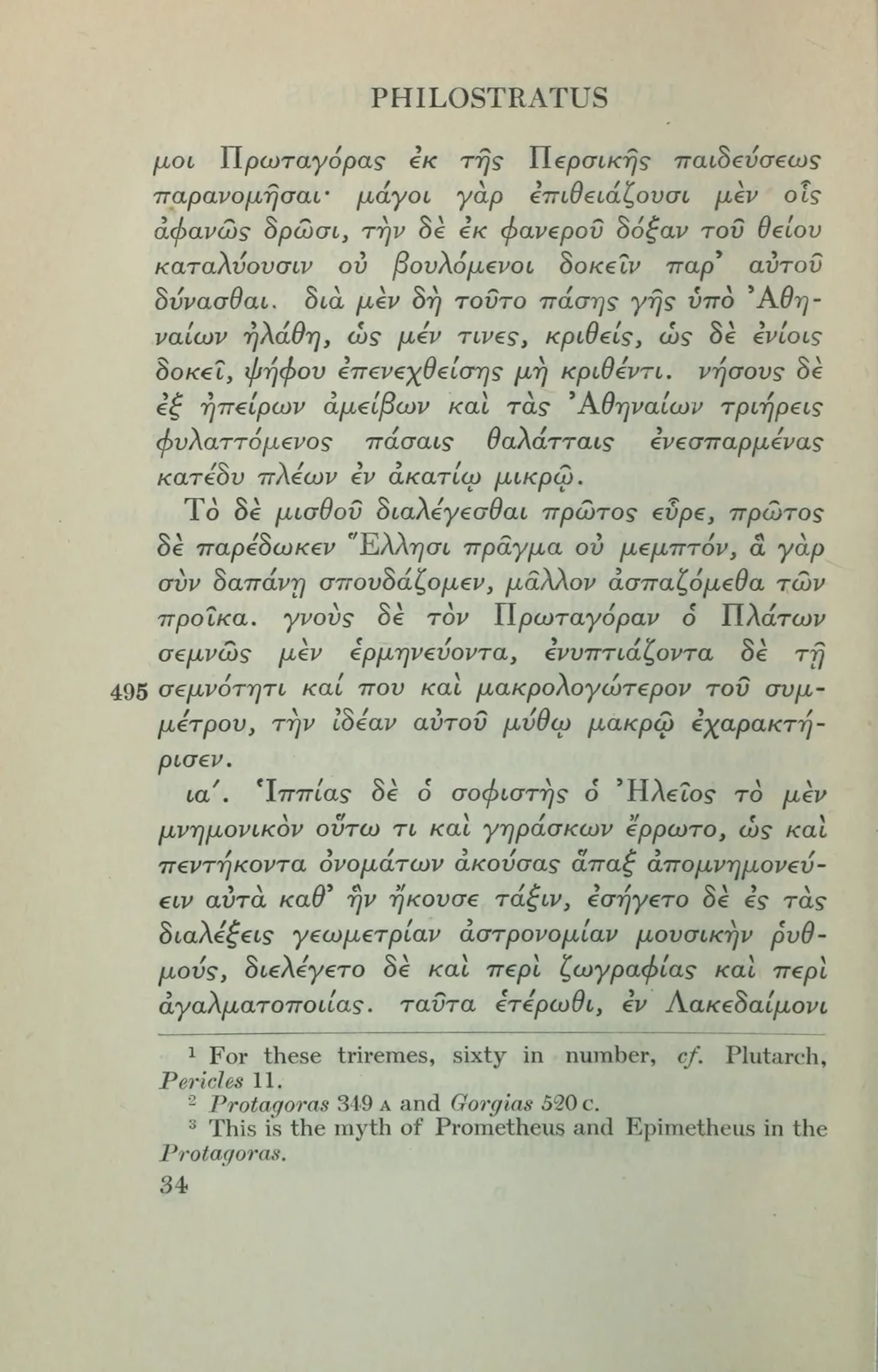
Here the accounts divide. Diogenes Laertius, writing some six hundred years later, says: "For this introduction to his book the Athenians expelled him; and they burnt his works in the market-place, after sending round a herald to collect them from all who had copies in their possession." He names the accuser as Pythodorus, son of Polyzelus, but adds that Aristotle named someone else.36373839 Cicero repeats it: Protagoras, "the greatest sophist of his age, was banished ... and his books were publicly burnt," because of the opening of his treatise on the gods; Cicero's speaker thought the punishment had frightened many others into silence.4041 Philostratus says he was "outlawed from the whole earth," after a trial or without one, and that he went from island to island avoiding Athenian ships until he drowned in a small boat.424344 Another early writer says simply that his ship went down on the way to Sicily.4546
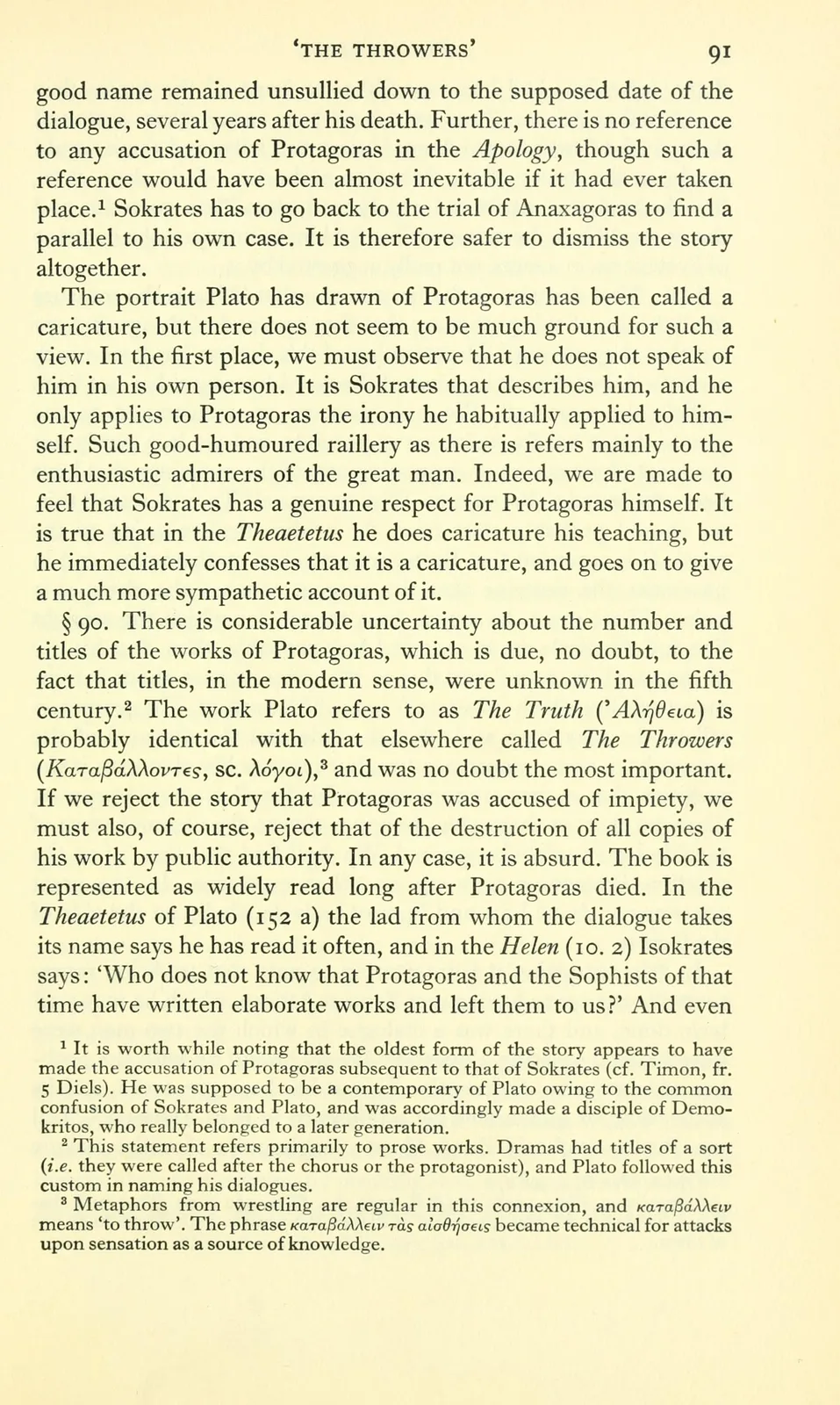
But Plato, who was alive at the time, tells a different story. In the Meno, set around 400 BCE, Socrates says that Protagoras practised for forty years, died at about seventy, and "during all that time he had a good reputation, which to this day he retains."4748 There is no hint of a trial. John Burnet, the historian of Greek philosophy, weighed the dates, the Meno, and Plato's silence in his account of Socrates's own trial, and concluded: "It is therefore safer to dismiss the story altogether."4950 The scholar Theodor Gomperz believed it: the book "was condemned," the copies "confiscated and burnt," and Protagoras, fleeing to Sicily, "found a watery grave."5152 George Grote accepted that the sentence angered the public and drove him from Athens but found "no sufficient proof" of the drowning.53 Accounts differ, and the honest answer is that no one knows.
The critics
Whatever happened to the book, the man had critics. Anytus, the Athenian democrat who later helped prosecute Socrates, called the sophists "a manifest pest and corrupting influence."5455 Aristotle said that the training Protagoras gave in making the weaker argument seem stronger "was a fraud."5657 Aristophanes' comedy The Clouds mocked the new education that taught "the worse cause" to win, though it names Socrates, not Protagoras.5859 And seven centuries later Eusebius recorded that Protagoras "incurred the reputation of atheism," though the bishop was using him only to show the Greek philosophers contradicting each other.6061
Did his unbelief change shape?
We have one sentence about the gods and no way to watch it change. What we can see is that his doubt was not denial. He did not say there were no gods. He said he could not know, and he gave reasons that anyone could check: the question is obscure, and life is short. That is the position the nineteenth century would call agnosticism, a word the ancients did not have. Cicero understood the difference and set Protagoras apart from the men who said no. If the story of the burning is true, Athens punished him anyway, for refusing to say what he did not know. If it is false, the same teacher kept his reputation to the end, as Plato's Socrates said. In either case the two reasons have outlasted the book, the trial and the man.
Xenophanes, who wrote a century earlier that no one has certain knowledge about the gods, has his own chapter in this book.
Footnotes
-
Diogenes Laertius, Lives of Eminent Philosophers, tr. R. D. Hicks (Loeb Classical Library, vol. II, London: Heinemann, 1925), book 9, ch. 8 (sections 50–56), vol. II pp. 463–69; the section numbers are the stable reference, 9.54, p. 467. ↩
-
Laertius, Lives of Eminent Philosophers, 9.51, p. 465; Eusebius, Preparation for the Gospel (Praeparatio Evangelica), tr. E. H. Gifford (Oxford: Clarendon Press, 1903), 14.3.7 (Gifford pp. 775–76; Viger p. 720) and 14.19 (Gifford p. 824; Viger p. 766a) for the opening of On the Gods, and 14.20 (p. 825) for the man-measure fragment, 14.3.7, pp. 775–76; Eusebius, Preparation for the Gospel, 14.19, p. 824; George Grote, A History of Greece, 12-vol. edition (London: John Murray; the scan is the 1888 printing of the revised edition), vol. VII, ch. LXVII "Sophists as paid teachers — Protagoras," pp. 49–50, vol. VII p. 49. ↩ ↩2
-
Laertius, Lives of Eminent Philosophers, 9.51, Hicks, Loeb 1925, vol. II p. 465. ↩ ↩2
-
Laertius, Lives of Eminent Philosophers, 9.50, Hicks vol. II p. 463. Reported at second hand; the original has not been seen. ↩ ↩2
-
Laertius, Lives of Eminent Philosophers, 9.50 and 9.56, pp. 463, 469; Plato, Meno, tr. B. Jowett (Project Gutenberg #1643),
research/texts/gutenberg-meno-jowett.txt; 91c–92a (Anytus on the sophists; Socrates on Protagoras's reputation), 91e; John Burnet, Greek Philosophy, Part I: Thales to Plato (London: Macmillan, 1914), §§87–93, pp. 87–93, p. 90; Theodor Gomperz, Greek Thinkers: A History of Ancient Philosophy, vol. I, tr. Laurie Magnus (London: John Murray, 1901; reprint 1920), ch. VI "Protagoras of Abdera," pp. 438–41, with note p. 587, p. 587 note. Accounts differ; see the disputed points. ↩ -
Laertius, Lives of Eminent Philosophers, 9.50 p. 463; Burnet, Greek Philosophy, p. 91 n. 1; Eusebius, Preparation for the Gospel, 14.19 and 14.3.7. ↩
-
Laertius, Lives of Eminent Philosophers, 9.53, pp. 465–67. ↩
-
Laertius, Lives of Eminent Philosophers, 10.8, vol. II p. 537. ↩
-
Laertius, Lives of Eminent Philosophers, 9.52, p. 465; Philostratus, Lives of the Sophists 1.10 (Kayser pp. 494–95), tr. Wilmer Cave Wright (Loeb Classical Library, with Eunapius, London: Heinemann, 1922), pp. 33–35, 1.10, p. 34; Plato, Meno, 91d. ↩
-
Plato, Protagoras, tr. B. Jowett (Project Gutenberg #1591),
research/texts/gutenberg-protagoras-jowett.txt; cited by Stephanus number (316c–317c the opening speech; 318e–319a the aim of his teaching; 320c–328d the Great Speech and the Prometheus myth; 314e Pericles's sons). A literary portrait written after Protagoras's death; the speeches are Plato's composition, 316c–317c; Burnet, Greek Philosophy, p. 88. ↩ -
Plato's Protagoras: Plato, Protagoras 317b, Jowett (Gutenberg #1591). ↩
-
Plato, Protagoras, 318e–319a. ↩
-
Plato's Protagoras: Plato, Protagoras 318e–319a, Jowett (Gutenberg #1591). ↩
-
Laertius, Lives of Eminent Philosophers, 9.51, p. 463. ↩
-
Diogenes Laertius: Laertius, Lives of Eminent Philosophers, 9.51, Hicks, vol. II p. 463. ↩
-
Plato, Protagoras, 314e; Plutarch, Life of Pericles 36, tr. Dryden, rev. A. H. Clough (1909 printing of Plutarch's Lives), pp. 75–76, Pericles 36, pp. 75–76; Grote, History of Greece, vol. IV note. ↩ ↩2
-
Plato, Protagoras, 309a, 311a; Burnet, Greek Philosophy, p. 90. ↩
-
Plutarch (Xanthippus's complaint about his father Pericles): Plutarch, Pericles 36, Dryden-Clough 1909, pp. 75–76. ↩
-
Laertius, Lives of Eminent Philosophers, 9.50, p. 463; Burnet, Greek Philosophy, p. 90; Gomperz, Greek Thinkers, p. 438. ↩
-
Gomperz, Greek Thinkers, p. 438; Burnet, Greek Philosophy, p. 89. ↩
-
Laertius, Lives of Eminent Philosophers, 9.51, p. 463; Plato, Theaetetus, tr. B. Jowett, The Dialogues of Plato, 3rd ed. (Oxford: Clarendon Press, 1892), vol. IV, with Jowett's Introduction, 152a, Jowett vol. IV p. 205; Eusebius, Preparation for the Gospel, 14.20, p. 825; Burnet, Greek Philosophy, pp. 91–92. ↩
-
Burnet, Greek Philosophy, Greek Philosophy, Thales to Plato (1914), p. 92. ↩
-
Plato, Theaetetus, 152a–c; Burnet, Greek Philosophy, p. 93; Benjamin Jowett, Introduction to the Theaetetus, in vol. IV of the Dialogues (1892), pp. 112–47, same scan as [PlatTheaet]; p. 117 on the two surviving fragments, p. 117 and later. ↩
-
Plato, Theaetetus, 161c, 164e; Burnet, Greek Philosophy, p. 91. ↩
-
Plato's Socrates (Athenian philosopher, 399 BCE dramatic date); sharp but written as a serious argument: Plato, Theaetetus 161c, Jowett 1892, vol. IV p. 217. ↩
-
Plato's Socrates: the fair acknowledgment that Protagoras is dead and cannot answer: Plato, Theaetetus 164e, Jowett 1892, vol. IV p. 221. ↩
-
Eusebius, Preparation for the Gospel 14.3.7, Gifford 1903, pp. 775–76. ↩
-
Eusebius 14.19, Gifford 1903, p. 824. ↩
-
Cicero, On the Nature of the Gods, tr. C. D. Yonge, The Treatises of M. T. Cicero (London: Bohn, 1853), book 1, sections 2, 29 and 63 (Yonge pp. 1, 12, 22–23; page numbers taken from the index of this volume and the running heads in the scan), 1.2, p. 1; Cicero, On the Nature of the Gods, 1.29, p. 12. ↩
-
Velleius (Epicurean speaker) on Protagoras: Cicero, On the Nature of the Gods 1.29, Yonge 1853, p. 12. ↩
-
Plato, Protagoras, 320c–322a; Grote, History of Greece, vol. VII p. 49. ↩
-
Plato's Protagoras (the Great Speech): Plato, Protagoras 322a, Jowett (Gutenberg #1591). ↩
-
Plato, Theaetetus, 162d, Jowett vol. IV p. 218. ↩
-
Plato's Socrates, speaking for Protagoras: Plato, Theaetetus 162d, Jowett 1892, vol. IV p. 218. ↩
-
Burnet, Greek Philosophy, p. 88. ↩
-
Laertius, Lives of Eminent Philosophers, 9.52, p. 465. ↩
-
Laertius, Lives of Eminent Philosophers, 9.54, p. 467. ↩
-
Diogenes Laertius: Laertius, Lives of Eminent Philosophers, 9.52, Hicks, vol. II p. 465. ↩
-
Diogenes Laertius: Laertius, Lives of Eminent Philosophers, 9.54, Hicks, vol. II p. 467. ↩
-
Eusebius, Preparation for the Gospel, 14.19, p. 824; Cicero, On the Nature of the Gods, 1.63, pp. 22–23. ↩
-
Cotta, in Cicero, speaking of Protagoras of Abdera: Cicero, On the Nature of the Gods 1.63, Yonge 1853, pp. 22–23. ↩
-
Philostratus, Lives of the Sophists, 1.10, p. 34. ↩
-
Philostratus, Lives of the Sophists, 1.10, p. 34. ↩
-
Philostratus: Lives of the Sophists 1.10, Wright, Loeb 1922, p. 34. ↩
-
Laertius, Lives of Eminent Philosophers, 9.55–56, p. 469. ↩
-
Diogenes Laertius (Philochorus): Laertius, Lives of Eminent Philosophers, 9.56, Hicks, vol. II p. 469. ↩
-
Plato, Meno, 91d–e. ↩
-
Plato's Socrates (Meno 91d–e), speaking ironically of Protagoras: Plato, Meno 91d–e, Jowett (Gutenberg #1643). ↩
-
Burnet, Greek Philosophy, pp. 90–91, n. 3 and p. 91 n. 1. ↩
-
John Burnet, Greek Philosophy (1914): Burnet, Greek Philosophy, p. 91. ↩
-
Gomperz, Greek Thinkers, pp. 440 and 587. ↩
-
Theodor Gomperz, Greek Thinkers, vol. I: Gomperz, Greek Thinkers, p. 440. ↩
-
Grote, History of Greece, vol. VII p. 49. ↩
-
Plato, Meno, 91c; Burnet, Greek Philosophy, pp. 87–88. ↩
-
Anytus in Plato's Meno 91c: a prosperous Athenian democrat, later Socrates's accuser, speaking of sophists generally: Plato, Meno 91c, Jowett (Gutenberg #1643). ↩
-
Aristotle, Rhetoric 2.24 (1402a) and 3.5 (1407b), tr. W. Rhys Roberts (Oxford, 1924; online edition at classics.mit.edu), 2.24. ↩
-
Aristotle, philosopher (4th c. BCE), writing a generation later: Aristotle, Rhetoric 2.24 (1402a), Roberts (1924; Internet Classics). ↩
-
Aristophanes, The Clouds (423 BCE), tr. W. J. Hickie (London: Bohn, 1853; Project Gutenberg #2562),
research/texts/aristophanes-clouds-hickie.txt. Does not name Protagoras; attacks the new education generally (Strepsiades at ll. 112–15 in the standard line numbering), Strepsiades's speech (ll. 112–15). Not verified. ↩ -
Strepsiades in Aristophanes, The Clouds (423 BCE); comic satire of the new education, which names Socrates, not Protagoras: Aristophanes, The Clouds, Hickie (Gutenberg #2562), ll. 112–15. ↩
-
Eusebius, Preparation for the Gospel, 14.3.7, pp. 775–76. ↩
-
Eusebius of Caesarea (4th c. CE Christian apologist); not an opponent of Protagoras, who cites him to show Greek philosophers quarrelling among themselves: Eusebius 14.3.7, Gifford 1903, p. 776. ↩
research/texts/gutenberg-meno-jowett.txt; 91c–92a (Anytus on the sophists; Socrates on Protagoras's reputation).; John Burnet, Greek Philosophy, Part I: Thales to Plato (London: Macmillan, 1914), §§87–93, pp. 87–93.; Theodor Gomperz, Greek Thinkers: A History of Ancient Philosophy, vol. I, tr. Laurie Magnus (London: John Murray, 1901; reprint 1920), ch. VI "Protagoras of Abdera," pp. 438–41, with note p. 587.; Philostratus, Lives of the Sophists 1.10 (Kayser pp. 494–95), tr. Wilmer Cave Wright (Loeb Classical Library, with Eunapius, London: Heinemann, 1922), pp. 33–35.; Plato, Protagoras, tr. B. Jowett (Project Gutenberg #1591), research/texts/gutenberg-protagoras-jowett.txt; cited by Stephanus number (316c–317c the opening speech; 318e–319a the aim of his teaching; 320c–328d the Great Speech and the Prometheus myth; 314e Pericles's sons). A literary portrait written after Protagoras's death; the speeches are Plato's composition.; Plutarch, Life of Pericles 36, tr. Dryden, rev. A. H. Clough (1909 printing of Plutarch's Lives), pp. 75–76.; Plato, Theaetetus, tr. B. Jowett, The Dialogues of Plato, 3rd ed. (Oxford: Clarendon Press, 1892), vol. IV, with Jowett's Introduction.; Benjamin Jowett, Introduction to the Theaetetus, in vol. IV of the Dialogues (1892), pp. 112–47, same scan as [PlatTheaet]; p. 117 on the two surviving fragments.; Cicero, On the Nature of the Gods, tr. C. D. Yonge, The Treatises of M. T. Cicero (London: Bohn, 1853), book 1, sections 2, 29 and 63 (Yonge pp. 1, 12, 22–23; page numbers taken from the index of this volume and the running heads in the scan).; Aristotle, Rhetoric 2.24 (1402a) and 3.5 (1407b), tr. W. Rhys Roberts (Oxford, 1924; online edition at classics.mit.edu); Aristophanes, The Clouds (423 BCE), tr. W. J. Hickie (London: Bohn, 1853; Project Gutenberg #2562), research/texts/aristophanes-clouds-hickie.txt. Does not name Protagoras; attacks the new education generally (Strepsiades at ll. 112–15 in the standard line numbering).In their own words
As to the gods, I have no means of knowing either that they exist or that they do not exist. For many are the obstacles that impede knowledge, both the obscurity of the question and the shortness of human life.
As to gods I neither know that they exist, nor that they do not exist, nor of what nature they are.
So as to gods I know not either that they exist, nor what their nature is: for there are many things that hinder me from knowing each of these points.
Respecting the gods, I neither know whether they exist, nor what are their attributes: the uncertainty of the subject, the shortness of human life, and many other causes debar me from this knowledge.
he acknowledged that he was altogether ignorant whether there are or are not any, or what they are
Man is the measure of all things, of things that are that they are, and of things that are not that they are not.
For he said that "the Man is the measure of all things, of existing things, that they exist, of non-existent things, that they do not exist: for as things appear to each person, such they also are; and of the rest we can affirm nothing positively."
Man, he says, is the measure of all things, of the existence of things that are, and of the non-existence of things that are not
I take an entirely opposite course, and acknowledge myself to be a Sophist and instructor of mankind; such an open acknowledgement appears to me to be a better sort of caution than concealment.
this is prudence in affairs private as well as public; he will learn to order his own house in the best manner, and he will be able to speak and act for the best in the affairs of the state.
Now man, having a share of the divine attributes, was at first the only one of the animals who had any gods, because he alone was of their kindred; and he would raise altars and images of them.
Good people, young and old, you meet and harangue, and bring in the gods, whose existence or non-existence I banish from writing and speech
Protagoras was the first to maintain that there are two sides to every question, opposed to each other, and he even argued in this fashion, being the first to do so.
For this introduction to his book the Athenians expelled him ; and they burnt his works in the market-place, after sending round a herald to collect them from all who had copies in their possession.
His accuser was Pythodorus, son of Polyzelus, one of the four hundred ; Aristotle, however, says it was Euathlus.
Philochorus says that, when he was on a voyage to Sicily, his ship went down, and that Euripides hints at this in his Ixion.
It was for this saying that he was outlawed from the whole earth by the Athenians, as some say after a trial, but others hold that the decree was voted against him without the form of a trial.
whereas during more than forty years, Protagoras was corrupting all Hellas, and sending his disciples from him worse than he received them, and he was never found out. For, if I am not mistaken, he was about seventy years old at his death, forty of which were spent in the practice of his profession; and during all that time he had a good reputation, which to this day he retains
whom you just now mentioned, the greatest sophist of his age, was banished by order of the Athenians from their city and territories, and his books were publicly burnt, because these words were in the beginning of his treatise concerning the Gods, "I am unable to arrive at any knowledge whether there are, or are not, any Gods."
It is therefore safer to dismiss the story altogether.
The book "On the Gods" was condemned. The copies that had already been published were confiscated and burnt. Protagoras himself probably left Athens before his conviction, and betook himself to Sicily, but he suffered shipwreck on the way, and found a watery grave.
his father spent a whole day with Protagoras in a serious dispute, whether the javelin, or the man that threw it
The other side
I wonder that he did not begin his book on Truth with a declaration that a pig or a dog-faced baboon, or some other yet stranger monster which has sensation, is the measure of all things
we insult over his orphan child
They say that among them are both the two causes--the better cause, whichever that is, and the worse: they say that the one of these two causes, the worse, prevails, though it speaks on the unjust side.
Hence people were right in objecting to the training Protagoras undertook to give them. It was a fraud; the probability it handled was not genuine but spurious, and has a place in no art except Rhetoric and Eristic.
for they are a manifest pest and corrupting influence to those who have to do with them
For Protagoras, who had been a disciple of Democritus, incurred the reputation of atheism
Where accounts differ
| Point | One account | Another | How the page handles it |
|---|---|---|---|
| Birthplace | Abdera, per Heraclides Ponticus (DL 9.50) | Teos, per Eupolis's comedy (DL 9.50) | Say Abdera; add that one ancient source says Teos, only if it matters |
| Dates | Born c. 481, died c. 411 (Hicks heading); died at seventy (Apollodorus, DL 9.56); flourished 444–441 | Born no later than 500, died early in the Peloponnesian War (Burnet p. 90); born 485–487 (Gomperz p. 587) | Use "born around 490 BCE, died around 420" (the roster's range) and say the ancient sources disagree |
| Teacher | Studied under Democritus (DL 9.50; Eusebius) | Democritus belonged to a later generation (Burnet p. 91 n. 1) | Avoid claiming the teacher; say both were from Abdera |
| Persian magi | Philostratus 1.10: studied under the magi, a result of Xerxes at his father's house | Wright's note: DL 9.34 tells this of Democritus | Omit or flag as probably confusion |
| Was there a trial? | Yes: a prosecution for impiety, book burned, banishment (DL 9.52, 9.54; Eusebius 14.19; Cicero ND 1.63; Gomperz p. 440) | No: dates and Plato's Meno 91e and the Apology's silence rule it out (Burnet pp. 90–91) | Present both; say the ancient account is firm and late, and that Plato's Socrates praises his reputation after his death |
| Date of the supposed trial | About 415 BCE (Gomperz, Palamedes elegy) | The time of the Four Hundred, 411 BCE (DL's "one of the four hundred"); Gomperz reads that as identifying the man, not the date | Say "around the 410s" if used |
| The accuser | Pythodorus, son of Polyzelus (DL 9.54) | Aristotle says Euathlus (DL 9.54); Burnet says that is the fee-suit story | Name Pythodorus once, and say Aristotle gave another name |
| Manner of death | Drowned on a voyage to Sicily (Philochorus in DL 9.56; Philostratus; Gomperz) | Died on a journey at nearly ninety (DL 9.56); at seventy (Apollodorus); Grote finds no sufficient proof of drowning | "Accounts differ" |
| Wording of B4 | "I have no means of knowing either that they exist or that they do not exist ... the obscurity of the question and the shortness of human life" (DL 9.51, Hicks) | "I neither know that they exist, nor that they do not exist, nor of what nature they are" (Eusebius 14.3.7); "many things that hinder me" (Eusebius 14.19) | Choose one translator and say so on screen; use Q1 or Q4 |
| Pericles and Thurii | Pericles gave him the commission (Gomperz p. 438; Burnet p. 89) | DL 9.50 gives only the fact of the laws, no commissioner | Say "said to have drawn up the laws" and "Pericles, who was his friend" separately |
| Diogenes's "porter" origin | A porter turned scholar, noticed by Democritus (DL 9.53, from Aristotle) | A malicious Epicurean slur (DL 10.8) | Use only with attribution; probably cut as not bearing on the arc |
List of illustrations
This page uses only public-domain and Creative Commons images; each is credited with its source and licence.
- Democritus and Protagoras — Salvator Rosa, 1663-1664 · Democritus and Protagoras, Salvator Rosa, via Wikimedia Commons (Public domain) · Public domain
- Coin of Abdera (cn coin 10993) — Corpus Nummorum (BBAW), 5th c. BCE (see record) · Coin of Abdera, Corpus Nummorum (Berlin-Brandenburg Academy of Sciences and Humanities), via Europeana, CC BY 4.0 · CC BY 4.0
- Kylix with school scenes (Douris, ARV 431 48), second side — Douris (vase painter); photographer see Commons page, c-480-BCE · Kylix with school scenes (Douris, ARV 431 48), second side, Douris (vase painter); photographer see Commons page, via Wikimedia Commons (CC BY-SA 4.0) · CC BY-SA 4.0
- Pericles, Roman copy after Cresilas, Museo Pio-Clementino — Roman copy of Cresilas's portrait (c.430 BCE); photograph in public domain, 1st-2nd-c-CE-copy · Pericles, Roman copy after Cresilas, Museo Pio-Clementino, Roman copy of Cresilas's portrait (c.430 BCE); photograph in public domain, via Wikimedia Commons (Public domain) · Public domain
- Plato, Theaetetus, tr. Jowett, vol. IV p. 205 (152a, man the measure) — Plato, tr. Benjamin Jowett, 1892 · Plato, The Dialogues, tr. B. Jowett, 3rd ed., vol. IV (Oxford, 1892), p. 205, Internet Archive (Google scan) · Public domain (published 1892)
- Diogenes Laertius, Lives, vol. II, p. 465 (9.51-52) — Diogenes Laertius, tr. R. D. Hicks, 1925 · Diogenes Laertius, Lives of Eminent Philosophers, tr. R. D. Hicks (Loeb, 1925), vol. II p. 465, Internet Archive · Public domain (published 1925)
- The Temple of Hephaistos — George E. Koronaios, 2018 · The Temple of Hephaistos, George E. Koronaios, via Wikimedia Commons (CC0) · CC0
- Philostratus, Lives of the Sophists 1.10, p. 34 (heresy, outlawed, drowned) — Philostratus, tr. Wilmer Cave Wright, 1922 · Philostratus and Eunapius, Lives of the Sophists, tr. W. C. Wright (Loeb, 1922), p. 34, Internet Archive · Public domain (published 1922)
- Burnet, Greek Philosophy, Part I, p. 91 (the trial story doubted) — John Burnet, 1914 · John Burnet, Greek Philosophy, Part I (Macmillan, 1914), p. 91, Internet Archive · Public domain (published 1914)
- Socrates, Roman copy, Louvre — Copy of Lysippos (?), 1st-c-CE-copy · Socrates, Roman copy, Louvre, Copy of Lysippos (?), via Wikimedia Commons (Public domain) · Public domain
Sources
Tier 1 — the subject's own words (all fragments, quoted by later authors)
- [DL] Diogenes Laertius, Lives of Eminent Philosophers, tr. R. D. Hicks (Loeb Classical Library, vol. II, London: Heinemann, 1925), book 9, ch. 8 (sections 50–56), vol. II pp. 463–69; the section numbers are the stable reference. https://archive.org/details/livesofeminentph02dioguoft Text in
research/texts/dl-hicks2.txt(identifier livesofeminentph02dioguoft). Contains the fragment B4 (9.51), the man-measure opening B1 (9.51), the trial tradition (9.52, 9.54–56) and the life (9.50). Hicks's chapter heading dates him "(481-411 B.C.)"; that is the editor's, not a source's. DK 80 A1 is the Diels-Kranz number for this Life (standard concordance; Diels not checked). - [Eus] Eusebius, Preparation for the Gospel (Praeparatio Evangelica), tr. E. H. Gifford (Oxford: Clarendon Press, 1903), 14.3.7 (Gifford pp. 775–76; Viger p. 720) and 14.19 (Gifford p. 824; Viger p. 766a) for the opening of On the Gods, and 14.20 (p. 825) for the man-measure fragment. https://archive.org/details/eusebius-gifford-1903-preparation-for-the-gospel_202311 Text in
research/texts/eusebius-gifford.txt. A separate quotation of B4 from the lost work of the Peripatetic Aristocles (14.19). - [PlatTheaet] Plato, Theaetetus, tr. B. Jowett, The Dialogues of Plato, 3rd ed. (Oxford: Clarendon Press, 1892), vol. IV, with Jowett's Introduction. Scan at https://archive.org/details/dialoguesplatov00platgoog (OCR in
research/texts/jowett-1892-0.txt); the dialogue text for verification is also inresearch/texts/gutenberg-theaetetus-jowett.txt(Project Gutenberg #1726, Jowett's translation). Man-measure at 152a (vol. IV p. 205); Socrates speaking for Protagoras at 161c–162e (vol. IV pp. 217–18); "orphan" at 164e (p. 221). Plato reports; he is not neutral. - [PlatProt] Plato, Protagoras, tr. B. Jowett (Project Gutenberg #1591),
research/texts/gutenberg-protagoras-jowett.txt; cited by Stephanus number (316c–317c the opening speech; 318e–319a the aim of his teaching; 320c–328d the Great Speech and the Prometheus myth; 314e Pericles's sons). A literary portrait written after Protagoras's death; the speeches are Plato's composition. - [PlatMeno] Plato, Meno, tr. B. Jowett (Project Gutenberg #1643),
research/texts/gutenberg-meno-jowett.txt; 91c–92a (Anytus on the sophists; Socrates on Protagoras's reputation).
Tier 2 — scholarly biographies and encyclopedias (pre-1931)
- [Burnet] John Burnet, Greek Philosophy, Part I: Thales to Plato (London: Macmillan, 1914), §§87–93, pp. 87–93. https://archive.org/details/greekphilosophyt00burn Text in
research/texts/burnet.txt. Rejects the trial story. - [Gomperz] Theodor Gomperz, Greek Thinkers: A History of Ancient Philosophy, vol. I, tr. Laurie Magnus (London: John Murray, 1901; reprint 1920), ch. VI "Protagoras of Abdera," pp. 438–41, with note p. 587. Text in
research/texts/gomperz-vol1.txt(identifier greekthinkersahi005782mbp). Accepts the prosecution. - [Grote] George Grote, A History of Greece, 12-vol. edition (London: John Murray; the scan is the 1888 printing of the revised edition), vol. VII, ch. LXVII "Sophists as paid teachers — Protagoras," pp. 49–50. https://archive.org/details/historyofgreecef07grotuoft Text in
research/texts/grote-vii-1888.txt. The roster pointed to vol. VIII; in this edition the chapter is in vol. VII (in the original 1850s edition it is vol. VIII). Grote's translation of the fragment is Q4. Grote vol. IV (research/texts/grote-iv.txt, 1907 ed.) records the Pericles-Protagoras acquaintance in a note. - [Jowett-Intro] Benjamin Jowett, Introduction to the Theaetetus, in vol. IV of the Dialogues (1892), pp. 112–47, same scan as [PlatTheaet]; p. 117 on the two surviving fragments.
Tier 3 — ancient reporters and later writers
- [Phil] Philostratus, Lives of the Sophists 1.10 (Kayser pp. 494–95), tr. Wilmer Cave Wright (Loeb Classical Library, with Eunapius, London: Heinemann, 1922), pp. 33–35. https://archive.org/details/philostratuseuna00phil Text in
research/texts/philostratus.txt. Wright's footnote says Philostratus has confused the story of Democritus and the magi with Protagoras. - [Cic] Cicero, On the Nature of the Gods, tr. C. D. Yonge, The Treatises of M. T. Cicero (London: Bohn, 1853), book 1, sections 2, 29 and 63 (Yonge pp. 1, 12, 22–23; page numbers taken from the index of this volume and the running heads in the scan). https://archive.org/details/treatisescicero00ciceuoft Text in
research/texts/cicero-yonge.txt. - [Plut] Plutarch, Life of Pericles 36, tr. Dryden, rev. A. H. Clough (1909 printing of Plutarch's Lives), pp. 75–76. https://archive.org/details/plutarchslivesof0plutuoft Text in
research/texts/plutarch-dryden.txt. - [ArRhet] Aristotle, Rhetoric 2.24 (1402a) and 3.5 (1407b), tr. W. Rhys Roberts (Oxford, 1924; online edition at classics.mit.edu). Text in
research/texts/aristotle-rhetoric-roberts.txt.
Tier 4 — maps to other sources only
- Wikipedia and standard handbooks were used only as a map. The Diels-Kranz numbers (DK 80 A1, B1, B4) were supplied in the research brief and are consistent with the Diels cross-references printed in Hicks's footnotes (Hicks cites "Diels ex Euseb. P.E. xiv. 3. 7"); the Diels-Kranz volume itself was not read. No other DK numbers are given because none could be checked.
Opposition sources — contemporary critics and religious responses
- [Clouds] Aristophanes, The Clouds (423 BCE), tr. W. J. Hickie (London: Bohn, 1853; Project Gutenberg #2562),
research/texts/aristophanes-clouds-hickie.txt. Does not name Protagoras; attacks the new education generally (Strepsiades at ll. 112–15 in the standard line numbering). - Plato's Socrates in [PlatTheaet] and [PlatProt]; Anytus in [PlatMeno]; Aristotle in [ArRhet]; Eusebius in [Eus] (a Christian reporter, not an opponent of Protagoras himself).
Related lives
Diagoras of Melos (5th c. BCE) — Cicero pairs the two (Protagoras doubted, Diagoras denied) and Athens treated both as dangerous; the same city, a harder verdict on the one who said no.
Ajita Kesakambali
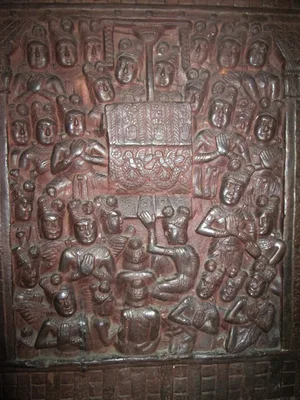
Ajita Kesakambali was a wandering teacher of the Ganges valley around 500 BCE. He taught that a person is four elements and nothing more, that gifts and sacrifices earn nothing, and that the wise and the foolish alike are annihilated at death. No motive, life or writing of his survives. We know the doctrine only because the Buddhist and Jain schools that wanted to refute it wrote it down; the later Cārvāka school, often made his heir, was in large part described by its enemies too.
Diagoras of Melos
Diagoras of Melos was a poet whose lost hymns were thought pious. By 423 BCE he was the Athenian stage's byword for godlessness. In 415, in a city panicked by the mutilation of the herms, a year after it had crushed his island, he was condemned with a bounty on his head for profaning the Mysteries. No word of his own survives, and the sources leave open whether he denied the gods, mocked their rites, or was punished for being a Melian.
Prodicus of Ceos
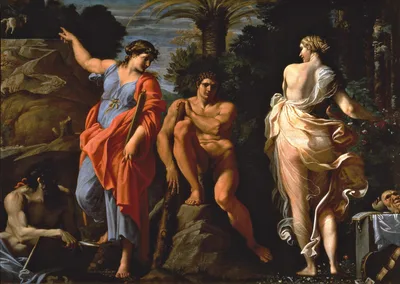
Prodicus of Ceos was the fee-taking sophist famous for fine distinctions and for the fable of the Choice of Heracles. He left no surviving word on the gods. Later writers report that he explained them as the ancients' names for what fed and helped them: bread as Demeter, wine as Dionysus, the Nile as a god. From the third century BCE they listed him among the "so-called atheists". His unbelief is a reported theory and a label others fixed on him, not a declaration of his own.
Critias
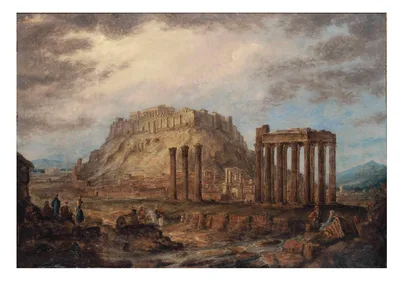
Critias was Plato's aristocratic kinsman and the hardest of the Thirty who ruled Athens in blood in 404–403 BCE. He left no word about his own belief. His name as an unbeliever rests on one verse speech, quoted by Sextus Empiricus six centuries later, in which the trickster Sisyphus says a clever man invented the fear of gods to police secret crimes. Ancient and modern readers give that speech either to Critias or to Euripides, so his unbelief is an attribution, not a confession.