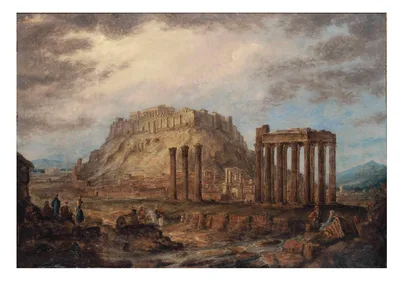
Critias was Plato's aristocratic kinsman and the hardest of the Thirty who ruled Athens in blood in 404–403 BCE. He left no word about his own belief. His name as an unbeliever rests on one verse speech, quoted by Sextus Empiricus six centuries later, in which the trickster Sisyphus says a clever man invented the fear of gods to police secret crimes. Ancient and modern readers give that speech either to Critias or to Euripides, so his unbelief is an attribution, not a confession.
The belief timeline
- Faith (no evidence; conventional civic piety assumed, not documented) (before 415) — Nothing records Critias's childhood religion. The only religious acts are in Plato's dialogues, where "Critias" invokes the gods and Mnemosyne before his speech and tells a story of the goddess's festival; these are Plato's portraits, written decades later [4][24][25]
- Doubt (unknown) (c. 415–411?) — No letter, no confession. Alcibiades' circle and the Hermes/Mysteries scandals of 415 are context, not evidence of his own unbelief [5][6]
- Declaration (415 or after 411) — The Sisyphus fragment: a clever, wise man invented the fear of gods so that wrongdoing in secret would be punished; "Declaration" only if Critias wrote it and meant it [14][16][17][18][19]
- Revision (none) — No late revision exists. Theramenes accuses the Thirty of impiety in 404/403; Critias dies in battle in 403. Philostratus says some thought he became a good man at the end [9][12][29]
Notes to the timeline (13)
- [4] In Charmides, Critias is guardian and cousin of Charmides ("he is my cousin, and the son of my uncle Glaucon") and Socrates says philosophy and poetry have long been in his family — Plato, Charmides, tr. Jowett (introduction and text), Gutenberg #1580, (Jowett, text).
- [24] Plato's Socrates calls Critias, with Timaeus, a "philosopher and a statesman" and later says "Critias, whom every Athenian knows to be no novice in the matters of which we are speaking" — Plato, Timaeus, tr. Jowett, Gutenberg #1572, (Jowett, 20a).
- [25] In Plato's Critias, Critias invokes "the gods and goddesses" and "specially" Mnemosyne before beginning, on Hermocrates' urging to "invoke Apollo and the Muses" — Plato, Critias, tr. Jowett, Gutenberg #1571, (Jowett, near 106).
- [5] Critias was arrested in the Hermes mutilations of 415 and released on Andocides' testimony; his guilt is unknown — William Morison, "Critias," Internet Encyclopedia of Philosophy (iep.utm.edu/critias/), saved
iep-critias.html; accessed 2026-10-14. Cites Xen. Hell. 2.3.36, 2.3.52–55, Andocides 1.47, §1; "Critias," English Wikipedia (saved 2026-10-14 via API:wikipedia-critias.txt). Used for the family tree, Philostratus and Aristotle quotations (via Loeb 1921 Wright, secondhand), Plato's Seventh Letter quotation. Reported at second hand; the original has not been seen. - [6] Critias proposed Alcibiades' recall c. 408 (his own elegies, frr. 4–5), prosecuted Phrynichus posthumously, and followed Alcibiades into exile c. 406 — Morison, Internet Encyclopedia of Philosophy, §§1–2.
- [14] Sextus Empiricus (Math. 9.54) writes that Critias "seems to belong to the ranks of the atheists", saying the ancient lawgivers invented a god as an overseer of human deeds so no one should wrong a neighbour in secret, and quotes the lines — Sextus Empiricus, Opera, vol. II, Adversus dogmaticos (Greek, Teubner, Leipzig, ed. Mutschmann; the IA record gives no year, 1914 per standard bibliography, to confirm). Internet Archive id
sexti-empirici, saved asresearch/texts/sextus-teubner-v2.txt. Contains Adv. math. 9.54 (the Sisyphus lines; the margin number 403–404 is Bekker's pagination). Printed page number of the Teubner page not read, (margin 403). - [16] Aëtius (Placita I 7,2) says Euripides the tragedian was unwilling to reveal the view for fear of the Areopagus and put it in the mouth of Sisyphus — Diels, Die Fragmente der Vorsokratiker, 4th ed. (reprint of the 3rd with additions), vol. II, Berlin 1922, p. 320 (apparatus, image read); "Sisyphus fragment," English Wikipedia (saved 2026-10-14:
wikipedia-sisyphus-fragment.txt). Used for the scholarly authorship dispute (Wilamowitz 1875, Dihle 1977, Burkert, Kahn, Bremmer, Cropp, Whitmarsh, etc.) and Chrysippus/Aëtius Euripides attribution. All secondhand; the original articles not read. - [17] The attribution is disputed: Wilamowitz (1875) for Critias; Dihle (1977) for Euripides, arguing the fragment belongs to the satyr play Sisyphus of 415; scholars divide — "Sisyphus fragment,"; Morison, Internet Encyclopedia of Philosophy, ("nothing ... that cannot be paralleled"). Accounts differ; see the disputed points.
- [18] If by Critias it would be the closing satyr play of a tetralogy written after his return from exile in 411 (Wilamowitz) — "Sisyphus fragment,".
- [19] Sisyphus, the speaker, is the mythical trickster later punished in Hades, which frames the speech ironically: it is spoken by an impious character — Morison, Internet Encyclopedia of Philosophy, §4 (the quote is "clearly meant to be spoken by Sisyphus, who was condemned by the gods for his impious acts").
- [9] Critias at first agreed with Theramenes, then pressed "wholesale carnage"; Theramenes opposed; Critias forced his condemnation; Theramenes cried from the altar of Hestia that the Thirty were "impious towards the gods" — Xenophon, Hellenica, tr. H. G. Dakyns (1890s), Project Gutenberg #1174,
xenophon-hellenica.txt. Text is unnumbered by section; section references (2.3.x) follow IEP and standard convention, (Dakyns, 2.3.15–55); Morison, Internet Encyclopedia of Philosophy. - [12] Critias was killed in the fight in the Piraeus with Thrasybulus's men; Hippomachus and Charmides fell with him — Xenophon, Hellenica, (Dakyns, 2.4.19).
- [29] Philostratus (Lives of the Sophists I.16) calls Critias "the worst of all the men who have gained a reputation for wickedness", and records the view that he "became a good man toward the end" — "Critias,", (quoting Wright's Loeb).
The Fear of Gods Was Invented
In 403 BCE the army of the Thirty fought the Athenian democrats under Thrasybulus at the Piraeus, the harbour of Athens. Among the dead, Xenophon wrote, were "Critias himself and Hippomachus, and with them Charmides".12 Critias had been the hardest of the Thirty, the oligarchs who ruled Athens after its defeat in the Peloponnesian War, and the one who, in Xenophon's account, had pressed for "wholesale carnage".3
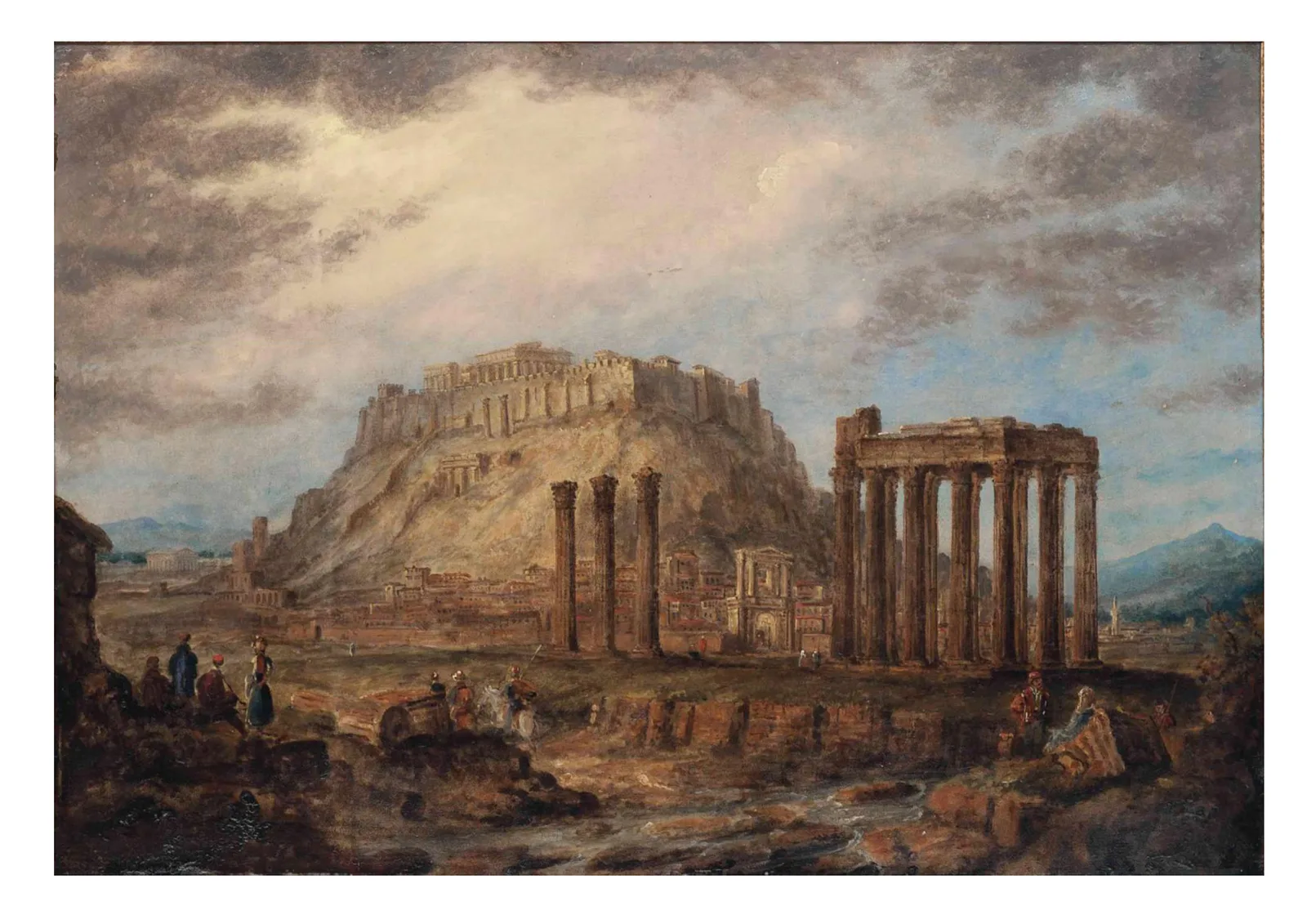
Six centuries later the sceptic Sextus Empiricus put him on a list. Critias, "one of those who ruled as tyrants at Athens, seems to belong to the ranks of the atheists", he wrote, and quoted a speech in verse that says the gods were invented to keep people in order.45 That speech is the whole case for Critias's unbelief. It comes from a play, it is spoken by a character, and ancient and modern readers have argued over who wrote it.67 This chapter tells what is known of the man, and then what is known of the speech, and keeps the two apart. The English of the Greek lines is this book's own.
A family of Solon and Plato
He was born about 460 BCE into one of the oldest families in Athens; no source gives the year.8 His great-grandfather Dropides had been a kinsman and friend of Solon the lawgiver; his cousin Charmides was the uncle of Plato, whose mother Perictione was Charmides's sister.91011 In Plato's dialogues he appears as a cultivated aristocrat, "similarly accomplished" in philosophy and statecraft, guardian of the young Charmides, a man who before telling a story invokes "the gods and goddesses" and Mnemosyne, the goddess of memory.1112131415 Those are Plato's portraits, written long afterwards by a relative; the nineteenth-century translator Benjamin Jowett noticed that they give "no hint" of "the infamy which attaches to the name".1617 Nothing records what Critias himself believed as a young man. On the belief timeline, his faith is left blank.
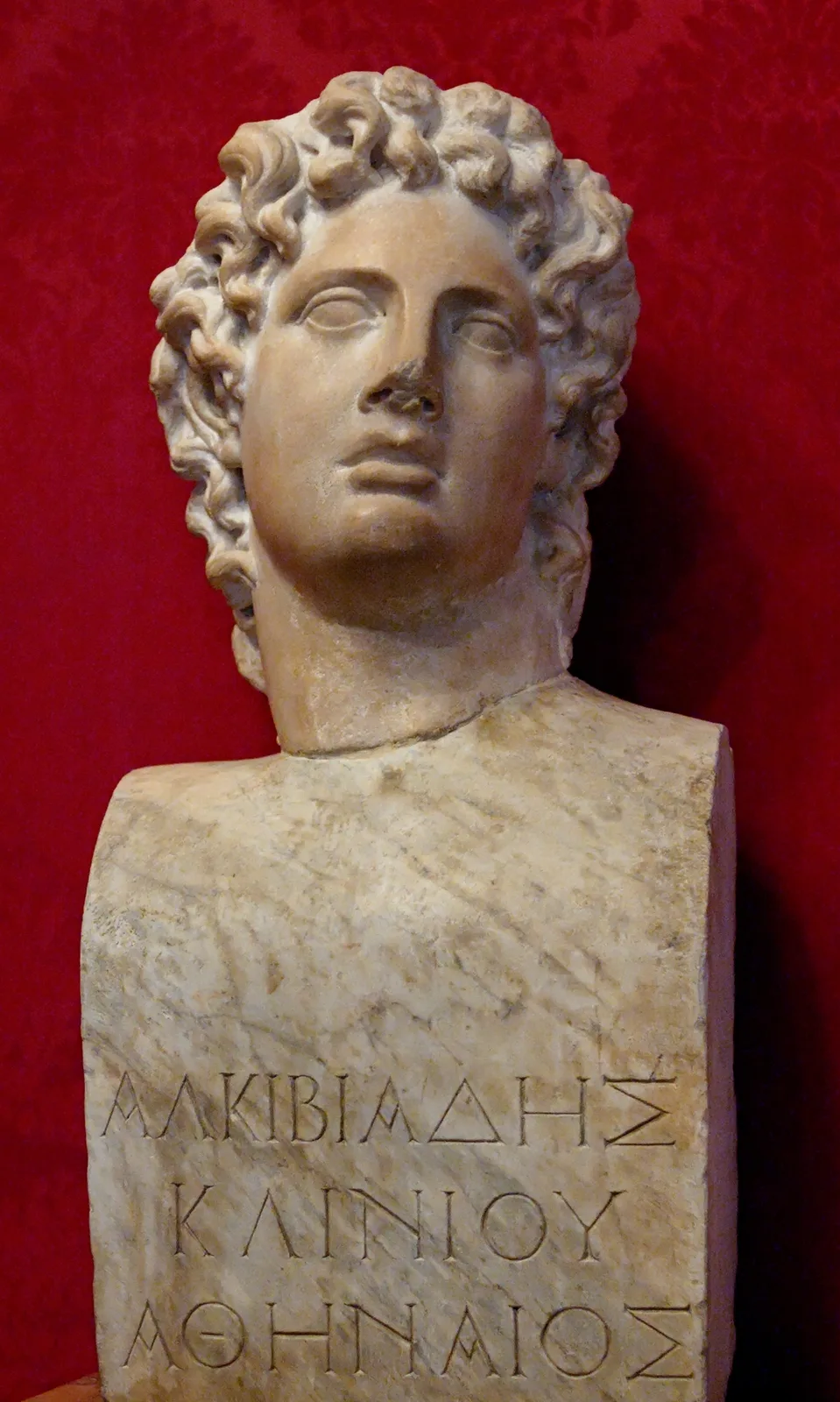
He moved in the circle of Socrates and of Alcibiades. In 415, when the statues of Hermes were mutilated across Athens, he was arrested and released on another man's testimony; his guilt is unknown.18 About 408 he proposed the recall of Alcibiades, and about 406 he followed him into exile, where his enemy Theramenes later said he spent his time in Thessaly "laying the foundations of a democracy with Prometheus, and arming the Penestae against their masters".1920
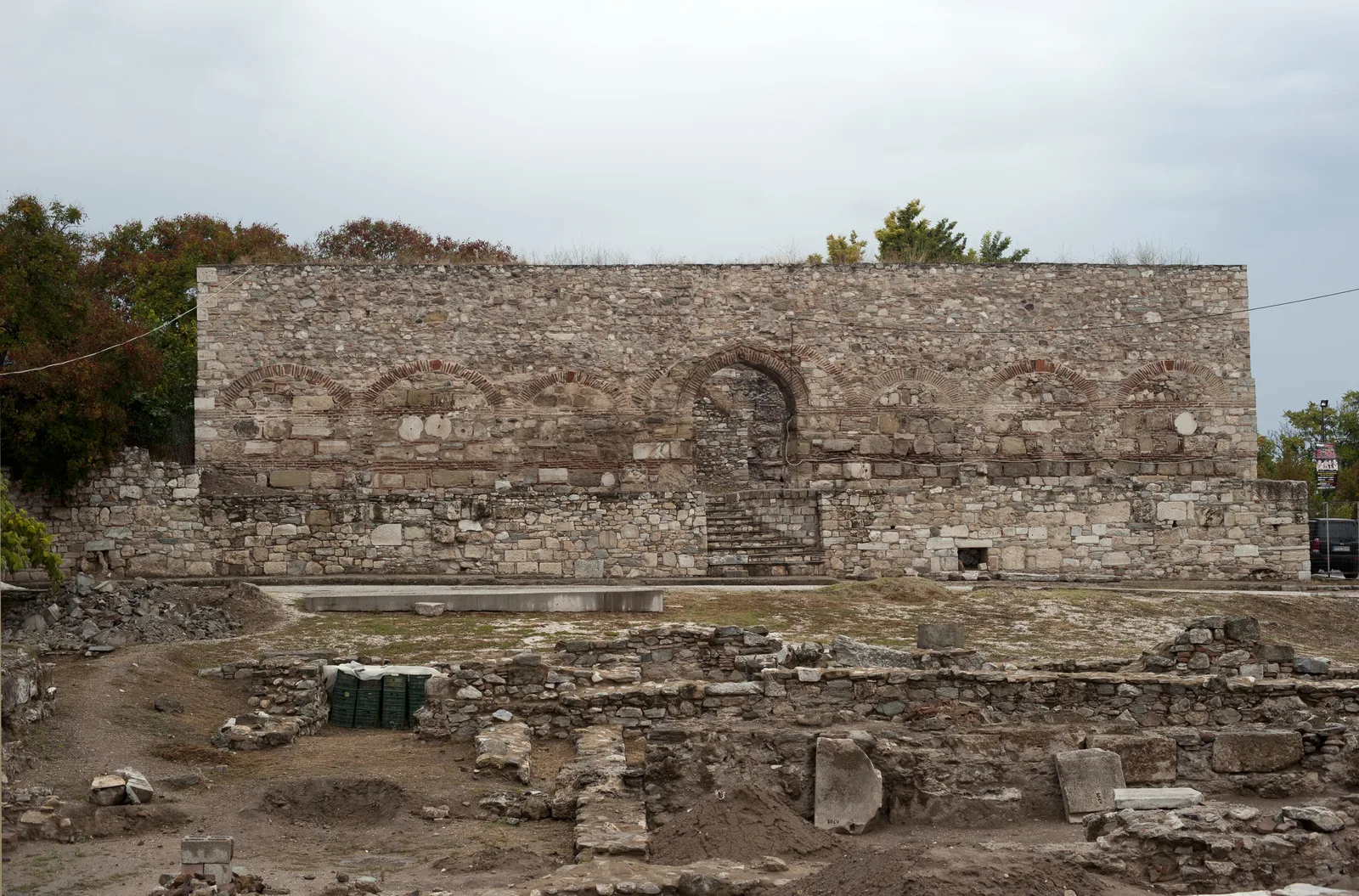
The Thirty
When Athens surrendered to Sparta in 404, the Athenians chose thirty men to draft a constitution "on ancestral laws". Critias is second in Xenophon's list.21 At first, Xenophon says, he agreed with his colleague Theramenes; then he turned to killing, "like one who thirsted for the blood of the democracy, which had banished him".322 "There is no choice left to us, since we intend to take the lion's share," Xenophon has him say, "but to get rid of those who are best able to hinder us."23 When Theramenes resisted, Critias forced his condemnation and handed him over: "We deliver over to you Theramenes yonder, who has been condemned according to the law."324 Theramenes ran to the altar of Hestia and cried out, "I will make it plain that these men are as impious towards the gods as they are nefarious towards men." He was dragged away and drank the hemlock, with a toast: "This to the lovely Critias."3252627
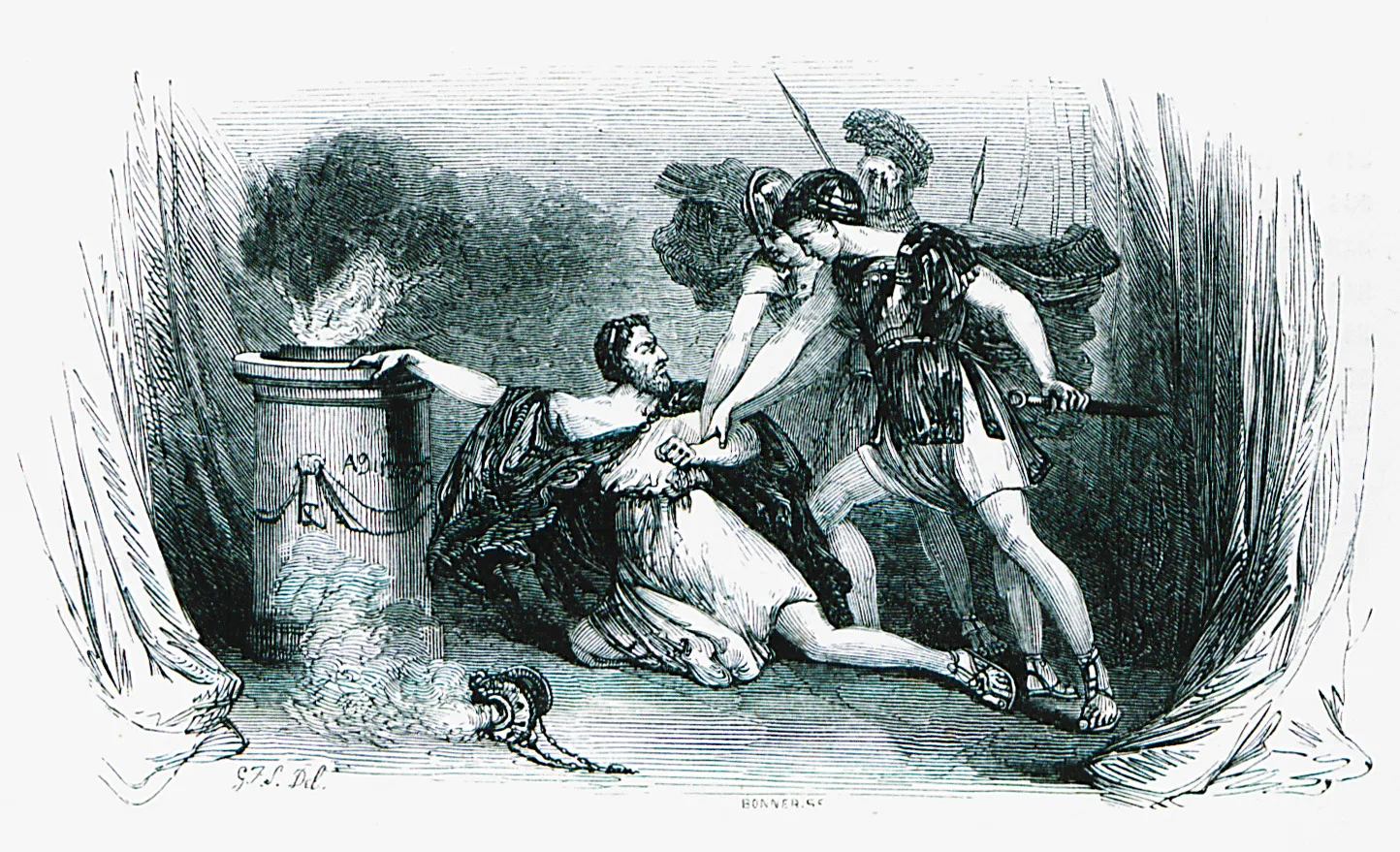
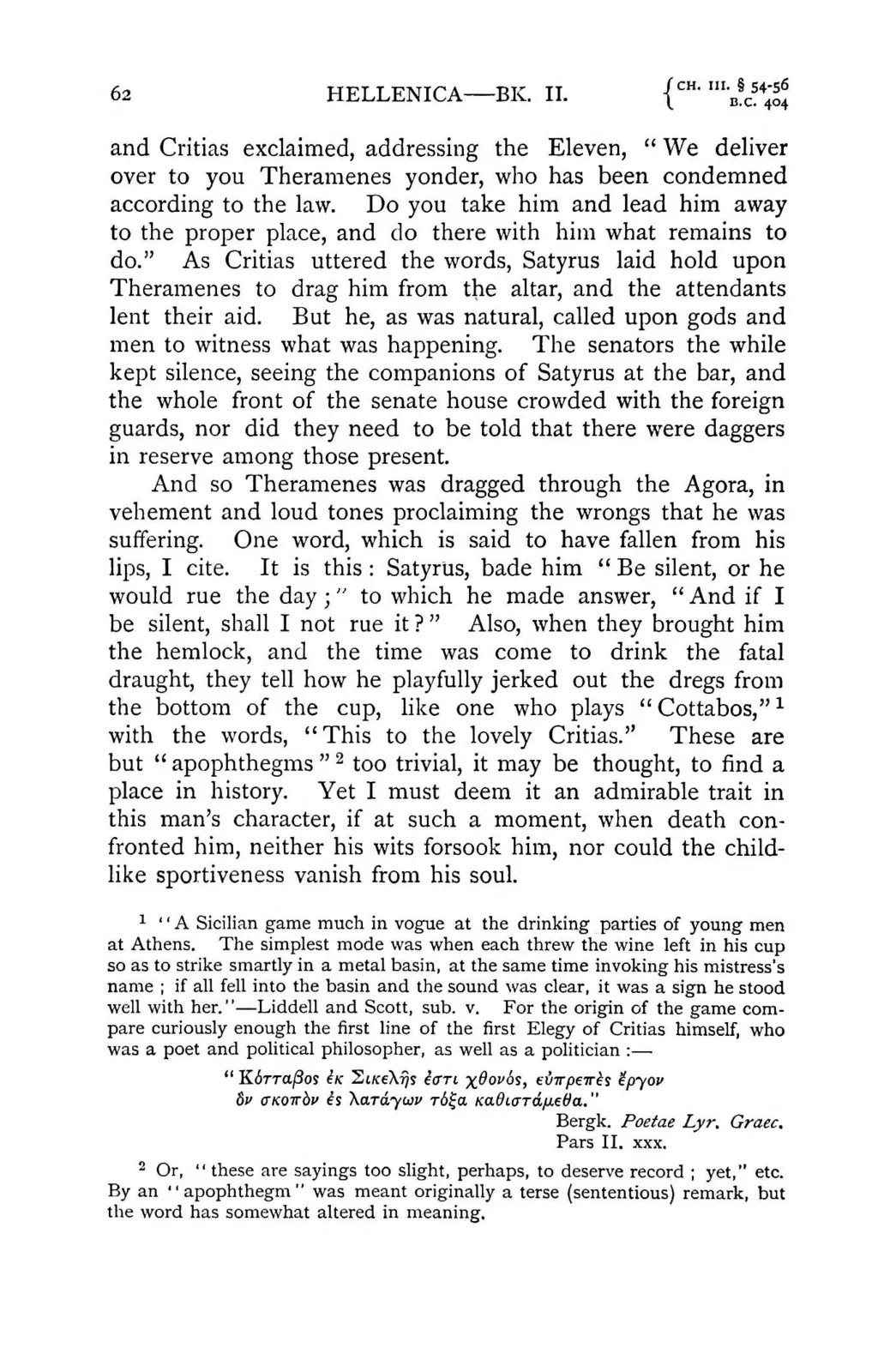
Critias and his colleague Charicles made a law against teaching "the art of words", and summoned Socrates, who had compared a ruler who kept thinning his citizens to a herdsman who kept losing his cattle.2829 Later, Xenophon reports, the accuser of Socrates pointed to his old companions: "Critias the oligarch, and Alcibiades the democrat". Xenophon answered that they had left Socrates as soon as they had learned what they wanted.3031 Then came Munichia, and the end.1
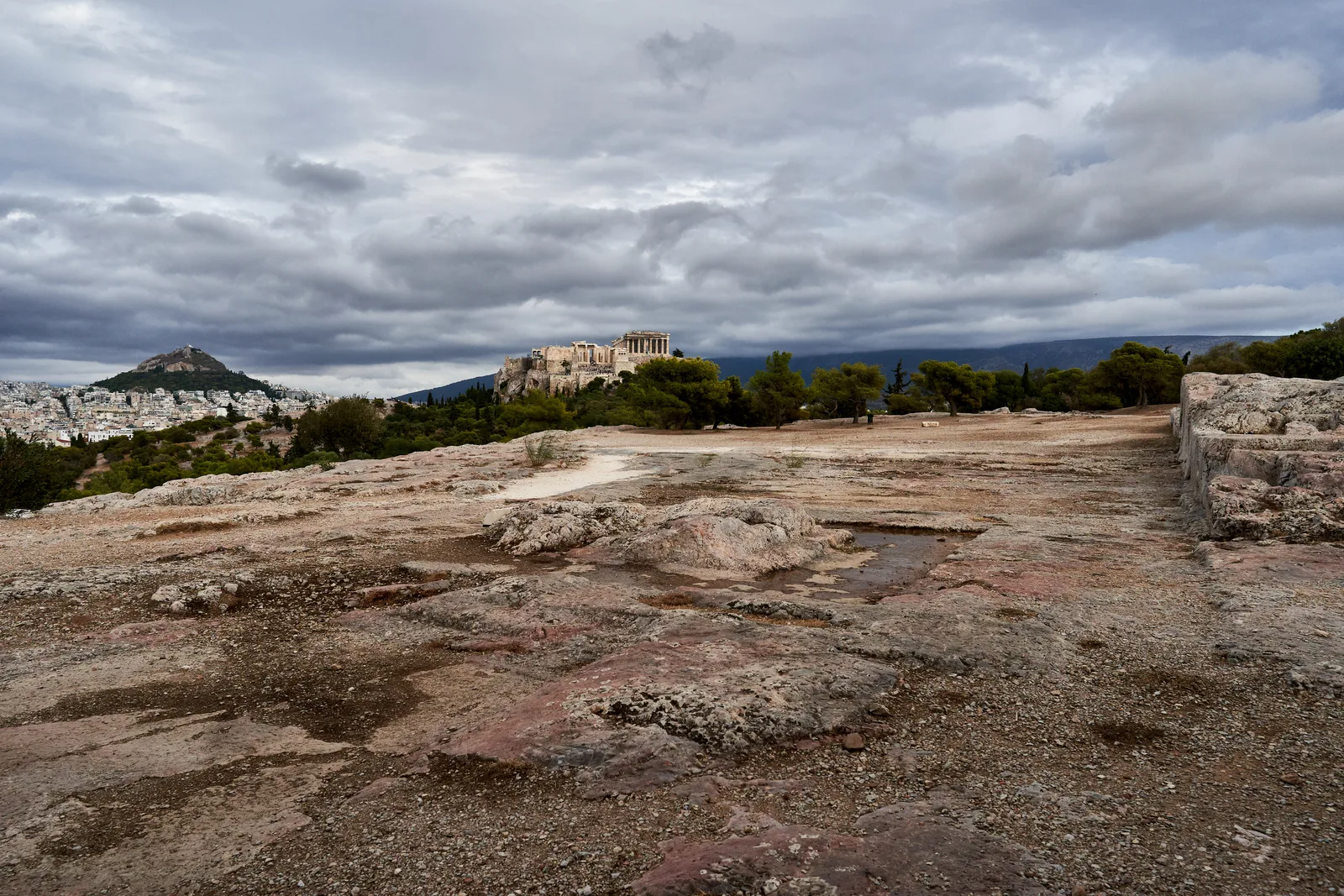
The Sisyphus speech
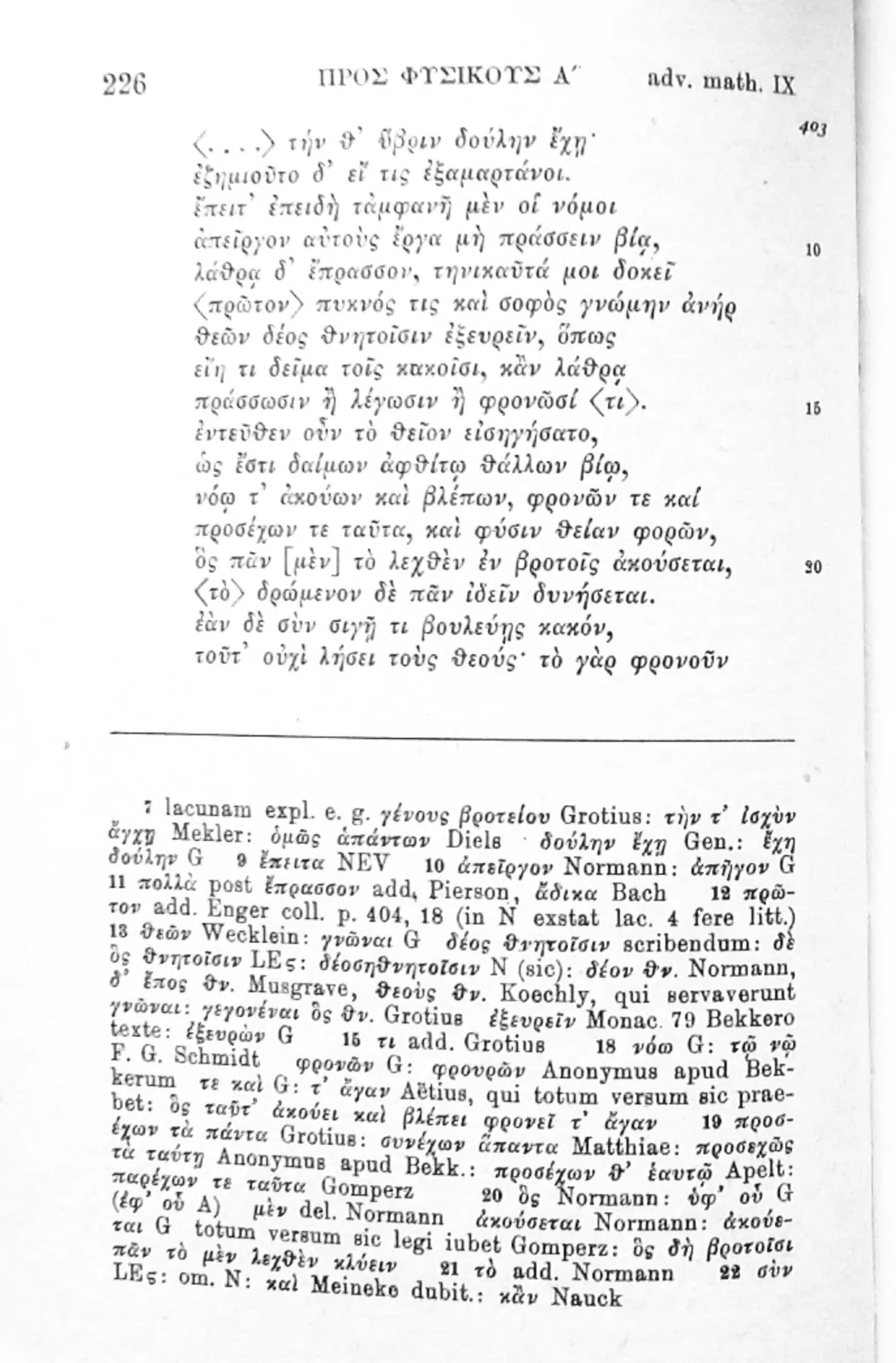
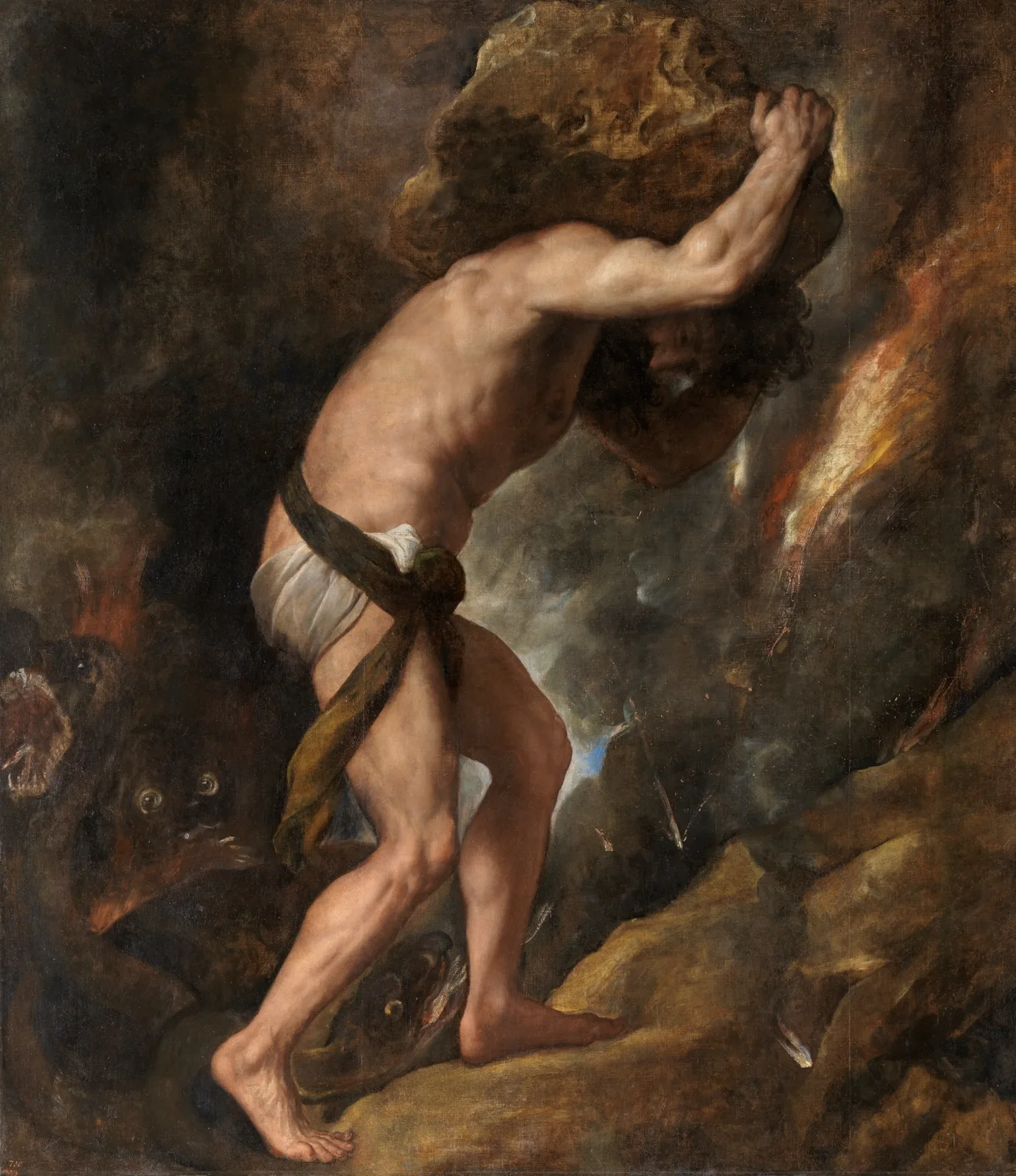
Sextus quotes the speech at length. "There was a time when human life was disorderly and like a beast's, the servant of brute strength," the speaker begins.3233 Laws were made to punish wrongdoers, but crimes went on in secret. "Then, I think, a shrewd and wise man first discovered the fear of gods for mortals," so that people would believe that "if you plan something wicked in silence, it will not escape the gods". He set the gods in the sky, where thunder and lightning come from, to frighten them, and so put out lawlessness.4323435 The historian of Greek philosophy W. K. C. Guthrie called it the first appearance in history of the theory that religion is a political invention to secure good behaviour.36
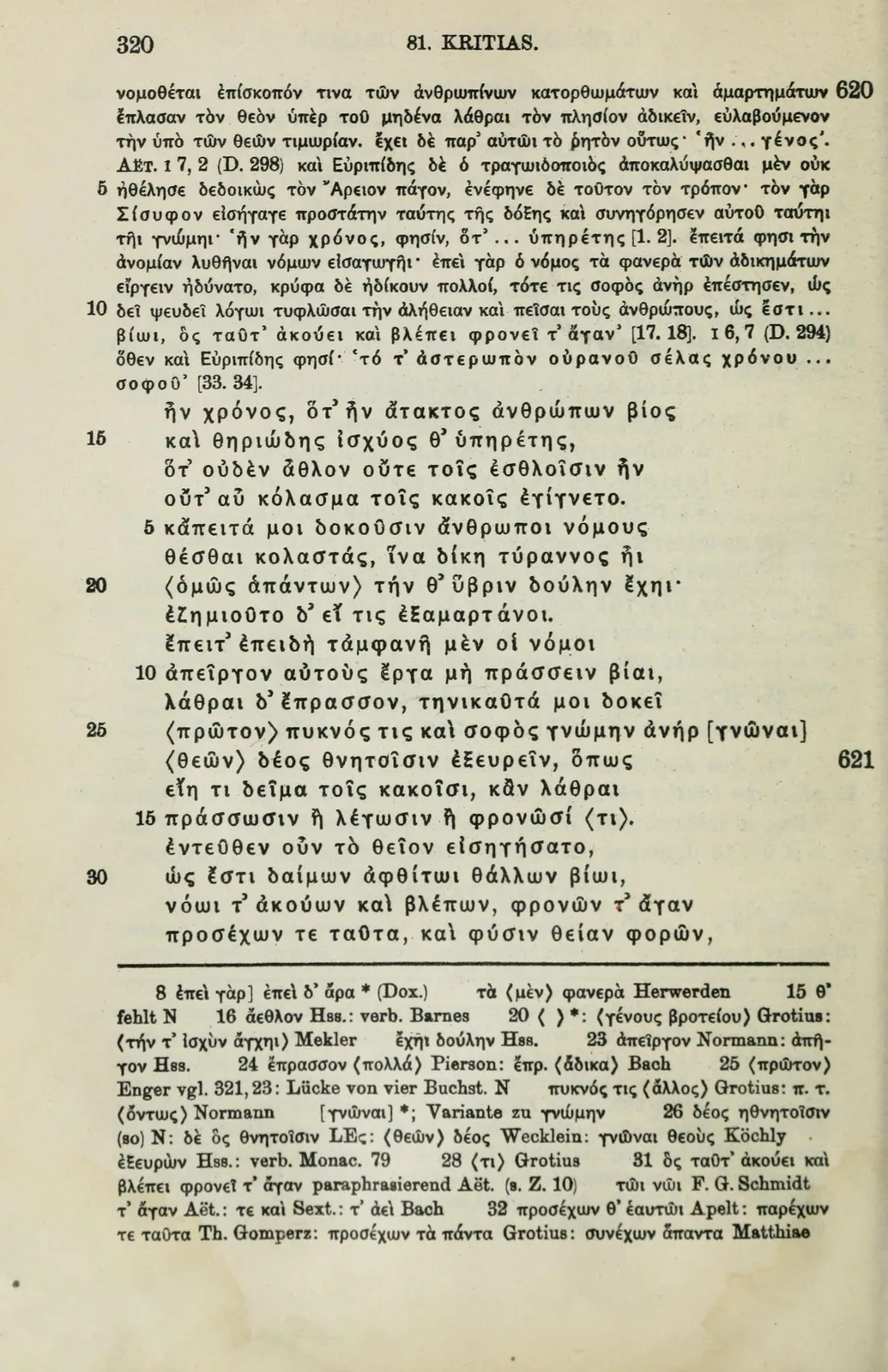
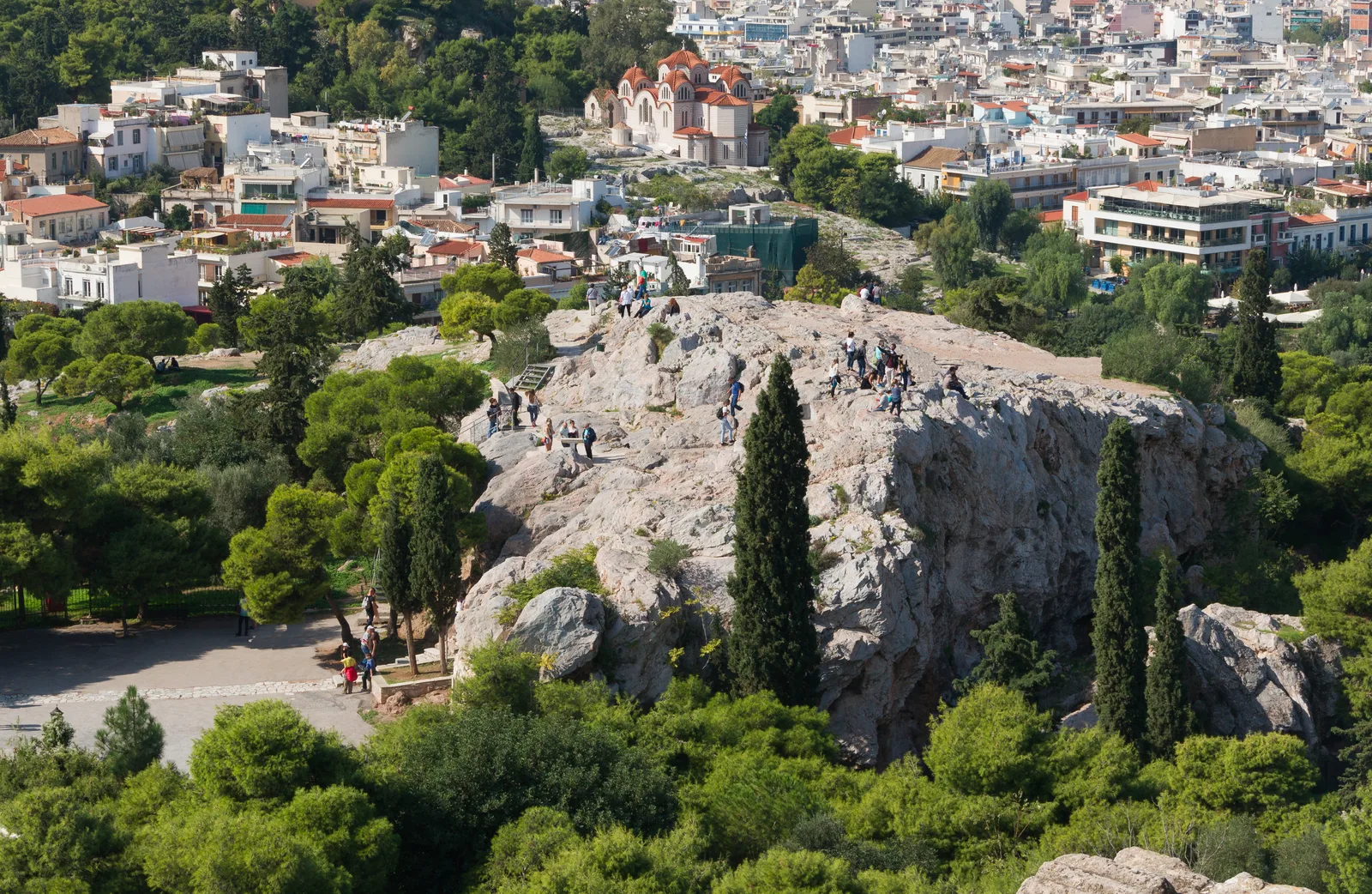
Three things stand between the speech and the man. First, the speaker is Sisyphus, the trickster of myth whom the gods punished in the underworld; the theory is put in the mouth of an impious character, in what was probably a satyr play.37 Second, the author is disputed. Sextus names Critias, but another ancient compiler, Aëtius, says that Euripides put the view in Sisyphus's mouth because he was afraid of the court of the Areopagus.6 The great German scholar Wilamowitz gave the speech to Critias in 1875; Albrecht Dihle argued in 1977 that it belongs to Euripides' Sisyphus of 415; scholars are still divided.738 Third, nothing else Critias wrote shows any such view.39 Accounts differ, and the honest way to place his declaration on the timeline is with two conditions: if he wrote it, and if he meant it.
The reply
Plato, Critias's young relative, never named him in this connection, but in the Laws he describes the doctrine that the gods "exist not by nature, but by art, and by the laws of states", and treats it as an impiety for the state to correct.4041 In the twentieth century Karl Popper noticed how close the Sisyphus speech is to the "noble lie" of Plato's Republic, the useful myth a ruler tells his citizens.42 Both make religion a tool of order; one calls it a fraud, the other a necessity.
There was no revision, because there was no record of belief to revise. Later writers made him a monster: Philostratus called him the worst of all men famous for wickedness, while recording that some thought he became a good man at the end.43 What survives is a political career that ended in blood, and a speech about the gods that may or may not be his. Another Athenian of the same years, Diagoras of Melos, was called "the Atheist" in his own lifetime and condemned by the city for it, and has his own chapter in this book.
Footnotes
-
Xenophon, Hellenica, tr. H. G. Dakyns (1890s), Project Gutenberg #1174,
xenophon-hellenica.txt. Text is unnumbered by section; section references (2.3.x) follow IEP and standard convention, (Dakyns, 2.4.19). ↩ ↩2 -
Xenophon: Xenophon, Hellenica, (Dakyns, 2.4.19). ↩
-
Xenophon, Hellenica, (Dakyns, 2.3.15–55); William Morison, "Critias," Internet Encyclopedia of Philosophy (iep.utm.edu/critias/), saved
iep-critias.html; accessed 2026-10-14. Cites Xen. Hell. 2.3.36, 2.3.52–55, Andocides 1.47. ↩ ↩2 ↩3 ↩4 -
Sextus Empiricus, Opera, vol. II, Adversus dogmaticos (Greek, Teubner, Leipzig, ed. Mutschmann; the IA record gives no year, 1914 per standard bibliography, to confirm). Internet Archive id
sexti-empirici, saved asresearch/texts/sextus-teubner-v2.txt. Contains Adv. math. 9.54 (the Sisyphus lines; the margin number 403–404 is Bekker's pagination). Printed page number of the Teubner page not read, (margin 403). ↩ ↩2 -
Sextus Empiricus on Critias: Empiricus, Opera, (Math. 9.54). ↩
-
Diels, Die Fragmente der Vorsokratiker, 4th ed. (reprint of the 3rd with additions), vol. II, Berlin 1922, p. 320 (apparatus, image read); "Sisyphus fragment," English Wikipedia (saved 2026-10-14:
wikipedia-sisyphus-fragment.txt). Used for the scholarly authorship dispute (Wilamowitz 1875, Dihle 1977, Burkert, Kahn, Bremmer, Cropp, Whitmarsh, etc.) and Chrysippus/Aëtius Euripides attribution. All secondhand; the original articles not read. ↩ ↩2 -
"Sisyphus fragment,"; Morison, Internet Encyclopedia of Philosophy, ("nothing ... that cannot be paralleled"). Accounts differ; see the disputed points. ↩ ↩2
-
"Critias," English Wikipedia (saved 2026-10-14 via API:
wikipedia-critias.txt). Used for the family tree, Philostratus and Aristotle quotations (via Loeb 1921 Wright, secondhand), Plato's Seventh Letter quotation, (Ancestry; Early life). Reported at second hand; the original has not been seen. ↩ -
Diogenes Laertius, Lives, tr. Yonge, Gutenberg #57342 (family tree of Plato; Socrates and Critias), Life of Plato III.1 (Gutenberg text); "Critias,". ↩
-
Plato, Timaeus, tr. Jowett, Gutenberg #1572, (Jowett, Timaeus 20–21). ↩
-
Plato, Charmides, tr. Jowett (introduction and text), Gutenberg #1580, (Jowett, text). ↩ ↩2
-
Plato, Timaeus, (Jowett, 20a). ↩
-
Plato, Critias, tr. Jowett, Gutenberg #1571, (Jowett, near 106). ↩
-
Socrates in Plato's Timaeus: Plato, Timaeus, (Jowett, 20a). ↩
-
"Critias" in Plato's Critias: Plato, Critias, (Jowett, near 106a). ↩
-
Plato, Charmides, (Jowett, introduction). ↩
-
Benjamin Jowett, introduction to Charmides: Plato, Charmides, (Jowett, introduction). ↩
-
Morison, Internet Encyclopedia of Philosophy, §1; "Critias,". ↩
-
Morison, Internet Encyclopedia of Philosophy, §§1–2. ↩
-
Xenophon, Hellenica, (Dakyns, near 2.3.36). ↩
-
Xenophon, Hellenica, (Dakyns, near 2.3.2). ↩
-
Xenophon, historian, an Athenian knight who knew the Thirty and wrote the nearest account: Xenophon, Hellenica, (Dakyns, 2.3.15). ↩
-
Xenophon, Hellenica, (Dakyns, Hellenica 2.3.16). ↩
-
Xenophon, Hellenica, (Dakyns, 2.3.54). ↩
-
Xenophon, Hellenica, (Dakyns, 2.3.56); Cicero, Tusculan Disputations, in the Gutenberg #14988 volume (Yonge/Bohn translation), Book 1, Tusc. 1.40 gives the toast as "most excellent Critias". ↩
-
Theramenes, once Critias's friend and colleague, on the altar of Hestia, moments before his execution (Xenophon's report): Xenophon, Hellenica, (Dakyns, 2.3.53). ↩
-
Theramenes at his death: Xenophon, Hellenica, (Dakyns, 2.3.56). ↩
-
Xenophon, Memorabilia, tr. Dakyns, Gutenberg #1177,
xenophon-memorabilia.txt(Book 1, ch. 2), 1.2.31–37 (Dakyns, ch. 2). ↩ -
Socrates, as reported by Xenophon: Xenophon, Memorabilia, (Dakyns, 1.2.32). ↩
-
Xenophon, Memorabilia, 1.2.12–31 (Dakyns). ↩
-
Xenophon, reporting the charge against Socrates (and rebutting it): Xenophon, Memorabilia, (Dakyns, 1.2.12). ↩
-
Empiricus, Opera, (margin 403–404); Diels, Die Fragmente der Vorsokratiker, pp. 320–322. ↩ ↩2
-
The speaker of the fragment (Sisyphus), attributed to Critias: Empiricus, Opera, (Sext. Math. 9.54; margin 403); Diels, Die Fragmente der Vorsokratiker, p. 320. ↩
-
Same: Empiricus, Opera, (margin 404, line 12 ff.); Diels, Die Fragmente der Vorsokratiker, p. 320–321. ↩
-
Same: Empiricus, Opera, (margin 404); Diels, Die Fragmente der Vorsokratiker, p. 321. ↩
-
"Sisyphus fragment,". ↩
-
Morison, Internet Encyclopedia of Philosophy, §4 (the quote is "clearly meant to be spoken by Sisyphus, who was condemned by the gods for his impious acts"). ↩
-
"Sisyphus fragment,". ↩
-
Morison, Internet Encyclopedia of Philosophy, §§4–5; Diels, Die Fragmente der Vorsokratiker, pp. 308–326. ↩
-
Plato, Laws, tr. Jowett, Gutenberg #1750 (Book 10), (Jowett, Book 10, 889e–890a). ↩
-
The Athenian Stranger in Plato's Laws 10 (Plato, Critias's younger relative), describing the doctrine he wants forbidden; does not name Critias: Plato, Laws, (Jowett, Book 10, 889e). ↩
-
"Sisyphus fragment,". ↩
-
"Critias,", (quoting Wright's Loeb). ↩
xenophon-hellenica.txt. Text is unnumbered by section; section references (2.3.x) follow IEP and standard convention.; William Morison, "Critias," Internet Encyclopedia of Philosophy (iep.utm.edu/critias/), saved iep-critias.html; accessed 2026-10-14. Cites Xen. Hell. 2.3.36, 2.3.52–55, Andocides 1.47.; Sextus Empiricus, Opera, vol. II, Adversus dogmaticos (Greek, Teubner, Leipzig, ed. Mutschmann; the IA record gives no year, 1914 per standard bibliography, to confirm). Internet Archive id sexti-empirici, saved as research/texts/sextus-teubner-v2.txt. Contains Adv. math. 9.54 (the Sisyphus lines; the margin number 403–404 is Bekker's pagination). Printed page number of the Teubner page not read.; Diels, Die Fragmente der Vorsokratiker, 4th ed. (reprint of the 3rd with additions), vol. II, Berlin 1922.; "Sisyphus fragment," English Wikipedia (saved 2026-10-14: wikipedia-sisyphus-fragment.txt). Used for the scholarly authorship dispute (Wilamowitz 1875, Dihle 1977, Burkert, Kahn, Bremmer, Cropp, Whitmarsh, etc.) and Chrysippus/Aëtius Euripides attribution. All secondhand; the original articles not read.; "Critias," English Wikipedia (saved 2026-10-14 via API: wikipedia-critias.txt). Used for the family tree, Philostratus and Aristotle quotations (via Loeb 1921 Wright, secondhand), Plato's Seventh Letter quotation.; Diogenes Laertius, Lives, tr. Yonge, Gutenberg #57342 (family tree of Plato; Socrates and Critias).; Plato, Timaeus, tr. Jowett, Gutenberg #1572.; Plato, Charmides, tr. Jowett (introduction and text), Gutenberg #1580.; Plato, Critias, tr. Jowett, Gutenberg #1571.; Cicero, Tusculan Disputations, in the Gutenberg #14988 volume (Yonge/Bohn translation), Book 1.; Xenophon, Memorabilia, tr. Dakyns, Gutenberg #1177, xenophon-memorabilia.txt (Book 1, ch. 2).; Plato, Laws, tr. Jowett, Gutenberg #1750 (Book 10).In their own words
ἦν χρόνος, ὅτ᾽ ἦν ἄτακτος ἀνθρώπων βίος καὶ ϑηριώδης ἰσχύος ϑ᾽ ὑπηρέτης,
πρῶτον πυκνός τις καὶ σοφὸς γνώμην ἀνήρ ϑεῶν δέος ϑνητοῖσιν ἐξευρεῖν,
ἐὰν δὲ σὺν σιγῇ τι βουλεύῃς κακόν, τοῦτ᾽ οὐχὶ λήσει τοὺς ϑεούς
δοκεῖ ἐκ τοῦ τάγματος τῶν ἀϑέων ὑπάρχειν
There is no choice left to us, since we intend to take the lion's share, but to get rid of those who are best able to hinder us.
I will make it plain that these men are as impious towards the gods as they are nefarious towards men.
This to the lovely Critias.
There fell in this engagement, out of the number of the Thirty, Critias himself and Hippomachus, and with them Charmides
Where would you find a more arrant thief, savage, and murderer (5) than the one?
We deliver over to you Theramenes yonder, who has been condemned according to the law.
No hint is given, either here or in the Timaeus, of the infamy which attaches to the name of the latter in Athenian history.
and to you, Critias, whom all Athenians know to be similarly accomplished
But besides the gods and goddesses whom you have mentioned, I would specially invoke Mnemosyne
that a ruler of the state who was continually thinning and impoverishing the citizens should neither be ashamed nor admit himself to be a sorry sort of ruler was more extraordinary still.
The other side
I will make it plain that these men are as impious towards the gods as they are nefarious towards men.
like one who thirsted for the blood of the democracy, which had banished him
these people would say that the Gods exist not by nature, but by art, and by the laws of states
Critias the oligarch, and Alcibiades the democrat.
Where accounts differ
| Point | One account | Another | How the page handles it |
|---|---|---|---|
| Authorship of the "Sisyphus fragment" | Critias: Sextus Empiricus (Math. 9.54) names him; Wilamowitz 1875, Diels, Nauck, Snell, Burkert, Davies, Cropp, Whitmarsh (WikiS); IEP (Morison) "nothing ... that cannot be paralleled" in his other work | Euripides: Aëtius I 7,2 (Diels p. 320), also Chrysippus per WikiS; Dihle 1977, Kahn, Scodel, Ostwald, Bremmer, Yunis | Say "accounts differ", name Sextus against Aëtius, and say the fragment survives in three witnesses with the first the only one that names Critias. Do not assert he wrote it. |
| Whether the speech expresses the author's own view | Yes: Sextus reads it as Critias's atheism; Guthrie, Popper treat it as a theory of religion as social control | No: it is spoken by Sisyphus in a satyr play and may be parody or characterisation (Dihle) | State both; "unbelief known only through a play's speech." |
| Date | 415 (Euripides' production) | After 411 (Wilamowitz, if Critias) | Give both; Critias's date is a guess either way. |
| Critias's guilt in the Hermes affair, 415 | Arrested but released on Andocides' testimony | Guilt unknown (WikiC "not clear") | One line; omit unless the motive bears on belief. |
| Whether Critias was a member of the Four Hundred, 411 | Suspected by some | "little evidence" (WikiC); IEP "uncertain" | Skip. |
| Critias's end | Killed fighting at Munichia, 403 (Xenophon) | Philostratus says some thought him redeemed by dying | Use Xenophon; quote Philostratus only if the Wright Loeb is verified |
| Whether Plato's silence is a judgement | Jowett: Plato gives "no hint" of infamy | Plato's Seventh Letter expresses disgust at the Thirty, WikiC | Present both: Plato softened him in the dialogues but condemned the regime elsewhere. |
List of illustrations
This page uses only public-domain and Creative Commons images; each is credited with its source and licence.
- The Temple of the Olympian Zeus and the Acropolis in Athens in 1830 — UnknownUnknown , English School, circa 1830 · Wikimedia Commons, The Temple of the Olympian Zeus and the Acropolis in Athens in 1830.jpg; UnknownUnknown , English School; Public domain · Public domain
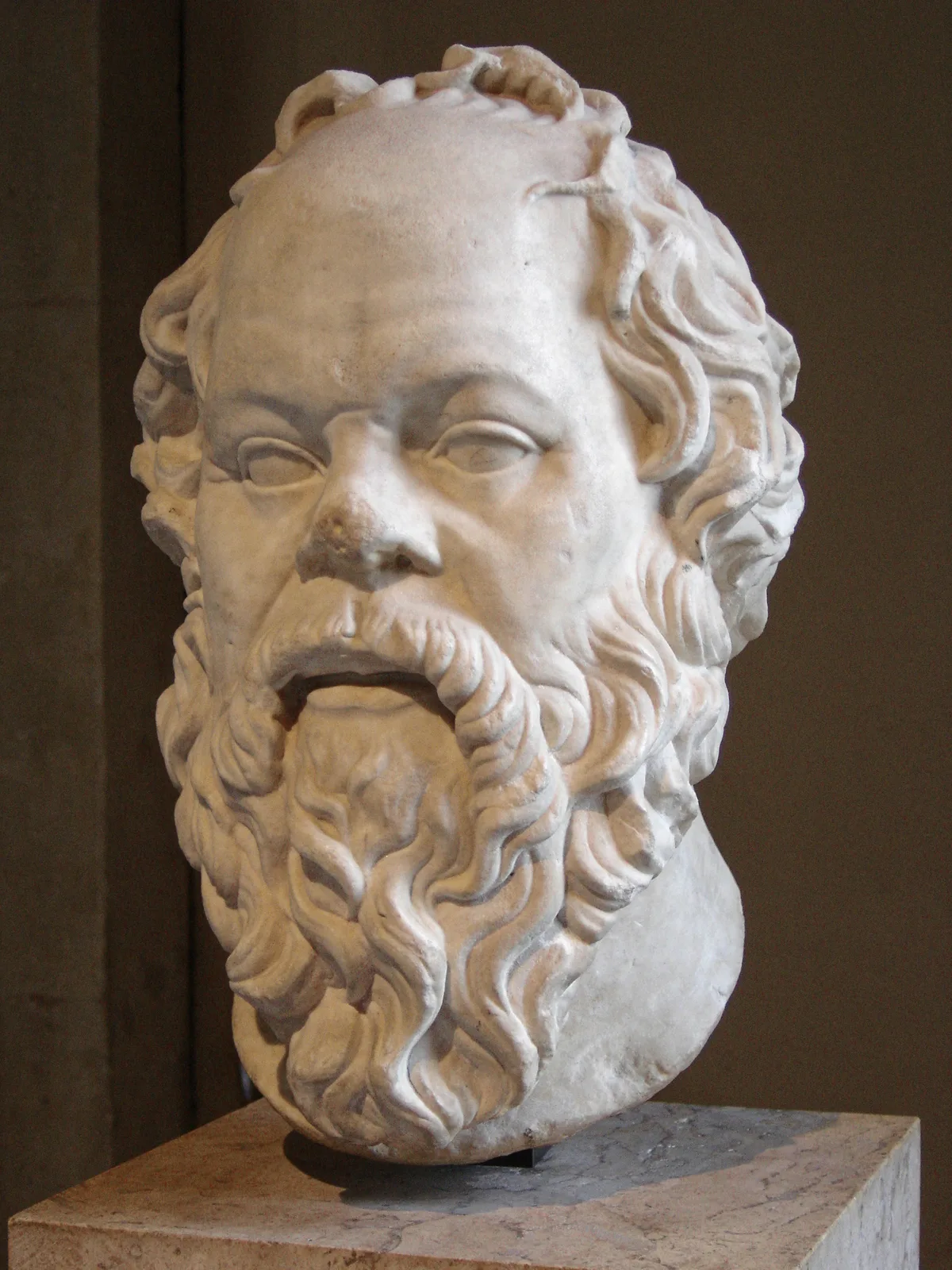
- Socrates Louvre — Copy of Lysippos (?), 1st century AD (Roman copy) · Wikimedia Commons, Socrates Louvre.jpg; Copy of Lysippos (?); Public domain · Public domain
- Bust Alcibiades Musei Capitolini MC1160 — Unknown artistUnknown artist, Roman copy after a 4th-century BCE Greek original · Wikimedia Commons, Bust Alcibiades Musei Capitolini MC1160.jpg; Unknown artist; Public domain · Public domain
- 20111009 Bezesteni Larissa Thessaly Greece 1 — User:Ggia, 2011-10-09 · Wikimedia Commons, 20111009 Bezesteni Larissa Thessaly Greece 1.jpg; User:Ggia; CC BY-SA 3.0 · CC BY-SA 3.0
- Ο Θηραμένης συλλαμβάνεται με εντολή του Κριτία - Wordsworth Christopher - 1841 — Christopher Wordsworth, 1882 · Wikimedia Commons, Ο Θηραμένης συλλαμβάνεται με εντολή του Κριτία - Wordsworth Christopher - 1841.jpg; Christopher Wordsworth; Public domain · Public domain
- The Works of Xenophon, tr. H. G. Dakyns (Hellenica): Hellenica Bk II, p. 62 (Theramenes' death; 'This to the lovely Critias') — Xenophon, translated by Henry Graham Dakyns, 1890 · Internet Archive, cu31924072144953 (London and New York, Macmillan, 1890); scan of a pre-1931 book; public domain · Public domain (published before 1931; the Internet Archive record states no licence)
- Remains of the Solar Clock of Meton on the Pnyx, 20 September 2019 — George E. Koronaios, 2019-09-20 · Wikimedia Commons, Remains of the Solar Clock of Meton on the Pnyx, 20 September 2019.jpg; George E. Koronaios; CC0 · CC0
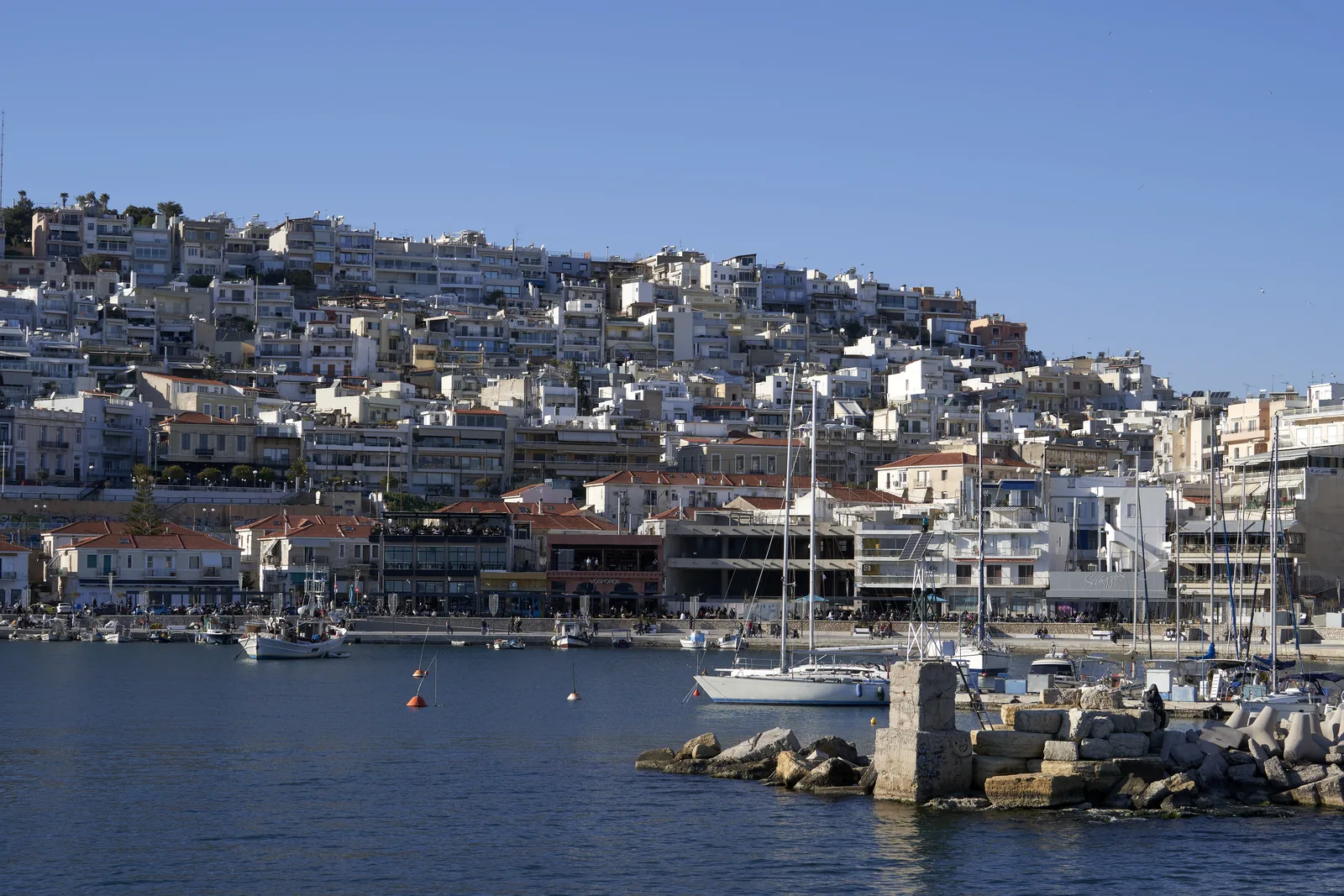
- Remains of the ancient fortifications of the harbor of Munichia (Mikrolimano) on February 19, 2022 — George E. Koronaios, 2022-02-19 · Wikimedia Commons, Remains of the ancient fortifications of the harbor of Munichia (Mikrolimano) on February 19, 2022.jpg; George E. Koronaios; CC BY-SA 4.0 · CC BY-SA 4.0
- Sexti Empirici Opera omnia, vol. II, Adversus dogmaticos libri quinque: p. 226, Adv. math. IX (the Sisyphus lines) — Sextus Empiricus, ed. J. Mutschmann, 1914 (Teubner; the IA record gives no year, 1914 per standard bibliography) · Internet Archive, sexti-empirici (Leipzig, Teubner, 1914); scan of a pre-1931 book; public domain · Public domain (published before 1931; the Internet Archive record states no licence)
- Die Fragmente der Vorsokratiker, griechisch und deutsch, vol. II (4th ed.): p. 320, Kritias fr. 25 (Sisyphos) — Hermann Diels, 1922 · Internet Archive, diefragmentederv02dieluoft (Berlin, Weidmann, 1922); scan of a pre-1931 book; public domain · Public domain (published before 1931; the Internet Archive record states no licence)
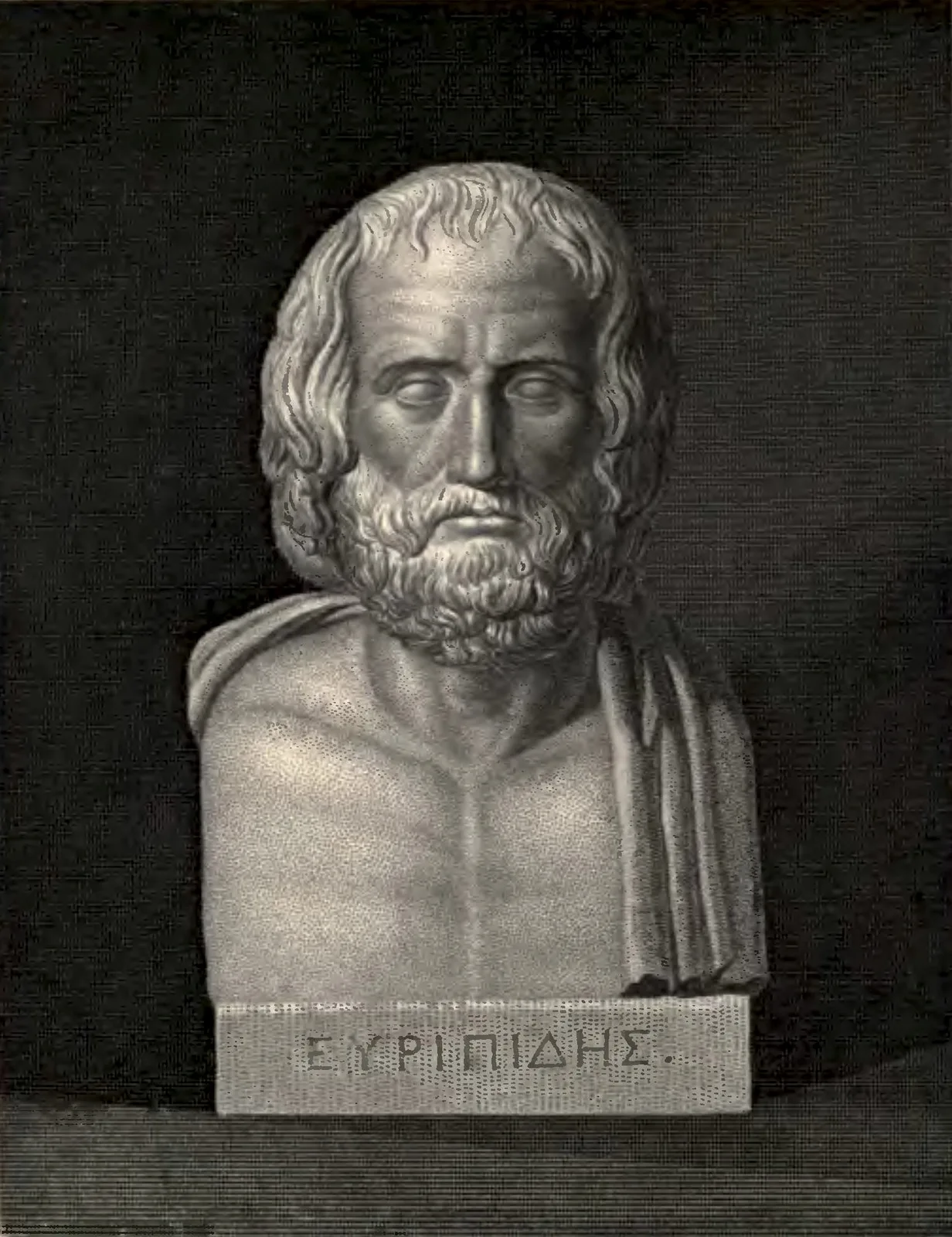
- Euripides-bust-plate — Unidentified engraver, 1910 · Wikimedia Commons, Euripides-bust-plate.jpg; Unidentified engraver; Public domain · Public domain
- Titian - Sisyphus - Madrid - Prado — Titian, 1548-1549 · Wikimedia Commons, Titian - Sisyphus - Madrid - Prado.jpg; Titian; Public domain · Public domain
- Areopagus hill Saint Paul from Acropolis Athens — Jebulon, 2015-10-26 · Wikimedia Commons, Areopagus hill Saint Paul from Acropolis Athens.jpg; Jebulon; CC0 · CC0
Sources
Tier 1 — the subject's own words (writings, letters, diaries, trial records)
- [Teubner] Sextus Empiricus, Opera, vol. II, Adversus dogmaticos (Greek, Teubner, Leipzig, ed. Mutschmann; the IA record gives no year, 1914 per standard bibliography, to confirm). Internet Archive id
sexti-empirici, saved asresearch/texts/sextus-teubner-v2.txt. Contains Adv. math. 9.54 (the Sisyphus lines; the margin number 403–404 is Bekker's pagination). Printed page number of the Teubner page not read. - [Diels] Diels, Die Fragmente der Vorsokratiker, 4th ed. (reprint of the 3rd with additions), vol. II, Berlin 1922. IA id
diefragmentederv02dieluoft, saved asdiels-1922-v2.txt(OCR garbles Greek; page 320 checked on the image). Kritias is ch. 81 here (88 in Diels–Kranz). Fragment 25 is on pp. 320–322; life and testimonia pp. 308–310. - No English translation of the fragment in the public domain was found. R. G. Bury's Loeb (1936) and Kathleen Freeman (1948) are in copyright and are cited only for facts. The Quotations table gives the Greek, with this project's literal gloss clearly marked.
Tier 2 — scholarly biographies and encyclopedias
- [IEP] William Morison, "Critias," Internet Encyclopedia of Philosophy (iep.utm.edu/critias/), saved
iep-critias.html; accessed 2026-10-14. Cites Xen. Hell. 2.3.36, 2.3.52–55, Andocides 1.47. - [Hell] Xenophon, Hellenica, tr. H. G. Dakyns (1890s), Project Gutenberg #1174,
xenophon-hellenica.txt. Text is unnumbered by section; section references (2.3.x) follow IEP and standard convention. - [Mem] Xenophon, Memorabilia, tr. Dakyns, Gutenberg #1177,
xenophon-memorabilia.txt(Book 1, ch. 2). - [Charm] Plato, Charmides, tr. Jowett (introduction and text), Gutenberg #1580.
- [Tim] Plato, Timaeus, tr. Jowett, Gutenberg #1572.
- [Crit] Plato, Critias, tr. Jowett, Gutenberg #1571.
- [Laws] Plato, Laws, tr. Jowett, Gutenberg #1750 (Book 10).
- [Cic] Cicero, Tusculan Disputations, in the Gutenberg #14988 volume (Yonge/Bohn translation), Book 1.
- [DL] Diogenes Laertius, Lives, tr. Yonge, Gutenberg #57342 (family tree of Plato; Socrates and Critias).
- [Lys] Lysias, Orations, Gutenberg #6969 (Against Agoratus: names Critias and Eratosthenes among the five ephors, 404).
Tier 3 — popular biographies and journalism
- None used.
Tier 4 — Wikipedia and similar reference sites (citable; give the article and revision date; prefer a higher tier where one exists)
- [WikiC] "Critias," English Wikipedia (saved 2026-10-14 via API:
wikipedia-critias.txt). Used for the family tree, Philostratus and Aristotle quotations (via Loeb 1921 Wright, secondhand), Plato's Seventh Letter quotation. - [WikiS] "Sisyphus fragment," English Wikipedia (saved 2026-10-14:
wikipedia-sisyphus-fragment.txt). Used for the scholarly authorship dispute (Wilamowitz 1875, Dihle 1977, Burkert, Kahn, Bremmer, Cropp, Whitmarsh, etc.) and Chrysippus/Aëtius Euripides attribution. All secondhand; the original articles not read.
Opposition sources — contemporary critics and religious responses
- [Hell] Theramenes in Xenophon (a political victim accusing the Thirty of impiety).
- [Mem] Xenophon's accuser and Xenophon himself on Critias.
- [Laws] Plato's Athenian Stranger answering the "gods exist not by nature but by art" doctrine (does not name Critias).
- [Lys] Lysias, Against Agoratus.
Related lives
Diagoras of Melos (Athenian-era "atheist" by label, condemned by Athens) or Protagoras (agnostic whose books were burned); per David's rule, no "Next:" line is baked in, so choose at close. Plato's Laws 10 (the reply to this kind of argument) also points to Plato if he is ever added.
Prodicus of Ceos
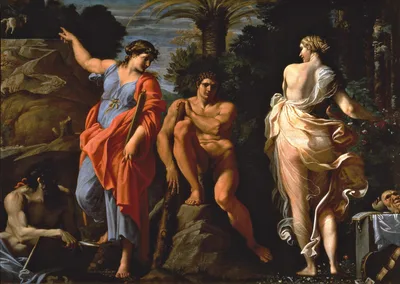
Prodicus of Ceos was the fee-taking sophist famous for fine distinctions and for the fable of the Choice of Heracles. He left no surviving word on the gods. Later writers report that he explained them as the ancients' names for what fed and helped them: bread as Demeter, wine as Dionysus, the Nile as a god. From the third century BCE they listed him among the "so-called atheists". His unbelief is a reported theory and a label others fixed on him, not a declaration of his own.
Diagoras of Melos
Diagoras of Melos was a poet whose lost hymns were thought pious. By 423 BCE he was the Athenian stage's byword for godlessness. In 415, in a city panicked by the mutilation of the herms, a year after it had crushed his island, he was condemned with a bounty on his head for profaning the Mysteries. No word of his own survives, and the sources leave open whether he denied the gods, mocked their rites, or was punished for being a Melian.

Protagoras
Protagoras, the first professed sophist and a friend of Pericles, opened his book On the Gods by saying he could not know whether they exist, because the question is obscure and life is short. He doubted rather than denied. Late writers say Athens burned the book and drove him to his death at sea; Plato's Socrates says he kept his good name to the end. The sources cannot settle it.
Ajita Kesakambali
Ajita Kesakambali was a wandering teacher of the Ganges valley around 500 BCE. He taught that a person is four elements and nothing more, that gifts and sacrifices earn nothing, and that the wise and the foolish alike are annihilated at death. No motive, life or writing of his survives. We know the doctrine only because the Buddhist and Jain schools that wanted to refute it wrote it down; the later Cārvāka school, often made his heir, was in large part described by its enemies too.