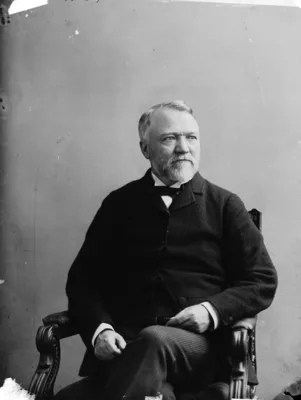
Andrew Carnegie was raised among Dunfermline radicals who had walked out of Calvinism over the damnation of infants. He kept a mild Swedenborgian faith into his teens, and lost it with a circle of Pittsburgh friends who "voted down" the dogmas in the 1850s. By the 1880s he had found "a philosophy at last" in Spencer and Darwin. In public he preached a gospel of wealth in Christ's name and gave organs to churches for the music. He said plainly that he "had got rid of theology and the supernatural" only in an autobiography published after his death, and hedged even there with a "hope of immortality".
The belief timeline
- Faith (1848 to c.1853 (childhood Calvinism's fright passes by his teens; Swedenborgian Society from 1848; "I had then no doubts" at Phipps's death, undated)) — A believing Swedenborgian boy among family who had left Calvinism; the fear of Calvinism was "soon over"; the faith he held was a mild, family one [9][11][12][17]
- Doubt (undated, c.1853-56 (by position)) — Not a sudden loss but a collective one: Miller's outburst at a predestination sermon sends the circle to Carlyle; dogmas "voted down" one by one; the cause was revulsion at infant damnation and predestination, as his own father's had been [15][16]
- Settlement (replacement of the creed) (1878-79 voyage; Spencer 1882) — "A philosophy at last": evolution, comparative religion, "I had found the truth of evolution"; "light came as in a flood and all was clear" (the reading itself is undated and its list includes books of 1871 and 1879) [19][20][22][24]
- Declaration (partial) (1883 (Four-in-Hand), 1889 (Gospel of Wealth), 1920 (Autobiography)) — Public jabs at the pulpit (1883); the Gospel of Wealth casts the plan as Christ's gospel (1889); the Autobiography says plainly that he "had got rid of theology and the supernatural" (written c.1905-14, published 1920) [26][29][31][19][41]
- Revision (c.1886 (grief), Autobiography; per Wikipedia 1912-14) — "Everlasting hope of immortality... Let us hope"; reconciled in near-death; late church ties per Wikipedia only [28][32][45]
Notes to the timeline (17)
- [9] His father left the Presbyterian Church "shortly after I had made my appearance", when the minister preached infant damnation, saying "If that be your religion and that your God, I seek a better religion and a nobler God"; he kept attending other churches, prayed in the closet every morning, and "had discovered that theologies were many, but religion was one" — Andrew Carnegie, Autobiography of Andrew Carnegie (Boston and New York: Houghton Mifflin, 1920; ed. John C. Van Dyke), p. 23.
- [11] In Allegheny "a few persons... probably not above a hundred in all" formed a Swedenborgian Society; his father attended after leaving the Presbyterians and Carnegie "was taken there" — Carnegie, Autobiography of Andrew Carnegie, p. 50.
- [12] Carnegie "became deeply interested in the mysterious doctrines of Swedenborg", and Aunt Aitken hoped he might be a "preacher of the Word"; "as I more and more wandered from man-made theology these fond hopes weakened" — Carnegie, Autobiography of Andrew Carnegie, pp. 50-51.
- [17] At friend John Phipps's death (fall from a horse) Carnegie told himself "John has... just gone home to England", and "I had then no doubts. It was not a hope... but a certainty"; he adds Plato's advice never to give up "everlasting hope" — Carnegie, Autobiography of Andrew Carnegie, p. 76.
- [15] The inner circle of "half-a-dozen young men" was drawn by Mrs McMillan, wife of a Presbyterian minister, into her husband's (Calvinist) church; Tom Miller, raised Methodist, heard a sermon on predestination "including infant damnation" and told Mr McMillan "if your idea were correct, your God would be a perfect devil"; "Carlyle's struggles... had impressed us and we could follow him in his resolve: 'If it be incredible, in God's name let it be discredited'" — Carnegie, Autobiography of Andrew Carnegie, pp. 74-75.
- [16] "One after the other the dogmas were voted down"; the circle accepted "that each stage of civilization creates its own God"; afterwards "we all became less theological, but I am sure more truly religious"; "pretty wild boys about theology, although more truly reverent about religion" — Carnegie, Autobiography of Andrew Carnegie, pp. 75-76.
- [19] "Reaching the pages which explain how man has absorbed such mental foods as were favorable to him... I remember that light came as in a flood and all was clear. Not only had I got rid of theology and the supernatural, but I had found the truth of evolution. 'All is well since all grows better' became my motto" — Carnegie, Autobiography of Andrew Carnegie, p. 339.
- [20] The works he names there are Spencer's "The Data of Ethics" and "First Principles" and "Social Statics" and Darwin's "The Descent of Man"; he gives no date for the reading. Standard publication dates (Social Statics 1851, First Principles 1862, Descent of Man 1871, Data of Ethics 1879) are not in the sources read — Carnegie, Autobiography of Andrew Carnegie, p. 339 (list); dates: not checked in a scan. Not verified.
- [22] He set out on the round-the-world voyage in the autumn of 1878; "Spencer and Darwin were then high in the zenith, and I had become deeply interested in their work"; he read Confucius in China, Buddha and the Hindu books in India, Zoroaster among the Parsees at Bombay; "The result of my journey was to bring a certain mental peace... I had a philosophy at last"; "All the remnants of theology... all the impressions that Swedenborg had made upon me, now ceased to influence me" — Carnegie, Autobiography of Andrew Carnegie, pp. 204, 206.
- [24] Spencer, his friend Mr Lott and Carnegie were fellow travellers on the Servia from Liverpool to New York in 1882; Carnegie had a note from John Morley, "had met the philosopher in London before that. I was one of his disciples"; Spencer's own account: "a letter of introduction was handed to me by Mr. Andrew Carnegie" — Carnegie, Autobiography of Andrew Carnegie, p. 333; Herbert Spencer, An Autobiography, vol. II (New York: Appleton, 1904; IA
autobiographybyh02speniala, saved asspencer-autobio-vol2.txt). Spencer's own account of meeting Carnegie in 1882 (pp. 396-97). Tier 2 for Carnegie's life, vol. II, p. 396. - [26] In the Four-in-Hand (1883) he wrote "Who cares what the Reverend Mr. Froth preaches nowadays", that Robertson Smith's Britannica article "destroy[s] more theology in an hour than all the preachers in the land can build up in a lifetime" (p. 28); on eternal punishment "If there be Scriptural warrant for the belief, I wish to embrace it at once" (pp. 134-35); and that "in heaven music is the principal source of happiness--the sermon seems nowhere" (pp. 176-77) — Andrew Carnegie, An American Four-in-Hand in Britain (New York: Scribner, 1883; IA
americanfourinha00carn, saved asfourinhand-1883-ia.txt; Gutenberg #39790 saved asfourinhand.txt). Running heads only on even pages, so pages marked "pp." are bracketed, pp. 28, 134-35, 176-77. - [29] "Wealth" appeared in the North American Review in June 1889 and "The Best Fields of Philanthropy" in December 1889; the Pall Mall Gazette republished them as "The Gospel of Wealth" and Gladstone asked that the first be printed in Britain; the term "gospel concerning wealth" is Carnegie's own, at the end of the first article — Andrew Carnegie, The Gospel of Wealth and Other Timely Essays (New York: Century Co., 1900; IA
cu31924001214539, saved asgospel-ia.txt). Contains "Wealth" (NAR, June 1889), "The Best Fields of Philanthropy" (NAR, Dec. 1889) and "The Advantages of Poverty" (Nineteenth Century, Mar. 1891). Pages are bottom-of-page numerals, counted from the OCR. (Gutenberg #10253 is an MP3-only audio item and is not a text source; its placeholdergospel.txtis a one-line note.), pp. 1, 20-21, 19; William Jewett Tucker, "The Gospel of Wealth," The Andover Review vol. 15, no. 90 (June 1891), pp. 631-45 (IAsim_andover-review-a-religious-and-theological-monthly_1891-06_15_90, saved asandover-1891-06.txt). Signed "William Jewett Tucker. Andover." Tier 1 for Tucker, p. 631; Carnegie, Autobiography of Andrew Carnegie, p. 255 fn.. - [31] He puts the plan in Christ's name: the highest life is "not by such imitation of the life of Christ as Count Tolstoi gives us" but "while animated by Christ's spirit" labouring in a different manner (pp. 14-15); the camel-and-needle text may be restored to "perfect harmony with sound ideas" (pp. 42-43); "The gospel of wealth but echoes Christ's words. It calls upon the millionaire to sell all that he hath" (p. 43) — Carnegie, Gospel of Wealth and Other…, pp. 14-15, 42-43.
- [41] The Autobiography was drafted over years (dated asides 1907, 1911 and "July 16, 1912") and published in 1920, after his death — Carnegie, Autobiography of Andrew Carnegie, pp. 74, 77, 147 (dated asides); title page 1920.
- [28] In November 1886 his mother and brother died within days while he lay ill with typhoid; "my whole nature seemed to change. I became reconciled, indulged in pleasing meditations, was without the slightest pain"; "I was left alone in the world" — Carnegie, Autobiography of Andrew Carnegie, pp. 212-13.
- [32] At the end of the Spencer chapter he writes that evolution does "not prevent everlasting hope of immortality", "no greater miracle to be born to a future life than to have been born to live in this present life... Let us hope"; and "The highest worship of God is service to Man" (Franklin) — Carnegie, Autobiography of Andrew Carnegie, p. 340.
- [45] Wikipedia states he "wanted to be identified... as a 'positivist'"; that he was for many years a member of Madison Avenue Presbyterian Church (pastor Henry Sloane Coffin from 1905); that he prepared but did not deliver an address professing belief in "an Infinite and Eternal Energy from which all things proceed"; that in 1914 he founded the Church Peace Union; and that his pension fund required church-related schools to sever religious connections — "Andrew Carnegie," English Wikipedia, API extract retrieved 2026-10-14 (revision id not recorded). Used only as a map: gives death date and place, the "positivist" label, church membership, "Infinite and Eternal Energy", Church Peace Union (1914). None found in the scans read.
The Gospel of Wealth
Some time in the years before the First World War, the steel-maker Andrew Carnegie sat down to write the chapter of his memoirs about the philosopher Herbert Spencer. He wrote that he and three or four friends had been in a stage of doubt about theology when they came upon the works of Darwin and Spencer, and that one passage had changed everything:
I remember that light came as in a flood and all was clear. Not only had I got rid of theology and the supernatural, but I had found the truth of evolution.123
He did not publish it. The Autobiography of Andrew Carnegie came out in 1920, the year after he died.4 In his lifetime the steel-maker who gave away his fortune said nothing so plain; he wrote instead a "gospel of wealth" that claimed to echo Christ, and he gave thousands of organs to churches. This chapter asks how a weaver's son who was raised among men who had walked out of Calvinism lost what was left of his belief, what he put in its place, and why he kept it half hidden.
A radical town
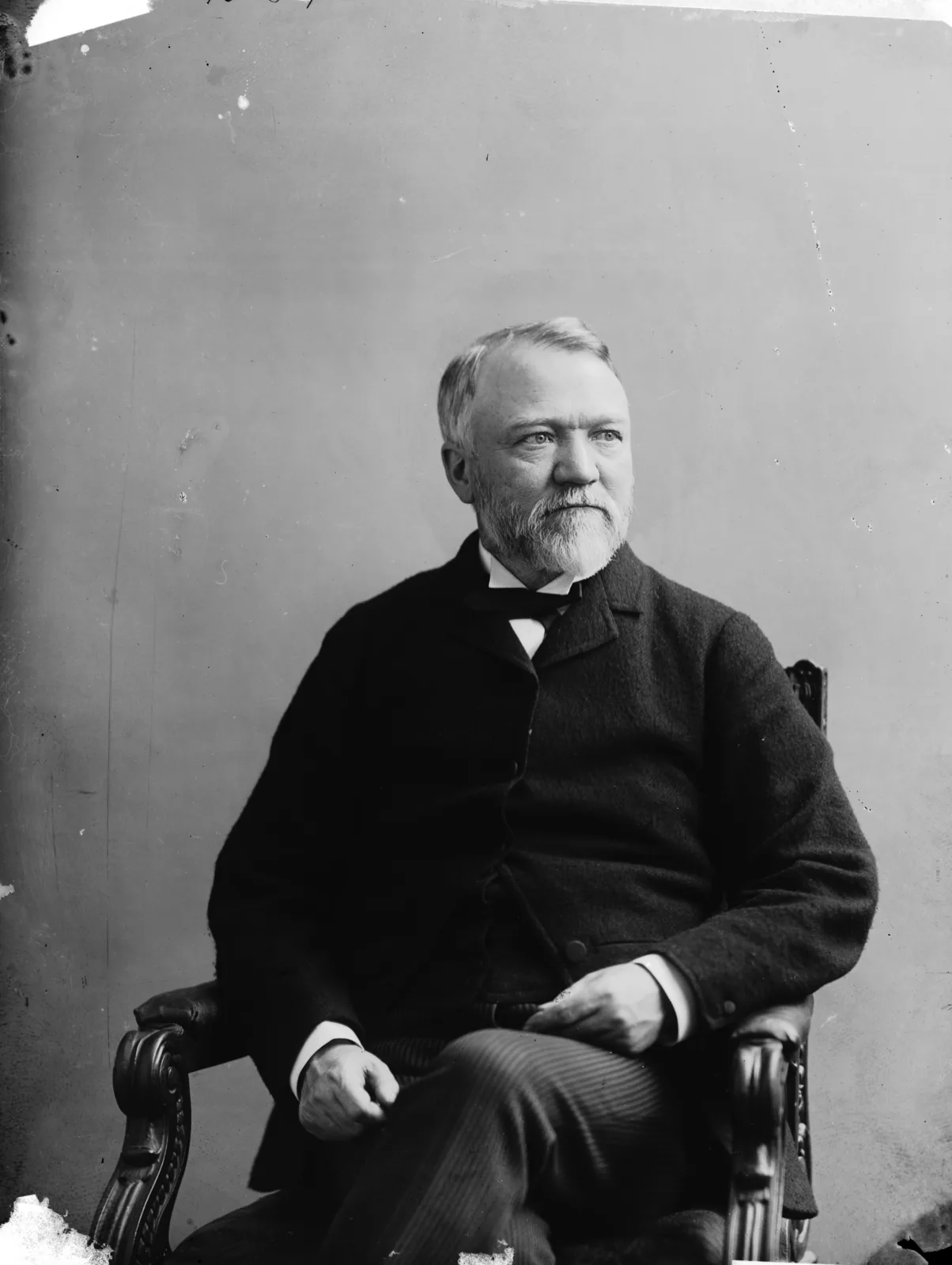
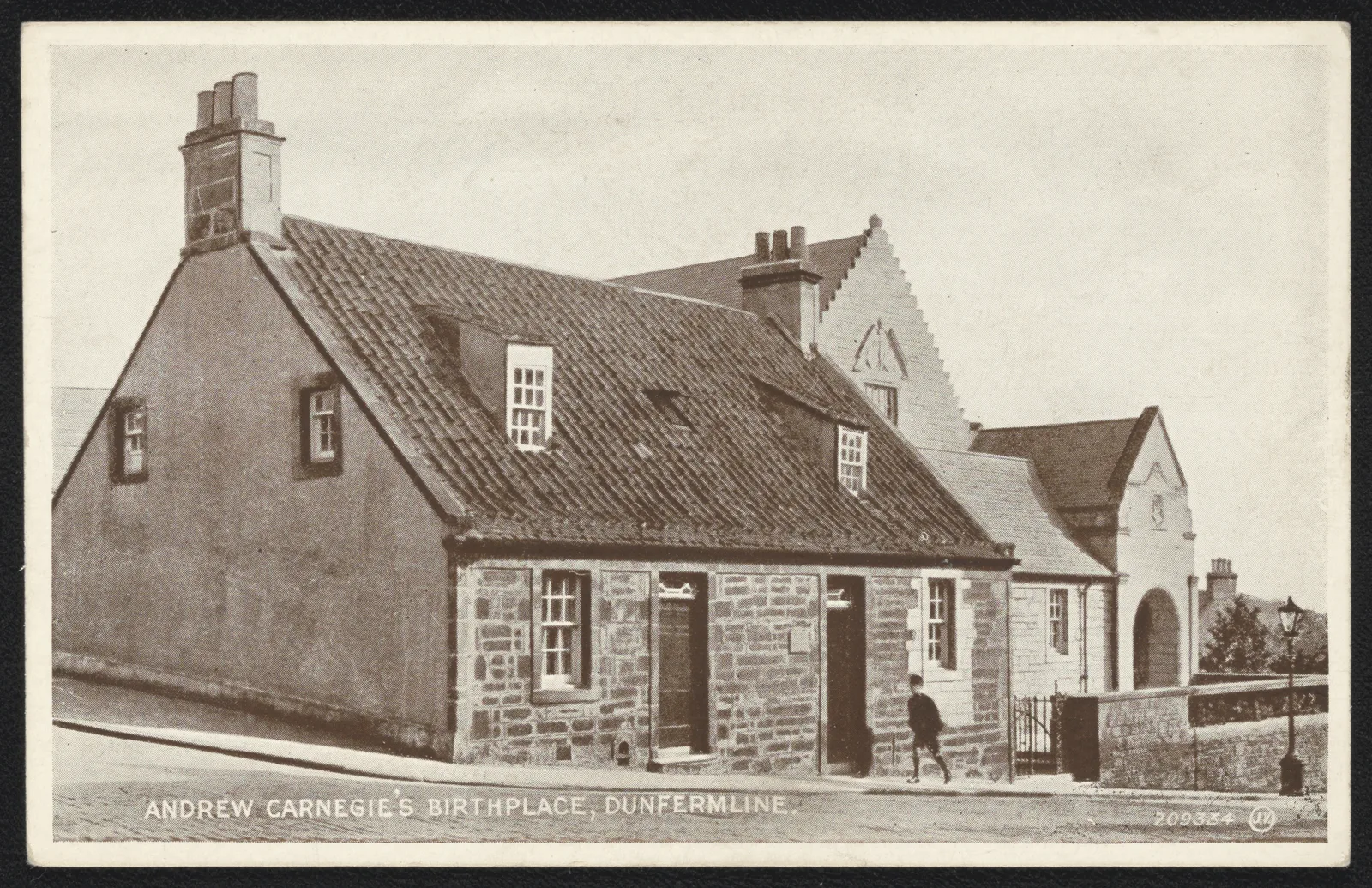
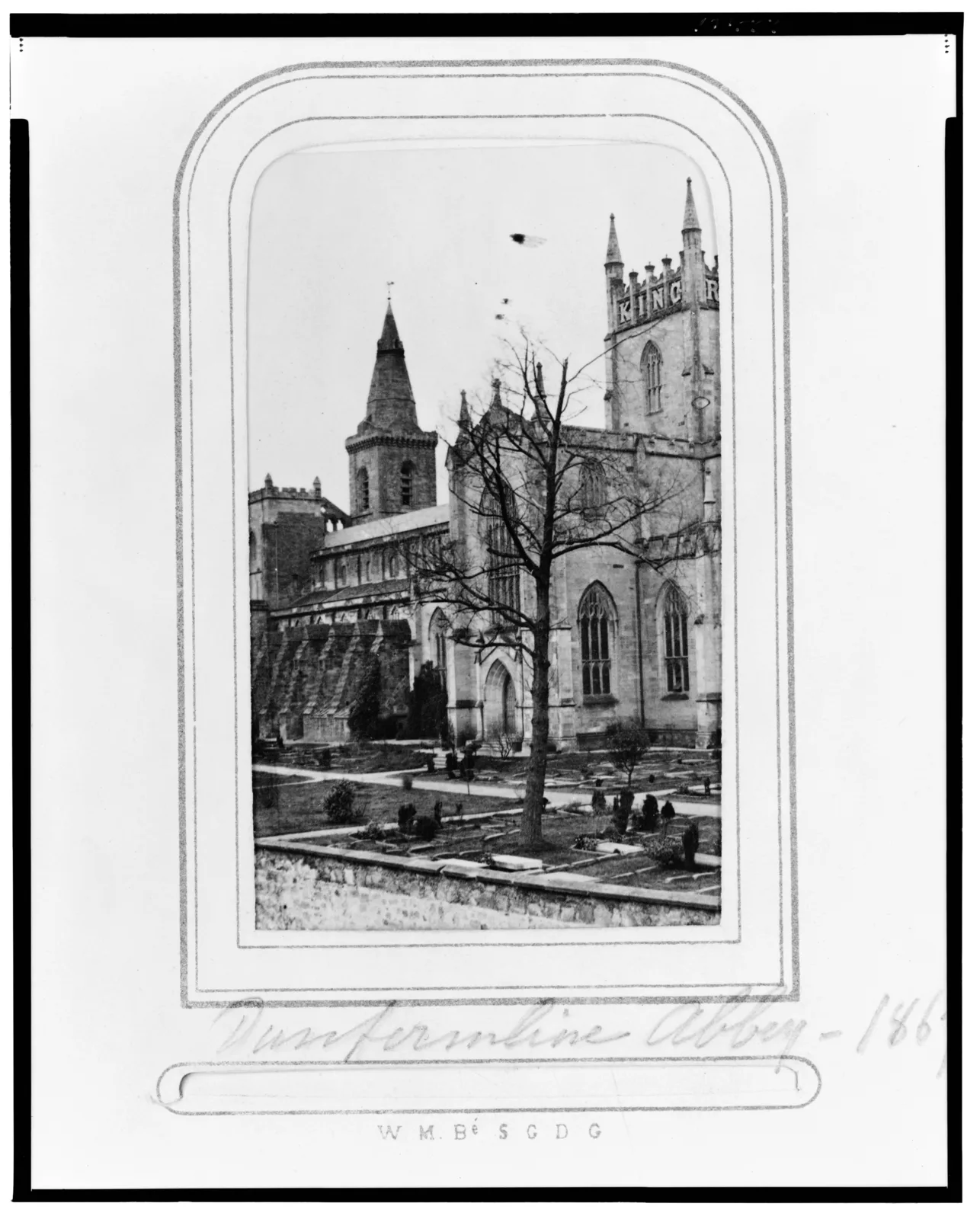
He was born on 25 November 1835 in the attic of a small house on Moodie Street in Dunfermline, the centre of the Scottish damask trade, where his father William was a weaver.56 Dunfermline, he wrote, was perhaps the most radical town in the kingdom; the clubs took the London papers and had the leading articles read aloud from one of the town's pulpits.7 His father spoke at political meetings, and the index of the Autobiography calls him a radical republican and "liberal in theology."8
The family's religion had already broken with the Kirk. "We had not one orthodox Presbyterian in our family circle," Carnegie wrote; his father and his uncles and aunts had fallen away from Calvinism, and most of them found refuge for a time in the teachings of Emanuel Swedenborg.910 His father had left the Presbyterian church soon after Andrew was born, when the minister preached the damnation of unbaptised infants:
If that be your religion and that your God, I seek a better religion and a nobler God.1112
He went on praying in his closet every morning. Theologies were many, he had decided, but religion was one.12 Carnegie's mother did not go to church, was reticent about religion, and loved the Unitarian preacher William Ellery Channing.13 Andrew and his cousin George Lauder were excused, by some arrangement he never understood, from learning the Shorter Catechism.14 Still, the old creed reached him:
I well remember that the stern doctrines of Calvinism lay as a terrible nightmare upon me, but that state of mind was soon over1516
A Swedenborgian boy in Allegheny
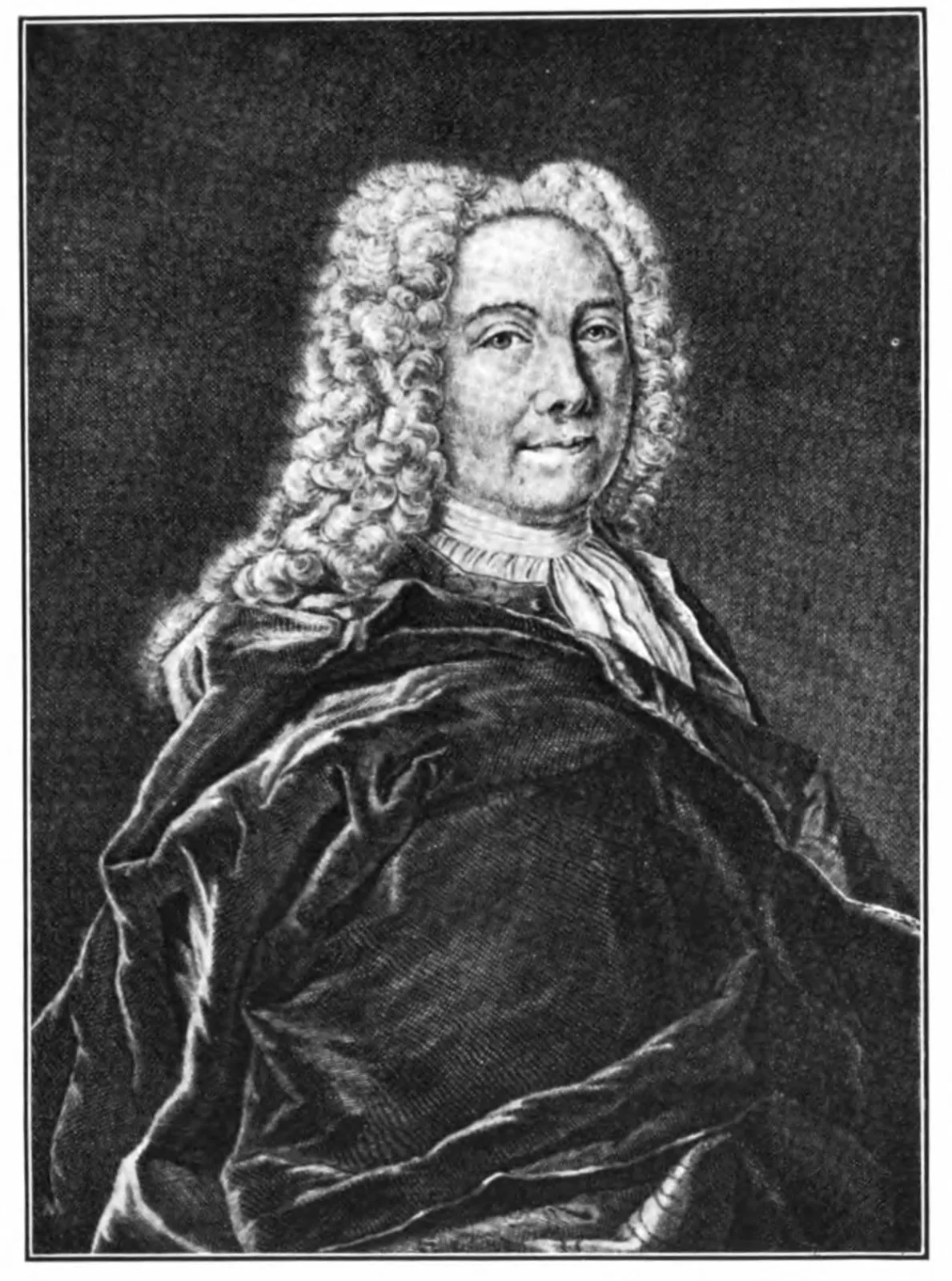
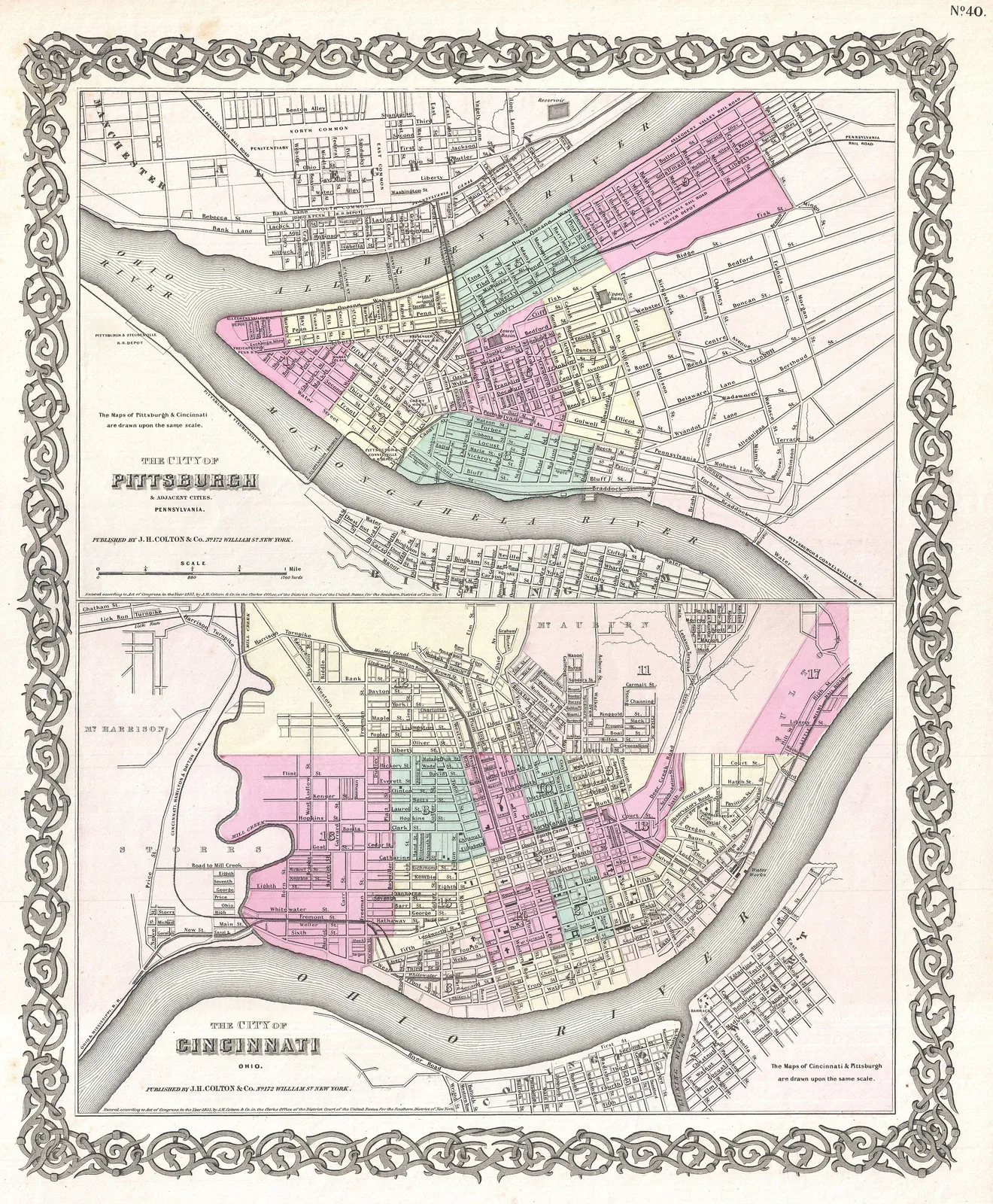
On 17 May 1848 the family left Dunfermline for the United States; Andrew was in his thirteenth year.17 In Allegheny, across the river from Pittsburgh, fewer than a hundred people formed a Swedenborgian society, and his father took him there.18 He became deeply interested in Swedenborg's mysterious doctrines, and his devout Aunt Aitken congratulated him on his ability to expound their "spiritual sense"; she hoped he might become a preacher. Those hopes weakened, he wrote, as he wandered more and more from "man-made theology."1920 When a cousin who had become a Baptist complained that Andy was not a member of any church, the aunt answered: "Andy! Oh! Andy, he's naked, but you are clothed in rags."2122 On the belief timeline, this is where his faith stands: a mild, family faith, held by a boy among people who had already left the old one.
The circle votes down the dogmas
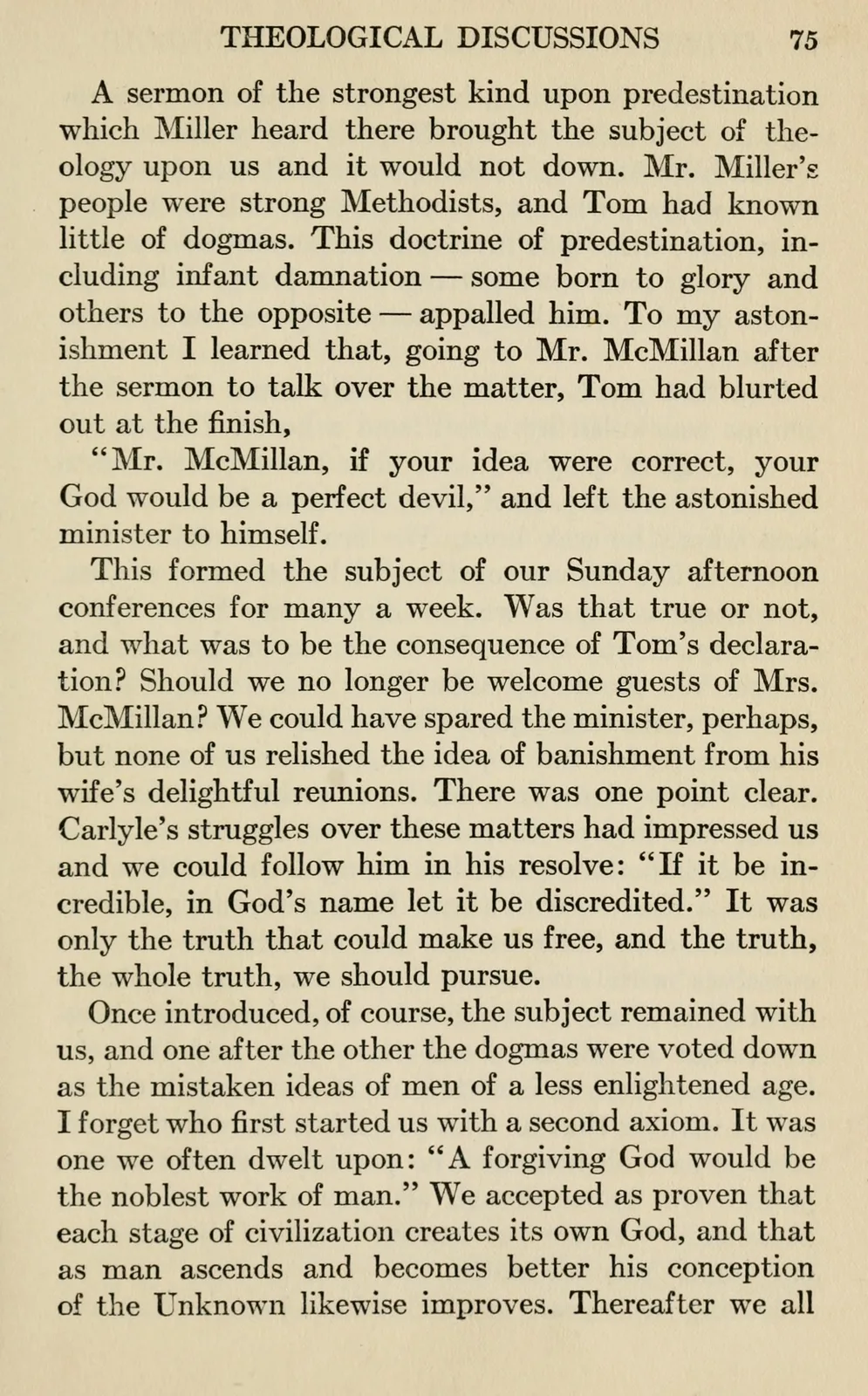
In February 1853 he went to work as clerk and telegraph operator for Thomas A. Scott; his father died in October 1855.23 In these years he belonged to an inner circle of half a dozen young men. The wife of a Presbyterian minister, Mrs McMillan, drew them into her husband's church, and there one of them, Tom Miller, raised a Methodist, heard a sermon on predestination, including the damnation of infants. Miller told the minister:
Mr. McMillan, if your idea were correct, your God would be a perfect devil2425
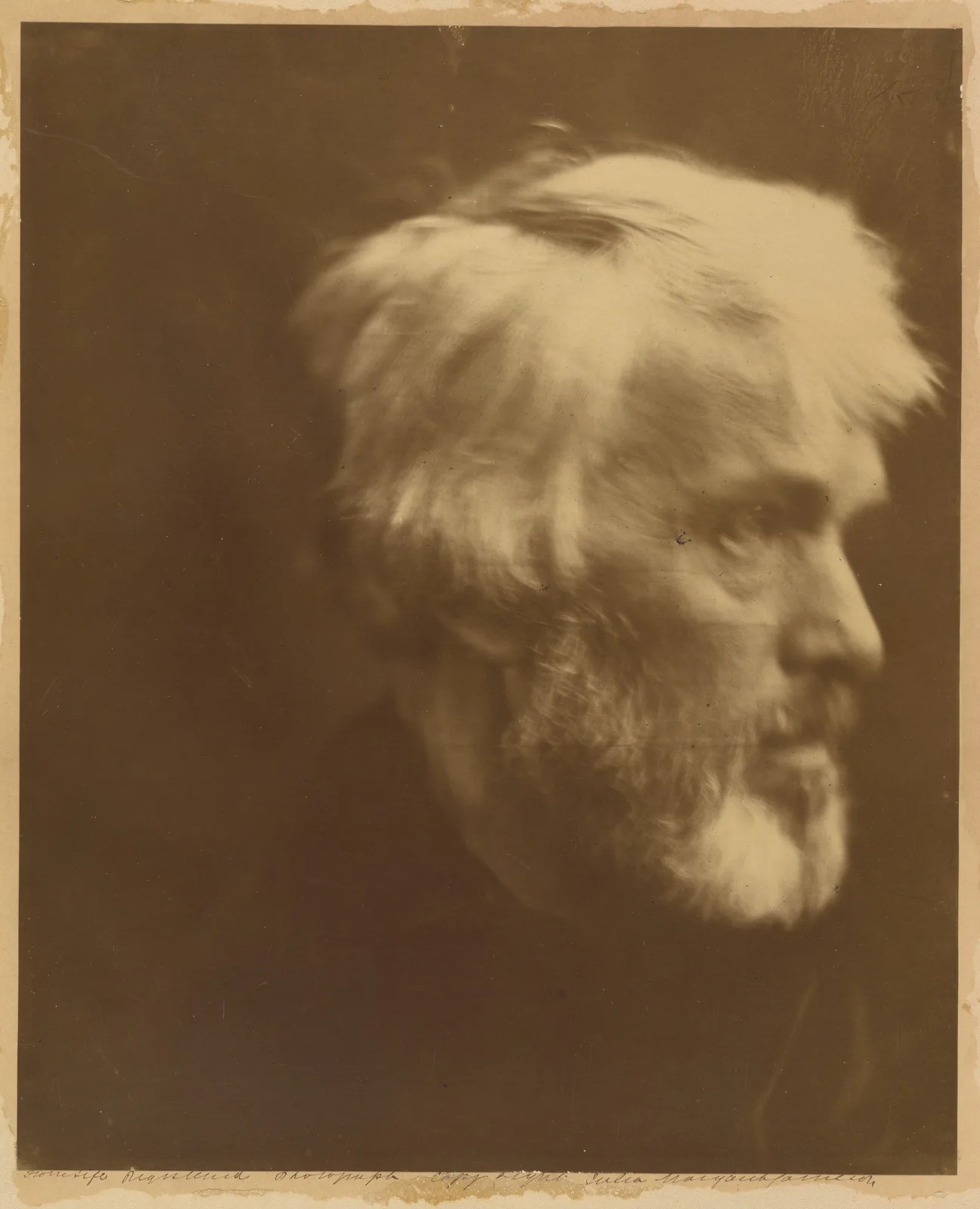
The friends had read Thomas Carlyle and his struggles, and they followed him: "If it be incredible, in God's name let it be discredited."2625 "One after the other," Carnegie wrote, "the dogmas were voted down." They agreed that each stage of civilisation creates its own God, and that a forgiving God would be the noblest work of man.
Thereafter we all became less theological, but I am sure more truly religious.272829
On the timeline, this is where his doubt begins. It is undated, placed in the 1850s only by its position in the Autobiography, and it was a loss shared among friends, caused, as his father's had been, by revulsion at predestination and the damnation of children. Even then something remained. When his friend John Phipps died after a fall from a horse, he told himself that John had only gone home to England: "I had then no doubts. It was not a hope I was pressing to my heart, but a certainty."3031
"A philosophy at last"
In December 1868, in a memorandum to himself at the St Nicholas Hotel in New York, he wrote that he would take fifty thousand dollars a year, spend the surplus on good works, and retire from business at thirty-five:
Man must have an idol--the amassing of wealth is one of the worst species of idolatry--no idol more debasing than the worship of money.3233
He did not retire. In the autumn of 1878 he set out on a voyage around the world. Spencer and Darwin, he wrote, were then high in the zenith, and he had become deeply interested in their work. He read Confucius in China, the Buddha and the Hindu books in India, and Zoroaster among the Parsees of Bombay, and he came back with a certain mental peace:
All the remnants of theology in which I had been born and bred, all the impressions that Swedenborg had made upon me, now ceased to influence me or to occupy my thoughts.3635
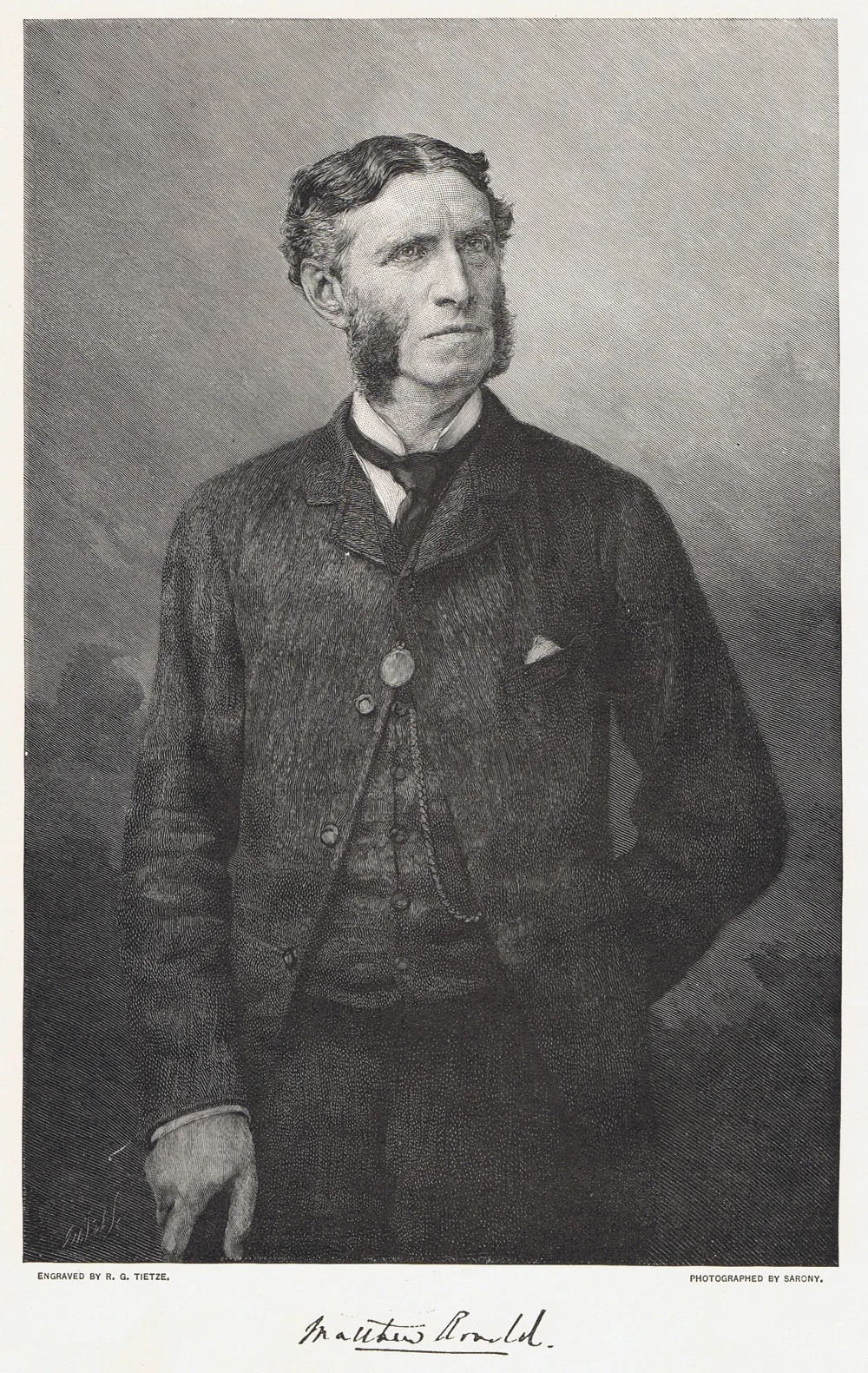
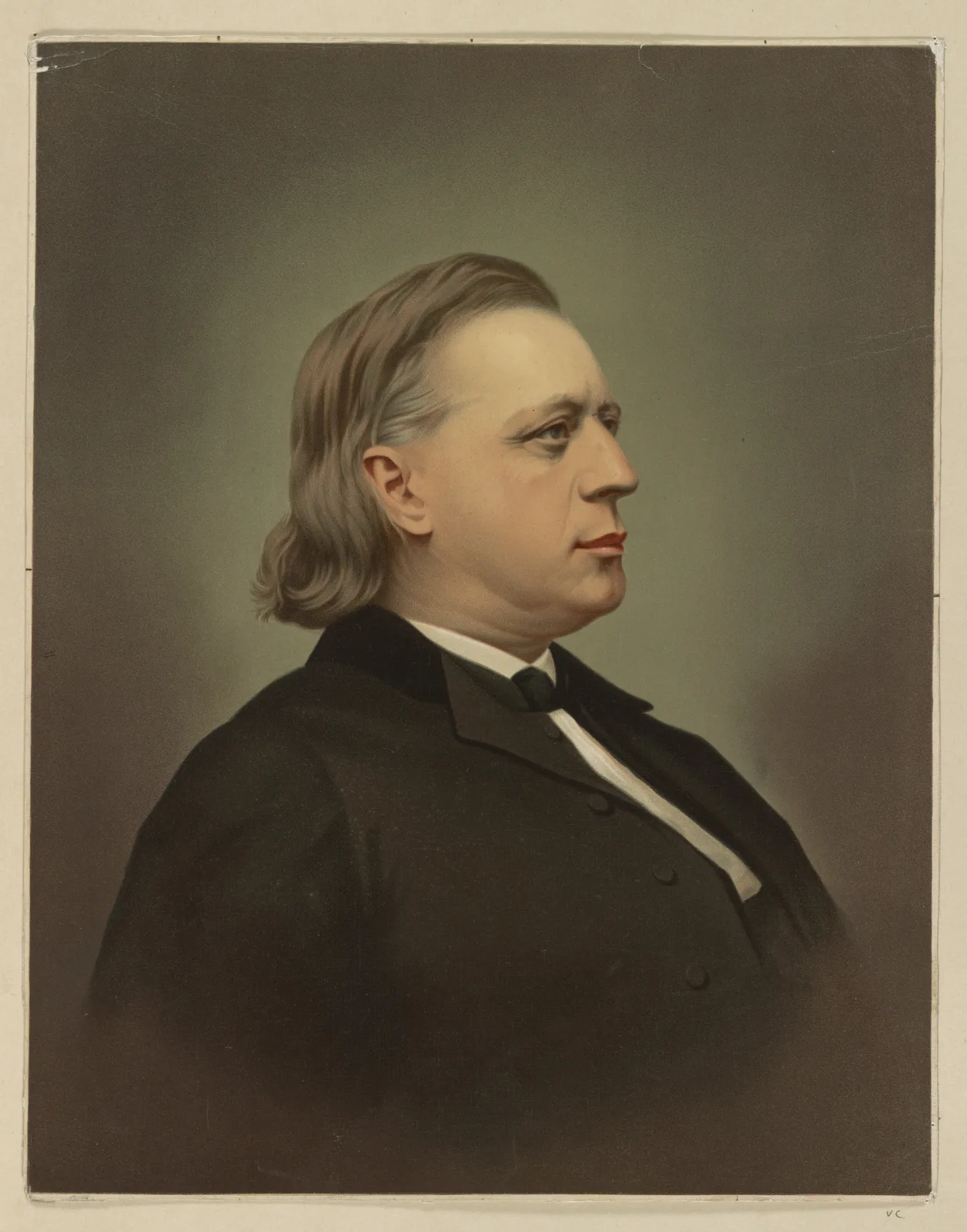
On a coaching trip about 1880 the poet Matthew Arnold told him what his own theological views had cost him, and, Carnegie wrote, "in one short sentence" had slain the supernatural: "The case against miracles is closed. They do not happen."3738 In 1882 he crossed the Atlantic with Herbert Spencer, whom he already knew and whose "disciple" he called himself, and took him to Pittsburgh. At a dinner at Delmonico's the preacher Henry Ward Beecher told Spencer, "you were my teacher," which alarmed church circles.3940
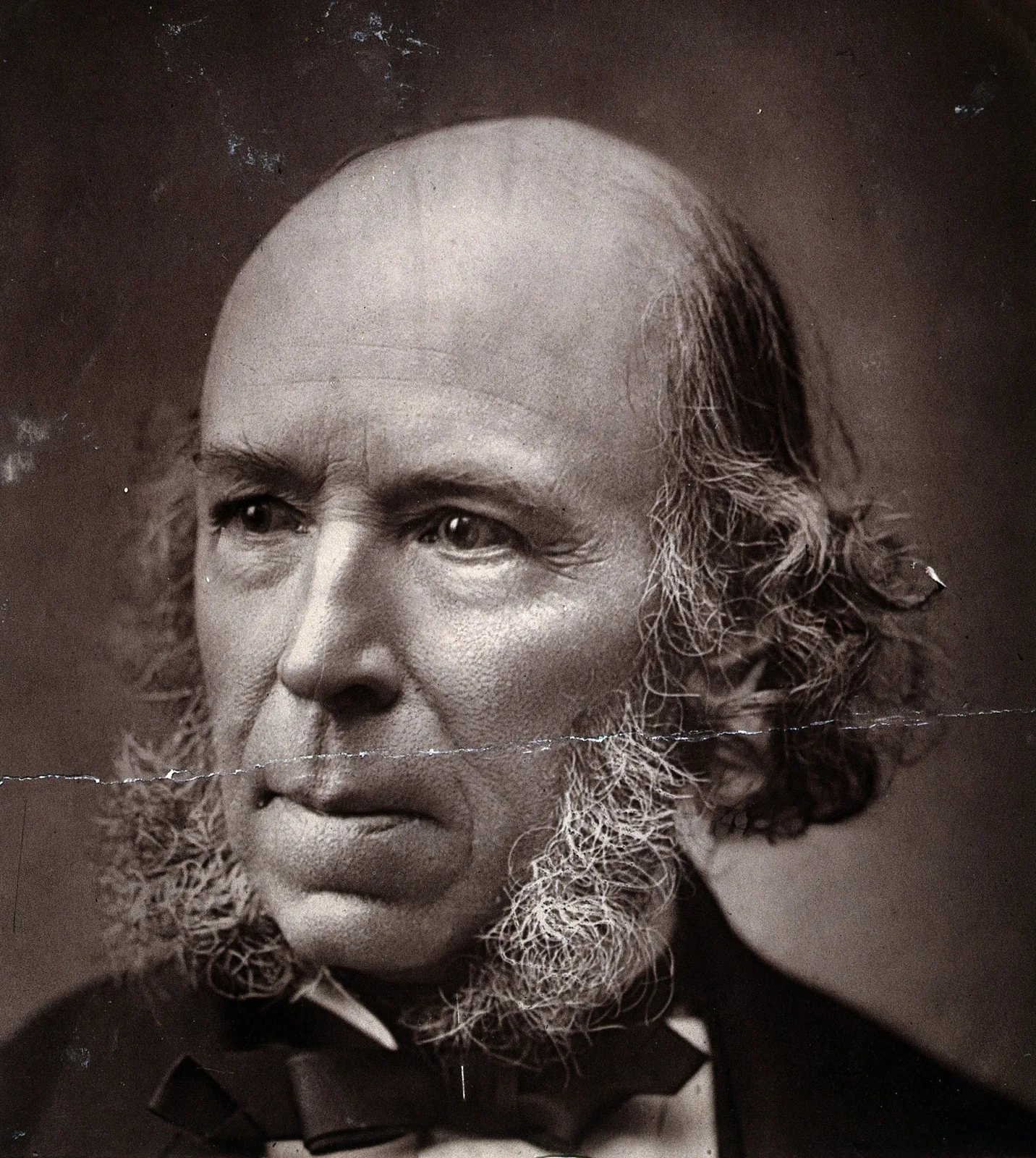
Few men have wished to know another man more strongly than I to know Herbert Spencer, for seldom has one been more deeply indebted than I to him and to Darwin.41
The reading that brought the "light ... as in a flood" is undated in the Autobiography; Carnegie places it in the doubting years of his youth, but the books he names include Darwin's Descent of Man and Spencer's Data of Ethics, which are later. It is best read as a replacement philosophy reached over decades, after the break of the 1850s. His motto, he said, became "All is well since all grows better."42343 The timeline marks this as the point where his views settled.
A gospel in Christ's name
In public he was careful. In An American Four-in-Hand in Britain (1883) he joked about the sermons of "the Reverend Mr. Froth," wrote that three pages of Robertson Smith's article in the Encyclopaedia Britannica destroyed more theology in an hour than all the preachers could build up in a lifetime, and, on everlasting punishment, said that if there were Scriptural warrant for it, he wished to embrace it at once.444546 In Triumphant Democracy (1886) he described the American as a churchgoer who had outgrown the narrow creeds of early days.4748
In November 1886 his mother and his brother Tom died within days of each other while he lay ill with typhoid. "My whole nature seemed to change," he wrote; he became reconciled, and was left alone in the world.49
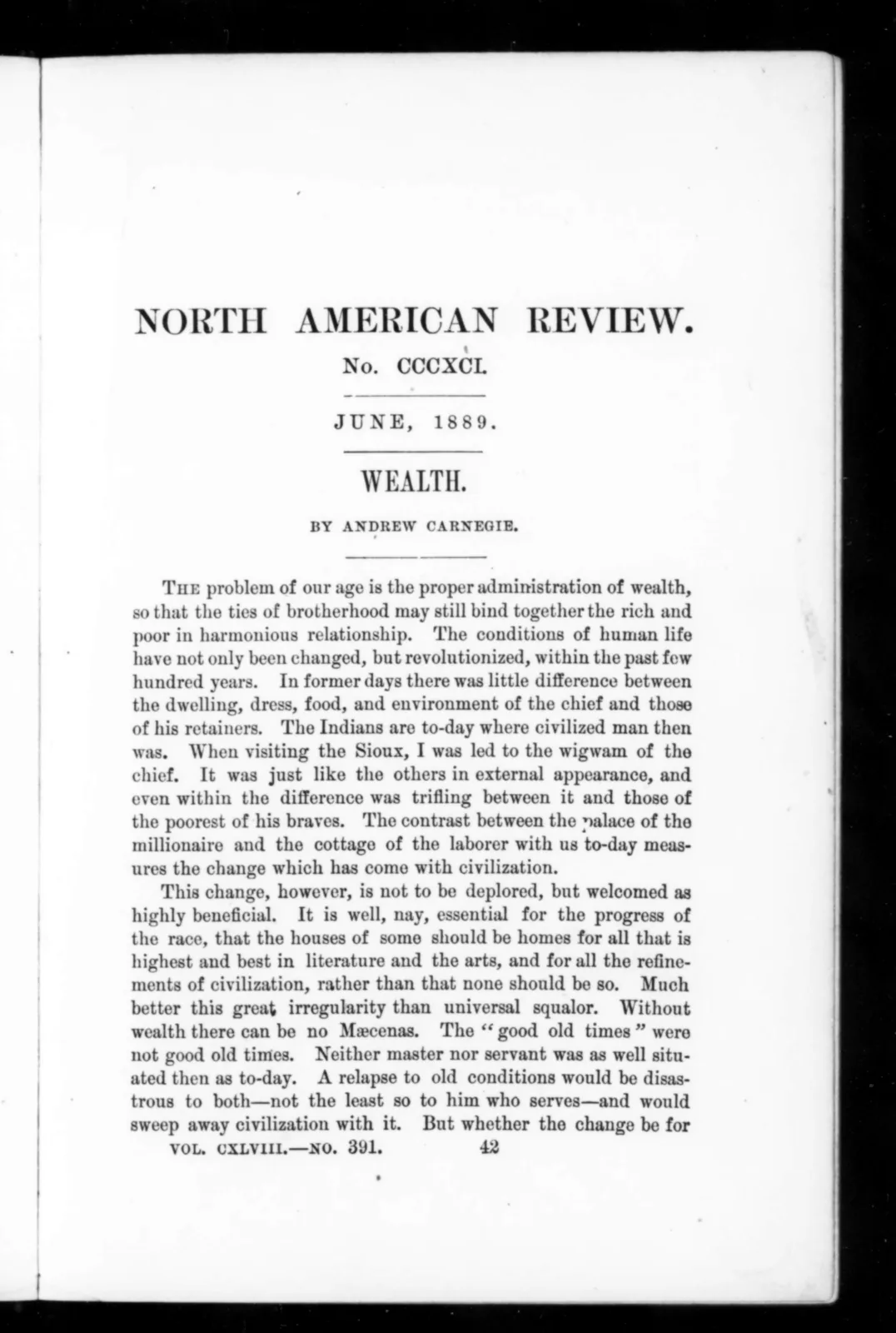
In June 1889 he published "Wealth" in the North American Review, and later that year a second article; republished in Britain, they became "The Gospel of Wealth."50 The rich man, he argued, was a trustee for the poor, and of the man who left great wealth at his death the public verdict would be: "The man who dies thus rich dies disgraced."5152 He set the plan in Christ's name. The highest life was to be reached not by imitating Christ as Tolstoy did, but "while animated by Christ's spirit," by recognising the changed conditions of the age; and "the gospel of wealth but echoes Christ's words."535455 On the timeline, this is the first stage of his declaration, an unbeliever's programme, preached in the language of the Gospels.
The other side
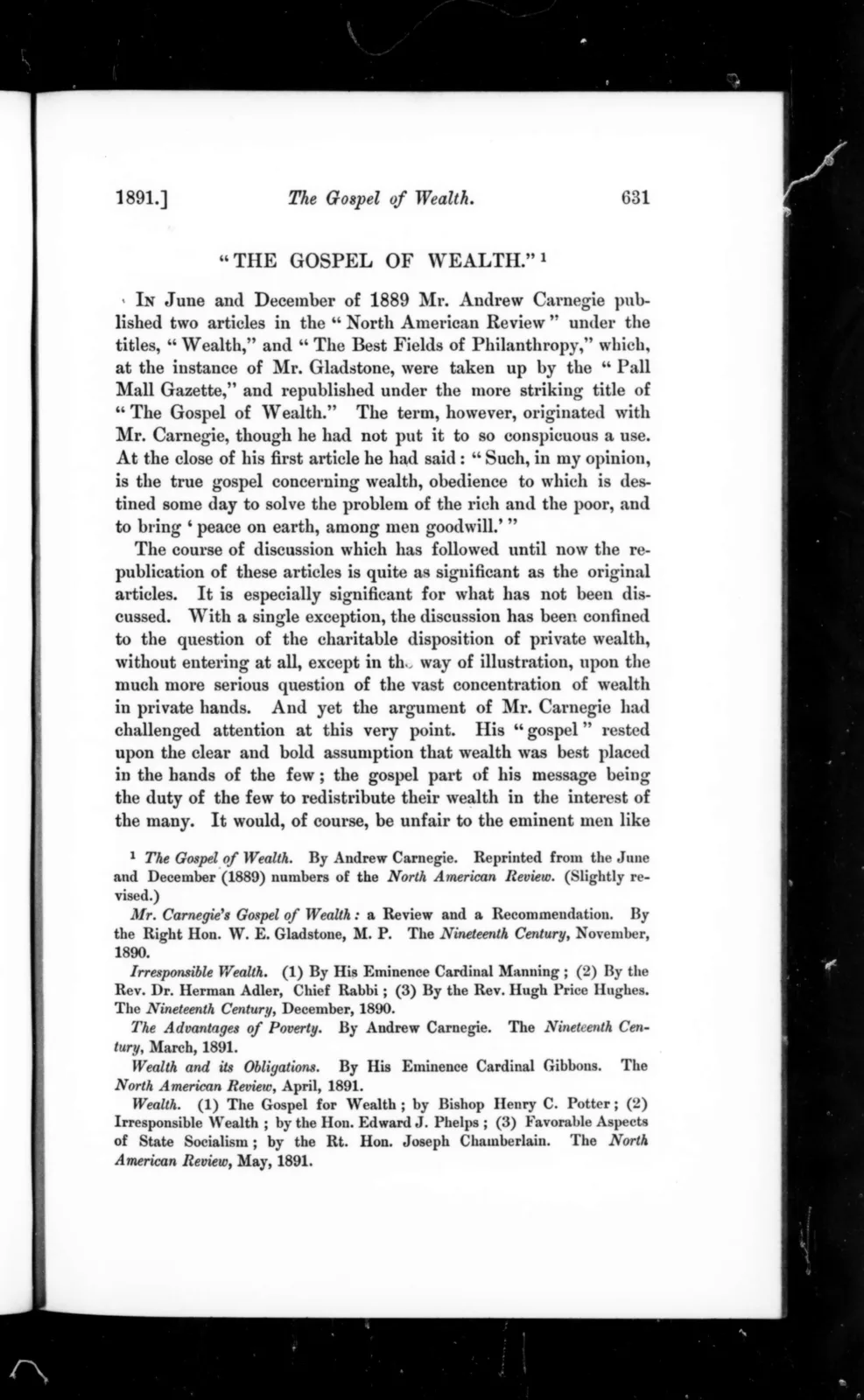
The clergy answered. The Methodist minister Hugh Price Hughes, as Carnegie quoted him, called it the very thing for the passage "from social heathenism to social Christianity," but objected: "Christ distinctly prohibited the accumulation of wealth."565758 Carnegie answered with the parable of the talents, and said that a literal reading would justify the destruction of civilisation.58 Gladstone, Cardinal Manning and the Chief Rabbi, Hermann Adler, joined the debate.59 The sharpest reply came from William Jewett Tucker of Andover Theological Seminary, who honoured the giver but not the gospel:
Mr. Carnegie's gospel is really a belated gospel. It comes too late for a social remedy.6061
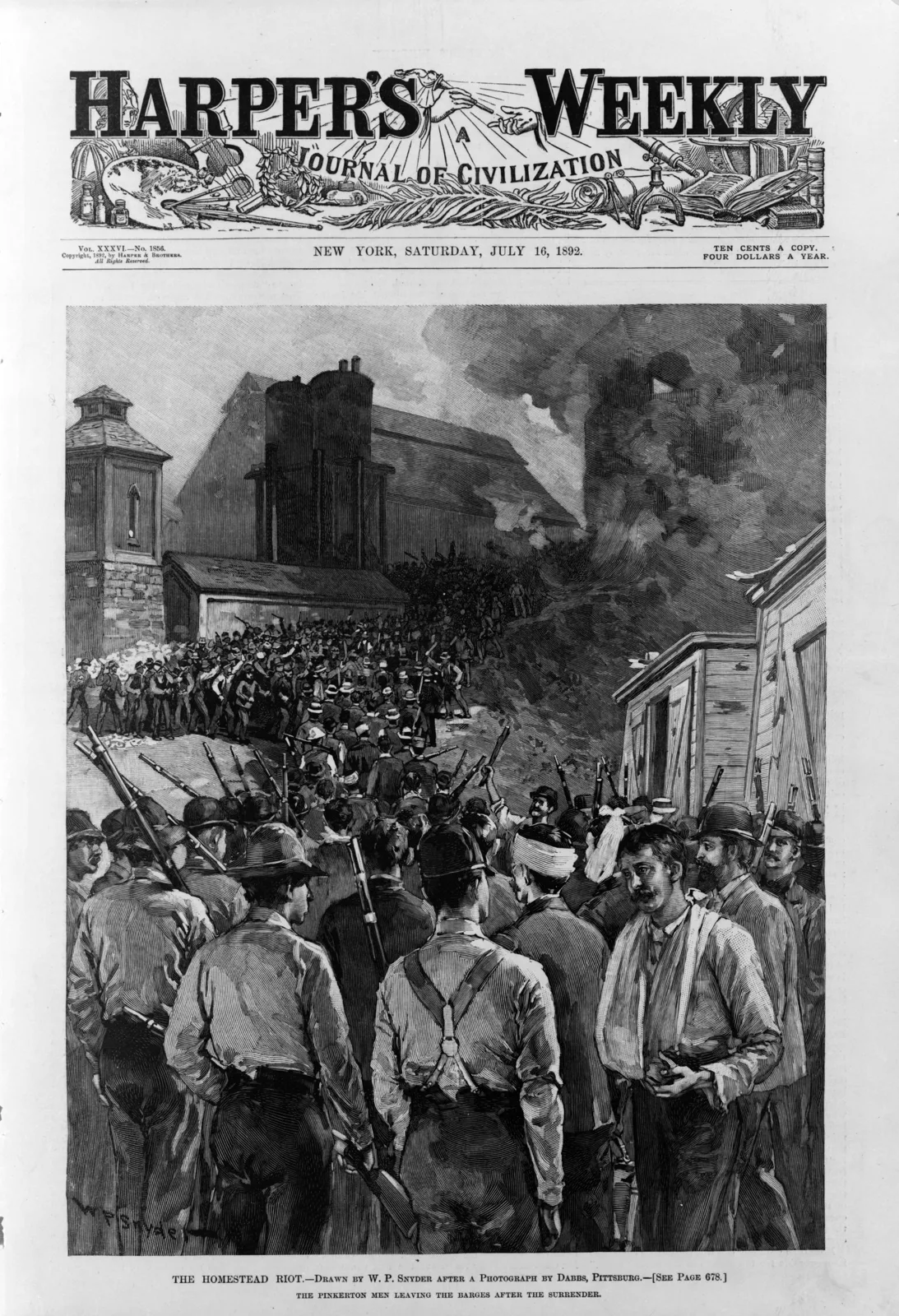
In the long run, Tucker wrote, "society cannot afford to be patronized."6261 Three years later the Homestead strike, at Carnegie's steel works in July 1892, became in the public mind, as he admitted, "Mr. Carnegie's war upon labor's just earnings."63
Organs and the public face
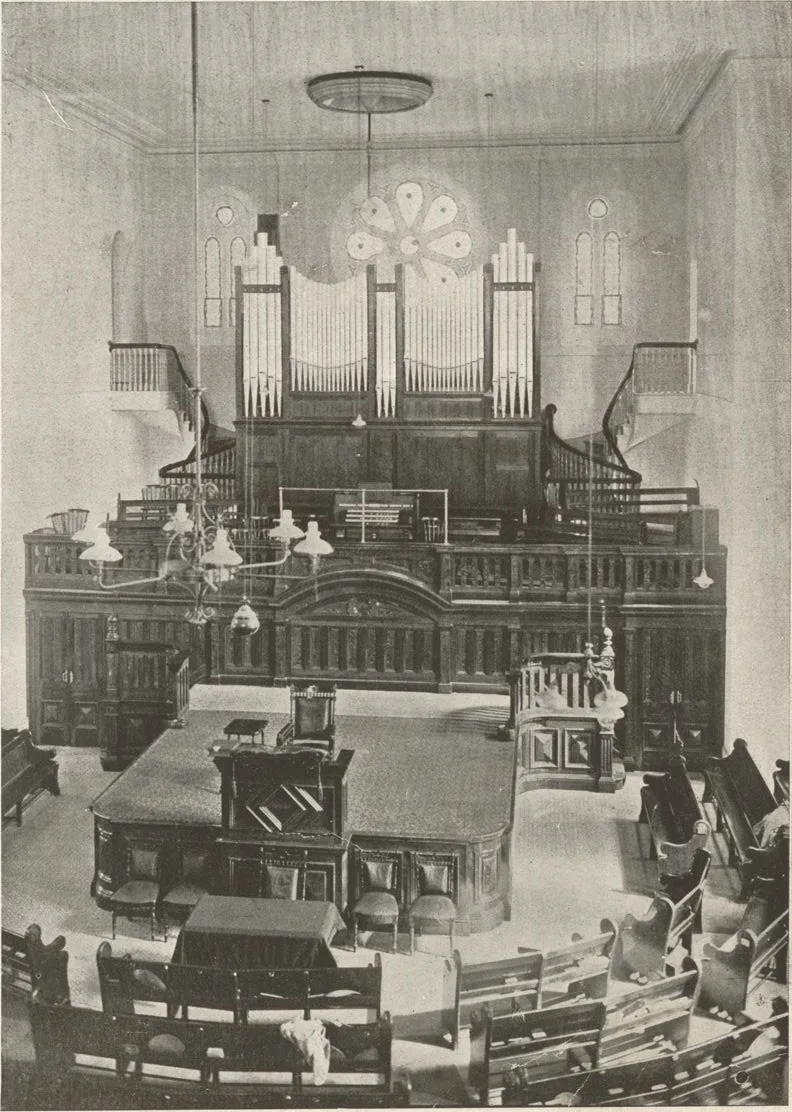
In March 1901 he sold his company to J. P. Morgan and "resolved to stop accumulating and begin the infinitely more serious and difficult task of wise distribution."6465 He gave organs to churches. The first went to the small Swedenborgian church in Allegheny that his father had favoured; strict Highland Presbyterians called it wicked "to worship God with a kist fu' o' whistles." His reason was the music:
Believing from my own experience that it is salutary for the congregation to hear sacred music at intervals in the service and then slowly to disperse to the strains of the reverence-compelling organ after such sermons as often show us little of a Heavenly Father, I feel the money spent for organs is well spent.666768
The often-quoted saying that he gave organs "to lessen the pain of the sermons" is not in any of his writings read for this chapter.69 By 1919 the organ department had given 7,689 of them.68
His biographer Bernard Alderson, writing in 1902, said that Carnegie was "emphatically not an agnostic," and that he believed in Christianity and the goodness of God but would not be bound by sects and creeds; Alderson also quoted him: "I am an evolutionist. My teacher is Herbert Spencer."70717273 The public face and the private account differ, and this chapter gives both: Alderson wrote more than a decade before the Autobiography's plain sentence, which Carnegie never published while he lived. His friend Richard Watson Gilder described his passion as the purification of religion from gross superstition, a just God in place of "a Westminster-Catechism God."7475
A hope of immortality
The chapter on Spencer that announced the end of theology and the supernatural does not end there. Evolution, he wrote, does not prevent hope:
All this, however, does not prevent everlasting hope of immortality.7677
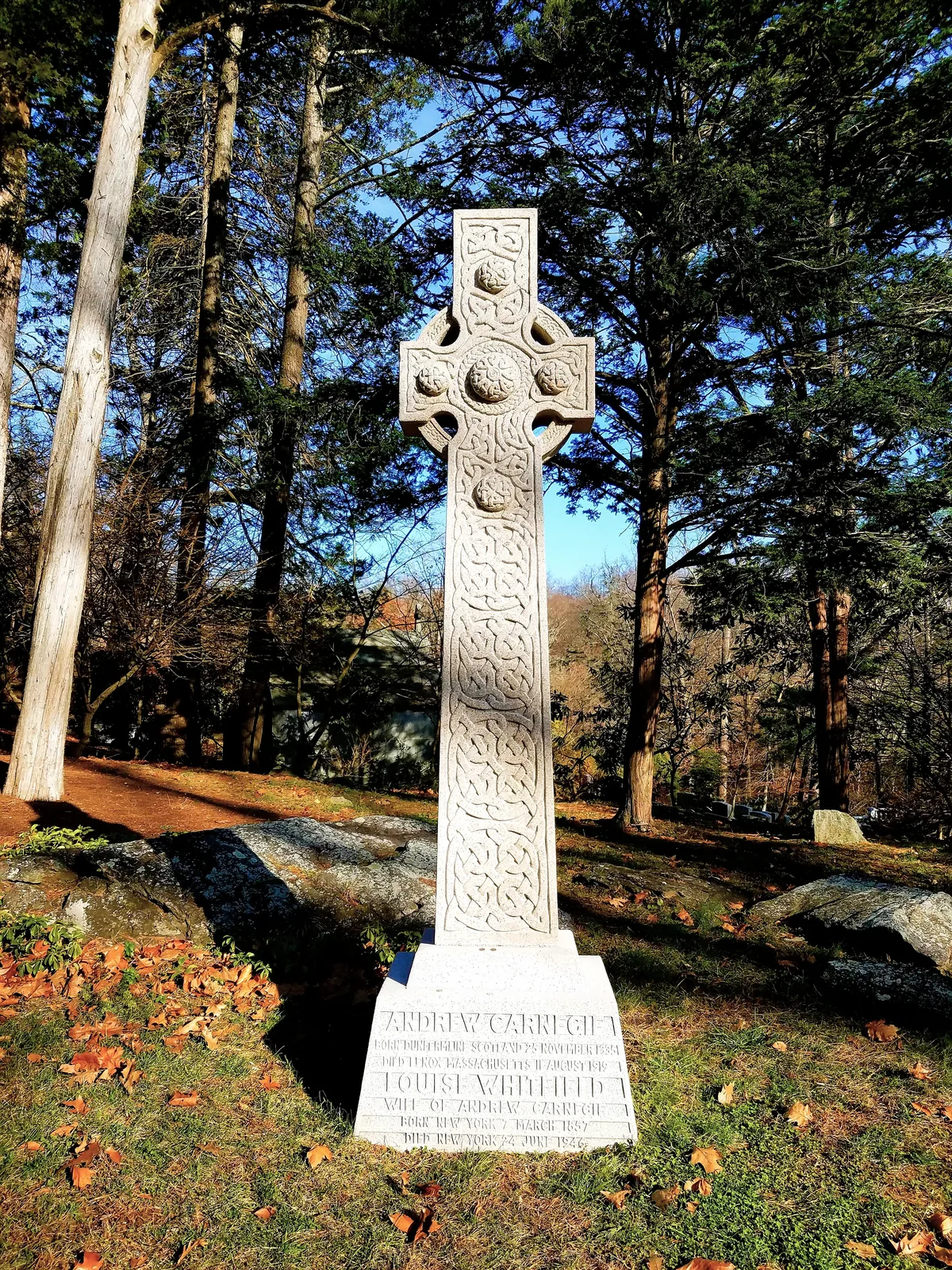
It would be no greater miracle, he reasoned, to be born to a future life than to have been born into this one. "Therefore there is reason to hope for immortality. Let us hope."7877 He closed with Franklin's saying that the highest worship of God is service to man.77 This is his revision on the timeline: no return to a creed, but a hope he chose to keep. Wikipedia says that in his last years he belonged to a Presbyterian church in New York and founded the Church Peace Union in 1914, but these statements were not checked against a primary source for this chapter.79 He died, by Wikipedia's account, at Lenox, Massachusetts, on 11 August 1919.80
Did his unbelief change shape?
Carnegie's unbelief was never a single break. It began in his father's refusal of a God who damned infants, became a young men's vote against the dogmas in the 1850s, found its philosophy in Spencer and Darwin by the 1880s, and was stated plainly only in a book published after his death. In public he spoke the language of the churches, preached his gospel of wealth in Christ's name and bought organs for the music. In private he wrote that he had got rid of the supernatural, and then, a page later, that he still hoped. What did not change was the creed he took from Spencer: that all grows better, and that the highest worship is service.
Thomas Henry Huxley, who belonged to the same Darwin-and-Spencer circle and gave that position the name "agnostic," which Carnegie never took, has his own chapter in this book.
Footnotes
-
Andrew Carnegie, Autobiography of Andrew Carnegie (Boston and New York: Houghton Mifflin, 1920; ed. John C. Van Dyke), p. 339. ↩
-
Carnegie, Autobiography of Andrew Carnegie, p. 339. ↩
-
Carnegie, Autobiography of Andrew Carnegie, pp. 74, 77, 147 (dated asides); title page 1920. ↩
-
Carnegie, Autobiography of Andrew Carnegie, p. 2; "Andrew Carnegie," English Wikipedia, API extract retrieved 2026-10-14 (revision id not recorded). Used only as a map: gives death date and place, the "positivist" label, church membership, "Infinite and Eternal Energy", Church Peace Union (1914). None found in the scans read. ↩
-
Carnegie, Autobiography of Andrew Carnegie, p. 2. ↩
-
Carnegie, Autobiography of Andrew Carnegie, pp. 10-11. ↩
-
Carnegie, Autobiography of Andrew Carnegie, p. 11; index entry "Carnegie, William". Not verified. ↩
-
Carnegie, Autobiography of Andrew Carnegie, p. 22. ↩
-
Carnegie, Autobiography of Andrew Carnegie, p. 22. ↩
-
William Carnegie (father), reported: Carnegie, Autobiography of Andrew Carnegie, p. 23. ↩
-
Carnegie, Autobiography of Andrew Carnegie, pp. 22, 50. ↩
-
Carnegie, Autobiography of Andrew Carnegie, p. 22. ↩
-
Carnegie, Autobiography of Andrew Carnegie, pp. 22-23. ↩
-
Carnegie, Autobiography of Andrew Carnegie, pp. 22-23. ↩
-
Carnegie, Autobiography of Andrew Carnegie, p. 25. ↩
-
Carnegie, Autobiography of Andrew Carnegie, p. 50. ↩
-
Carnegie, Autobiography of Andrew Carnegie, p. 50. ↩
-
Carnegie, Autobiography of Andrew Carnegie, pp. 50-51. ↩
-
Aunt Aitken, devout Swedenborgian, to her nephew Leander (about Andrew): Carnegie, Autobiography of Andrew Carnegie, p. 51. ↩
-
Carnegie, Autobiography of Andrew Carnegie, p. 51. ↩
-
Carnegie, Autobiography of Andrew Carnegie, pp. 63, 77. ↩
-
Tom Miller (friend), reported by Carnegie: Carnegie, Autobiography of Andrew Carnegie, p. 75. ↩
-
Carlyle, adopted by the circle: Carnegie, Autobiography of Andrew Carnegie, p. 75 (also p. 339). ↩
-
the circle's second axiom: Carnegie, Autobiography of Andrew Carnegie, p. 75. ↩
-
Carnegie, Autobiography of Andrew Carnegie, pp. 75-76. ↩
-
Carnegie, Autobiography of Andrew Carnegie, pp. 75-76. ↩
-
Carnegie, Autobiography of Andrew Carnegie, p. 76. ↩
-
Carnegie, Autobiography of Andrew Carnegie, p. 76. ↩
-
Carnegie, Autobiography of Andrew Carnegie, p. 158 (fn. 30). ↩
-
Carnegie, Autobiography of Andrew Carnegie, p. 158 (footnote 30). ↩
-
Carnegie, Autobiography of Andrew Carnegie, p. 206. ↩
-
Carnegie, Autobiography of Andrew Carnegie, pp. 204, 206. ↩ ↩2
-
Carnegie, Autobiography of Andrew Carnegie, p. 206. ↩
-
Matthew Arnold, as Carnegie reports: Carnegie, Autobiography of Andrew Carnegie, p. 299. ↩
-
Carnegie, Autobiography of Andrew Carnegie, pp. 298-99. ↩
-
Carnegie, Autobiography of Andrew Carnegie, p. 333; Herbert Spencer, An Autobiography, vol. II (New York: Appleton, 1904; IA
autobiographybyh02speniala, saved asspencer-autobio-vol2.txt). Spencer's own account of meeting Carnegie in 1882 (pp. 396-97). Tier 2 for Carnegie's life, vol. II, p. 396. ↩ -
Spencer, Autobiography, vol. II, pp. 396-97; Carnegie, Autobiography of Andrew Carnegie, pp. 334, 336-37. ↩
-
Carnegie, Autobiography of Andrew Carnegie, p. 338. ↩
-
Carnegie, Autobiography of Andrew Carnegie, p. 339. ↩
-
Carnegie, Autobiography of Andrew Carnegie, p. 339 (list); dates: not checked in a scan. ↩
-
Andrew Carnegie, An American Four-in-Hand in Britain (New York: Scribner, 1883; IA
americanfourinha00carn, saved asfourinhand-1883-ia.txt; Gutenberg #39790 saved asfourinhand.txt). Running heads only on even pages, so pages marked "pp." are bracketed, p. 28. ↩ -
Carnegie, American Four-in-Hand in Britain, pp. 134-35. ↩
-
Carnegie, American Four-in-Hand in Britain, pp. 28, 134-35, 176-77. ↩
-
Andrew Carnegie, Triumphant Democracy; or, Fifty Years' March of the Republic (New York: Scribner, 1886; IA
triumphantdemoc00carniala, saved astriumphant-1886.txt), p. 107. ↩ -
Carnegie, Triumphant Democracy; or, pp. 105, 107, 114. ↩
-
Carnegie, Autobiography of Andrew Carnegie, pp. 212-13. ↩
-
Andrew Carnegie, The Gospel of Wealth and Other Timely Essays (New York: Century Co., 1900; IA
cu31924001214539, saved asgospel-ia.txt). Contains "Wealth" (NAR, June 1889), "The Best Fields of Philanthropy" (NAR, Dec. 1889) and "The Advantages of Poverty" (Nineteenth Century, Mar. 1891). Pages are bottom-of-page numerals, counted from the OCR. (Gutenberg #10253 is an MP3-only audio item and is not a text source; its placeholdergospel.txtis a one-line note.), pp. 1, 20-21, 19; William Jewett Tucker, "The Gospel of Wealth," The Andover Review vol. 15, no. 90 (June 1891), pp. 631-45 (IAsim_andover-review-a-religious-and-theological-monthly_1891-06_15_90, saved asandover-1891-06.txt). Signed "William Jewett Tucker. Andover." Tier 1 for Tucker, p. 631; Carnegie, Autobiography of Andrew Carnegie, p. 255 fn.. ↩ -
Carnegie, Gospel of Wealth and Other…, p. 19 (first article, 1889). Often misquoted without "thus" ("The man who dies rich dies disgraced"). In the text it is a prediction of public verdict, in quotation marks. ↩
-
Carnegie, Gospel of Wealth and Other…, pp. 18-19. ↩
-
Carnegie, Gospel of Wealth and Other…, pp. 14-15. ↩
-
Carnegie, Gospel of Wealth and Other…, p. 43. ↩
-
Carnegie, Gospel of Wealth and Other…, pp. 14-15, 42-43. ↩
-
Rev. Hugh Price Hughes, Methodist minister (standing to confirm in a scanned biography), as quoted by Carnegie: Carnegie, Gospel of Wealth and Other…, p. 72. ↩
-
Hughes, as quoted by Carnegie: Carnegie, Gospel of Wealth and Other…, p. 74. ↩
-
Carnegie, Autobiography of Andrew Carnegie, p. 255 fn.; Carnegie, Gospel of Wealth and Other…, p. 44 ff.; Tucker, Andover Review, p. 631. ↩
-
William Jewett Tucker, Andover Theological Seminary professor, writing in the seminary's Andover Review: Tucker, Andover Review, p. 637. ↩
-
Tucker: Tucker, Andover Review, p. 637. ↩
-
Carnegie, Autobiography of Andrew Carnegie, pp. 228, 234. Context is the only source for this, as for the other details in this chapter cited to that source alone. ↩
-
Carnegie, Autobiography of Andrew Carnegie, p. 255. ↩
-
Carnegie, Autobiography of Andrew Carnegie, pp. 255-57. ↩
-
Carnegie, Autobiography of Andrew Carnegie, p. 279. ↩
-
strict Highland Presbyterians objecting to Carnegie's organs, as he reports them: Carnegie, Autobiography of Andrew Carnegie, p. 278. ↩
-
Carnegie, Autobiography of Andrew Carnegie, pp. 278-79 and fn. 53. ↩ ↩2
-
grep of all saved texts, 2026-10-14. ↩
-
Bernard Alderson (biographer): Bernard Alderson, Andrew Carnegie: The Man and His Work (London: Pitman, 1902; IA
andrewcarnegiema00alde, saved asalderson-1902.txt). Tier 3 in kind (a contemporary admirer's biography built on Carnegie's own writings and talk); used for the 1902 public portrait, p. 103. ↩ -
Alderson, Andrew Carnegie, p. 105. ↩
-
Alderson, Andrew Carnegie, pp. 103, 147-48. ↩
-
Alderson, Andrew Carnegie, p. 105. Reported at second hand; the original has not been seen. ↩
-
Richard Watson Gilder, quoted in the Autobiography: Carnegie, Autobiography of Andrew Carnegie, p. 340 fn. 75. ↩
-
Carnegie, Autobiography of Andrew Carnegie, p. 340 fn. 75, citing Letters of Richard Watson Gilder p. 375. ↩
-
Carnegie, Autobiography of Andrew Carnegie, p. 340. ↩
-
Carnegie, Autobiography of Andrew Carnegie, p. 340. ↩
-
"Andrew Carnegie,". ↩
-
"Andrew Carnegie,", (not in the scans read). ↩
autobiographybyh02speniala, saved as spencer-autobio-vol2.txt). Spencer's own account of meeting Carnegie in 1882 (pp. 396-97). Tier 2 for Carnegie's life.; Andrew Carnegie, An American Four-in-Hand in Britain (New York: Scribner, 1883; IA americanfourinha00carn, saved as fourinhand-1883-ia.txt; Gutenberg #39790 saved as fourinhand.txt). Running heads only on even pages, so pages marked "pp." are bracketed.; Andrew Carnegie, Triumphant Democracy; or, Fifty Years' March of the Republic (New York: Scribner, 1886; IA triumphantdemoc00carniala, saved as triumphant-1886.txt).; Andrew Carnegie, The Gospel of Wealth and Other Timely Essays (New York: Century Co., 1900; IA cu31924001214539, saved as gospel-ia.txt). Contains "Wealth" (NAR, June 1889), "The Best Fields of Philanthropy" (NAR, Dec. 1889) and "The Advantages of Poverty" (Nineteenth Century, Mar. 1891). Pages are bottom-of-page numerals, counted from the OCR. (Gutenberg #10253 is an MP3-only audio item and is not a text source; its placeholder gospel.txt is a one-line note.); William Jewett Tucker, "The Gospel of Wealth," The Andover Review vol. 15, no. 90 (June 1891), pp. 631-45 (IA sim_andover-review-a-religious-and-theological-monthly_1891-06_15_90, saved as andover-1891-06.txt). Signed "William Jewett Tucker. Andover." Tier 1 for Tucker.; Bernard Alderson, Andrew Carnegie: The Man and His Work (London: Pitman, 1902; IA andrewcarnegiema00alde, saved as alderson-1902.txt). Tier 3 in kind (a contemporary admirer's biography built on Carnegie's own writings and talk); used for the 1902 public portrait.In their own words
I remember that light came as in a flood and all was clear.
Not only had I got rid of theology and the supernatural, but I had found the truth of evolution.
All is well since all grows better
Mr. McMillan, if your idea were correct, your God would be a perfect devil
If it be incredible, in God's name let it be discredited.
A forgiving God would be the noblest work of man.
Thereafter we all became less theological, but I am sure more truly religious.
I had then no doubts. It was not a hope I was pressing to my heart, but a certainty.
If that be your religion and that your God, I seek a better religion and a nobler God.
I well remember that the stern doctrines of Calvinism lay as a terrible nightmare upon me, but that state of mind was soon over
We had not one orthodox Presbyterian in our family circle.
I became deeply interested in the mysterious doctrines of Swedenborg, and received the congratulations of my devout Aunt Aitken upon my ability to expound "spiritual sense."
All the remnants of theology in which I had been born and bred, all the impressions that Swedenborg had made upon me, now ceased to influence me or to occupy my thoughts.
I had a philosophy at last.
All this, however, does not prevent everlasting hope of immortality.
Therefore there is reason to hope for immortality. Let us hope.
Man must have an idol--the amassing of wealth is one of the worst species of idolatry--no idol more debasing than the worship of money.
The man who dies thus rich dies disgraced.
The gospel of wealth but echoes Christ's words.
The highest life is probably to be reached, not by such imitation of the life of Christ as Count Tolstoi gives us, but, while animated by Christ's spirit, by recognizing the changed conditions of this age
There is not much genuine religion in the congregation or much good to come from the church which is not supported at home.
Few men have wished to know another man more strongly than I to know Herbert Spencer, for seldom has one been more deeply indebted than I to him and to Darwin.
Believing from my own experience that it is salutary for the congregation to hear sacred music at intervals in the service and then slowly to disperse to the strains of the reverence-compelling organ after such sermons as often show us little of a Heavenly Father, I feel the money spent for organs is well spent.
Three pages by Professor Robertson Smith in the "Encyclopaedia Britannica" destroy more theology in an hour than all the preachers in the land can build up in a lifetime.
If there be Scriptural warrant for the belief, I wish to embrace it at once.
the Bible tells us that in heaven music is the principal source of happiness--the sermon seems nowhere
He is a church-going person and a liberal contributor to the cause of the Church, though he has outgrown the strict and narrow creeds of early days.
He is emphatically not an agnostic. He believes in Christianity and in the goodness of God, but his great human spirit is not to be bound by the formulas of sects and creeds.
I am an evolutionist. My teacher is Herbert Spencer.
The case against miracles is closed. They do not happen.
I resolved to stop accumulating and begin the infinitely more serious and difficult task of wise distribution.
religious purity--I mean the purification of religion from gross superstition--the substitution for a Westminster-Catechism God, of a Righteous, a Just God
The other side
Mr. Carnegie's gospel is really a belated gospel. It comes too late for a social remedy.
in the long run, society cannot afford to be patronized.
Mr. Carnegie's gospel is the very thing for the transition period from social heathenism to social Christianity.
Christ distinctly prohibited the accumulation of wealth.
Andy! Oh! Andy, he's naked, but you are clothed in rags.
to worship God with a kist fu' o' whistles
Where accounts differ
| Point | One account | Another | How the page handles it |
|---|---|---|---|
| What did Carnegie believe, and how openly? | Autobiography (c.1905-14, pub. 1920): "I had got rid of theology and the supernatural" (Auto p. 339) | Alderson 1902 says he is "emphatically not an agnostic" and "believes in Christianity and in the goodness of God" (Alderson p. 103); TD 1886 calls America a church-going people (TD p. 107) | Say the public face and the private account differed; give both. Alderson wrote in 1902, 12+ years before the Autobiography drafts; Carnegie never published the plain statement in his lifetime. |
| When did Darwin and Spencer cause the loss of faith? | The reading is placed in the doubting circle of "three or four of my boon companions" (Auto p. 339), by position the early 1850s | The list of books includes works of 1871 and 1879, and the 1850s circle's loss was already complete via Carlyle and revulsion at predestination (Auto pp. 74-76); 1878 voyage: Spencer and Darwin "then high in the zenith" (Auto p. 206) | Treat the 1850s circle as the break and Spencer/Darwin as the replacement philosophy, reached over decades. Roster wording ("lost his faith ... reading Darwin and Spencer") should not be adopted whole. |
| "Light came in as a flood" | Roster paraphrase | Autobiography p. 339: "light came as in a flood and all was clear" | Use the Autobiography's wording; note the paraphrase. |
| "Chartist" father | Prompt/roster | Not in the Autobiography (radical republican, speaker at political meetings) | Say "radical" unless Hendrick or Mackie supplies "Chartist". |
| "To lessen the pain of the sermons" | Prompt | Not found in any saved text; the printed reason is Q23 | Do not use the line. |
| The saved Wikipedia claims (positivist; Infinite and Eternal Energy; Madison Avenue church) | Wiki | Not in the scans | Hold until Hendrick or a free primary is seen. |
List of illustrations
This page uses only public-domain and Creative Commons images; each is credited with its source and licence.
- Andrew Carnegie (glass negative, Brady-Handy collection) — Civil War Glass Negatives, between 1865 and 1880 · Brady-Handy Photograph Collection, Library of Congress, via Wikimedia Commons, Public domain · Public domain
- Andrew Carnegie's Birthplace, Dunfermline — Valentine & Sons, c. 1900 · Valentine & Sons; Library of Congress Prints and Photographs Division (postcard collection) · No rights statement in the Library of Congress record; published 1900, before 1931; treated as public domain on the publication date
- [Exterior view of Dunfermline Abbey, Scotland] — Thomas Annan, photographer, 1867 · Thomas Annan, photographer; Library of Congress Prints and Photographs Division (Browning Collection) · No rights statement in the Library of Congress record; published 1867, before 1931; treated as public domain on the publication date
- Emanuel Swedenborg — Signe Toksvig, 18th century · Unknown artist, via Wikimedia Commons, Public domain · Public domain
- Colton Plan or Map of Pittsburgh, Pennsylvania (and Cincinnati, Ohio), 1855 — J. H. Colton, 1855 · Geographicus Rare Antique Maps, Colton plan of 1855, via Wikimedia Commons, Public domain · Public domain
- Thomas Carlyle — Julia Margaret Cameron, 1867 · Julia Margaret Cameron, The Metropolitan Museum of Art, via Wikimedia Commons (Metropolitan Museum of Art, Open Access), CC0 · CC0
- Autobiography of Andrew Carnegie, p. 75 (Carlyle's resolve; 'the dogmas were voted down') — Andrew Carnegie, 1920 · Internet Archive, Autobiography of Andrew Carnegie (Boston: Houghton Mifflin, 1920) · Public domain (published 1920, before 1931; basis: publication date)
- Herbert Spencer. Photograph, 1889 — 1889 · Wellcome Collection, via Wikimedia Commons, Public Domain Mark · Public Domain Mark (as stated on the Wellcome Collection record; the Commons file page says CC BY 4.0)
- Matthew Arnold (Century Magazine, April 1894) — Photographed by Sarony; engraved by R. G. Tietze., 1894-04 · The Century Magazine, April 1894, via Wikimedia Commons, Public domain · Public domain
- Henry Ward Beecher / from a photograph by Rockwood & Co. of New York — Rockwood & Co., photographer, 1871 · Rockwood & Co.; Library of Congress Prints and Photographs Division · No rights statement in the Library of Congress record; published 1871, before 1931; treated as public domain on the publication date
- North American Review, June 1889: Andrew Carnegie, 'Wealth' (first page) — Andrew Carnegie, 1889-06 · Internet Archive, North American Review vol. 148 no. 391 (June 1889), serials scan · Public domain (published 1889, before 1931; basis: publication date)
- The Homestead riot (Harper's Weekly, 16 July 1892) — Drawn by W.P. Snyder after a photograph by Dabbs, Pittsburg., 1892-07-16 · Harper's Weekly, via Library of Congress Prints and Photographs Division, via Wikimedia Commons, Public domain · Public domain
- William Jewett Tucker, 'The Gospel of Wealth', Andover Review, June 1891, p. 631 — William Jewett Tucker, 1891-06 · Internet Archive, The Andover Review vol. 15 no. 90 (June 1891), serials scan · Public domain (published 1891, before 1931; basis: publication date)
- A. Carnegie — Bain News Service, publisher, 1912 · Bain News Service, George Grantham Bain Collection, Library of Congress · No rights statement in the Library of Congress record; published 1912, before 1931; treated as public domain on the publication date
- New 'Carnegie' organ at the Brisbane City Baptist Tabernacle, 1915 — King Arnold, 1915 · Unknown author (Brisbane, 1915), via Wikimedia Commons, Public domain · Public domain
- Autobiography of Andrew Carnegie, title page — Andrew Carnegie, 1920 · Internet Archive, Autobiography of Andrew Carnegie (Boston: Houghton Mifflin, 1920) · Public domain (published 1920, before 1931; basis: publication date)
- Andrew Carnegie Grave in Sleepy Hollow Cemetery, NY — Irina S.B., 2020-11-24 13:26:57 · Irina S.B., via Wikimedia Commons, CC BY 4.0 · CC BY 4.0
Sources
Tier 1 — the subject's own words
- [Auto] Andrew Carnegie, Autobiography of Andrew Carnegie (Boston and New York: Houghton Mifflin, 1920; ed. John C. Van Dyke). IA identifier
autobiographyofaac00carn(saved asautobiography-ia.txt, with running-head page numbers); cross-checked against Project Gutenberg #17976 (autobiography.txt). Public domain. Drafted c.1905-14 (internal dates 1907-1912), published after his death. - [Gospel] Andrew Carnegie, The Gospel of Wealth and Other Timely Essays (New York: Century Co., 1900; IA
cu31924001214539, saved asgospel-ia.txt). Contains "Wealth" (NAR, June 1889), "The Best Fields of Philanthropy" (NAR, Dec. 1889) and "The Advantages of Poverty" (Nineteenth Century, Mar. 1891). Pages are bottom-of-page numerals, counted from the OCR. (Gutenberg #10253 is an MP3-only audio item and is not a text source; its placeholdergospel.txtis a one-line note.) - [TD] Andrew Carnegie, Triumphant Democracy; or, Fifty Years' March of the Republic (New York: Scribner, 1886; IA
triumphantdemoc00carniala, saved astriumphant-1886.txt). - [FourHand] Andrew Carnegie, An American Four-in-Hand in Britain (New York: Scribner, 1883; IA
americanfourinha00carn, saved asfourinhand-1883-ia.txt; Gutenberg #39790 saved asfourinhand.txt). Running heads only on even pages, so pages marked "pp." are bracketed. - [Problems] Andrew Carnegie, Problems of To-day: Wealth, Labor, Socialism (1908; IA
problemsoftodayw00carnuoft, saved asproblems-1908.txt). Read for religion and Spencer; nothing quoted. - [SpencerAuto] Herbert Spencer, An Autobiography, vol. II (New York: Appleton, 1904; IA
autobiographybyh02speniala, saved asspencer-autobio-vol2.txt). Spencer's own account of meeting Carnegie in 1882 (pp. 396-97). Tier 2 for Carnegie's life.
Tier 2 — scholarly biographies and encyclopedias
- [Hendrick] Burton J. Hendrick, The Life of Andrew Carnegie (Garden City: Doubleday, Doran, 1932), 2 vols. IA copies
lifeofandrewcarn0000unse,lifeofandrewcarn0000burt,lifeofandrewcarn0001burtare borrow-only (401 on the OCR text); NOT READ. Likely in copyright (1932, renewal unchecked). Needed for the 1912 "Infinite and Eternal Energy" address and the Madison Avenue church membership. - [Alderson] Bernard Alderson, Andrew Carnegie: The Man and His Work (London: Pitman, 1902; IA
andrewcarnegiema00alde, saved asalderson-1902.txt). Tier 3 in kind (a contemporary admirer's biography built on Carnegie's own writings and talk); used for the 1902 public portrait.
Tier 4 — Wikipedia and similar reference sites
- [Wiki] "Andrew Carnegie," English Wikipedia, API extract retrieved 2026-10-14 (revision id not recorded). Used only as a map: gives death date and place, the "positivist" label, church membership, "Infinite and Eternal Energy", Church Peace Union (1914). None found in the scans read.
Opposition sources — contemporary critics and religious responses
- [Tucker] William Jewett Tucker, "The Gospel of Wealth," The Andover Review vol. 15, no. 90 (June 1891), pp. 631-45 (IA
sim_andover-review-a-religious-and-theological-monthly_1891-06_15_90, saved asandover-1891-06.txt). Signed "William Jewett Tucker. Andover." Tier 1 for Tucker. - [Hughes via Gospel] Hugh Price Hughes, Nineteenth Century, Dec. 1890 (his article on Carnegie), quoted by Carnegie in "The Advantages of Poverty" [Gospel pp. 48, 72-74]. Hughes's own text not located (IA search for the issue returned nothing).
- Also named by Carnegie as having answered the Gospel of Wealth: Gladstone, Cardinal Manning, "Rev. Hugh Price" and Rev. Dr Hermann Adler [Auto p. 255 fn.]. Their texts not read.
Related lives
Thomas Henry Huxley (1825-1895) - the roster's other man of the Darwin-and-Spencer circle, who gave that position a name ("agnostic") that Carnegie never took. (Alternative: Mark Twain, ep. 08, if a Carnegie-Twain link is sourced; none is in the sources read.)
Mark Twain
Mark Twain grew from a Hannibal boy terrified of hell into a man who could not sit through his wife's Bible readings without feeling a hypocrite. In private he denied every Christian doctrine while keeping a distant God. Out of love for his family and caution with his public, he put his sharpest writing on religion away for after his death.
Ernst Haeckel
Ernst Haeckel's liberal Protestant faith, still defended in his letters at twenty-one, wore away between 1855 and 1857, under medicine, his teachers and what he saw of Catholic practice. Darwin (1860) and the death of his wife Anna (1864) drove him to build a "monistic" system in its place. He declared it as a pantheist's confession (1892) and as a "new monistic religion" that accepted atheism as its negative side (1899), organised it in the Monist League (1906), and made it outward only in 1910, when he left the church for political reasons. The creed did not change after that, and it carried his ranking of the races with it.
Robert G. Ingersoll
Robert Ingersoll was a preacher's son who kept the preacher's voice but not the creed. He turned unbelief into the most popular lecture ticket in America. In the end he let his agnosticism soften from attack into hope.
Charles Bradlaugh
A Sunday-school teacher's honest question got Charles Bradlaugh called an atheist before he was one. Driven from home at sixteen for refusing to pretend, he thought his way from deism to a defined atheism alone in a barrack-room. He then spent forty years turning his unbelief into law: the right to testify, to publish, and to sit in Parliament without swearing to a God he found meaningless.