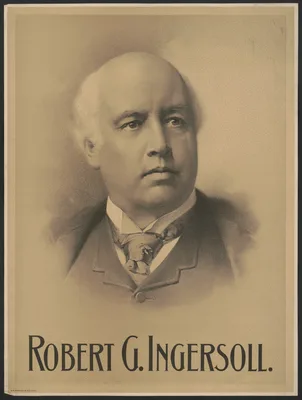
Robert Ingersoll was a preacher's son who kept the preacher's voice but not the creed. He turned unbelief into the most popular lecture ticket in America. In the end he let his agnosticism soften from attack into hope.
The belief timeline
- Faith (1830s–1840s) — Raised "among people who knew—who were certain"; hundreds of hell sermons heard; the boy already thought "It cannot be" of hell, while supposing the rest was true [5][57]
- Doubt (1850s) — The reading years, when a boy's objection to one doctrine became a grown man's case against the whole creed: Burns and Shakespeare, Paley failed, astronomy and geology against Genesis, then Volney, Gibbon, Paine [6][7][8][28][30]
- Declaration (1860–1868) — "Progress" at Pekin (1860), the first public lecture against religion; the 1868 refusal to be silent for the governorship [12][19]
- Revision (1879–1899) — "Hope sees a star" (1879); "I do not know... We wait and hope" (1896); "we can hope without" evidence (1899) [26][30][39]
Notes to the timeline (11)
- [5] He was raised "among people who knew—who were certain"; he heard "hundreds" of evangelical sermons on hell — The Works of Robert G. Ingersoll, Dresden Edition, 12 vols. (New York: Dresden Publishing Co., C. P. Farrell, 1900–1902), vol. IV, pp. 7, 15 ("Why I Am an Agnostic").
- [57] "I supposed that what I heard was true and yet I did not believe it. I said: 'It is,' and then I thought: 'It cannot be.'" — Works of Robert G. Ingersoll, vol. IV, p. 15.
- [6] The sermon that marked him: a Free Will Baptist preacher, "a large man, dressed like a farmer," on Dives and Lazarus, heard with his brother — Works of Robert G. Ingersoll, vol. IV, pp. 15–17.
- [7] He read Burns ("Here was a natural honest man"), then Shakespeare ("a forest where the oaks and elms toss their branches to the storm") — Works of Robert G. Ingersoll, vol. IV, pp. 38–39; Herman E. Kittredge, Ingersoll: A Biographical Appreciation, 2nd ed. (New York: Dresden Publishing Co., 1915; 1st ed. 1911), p. 150 quoting Works III.
- [8] "Up to this time I had read nothing against our blessed religion except what I had found in Burns, Byron and Shelley. By some accident I read Volney"; then Gibbon, then Paine — Works of Robert G. Ingersoll, vol. IV, p. 40.
- [28] April 1882: published a 430-page answer to Talmage's six sermons — Kittredge, Ingersoll, p. 117. Kittredge is the only source for this, as for the other details in this chapter cited to that source alone.
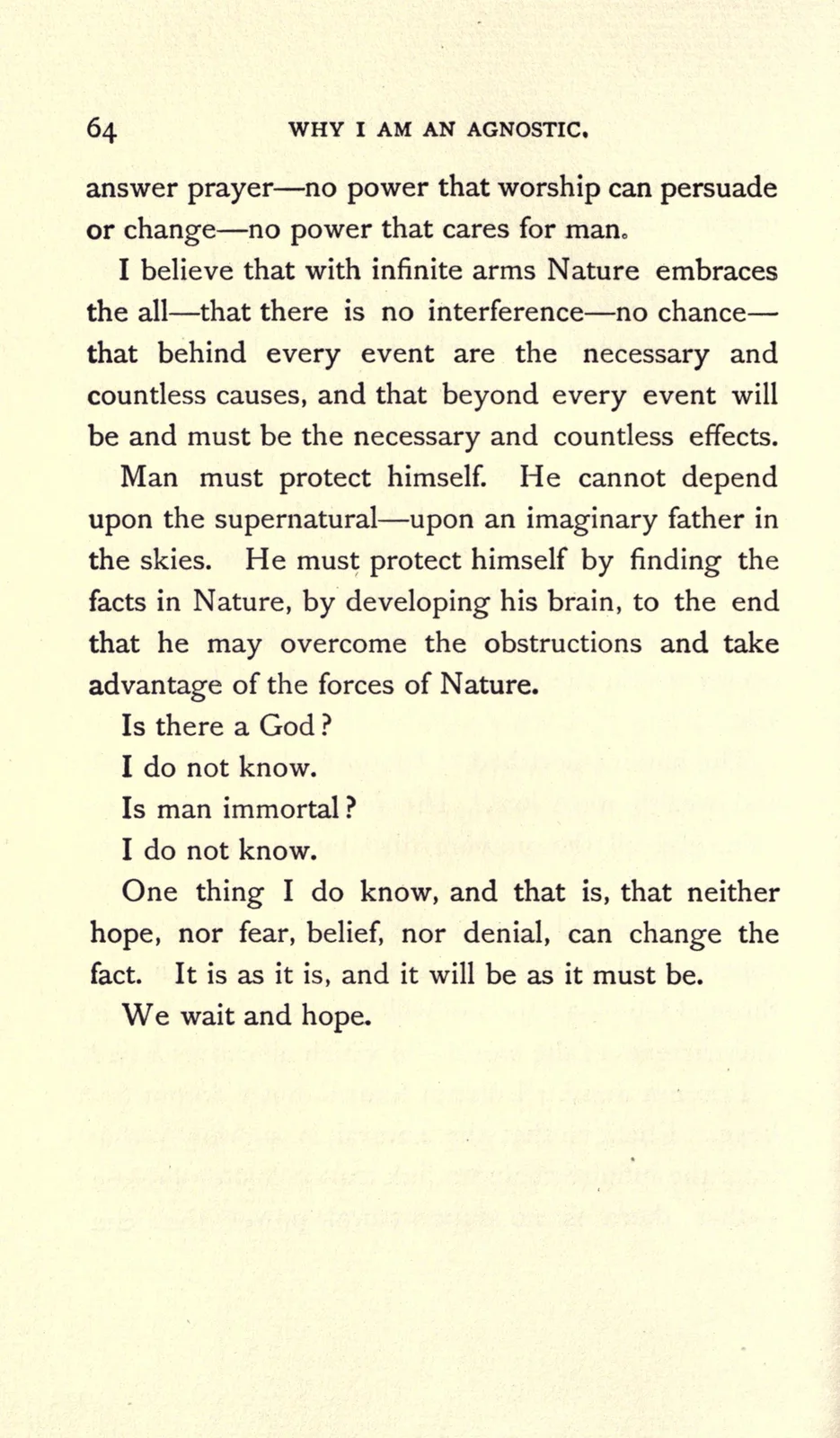
- [30] "Why I Am an Agnostic" (1896): "Is there a God? I do not know. Is man immortal? I do not know. One thing I do know, and that is, that neither hope, nor fear, belief, nor denial, can change the fact. It is as it is, and it will be as it must be. We wait and hope." — Works of Robert G. Ingersoll, vol. IV, p. 64.
- [12] In 1860 he ran for Congress as a Democrat (lost) and delivered at Pekin, Ill., the lecture "Progress," the first of his anti-theological lectures of which any report survives; repeated at Bloomington 1864 — Kittredge, Ingersoll, pp. 49–50, 510.
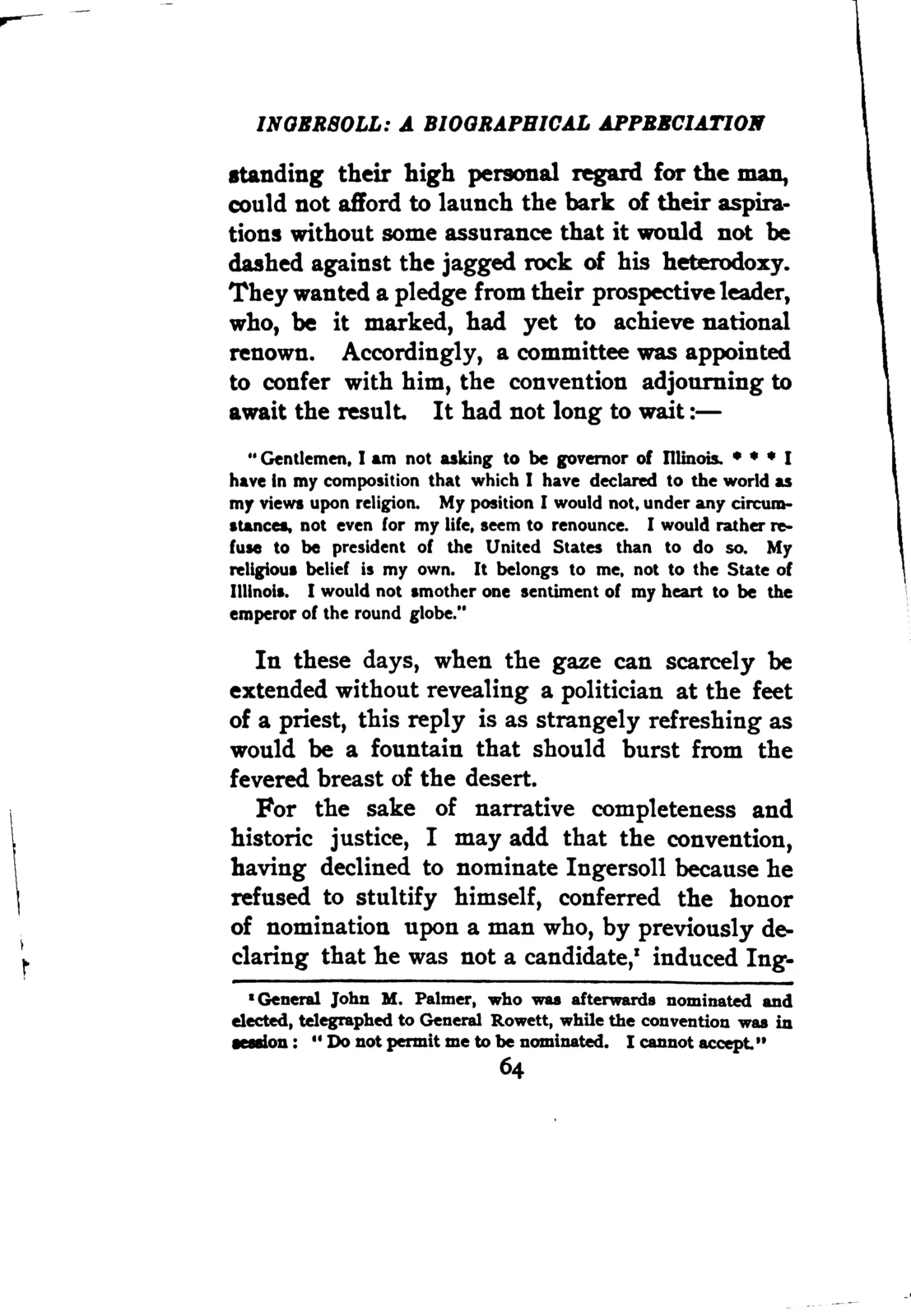
- [19] May 6, 1868, Republican state convention at Peoria: "first choice of three-fourths of the delegates" for governor; a committee asked him to pledge silence on religion. His reply (as Kittredge gives it): "Gentlemen, I am not asking to be governor of Illinois. … My position I would not, under any circumstances, not even for my life, seem to renounce. I would rather refuse to be president of the United States than to do so. My religious belief is my own. It belongs to me, not to the State of Illinois. I would not smother one sentiment of my heart to be the emperor of the round globe." John M. Palmer was nominated instead — Kittredge, Ingersoll, pp. 63–66.
- [26] Ebon C. Ingersoll died 1879; funeral June 2, 1879 at 1403 K Street, "one of the largest gatherings of distinguished persons ever seen at a funeral in the national capital"; Robert's tribute delivered there. Ebon's last words were "I am better now" — Kittredge, Ingersoll, p. 105 and note; Works of Robert G. Ingersoll, vol. XII, pp. 389–391.
- [39] Letter to David S. Geer, Gramercy Park, April 24, 1899: "Still, I have no evidence that human beings are immortal… In my opinion the supernatural does not exist. Still, we can wish in spite of, or against, evidence, and we can hope without it." — Kittredge, Ingersoll, p. 356 (letter reprinted). Seen in the biographer's reprint, not the original letter.
The Preacher's Son
On the morning of Friday, 21 July 1899, a heavy man of sixty-five sat on the veranda of a country house above the Hudson River, reading and talking with his family. At about half past ten he went upstairs to rest, meaning to come down afterwards and play pool with his son-in-law. At a quarter to twelve he sat up on the bed to put on his shoes, smiled at his wife's remark about medicine, said "I am better now," closed his eyes and died.1 His heart had been failing for two years. His doctors had told him it could stop at any moment, and he had asked them to tell no one.2
For a quarter of a century Robert Green Ingersoll had been the most famous public speaker in the United States, and the one most often attacked from the pulpit. He had filled the largest halls in every city, for two hours at a time, with a single subject: why he did not believe what he had been raised to believe.3 He was also the son of a minister. This chapter follows his unbelief from the revival tents of his childhood to the lecture hall, through the arguments he built up over forty years, and to the position he came to rest on at the end, which he put in a sentence in 1896: "Is there a God? I do not know. Is man immortal? I do not know. One thing I do know, and that is, that neither hope, nor fear, belief, nor denial, can change the fact. It is as it is, and it will be as it must be. We wait and hope."4
The world he was given
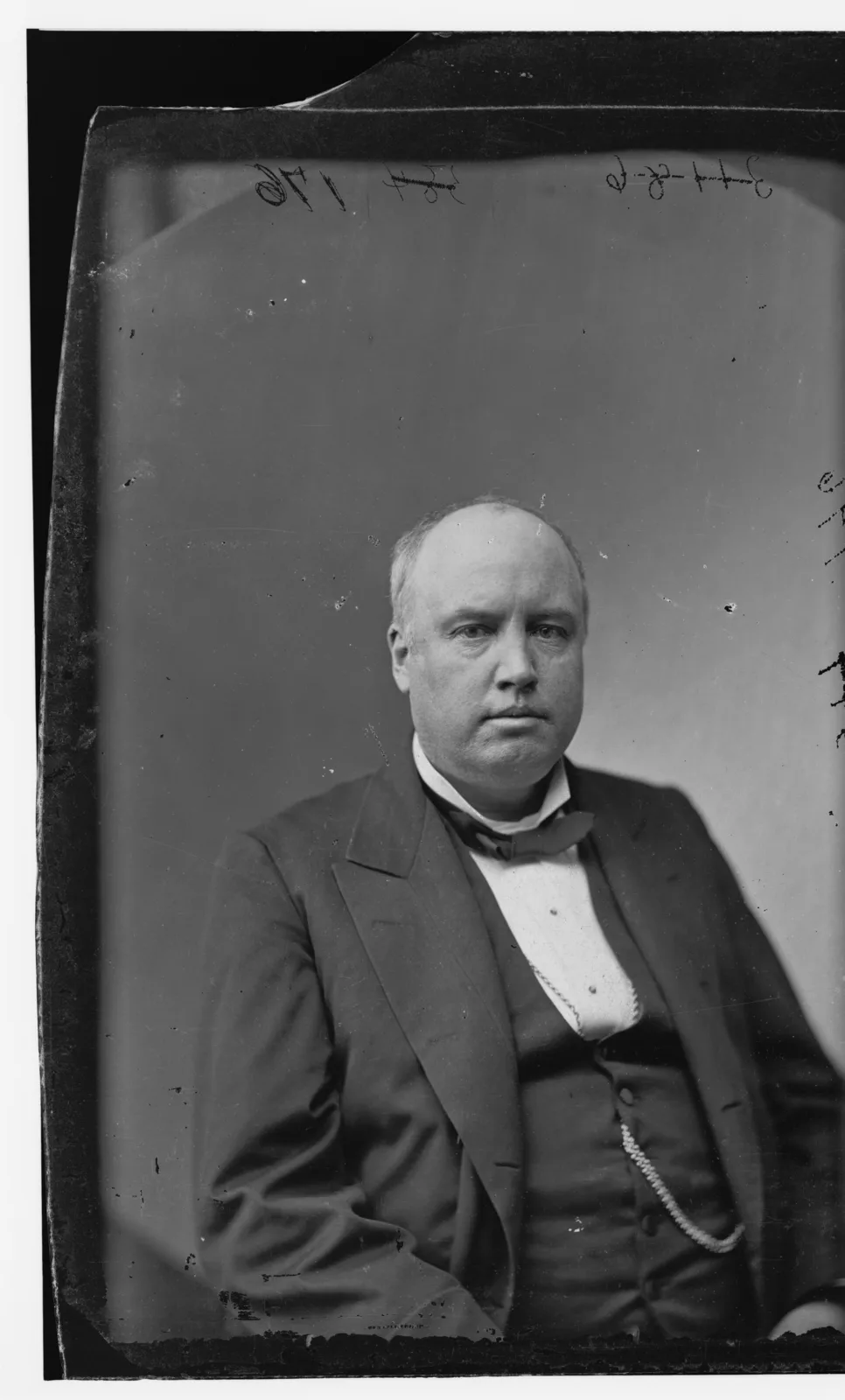
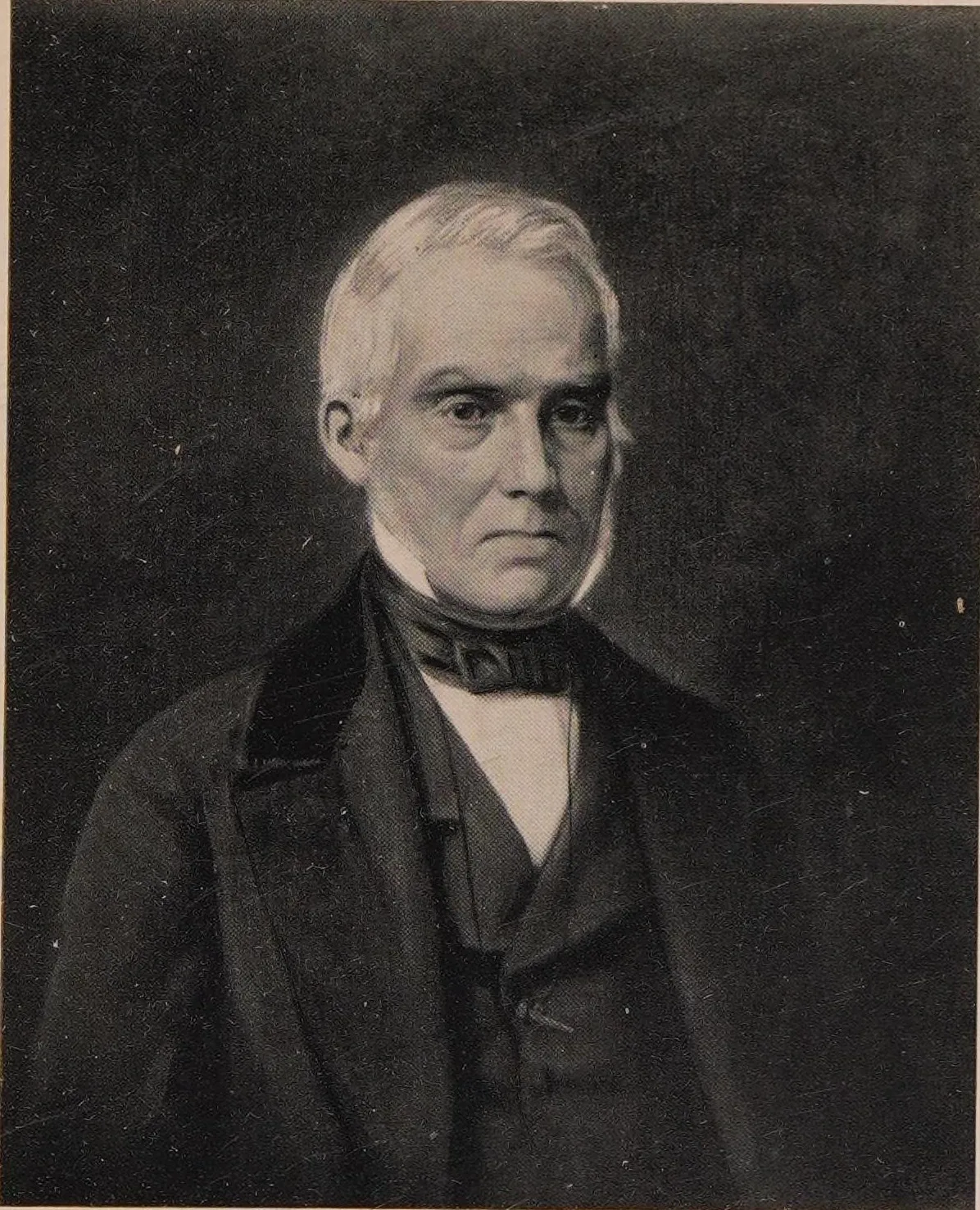
Ingersoll was born on 11 August 1833 at West Dresden, on the western shore of Seneca Lake in Yates County, New York.5 It was the part of the country that the revival preachers had set on fire in the decades before, and his father was one of them. The Reverend John Ingersoll was a Congregational minister who preached wherever a pulpit would have him. Within months of Robert's birth he moved the family to New York City, where he was installed as associate pastor of the Second Free Presbyterian Church, the church where the great revivalist Charles Grandison Finney had been pastor before him.6 Robert's mother died at Cazenovia when he was two.7 After that the family wandered from one small church to the next, through upstate New York, Ohio and southern Illinois, on salaries as low as two hundred dollars a year, with a father who preached, as one record has it, "from morning until nearly sunset."8
So the first thing to understand about Ingersoll's unbelief is what he was given to believe, and sixty years later he described it himself. "Like the most of you," he told an audience in 1896, "I was raised among people who knew — who were certain. They did not reason or investigate. They had no doubts."9 What they were certain of was very specific: that the world was six thousand years old, that there was one narrow path to heaven and one broad road to hell, and that salvation came by faith alone, so that an honest, generous, hard-working man who lacked faith was, as he put it, taking a respectable way of going to hell. Underneath all of it lay the doctrine on which every revival sermon was built, which was eternal punishment. He heard hundreds of those sermons as a boy, and he said the preachers were sincere.10
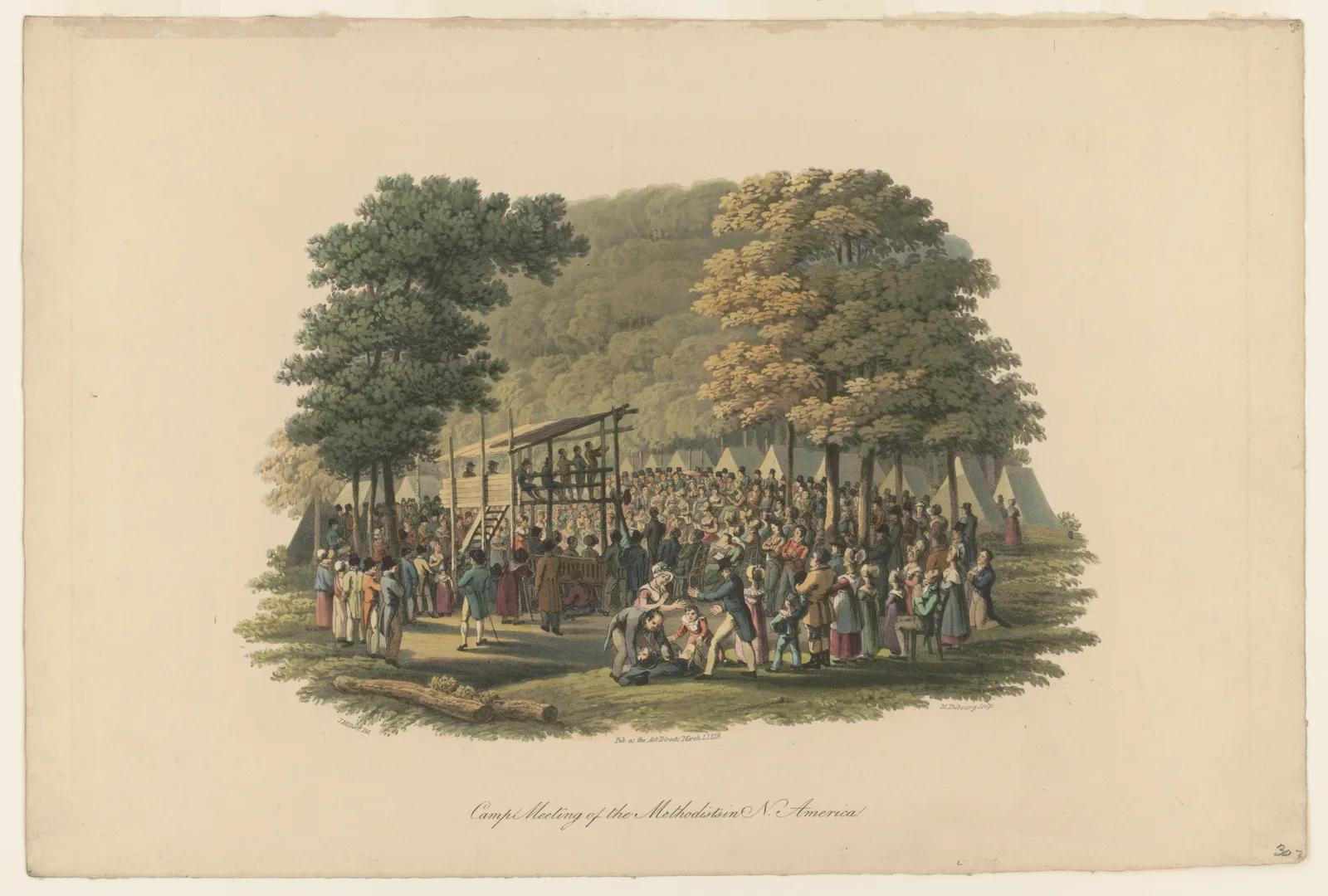
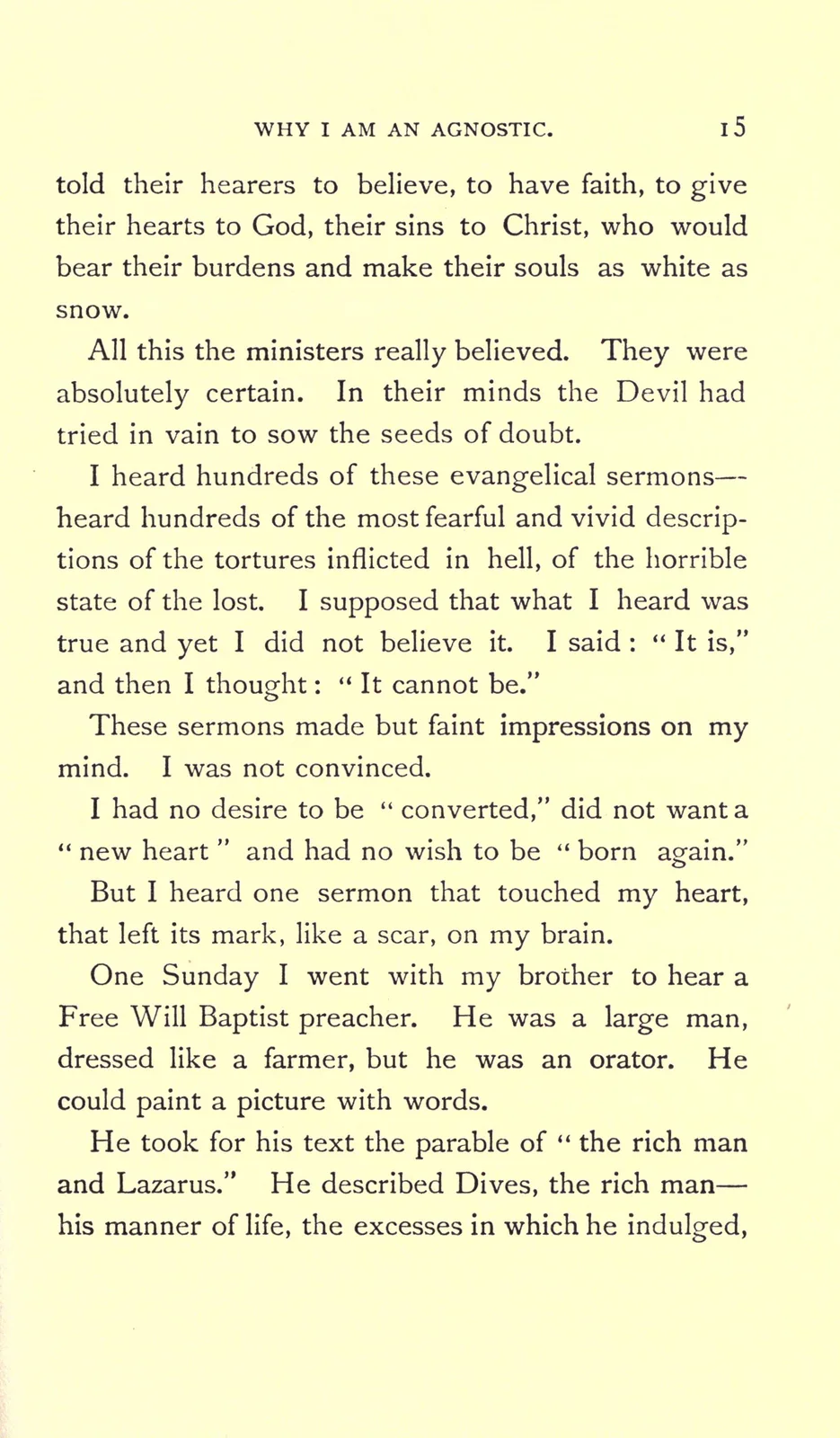
One sermon in particular marked him. On a Sunday he went with his brother to hear a Free Will Baptist preacher, "a large man, dressed like a farmer," who took for his text the parable of the rich man and Lazarus and painted, with real skill, the rich man begging in hell for a drop of water. It was a sermon, Ingersoll wrote, "that touched my heart, that left its mark, like a scar, on my brain."11 But there was one thing in that house that mattered more than any sermon, and he put it on the record late in life when a minister blamed his unbelief on a harsh father. The truth, he said, was that his father did not entirely believe the doctrine either. "Long before my father died, he threw aside, as unworthy of a place in the mind of an intelligent man, the infamous dogma of eternal fire." The same father told him to read the Bible for himself, to be honest with himself, and to say so if he concluded it was not the word of God. The story that a cruel father had driven the boy into infidelity was, he said, "simply an orthodox lie."12 When the old revivalist lay dying in Peoria in May 1859, he asked his son to read to him, not from Scripture, but from Plato on the immortality of the soul.13
So the sermons went in one ear while the father's doubts were already in the other, and the boy was left holding both at once. "I supposed that what I heard was true and yet I did not believe it," he wrote. "I said: 'It is,' and then I thought: 'It cannot be.'"14 It is worth asking what that "cannot" was about, because at first it was not an argument about evidence at all. It was a moral refusal. When he came, decades later, to write out why he was an agnostic, the first thing he stated was not that God does not exist but that this God could not be good: "Nothing could add to the horror of hell, except the presence of its creator, God. While I have life, as long as I draw breath, I shall deny with all my strength, and hate with every drop of my blood, this infinite lie."15 That sentence is the foundation of everything that followed. Every argument he later made about the Bible, about science and about the design of the world was built on an earlier conviction, that a doctrine which makes the innocent suffer for ever cannot be true, whatever book says it. The boy did not grow up to be a believer. He grew up to be a man with an objection.16
The reading years
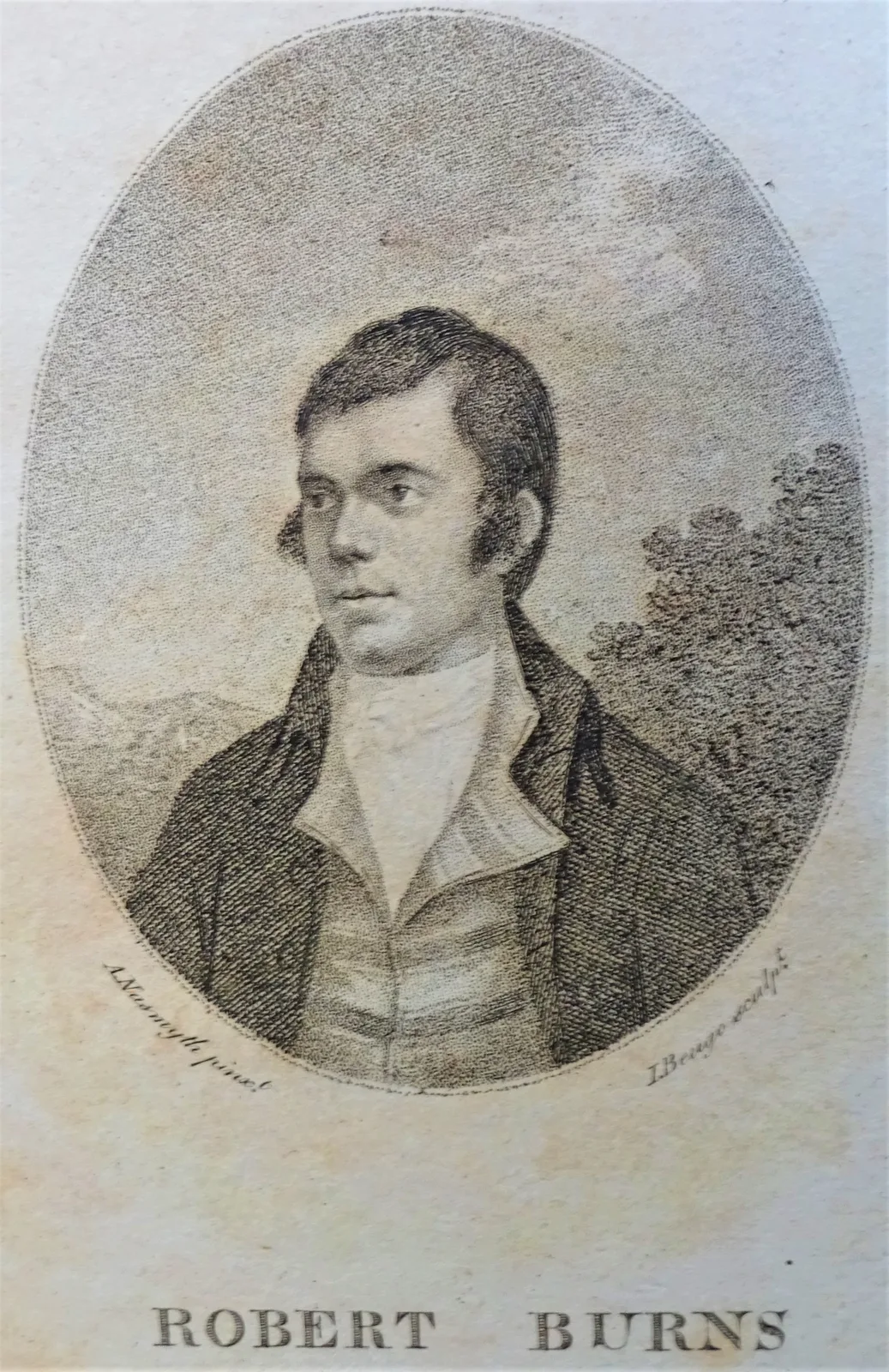
An objection is not a settled position. The position took him years of reading to build, and in his own account of those years he tells us the order in which the books arrived. The poets came first. After a childhood of books about "the degrading consequences of love, and the impossibility of getting to heaven by being honest and generous," he found Robert Burns: "Here was a natural honest man."17 Then Shakespeare, whom he compared to a forest where the oaks and elms toss their branches to the storm.18 Neither was an argument against religion. What they gave him was a picture of human life that did not seem to need one.
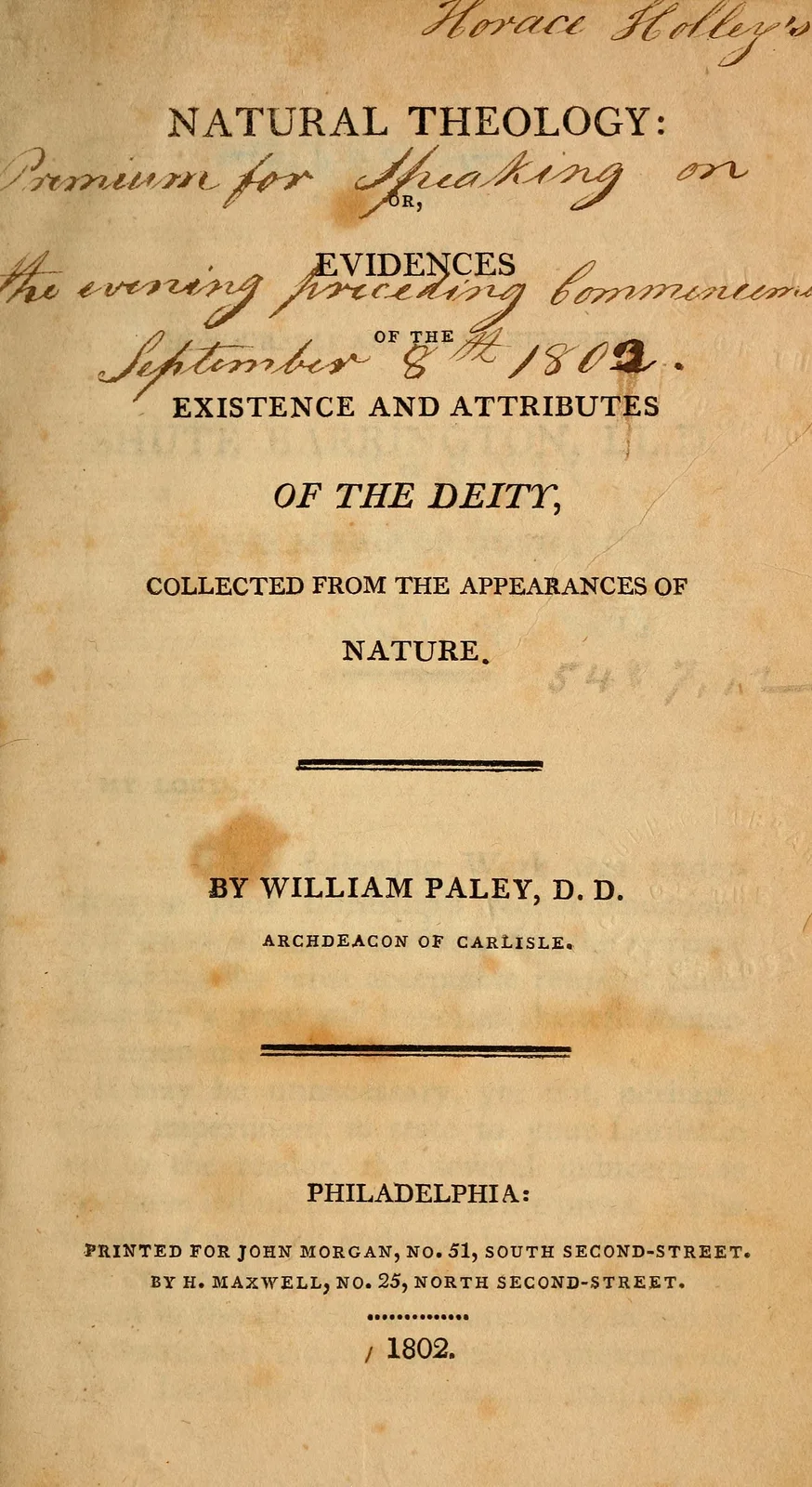
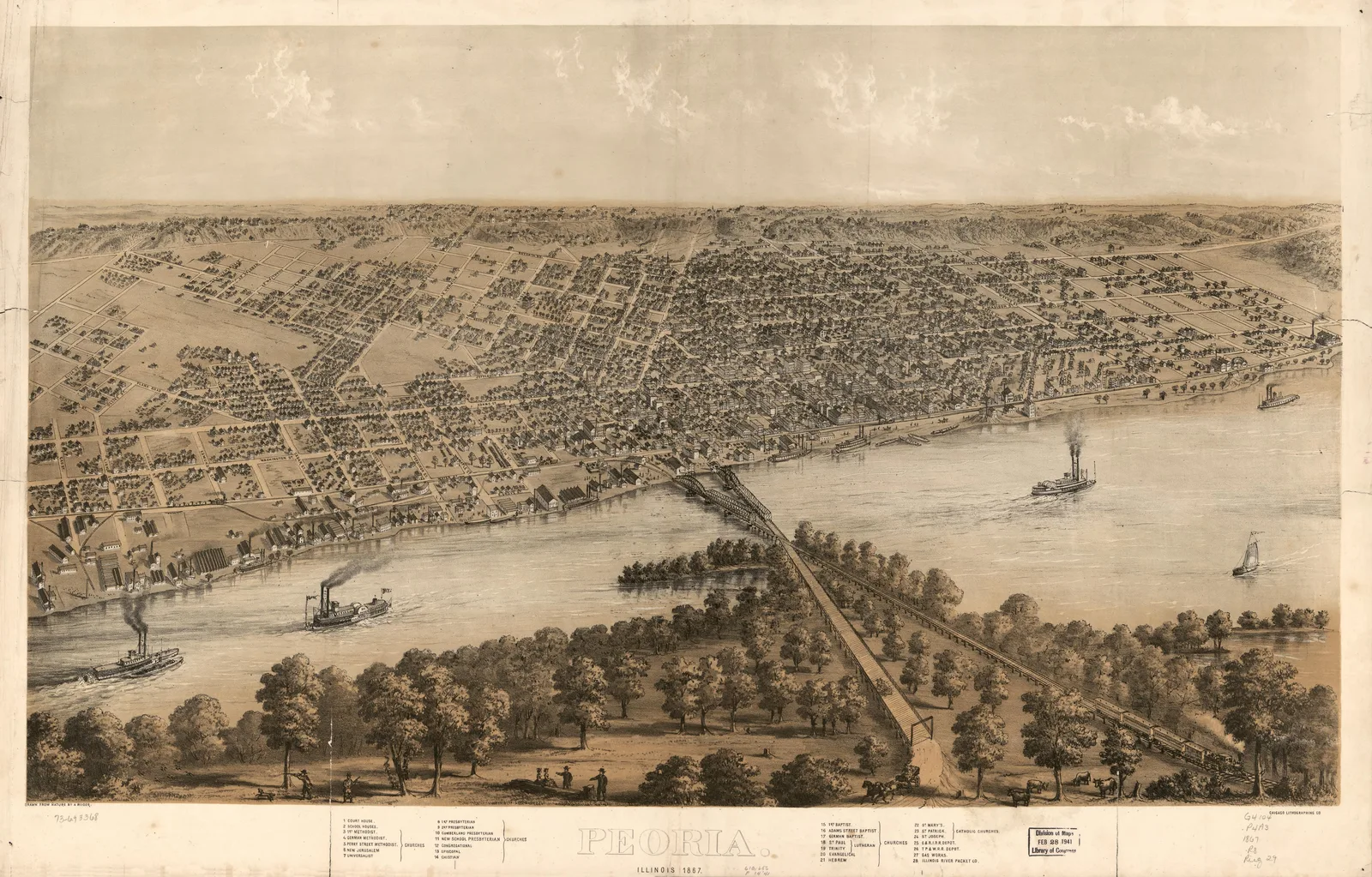
Next came the arguments for God, which he read in order to believe them, and which failed him. By then he was a lawyer, admitted to the bar in 1855 with his brother Ebon and practising first at Shawneetown and then, from 1857, at Peoria,19 and he read William Paley the way a lawyer reads a brief. Paley's famous proof says that if you find a watch lying on a heath you must infer a watchmaker. Ingersoll's reply was that the argument proves too little and too much at once: "According to Paley there can be no design without a designer — but there can be a designer without a design. The wonder of the watch suggested the watchmaker, and the wonder of the watchmaker suggested the creator, and the wonder of the creator demonstrated that he was not created."20 He also noticed something Paley had passed over, which was that the same ingenuity had gone into contriving the things that hurt us: the evidence of design in what is evil, he wrote, was at least equal to the evidence of intelligence in what is good.21
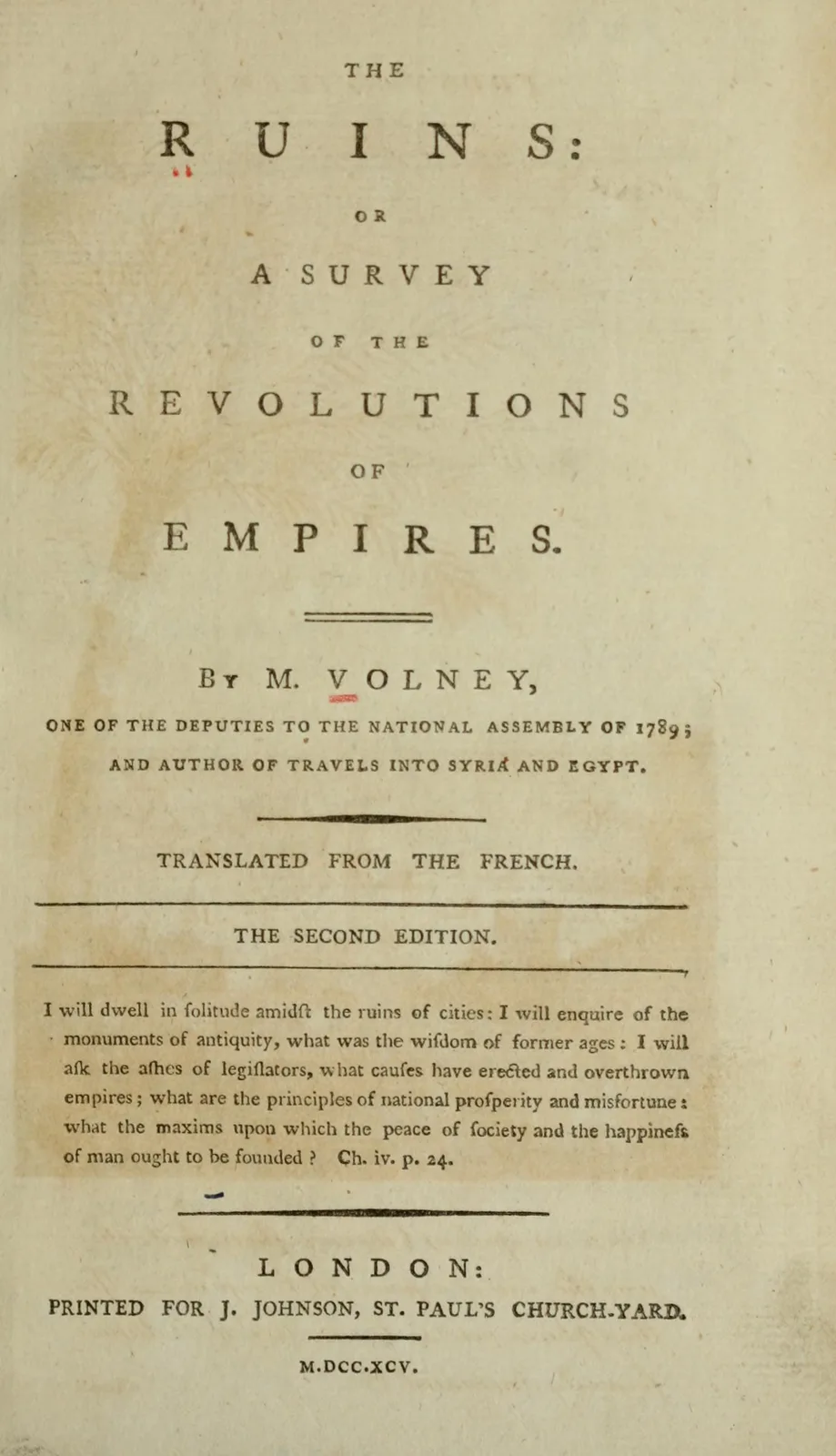
After the arguments came the facts. He studied astronomy, "just a little," as he put it, and then a little geology, and he compared what was known about the stars and the rocks with the account in Genesis. His conclusion was blunt: the writer of the inspired book "had no knowledge of astronomy." What struck him about the clergy was that they did not answer the astronomers; they attacked them.22 Only after all of that did he reach the books that attacked religion directly. "Up to this time I had read nothing against our blessed religion except what I had found in Burns, Byron and Shelley. By some accident I read Volney."23 Volney's Ruins laid the religions of the world side by side, each with its own Christs, apostles, miracles and sacred books, and asked how anyone could tell which of them was true. After Volney came Gibbon, on how Christianity had actually spread, and then Thomas Paine, who said all of it plainly.24
By his mid-twenties, then, he had come to believe four things. A God who sent people to hell for ever could not be good. Paley's argument from design did not prove what it claimed. The opening of Genesis did not describe the world as the astronomers and geologists had found it. And Christianity was one religion among many, with no better evidence behind it than the others had. This is where the doubt in his life properly belongs, in the 1850s rather than in his childhood. The boy had refused one doctrine while supposing the rest of the creed was true; the young lawyer had taken the whole creed apart, book by book, and found that none of it held. He had not yet said any of it in public.25
Saying it out loud
The first time he spoke his mind in public was in 1860, when he was twenty-seven. In the same year that he ran for Congress as a Democrat and lost, he gave a lecture called "Progress" in the nearby town of Pekin, the earliest of his lectures against religion of which any report survives. The argument he made that night was the one he would go on making for the rest of his life: that the human race moves forward by knowledge, and that superstition holds it back.26 Why did he speak at all, when he could have kept his opinions to himself? Part of the answer is temperament. As a boy under the Free Will Baptist preacher he had seen what a single voice could do to a crowd, and he wanted that power. He had the preacher's gift, and he had found a use for it that the preacher would have called the Devil's.11
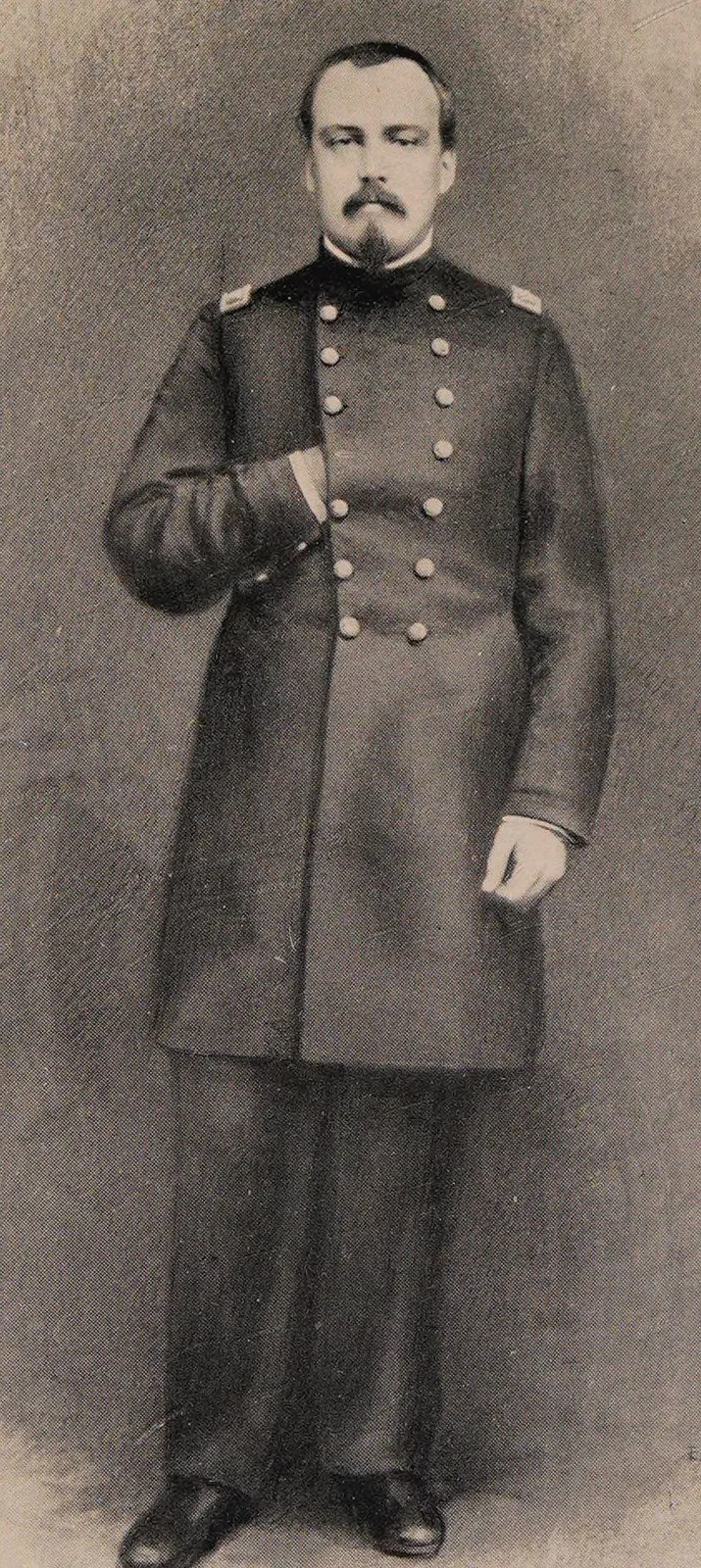
Two things happened next that did not change his mind but strengthened it. In February 1862 he married Eva Parker, of a family that had been freethinkers for generations. He had met her after defending a client at Groveland, and on the Parkers' shelves that same evening he had seen Volney, Voltaire and Paine; he would later dedicate his collected works to her as "a woman without superstition."27 And he went to war. He raised and commanded the Eleventh Illinois Cavalry,28 fought at Shiloh and Corinth,29 was overrun and captured by Forrest's cavalry at Lexington, Tennessee, in December 1862, was paroled,30 and resigned his commission the following June.31 He never turned the war into an argument about God. What it gave him was a title, Colonel Ingersoll, and an audience.
His next decisive act was a refusal. By 1868 he was attorney general of Illinois,32 and the Republican state convention at Peoria wanted him as its candidate for governor on one condition: that he keep quiet about religion. His reply, as his biographer recorded it, was that his religious belief was his own. "It belongs to me, not to the State of Illinois. I would not smother one sentiment of my heart to be the emperor of the round globe."33 He never held elected office. What he had decided in that moment was that his unbelief was not a private opinion to be managed but a public position to be defended, whatever it cost him. That is the difference between doubting something and declaring it, and in 1868 he crossed that line.34
The lecture hall
What did he actually argue, from the stage, for the next thirty years? It came down to three propositions and a creed. The first proposition was that the gods are made by men. He published it in 1872 as "The Gods," and it opens with a line that is usually quoted on its own and that turns Alexander Pope upside down, since Pope had written that an honest man is the noblest work of God: "An honest God is the noblest work of man."35 Every nation, he went on, had made a god who looked like itself, who hated its enemies, and who was invariably found on the side of those in power. It was Volney's argument turned into a lecture.36
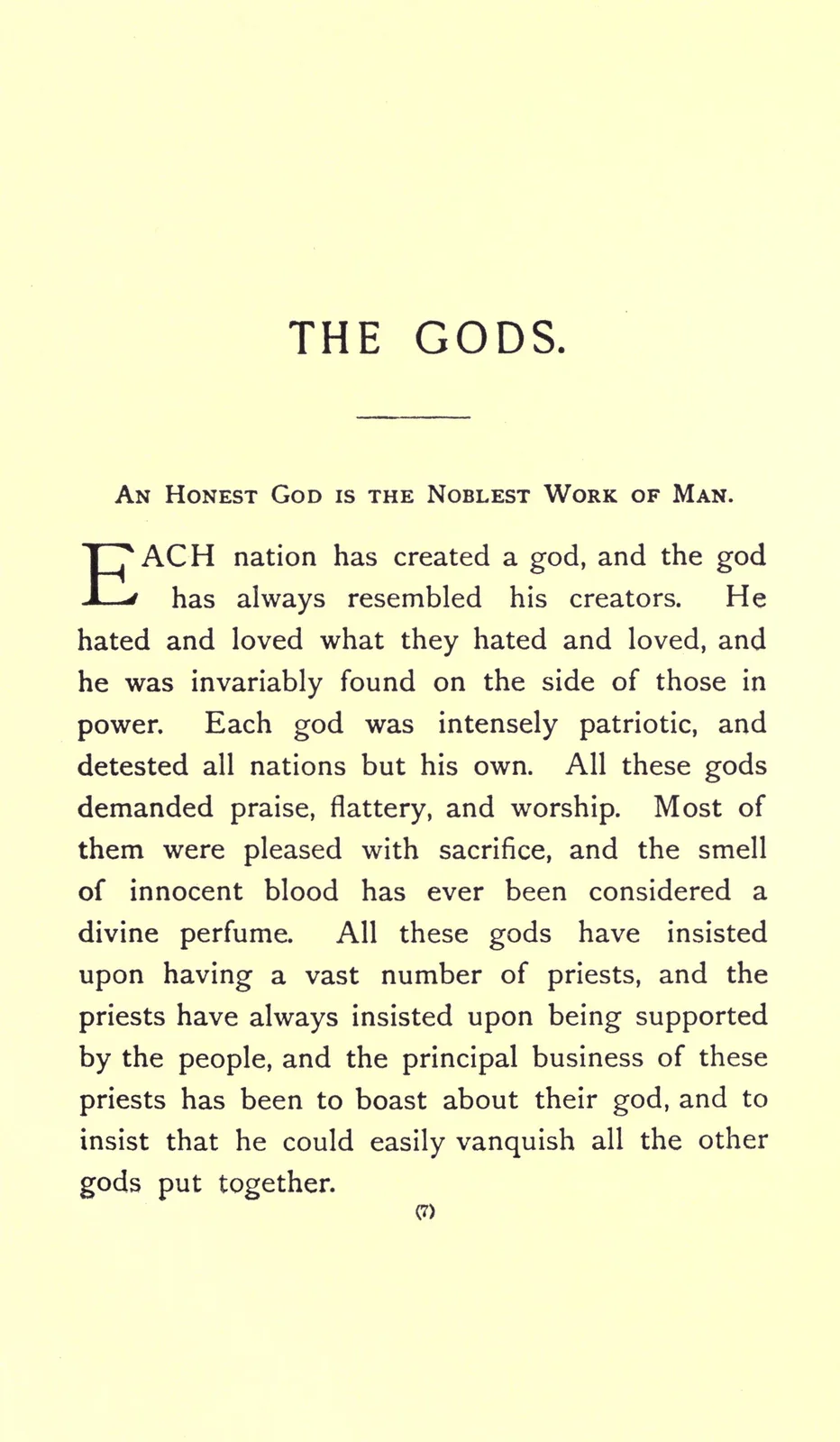
The second proposition was that the Bible is a human book. He gave the lecture called "Some Mistakes of Moses" for years before he wrote it down in 1879, and by his own account it was never delivered twice the same way. It went through the first five books of the Bible for their errors in natural history and their cruelties in law, and it was answered, he said, several hundred times.37 The third proposition mattered most to him. It was that nature is governed by law, and that no one is listening to our prayers. He had taken the idea from Alexander von Humboldt, the subject of his first lecture at Peoria in 1869,38 and he drew the moral from it in 1897: when a man reads the sacred stories as records, "he will know that man must rely on himself, — that the supernatural does not exist, and that man must be the providence of man."39 Then there was the creed, which his critics almost never quoted. He put one line of it on the title page of a volume of his works, "The hands that help are better far than lips that pray,"40 and in interviews he gave the whole of it in four short sentences: "Happiness is the only good. The time to be happy is now. The place to be happy is here. The way to be happy is to make others so."41
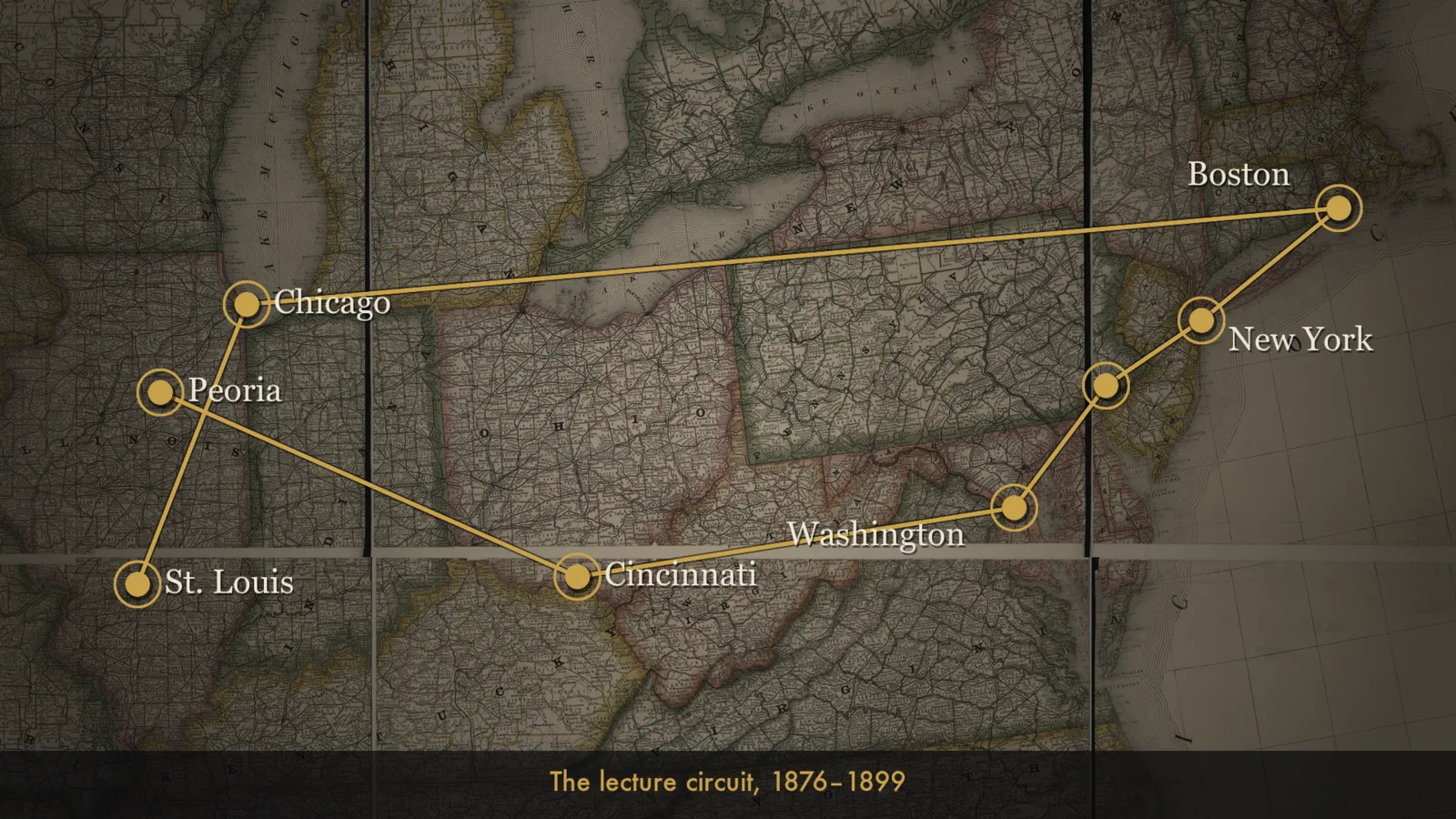
What he did with these ideas was to take them on the road. In June 1876 a political speech nominating James G. Blaine for president, at the Republican convention in Cincinnati, made him famous overnight,3 and he spent that fame on his real subject. For twenty years he carried the three propositions and the creed into every large city in the country and sold tickets to hear them, which no American unbeliever had ever done before. People who would never have read a freethought pamphlet paid to listen to him for two hours, and they laughed while they listened.37 By 1882 the press was calling him "the Great Agnostic."42
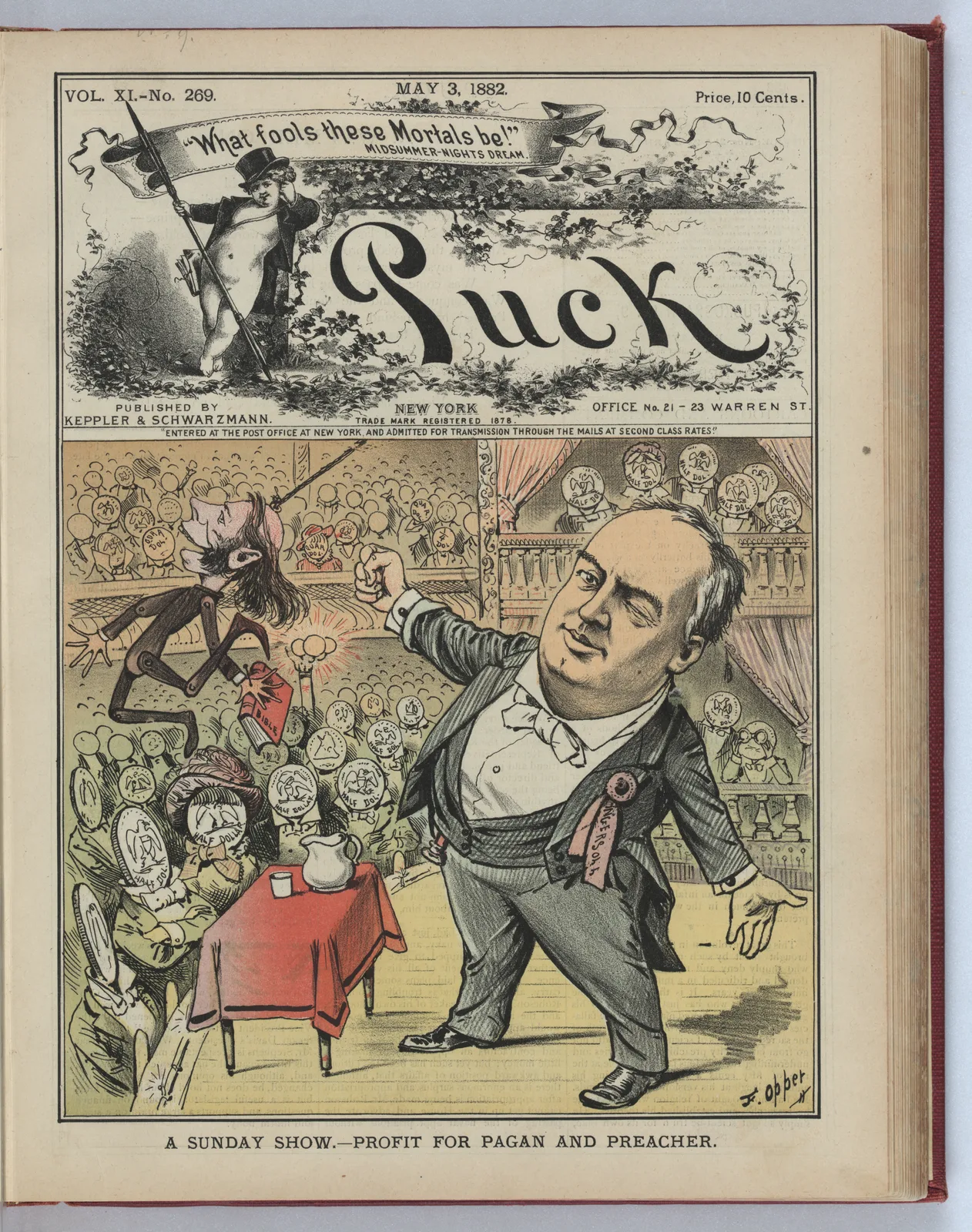
The lectures also made money, and his enemies made the most of that. A Puck cover of May 1882 drew him on a stage with a preacher across the street under the title "A Sunday show — profit for pagan and preacher."43 He never denied that he lived by his lectures. What he denied was that this made the argument any less true.
The critics and the courtroom
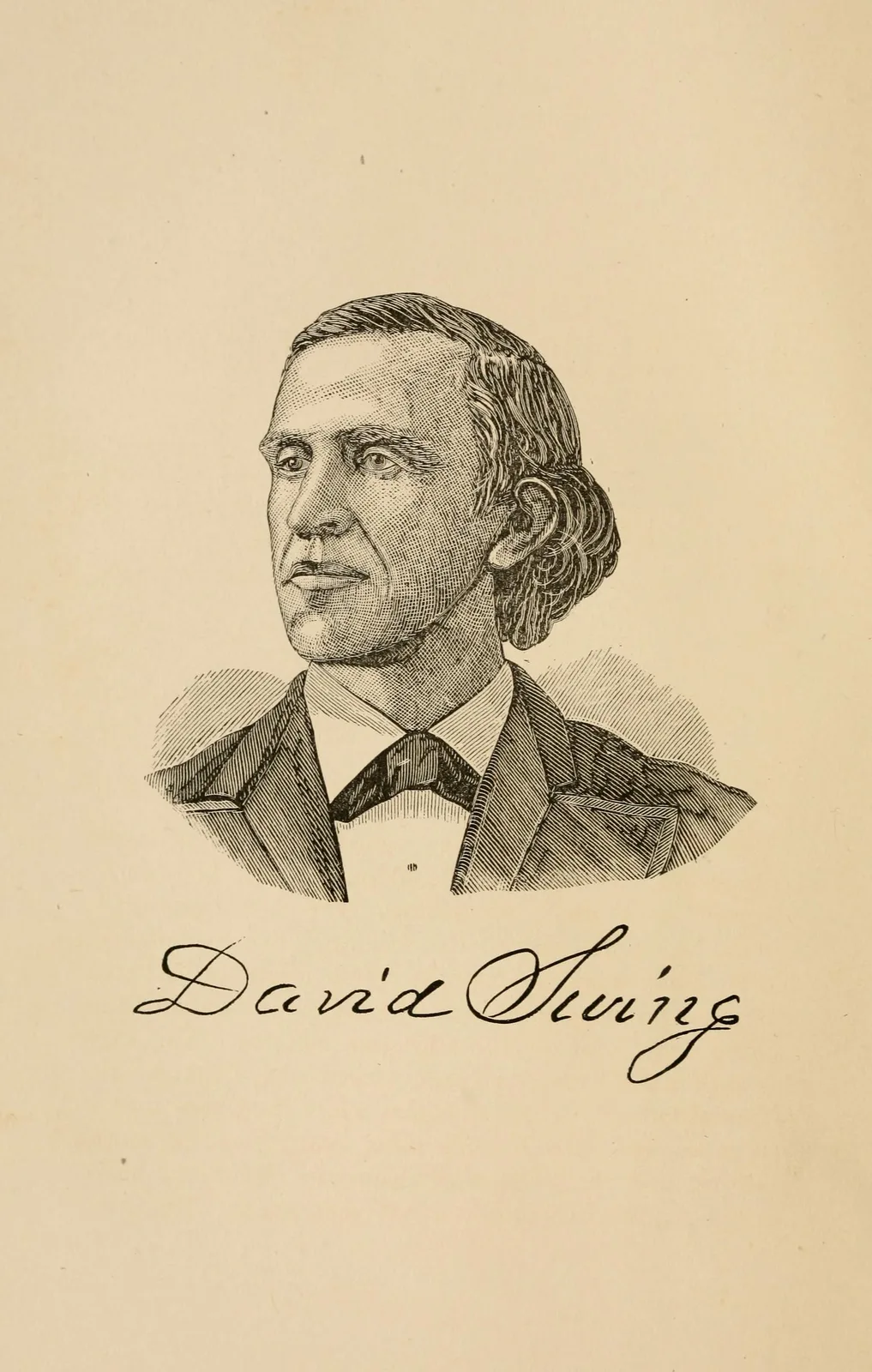
The replies came by the hundred. The best of them did not go after his character but after his argument, and what they attacked in the argument was his certainty. Professor David Swing of Chicago, who had himself been tried for heresy in 1874, was fair to the man ("kind, neighborly, humane") and hard on the lecturer: "If Calvin was too certain that he knew God's will, Mr. Ingersoll is too certain that he knows God not to exist. It often happens that the dogmatism of the bigot must await its exact parallel in the dogmatism of the atheist."44 That charge is worth remembering, because Ingersoll spent the rest of his life answering it, and it is the reason he eventually insisted on a different word for himself.
Other replies were less careful. A Catholic answer by Father L. A. Lambert, which went through four editions by 1883, carried a preface by another priest calling him "that notorious little fraud — Ingersoll — who so loves to pose as a profoundly original thinker."45 The Brooklyn preacher T. DeWitt Talmage gave six sermons against him in a single season, and Ingersoll answered them with a book of four hundred and thirty pages.46
Then the argument turned into a case at law, and his position gained a new plank. In May 1887 a former Methodist minister named Charles B. Reynolds, whose freethought tent at Boonton had been wrecked by a mob, was tried at Morristown, New Jersey, under a colonial-era blasphemy statute for distributing a freethought pamphlet. It was the first such trial in the state. Ingersoll defended him without a fee.47 "I deny the right of any man, of any number of men, of any church, of any State," he told the jury, "to put a padlock on the lips — to make the tongue a convict."48 And: "If you could only imprison a thought, then intellectual tyranny might succeed."49 The jury convicted, because the law gave them no choice; the court imposed the minimum fine of twenty-five dollars, and Ingersoll paid it, with the costs, himself.47 From then on his unbelief was bound up with a second commitment, to free speech, and he said so from every stage he stood on.
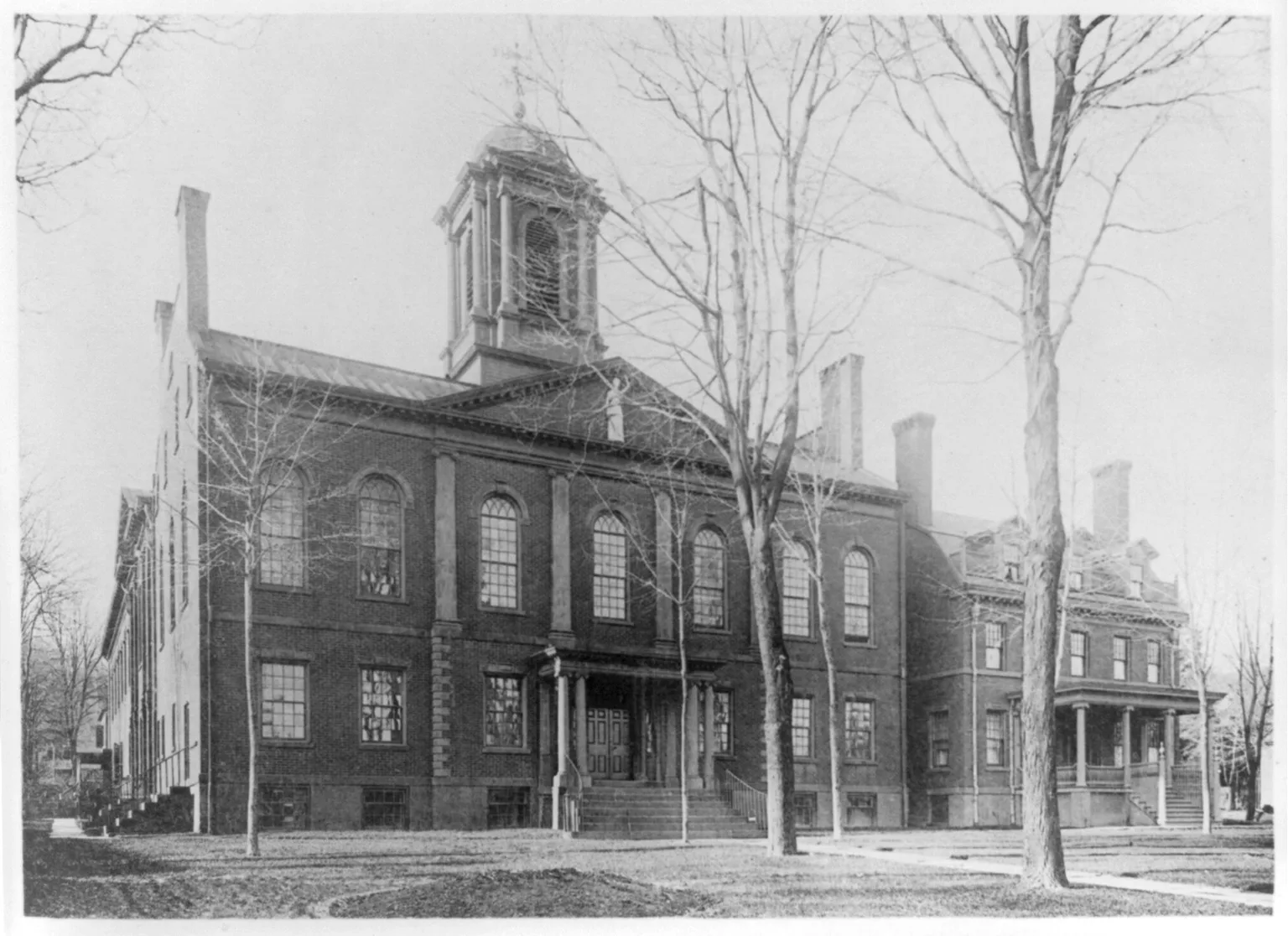
In the same year the argument reached its highest level. The Reverend Henry M. Field, a Presbyterian editor who had spent a long evening at Ingersoll's house in Washington, wrote him an open letter in the North American Review that conceded almost everything about the man ("I am glad that I know you, even though some of my brethren look upon you as a monster because of your unbelief") and disputed the conclusion.50 Field made the case that serious believers made: that the order of the heavens points to a mind behind it, and that Ingersoll's creed had nothing to offer the grieving. "But what support does your hollow creed supply?"51 William Gladstone, four times prime minister of Britain, took up the scientific point the following year. Ingersoll had claimed that Darwin's discoveries, carried to their conclusion, destroy the creeds and scriptures of mankind; Gladstone replied that there was "no colorable ground for assuming evolution and revelation to be at variance with one another," and that Ingersoll's method was too tumultuous for a doctrine that "can only be approached in a deep, reverential calm."52
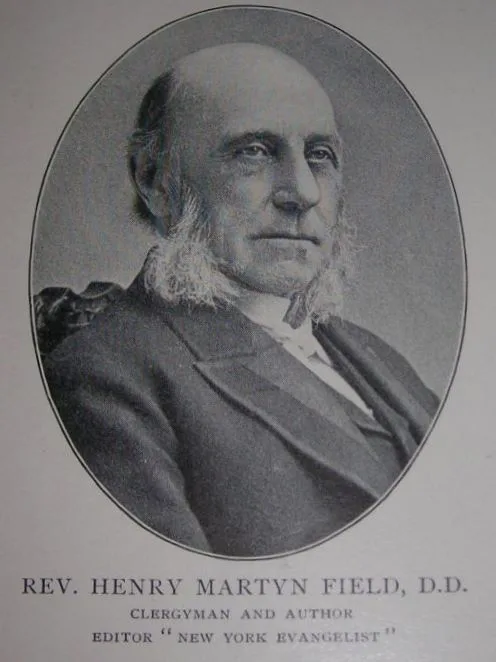
So there were three charges against him in his lifetime: that he was as dogmatic as the preachers, that he left people with nothing, and that he claimed more for science than science had proved. His last fifteen years were, in part, an answer to all three.53
Hope without belief
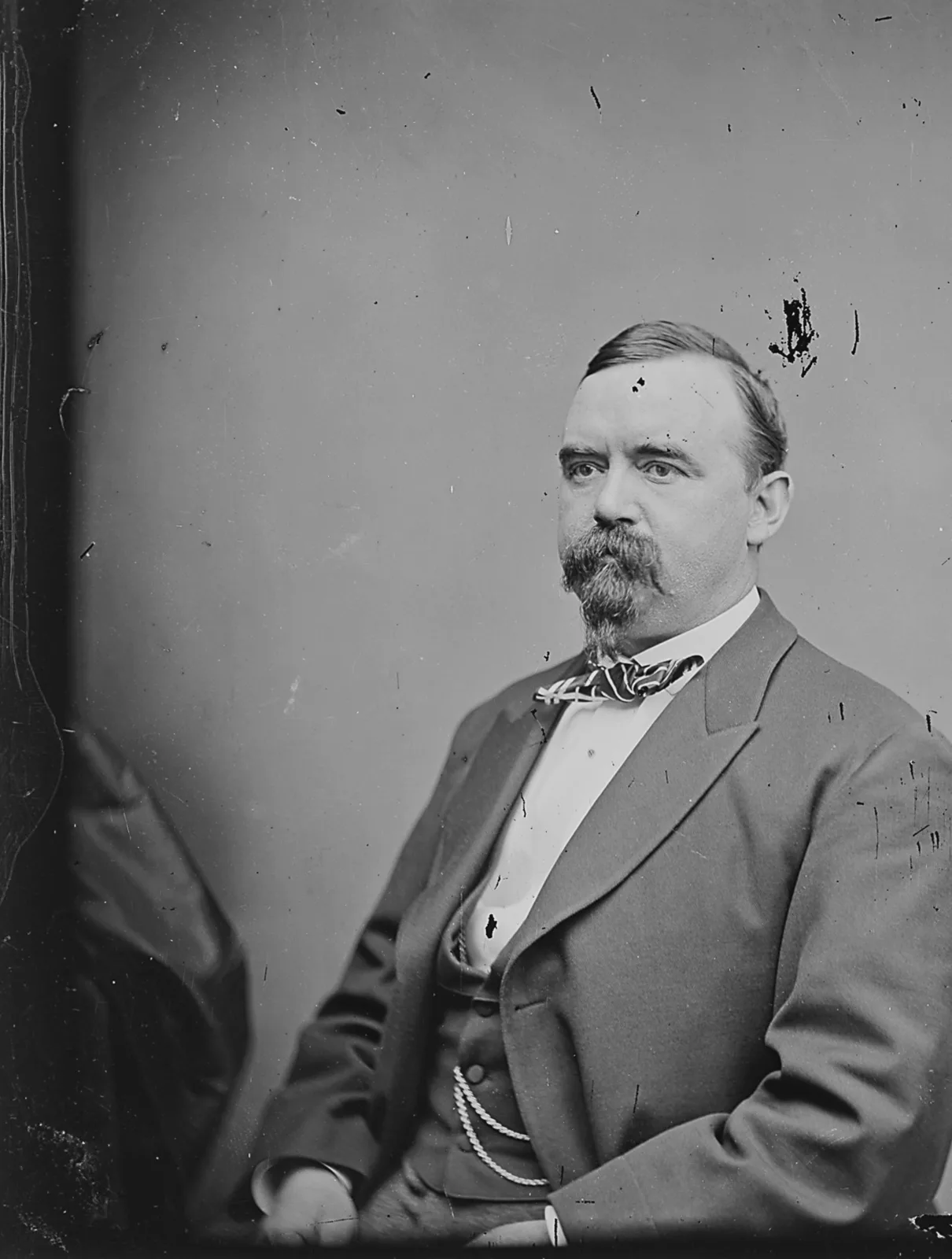
The revision began at a grave. At the end of May 1879 his brother Ebon, his law partner and closest companion, died at the house they shared in Washington, and Robert spoke at the funeral.54 "Life is a narrow vale between the cold and barren peaks of two eternities," he said. "We strive in vain to look beyond the heights. We cry aloud, and the only answer is the echo of our wailing cry. From the voiceless lips of the unreplying dead there comes no word; but in the night of death hope sees a star and listening love can hear the rustle of a wing."55
His critics seized on the line about hope seeing a star as the beginning of a conversion, and Field quoted the "narrow vale" back at him as proof that his creed was "a doom of annihilation."56 Ingersoll's answer drew a distinction that he kept for the rest of his life, between believing a thing and hoping for it. Asked about the gossip that his views had changed, he said: "I never willingly will destroy a solitary human hope. I have always said that I did not know whether man was or was not immortal."57 That was also his answer to Professor Swing. He would not claim to know that there was no God; he would say instead that he saw no evidence for one, and he would take the word that meant exactly that. From the 1880s he called himself an agnostic, and he never called himself an atheist in print; when he summed up his views in 1896 he gave the essay the title "Why I Am an Agnostic."58
But while the word softened, the content underneath it hardened, because the late Ingersoll was a materialist. In the same essay he set out what he called the corner-stones of his theory: that matter cannot be destroyed, that force cannot be destroyed, that neither can exist without the other, and that what cannot be destroyed could never have been created. "Matter and force were not created. They have existed from eternity. They cannot be destroyed. There was, there is, no creator."59 So at the end his position had two halves, and he held on to both deliberately. On the question of a creator he had reached a flat conclusion. On the ultimate questions he refused to pretend to knowledge he did not have: "I do not deny. I do not know — but I do not believe. I believe that the natural is supreme — that from the infinite chain no link can be lost or broken — that there is no supernatural power that can answer prayer."60
Three months before he died, a friend wrote to him with great confidence about the afterlife. His reply, from his house on Gramercy Park in April 1899, put the whole of his late position into a few sentences. There was no evidence that human beings are immortal, he said, and in his opinion the supernatural did not exist. "Still, we can wish in spite of, or against, evidence, and we can hope without it."61 The way he lived his last years matched what he wrote. He kept lecturing with a failing heart and told no one.2 His last letter, written at Walston the day before he died, corrected some words that had been printed under his name: "The words attributed to me I never uttered or wrote."62 On the Tuesday after his death his family held a funeral in the room where he had died, with no clergyman present, and read three of his own pieces aloud, the last of them the tribute to his brother.63 Two days later his body was cremated at Fresh Pond on Long Island and the ashes brought back to Walston in a bronze urn.64
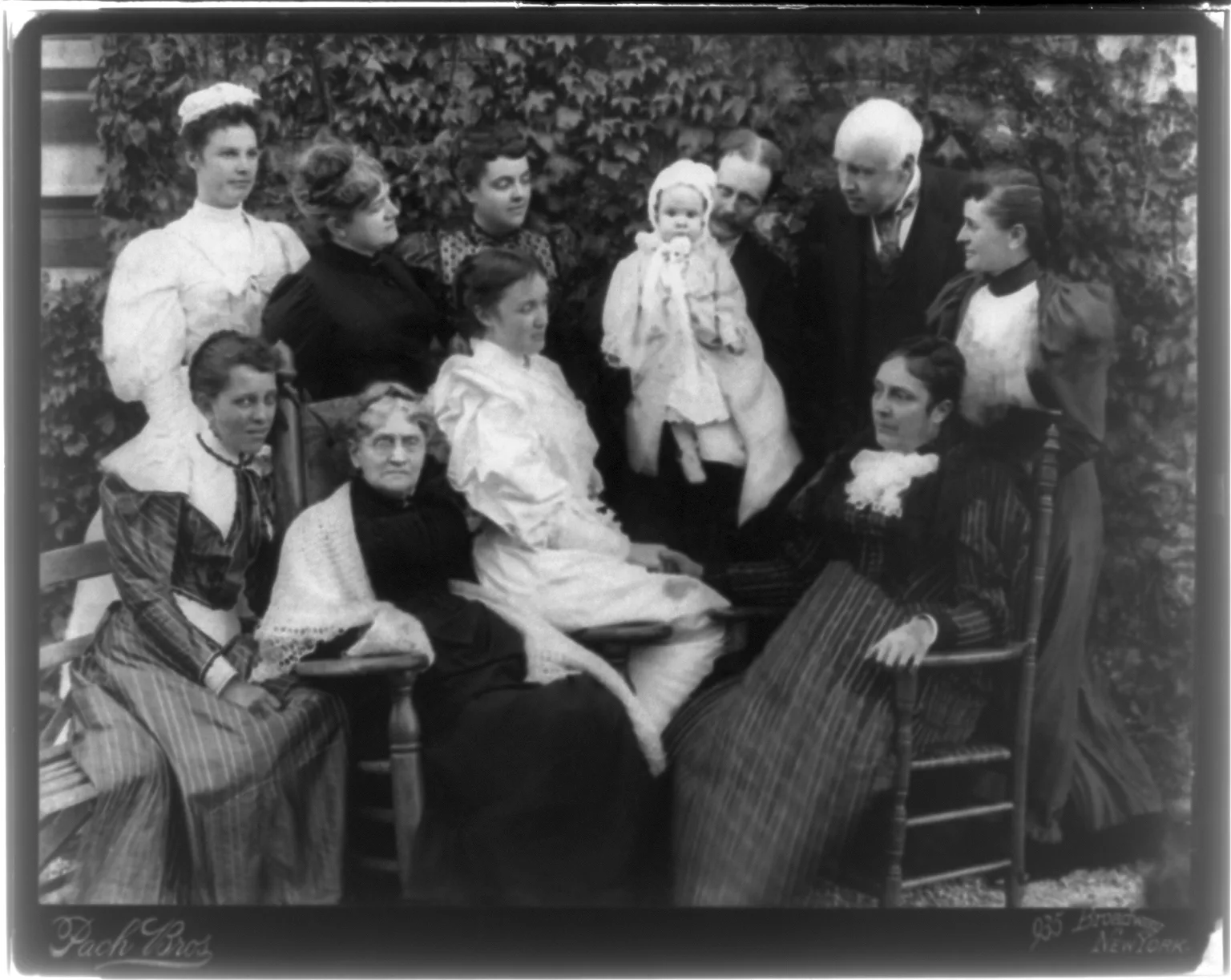
So did his unbelief change shape? It did, in two ways that pulled against each other. The argument grew stronger over his life, from a boy's feeling that hell could not be true to a materialism with no creator in it at all. But the claim grew humbler, from "I shall deny with all my strength" to "I do not know, but I do not believe," with hope left standing outside the argument, which is where he said it belonged. The one thing that never moved was a sentence he had written in 1872: "If by any possibility the existence of a power superior to, and independent of, nature shall be demonstrated, there will then be time enough to kneel. Until then, let us stand erect."65
Afterwards
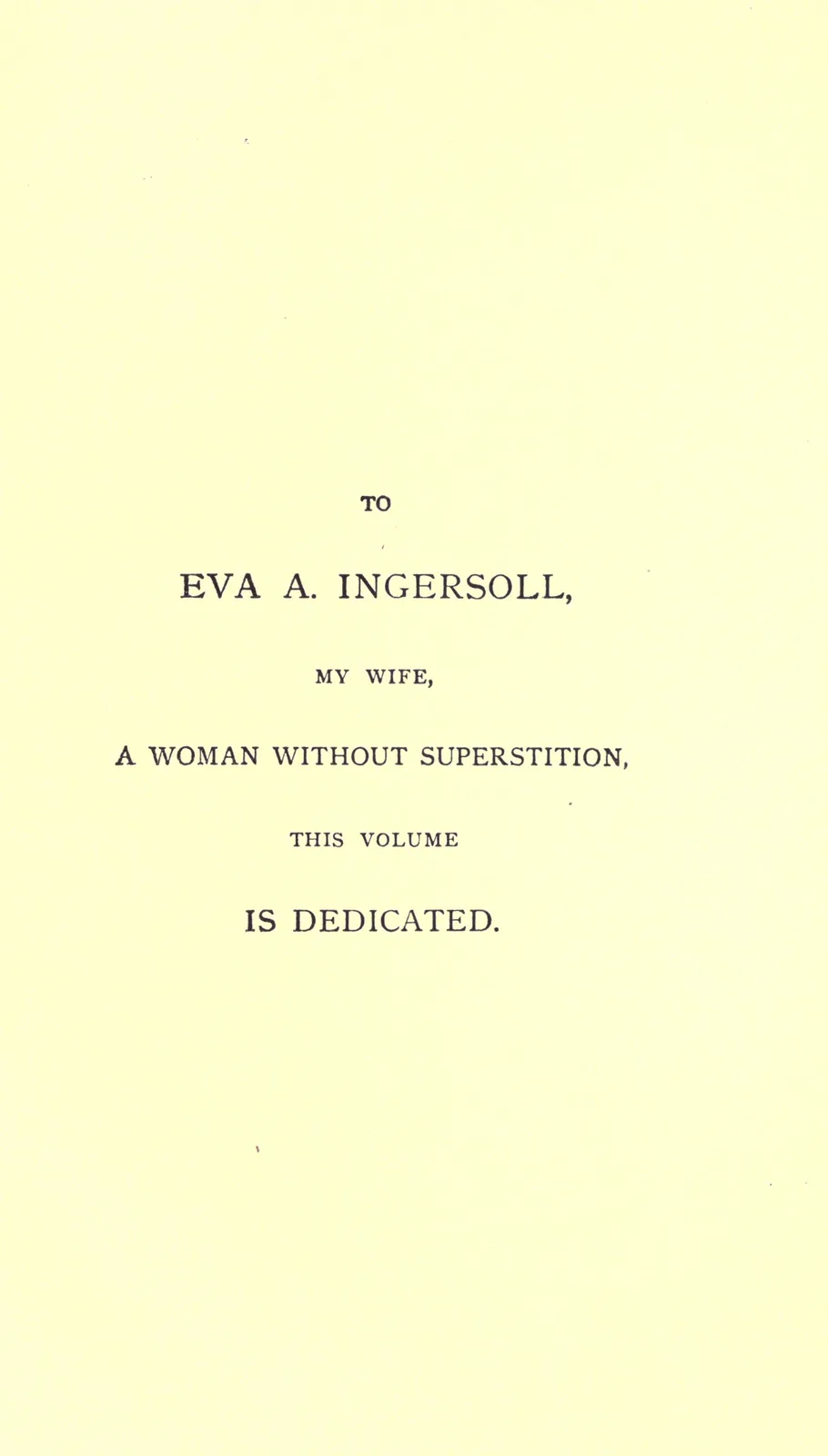
After his death his wife and his brother-in-law, Clinton P. Farrell, gathered everything he had said into the twelve volumes of the Dresden Edition, published between 1900 and 1902,66 and dedicated the first of them in his own words to "a woman without superstition."27 Ingersoll's unbelief was formed in a revival tent and expressed in a lecture hall, and the two were never as far apart as he liked to pretend. He was his father's son. In the same year he was born, a boy was born in London who would carry the same argument into Parliament instead of onto the stage, and who would win the right to take his seat there without swearing to God. His name was Charles Bradlaugh, and he has his own chapter in this book.
Footnotes
-
Herman E. Kittredge, Ingersoll: A Biographical Appreciation, 2nd ed. (New York: Dresden Publishing Co., 1915; 1st ed. 1911), pp. 218–219. Kittredge is the only source for this, as for the other details in this chapter cited to that source alone. ↩
-
Kittredge, Ingersoll, pp. 76, 81–82; The Works of Robert G. Ingersoll, Dresden Edition, 12 vols. (New York: Dresden Publishing Co., C. P. Farrell, 1900–1902), vol. IX pp. 55–60. ↩ ↩2
-
Works of Robert G. Ingersoll, vol. IV, p. 64. ↩
-
Kittredge, Ingersoll, pp. 1, 17. ↩
-
Kittredge, Ingersoll, pp. 16–18. ↩
-
Kittredge, Ingersoll, p. 19. ↩
-
Kittredge, Ingersoll, pp. 19–20, 22. ↩
-
Works of Robert G. Ingersoll, vol. IV, p. 7. ↩
-
Works of Robert G. Ingersoll, vol. IV, pp. 7, 15 ("Why I Am an Agnostic"). ↩
-
Works of Robert G. Ingersoll, vol. V, pp. 148–149; Kittredge, Ingersoll, pp. 9–10. ↩
-
Kittredge, Ingersoll, pp. 10, 15. ↩
-
Works of Robert G. Ingersoll, vol. IV, p. 15. ↩
-
Works of Robert G. Ingersoll, vol. IV, p. 22. ↩
-
Works of Robert G. Ingersoll, vol. IV, p. 15. ↩
-
Works of Robert G. Ingersoll, vol. IV, p. 38. ↩
-
Works of Robert G. Ingersoll, vol. IV, pp. 38–39; Kittredge, Ingersoll, p. 150 quoting Works III. ↩
-
Kittredge, Ingersoll, pp. 41–42, 515. ↩
-
Works of Robert G. Ingersoll, vol. IV, pp. 25–26. ↩
-
Works of Robert G. Ingersoll, vol. IV, p. 25. ↩
-
Works of Robert G. Ingersoll, vol. IV, pp. 30–32. ↩
-
Works of Robert G. Ingersoll, vol. IV, p. 40. ↩
-
Works of Robert G. Ingersoll, vol. IV, p. 40. ↩
-
Kittredge, Ingersoll, p. 42. ↩
-
Kittredge, Ingersoll, pp. 49–50, 510. ↩
-
Kittredge, Ingersoll, pp. 51–54, 417–418; Works of Robert G. Ingersoll, vol. I dedication. ↩ ↩2
-
Kittredge, Ingersoll, p. 55. ↩
-
Kittredge, Ingersoll, pp. 56–57. ↩
-
Kittredge, Ingersoll, pp. 57–61; Forrest's report quoted there. ↩
-
Kittredge, Ingersoll, p. 63. ↩
-
Kittredge, Ingersoll, p. 63. ↩
-
Kittredge, Ingersoll, p. 64. Checked in the biographer's reprint. Not a contemporary transcript. ↩
-
Kittredge, Ingersoll, pp. 63–66. ↩
-
Works of Robert G. Ingersoll, vol. I, p. 7. Often quoted without its context: it is the lecture's opening motto, a play on Pope's "An honest man's the noblest work of God.". ↩
-
Works of Robert G. Ingersoll, vol. I, p. 7; Kittredge, Ingersoll, p. 72. ↩
-
Kittredge, Ingersoll, p. 72. ↩
-
Works of Robert G. Ingersoll, vol. IV, p. 80 (section I). ↩
-
Works of Robert G. Ingersoll, vol. IV, p. 418; title-page epigraph of Works IV. ↩
-
Works of Robert G. Ingersoll, vol. XII (interview on Cuba and Spain). Wording varies across his restatements (Works I 86; VIII 478; XII title page has "to help make others so"). ↩
-
Kittredge, Ingersoll, pp. 15, 117, 491. ↩
-
Kittredge, Ingersoll, pp. 120–125. ↩
-
Prof. David Swing (1879): J. B. McClure, ed., Mistakes of Ingersoll, as shown by Prof. Swing, J. Monro Gibson, W. H. Ryder, Rabbi Wise, Brooke Herford and others (Chicago: Rhodes & McClure, 1879), pp. 16–17. ↩
-
Rev. Patrick Cronin, editor of the Catholic Union and Times, Buffalo, prefacing Father Lambert: Rev. L. A. Lambert, Notes on Ingersoll, 4th ed., preface by Rev. Patrick Cronin (Buffalo: Buffalo Catholic Publication Co., 1883), 1883. ↩
-
Kittredge, Ingersoll, p. 117. ↩
-
Works of Robert G. Ingersoll, vol. XI, pp. 55–57 (New York Times report reprinted); Kittredge, Ingersoll, pp. 132–138. ↩ ↩2
-
Works of Robert G. Ingersoll, vol. XI, pp. 56–57. ↩
-
Works of Robert G. Ingersoll, vol. XI, p. 65. ↩
-
Field (1887): Works of Robert G. Ingersoll, vol. VI, p. 121. ↩
-
Rev. Henry M. Field (1887): Works of Robert G. Ingersoll, vol. VI, p. 128. ↩
-
Works of Robert G. Ingersoll, vol. VI, pp. 149, 233–234. ↩
-
Works of Robert G. Ingersoll, vol. VI, p. 121. ↩
-
Kittredge, Ingersoll, p. 105 and note; Works of Robert G. Ingersoll, vol. XII, pp. 389–391. ↩
-
Works of Robert G. Ingersoll, vol. XII, pp. 390–391. ↩
-
Rev. Henry M. Field (1887): Works of Robert G. Ingersoll, vol. VI, p. 130. Field slightly misquotes Ingersoll ("Life is but a narrow vale"); keep Field's wording when quoting Field. ↩
-
Works of Robert G. Ingersoll, vol. VIII, p. 18. ↩
-
Kittredge, Ingersoll, pp. 223–224. ↩
-
Works of Robert G. Ingersoll, vol. IV, p. 55. ↩
-
Works of Robert G. Ingersoll, vol. IV, pp. 63–64. ↩
-
Kittredge, Ingersoll, p. 356. Checked in the biographer's reprint. ↩
-
Kittredge, Ingersoll, p. 216 (Works XII, 286). Checked in the biographer's reprint. ↩
-
Kittredge, Ingersoll, pp. 220–221. ↩
-
Kittredge, Ingersoll, p. 221. ↩
-
Works of Robert G. Ingersoll, vol. I, p. 86. ↩
-
Works of Robert G. Ingersoll, title pages; Kittredge, Ingersoll, back matter. ↩
In their own words
"For the most part we inherit our opinions. We are the heirs of habits and mental customs. Our beliefs, like the fashion of our garments, depend on where we were born."
"Like the most of you, I was raised among people who knew—who were certain. They did not reason or investigate. They had no doubts."
"I supposed that what I heard was true and yet I did not believe it. I said: 'It is,' and then I thought: 'It cannot be.'"
"But I heard one sermon that touched my heart, that left its mark, like a scar, on my brain."
"An honest God is the noblest work of man."
"If by any possibility the existence of a power superior to, and independent of, nature shall be demonstrated, there will then be time enough to kneel. Until then, let us stand erect."
"Like an armed warrior, like a plumed knight, James G. Blaine marched down the halls of the American Congress and threw his shining lance full and fair against the brazen foreheads of the defamers of his country and the maligners of his honor."
"My religious belief is my own. It belongs to me, not to the State of Illinois."
"Life is a narrow vale between the cold and barren peaks of two eternities. We strive in vain to look beyond the heights. We cry aloud, and the only answer is the echo of our wailing cry. From the voiceless lips of the unreplying dead there comes no word; but in the night of death hope sees a star and listening love can hear the rustle of a wing."
"He who sleeps here, when dying, mistaking the approach of death for the return of health, whispered with his latest breath, 'I am better now.' Let us believe, in spite of doubts and dogmas, of fears and tears, that these dear words are true of all the countless dead."
"I deny the right of any man, of any number of men, of any church, of any State, to put a padlock on the lips—to make the tongue a convict."
"If you could only imprison a thought, then intellectual tyranny might succeed."
"Is there a God? I do not know. Is man immortal? I do not know. One thing I do know, and that is, that neither hope, nor fear, belief, nor denial, can change the fact. It is as it is, and it will be as it must be. We wait and hope."
"No sadder words ever fell from human lips than these, spoken over the coffin of one to whom you were tenderly attached: 'Life is but a narrow vale, between the cold and barren peaks of two eternities!' This is a doom of annihilation, which strikes a chill to the stoutest heart."
"Dear Sir: I am glad that I know you, even though some of my brethren look upon you as a monster because of your unbelief."
"…a doctrine of personal union with God so lofty that it can only be approached in a deep, reverential calm."
"The man Ingersoll is said to be, in his private life, kind, neighborly, humane, and in many ways an example which might be imitated with great profit by thousands who represent themselves as holding the Pagan or the Christian religion."
"…that notorious little fraud—Ingersoll—who so loves to pose as a profoundly original thinker"
"Still, I have no evidence that human beings are immortal. … Still, we can wish in spite of, or against, evidence, and we can hope without it."
"The words attributed to me I never uttered or wrote."
"Happiness is the only good. The time to be happy is now. The place to be happy is here. The way to be happy is to make others so."
"I never willingly will destroy a solitary human hope. I have always said that I did not know whether man was or was not immortal."
"Again we, in the mystery of Life, are brought face to face with the mystery of Death."
"I supposed that what I heard was true… I had no desire to be 'converted,' did not want a 'new heart' and had no wish to be 'born again.'"
"You can imagine my surprise, my delight when I read the poems of Robert Burns. I was familiar with the writings of the devout and insincere, the pious and petrified, the pure and heartless. Here was a natural honest man."
"Up to this time I had read nothing against our blessed religion except what I had found in Burns, Byron and Shelley. By some accident I read Volney."
"Nothing could add to the horror of hell, except the presence of its creator, God. While I have life, as long as I draw breath, I shall deny with all my strength, and hate with every drop of my blood, this infinite lie."
"According to Paley there can be no design without a designer — but there can be a designer without a design. The wonder of the watch suggested the watchmaker, and the wonder of the watchmaker suggested the creator, and the wonder of the creator demonstrated that he was not created — but was uncaused and eternal."
"I read Paley's Evidences and found that the evidence of ingenuity in producing the evil, in contriving the hurtful, was at least equal to the evidence tending to show the use of intelligence in the creation of what we call good."
"I compared what was really known about the stars with the account of creation as told in Genesis. I found that the writer of the inspired book had no knowledge of astronomy." Also: "I studied astronomy, just a little"; "Then I studied geology — not much, just a little"; "These reverend gentlemen should attack the astronomers."
"When he reads these stories, these records, he will know that man must rely on himself, — that the supernatural does not exist, and that man must be the providence of man."
"The hands that help are better far than lips that pray."
"If Calvin was too certain that he knew God's will, Mr. Ingersoll is too certain that he knows God not to exist. It often happens that the dogmatism of the bigot must await its exact parallel in the dogmatism of the atheist."
"But what support does your hollow creed supply?"
Ingersoll: Darwin's "discoveries, carried to their legitimate conclusion, destroy the creeds and sacred Scriptures of mankind." Gladstone: "there is no colorable ground for assuming evolution and revelation to be at variance with one another."
"Matter and force were not created. They have existed from eternity. They cannot be destroyed. There was, there is, no creator."
"long before my father died, he threw aside, as unworthy of a place in the mind of an intelligent man, the infamous dogma of eternal fire; that he regarded with abhorrence many passages in the Old Testament; that he believed man, in another world, would have the eternal opportunity of doing right, and that the pity of God would last as long as the suffering of man." Also (p. 148): his father "was great enough to tell me to read the Bible for myself, to be honest with myself, and if after reading it I concluded it was not the word of God, that it was my duty to say so." And: "The story that the unkindness of my father drove me into Infidelity is simply an orthodox lie."
"I do not deny. I do not know — but I do not believe. I believe that the natural is supreme — that from the infinite chain no link can be lost or broken — that there is no supernatural power that can answer prayer."
The other side
"Dear Sir: I am glad that I know you, even though some of my brethren look upon you as a monster because of your unbelief." "No sadder words ever fell from human lips than these, spoken over the coffin of one to whom you were tenderly attached: 'Life is but a narrow vale, between the cold and barren peaks of two eternities!' This is a doom of annihilation, which strikes a chill to the stoutest heart."
"…a doctrine of personal union with God so lofty that it can only be approached in a deep, reverential calm."
"The man Ingersoll is said to be, in his private life, kind, neighborly, humane, and in many ways an example which might be imitated with great profit by thousands who represent themselves as holding the Pagan or the Christian religion."
"…that notorious little fraud—Ingersoll—who so loves to pose as a profoundly original thinker"
Where accounts differ
| Point | One account | Another | How the page handles it |
|---|---|---|---|
| The 1868 reply to the committee | Kittredge gives a polished paragraph (p. 64) | No contemporary transcript located | "As his biographer recorded it" |
| Forrest's force at Lexington | Kittredge: "in great numbers" | Wyeth's Life of Forrest (quoted by Kittredge): 2,500 total, under 1,500 effective | Say "outnumbered several times over" |
| The Lexington quip ("I'll acknowledge your old Confederacy") | Kittredge, anecdote | none | Omit or flag as "the story goes" |
| Arlington interment | Widely stated; not verifiable here | — | Omit unless the headstone photo is in the asset log |
| Eternal-fire dogma: did Ingersoll "deny immortality"? | Critics: yes (Field, Cronin) | Ingersoll: "I do not know… We wait and hope" (Q13, Q19, Q22) | This is the episode's Act 4 question; present both |
List of illustrations
This page uses only public-domain and Creative Commons images; each is credited with its source and licence.
- Robert G. Ingersoll, Brady-Handy studio, left frame of the double glass negative (crop of portrait-1865-80_ingersoll-brady-handy-seated_loc-PD.jpg) — Brady-Handy Photograph Collection, between 1865 and 1880 · Library of Congress, Prints & Photographs Division, Brady-Handy Collection, LC-DIG-cwpbh-05180 · Public domain (LoC: no known restrictions)
- Dresden, Yates County, New York · 1833 — Series map · Series map on a public-domain base map
- Rev. John Ingersoll (1792-1859), father of Robert G. Ingersoll; painting by Henry Ulke after a daguerreotype — Henry Ulke (painting), after a daguerreotype, c1850s · Internet Archive, Herman E. Kittredge, Ingersoll: A Biographical Appreciation (New York: Dresden Publishing Co., 1911), digitized scan bwb_S0-AWN-773_13 · Public domain (book published 1911; US work before 1931; Internet Archive item states no rights)
- Camp meeting of the Methodists in N. America — Jacques Gerard Milbert del.; M. Dubourg sculp., c. 1819 · Library of Congress, Prints & Photographs Division, LC-USZC4-772 · Public domain (LoC: no known restrictions on publication)
- 'Why I Am an Agnostic', Works vol. IV p. 15 ('one sermon ... like a scar') — Robert G. Ingersoll, 1902 · The Works of Robert G. Ingersoll, vol. IV (1902), via Internet Archive · Public domain
- Robert Burns, engraving by John Beugo after Alexander Nasmyth — John Beugo after Alexander Nasmyth, 1794 · John Beugo after Alexander Nasmyth, 1794, via Wikimedia Commons · Public domain
- Title page, William Paley, Natural Theology (Philadelphia: John Morgan, 1802), Horace Holley's copy — William Paley, 1802 · Paley, Natural Theology (1802), via Internet Archive · Public domain (published 1802)
- Title page, Volney, The Ruins: or A Survey of the Revolutions of Empires, 2nd ed. (London: J. Johnson, 1795) — C.-F. Volney, 1795 (IA record says 1796) · Volney, The Ruins (1795), via Internet Archive · Public domain (published 1795)
- Peoria, Illinois 1867 (bird's-eye view) — A. Ruger; Chicago Lithographing Co., 1867 · Library of Congress, Geography and Map Division · Public domain (US work before 1931)
- Robert G. Ingersoll in 1861 (aged 28) as colonel, Eleventh Illinois Cavalry Volunteers; enlargement from a daguerreotype — Unknown photographer (daguerreotype), enlarged for the book, 1861 · Internet Archive, Herman E. Kittredge, Ingersoll: A Biographical Appreciation (New York: Dresden Publishing Co., 1911), digitized scan bwb_S0-AWN-773_13 · Public domain (book published 1911; US work before 1931; Internet Archive item states no rights)
- Kittredge p. 64: Ingersoll's 1868 reply to the Republican convention committee — Herman E. Kittredge, 1915 (1st ed. 1911) · Kittredge, Ingersoll: A Biographical Appreciation (1915), via Internet Archive · Public domain
- 'The Gods' (1872), opening page, Works vol. I p. 7 — Robert G. Ingersoll, 1902 · The Works of Robert G. Ingersoll, vol. I (1902), via Internet Archive · Public domain
- The lecture circuit, 1876–1899 — Series map · Series map on a public-domain base map
- A Sunday show - profit for pagan and preacher (Puck cover, 3 May 1882) — Frederick Burr Opper, 1882-05-03 · Library of Congress, Prints & Photographs Division, LC-DIG-ppmsca-28471 · Public domain (US work before 1931)
- Portrait engraving of Prof. David Swing, Mistakes of Ingersoll — Rhodes & McClure, 1879 · McClure, Mistakes of Ingersoll (1879), via Internet Archive · Public domain
- [Morris County] Court House, Morristown, N.J.; exterior entrance front (photogravure) — Wm. K. Muchmore (publisher), 1895 · Library of Congress, Prints & Photographs Division, LC-USZ62 (cph 3b20506) · Public domain (US work before 1931)
- Henry Martyn Field (1822-1907) - portrait from an 1890s book of notable New Yorkers — unknown, 1890s · Wikimedia Commons, public domain · Public domain
- Ebon Clark Ingersoll, left exposure of the Brady double negative (crop of people-1860-65_ebon-c-ingersoll-brady-nara_commons-PD.jpg) — Mathew Brady studio (NARA 527196), between c. 1860 and 1865 · U.S. National Archives and Records Administration (NARA 527196), via Wikimedia Commons · Public domain
- 'Why I Am an Agnostic', Works vol. IV p. 64 ('Is there a God? I do not know ... We wait and hope') — Robert G. Ingersoll, 1902 · The Works of Robert G. Ingersoll, vol. IV (1902), via Internet Archive · Public domain
- Col. Robert Green Ingersoll and his family taken at 'Walston', Dobbs Ferry, New York, his country home in 1892 — Pach Bros. N.Y.C. (photoprint), 1892 · Library of Congress, Prints & Photographs Division, LC-USZ62-86626 · Public domain (US photograph before 1931)
- Dedication page to Eva A. Ingersoll, 'a woman without superstition', Works vol. I — Robert G. Ingersoll / Dresden Publishing Co., 1902 · The Works of Robert G. Ingersoll, vol. I (1902), via Internet Archive · Public domain (published 1902)
Sources
Tier 1 — the subject's own words
- [Works] The Works of Robert G. Ingersoll, Dresden Edition, 12 vols. (New York: Dresden Publishing Co., C. P. Farrell, 1900–1902). Scans on the Internet Archive, identifiers
worksofrobertgin01ingeiala…12; OCR texts saved inresearch/texts/dresden-vol01..12.txt. Cited as Works, volume, page. - [Political Speeches] Political Speeches of Robert G. Ingersoll (1914). IA
politicalspeech00ingegoog. - [Reply to Critics] Col. Ingersoll's Reply to His Critics in the N.Y. "Evening Telegram" (1892). IA
colingersollsre00ingeuoft.
Tier 2 — scholarly biographies and encyclopedias
- [Kittredge] Herman E. Kittredge, Ingersoll: A Biographical Appreciation, 2nd ed. (New York: Dresden Publishing Co., 1915; 1st ed. 1911). IA
ingersollabiogr01kittgoog. Written by a devoted admirer with the family's cooperation; the fullest early life, with dates from church and army records. Treat its judgments as partisan, its dates as reliable. Cited as Kittredge, page. - [Baker] I. Newton Baker (his private secretary), An Intimate View of Robert G. Ingersoll (1920). IA
intimateviewofro00bake. - Not consulted (not freely available): Orvin Larson, American Infidel (1962); Susan Jacoby, The Great Agnostic (2013); Eva Ingersoll Wakefield, ed., The Letters of Robert G. Ingersoll (1951). Dates below that these would confirm are marked "Kittredge only."
Tier 3 — popular biographies and journalism
- Newspaper coverage via Chronicling America (Library of Congress); see asset log for pages used.
Opposition sources — contemporary critics and religious responses
- [McClure] J. B. McClure, ed., Mistakes of Ingersoll, as shown by Prof. Swing, J. Monro Gibson, W. H. Ryder, Rabbi Wise, Brooke Herford and others (Chicago: Rhodes & McClure, 1879). IA
mistakesofingers00mccl. - [Lambert] Rev. L. A. Lambert, Notes on Ingersoll, 4th ed., preface by Rev. Patrick Cronin (Buffalo: Buffalo Catholic Publication Co., 1883). IA
notesoningersoll00lamb. - [Field] Rev. Henry M. Field, "An Open Letter to Robert G. Ingersoll," North American Review (1887), reprinted in Works VI.
- [Gladstone] W. E. Gladstone, "Colonel Ingersoll on Christianity" (1888), reprinted in Works VI.
- [Wendling] George R. Wendling, Ingersollism from a Secular Point of View (1882). IA
ingersollismfrom00wendrich.
Related lives
Charles Bradlaugh (1833–1891), born the same year, whose fight to take his seat in Parliament without a religious oath is the legal version of the same story; or Mark Twain, Ingersoll's admirer, who held his unbelief back from the public.
Charles Bradlaugh
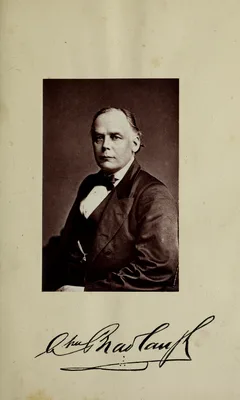
A Sunday-school teacher's honest question got Charles Bradlaugh called an atheist before he was one. Driven from home at sixteen for refusing to pretend, he thought his way from deism to a defined atheism alone in a barrack-room. He then spent forty years turning his unbelief into law: the right to testify, to publish, and to sit in Parliament without swearing to a God he found meaningless.
Leslie Stephen
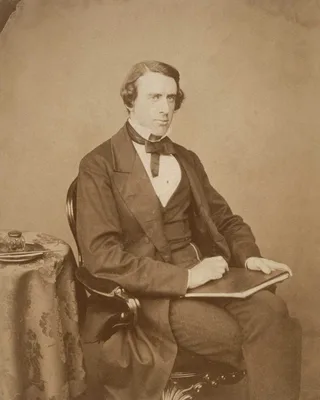
Leslie Stephen was an evangelical's grandson who took holy orders for a Cambridge tutorship rather than from conviction. He read his way out of the creed through Comte, Kant and Mill, gave up his teaching in 1862 rather than read services he did not believe, and renounced his orders as soon as the law allowed. In 1876 he gave English unbelief its modest public name, agnostic. He always insisted that he had not lost a faith but discovered he had never had one.
Ernst Haeckel
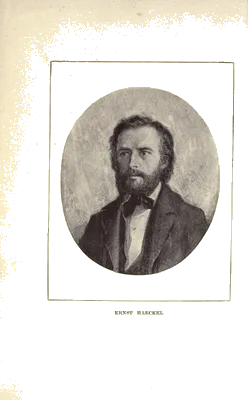
Ernst Haeckel's liberal Protestant faith, still defended in his letters at twenty-one, wore away between 1855 and 1857, under medicine, his teachers and what he saw of Catholic practice. Darwin (1860) and the death of his wife Anna (1864) drove him to build a "monistic" system in its place. He declared it as a pantheist's confession (1892) and as a "new monistic religion" that accepted atheism as its negative side (1899), organised it in the Monist League (1906), and made it outward only in 1910, when he left the church for political reasons. The creed did not change after that, and it carried his ranking of the races with it.
Mark Twain
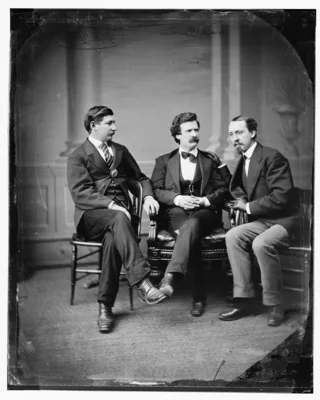
Mark Twain grew from a Hannibal boy terrified of hell into a man who could not sit through his wife's Bible readings without feeling a hypocrite. In private he denied every Christian doctrine while keeping a distant God. Out of love for his family and caution with his public, he put his sharpest writing on religion away for after his death.