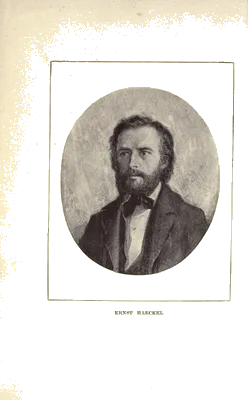
Ernst Haeckel's liberal Protestant faith, still defended in his letters at twenty-one, wore away between 1855 and 1857, under medicine, his teachers and what he saw of Catholic practice. Darwin (1860) and the death of his wife Anna (1864) drove him to build a "monistic" system in its place. He declared it as a pantheist's confession (1892) and as a "new monistic religion" that accepted atheism as its negative side (1899), organised it in the Monist League (1906), and made it outward only in 1910, when he left the church for political reasons. The creed did not change after that, and it carried his ranking of the races with it.
The belief timeline
- Faith (1834–c. 1855) — Raised by pious parents in a liberal Protestant household; at 21 still writes that without God, soul and immortality he could not bear life [2][4][9]
- Doubt (1855–1857) — After the Beckmann conversation, medical studies, Catholic practice and his teachers wear the faith down; by May 1856 "Christian rationalism"; his own later dates for the loss range from his 21st year to the end of the medical course (1857). Explain why the date is not 1855 alone: the letters still show a believer then [9][10][11][12]
- Conviction (1860–1866) — Darwin (1860), the first public defence (1863), Anna's death (1864) and the Generelle Morphologie (1866) turn a private loss of faith into a system [15][18][19][20][22]
- Declaration (1892–1899) — The Altenburg lecture ("pantheistic confession") and the Riddle ("our new monistic religion"; atheism as the negative face of monism) [27][28][30][31]
- Organisation (1905–1906) — Honorary president of the German Monist League [37]
- Departure (1910) — Formally leaves the Evangelical church, after delaying for family and friends and for political reasons [41][42]
Notes to the timeline (18)
- [2] The Sethe family's religious sense was "strong" but "not of the rigid conventional character"; Schleiermacher, a family friend, died four days before Haeckel's birth (12 Feb 1834) and his bust stood in the aunt's home — Wilhelm Bölsche, Haeckel: His Life and Work, translated by Joseph McCabe (London: T. Fisher Unwin, 1906), pp. 27–29.
- [4] Haeckel's own 1910 account: raised by pious parents of the Free Evangelical church "then under the charge of the [famous] Schleiermacher"; for the first twenty years "a convinced and zealous adherent of that liberal form of Protestantism" (the "under Schleiermacher" phrase is family tradition; Schleiermacher was dead before his birth) — The Answer of Ernst Haeckel to the Falsehoods of the Jesuits (New York: The Truth Seeker Company, 1911): condensed translation of "Sandalion" by Thomas Seltzer and of "Mein Kirchenaustritt" by Thaddeus Burr Wakeman, with comments by Joseph McCabe and Wakeman, p. 27 (para 2 of "My Church Departure," Wakeman's translation).
- [9] 17 June 1855 (his 22nd year): after a serious talk with Beckmann, who held the "purely materialistic and rationalistic" view (like Vogt, Burmeister, Virchow), Haeckel defends God, soul and immortality; says without them he "would long ago have shared the fate of unhappy young Ribbeck"; the talk "shook me to my depths"; owes his ability to bear life "only to Christianity"; sympathises with those who turn from "that caricature of the Christian religion" of the Catholic church "and rather fall into the opposite extreme" — Haeckel, The Story of the Development of a Youth: Letters to His Parents, 1852–1856, translated by G. Barry Gifford, introduction by Heinrich Schmidt (New York and London: Harper & Brothers, 1923), letter 59, pp. [287]–[294.
- [10] 20 May 1856: finds the "dogmatic-orthodox standpoint" at Würzburg affronts "our natural science convictions"; "a Christian rationalism... or an ethical humanism... constitute for my present religious conscience and needs the only suitable standpoint"; each must "create his own religion for himself" (Schiller: "Man is reflected in his Gods") — Haeckel, Story of the Development of…, letter 84, pp. [374]–[375.
- [11] His later retrospective dates for losing the faith: "in his twenty-first year" (a colleague "like myself," 1904); "I did not entirely abandon it, after bitter struggles, until my medical studies were completed, and I began to practise" (as quoted by Bölsche from his own writing; the original was not located in the McCabe or German Riddle) — Haeckel, The Wonders of Life, translated by Joseph McCabe (London: Watts, 1904; New York: Harper, 1905), pp. 116–17; Bölsche, Haeckel, pp. 75–76. Accounts differ; see the disputed points.
- [12] Practised briefly in Berlin after the medical course: office hours at five to six in the morning; "only three patients"; his father allowed one more year, for travel in Italy — Bölsche, Haeckel, pp. 80–81.
- [15] Read Darwin's Origin in Berlin in May 1860 ("It profoundly moved me"); the Berlin "magnates" were against it; conversations with Gegenbaur at Jena in June 1860 "finally confirmed" his conviction — Bölsche, Haeckel, p. 133 (quoting a letter from Haeckel to Bölsche); "Ernst Haeckel," German Wikipedia, retrieved 2026-10-14 (research/texts/wikipedia-haeckel-de.txt; revision stamp not recorded). Detailed with archival citations (Jenaische Zeitung, Blätter von der Saale, Uschmann 1959, Bonhard 1920, Hoßfeld). The Wikipedia footnote pages were not reached, (read Bronn's German translation).
- [18] First openly advocated Darwin's theory at the scientific congress at Stettin in 1863 and "was almost alone" — Haeckel, Last Words on Evolution, translated by Joseph McCabe (London: Owen, 1906), p. 29; "Ernst Haeckel,", (19 Sept 1863).
- [19] Anna Sethe died on 16 February 1864, his thirtieth birthday, at 28 or 29; Bölsche says of blood-poisoning, WP-de of an abdominal inflammation — Bölsche, Haeckel, p. 187; "Ernst Haeckel,".
- [20] Haeckel's own words at his sixtieth birthday (1894), as reported by Bölsche: after the blow he thought "my life was closed," and "purposed to bring together all the new ideas that Darwin's theory of evolution had evoked in me in a last great work"; this was the Generelle Morphologie, written in under a year as a hermit — Bölsche, Haeckel, pp. 187–88.
- [22] The Generelle Morphologie (2 vols; preface 14 Sept 1866) laid out "all the essential and distinctive elements" of his monistic philosophy; the Natürliche Schöpfungsgeschichte (1868) was its popular form — Bölsche, Haeckel, pp. 188–89; Ernst Haeckel, The Riddle of the Universe at the Close of the Nineteenth Century, translated by Joseph McCabe (New York and London: Harper & Brothers, 1900), pp. vi–vii; Answer of Ernst Haeckel to…, pp. 28–29.
- [27] In 1892: "The monistic idea of God... recognises the divine spirit in all things. It can never recognise in God a 'personal being'... God is everywhere" — Haeckel, Monism as Connecting Religion and Science: The Confession of Faith of a Man of Science, translated by J. Gilchrist (London: A. & C. Black, 1894), p. 78.
- [28] In 1892 he calls monism "our own pantheistic confession" and says that to the superstitious "we will willingly submit to be ranked as 'atheists'" — Haeckel, Monism as Connecting Religion and Science, pp. 79–80, 82.
- [30] Riddle ch. XV: atheism denies a personal extramundane god; this "godless world-system" "substantially agrees with the monism or pantheism of the modern scientist," "emphasizing its negative aspect," and he approves Schopenhauer's line that pantheism is "only a polite form of atheism" — Haeckel, Riddle of the Universe at…, p. 290.
- [31] Riddle ch. XVII–XVIII and conclusion: keeps Christian ethics ("All that we esteem in true Christianity..."), calls modern churchgoing "pseudo-Christianity... a 'religious lie'," and proposes "our new monistic religion" with the "real trinity of the nineteenth century," the true, the good and the beautiful — Haeckel, Riddle of the Universe at…, pp. 317, 322, 335, 381.
- [37] The German Monist League was founded at Jena; Haeckel became honorary president at the wish of friends and students and the "Thirty Theses" (1904) were adopted — Answer of Ernst Haeckel to…, p. 29 (para 8; says November 1905); "Ernst Haeckel,", (11 Jan 1906).
- [41] Left the Evangelical church in 1910; his explanation "Mein Kirchenaustritt," dated 25 Nov 1910, appeared in Das freie Wort; Sandalion's preface is dated Jena, 10 Nov 1910. The exact date of leaving is not given in the texts read — Answer of Ernst Haeckel to…, pp. 27–34; Haeckel, Sandalion: eine offene Antwort auf die Fälschungsanklagen der Jesuiten (Frankfurt: Neuer Frankfurter Verlag, 1910), preface; "Ernst Haeckel,", (Hoßfeld). Reported at second hand; the original has not been seen.
- [42] His stated reasons: in the 1850s he reached through "heavy soul conflicts" the view that the Christian faith-teachings were "irreconcilable with the certain results of scientific experience"; for "more than twenty years" he had inwardly left but delayed "out of regard to my family and some dear friends"; he now acts because the personal reasons "have meanwhile been removed," because he finds "religious inconsistency" a "hypocrisy," and above all (para 19) from political motives: the reaction under Wilhelm II, the throne-and-altar alliance, the call for separating church from state and school, and the "honorless slanders" of the clerical press — Answer of Ernst Haeckel to…, pp. 28–34 (paras 3, 9–20).
The Monist's Creed
In November 1910, at seventy-six, a German zoologist published a short essay explaining why he had just left the Protestant church. He had stopped believing its teachings, he said, more than twenty years before; why leave only now? His answer began with his family:
Since for more than twenty years I had inwardly, from pure conviction, absolved myself from the faith-teachings of Christianity, it would have been only natural to have given proper expression to this conviction outwardly by withdrawal from the Evangelical church. But this last step I left untaken out of regard to my family and some dear friends.12
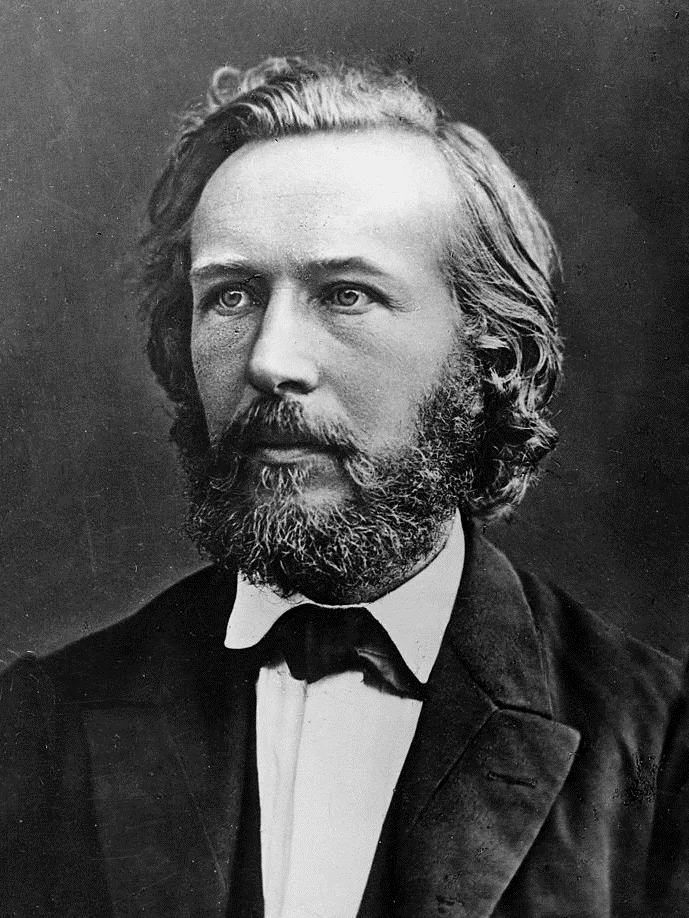
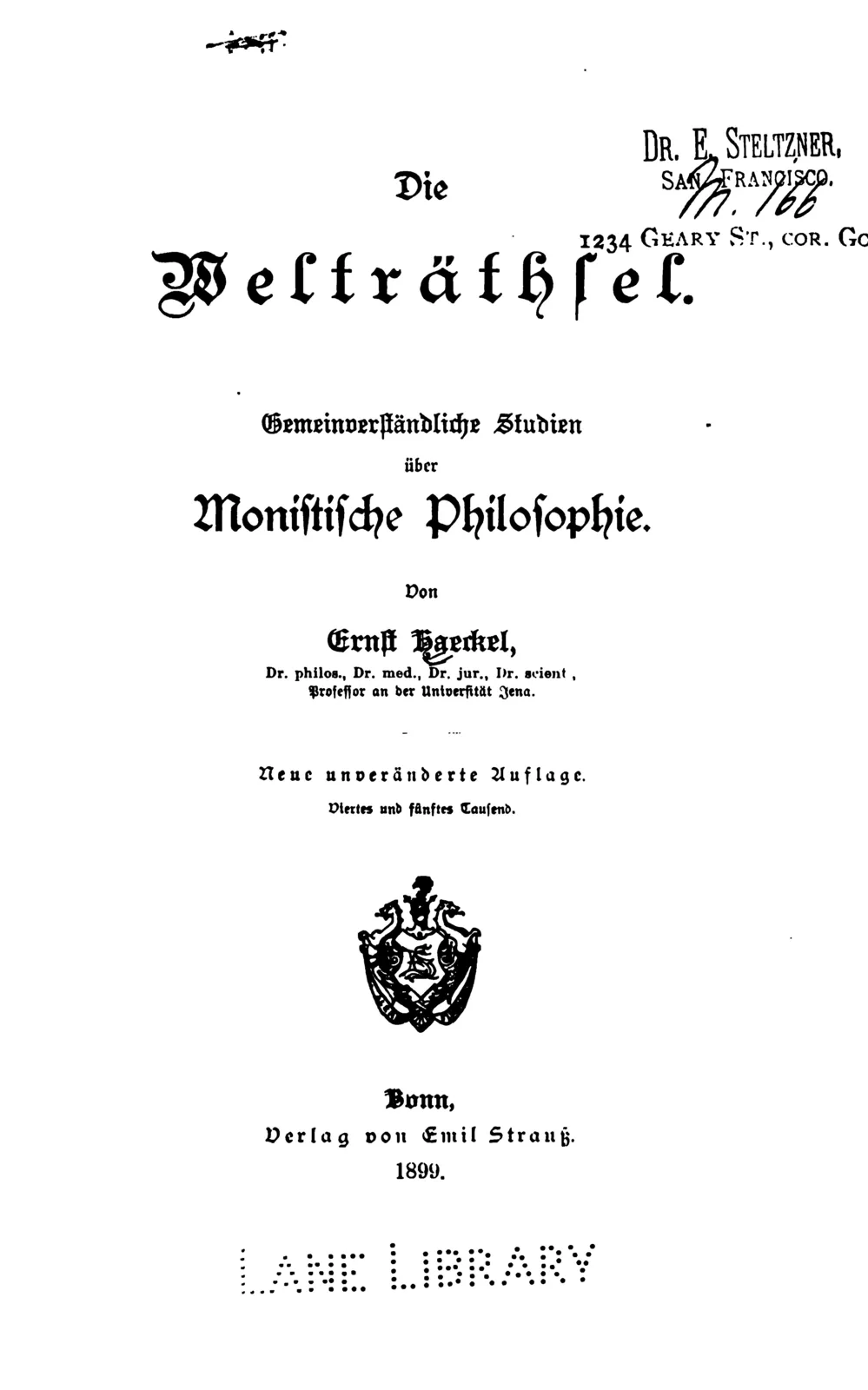
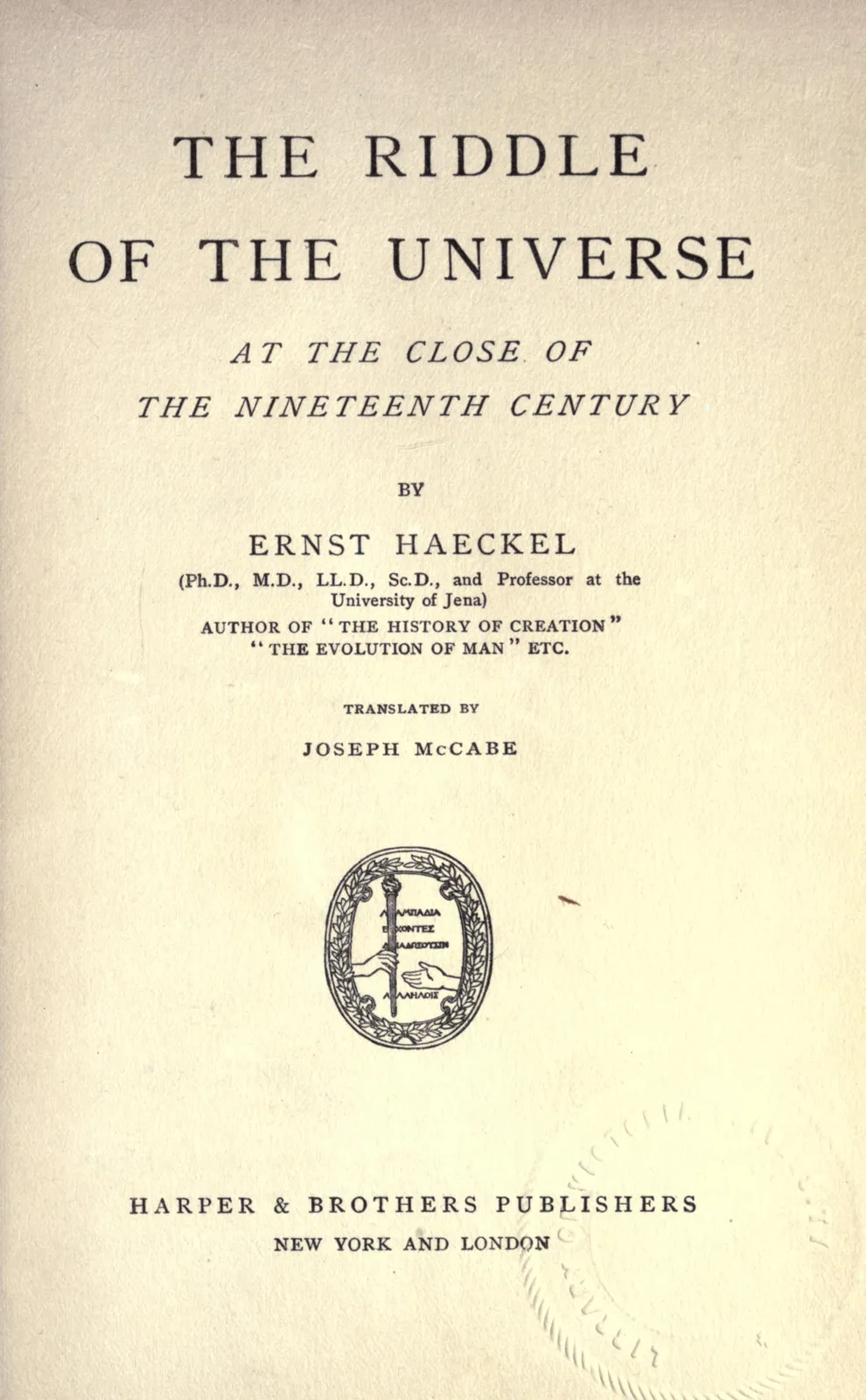
The zoologist was Ernst Haeckel, Darwin's champion in Germany, whose Riddle of the Universe (1899) had offered a "new monistic religion" in place of Christianity. This chapter asks how a pious boy who at twenty-one could not bear life without God came to write that book, why he called his unbelief a religion, and what else he put into it.
A liberal Protestant boyhood
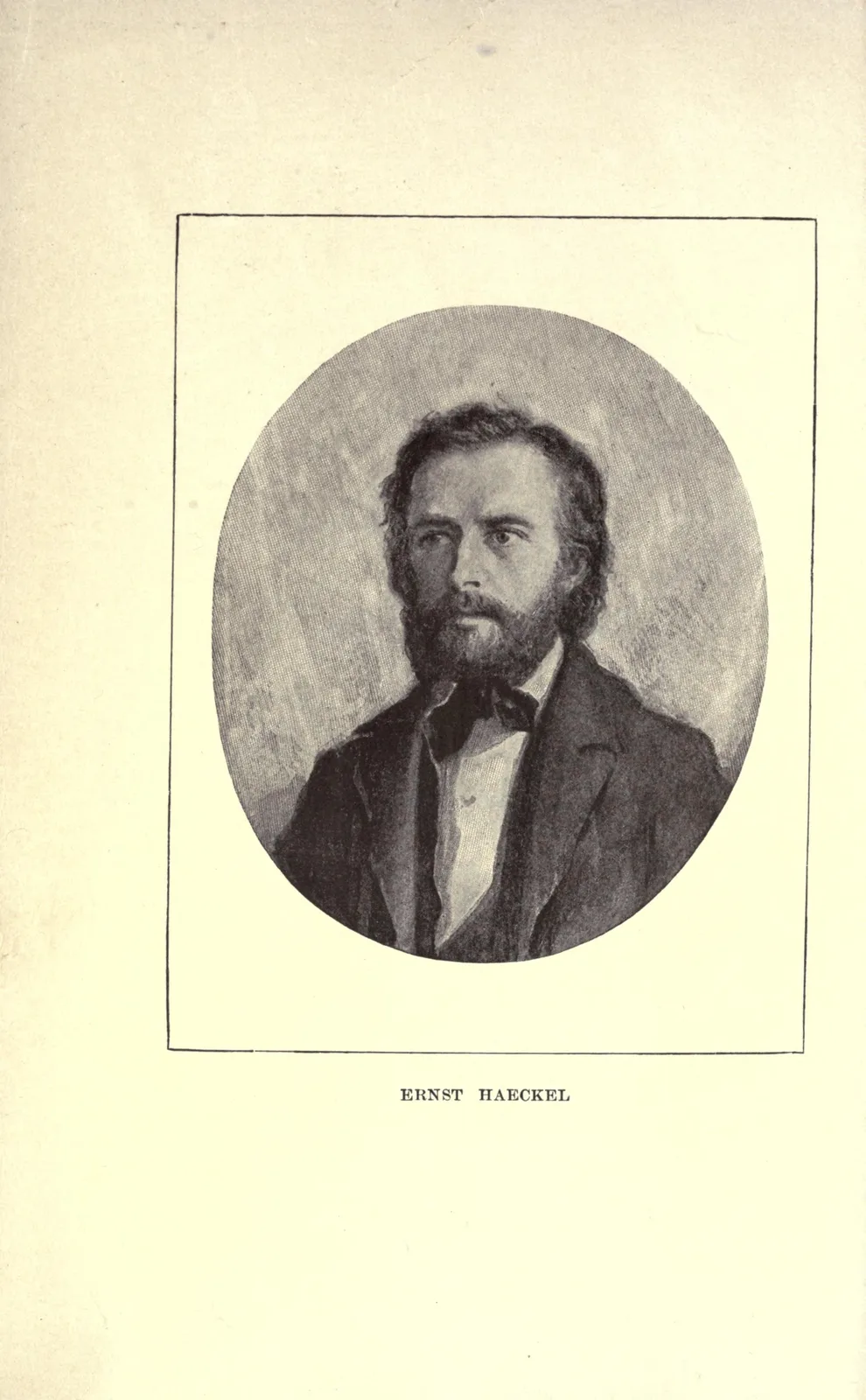
He was born at Potsdam on 16 February 1834, and his father's transfer took the family that same year to Merseburg, where he grew up.3 His mother's family, the Sethes, were religious in a way his biographer Wilhelm Bölsche called strong but not rigid. The theologian Friedrich Schleiermacher had been a friend of the family; he died four days before Haeckel was born, and his bust stood in an aunt's house.4 Haeckel's elder brother Karl kept the strict traditional forms of religion all his life.5 Looking back in 1910, Haeckel wrote:
Brought up by pious parents who belonged to the Free Evangelical church, then under the charge of the [famous] Schleiermacher, I remained during the first twenty years of my life a convinced and zealous adherent of that liberal form of Protestantism.67
Schleiermacher was in fact dead before he was born; the phrase is family tradition.7
Würzburg: a believer among the Catholics
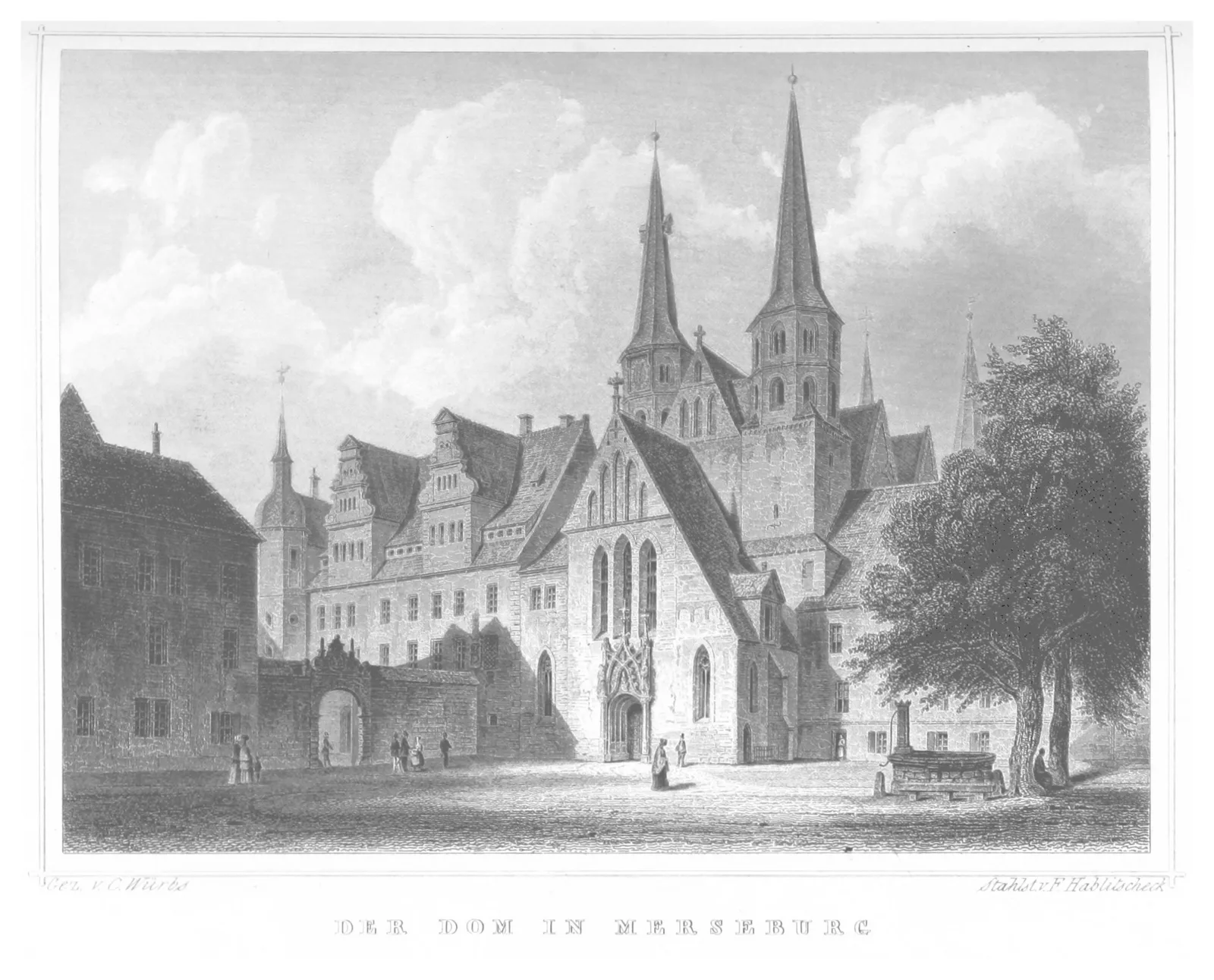
In October 1852 he went to Würzburg to study medicine, and his letters home survive.8 In Catholic Würzburg he sought out the Protestant church and was uplifted by its congregation; on Christmas Day he wrote that being away from home turned one toward God, and that faith grew of itself.9 The Catholic religion around him repelled him. After the Jesuit mission sermons of February 1853 he wrote that he could reconcile himself to the cult of Mary and the saints "even less than before," and in 1855 he called a Corpus Christi procession glorified idolatry.1011
His friend Beckmann held the "purely materialistic and rationalistic" view of the scientists Vogt and Virchow. In June 1855, after a long talk with him that "shook me to my depths," Haeckel wrote to his parents:
For myself, I confess openly that if I would hold this materialistic view of my life I would not be able to lead such a life or to stand it.1213
He owed his ability to bear life, he said, "only to Christianity, to its divine, deep truth."1413 On the belief timeline, this is where his faith stands.
The slow loss
Eleven months later the tone had changed. In May 1856 he wrote that the orthodox standpoint at Würzburg affronted "our natural science convictions," and that
a Christian rationalism, as Sydow declares in his excellent sermons, or an ethical humanism, as Weisse (the Leipzig philosopher) expounds in his essays, or perhaps both together, constitute for my present religious conscience and needs the only suitable standpoint.1516
The editor of his letters listed what wore his faith down: his science, his teachers (above all the pathologist Rudolf Virchow), his friends (above all Beckmann), what he saw of religious practice in Würzburg, the Tyrol and Italy, and "the bitter recognition of human incompleteness and of human misery."17 Haeckel's own later dates do not agree. In 1904 he said he had lost "the faith of his boyhood" in his twenty-first year; Bölsche quotes him as saying he did not entirely abandon it, after bitter struggles, until his medical studies were done and he began to practise, in 1857.181920 The letters show a believer in June 1855 and a rationalist by May 1856, and so on the belief timeline his doubt covers 1855 to 1857 rather than a single day.
He practised medicine in Berlin with office hours at five in the morning, and, he said, had only three patients. His father allowed him one more year, for travel in Italy.21 Engaged to his cousin Anna Sethe, he spent 1859 and the spring of 1860 in Italy, the winter at Messina.22 German Wikipedia cites a letter to Anna in which he says that a longer stay in Rome would surely make him a "heathen."23
Darwin and a death
Back in Berlin in May 1860 he read Darwin's Origin of Species. "It profoundly moved me," he told Bölsche, but all the Berlin "magnates," with a single exception, were against it, and conversations at Jena with the anatomist Carl Gegenbaur that June "finally confirmed" him.242526 He became a lecturer at Jena in 1861 and a professor in 1862, and in August 1862 he married Anna.2728 In 1863, at the scientists' congress at Stettin, he defended Darwin in public:
When I first openly advocated Darwin's theory at a scientific congress at Stettin in 1863, I was almost alone, and was blamed by the great majority for taking up seriously so fantastic a theory2930
On 16 February 1864, his thirtieth birthday, Anna died suddenly; accounts differ on the cause.31 Thirty years later he told his friends what it had done to him:
I thought at the time that I could not survive the blow, thought my life was closed, and purposed to bring together all the new ideas that Darwin's theory of evolution had evoked in me in a last great work.3233
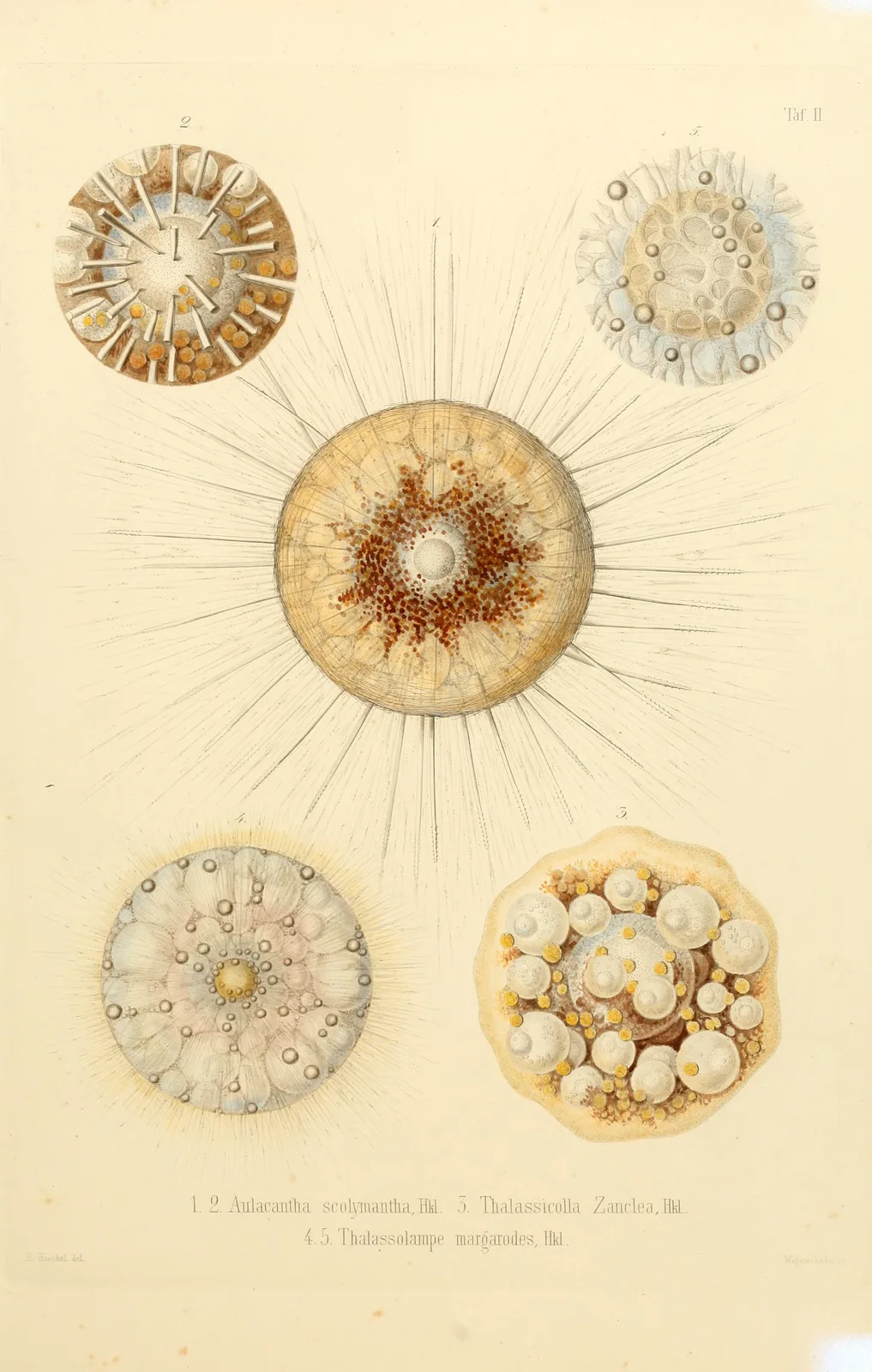
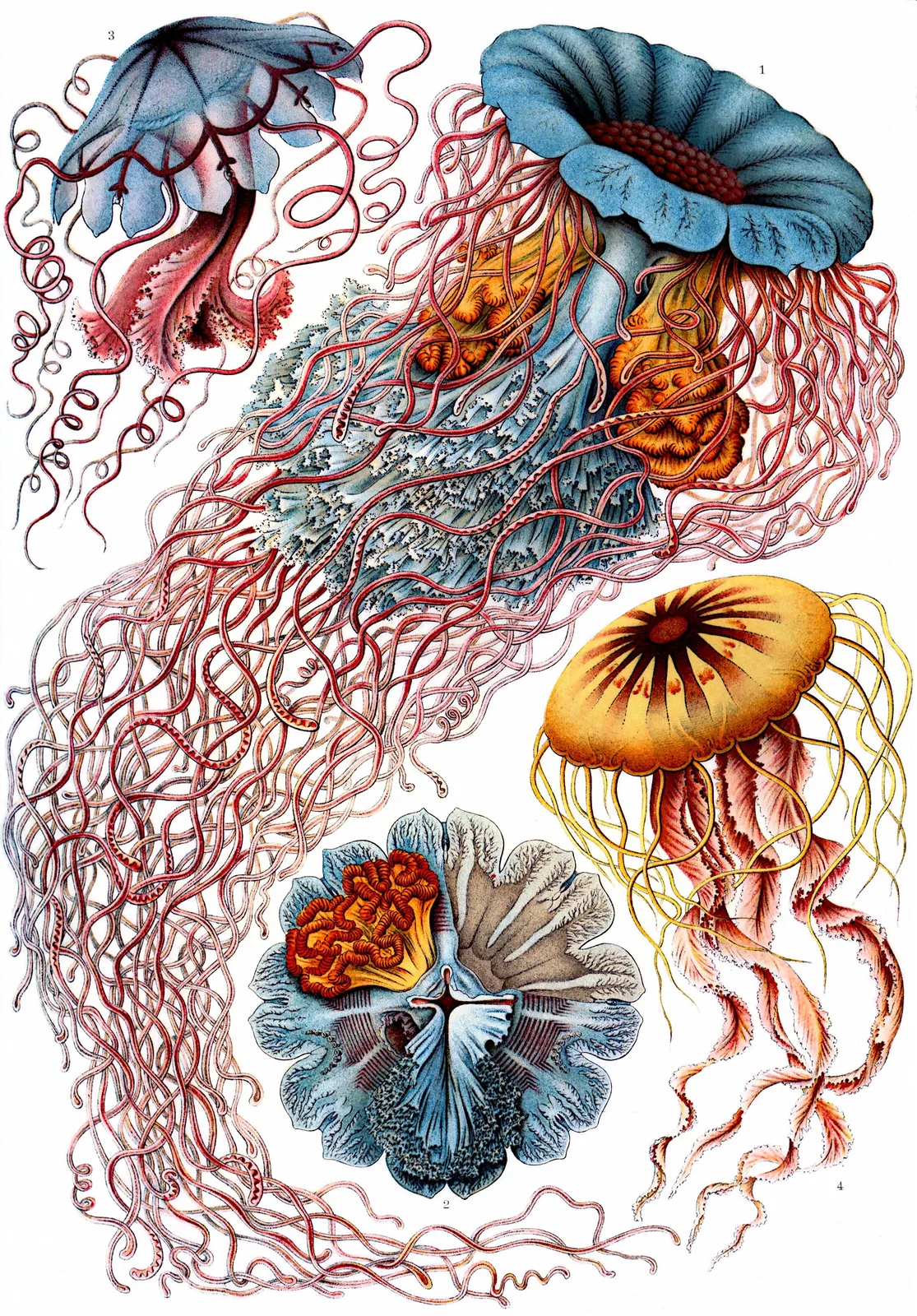
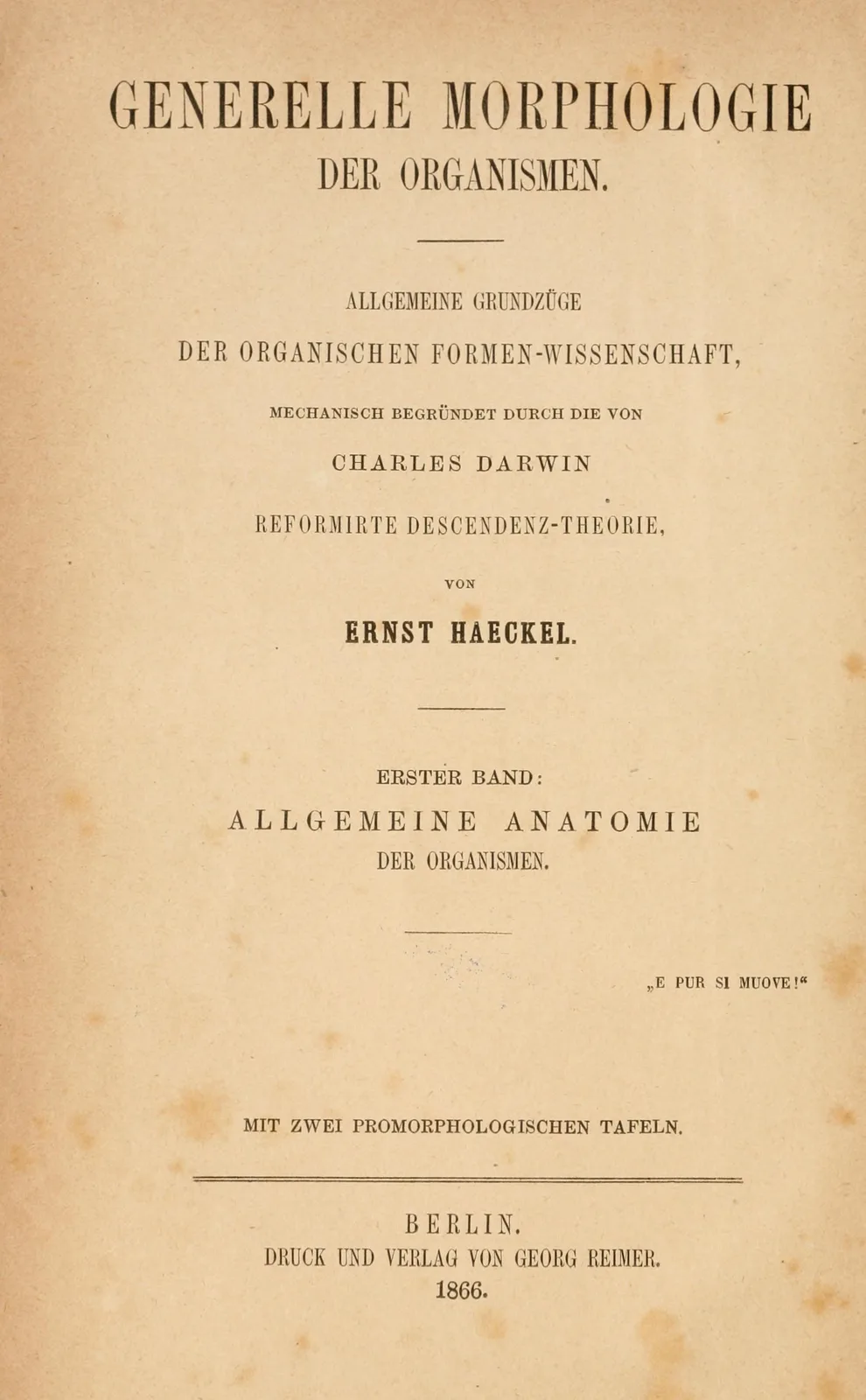
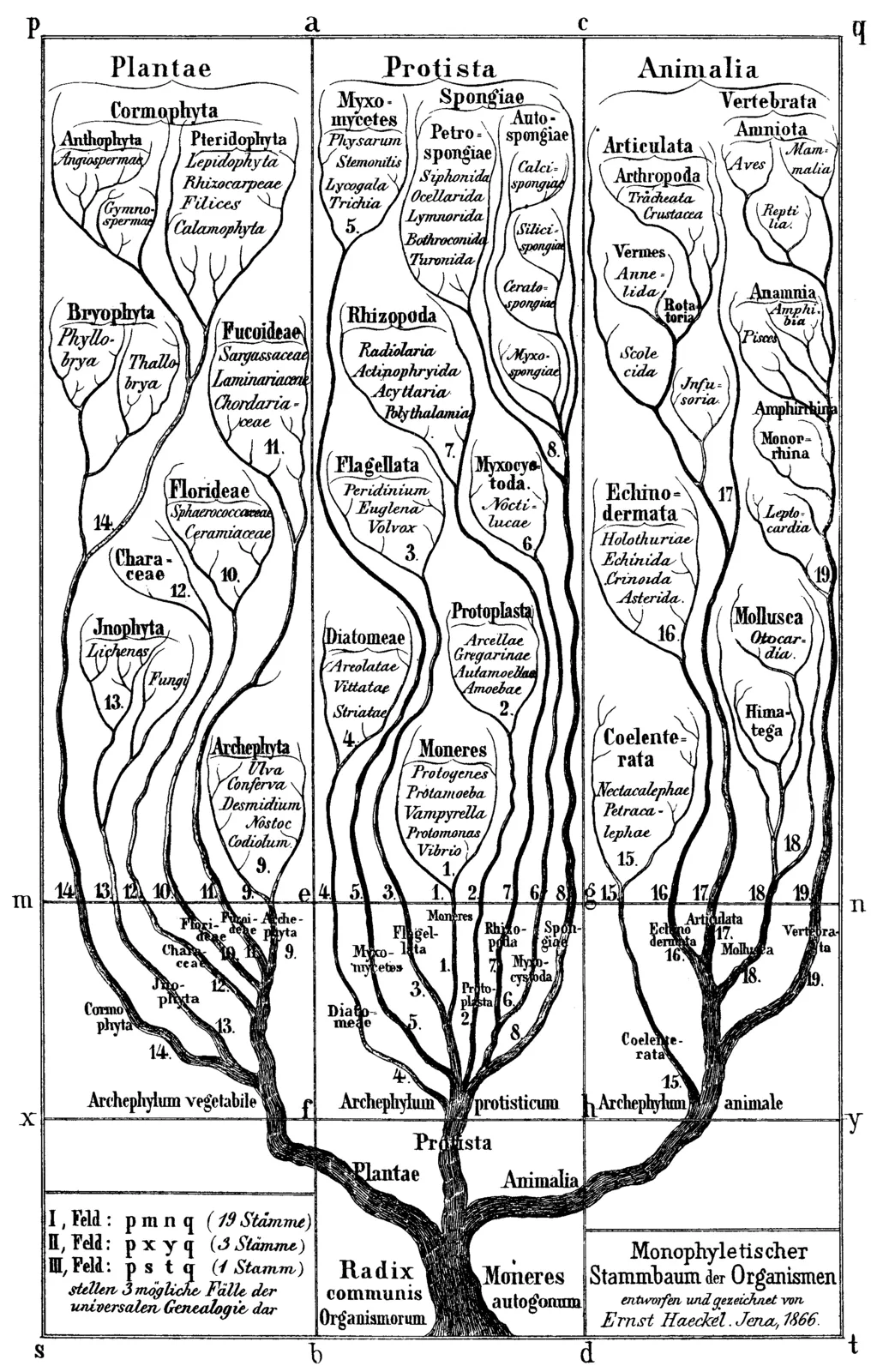
He named a medusa for her that April, and in 1899 another, Desmonema annasethe.34 The "last great work" was the Generelle Morphologie of 1866, written in less than a year, which set out every essential element of the philosophy he now called monism; its popular version, the Natural History of Creation, followed in 1868.3335 He described the road himself: from "an originally dualistic and idealistic view of the world to a pure monistic and realistic philosophy," with Goethe decisive at first and Darwin since 1860.3637 Bölsche does not say Haeckel tied Anna's death to his belief. The timeline places his conviction here, a private loss of faith turned into a system. In October 1866, Wikipedia says, he visited Darwin at Down House.38
Virchow's warning
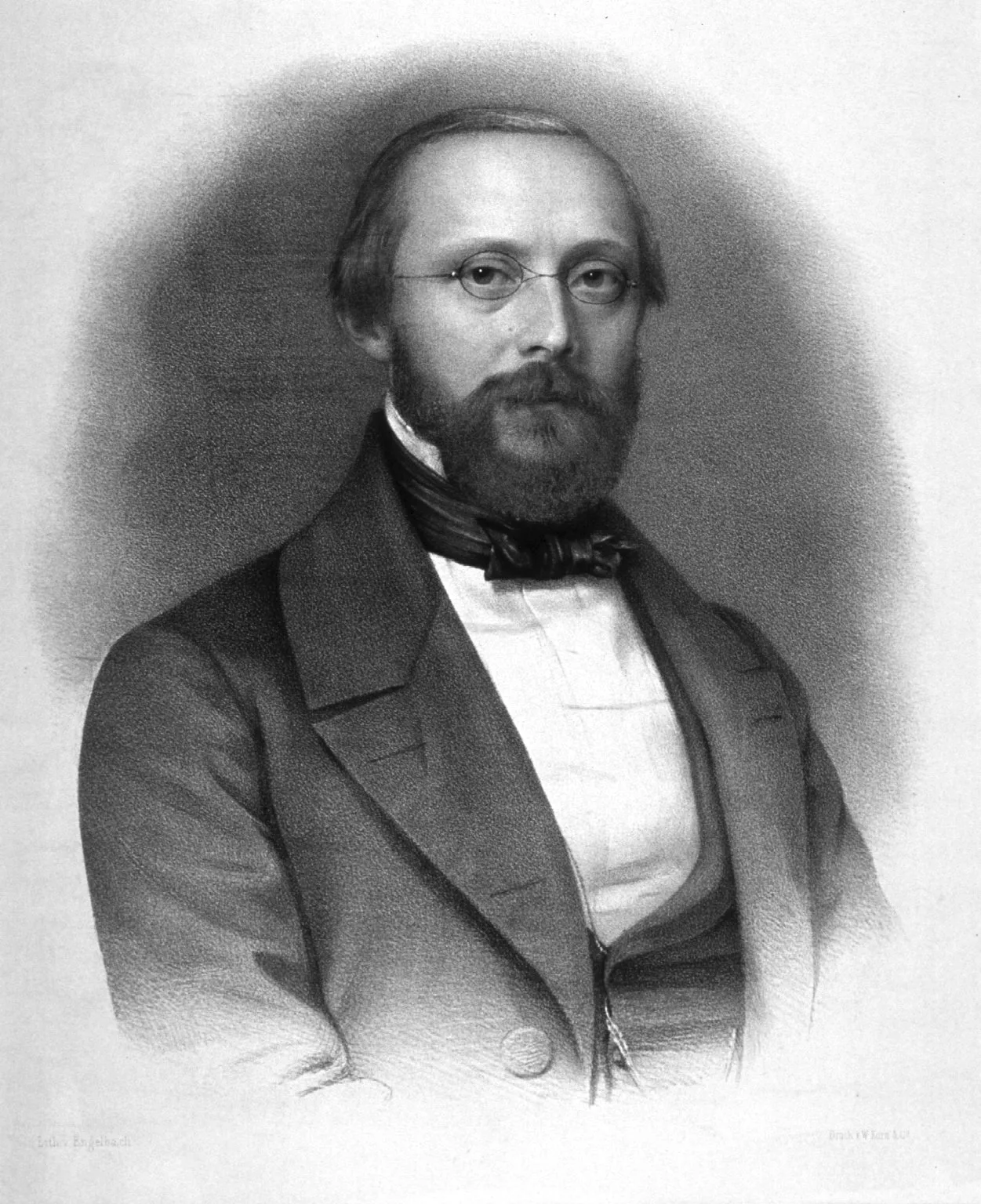
His old teacher Virchow did not follow him. At Munich in September 1877 he warned the assembled naturalists:
We cannot teach, we cannot pronounce it to be a conquest of science, that man descends from the ape or from any other animal. We can only indicate it as an hypothesis, however probable it may seem3940
Haeckel answered with a book, Freedom in Science and Teaching (1878), which appeared in English with a note by T. H. Huxley.40
Altenburg, 1892: a pantheist's confession
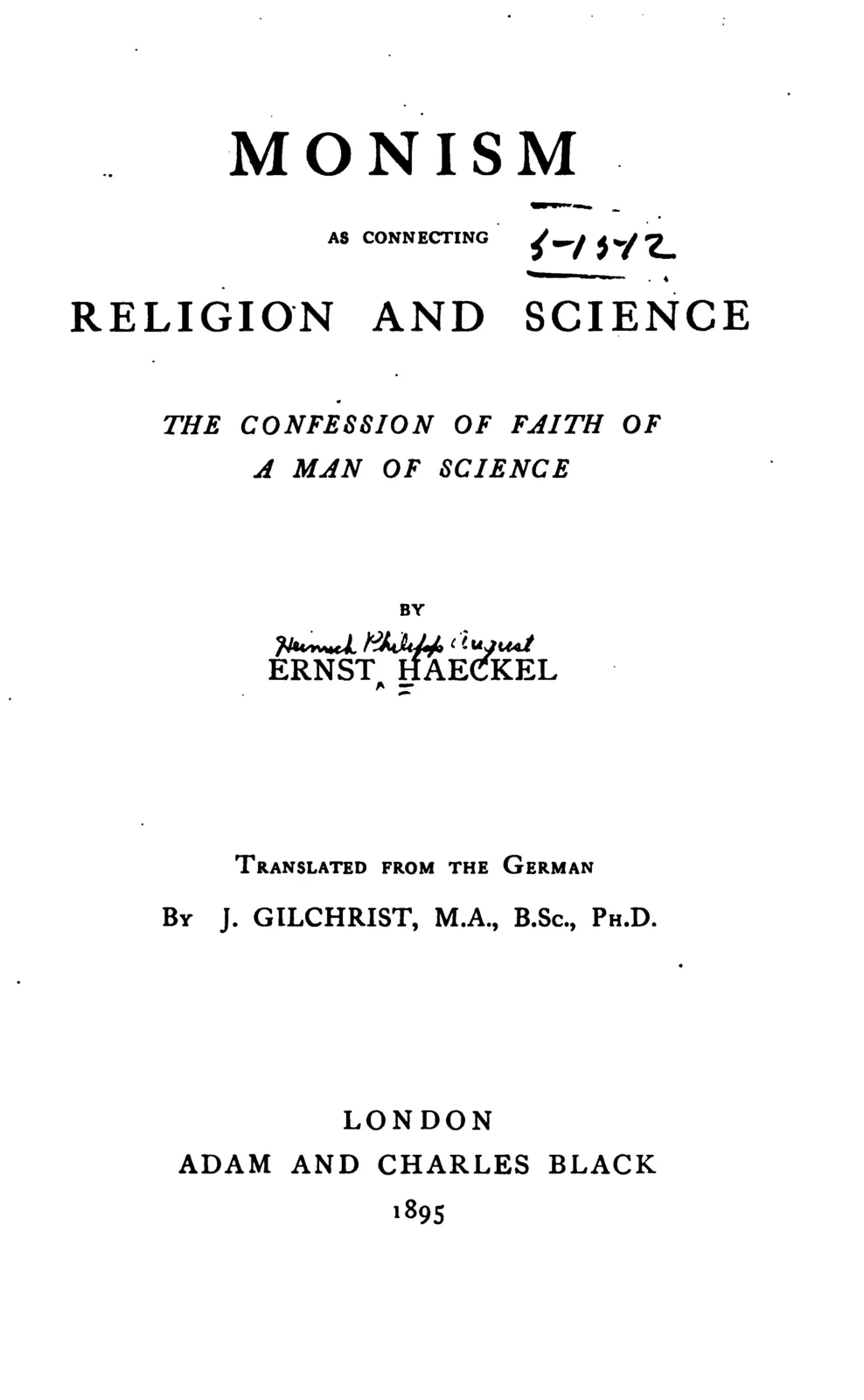
On 9 October 1892, at a scientific society's anniversary in Altenburg, he answered another speaker's lecture on "scientific articles of faith" with an unprepared confession of his own.41 He kept the word God, but not the person:
The monistic idea of God, which alone is compatible with our present knowledge of nature, recognises the divine spirit in all things. It can never recognise in God a "personal being," or, in other words, an individual of limited extension in space, or even of human form. God is everywhere.4243
He called it "our own pantheistic confession," in the company of Spinoza, Goethe and Darwin. Of people who believed in relics and indulgences he said, "with such fetish-worshippers we will willingly submit to be ranked as 'atheists.'"444546
The Riddle, 1899
Die Welträthsel, The Riddle of the Universe, came out in 1899, in his sixty-sixth year. In its preface he said that his monism was "sincere from beginning to end," the work of half a century, and that it would "suffer no substantial modification during the brief spell of life that remains to me."474849 Here he took the word atheism on its own terms:
Atheism affirms that there are no gods or goddesses, assuming that god means a personal, extramundane entity. This "godless world-system" substantially agrees with the monism or pantheism of the modern scientist; it is only another expression for it, emphasizing its negative aspect, the non-existence of any supernatural deity.5051
He agreed with Schopenhauer that pantheism was only a polite form of atheism.51 He called the churchgoing of educated people "pseudo-Christianity," "a 'religious lie' of the worst character," but he wanted to save Christianity's ethics "from the inevitable wreck of this great world religion."525354 In place of "God, freedom, and immortality" he offered "the real trinity of the nineteenth century," the true, the good and the beautiful, "the heart of our new monistic religion."555654 This is where the timeline places his declaration.
His admirers counted the copies: eight German editions, a cheap edition read by more than 150,000, fourteen translations, and, by his translator Joseph McCabe's count, about 100,000 copies in English. Those figures come from his partisans; no independent record was seen.57
The other side
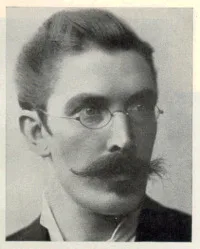
The church historian Friedrich Loofs of Halle answered the Riddle's chapter on Christianity in an open letter in November 1899 and a book, Anti-Haeckel. Haeckel, replying, said the chapter leaned largely on the English freethinker William Stewart Ross.58 Loofs's charge was ignorance, not unbelief:
Hatred of Christianity is everyone's right; and that such hatred is paired with incomprehension and ignorance is a very common, indeed normal, occurrence.5960
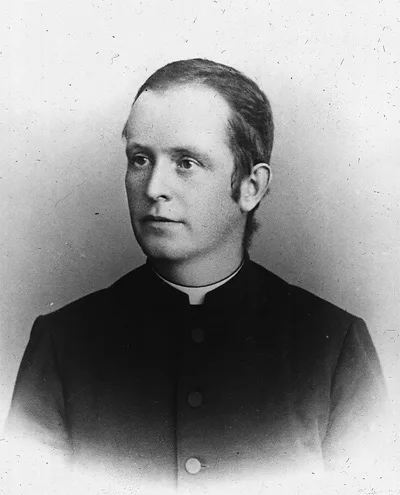
He argued against prosecuting Haeckel, too: "Nothing would be more foolish than the attempt to make Haeckel a 'martyr of unprejudiced science.'"6160 (The translations from Loofs are this book's own.) The Jesuit entomologist Erich Wasmann, the best-known Catholic scientist to oppose him, answered him in Berlin in 1907 with a different argument: one could be a monist or a theist and accept evolution equally well, and so
it is incorrect, and not in accordance with the actual facts, to use the doctrine of evolution as a kind of battering-ram against Christianity. The monists do this6263
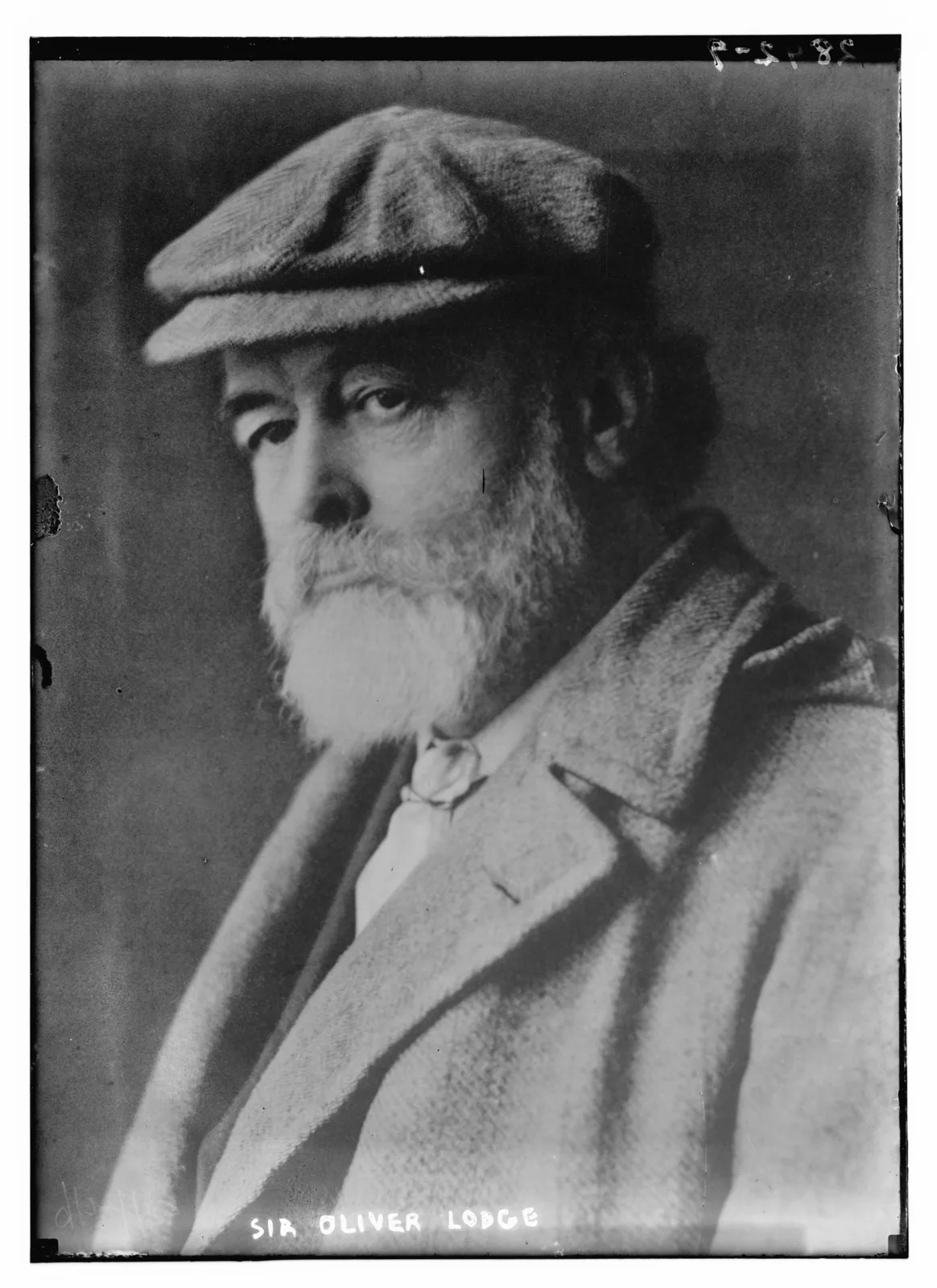
He added: "I am not opposing Haeckel personally."6463 The English physicist Sir Oliver Lodge, a Christian, judged in 1905 that Haeckel's attack on religion was inspired above all by "mistrust and dislike, and to some extent fear, of Ecclesiasticism."6566 Some pulpits were cruder. A popular London preacher, Dr. Horton, called him, as Bölsche reported, "an atrophied soul, a being that is blind on the spiritual side."6768 Haeckel's own tone in reply was no gentler; he called his critics "the Catholic Jesuits and the Protestant Jesuits."6970
The Monist League and the embryos
In September 1904 he attended the International Freethinkers' Congress at Rome.71 He became honorary president of the German Monist League, founded at Jena at the wish of his friends and students; accounts differ on whether it was founded in November 1905 or January 1906.72
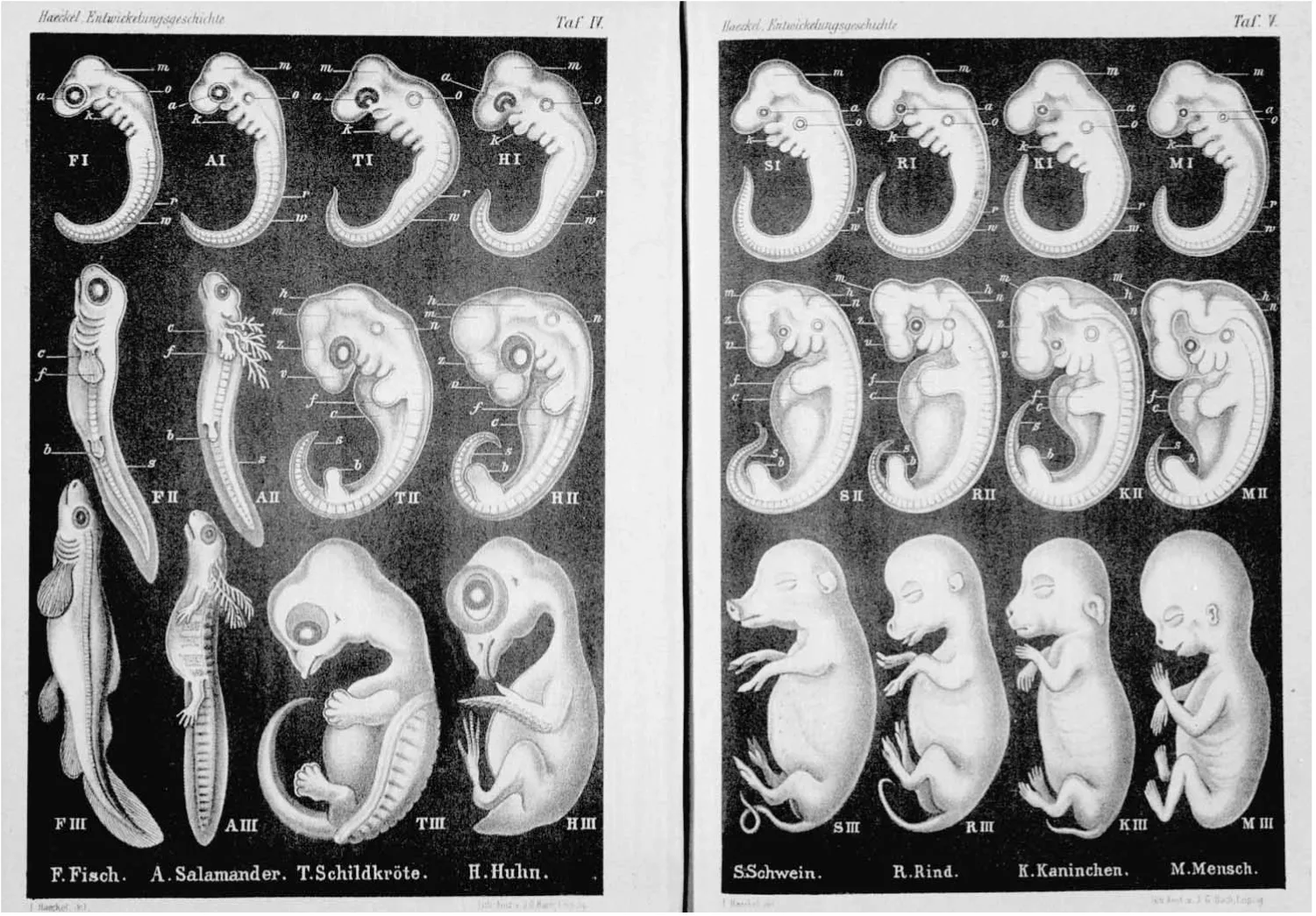
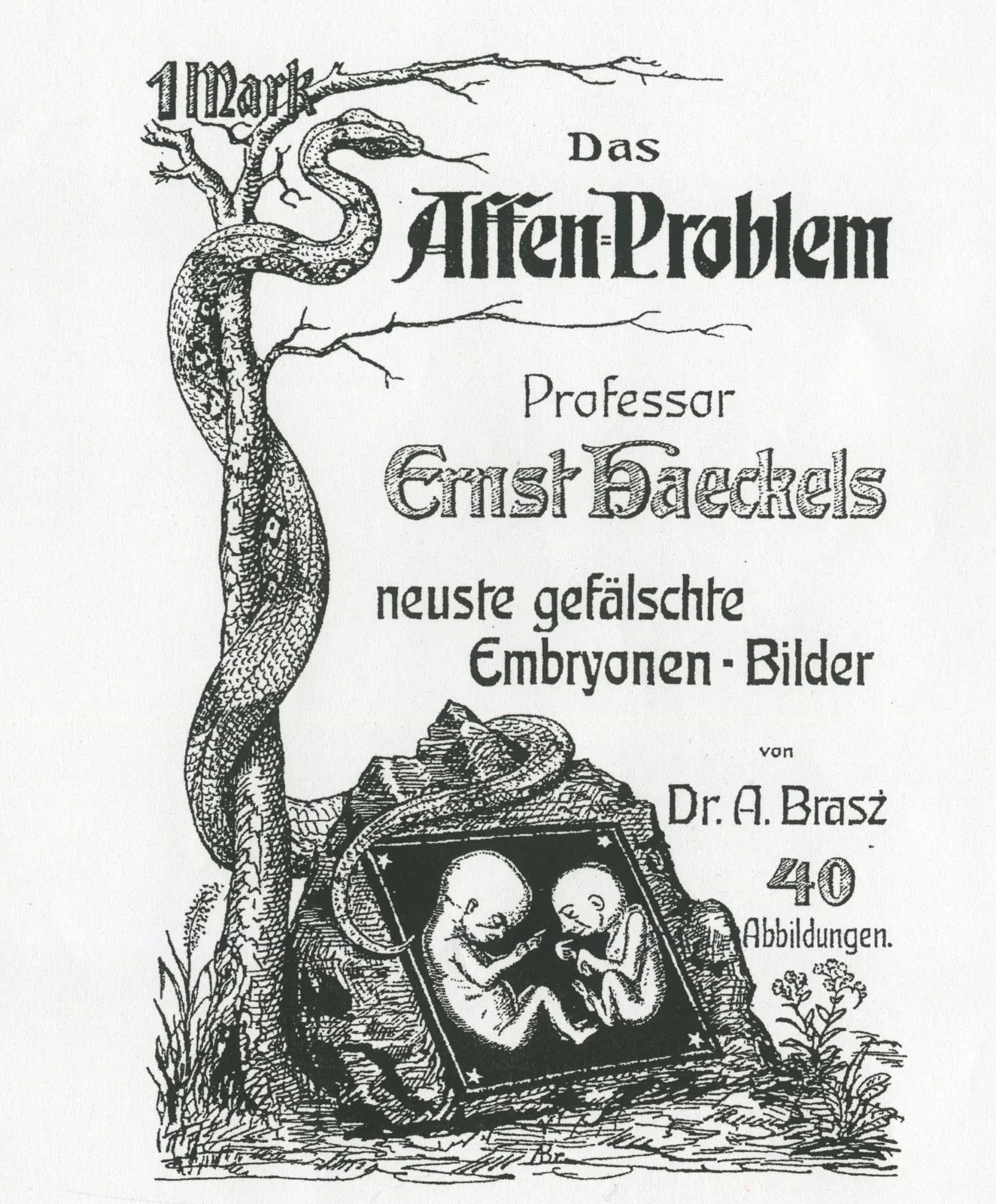
From 1906 Arnold Brass accused him of forging his drawings of embryos; similar charges had been made by others as far back as 1868.73 In late December 1908 Haeckel answered in a Berlin newspaper that "a small fraction of my numerous drawings of embryos" were indeed "falsified" in Brass's sense, meaning that he had filled gaps in the material with hypotheses, and he claimed hundreds of fellow culprits.7475 In 1910 he said the "repentant confession" had been ironic, that many readers had taken it seriously, and that he very much regretted it.767775 Some forty-six German professors of anatomy and zoology declared in 1909 that they disliked the schematising he had practised in some cases, but condemned the attack on him; the declaration itself was not seen for this chapter, only Haeckel's and McCabe's accounts of it.7879 The drawings were schematic, and he admitted as much in ironic terms; his critics called it fraud, and historians are still divided.
Leaving the church, 1910
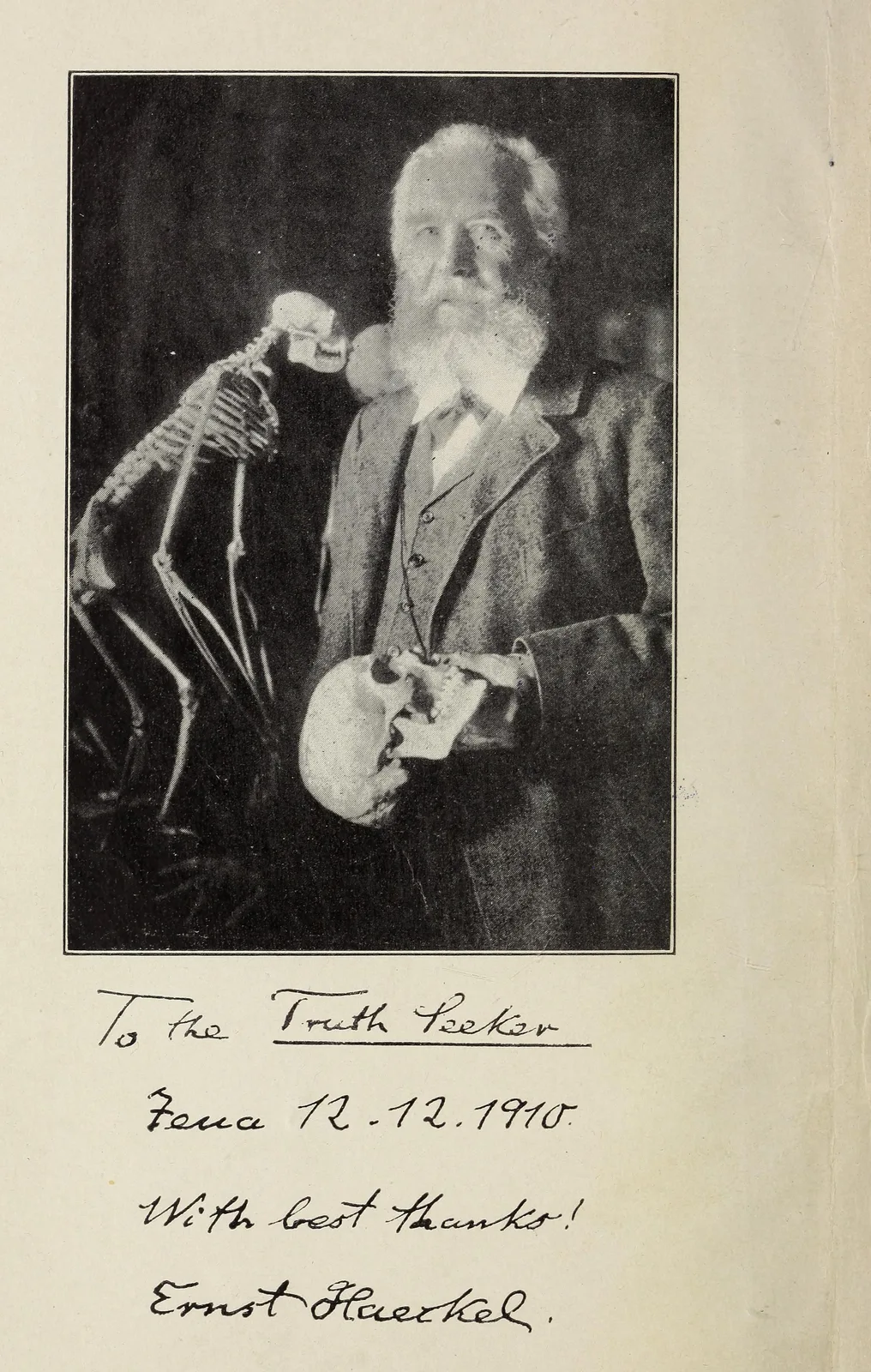
He left the church in 1910 and explained why in "My Church Departure," dated 25 November 1910.80 The personal reasons for waiting had "meanwhile been removed." He found remaining a "religious inconsistency" and a hypocrisy. But his main reasons were political: the reaction under Wilhelm II, the alliance of throne and altar, and the slanders of the clerical press; he wanted church separated from state and school.
Although these political considerations are for me by far the most powerful motives for consequent present withdrawal from the church, yet they are reinforced by a sense of disgust (Ekel) at the sham-holy hypocrisy812
His position did not change; only its outward form did. The timeline marks this as his departure.
What else the creed contained
Haeckel's monism was not only an argument against the churches. In The Natural History of Creation (1868) he divided humanity into twelve species and wrote that "the Mediterranean species, and within it the Indo-Germanic," had "surpassed all the other races and species in the struggle for life."8283 In the Riddle he wrote that the difference between the reason of a Goethe or a Darwin and that of "the lowest savage" was greater than the difference between that savage and the most "rational" animals.8485 In 1868 he described the Spartans' killing of weak newborns as "artificial selection"; in 1904 he wrote that destroying "abnormal new-born infants" could not "rationally be classed as 'murder,'" and that the incurably sick who asked for it should be given morphia under the control of a medical commission.868788 He was an honorary member of a society for racial hygiene and a founding member of the Pan-German League, according to German Wikipedia.89 Historians disagree about how far a line runs from him to National Socialism: some see him as its precursor; others deny a direct line, and Robert Richards argues that he opposed antisemitism and that the Nazis rejected monism and atheism.90 What he wrote is on the page.
The end
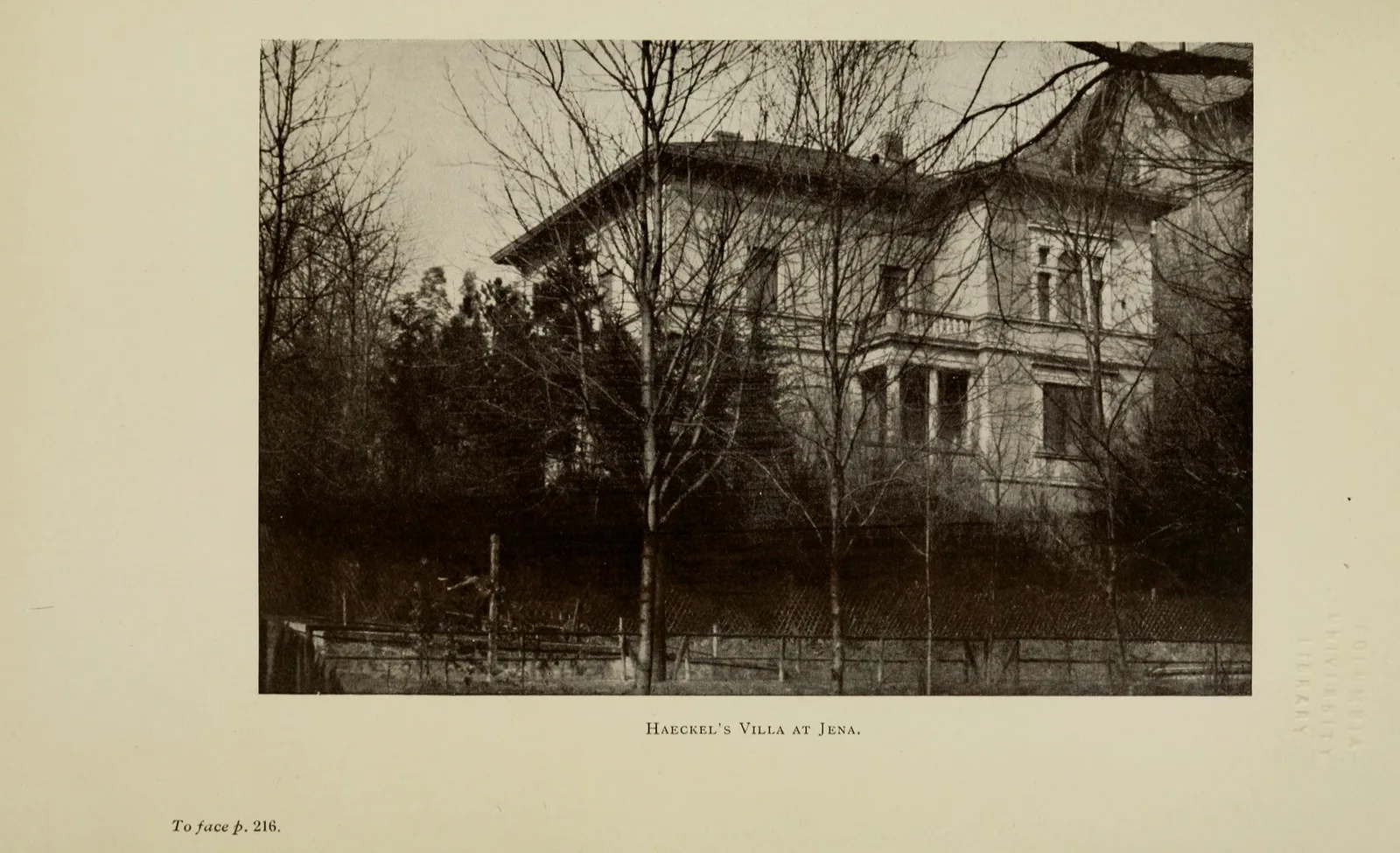
He retired from teaching in 1909, having founded the Phyletic Museum at Jena.91 In October 1914 he signed the manifesto of German intellectuals "To the Civilised World," and he blamed England for the war. His second wife, Agnes Huschke, whom he had married in 1867, died in 1915.9228 He died at his villa in Jena on 9 August 1919.93
Did his unbelief change shape?
His faith did not snap; it wore away between 1855 and 1857, in letters that can still be read, and the loss of Anna in 1864 drove him to build a system in its place. After that, by his own promise, the system did not change: the sources show no late revision, and the Riddle's preface refused one in advance. What changed was its name and its public face: monism in 1866, a pantheist's confession in 1892, atheism accepted as monism's negative side in 1899, a league with a president in 1906, and in 1910 a church left for political reasons. Biographers still disagree about the label: one historian titles his book on the church exit "From Christian to Atheist"; German Wikipedia says he was no strict atheist but a pantheist in the line of Goethe and Spinoza.9495 He called it a religion, and he put into it not only the true, the good and the beautiful, but his science's ranking of the races.
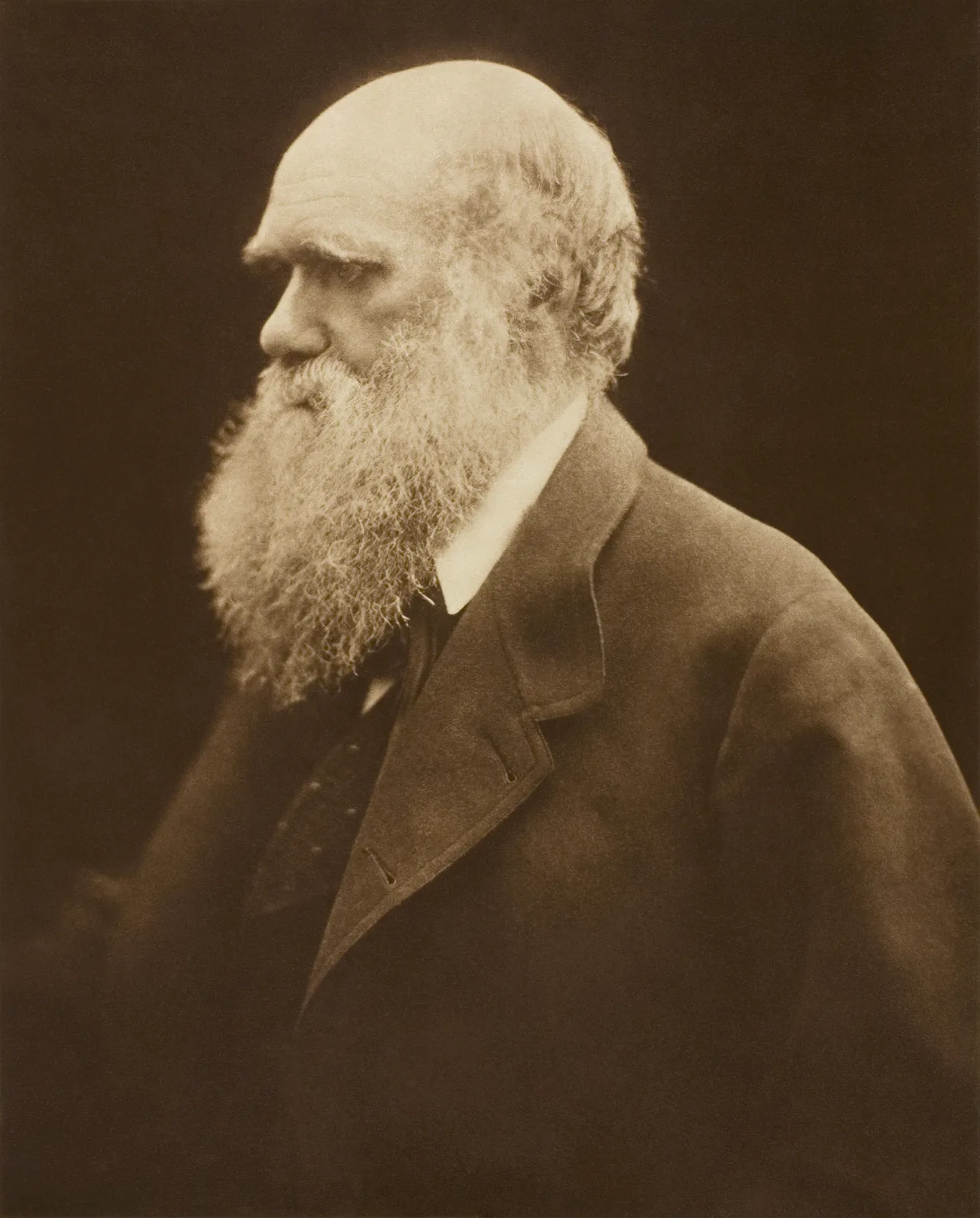
Charles Darwin, whom Haeckel claimed to be completing, and who held back from saying what Haeckel said, has his own chapter in this book.
Footnotes
-
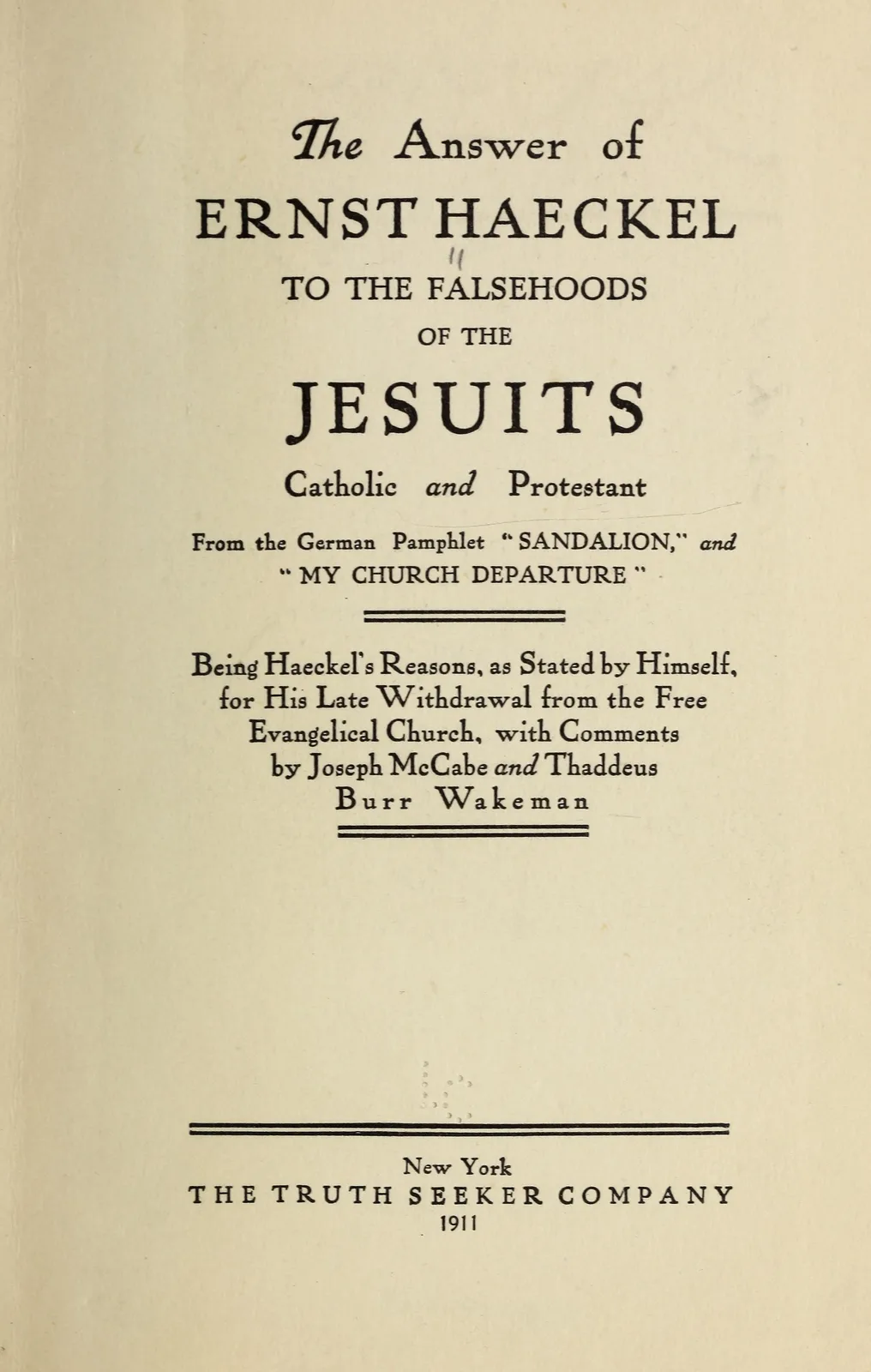
The Answer of Ernst Haeckel to the Falsehoods of the Jesuits (New York: The Truth Seeker Company, 1911): condensed translation of "Sandalion" by Thomas Seltzer and of "Mein Kirchenaustritt" by Thaddeus Burr Wakeman, with comments by Joseph McCabe and Wakeman, Wakeman 1911, pp. 29–30. ↩
-
Answer of Ernst Haeckel to…, pp. 28–34 (paras 3, 9–20). ↩ ↩2
-
Wilhelm Bölsche, Haeckel: His Life and Work, translated by Joseph McCabe (London: T. Fisher Unwin, 1906), p. 30 (date, p. 28 and the index); "Ernst Haeckel," German Wikipedia, retrieved 2026-10-14 (research/texts/wikipedia-haeckel-de.txt; revision stamp not recorded). Detailed with archival citations (Jenaische Zeitung, Blätter von der Saale, Uschmann 1959, Bonhard 1920, Hoßfeld). The Wikipedia footnote pages were not reached. ↩
-
Bölsche, Haeckel, pp. 27–29. ↩
-
Bölsche, Haeckel, p. 29. ↩
-
Answer of Ernst Haeckel to…, Wakeman's translation, 1911, p. 27. ↩
-
Answer of Ernst Haeckel to…, p. 27 (para 2 of "My Church Departure," Wakeman's translation). ↩ ↩2
-
Haeckel, The Story of the Development of a Youth: Letters to His Parents, 1852–1856, translated by G. Barry Gifford, introduction by Heinrich Schmidt (New York and London: Harper & Brothers, 1923), letter 1, p. [3. ↩
-
Haeckel, Story of the Development of…, letter 4 (11 Nov 1852) pp. 21–23; letter 12 (25 Dec 1852) pp. 59–60 (page marks garbled in OCR). ↩
-
Haeckel, Story of the Development of…, letter 19, pp. 91–93. ↩
-
Haeckel, Story of the Development of…, letter 59, p. [294. ↩
-
Haeckel, Story of the Development of…, Gifford 1923, letter 59, p. 292. ↩
-
Haeckel, Story of the Development of…, letter 59, pp. [287]–[294. ↩ ↩2
-
Haeckel, Story of the Development of…, letter 59, p. 293. ↩
-
Haeckel, Story of the Development of…, letter 84, p. 374. ↩
-
Haeckel, Story of the Development of…, letter 84, pp. [374]–[375. ↩
-
Haeckel, Story of the Development of…, Schmidt's introduction pp. [1]–[2. ↩
-
Haeckel, The Wonders of Life, translated by Joseph McCabe (London: Watts, 1904; New York: Harper, 1905), McCabe 1905, pp. 116–17. ↩
-
Bölsche, Haeckel, McCabe 1906, pp. 75–76. ↩
-
Haeckel, Wonders of Life, pp. 116–17; Bölsche, Haeckel, pp. 75–76. Accounts differ; see the disputed points. ↩
-
Bölsche, Haeckel, pp. 80–81. ↩
-
Bölsche, Haeckel, pp. 81–82. ↩
-
"Ernst Haeckel,", (citing Haeckel, Italienfahrt, 1921, p. 8); the 1921 OCR text was not reachable (403). Reported at second hand; the original has not been seen. ↩
-
Bölsche, Haeckel, McCabe 1906, p. 133. ↩
-
Bölsche, Haeckel, McCabe 1906, p. 133. ↩
-
Bölsche, Haeckel, p. 133 (quoting a letter from Haeckel to Bölsche); "Ernst Haeckel,", (read Bronn's German translation). ↩
-
Bölsche, Haeckel, p. 100; "Ernst Haeckel,". ↩
-
Haeckel, Last Words on Evolution, translated by Joseph McCabe (London: Owen, 1906), McCabe 1906, p. 29. ↩
-
Haeckel, Last Words on Evolution, p. 29; "Ernst Haeckel,", (19 Sept 1863). ↩
-
Bölsche, Haeckel, p. 187; "Ernst Haeckel,". ↩
-
Bölsche, Haeckel, McCabe 1906, p. 187. ↩
-
Bölsche, Haeckel, p. 186. ↩
-
Bölsche, Haeckel, pp. 188–89; Ernst Haeckel, The Riddle of the Universe at the Close of the Nineteenth Century, translated by Joseph McCabe (New York and London: Harper & Brothers, 1900), pp. vi–vii; Answer of Ernst Haeckel to…, pp. 28–29. ↩
-
Answer of Ernst Haeckel to…, Wakeman 1911, p. 28. ↩
-
Answer of Ernst Haeckel to…, p. 28 (para 5). ↩
-
"Ernst Haeckel," English Wikipedia, revision of 2026-10-13T10:07:07Z, retrieved 2026-10-14 (research/texts/wikipedia-haeckel-en.txt). A map to Richards (2008, 2009), Hopwood (2006), Richardson and Keuck (2002), Gasman, Gould, Kelly, (citing Richards 2008, pp. 173–74). ↩
-
Rudolf Virchow, pathologist and anthropologist, Haeckel's former teacher; Munich, 22 Sept 1877. He added he would not be "surprised nor astonished" if the proof were produced: Rudolf Virchow, The Freedom of Science in the Modern State (London: John Murray, 1878), the Munich speech of 22 Sept 1877, The Freedom of Science in the Modern State, 1878, p. 63. ↩
-
Virchow, Freedom of Science in the…, p. 63; Haeckel, Freedom in Science and Teaching, with a prefatory note by T. H. Huxley (New York: Appleton, 1879): the 1878 reply to Virchow. Gutenberg #25711 (research/texts/freedom.txt). Read for existence and context only; no quotation used, title page and prefatory note. ↩ ↩2
-
Haeckel, Monism as Connecting Religion and Science: The Confession of Faith of a Man of Science, translated by J. Gilchrist (London: A. & C. Black, 1894), Preface (Gutenberg #9199). ↩
-
Haeckel, Monism as Connecting Religion and Science, Gilchrist 1894, p. 78. Often quoted in part; the full passage rejects a personal God while keeping the word. ↩
-
Haeckel, Monism as Connecting Religion and Science, p. 78. ↩
-
Haeckel, Monism as Connecting Religion and Science, Gilchrist 1894, pp. 79–80. ↩
-
Haeckel, Monism as Connecting Religion and Science, Gilchrist 1894, p. 82. ↩
-
Haeckel, Monism as Connecting Religion and Science, pp. 79–80, 82. ↩
-
Haeckel, Riddle of the Universe at…, McCabe 1900, p. vi. ↩
-
Haeckel, Riddle of the Universe at…, McCabe 1900, pp. vi–vii. ↩
-
Haeckel, Riddle of the Universe at…, pp. vi–vii. ↩
-
Haeckel, Riddle of the Universe at…, McCabe 1900, p. 290. ↩
-
Haeckel, Riddle of the Universe at…, McCabe 1900, p. 322. ↩
-
Haeckel, Riddle of the Universe at…, McCabe 1900, p. 317. ↩
-
Haeckel, Riddle of the Universe at…, pp. 317, 322, 335, 381. ↩ ↩2
-
Haeckel, Riddle of the Universe at…, McCabe 1900, p. 335. ↩
-
Haeckel, Riddle of the Universe at…, McCabe 1900, p. 381. ↩
-
Bölsche, Haeckel, pp. 303–07. ↩
-
Friedrich Loofs, Anti-Haeckel: Eine Replik nebst Beilagen, 3rd ed. (Halle: Max Niemeyer, 1900), pp. 1–2, 5 (quoting Haeckel's reply in Zeitschrift für wissenschaftliche Kritik und Antikritik, 1899, p. 49 f.). ↩
-
Friedrich Loofs, professor of church history at Halle, on Riddle ch. XVII (the print spells ß as "fs"; modern "Haß/daß"). Translation (this research's own): "Hatred of Christianity is everyone's right; and that such hatred is paired with incomprehension and ignorance is a very common, indeed normal, occurrence.": Loofs, Anti-Haeckel, Anti-Haeckel, 3rd ed., Halle 1900, p. 1. ↩
-
Loofs, arguing against prosecuting Haeckel. Translation (own): "Nothing would be more foolish than the attempt to make Haeckel a 'martyr of unprejudiced science.'": Loofs, Anti-Haeckel, 1900, p. 4. ↩
-
Erich Wasmann SJ, Jesuit entomologist and the best-known Catholic scientific critic of Haeckel, Berlin lecture II, Feb 1907: Erich Wasmann SJ, The Problem of Evolution: A Critical Review of the Recent Discussion on Evolution (the report of his Berlin lectures of Feb 1907 and the evening discussion; London: Kegan Paul, 1909; IA theberlindiscuss00wasmuoft as "The Berlin Discussion of the Problem of Evolution"; research/texts/wasmann-berlin-1909.txt; running heads read "The Problem of Evolution"). Also Modern Biology and the Theory of Evolution (trans. Buchanan, 1910; IA modernbiologythe00wasmuoft; research/texts/wasmann-modern-biology.txt; not quoted), The Problem of Evolution, 1909, p. 22. ↩
-
Wasmann, Berlin, Feb 1907: SJ, Problem of Evolution, 1909, p. 79. ↩
-
Sir Oliver Lodge, physicist and Christian theist, in Life and Matter (1905): Oliver Lodge, Life and Matter: A Criticism of Professor Haeckel's "Riddle of the Universe" (London: Williams and Norgate, 1905; IA lifemattercritic00lodguoft, research/texts/lodge-ia1907.txt, a 1907 printing; Gutenberg #26321). Lodge calls it "less ... a hostile attack than ... a supplement.", Life and Matter, 1907 printing, p. 78. ↩
-
Lodge, Life and Matter, Preface; pp. 77–78. ↩
-
Dr. Horton, popular London preacher, in the Christian World Pulpit (c. 1901–03), as reported by Bölsche. The crudest of the pulpit responses; not an argument: Bölsche, Haeckel, McCabe 1906, p. 312. ↩
-
Bölsche, Haeckel, p. 312. ↩
-
Answer of Ernst Haeckel to…, Seltzer's translation, 1911, p. 6. ↩
-
Answer of Ernst Haeckel to…, p. 6. ↩
-
Answer of Ernst Haeckel to…, p. 31 (para 14). ↩
-
Answer of Ernst Haeckel to…, p. 29 (para 8; says November 1905); "Ernst Haeckel,", (11 Jan 1906). ↩
-
Haeckel, Sandalion: eine offene Antwort auf die Fälschungsanklagen der Jesuiten (Frankfurt: Neuer Frankfurter Verlag, 1910), pp. 23–24; "Ernst Haeckel,", (Hopwood 2006). ↩
-
J. Assmuth SJ and Ernest R. Hull SJ, Haeckel's Frauds and Forgeries (Bombay: Examiner Press, 1915), 1915, p. 15. ↩
-
SJ, Haeckel's Frauds and Forgeries, p. 15; Haeckel, Sandalion, p. 22; Answer of Ernst Haeckel to…, pp. 37–38. ↩ ↩2
-
Haeckel, Sandalion, 1910, p. 22. ↩
-
Haeckel, Sandalion, 1910, p. 22. ↩
-
The 1909 declaration of German professors of anatomy and zoology, as paraphrased in quotation marks by Joseph McCabe (a partisan of Haeckel); the declaration itself was not seen: Answer of Ernst Haeckel to…, 1911, p. 38. ↩
-
Answer of Ernst Haeckel to…, pp. 37–39; SJ, Haeckel's Frauds and Forgeries, heading "The Thirty-seven"; Haeckel, Sandalion, p. 22. ↩
-
Answer of Ernst Haeckel to…, pp. 27–34; Haeckel, Sandalion, preface; "Ernst Haeckel,", (Hoßfeld). ↩
-
Answer of Ernst Haeckel to…, Wakeman 1911, p. 33. ↩
-
Creation II, Lankester 1876, p. 325. ↩
-
Creation II pp. 321–25 (page numbers inferred from OCR running heads). ↩
-
Haeckel, Riddle of the Universe at…, McCabe 1900, pp. 124–25. ↩
-
Haeckel, Riddle of the Universe at…, pp. 124–25. ↩
-
Haeckel, Wonders of Life, McCabe 1905, p. 20. ↩
-
Haeckel, Wonders of Life, McCabe 1905, p. 118. ↩
-
and [Creation II] Haeckel, The History of Creation, translation revised by E. Ray Lankester (London: Henry S. King, 1876), vol. I IA historyofcreatio76hist (research/texts/creation-ia1876-a.txt), vol. II IA cu31924089940419 (research/texts/creation-ia1876-b.txt). Also Gutenberg #40472 and #40473, pp. 170–71, 173; Haeckel, Wonders of Life, pp. 20, 118. ↩
-
"Ernst Haeckel,", (citing Archiv für Rassen- und Gesellschaftsbiologie 1909; Bonhard 1920). ↩
-
"Ernst Haeckel,", (secondary literature as cited there). ↩
-
"Ernst Haeckel,"; "Ernst Haeckel,". ↩
-
"Ernst Haeckel,". ↩
-
"Ernst Haeckel,", (citing the Jenaische Zeitung of 10 Aug 1919). ↩
-
"Ernst Haeckel,", bibliography. ↩
-
"Ernst Haeckel,". ↩
In their own words
For myself, I confess openly that if I would hold this materialistic view of my life I would not be able to lead such a life or to stand it.
That I stand this life, that I, having ever in view a perfect beyond, strive to use this life as far as possible for the training and perfecting of my immortal soul, I owe only to Christianity, to its divine, deep truth
a Christian rationalism, as Sydow declares in his excellent sermons, or an ethical humanism, as Weisse (the Leipzig philosopher) expounds in his essays, or perhaps both together, constitute for my present religious conscience and needs the only suitable standpoint.
I did not entirely abandon it, after bitter struggles, until my medical studies were completed, and I began to practise.
forced by his medical studies to part with the faith of his boyhood — like myself, in his twenty-first year.
I thought at the time that I could not survive the blow, thought my life was closed, and purposed to bring together all the new ideas that Darwin's theory of evolution had evoked in me in a last great work.
in memory of my dear, never-to-be-forgotten wife, Anna Sethe. If it is given to me to do something during my earthly pilgrimage for science and humanity, I owe it for the most part to the blessed influence of my gifted wife, who was torn from me by a premature end in 1864.
But as all the Berlin magnates (with the single exception of Alexander Braun) were against it, I could make no headway in my defence of it.
When I first openly advocated Darwin's theory at a scientific congress at Stettin in 1863, I was almost alone, and was blamed by the great majority for taking up seriously so fantastic a theory
The monistic idea of God, which alone is compatible with our present knowledge of nature, recognises the divine spirit in all things. It can never recognise in God a "personal being," or, in other words, an individual of limited extension in space, or even of human form. God is everywhere.
In adding our own pantheistic confession to that of these great and untrammelled spirits, let it only be noted further, that it has received an empirical confirmation, never before imagined, through the wonderful advances of natural knowledge within the last thirty years.
with such fetish-worshippers we will willingly submit to be ranked as "atheists."
Atheism affirms that there are no gods or goddesses, assuming that god means a personal, extramundane entity. This "godless world-system" substantially agrees with the monism or pantheism of the modern scientist; it is only another expression for it, emphasizing its negative aspect, the non-existence of any supernatural deity.
the real trinity of the nineteenth century — the trinity of "the true, the good, and the beautiful."
In the sincere cult of "the true, the good, and the beautiful," which is the heart of our new monistic religion, we find ample compensation for the anthropistic ideals of "God, freedom, and immortality" which we have lost.
there has arisen that widespread religious profession in educated spheres which we can only call "pseudo-Christianity" — at the bottom it is a "religious lie" of the worst character.
All that we esteem in true Christianity, in the sense of its founder and of his noblest followers, and that we must endeavor to save from the inevitable wreck of this great world religion for our new monistic religion, lies on its ethical and social planes.
my Monistic Philosophy is sincere from beginning to end
this "ripe fruit" of the tree of knowledge will receive no important addition and suffer no substantial modification during the brief spell of life that remains to me.
Brought up by pious parents who belonged to the Free Evangelical church, then under the charge of the [famous] Schleiermacher, I remained during the first twenty years of my life a convinced and zealous adherent of that liberal form of Protestantism.
I gradually reached, through heavy soul conflicts, the conviction that the mystic faith-teachings of the Christian religion were completely irreconcilable with the certain results of scientific experience.
In so doing of decisive influence in the earlier stages were the writings of Goethe, and later (since 1860) those of Darwin.
from pure conviction, absolved myself from the faith-teachings of Christianity, it would have been only natural to have given proper expression to this conviction outwardly by withdrawal from the Evangelical church. But this last step I left untaken out of regard to my family and some dear friends
Although these political considerations are for me by far the most powerful motives for consequent present withdrawal from the church, yet they are reinforced by a sense of disgust (Ekel) at the sham-holy hypocrisy
a small fraction of my numerous drawings of embryos
erscheint mir heute selbst unbefriedigend; ich habe sie nachträglich sehr bedauert.
Verhängnisvoll wurde mir besonders das ironische "Reumütige Geständnis" ( — Zeichnungen "gefälscht" zu haben! — ), das viele flüchtige Leser unbegreiflicherweise für ernst nahmen.
I speak both of the Catholic Jesuits and the Protestant Jesuits.
The Caucasian, or Mediterranean man (Homo Mediterraneus), has from time immemorial been placed at the head of all races of men, as the most highly developed and perfect.
Thus the Mediterranean species, and within it the Indo-Germanic, have by means of the higher development of their brain surpassed all the other races and species in the struggle for life, and have already spread the net of their dominion over the whole globe.
The difference between the reason of a Goethe, a Kant, a Lamarck, or a Darwin, and that of the lowest savage, a Veddah, an Akka, a native Australian, or a Patagonian, is much greater than the graduated difference between the reason of the latter and that of the most "rational" mammals
A remarkable instance of artificial selection in man, on a great scale, is furnished by the ancient Spartans, among whom, in obedience to a special law, all newly-born children were subject to a careful examination and selection. All those that were weak, sickly, or affected with any bodily infirmity, were killed.
Hence the destruction of abnormal new-born infants — as the Spartans practised it, for instance, in selecting the bravest — cannot rationally be classed as "murder," as is done in even modern legal works. We ought rather to look upon it as a practice of advantage both to the infants destroyed and to the community.
How much of this pain and expense could be spared if people could make up their minds to free the incurable from their indescribable torments by a dose of morphia! Naturally this act of kindness should not be left to the discretion of an individual physician, but be determined by a commission of competent and conscientious medical men.
It profoundly moved me
Religiously educated by pious parents, and endowed with keen sensitiveness, he was, after long struggles, forced by his medical studies to part with the faith of his boyhood
The other side
Hafs gegen das Christentum ist jedermanns Recht; und dafs solcher Hafs sich mit Verständnislosigkeit und Unkenntnis paart, ist eine sehr häufige, ja normale Erscheinung.
Nichts wäre thörichter, als der Versuch, Haeckel zum — „Märtyrer der vorurteilslosen Wissenschaft" zu machen.
it is incorrect, and not in accordance with the actual facts, to use the doctrine of evolution as a kind of battering-ram against Christianity. The monists do this
I am not opposing Haeckel personally, but his assertions regarding the descent of man, and my conscience compels me to continue this opposition.
We cannot teach, we cannot pronounce it to be a conquest of science, that man descends from the ape or from any other animal. We can only indicate it as an hypothesis, however probable it may seem
it can be perceived that his attack, so far as it is really an attack on religion, is evidently inspired by his mistrust and dislike, and to some extent fear, of Ecclesiasticism
that a certain number of Haeckel's pictures do not represent real objects, but are hypothetical constructions, or else representations of real objects adapted, doctored or falsified.
though they did not like the kind of schematizing which Haeckel practiced in some cases, they, in the interest of science and the freedom of teaching, condemned in the sharpest manner the attack of Brass and the Keplerbund on Haeckel.
He is an atrophied soul, a being that is blind on the spiritual side
Where accounts differ
| Point | One account | Another | How the page handles it |
|---|---|---|---|
| When Haeckel lost his Christian faith | "In his twenty-first year" (Haeckel, Wonders pp. 116–17, 1904); "after bitter struggles" only when the medical studies were done and he began to practise, c. 1857 (Haeckel as quoted by Bölsche pp. 75–76) | The letters show him defending "Christian convictions" against materialism at 22 (17 June 1855) and settling on "Christian rationalism" in May 1856 (Letters pp. 292–93, 374); in 1910 he says the conflict ran through the five years of study 1852–57 (Answer p. 28) | Say that his own dates differ, that the letters show a believer until at least mid-1855 and a rationalist by 1856, and that the break was gradual. Explain on the timeline why the Doubt mark is 1855–57 and not one day |
| Cause and nature of Anna Sethe's death | Blood-poisoning, 16 Feb 1864, aged 28 or 29 (Bölsche p. 187) | Unexpected "Unterleibsentzündung" (abdominal inflammation) (WP-de) | Say only that she died suddenly on his thirtieth birthday |
| Date of the Monist League's founding | "November 1905" in Haeckel's 1910 text as translated by Wakeman (Answer p. 29) | 11 January 1906 at Jena (WP-de; roster says 1906) | Say "founded at Jena in 1905–06; accounts differ," or confirm in the German original |
| The December 1908 "confession" of falsified embryos | A real admission that 6–8 per cent of his drawings were "falsified in Dr. Brass's sense," made in the Volkszeitung (Hull p. 15; religious press) | An ironic reply to a slander, which Haeckel says readers wrongly took seriously and which he regretted (Sandalion p. 22; McCabe in Answer p. 37). Embryologists in 1909 disliked his schematising but condemned the attack on him (Answer p. 38, secondhand). Later scholarship: some criticisms legitimate, others unfounded; "fraud not proven" (Richards) (WP-en) | Say plainly that his drawings were schematic or composite, that he admitted so in ironic terms, that critics called it fraud, and that historians split. Do not call it fraud or acquit him outright |
| Date of the 1908 statement | Written 24 Dec 1908 (Sandalion p. 22) | Published 29 Dec 1908 (Hull p. 15; McCabe in Answer p. 37) | Use "late December 1908" |
| Number of professors in the 1909 declaration | 46 (Sandalion p. 22; Hull) | 47 (McCabe, Answer p. 37–38) | "Some forty-six professors" |
| The church Haeckel left | "Free Evangelical church" (Answer title page and p. 27, translator) | The Evangelical Church of Prussia (WP-en); "evangelische Kirche" (WP-de) | Say "the Protestant church" unless the German text is checked |
| Haeckel and later racism | Precursor of Nazi ideology (Gould 1977; Gasman 1971, 1998; Weikart) per WP-en | No direct line; he opposed antisemitism; the Nazis rejected monism (Kelly 1981; Richards 2008–09) per WP-en | State what he wrote (ranked "species," Spartan infanticide, euthanasia: Q29–Q34); say historians disagree on the line from him to National Socialism; do not claim either |
List of illustrations
This page uses only public-domain and Creative Commons images; each is credited with its source and licence.
- Ernst Haeckel, frontispiece engraving to The Riddle of the Universe (Harper, 1900) — Unknown engraver, after a photograph, 1900 · Unknown engraver, after a photograph, Ernst Haeckel (1900); University of Toronto, Victoria University Library copy, via Internet Archive. Public domain. · Public domain (published before 1931) (Internet Archive item states: rights not stated; date checked)
- POPPEL(1852) p621 DER DOM IN MERSEBURG — Unknown, 1852 · Unknown, via Wikimedia Commons, Public domain · Public domain
- Würzburg, Ende 18. Jhd — Unknown, Stich vom Anfang des 19. Jahrhunderts · Unknown, via Wikimedia Commons, Public domain · Public domain
- Ernst Haeckel 1860 — Unknown author, 1860 · Unknown author, via Wikimedia Commons, Public domain · Public domain
- Coloured plate of radiolarians, from Die Radiolarien (Berlin: Georg Reimer, 1862), Atlas — Haeckel, Ernst, 1862 · Haeckel, Ernst, Coloured plate of radiolarians (1862); Museum of Comparative Zoology (Harvard) copy on the Internet Archive, via Internet Archive. Public domain. · Public domain (published before 1931) (Internet Archive item states: rights not stated; date checked)
- Haeckel Discomedusae 8 — Original: Ernst Haeckel. Scan: Ragesoss. Cleanup: Ilmari Karonen., 1904 · Original: Ernst Haeckel. Scan: Ragesoss. Cleanup: Ilmari Karonen., via Wikimedia Commons, Public domain · Public domain
- Generelle Morphologie der Organismen, vol. 1, title page (Berlin: Georg Reimer, 1866) — Haeckel, Ernst, 1866 · Haeckel, Ernst, Generelle Morphologie der Organismen (1866); Marine Biological Laboratory Library copy on the Internet Archive, via Internet Archive. Public domain. · Public domain (published before 1931) (Internet Archive item states: rights not stated; date checked)
- Haeckel arbol bn — Ernst Haeckel, 1866 · Ernst Haeckel, via Wikimedia Commons, Public domain · Public domain
- Charles Darwin by Julia Margaret Cameron, c. 1868 — Julia Margaret Cameron / Adam Cuerden, circa 1868 · Julia Margaret Cameron / Adam Cuerden, via Wikimedia Commons, Public domain · Public domain
- Rudolf Virchow — Unknown author · Unknown author, via Wikimedia Commons, Public domain · Public domain
- Monism as Connecting Religion and Science: The Confession of Faith of a Man of Science, title page (London: Adam and Charles Black, 1895; translated by J. Gilchrist) — Haeckel, Ernst; Gilchrist, J. (translator), 1895 · Haeckel, Ernst, Monism as Connecting Religion and Science (1895); Google-digitised copy on the Internet Archive, via Internet Archive. Public domain. · Public domain (published before 1931) (Internet Archive item states: rights not stated; date checked)
- Die Welträthsel: Gemeinverständliche Studien über monistische Philosophie, title page (Bonn: Emil Strauss, 1899) — Haeckel, Ernst, 1899 · Haeckel, Ernst, Die Welträthsel (1899); Google-digitised copy (Lane Medical Library) on the Internet Archive, via Internet Archive. Public domain. · Public domain (published before 1931) (Internet Archive item states: rights not stated; date checked)
- The Riddle of the Universe at the Close of the Nineteenth Century, title page (Harper, New York and London, 1900; translated by Joseph McCabe) — Haeckel, Ernst; McCabe, Joseph (translator), 1900 · Haeckel, Ernst, The Riddle of the Universe at the Close of the Nineteenth Century (1900); University of Toronto, Victoria University Library copy, via Internet Archive. Public domain. · Public domain (published before 1931) (Internet Archive item states: rights not stated; date checked)
- Friedrich Loofs — Unknown author · Unknown author, via Wikimedia Commons, Public domain · Public domain
- Erich Wasmann — Unknown author, circa 1885 · Unknown author, via Wikimedia Commons, Public domain · Public domain
- Sir Oliver Lodge LCCN2014694358 — Bain News Service, publisher, 1910 · Bain News Service, publisher, via Wikimedia Commons, Public domain · Public domain
- Haeckel Anthropogenie 1874 — Lithograph by J. G. Bach of Leipzig after drawings by Haeckel, from Anthropogenie published by Engelmann, 1874-10-01 · Lithograph by J. G. Bach of Leipzig after drawings by Haeckel, from Anthropogenie published by Engelmann, via Wikimedia Commons, Public domain · Public domain
- Affenproblem — Arnold Braß, 1908 · Arnold Braß, via Wikimedia Commons, Public domain · Public domain
- Ernst Haeckel with a skeleton and skull, photograph inscribed 'To the Truth Seeker, Jena 12.12.1910, With best thanks! Ernst Haeckel', frontispiece to The Answer of Ernst Haeckel (1911) — Unknown photographer; inscription by Haeckel, 1910 · Unknown photographer, Ernst Haeckel with a skeleton and skull (1910); Internet Archive copy (Library of Congress copyright deposit), via Internet Archive. Public domain. · Public domain (published before 1931) (Internet Archive item states: rights not stated; date checked)
- The Answer of Ernst Haeckel to the Falsehoods of the Jesuits, Catholic and Protestant (New York: The Truth Seeker Company, 1911), title page — Haeckel, Ernst; McCabe, Joseph; Wakeman, Thaddeus Burr, 1911 · Haeckel, Ernst, The Answer of Ernst Haeckel to the Falsehoods of the Jesuits (1911); Internet Archive copy (Library of Congress copyright deposit), via Internet Archive. Public domain. · Public domain (published before 1931) (Internet Archive item states: rights not stated; date checked)
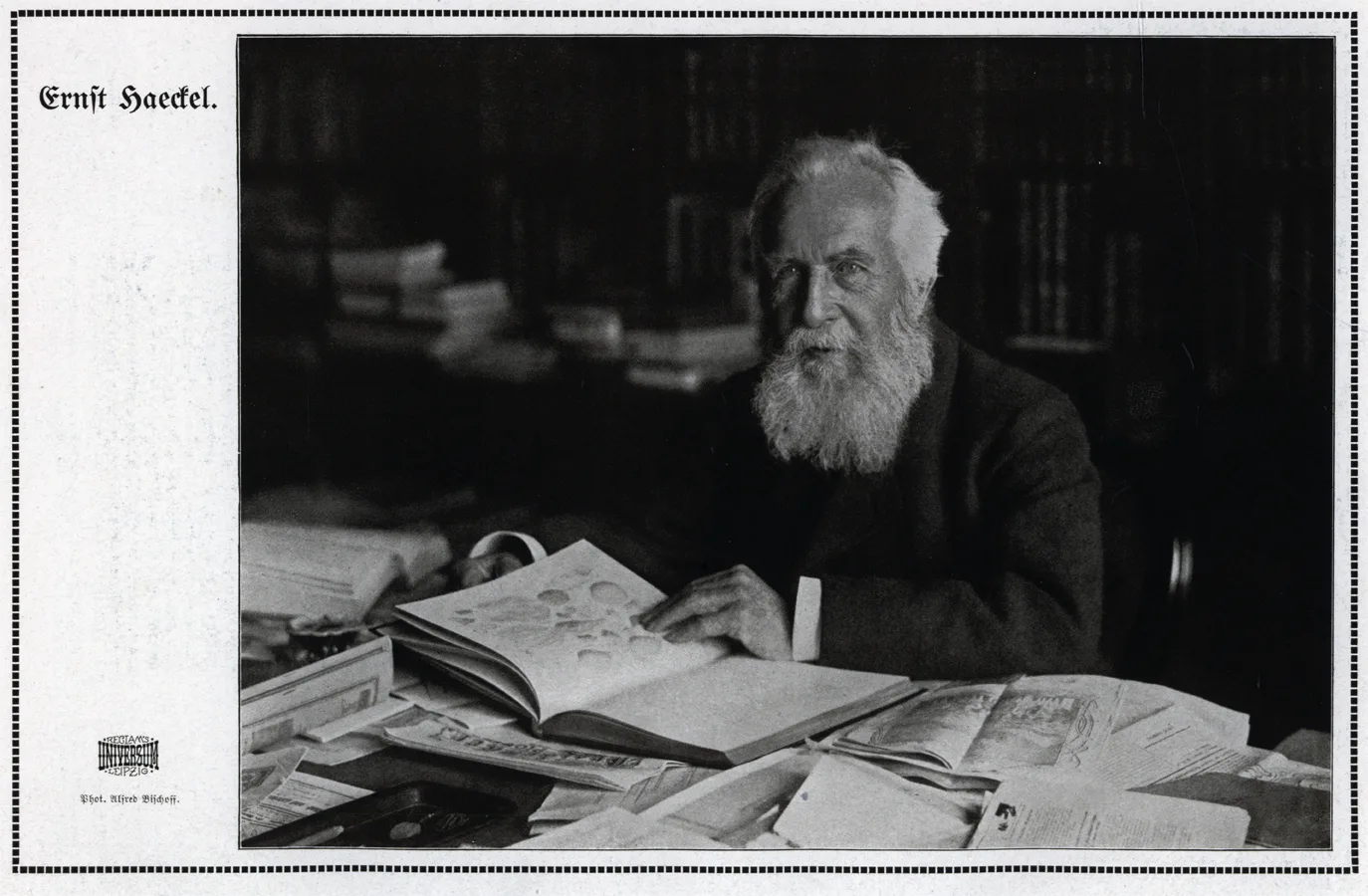
- Ernst Haeckel 1914 — Alfred Bischoff, 1914 · Alfred Bischoff, via Wikimedia Commons, Public domain · Public domain
- Haeckel's Villa at Jena (plate in Bölsche, 1906) — Unknown photographer; reproduced in Bölsche/McCabe, 1906 · Wilhelm Bölsche, Haeckel: His Life and Work, translated with an introduction by Joseph McCabe (Philadelphia: George W. Jacobs, 1906); Columbia University Libraries copy, via Internet Archive. Public domain. · Public domain (published before 1931) (Internet Archive item states: rights not stated; date checked)
Sources
Tier 1 — the subject's own words (writings, letters, diaries, trial records)
- [Riddle] Ernst Haeckel, The Riddle of the Universe at the Close of the Nineteenth Century, translated by Joseph McCabe (New York and London: Harper & Brothers, 1900). IA riddleofuniverse00haeciala (page numbers cited from this scan; text saved as research/texts/riddle-ia1900.txt). Same translation as Gutenberg #42968 (research/texts/riddle.txt; no page numbers). German: Die Welträtsel (Bonn: Emil Strauss, 1899), Gutenberg #59547 (research/texts/weltraetsel-de.txt, a later printing with "Jena 1906" apparatus; edition not stated).
- [Confession] Haeckel, Monism as Connecting Religion and Science: The Confession of Faith of a Man of Science, translated by J. Gilchrist (London: A. & C. Black, 1894). IA monismasconnect00haecgoog (page numbers; research/texts/confession-ia1895.txt) and Gutenberg #9199 (research/texts/confession.txt). Lecture of 9 Oct 1892 at Altenburg.
- [Wonders] Haeckel, The Wonders of Life, translated by Joseph McCabe (London: Watts, 1904; New York: Harper, 1905). IA wondersoflifepop00haec (page numbers; research/texts/wonders-ia1905.txt); Gutenberg #46652.
- [Creation I] and [Creation II] Haeckel, The History of Creation, translation revised by E. Ray Lankester (London: Henry S. King, 1876), vol. I IA historyofcreatio76hist (research/texts/creation-ia1876-a.txt), vol. II IA cu31924089940419 (research/texts/creation-ia1876-b.txt). Also Gutenberg #40472 and #40473.
- [LastWords] Haeckel, Last Words on Evolution, translated by Joseph McCabe (London: Owen, 1906). IA lastwordsonevolu00haeciala (page numbers; research/texts/lastwords-ia1906.txt); Gutenberg #53639.
- [Letters] Haeckel, The Story of the Development of a Youth: Letters to His Parents, 1852–1856, translated by G. Barry Gifford, introduction by Heinrich Schmidt (New York and London: Harper & Brothers, 1923). IA 55611680R.nlm.nih.gov (research/texts/letters-youth.txt). Page numbers are printed in the OCR as "[ n ]" marks at the head of each page; some are misread and are noted where used.
- [Answer] The Answer of Ernst Haeckel to the Falsehoods of the Jesuits (New York: The Truth Seeker Company, 1911): condensed translation of "Sandalion" by Thomas Seltzer and of "Mein Kirchenaustritt" by Thaddeus Burr Wakeman, with comments by Joseph McCabe and Wakeman. IA answerofernsthae00haec (research/texts/answer-1911.txt). The translations are partisan and condensed; use for Haeckel's own paragraphs only.
- [Sandalion] Haeckel, Sandalion: eine offene Antwort auf die Fälschungsanklagen der Jesuiten (Frankfurt: Neuer Frankfurter Verlag, 1910). IA sandalioneineoff00haec (research/texts/sandalion-de.txt). German original; running page numbers appear as "- 23 -".
- [Freedom] Haeckel, Freedom in Science and Teaching, with a prefatory note by T. H. Huxley (New York: Appleton, 1879): the 1878 reply to Virchow. Gutenberg #25711 (research/texts/freedom.txt). Read for existence and context only; no quotation used.
Tier 2 — scholarly biographies and encyclopedias
- [Bölsche] Wilhelm Bölsche, Haeckel: His Life and Work, translated by Joseph McCabe (London: T. Fisher Unwin, 1906). IA haeckelhislifewo00bl (page numbers; research/texts/bolsche-ia1906.txt); Gutenberg #70451 (research/texts/bolsche.txt). Bölsche was a friend and disciple; McCabe's insertions (e.g., the English sales figures, pp. 306–07) are the translator's. A friendly source: treat Haeckel's words quoted in it as his, and its judgments as an admirer's.
- [Schmidt] Heinrich Schmidt, introduction to [Letters], dated Jena, 16 Feb 1921 (Haeckel's secretary and the director of the Haeckel-Haus). Friendly editor.
Tier 3 — popular biographies and journalism
- None used. (Richards, Gasman, Gould, Hopwood, Hoßfeld and Richardson are known only through Wikipedia's citations; see [52].)
Tier 4 — Wikipedia and similar reference sites (citable; give the article and revision date; prefer a higher tier where one exists)
- [WP-en] "Ernst Haeckel," English Wikipedia, revision of 2026-10-13T10:07:07Z, retrieved 2026-10-14 (research/texts/wikipedia-haeckel-en.txt). A map to Richards (2008, 2009), Hopwood (2006), Richardson and Keuck (2002), Gasman, Gould, Kelly.
- [WP-de] "Ernst Haeckel," German Wikipedia, retrieved 2026-10-14 (research/texts/wikipedia-haeckel-de.txt; revision stamp not recorded). Detailed with archival citations (Jenaische Zeitung, Blätter von der Saale, Uschmann 1959, Bonhard 1920, Hoßfeld). The Wikipedia footnote pages were not reached.
Opposition sources — contemporary critics and religious responses
- [Loofs] Friedrich Loofs, Anti-Haeckel: Eine Replik nebst Beilagen, 3rd ed. (Halle: Max Niemeyer, 1900). IA antihaeckeleine00loofgoog (research/texts/loofs.txt). Loofs was professor of church history at Halle.
- [Wasmann] Erich Wasmann SJ, The Problem of Evolution: A Critical Review of the Recent Discussion on Evolution (the report of his Berlin lectures of Feb 1907 and the evening discussion; London: Kegan Paul, 1909; IA theberlindiscuss00wasmuoft as "The Berlin Discussion of the Problem of Evolution"; research/texts/wasmann-berlin-1909.txt; running heads read "The Problem of Evolution"). Also Modern Biology and the Theory of Evolution (trans. Buchanan, 1910; IA modernbiologythe00wasmuoft; research/texts/wasmann-modern-biology.txt; not quoted).
- [Virchow] Rudolf Virchow, The Freedom of Science in the Modern State (London: John Murray, 1878), the Munich speech of 22 Sept 1877. IA freedomofscience00vircuoft (research/texts/virchow-freedom-1878.txt).
- [Lodge] Oliver Lodge, Life and Matter: A Criticism of Professor Haeckel's "Riddle of the Universe" (London: Williams and Norgate, 1905; IA lifemattercritic00lodguoft, research/texts/lodge-ia1907.txt, a 1907 printing; Gutenberg #26321). Lodge calls it "less ... a hostile attack than ... a supplement."
- [Hull] J. Assmuth SJ and Ernest R. Hull SJ, Haeckel's Frauds and Forgeries (Bombay: Examiner Press, 1915). IA haeckels-frauds (research/texts/assmuth-hull-1915.txt). Jesuit polemic; OCR is noisy; it is the only text reached that prints Haeckel's December 1908 statement in English.
Related lives
Ludwig Büchner or Thomas Henry Huxley (Haeckel's partners in making science an argument about religion); or Charles Darwin (the man Haeckel claimed to be completing, who held back). Choose by what the script has already named; never write "next".
Robert G. Ingersoll
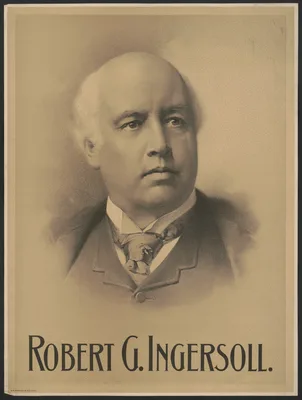
Robert Ingersoll was a preacher's son who kept the preacher's voice but not the creed. He turned unbelief into the most popular lecture ticket in America. In the end he let his agnosticism soften from attack into hope.
Charles Bradlaugh
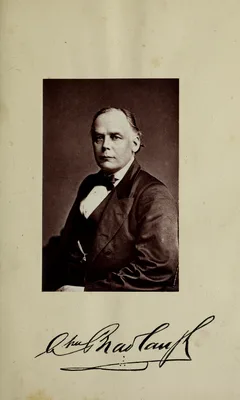
A Sunday-school teacher's honest question got Charles Bradlaugh called an atheist before he was one. Driven from home at sixteen for refusing to pretend, he thought his way from deism to a defined atheism alone in a barrack-room. He then spent forty years turning his unbelief into law: the right to testify, to publish, and to sit in Parliament without swearing to a God he found meaningless.
Mark Twain
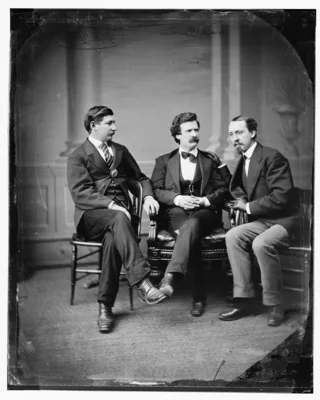
Mark Twain grew from a Hannibal boy terrified of hell into a man who could not sit through his wife's Bible readings without feeling a hypocrite. In private he denied every Christian doctrine while keeping a distant God. Out of love for his family and caution with his public, he put his sharpest writing on religion away for after his death.
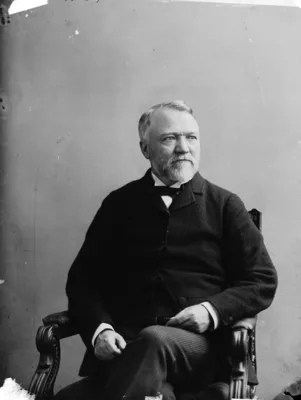
Andrew Carnegie
Andrew Carnegie was raised among Dunfermline radicals who had walked out of Calvinism over the damnation of infants. He kept a mild Swedenborgian faith into his teens, and lost it with a circle of Pittsburgh friends who "voted down" the dogmas in the 1850s. By the 1880s he had found "a philosophy at last" in Spencer and Darwin. In public he preached a gospel of wealth in Christ's name and gave organs to churches for the music. He said plainly that he "had got rid of theology and the supernatural" only in an autobiography published after his death, and hedged even there with a "hope of immortality".