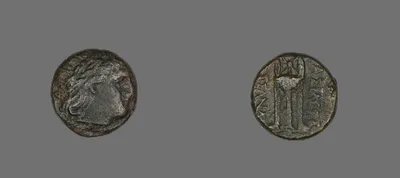
Euhemerus, a friend of King Cassander, wrote a Sacred Record claiming that the gods had been early kings, whose deeds were found on a golden pillar on an island no one else ever reached. The book is lost, and nothing records what he himself believed. He survives only as each later reader needed him: a liar to the Greek geographers, an atheist to Plutarch and Theophilus, and to the Christian apologists the best witness that the pagan gods had been men.
The belief timeline
- Declaration (c. 300 BCE) — At the court of Cassander he publishes the Sacred Record, said to be copied from a golden pillar on the island of Panchaea, telling the gods' lives as the lives of early kings [1][3][7][9][11]
- Translation (3rd–2nd c. BCE (ref.)) — Ennius carries the book into Latin; Cicero says he "followed" it [19][20][42]
- Charge (c. 100–195 CE (ref.)) — Plutarch, Theophilus and Clement report that he was called an atheist, the first to say it of him in the texts we have [35][36][37][42]
- Reuse (c. 304–426) — Lactantius, Eusebius and Augustine make the book a weapon against the old religion [15][25][26][39]
Notes to the timeline (15)
- [1] Diodorus, in his Book VI, called Euhemerus "the Messenian", a friend of King Cassander, who was made to perform "some important services for the king, and some long journeys" — Eusebius, Preparation for the Gospel, tr. E. H. Gifford (Oxford: Clarendon Press, 1903), II.2 (59c–60a); Diodorus Siculus, The Historical Library, tr. George Booth (London, 1814 edition; first edition 1700), 1814 p. 504. Reported at second hand; the original has not been seen.
- [3] The work is called the "Sacred Record" (Gifford), "Sacred History" (Booth, Fletcher); Hamilton's note gives the Greek title as hiera anagraphe, "at least nine books", named for the inscriptions on temple columns — Eusebius, Preparation for the Gospel, II.2 (59d); Siculus, Historical Library, p. 504; Lactantius, Divine Institutes (Works of Lactantius, vol. I), tr. William Fletcher, Ante-Nicene Christian Library (Edinburgh: T. & T. Clark, 1871), p. 30; Strabo, Geography, vol. I, tr. H. C. Hamilton and W. Falconer (London: Bohn, 1854), vol. I p. 157 n..
- [7] On a high hill stood a temple of Zeus Triphylius, built by Zeus himself while he "still among men" ruled the world, with a golden pillar inscribed "in the Panchaean language" with the acts of Uranus, Kronos and Zeus — Eusebius, Preparation for the Gospel, II.2 (60b).
- [9] Per Diodorus, Uranus was the first king, "a gentle and benevolent man, and learned in the motion of the stars", first to sacrifice to the heavenly gods, hence his name — Eusebius, Preparation for the Gospel, II.2 (60c).
- [11] Zeus travelled to Babylon (guest of Belus), Panchaea (altar to his grandfather Uranus), Syria, Cilicia (where he beat Cilix) and other nations, "was honoured among all, and was proclaimed a god" — Eusebius, Preparation for the Gospel, II.2 (60d).
- [19] Cicero's Cotta says Euhemerus, "whom our Ennius translated, and followed more than other authors", treated "the deaths and burials of the Gods" and asks whether he "confirmed religion, or rather totally subverted it" — Cicero, On the Nature of the Gods, tr. C. D. Yonge, in The Treatises of M. T. Cicero (London: Bohn, 1853), p. 42 (De nat. deor. I.42; I.119 in the modern numbering).
- [20] Lactantius: "This history was translated and followed by Ennius" — Lactantius, Divine Institutes, vol. I, (I.11) p. 30.
- [42] Dates marked "(ref.)" in the Chronology are standard-reference dates not read in any scan (Cassander, Eratosthenes, Callimachus, Ennius, Polybius, Cicero, Diodorus, Plutarch, Theophilus, Clement, Minucius, Augustine) — none. Not verified.
- [35] Plutarch (De Iside 23): Euhemerus the Messenian, "out of his own brain", contrived memoirs of an "incredible and imaginary mythology", turning the gods into "generals, sea-captains, and kings" recorded in "a certain country called Panchon", and so "spread all manner of Atheism throughout the world" — Plutarch, Isis and Osiris in Plutarch's Morals, vol. IV, translated from the Greek by several hands, corrected and revised by William W. Goodwin (Boston: Little, Brown, 1878), vol. IV pp. 84–85.
- [36] Theophilus of Antioch calls Euhemerus "the most atheistical" and says he "at last would absolutely deny their existence" — Theophilus, To Autolycus, and Clement of Alexandria, Exhortation to the Heathen, in The Ante-Nicene Fathers, vol. II (Buffalo/Edinburgh; 1913 American reprint), p. 113 (To Autolycus III.7).
- [37] Clement of Alexandria: "Euhemerus of Agrigentum" and others "were called Atheists"; Clement wonders why, since they "had a clearer insight than the rest of the world into the prevailing error" — Theophilus, To Autolycus, vol. II, p. 177 (Exhortation ch. 2).
- [15] Gifford dates the Preparation for the Gospel "neither before nor much after A. D. 314" — Eusebius, Preparation for the Gospel, Introduction p. xiv.
- [25] Lactantius: Jupiter founded temples to himself in the names of his hosts; "a very crafty device on his part" (Lactantius's comment), and the worship of the gods began "from Jupiter also himself, as Euhemerus says" — Lactantius, Divine Institutes, vol. I, (I.22) p. 68.
- [26] Lactantius: all those worshipped as gods "were men, and were also the earliest and greatest kings", honoured after death, "of whom especially Euhemerus and our Ennius" tell the births, deaths and tombs. Elsewhere he uses the same material against Jupiter — Lactantius, On the Anger of God and Epitome of the Divine Institutes (Works of Lactantius, vol. II), tr. William Fletcher (1871), (Anger of God xi) p. 22; Epitome xiii p. 101, xiv p. 102.
- [39] Augustine: "Euhemerus, who, not with the garrulity of a fable-teller, but with the gravity of an historian... wrote that all such gods had been men and mortals"; the history was "translated into Latin by Ennius" — Augustine, The City of God, vol. I, tr. Marcus Dods, Works of Aurelius Augustine (Edinburgh: T. & T. Clark, 1871), vol. I p. 244 (VI.7) and p. 294 (VII.18).
The Golden Pillar
On an island in the ocean, far to the south of Arabia, there stood on a high hill a temple of Zeus, and in the temple a golden pillar. On it, in the island's own letters, was written the true history of the gods: how Uranus had been the first king, "a gentle and benevolent man, and learned in the motion of the stars," and how his grandson Zeus had travelled the world, "was honoured among all, and was proclaimed a god."123
That is the story Euhemerus told, in a book he called the Sacred Record, written at the court of a Macedonian king in the generation after Alexander the Great. The island was called Panchaea. No one has ever found it, and the ancient geographers said he had made it up. The book is lost too. What survives is a summary by a historian who is himself lost, preserved by a Christian bishop six hundred years later, and a Latin translation that survives only in quotations by another Christian writer.45 This chapter asks what Euhemerus actually argued about the gods, and why the people who read him could never agree on whether he was a historian, a liar, an atheist or an ally.
A friend of the king
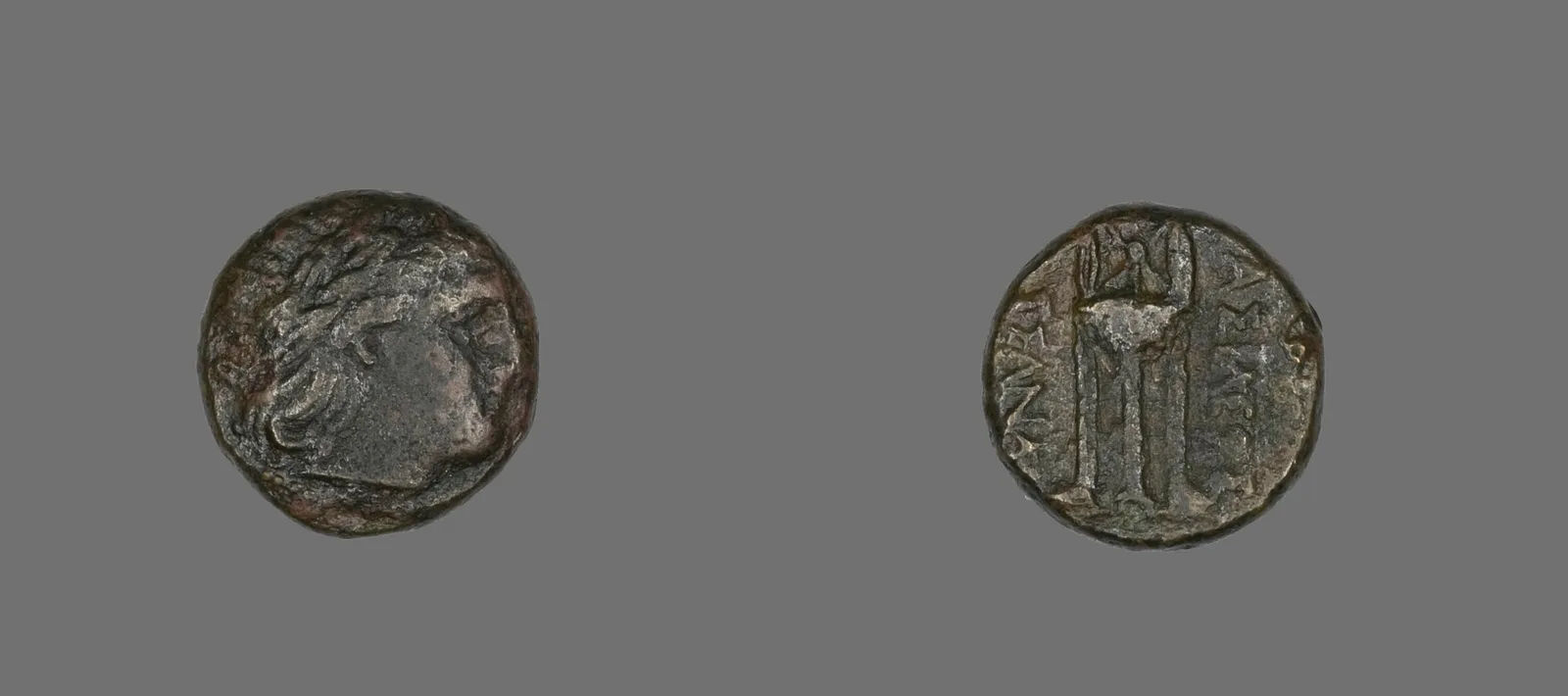
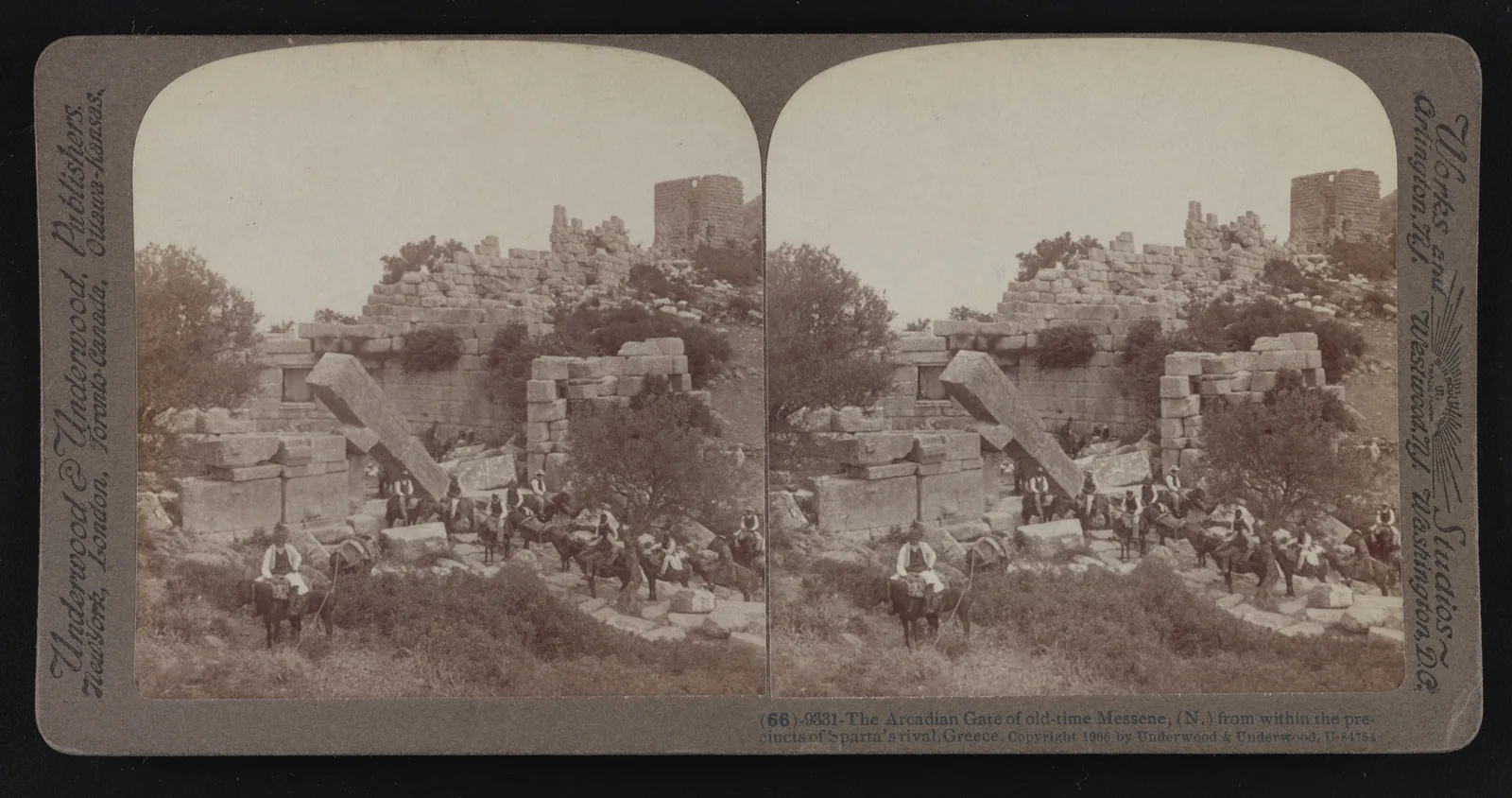
Almost nothing is known of his life. The historian Diodorus of Sicily, writing long after, called him "the Messenian" and "a friend of King Cassander," the general who made himself king of Macedon after Alexander's death, and said that the king had sent him on "some important services ... and some long journeys."67 Most ancient writers agree that he came from Messene, though which Messene, the city in the Peloponnese or Messina in Sicily, is not said; one list calls him "of Tegea" and another "of Agrigentum."8910 No source says what he believed as a young man, or why he turned to the gods as a subject. The timeline for his life has no faith or doubt marks. It follows the book instead.
The Sacred Record
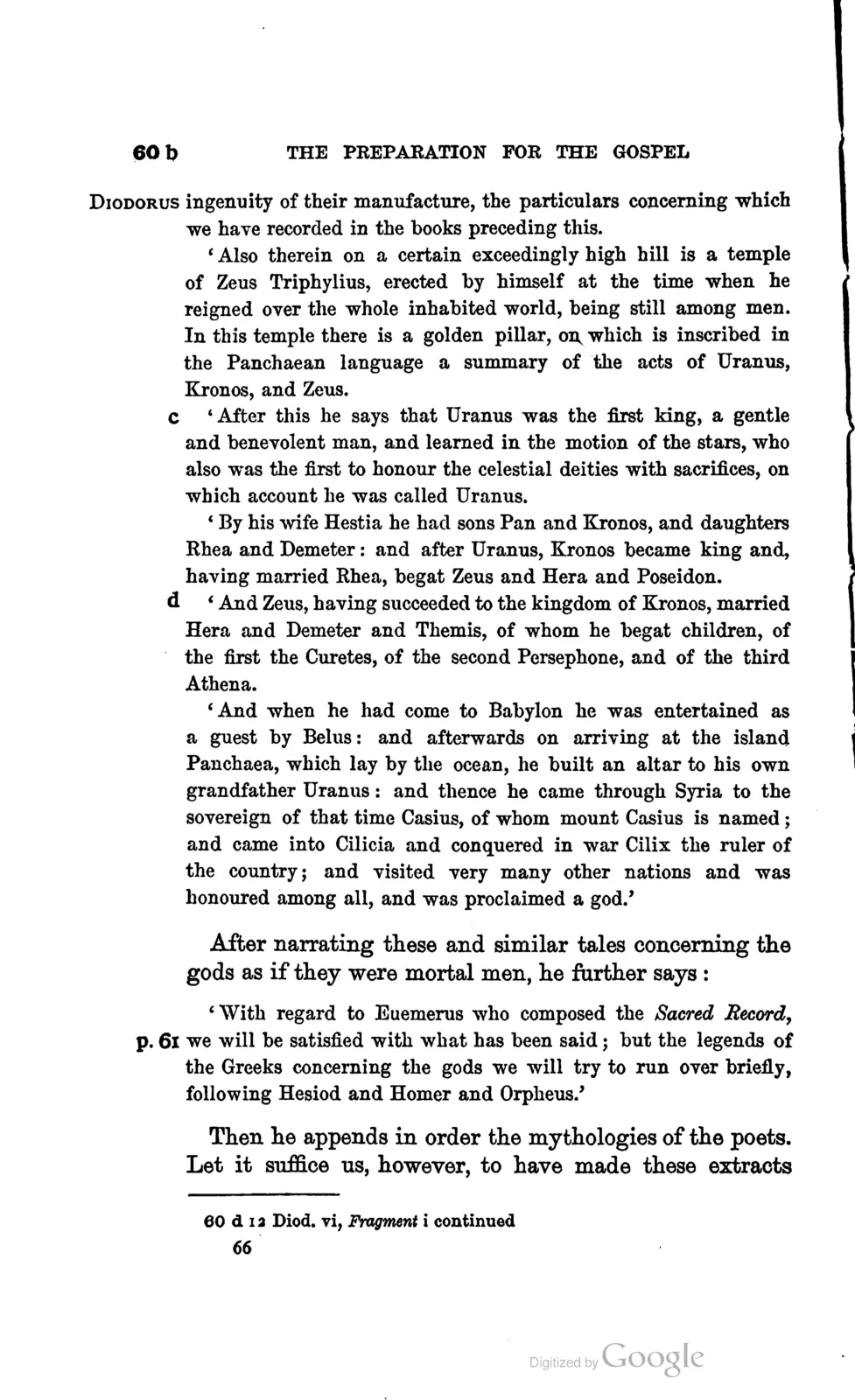
In Diodorus's summary, Euhemerus said he had sailed south from Arabia Felix "many days across the ocean" and landed on islands, one of them Panchaea. Its people were "eminent in piety," and honoured the gods "with most magnificent sacrifices and notable offerings of silver and gold."71112 On the pillar in their temple he found "a summary of the acts of Uranus, Kronos, and Zeus."1 Uranus was the first king and was the first to sacrifice to the gods of the sky; Kronos reigned after him; Zeus succeeded Kronos, and travelled to Babylon, Syria and Cilicia until he "was proclaimed a god."2133
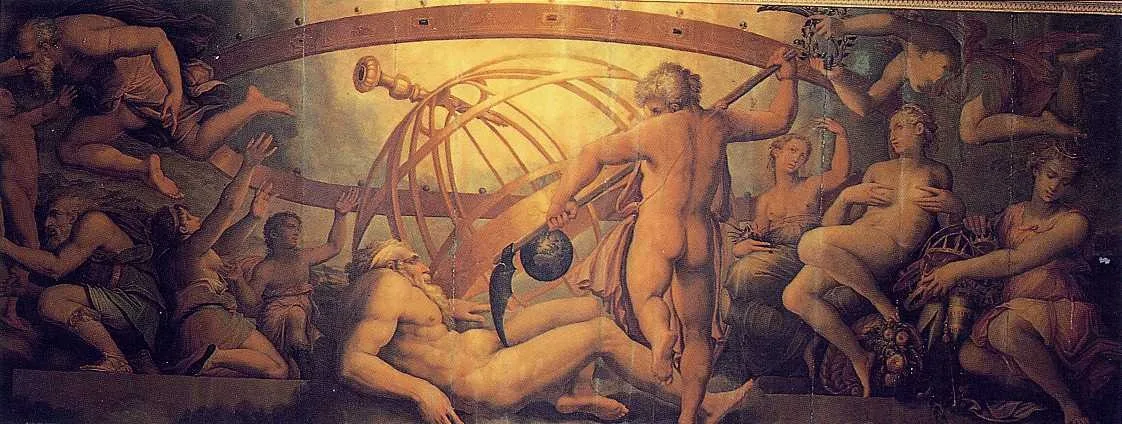
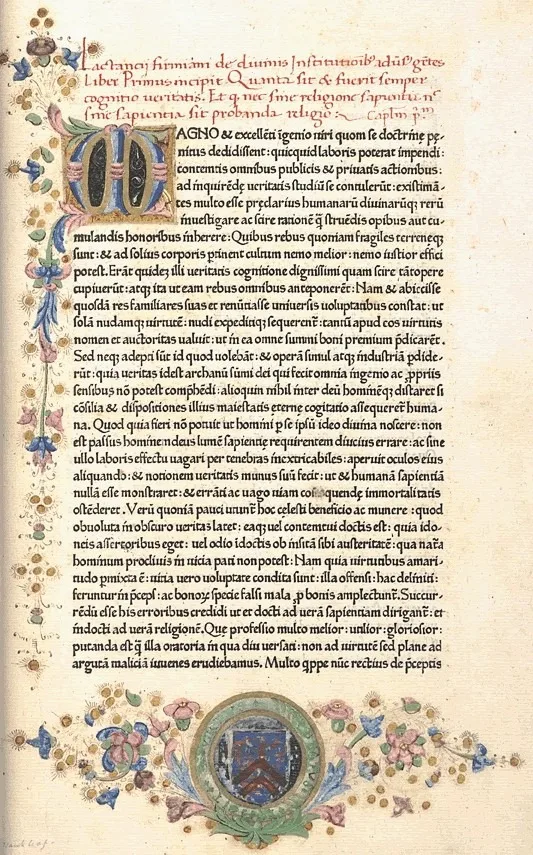
The Roman poet Ennius turned the book into Latin, and the Christian writer Lactantius, early in the fourth century, quoted Ennius at length. In that version Jupiter, the Roman Zeus, went five times round the earth, gave laws and corn, "changed his life in Crete, and departed to the gods," and was buried at Cnossus under the inscription "Zan Kronou," Zeus son of Kronos.141516 The tombs of the gods were the heart of the book. Cicero, in his dialogue on the gods, said Euhemerus had "treated of the deaths and burials of the Gods," and that Ennius had "translated, and followed" him.1718 His timeline marks the translation at that Latin version, which carried the book to Rome.
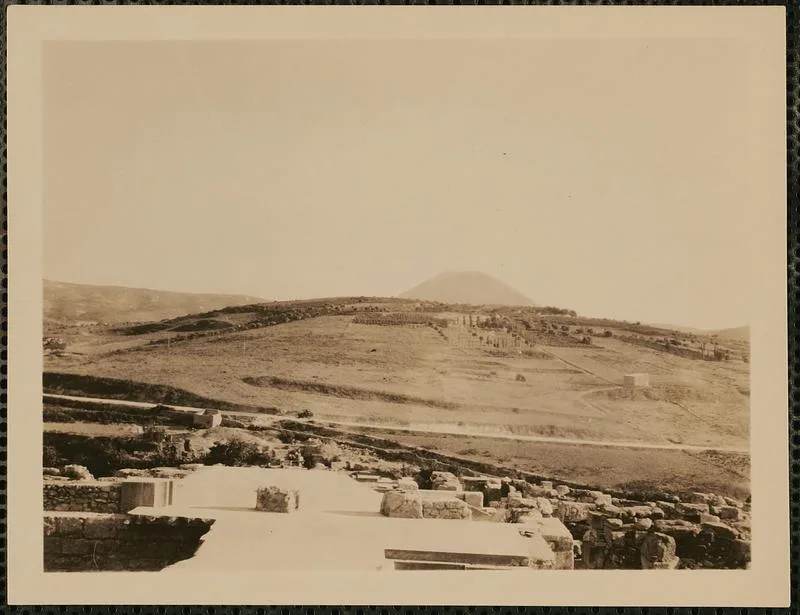
How the kings became gods is told in more than one way. Diodorus's summary opens with the old distinction between eternal gods, such as the sun, moon and stars, and earthly ones who, "because of the benefits which they conferred on mankind, ... have received immortal honour and glory."19 It is not clear whether that distinction was Euhemerus's own or Diodorus's introduction to him.20 Lactantius tells it differently: Jupiter raised temples to himself in the names of the people who entertained him, which Lactantius called "a very crafty device on his part."2122 Accounts differ, and no one can now say which was Euhemerus's.
Even the pillar comes down in two versions. In Diodorus's summary it is written "in the Panchaean language" and tells of Uranus, Kronos and Zeus; in his separate description of Panchaea, which does not name Euhemerus, it is in Egyptian "sacred writing" and tells of Uranus, Jupiter, Diana and Apollo.12324 His timeline places his declaration at the book.
Was he a liar?
The first readers who mentioned him thought he was. The geographer Eratosthenes, according to Strabo, called him a "Bergaean," after a writer proverbial for lies, and sneered at him among "those other scribblers."2526 The historian Polybius said he "merely pretends to have sailed into one [unknown] country, viz. Panchaea."27 Strabo himself put him with the famous tall-tale tellers of travel and was willing to forgive them, "for their only aim was that of the juggler."28 To these Greek critics Euhemerus was not dangerous. He was a man who had invented an island.
Was he an atheist?
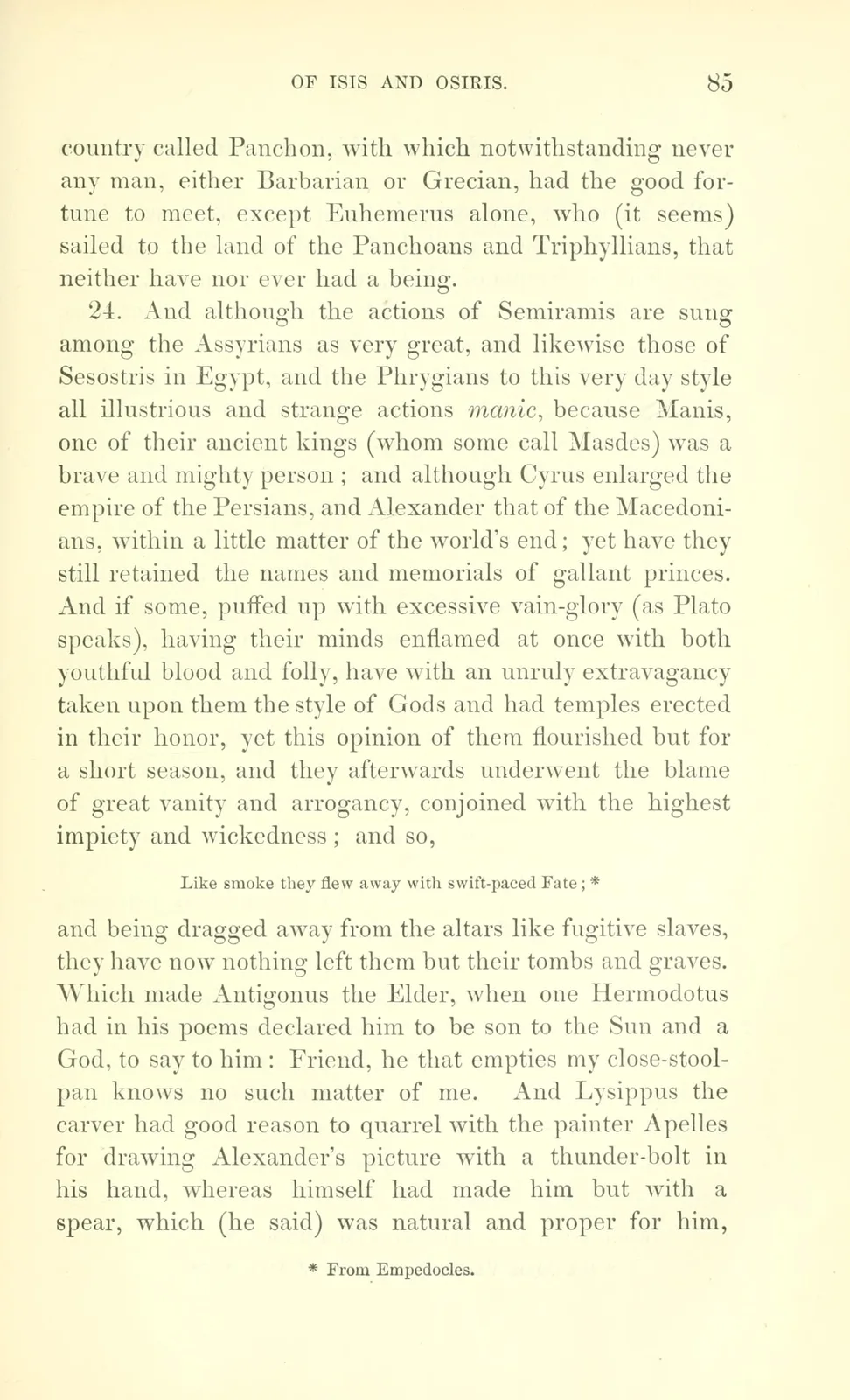
Others thought he had done something worse. In Cicero's dialogue on the gods, the speaker Cotta, a priest of Rome, lists him among those who destroyed religion: "can he then be said to have confirmed religion, or rather to have totally subverted it?"29 Plutarch, a believer in the gods, accused him of "impostures": he had "out of his own brain contrived certain memoirs of a most incredible and imaginary mythology, and thereby spread all manner of Atheism throughout the world."3031 A collection of philosophers' opinions, preserved under Plutarch's name, put him beside Diagoras of Melos and Theodorus of Cyrene as men who "altogether deny that there are any gods."32 The Christian Theophilus of Antioch called him "the most atheistical," a man who "at last would absolutely deny their existence."33
Yet in Diodorus's summary the book itself describes a pious people making rich offerings to the gods, and Diodorus files its author "among the historians," against the "mythologists" Homer, Hesiod and Orpheus.3412 Nothing in the surviving reports has Euhemerus deny that gods exist. He told the history of some of them, as men. On his timeline, the charge is the name the later writers gave him.
The Christians' witness
The strangest turn came last. The Christian apologists, writing to persuade pagans that their gods were no gods, found in Euhemerus the best witness they could want. Clement of Alexandria wondered how men such as Euhemerus, who "had a clearer insight than the rest of the world into the prevailing error respecting those gods, were called Atheists."3510 Minucius Felix noted that "Euhemerus asserts that they were esteemed gods; and he enumerates their birthdays, their countries, their places of sepulture."36 Lactantius made him the centre of his case: "without doubt, all those who are worshipped as gods were men, and were also the earliest and greatest kings," as "especially Euhemerus and our Ennius" showed.3738 Eusebius copied out Diodorus's summary around the year 314, which is why it survives at all.3940 And Augustine, later still, praised him as one who wrote "not with the garrulity of a fable-teller, but with the gravity of an historian," that "all such gods had been men and mortals."4142 His timeline marks the reuse of the book here.
What he left
Euhemerus left a name for an idea: that the gods began as remarkable men whose memory grew into worship. Whether he meant it as an attack on religion, as a history of it, or as a traveller's fiction cannot be settled, because his own words are gone. The Greek geographers thought he was lying, Plutarch thought he was spreading atheism, and the Christians thought he was telling the truth about every god but their own. Each read him as they needed to, and it is only through those readings that he is known.
Theodorus the Atheist, named beside him in the ancient list of those who denied the gods, has his own chapter in this book.
Footnotes
-
Diodorus (Book VI), as quoted by Eusebius: Eusebius, Preparation for the Gospel, tr. E. H. Gifford (Oxford: Clarendon Press, 1903), 1903, Praep. ev. II.2 (60b). ↩ ↩2 ↩3
-
Diodorus (Book VI), as quoted by Eusebius: Eusebius, Preparation for the Gospel, 1903, Praep. ev. II.2 (60c). ↩ ↩2
-
Diodorus (Book VI), as quoted by Eusebius, on Zeus: Eusebius, Preparation for the Gospel, 1903, Praep. ev. II.2 (60d). ↩ ↩2
-
Eusebius, Preparation for the Gospel, II.2 note to 59c–60d ("Diod. vi, Fragment i, preserved by Eusebius only"); Eusebius, Preparation for the Gospel, Introduction pp. xxviii–xxix. ↩
-
Lactantius, Divine Institutes (Works of Lactantius, vol. I), tr. William Fletcher, Ante-Nicene Christian Library (Edinburgh: T. & T. Clark, 1871), pp. 30, 32, 38, 39. ↩
-
Eusebius, Preparation for the Gospel, II.2 (59c–60a); Diodorus Siculus, The Historical Library, tr. George Booth (London, 1814 edition; first edition 1700), 1814 p. 504. Reported at second hand; the original has not been seen. ↩
-
Diodorus (Book VI), as quoted by Eusebius: Eusebius, Preparation for the Gospel, 1903, Praep. ev. II.2 (59d–60a). ↩ ↩2
-
Lactantius, Divine Institutes, vol. I, p. 35 n.; Strabo, Geography, vol. I, tr. H. C. Hamilton and W. Falconer (London: Bohn, 1854), vol. I p. 157 n.. ↩
-
Eusebius, Preparation for the Gospel, XIV.16 (783a). ↩
-
Theophilus, To Autolycus, and Clement of Alexandria, Exhortation to the Heathen, in The Ante-Nicene Fathers, vol. II (Buffalo/Edinburgh; 1913 American reprint), p. 177 (Exhortation ch. 2). ↩ ↩2
-
Eusebius, Preparation for the Gospel, II.2 (59d–60a). ↩
-
Eusebius, Preparation for the Gospel, II.2 (60c–d). ↩
-
Ennius (translating Euhemerus), as quoted by Lactantius: Fletcher 1871, Div. Inst. I.11, p. 32. ↩
-
Lactantius, Divine Institutes, vol. I, (I.11) p. 32. ↩
-
Lactantius, Divine Institutes, vol. I, Introduction; Div. Inst. dedication. ↩
-
Cotta, in Cicero's De natura deorum: Cicero, On the Nature of the Gods, tr. C. D. Yonge, in The Treatises of M. T. Cicero (London: Bohn, 1853), 1853, p. 42 (I.119). ↩
-
Cicero, On the Nature of the Gods, p. 42 (De nat. deor. I.42; I.119 in the modern numbering). ↩
-
Diodorus (Book VI), as quoted by Eusebius: Eusebius, Preparation for the Gospel, 1903, Praep. ev. II.2 (59c). ↩
-
Eusebius, Preparation for the Gospel, II.2 (59c). ↩
-
Lactantius, on Jupiter: Fletcher 1871, Div. Inst. I.22, p. 68. ↩
-
Lactantius, Divine Institutes, vol. I, (I.22) p. 68. ↩
-
Diodorus Siculus (Book V, on Panchaea): Siculus, Historical Library, 1814, p. 329. ↩
-
Siculus, Historical Library, 1814 p. 329. ↩
-
Strabo, Geography, vol. I (II.4.2) p. 157 and n.. ↩
-
Strabo, on Eratosthenes: Strabo, Geography, 1854, vol. I, I.3.1, pp. 74–75. ↩
-
Polybius (c. 200–118 BCE, ref.), historian, reported by Strabo: Strabo, Geography, 1854, vol. I, II.4.2, p. 158. ↩
-
Strabo: Strabo, Geography, 1854, vol. I, II.3.5, p. 154. ↩
-
Cotta, Academic and pontifex, in Cicero's De natura deorum: Cicero, On the Nature of the Gods, 1853, p. 42. ↩
-
Plutarch, Greek writer and a believer in the traditional gods (his "Isis and Osiris" argues that the gods are not men): Plutarch, Isis and Osiris in Plutarch's Morals, vol. IV, translated from the Greek by several hands, corrected and revised by William W. Goodwin (Boston: Little, Brown, 1878), 1878, vol. IV, pp. 84–85. ↩
-
Plutarch, Isis and Osiris, vol. IV pp. 84–85. ↩
-
"Plutarch" (the Placita), as quoted by Eusebius: Eusebius, Preparation for the Gospel, 1903, Praep. ev. XIV.16 (783a). ↩
-
Theophilus of Antioch, To Autolycus III.7: ANF vol. II, p. 113. ↩
-
Eusebius, Preparation for the Gospel, II.2 (59d, 61a). ↩
-
Clement of Alexandria, Exhortation to the Heathen 2: ANF vol. II, p. 177. ↩
-
Minucius Felix, Octavius XXI: ANF vol. IV, Octavius ch. XXI. ↩
-
Lactantius: Fletcher 1871, On the Anger of God xi, p. 22. ↩
-
Lactantius, On the Anger of God and Epitome of the Divine Institutes (Works of Lactantius, vol. II), tr. William Fletcher (1871), (Anger of God xi) p. 22; Epitome xiii p. 101, xiv p. 102. ↩
-
Eusebius, Preparation for the Gospel, Introduction p. xiv. ↩
-
Eusebius, Preparation for the Gospel, II.2 (59b–c). ↩
-
Augustine, City of God VI.7: Augustine, The City of God, vol. I, tr. Marcus Dods, Works of Aurelius Augustine (Edinburgh: T. & T. Clark, 1871), 1871, vol. I, p. 244. ↩
-
Augustine, City of God, vol. I p. 244 (VI.7) and p. 294 (VII.18). ↩
In their own words
With regard then to gods the men of old have handed down to their posterity two sets of notions. For some, say they, are eternal and imperishable, as the Sun and Moon and the other heavenly bodies, and besides these the winds, and the rest who partake of the like nature with them; for each of these has an eternal origin and eternal continuance. Other deities they say were of the earth; but, because of the benefits which they conferred on mankind, they have received immortal honour and glory, as Heracles, Dionysus, Aristaeus, and the others like them.
Euemerus, then, was a friend of King Cassander and, having been constrained for his sake to perform some important services for the king, and some long journeys, says that he was carried away southwards into the ocean; for, having started on his voyage from Arabia Felix, he sailed many days across the ocean, and landed on some oceanic islands, one of which is that called Panchaea, in which he saw the Panchaean inhabitants, who were eminent in piety, and honoured the gods with most magnificent sacrifices and notable offerings of silver and gold.
Also therein on a certain exceedingly high hill is a temple of Zeus Triphylius, erected by himself at the time when he reigned over the whole inhabited world, being still among men. In this temple there is a golden pillar, on which is inscribed in the Panchaean language a summary of the acts of Uranus, Kronos, and Zeus.
After this he says that Uranus was the first king, a gentle and benevolent man, and learned in the motion of the stars, who also was the first to honour the celestial deities with sacrifices, on which account he was called Uranus.
And when he had come to Babylon he was entertained as a guest by Belus: and afterwards on arriving at the island Panchaea, which lay by the ocean, he built an altar to his own grandfather Uranus: and thence he came through Syria to the sovereign of that time Casius, of whom mount Casius is named; and came into Cilicia and conquered in war Cilix the ruler of the country; and visited very many other nations and was honoured among all, and was proclaimed a god.
In the middle of the bed, is placed a great golden pillar, whereon are letters inscribed, called by the Egyptians, sacred writing, expressing the famous actions of Uranus, Jupiter, Diana, and Apollo, written, they say, by Mercury himself.
Euhemerus, an ancient author, who was of the city of Messene, collected the actions of Jupiter and of the others, who are esteemed gods, and composed a history from the titles and sacred inscriptions which were in the most ancient temples, and especially in the sanctuary of the Triphylian Jupiter, where an inscription indicated that a golden column had been placed by Jupiter himself, on which column he wrote an account of his exploits, that posterity might have a memorial of his actions.
Then Jupiter, when he had five times made a circuit of the earth, and bestowed governments upon all his friends and relatives, and left laws to men, provided them with a settled mode of life and corn, and given them many other benefits, and having been honoured with immortal glory and remembrance, left lasting memorials to his friends, and when his age was almost spent, he changed his life in Crete, and departed to the gods. And the Curetes, his sons, took charge of him, and honoured him; and his tomb is in Crete, in the town of Cnossus, and Vesta is said to have founded this city; and on his tomb is an inscription in ancient Greek characters, "Zan Kronou," which is in Latin, "Jupiter the son of Saturn."
In the beginning Coelus first had the supreme power on the earth. He instituted and prepared that kingdom in conjunction with his brothers.
This was a very crafty device on his part, that he might both acquire divine honour for himself, and a perpetual name for his entertainers in conjunction with religious observances.
Without doubt, all those who are worshipped as gods were men, and were also the earliest and greatest kings; but who is ignorant that they were invested with divine honours after death, either on account of the virtue by which they had profited the race of men, or that they obtained immortal memory on account of the benefits and inventions by which they had adorned human life?
Euhemerus, whom our Ennius translated, and followed more than other authors, has particularly advanced this doctrine, and treated of the deaths and burials of the Gods; can he then be said to have confirmed religion, or rather to have totally subverted it?
To cite Damastes as an authority is little better than to quote the Bergaean, or Euemerus the Messenian, and those other scribblers whom Eratosthenes himself sneers at for their absurdities.
it would have been better had Eratosthenes trusted to the Messenian rather than to this writer.
merely pretends to have sailed into one [unknown] country, viz. Panchaea, but the latter, that he has visited the whole of the north of Europe as far as the ends of the earth
All this too closely resembles the falsehoods of Pytheas, Euhemerus, and Antiphanes. They however may be pardoned; for their only aim was that of the juggler.
Some of the philosophers, as Diagoras of Melos, and Theodorus of Cyrene, and Euemerus of Tegea, altogether deny that there are any gods. There is an allusion also to Euemerus in the Iambic poems of Callimachus of Cyrene.
opening vast doors to the Atheists' faction, who convert all divine matters into human, giving also a large license to the impostures of Euhemerus the Messenian, who out of his own brain contrived certain memoirs of a most incredible and imaginary mythology, and thereby spread all manner of Atheism throughout the world.
And to speak of the opinions of the most atheistical, Euhemerus, is superfluous. For having made many daring assertions concerning the gods, he at last would absolutely deny their existence, and have all things to be governed by self-regulated action.
I cannot help wondering how Euhemerus of Agrigentum, and Nicanor of Cyprus, and Diagoras, and Hippo of Melos, and besides these, that Cyrenian of the name of Theodorus, and numbers of others, who lived a sober life, and had a clearer insight than the rest of the world into the prevailing error respecting those gods, were called Atheists
Euhemerus asserts that they were esteemed gods; and he enumerates their birthdays, their countries, their places of sepulture
Did they not bear witness to Euhemerus, who, not with the garrulity of a fable-teller, but with the gravity of an historian who had diligently investigated the matter, wrote that all such gods had been men and mortals?
is fully related by the historian Euhemerus, and has been translated into Latin by Ennius
The other side
giving also a large license to the impostures of Euhemerus the Messenian, who out of his own brain contrived certain memoirs of a most incredible and imaginary mythology, and thereby spread all manner of Atheism throughout the world
merely pretends to have sailed into one [unknown] country, viz. Panchaea
Euemerus the Messenian, and those other scribblers
can he then be said to have confirmed religion, or rather to have totally subverted it?
Euhemerus is superfluous. For having made many daring assertions concerning the gods, he at last would absolutely deny their existence
Where accounts differ
| Point | One account | Another | How the page handles it |
|---|---|---|---|
| D1 Where he was from | "Messenian" (Diodorus in Gifford 59c; Lactantius p. 30; Strabo pp. 74, 157; Plutarch p. 84); Hamilton and Fletcher in notes make it Messina in Sicily | "Euemerus of Tegea" (Placita in Gifford 783a); "of Agrigentum" (Clement, ANF II p. 177) | "Called a Messenian by most; one list says Tegea, another Agrigentum" |
| D2 What the lost book was and who says what | Diodorus (VI) reports the book in the third person with "says" and "they say"; Lactantius gives Ennius's Latin as Ennius's words | No Euhemerus text survives; every account is a report, at two removes for Diodorus (through Eusebius) and Strabo (reporting Eratosthenes and Polybius) | Always say who is reporting, and that nothing in Euhemerus's own hand survives |
| D3 What was on the pillar | Diodorus VI via Gifford: "in the Panchaean language", acts of Uranus, Kronos and Zeus (60b) | Booth's Panchaea text (not naming Euhemerus): Egyptian "sacred writing" by Mercury, acts of Uranus, Jupiter, Diana and Apollo (p. 329); Lactantius: a column placed by Jupiter himself (p. 30); Gifford and Booth also differ on whose "grandfather" Zeus honoured (Uranus, "his own grandfather", in Gifford; "Uranus's grandfather" in Booth) | Say there were differing reports of the pillar; do not give the Booth version as Euhemerus's |
| D4 How the gods became gods | Diodorus's opening: benefactors "have received immortal honour and glory", and Zeus "was proclaimed a god" (Gifford 59c, 60d); Hamilton's note: "worshipped as gods by the grateful people" | Lactantius: Jupiter, "a very crafty device on his part", set up temples to himself in his hosts' names (p. 68); Q1's two-class division may be Diodorus's own | "Accounts differ"; do not say "deified by grateful subjects" as one settled doctrine |
| D5 Was he an atheist | Placita: "altogether deny that there are any gods" (783a); Plutarch: "all manner of Atheism"; Theophilus: "the most atheistical" and "absolutely deny their existence" | Diodorus: a historian describing pious Panchaeans (59d, 60a); Clement: "called Atheists" but with "a clearer insight" (p. 177); Cicero's Cotta: "subverted" religion, never "atheist"; Lactantius and Augustine: a trustworthy historian (p. 244) | Say he was called an atheist, by whom and when, and that the book itself is silent on his own belief |
| D6 Who said "liar" | Eratosthenes called him a "Bergaean"; Polybius said he "merely pretends" (via Strabo) | Strabo agrees, "the aim of the juggler" (II.3.5); Diodorus and Lactantius treat the book as history | Name the critics; note Strabo is the only route to both |
| D7 "Forger" | The roster line says Plutarch called him a forger | The text read says "impostures" and "contrived out of his own brain" (Goodwin pp. 84–85); there is no "forgery" or "forged" there | Use "invented" or Plutarch's own words, not "forger", unless a newer translation is read |
| D8 What Callimachus said | Placita via Eusebius: "an allusion also to Euemerus in the Iambic poems" | Content not given anywhere read | Say the poet mocked or alluded to him only if a source for the words is found; roster calls it an "insult", but the text read only says "allusion" |
List of illustrations
This page uses only public-domain and Creative Commons images; each is credited with its source and licence.
- Coin Depicting the God Apollo, issued by Cassander — Greek, issued by Cassander (316-297 BCE), 316-297bce · Art Institute of Chicago, Open Access (CC0) · CC0 (public domain; Art Institute of Chicago)
- The Arcadian Gate of old-time Messene, (N.) from within the precincts of Sparta's rival, Greece — Underwood & Underwood, 1906 · Library of Congress, Prints & Photographs Division, Stereograph Cards · Public domain (published before 1931; LoC Stereographs - Rights and Restrictions Information)
- The Mutilation of Uranus by Saturn — Giorgio Vasari / Cristoforo Gherardi, 16th centurydate QS:P571,+1550-00-00T00: · Giorgio Vasari / Cristoforo Gherardi, via Wikimedia Commons (Public domain) · Public domain (Wikimedia Commons)
- Cnossus - Mt. Juktas - DPLA - 104b080df393c094adb2df70e80b3a30 — Catsimpoolas, Nicholas, c1920 · Catsimpoolas, Nicholas, via Wikimedia Commons (Public domain) · Public domain (Wikimedia Commons)
- Eusebius, Preparation for the Gospel, tr. Gifford (1903), II.2, 60a-60d: Panchaea, the golden pillar, Uranus, Kronos, Zeus — Eusebius of Caesarea, tr. E. H. Gifford, 1903 · Internet Archive (Eusebius, Preparation for the Gospel, Gifford 1903) · Public domain (published before 1931)
- Plutarch's Morals, vol. IV (Little, Brown, 1878), p. 85 — Plutarch, rev. William W. Goodwin, 1878 · Internet Archive (Plutarch's Morals, vol. 4, Little, Brown, 1878) · Public domain (published before 1931)
- Lactantius, Divinae institutiones, printed by Pannartz and Sweynheim in 1465, first page — Lactantius (text); Arnold Pannartz and Konrad Sweynheim (printers), 1465 · Lactantius (text); Arnold Pannartz and Konrad Sweynheim (printers), via Wikimedia Commons (Public domain) · Public domain (Wikimedia Commons)
Sources
Tier 1 — the subject's own words (writings, letters, diaries, trial records)
- [Gifford] Eusebius, Preparation for the Gospel, tr. E. H. Gifford (Oxford: Clarendon Press, 1903). IA item eusebius-gifford-1903-preparation-for-the-gospel_202311. Text in research/texts/eusebius-gifford-1903.txt. Cited by book, chapter and the Stephanus page numbers in Gifford's margin (II.2 = 59b–61a; XIV.16 = 783a). Preserves the longest fragment (Diodorus VI) and the Placita passage with Callimachus.
- [Booth] Diodorus Siculus, The Historical Library, tr. George Booth (London, 1814 edition; first edition 1700). IA items historicallibra01bootgoog (Panchaea, printed pp. 328–329) and historicallibra00bootgoog (Fragments, printed pp. 504–505). Texts in research/texts/diodorus-booth-1814b.txt and diodorus-booth-1814a.txt. Booth's page numbers are the 1814 printing's; his book numbers differ from the modern ones, so Panchaea is cited by page only. Eighteenth-century English; the OCR is rough.
- [Fletcher I] Lactantius, Divine Institutes (Works of Lactantius, vol. I), tr. William Fletcher, Ante-Nicene Christian Library (Edinburgh: T. & T. Clark, 1871). IA item theworksoflactan02lactuoft. Text in research/texts/lactantius-fletcher-1871-vol1.txt. Cited by book, chapter and printed page. Carries Ennius's Euhemerus in quotation.
- [Fletcher II] Lactantius, On the Anger of God and Epitome of the Divine Institutes (Works of Lactantius, vol. II), tr. William Fletcher (1871). IA item theworksoflactan00lactuoft. Text in research/texts/lactantius-fletcher-1871.txt.
- [Yonge] Cicero, On the Nature of the Gods, tr. C. D. Yonge, in The Treatises of M. T. Cicero (London: Bohn, 1853). IA item treatisescicero00ciceuoft. Text in research/texts/cicero-yonge-1853.txt. Cited by printed page; I.119 is the modern section for the Euhemerus sentence.
- [Hamilton] Strabo, Geography, vol. I, tr. H. C. Hamilton and W. Falconer (London: Bohn, 1854). IA item geographyofstrab01strarich. Text in research/texts/strabo-hamilton-1854-vol1.txt. Cited by book, chapter and printed page.
- [Goodwin] Plutarch, Isis and Osiris in Plutarch's Morals, vol. IV, translated from the Greek by several hands, corrected and revised by William W. Goodwin (Boston: Little, Brown, 1878). IA item plutarchsmorals04plut. Text in research/texts/plutarch-morals-goodwin-1878-vol4.txt. The old "several hands" translation (17th c.), so it says "impostures" where a modern one might say "forgery"; OCR is noisy (Avith = with).
- [ANF II] Theophilus, To Autolycus, and Clement of Alexandria, Exhortation to the Heathen, in The Ante-Nicene Fathers, vol. II (Buffalo/Edinburgh; 1913 American reprint). IA item antenicenefather02robe. Text in research/texts/ante-nicene-vol2-clement-1913.txt. Theophilus is cited as p. 113 (III.7); Clement as p. 177 (ch. 2).
- [ANF IV] Minucius Felix, Octavius, in The Ante-Nicene Fathers, vol. IV (1890 or later reprint). IA item antenicenefather04robe. Text in research/texts/ante-nicene-vol4-minucius.txt. Printed page not legible in the OCR; cited by chapter (XXI).
- [Dods] Augustine, The City of God, vol. I, tr. Marcus Dods, Works of Aurelius Augustine (Edinburgh: T. & T. Clark, 1871). IA item worksofaureliusa01augu. Text in research/texts/augustine-cityofgod-dods-1871-vol1.txt. VI.7 is p. 244; VII.18 is p. 294 (the OCR reads "204").
Tier 2 — scholarly biographies and encyclopedias
- Translators' notes in Fletcher I p. 35 n. and Hamilton vol. I p. 157 n. (both draw on Smith's Dictionary of Greek and Roman Biography, which was not read). Used only for the book's title, length and the loose date.
- Gifford's Introduction (pp. xiv and xxvii–xxix) for the date of the Preparation for the Gospel (c. 314) and the count of fragments.
- No modern scholarly edition was available as an open scan (Winiarczyk's Euhemeros von Messene, Jacoby's FGrH 63 and the Oxford Classical Dictionary are all in copyright). The reference dates above come from general knowledge and are flagged [42] for confirmation.
Tier 3 — popular biographies and journalism
- None used.
Tier 4 — maps to other sources only (Wikipedia and similar). Never cited in the script.
- None consulted.
Opposition sources — contemporary critics and religious responses
- [Hamilton] (Strabo reporting Eratosthenes and Polybius), [Goodwin] (Plutarch), [Yonge] (Cotta). Quoted below under Opposition voices.
Related lives
Theodorus the Atheist (58) — the ancient list in the Placita names Euhemerus, Diagoras and Theodorus together; or Diagoras of Melos (61), named in the same list and in Clement's.
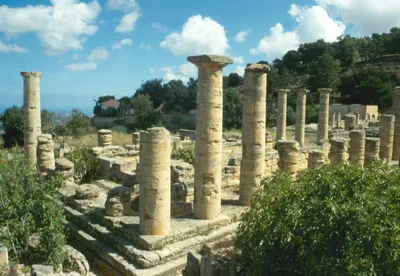
Theodorus the Atheist
Theodorus of Cyrene was trained in the Cyrenaic school of pleasure and in the art of argument. He was remembered as the ancient world's plainest denier of the city's gods, and was driven out of Athens and of Cyrene for it. Nothing he wrote survives, and no source records why he stopped believing. "Atheist" meant something different to each of the writers who called him one.
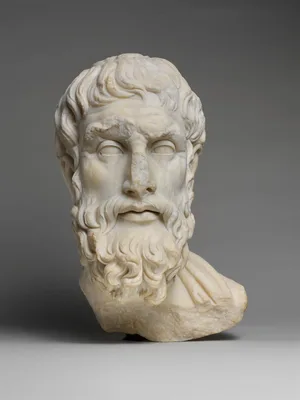
Epicurus
Epicurus was a Samian schoolboy who, by his own account, turned to philosophy at fourteen. In his Garden he taught that the gods exist, blessed and far away, and neither punish nor reward, so that the two great fears, of the sky and of death, could be cured by understanding nature. He never revised it. His critics, from Cicero to the Christians, called it atheism in polite words.
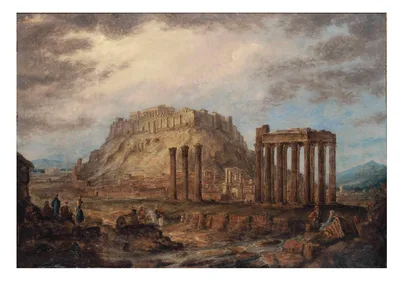
Critias
Critias was Plato's aristocratic kinsman and the hardest of the Thirty who ruled Athens in blood in 404–403 BCE. He left no word about his own belief. His name as an unbeliever rests on one verse speech, quoted by Sextus Empiricus six centuries later, in which the trickster Sisyphus says a clever man invented the fear of gods to police secret crimes. Ancient and modern readers give that speech either to Critias or to Euripides, so his unbelief is an attribution, not a confession.
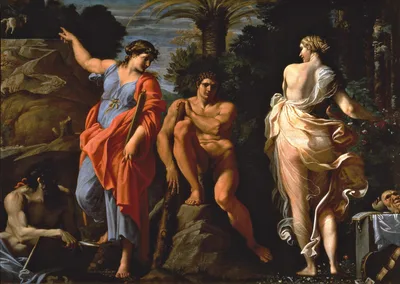
Prodicus of Ceos
Prodicus of Ceos was the fee-taking sophist famous for fine distinctions and for the fable of the Choice of Heracles. He left no surviving word on the gods. Later writers report that he explained them as the ancients' names for what fed and helped them: bread as Demeter, wine as Dionysus, the Nile as a god. From the third century BCE they listed him among the "so-called atheists". His unbelief is a reported theory and a label others fixed on him, not a declaration of his own.