Fan Zhen was a poor Confucian scholar among carriage-riding classmates. He answered a Buddhist prince's karma with a fallen flower, and wrote that the spirit is the body's working as sharpness is the knife's, because he saw a court draining its wealth, and its pity for the poor, into monasteries. He was pressed by a prince, a bribe, an emperor and sixty-two courtiers. He was never punished for the argument, was exiled for something else, and is not recorded as giving it up.
The belief timeline
- Formation (not a faith: a place in the world) (c. 465-489) — Poor orphan, among carriage-riding classmates at Liu Huan's school, "without shame"; trained in the ritual classics [2][3][4][7]
- Declaration (undated, 480s-early 490s) — Tells a devout Buddhist prince there is no Buddha; the falling-flower parable; then the essay on the extinction of the spirit [14][16]
- Test (c. 507-510 (undated)) — The emperor's edict and 62 courtiers' letters; arguments by Xiao Chen, Cao Siwen, Shen Yue; Fan answers Cao Siwen [39][40][41][42][44]
- Revision (none recorded) — No source in hand records a recantation or a change of view; Cao Siwen says he "still clings to his former error" [40]
Notes to the timeline (11)
- [2] He was orphaned young and poor, and served his mother with dutiful care — Yao Silian (Tang, compiled 636), Liang shu ch. 48, "Rulin zhuan", biography of Fan Zhen, which preserves the full text of the Shen mie lun in question-and-answer form; Li Yanshou (Tang, c. 659), Nan shi ch. 57, appendix to Fan Yun, "Cousin Fan Zhen", with the Wang Yan and Wang Rong anecdotes and the Yidu shrines.
- [3] Before he was twenty (未弱冠) he heard that Liu Huan of Pei gathered pupils and lectured, went to him, was outstanding and diligent; Liu thought highly of him and himself performed his capping ceremony — (Tang, Liang shu; (Tang, Nan shi.
- [4] In his years at Liu Huan's door he walked home in straw sandals and plain cloth; Liu's school was full of noble students with carriages; Fan "felt no shame at all" — (Tang, Liang shu; (Tang, Nan shi.
- [7] He became widely learned in the classics, especially the Three Rituals (Zhou li, Yi li, Li ji) — (Tang, Liang shu; (Tang, Nan shi.
- [14] The exchange: Fan insisted there is no Buddha; the Prince, a firm believer, asked "If you do not believe in cause and effect, how can the world have rich and noble, and poor and base?" Fan answered with the parable of the flowers on one branch carried by the wind, some onto cushions and mats, some into the privy: "Those who fell on the cushions are Your Highness; the one in the privy is your servant. Rich and poor take different roads; where is cause and effect in this?" Same exchange, with slightly different wording, in all three — (Tang, Liang shu; (Tang, Nan shi; Sima Guang (1084), Zizhi tongjian ch. 136 (Qi annals 2, Yongming 2 = 484), with the Eight Friends list and both anecdotes.
- [16] The essay (LS48, about 1,900 Chinese characters) is a dialogue between a questioner and Fan. Its thesis: the spirit is the body, and the body the spirit; "when the body persists the spirit persists; when the body perishes the spirit is extinguished"; body is "the substance of the spirit", spirit "the working of the body" — (Tang, Liang shu; Seng You (compiler, d. 518; compiler named on Taishō 54a04), Hongming ji juan 9: Xiao Chen's rebuttal with Fan's essay embedded and answered paragraph by paragraph; Cao Siwen's two memorials and Fan's reply ("Answer to Secretary Cao's Objections to the Extinction of the Spirit"). Taishō vol. 52, no. 2102, pp. 54-59, (Taishō 55a11, 55a16).
- [39] Cao Siwen sent two memorials to the emperor against the essay: the first (two objections only: the soul "wandering" in dreams and sacrifice to ancestors), the second after Fan answered; Fan's reply to Cao ("Answer to Secretary Cao") is the only surviving reply by Fan that is not the essay; Fan is addressed as "Fan, Secretary" (範中書) — (compiler, Hongming ji, (Taishō 58a13, 58b22-28, 59b24).
- [40] In his second memorial Cao writes: "I have just received Fan Zhen's answer: he still clings to his former error" (猶執先迷); Cao later calls him obstinate: "that Secretary Fan should be so stuck is truly lamentable" — (compiler, Hongming ji, (Taishō 59b24); Hongming ji juan 10: Emperor Wu's edict "Replying to the Courtiers on the Extinction of the Spirit"; Fa Yun's circular letter; the 62 replies. Taishō vol. 52, no. 2102, pp. 60-68, (Cao Siwen's letter).
- [41] The emperor's edict "Replying to the courtiers on the extinction of the spirit": states that a proper argument should be set up as host and guest; that the three sages all taught that the spirit is not extinguished; cites the *Ji yi* ("only the filial son can feast his parents") and *Li yun* ("three days of fasting, he must see the one he sacrifices to"); "to say the feasting has no one feasted and the seeing has no one seen is to defy the classics and betray one's parents... the theory of extinction is something I have not understood"; it does not name Fan; it is not dated — Hongming ji, (Taishō 60b07-19).
- [42] Fa Yun circulates the emperor's reply to officials with a short covering letter; the index lists "Fa Yun's letter to the lords and ministers, with the answers of 62 people"; the Wikisource transcription has Fa Yun's letter plus 62 replies (63 headings) — Hongming ji, (Taishō 60b06; list counted by script).
- [44] Shen Yue's two written replies: "On the Spirit's Not Perishing" (spirits of different grades; the body can be nourished, so the spirit must too) and "Objections to Fan Zhen's Shen mie lun" (a point-by-point rebuttal of the knife analogy and of the "body is spirit" claim); his reply to Fa Yun says he has long held that the spirit does not perish and that "the talk of extinction is truly alarming" — Daoxuan (Tang), Guang hongming ji juan 22: Shen Yue, "On the Spirit's Not Perishing" and "Objections to Fan Zhen's Shen mie lun"; Hongming ji, (Taishō 60c13-14).
The Knife and Its Sharpness
At a gathering in the garden of a Buddhist prince in southern China, some time in the 480s or early 490s, a poor scholar named Fan Zhen told his host that there was no Buddha. The prince, Xiao Ziliang, a devout believer, asked him a hard question: "If you do not believe in cause and effect, how can the world have riches and honour, poverty and low rank?"12
Fan answered with a picture. "A person's life is like the blossoms of one tree: they open on one branch from one calyx, and fall with the wind. Some brush past the curtains and land on cushions and mats; some catch on the hedge and wall and drop beside the privy. Those who fell on the cushions are Your Highness; the one by the privy is your servant. High and low take different roads; where in this is cause and effect?"13 The prince could not answer, but was "deeply puzzled." Fan went home and wrote out his reasoning as an essay, the Shen mie lun, On the Extinction of the Spirit.45 This chapter follows the essay and the man, and asks why a Confucian scholar of the Southern Dynasties set out to prove that nothing of a person survives death.
Straw sandals
Almost nothing is known of his dates. He is usually placed around 450 to 510, but no source in the dynastic histories gives the year of his birth or his death.6 His family came from Wuyin in Nanxiang, in what is now Henan, and descended from a Jin dynasty general; his father died young, and the boy grew up poor and devoted to his mother.78
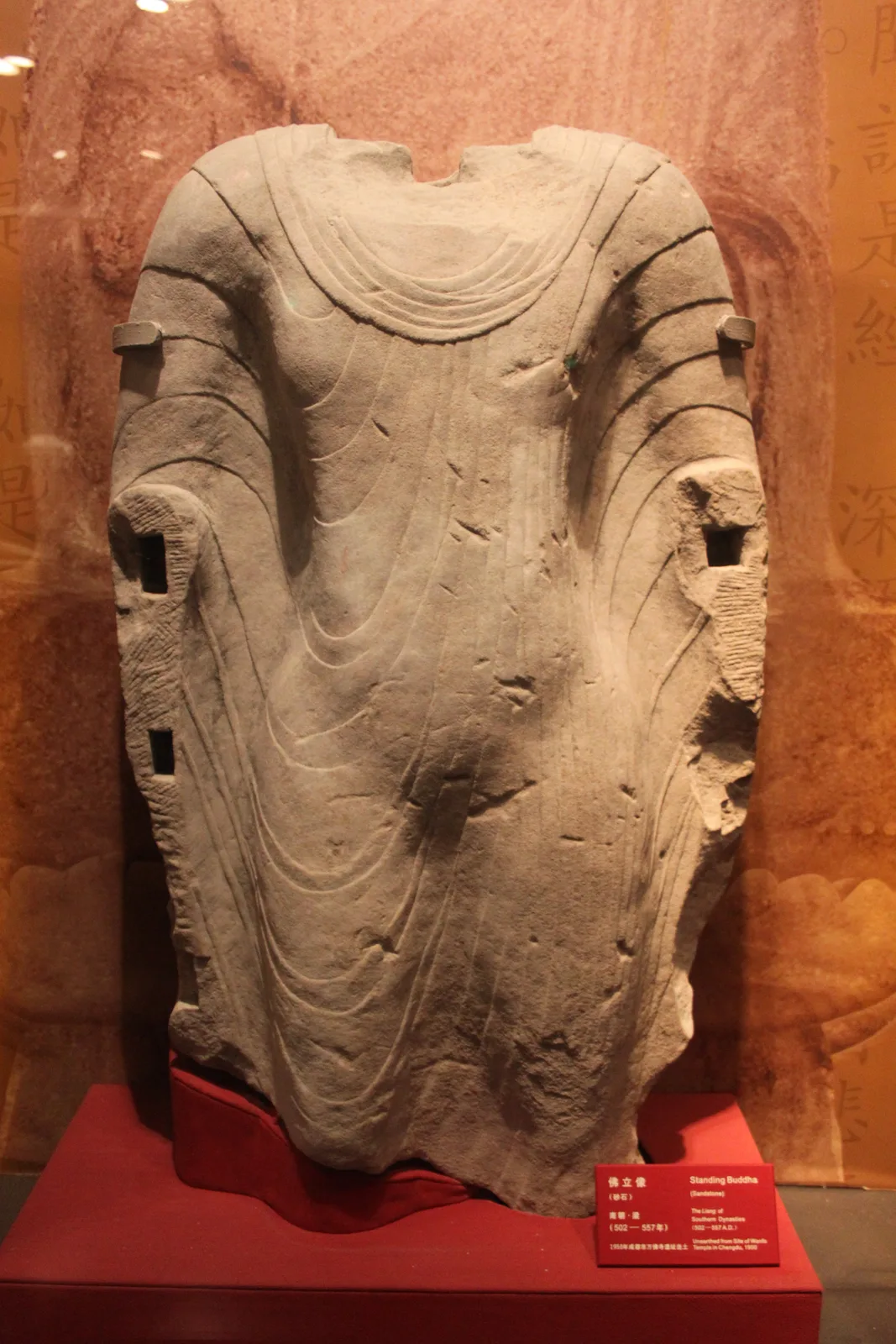
Before he was twenty he heard that the teacher Liu Huan was lecturing in the capital, Jiankang, the modern Nanjing, and went to him. Liu was so impressed that he performed the boy's capping ceremony himself.9 Fan stayed for years. "Coming and going from home he always wore straw sandals and cloth clothes and went on foot along the road," the official history of the Liang dynasty says. "Liu's door had many carriages and noble idlers, and Fan, among them, felt no shame at all."1011 He became learned in the classics, especially the three ritual books, and grew into a man who was "blunt, fond of dangerous and lofty talk, which made his fellow scholars uneasy."121314 At twenty-nine, the Nan shi says, his hair was already white.1516
The prince's garden
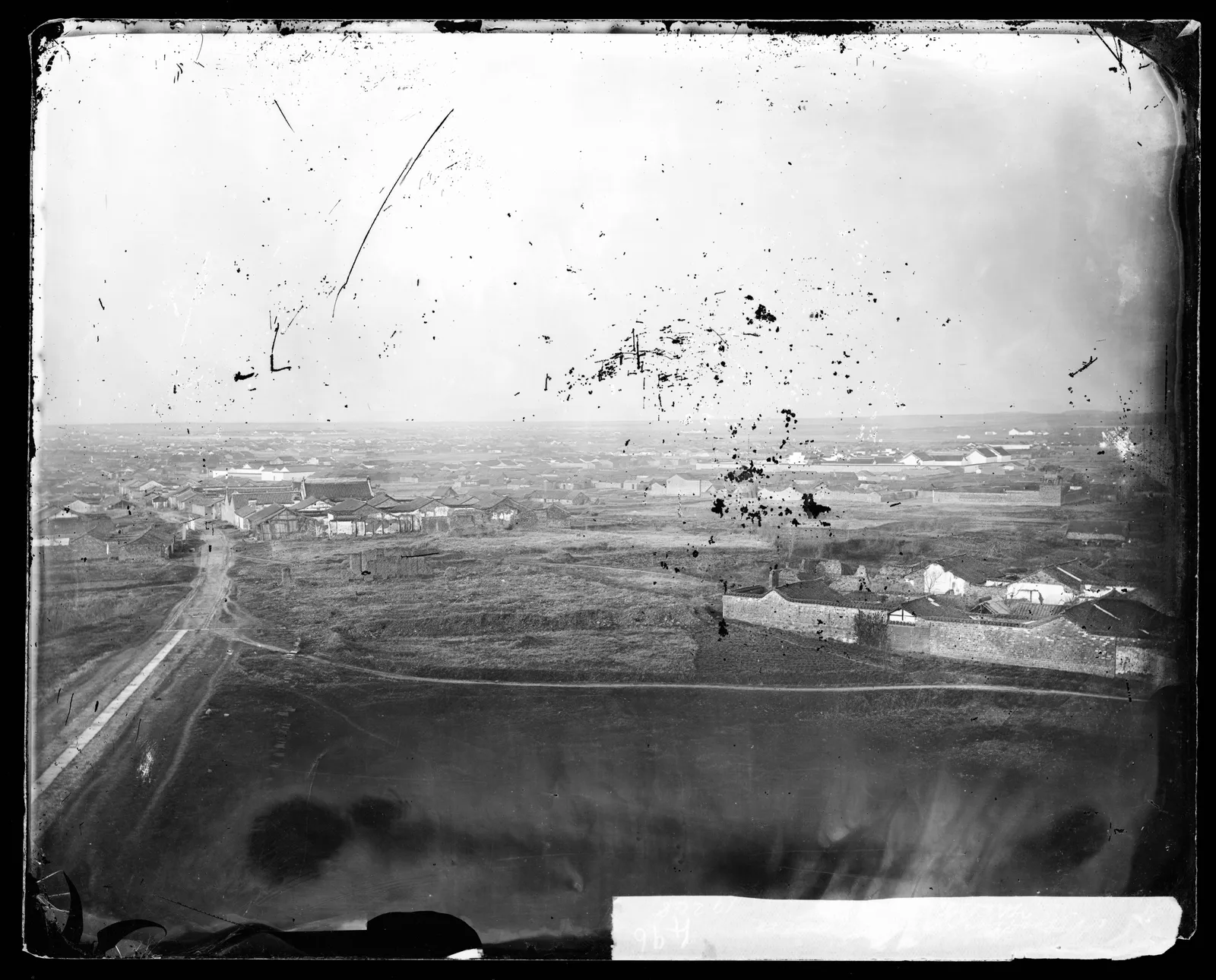
He served the Qi dynasty as a minor official and went on embassies to the rival Northern Wei, where he and his companions "were all famous in the neighbouring country."1718 The prince Xiao Ziliang gathered the brightest men of the empire at his Western Residence; he was a devout Buddhist who held fasts and fed crowds of monks in his garden.19 Fan was among his guests, alongside the "Eight Friends," among them his cousin Fan Yun, Shen Yue, and Xiao Yan, who would one day be emperor.20
It was there that he told the prince there was no Buddha, and there that the essay was born.14 "When the essay appeared," the history says, "court and country were in uproar." The prince called in monks to refute it, and they "could not make him bend."21
On the Extinction of the Spirit
The essay is a dialogue of questions and answers, about nineteen hundred characters long.22 Its thesis is simple: "The spirit is the body, and the body is the spirit. So when the body persists, the spirit persists; when the body perishes, the spirit is extinguished." The body is "the substance of the spirit; the spirit is the working of the body."222324
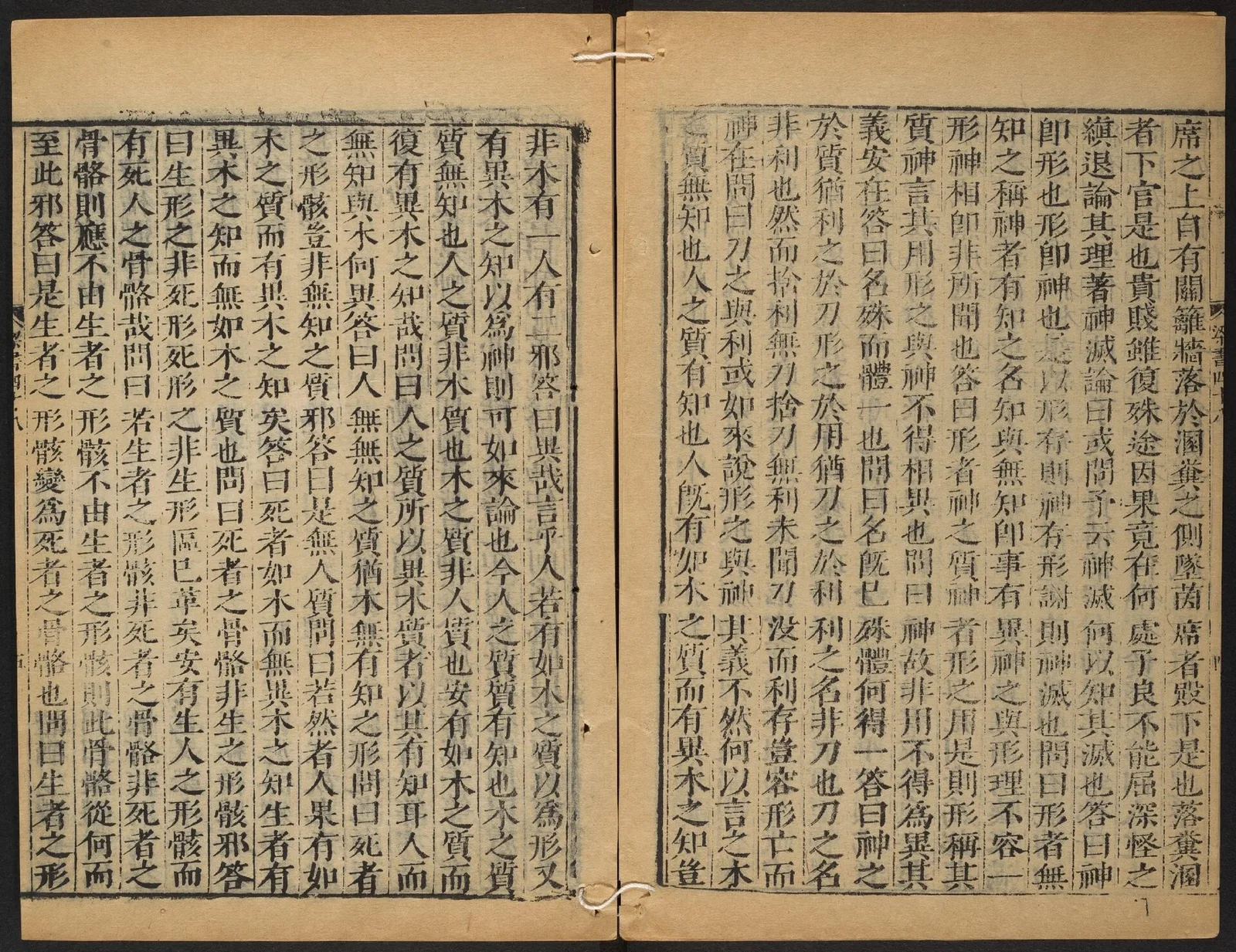
Then came the image that made it famous. "The relation of spirit to substance is like that of sharpness to the knife ... 'Sharpness' is not the name of the knife, and 'knife' is not the name of sharpness; yet without sharpness there is no knife, and without the knife no sharpness. Has anyone heard of the knife being gone and the sharpness remaining? How could the body be lost and the spirit stay?"2526 A dead body, he argued, is like dead wood: it has a form but no awareness, and "thinking about right and wrong is governed by the organ of the heart."272829
He had an answer, too, for the obvious objection. The Confucian classics told men to build ancestral temples and serve their dead "as ghosts." That, Fan said, was "the sages' teaching. It is meant to put filial sons' hearts at rest and to spur on the thin-hearted."3031 The rites were useful, not proof.
Why he wrote it
The essay ends by asking what use it is to know that the spirit dies, and Fan's answer was not about metaphysics but about money and the poor. "The Buddhists harm government and the monks eat away at custom ... I grieve at the damage and long to save those drowning."3233 People, he wrote, "exhaust their wealth to go to the monks and break up their estates to run after the Buddha, and yet do not look after their kin or pity the poor ... because the feeling for themselves is deep and the wish to help others is shallow."34 The result was that "soldiers are blunted in the ranks, offices are emptied of officials, grain is used up on idlers, and wealth is drained into clay and wood," the clay and wood of images and temples.35 In its place he offered nature, in which things "transform themselves": common people would be content with their fields, gentlemen would keep "their plain calm," and there would be food and clothing that never ran out.3637
Sell the argument?
The prince's circle tried mockery and bribery. A writer named Wang Yan jeered: "Alas, Master Fan! He does not even know where his own ancestors' spirits are." Fan shot back: "Alas, Master Wang! You know where your ancestors' spirits are, and yet you cannot bring yourself to die and follow them."383940 Then the prince sent his counsellor Wang Rong with an offer: the theory was unreasonable and would damage the teaching of duty; "with your fine gifts, why worry about not reaching Gentleman of the Secretariat? ... Burn it."4142 Fan laughed. "If Fan Zhen were willing to sell his argument for an office, he would have reached Director or Vice-director long ago, not merely Gentleman of the Secretariat."4143
Later, as prefect of Yidu, according to the Nan shi, he forbade sacrifices at three local shrines, "not believing in spirits."44
The emperor
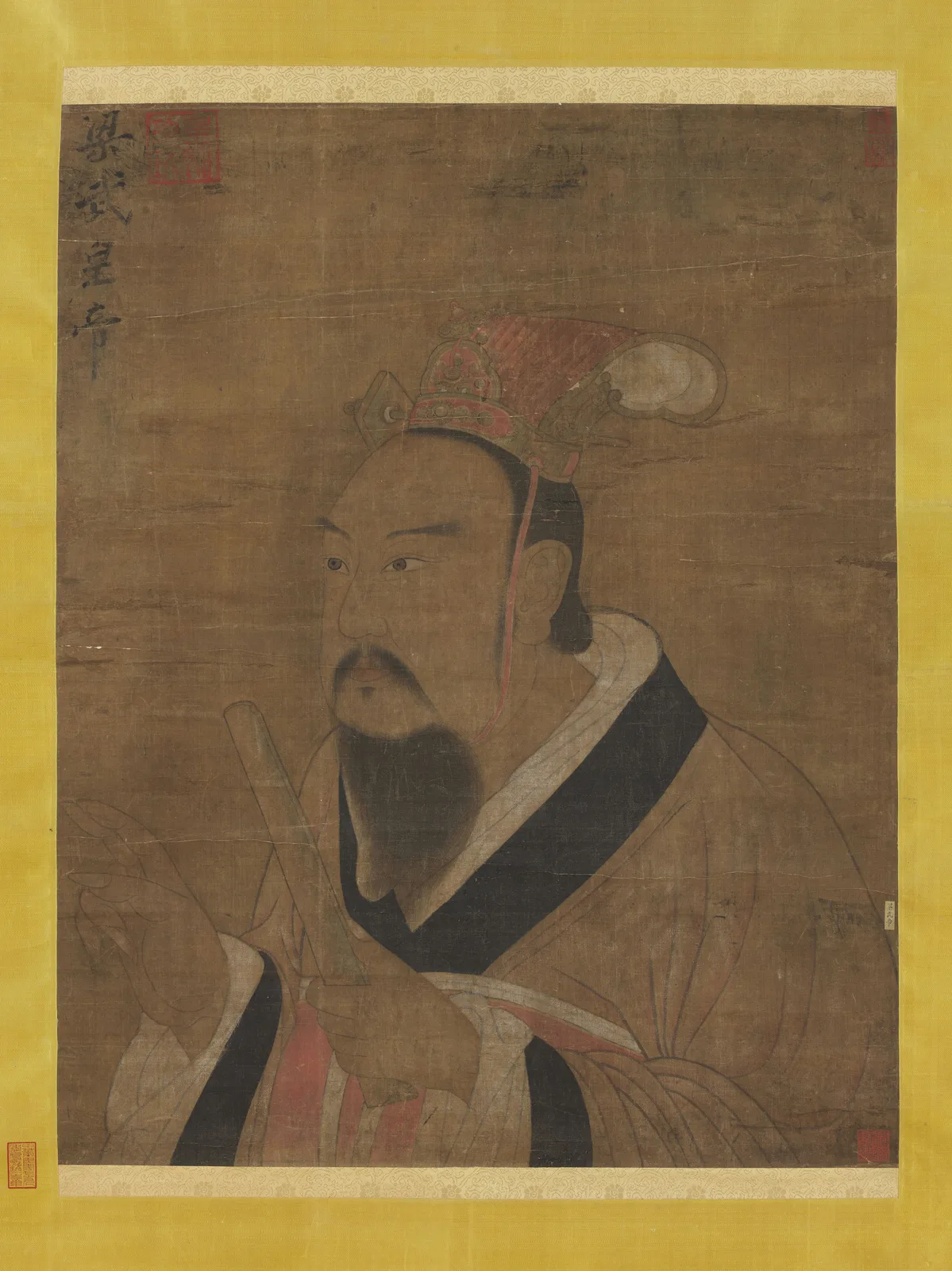
In 501 the Qi dynasty fell to Xiao Yan, the young officer of the prince's garden, who became Emperor Wu of Liang. He was delighted to see his old acquaintance, and made him prefect of Jin'an, where he served four years, "clean and frugal, living on his official salary."4546 The new emperor was a devout Buddhist; his own historian says he "devoutly trusted the True Law" and wrote commentaries on the sutras in hundreds of chapters.47
Fan's exile, when it came, had nothing to do with Buddhism. In 505, at a banquet in the palace, the emperor asked his officials to speak frankly, and Fan did: he said the emperor's favourite minister "has only a hollow name" while a dismissed friend of his, Wang Liang, "has a good deal of real administrative merit," and "this is what your foolish servant cannot understand."484950 The emperor changed colour. The censor impeached Fan for "insolent" words, and he was banished to Guangzhou "for Wang Liang."515253 Neither history connects the exile to the essay.52
Sixty-two answers
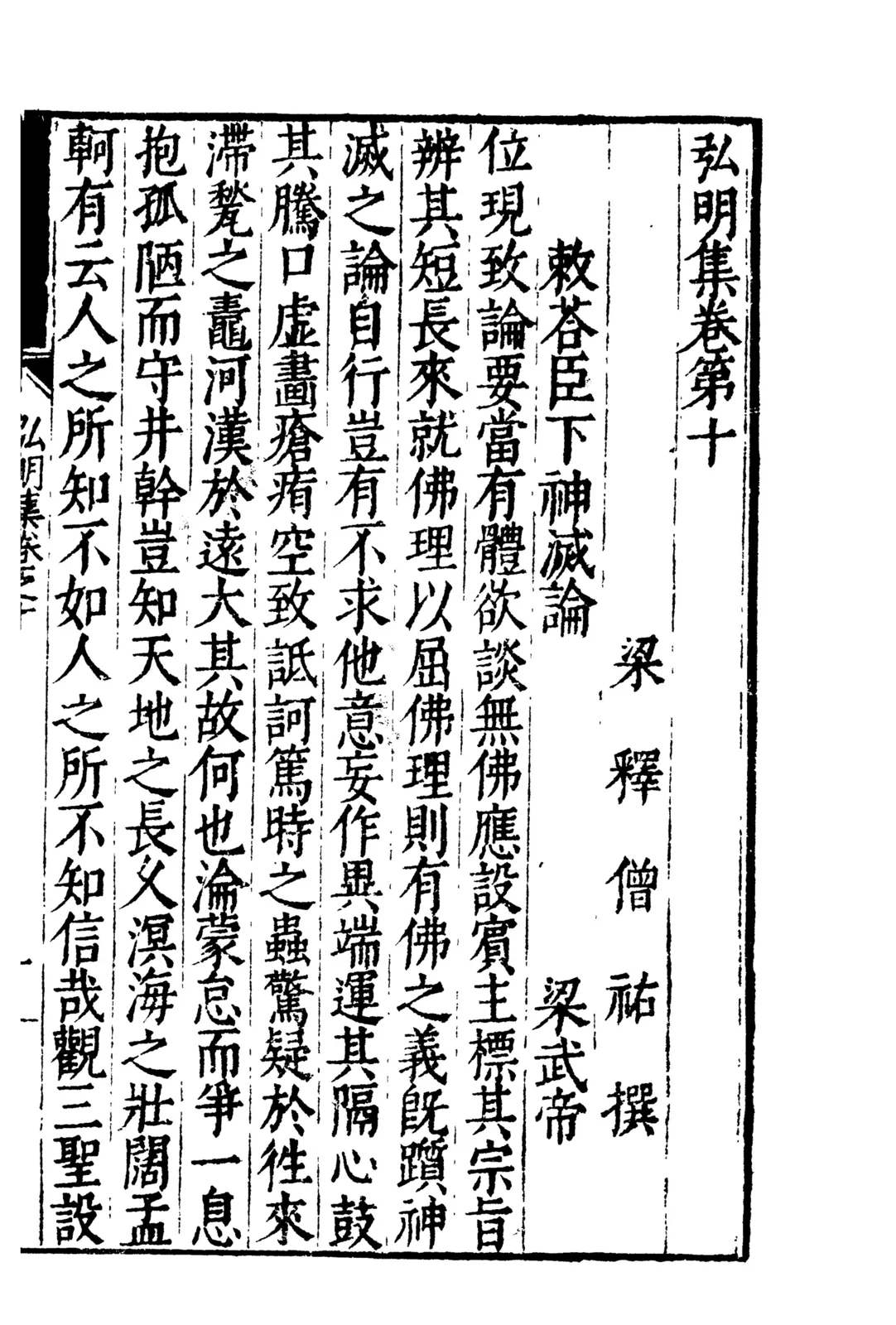
Some years later, after he had been recalled and made a Gentleman of the Secretariat, the essay reached the throne, and the emperor answered it himself.5455 His edict did not name Fan. It quoted the classics, "Only a filial son can feast his parents," and "After three days of fasting, he must see the one he sacrifices to," and concluded: "If you say the feasting has no one to feast and the seeing no one to see, you go against the classics and betray your parents ... The theory of extinction of the spirit is something I do not understand."5657 The abbot Fa Yun sent the edict round the court, and sixty-two officials wrote back, nearly all of them simply praising the emperor's words.5859 One, Wang Tai, admitted that he could not out-argue "Secretary Fan."60 Shen Yue, an old friend from the prince's garden, wrote that "the talk of extinction truly alarms me."6162
Three men argued properly. Xiao Chen, Fan's friend and relative, turned the knife against him: "If you use the sharpness up, you break the edge and the blade turns dull. Then the sharpness is gone and the knife remains, which is the spirit gone and the body remaining."6364 Shen Yue pointed out that a dead body remains when the knowing spirit has gone, "so the spirit is not the body and the body not the spirit."65 And the official Cao Siwen sent the emperor two memorials, asking, if body and spirit both perish, "who is it that is matched with Heaven" at the great sacrifice?6667 Fan answered Cao, and his answer survives. Dreams, he said, "are empty illusion; they come from nowhere"; and Cao's best argument was really "the best evidence for extinguishing the spirit ... You meant to challenge me to battle; have you decided to be my reinforcement?"666869 Cao reported to the emperor that Fan "still clings to his former error."7071
The end
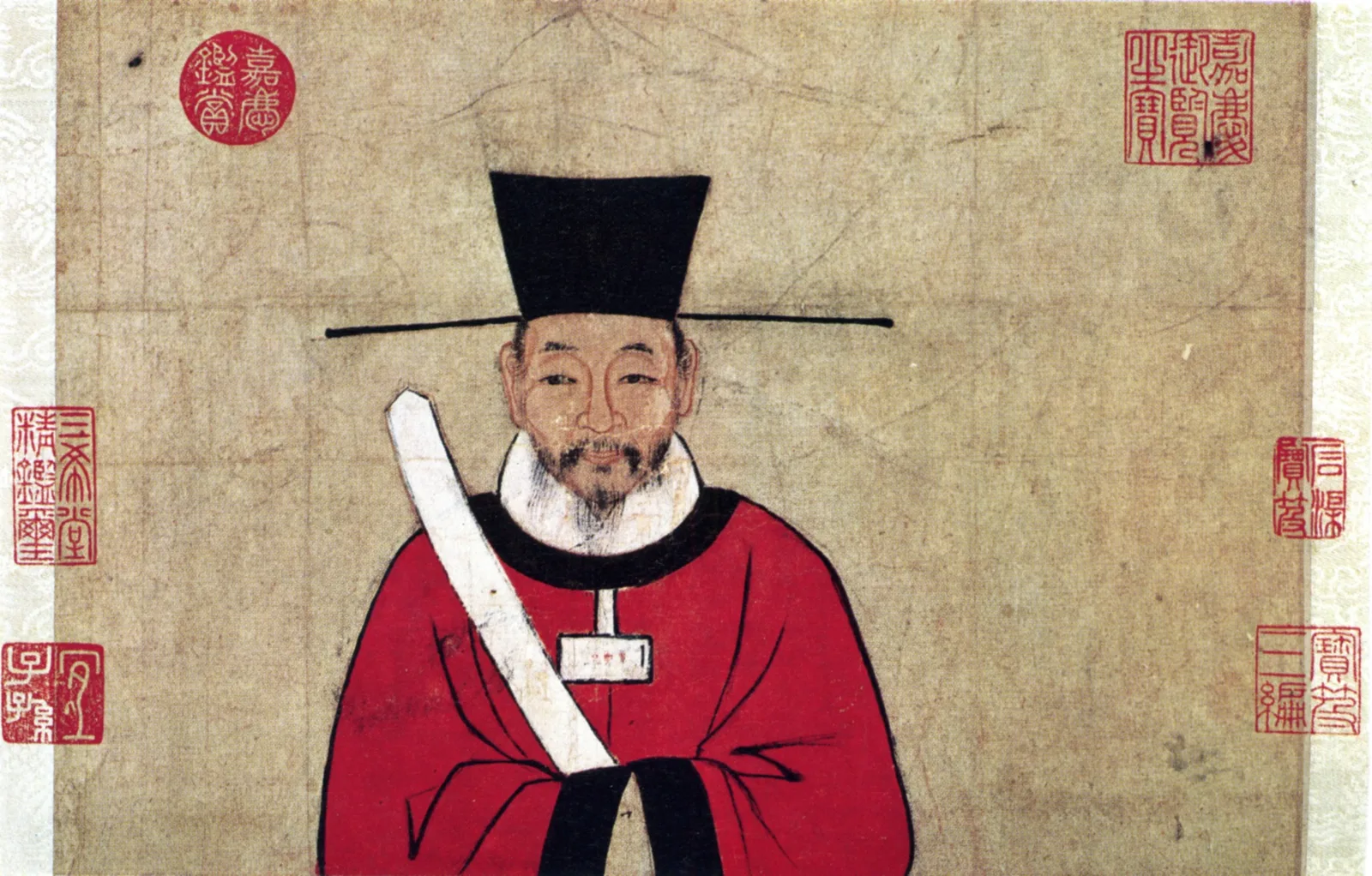
No source records that Fan recanted. He became Gentleman of the Secretariat and an academician of the state college, and "died in office," some time around 510.5472 His collected works, in ten or fifteen chapters, are lost.5473 The historians disagreed about the man: one judged that his hopes of high office had been disappointed, "and it was fitting"; another that "his frankness and uprightness showed from first to last."7475 In 1084 the historian Sima Guang printed the knife sentence and the falling flowers in his history, the Zizhi tongjian.76
What he left
Fan Zhen's unbelief was a Confucian scholar's, rooted in the classics and in the state. A poor boy among rich students, he saw a court pouring its wealth into monasteries and a doctrine of karma that explained rank as reward, and he answered both with a fallen flower and a knife. He did not deny the rites; he said the sages had made them for the living. Pressed by a prince, a bribe, an emperor and sixty-two courtiers, he was never punished for his argument and never gave it up. Four centuries before him another Chinese scholar, Wang Chong, had argued in the Han dynasty that the dead do not become ghosts; he has his own chapter in this book.
Footnotes
-
Yao Silian (Tang, compiled 636), Liang shu ch. 48, "Rulin zhuan", biography of Fan Zhen, which preserves the full text of the Shen mie lun in question-and-answer form; Li Yanshou (Tang, c. 659), Nan shi ch. 57, appendix to Fan Yun, "Cousin Fan Zhen", with the Wang Yan and Wang Rong anecdotes and the Yidu shrines; Sima Guang (1084), Zizhi tongjian ch. 136 (Qi annals 2, Yongming 2 = 484), with the Eight Friends list and both anecdotes. ↩ ↩2 ↩3
-
Prince Jingling (Xiao Ziliang), devout Buddhist patron: (Tang, Liang shu, . Tr.: "If you do not believe in cause and effect, how can the world have riches and honour, poverty and low rank?". ↩
-
Fan Zhen to Prince Jingling: (Tang, Liang shu; (Tang, Nan shi, and ZZTJ136 give shorter variants. ↩
-
Liang shu (Yao Silian): (Tang, Liang shu. ↩
-
Hu Shih 1933; Wikipedia (map only); plan.md. Not verified. ↩
-
(Tang, Liang shu, (first paragraph). ↩
-
(Tang, Liang shu; (Tang, Nan shi. ↩
-
(Tang, Liang shu; (Tang, Nan shi. ↩
-
(Tang, Liang shu; (Tang, Nan shi. ↩
-
Liang shu (Yao Silian) on Fan: (Tang, Liang shu. ↩
-
(Tang, Liang shu; (Tang, Nan shi. ↩
-
(Tang, Liang shu; (Tang, Nan shi. Accounts differ; see the disputed points. ↩
-
Liang shu (Yao Silian) on Fan: (Tang, Liang shu. ↩
-
(Tang, Nan shi. One source is the only source for this, as for the other details in this chapter cited to that source alone. ↩
-
Nan shi (Li Yanshou) on Fan: (Tang, Nan shi. ↩
-
(Tang, Liang shu; (Tang, Nan shi. ↩
-
(Tang, Liang shu; (Tang, Nan shi. ↩
-
NQS40. ↩
-
(1084), Zizhi tongjian. ↩
-
(Tang, Liang shu; (Tang, Nan shi; (1084), Zizhi tongjian. ↩
-
(Tang, Liang shu; Seng You (compiler, d. 518; compiler named on Taishō 54a04), Hongming ji juan 9: Xiao Chen's rebuttal with Fan's essay embedded and answered paragraph by paragraph; Cao Siwen's two memorials and Fan's reply ("Answer to Secretary Cao's Objections to the Extinction of the Spirit"). Taishō vol. 52, no. 2102, pp. 54-59, (Taishō 55a11, 55a16). ↩ ↩2
-
Fan Zhen: (Tang, Liang shu; (compiler, Hongming ji, (Taishō 55a11). ↩
-
Fan Zhen: (Tang, Liang shu; (compiler, Hongming ji, (Taishō 55a16). ↩
-
(Tang, Liang shu; (compiler, Hongming ji, (Taishō 55b16-18). ↩
-
Fan Zhen: (Tang, Liang shu; (compiler, Hongming ji, (Taishō 55b16-18, with 刃 for 刀 in places). ↩
-
(Tang, Liang shu. ↩
-
Fan Zhen: (Tang, Liang shu. ↩
-
Fan Zhen: (Tang, Liang shu; (compiler, Hongming ji, (Taishō 56b10). ↩
-
(Tang, Liang shu. ↩
-
Fan Zhen: (Tang, Liang shu, (HMJ9 Taishō 57a11 has a variant). ↩
-
(Tang, Liang shu. ↩
-
Fan Zhen: (Tang, Liang shu. ↩
-
Fan Zhen: (Tang, Liang shu. ↩
-
Fan Zhen: (Tang, Liang shu. ↩
-
(Tang, Liang shu. ↩
-
Fan Zhen: (Tang, Liang shu. ↩
-
(Tang, Nan shi; (1084), Zizhi tongjian. ↩
-
Wang Yan of Taiyuan, writer: (Tang, Nan shi, . Tr.: "Alas, Master Fan! He does not even know where his own ancestors' spirits are.". ↩
-
Fan Zhen to Wang Yan: (Tang, Nan shi, (ZZTJ136 has "祖先" as "先祖"). ↩
-
(Tang, Nan shi; (1084), Zizhi tongjian, (differing wording). ↩ ↩2
-
Wang Rong, the Prince's counsellor: (Tang, Nan shi, . Tr.: "The extinction of the spirit is unreasonable in itself, and you cling to it, which I fear will damage the teaching of names and duties. With your fine gifts, why worry about not reaching Gentleman of the Secretariat? Why be perversely contrary like this? Burn it.". ↩
-
Fan Zhen to Wang Rong: (Tang, Nan shi. ↩
-
(Tang, Nan shi. ↩
-
(Tang, Liang shu; (Tang, Nan shi; Herbert A. Giles, A Chinese Biographical Dictionary (London: Quaritch; Shanghai: Kelly & Walsh, 1898), IA
chinesebiograph00gilea: s.v. Fan Yin (Fan Yun), no. 548, A.D. 451-503; s.v. Hsiao Yen, running head p. 286 (A.D. 464-549); s.v. Shen Yo, running head p. 649 (A.D. 441-513). No entry for Fan Zhen, s.v. Hsiao Yen (entered Nanking 501). ↩ -
(Tang, Liang shu. ↩
-
LS3 (ch. 3, "Wu di" character paragraph); Giles, Chinese Biographical Dictionary, s.v. Hsiao Yen. ↩
-
(Tang, Liang shu; Liang shu ch. 16, biography of Wang Liang, containing the Huaguang Hall incident, Ren Fang's impeachment and the emperor's ten questions, (Ren Fang quotes: "I call on no one but Wang Liang; I send gifts to no one but Wang Liang"). ↩
-
Liang shu. ↩
-
Fan Zhen to Emperor Wu: Liang shu. ↩
-
Liang shu. ↩
-
Ren Fang, Censor-in-chief, impeaching Fan in 505: Liang shu, . Tr.: "But Zhen's words were insolent; he spoke praise and blame at random, harming the stately manners of the court and the ruler's hope of hearing advice." About Wang Liang, not the essay.. ↩
-
Daoxuan (Tang), Xu gaoseng zhuan ch. 5, biography of Fa Yun. ↩
-
Hongming ji juan 10: Emperor Wu's edict "Replying to the Courtiers on the Extinction of the Spirit"; Fa Yun's circular letter; the 62 replies. Taishō vol. 52, no. 2102, pp. 60-68, (Taishō 60b07-19). ↩
-
Emperor Wu of Liang (Xiao Yan), devout Buddhist: Hongming ji, (Taishō 60b16-19), Wikisource 弘明集/10. Tr.: "I observe that the three sages in their teaching all say the spirit does not perish; their writings are vast and hard to cite in full; let me take just two. The Ji yi says: 'Only a filial son can feast his parents.' The Li yun says: 'After three days of fasting, he must see the one he sacrifices to.' If you say the feasting has no one to feast and the seeing no one to see, you go against the classics and betray your parents, and that talk should stop. The theory of extinction of the spirit is something I do not understand.". ↩
-
Hongming ji, (Taishō 60b06; list counted by script). ↩
-
Hongming ji, (Taishō 62b14, 63a15). ↩
-
Wang Tai, Libu lang: Hongming ji, (Taishō 63a15-17; the transcription prints 茫 for 范, 徑廷 for 徑庭, 末 for 未). Tr.: "I had heard that Secretary Fan holds that spirit and body perish together. This man is far out of line and against human feeling; with my poor talents I could not break the horns of the five stags." (The last phrase: a reference to Zhu Yun's famous debate victory; he is saying he cannot out-argue Fan.). ↩
-
Daoxuan (Tang), Guang hongming ji juan 22: Shen Yue, "On the Spirit's Not Perishing" and "Objections to Fan Zhen's Shen mie lun"; Hongming ji, (Taishō 60c13-14). ↩
-
Shen Yue to Fa Yun: Hongming ji, (Taishō 60c14). Tr.: "That the spirit is not extinguished I have long taken to heart; the talk of extinction truly alarms me.". ↩
-
(compiler, Hongming ji, (Taishō 54c21-55b20); Wikisource text. ↩
-
Xiao Chen: (compiler, Hongming ji, (Taishō 55b20-). Tr.: "A knife's sharpness comes from the whetstone's work, so that it can cut sea-dragons in water and rhinoceros and tiger on land. If you use the sharpness up, you break the edge and the blade turns dull. Then the sharpness is gone and the knife remains, which is the spirit gone and the body remaining." The best-known counter to the analogy.. ↩
-
Shen Yue, minister, one of the Eight Friends: (Tang), Guang hongming ji, "難范縝神滅論". Tr.: "If the body is the spirit and the spirit the body, helping each other and never perishing apart, then on the day a person dies the body should vanish too. But the knowing spirit has gone and the unknowing body is left, so the spirit is not the body and the body not the spirit, and they cannot be forced into one.". ↩
-
(compiler, Hongming ji, (Taishō 58a13, 58b22-28, 59b24). ↩ ↩2
-
Cao Siwen: (compiler, Hongming ji, (Taishō 58b08). Tr.: "If body and spirit both perish, then who is it that is matched with Heaven? Who is matched with the Lord on High?" The ritual argument: the Duke of Zhou made his ancestor Houji "match Heaven" at the sacrifice.. ↩
-
Fan Zhen to Cao Siwen: (compiler, Hongming ji, (Taishō 59a05). ↩
-
Fan Zhen to Cao Siwen: (compiler, Hongming ji, (Taishō 58c03-04). ↩
-
(compiler, Hongming ji, (Taishō 59b24); Hongming ji, (Cao Siwen's letter). ↩
-
Cao Siwen to the emperor: (compiler, Hongming ji, (Taishō 59b24). Tr.: "Cao Siwen reports: I have just received Fan Zhen's Answer; he still clings to his former error. I have considered the reasoning and attack its four proofs, and submit them.". ↩
-
(Tang, Liang shu; (Tang, Nan shi. ↩
-
(Tang, Liang shu; (Tang, Nan shi. ↩
-
(Tang, Liang shu; (Tang, Nan shi. ↩
-
Yao Cha (Chen dynasty historian), quoted by Yao Silian: (Tang, Liang shu, . Tr.: "Fan Zhen came in black mourning hoping for luck, and did not obtain his ends; it was fitting." Not about the essay.. ↩
-
(1084), Zizhi tongjian. ↩
chinesebiograph00gilea: s.v. Fan Yin (Fan Yun), no. 548, A.D. 451-503; s.v. Hsiao Yen, running head p. 286 (A.D. 464-549); s.v. Shen Yo, running head p. 649 (A.D. 441-513). No entry for Fan Zhen.; Liang shu ch. 16, biography of Wang Liang, containing the Huaguang Hall incident, Ren Fang's impeachment and the emperor's ten questions.; Daoxuan (Tang), Xu gaoseng zhuan ch. 5, biography of Fa Yun.; Hongming ji juan 10: Emperor Wu's edict "Replying to the Courtiers on the Extinction of the Spirit"; Fa Yun's circular letter; the 62 replies. Taishō vol. 52, no. 2102, pp. 60-68.; Daoxuan (Tang), Guang hongming ji juan 22: Shen Yue, "On the Spirit's Not Perishing" and "Objections to Fan Zhen's Shen mie lun".In their own words
人之生譬如一樹花,同發一枝,俱開一蔕,隨風而墮,自有拂簾幌墜於茵席之上,自有關籬牆落於糞溷之側。墜茵席者,殿下是也;落糞溷者,下官是也。貴賤雖復殊途,因果竟在何處?
神卽形也,形卽神也;是以形存則神存,形謝則神滅也。
形者神之質,神者形之用。
神之於質,猶利之於刀;形之於用,猶刀之於利;利之名非刀也,刀之名非利也。然而捨利無刀,捨刀無利。未聞刀沒而利存,豈容形亡而神在?
人無無知之質,猶木無有知之形。
死者如木,而無異木之知;生者有異木之知,而無如木之質也。
是非之慮,心器所主。
聖人之教然也。所以弭孝子之心,而厲偷薄之意,神而明之,此之謂矣。
浮屠害政,桑門蠹俗。風驚霧起,馳蕩不休。吾哀其弊,思拯其溺。
夫竭財以赴僧,破產以趨佛,而不卹親戚,不憐窮匱者何?良由厚我之情深,濟物之意淺。
致使兵挫於行間,吏空於官府,粟罄於惰遊,貨殫於泥木。
小人甘其壟畝,君子保其恬素;耕而食,食不可窮也;蠶而衣,衣不可盡也
嗚呼王子!知其祖先神靈所在,而不能殺身以從之。
使范縝賣論取官,已至令僕矣,何但中書郎邪。
在瓛門下積年,去來歸家,恒芒屩布衣,徒行于路。瓛門多車馬貴遊,縝在其門,聊無恥愧。
性質直,好危言高論,不爲士友所安。
若均是聖達,本自無教,教之所設,實在黔首。黔首之情,常貴生而賤死;死而有靈則長畏敬之心,死而無知則生慢易之意。
夢幻虛假,無有自來矣。
此乃是滅神之精據,而非存神之雅決。子意本欲請戰,而定為我援兵耶?
司徒謝朏本有虛名,陛下擢之如此,前尚書令王亮頗有治實,陛下棄之如彼,是愚臣所不知。
年二十九,髮白皤然,乃作《傷暮詩》、《白髮詠》以自嗟。
苟可以安上、治民、移風、易俗,三光明於上,黔黎悅於下,何欺妄之有乎?
縝退論其理,著《神滅論》
The other side
君不信因果,世間何得有富貴,何得有貧賤?
嗚呼范子!曾不知其先祖神靈所在。
神滅既自非理,而卿堅執之,恐傷名教。以卿之大美,何患不至中書郎,而故乖刺為此,可便毀棄之。
觀三聖設教,皆云不滅,其文浩博,難可具載。止舉二事試以為言。《祭義》云:“惟孝子為能饗親。”《禮運》云:“三日齋,必見所祭。”若謂饗非所饗,見非所見,違經背親,言誠可息。神滅之論,朕所未詳。
欲談無佛,應設賓主。標其宗旨,辯其短長;來就佛理,以屈佛理。則有佛之義既躓,神滅之論自行。
內兄範子真,著《神滅論》,以明無佛。自謂辯摧眾口,日服千人。予意猶有惑焉。
夫刀之有利,砥礪之功。故能水截蛟螭,陸斷兕虎。若窮利盡用,必摧其鋒鍔,化成鈍刃。如此則利滅而刀存,即是神亡而形在。
神之與形,有分有合;合則共為一體,分則形亡而神逝也。
若形神俱滅,復誰配天乎?復誰配帝乎?
思文啟:始得範縝《答神滅論》猶執先迷,思文試料其理致,衝其四證,謹冒奏聞。
若形即是神,神即是形,二者相資,理無偏謝。則身亡之日,形亦應消。而今有知之神亡,無知之形在,此則神本非形,形本非神,又不可得強令如一也。
又一刀之質,分為二刀,形已分矣,而各有其利。今取一牛之身而割之為兩,則飲齕之生即謝,任重之用不分。
神本不滅,久所伏膺!神滅之談良用駭惕!
神滅瞽論,欲以有知同此無識,乃謂種智亦與形骸俱盡,此實理之可悲。
預聞茫中書有神形偕滅之論。斯人徑廷,不近人情,直以下才,末能折五鹿之角。
孝享之禮既彰,桀懷曾史之慕;三世之言復闡,紂協波侖之情。
而縝言不遜,妄陳褒貶,傷濟濟之風,缺側席之望。
亮反覆不忠,姦賄彰暴,有何可論!妄相談述,具以狀對。
范縝墨絰僥倖,不遂其志,宜哉。
Where accounts differ
| Point | One account | Another | How the page handles it |
|---|---|---|---|
| Why Fan was exiled to Guangzhou | The essay and the court's anger at it (the lead; the roster; much modern retelling) | The Wang Liang affair: gifts to him and praise of him at a banquet (LS16, LS48, NS57); neither history ties exile to the essay | Say it was for the Wang Liang affair; add that no source records any penalty for the essay itself |
| Whether Fan was ever punished for his belief | Roster and modern summaries imply persecution | None recorded: he became Zhongshu lang and Guozi boshi (LS48) | Say plainly that the cost was argument and the emperor's displeasure at most; the attested cost was a different one |
| "More than sixty rebuttals" | 64 courtiers and 75 pamphlets (English Wikipedia, Tier 4; not found in the primary texts) | Fa Yun's circular and 62 replies (HMJ10, counted from the transcription; Taishō index title says 62) | Say "sixty-two courtiers wrote back to the abbot"; add that almost all were praise of the emperor's edict, not arguments; three men wrote real arguments |
| Date of the essay | Written under Qi, before the Prince's death in 494 (LS48 "初...在齊世"; NS57) | 507 (English Wikipedia) | Say it was written under Qi; the edict came years later in Liang |
| Date of the edict and the 62 replies | Not dated in HMJ10 | After Tianjian 7 (508) by XGS5's sequence; c. 507 in modern summaries | Say "some years after he returned from the south" or give "around 507 to 510" with "accounts differ" |
| Fan's birth and death years | c. 450 and c. 515 (English Wikipedia; roster) | "about 510" (Hu Shih 1933); no year in LS48 or NS57 | Use "died in the 510s" or "around 510"; say no source gives either year |
| Xiao Chen's relation to Fan | Younger maternal cousin (LS48 "外弟蕭琛") | Fan is Xiao's "內兄" (Xiao's wife's elder brother; Xiao Chen's own preface HMJ9); ZZTJ136 calls Xiao the nephew of Xiao Huikai | Say "his friend and relation"; avoid the exact tie |
| Why Fan had that fight with the emperor in 505 | Ambition: hoping for high office, disappointed (LS48, NS57, Yao Silian) | Plain speaking: LS48 itself says he was "blunt" (性質直) and Li Yanshou writes "his frankness and uprightness showed from first to last" (NS57) | Give both verdicts without choosing; the series' angle is the essay, and this is a side story |
| Where he was from | Wuyin, Nanxiang (LS48; NS57 has no place) | "Nanjun" (Daoxuan, GHMJ7); "Shunyang" (XGS5) | Say "from the Nanyang plain of Henan" only after a map check; no map source is in hand |
| Whether the positions in the edict address Fan | The edict does not name him ("courtiers"); XGS5 and the order of HMJ9-10 tie it to Fan | The emperor himself, in the edict, speaks of "someone" who argues there is no Buddha | Say "an edict aimed at his argument" and not "at Fan by name" |
List of illustrations
This page uses only public-domain and Creative Commons images; each is credited with its source and licence.
- Buddha statue, Liang dynasty — Gary Todd (photograph, 2010); sculpture from Wanfosi, Chengdu, Liang dynasty (502-557), 6th-c · Photograph by Gary Todd, CC0, via Wikimedia Commons (Sichuan Provincial Museum collection) · CC0
- Nanking, China, the old capital (photograph) — John Thomson, 1871 · John Thomson, 1871, Wellcome Collection, Public Domain Mark · Public Domain Mark
- Liang shu juan 48 (Ru lin zhuan), the Shen mie lun with the knife analogy, printed edition page — Yao Silian (Tang, 636); Harvard-Yenching copy, Ming-Qing printed edition · Harvard-Yenching Library copy (Harvard drs 17830591), digitised by Harvard Library, via Wikimedia Commons, public domain · Public domain
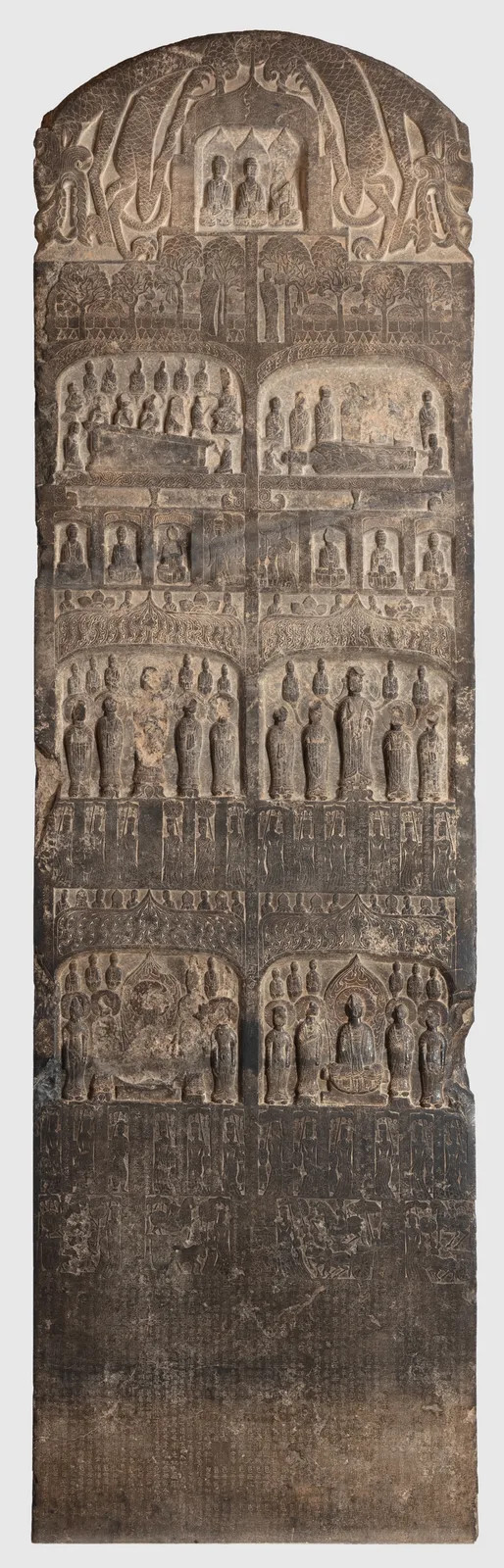
- Buddhist Votive Stele, Western Wei dynasty, dated 551 — Unknown Chinese sculptor (Western Wei), 551 · The Art Institute of Chicago, CC0 (public domain), reference 29149 · CC0 (public domain)
- Emperor Wu of Liang (Liang Wudi), later imagined portrait — Unknown artist (later portrait in the tradition of the Portraits of the Emperors), later · Wikimedia Commons, public domain (unknown author) · Public domain
- Hongming ji juan 10, opening: Emperor Wu's edict 'Reply to the courtiers on the Shen mie lun' (敕答臣下神滅論), page — Seng You (compiler, d. 518); Sibu congkan facsimile, 1919-1936 (Sibu congkan reprint of the Ming Wanli edition) · Sibu congkan facsimile of the Hongming ji (vol. 4 of 5), via Wikimedia Commons, public domain · Public domain
- Sima Guang (1019-1086), contemporary portrait scroll — Anonymous (Song dynasty); National Palace Museum, Taipei, between c. 1019 and c. 1086 · Wikimedia Commons; National Palace Museum, Taipei · Public domain
Sources
Tier 1 — the subject's own words (writings, letters, diaries, trial records)
- [LS48] Yao Silian (Tang, compiled 636), Liang shu ch. 48, "Rulin zhuan", biography of Fan Zhen, which preserves the full text of the Shen mie lun in question-and-answer form. https://zh.wikisource.org/wiki/梁書/卷48. Text in
research/texts/liangshu48.txt. The essay as transmitted; the biography is Tier 2. - [HMJ9] Seng You (compiler, d. 518; compiler named on Taishō 54a04), Hongming ji juan 9: Xiao Chen's rebuttal with Fan's essay embedded and answered paragraph by paragraph; Cao Siwen's two memorials and Fan's reply ("Answer to Secretary Cao's Objections to the Extinction of the Spirit"). Taishō vol. 52, no. 2102, pp. 54-59. https://zh.wikisource.org/wiki/弘明集/09. Text in
research/texts/hongmingji09.txt. - [HMJ10] Hongming ji juan 10: Emperor Wu's edict "Replying to the Courtiers on the Extinction of the Spirit"; Fa Yun's circular letter; the 62 replies. Taishō vol. 52, no. 2102, pp. 60-68. https://zh.wikisource.org/wiki/弘明集/10. Text in
research/texts/hongmingji10.txt. - [GHMJ22] Daoxuan (Tang), Guang hongming ji juan 22: Shen Yue, "On the Spirit's Not Perishing" and "Objections to Fan Zhen's Shen mie lun". https://zh.wikisource.org/wiki/廣弘明集/22. Text in
research/texts/guanghongming22.txt.
Tier 2 — scholarly biographies and encyclopedias
- [LS16] Liang shu ch. 16, biography of Wang Liang, containing the Huaguang Hall incident, Ren Fang's impeachment and the emperor's ten questions. https://zh.wikisource.org/wiki/梁書/卷16. Text in
research/texts/liangshu16.txt. - [LS2] Liang shu ch. 2, annals of Emperor Wu (Wang Liang dismissed, Tianjian 2). Text in
research/texts/liangshu02.txt. [LS3] ch. 3, Emperor Wu's character and devotion to Buddhism. Text inresearch/texts/liangshu03.txt. - [NS57] Li Yanshou (Tang, c. 659), Nan shi ch. 57, appendix to Fan Yun, "Cousin Fan Zhen", with the Wang Yan and Wang Rong anecdotes and the Yidu shrines. https://zh.wikisource.org/wiki/南史/卷57. Text in
research/texts/nanshi57.txt. - [NQS39] Xiao Zixian (Liang), Nan Qi shu ch. 39, biography of Liu Huan. https://zh.wikisource.org/wiki/南齊書/卷39. Text in
research/texts/nanqishu39.txt. [NQS40] ch. 40, biography of Xiao Ziliang, Prince of Jingling. Text inresearch/texts/nanqishu40.txt. - [ZZTJ136] Sima Guang (1084), Zizhi tongjian ch. 136 (Qi annals 2, Yongming 2 = 484), with the Eight Friends list and both anecdotes. https://zh.wikisource.org/wiki/資治通鑑/卷136. Text in
research/texts/tongjian136.txt. - [XGS5] Daoxuan (Tang), Xu gaoseng zhuan ch. 5, biography of Fa Yun. https://zh.wikisource.org/wiki/續高僧傳/卷05. Text in
research/texts/xugaoseng05.txt. - [GHMJ7] Daoxuan, Guang hongming ji juan 7, including list item 19 on Fan Zhen. https://zh.wikisource.org/wiki/廣弘明集/07. Text in
research/texts/guanghongming07.txt. - [Giles-BD] Herbert A. Giles, A Chinese Biographical Dictionary (London: Quaritch; Shanghai: Kelly & Walsh, 1898), IA
chinesebiograph00gilea: s.v. Fan Yin (Fan Yun), no. 548, A.D. 451-503; s.v. Hsiao Yen, running head p. 286 (A.D. 464-549); s.v. Shen Yo, running head p. 649 (A.D. 441-513). No entry for Fan Zhen. Text in37-wang/research/texts/giles-bd.txt(read only, not copied).
Tier 3 — popular biographies and journalism
- None used.
Tier 4 — maps to other sources only (Wikipedia and similar). Never cited in the script.
- English Wikipedia, "Fan Zhen" (c. 450-515; says the essay was written in 507, that Emperor Wu ordered 64 courtiers to reply and 75 pamphlets resulted). These figures were not reproduced by the primary texts in hand: see Disputed points.
- Chen Yinke (1890-1969), "Tao Yuanming's thought and its relation to Qingtan" (Wikisource transcription; in copyright). Snippet seen on Wikisource: "縝本世奉天師道", that Fan's family served the Way of the Celestial Masters. Lead only; the argument and its sources are not in hand.
- Hu Shih, Forty Autobiographical Chapters (四十自述, 1933), ch. 2, Wikisource transcription. Lead on how the boy Hu Shih encountered Fan; not pre-1931. His 1919 essay "Immortality" is the other pre-1931 lead and is not in hand.
- Balazs (1932), Chinese-language scholarship and later translations of the Shen mie lun: copyrighted; leads only, none opened.
Opposition sources — contemporary critics and religious responses
- [HMJ9], [HMJ10], [GHMJ22] as above, for Xiao Chen, Cao Siwen, Emperor Wu, Fa Yun, Shen Yue, Wang Tai and others. [NS57] for Wang Yan and Wang Rong. [LS16] for Ren Fang and the emperor's letter. [LS48] for Yao Cha's verdict.
Related lives
Hu Shih (1891-1962), on the roster: by his own account (1933 autobiography, lead only) he lost his fear of hell and ghosts as a boy of eleven or twelve reading Fan's sentences in Sima Guang's history. Alternative: Wang Chong (37), the Han predecessor on whom Fan's argument has often been compared (comparison is the expensive model's to verify; no source in hand makes it).

Jayarāśi Bhaṭṭa
Jayarāśi is known only from one book that survived in one manuscript. He began as an heir of the materialist Bṛhaspati, who denied the other world and the soul that would go to it. He then turned the materialists' own weapons on every school's means of knowledge, perception included, leaving no ground for a God who watches and judges, and promising only that life is delightful once nothing has to be proved. His readers have been relabelling his unbelief ever since.
Ibn al-Rawandi
Ibn al-Rawandi was a gifted Mu'tazili theologian of ninth-century Baghdad. He broke with his school, by his enemies' account out of wounded pride and ambition, and went on to argue that prophecy and revelation were unnecessary. His books perished. His unbelief, like the story that he repented, survives only in the words of the men who refuted him.
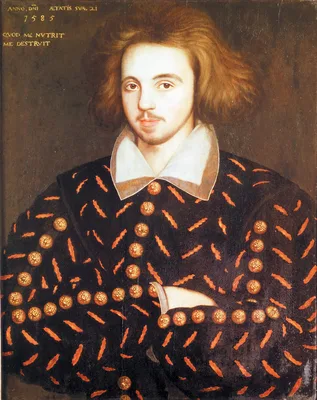
Christopher Marlowe
Christopher Marlowe was sent to Cambridge on a scholarship meant for future clergy. He took his degrees and never took orders, and wrote stage heroes who dared God and mocked hell. In May 1593 he was named an atheist by a tortured fellow playwright and an unsworn informer, days before he was killed at Deptford. He left no word of his own on what he believed, so his unbelief survives only as an accusation that his enemies, after his death, turned into a sermon.
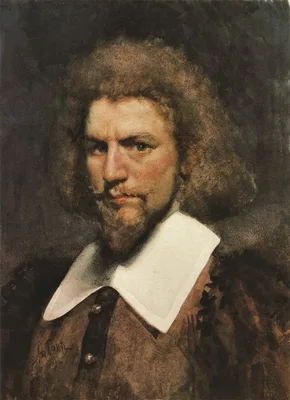
Uriel da Costa
Uriel da Costa was a Portuguese New Christian who despaired of salvation by the Church's rules. He crossed Europe to live by the one revelation Jews and Christians shared, and found, on reading it strictly, that it promised nothing after death. He was banned, jailed and scourged for saying so. He ended by holding every revealed law a human invention and calling himself only a man: a search for certainty that left him outside every community, and that his editor saw as the place where Spinoza began.