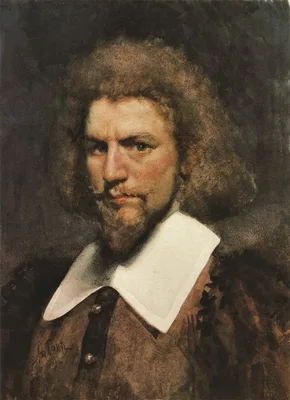
Uriel da Costa was a Portuguese New Christian who despaired of salvation by the Church's rules. He crossed Europe to live by the one revelation Jews and Christians shared, and found, on reading it strictly, that it promised nothing after death. He was banned, jailed and scourged for saying so. He ended by holding every revealed law a human invention and calling himself only a man: a search for certainty that left him outside every community, and that his editor saw as the place where Spinoza began.
The belief timeline
- Faith (c. 1585–c. 1605) — A pious Catholic boy in Porto whose "Dread of eternal Damnation" made him keep every doctrine "with the utmost exactness" [2][3][7]
- Doubt (c. 1605–1610) — At Coimbra and after, he finds he cannot confess his way to absolution, despairs of salvation by those rules, and asks at about twenty whether the afterlife is a forgery (an adult student's doubt about salvation, not a childhood question) [8][9]
- Reversal (c. 1610–1615) — Turns to the Law of Moses, the one revelation Jews and Christians both grant, gives up his church office and sails with his family to a place where he can live by it [11][12][13]
- Declaration (1623–1624) — Denies in print that the soul survives death (Exame, 1624) after the first Amsterdam ban of 15 May 1623 and Silva's refutation [31][35][39][41]
- Revision (c. 1624–1640) — Decides the Law of Moses is itself a human invention, builds a religion of the Law of Nature, signs a recantation he does not believe, is scourged, and writes the Exemplar [49][50][52][59][75]
Notes to the timeline (17)
- [2] He was raised a Catholic; his father was "truly a Christian", a man of strict honour; he had a gentleman's education (servants, a Spanish horse) and then studied law — Uriel da Costa, Exemplar humanae vitae, Latin text from the Amsterdam Remonstrant manuscript (Bibliotheek van de Remonstrantse Kerk, III E. 3, no. 83), printed in Carl Gebhardt, ed., Die Schriften des Uriel da Costa (Bibliotheca Spinozana II, Amsterdam and Heidelberg, 1922), Latin pp. 105–23, German translation pp. 124–46, p. 105; The Remarkable Life of Uriel Acosta, an eminent Freethinker; ... To which is added Mr. Limborch's Defence of Christianity, in answer to Acosta's objections (London, 1740), English translation of the Exemplar (pp. 14–44), with Limborch's preface (pp. 9–13) and his "Short Confutation" (pp. 45 ff.), pp. 14–15.
- [3] Self-portrait: naturally very pious and compassionate, dreaded disgrace above all, and took the side of the oppressed — Remarkable Life of Uriel Acosta, p. 15; Costa, Exemplar humanae vitae, p. 105.
- [7] He kept the Catholic faith in fear of eternal damnation, read the Gospel, spiritual books and the confessors' manuals, and "the more Time I bestowed upon them, the greater Difficulties still rose upon me" — Remarkable Life of Uriel Acosta, p. 15; Costa, Exemplar humanae vitae, pp. 105–06.
- [8] He found it impossible to confess his sins in the Roman manner and gain complete absolution, and so despaired of salvation by those rules — Remarkable Life of Uriel Acosta, p. 16; Costa, Exemplar humanae vitae, p. 106.
- [9] At about twenty he asked whether what was said of another life might be a forgery and whether belief in it was consistent with reason; he held the doubt for some time and came to the persuasion that salvation was not to be had that way; Gebhardt puts this about 1608, while still a student — Remarkable Life of Uriel Acosta, p. 16; Gebhardt's "Anmerkungen" (pp. 225–84), with the bibliography, the notes on the Exemplar (pp. 259–71) and on the Regesten (pp. 271–84), where he weighs Porges, Seeligmann, Mendes dos Remédios, Meinsma and others, p. 262. Reported at second hand; the original has not been seen.
- [11] Wanting to attach himself to some church, he read Moses and the Prophets, found things contradicting the New Testament, noted that the Old Testament is accepted by Jews and Christians alike, and that the Law claims to be revealed by God himself, and resolved to make it his rule of obedience — Remarkable Life of Uriel Acosta, pp. 16–17; Costa, Exemplar humanae vitae, p. 106.
- [12] Gebhardt reads this as a flight from a Catholic problem (what must I do to be saved?), not from a quarrel between Judaism and Christianity, and thinks older friends, above all Samuel da Silva, "seem" to have pointed him to Judaism — Carl Gebhardt, "Einleitung: Da Costa und das Marranenproblem", especially "Das Schicksal da Costas" (pp. XXVI–XXXIII) and "Da Costa und Spinoza" (pp. XXXIII–XXXIX), in Die Schriften des Uriel da Costa (1922). Pre-1931, public domain in the US, pp. XXVI–XXVII, XXIX.
- [13] He resigned the benefice and left the "handsome House" his father had built; he, his mother and brothers sailed, at great hazard, since people of Jewish descent could not leave the kingdom without the king's licence; he had told them his views beforehand — Remarkable Life of Uriel Acosta, pp. 17–18; Costa, Exemplar humanae vitae, p. 107.
- [31] Samuel da Silva, "Doutor", published *Tratado da Immortalidade da Alma* at Amsterdam, printed by Paulo de Ravesteyn, in Jewish year 5383 (1623) — The documents ("Regesten") Gebhardt prints, pp. 147–211: Coimbra registers (pp. 149–50), Modena's letter and the Venice proclamation (pp. 150–57), Silva's Tratado, title and preface (pp. 158–62), the Amsterdam ban of 1623 (pp. 181–83), Wolf's Bibliotheca Hebraea (pp. 183–84), the Amsterdam city record of 31 May 1624 (pp. 184–85), the Responsum printed at Venice 1632 (pp. 185–87), Ouderkerk burial records (pp. 187–88), d'Aguilar 1639 and the maid's deed of 6 June 1639 (pp. 196–99), Müller's Judaismus 1644 (pp. 202–04). Each document is read in Gebhardt's transcription or German translation, not in the archive, p. 158; Remarkable Life of Uriel Acosta, pp. 12, 21.
- [35] The ban is dated in Portuguese "30 do omer 5383" and in Gebhardt's German "15. Mai 1623" — Gebhardt Reg., pp. 181–82.
- [39] His reply was printed in 1624: *Exame das tradições phariseas conferidas com a lei escrita, por Uriel Jurista Hebreo, com resposta a hum Semuel da Silva, seu falso calumniador* (Amsterdam); the title comes from Wolf (1733) citing a book catalogue, and Müller (1644) gives it in Latin and names the printer Paul van Ravesteyn — Gebhardt Reg., pp. 183–84, 203.
- [41] In those chapters the soul is "the spirit of life" which is in the blood; man and beast are alike in birth, life and death; man differs only in reason — Costa's own chapters "Sobre a Mortalidade da Alma do Homem" (Portuguese, his book's chapters on the soul), preserved in Silva's Tratado da Immortalidade da Alma (Amsterdam, 1623) and reprinted in Gebhardt, pp. 33–102 (Portuguese with German translation). Cited from research/texts/gebhardt.txt, p. 35.
- [49] "Some time after this" he began to doubt that the Law of Moses was God's law and concluded it was a human invention and that Moses did not write it, because it contained much contrary to the Law of Nature and God cannot contradict himself; the Exemplar gives no year, Gebhardt places it in the years of separation — Remarkable Life of Uriel Acosta, pp. 22–23; Costa, Exemplar humanae vitae, p. 110; Gebhardt, Die Schriften des Uriel da Costa, p. XXXI.
- [50] His positive position: the Law of Nature, "right reason", is the common rule of all men; everything good in Moses or any other institution is in it; additions by revelation bring discord and cruelty — Remarkable Life of Uriel Acosta, pp. 35–39; Gebhardt, Die Schriften des Uriel da Costa, pp. XXXV–XXXVI.
- [52] He rejoined the community, reasoning that it was better to conform than to live a stranger without friends or the language; he recanted and signed their articles "after having lived fifteen Years in a State of Separation"; a cousin mediated (the Latin says he would "play the ape among apes") — Remarkable Life of Uriel Acosta, p. 23; Costa, Exemplar humanae vitae, pp. 111–12.
- [59] He submitted: read the confession that he deserved to die a thousand deaths, stripped to the waist, was tied to a pillar and given thirty-nine lashes while a psalm was sung, was absolved, put on his clothes, lay at the door while "all both old and young" stepped on his legs, was washed, and went home — Remarkable Life of Uriel Acosta, pp. 27–30.
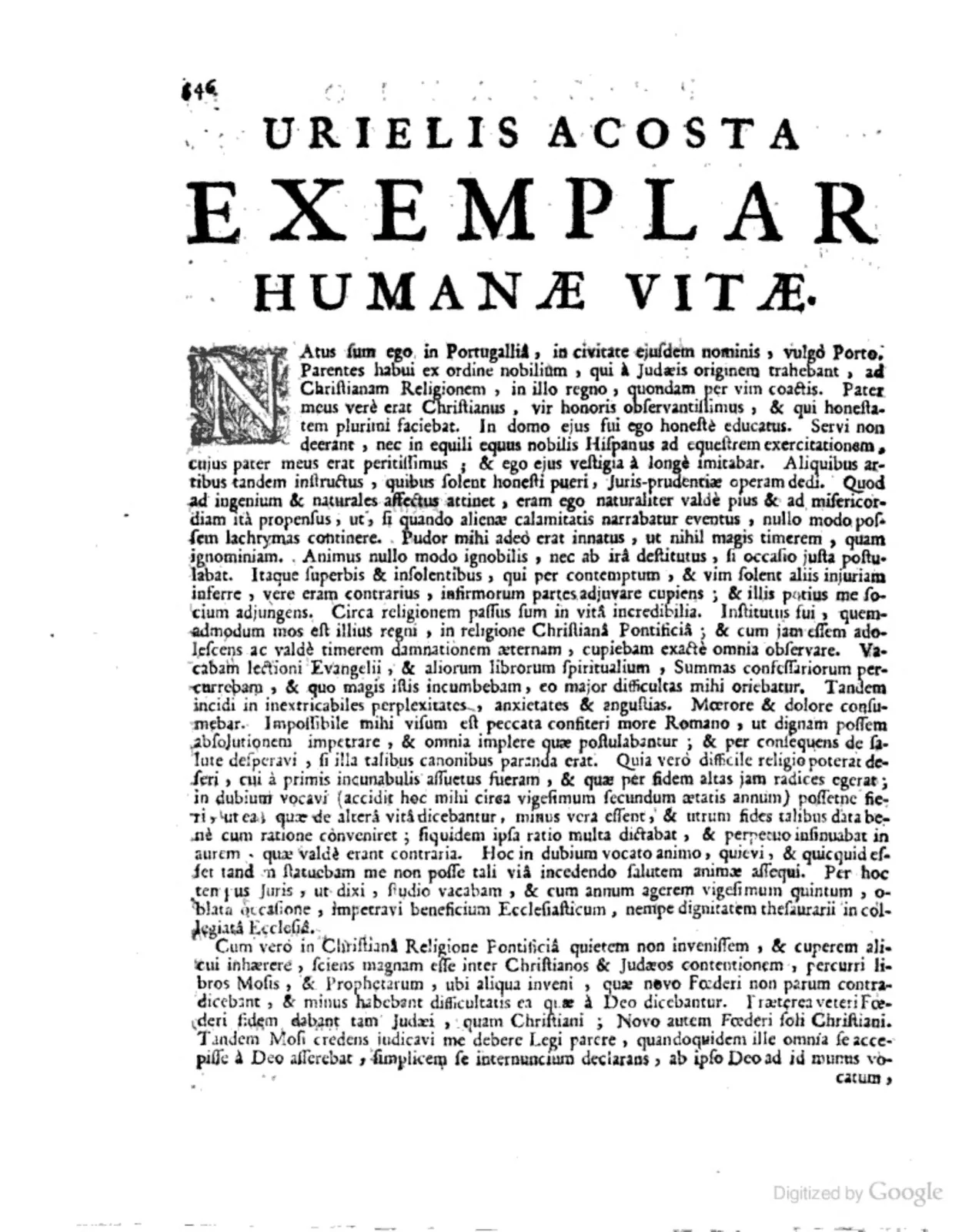
- [75] The title "Exemplar humanae vitae" (rendered in 1740 as "A Representation of human Life") was, according to Limborch, prefixed by Costa himself; Porges accepted that, Seeligmann doubted it — Remarkable Life of Uriel Acosta, p. 11; Philippus a Limborch, De veritate religionis christianae amica collatio cum erudito Judaeo (Gouda: Justus ab Hoeve, 1687), with "Urielis Acosta Exemplar humanae vitae" (p. 346) and "Brevis refutatio" (p. 355), preface; Gebhardt's, "Anmerkungen", pp. 260–61. Accounts differ; see the disputed points.
Only a Man
In the spring of 1640, in the Portuguese synagogue of Amsterdam, a man of about fifty-five, sentenced to come in mourning dress with a black candle, read aloud a confession that said he "deserved to die a thousand Deaths for the Crimes and Misdemeanors I had committed." Then he was stripped to the waist, tied to a pillar, and given thirty-nine lashes while a psalm was sung. Finally he lay down across the doorway, "and all both old and young passed over me, stepping with one Foot on the lower Part of my Legs."12345
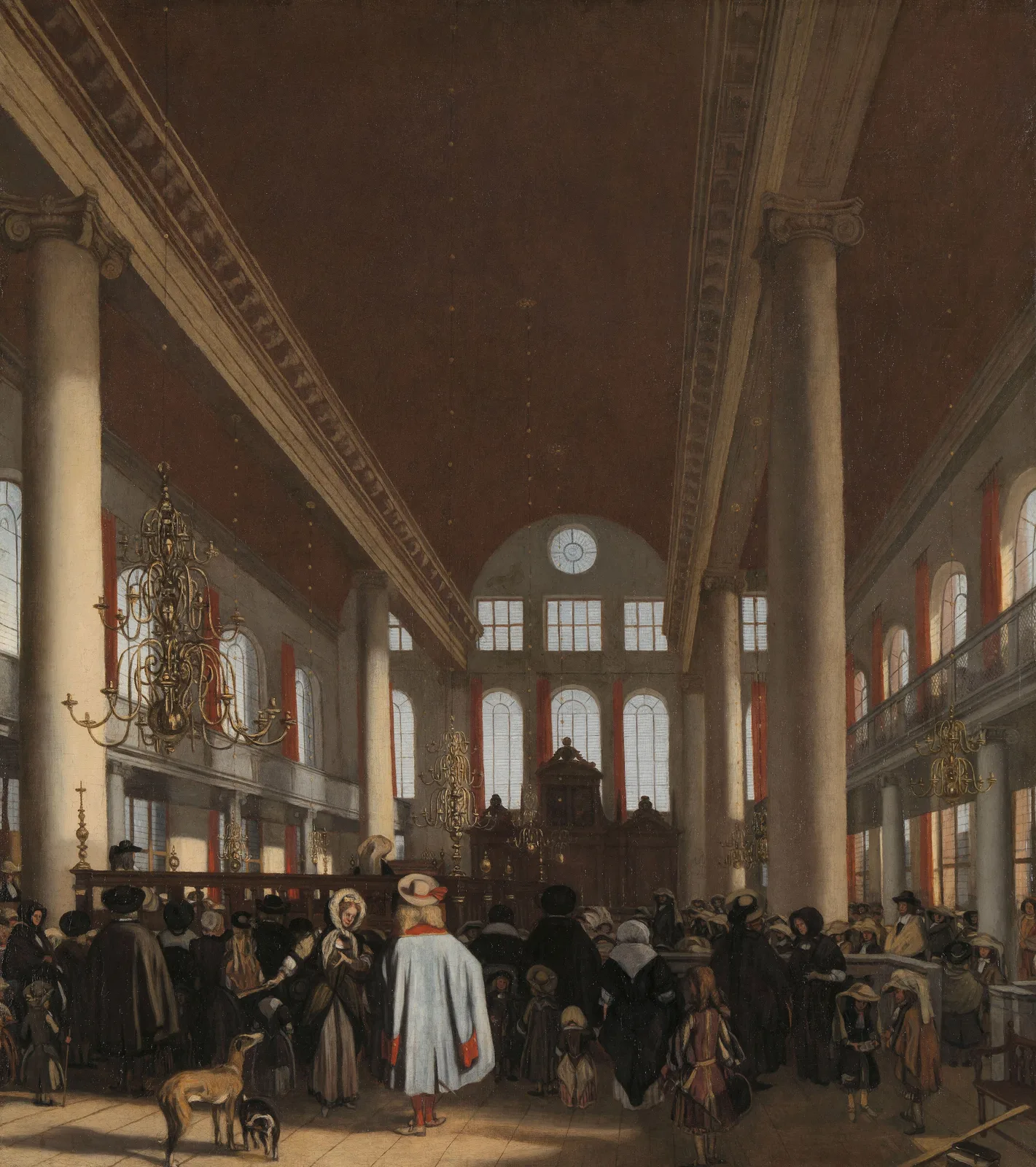
A few days later Uriel da Costa shot himself. On his table was a short account of his life, which a Christian scholar printed nearly fifty years later under the title Exemplar humanae vitae, an example of a human life.678 It begins: "Regarding religion I have suffered incredible things in my life."9 This chapter follows him from a Catholic boyhood in Portugal, through his return to the religion of his ancestors, to a final position in which he would accept no revealed religion at all, and asks how a man who crossed Europe to live by the Law of Moses came to call that Law a human invention.
Gabriel
He was born in Porto, in Portugal, around 1585; accounts differ on the year.10 His family was of "noble" standing and descended from Jews forced to become Christians. His father, he wrote, was "truly a Christian," and the boy had a gentleman's education.1112 He was also anxious about his soul. "The Dread of eternal Damnation made me desirous to keep all its Doctrines with the utmost exactness," he wrote, and he described himself as "naturally very pious and compassionate, insomuch that I could not hear the Story of any Person's Misfortunes without melting into Tears."13141516 The Coimbra university register shows a Gabriel da Costa, son of Bento da Costa of Porto, studying canon law from 1604 to 1608.17
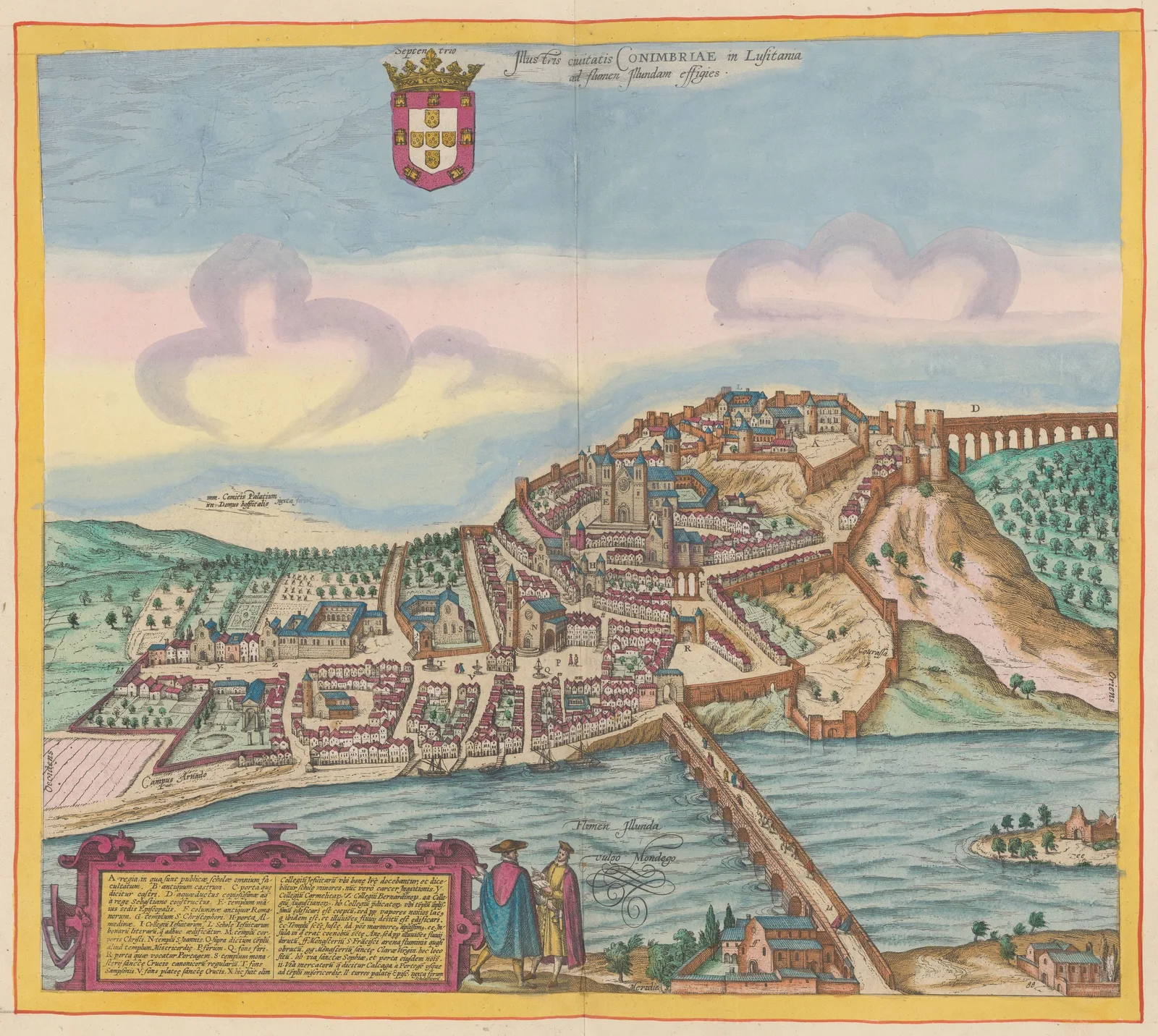
The first crack was a Catholic problem, not a doubt about God. The more he read of the Gospels and the manuals for confessors, he wrote, "the greater Difficulties still rose upon me." He found he could not confess his sins in the way the Church required and be sure of forgiveness, "and this consequently made me despair of Salvation, as it was to be obtained only by such particular Rules."141819 Then came a deeper question: "I began, when I was about twenty Years old, to question with myself, whether or no it was not possible for those Things which were related of another Life, to be Forgeries."2021 Even so, at about twenty-five he took a church office in Porto, as treasurer of a collegiate church.22
Uriel
He looked for a firmer rule. He read Moses and the Prophets, found things in them that contradicted the New Testament, and noticed that the Old Testament was accepted by Jews and Christians alike; and "there seemed to be the less Difficulty in believing those Things which were revealed by God himself."2324 His editor, Carl Gebhardt, read this as a flight from the Catholic question of how to be saved, not as a quarrel between Judaism and Christianity.25 Da Costa resigned his church office, and he, his mother and his brothers sailed from Portugal, at great risk, since people of Jewish descent could not leave without the king's licence.26 Gebhardt supposed this was between 1612 and 1615; no document gives the year.27
In Amsterdam they were circumcised, and he took the name Uriel.2829 He was disappointed within days. The customs of "the modern Jews," he wrote, differed from what Moses had commanded, and since the Law was to be kept to the letter, he thought the rabbis' additions unjustifiable, and said so.30 The rabbis threatened him with excommunication, and he felt that a man who had given up his country "for Liberty of Conscience" should not be "forced to submit to Men, who had no right to such a Power."3132
Against the traditions
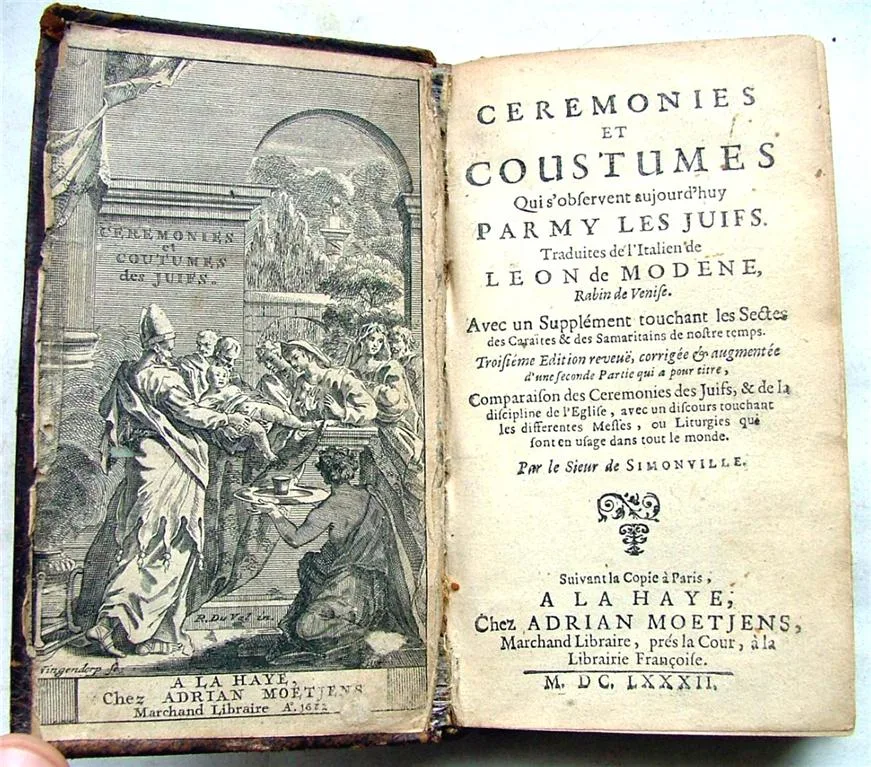
In 1616, living in Hamburg, he sent a set of theses to the Sephardi community of Venice attacking the oral law, the rabbinic tradition alongside the written Torah. Nothing, he argued, may be added to the written Law.333435 The Venetian rabbi Leon Modena answered him and wrote to Hamburg that if he persisted he should be treated as banned: "It is enough to say that he is a perfect Epicurean and a denier of God."363738 The Amsterdam ban of 1623 would say he had already been declared a heretic and excommunicated in Hamburg and Venice.39
Meanwhile he was writing a book against the traditions, and the argument led him further than he meant. Reading the Law strictly, he found it offered only rewards and punishments in this life: "the Law of Moses is quite silent as to the two last Points," a future state and the immortality of the soul.4041 "I entirely agreed with the Opinion of those, who confine the Rewards and Punishments proposed in the Old Testament to this Life only."42
The book and the ban
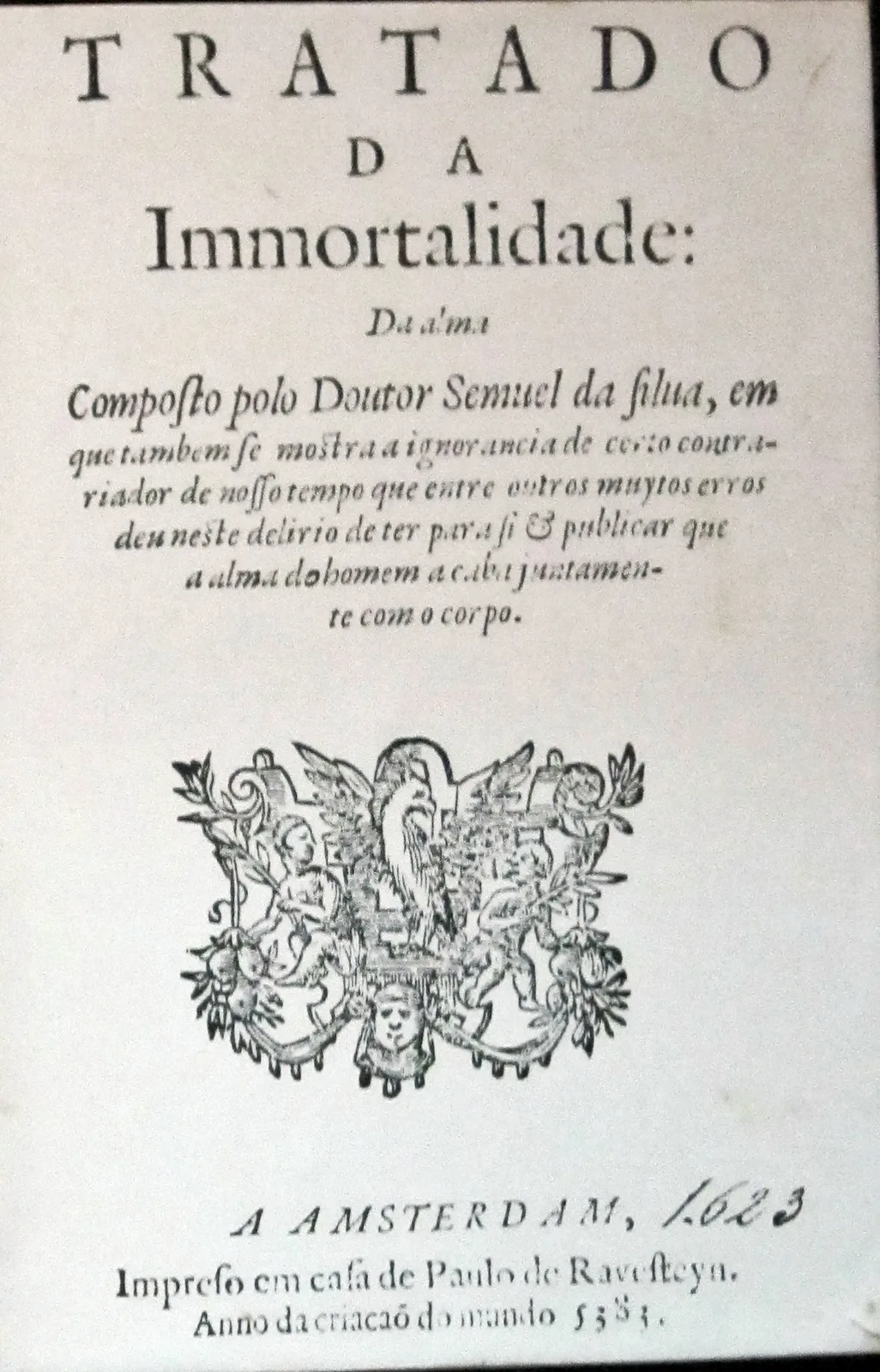
A physician of the community, Samuel da Silva, got hold of the chapters on the soul before they were printed and published a refutation in 1623, the Treatise on the Immortality of the Soul.4344 "Whoever denies the soul's immortality," Silva wrote, "is very ready to deny God himself."45 Da Costa remembered that Silva "inveighed bitterly against me as one who defended Epicurus's Principles, and who by denying the Immortality of the Soul, did in a Manner dispute the Being of a God."4647 He added a later, honest note: he had then thought badly of Epicurus from other people's reports, and "I have found Reason to change mine, and to be sorry for the Injustice I did him then."4849
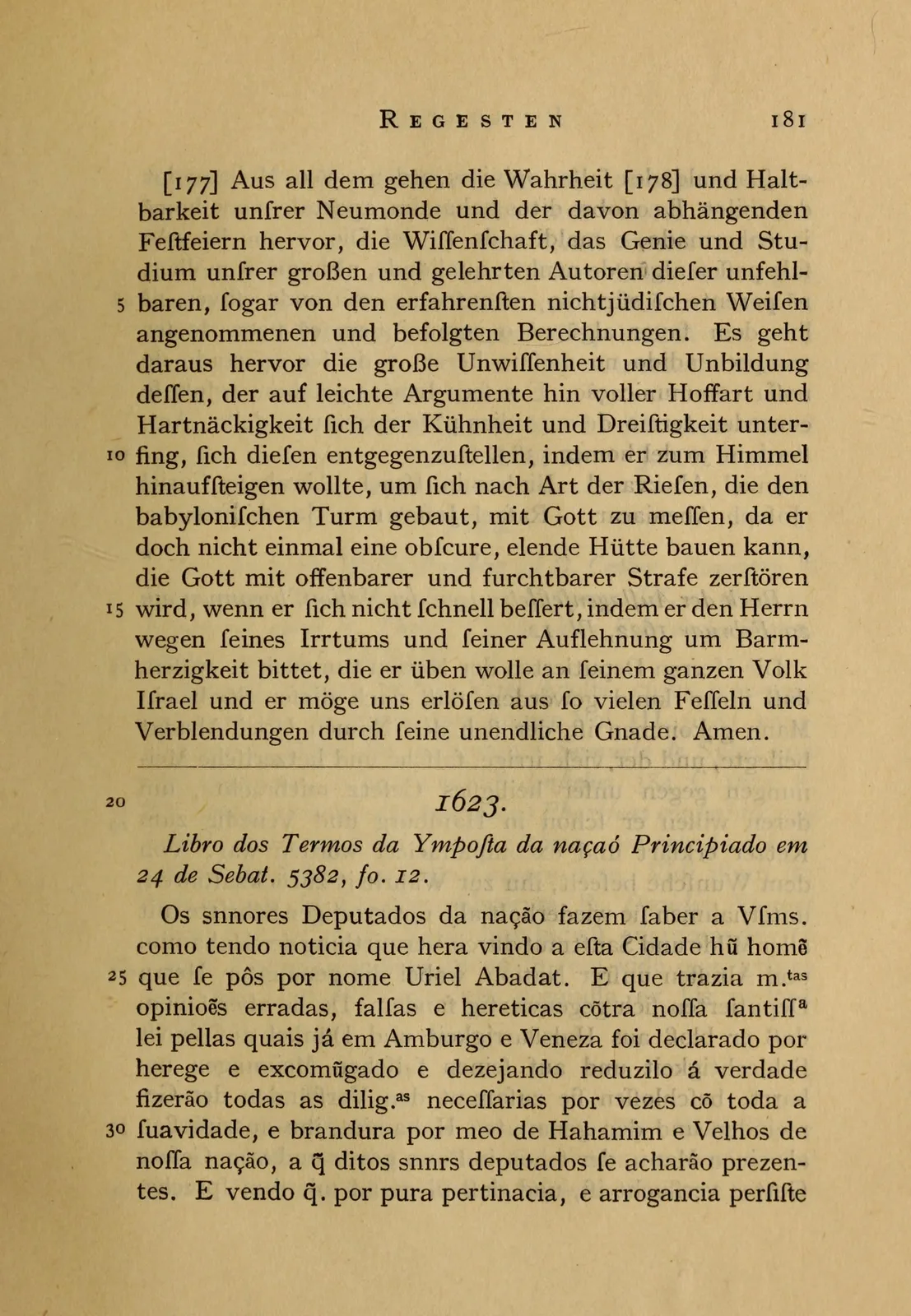
On 15 May 1623 the leaders of Amsterdam's three Portuguese congregations banned him. They said they had first tried to win him back "with all gentleness and mildness," and now ordered that no one should speak to him; his brothers were given eight days to break with him.5051525354 In 1624 he printed his answer, An Examination of the Pharisaic Traditions, under the name "Uriel the jurist, Hebrew."55 Its chapters on the soul survive only because Silva quoted them. The soul, Da Costa wrote, "is called the spirit of life with which he lives, which is in the blood," and "it is not shown by the Law that the soul of man is immortal"; man and beast are alike in birth, life and death.56575859
The community went to the city magistrates. He was jailed for eight or ten days, fined three hundred florins, and his books were forfeited; the city record of his release on 31 May 1624 calls him "Uriel da Costa, alias Adam Romez."606162 The community's own letter to a rabbi in Venice regretted that in Holland, where "freedom of belief" reigned and there was no Inquisition, they could not get the death penalty.6364 Children shouted "heretic, apostate" after him in the street.65
A human invention
In the long years of separation that followed he took the last step. He began to doubt that the Law of Moses came from God, and concluded "it was nothing but a human Invention, like many other Systems in the World, and that Moses was not the Writer." His reason was moral: the Law contained much against the law of nature, and "God, who was the Author of that Law, could not contradict himself."666768 What remained was a religion of nature and reason: "Whatever is excellent in the Law of Moses, or any other Institution, is perfectly contained in the Law of Nature."6970
Then, after many years apart, he gave in. "What can it profit me to spend all my Days in this melancholy State, separated from the Society of this People and their Elders, especially as I am a Stranger in this Country, destitute of any Acquaintance with its Inhabitants, or even Knowledge in its Language?" In the surviving Latin he says he would rejoin them and "play the ape among apes."717273 Gebhardt dated the recantation to about 1633; accounts differ.74 Within days a nephew denounced him over what he ate; a cousin who had made the peace turned against him, blocked a marriage he was about to make, and set his brothers against him.75 When he advised two Christians not to convert to Judaism, they told the rabbis, and he was excommunicated a second time.76 For seven years, he wrote, no one nursed him when he was sick, and people spat at him in the street.77 In the end he accepted the penance.12
The example of a human life
He wrote the Exemplar knowing he was about to die: "Let me here declare my Mind freely, for what should hinder a Man from speaking the Truth without reserve, who is just going to make his Exit?"78 It is bitter. "All I can say is, I want the Power of Revenge," he wrote of his persecutors.7980 Christian and Jew both claimed a revelation, and he answered both: "He who pretends to be neither of these, and only calls himself a Man, is far preferable to you."81 And he told his own community that if Jesus himself came to preach in Amsterdam against their traditions, "they might do it with Freedom and Impunity" if they chose to scourge him.82
He died by his own hand in April 1640.6 The Christian scholar who published his account, the Remonstrant professor Philipp van Limborch, said Da Costa had first tried to shoot a relative, but his pistol misfired; that story is Limborch's and is not in Da Costa's own text.83 Limborch answered him on his own ground, agreeing that "God, who is the Author of Nature, cannot contradict himself."84 He added that Da Costa, "disbelieving a future Estate of Rewards and Punishments, plac'd all his Happiness in the Accomplishment of his Revenge."85 Limborch's Jewish friend Isaac Orobio de Castro, he reported, held Da Costa "in utter Detestation as the vilest of Men."8687
What he left
Uriel da Costa's unbelief changed shape three times. A frightened Catholic boy despaired of being saved by the Church's rules and wondered whether the afterlife was a forgery; he went looking for the one revelation everyone accepted and found the Law of Moses; reading that Law strictly, he found it promised nothing after death; and at last he decided that no law was revealed at all, only the law of nature that every man carries. Each step was a search for certainty that took him further from every community that could have held him. His editor saw in him a forerunner: "Spinoza begins where da Costa ends."8889 Baruch Spinoza, who was a boy of seven in the same community when Da Costa died, has his own chapter in this book.
Footnotes
-
The Remarkable Life of Uriel Acosta, an eminent Freethinker; ... To which is added Mr. Limborch's Defence of Christianity, in answer to Acosta's objections (London, 1740), English translation of the Exemplar (pp. 14–44), with Limborch's preface (pp. 9–13) and his "Short Confutation" (pp. 45 ff.), p. 26. ↩ ↩2
-
Remarkable Life of Uriel Acosta, p. 28. ↩
-
Remarkable Life of Uriel Acosta, pp. 28–29. ↩
-
Remarkable Life of Uriel Acosta, p. 30. ↩
-
Johannes Müller, Judaismus oder Jüdenthumb (Hamburg, 1644), pp. 71–72 and 141, in Gebhardt Reg. pp. 202–04, in Gebhardt Reg. pp. 203–04; Carl Gebhardt, "Einleitung: Da Costa und das Marranenproblem", especially "Das Schicksal da Costas" (pp. XXVI–XXXIII) and "Da Costa und Spinoza" (pp. XXXIII–XXXIX), in Die Schriften des Uriel da Costa (1922). Pre-1931, public domain in the US, p. XXXIII. Reported at second hand; the original has not been seen. ↩ ↩2
-
Müller, Judaismus oder Jüdenthumb (1644), in Gebhardt Reg. p. 204. ↩
-
Philippus a Limborch, De veritate religionis christianae amica collatio cum erudito Judaeo (Gouda: Justus ab Hoeve, 1687), with "Urielis Acosta Exemplar humanae vitae" (p. 346) and "Brevis refutatio" (p. 355), (contents page); Gebhardt's "Anmerkungen" (pp. 225–84), with the bibliography, the notes on the Exemplar (pp. 259–71) and on the Regesten (pp. 271–84), where he weighs Porges, Seeligmann, Mendes dos Remédios, Meinsma and others, p. 259. ↩
-
Uriel da Costa, Exemplar humanae vitae, Latin text from the Amsterdam Remonstrant manuscript (Bibliotheek van de Remonstrantse Kerk, III E. 3, no. 83), printed in Carl Gebhardt, ed., Die Schriften des Uriel da Costa (Bibliotheca Spinozana II, Amsterdam and Heidelberg, 1922), Latin pp. 105–23, German translation pp. 124–46, p. 105. ↩
-
Gebhardt's, "Anmerkungen", pp. 261–62. Accounts differ; see the disputed points. ↩
-
Costa, Exemplar humanae vitae, p. 105; Remarkable Life of Uriel Acosta, p. 14. ↩
-
Costa, Exemplar humanae vitae, p. 105; Remarkable Life of Uriel Acosta, pp. 14–15. ↩
-
Remarkable Life of Uriel Acosta, p. 15; Costa, Exemplar humanae vitae, p. 105. ↩
-
Remarkable Life of Uriel Acosta, p. 15; Costa, Exemplar humanae vitae, pp. 105–06. ↩ ↩2
-
Remarkable Life of Uriel Acosta, p. 15. ↩
-
Remarkable Life of Uriel Acosta, p. 15. ↩
-
The documents ("Regesten") Gebhardt prints, pp. 147–211: Coimbra registers (pp. 149–50), Modena's letter and the Venice proclamation (pp. 150–57), Silva's Tratado, title and preface (pp. 158–62), the Amsterdam ban of 1623 (pp. 181–83), Wolf's Bibliotheca Hebraea (pp. 183–84), the Amsterdam city record of 31 May 1624 (pp. 184–85), the Responsum printed at Venice 1632 (pp. 185–87), Ouderkerk burial records (pp. 187–88), d'Aguilar 1639 and the maid's deed of 6 June 1639 (pp. 196–99), Müller's Judaismus 1644 (pp. 202–04). Each document is read in Gebhardt's transcription or German translation, not in the archive, pp. 149–50; Gebhardt, Die Schriften des Uriel da Costa, p. XXVI. ↩
-
Remarkable Life of Uriel Acosta, p. 16; Costa, Exemplar humanae vitae, p. 106. ↩
-
Remarkable Life of Uriel Acosta, p. 16. ↩
-
Remarkable Life of Uriel Acosta, p. 16; Gebhardt's, "Anmerkungen", p. 262. ↩
-
Remarkable Life of Uriel Acosta, p. 16. ↩
-
Remarkable Life of Uriel Acosta, p. 16; Gebhardt, Die Schriften des Uriel da Costa, p. XXVI; Gebhardt's, "Anmerkungen", pp. 262–63. ↩
-
Remarkable Life of Uriel Acosta, pp. 16–17; Costa, Exemplar humanae vitae, p. 106. ↩
-
Remarkable Life of Uriel Acosta, p. 17. ↩
-
Gebhardt, Die Schriften des Uriel da Costa, pp. XXVI–XXVII, XXIX. ↩
-
Remarkable Life of Uriel Acosta, pp. 17–18; Costa, Exemplar humanae vitae, p. 107. ↩
-
Gebhardt, Die Schriften des Uriel da Costa, p. XXVII. Not verified. ↩
-
Remarkable Life of Uriel Acosta, pp. 18, 44; Gebhardt's, "Anmerkungen", (note to Exemplar 123, 24). ↩
-
Remarkable Life of Uriel Acosta, p. 44. ↩
-
Remarkable Life of Uriel Acosta, p. 18; Costa, Exemplar humanae vitae, p. 107. ↩
-
Remarkable Life of Uriel Acosta, pp. 18–19. ↩
-
Remarkable Life of Uriel Acosta, p. 19. ↩
-
Gebhardt Reg., p. 153 (Modena); Gebhardt, Die Schriften des Uriel da Costa, p. XXVIII. ↩
-
Gebhardt, Die Schriften des Uriel da Costa, p. XXVIII; Gebhardt's, "Anmerkungen", pp. 248–53. ↩
-
Costa's theses of 1616, "Propostas contra a tradição", in Gebhardt's German translation (pp. 1–32), reconstructed from Leon Modena's Hebrew reply and a Portuguese excerpt in d'Aguilar's Repostas (1639); the Portuguese originals are lost, pp. 10–19. ↩
-
Gebhardt, Die Schriften des Uriel da Costa, p. XXVIII; Gebhardt Reg., pp. 150–53. ↩
-
Gebhardt Reg., p. 151. ↩
-
Leon Modena, rabbi of Venice (1616/17), in Gebhardt's German translation of the Hebrew: Gebhardt Reg., p. 151. ↩
-
Amsterdam Mahamad, "Libro dos Termos da Ympofta da naçaó" (Portuguese original with German translation, Gebhardt Reg. pp. 181–83), Gebhardt Reg. pp. 181–82. ↩
-
Remarkable Life of Uriel Acosta, pp. 20–21; Costa, Exemplar humanae vitae, pp. 107–08. ↩
-
Remarkable Life of Uriel Acosta, p. 20. ↩
-
Remarkable Life of Uriel Acosta, pp. 20–21. ↩
-
Gebhardt's, "Anmerkungen", p. 254; Gebhardt, Die Schriften des Uriel da Costa, p. XXIX. ↩
-
Gebhardt Reg., p. 158; Remarkable Life of Uriel Acosta, pp. 12, 21. ↩
-
Samuel da Silva, physician, in the 1623 Tratado: Gebhardt Reg., p. 162. ↩
-
Remarkable Life of Uriel Acosta, p. 21. ↩
-
Remarkable Life of Uriel Acosta, p. 21. ↩
-
Remarkable Life of Uriel Acosta, p. 21. ↩
-
Remarkable Life of Uriel Acosta, p. 21. ↩
-
Gebhardt Reg., pp. 181–82. ↩
-
Gebhardt Reg., pp. 181–83. ↩
-
Gebhardt Reg., pp. 181–82. ↩
-
Amsterdam Mahamad, 15 May 1623, their reason for the ban: Gebhardt Reg., p. 181. ↩
-
Amsterdam Mahamad, 1623: Gebhardt Reg., p. 182. ↩
-
Gebhardt Reg., pp. 183–84, 203. ↩
-
Costa's own chapters "Sobre a Mortalidade da Alma do Homem" (Portuguese, his book's chapters on the soul), preserved in Silva's Tratado da Immortalidade da Alma (Amsterdam, 1623) and reprinted in Gebhardt, pp. 33–102 (Portuguese with German translation). Cited from research/texts/gebhardt.txt, p. 35. ↩
-
chapters, Tratado da Immortalidade da Alma, pp. 37–38. ↩
-
chapters, Tratado da Immortalidade da Alma, p. 35. ↩
-
chapters, Tratado da Immortalidade da Alma, p. 37. ↩
-
Remarkable Life of Uriel Acosta, p. 22; Gebhardt, Die Schriften des Uriel da Costa, p. XXX. ↩
-
Gebhardt Reg., pp. 184–85; Gebhardt's, "Anmerkungen", pp. 276–78. ↩
-
Amsterdam justice book, 31 May 1624: Gebhardt Reg., p. 184. ↩
-
Question and answer in Jacob ben Levi's collection printed at Venice 1632, the question dated by Gebhardt 1624–28 (Gebhardt Reg. pp. 185–87, German translation), Gebhardt Reg. p. 186. ↩
-
The Amsterdam community's question to a rabbi, answered at Venice (question dated 1624–28), in Gebhardt's German: Gebhardt Reg., p. 186. ↩
-
Remarkable Life of Uriel Acosta, pp. 21–22. ↩
-
Remarkable Life of Uriel Acosta, pp. 22–23; Costa, Exemplar humanae vitae, p. 110; Gebhardt, Die Schriften des Uriel da Costa, p. XXXI. ↩
-
Remarkable Life of Uriel Acosta, pp. 22–23. ↩
-
Remarkable Life of Uriel Acosta, p. 23. ↩
-
Remarkable Life of Uriel Acosta, pp. 35–39; Gebhardt, Die Schriften des Uriel da Costa, pp. XXXV–XXXVI. ↩
-
Remarkable Life of Uriel Acosta, p. 36. ↩
-
Remarkable Life of Uriel Acosta, p. 23; Costa, Exemplar humanae vitae, pp. 111–12. ↩
-
Remarkable Life of Uriel Acosta, p. 23. ↩
-
Costa, Exemplar humanae vitae, pp. 111–12. ↩
-
Gebhardt's, "Anmerkungen", p. 264 (note to 112, 13–18); Müller, Judaismus oder Jüdenthumb (1644), in Gebhardt Reg. p. 203. ↩
-
Remarkable Life of Uriel Acosta, pp. 23–24, 27. ↩
-
Remarkable Life of Uriel Acosta, pp. 24–26. ↩
-
Remarkable Life of Uriel Acosta, p. 26; Müller, Judaismus oder Jüdenthumb (1644), in Gebhardt Reg. p. 203; Gebhardt, Die Schriften des Uriel da Costa, p. XXXII. ↩
-
Remarkable Life of Uriel Acosta, p. 22. ↩
-
Remarkable Life of Uriel Acosta, pp. 11, 31–34. ↩
-
Remarkable Life of Uriel Acosta, p. 34. ↩
-
Remarkable Life of Uriel Acosta, p. 42. ↩
-
Remarkable Life of Uriel Acosta, pp. 42–43. ↩
-
Remarkable Life of Uriel Acosta, pp. 11–12. ↩
-
Philipp van Limborch, Remonstrant professor, 1687: Remarkable Life of Uriel Acosta, p. 48. ↩
-
Limborch, on why loving enemies seemed impossible to Costa: Remarkable Life of Uriel Acosta, p. 52. ↩
-
Remarkable Life of Uriel Acosta, pp. 4–8, 12–13; Gebhardt's, "Anmerkungen", p. 259. ↩
-
Limborch, reporting his Jewish interlocutor Isaac Orobio de Castro: Remarkable Life of Uriel Acosta, pp. 12–13. ↩
-
Gebhardt, Die Schriften des Uriel da Costa, pp. XXXIII–XXXIX. ↩
-
Carl Gebhardt (scholar, 1922): Gebhardt, Die Schriften des Uriel da Costa, p. XXXIX. ↩
In their own words
Circa religionem paffus fum in vitâ incredibilia.
the Dread of eternal Damnation made me desirous to keep all its Doctrines with the utmost exactness
I was naturally very pious and compassionate, insomuch that I could not hear the Story of any Person's Misfortunes without melting into Tears
this consequently made me despair of Salvation, as it was to be obtained only by such particular Rules
I began, when I was about twenty Years old, to question with myself, whether or no it was not possible for those Things which were related of another Life, to be Forgeries
there seemed to be the less Difficulty in believing those Things which were revealed by God himself
it was unworthy of him, who had so lately left his native Country, and been content to forego many other temporal Advantages for Liberty of Conscience, to be overaw'd and forced to submit to Men, who had no right to such a Power
I entirely agreed with the Opinion of those, who confine the Rewards and Punishments proposed in the Old Testament to this Life only, and seem to be little concerned about a future State, or the immortality of the Soul
the Law of Moses is quite silent as to the two last Points, and only proposes temporal Rewards and Punishments to the Observers and Transgressors thereof
inveighed bitterly against me as one who defended Epicurus's Principles, and who by denying the Immortality of the Soul, did in a Manner dispute the Being of a God
I have found Reason to change mine, and to be sorry for the Injustice I did him then
it was nothing but a human Invention, like many other Systems in the World, and that Moses was not the Writer
God, who was the Author of that Law, could not contradict himself, which he must have done, had he given to Men a Rule of Obedience contrary to that first Law
What can it profit me to spend all my Days in this melancholy State, separated from the Society of this People and their Elders, especially as I am a Stranger in this Country, destitute of any Acquaintance with its Inhabitants, or even Knowledge in its Language?
satius erit in communionem eorum venire, & eorum fequi veftigia, quemadmodum volunt, fimiam, ut ajunt, inter fimias agendo
that I deserved to die a thousand Deaths for the Crimes and Misdemeanors I had committed
gave me nine and thirty Stripes, according to the Custom of the Jews: (it being a Precept of their Law, that the Number of Stripes shall not exceed forty.)
all both old and young passed over me, stepping with one Foot on the lower Part of my Legs
He who pretends to be neither of these, and only calls himself a Man, is far preferable to you
I may safely affirm, that if Jesus of Nazareth, whom the Christians worship, was to preach at this very time at Amsterdam, and it pleased the Pharisees to scourge him (as their Forefathers did) for opposing and condemning their Traditions, and Hypocrisy, they might do it with Freedom and Impunity
Let me here declare my Mind freely, for what should hinder a Man from speaking the Truth without reserve, who is just going to make his Exit, and to leave behind him a sad, though true Example of human Misery?
whilst I lived in Portugal a Christian, I was called Gabriel Acosta; but when I came over to the Jews, (which I wish I never had done) my Name, with a little Variation, was chang'd into Uriel
All I can say is, I want the Power of Revenge
Whatever is excellent in the Law of Moses, or any other Institution, is perfectly contained in the Law of Nature
Spinoza beginnt, wo da Cofta endet.
A alma do homem pois dizemos que he & fe chama o efpirito da vida com que viue o qual efta no fangue
porque nam confta da ley que a alma do homem feja immortal
daß er Anno 1640 im Monat April fich felber entleibet / vnd ein klägliches Schreiben hinter fich gelaffen
Uriel da Cofta, alias Adam Romez, is bij fchepenen gerelaxeert uijtte ghevangeniffe defer ftede
The other side
Es genügt zu fagen, daß er ein vollkommener Epikuräer und Gottesleugner ift
dezejando reduzilo á verdade fizerao todas as dilig.as neceffarias por vezes cõ toda a fuavidade, e brandura por meo de Hahamim e Velhos de noffa nação
apartalo como home ja enhermado, e maldito da L. dei Dio, e que lhe não fale pefíba algüa de nenhüa qualidade
quem nega a immortalidade da alma eftá muyto prefto de negar o mefmo Deus
Denn da bei diefer Regierung Glaubensfreiheit herrfcht und dort keine Inquifition befteht, konnte fie es nicht zu Wege bringen, die Todesftrafe gegen ihn zu erwirken
Of the first Sort there can be no revealed Truths; for God, who is the Author of Nature, cannot contradict himself
His private Quarrel with the Jews, does no Way concern us
burning with Resentment on Account of the injurious Treatment he had met with from the Jews, and disbelieving a future Estate of Rewards and Punishments, plac'd all his Happiness in the Accomplishment of his Revenge
I know very well that my Orobius holds him in utter Detestation as the vilest of Men
Where accounts differ
| Point | One account | Another | How the page handles it |
|---|---|---|---|
| Birth year | About 1585 (Gebhardt Anm. pp. 261–62, from the 1604 Coimbra enrolment and an office at 25 after 1609) | By 1580 (Porges, per Gebhardt); "1594" (The New International Encyclopaedia, snippet only); Braga's rival identification with a Gabriel da Costa b. 1564 (rejected by Gebhardt) | Say "born around 1585" and "accounts differ" once |
| Death year | April 1640 (Müller 1644; Gebhardt) | 1647 (Bayle, Franco Mendes, the 1911 Britannica entry per its first line) | State 1640; optional line that older encyclopedias give 1647 |
| Date of the family's move to Holland | Between 1612 and 1615 (Gebhardt, inference); in Hamburg by 1616 (Modena) | The lead's "c. 1614–17" has no source; the Exemplar gives no year | Say "around 1612 to 1615" or "a few years later" and flag the guess |
| Which relative the final attack targeted | "his Brother (others say his Cousin)" (Limborch, Exemplar-Eng p. 11; Franco Mendes says brother) | The cousin, who in the Exemplar is the family's chief enemy (Gebhardt Einl. p. XXXIII; Gebhardt Anm. p. 227) | Say "a relative" |
| His wife | "Sara da Costa, wife of Gabr. da Costa" buried Dec 1622 (Gebhardt Reg. p. 187; Gebhardt takes her as his childless wife) | "I had lost my Wife lately" in the story of c. 1633 (Exemplar-Eng p. 24) | Avoid a date for his wife's death; say "he had lost his wife" only |
| The Venice ban of 14 Aug 1618 | Gebhardt reads the proclamation as his excommunication (Gebhardt Einl. p. XXVIII) | The text does not name him; only the 1623 ban says he was excommunicated in Hamburg and Venice | Cite the 1623 statement; avoid "Venice banned him on 14 August 1618" as fact |
| Date of recantation and second ban | About 1633 (Gebhardt Anm. p. 264), fifteen years after 1618 and seven years before 1640 (arithmetic) | The Exemplar names no date; "fifteen Years" could instead be counted from the 1623 ban, giving c. 1638 | Say "about 1633" with "accounts differ" |
| What the city did in 1624 | Fined 300 florins, books forfeited (Exemplar-Eng p. 22) | Gebhardt adds banishment from Amsterdam and public burning of the book (Einl. p. XXX), partly from the community's own statement (OQ5); the city's sentence books are lost | Say that the community had the book burned, he was jailed and fined; say the records of the sentence are lost |
| Release date in the jail record | "leften Maij" 1624, read as the last of May, 31 May (Seeligmann, accepted by Gebhardt Anm. p. 277) | 1 May (Meinsma); 11 May 1621 (Mendes dos Remédios) | Use 31 May 1624 or just "in the spring of 1624" |
| Was the Exemplar written in Latin? | A Latin original (Porges) | A translation from a lost Portuguese original (Seeligmann, Gebhardt) | When quoting, say "in the surviving Latin text" and note it is translated twice (Latin to English 1740) |
| Costa as "libertine" | Gebhardt: after the break with the Law he became a "Libertin" and denied the claim of morality as such, which is why he found it easy to sign a false recantation (Einl. p. XXXI) | The Exemplar argues for a moral Law of Nature and for loving one's neighbour (Exemplar-Eng pp. 35–39) | Present his recantation in his own words (Q14, Q15) and do not call him a libertine |
| Who wrote the 1623 Tratado | "Moses ben Israel" (1740 translator's note, with "I believe") | Samuel da Silva (title page; Wolf; Müller) | Name Silva |
| How he lay at the synagogue door | "Prostrated myself ... all both old and young passed over me" (Exemplar-Eng p. 30) | "Trampled" (common retellings) | Quote Q18; do not say trampled |
List of illustrations
This page uses only public-domain and Creative Commons images; each is credited with its source and licence.
- Interieur van de Portugese synagoge te Amsterdam, SK-A-3738 — Emanuel de Witte, 1680 · Rijksmuseum, Amsterdam (SK-A-3738), via Wikimedia Commons, via Wikimedia Commons (CC0; 4500 px derivative of larger original) · CC0
- Gezicht op de stad Coimbra, BI-1956-1074-39 — Georg Braun and Frans Hogenberg (Civitates orbis terrarum), 1596 · Rijksmuseum, Amsterdam (BI-1956-1074-39), via Wikimedia Commons, via Wikimedia Commons (CC0) · CC0
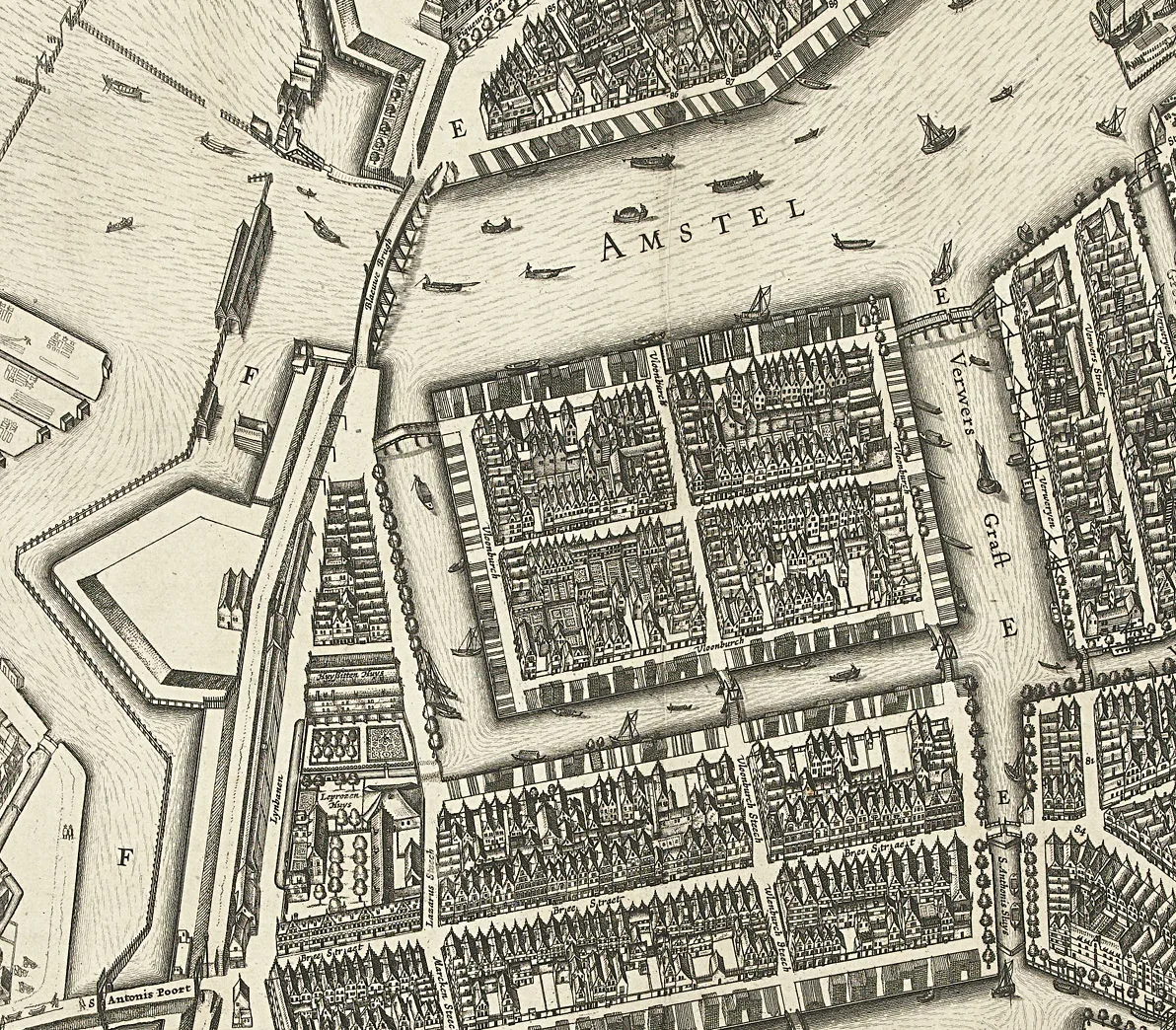
- Vlooienburg, 1625 — Balthasar Florisz. van Berckenrode, 1625 · Rijksmuseum, Amsterdam (via Wikimedia Commons), via Wikimedia Commons (Public domain) · Public domain
- Leon de modene — Unknown engraver (plate from the 1682 French edition of Modena's Historia de' riti), 1682 · Wikimedia Commons (reproduction of a plate from Cérémonies et coutumes ... des Juifs, 1682), via Wikimedia Commons (Public domain) · Public domain
- Tratado da immortaildade da Alma, Samuel da silva — Samuel da Silva (Amsterdam, 1623); photographer unknown, 1623 · Photograph of an exhibit, Beit Hatfutsot (Museum of the Jewish People), Tel Aviv, via Wikimedia Commons, via Wikimedia Commons (Public domain) · Public domain
- Regesten: 1623 ban, Gebhardt p. 181 — Amsterdam Portuguese congregation (document, 1623); Carl Gebhardt (editor), 1922 · Menno Hertzberger, Amsterdam, Curis Societatis Spinozanae; scan on the Internet Archive, scan on the Internet Archive (dieschriftendesu00acos, leaf 225) · Public domain (published 1922; no rights statement on the IA item)
- Abraham Blooteling after Jacob van Ruisdael, Begraef-plaets der Joden, buyten Amsteldam (Jewish Cemetery outside Amsterdam), 1670, NGA 109791 — Abraham Blooteling after Jacob van Ruisdael, 1670 · National Gallery of Art, Washington (NGA 109791), via Wikimedia Commons, via Wikimedia Commons (CC0) · CC0
- Urielis Acosta Exemplar humanae vitae, p. 346 — Uriel da Costa (text); printed by Philipp van Limborch, 1687 · Gouda: Justus ab Hoeve; scan from Google Books digitisation on the Internet Archive, scan on the Internet Archive (bub_gb_4iyE17FupNkC, leaf 386) · Public domain (published 1687); IA rights field: http://creativecommons.org/publicdomain/mark/1.0/
Sources
Tier 1 — the subject's own words (writings, letters, diaries, trial records)
- [Exemplar-Lat] Uriel da Costa, Exemplar humanae vitae, Latin text from the Amsterdam Remonstrant manuscript (Bibliotheek van de Remonstrantse Kerk, III E. 3, no. 83), printed in Carl Gebhardt, ed., Die Schriften des Uriel da Costa (Bibliotheca Spinozana II, Amsterdam and Heidelberg, 1922), Latin pp. 105–23, German translation pp. 124–46. IA item dieschriftendesu00acos. Text saved as research/texts/gebhardt.txt (OCR renders the long s as f; line numbers in Gebhardt's notes are page.line of the printed book).
- [Exemplar-Eng] The Remarkable Life of Uriel Acosta, an eminent Freethinker; ... To which is added Mr. Limborch's Defence of Christianity, in answer to Acosta's objections (London, 1740), English translation of the Exemplar (pp. 14–44), with Limborch's preface (pp. 9–13) and his "Short Confutation" (pp. 45 ff.). IA item bim_eighteenth-century_the-remarkable-life-of-u_costa-uriel_1740. Texts saved as research/texts/remarkable-life-1740.txt (raw OCR) and remarkable-life-1740-norm.txt (long s read as s; the quotations were checked against this copy). Page numbers are read from the OCR running heads and should be checked against the scan. The volume does not name its translator (Gebhardt says Whiston).
- [Soul-PT] Costa's own chapters "Sobre a Mortalidade da Alma do Homem" (Portuguese, his book's chapters on the soul), preserved in Silva's Tratado da Immortalidade da Alma (Amsterdam, 1623) and reprinted in Gebhardt, pp. 33–102 (Portuguese with German translation). Cited from research/texts/gebhardt.txt.
- [Propostas-DE] Costa's theses of 1616, "Propostas contra a tradição", in Gebhardt's German translation (pp. 1–32), reconstructed from Leon Modena's Hebrew reply and a Portuguese excerpt in d'Aguilar's Repostas (1639); the Portuguese originals are lost.
- [Gebhardt Reg.] The documents ("Regesten") Gebhardt prints, pp. 147–211: Coimbra registers (pp. 149–50), Modena's letter and the Venice proclamation (pp. 150–57), Silva's Tratado, title and preface (pp. 158–62), the Amsterdam ban of 1623 (pp. 181–83), Wolf's Bibliotheca Hebraea (pp. 183–84), the Amsterdam city record of 31 May 1624 (pp. 184–85), the Responsum printed at Venice 1632 (pp. 185–87), Ouderkerk burial records (pp. 187–88), d'Aguilar 1639 and the maid's deed of 6 June 1639 (pp. 196–99), Müller's Judaismus 1644 (pp. 202–04). Each document is read in Gebhardt's transcription or German translation, not in the archive.
- [Limborch 1687] Philippus a Limborch, De veritate religionis christianae amica collatio cum erudito Judaeo (Gouda: Justus ab Hoeve, 1687), with "Urielis Acosta Exemplar humanae vitae" (p. 346) and "Brevis refutatio" (p. 355). IA item bub_gb_4iyE17FupNkC. Text saved as research/texts/limborch-1687.txt (poor OCR; used for the contents page and the preface).
Tier 2 — scholarly biographies and encyclopedias
- [Gebhardt Einl.] Carl Gebhardt, "Einleitung: Da Costa und das Marranenproblem", especially "Das Schicksal da Costas" (pp. XXVI–XXXIII) and "Da Costa und Spinoza" (pp. XXXIII–XXXIX), in Die Schriften des Uriel da Costa (1922). Pre-1931, public domain in the US.
- [Gebhardt Anm.] Gebhardt's "Anmerkungen" (pp. 225–84), with the bibliography, the notes on the Exemplar (pp. 259–71) and on the Regesten (pp. 271–84), where he weighs Porges, Seeligmann, Mendes dos Remédios, Meinsma and others.
Tier 3 — popular biographies and journalism
- None used. Pierre Bayle's Dictionaire (1695) and the German and Dutch retellings are known only through Gebhardt Anm. pp. 226–28.
Tier 4 — maps to other sources only (Wikipedia and similar). Never cited in the script.
- Wikisource search results (not the full pages) showing that the 1911 Encyclopaedia Britannica begins its Acosta entry "ACOSTA, URIEL (d. 1647)" and that The New International Encyclopaedia begins "ACOSTA, Gabriel, later Uriel (1594" (snippet cut off); used only as evidence of the errors in Disputed points.
- Leads not reached: Jewish Encyclopedia article (not on Wikisource under the titles tried; the one jewishencyclopedia.com address tried returned an unrelated article); the 1993 facsimile of the Exame (copyright, lead only).
Opposition sources — contemporary critics and religious responses
- [Silva 1623] Samuel da Silva, Tratado da Immortalidade da Alma (Amsterdam: Paulo de Ravesteyn, 5383 = 1623); title and preface "Ao benigno Leitor" in Gebhardt Reg. pp. 158–62; the body of the book in Gebhardt Soul-PT.
- [Modena 1616/17] Leon Modena's letter to the Hamburg community (Gebhardt Reg. pp. 150–52, German translation of the Hebrew) and the preface to his reply (p. 153).
- [Ban 1623] Amsterdam Mahamad, "Libro dos Termos da Ympofta da naçaó" (Portuguese original with German translation, Gebhardt Reg. pp. 181–83).
- [Responsum 1632] Question and answer in Jacob ben Levi's collection printed at Venice 1632, the question dated by Gebhardt 1624–28 (Gebhardt Reg. pp. 185–87, German translation).
- [Limborch] Limborch's preface and "Short Confutation" (Exemplar-Eng pp. 9–13, 45 ff.; Limborch 1687 pp. 343–45, 355–64).
- [Müller 1644] Johannes Müller, Judaismus oder Jüdenthumb (Hamburg, 1644), pp. 71–72 and 141, in Gebhardt Reg. pp. 202–04.
Related lives
Baruch Spinoza (episode 42; do not edit its folder). Gebhardt (1922) calls the pair the two Marranes who belong to the history of the mind and says "Spinoza beginnt, wo da Costa endet" (Q25). The close must say only that Spinoza "has his own episode in this series" (lessons.md: no "Next:" pointers).
Christopher Marlowe
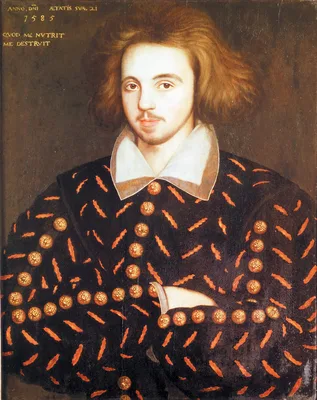
Christopher Marlowe was sent to Cambridge on a scholarship meant for future clergy. He took his degrees and never took orders, and wrote stage heroes who dared God and mocked hell. In May 1593 he was named an atheist by a tortured fellow playwright and an unsworn informer, days before he was killed at Deptford. He left no word of his own on what he believed, so his unbelief survives only as an accusation that his enemies, after his death, turned into a sermon.
Ibn al-Rawandi
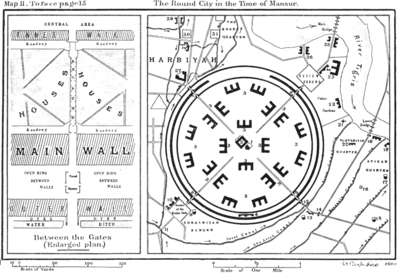
Ibn al-Rawandi was a gifted Mu'tazili theologian of ninth-century Baghdad. He broke with his school, by his enemies' account out of wounded pride and ambition, and went on to argue that prophecy and revelation were unnecessary. His books perished. His unbelief, like the story that he repented, survives only in the words of the men who refuted him.

Jayarāśi Bhaṭṭa
Jayarāśi is known only from one book that survived in one manuscript. He began as an heir of the materialist Bṛhaspati, who denied the other world and the soul that would go to it. He then turned the materialists' own weapons on every school's means of knowledge, perception included, leaving no ground for a God who watches and judges, and promising only that life is delightful once nothing has to be proved. His readers have been relabelling his unbelief ever since.
Fan Zhen
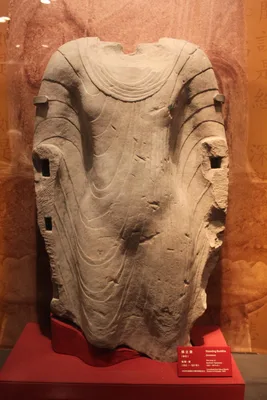
Fan Zhen was a poor Confucian scholar among carriage-riding classmates. He answered a Buddhist prince's karma with a fallen flower, and wrote that the spirit is the body's working as sharpness is the knife's, because he saw a court draining its wealth, and its pity for the poor, into monasteries. He was pressed by a prince, a bribe, an emperor and sixty-two courtiers. He was never punished for the argument, was exiled for something else, and is not recorded as giving it up.