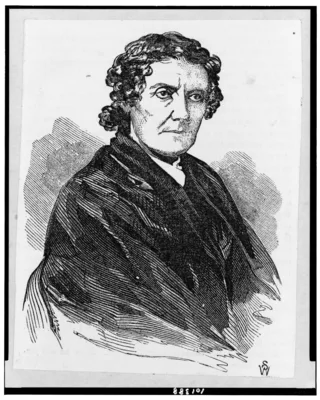
Frances Wright was an orphan who lost a devout childhood faith to the libraries around her and to Epicurus. She kept her unbelief private for fifteen years while she worked for liberty and against slavery. She went public in 1828 because she believed the American churches were reaching for political power through women's minds. In middle age she took back the word "religion" for a human bond of union, while still declining to speak of God.
The belief timeline
- Faith (c. 1800–1810) — A devout, enthusiastic child in her grandfather's orthodox household, though she was already asking "why" [7][8]
- Doubt (c. 1813–14) — At 18 or 19, in Glasgow and Whitburn, reading and reflection "wrecked" the religion of her youth and she became an Epicurean [9][11][13]
- Declaration (1828-07 / 1829-01-03) — Went public: three Cincinnati lectures in July 1828 against the revival, then New York from 3 January 1829; "I am no Christian" [39][42][47]
- Revision (1836–38; 1848) — Said her earlier works confounded theology with religion; kept religion as a "bond of union" and proposed the "Religion of the People" [60][62]
Notes to the timeline (10)
- [7] By her own account she was a devout child ("religious, devoutly, enthusiastically, yet I fear hardly savingly") and was "saved by temperament" from the fears of incipient doubt common to young believers. — William Randall Waterman, Frances Wright (Columbia University Studies in History, Economics and Public Law, vol. 115, no. 1; New York: Columbia University Press, 1924), p. 18, quoting New Harmony Gazette, 23 July 1828. Reported at second hand; the original has not been seen.
- [8] As a child she asked her masters questions on the nature and object of subjects; told by a mathematician that the question was dangerous she asked "Can Truth be dangerous?" and was told "It is thought so", and concluded that truth was still to be found and that men were afraid of it. — Waterman, Frances Wright, p. 17 (Biography pt i pp. 9–10).
- [9] In her telling, "study, observation, reading, and perhaps more than all, reflection" gradually supplied answers the masters would not give; Waterman calls the result "the wreck of the religious beliefs of her earlier years". — Waterman, Frances Wright, p. 18 (NH Gazette 23 July 1828).
- [11] On a visit to Professor Mylne in her eighteenth or nineteenth year she first became acquainted with the Greek philosophers and became an Epicurean, "a devotion which lasted throughout her life". — Waterman, Frances Wright, pp. 18–19 (Biography pt ii pp. 5–6).
- [13] A diary entry from Whitburn (a Sunday, 17 May, year not given, probably 1816–18, possibly 1821) records an Anglican service where the Athanasian creed and a Trinity sermon disgusted her: "I think I have done with churches." — Waterman, Frances Wright, pp. 25–26 and note (Wright MSS). Accounts differ; see the disputed points.
- [39] In the summer of 1828 she gave three Sunday lectures in the Cincinnati court house and re-delivered them in the theatre (the Opera House in August, says Waterman), after a revival run by three orthodox sects. — Frances Wright, Course of Popular Lectures ... with Three Addresses on Various Public Occasions, and a Reply to the Charges against the French Reformers of 1789 (second edition, New York: Office of the Free Enquirer, Hall of Science, Broome Street, 1829), Preface p. 9; Waterman, Frances Wright, p. 149; Frances Trollope, Domestic Manners of the Americans (London, 1832), vol. i, vol. i pp. 96–97.
- [42] In Lecture VI she called the churches' influence a "secret influence" that infects schools, colleges, courts, legislatures and amusements; Waterman links this to the "Christian Party in Politics" alarm after Ezra Stiles Ely's Fourth of July 1827 sermon and the Sabbath petitions. — Frances Wright, Course of Popular Lectures (sixth edition, New York: G. W. and A. J. Matsell, 1836; copyright 8 October 1829), Lecture VI p. 145; Waterman, Frances Wright, pp. 137–143.
- [47] Her first New York lecture, on knowledge, was on Saturday 3 January 1829 at Masonic Hall; the Commercial Advertiser praised her delivery, but after the third lecture the press turned to abuse; the American called her "a female monster", the Observer "Infidelity in an Angel's garb"; once a barrel of burning turpentine was set in the doorway and once the gas was turned off with some 2,000 in the room. — Waterman, Frances Wright, pp. 166–171 (Wright MSS; the newspapers not seen).
- [60] In those lectures religion was redefined from the Latin "religio, a binding together, a bond of union", and she proposed that history had passed through four "religions" ending in a coming "Religion of the People" with Justice as its principle. — Waterman, Frances Wright, pp. 247–251.
- [62] In England the Civilizer (London, 1848) she wrote that "Religion is the bond of union", that "every order of civilization has its own appropriate religion, or bond of union", and that the "poor mockery" that then held men together turned society into a "den of thieves". — Frances Wright D'Arusmont, England the Civilizer: her history developed in its principles (London, 1848), pp. 91, 399–400.
Learn, Then, of a Stranger and a Woman
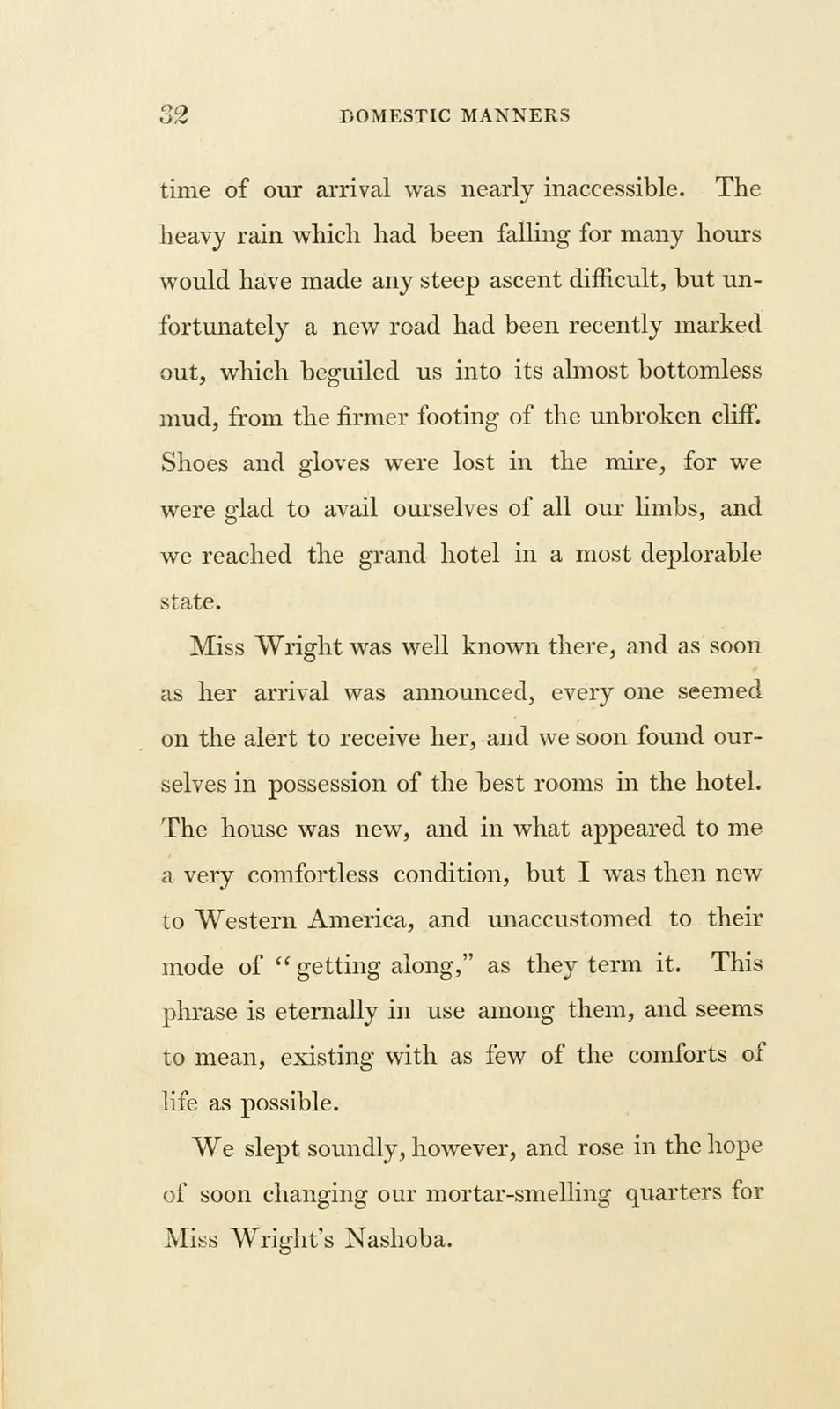
In the summer of 1828 a religious revival swept through Cincinnati. It was run by three of the orthodox sects, and its victims, she wrote later, were "invariably women."12 A Scottish-born woman of thirty-two, just back from a failed experiment in the Tennessee woods, read about it and went to answer it. "A circumstantial account of the distress and disturbance on the public mind in the Ohio metropolis," she wrote, "led me to visit the afflicted city; and, since all were dumb, to take up the cause of insulted reason and outraged humanity."3 She hired the court house and gave three lectures on Sundays, and then gave them again in the theatre.1
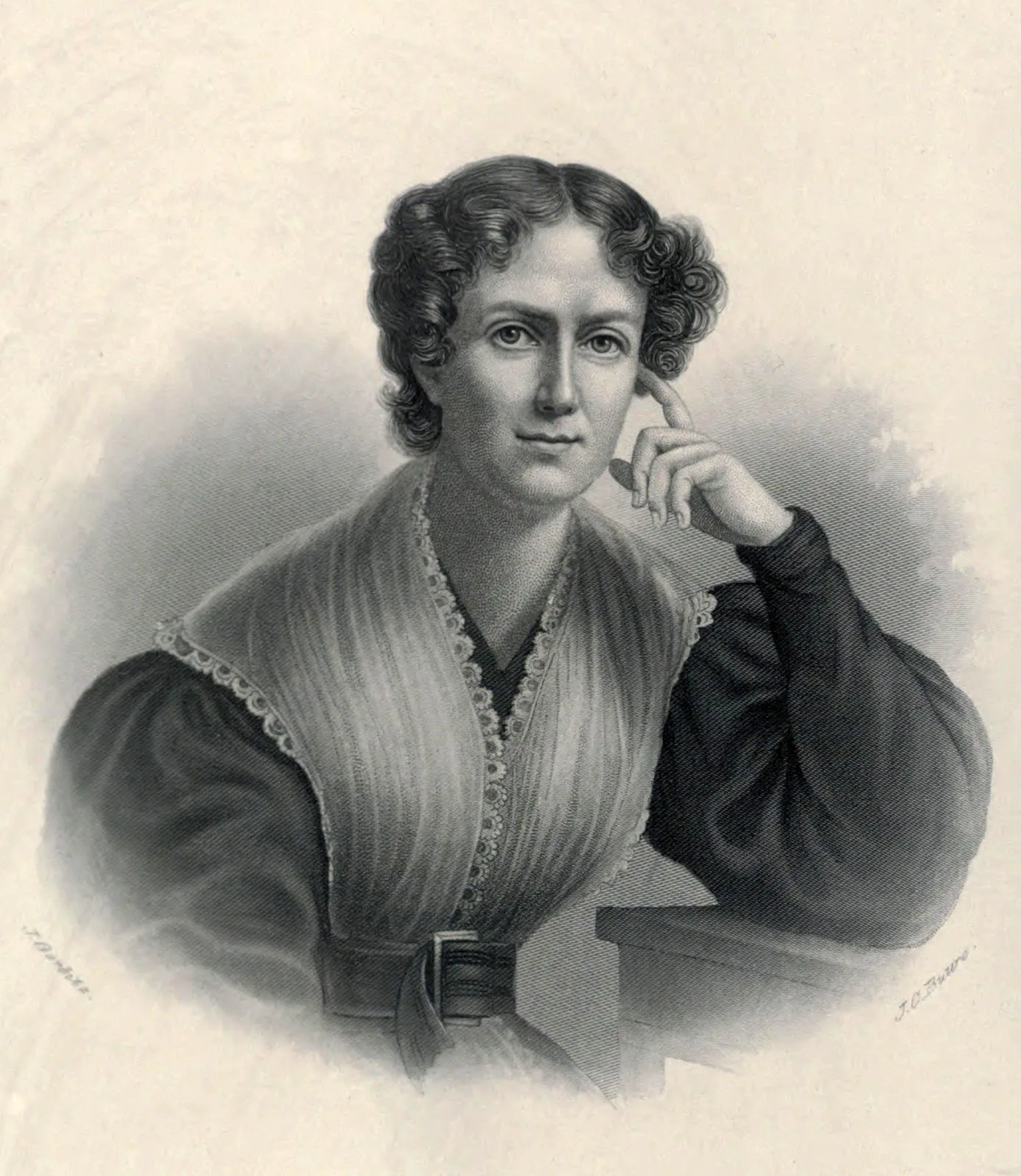
A woman speaking from a platform to an audience of men and women was a rare and shocking thing in the America of 1828.4 Her name was Frances Wright. Within a year the New York papers were calling her "a female monster," and a Boston preacher would remember her as "the female apostle of atheistic liberty."56 This chapter follows her from an orphan's childhood in an English library to that platform, and asks why a woman who had kept her doubts to herself for fifteen years decided, in 1828, to say them aloud.
An orphan in the libraries
She was born in Dundee on 6 September 1795.7 Her father, James Wright, was a well-to-do merchant with radical sympathies, who helped to spread a cheap edition of Paine's Rights of Man in 1794 and changed the motto on the family crest to "Patria cara, carior libertas": dear is my country, dearer liberty.8 Both her parents died before she was three.9 Her brother was raised in Glasgow, and Frances and her younger sister Camilla were taken to England and brought up as wards in the household of their mother's father, General Duncan Campbell, in London and at Luscombe in Devon. On that side of the family, her biographer writes, "the influences were wholly conservative and orthodox."1011
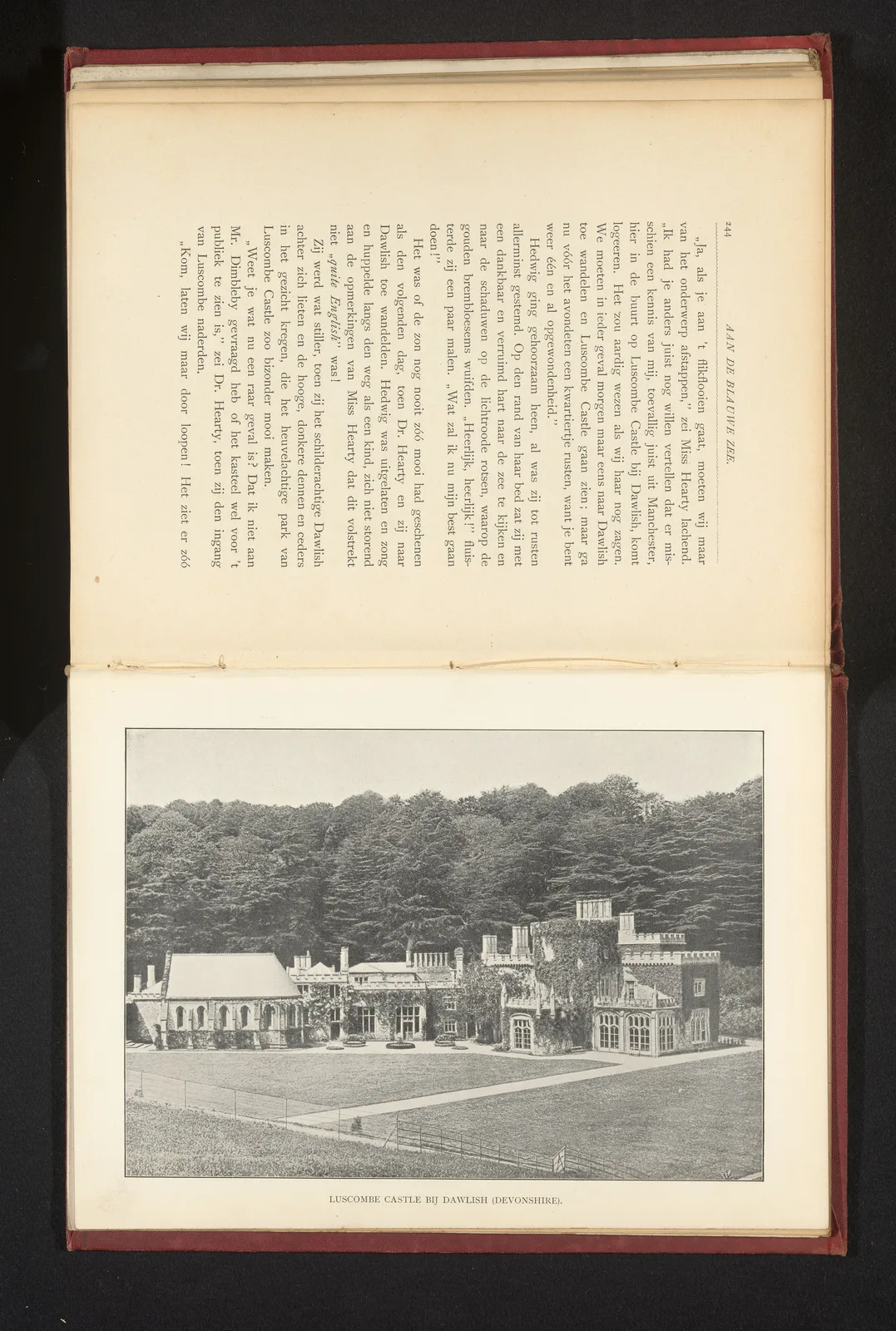
She called that childhood "singularly calamitous." The drawing-rooms were empty of affection, and she took her comfort in the "rare and extensive libraries" of the houses around her.12 She was, she wrote later, a believing child: "I too in childhood was religious, devoutly, enthusiastically, yet I fear hardly savingly."1314 But she was also the kind of child who asked why. When she put a question to one of her masters, a mathematician, he told her it was a dangerous one. "Can Truth be dangerous?" she asked, and he answered, "It is thought so." She concluded, she said, that the truth was still to be found, and that men were afraid of it.1516
That childhood question was a crack, not yet a loss of faith. The loss came later, slowly, and by her own account through books: "Study, observation, reading, and perhaps more than all, reflection, gradually supplied the answers which the foolish could not and the wise perhaps would not give."1714 At seventeen, in one of those aristocratic libraries, she happened on Carlo Botta's history of the American Revolution, and "from that moment" her attention was fixed on America.1819
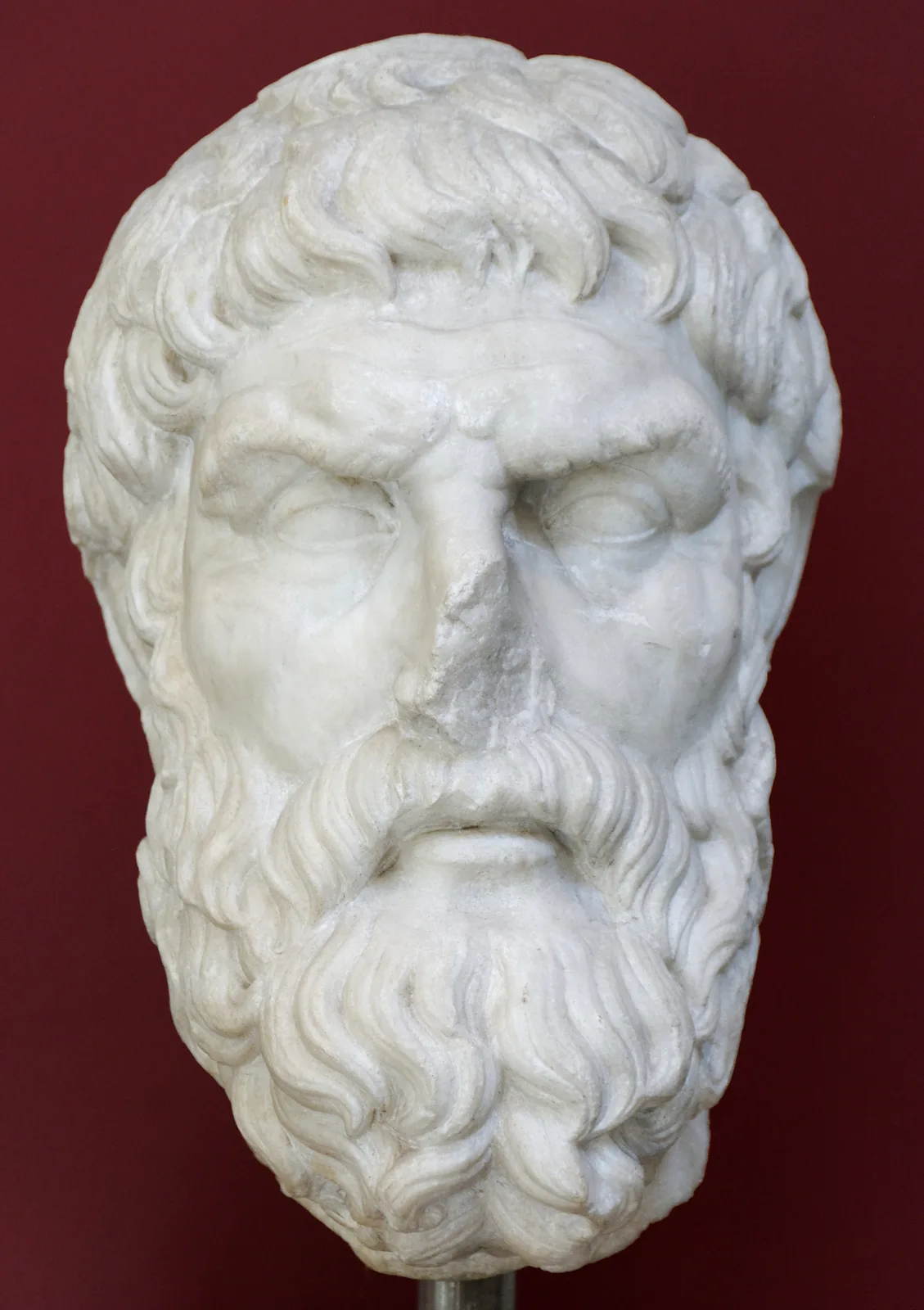
Epicurus
The decisive reading came at eighteen or nineteen, on a visit to her great-uncle James Mylne, professor of moral philosophy at Glasgow. In his house she first met the Greek philosophers, and she became an Epicurean, "a devotion which lasted throughout her life."20 When she came of age she and Camilla went back to Scotland to live at Whitburn in West Lothian with a friend, Mrs Millar, and there she wrote plays, poems, and a dialogue about Epicurus.21
A diary she kept in those years records a Sunday at an Anglican service, where the Athanasian creed and a sermon on the Trinity disgusted her. "I think I have done with churches," she wrote. "When I can hear of one that does honor to God and good to man it shall have my presence and my love."2223 The year of the entry is uncertain; her biographer thought 1816 to 1818 most likely, but perhaps as late as 1821.22
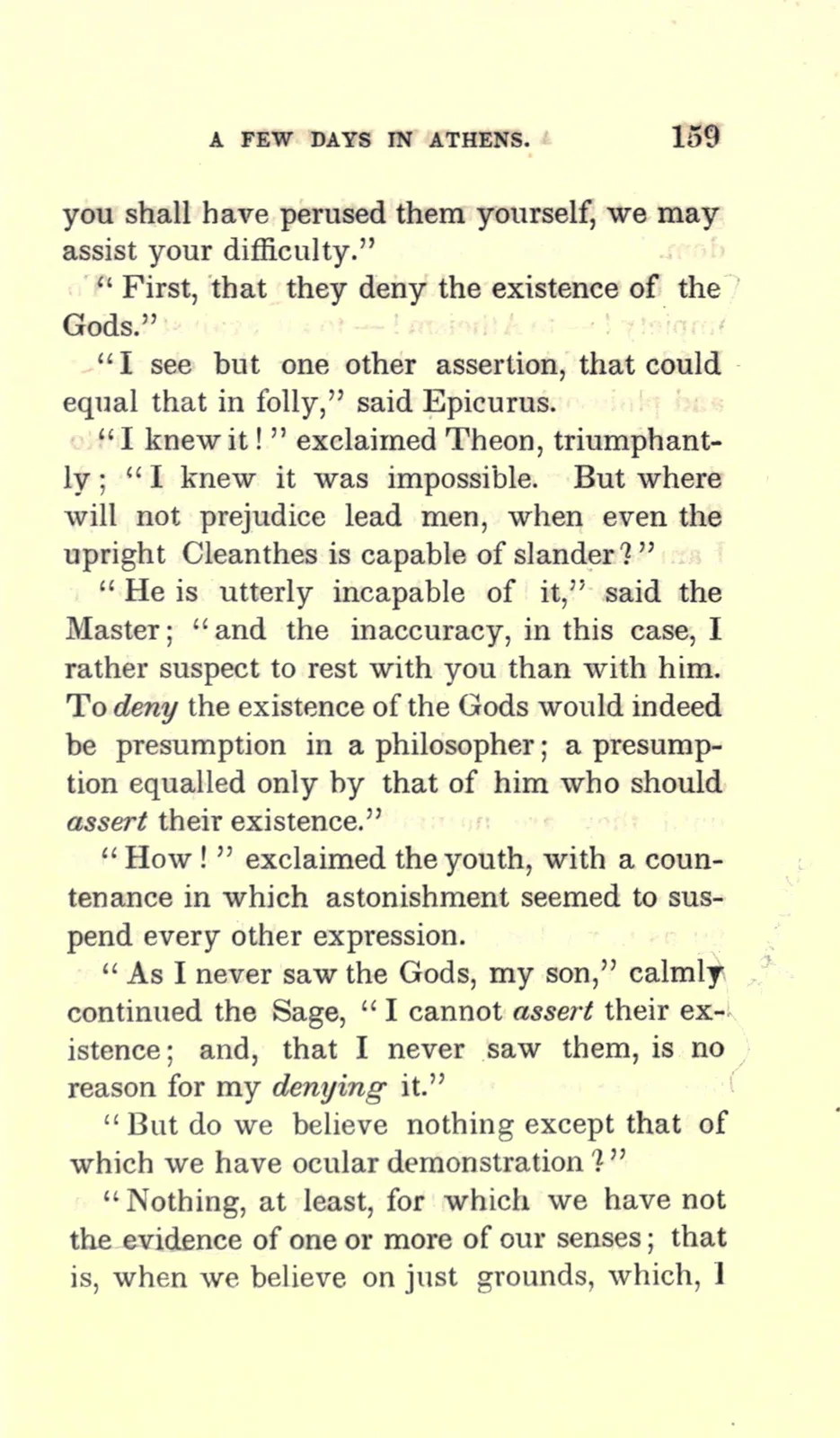
The dialogue became her first book. It tells how a young Stoic in Athens is shocked by the school of Epicurus and gradually won over by it, and her biographer reads it as her own conversion told as fiction.24 Her publishers thought a title with the name of Epicurus in it would frighten buyers, so it came out in London in 1822 as A Few Days in Athens, dedicated to Jeremy Bentham, whom she called "my Socrates."242526 Her Epicurus tells his pupil: "The first and the last thing I would say to man is, think for yourself!"2728 The chapters on the gods were held back, and appeared only in 1827. In them Epicurus says that "to deny the existence of the Gods would indeed be presumption in a philosopher; a presumption equalled only by that of him who should assert their existence," and: "As I never saw the Gods, my son, I cannot assert their existence; and, that I never saw them, is no reason for my denying it."293031
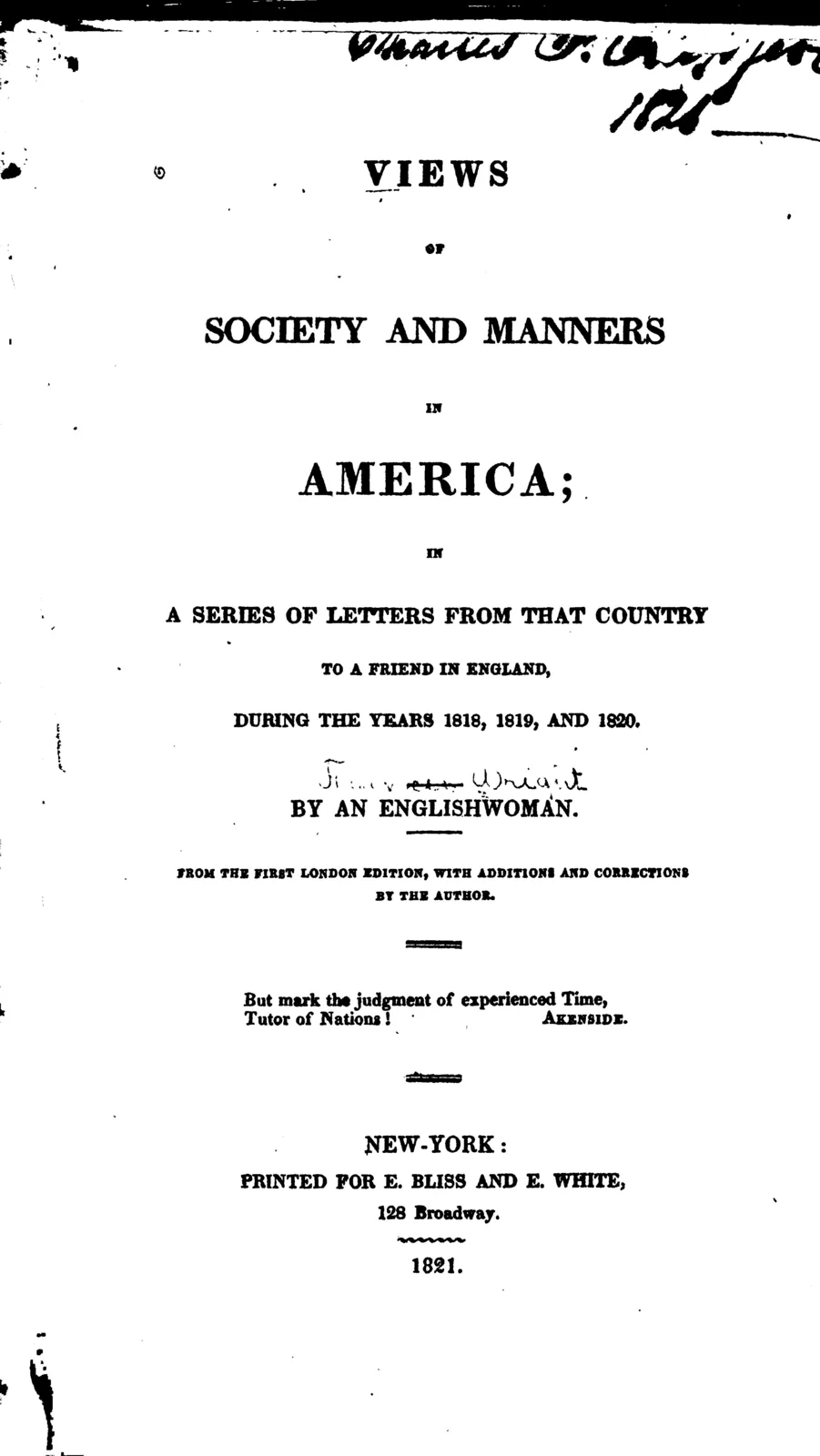
America, and a quiet tolerance
In August 1818 the two sisters sailed from Liverpool and reached New York on 3 September.32 She wrote letters home about everything she saw, and they were published in London as Views of Society and Manners in America (1821), at first anonymously.33 What struck her about American religion then was its freedom. The churches were full, she wrote in March 1820, though no one was forced to enter or to pay for them, and she drew a lesson she would later have to unlearn: "Where religion never arms the hand of power, she is never obnoxious; where she is seated modestly at the domestic hearth, whispering peace and immortal hope to infancy and age, she is always respected, even by those who may not themselves feel the force of her arguments."3435
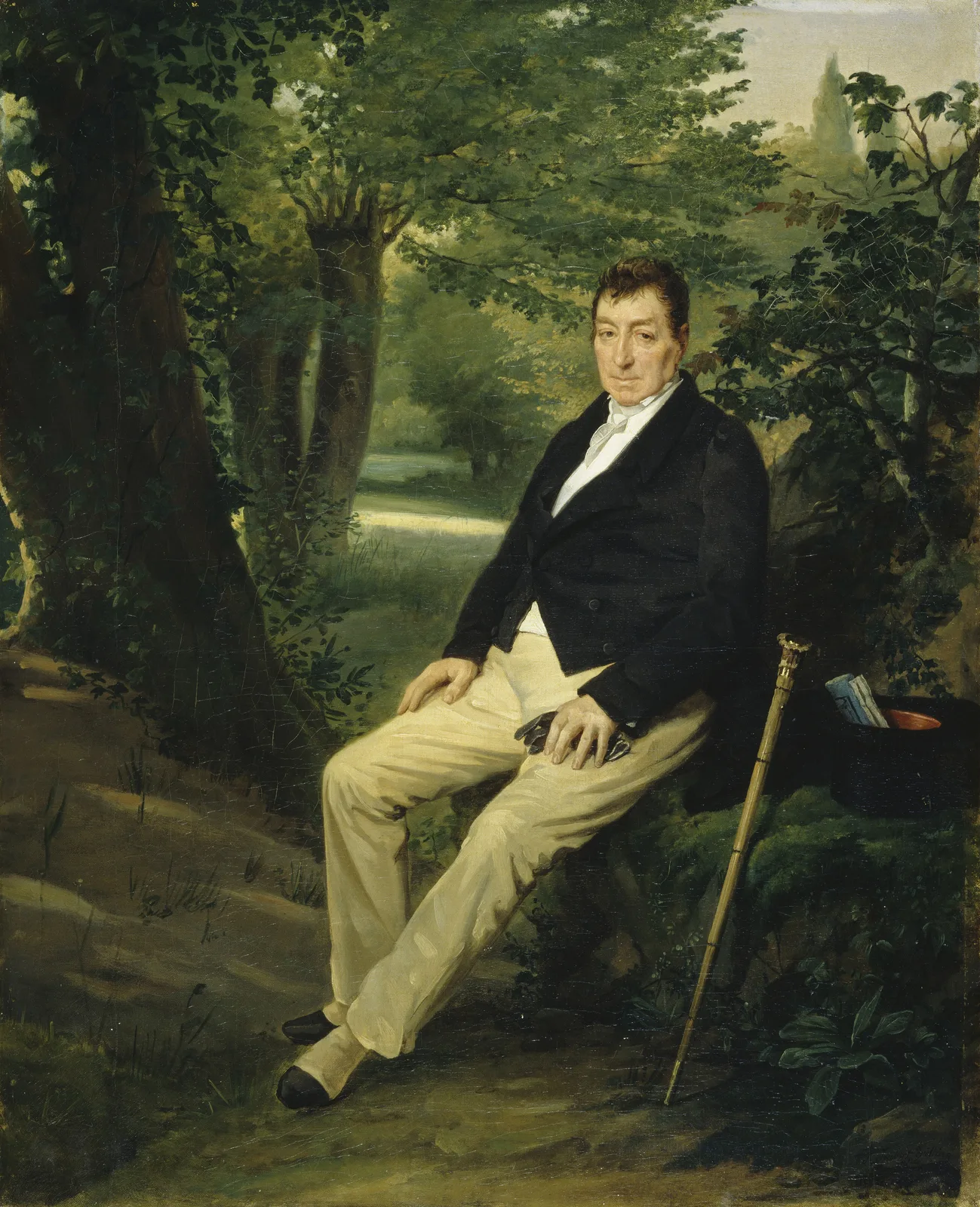
The book won her a friend. In September 1821 the Marquis de Lafayette, who had admired it, received her at his château of La Grange outside Paris, and in 1824 she and Camilla went back to America in the train of his triumphal tour.3637 In Virginia that autumn she saw slavery for the first time, and heard Lafayette talk it over with James Madison.38
Nashoba
For the next four years slavery, not religion, was her cause. In 1825 she visited the communities of the German Rappites at Harmonie and Economy and came away with a plan: enslaved people would buy their freedom by working together on a co-operative farm, and then be freed and settled abroad.3940 She bought land on the Wolf River in West Tennessee, about fourteen miles from Memphis, called it Nashoba, and in March 1826 the first settlers and eight enslaved people arrived.41 In December she signed the estate over to ten trustees, among them Lafayette, Robert Owen and his son Robert Dale Owen; a school for the children was always to be part of the plan.42
Religion entered even here. Explaining why she had not handed the scheme to the existing emancipation societies, she wrote: "Emancipation based on religion has hitherto effected but little; and, generally speaking, by the tone and arguments employed, has tended rather to irritate than to convince."4344
Nashoba failed. One of the trustees kept a record of the community's views on sex and race, and in July 1827 extracts were printed in Benjamin Lundy's antislavery paper; a correspondent called the place "one great brothel."45 Her sister Camilla defended the trustee and called marriage an invention of priestcraft.46 Frances herself, on the ship back to America that December, wrote a defence of the experiment that argued for the eventual "amalgamation of the races."47 Madison wrote to Lafayette that her "open defiance of the most established opinion & vivid feelings" had created "insuperable obstacles."4748 The English writer Frances Trollope, who crossed with her and spent ten days at Nashoba in January 1828, called it "desolation."49 In June 1828 Wright left for New Harmony, ill and exhausted, having spent about $16,000, more than half her fortune.50
The platform
From the failure she drew a conclusion that sent her into public life. The only remedies for slavery and the other evils of the country, she wrote, were "the rational training of youth, and, so far as possible, the instructional improvement of the present generation."5152 On the Fourth of July 1828 she gave the holiday address at New Harmony and found that she could hold an audience.53 A few weeks later she was in Cincinnati.
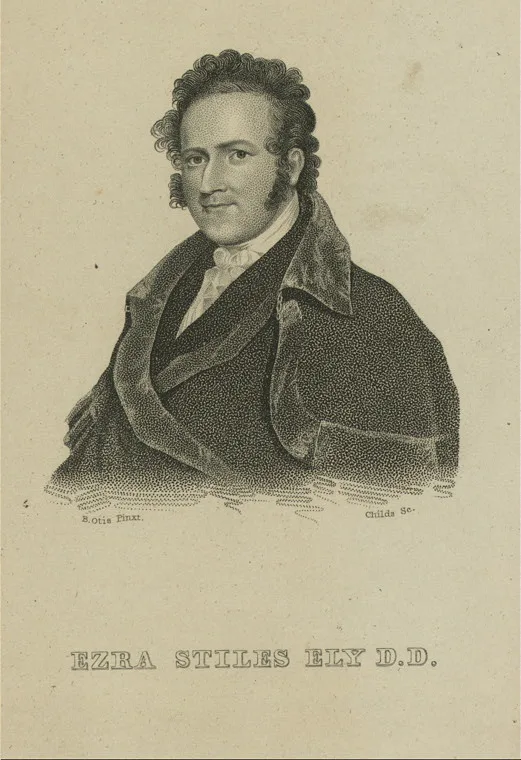
Why did she go public about religion then, after so many years of keeping it to herself? Her own explanation was political. In 1820 she had praised American religion because it "never arms the hand of power." By 1828 she believed it was beginning to. In 1827 a Philadelphia minister, Ezra Stiles Ely, had preached a Fourth of July sermon calling for "a Christian party in politics," and campaigns were under way to stop the Sunday mails.54 She saw the churches' influence as "a secret influence at work, which all feel and none distinguish. It infects all society, taints every institution in the land."5455 And she saw women as the channel. The neglected state of the female mind, she wrote, placed "the most influential half of the nation at the mercy of that worst species of quackery, practised under the name of religion," and so "virtually lays the reins of government, national as well as domestic, in the hands of a priesthood."5657
Frances Trollope heard the first Cincinnati lecture. She thought one passage, the phrase "all men are born free and equal," a piece of "mischievous sophistry," and she rejected most of what her friend believed. But she wrote of the speaker: "I never heard or read of any enthusiasm approaching her's, except in some few instances, in ages past, of religious fanaticism."5859
New York and the Hall of Science
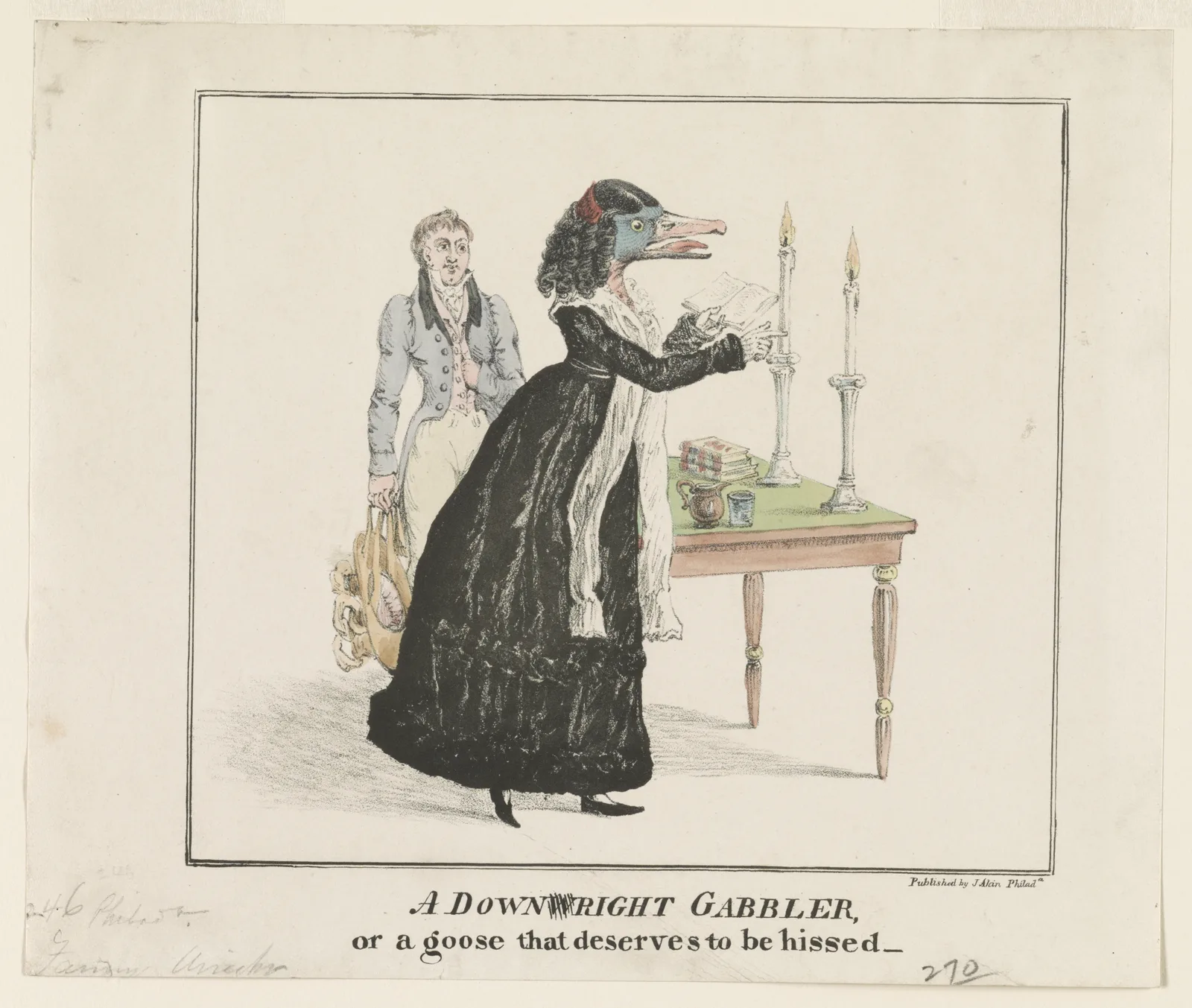
On Saturday 3 January 1829 she gave her first lecture in New York, at the Masonic Hall, to a crowd she put at fifteen hundred to two thousand. "The same spirit of enquiry and reformation," she wrote to Camilla, "seems to exist throughout the land and to require only the match to burst into flame."56061 The press was polite after the first lecture and savage after the third. The New York American decided that she "ceases to be a woman, and is no longer aught else than what we have taken the liberty of calling her—a female monster." Once a barrel of burning turpentine was set in the doorway; once the gas was turned off with some two thousand people in the room.562
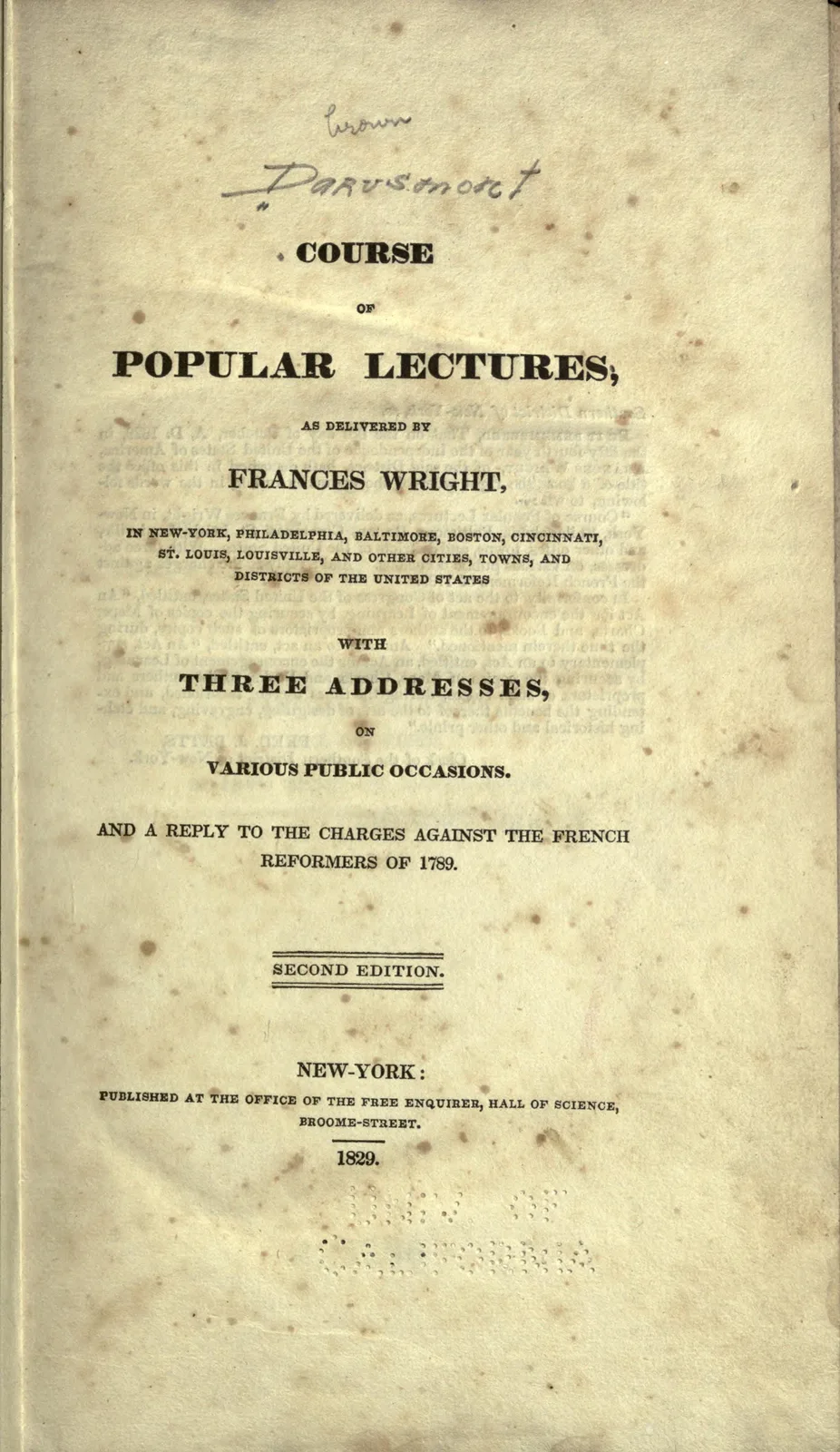
She stayed. With Robert Dale Owen she moved their paper to New York as the Free Enquirer, which first appeared there on 28 January 1829.63 She bought an old church in Broome Street near the Bowery for $7,000, refitted it to seat about twelve hundred, and opened it on 26 April 1829 as the Hall of Science. The building, she said at the opening, "raised and consecrated to sectarian faith, … stands devoted this day to universal knowledge."646566 That autumn her lectures came out as a book, Course of Popular Lectures, which ran to six editions by 1836.67
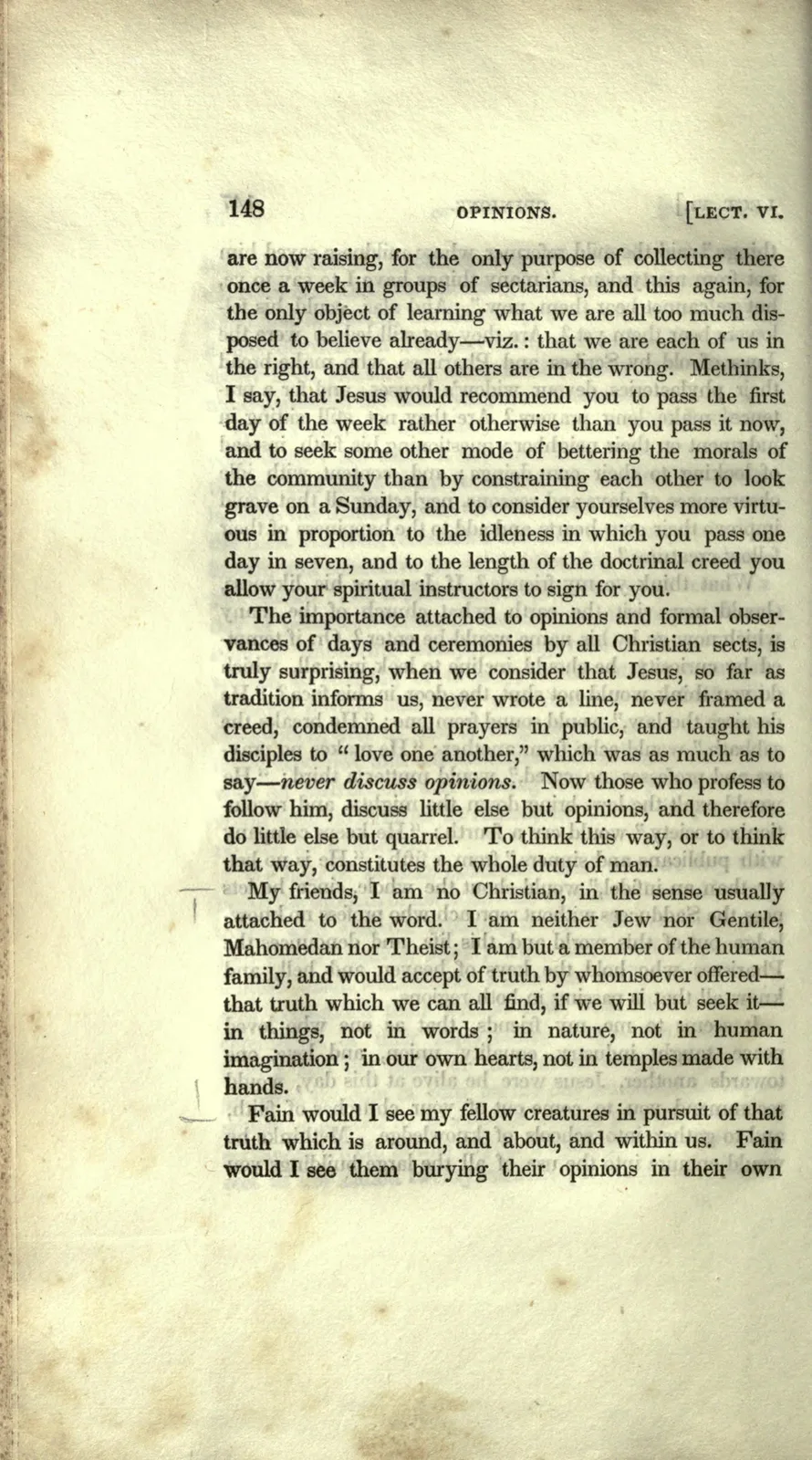
The lectures were careful to say what she did not claim. Religion, she argued, was not knowledge, because it dealt with "things unseen and causes unknown."68 About anything beyond the world we can see, she kept her own counsel: "If beyond the horizon of things seen ... any speculations should force themselves on my fancy, I keep them to myself, even as I do the dreams of my nightly sleep."6970 She remembered what doubt had cost her: "I can well conceive, for I myself have experienced, the doubts, difficulties, hopes, fears, and anxieties, which beset the awakening mind in the early stage of enquiry."71 And she said plainly what she was: "My friends, I am no Christian, in the sense usually attached to the word. I am neither Jew nor Gentile, Mahomedan nor Theist; I am but a member of the human family, and would accept of truth by whomsoever offered."6972 What she offered instead was a church of a different kind: "the true bible is the book of nature, the wisest teacher he who most plainly expounds it, the best priest our own conscience, and the most orthodox church a hall of science."73 To her audiences she said: "Come! learn, then, of a stranger and a woman! Be bold to speak what ye think and feel."7475
She never called herself an atheist in anything that survives. Her enemies called her one, and "infidel" too, and in May 1830 she took the second word and turned it round: "Does infidel, then, mean one conversant with realities, and by infidelity are we to understand knowledge? If such be the meaning of the terms, I, for one, will hold them in honor; and the warmest wish of my heart shall be, to see all my fellow creatures infidels, and the whole earth flooded with infidelity."7677
The critics
The most serious answer came from Boston, where she lectured to large crowds in July 1829.4 Lyman Beecher, a Presbyterian minister in Boston, later described the visit: "the female apostle of atheistic liberty visited the city, and her lectures were thronged, not only by men, but even by females of respectable standing. … She made her converts, and that, too, not among the low and vicious alone."46 Beecher was careful, too, to say that he did not accuse every sceptic or deist of the political aims he feared.78 His daughter Catharine, an educator, named Robert Owen and "Fanny Wright" as the heads of "the Atheist school," and argued that a woman who put herself on a stage invited the disgust she received.79
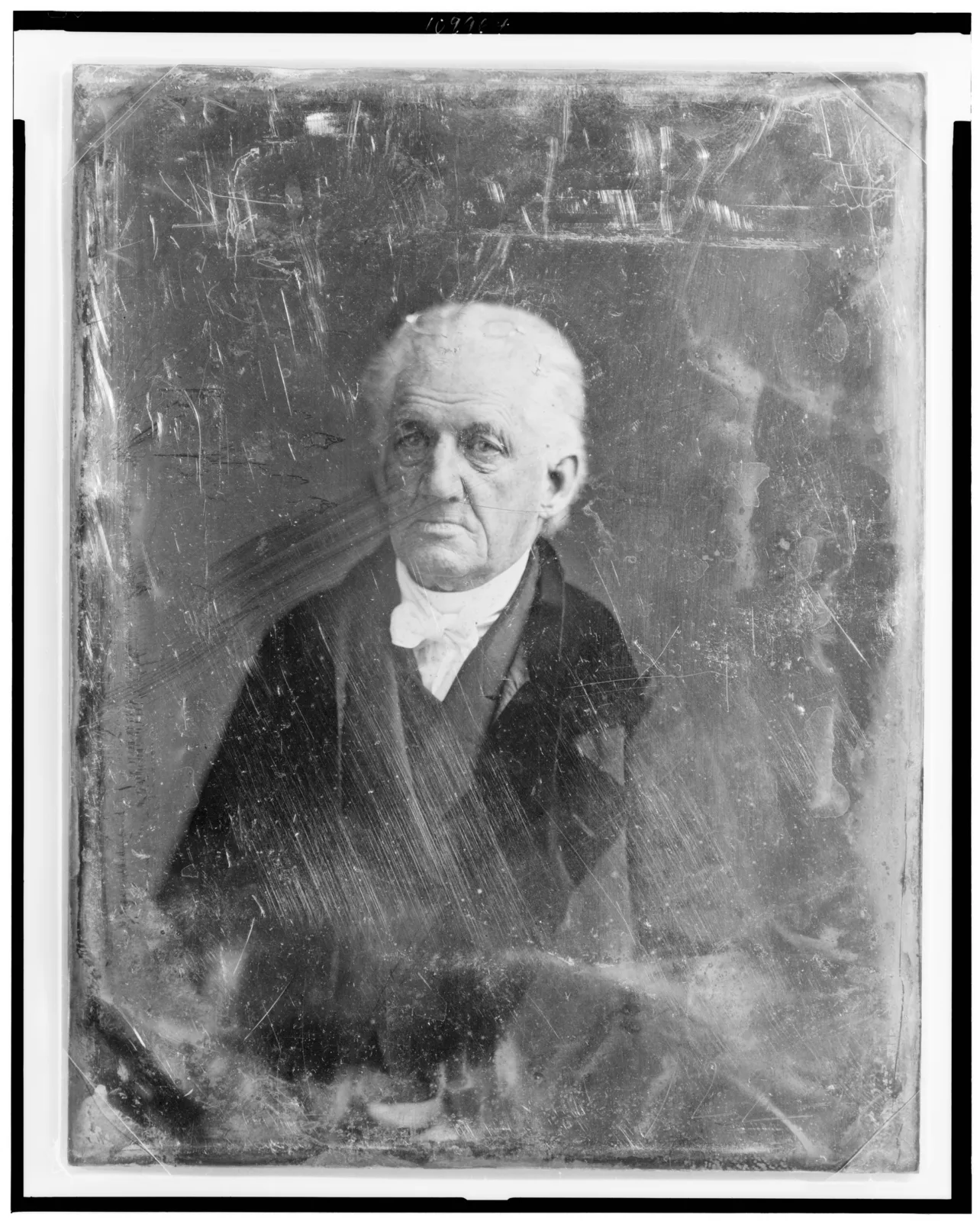
Her friends had their criticisms too. Robert Dale Owen, her partner on the Free Enquirer, wrote forty-five years later that "an inordinate estimate of her own mental powers and an obstinate adherence to opinions once adopted detracted seriously from the influence which her talents and eloquence might have exerted."80
The bond of union
In January 1830 she kept her promise to the people of Nashoba, sailing from New Orleans with about thirty of them to Haiti, where President Boyer settled them.81 Then she went to France. Her sister died in Paris in 1831, and five months later Frances married William Phiquepal D'Arusmont, a teacher; their daughter Sylva was born about 1832.8283 The marriage went badly, partly over money and her public life, and ended in divorce.8284
When she came back to America and the platform in 1836, she said something new about religion. Her earlier writings, she now held, had confounded theology, talk about unseen beings, with religion, which she called "a very fundamental and a very dangerous error, because a most demoralizing, and a socially and politically disorganizing error."8586 She went back to the Latin: "religio, a binding together, a bond of union."8788 In her lectures of 1836–38 she described history as passing through a series of such bonds, ending in a coming "Religion of the People" founded on justice.87 She still did not speak of God. In 1848 she wrote: "Religion is the bond of union. One, only one, the just and true, must hold the world in confraternity."8990 The audiences were rougher now; in Philadelphia the mayor forbade her to speak again and a platform was torn out from under her.91
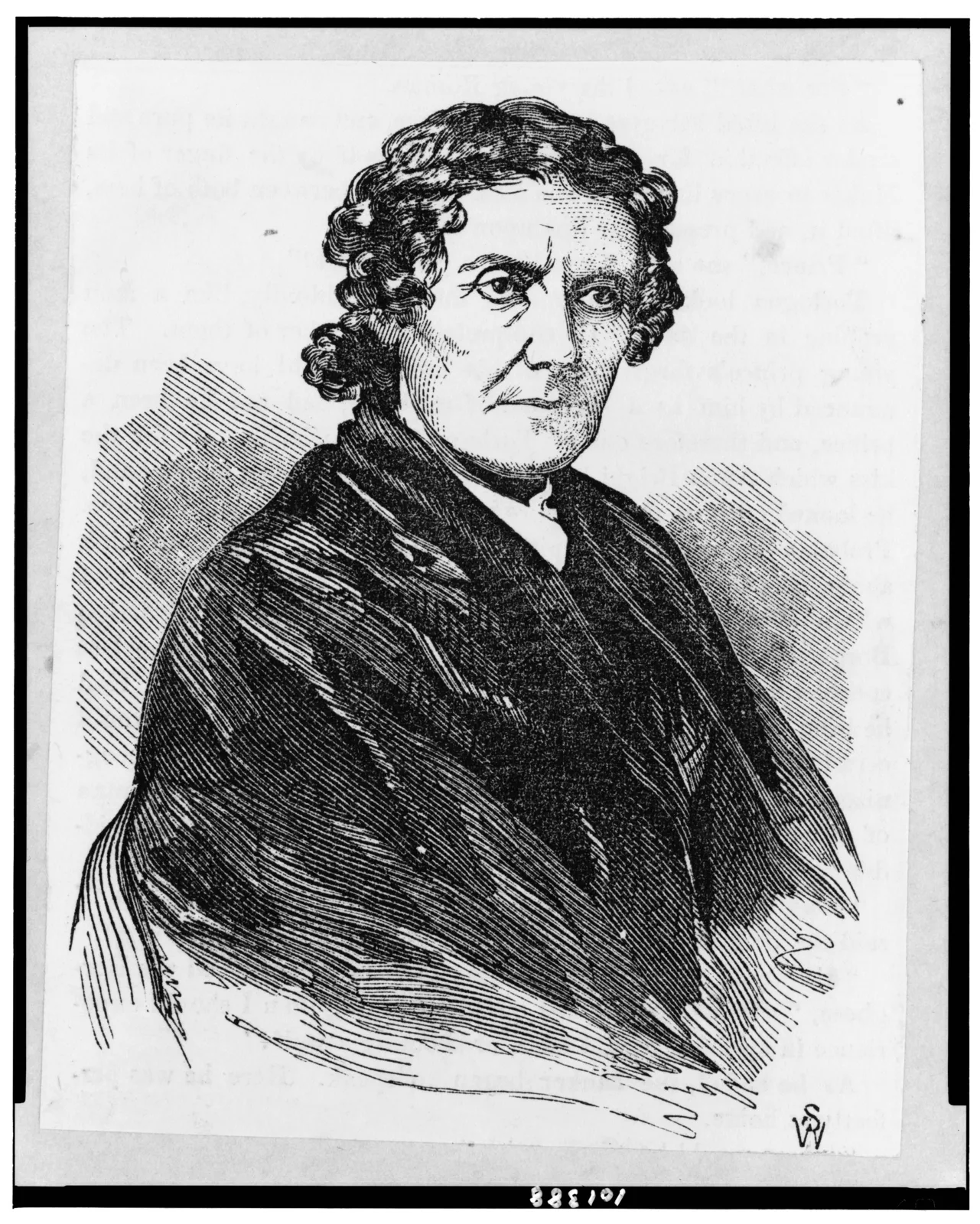
Her last years in Cincinnati were "lonely and sad." In the winter of 1851–52 she fell on the ice and broke her hip, and she died there on 13 December 1852, aged fifty-seven.8492
What she left
Her biographer credits her with helping to make the country more open to liberal religion, and to win more liberal marriage laws, property rights for married women, free schools, and the end of imprisonment for debt.93 Her unbelief changed shape more in its language than in its substance. The child who asked whether truth could be dangerous became, through Epicurus, a young woman who would neither assert nor deny the gods; she kept that view private for years and spoke it aloud only when she came to believe that the churches were reaching for political power; and in middle age she took back the word "religion" for a human bond while still declining to talk about heaven. In 1828 almost nobody in America had heard a woman say such things from a platform. A few years later Ernestine Rose, a rabbi's daughter from Poland, began to say them from American platforms too, and she has her own chapter in this book.
Footnotes
-
Frances Wright, Course of Popular Lectures ... with Three Addresses on Various Public Occasions, and a Reply to the Charges against the French Reformers of 1789 (second edition, New York: Office of the Free Enquirer, Hall of Science, Broome Street, 1829), Preface p. 9; William Randall Waterman, Frances Wright (Columbia University Studies in History, Economics and Public Law, vol. 115, no. 1; New York: Columbia University Press, 1924), p. 149; Frances Trollope, Domestic Manners of the Americans (London, 1832), vol. i, vol. i pp. 96–97. ↩ ↩2
-
Wright, Course of Popular Lectures ...…, Preface p. 9. ↩
-
Wright, Course of Popular Lectures ...…, and Lectures1836, Preface p. 9. ↩
-
Waterman, Frances Wright, pp. 178–180; Beecher pp. 92–93. ↩ ↩2 ↩3
-
Waterman, Frances Wright, pp. 166–171 (Wright MSS; the newspapers not seen). Reported at second hand; the original has not been seen. ↩ ↩2 ↩3
-
Lyman Beecher (1775–1863), Presbyterian minister, Boston; he says "the friends and associates of my own children" were among her followers: Beecher, Lectures on Political Atheism, Lecture III, pp. 92–93 (Waterman p. 179). ↩ ↩2
-
Waterman, Frances Wright, p. 14. ↩
-
Waterman, Frances Wright, pp. 14–16 (citing Biography pt i). ↩
-
Waterman, Frances Wright, p. 16. Accounts differ; see the disputed points. ↩
-
Waterman, Frances Wright, p. 16. ↩
-
Waterman, Frances Wright, pp. 14, 16. ↩
-
Waterman, Frances Wright, pp. 16–17 (Biography pt i p. 15; MS dedication). ↩
-
Waterman, Frances Wright, p. 18, quoting New Harmony Gazette, 23 July 1828. ↩
-
Waterman, Frances Wright, p. 18. Not checked against the original (no). ↩ ↩2
-
Waterman, Frances Wright, p. 17 (Biography pt i pp. 9–10). ↩
-
Waterman, Frances Wright, p. 17, quoting Biography pt i pp. 9–10. Not checked against the original (no). ↩
-
Waterman, Frances Wright, p. 18 (NH Gazette 23 July 1828). ↩
-
Wright, Course of Popular Lectures ...…, Preface p. 7; Frances Wright, Course of Popular Lectures (sixth edition, New York: G. W. and A. J. Matsell, 1836; copyright 8 October 1829), Preface p. 7; Waterman, Frances Wright, pp. 26–27. ↩
-
Wright, Course of Popular Lectures ...…, and Lectures1836, Preface p. 7. ↩
-
Waterman, Frances Wright, pp. 18–19 (Biography pt ii pp. 5–6). ↩
-
Waterman, Frances Wright, pp. 19–20. ↩
-
Waterman, Frances Wright, pp. 25–26 and note (Wright MSS). ↩ ↩2
-
Waterman, Frances Wright, p. 26 (Wright MSS). Not checked against the original (no). ↩
-
Frances Wright, A Few Days in Athens, being the translation of a Greek manuscript discovered in Herculaneum (Boston: J. P. Mendum, 1850; the dedication to Bentham is dated London, 12 March 1822), dedication and Ch. I; Waterman, Frances Wright, pp. 20–21. ↩ ↩2
-
Waterman, Frances Wright, p. 20 note. ↩
-
Waterman, Frances Wright, pp. 61–62. ↩
-
Wright, Few Days in Athens, pp. 18–19, 163–165. ↩
-
Epicurus, in Wright's dialogue: Wright, Few Days in Athens, (Boston 1850) pp. 18–19. ↩
-
Wright, Few Days in Athens, pp. 159–165; Waterman, Frances Wright, pp. 23–24 and note. ↩
-
Epicurus, in Wright's dialogue: Wright, Few Days in Athens, p. 159. ↩
-
Epicurus, in Wright's dialogue: Wright, Few Days in Athens, p. 159. ↩
-
Waterman, Frances Wright, pp. 28–29; Frances Wright, Views of Society and Manners in America; in a series of letters from that country to a friend in England, during the years 1818, 1819, and 1820 (London: Longman, 1822; first edition 1821, anonymous, "by an Englishwoman"), Letter I. ↩
-
Wright, Views of Society and Manners…, title page; Wright, Course of Popular Lectures ...…, Preface p. 8; Waterman, Frances Wright, p. 29. ↩
-
Wright, Views of Society and Manners…, pp. 396–404. ↩
-
Wright, Views of Society and Manners…, (London 1822) p. 404. ↩
-
Waterman, Frances Wright, pp. 63–64. ↩
-
Waterman, Frances Wright, pp. 82–84. ↩
-
Waterman, Frances Wright, pp. 92–93. ↩
-
Waterman, Frances Wright, pp. 94–96 (Biography pt i pp. 24–26). ↩
-
Waterman, Frances Wright, pp. 96–97. ↩
-
Robert Dale Owen, Threading My Way: Twenty-seven Years of Autobiography (New York: Carleton, 1874), and "An Earnest Sowing of Wild Oats", Atlantic Monthly, vol. 34, no. 201 (July 1874), pp. 69–80, an eyewitness (partner, co-editor, later critic), Threading My Way pp. 298, 300; Waterman, Frances Wright, p. 105. ↩
-
Owen, Threading My Way, Threading My Way pp. 300–302; Waterman, Frances Wright, pp. 106–107. ↩
-
Owen, Threading My Way, Threading My Way p. 302. ↩
-
Owen, Threading My Way, Threading My Way p. 302. ↩
-
Waterman, Frances Wright, pp. 114–118. ↩
-
Waterman, Frances Wright, pp. 117–120. ↩
-
James Madison (1751–1836), former president, to Lafayette, 1828, on Nashoba: Waterman, Frances Wright, p. 129, citing Madison, Writings, vol. ix, pp. 310–13. Not checked against the original (no). ↩
-
Trollope, Domestic Manners of the Americans, vol. i pp. 17–19, 38–42; Waterman, Frances Wright, p. 122. ↩
-
Waterman, Frances Wright, pp. 130–131; Owen, Threading My Way, Atlantic p. 75. ↩
-
Waterman, Frances Wright, p. 134 (Biography pt i pp. 32–33; Free Enquirer 21 Oct 1829). ↩
-
Waterman, Frances Wright, p. 134. Not checked against the original (no). ↩
-
Wright, Course of Popular Lectures, contents, Address I; Waterman, Frances Wright, pp. 135–136. ↩
-
Wright, Course of Popular Lectures, Lecture VI p. 145; Waterman, Frances Wright, pp. 137–143. ↩ ↩2
-
Wright, Course of Popular Lectures, p. 145. ↩
-
Wright, Course of Popular Lectures ...…, Preface pp. 8–9. ↩
-
Wright, Course of Popular Lectures ...…, and Lectures1836, Preface p. 9. ↩
-
Frances Trollope, on Wright's first Cincinnati lecture (July 1828): Trollope, Domestic Manners of the Americans, vol. i, p. 97. ↩
-
Frances Trollope (1779–1863), novelist and travel writer, who travelled with Wright to Nashoba; friend turned critic: Trollope, Domestic Manners of the Americans, Domestic Manners, vol. i, p. 39. ↩
-
Waterman, Frances Wright, p. 168 (Wright MSS). ↩
-
Waterman, Frances Wright, p. 168 (Wright MSS). Not checked against the original (no). ↩
-
New York American, 8 January 1829: Waterman, Frances Wright, p. 169 (newspaper not seen). Not checked against the original (no). ↩
-
Wright, Course of Popular Lectures ...…, Preface p. 12; Waterman, Frances Wright, pp. 174–177; Owen, Threading My Way, Atlantic p. 73. ↩
-
Wright, Course of Popular Lectures, Address III heading; Owen, Threading My Way, Atlantic p. 73; Waterman, Frances Wright, p. 176. ↩
-
Wright, Course of Popular Lectures, Address III pp. 203–204. ↩
-
Wright, Course of Popular Lectures, Address III p. 203. ↩
-
Wright, Course of Popular Lectures, title page; Wright, Course of Popular Lectures ...…, Preface p. 12. ↩
-
Wright, Course of Popular Lectures, Lecture IV pp. 93–101. ↩
-
Wright, Course of Popular Lectures, Lecture VI p. 148; Lecture IV pp. 102–104. ↩ ↩2
-
Wright, Course of Popular Lectures, pp. 102–103. ↩
-
Wright, Course of Popular Lectures, p. 86. ↩
-
Wright, Course of Popular Lectures, p. 148. ↩
-
Wright, Course of Popular Lectures, p. 104. ↩
-
Wright, Course of Popular Lectures, Lecture III pp. 71–72, 79. ↩
-
Wright, Course of Popular Lectures, p. 79. ↩
-
Wright, Course of Popular Lectures, "Review of the Times" pp. 11, 14. ↩
-
Wright, Course of Popular Lectures, Review of the Times p. 14. ↩
-
Lyman Beecher: Beecher, Lecture III, pp. 91–92. ↩
-
Catharine E. Beecher (1800–1878), educator and author, daughter of Lyman Beecher, naming Robert Owen and Fanny Wright as "the Atheist school": C. Beecher, Essay on Slavery and Abolitionism (1837) pp. 120–121. ↩
-
Robert Dale Owen (1801–1877), her friend and co-editor, in 1874: Owen, Threading My Way, Threading My Way, p. 297. ↩
-
Waterman, Frances Wright, p. 131; Owen, Threading My Way, Atlantic pp. 74–75. ↩
-
Waterman, Frances Wright, pp. 230–231; Owen, Threading My Way, Atlantic p. 75. ↩ ↩2
-
Waterman, Frances Wright, p. 240. ↩
-
Waterman, Frances Wright, p. 255 note (Phiquepal's letter, Paris, 1 Oct 1850; Amos Gilbert, Memoir of Frances Wright, the Pioneer Woman in the Cause of Human Rights (Cincinnati, 1855). NOT FOUND on the Internet Archive; cited only through Waterman, pp. 42–43). ↩ ↩2
-
Waterman, Frances Wright, pp. 240, 246–247 (Biography pt ii Political Letters). ↩
-
Waterman, Frances Wright, p. 247, quoting her Political Letters. Not checked against the original (no). ↩
-
Waterman, Frances Wright, p. 247. Not checked against the original (no). ↩
-
Frances Wright D'Arusmont, England the Civilizer: her history developed in its principles (London, 1848), pp. 91, 399–400. ↩
-
D'Arusmont, England the Civilizer, p. 399. ↩
-
Waterman, Frances Wright, pp. 240–243. ↩
-
Waterman, Frances Wright, p. 255 (Cincinnati Daily Gazette, 15 Dec 1852). ↩
-
Waterman, Frances Wright, pp. 255–256. ↩
In their own words
I would wish you to think nothing good, or bad either, upon my decision. The first and the last thing I would say to man is, think for yourself!
To deny the existence of the Gods would indeed be presumption in a philosopher; a presumption equalled only by that of him who should assert their existence.
As I never saw the Gods, my son, I cannot assert their existence; and, that I never saw them, is no reason for my denying it.
I think I have done with churches. When I can hear of one that does honor to God and good to man it shall have my presence and my love.
I would make no sort of objection to his majesty with the tail and the cloven hoofs. I would rather live with him in his brimstone than with the unjust judge of my holy instructor in his streets of gold and walls of precious stones.
Voltaire (if I remember right) well corrected the text 'God made man after his own image' to 'Man made God after his image.'
Can Truth be dangerous?
I too in childhood was religious, devoutly, enthusiastically, yet I fear hardly savingly ... Study, observation, reading, and perhaps more than all, reflection, gradually supplied the answers which the foolish could not and the wise perhaps would not give.
from the age of seventeen, when I first accidentally opened the page of America's national history, as portrayed by the Italian Bocca, the only work on a subject so politically heterodox which had found a place in the aristocratical libraries which surrounded my youth
Where religion never arms the hand of power, she is never obnoxious; where she is seated modestly at the domestic hearth, whispering peace and immortal hope to infancy and age, she is always respected, even by those who may not themselves feel the force of her arguments.
the neglected state of the female mind, and the consequent dependence of the female condition. This, by placing the most influential half of the nation at the mercy of that worst species of quackery, practised under the name of religion, virtually lays the reins of government, national as well as domestic, in the hands of a priesthood
A circumstantial account of the distress and disturbance on the public mind in the Ohio metropolis led me to visit the afflicted city; and, since all were dumb, to take up the cause of insulted reason and outraged humanity.
I have wedded the cause of human improvement; staked on it my reputation, my fortune, and my life; and as, for it, I threw behind me in earliest youth the follies of my age, the luxuries of ease and European aristocracy, so do I, and so will I, persevere, even as I began
Come! learn, then, of a stranger and a woman! Be bold to speak what ye think and feel; and to act in accordance with your belief.
I can well conceive, for I myself have experienced, the doubts, difficulties, hopes, fears, and anxieties, which beset the awakening mind in the early stage of enquiry
If beyond the horizon of things seen — without the range of our earthly planet, and apart from the nature of our human race, any speculations should force themselves on my fancy, I keep them to myself, even as I do the dreams of my nightly sleep, well satisfied that my neighbour will have his speculations and his dreams also
the true bible is the book of nature, the wisest teacher he who most plainly expounds it, the best priest our own conscience, and the most orthodox church a hall of science.
There is a secret influence at work, which all feel and none distinguish. It infects all society, taints every institution in the land, poisoning alike human instruction, human laws, and human recreation.
My friends, I am no Christian, in the sense usually attached to the word. I am neither Jew nor Gentile, Mahomedan nor Theist; I am but a member of the human family, and would accept of truth by whomsoever offered
Raised and consecrated to sectarian faith, it stands devoted this day to universal knowledge
Emancipation based on religion has hitherto effected but little; and, generally speaking, by the tone and arguments employed, has tended rather to irritate than to convince.
It is much to have declared men free and equal, but it shall be more, when they are rendered so—when the means shall be sought, and found, and employed to develope all the intellectual and physical powers of all human beings, without regard to sex or condition—class, race, or color.
the same spirit of enquiry and reformation seems to exist throughout the land and to require only the match to burst into flame
I finally became convinced, that there are but two remedies for all our evils ... These remedies, slow working indeed, but sure in their effects, are—the rational training of youth, and, so far as possible, the instructional improvement of the present generation.
Does infidel, then, mean one conversant with realities, and by infidelity are we to understand knowledge? If such be the meaning of the terms, I, for one, will hold them in honor; and the warmest wish of my heart shall be, to see all my fellow creatures infidels, and the whole earth flooded with infidelity.
Religion is the bond of union. One, only one — the just and true — must hold the world in confraternity.
a very fundamental and a very dangerous error, because a most demoralizing, and a socially and politically disorganizing error
Religion, from the Latin religo, religio, renders with equal distinctness the thing signified. Religo, to tie over again, to bind fast; religio, a binding together, a bond of union.
The other side
About this time the female apostle of atheistic liberty visited the city, and her lectures were thronged, not only by men, but even by females of respectable standing. And the effect of these lectures on such listeners was not the mere gratification of curiosity. She made her converts, and that, too, not among the low and vicious alone.
It is not my purpose to insinuate that all men who are sceptical, or who are deists, or that even all who may doubt or disbelieve the being of a God, have a distinct participation
I never heard or read of any enthusiasm approaching her's, except in some few instances, in ages past, of religious fanaticism.
There was, however, one passage from which common-sense revolted; it was one wherein she quoted that phrase of mischievous sophistry, "all men are born free and equal."
If the female advocate chooses to come upon a stage, and expose her person, dress, and elocution to public criticism, it is right to express disgust at whatever is offensive and indecorous
she ceases to be a woman, and is no longer aught else than what we have taken the liberty of calling her—a female monster.
she has I fear created insuperable obstacles to the good fruits of which they might be productive by her disregard or rather open defiance of the most established opinion & vivid feelings
an inordinate estimate of her own mental powers and an obstinate adherence to opinions once adopted detracted seriously from the influence which her talents and eloquence might have exerted.
Where accounts differ
| Point | One account | Another | How the page handles it |
|---|---|---|---|
| Who raised her, and in what faith | Roster: "raised by Unitarian relatives", maternal aunt in London (plan.md; no source) | Ward of chancery in the household of her maternal grandfather General Campbell, London and Luscombe; mother's side "conservative and orthodox" (Waterman pp. 14, 16) | Use Waterman; avoid "aunt" and "Unitarian" unless confirmed from Biography or Gilbert |
| Age when orphaned | "At two" (roster) | "Two and a half" (Waterman p. 16) | Say "before she was three" |
| When A Few Days in Athens was written, and what the 1822 book contained | Written in her teens (roster, "she said"); Waterman reads it as written at 18–19 (pp. 18–25) | The chapters on the gods were held back and first printed in 1827 (Waterman pp. 23–24); the dedication to Bentham is 12 March 1822 | Say "written in Scotland as a young woman, published in London in 1822; the part on the gods followed in 1827" until the Biography confirms her own date |
| Date of the Whitburn diary (Q4–Q6) | 1816–18 more probable (Waterman p. 26 note) | "may have been as late as 1821" (same note) | Do not date it more closely than "as a young woman in Scotland" |
| "First woman to lecture publicly in America" | Roster claim; Trollope p. 96 and Waterman p. 152 show it was a shock | No source read says she was literally first; Waterman does not claim it | Say "so unusual that" or "among the first"; confirm before saying "first" |
| Her property after marriage | Waterman p. 231: in marrying D'Arusmont "she retained control of her property" | Owen (Atlantic p. 75): "certain claims made by him on her property finally brought about a separation"; the user-supplied note that she lost control by coverture is not found in sources read | Say only that money disputes with her husband contributed to the break; confirm with Eckhardt or the Biography |
| Date and title of Beecher's lectures naming her | User note: "Lectures on Political Atheism, 1829" | Waterman bibliography: *Lectures on Scepticism* delivered at Park Street Church, Boston, published Cincinnati 1835; "Political Atheism" is the title in the 1852 Works; the passage on Wright is in the 1852 text (pp. 92–93) | Cite the 1852 text and say "preached in Boston" without a year until the first printing is checked |
| Freed people taken to Haiti | Thirty (Waterman p. 131) | Thirty-one: thirteen adults, eighteen children (Owen, Atlantic pp. 74–75) | Say "about thirty" |
| "Female Tom Paine" (Commercial Advertiser) | Cited in the assignment brief | Not found; Waterman p. 175 reports the Commercial Advertiser calling her an imitator of Mary Wollstonecraft "without the loveliness"; the American called her "a female monster" | Use the phrases found; do not use "female Tom Paine" |
| Date of Owen's "Earnest Sowing of Wild Oats" | Brief: Atlantic Monthly 1873 | Atlantic Monthly, July 1874, vol. 34 (the scan itself) | Use July 1874 |
List of illustrations
This page uses only public-domain and Creative Commons images; each is credited with its source and licence.
- Franceswright — John Chester Buttre, after J. Gorbitz, 1881 · Franceswright, John Chester Buttre, after J. Gorbitz, from History of Woman Suffrage, vol. 1, via Wikimedia Commons · Public domain (Wikimedia Commons file page)
- Gezicht op Luscombe Castle bij Dawlish, in Devon, Engeland, RP-F-F26762 — Rijksmuseum, ca. 1901 - in of voor 1906 · Gezicht op Luscombe Castle bij Dawlish, in Devon, Engeland, RP-F-F26762, Rijksmuseum, Rijksmuseum, via Wikimedia Commons · CC0 (Wikimedia Commons file page)
- A Few Days in Athens, p. 159 — Frances Wright, 1850 · A Few Days in Athens, p. 159, Frances Wright, Internet Archive · Public domain (published 1850; Internet Archive item states no rights)
- Epicurus Massimo Inv197306 · Epicurus Massimo Inv197306, , via Wikimedia Commons · Public domain (Wikimedia Commons file page)
- Views of Society and Manners in America, title page of the first edition (1821, anonymous) — Frances Wright, 1821 · Views of Society and Manners in America, title page of the first edition (1821, anonymous), Frances Wright, Internet Archive · Public domain (published 1821; Internet Archive item states no rights)
- Louise-Adéone Drolling dite Madame Joubert - Portrait du général de Lafayette dans le parc du château de La Grange-Bléneau — Louise-Adéone Drölling, 1830 · Louise-Adéone Drolling dite Madame Joubert - Portrait du général de Lafayette dans le parc du château de La Grange-Bléneau, Louise-Adéone Drölling, via Wikimedia Commons · Public domain (Wikimedia Commons file page)
- Sketch of Nashoba, plate in Domestic Manners of the Americans (1832) — Frances Trollope (after her drawing), 1832 · Sketch of Nashoba, plate in Domestic Manners of the Americans (1832), Frances Trollope (after her drawing), Internet Archive · Public domain (published 1832; Internet Archive item states no rights)
- Ezra Styles Ely — After Bass Otis, 1829 · Ezra Styles Ely, After Bass Otis, via Wikimedia Commons · Public domain (Wikimedia Commons file page)
- A downright gabbler, or a goose that deserves to be hissed — James Akin (publisher, Philadelphia), 1829 · Library of Congress, Prints & Photographs Division, Popular Graphic Arts Collection · Public domain (published 1829; LoC: Popular Graphic Arts, no rights held by LoC, Quimby no. 51)
- Course of Popular Lectures, title page (New York: Office of the Free Enquirer, Hall of Science, Broome Street, 1829) — Frances Wright, 1829 · Course of Popular Lectures, title page (New York: Office of the Free Enquirer, Hall of Science, Broome Street, 1829), Frances Wright, Internet Archive · Public domain (published 1829; Internet Archive item states no rights)
- Course of Popular Lectures, Lecture VI p. 148 — Frances Wright, 1829 · Course of Popular Lectures, Lecture VI p. 148, Frances Wright, Internet Archive · Public domain (published 1829; Internet Archive item states no rights)
- [Lyman Beecher, half-length portrait, facing front] (daguerreotype) — Mathew B. Brady studio, 1845 · Library of Congress, Prints & Photographs Division, Daguerreotypes Collection · Public domain (LoC: the Daguerreotypes Collection is in the public domain and free to use and reuse)
- Frances Wright d'Arusmont (engraving) — unknown engraver, 1854 · Library of Congress, Prints & Photographs Division, LC-USZ62 (Frances Wright d'Arusmont) · Public domain (published 1854; LoC rights statement: the Library does not own rights, no restrictions stated)
Sources
Tier 1 — the subject's own words (writings, letters, diaries, trial records)
- [Lectures1829] Frances Wright, Course of Popular Lectures ... with Three Addresses on Various Public Occasions, and a Reply to the Charges against the French Reformers of 1789 (second edition, New York: Office of the Free Enquirer, Hall of Science, Broome Street, 1829). https://archive.org/details/courseofpopularl00wrigrich. Text in
lectures1829.txt. Preface dated New York, October 1829. - [Lectures1836] Frances Wright, Course of Popular Lectures (sixth edition, New York: G. W. and A. J. Matsell, 1836; copyright 8 October 1829). https://archive.org/details/courseofpopularl00wriguoft. Text in
lectures1836.txt. Same pagination as Lectures1829 for the Preface, Lectures I–VII and Addresses I–III; adds "Review of the Times" (Hall of Science, 9 May 1830) and other addresses. Cited as page numbers of the lecture text; the Review has its own pagination. - [Lectures1844] Same work, edition of 1844. https://archive.org/details/courseofpopularl00wrig. Text in
lectures1844.txt; used only to cross-check the text, not cited. - [Athens] Frances Wright, A Few Days in Athens, being the translation of a Greek manuscript discovered in Herculaneum (Boston: J. P. Mendum, 1850; the dedication to Bentham is dated London, 12 March 1822). https://archive.org/details/fewdaysinathensb00wrigiala. Text in
athens.txt. This edition includes the later chapters on the existence of the gods. - [Views] Frances Wright, Views of Society and Manners in America; in a series of letters from that country to a friend in England, during the years 1818, 1819, and 1820 (London: Longman, 1822; first edition 1821, anonymous, "by an Englishwoman"). https://archive.org/details/viewsofsocietyma00wriguoft. Text in
views.txt. - [England1848] Frances Wright D'Arusmont, England the Civilizer: her history developed in its principles (London, 1848). https://archive.org/details/b29298015. Text in
englandcivilizer1848.txt. - [Owen] Robert Dale Owen, Threading My Way: Twenty-seven Years of Autobiography (New York: Carleton, 1874), and "An Earnest Sowing of Wild Oats", Atlantic Monthly, vol. 34, no. 201 (July 1874), pp. 69–80, an eyewitness (partner, co-editor, later critic). https://archive.org/details/threadingmywayt01owengoog and https://archive.org/details/sim_atlantic_1874-07_34_201. Texts in
owen-threading.txtandatlantic1874-07.txt(the Atlantic scan is a two-column OCR with gaps; page numbers are from running heads). The date is July 1874, not 1873. - [Biography1844] Frances Wright D'Arusmont, Biography, Notes and Political Letters of Frances Wright D'Arusmont (New York, 1844; part i is a short autobiography to 1820). NOT SEEN: the Internet Archive copy (lifeletterslectu0000wrig, Arno Press reprint 1972) is borrow-only and its text returns 403. Cited only through Waterman. Wikisource and Google Books searches failed.
- [WrightMSS] The Wright manuscripts (letters to Camilla and Lafayette, the Whitburn diary, the Nashoba Book), held by her grandson W. N. Guthrie in 1924. Not digitised; cited only through Waterman.
Tier 2 — scholarly biographies and encyclopedias
- [Waterman] William Randall Waterman, Frances Wright (Columbia University Studies in History, Economics and Public Law, vol. 115, no. 1; New York: Columbia University Press, 1924). https://archive.org/details/franceswright00wate. Text in
waterman.txt. The only full life in the public domain; written from the Wright MSS, which it quotes. Page numbers are the printed pages. - [Gilbert] Amos Gilbert, Memoir of Frances Wright, the Pioneer Woman in the Cause of Human Rights (Cincinnati, 1855). NOT FOUND on the Internet Archive; cited only through Waterman.
Tier 3 — popular biographies and journalism
- None read. Eckhardt, Fanny Wright: Rebel in America (1984) and Perkins and Wolfson, Frances Wright, Free Enquirer (1939) are in copyright and borrow-only.
Tier 4 — maps to other sources only (Wikipedia and similar). Never cited in the script.
- Wikipedia "Frances Wright" (burial at Spring Grove Cemetery, Cincinnati). Not read in this pass; the burial place is unverified.
Opposition sources — contemporary critics and religious responses
- [LBeecher] Lyman Beecher, "Lecture III: The Perils of Atheism to the Nation", in Lectures on Political Atheism and Kindred Subjects (Boston, 1852; first published as Lectures on Scepticism, Cincinnati, 1835, according to Waterman's bibliography). https://archive.org/details/lecturesonpoliti00beec. Text in
beecher.txt. Pages 91–95. - [CBeecher] Catharine E. Beecher, An Essay on Slavery and Abolitionism, with Reference to the Duty of American Females (Philadelphia, 1837). https://archive.org/details/slaveryabolitionism00beecrich. Text in
cbeecher1837.txt. Pages 120–122. - [Trollope] Frances Trollope, Domestic Manners of the Americans (London, 1832), vol. i. https://archive.org/details/domesticmannerso01trol. Text in
trollope1.txt. A friend who travelled with Wright and then rejected her ideas. - [Press1829] New York American (8 Jan 1829), Commercial Advertiser (12 Jan, 31 Jan 1829), New York Observer (10 Jan 1829), Evening Post (26 Jan 1829), quoted in Waterman pp. 169–176; the newspapers were not seen.
- [Madison] James Madison to Lafayette, Writings, ed. Gaillard Hunt, vol. ix, pp. 310–13, quoted in Waterman p. 129; not seen.
Related lives
(draft, for the expensive model to settle) Ernestine Rose (episode 07), another woman orator against clergy who spoke to American audiences a few years later, or Elizabeth Cady Stanton (episode 04), who was condemned by her own movement for the Woman's Bible; no source read here links Wright to either, so the pointer must be made on theme, not on influence.
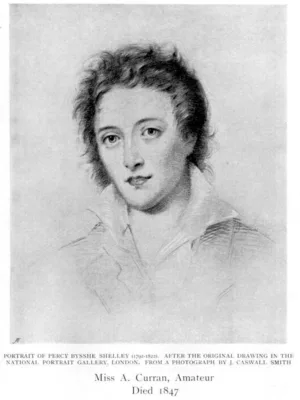
Percy Bysshe Shelley
Shelley hated the cruelty of believers before he doubted their God. He reasoned his way from Hume and Locke to The Necessity of Atheism at eighteen, was expelled from Oxford for it, and later lost his children partly on the same ground. In his last years he turned the word atheist from a creed into a gauntlet thrown down against superstition and oppression.
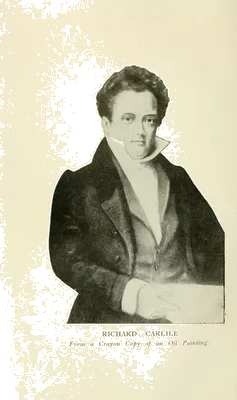
Richard Carlile
Richard Carlile was a Devon tinman who burned Paine in effigy as a boy. He turned to radical publishing in the hunger of 1816–17. The prosecutions he courted, and six years of study in Dorchester gaol, made him a Deist and then an atheist. After 1833 he recast his unbelief as an allegorical Christianity, while insisting he had not recanted a sentence.
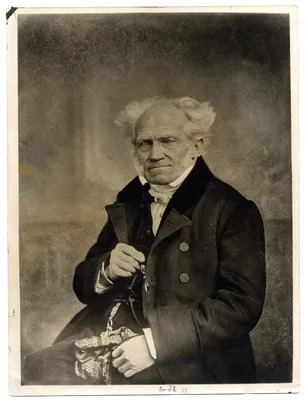
Arthur Schopenhauer
Arthur Schopenhauer was baptised and confirmed in a Danzig church by a family for whom religion was a formality. At fifteen he wrote against English bigotry, and at twenty-three that no one who really philosophizes is religious. From Kant and the Upanishads he built a philosophy with no creator in it (1818). He refused the name "atheist" as absurd and malicious, and proposed "Non-Judaism" in its place. In old age he made a truce with religion as a necessary evil, pleased that his irreligious teaching served some readers as a religion.
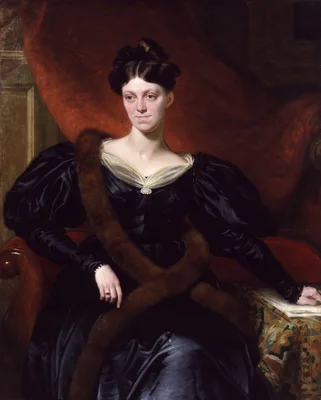
Harriet Martineau
Harriet Martineau was a devout Unitarian child. At twenty she took the doctrine of Necessity from her brother James, and watched it wear her faith away over many years. She let go of the last of it in five years of illness and bereavement at Tynemouth, and on her Eastern journey of 1846–47 she saw every religion as human history. In 1851 she said in print that she knew nothing whatever about God, an atheist only "in the vulgar sense", at the cost of her brother's lasting enmity and with no dread of the annihilation she expected.