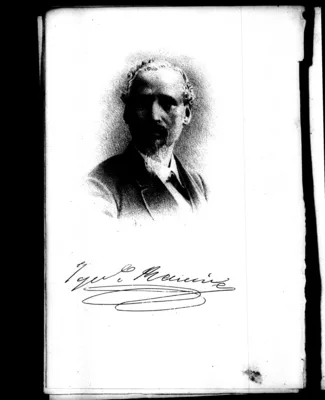
Ignacio Ramírez was the son of a liberal family driven out by a clerical government. He read his way through the friars' and the cathedral's forbidden books, and at eighteen read a paper headed "No hay Dios" to the Academia de Letrán. He never retreated from it, but turned it from provocation into law: he fought "divine right" in the 1856 Congress and closed the convents as Juárez's minister. He held that a government should be neither Catholic nor atheist, and belief left to each conscience.
The belief timeline
- Faith (1818-1834) — Raised in a liberal, anticlerical household, but no source shows a devout childhood; first source of friction is the Church's side in his father's persecution (Prieto) and the convent he hid in. A "faith" mark may not fit; the expensive model should decide (three marks?) [3][4][5]
- Doubt (c.1835-36) — Hides in the Franciscan convent, sees friar life "en todos los pormenores", reads the forbidden books; classmates call him a Voltairean [5][6][8][9]
- Declaration (1836 or 1837) — "No hay Dios" at the Academia de Letrán [10][11]
- Expression in power (1856-1861) — Congress speech against "derecho divino"; Reform minister, 1861 [33][40]
- Revision (none found) — No retraction; 1871, 1874 and 1875 texts restate his position; death scene silent on sacraments [50][51][52][55]
Notes to the timeline (14)
- [3] Parents Lino Ramírez and Sinforosa Calzada, both from Querétaro and mestizo (not pure Indigenous, Altamirano says, against some biographers); Prieto calls the father an insurgent — Ignacio M. Altamirano, "Biografía de Ignacio Ramírez," Obras I, pp. III-LXXII (signed Feb. 1889). Pupil and later colleague on the Supreme Court; quotes Frías y Soto and Francisco Sosa, p. IX; Guillermo Prieto, Memorias de mis tiempos, 1828 á 1840 (Paris: Bouret, 1906). Internet Archive id memoriasdemistie00prieuoft;
texts/prieto-memorias.txt. Eyewitness (Prieto was present at the Academia), p. 193. - [4] Lino Ramírez, a federalist, was vice-governor of Querétaro under the Gómez Farías government and applied the laws of 1833, "the first Reform laws"; Santa Anna's forces took the government in 1834 and the family emigrated — Altamirano, "Biografía de Ignacio Ramírez,", pp. IX-X.
- [5] Prieto says Ramírez hid in the convent of San Francisco in Mexico City during the persecution of the family after Farías fell, and learned friar life "en todos los pormenores" there; Prieto does not know why (no se por que trabacuentas) — Prieto, Memorias de mis tiempos, vol. I, pp. 193-194.
- [6] He read in the cathedral library, where Padre Cortina took to him, "devouring" the forbidden books; he spent hours in the studio of the street painter Santiago Villanueva — Prieto, Memorias de mis tiempos, vol. I, pp. 194-195.
- [8] Altamirano: eight consecutive years of constant reading in the San Gregorio, cathedral and other libraries; he went in "erguido y esbelto" and came out "encorvado y enfermo" — Altamirano, "Biografía de Ignacio Ramírez,", p. XI.
- [9] Classmates and teachers at San Gregorio first mocked him as "volteriano", then admired him and called him "el Voltaire de México" — Altamirano, "Biografía de Ignacio Ramírez,", p. XII.
- [10] Prieto, an eyewitness, says the paper Ramírez read to the Academia de Letrán carried the title "No hay Dios" — Prieto, Memorias de mis tiempos, vol. I, p. 189.
- [11] Hilarión Frías y Soto (via Altamirano) says the entrance thesis rested on the principle "No hay Dios; los seres de la Naturaleza se sostienen por sí mismos" and argued that matter is indestructible and so eternal, making a creator unnecessary — Altamirano, "Biografía de Ignacio Ramírez,", pp. XIV-XV.
- [33] In the Constituent Congress, 7 July 1856, he attacked the project's opening words "En el nombre de Dios" as a fiction — Ignacio Ramírez, Obras de Ignacio Ramírez, tomo I, with Ignacio M. Altamirano, "Biografía" as preface (México: Secretaría de Fomento, 1889). Internet Archive id 3747793 (a Univ. of Illinois copy; one file holding both tomos); saved as
texts/obras1889-v1.txt. Roman page numbers for the biography, arabic for the works. Poems and speeches, pp. 187-188. - [40] In 1861 Juárez made him Minister of Justice, Public Instruction and Fomento; he exclaustrated friars and nuns, enforced Church-State separation, reformed the plan of study, suppressed the University and the Colegio de Abogados — Altamirano, "Biografía de Ignacio Ramírez,", pp. XLVI-XLVIII.
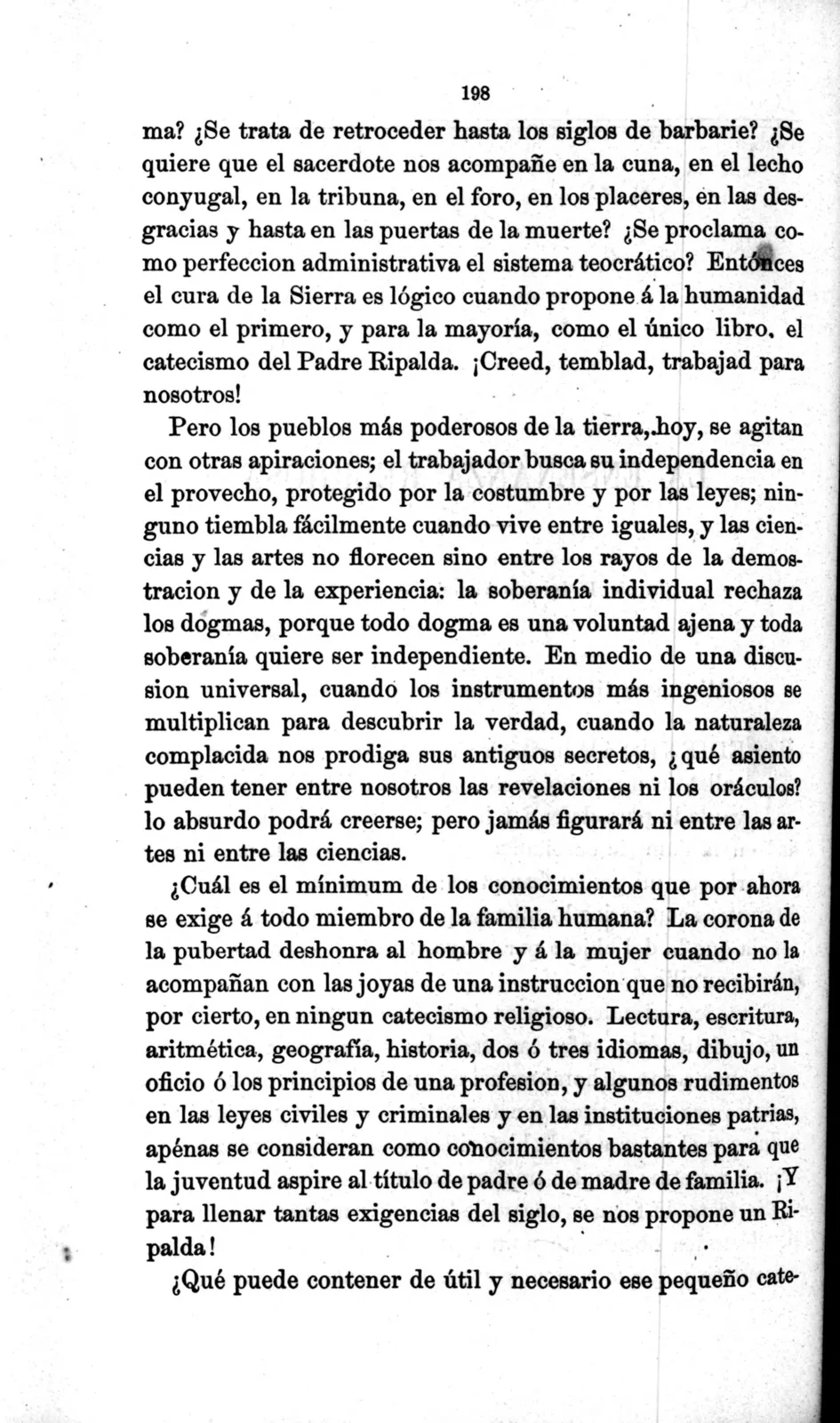
- [50] In March 1871 he wrote against state-backed religious instruction, praising "libres pensadores" and attacking the Ripalda catechism — Same edition, tomo II (articles and dialogues, in the same file; page numbers given as printed in the scan). Duplicate Google scans of the 1889 edition:
obrasdeignacior02altagoog,obrasdeignacior03altagoog(texts/obras1889-v2.txt, v3.txt), not yet cross-checked, pp. 197-203. - [51] His poems "El Mito cristiano" and "El Hado y la cruz" are dated 1874 — Ramírez, Obras de Ignacio Ramírez, vol. I, pp. 83-86.
- [52] His 1875 speech at the Liceo Hidalgo, "Espiritismo y Materialismo", examines religious, metaphysical and spiritist proofs — Ramírez, Obras de Ignacio Ramírez, vol. I, pp. 277-282.
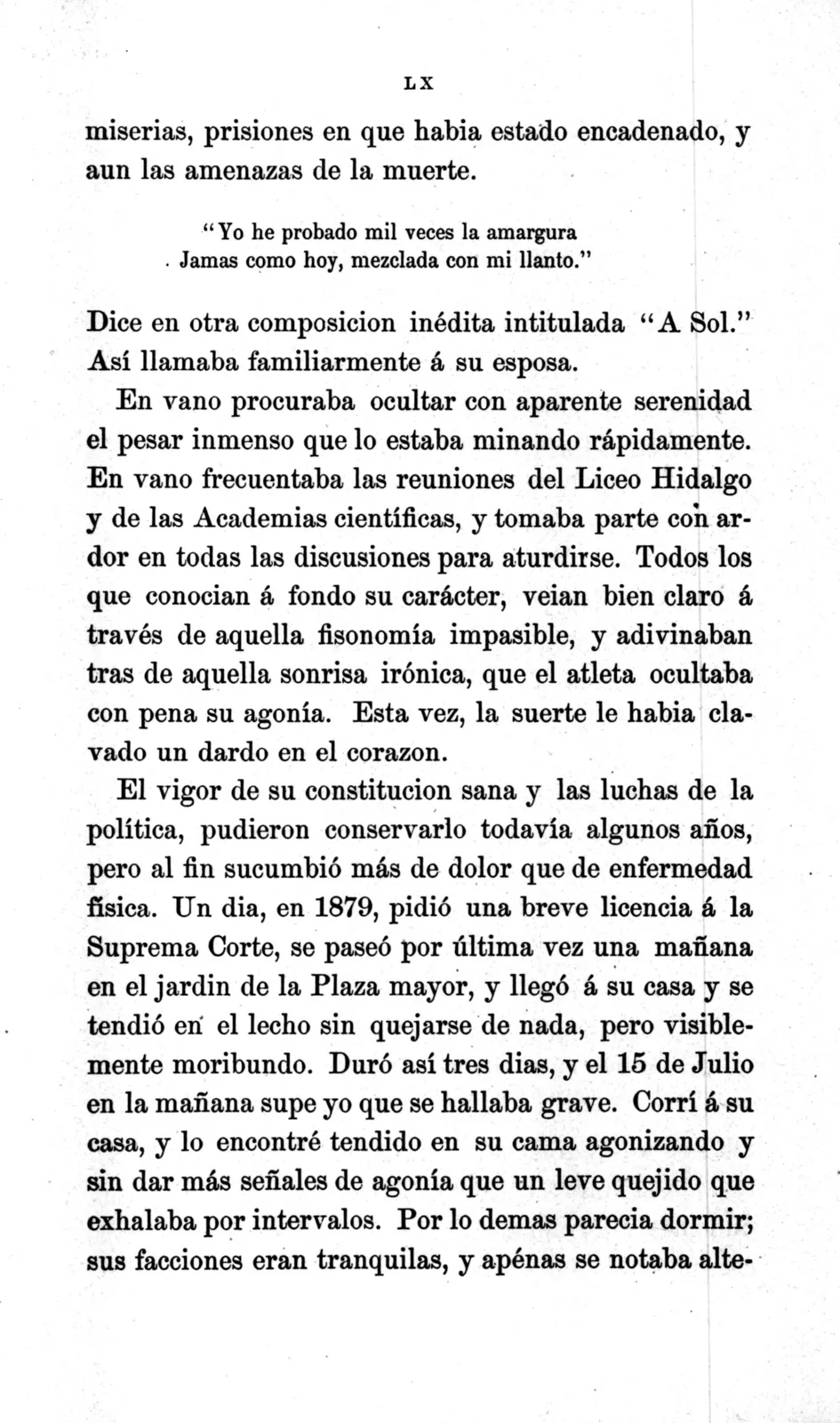
- [55] He died in 1879 after three days in bed; only his brother General Juan Ramírez and Altamirano were present; no priest or sacrament is mentioned — Altamirano, "Biografía de Ignacio Ramírez,", pp. LX-LXI.
No Hay Dios
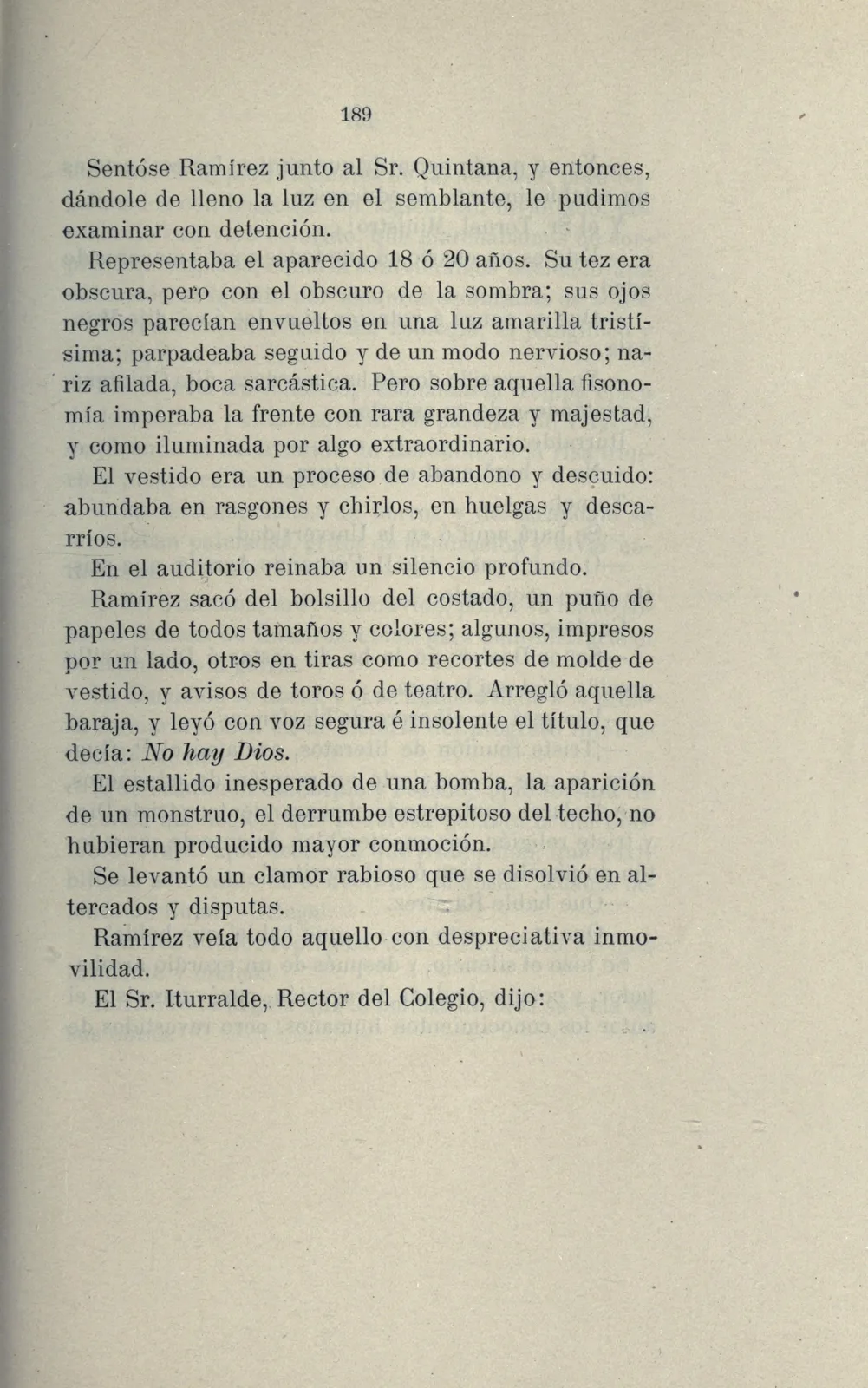
In 1836 or 1837 a poorly dressed young man of about eighteen stood up before the Academia de Letrán, a literary society in Mexico City, to read the paper that would admit him as a member. He held a fistful of papers, and, as one of the men in the room remembered, "he read in a sure and insolent voice the title, which said: There is no God."123
The room erupted. The rector of the college objected that he could not allow such a thing to be read in a house of education. The president of the society, the poet and statesman Andrés Quintana Roo, answered: "I do not preside where there is a gag."456 So Ignacio Ramírez read his paper, and for the rest of his life he was the man who had said, in public, in Catholic Mexico, "No hay Dios." This chapter follows him from that evening into the Constituent Congress, the cabinet of Benito Juárez and the prisons of three governments, and asks what that unbelief became when its owner helped write the laws of a republic. (The translations from Spanish in this chapter are the book's own.)
A liberal's son
He was born in San Miguel el Grande, now San Miguel de Allende, in June 1818; his first biographer gives the 22nd, a friend the 23rd.78 His father, Lino Ramírez, was a liberal federalist who, as vice-governor of Querétaro in 1833, carried out what his son's biographer called "the first Reform laws." In 1834 Santa Anna's forces took the state, and the family was driven out.910 No source describes a devout childhood. On the belief timeline, his faith stands only for being born a Mexican Catholic in a liberal family.
What happened next is the strangest part of his story. His friend Guillermo Prieto says that during the family's persecution the boy hid in the Franciscan convent in Mexico City, for reasons Prieto did not know, and learned the life of the friars "in all its details."11 He read in the cathedral library, where a priest, Padre Cortina, took a liking to him, and he spent his time "devouring the department of forbidden books."1213 He went on to the Colegio de San Gregorio under a liberal director, and, his biographer says, spent eight straight years reading; he went in "upright and slender" and came out "bent and ill."1415 His schoolfellows first mocked him as "volteriano" and then admired him as "the Voltaire of Mexico."16 The belief timeline places his doubt in those reading years.
No hay Dios
Then came the evening at the Academia. The accounts differ. Prieto, who was there, says the words were the title of the paper, and that the rector, Iturralde, and others spoke against letting it be read, until Quintana Roo refused to preside over a gag.14 A priest in the society, Father Guevara, defended the reading: "A sad gathering of literary men, that turns into a gathering of customs officers who declare thought contraband; and sad the God and sad the religion that tremble before this heap of papers, well or badly written!"17 The rector argued that God's beauty is seen in His works.1819 Another version, told later by a biographer who is not known to have been present, says the paper's thesis was "There is no God; the beings of Nature sustain themselves," that matter is eternal and needs no creator, and that the members rose in astonishment and then congratulated him; one of them said "Voltaire would not have spoken better on this matter."20212223 Prieto thought the whole thing partly a pretext to show off years of study, and said that many who came as enemies left as admirers.24
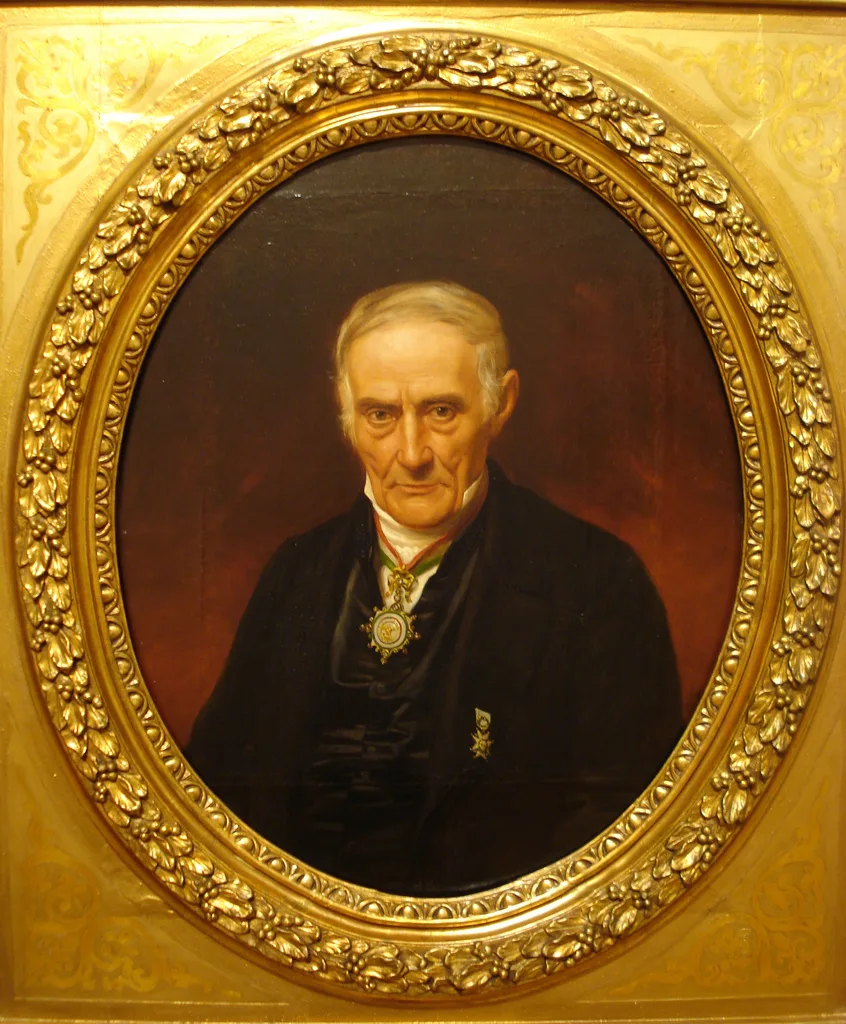
On the timeline, that evening is his declaration, and it came at eighteen, before almost anything else in his public life.
The Necromancer
In 1845 he and Prieto founded a satirical paper, Don Simplicio, and he took the pen name he kept for life: El Nigromante, the Necromancer.252627 The paper's last issue, in April 1846, came out blank; its editors were jailed.28 In 1847 the governor of the State of México took him to Toluca, where he helped reopen the Instituto Literario and wrote a law sending the best poor Indigenous pupil of every town to study there; one of them was the boy Ignacio Manuel Altamirano, who became his pupil and his biographer.2930 He married Soledad Mateos at Toluca.31 As political chief of Tlaxcala in 1848 he banned a procession of the Virgin of Ocotlán; a crowd rioted and threatened him, and he left rather than give way.32 At the Instituto, parents demanded the removal of a teacher "suspected of heresy," and in January 1852 the new director announced that the "heretical ideas" spread in previous years must be banished.3334 Under Santa Anna he was jailed in chains at Tlatelolco until the dictator fled in 1855.35
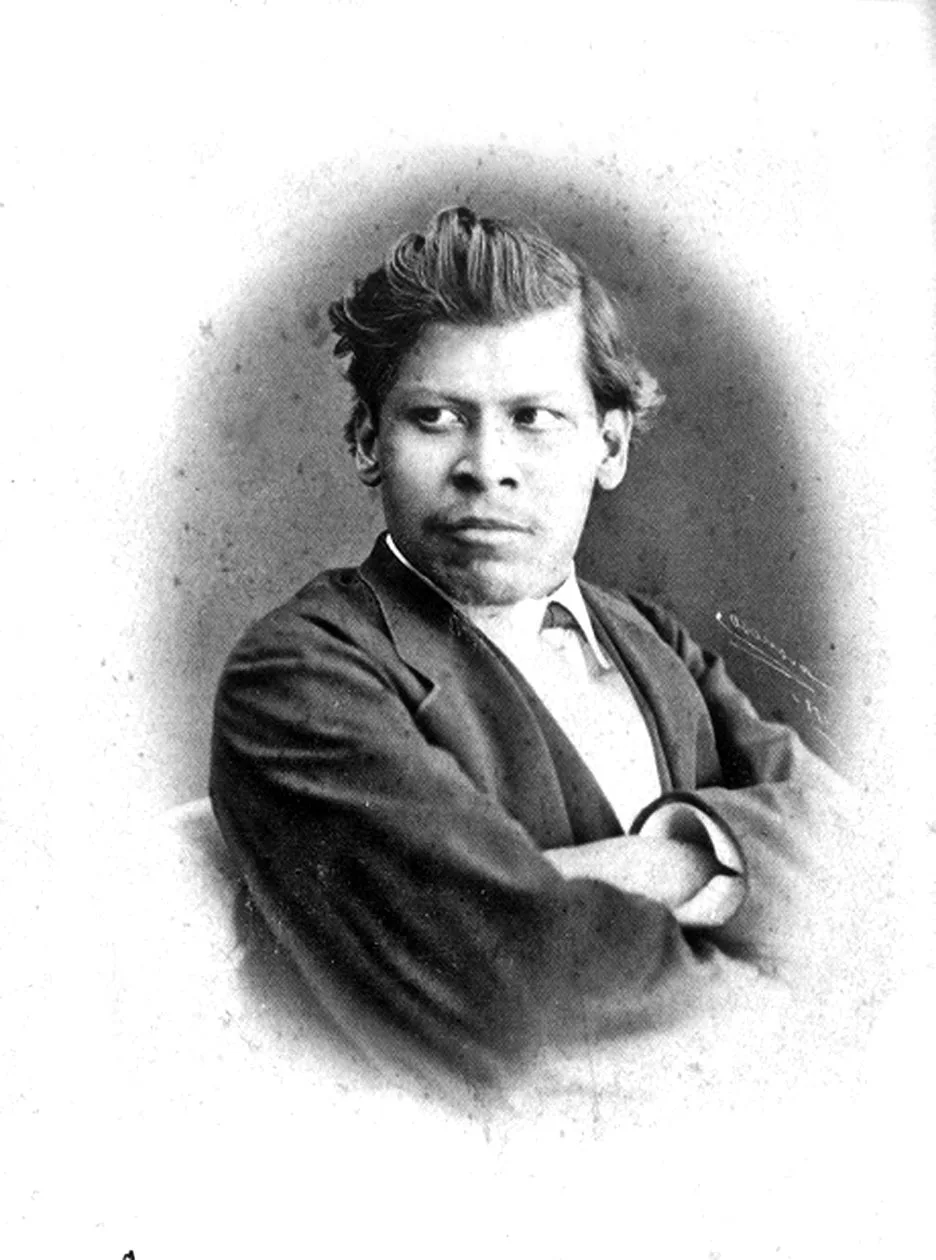
In the name of God
In 1856 a Constituent Congress met to write a new constitution. Its draft opened, as Mexican constitutions did, "In the name of God." On 7 July Ramírez rose against it. "The social pact proposed to us is founded on a fiction." "The name of God has everywhere produced divine right; and the history of divine right is written by the hand of the oppressors with the sweat and blood of peoples." "I judge it more dangerous than ridiculous to suppose ourselves interpreters of the Divinity." He spoke, he said, not as a mystic but as a profane man: "I have not come to this place prepared by ecstasies or revelations."36373839404142
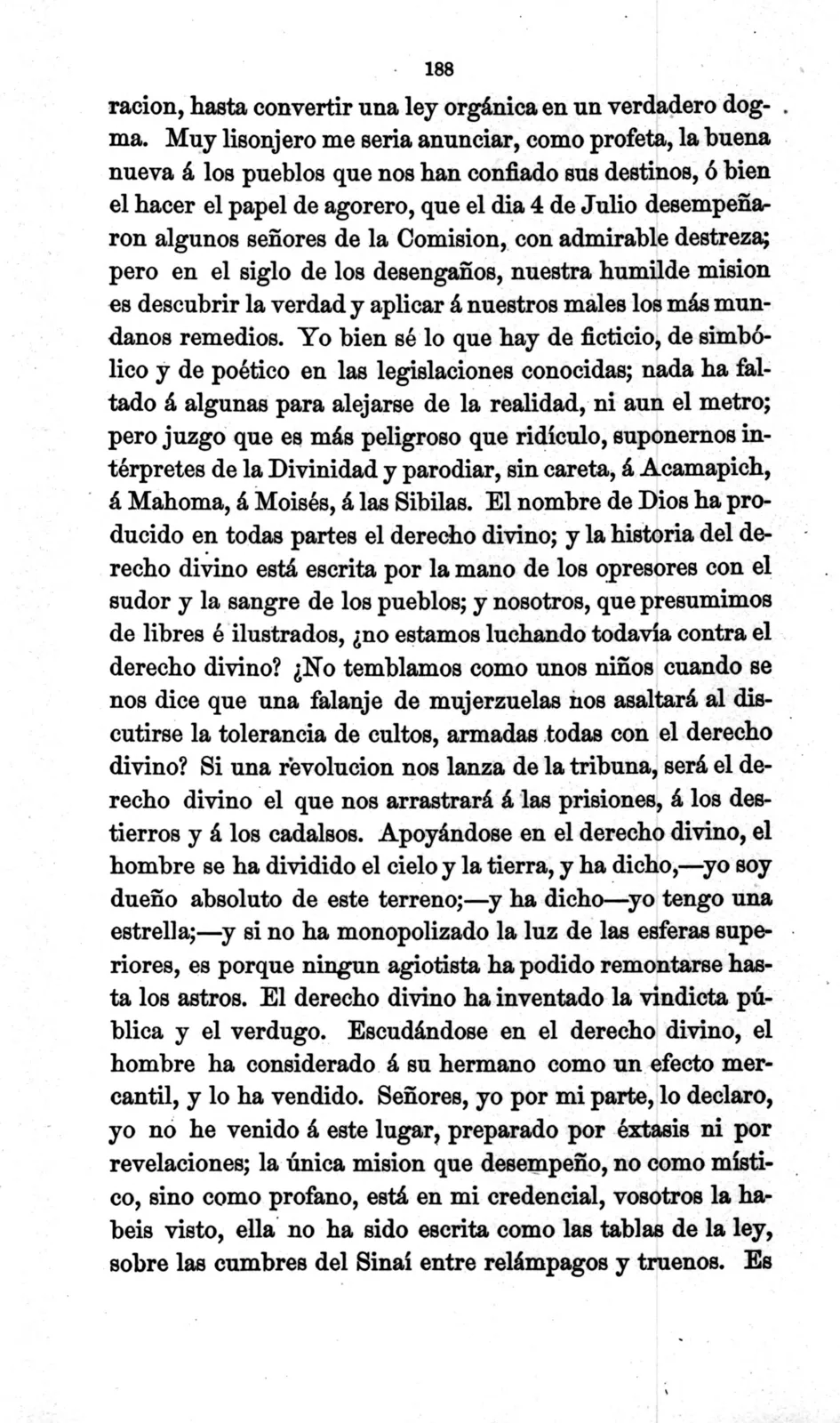
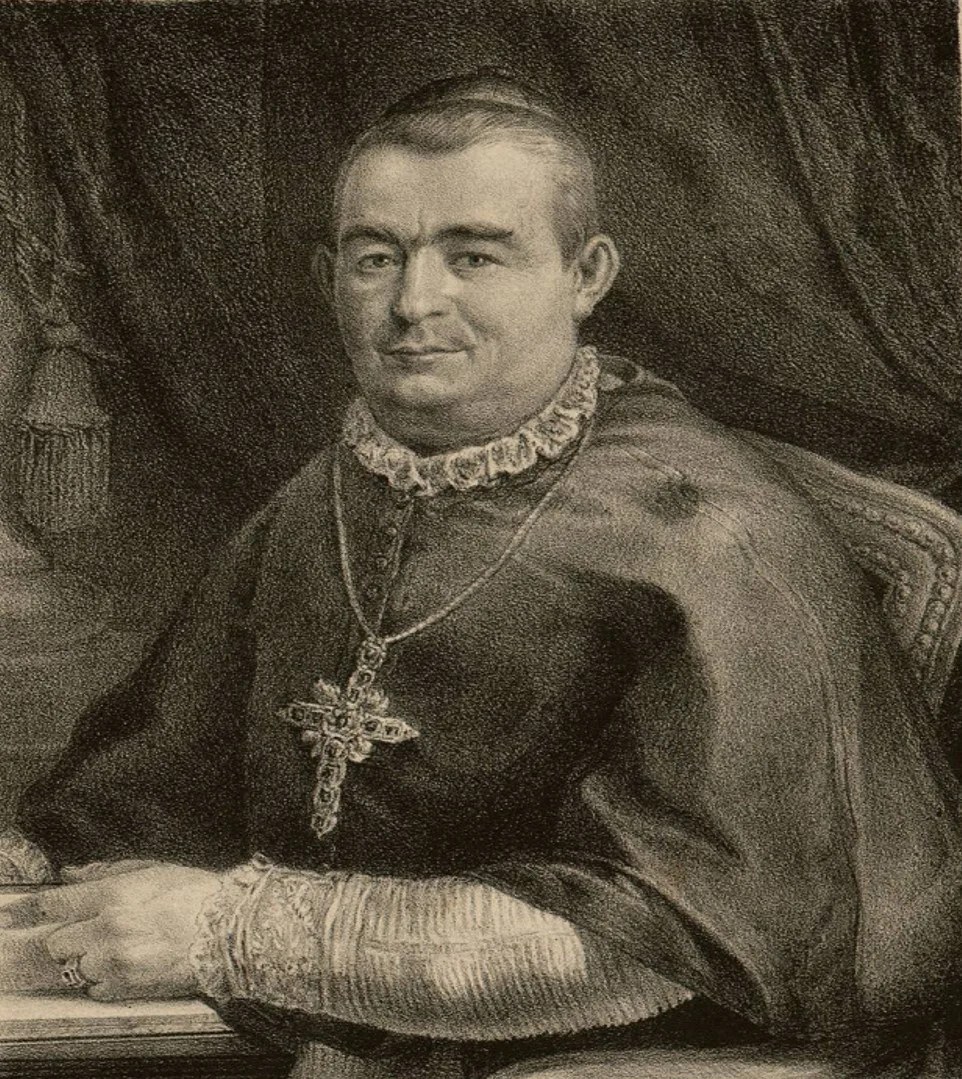
He lost. The Congress debated religious freedom for a week and voted, 65 to 46, not even to put the article to a vote; the Archbishop of Mexico, Lázaro de la Garza, told the president that he would rather bear any suffering the new laws could inflict than see the Church's rights encroached upon.4344 The Constitution signed on 5 February 1857 opened "In the name of God and with the authority of the Mexican people."45
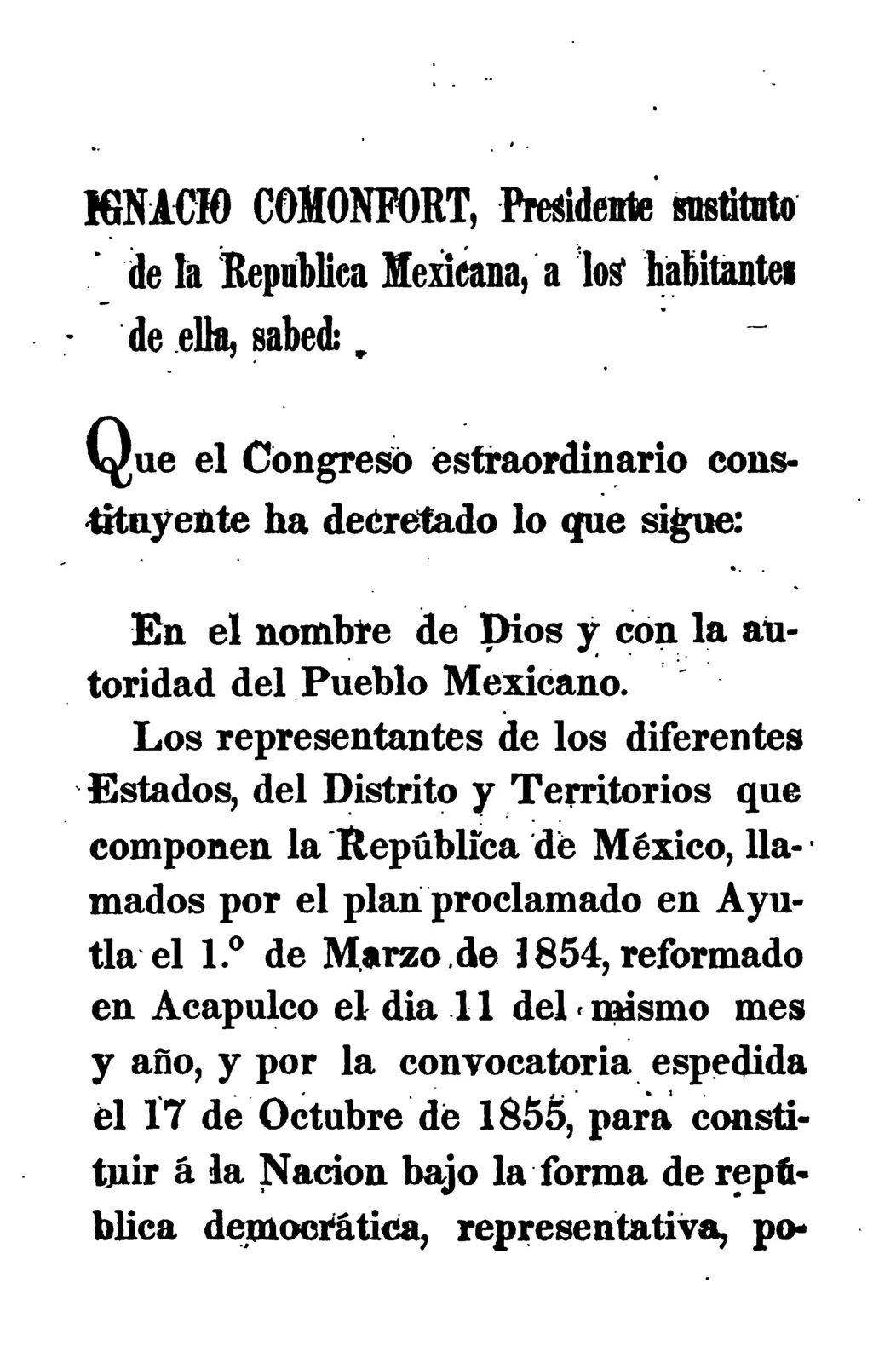
The Reform
The country went to war over the Constitution. When the president, Comonfort, turned against it at the end of 1857, Ramírez was arrested, escaped, was caught again and led to Querétaro on a donkey, and spent a year in prison.46 In 1859, at Veracruz, Benito Juárez issued the Reform laws that separated Church and State, and Ramírez, his biographer says, was one of their chief promoters.47 In 1861, when the liberals took the capital, Juárez made him Minister of Justice, Public Instruction and Development. He closed the remaining convents, separated Church and State in practice, suppressed the old University, and ordered a national library built from the convents' books; in Puebla he turned the Jesuit church into a library with observatories.4849
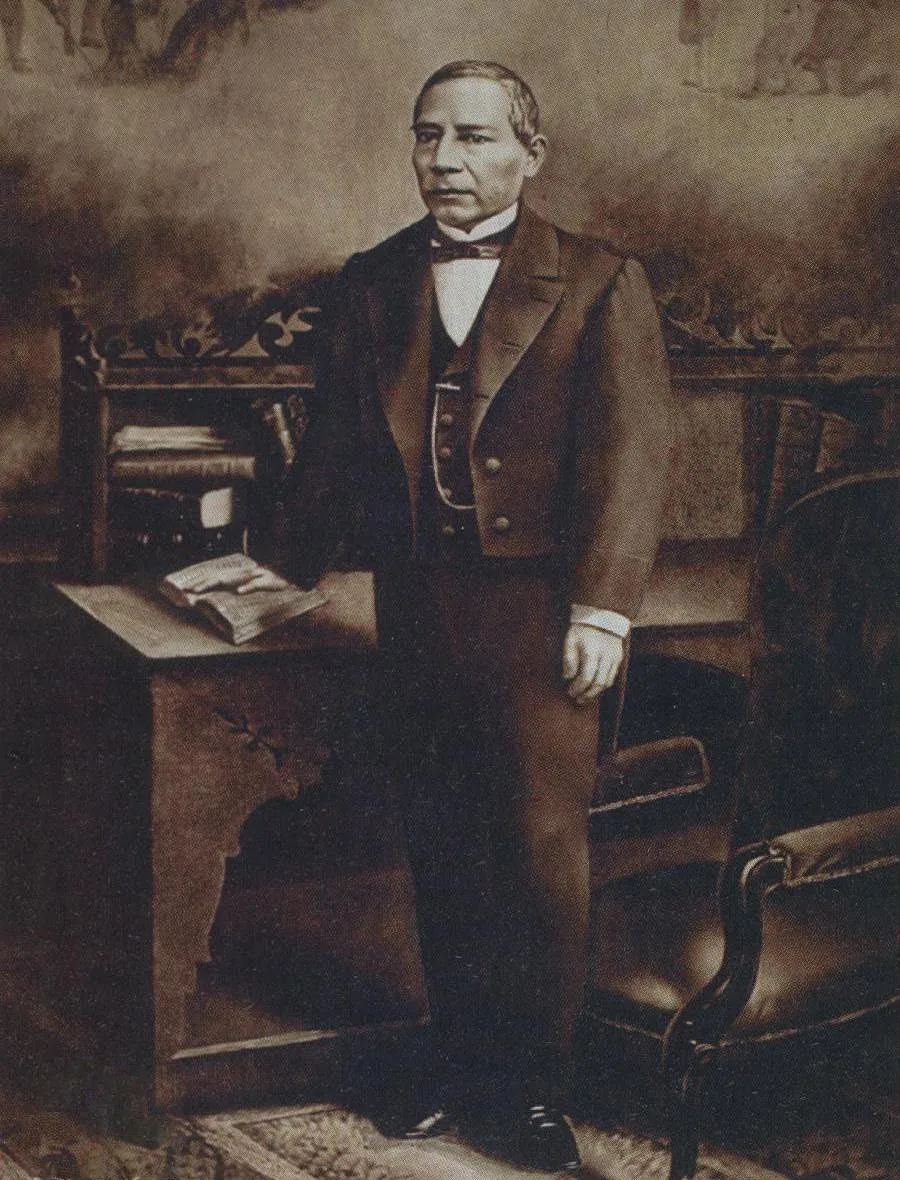
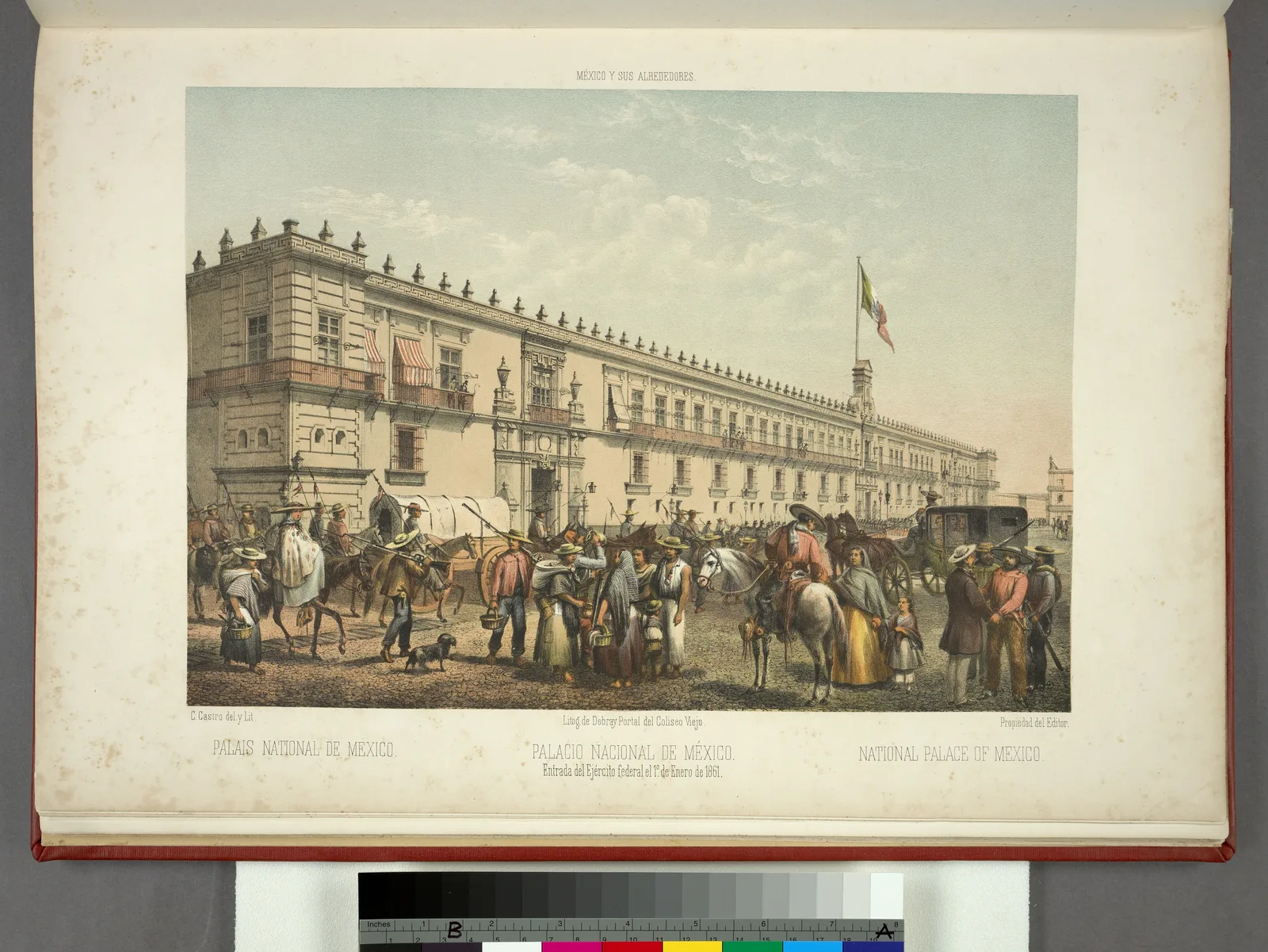
Here the historian Justo Sierra drew the sharpest line. In Juárez's cabinet, he wrote, the other liberals said they made war on the abuses of the clergy, not on the Church; Ramírez, as Sierra reports him, said that their duty was "to destroy the Christian or Catholic religious principle so that society, freed, may walk."5051 Sierra gives no source for the words. He contrasted the Reform leader Melchor Ocampo, who "was not a man of proud and rigid unbelief, like Ignacio Ramírez."5253 And Sierra stated the other side fairly: the conservatives and the clergy held that since the whole attack fell on the Church, "it was Catholicism that was under attack," and fought, as they said, for altars and hearths.5455
Prisons and the Court
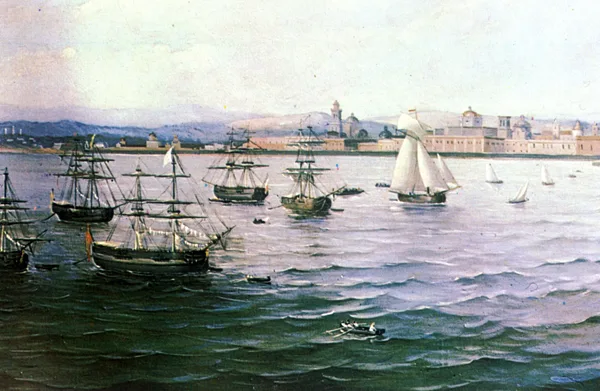
Under the French intervention he spoke for the Republic at Mazatlán, where he said that "The material world is God's first-born child; society is the daughter of man," and that every freedom, of teaching, assembly, trade, the press and worship, was "nothing but the freedom of the human intelligence."565758 In July 1866 Maximilian's government arrested him with dozens of others and deported him toward Yucatán.5960 When the Republic was restored in 1867 he went back to journalism, and from 1868 until his death he sat on the Supreme Court.6162
His late writings did not soften. In 1871 he attacked state-backed religious instruction: "Do we want the priest to accompany us in the cradle, in the marriage bed, in the tribune, in the courts, in pleasures, in misfortunes and even at the doors of death?" "When did God authorize some obscure friars and clerics to condense his words?" But he drew a line that he kept all his life: "A government cannot be atheist, just as it cannot be Christian or Jewish; religiosity consists of belief, which is purely personal." And he was fair about morals: "Between you, blind believers, and us, free-thinkers, I do not see that vice goes with the one or the other more."6364656667 In a speech of 1875 he said, "In sum, every religion, considered historically, is false, because it relates incredible events," and "for History there is no infallibility but that of science."686970 In a dialogue he wrote, he declined the name "materialism," but said: "unbelief is the daughter of science."71
The death of a philosopher
His wife died in 1874, and his biographer says it broke him.72 He died in Mexico City in June 1879, after three days in bed, with only his brother and Altamirano beside him. Altamirano wrote: "we watched, moved and silent, that agony like that of a philosopher of ancient times." No priest is mentioned.7374 His body lay in state in the Chamber of Deputies, guarded by students and Masons, and he was buried at Tepeyac.75 In 1889 a statue of him was unveiled on the Paseo de la Reforma.76
Did his unbelief change shape?
It did not retreat. The eighteen-year-old who read "No hay Dios" to the Academia was still, at fifty-seven, calling every religion historically false and science the only infallibility. What changed was the work it did. In youth it was a provocation and a show of learning; in the 1850s and 1860s it became law, the separation of Church and State, the closing of convents, the national library. His unbelief came from a liberal family persecuted by a clerical government, from years among the friars and the forbidden books, and from a conviction that "divine right" had always been the oppressors' tool. And he kept a distinction many of his enemies and some of his friends missed: he wanted the state to be neither Catholic nor atheist, and he left belief to the conscience of each person.
Charles Bradlaugh, who fought in another Parliament against the religious oath, has his own chapter in this book.
Footnotes
-
Guillermo Prieto, Memorias de mis tiempos, 1828 á 1840 (Paris: Bouret, 1906). Internet Archive id memoriasdemistie00prieuoft;
texts/prieto-memorias.txt. Eyewitness (Prieto was present at the Academia), p. 189. ↩ ↩2 -
Prieto, Memorias de mis tiempos, vol. I, pp. 188-189. ↩
-
Guillermo Prieto (narrating): Prieto, Memorias de mis tiempos, vol. I, p. 189. ↩
-
Prieto, Memorias de mis tiempos, vol. I, pp. 109, 170. ↩
-
José María Iturralde, rector of the Colegio de San Juan de Letrán, at the Academia session (as Prieto recalls). Own translation: "I cannot allow that to be read here; this is an educational institution.": Prieto, Memorias de mis tiempos, vol. I, p. 190. ↩
-
Ignacio M. Altamirano, "Biografía de Ignacio Ramírez," Obras I, pp. III-LXXII (signed Feb. 1889). Pupil and later colleague on the Supreme Court; quotes Frías y Soto and Francisco Sosa, p. IX. ↩
-
Prieto, Memorias de mis tiempos, vol. I, p. 193. Accounts differ; see the disputed points. ↩
-
Altamirano, "Biografía de Ignacio Ramírez,", p. IX; Prieto, Memorias de mis tiempos, vol. I, p. 193. ↩
-
Altamirano, "Biografía de Ignacio Ramírez,", pp. IX-X. ↩
-
Prieto, Memorias de mis tiempos, vol. I, pp. 193-194. ↩
-
Prieto, Memorias de mis tiempos, vol. I, pp. 194-195. ↩
-
Prieto: Prieto, Memorias de mis tiempos, vol. I, p. 194. ↩
-
Altamirano, "Biografía de Ignacio Ramírez,", p. X. ↩
-
Altamirano, "Biografía de Ignacio Ramírez,", p. XI. ↩
-
Altamirano, "Biografía de Ignacio Ramírez,", p. XII. ↩
-
Father Guevara, priest and academician, defending the reading (Prieto's report). Own translation: "A sad gathering of literary men, that turns into a gathering of customs officers who declare thought contraband; and sad the God and sad the religion that tremble before this heap of papers, well or badly written!": Prieto, Memorias de mis tiempos, vol. I, p. 190. ↩
-
Prieto, Memorias de mis tiempos, vol. I, p. 191. ↩
-
Prieto (narrating): Prieto, Memorias de mis tiempos, vol. I, p. 191. ↩
-
Altamirano, "Biografía de Ignacio Ramírez,", pp. XIV-XV. ↩
-
Altamirano, "Biografía de Ignacio Ramírez,", pp. XIV-XV. ↩
-
Altamirano, "Biografía de Ignacio Ramírez,", p. XV. ↩
-
Lacunza, per Frías y Soto: Altamirano, "Biografía de Ignacio Ramírez,", p. XIV. ↩
-
Prieto, Memorias de mis tiempos, vol. I, p. 192. ↩
-
Altamirano, "Biografía de Ignacio Ramírez,", p. XXI. ↩
-
The same file's second part, 1840-1853 (pagination restarts). Pseudonym and Don Simplicio, p. 182. ↩
-
Prieto, vol. II, pp. 182-183; Altamirano, "Biografía de Ignacio Ramírez,", p. XXII. ↩
-
Altamirano, "Biografía de Ignacio Ramírez,", p. XXIII. ↩
-
Altamirano, "Biografía de Ignacio Ramírez,", pp. XXVII-XXVIII. ↩
-
Altamirano, "Biografía de Ignacio Ramírez,", p. XXXI. ↩
-
Altamirano, "Biografía de Ignacio Ramírez,", p. XXX. Reported at second hand; the original has not been seen. ↩
-
Altamirano, "Biografía de Ignacio Ramírez,", p. XXXII. ↩
-
Altamirano, "Biografía de Ignacio Ramírez,", pp. XXXVIII-XL. ↩
-
Francisco de la Fuente, new director of the Instituto Literario, Toluca, Jan 1852, as reported by Altamirano. Own translation: "that it was necessary to banish from the teaching to be given there the heretical ideas that had been spread in previous years.": Altamirano, "Biografía de Ignacio Ramírez,", p. XL. ↩
-
Altamirano, "Biografía de Ignacio Ramírez,", pp. XLI-XLII. ↩
-
Ignacio Ramírez, Obras de Ignacio Ramírez, tomo I, with Ignacio M. Altamirano, "Biografía" as preface (México: Secretaría de Fomento, 1889). Internet Archive id 3747793 (a Univ. of Illinois copy; one file holding both tomos); saved as
texts/obras1889-v1.txt. Roman page numbers for the biography, arabic for the works. Poems and speeches, pp. 187-188. ↩ -
Ramírez, Obras de Ignacio Ramírez, vol. I, p. 188. ↩
-
Ramírez, Obras de Ignacio Ramírez, vol. I, p. 188. ↩
-
Ramírez, Obras de Ignacio Ramírez, vol. I, p. 187. ↩
-
Ramírez, Obras de Ignacio Ramírez, vol. I, p. 188. ↩
-
Ramírez, Obras de Ignacio Ramírez, vol. I, p. 188. ↩
-
Ramírez, Obras de Ignacio Ramírez, vol. I, p. 188. ↩
-
Hubert Howe Bancroft, History of Mexico, vol. V, 1824-1861 (San Francisco: History Company, 1885), pp. 693-695. ↩
-
Archbishop Lázaro de la Garza y Ballesteros, to President Comonfort on the Ley Lerdo, July 1856 (Bancroft's English summary in quotation marks; original in Garza y Ballesteros, Contestaciones, not seen): Bancroft, History of Mexico, vol. V, p. 694. ↩
-
Bancroft, History of Mexico, vol. V, pp. 695-696. ↩
-
Altamirano, "Biografía de Ignacio Ramírez,", pp. XLIV-XLV. ↩
-
Altamirano, "Biografía de Ignacio Ramírez,", p. XLVI. ↩
-
Altamirano, "Biografía de Ignacio Ramírez,", pp. XLVI-XLVIII. ↩
-
Altamirano, "Biografía de Ignacio Ramírez,", pp. XLVII-XLVIII. ↩
-
Justo Sierra, Juárez; su obra y su tiempo (México: J. Ballescá, 1905). Internet Archive id jurezsuobraysu00sier;
texts/sierra-juarez.txt. Page numbers from the running heads; OCR often drops them, so cited pages are approximate (plus or minus one), p. 334. ↩ -
Sierra, Juárez; su obra y su tiempo, p. 334. ↩
-
Sierra, Juárez; su obra y su tiempo, p. 80. ↩
-
Justo Sierra on Ocampo: Sierra, Juárez; su obra y su tiempo, p. 80. ↩
-
Sierra, Juárez; su obra y su tiempo, pp. 143-144. ↩
-
Justo Sierra, stating the conservative and clerical case in the war of the Reform (his words, not a quotation of a Catholic writer). Own translation: "they maintained stubbornly that since the whole attack was aimed at the Church, it was Catholicism that was under attack.": Sierra, Juárez; su obra y su tiempo, p. 143. ↩
-
Ramírez, Obras de Ignacio Ramírez, vol. I, p. 164. ↩
-
Ramírez, Obras de Ignacio Ramírez, vol. I, p. 164. ↩
-
Ramírez, Obras de Ignacio Ramírez, vol. I, p. 164. ↩
-
Same, vol. VI, 1861-1887 (1888), p. 922 n. 26. ↩
-
Altamirano, "Biografía de Ignacio Ramírez,", p. LV (quoting Sosa). ↩
-
Altamirano, "Biografía de Ignacio Ramírez,", pp. LV-LVI. ↩
-
Altamirano, "Biografía de Ignacio Ramírez,", pp. LVI-LVII. ↩
-
Same edition, tomo II (articles and dialogues, in the same file; page numbers given as printed in the scan). Duplicate Google scans of the 1889 edition:
obrasdeignacior02altagoog,obrasdeignacior03altagoog(texts/obras1889-v2.txt, v3.txt), not yet cross-checked, pp. 197-203. ↩ -
Obras, vol. II, p. 198. ↩
-
Obras, vol. II, p. 199. ↩
-
Obras, vol. II, p. 202. ↩
-
Obras, vol. II, p. 203. ↩
-
Ramírez, Obras de Ignacio Ramírez, vol. I, pp. 277-282. ↩
-
Ramírez, Obras de Ignacio Ramírez, vol. I, p. 280. ↩
-
Ramírez, Obras de Ignacio Ramírez, vol. I, p. 280. ↩
-
Obras, vol. II, p. 543. ↩
-
Altamirano, "Biografía de Ignacio Ramírez,", p. LIX. ↩
-
Altamirano, "Biografía de Ignacio Ramírez,", pp. LX-LXI. ↩
-
Altamirano: Altamirano, "Biografía de Ignacio Ramírez,", p. LXI. ↩
-
Altamirano, "Biografía de Ignacio Ramírez,", pp. LXII-LXIV. ↩
-
Altamirano, "Biografía de Ignacio Ramírez,", p. LXXII. ↩
texts/prieto-memorias.txt. Eyewitness (Prieto was present at the Academia).; Ignacio M. Altamirano, "Biografía de Ignacio Ramírez," Obras I, pp. III-LXXII (signed Feb. 1889). Pupil and later colleague on the Supreme Court; quotes Frías y Soto and Francisco Sosa.; The same file's second part, 1840-1853 (pagination restarts). Pseudonym and Don Simplicio.; Ignacio Ramírez, Obras de Ignacio Ramírez, tomo I, with Ignacio M. Altamirano, "Biografía" as preface (México: Secretaría de Fomento, 1889). Internet Archive id 3747793 (a Univ. of Illinois copy; one file holding both tomos); saved as texts/obras1889-v1.txt. Roman page numbers for the biography, arabic for the works. Poems and speeches.; Hubert Howe Bancroft, History of Mexico, vol. V, 1824-1861 (San Francisco: History Company, 1885); Justo Sierra, Juárez; su obra y su tiempo (México: J. Ballescá, 1905). Internet Archive id jurezsuobraysu00sier; texts/sierra-juarez.txt. Page numbers from the running heads; OCR often drops them, so cited pages are approximate (plus or minus one).; Same, vol. VI, 1861-1887 (1888); Same edition, tomo II (articles and dialogues, in the same file; page numbers given as printed in the scan). Duplicate Google scans of the 1889 edition: obrasdeignacior02altagoog, obrasdeignacior03altagoog (texts/obras1889-v2.txt, v3.txt), not yet cross-checked.In their own words
leyó con voz segura é insolente el título, que decía: No hay Dios.
No hay Dios; los seres de la Naturaleza se sostienen por sí mismos.
Voltaire no hubiera hablado mejor sobre este asunto.
Iturralde le argüía que la belleza de Dios se veía en sus obras.
El pacto social que se nos ha propuesto, se funda en una ficción
El nombre de Dios ha producido en todas partes el derecho divino; y la historia del derecho divino está escrita por la mano de los opresores con el sudor y la sangre de los pueblos
juzgo que es más peligroso que ridículo, suponernos intérpretes de la Divinidad
yo no he venido á este lugar, preparado por éxtasis ni por revelaciones
¿Se quiere que el sacerdote nos acompañe en la cuna, en el lecho conyugal, en la tribuna, en el foro, en los placeres, en las desgracias y hasta en las puertas de la muerte?
¿Cuándo autorizó Dios á unos oscuros frailes y clérigos para que le compendiasen sus palabras?
Un gobierno no puede ser ateo, como no puede ser cristiano ni judío; la religiosidad consiste en la creencia, que es puramente personal
Entre vdes., ciegos creyentes, y nosotros, libres pensadores, no veo que el vicio se acompañe con los unos ó con los otros de preferencia
deseo sencillamente que mis observaciones sirvan para que los espíritus brillen con todo su esplendor, en caso de que existan
En resumen, toda religión, históricamente considerada, es falsa, porque refiere hechos increíbles
para la Historia no hay más infalibilidad que la de la ciencia
Pero la incredulidad es hija de la ciencia.
hasta ahora, ni en las matemáticas, ni en la física, ni en la química, se puede señalar un sólo paso que se deba á las hipótesis teológicas
El mundo material es el hijo primogénito de Dios; la sociedad es hija del hombre
La libertad de enseñanza, la libertad de reunión, la libertad de comercio, la libertad de la prensa, la libertad de cultos, no son más que la libertad de la inteligencia humana
Vino después un mísero judío, El mito á reformar, por más que ladre La ilustración, de ese atentado impío.
Y al verme solo entre la cruz y mi hado, De mí, del hado y de la cruz me rio.
Sin duda para esos desgraciados inventó el vulgo aquella frase: murió con todos sus sacramentos.
contemplábamos conmovidos y silenciosos aquella agonía semejante á la de un filósofo de los antiguos tiempos
Vuestro deber es destruir el principio religioso cristiano ó católico, para que, emancipada, la sociedad ande.
No era hombre de soberbia y rígida incredulidad, como Ignacio Ramírez
¡Cuántos santos existen bajo las apariencias de la irreligión!
devorando el departamento de libros prohibidos
The other side
Yo no puedo permitir que aquí se lea eso; este es un establecimiento de educación.
¡Triste reunión de literatos, exclamó el P. Guevara, la que se convierte en reunión de aduaneros, que declaran contrabando el pensamiento; y triste Dios, y triste religión, los que tiemblan delante de ese montón de papeles, bien ó mal escritos!
struggling between his ecclesiastical duty to protect intact the property of the clergy and his sworn obedience to the civil laws, provided the latter did not encroach on the rights of the church; otherwise, rather than to abide by them, he would willingly bear all the suffering that those laws could inflict on him.
sostenían á porfía que puesto que todo el ataque se dirigía á la Iglesia, era el catolicismo el combatido
que era preciso desterrar de la enseñanza que se iba á dar allí, las ideas heréticas que se habían difundido en los años anteriores
Where accounts differ
| Point | One account | Another | How the page handles it |
|---|---|---|---|
| Birth date | 22 June 1818 (Altamirano p. IX) | 23 June 1818 (Prieto I p. 193) | Say "June 1818" |
| What "No hay Dios" was | The title of the paper (Prieto I p. 189) | The thesis required by the Academia's rules for entrants, "No hay Dios; los seres de la Naturaleza se sostienen por sí mismos" (Frías y Soto, Altamirano p. XIV) | Say accounts differ; both agree the words opened the reading |
| Date of the Academia session | Academia founded 1836 (Altamirano p. XII); Prieto sets the same chapter in 1837 and calls Ramírez 18 or 20 | Roster says 1836 | Say "in 1836 or 1837"; Ramírez was 18 in either year |
| The reaction | Uproar; Iturralde, Tornel, Munguía object; Quintana refuses to preside over a gag; long debate (Prieto I pp. 189-192) | Silence, then congratulations; Lacunza says Voltaire could not have done better (Frías y Soto, Altamirano pp. XIV-XV) | Give both; the Frías account is a retelling by someone not shown to be present |
| Who intervened | Rector Iturralde (Colegio de San Juan de Letrán), not Quintana Roo or Lacunza; Quintana Roo as president defended the right to read (Prieto I p. 190) | Lacunza is the one who embraces him in the other account | Name Iturralde as objector |
| Father: insurgent or federalist | Insurgent (Prieto I p. 193) | Federalist liberal, vice-governor of Querétaro, 1833-34 (Altamirano pp. IX-X) | Say "a liberal who had fought for independence" only if a second source supports it; otherwise "a liberal federalist" |
| Year of the decree behind his exile | "Ley de 3 de Octubre de 1864" (Sosa, via Altamirano p. LIV) | Maximilian's decree of 3 October 1865 (Bancroft VI) | Use the 1865 decree; flag Sosa's error |
| Prison under the French | "San Juan de Ulúa, then Yucatán" (Altamirano p. LV) | Arrested 15 or 17 July 1866 and deported to Yucatán (Bancroft VI p. 922) | Say 1866; the roster's "1863-67" is too long; exile in San Francisco 1865-66 is Sosa's statement only |
| Death date | "15 de Julio" (Altamirano p. LX) | funeral "18 de Junio" (p. LXII) | Standard date 15 June 1879; confirm from a second source |
| Last rites | No clergy mentioned in the death scene (Altamirano pp. LX-LXI) | Later accounts of acceptance or refusal of the sacraments not found in the sources available | Say nothing is recorded in the 1889 biography; do not claim either |
| Was he an atheist? | "¡Un ateo!" as the public saw him (Altamirano p. XVII); Sierra p. 80 "rígida incredulidad" | His own: government cannot be atheist (Q11); material world "hijo primogénito de Dios" (Q18); declines "materialismo" (Q16) | Report his words; avoid the unqualified label |
List of illustrations
This page uses only public-domain and Creative Commons images; each is credited with its source and licence.
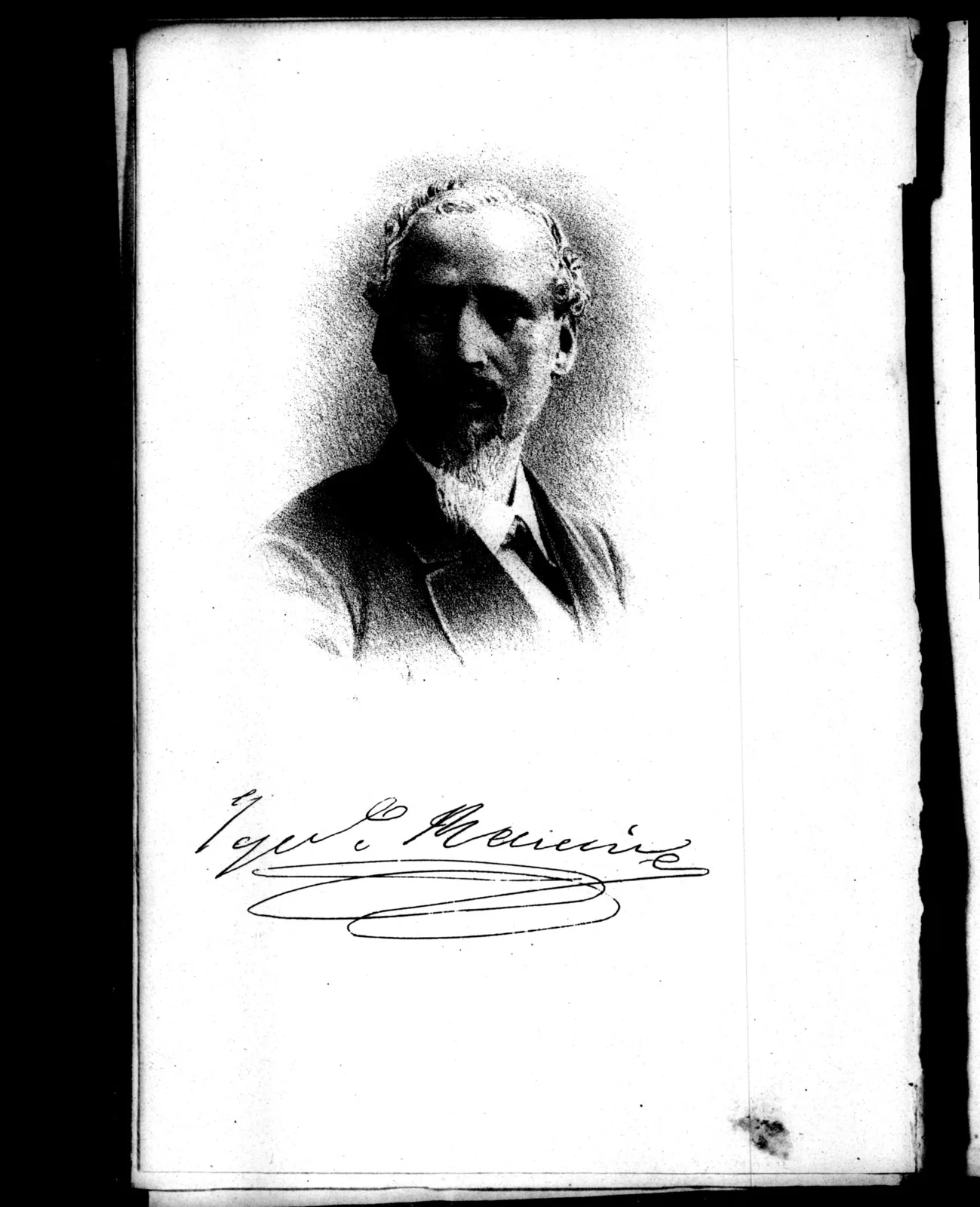
- Frontispiece portrait of Ignacio Ramírez with facsimile signature, Obras de Ignacio Ramírez, tomo I — Unknown engraver/photomechanical plate, 1889 · Obras de Ignacio Ramírez, tomo I (México: Secretaría de Fomento, 1889), Univ. of Illinois copy, via Internet Archive · Public domain (published 1889)
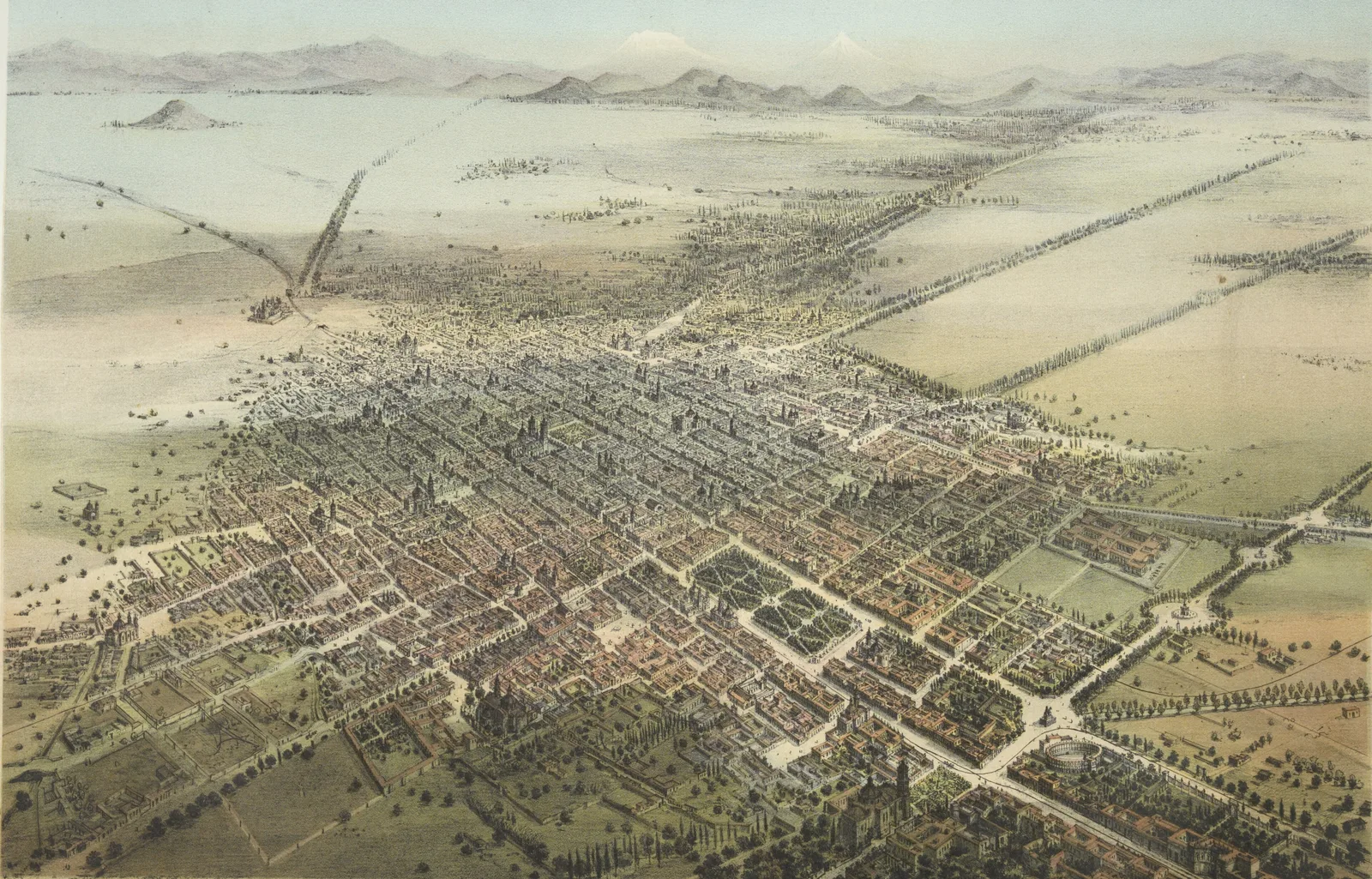
- La Ciudad de México, tomada en globo por el Noroeste, Casimiro Castro (1869) — Casimiro Castro, 1869 · Casimiro Castro, via Wikimedia Commons, Public domain · Public domain (as stated on Wikimedia Commons)
- Prieto, Memorias, p. 189: Ramírez reads the paper titled 'No hay Dios' at the Academia de Letrán — Guillermo Prieto, 1906 · Guillermo Prieto, Memorias de mis tiempos, 1828 a 1840 (Paris: Bouret, 1906), via Internet Archive · Public domain (published 1906)
- Portrait of Andrés Quintana Roo by Pelegrí Clavé, 1851 — Pelegrí Clavé, 1851 · Pelegrí Clavé, via Wikimedia Commons, Public domain · Public domain (as stated on Wikimedia Commons)
- Ignacio Manuel Altamirano as a young man — Ignacio Manuel Altamirano, c. 1860s (as a young man) · Ignacio Manuel Altamirano, via Wikimedia Commons, CC0 · CC0 (as stated on Wikimedia Commons)
- Ramírez, Obras I, p. 188: "derecho divino" and "profano" (speech of 7 July 1856) — Ignacio Ramírez; Ignacio M. Altamirano, 1889 · Obras de Ignacio Ramírez, tomo I (México: Secretaría de Fomento, 1889), Univ. of Illinois copy, via Internet Archive · Public domain (published 1889)
- Constitution of 1857, opening: 'En el nombre de Dios y con la autoridad del Pueblo Mexicano' (Comonfort's promulgation) — Congreso General Constituyente (Mexico), 1857 · Constitución Federal de los Estados-Unidos Mexicanos (México: Imprenta de Ignacio Cumplido, 1857), Google scan via Internet Archive · Public domain (published 1857)
- Mons. Lázaro de la Garza y Ballesteros, Archbishop of Mexico — Unknown authorUnknown author, 1877 · Unknown author, via Wikimedia Commons, Public domain · Public domain (as stated on Wikimedia Commons)
- Benito Juárez, oil portrait (Palacio Nacional) — Atanasio Vargas, 19th century (painting by Atanasio Vargas) · Atanasio Vargas, via Wikimedia Commons, Public domain · Public domain (as stated on Wikimedia Commons)
- Palacio Nacional de México: entrance of the federal army on 1 January 1861, Casimiro Castro (México y sus alrededores, 1869) — C. Castro, G. Rodríguez é J. Campillo, 1869 · C. Castro, G. Rodríguez é J. Campillo, via Wikimedia Commons, Public domain · Public domain (as stated on Wikimedia Commons)
- San Juan de Ulúa (siglo XIX), Eduardo Pringuet, 1851 — Eduardo Pringuet, 1851 · Eduardo Pringuet, via Wikimedia Commons, Public domain · Public domain (as stated on Wikimedia Commons)
- Ramírez, Obras II, p. 198: 1871 article, continuation (Ripalda catechism) — Ignacio Ramírez; Ignacio M. Altamirano, 1889 · Obras de Ignacio Ramírez, tomo II (México: Secretaría de Fomento, 1889), Univ. of Illinois copy, via Internet Archive · Public domain (published 1889)
- Altamirano, Biografía, p. LX: Ramírez's last illness and death (only his brother and Altamirano present) — Ignacio Ramírez; Ignacio M. Altamirano, 1889 · Obras de Ignacio Ramírez, tomo I (México: Secretaría de Fomento, 1889), Univ. of Illinois copy, via Internet Archive · Public domain (published 1889)
Sources
Tier 1 — the subject's own words (writings, letters, diaries, trial records)
- [Obras I] Ignacio Ramírez, Obras de Ignacio Ramírez, tomo I, with Ignacio M. Altamirano, "Biografía" as preface (México: Secretaría de Fomento, 1889). Internet Archive id 3747793 (a Univ. of Illinois copy; one file holding both tomos); saved as
texts/obras1889-v1.txt. Roman page numbers for the biography, arabic for the works. Poems and speeches. - [Obras II] Same edition, tomo II (articles and dialogues, in the same file; page numbers given as printed in the scan). Duplicate Google scans of the 1889 edition:
obrasdeignacior02altagoog,obrasdeignacior03altagoog(texts/obras1889-v2.txt, v3.txt), not yet cross-checked. - [Prieto I] Guillermo Prieto, Memorias de mis tiempos, 1828 á 1840 (Paris: Bouret, 1906). Internet Archive id memoriasdemistie00prieuoft;
texts/prieto-memorias.txt. Eyewitness (Prieto was present at the Academia). - [Prieto II] The same file's second part, 1840-1853 (pagination restarts). Pseudonym and Don Simplicio.
Tier 2 — scholarly biographies and encyclopedias
- [Altamirano] Ignacio M. Altamirano, "Biografía de Ignacio Ramírez," Obras I, pp. III-LXXII (signed Feb. 1889). Pupil and later colleague on the Supreme Court; quotes Frías y Soto and Francisco Sosa.
- [Sierra] Justo Sierra, Juárez; su obra y su tiempo (México: J. Ballescá, 1905). Internet Archive id jurezsuobraysu00sier;
texts/sierra-juarez.txt. Page numbers from the running heads; OCR often drops them, so cited pages are approximate (plus or minus one). - [Bancroft V] Hubert Howe Bancroft, History of Mexico, vol. V, 1824-1861 (San Francisco: History Company, 1885). IA id cihm_14164;
texts/bancroft-v5.txt. English, pre-1931. - [Bancroft VI] Same, vol. VI, 1861-1887 (1888). IA id cihm_14165;
texts/bancroft-v6.txt.
Tier 3 — popular biographies and journalism
- Not yet used (Francisco Sosa, Biografías de mexicanos distinguidos, 1884, is cited by Altamirano and should be located; Hilarión Frías y Soto's biography likewise).
Tier 4 — maps to other sources only (Wikipedia and similar). Never cited in the script.
- Not consulted.
Opposition sources — contemporary critics and religious responses
- [Prieto I] records Catholic and conservative voices at the Academia session (Iturralde, Guevara).
- [Bancroft V] reports Archbishop Lázaro de la Garza y Ballesteros's protests (1856); his own Contestaciones (cited there) not seen.
- [Sierra] states the clergy's case that the Reform was a war on Catholicism.
- Not yet found: texts of La Sociedad, La Cruz, El Universal.
Related lives
(for the expensive model to choose) Charles Bradlaugh is the closest parallel (a legislator fighting over a religious oath and preamble); a Latin American or Spanish-language subject if one is on the roster.
Karl Marx
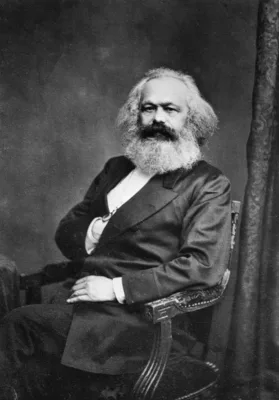
Karl Marx, the grandson of rabbis, was baptised a Lutheran at six into his father's Enlightenment deism. He lost his idealist "gods" at nineteen and took Prometheus for his motto at twenty-three. By twenty-five, after Feuerbach, he held the criticism of religion finished: religion was the sigh of the oppressed and the heart of a heartless world, a symptom that would fade only when the world stopped needing it. So he spent his life on economics, and had little time for atheist campaigners.
George Holyoake
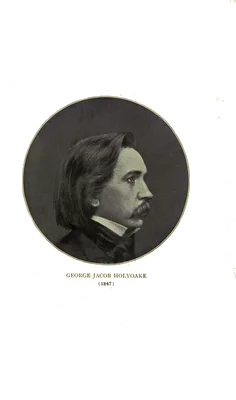
George Jacob Holyoake was a devout Birmingham Sunday-school teacher whose sister died over a church-rate. He lost his belief in God when his friend Southwell was jailed for blasphemy in 1842, and went to prison himself that year professing "disbelief" rather than denial. He then spent sixty years renaming the absence, from atheism to Secularism in 1851 to agnosticism, so that unbelief would be judged by the good it did rather than by the quarrel over God.
George Eliot
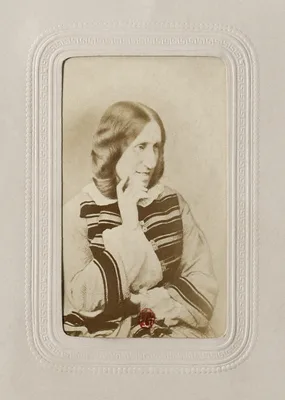
George Eliot was an ultra-Evangelical girl who lost the creed in 1841, reading Hennell among the Brays. She quarrelled with her father over church and regretted it all her life. In 1843 she gave up proselytising as "the quackery of infidelity", and she put her name only to Feuerbach's argument that God is human nature. She ended reverent toward the great religions, holding the idea of God to be "the ideal of a goodness entirely human" and unbelief to be the discipline of doing without opium.
Mikhail Bakunin
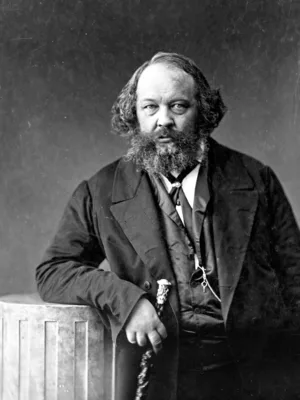
Mikhail Bakunin's Orthodox boyhood cooled at cadet school, and his early philosophy was a religion he used to defend the state. He became a revolutionary in Dresden in 1842 while still speaking of "a new religion", and believed in a personal God into his late forties. He turned to open atheism only in the 1860s, in his fight with Mazzini's religious republicanism. After that, God, the state and every master stood or fell together for him.