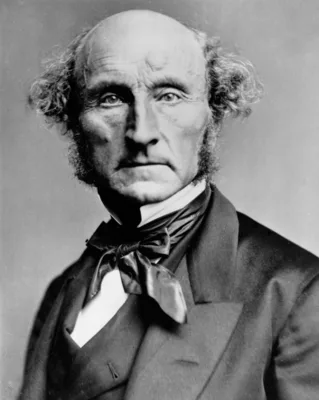
John Stuart Mill was raised by his father without any religion, and "never had" a faith to lose. His crisis of 1826 was one of feeling, not belief, but it opened him to religion's emotional side. In 1834 he told Carlyle privately that he had only "a merely probable God". He kept public silence on religion by his father's rule, even as an MP, then defended the atheist Bradlaugh and lost his seat for it. In his last essay he stated the same probable God as a hope he called "legitimate and philosophically defensible", but never belief.
The belief timeline
- Upbringing (no faith) (1806 onward) — Raised "without any religious belief"; father taught nothing is known of the origin of things; "grew up in a negative state" [2][4][7]
- Crisis (1826-autumn) — Mental crisis (of feeling, not of belief); Wordsworth and the culture of the feelings (1828) [12][15][16]
- Stated position / silence (1834-01-12 and 1865) — Private: "a merely probable God" (1834). Public: refuses to answer on religion (1865); defends Bradlaugh's right to stand (1868) [22][33][36][37]
- Revision (1868-1870, published 1874) — Theism: design yields "a large balance of probability"; "the indulgence of hope... is legitimate and philosophically defensible"; the religion of humanity "the religion of the Future" [47][48][51]
Notes to the timeline (13)
- [2] He was brought up "from the first without any religious belief, in the ordinary acceptation of the term." — Aut ch. II.
- [4] James Mill ended by concluding that concerning the origin of things nothing whatever can be known; "dogmatic atheism he looked upon as absurd." — Aut ch. II.
- [7] Mill called himself "one of the very few examples, in this country, of one who has not thrown off religious belief, but never had it", growing up "in a negative state"; he looked on modern religion as he did on the religion of Herodotus. — Aut ch. II.
- [12] In the autumn of 1826 Mill asked himself whether the realisation of all his reforming aims would make him happy; "an irrepressible self-consciousness distinctly answered, 'No!'" and "the whole foundation on which my life was constructed fell down." He compared the state to that of "converts to Methodism" smitten by "conviction of sin." — Aut ch. V.
- [15] Wordsworth (autumn 1828) taught him to find happiness in "tranquil contemplation"; "the cultivation of the feelings became one of the cardinal points in my ethical and philosophical creed." — Aut ch. V.
- [16] The chapter on the crisis, as it stands in the Gutenberg text, contains no discussion of God or belief (searched for "religion", "God", "faith"); Mill treats it as a crisis of purpose and feeling arising from "the idiosyncrasies of my education." This is an absence found by search, not a statement of Mill's. — Aut ch. V.
- [22] In a letter to Carlyle of 12 January 1834 Mill wrote that "the first and principal" of their differences was that he had "only... a merely probable God"; "the existence of a Creator is not to me a matter of faith or of intuition... it is but a hypothesis"; this was his condition "in spite of the strongest wish to believe" and he had never propagated his uncertainties. — Lett1 pp. 89-90.
- [33] In early 1865 electors of Westminster offered to bring him forward; he wrote a frank published letter; and "on one subject only, my religious opinions, I announced from the beginning that I would answer no questions," which the meetings approved. — Aut ch. VII.
- [36] In 1868 he sent a subscription to Bradlaugh's election fund, saying he did not think Bradlaugh's "anti-religious opinions (even though he had been intemperate in the expression of them) ought to exclude him"; "the utmost possible use, both fair and unfair, was made of this act of mine to stir up the electors of Westminster against me"; he was beaten in the autumn of 1868. — Aut ch. VII.
- [37] On 5 November 1868 he answered a Westminster voter who asked whether he was an atheist: he stood by his rule of answering no questions on religion, said that those who "conclude me to be an atheist because I subscribed to the fund for the election of Mr. Bradlaugh" show they are "ignorant or regardless of the principles I have openly proclaimed" in Liberty, and wrote "My subscription was not given for Mr. Bradlaugh as an atheist, but for Mr. Bradlaugh as a politician." — Lett2 pp. 137-138.
- [47] "Theism" concludes that in the present state of knowledge "the adaptations in Nature afford a large balance of probability in favour of creation by intelligence", "no more than a probability"; he adds the evolutionary hypothesis "would greatly attenuate the evidence for it." — 3Ess p. 174.
- [48] "Theism," Part V: "The whole domain of the supernatural is thus removed from the region of Belief into that of simple Hope"; hope "is legitimate and philosophically defensible" while we "have no ground for more than a hope." — 3Ess pp. 244, 249.
- [51] The religion of humanity is "destined, with or without supernatural sanctions, to be the religion of the Future I cannot entertain a doubt"; supernatural hopes may "contribute not a little to give to this religion its due ascendancy." — 3Ess p. 257.
Not Thrown Off, But Never Had
In November 1868 a voter in Westminster wrote to ask John Stuart Mill, the philosopher who was then the constituency's member of Parliament, whether he was an atheist. Mill had sent a subscription to the election fund of Charles Bradlaugh, the country's best-known atheist, and his opponents were making the most of it. Mill would not answer the question. He had refused from the start to discuss his religious opinions, he replied, and anyone who concluded that he was an atheist because of the subscription merely showed that he was "ignorant or regardless of the principles I have openly proclaimed." Then he added: "My subscription was not given for Mr. Bradlaugh as an atheist, but for Mr. Bradlaugh as a politician."123 Later that month he lost his seat.
Mill's unbelief has no moment of loss in it, because, as he said himself, he never had a faith to lose. This chapter asks how a man brought up without religion came to think about it, why he kept silent in public, and why his last essay on God surprised even his friends.
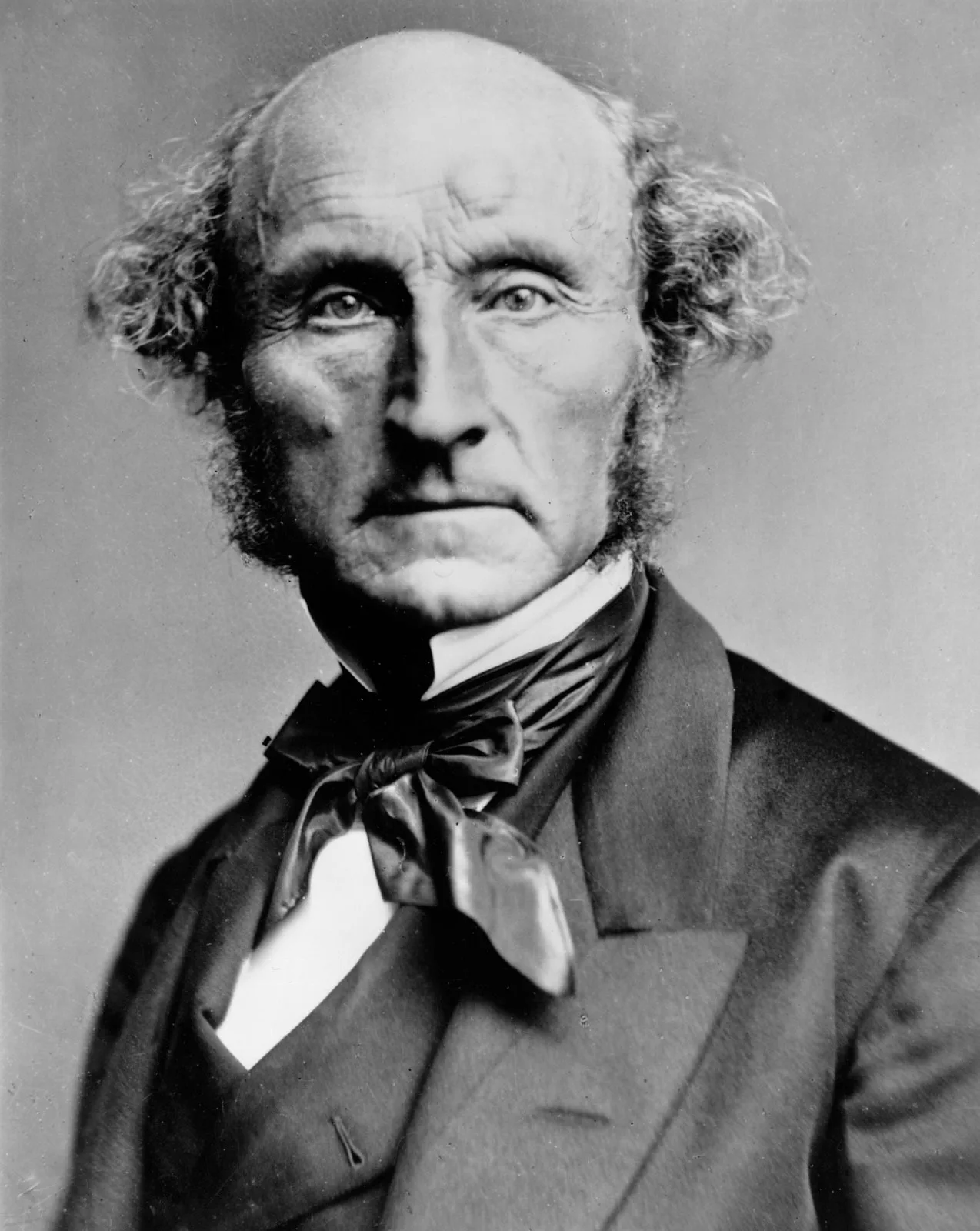
A boy taught by his father
He was born in London on 20 May 1806, the eldest son of James Mill, the historian of British India, who educated him at home from infancy.4 His father had been brought up a Scottish Presbyterian and had rejected first revelation and then natural religion; he told his son that the turning point had been Bishop Butler's Analogy. In the end James Mill concluded "that concerning the origin of things nothing whatever can be known," and, his son wrote, "dogmatic atheism he looked upon as absurd."567 His grounds, his son insisted, were "moral, still more than intellectual": a world so full of evil could not be the work of an all-powerful and perfectly good creator. "Think (he used to say) of a being who would make a Hell."8910
He taught his son that the question "Who made me?" cannot be answered, since the next question, "Who made God?", follows at once.11 The result, Mill wrote in his Autobiography, was simple: "I was brought up from the first without any religious belief, in the ordinary acceptation of the term." He was, he said, "one of the very few examples, in this country, of one who has not thrown off religious belief, but never had it: I grew up in a negative state with regard to it."12131415 So his timeline has no mark for faith; it begins instead with that upbringing.
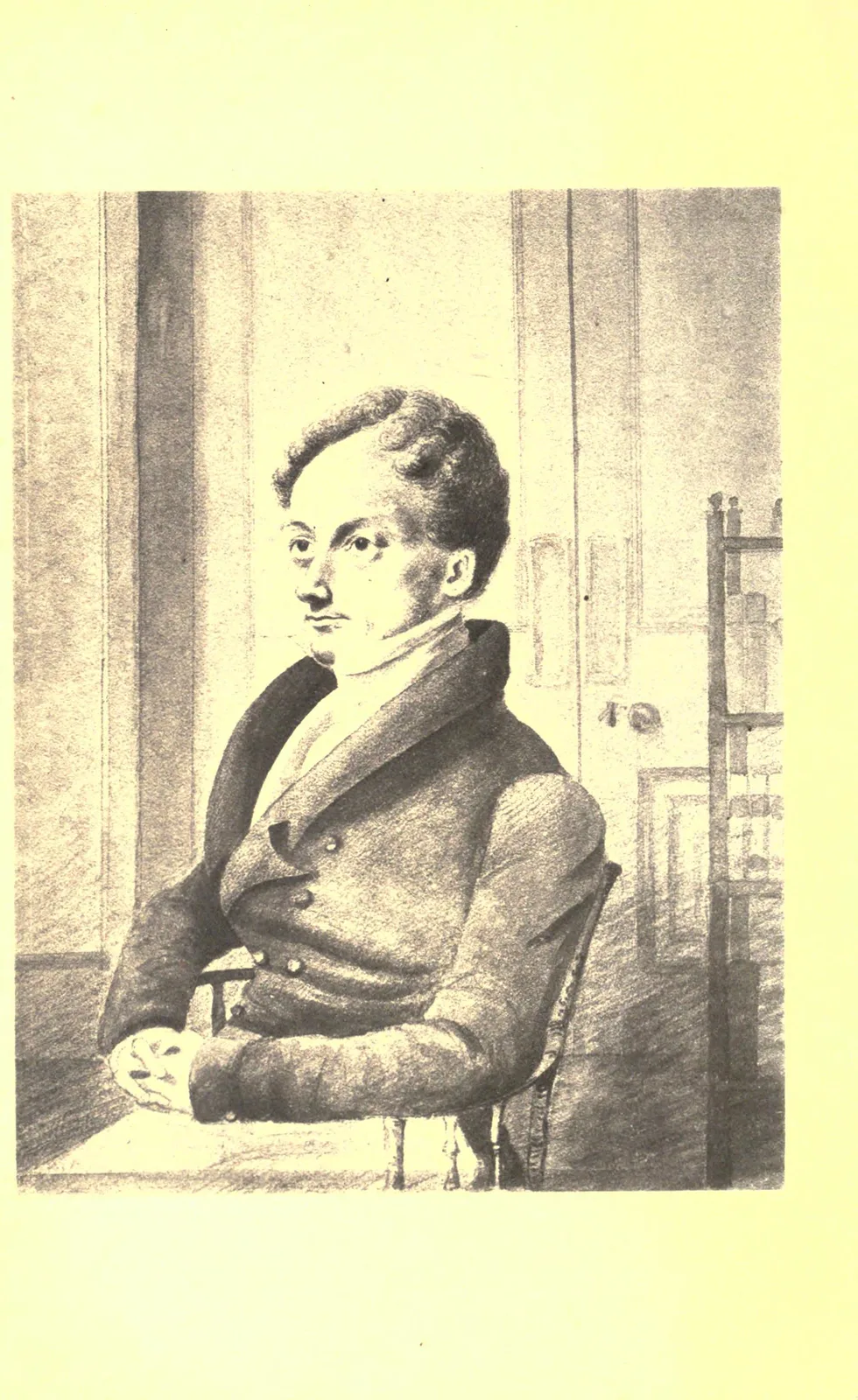
The upbringing had a second lesson. James Mill gave his opinion as one that "could not prudently be avowed to the world." His son kept it to himself, with what he later admitted were some moral disadvantages; twice as a boy, he said, he avowed his disbelief and defended it against older boys.1617 At about sixteen he read Analysis of the Influence of Natural Religion, a book drawn from Jeremy Bentham's manuscripts and published under the name Philip Beauchamp, which asked not whether religion is true but whether it is useful.18 In 1823, when the bookseller Richard Carlile was being prosecuted for blasphemy, Mill wrote five letters signed "Wickliffe" defending the free publication of all opinions on religion; three were printed, and two were "too outspoken" for the newspaper.19
The crisis of 1826
"But the time came when I awakened from this as from a dream. It was in the autumn of 1826."20 At twenty he asked himself whether, if every reform he worked for were achieved, he would be happy, and an irrepressible self-consciousness answered no. "The whole foundation on which my life was constructed fell down." He compared his state to that of converts to Methodism "when smitten by their first 'conviction of sin.'" He could not turn to his father, whose education of him had never allowed for such an ending.212223
The crisis was not about God. In Mill's account of it there is no discussion of religion at all; it was a crisis of purpose and feeling.24 Relief came, months later, when a passage in the memoirs of the French writer Jean-François Marmontel moved him to tears, and in 1828 the poems of Wordsworth taught him to find happiness in quiet contemplation. "The cultivation of the feelings became one of the cardinal points in my ethical and philosophical creed."252627 The timeline marks the crisis because it opened him to the emotional side of life that he later recognised in religion, not because it changed his belief.
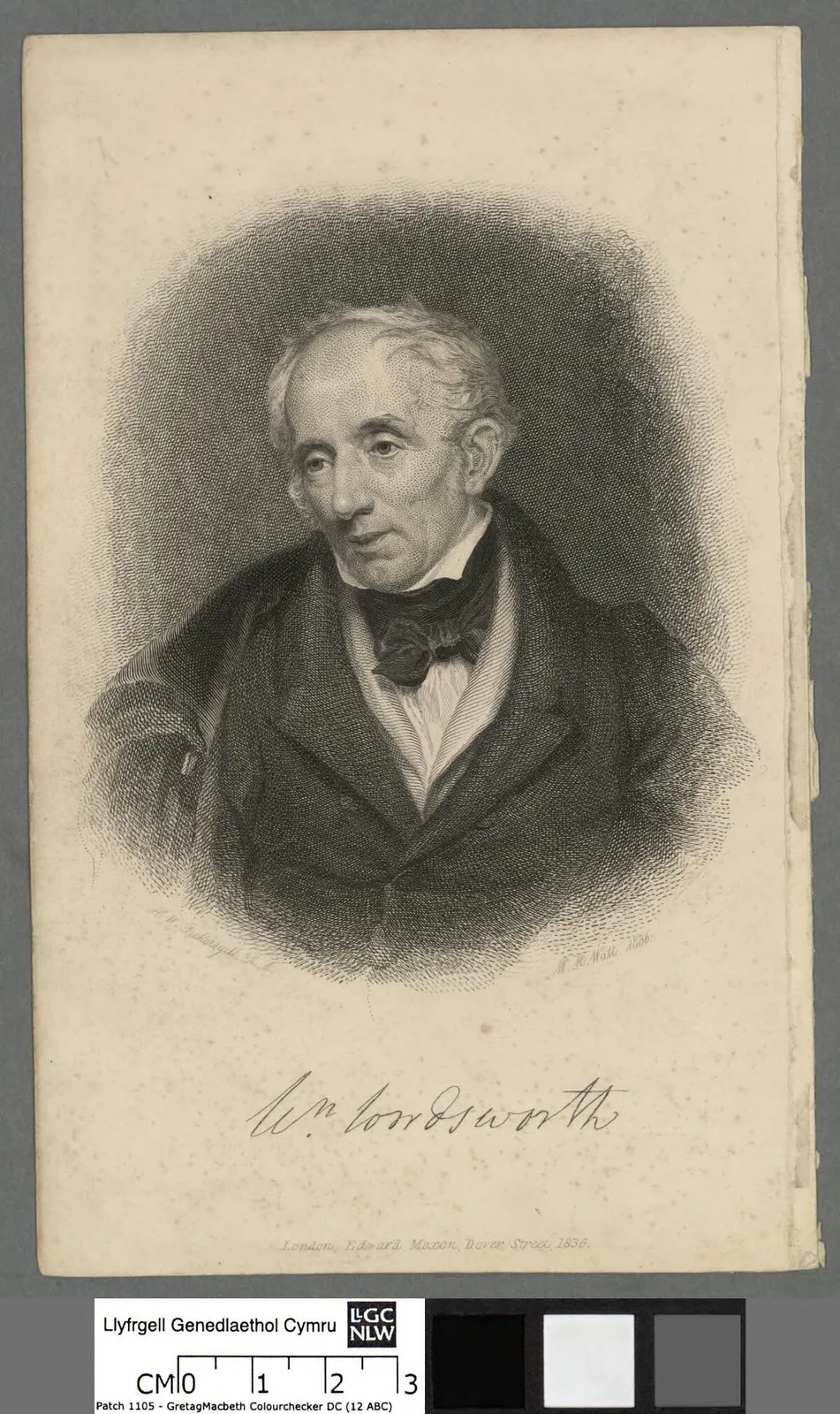
A merely probable God
His friend Thomas Carlyle wanted him for a believer. On 12 January 1834 Mill told him plainly where they differed. "The first and principal of these differences is that I have only what appears to you much the same thing as, or even worse than, no God at all, namely, a merely probable God." The existence of a Creator, he went on, "is not to me a matter of faith or of intuition; and as a proposition to be proved by evidence, it is but a hypothesis." He had this view, he said, in spite of the strongest wish to believe. In the same letter he wrote that he had long had "the same unbounded reverence" for Christ.2829303132 This private letter is the first statement of his own position, and it is where the belief timeline places his doubt.
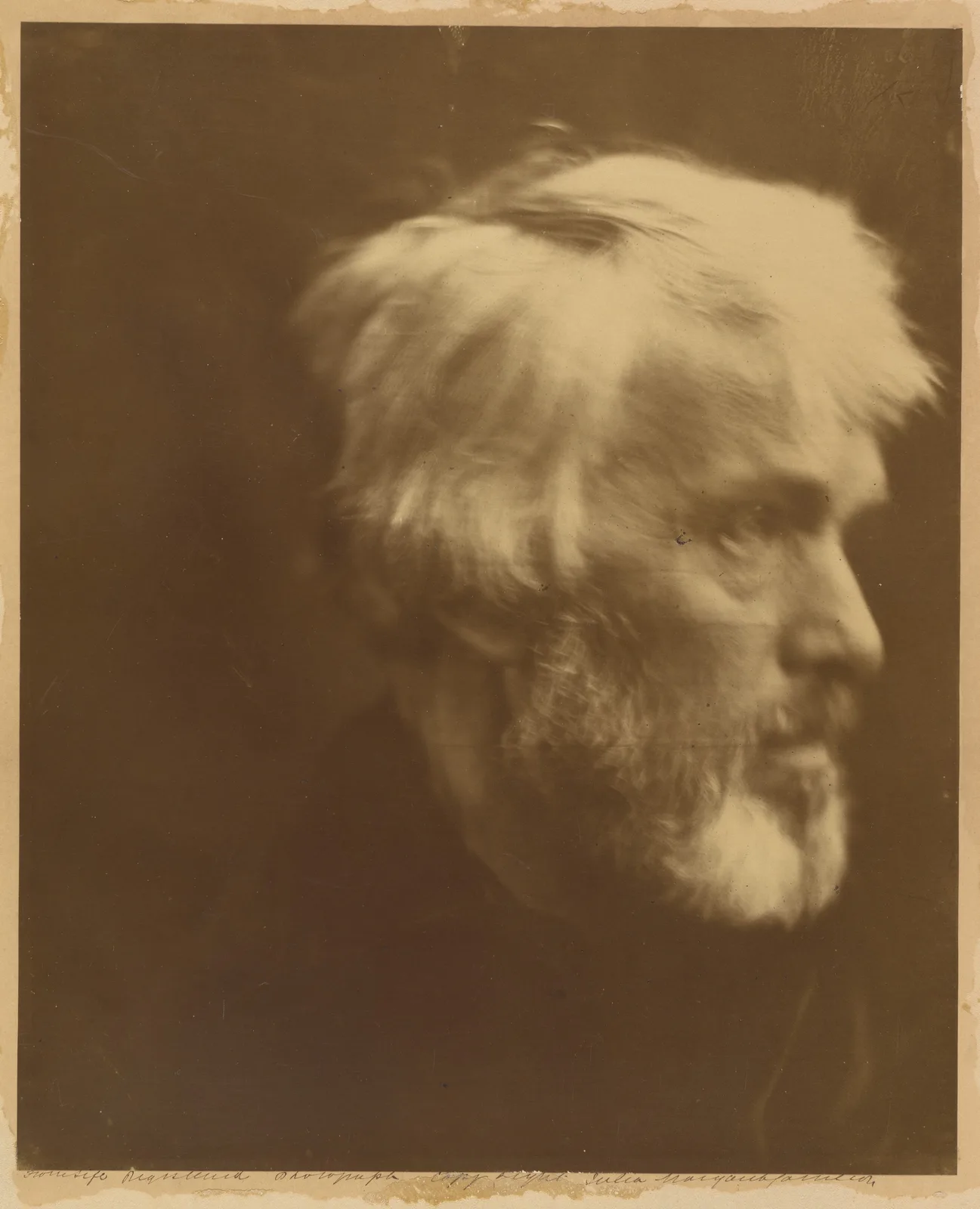
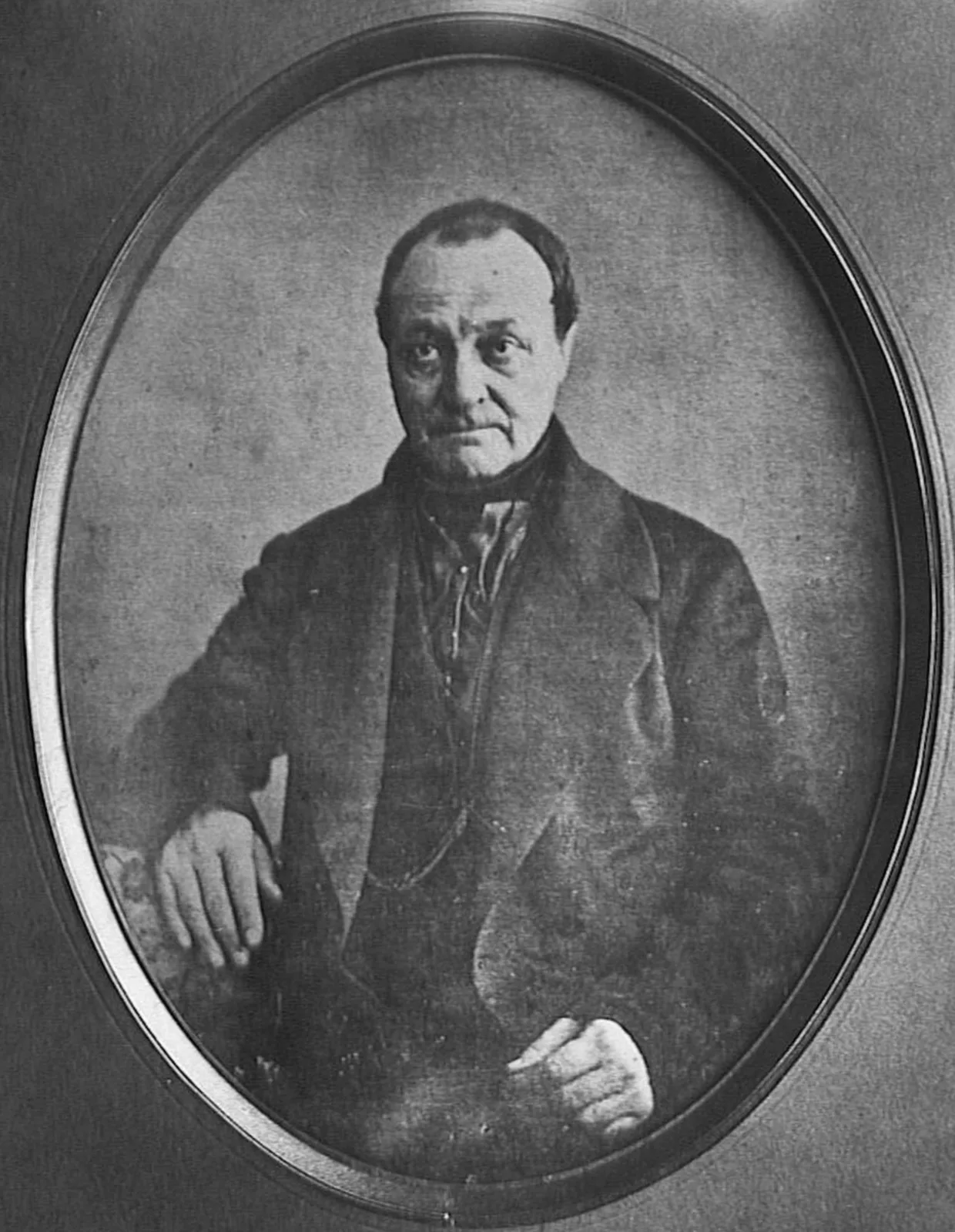
Around 1830 he met Harriet Taylor, whose husband, John Taylor, was a Unitarian. He described her as having a "complete emancipation from every kind of superstition" that came not from hard intellect but from noble feeling, joined to "a highly reverential nature."333435 They married in 1851. Mill had been reading the French philosopher Auguste Comte since the late 1830s; he came to reject Comte's later system as a despotism, but took from it the idea that morality could rest on a "religion of Humanity" without God.3637 In a private diary of 1854 he wrote: "Religion begins by being taken for granted; after a time, it is elaborately proved; at last comes a time (the present) when the whole effort is to induce people to let it alone."3839
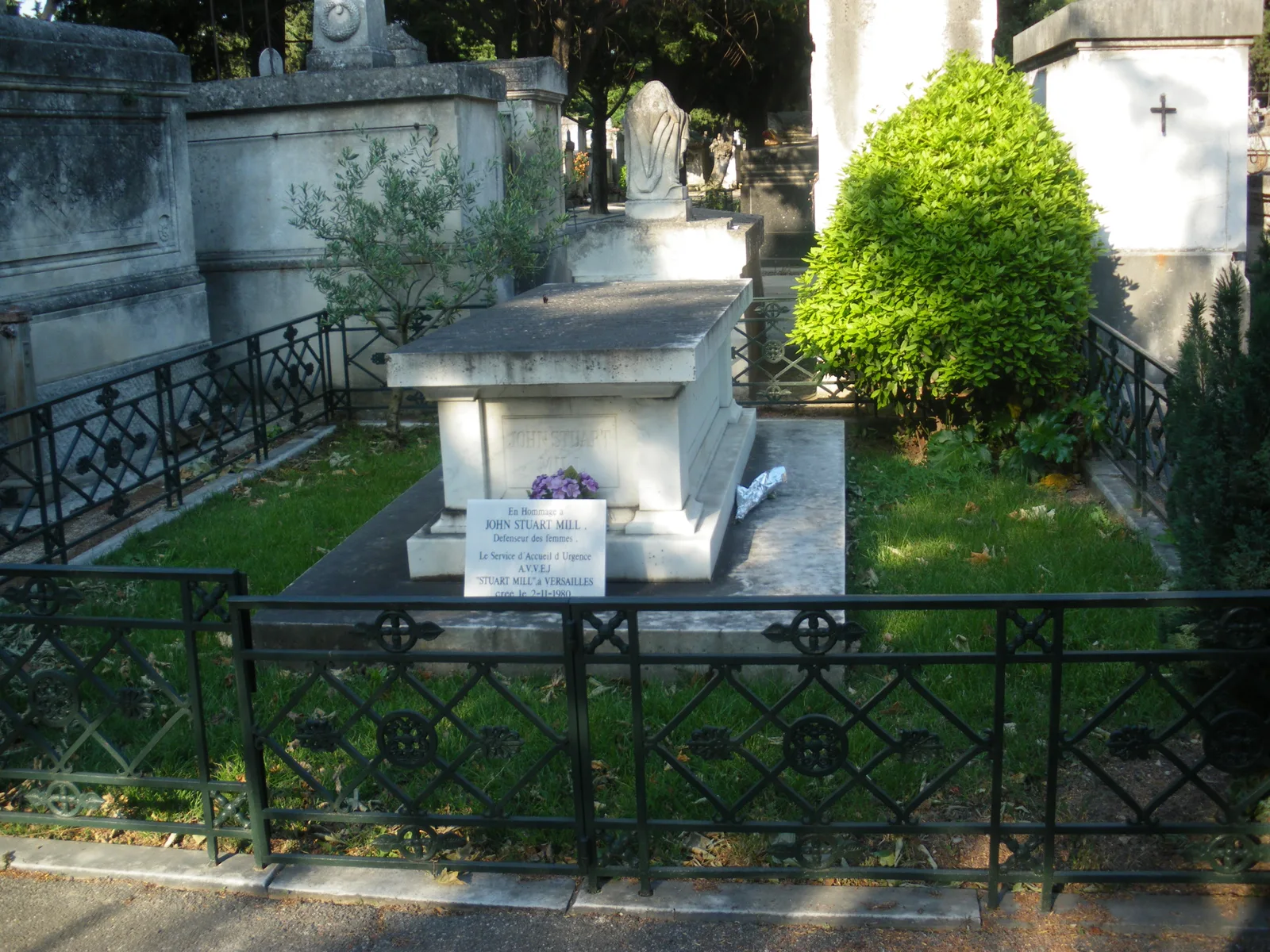
Harriet died at Avignon in November 1858. Mill bought a cottage as close as he could to her grave and wrote: "Her memory is to me a religion."4041 On Liberty, dedicated to her, appeared the next year. It attacked the rule that barred atheists from giving evidence in court: it admitted "the testimony of all atheists who are willing to lie, and rejects only those who brave the obloquy of publicly confessing a detested creed rather than affirm a falsehood."4243
"To hell I will go"
In 1865 he published a long attack on the philosophy of Sir William Hamilton and his Oxford follower, the clergyman Henry Mansel, who had argued that God's goodness might be different in kind from human goodness. Mill answered with the most famous sentence he ever wrote about God: "I will call no being good, who is not what I mean when I apply that epithet to my fellow-creatures; and if such a being can sentence me to hell for not so calling him, to hell I will go."4445 His target was not God as such but a doctrine he called "profoundly immoral," that we must worship a being whose moral qualities we cannot know.46 Some called the passage atheistic and satanic, he told a clergyman who had written to thank him.4748
Mansel answered fairly and sharply. "We will not pause to comment on the temper and taste of this declamation," he wrote; he asked whether Mill really thought the word "good" lost all shared meaning when applied to beings with different duties.4950
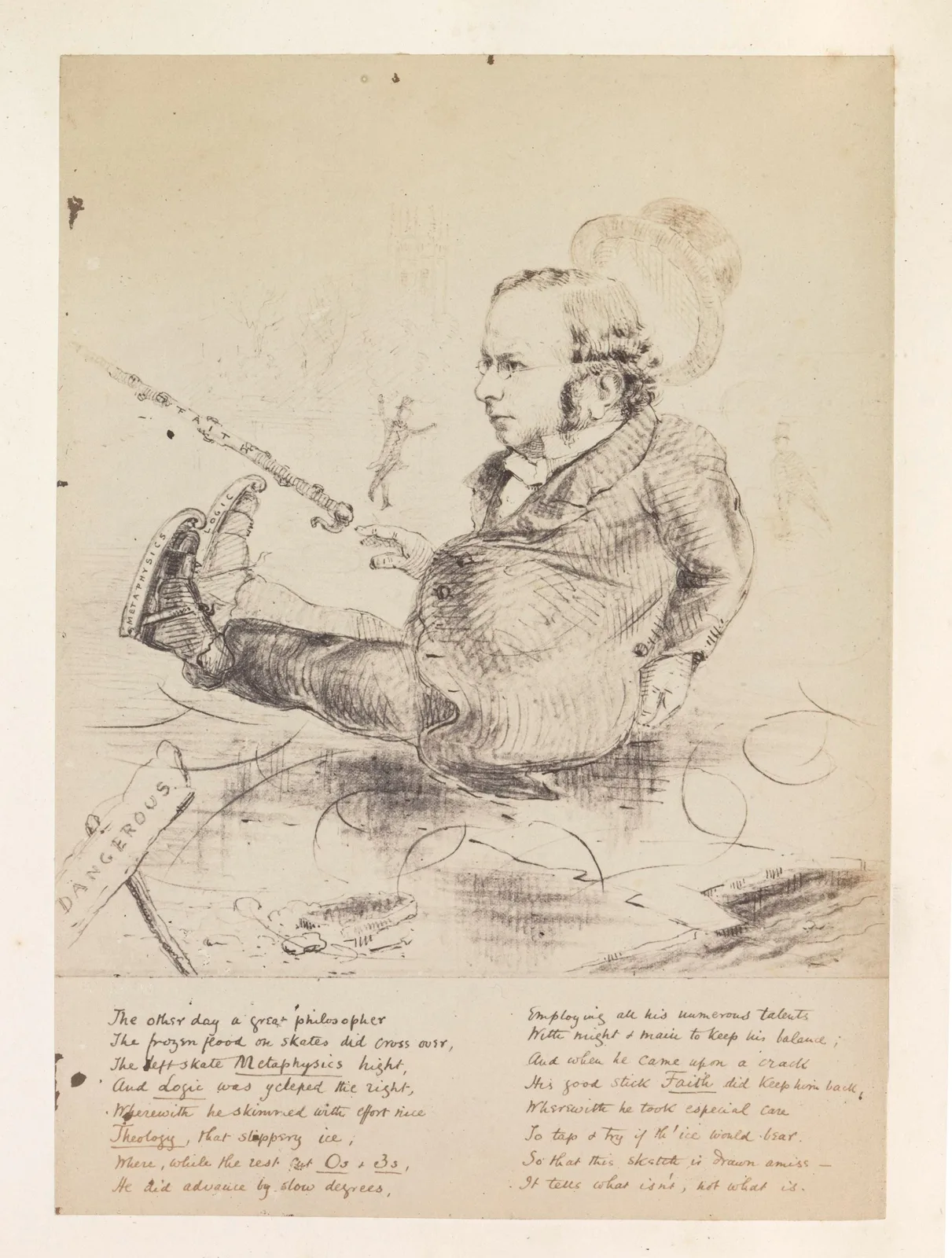
Westminster
That same year the electors of Westminster asked him to stand for Parliament. He agreed on his own terms. "On one subject only, my religious opinions, I announced from the beginning that I would answer no questions," and the meetings approved.5152 A well-known writer remarked that the Almighty himself would have no chance of being elected on such a programme. Mill was elected in July 1865.535455
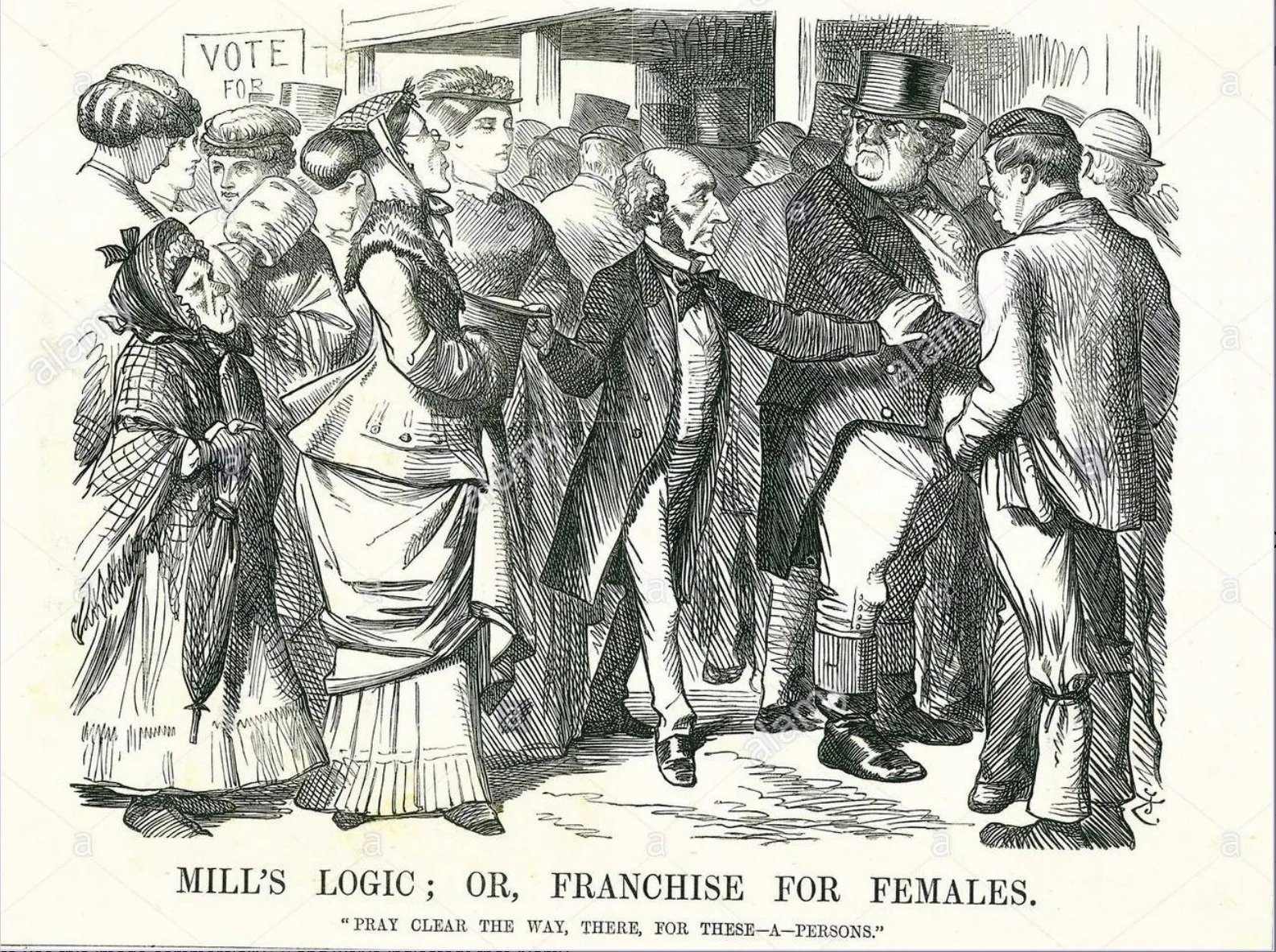
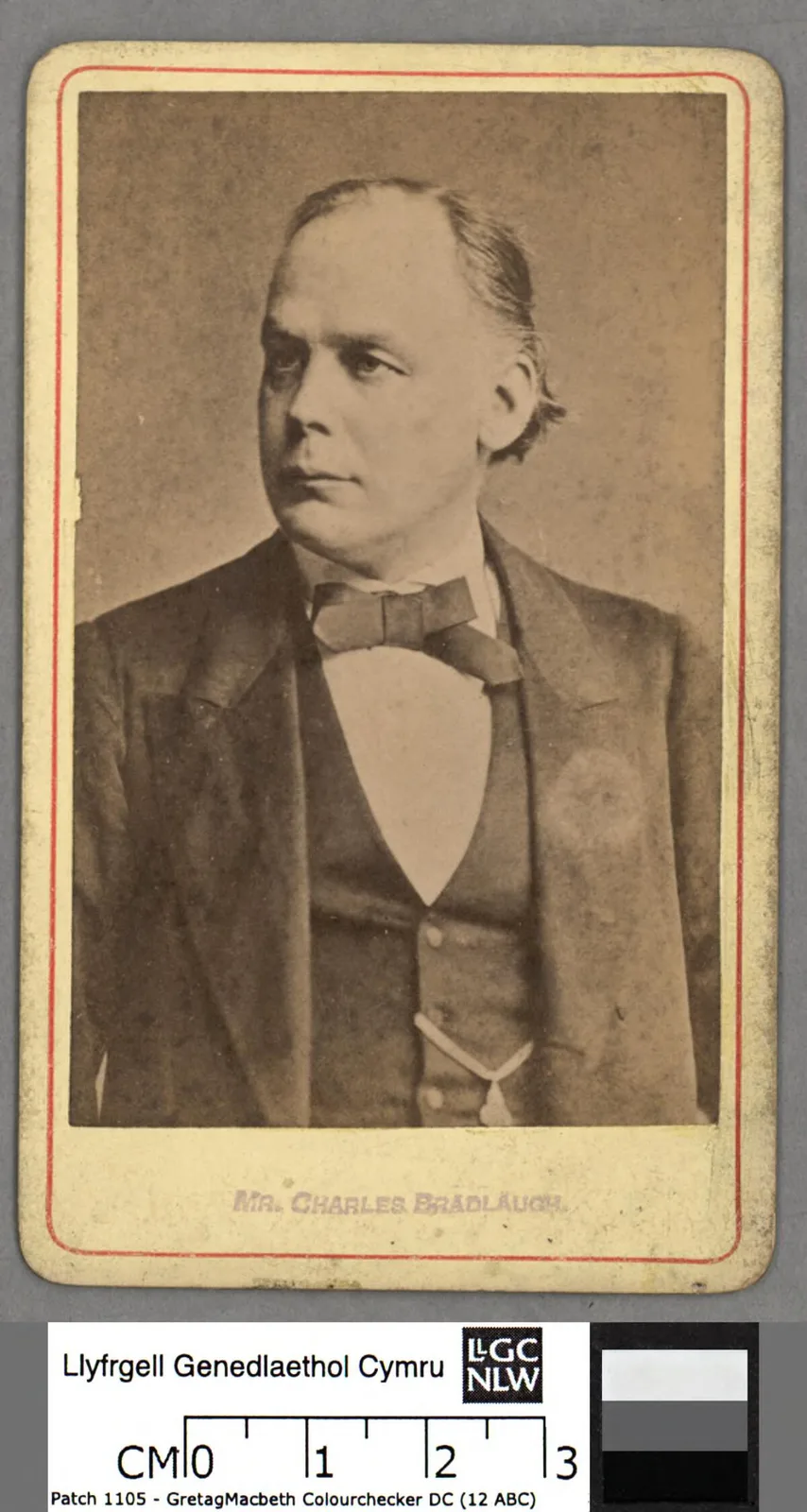
In 1868 he sent money to Bradlaugh's campaign at Northampton. He did not think Bradlaugh's "anti-religious opinions (even though he had been intemperate in the expression of them) ought to exclude him."5657 The result, he wrote, was that "the utmost possible use, both fair and unfair, was made of this act of mine to stir up the electors of Westminster against me."58 He lost the seat that autumn, and afterwards received abuse by post; one letter began, "The Mill atheist of Westminster, lately M.P., but now a dog."565960 His public silence on religion, kept from 1865 through the Bradlaugh affair, belongs on the timeline with the private letter of 1834, since the two are halves of one position.
Hope, not belief
Between 1868 and 1870 he wrote an essay called "Theism." It was published after his death, with two earlier essays, as Three Essays on Religion (1874). In "Nature" he had argued that nature is no guide to morals: "nearly all the things which men are hanged or imprisoned for doing to one another, are nature's every day performances."61626364 "Theism" went further than his friends expected in the other direction. The evidence of design in nature, he concluded, gave "a large balance of probability in favour of creation by intelligence," though "no more than a probability," and one that the theory of evolution, if confirmed, would weaken.6566
"The whole domain of the supernatural is thus removed from the region of Belief into that of simple Hope," he wrote; and the hope of a future life and a good government of the universe, so long as one admits there are no grounds for more than hope, "is legitimate and philosophically defensible."676869 He called his position that of the rational sceptic, and wrote that even an unbeliever could hardly find a better rule of life than to live so that Christ would approve.7071 But the religion of the future, he had no doubt, would be the religion of humanity, "with or without supernatural sanctions."7273
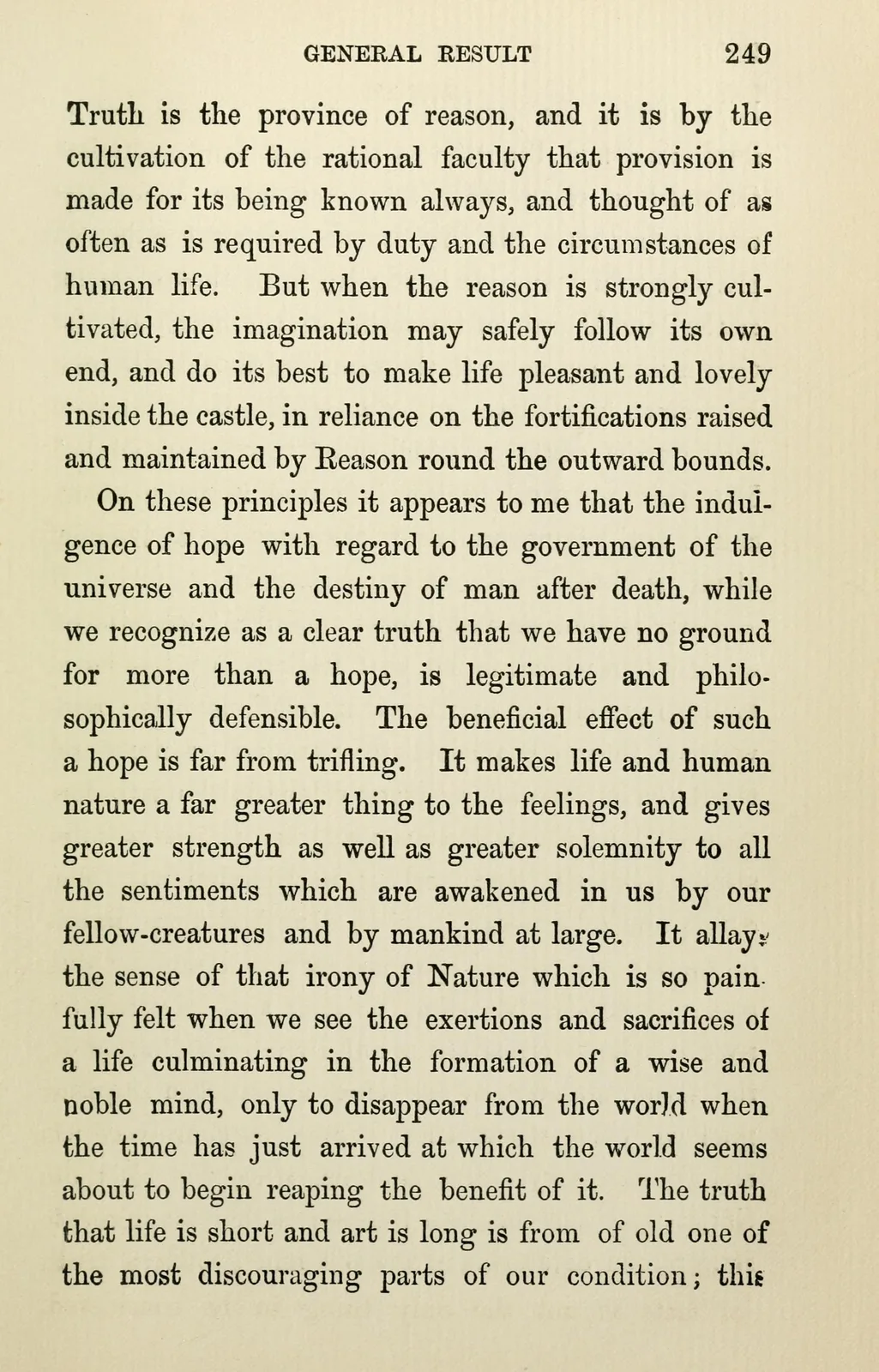
On the timeline, this is where his revision comes, and accounts of it differ. His friend and biographer Alexander Bain, himself an unbeliever, said the constructive part of the essay was what "we were not prepared for," and called Mill's theism and his view of Christ "concessions to the existing Theology; and, as is usual in such cases, the inch has been stretched to an ell." Yet, Bain added, in everything characteristic of the creed of Christendom Mill was a thorough negationist.7475 His stepdaughter Helen Taylor, who published the essays, said his way of thinking had not substantially changed.76 The 1834 letter supports her: the "merely probable God" of 1834 and the probable creator of 1870 are the same idea, stated by an old man willing at last to say aloud that he hoped. A modern biographer, Timothy Larsen, argues that Mill went to church more often, as a boy and later, than his Autobiography admits; Bain said the opposite. Accounts differ.77
He died at Avignon in May 1873 and was buried beside Harriet. A Protestant pastor offered a prayer at the graveside, and, because of Mill's known scepticism, had to defend himself afterwards in the local newspaper.78 His young friend John Morley wrote that no English writer had done more "to cut at the very root of the theological spirit," and yet only one passage published in his lifetime could offend the most devout reader.79
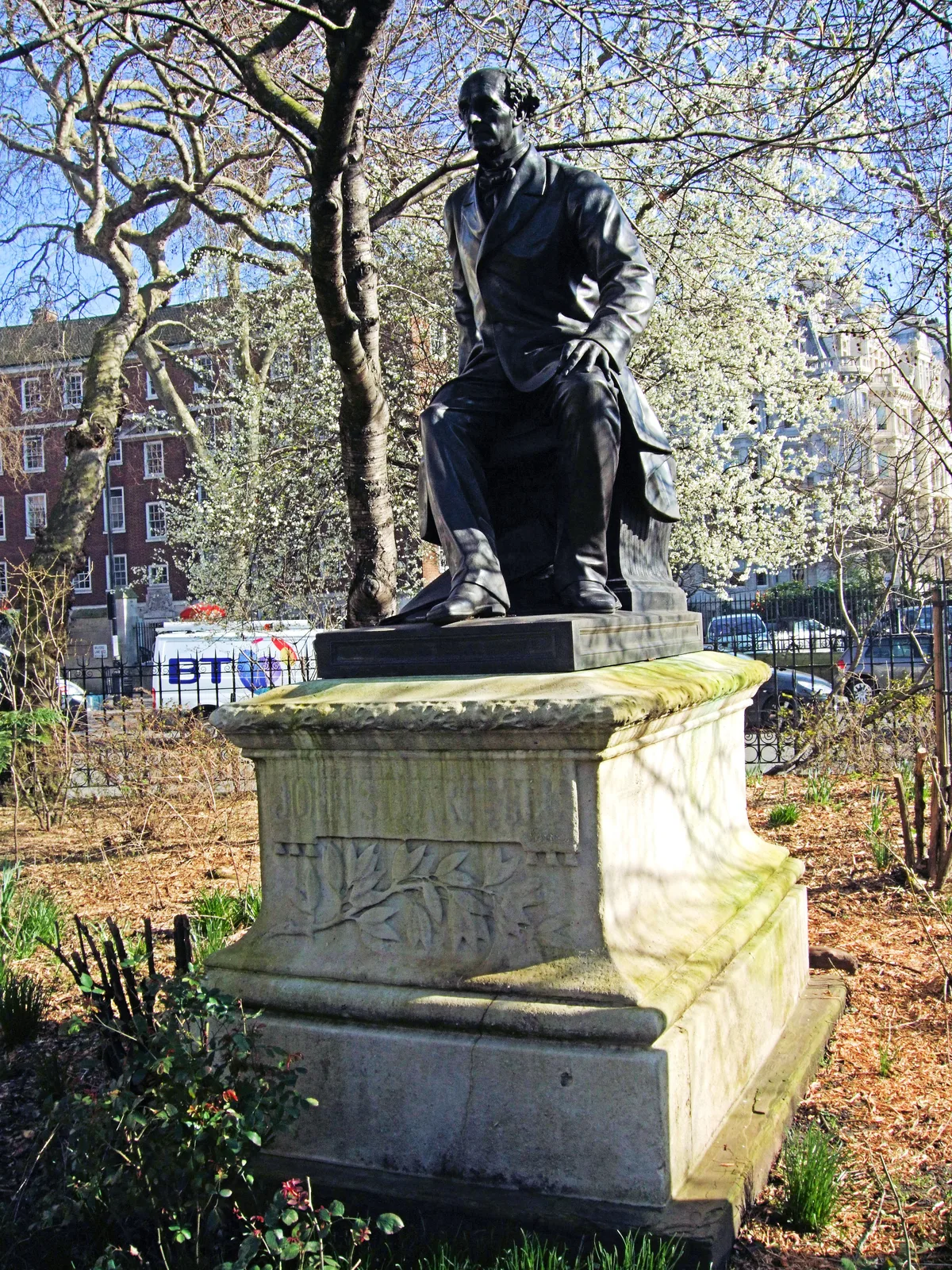
Charles Bradlaugh, whose right to stand for Parliament Mill defended and who later fought six years for his own seat, has his own chapter in this book.
Footnotes
-
Lett2 pp. 137-138. ↩
-
Lett2 p. 138. ↩
-
Lett2 p. 137. ↩
-
Aut ch. I; WP-Mill (Pentonville). ↩
-
Aut ch. II. ↩
-
Aut ch. II. ↩
-
Aut ch. II. ↩
-
Aut ch. II. ↩
-
Aut ch. II. ↩
-
James Mill, as reported by his son: Aut ch. II. ↩
-
Aut ch. II. ↩
-
Aut ch. II. ↩
-
Aut ch. II. ↩
-
Aut ch. II. ↩
-
Aut ch. II. ↩
-
Aut ch. II. ↩
-
Aut ch. II. ↩
-
Aut ch. III. ↩
-
Aut ch. IV. ↩
-
Aut ch. V. ↩
-
Aut ch. V. ↩
-
Aut ch. V. ↩
-
Aut ch. V. ↩
-
Aut ch. V. ↩
-
Aut ch. V. ↩
-
Aut ch. V. ↩
-
Aut ch. V. ↩
-
Lett1 pp. 89-90. ↩
-
Lett1 pp. 90-91, 93. ↩
-
Lett1 p. 90. ↩
-
Lett1 p. 90. ↩
-
Lett1 p. 93. ↩
-
Aut ch. VI; Bain p. 163. Accounts differ; see the disputed points. ↩
-
Bain p. 164 (footnote); Lib, Gutenberg introduction (1831). Reported at second hand; the original has not been seen. ↩
-
Aut ch. VI. ↩
-
Aut ch. VI. ↩
-
Aut ch. VII; WP-Mill. ↩
-
Lett2 Appendix A pp. 362-363, 371-372, 374, 376. ↩
-
Lett2 p. 376. ↩
-
Aut ch. VII; WP-Mill. ↩
-
Aut ch. VII. ↩
-
Lib ch. II. ↩
-
Lib ch. II. ↩
-
Ham pp. 102-103; Aut ch. VII. ↩
-
Ham pp. 102-103 (the sentence is on p. 103). Often quoted without the preceding "he shall not compel me to worship him"; the target is Mansel's doctrine that God's goodness may differ in kind from ours, not God as such. ↩
-
Aut ch. VII. ↩
-
Lett2 pp. 40-41. ↩
-
Lett2 pp. 40-41. ↩
-
Mansel (Gutenberg #28484), quotation of "P. 103" and the reply. ↩
-
H. L. Mansel, Oxford professor and Anglican clergyman, replying to Mill's "to hell I will go" passage: Mansel, The Philosophy of the Conditioned (1866; Gutenberg #28484). ↩
-
Aut ch. VII. ↩
-
Aut ch. VII. ↩
-
Aut ch. VII. ↩
-
Aut ch. VII; WP-Mill. ↩
-
A "well-known literary man", quoted by Mill: Aut ch. VII. ↩
-
Aut ch. VII. ↩
-
Aut ch. VII. ↩
-
Lett2 p. 111 (page read from an OCR running head that reads "in"; confirm). ↩
-
Anonymous correspondent, 1868 (an abusive letter Mill preserved): Lett2 p. 111 (page to confirm). ↩
-
3Ess pp. vii-x (Helen Taylor's notice). ↩
-
3Ess title pages and p. vii. ↩
-
3Ess p. 28. ↩
-
3Ess p. 28. ↩
-
3Ess p. 174. ↩
-
3Ess p. 174. ↩
-
3Ess pp. 244, 249. ↩
-
3Ess p. 244. ↩
-
3Ess p. 249. ↩
-
3Ess p. 255. ↩
-
3Ess p. 255. ↩
-
3Ess p. 257. ↩
-
3Ess p. 257. ↩
-
Bain pp. 133-136, 139-140. ↩
-
Alexander Bain, friend and biographer (a fellow unbeliever, writing as a critic of the Essays): Bain p. 136. ↩
-
3Ess pp. ix, x. ↩
-
Bain p. 139; Larsen-OUP. ↩
-
Bain p. 133 (footnote); WP-Mill. ↩
-
John Morley, 1873: Morley, "The Death of Mr. Mill" (Gutenberg #20887). ↩
In their own words
I was brought up from the first without any religious belief, in the ordinary acceptation of the term.
I am thus one of the very few examples, in this country, of one who has not thrown off religious belief, but never had it: I grew up in a negative state with regard to it.
Finding, therefore, no halting place in Deism, he remained in a state of perplexity, until, doubtless after many struggles, he yielded to the conviction, that concerning the origin of things nothing whatever can be known. This is the only correct statement of his opinion; for dogmatic atheism he looked upon as absurd; as most of those, whom the world has considered Atheists, have always done.
his rejection of all that is called religious belief, was not, as many might suppose, primarily a matter of logic and evidence: the grounds of it were moral, still more than intellectual.
Think (he used to say) of a being who would make a Hell--who would create the human race with the infallible foreknowledge, and therefore with the intention, that the great majority of them were to be consigned to horrible and everlasting torment.
In giving me an opinion contrary to that of the world, my father thought it necessary to give it as one which could not prudently be avowed to the world.
On religion in particular the time appears to me to have come when it is the duty of all who, being qualified in point of knowledge, have on mature consideration satisfied themselves that the current opinions are not only false but hurtful, to make their dissent known
But the time came when I awakened from this as from a dream. It was in the autumn of 1826.
the state, I should think, in which converts to Methodism usually are, when smitten by their first "conviction of sin."
The cultivation of the feelings became one of the cardinal points in my ethical and philosophical creed.
In her, complete emancipation from every kind of superstition (including that which attributes a pretended perfection to the order of nature and the universe), and an earnest protest against many things which are still part of the established constitution of society, resulted not from the hard intellect, but from strength of noble and elevated feeling, and co-existed with a highly reverential nature.
Her memory is to me a religion, and her approbation the standard by which, summing up as it does all worthiness, I endeavour to regulate my life.
The first and principal of these differences is that I have only what appears to you much the same thing as, or even worse than, no God at all, namely, a merely probable God.
I mean that the existence of a Creator is not to me a matter of faith or of intuition; and as a proposition to be proved by evidence, it is but a hypothesis
I have for years had the very same idea of Christ, and the same unbounded reverence for him as now
Religion begins by being taken for granted; after a time, it is elaborately proved; at last comes a time (the present) when the whole effort is to induce people to let it alone.
Two of the most notable things in the history of mankind are, first, the grossly immoral pattern of morality which they have always set up for themselves in the person of their Gods, whether of revelation or of nature
On one subject only, my religious opinions, I announced from the beginning that I would answer no questions
that the Almighty himself would have no chance of being elected on such a programme.
I did not think that Mr. Bradlaugh's anti-religious opinions (even though he had been intemperate in the expression of them) ought to exclude him.
the utmost possible use, both fair and unfair, was made of this act of mine to stir up the electors of Westminster against me.
My subscription was not given for Mr. Bradlaugh as an atheist, but for Mr. Bradlaugh as a politician
if there really are persons who, in good faith and honesty, conclude me to be an atheist because I subscribed to the fund for the election of Mr. Bradlaugh, such persons merely show that they are ignorant or regardless of the principles I have openly proclaimed
I will call no being good, who is not what I mean when I apply that epithet to my fellow-creatures; and if such a being can sentence me to hell for not so calling him, to hell I will go.
a doctrine which, coming from me, was called atheistic and satanic
The rule, besides, is suicidal, and cuts away its own foundation. Under pretence that atheists must be liars, it admits the testimony of all atheists who are willing to lie, and rejects only those who brave the obloquy of publicly confessing a detested creed rather than affirm a falsehood.
In sober truth, nearly all the things which men are hanged or imprisoned for doing to one another, are nature's every day performances.
The evidence for it, indeed, if evidence it can be called, is too shadowy and unsubstantial, and the promises it holds out too distant and uncertain, to admit of its being a permanent substitute for the religion of humanity
Nor can I perceive that the sceptic loses by his scepticism any real and valuable consolation except one; the hope of reunion with those dear to him who have ended their earthly life before him.
I think it must be allowed that, in the present state of our knowledge, the adaptations in Nature afford a large balance of probability in favour of creation by intelligence. It is equally certain that this is no more than a probability
The whole domain of the supernatural is thus removed from the region of Belief into that of simple Hope
On these principles it appears to me that the indulgence of hope with regard to the government of the universe and the destiny of man after death, while we recognize as a clear truth that we have no ground for more than a hope, is legitimate and philosophically defensible.
nor, even now, would it be easy, even for an unbeliever, to find a better translation of the rule of virtue from the abstract into the concrete, than to endeavour so to live that Christ would approve our life.
that it is destined, with or without supernatural sanctions, to be the religion of the Future I cannot entertain a doubt.
the Essay on Theism has both greater value and less than any other of the Author's works
Probably no English writer that ever lived has done so much as Mr. Mill to cut at the very root of the theological spirit, yet there is only one passage in the writings published during his lifetime--I mean a well-known passage in the Liberty--which could give any offence to the most devout person.
The other side
We will not pause to comment on the temper and taste of this declamation; we will simply ask whether Mr. Mill really supposes the word good to lose all community of meaning, when it is applied, as it constantly is, to different persons among our "fellow-creatures," with express reference to their different duties and different qualifications for performing them?
We do not mean that he consciously adopts the grosser tenets of the materialists. We are not aware that he has ever positively denied the existence of a soul distinct from the body, or maintained that the brain secretes thought as the liver secretes bile.
Both his Theism and his estimate of Christianity as founded on the character of Christ, are concessions to the existing Theology; and, as is usual in such cases, the inch has been stretched to an ell.
Mill, even supposing him to be in the right, would not be convincing. He may puzzle opponents, he may compel them to change front; still, he does not meet their difficulties, nor take account of what they feel to be their strength.
It has been said by his opponents, with some show of plausibility, that Mill was at bottom a religious man.
Then Mr. Mill's life as disclosed to us in these pages has been called joyless, by that sect of religious partisans whose peculiarity is to mistake boisterousness for unction.
The Mill atheist of Westminster, lately M.P., but now a dog.
Where accounts differ
| Point | One account | Another | How the page handles it |
|---|---|---|---|
| Whether Mill had any religious childhood | He "never had" religion; "grew up in a negative state" (Aut ch. II); he "absented himself during his whole life, except as a mere child, from religious services" (Bain p. 139) | He "attended the Church of England regularly as a boy" and sought out worship all his life, including Holy Week at St Chad's, Birmingham, in 1856 (Larsen-OUP, 2018; Wikipedia quotes his book p. 14 for a child's letter from Forde Abbey mentioning a parish church) | Say that Mill's own account is of a boy raised without belief, and that a recent biographer finds more church in his life than he admitted; do not state either as settled. Larsen's book not read. |
| Date Mill met Harriet Taylor | 1830, "in my twenty-fifth ... year" (Aut ch. VI) | 1831, at a dinner at Mr. Taylor's house (Bain p. 163; the Gutenberg introduction to On Liberty also says 1831) | Say "around 1830". |
| Whether the Theism was a change | Bain: "the constructive part that we were not prepared for"; the Essays "do not correspond with what we should have expected" (Bain pp. 133-135) | Helen Taylor: his "manner of thinking had undergone no substantial change" (3Ess p. ix); and the 1834 letter already has "a merely probable God" (Lett1 p. 90) | The arc is not a conversion: the 1834 position and the 1870 position are both "a probable creator, no revelation, hope allowed." Say what shifts is emphasis and the willingness to say hope out loud. |
| Whether Mill's late writings make him "at bottom a religious man" | Some opponents said so "with some show of plausibility" (Bain p. 139); Larsen titles his book "A Secular Life" in a "Spiritual Lives" series | Bain: "in everything characteristic of the creed of Christendom, he was a thorough-going negationist" (p. 140) | Give both. |
| Date of death | 7 May 1873 (WP-Mill citing Thouverez 1908) | Other sources not checked (Bain and Elliot read give no date) | Say "May 1873"; check the Dictionary of National Biography or the Avignon register before giving the day. |
List of illustrations
This page uses only public-domain and Creative Commons images; each is credited with its source and licence.
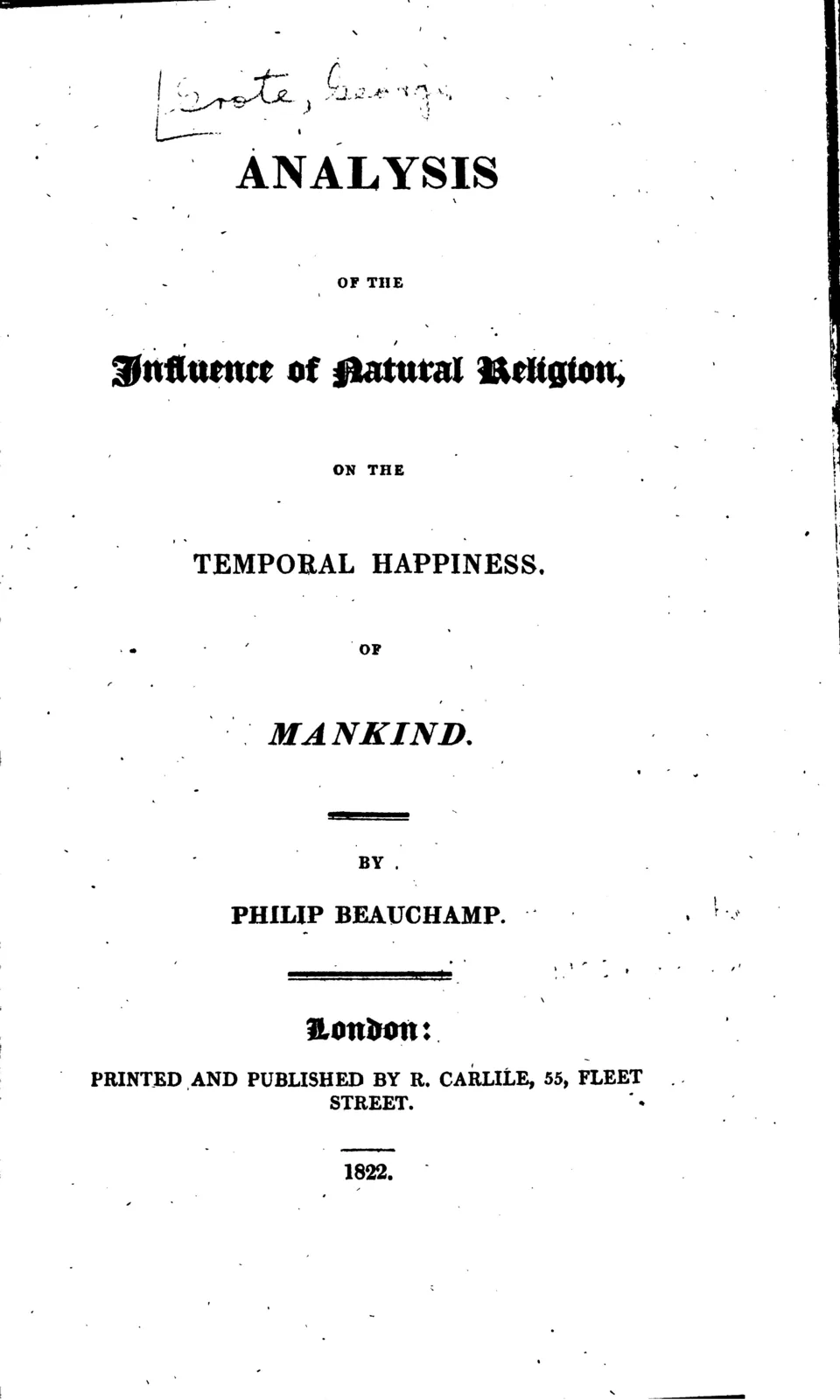
- John Stuart Mill (photograph) — London Stereoscopic Company, c. 1870 · London Stereoscopic Company, c. 1870 (Hulton Archive per Commons), via Wikimedia Commons, public domain · Public domain (Wikimedia Commons: PD-old; photograph c. 1870)
- James Mill (frontispiece portrait, from Alexander Bain, James Mill: A Biography, London: Longmans, Green, 1882) — Unknown artist; in Alexander Bain, James Mill: A Biography, 1882 (portrait of James Mill, 1773-1836) · Alexander Bain, James Mill: A Biography (London, 1882), Internet Archive copy · Public domain (published 1882)
- Analysis of the Influence of Natural Religion on the Temporal Happiness of Mankind, by Philip Beauchamp, title page (London: printed and published by R. Carlile, 1822) — 'Philip Beauchamp' (Jeremy Bentham, with George Grote), 1822 · Philip Beauchamp, Analysis of the Influence of Natural Religion (London: R. Carlile, 1822), Internet Archive copy (Google scan) · Public domain (published 1822)
- William Wordsworth (stipple engraving) — William Henry Watt, 1836 · William Henry Watt, stipple engraving, 1836; National Library of Wales Welsh Portrait Collection, via Wikimedia Commons, public domain · Public domain (Wikimedia Commons: PD-old-100)
- Thomas Carlyle — Julia Margaret Cameron, 1867 · Julia Margaret Cameron, Thomas Carlyle, 1867, albumen silver print. The Metropolitan Museum of Art, Gift of Edith Root Grant, Edward W. Root and Elihu Root Jr., 1937 (37.17.17), CC0, via Wikimedia Commons · CC0 (Metropolitan Museum of Art Open Access; 'Public domain' work, accession 37.17.17)
- Auguste Comte (daguerreotype) — Unknown author, 1849 · Daguerreotype of Auguste Comte, 1849, via Wikimedia Commons, public domain · Public domain (Wikimedia Commons: PD-old-70)
- Tomb of John Stuart Mill, Saint-Véran cemetery, Avignon — Véronique Pagnier, 2010-05-22 · Photograph by Véronique Pagnier, 2010, released to the public domain, via Wikimedia Commons · Public domain (Wikimedia Commons: PD-self; author release)
- Photograph of a drawing showing Professor Mansel slipping on the ice (skates marked 'Metaphysics' and 'Logic', staff 'Faith', ice 'Theology') — Photographer unknown, after an anonymous drawing (Rijksmuseum RP-F-2001-7-23-2), c. 1855-before 1866 · Rijksmuseum, Amsterdam (RP-F-2001-7-23-2), CC0, via Wikimedia Commons · CC0 (Rijksmuseum); Rijksmuseum states 'Copyright: Publiek domein'
- Punch, 30 March 1867: John Stuart Mill asks an indignant John Bull to let women cast their vote — John Tenniel, 1867-03-30 · John Tenniel, Punch, 30 March 1867, via Wikimedia Commons, public domain · Public domain (Wikimedia Commons: PD-old-100-1923)
- Portrait of Charles Bradlaugh (carte de visite) — Unknown authorUnknown author, c. 1880 · Unknown author, via Wikimedia Commons, public domain · Public domain (Wikimedia Commons: Public domain)
- Three Essays on Religion by John Stuart Mill, title page (New York: Henry Holt and Company, 1874) — John Stuart Mill, 1874 · John Stuart Mill, Three Essays on Religion (New York: Holt, 1874), Internet Archive copy from the New York Public Library · Public domain (published 1874)
- Three Essays on Religion (New York: Holt, 1874), p. 249, 'the indulgence of hope ... is legitimate and philosophically defensible' — John Stuart Mill, 1874 · John Stuart Mill, Three Essays on Religion (New York: Holt, 1874), Internet Archive copy from the New York Public Library · Public domain (published 1874)
- The John Stuart Mill Statue, Victoria Embankment, London — Jim Linwood, 2014-03-05 · Photograph by Jim Linwood, 2014, CC BY 2.0, via Wikimedia Commons (https://www.flickr.com/photos/brighton/12985031013/) · CC BY 2.0 (Wikimedia Commons; Flickr review passed)
Sources
Tier 1 — the subject's own words (writings, letters, diaries, trial records)
- Aut J. S. Mill, Autobiography (written 1853-1870, Longmans, London, 1873), text as Project Gutenberg ebook #10378 (edition not stated; contains bracketed passages added by Helen Taylor). Saved as research/texts/autobiography.txt. The Gutenberg text has no page numbers, so claims cite the chapter (I-VII). Mill's chapter headings: I childhood; II moral influences and father's opinions; III 1821-23; IV 1823-28; V 1826-32 (the crisis); VI 1830-40 (Harriet; father's death); VII 1840-70.
- 3Ess J. S. Mill, Three Essays on Religion (Longmans, Green, Reader and Dyer, London, 1874; ed. Helen Taylor), Internet Archive threeessaysonrel015875mbp (saved as three-essays-longmans.txt); cross-checked against the New York, Henry Holt edition of 1874, Internet Archive cu31924020335620 (saved as three-essays.txt), which has the same pagination for pp. 1-257. Pages below are the printed pages in both. Two page images (Holt leaves 261 and 266) were viewed to confirm the garbled OCR of Q27 and Q28 (notes/p244b.jpg, notes/p244.jpg).
- Lett1, Lett2 The Letters of John Stuart Mill, ed. Hugh S. R. Elliot, 2 vols. (Longmans, Green, London, 1910), Internet Archive letterseditedwit01milluoft and letterseditedwit02milluoft (texts letters1.txt and letters2.txt). Lett2 Appendix A prints Mill's diary of 8 January to 15 April 1854.
- Ham J. S. Mill, An Examination of Sir William Hamilton's Philosophy (Longmans, Green, Longman, Roberts and Green, London, 1865), Internet Archive examinationofsir00mill (text hamilton-examination.txt; the running heads "The Philosophy of the Conditioned" belong to chapter VII).
- Lib J. S. Mill, On Liberty (1859), Project Gutenberg ebook #34901 (text on-liberty.txt); no page numbers, cited by chapter.
Tier 2 — scholarly biographies and encyclopedias
- Bain Alexander Bain, John Stuart Mill: A Criticism, with Personal Recollections (Longmans, Green, London, 1882), Internet Archive millacriticism00bainuoft (text bain.txt); by a friend of forty years, so partly a primary witness.
- Morley John Morley, "The Death of Mr. Mill" (Fortnightly Review, 1873) and "Mr. Mill's Autobiography" (1873-74) in Critical Miscellanies, vol. 3 (Macmillan, London, 1908), Project Gutenberg ebook #20887 (text morley.txt); no page numbers.
- Packe Michael St. John Packe, The Life of John Stuart Mill (1954), in copyright; on Internet Archive only as a lending copy (lifeofjohnstuart00pack); not read.
Tier 3 — popular biographies and journalism
- Larsen-OUP Timothy Larsen, "A surprisingly religious John Stuart Mill" (interview on OUPblog, 7 December 2018), https://blog.oup.com/2018/12/surprisingly-religious-john-stuart-mill/ (read 2026-10-14). Larsen's book, John Stuart Mill: A Secular Life (OUP, 2018), is in copyright and was not read; its claims here are secondhand through the interview and Wikipedia's quotation of it.
Tier 4 — Wikipedia and similar reference sites (citable; give the article and revision date; prefer a higher tier where one exists)
- WP-Mill Wikipedia, "John Stuart Mill" (fetched 2026-10-14; revision date not shown by the fetch). Used for: death 7 May 1873 (cites Thouverez 1908), marriage 21 April 1851 and Harriet's death 3 November 1858, term of office 25 July 1865 to 17 November 1868, birthplace Pentonville. Each is marked secondhand.
- WP-3Ess Wikipedia, "Three Essays on Religion" (fetched 2026-10-14). Map to the Notre Dame Philosophical Reviews notice by Julie C. Van Camp (2009) and the Internet Encyclopedia of Philosophy entry by Colin Heydt; neither read.
Opposition sources — contemporary critics and religious responses
- Mansel H. L. Mansel, The Philosophy of the Conditioned (Alexander Strahan, London, 1866; reprinted from the Contemporary Review), Project Gutenberg ebook #28484 (text mansel-conditioned.txt); no page numbers. Mansel was Waynflete Professor of Moral and Metaphysical Philosophy at Oxford and an Anglican clergyman. Also Mansel, The Limits of Religious Thought (Bampton Lectures, 1858), downloaded as mansel-limits.txt (Internet Archive thelimitsofrelig00mansuoft), the work Mill attacked; not yet read.
- Martineau James Martineau, Essays Philosophical and Theological (1875), saved as martineau-essays1875.txt (Internet Archive essaysphilosophi01martiala). Contains an essay on Mansel's Limits (pp. 213-244) and one on Mill (pp. 63-120, a review of Mill's Dissertations and Discussions of 1859, not of the Three Essays). A Unitarian minister's criticism of Mansel; not used in the tables.
Related lives
Charles Bradlaugh (episode 02): Mill sent money to Bradlaugh's election fund in 1868 and was punished at the polls for it. Alternative: Harriet Martineau, Leslie Stephen.
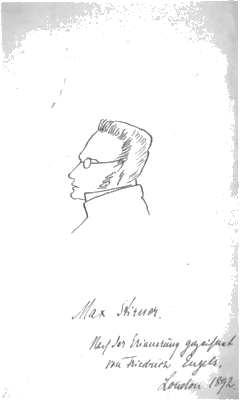
Max Stirner
Max Stirner was a Bayreuth Lutheran with a theology student's training and no recorded crisis of faith. He moved among Bauer's Berlin radicals until, in The Ego and Its Own (1844), he rejected not only God but the "Man" that Feuerbach and the humanist atheists had put in God's place. He refused the name atheist, because he counted those atheists among the pious. He restated the position once against his critics in 1845, and then fell silent into translation, debt and an early death.
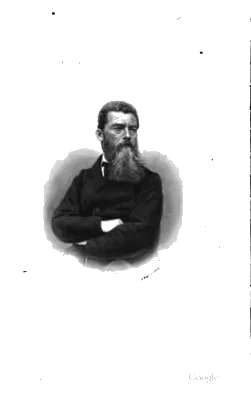
Ludwig Feuerbach
Ludwig Feuerbach left theology for Hegel's philosophy at twenty, and lost his academic career to an anonymous book against immortality. In The Essence of Christianity he argued that God is humanity's own nature, projected and worshipped. He meant that unbelief as a translation of religion into plain speech. Love of man later pushed it toward materialism.
Charles Darwin
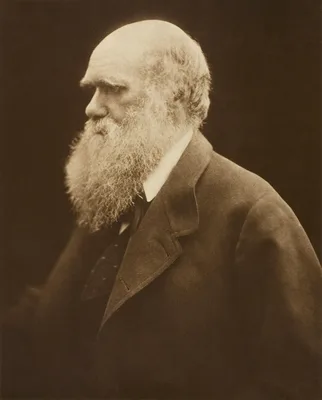
Charles Darwin was a would-be country clergyman who believed every word of the Bible. Between 1836 and 1839 he gave up Christianity as a revelation "at a very slow rate" and without distress, by reasoning about miracles, the Gospels and other religions. He kept a designing God until his own theory left design little to do, and ended "content to remain an Agnostic". He kept the whole road private, for his family's sake and from his own judgement that attacks on religion did no good.
Harriet Martineau
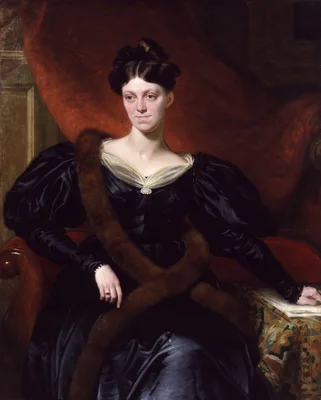
Harriet Martineau was a devout Unitarian child. At twenty she took the doctrine of Necessity from her brother James, and watched it wear her faith away over many years. She let go of the last of it in five years of illness and bereavement at Tynemouth, and on her Eastern journey of 1846–47 she saw every religion as human history. In 1851 she said in print that she knew nothing whatever about God, an atheist only "in the vulgar sense", at the cost of her brother's lasting enmity and with no dread of the annihilation she expected.