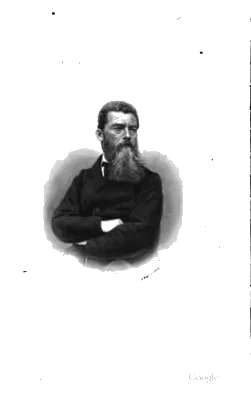
Ludwig Feuerbach left theology for Hegel's philosophy at twenty, and lost his academic career to an anonymous book against immortality. In The Essence of Christianity he argued that God is humanity's own nature, projected and worshipped. He meant that unbelief as a translation of religion into plain speech. Love of man later pushed it toward materialism.
The belief timeline
- Faith (1823) — He enters Heidelberg to study theology; at sixteen his letters are the ordinary pious ones; at Heidelberg he rejects Paulus's rationalism, not religion [8][9][10]
- Doubt (1825-03-22) — Having learned Hegel from Daub and in Berlin, he tells his father he cannot study theology any more: "Palästina ist mir zu eng"; in 1828 he tells Hegel that Christianity cannot be the absolute religion [18][23]
- Declaration (1841) — *Das Wesen des Christenthums*: God is man's own essence projected outward; "Das Geheimniss der Theologie ist die Anthropologie" (anonymous precedent: the 1830 *Todesgedanken*, which cost him his career) [26][36][39]
- Revision (1848–1850) — In the Heidelberg lectures his aim is "positive", to turn theologians into anthropologists; by 1850 he is saying "der Mensch ist, was er isst"; the earlier "God, reason, man" notes (1843–44) mark the shift from reason to man [41][45][51]
Notes to the timeline (11)
- [8] At sixteen (22 October 1820) he wrote to his mother in the usual pious terms ("es war Gottes Wille", "Gott gebe Euch Allen Gesundheit") — Karl Grün, Ludwig Feuerbach in seinem Briefwechsel und Nachlass sowie in seiner philosophischen Charakterentwicklung, vol. I (Leipzig and Heidelberg: C. F. Winter, 1874), p. 164.
- [9] At Easter 1823 he went to Heidelberg to study theology — Grün, Ludwig Feuerbach in seinem Briefwechsel…, vol. I, p. 162; Henry Sturt, "Feuerbach, Ludwig Andreas", Encyclopaedia Britannica, 11th ed., vol. X (1911).
- [10] At Heidelberg in 1823 he stopped attending the rationalist exegete Paulus, whom he called dishonest, and attended only Daub's dogmatics, whom he called "den herrlichen, geistreichen Daub" — Grün, Ludwig Feuerbach in seinem Briefwechsel…, vol. I, letters of 1823 (pp. 172–176, page numbers read from the leaves near leaf 187; confirm).
- [18] On 22 March 1825 he wrote to his father from Berlin that he could no longer study theology; he gave as reasons that it no longer fed him, that "Palästina ist mir zu eng", and that he wanted nature and man — Grün, Ludwig Feuerbach in seinem Briefwechsel…, vol. I, pp. 190–193.
- [23] In that letter he wrote that Christianity cannot be the perfect and absolute religion, and called for a "Reich der Idee" in which God as a person and the ideas of death, here and hereafter would be destroyed — Grün, Ludwig Feuerbach in seinem Briefwechsel…, vol. I, pp. 216–218.
- [26] In 1830 the anonymous *Gedanken über Tod und Unsterblichkeit* appeared in Nuremberg; Grün says an indiscretion exposed the author and closed the professorship to him for ever — Grün, Ludwig Feuerbach in seinem Briefwechsel…, vol. I, p. 22; Sturt, Encyclopaedia Britannica.
- [36] On 4 January 1841 he asked the publisher Wigand to publish the work anonymously under the title "Gnothi sauton oder das Geheimniss der Religion und die Illusionen der Theologie"; it appeared in 1841 as *Das Wesen des Christenthums* — Grün, Ludwig Feuerbach in seinem Briefwechsel…, vol. I, p. 334; Sturt, Encyclopaedia Britannica.
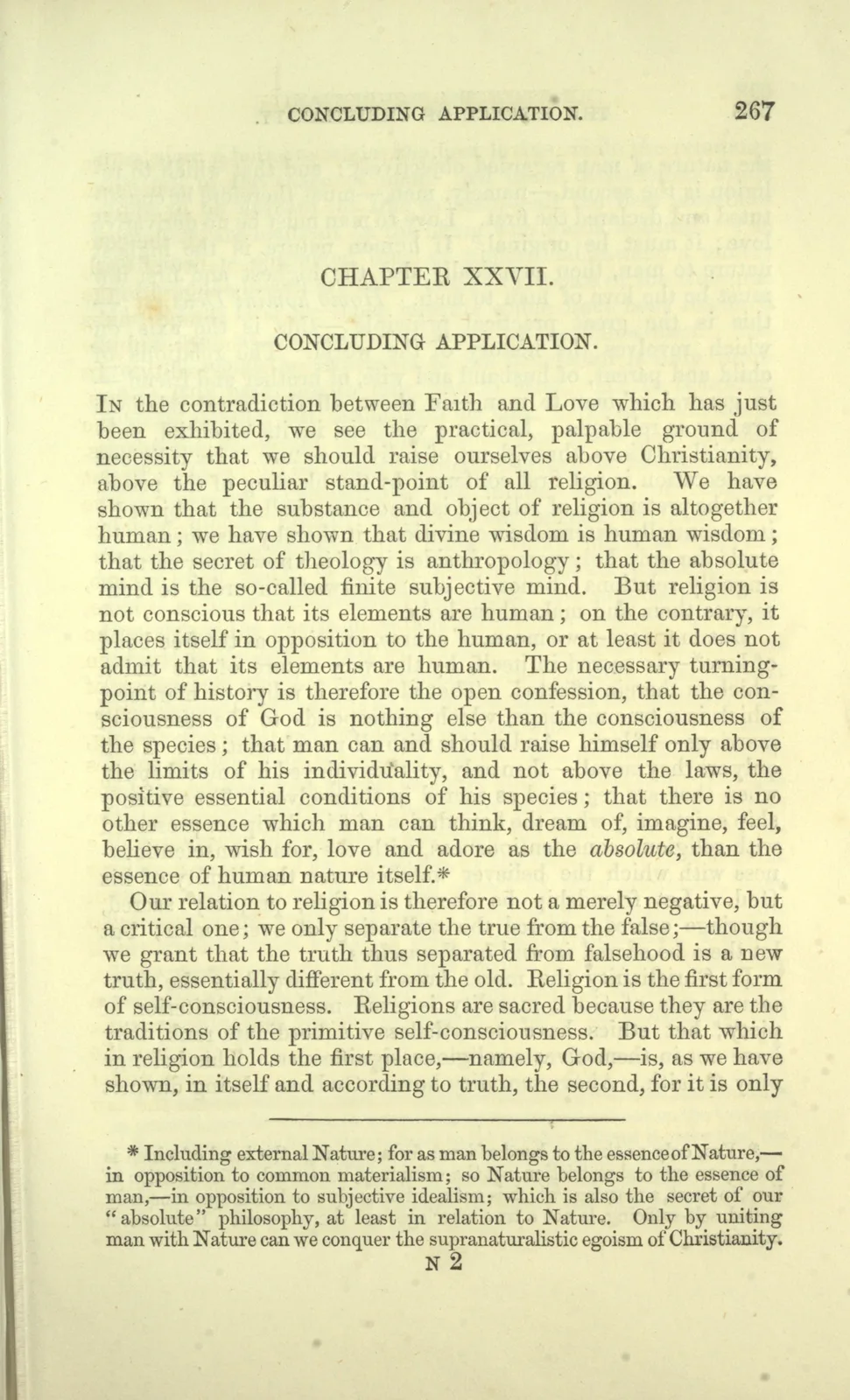
- [39] The book's thesis: the object of religion is man's own nature; "the secret of theology is anthropology" — Ludwig Feuerbach, The Essence of Christianity, translated from the second German edition by Marian Evans (London: John Chapman, 1854), pp. 2–3, 62, 267.
- [41] Ruge's letters of 1840–43 urged him to write for the Young Hegelian *Jahrbücher* and proposed a new university at Dresden; in 1843–44 he noted "Gott war mein erster Gedanke, die Vernunft mein zweiter, der Mensch mein dritter und letzter Gedanke" — Grün, Ludwig Feuerbach in seinem Briefwechsel…, vol. I, pp. 334–351; Feuerbach, Sämmtliche Werke vol. II (Leipzig: Otto Wigand, 1846), containing the "Fragmente zur Charakteristik meines philosophischen Curriculum vitae", p. 410.
- [45] The Heidelberg lectures ran from 1 December 1848 to 2 March 1849 in the city (not the university) on students' invitation before a mixed public; they followed his *Wesen der Religion* (1845) — Feuerbach, Vorlesungen über das Wesen der Religion (Sämmtliche Werke vol. VIII, Leipzig: Wigand, 1851), p. V; Feuerbach, Vorlesungen über das Wesen der Religion, ed. Wilhelm Bolin, Sämtliche Werke vol. VIII, new ed. by Bolin and Jodl (Stuttgart: Frommann, 1908), (Bolin's note); Grün, Ludwig Feuerbach in seinem Briefwechsel…, vol. I, pp. 382–383.
- [51] In 1850 he coined "der Mensch ist, was er isst" in a review of Moleschott; he later wrote an essay on the sacrifice around the phrase, and called himself in the preface a "ganz schrecklicher Materialist" in irony — Feuerbach, Gottheit, Freiheit und Unsterblichkeit, with "Das Geheimniss des Opfers, oder der Mensch ist, was er isst", Sämmtliche Werke vol. X, 2nd ed. (Leipzig: Wigand, 1890), Vorwort, p. 1.
The Secret of Theology
On 22 March 1825 a student of twenty in Berlin wrote a long letter to his father, one of the most famous lawyers in Germany. It began as a mock obituary of himself as a theologian, and then it said plainly what he meant. "Die Theologie kann ich nicht mehr studiren": I can study theology no longer.1 "Palestine is too narrow for me," he went on; "I must, I must go out into the wide world, and only the philosopher carries that on his shoulders."2 His father answered four weeks later that the letter looked like madness, that two years of study were wasted, and that he could not approve. "What I cannot permit, because one cannot permit what one disapproves, I must at least let happen, because I cannot prevent it."3
Sixteen years later the son published a book that argued that God is the human being's own nature, looked at from outside and worshipped. Friedrich Engels remembered the effect on the young radicals of Germany: "we were all for the moment Feuerbachians."4 This chapter follows Ludwig Feuerbach from a theology student's letter to the most influential account of religion in the nineteenth century, and on to a poor old age in which, as he said, love of man had made him a materialist.
The English quotations from The Essence of Christianity below are from George Eliot's translation of 1854. Every other English rendering of his German in this chapter is this book's own translation.
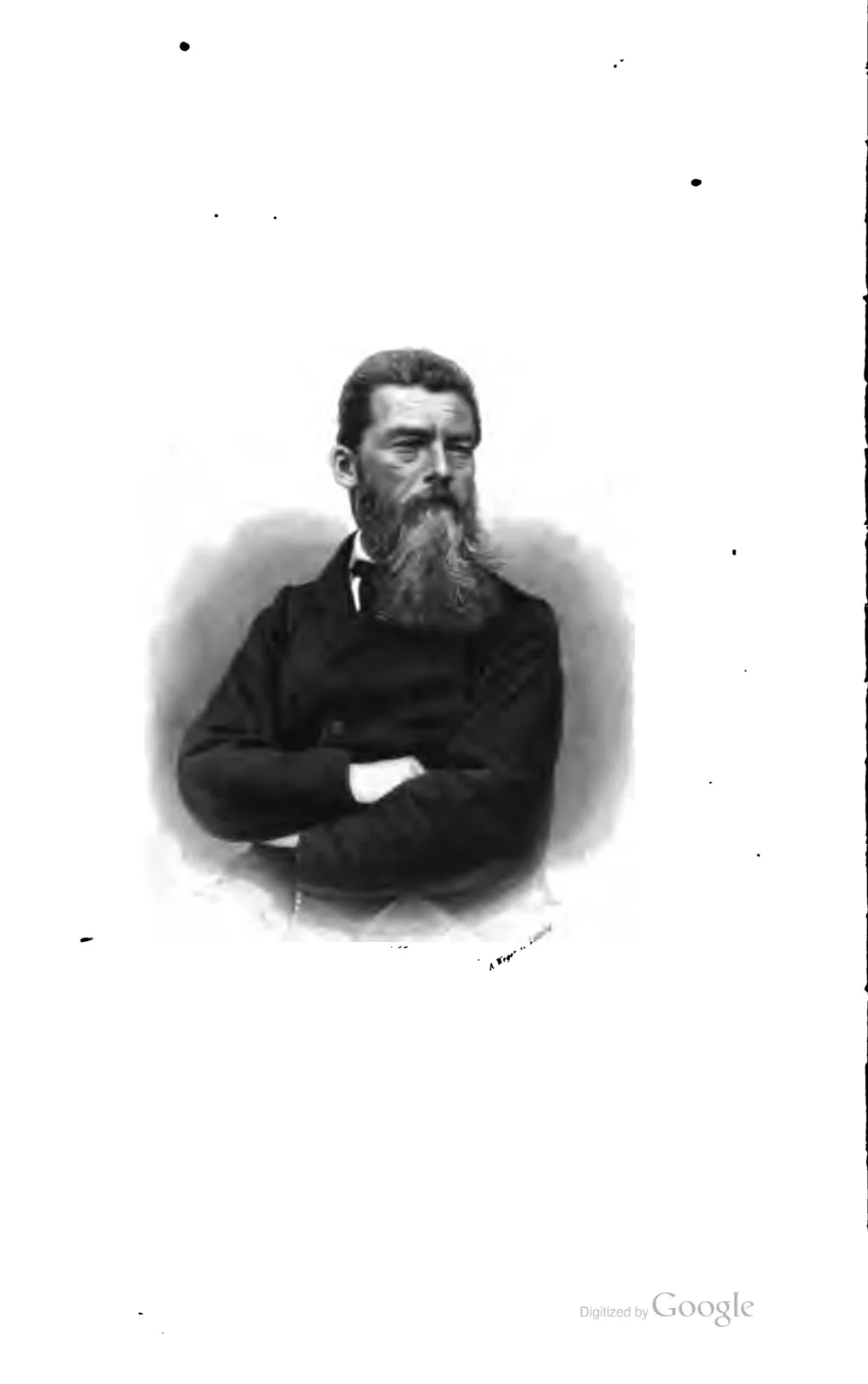
The jurist's son
Ludwig Andreas Feuerbach was born on 28 July 1804 at Landshut in Bavaria, the fourth son of Paul Johann Anselm Feuerbach, then a court councillor and professor, later the author of the Bavarian penal code of 1813.56 The father had studied philosophy as a young man and given it up for law because he was poor and newly married; it gave him, he told his son, bread, then fame, then office.7 The family moved with his career, to Munich, to Bamberg, and in 1816 to Ansbach, where he presided over the court of appeal until his death.8
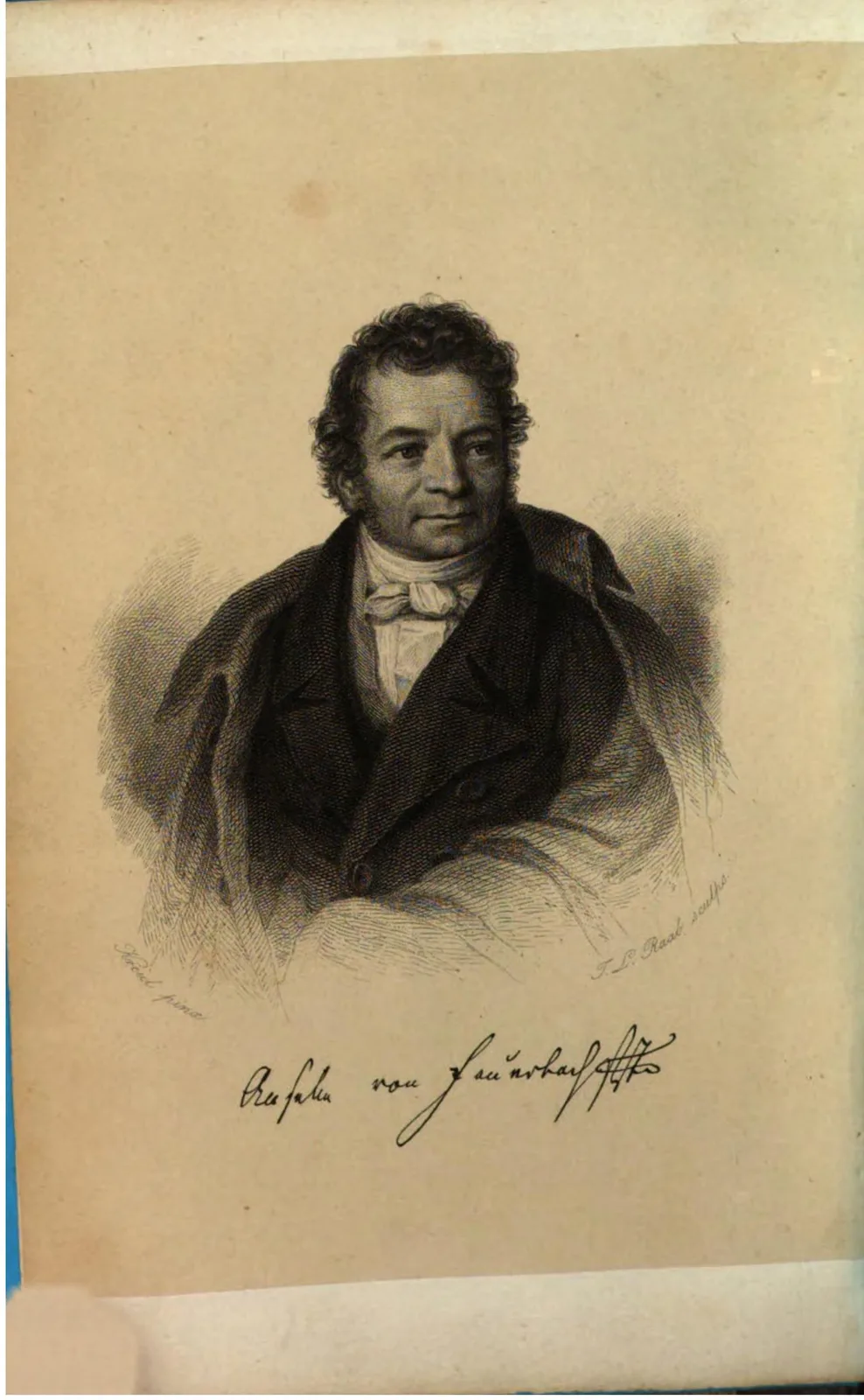
Nothing in the surviving letters suggests a boy in revolt. At sixteen he wrote to his mother in the ordinary pious language of the time, "es war Gottes Wille," it was God's will, and "God give you all health."9 At Easter 1823 he went to Heidelberg to study theology.10
Daub and Hegel
At Heidelberg the young theologian made a choice that tells a good deal about him. He stopped going to the lectures of the famous rationalist H. E. G. Paulus, who explained the miracles of the Bible away as natural events, and whom he thought dishonest. He went instead, twelve hours a week, to the lectures on dogmatics of Karl Daub, "the glorious, brilliant Daub," the only man in Heidelberg, he said, who satisfied him.1112 Daub taught theology through the philosophy of Hegel, in which the doctrines of Christianity were the truths of reason in the form of pictures. It was not a rejection of religion that drew Feuerbach. It was the hope of understanding it completely.
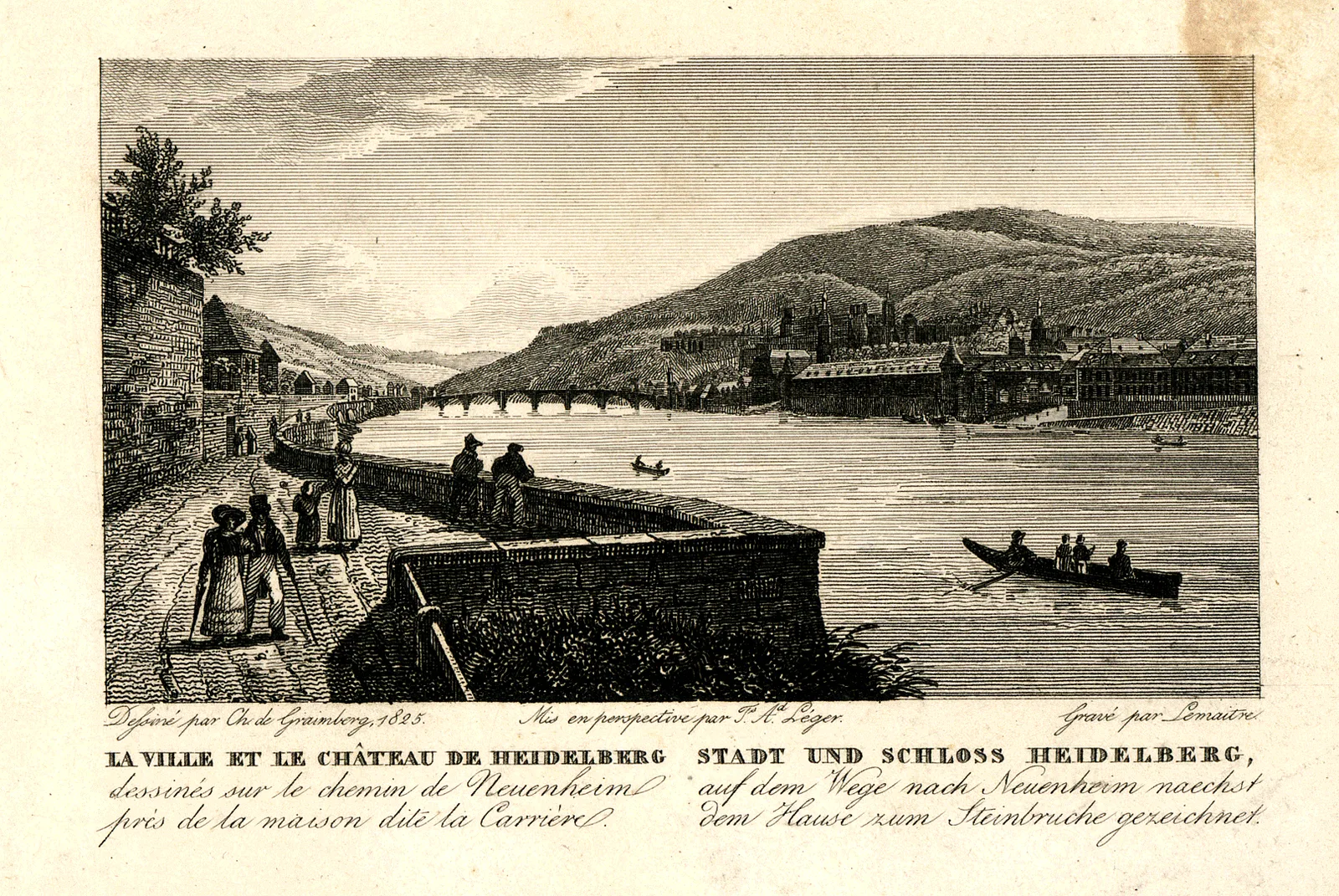
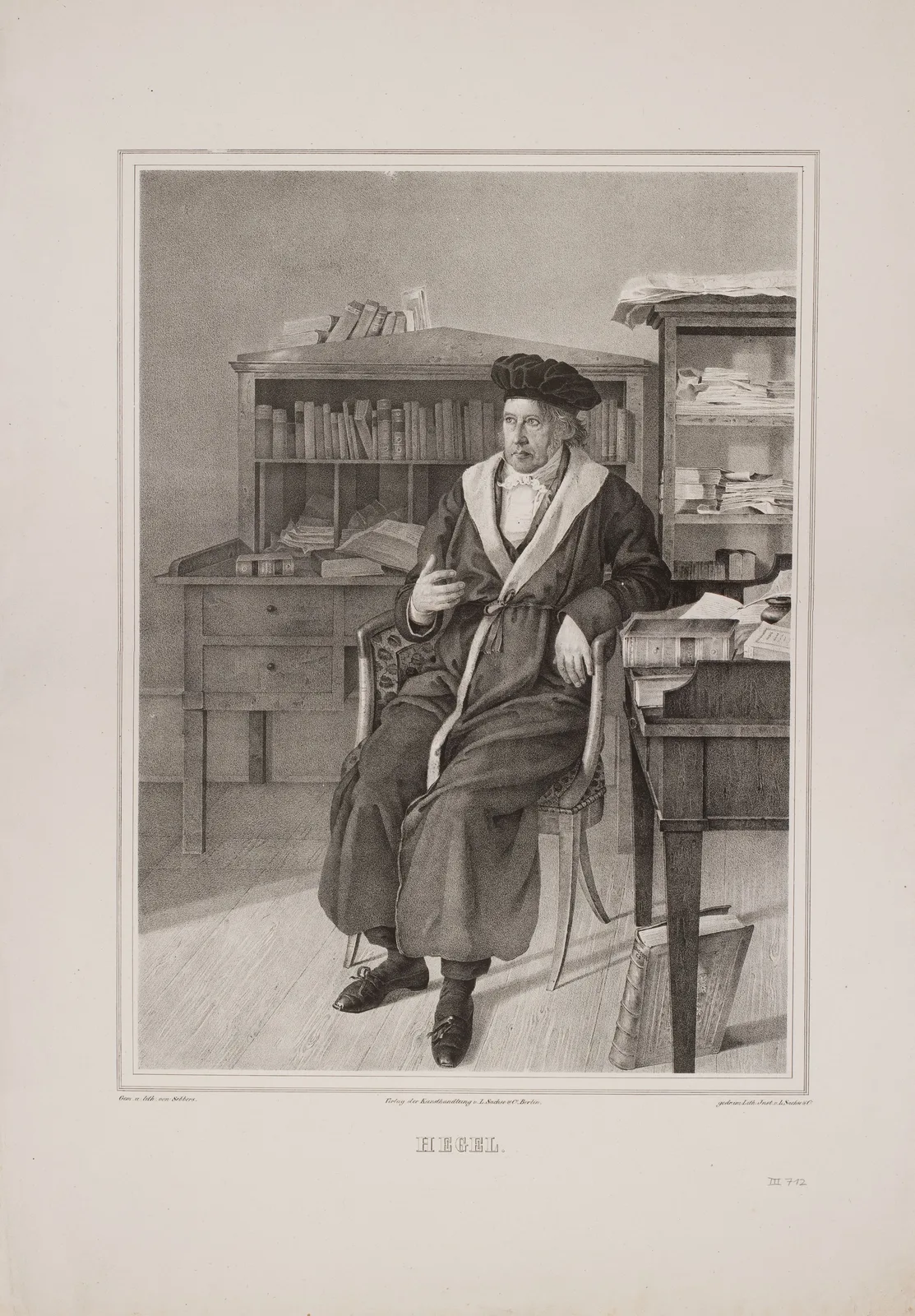
In January 1824 he asked his father's permission to go to Berlin, where the great theologians taught and where, besides, the government required philosophy lectures of every student.13 In Berlin he went to hear Hegel himself, on logic, metaphysics and the philosophy of religion, while assuring his father that he was "by no means minded to become a Hegelian."14 A few weeks of Hegel, he wrote in May, had done him more good than four months of anything else; Daub had planted the seed.15 In Heidelberg, Daub himself told a student that "Feuerbach will certainly not stay with theology; he will advance into the realm of philosophy."16 Then came the letter of March 1825.
The break, 1825
The letter is the turning point of his life, and the belief timeline places his doubt here. A pious boy's conventional faith had not cracked under a crisis; it had been absorbed, step by step, into philosophy, until there was nothing left that theology could teach him. He told his father that he wanted to "press nature to my heart, from whose depth the cowardly theologian shrinks back," and that he was glad "to have escaped the hands of the dirty priests and to have minds like Aristotle, Spinoza, Kant and Hegel as my friends."1718 It is strong language from a son of twenty to a father, and it shows how much feeling lay under the philosophy.
The father's reply was hurt rather than tyrannical. He had himself left philosophy for law because he needed to earn a living; now his son was leaving theology for philosophy out of conviction, with no living in prospect at all.19 He did not forbid it. From 25 April 1825 Ludwig was enrolled at Berlin in philosophy.20
The anonymous book and the closed door
He took his doctorate at Erlangen in 1828 and became an unpaid lecturer there.21 That November he sent his dissertation to Hegel with a letter of homage, calling himself Hegel's "immediate pupil." In the same letter he wrote something no orthodox Hegelian would have written: "Christianity therefore cannot be conceived as the perfect and absolute religion; that can only be the realm of the reality of the idea and of existing reason."22 He hoped for a coming "realm of the idea" in which God as a person, and the ideas of a life after death, would be done away with.23
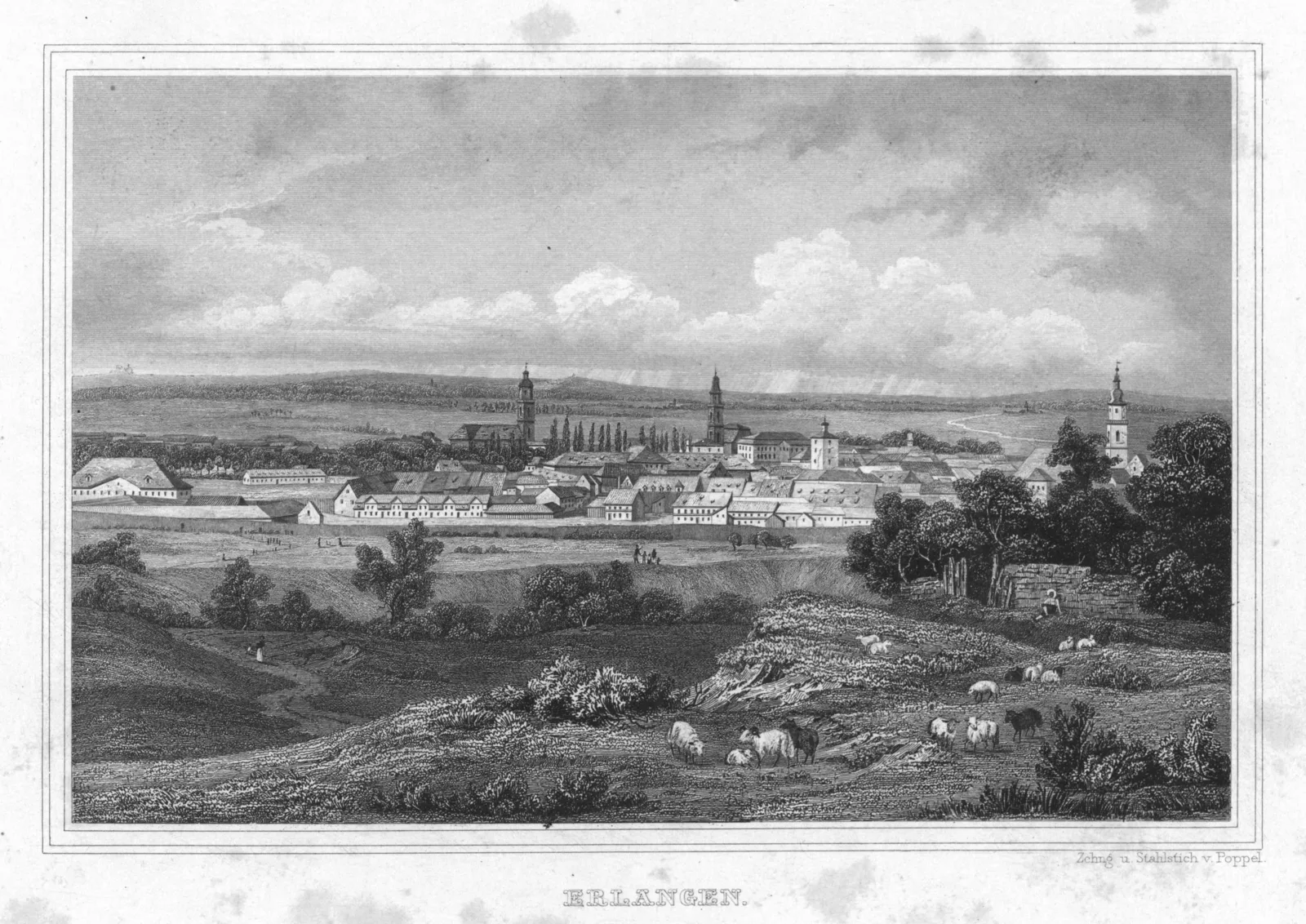
In 1830 a book appeared anonymously at Nuremberg called Thoughts on Death and Immortality. It attacked the belief in personal immortality and offered in its place the dissolution of the self in nature.24 Its tone was bitter. Christianity, it said, had let the roses and lilies of the present world wither, mown the grass and grain, turned the whole world into a sapless stubble field, and then, out of the empty feeling of its own emptiness, there sprouted "the characterless, colour-faded meadow saffron of immortality."25 The authorities confiscated it.26 The author was soon known, and his biographer Karl Grün wrote that the indiscretion closed the professor's chair to him for ever.27 When he applied for an appointment a third time, in 1836, the prorector of the university told him plainly that a strong recommendation was opposed only by the suspicion "that the work published at Nuremberg by Stein in 1830, 'Thoughts on Death and Immortality,' did not appear without your cooperation."28 The pietist party at Erlangen had already drawn his students away, and in 1832 he stopped lecturing.29 He looked for a post in Paris, in Bern, even in Greece, and found none.30
Bruckberg
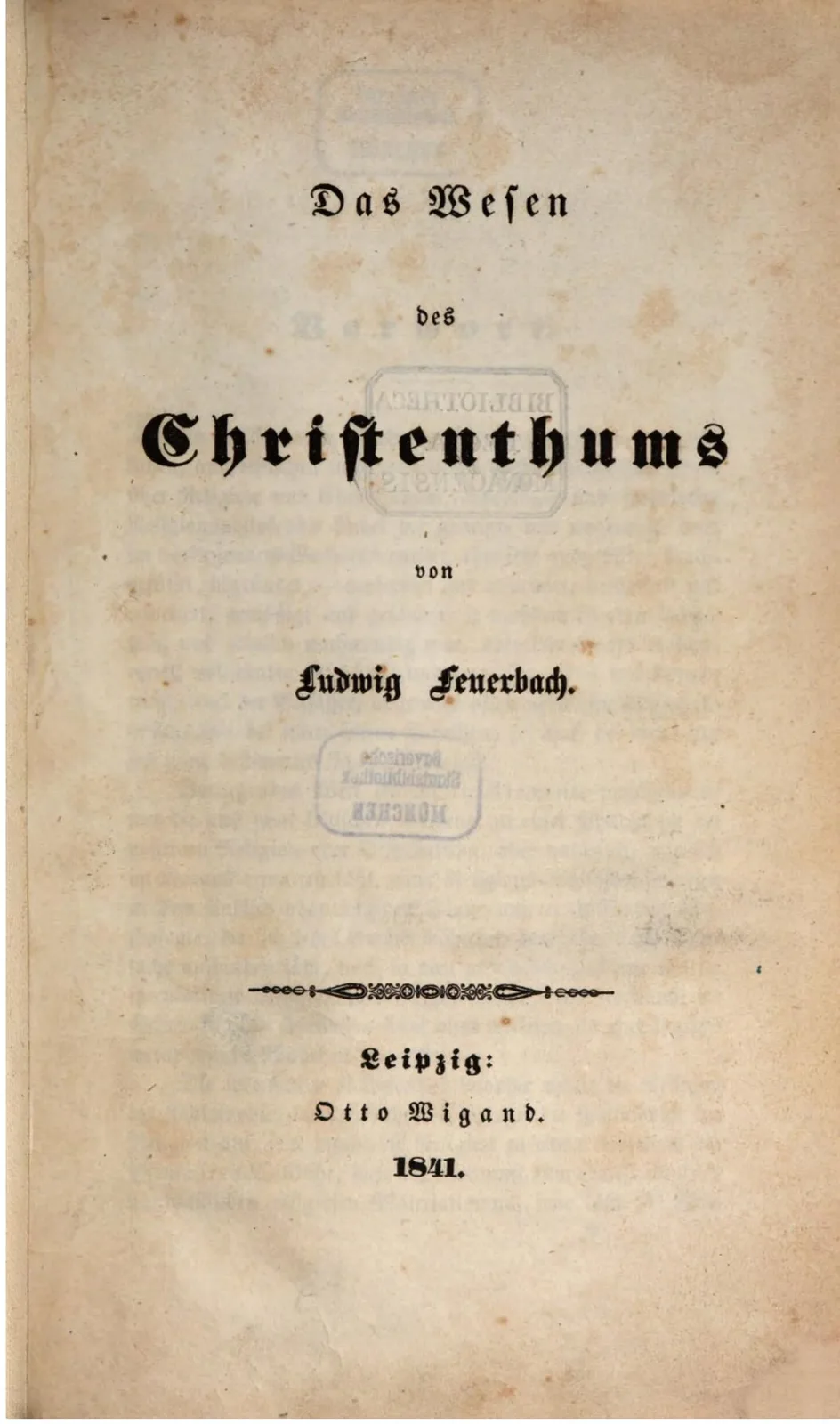
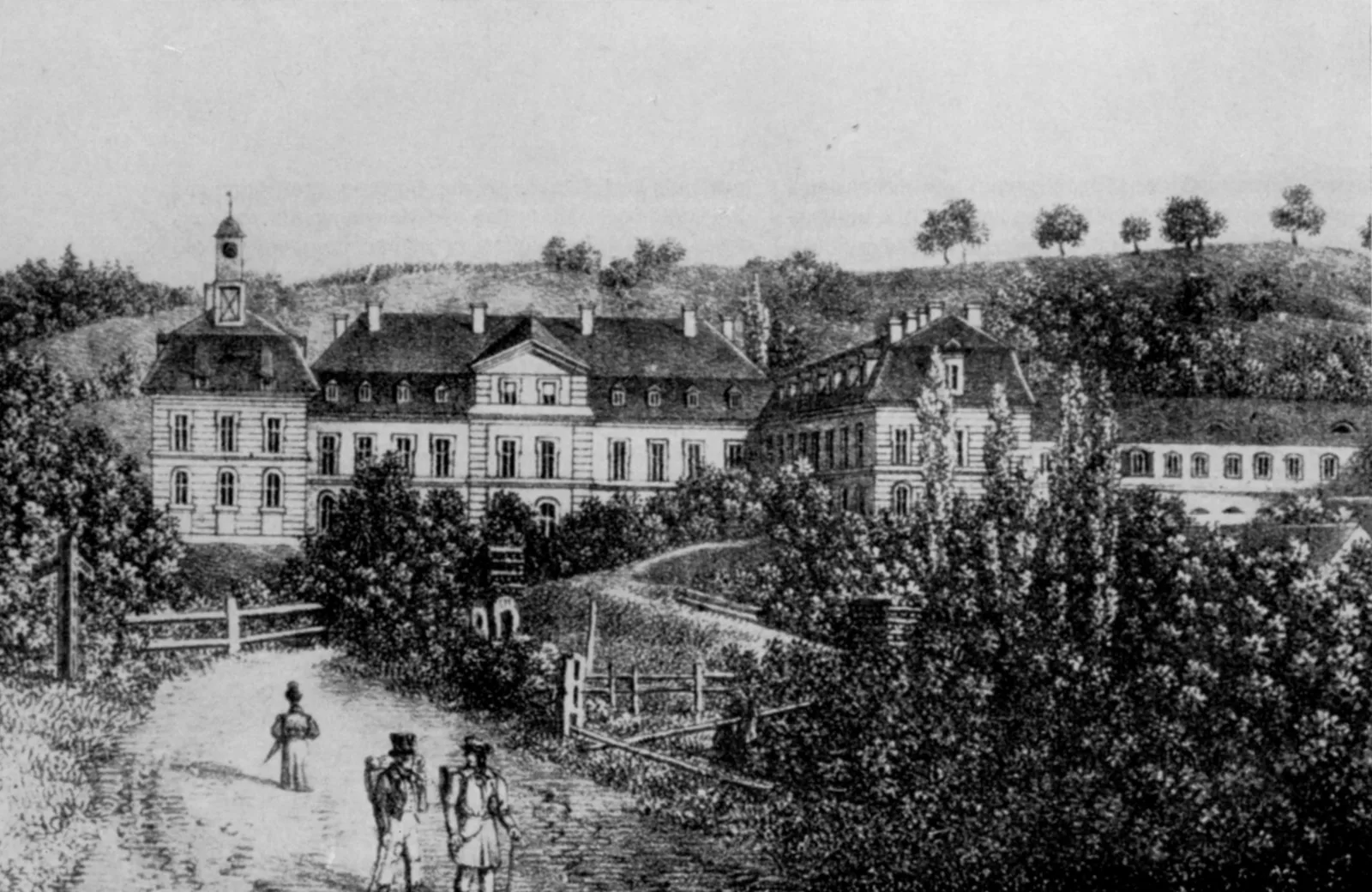
In 1833 he met Bertha Löw, whose family owned a share of a porcelain factory in the castle at Bruckberg, a village near Ansbach. They married in 1837, and for twenty-four years the castle was his world. The household lived on her share of the factory, free lodging, and a small state pension he drew as his father's son.3132 There, far from any university, he wrote the books that made him famous. In 1838 and 1839 he argued that Christianity had long since vanished from reason and from human life and survived only as "a fixed idea."33 In January 1841 he wrote to his publisher, Otto Wigand, about a new book, asking that it appear without his name, and proposing a title: "Know thyself, or the secret of religion and the illusions of theology."34 It appeared that year as Das Wesen des Christenthums, The Essence of Christianity.
The Essence of Christianity
The book's argument can be put in its own words: "Man first unconsciously and involuntarily creates God in his own image, and after this God consciously and voluntarily creates man in his own image."35 Religion, he said, is the human being's consciousness of his own nature, mistaken for the consciousness of another being. "The consciousness of the infinite is nothing else than the consciousness of the infinity of the consciousness."36 What a people worships shows what it values most: "God is the mirror of man. That which has essential value for man, which he esteems the perfect, the excellent, in which he has true delight, that alone is God to him."37 Every attribute of God, wisdom, love, mercy, is a human quality raised to infinity and set outside us. And so, at the end of the book: "we have shown that divine wisdom is human wisdom; that the secret of theology is anthropology."38
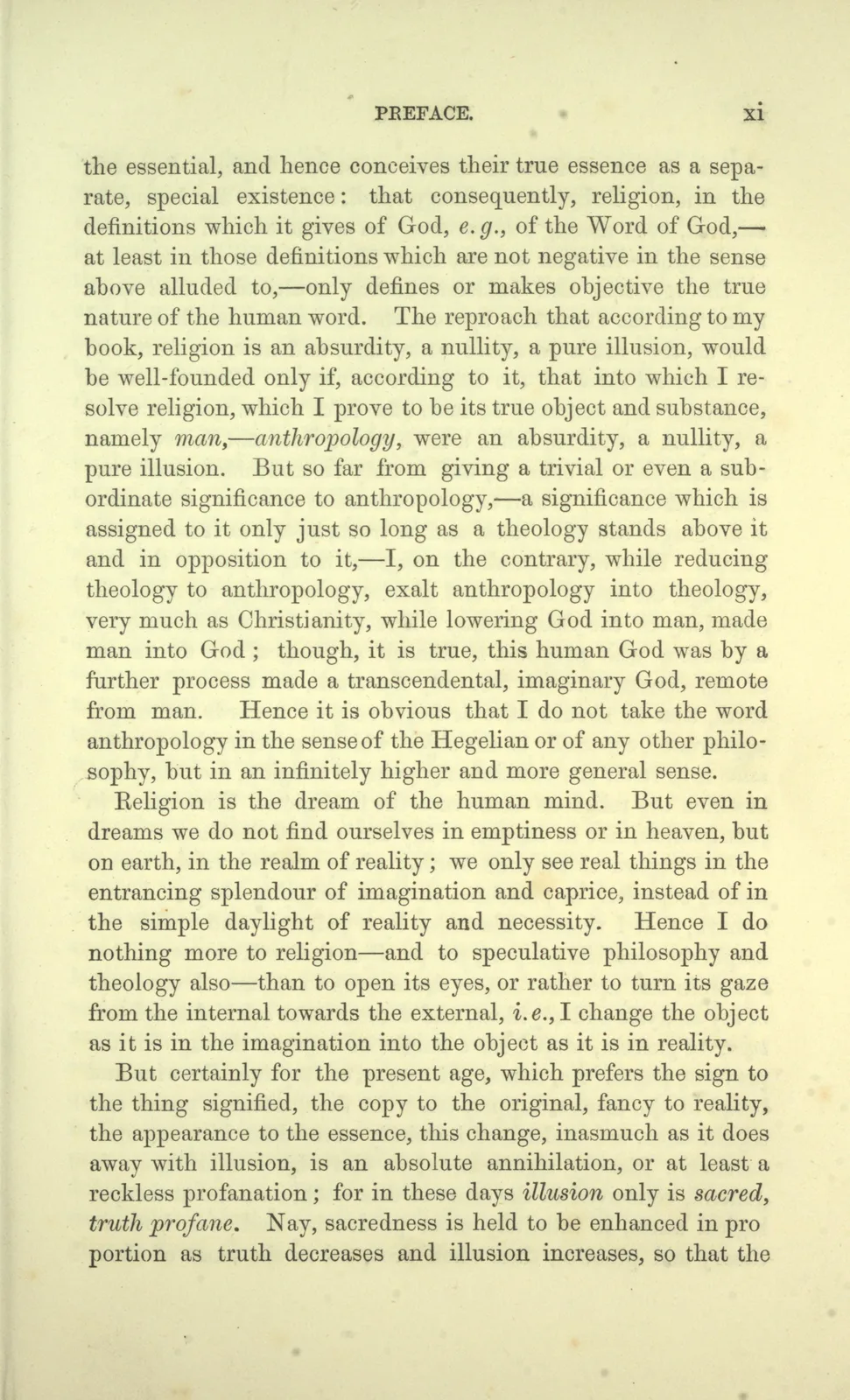
He insisted that this was not destruction. In the preface to the second edition, dated Bruckberg, 14 February 1843, he said that his work "contains a faithful, correct translation of the Christian religion out of the oriental language of imagery into plain speech."39 "Religion is the dream of the human mind. But even in dreams we do not find ourselves in emptiness or in heaven, but on earth, in the realm of reality."40 What he denied was only the illusion, and he knew how the age would take that: "for in these days illusion only is sacred, truth profane."41 The practical conclusion was moral and almost religious in its own way: "Homo homini Deus est," man is a god to man, "this is the great practical principle: this is the axis on which revolves the history of the world."42
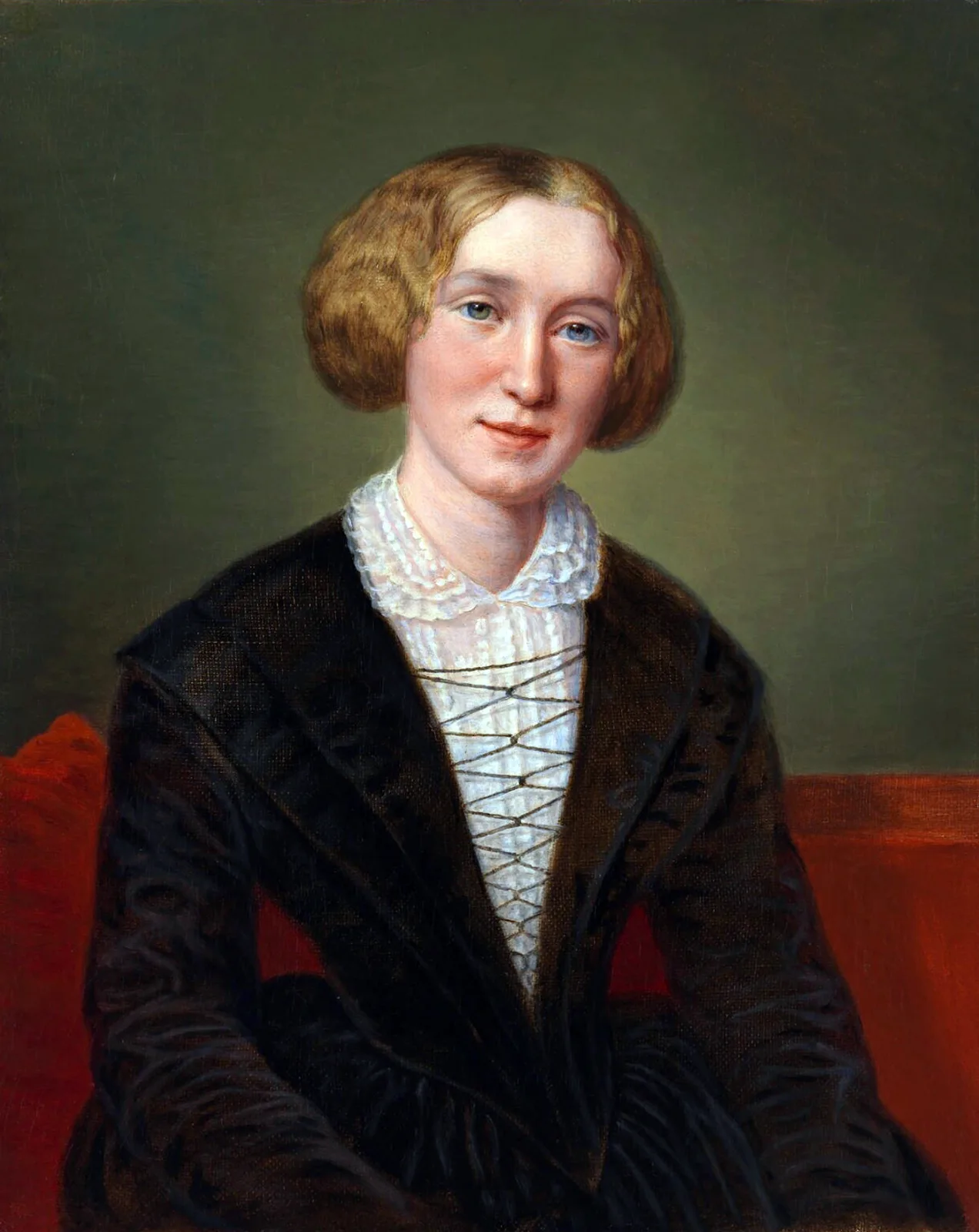
The book made him the hero of the young Hegelians. In October 1843 a young journalist named Karl Marx wrote to him from Kreuznach, asking him to write for a new journal and to take on the philosopher Schelling: "You are just the man for it, because you are the Schelling turned upside down."4344 In England, a young woman named Marian Evans translated the book from the second German edition; it was published in 1854, and she later became the novelist George Eliot.45
God, reason, man
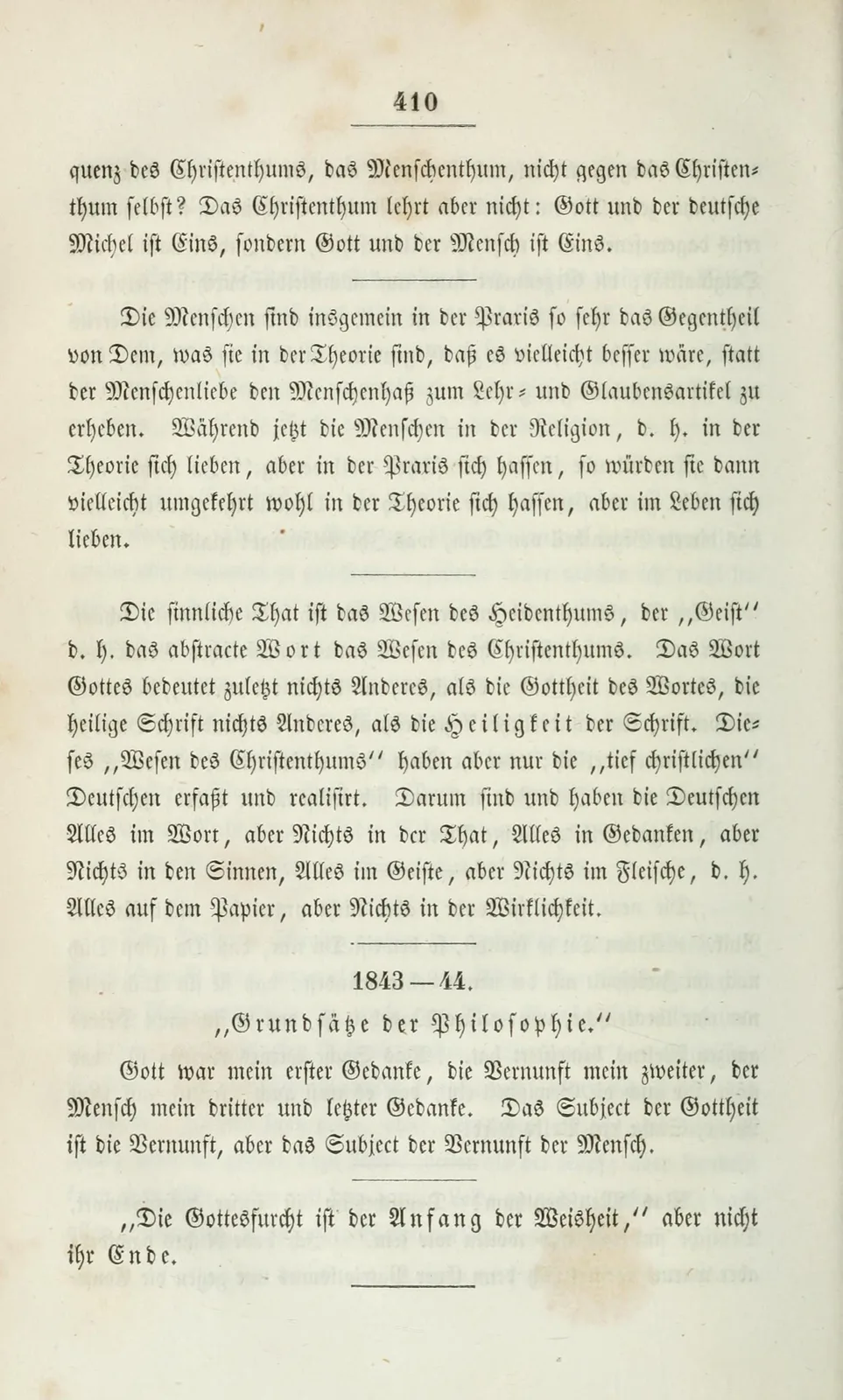
About this time, in notes for a philosophy of the future, he summed up his own development in a line that is often quoted and seldom placed: "God was my first thought, reason my second, man my third and last thought."46 It comes from his notes of 1843 and 1844, printed in his collected works in 1846, and it describes the stages of his philosophy rather than his boyhood. The next sentence explains it: the subject of divinity is reason, but the subject of reason is the human being.47 Hegel had turned God into reason. Feuerbach turned reason into the human being, who thinks.
The critics on his left
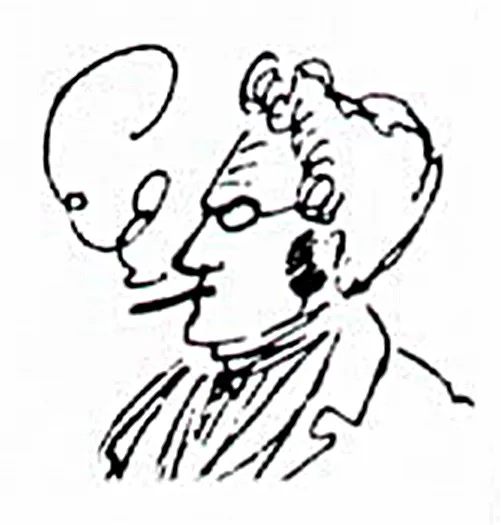
His sharpest critics were not churchmen. In 1845 the young Hegelian Max Stirner published The Ego and Its Own, which accused Feuerbach of simply moving God's attributes from heaven to an abstraction called Man. "From this it follows how thoroughly theological, that is, God-learned, the liberation is that Feuerbach tries to give us." To turn "God is love" into "love is divine" was "simply a new religion."4849 In the same year Marx wrote eleven short notes on Feuerbach, which Engels printed after Marx's death. "Feuerbach resolves the religious essence into the human essence," the sixth said. "But the human essence is no abstraction inherent in the single individual." The eleventh became famous: "The philosophers have only interpreted the world differently; the point is to change it."5051 Engels, who loved the book, admitted that its style was "belletristic, in places even bombastic," though at least a relief "after the long years of abstract and abstruse Hegelism."52 A British critic in 1911 thought the whole treatment "fatally vitiated by his subjectivism," and judged Feuerbach's denial that he was an atheist "merely verbal."5354
Heidelberg, 1848
In the revolutionary winter of 1848 the students of Heidelberg invited him to lecture. The university gave no hall, so the city council lent him the hall of the town hall, and from 1 December 1848 to 2 March 1849 he lectured there, in the city and not at the university, to a mixed public that included many craftsmen and journeymen, to whom he gave free places in the galleries.5556 He told them his aim. "The aim of my writings, and of these lectures, is to turn men from theologians into anthropologists, from lovers of God into lovers of men, from candidates for the next world into students of this one, from religious and political valets of the heavenly and earthly monarchy and aristocracy into free, self-conscious citizens of the earth."57 He objected to being called merely negative: "No word has been more abused in recent times than the word 'negative.'"58 He ended the last lecture with the same hope, to make his hearers "from friends of God into friends of men, from believers into thinkers, from prayer-sayers into workers."59
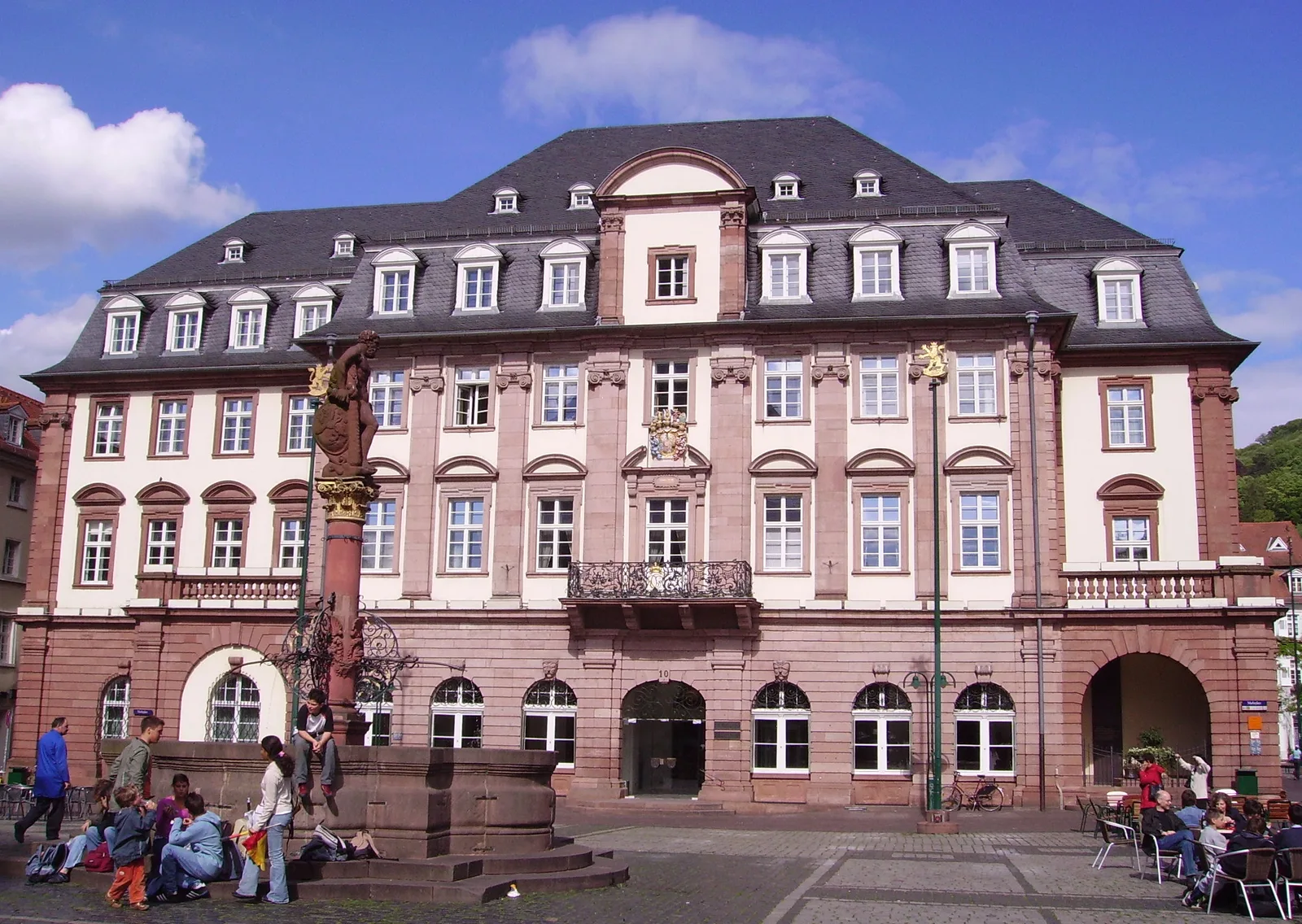
The workers in his audience thanked him in an address of their own. They wrote that the deceit of priests and faith "is the last foundation of the present system of oppression and worthlessness under which we suffer," and that his teaching, "which puts love in the place of faith, education in the place of religion, teachers in the place of priests," was the only sure foundation of the future they wanted.60 Feuerbach himself confessed that going to Heidelberg had been "the act of the greatest self-conquest," undertaken only for lack of money, and he went home to Bruckberg when it was over.61 Engels thought that 1848, which Feuerbach did not understand, meant for him "the final break with the real world, the retreat into solitude."62
Man is what he eats
In 1850, reviewing a popular book on nutrition by the physiologist Jacob Moleschott, he wrote a sentence that outlived almost everything else he wrote: "der Mensch ist, was er isst," man is what he eats. Years later he joked that it was the only sentence of his "long since forgotten" writings that still rang in certain people's ears, and called himself, in irony, "a quite terrible materialist."6364 Among his posthumous notes are two sentences that explain both his late materialism and the way he wanted it read. "Love of man has made me a 'materialist' and 'sensualist.'"65 And: "My writings are products of the self-defence of scientific unbelief, which rests on understanding belief, against the presumptions of belief that decide men's fate"; for himself, he added, he held the highest tolerance for every sincere faith that kept within its limits.6667 In another note he accepted the word "apostate," but only "in the sense in which the man is an apostate from childhood, the wise man from folly, the knowing from ignorance, the convalescent from sickness."68
The Rechenberg
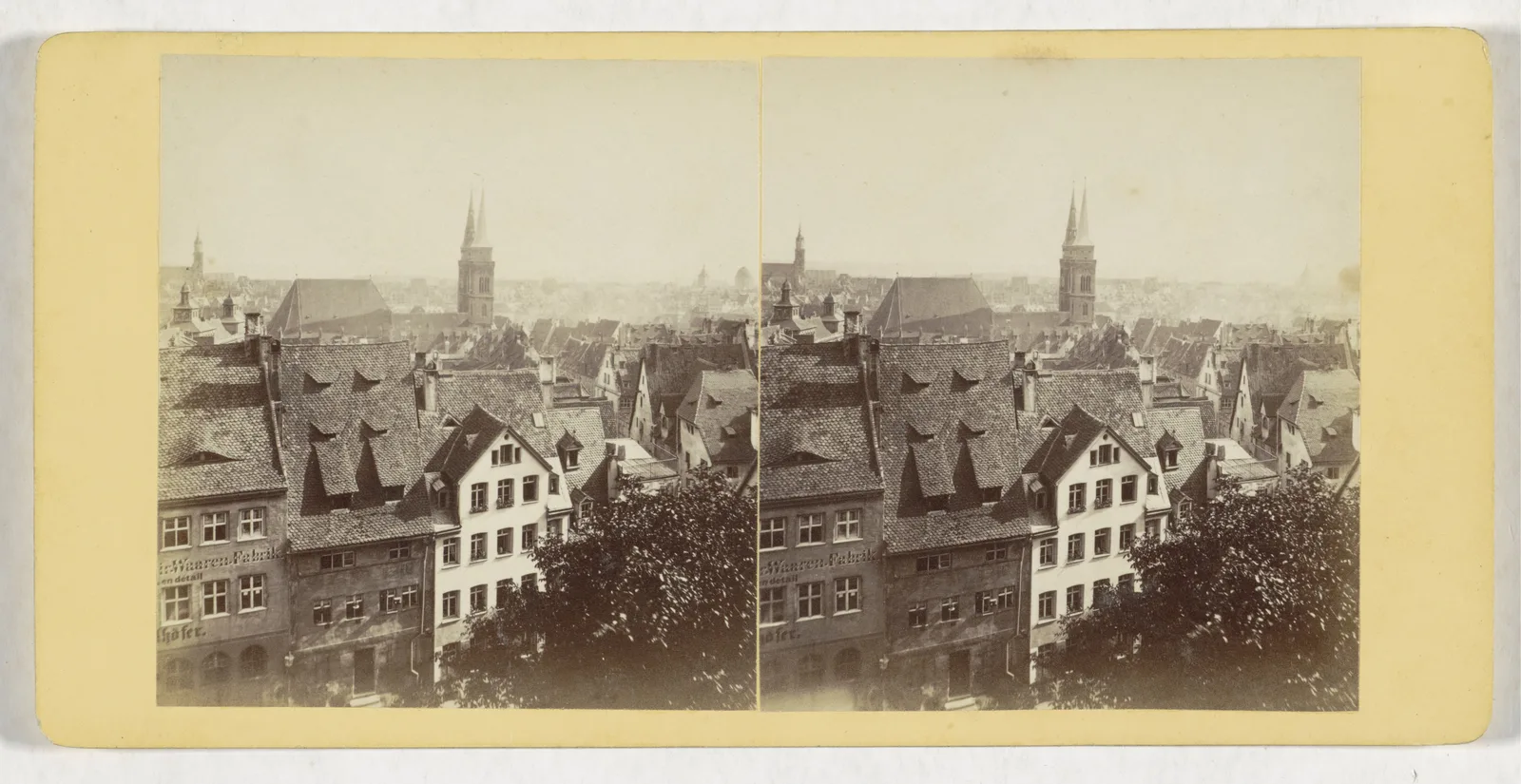
At the end of the 1850s the porcelain works at Bruckberg, long in debt, collapsed, and the Feuerbachs had to leave the castle. He moved to the Rechenberg, on the edge of Nuremberg, and wrote in his diary: "My parting from Bruckberg is a parting of the soul from the body. Today I signed my lease, and with it perhaps my death sentence."6970 His last book, Divinity, Freedom and Immortality, appeared in 1866.71 A slight stroke in 1867 and a severe one in 1870 ended his work.72 Friends and a public subscription supported him; in 1872 one called the appeal for him "a debt of honour of the Germans."73
A Benedictine priest from the monastery of Mariastein wrote to him in 1867, respectfully, to say that his views were diametrically opposed to Catholic conviction, and that he wished the author were one of theirs. "The human heart has undeniable needs," he wrote, "for which this earth will always remain fallow ground."7475 It is the believer's best answer to Feuerbach, and it was offered to him without contempt.
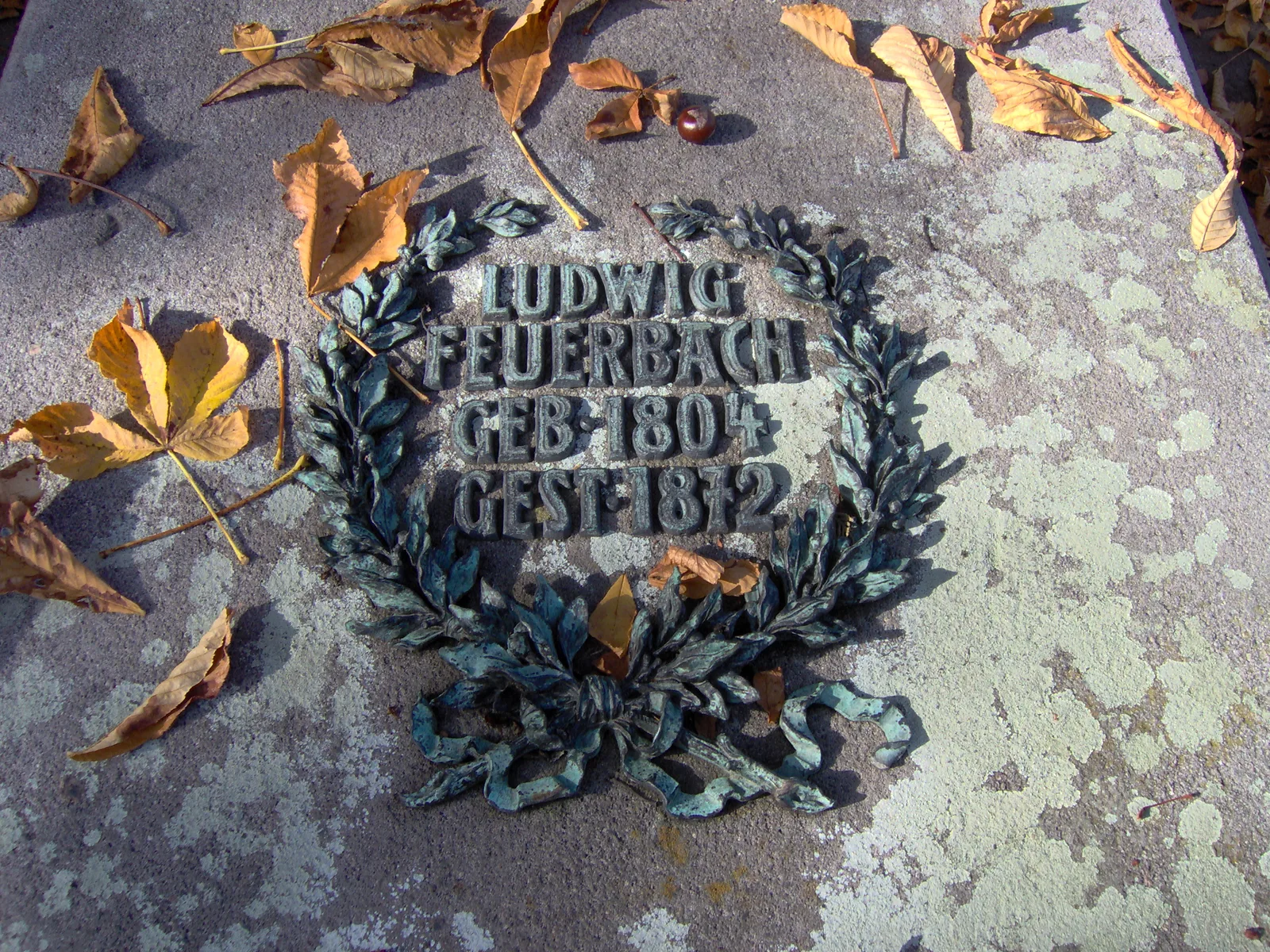
He died on 13 September 1872 and was buried two days later in the Johannisfriedhof in Nuremberg, near the grave of Albrecht Dürer. His biographer estimated that twenty thousand people followed the coffin.76 At the grave his friend Karl Scholl spoke to the believers in the crowd: "So look, you pious, look at the great, terrible atheist, or whatever you so gladly and so complacently call him; he died so peacefully, so gently, so quietly, as is not always granted to the most pious among you!"77
Did his unbelief change shape?
Feuerbach's unbelief grew out of theology rather than against it, and he never stopped thinking about religion; it was his subject for fifty years. It changed shape in the way he described himself: God first, then reason, then the human being. As a student he left theology because Hegel's reason seemed larger than Palestine. As a young lecturer he decided that Christianity could not be the final truth. In The Essence of Christianity he argued that everything men had said about God was true of humanity, and that to see this was to translate religion, not abolish it. In his last years, poorer and more alone, he moved further, toward a materialism he said love of man had pushed him into, while insisting that he meant his writings as a defence against faith's claims on others' lives, not an attack on anyone's sincere belief. He did not accept the word atheist; the people who carried him to his grave used it for him anyway.
His translator, George Eliot, has her own chapter in this book, and so does Friedrich Nietzsche, another son of a German parsonage who went much further than Feuerbach in deciding what the death of God would mean.
Footnotes
-
Karl Grün, Ludwig Feuerbach in seinem Briefwechsel und Nachlass sowie in seiner philosophischen Charakterentwicklung, vol. I (Leipzig and Heidelberg: C. F. Winter, 1874), p. 190 (letter, Berlin, 22 March 1825). ↩
-
Grün, Ludwig Feuerbach in seinem Briefwechsel…, vol. I, p. 191 (same letter). ↩
-
Paul Johann Anselm von Feuerbach, his father, a leading jurist, to Ludwig, 20 April 1825. Own translation: "What I cannot permit, because one cannot permit what one disapproves, I must at least let happen, because I cannot prevent it." His reasons: he had himself thrown over philosophy as a young man and returned to law, which gave him bread, then fame, then office: Grün, Ludwig Feuerbach in seinem Briefwechsel…, vol. I, p. 197. ↩
-
Friedrich Engels, Ludwig Feuerbach und der Ausgang der klassischen deutschen Philosophie. Mit Anhang: Karl Marx über Feuerbach vom Jahre 1845 (Stuttgart: J. H. W. Dietz, 1888), 1888 p. 13. ↩
-
Grün, Ludwig Feuerbach in seinem Briefwechsel…, vol. I, p. 161; Henry Sturt, "Feuerbach, Ludwig Andreas", Encyclopaedia Britannica, 11th ed., vol. X (1911). ↩
-
"Feuerbach, Paul Johann Anselm", same volume. ↩
-
"Feuerbach, Paul Johann Anselm"; Grün, Ludwig Feuerbach in seinem Briefwechsel…, vol. I, p. 196 (the father's own account to Ludwig). ↩
-
Grün, Ludwig Feuerbach in seinem Briefwechsel…, vol. I, p. 161. ↩
-
Grün, Ludwig Feuerbach in seinem Briefwechsel…, vol. I, p. 164. ↩
-
Grün, Ludwig Feuerbach in seinem Briefwechsel…, vol. I, p. 162; Sturt, Encyclopaedia Britannica. ↩
-
Grün, Ludwig Feuerbach in seinem Briefwechsel…, vol. I, letters of 1823 (pp. 172–176, page numbers read from the leaves near leaf 187; confirm). ↩
-
Grün, Ludwig Feuerbach in seinem Briefwechsel…, vol. I, letters of 1823 and 8 January 1824. ↩
-
Grün, Ludwig Feuerbach in seinem Briefwechsel…, vol. I, letter of 8 January 1824 (near p. 178). ↩
-
Grün, Ludwig Feuerbach in seinem Briefwechsel…, vol. I, p. 179 (letter 21 April 1824). ↩
-
Grün, Ludwig Feuerbach in seinem Briefwechsel…, vol. I, p. 181. ↩
-
Karl Daub, as reported by a student to Feuerbach: Grün, Ludwig Feuerbach in seinem Briefwechsel…, vol. I, p. 188 (letter of 6 February 1825). ↩
-
Grün, Ludwig Feuerbach in seinem Briefwechsel…, vol. I, p. 192 (same letter). ↩
-
Grün, Ludwig Feuerbach in seinem Briefwechsel…, vol. I, pp. 192–193 (same letter). ↩
-
Grün, Ludwig Feuerbach in seinem Briefwechsel…, vol. I, p. 196; "Feuerbach, Paul Johann Anselm". ↩
-
Grün, Ludwig Feuerbach in seinem Briefwechsel…, vol. I, p. 162; letter of 21 April 1824, p. 179. ↩
-
Grün, Ludwig Feuerbach in seinem Briefwechsel…, vol. I, p. 162. ↩
-
Grün, Ludwig Feuerbach in seinem Briefwechsel…, vol. I, p. 218 (letter, Ansbach, 22 November 1828). ↩
-
Grün, Ludwig Feuerbach in seinem Briefwechsel…, vol. I, pp. 216–218. ↩
-
Sturt, Encyclopaedia Britannica; Feuerbach, Gedanken über Tod und Unsterblichkeit, Sämmtliche Werke vol. III, 3rd ed. (Leipzig: Otto Wigand, 1876), p. 8. ↩
-
Feuerbach, Gedanken über Tod und Unsterblichkeit, vol. III, (1876 ed.) p. 8. ↩
-
Grün, Ludwig Feuerbach in seinem Briefwechsel…, vol. I, p. 221. ↩
-
Grün, Ludwig Feuerbach in seinem Briefwechsel…, vol. I, p. 22; Sturt, Encyclopaedia Britannica. ↩
-
D. Engelhardt, prorector of the University of Erlangen, 22 September 1836, answering his third application. Own translation: "a strong recommendation of your application is opposed only by the suspicion, voiced from several sides, that the work published at Nuremberg by Stein in 1830, 'Gedanken über Tod und Unsterblichkeit', did not appear without your cooperation." The university's reason in its own words: Grün, Ludwig Feuerbach in seinem Briefwechsel…, vol. I, pp. 270–271. ↩
-
Grün, Ludwig Feuerbach in seinem Briefwechsel…, vol. I, p. 220. ↩
-
Grün, Ludwig Feuerbach in seinem Briefwechsel…, vol. I, pp. 221. ↩
-
Grün, Ludwig Feuerbach in seinem Briefwechsel…, vol. I, pp. 222. ↩
-
Same scan, vol. II (1850–1872), printed pages restart at 1 about leaf 459. Contains the Rechenberg years, the 1872 death and funeral, the letters of 1867, p. 4. ↩
-
Sturt, Encyclopaedia Britannica; Feuerbach, Das Wesen des Christenthums, Sämmtliche Werke vol. VII, 4th ed. (Leipzig: Otto Wigand, 1883), preface to second edition (pp. 31–32). ↩
-
Grün, Ludwig Feuerbach in seinem Briefwechsel…, vol. I, p. 334; Sturt, Encyclopaedia Britannica. ↩
-
Ludwig Feuerbach, The Essence of Christianity, translated from the second German edition by Marian Evans (London: John Chapman, 1854), (1854) p. 117. ↩
-
Feuerbach, Essence of Christianity, (1854) pp. 2–3. ↩
-
Feuerbach, Essence of Christianity, (1854) p. 62. ↩
-
Feuerbach, Essence of Christianity, (1854) p. 267. ↩
-
Feuerbach, Essence of Christianity, (1854) p. v. ↩
-
Feuerbach, Essence of Christianity, (1854) p. xi. ↩
-
Feuerbach, Essence of Christianity, (1854) pp. xi–xii. ↩
-
Feuerbach, Essence of Christianity, (1854) p. 268. ↩
-
Karl Marx to Feuerbach, 30 October 1843: Grün, Ludwig Feuerbach in seinem Briefwechsel…, vol. I, p. 361. ↩
-
Grün, Ludwig Feuerbach in seinem Briefwechsel…, vol. I, pp. 360–361. ↩
-
Feuerbach, Essence of Christianity, title page. ↩
-
Feuerbach, Sämmtliche Werke vol. II (Leipzig: Otto Wigand, 1846), containing the "Fragmente zur Charakteristik meines philosophischen Curriculum vitae", (1846) p. 410. Own translation: "God was my first thought, reason my second, man my third and last thought." The roster's wording is right, but the source is the 1843–44 notes in the Fragmente, collected in 1846, not an 1830s autobiography; it is a line about his philosophy of the future, not about his boyhood. The next sentence: "Das Subject der Gottheit ist die Vernunft, aber das Subject der Vernunft der Mensch" (the subject of divinity is reason, but the subject of reason is man). Often quoted without the source. ↩
-
Grün, Ludwig Feuerbach in seinem Briefwechsel…, vol. I, pp. 334–351; SW, vol. II, p. 410. ↩
-
Max Stirner, Young Hegelian, 1845; his argument is that Feuerbach moves God's predicates into "Man" and keeps the structure. Own translation: "From this it follows how thoroughly theological, that is, God-learned, the liberation is that Feuerbach tries to give us.": Max Stirner, Der Einzige und sein Eigenthum (Leipzig: Otto Wigand, 1845), 1845 p. 43 (e-text with the 1845 page numbers). ↩
-
Max Stirner, same book. Own translation: "It is simply a new religion." Said of the change from "God is love" to "love is divine": Stirner, Der Einzige und sein Eigenthum, 1845 p. 77. ↩
-
Karl Marx, Theses on Feuerbach (1845), thesis 6. Own translation: "Feuerbach resolves the religious essence into the human essence. But the human essence is no abstraction inherent in the single individual.": Engels, Ludwig Feuerbach und der Ausgang…, 1888, appendix. ↩
-
Karl Marx, thesis 11. Own translation: "The philosophers have only interpreted the world differently; the point is to change it.": Engels, Ludwig Feuerbach und der Ausgang…, 1888, appendix (spelling "interpretirt" as printed in 1888). ↩
-
Friedrich Engels, 1888, who admired the book's liberating effect but criticised it. Own translation: "The belletristic, in places even bombastic, style secured a larger public and was at least a refreshment after the long years of abstract and abstruse Hegelism.": Engels, Ludwig Feuerbach und der Ausgang…, 1888 p. 13. ↩
-
Henry Sturt, in Britannica 1911 (a British philosophical reader of Eliot's translation); he adds that the book "has never made much impression upon British thought" and that Feuerbach's denial of atheism "is merely verbal": Sturt, Encyclopaedia Britannica, 1911, Feuerbach, Ludwig Andreas. ↩
-
Sturt, Encyclopaedia Britannica. ↩
-
SW VIII (1851) p. V. ↩
-
Grün, Ludwig Feuerbach in seinem Briefwechsel…, vol. I, pp. 381–386. ↩
-
Feuerbach, Vorlesungen über das Wesen der Religion, ed. Wilhelm Bolin, Sämtliche Werke vol. VIII, new ed. by Bolin and Jodl (Stuttgart: Frommann, 1908), pp. 28–29 (1908 ed.); the 1851 Wigand edition is garbled in OCR, same words at p. 29. ↩
-
Feuerbach, Vorlesungen über das Wesen der Religion, p. 29 (1908 ed.). ↩
-
Feuerbach, Vorlesungen über das Wesen der Religion, p. 300 (1908 ed.). ↩
-
Address of the Heidelberg Workers' Educational Association to Feuerbach, 16 March 1849: Grün, Ludwig Feuerbach in seinem Briefwechsel…, vol. I, pp. 385–386 (printed from the newspaper "Die Republik", 18 March 1849). ↩
-
Grün, Ludwig Feuerbach in seinem Briefwechsel…, vol. I, p. 383. ↩
-
Engels, Ludwig Feuerbach und der Ausgang…, 1888 (second section, near p. 50; page not read). ↩
-
Feuerbach, Gottheit, Freiheit und Unsterblichkeit, with "Das Geheimniss des Opfers, oder der Mensch ist, was er isst", Sämmtliche Werke vol. X, 2nd ed. (Leipzig: Wigand, 1890), (2nd ed. 1890) p. 1. ↩
-
Feuerbach, Gottheit, vol. X, Vorwort, p. 1. ↩
-
Grün, Ludwig Feuerbach in seinem Briefwechsel…, vol. I, p. 90. ↩
-
Grün, Ludwig Feuerbach in seinem Briefwechsel…, vol. I, p. 90. ↩
-
Grün, Ludwig Feuerbach in seinem Briefwechsel…, vol. I, pp. 90–91. ↩
-
Grün, Ludwig Feuerbach in seinem Briefwechsel…, vol. I, p. 77. ↩
-
Grün, vol. II, p. 4. ↩
-
Grün, vol. II, pp. 3–4; Sturt, Encyclopaedia Britannica. ↩
-
Grün, vol. II, p. 111; Sturt, Encyclopaedia Britannica. ↩
-
Grün, vol. II, pp. 111–112. ↩
-
Grün, vol. II, p. 112–113; Sturt, Encyclopaedia Britannica. ↩
-
P. Ildephons Müller, O.S.B., subprior at Mariastein, a Catholic priest writing respectfully to Feuerbach, 11 October 1867. Own translation: "The human heart has undeniable needs for which this earth will always remain fallow ground." His argument: such needs are met only by Christianity as it lives on in the Catholic Church; he cannot see how pantheism or materialism could satisfy: Grün, vol. II, p. 194. ↩
-
Grün, vol. II, pp. 193–194. ↩
-
Grün, vol. II, p. 113. ↩
-
Karl Scholl, at the grave, 15 September 1872: Grün, vol. II, p. 114. ↩
In their own words
Die Theologie — kann ich nicht mehr studiren.
Palästina ist mir zu eng; ich muss, ich muss in die weite Welt, und diese trägt bloss der Philosoph auf seinen Schultern.
ich will die Natur an mein Herz drücken, vor deren Tiefe der feige Theolog zurückbebt, deren Sinn der Physiker missdeutet, deren Erlösung allein der Philosoph vollendet
der schmutzigen Pfaffen entronnen zu sein, und Geister wie Aristoteles, Spinoza, Kant und Hegel zu meinen Freunden zu haben
Das Christenthum kann desswegen nicht als die vollkommene und absolute Religion gefasst werden, diese kann nur sein das Reich der Wirklichkeit der Idee und der daseienden Vernunft.
Feuerbach bleibt gewiss nicht bei der Theologie, der schreitet noch vor ins Gebiet der Philosophie
Mit keinem Worte hat man grossem Unfug in neuerer Zeit getrieben, als mit dem Worte negativ.
Der Zweck meiner Schriften, so auch meiner Vorlesungen ist: die Menschen aus Theologen zu Anthropologen, aus Theophilen zu Philanthropen, aus Candidaten des Jenseits zu Studenten des Diesseits, aus religiösen und politischen Kammerdienern der himmlischen und irdischen Monarchie und Aristokratie zu freien, selbstbewussten Bürgern der Erde zu machen.
Gott war mein erster Gedanke, die Vernunft mein zweiter, der Mensch mein dritter und letzter Gedanke.
Ich bin ein „Apostat“, aber in dem Sinne, wie der Mann ein Apostat der Kindheit, der Weise ein Apostat der Thorheit, der Wissende ein Apostat der Unwissenheit, der Genesende ein Apostat der Krankheit.
Meine Schriften sind Produkte der Nothwehr des wissenschaftlichen Unglaubens, der auf der Erkenntniss des Glaubens beruht, gegen die Anmassungen, die das Schicksal der Menschen bestimmenden Anmassungen des Glaubens.
Die Liebe zum Menschen hat mich zum „Materialisten“ und „Sensualisten“ gemacht.
Der Satz: der Mensch ist, was er isst, von mir in der Anzeige von Moleschotts „Lehre der Nahrungsmittel für das Volk" 1850 ausgesprochen, ist der einzige Satz, der von meinen bekanntlich längst „verschollenen" Schriften noch heute gewissen Leuten in den Ohren klingt
Sie sind gerade dazu der Mann, weil Sie der umgekehrte Schelling sind.
Religion is the dream of the human mind. But even in dreams we do not find ourselves in emptiness or in heaven, but on earth, in the realm of reality ; we only see real things in the entrancing splendour of imagination and caprice, instead of in the simple daylight of reality and necessity.
The consciousness of the infinite is nothing else than the consciousness of the infinity of the consciousness
God is the mirror of man. That which has essential value for man, which he esteems the perfect, the excellent, in which he has true delight, that alone is God to him.
Man first unconsciously and involuntarily creates God in his own image, and after this God consciously and voluntarily creates man in his own image.
we have shown that divine wisdom is human wisdom ; that the secret of theology is anthropology ; that the absolute mind is the so-called finite subjective mind.
Homo homini Deus est : this is the great practical principle : this is the axis on which revolves the history of the world.
my work contains a faithful, correct translation of the Christian religion out of the oriental language of imagery into plain speech
for the present age, which prefers the sign to the thing signified, the copy to the original, fancy to reality, the appearance to the essence, this change, inasmuch as it does away with illusion, is an absolute annihilation, or at least a reckless profanation ; for in these days illusion only is sacred, truth profane.
Meine Scheidung von Bruckberg ist eine Scheidung der Seele vom Leibe. Ich habe heute meinen Miethkontrakt mit H. v. B und damit vielleicht mein Todesurtheil unterzeichnet.
So seht denn hin, ihr Frommen, seht hin auf den grossen, schrecklichen Atheisten oder Meistens wie ihr so gerne und so selbstzufrieden ihn nennt; — er ist gestorben so friedlich, sanft, so ruhig, wie es den Frömmsten unter Euch nicht immer beschieden ist!
Sie aus Gottesfreunden zu Menschenfreunden, aus Gläubigen zu Denkern, aus Betern zu Arbeitern, aus Candidaten des Jenseits zu Studenten des Diesseits, aus Christen, welche ihrem eigenen Bekenntniss und Geständniss zufolge „halb Thier, halb Engel" sind, zu Menschen, zu ganzen Menschen zu machen
dass der Trug der Pfaffen und des Glaubens, gegen den Sie ankämpfen, die letzte Grundlage des jetzigen Systemes der Unterdrückung und der Nichtswürdigkeit ist, unter welchem wir leiden; und dass Ihre Lehre daher, die an die Stelle des Glaubens die Liebe, an die Stelle der Religion die Bildung, an die Stelle der Pfaffen die Lehrer setzt, einzig die sichere Grundlage derjenigen Zukunft sein kann, die wir anstreben
die Vorlesungen, die ich hier dem Drucke übergebe, wurden vom 1. December des Jahres 1848 an bis zum 2. März 1849 in der Stadt — nicht an der Universität — Heidelberg auf Veranlassung dortiger Studenten, jedoch vor einem gemischten Publikum gehalten
Nachdem es die Fruchtbäume, die Rosen und Lilien der gegenwärtigen Welt verwelken ließ, Gras und Korn abgesichelt, die ganze Welt in ein saftloses Stoppelfeld verwandelt hat, so entsproßt ihm noch zu guter Letzt in dem leeren Gefühl seiner Leerheit und dem kraftlosen Bewußtsein seiner Eitelkeit, als ein schwacher Schein und mattes Traumbild des lebendigen frischen Blumenflors, die charakterlose, farbenverbleichte Herbstzeitlose der Unsterblichkeit.
The other side
Was ich nicht erlauben kann — weil man nicht erlauben kann, was man missbilligt — das muss ich wenigstens geschehen lassen, weil ich es nicht hindern kann.
Daraus geht aber auch hervor, wie durchaus theologisch, d. h. gottesgelahrt, die Befreiung ist, welche Feuerbach Uns zu geben sich bemüht.
Es ist eben nur eine neue - Religion.
Hat doch das menschliche Herz unläugbare Bedürfnisse, für welche diese Erde stets ein Brachfeld bleiben wird.
Engelhardt: einer kräftigen Empfehlung Ihres erwähnten Gesuches nur die von einigen Seiten geäusserte Vermuthung entgegenstehe, dass die im Jahre 1830 bei Stein in Nürnberg erschienene Schrift „Gedanken über Tod und Unsterblichkeit" nicht ohne Ihre Mitwirkung erschienen sei
Feuerbach’s treatment of it is fatally vitiated by his subjectivism.
Der belletristische, stellenweise sogar schwülstige Styl sicherte ein grösseres Publikum und war immerhin eine Erquickung nach den langen Jahren abstrakter und abstruser Hegelei.
Feuerbach löst das religiöse Wesen in das menschliche Wesen auf. Aber das menschliche Wesen ist kein, dem einzelnen Individuum innewohnendes Abstraktum.
Die Philosophen haben die Welt nur verschieden interpretirt; es kommt aber darauf an, sie zu verändern.
Where accounts differ
| Point | One account | Another | How the page handles it |
|---|---|---|---|
| Year of Eliot's translation | 1853 (Britannica 1911) | 1854 (title page of the edition, Chapman, "MDCCCLIV") | Use 1854; it is the title page. |
| Whether his father opposed the move to philosophy | Britannica: he went to Berlin "in spite of his father's opposition" | Grün I: the father's letter of 20 April 1825 says he cannot allow it but cannot prevent it; the father's objection was to the philosophy, not the Berlin trip (the Berlin move had been agreed in 1824) | Say the father disapproved and did not forbid, with the letter's words. |
| What the 1830 book's anonymity meant | Grün: published anonymously; an indiscretion exposed him and closed the professorship for ever | Prorector Engelhardt in 1836 speaks only of a suspicion that he had a hand in it | Say "anonymous, but his authorship was suspected and then known"; the 1836 letter shows the suspicion was still a suspicion in 1836. |
| Religion of the household | Father was Protestant (assumed in the sources; not stated in the pages read) | Baptismal certificate: "nach katholischem Ritus" | Not needed in the script; flag if the childhood faith is described. |
| When the break came | "1827–28 Zweifel" in the Fragmente, which Grün glosses as doubts about Hegelism | The 22 March 1825 letter leaves theology | The break with theology is 1825; the doubts about Hegel's system are 1827–28; the 1841 book is the public declaration. |
| Source of "God, reason, man" | Often quoted as a summary of his life | SW II p. 410: a note under the heading 1843–44, "Grundsätze der Philosophie" | Say it is from his notes of 1843–44; do not set it in boyhood. |
List of illustrations
This page uses only public-domain and Creative Commons images; each is credited with its source and licence.
- Frontispiece portrait of Ludwig Feuerbach from Grün's Briefwechsel und Nachlass, vol. 1 (1874) — Unknown engraver; Karl Grün (ed.), 1874 · Unknown engraver, Ludwig Feuerbach in seinem Briefwechsel und Nachlass (1874), frontispiece, New York Public Library copy digitised by Google Books, via the Internet Archive · Public domain (published 1874); Google Books scan hosted on the Internet Archive; the item page states no rights field
- Frontispiece portrait of Anselm Ritter von Feuerbach with signature, from 'Leben und Wirken', vol. 1 (Leipzig: Wigand, 1852) — Unknown engraver; edited by Ludwig Feuerbach, 1852 · Unknown engraver, Anselm Ritter von Feuerbach's Leben und Wirken, vol. 1 (1852), Bayerische Staatsbibliothek (BSB), digitised copy via the Internet Archive · Public domain (published 1852); BSB digitisation hosted on the Internet Archive; the item page states no rights field
- Stadt und Schloss Heidelberg auf dem Wege nach Neuenheim naechst dem Hause zum Steinbruche gezeichnet. - La ville et le château de Heidelberg dessiné - LABW - Generallandesarchiv Karlsruhe J-B Heidelberg 74 — Gezeichnet von Charles de Graimberg (1774-1865), 1825; gestochen von Lemaitre;mise en perspective durch Thomas Alfred Léger (1783-1855)., 1825 · Gezeichnet von Charles de Graimberg (1774-1865), 1825; gestochen von Lemaitre;mise en perspective durch Thomas Alfred Léger (1783-1855)., This image was catalogued by Generallandesarchiv Karlsruhe of the Landesarchiv Baden-Württemberg under ID: J-B Heidelberg 74., via Wikimedia Commons · CC BY 4.0 (Wikimedia Commons licence box)
- Georg Wilhelm Friedrich Hegel by Julius Ludwig Sebbers — Friedrich Julius Ludwig Sebbers, Unknown date · Friedrich Julius Ludwig Sebbers, thecharnelhouse.org, via Wikimedia Commons · Public domain (Wikimedia Commons licence box)
- Erlangen 1840 001 — Zchng. u. Stahlstich v. Poppel, 1840 · Zchng. u. Stahlstich v. Poppel, http://bvbm1.bib-bvb.de, via Wikimedia Commons · Public domain (Wikimedia Commons licence box)
- Das Wesen des Christenthums, title page (Leipzig: Otto Wigand, 1841) — Ludwig Feuerbach, 1841 · Ludwig Feuerbach, Das Wesen des Christenthums (1841), Bayerische Staatsbibliothek (BSB), digitised copy via the Internet Archive · Public domain (published 1841); BSB digitisation hosted on the Internet Archive; the item page states no rights field
- Bruckberger Schloss — Unknown author, 1834 · Unknown author, Archiv Traunfelder, via Wikimedia Commons · Public domain (Wikimedia Commons licence box)
- The Essence of Christianity (1854), ch. XXVII 'Concluding Application', p. 267 ('the secret of theology is anthropology') — Ludwig Feuerbach; translated by Marian Evans (George Eliot), 1854 · Ludwig Feuerbach, The Essence of Christianity (1854), p. 267, University of Toronto Library copy, digitised for the Internet Archive · Public domain (published 1854); Internet Archive scan; the item page states no rights field
- The Essence of Christianity (1854), Preface p. xi ('Religion is the dream of the human mind') — Ludwig Feuerbach; translated by Marian Evans (George Eliot), 1854 · Ludwig Feuerbach, The Essence of Christianity (1854), Preface p. xi, University of Toronto Library copy, digitised for the Internet Archive · Public domain (published 1854); Internet Archive scan; the item page states no rights field
- George Eliot, por François D'Albert Durade — replica by François D’Albert Durade (1804–1886), 1849–1886, based on a work of 1849 · replica by François D’Albert Durade (1804–1886), National Portrait Gallery: NPG 1405, via Wikimedia Commons · Public domain (Wikimedia Commons licence box)
- Ludwig Feuerbach's sämmtliche Werke, vol. 2, p. 410 ('Gott war mein erster Gedanke...' per the fact sheet) — Ludwig Feuerbach, 1846 · Ludwig Feuerbach, Sämmtliche Werke II (1846), p. 410, University of Toronto Library copy, digitised for the Internet Archive · Public domain (published 1846); Internet Archive scan; the item page states no rights field
- Max Stirner-k — Friedrich Engels, 2009-07-25 13:01 · Friedrich Engels, File:Y-Stirner.png, via Wikimedia Commons · Public domain (Wikimedia Commons licence box)
- Herkulesbrunnen und Rathaus Heidelberg — Immanuel Giel, 19 May 2006 (according to Exif data) · Immanuel Giel, Own work, via Wikimedia Commons · Public domain (Wikimedia Commons licence box)
- Gezicht op Neurenberg, gezien vanaf de burcht van Neurenberg Ansicht von der Burg (titel op object) Nürnberg (serietitel op object) Deutschland (serietitel op object), RP-F-F13611 — Rijksmuseum, between 1868 and 1888 · Rijksmuseum, https://hdl.handle.net/10934/RM0001.COLLECT.280777, via Wikimedia Commons · CC0 (Wikimedia Commons licence box)
- Ludwig Feuerbach - Grabinschrift — Jean Rodewald, 2006-10-22 · Jean Rodewald, Self-photographed, via Wikimedia Commons · Public domain (Wikimedia Commons licence box)
Sources
Tier 1 — the subject's own words (writings, letters, diaries)
- [Eliot] Ludwig Feuerbach, The Essence of Christianity, translated from the second German edition by Marian Evans (London: John Chapman, 1854). IA a581696600feneuoft. https://archive.org/details/a581696600feneuoft. OCR saved as research/texts/eliot-essence.txt. The preface in this edition omits the German-polemic opening paragraphs. Page numbers are the printed numbers read from running heads.
- [SW VII] Feuerbach, Das Wesen des Christenthums, Sämmtliche Werke vol. VII, 4th ed. (Leipzig: Otto Wigand, 1883). IA smtlichewerke07feue. https://archive.org/details/smtlichewerke07feue. OCR saved as research/texts/sw07.txt. Contains the preface to the first edition and the preface to the second edition (Bruckberg, 14 February 1843).
- [SW III] Feuerbach, Gedanken über Tod und Unsterblichkeit, Sämmtliche Werke vol. III, 3rd ed. (Leipzig: Otto Wigand, 1876). IA smtlichewerke03feue. https://archive.org/details/smtlichewerke03feue. OCR saved as research/texts/sw03.txt. The 1830 text as reprinted with additions; pagination is the 1876 edition's, not the 1830 original's.
- [SW II] Feuerbach, Sämmtliche Werke vol. II (Leipzig: Otto Wigand, 1846), containing the "Fragmente zur Charakteristik meines philosophischen Curriculum vitae". IA smtlichewerke02feue. https://archive.org/details/smtlichewerke02feue. The Fraktur OCR is garbled; the key passage (p. 410) was transcribed by eye into research/texts/transcribed-from-scan.txt.
- [SW VIII 1851] Feuerbach, Vorlesungen über das Wesen der Religion (Sämmtliche Werke vol. VIII, Leipzig: Wigand, 1851). IA smtlichewerke08feue and bub_gb_yw8ZAAAAYAAJ. https://archive.org/details/smtlichewerke08feue. Fraktur OCR garbled; the Vorwort (p. V) was transcribed by eye into research/texts/transcribed-from-scan.txt.
- [Vorl.] Feuerbach, Vorlesungen über das Wesen der Religion, ed. Wilhelm Bolin, Sämtliche Werke vol. VIII, new ed. by Bolin and Jodl (Stuttgart: Frommann, 1908). IA in.ernet.dli.2015.340717. https://archive.org/details/in.ernet.dli.2015.340717. OCR saved as research/texts/vorlesungen-1908-bolin-jodl.txt. Antiqua text, usable for quotation checks; the English translation of 1967 is copyrighted and not used.
- [SW X] Feuerbach, Gottheit, Freiheit und Unsterblichkeit, with "Das Geheimniss des Opfers, oder der Mensch ist, was er isst", Sämmtliche Werke vol. X, 2nd ed. (Leipzig: Wigand, 1890). IA smtlichewerke10feue. https://archive.org/details/smtlichewerke10feue. OCR saved as research/texts/sw10.txt.
- [Grün I] Karl Grün, Ludwig Feuerbach in seinem Briefwechsel und Nachlass sowie in seiner philosophischen Charakterentwicklung, vol. I (Leipzig and Heidelberg: C. F. Winter, 1874). IA ludwigfeuerbachi0000karl. https://archive.org/details/ludwigfeuerbachi0000karl. OCR saved as research/texts/gruen-briefwechsel.txt. Mixed tier: Grün's commentary is Tier 2 and sympathetic; the letters and Feuerbach's posthumous aphorisms it prints are Tier 1.
- [Grün II] Same scan, vol. II (1850–1872), printed pages restart at 1 about leaf 459. Contains the Rechenberg years, the 1872 death and funeral, the letters of 1867.
Tier 2 — scholarly biographies and encyclopedias
- [Britannica] Henry Sturt, "Feuerbach, Ludwig Andreas", Encyclopaedia Britannica, 11th ed., vol. X (1911). https://en.wikisource.org/wiki/1911_Encyclop%C3%A6dia_Britannica/Feuerbach,_Ludwig_Andreas. Text saved as research/texts/britannica1911.txt. Gives the translation date as 1853; the title page says 1854.
- [Britannica A] "Feuerbach, Paul Johann Anselm", same volume. Text saved as research/texts/britannica1911-anselm.txt.
- [Engels] Friedrich Engels, Ludwig Feuerbach und der Ausgang der klassischen deutschen Philosophie. Mit Anhang: Karl Marx über Feuerbach vom Jahre 1845 (Stuttgart: J. H. W. Dietz, 1888). IA 11570862bsb. https://archive.org/details/11570862bsb. OCR saved as research/texts/engels-1888.txt (a 1895 copy, ldpd_14877669_000, also saved as engels-1895.txt). Engels is Tier 2 as historian and an interested party. The Marx theses are given here in the German of this printing; any English quotation in the script is the writer's own translation.
Tier 3 — popular biographies and journalism
- (none used) Wilhelm Bolin's Ludwig Feuerbach (1891) was searched for on the Internet Archive and not found; see Open questions.
Tier 4 — maps to other sources only (Wikipedia and similar). Never cited in the script.
- Wikipedia on Feuerbach was not used.
Opposition sources — contemporary critics and religious responses
- [Stirner] Max Stirner, Der Einzige und sein Eigenthum (Leipzig: Otto Wigand, 1845). Scan IA dereinzigeundsei00stir (Fraktur OCR unusable); text quoted from the e-text stirnerdereinzigeundseineigenthum, which carries the 1845 page numbers in angle brackets. Saved as research/texts/stirner-einzige-antiqua.txt.
- [Grün I, Grün II] also carry the opposition letters: the father's (1825), the Erlangen prorector's (1836) and the Benedictine priest's (1867).
- [Britannica] and [Engels] carry the critical assessments below.
Related lives
To be chosen by the script stage. Candidates on the roster: Friedrich Nietzsche (also a pastor's son; the next step from "God is man's projection" to "God is dead", but a direct line from Feuerbach to Nietzsche is not established in the sources read here) or Elizabeth Cady Stanton (read Feuerbach? not checked). Marx and Engels are not on the roster.
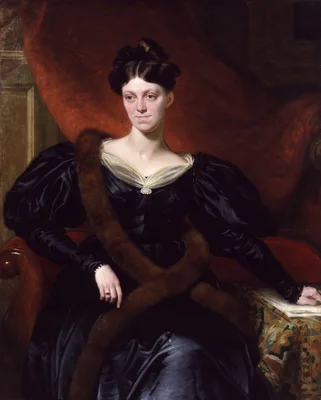
Harriet Martineau
Harriet Martineau was a devout Unitarian child. At twenty she took the doctrine of Necessity from her brother James, and watched it wear her faith away over many years. She let go of the last of it in five years of illness and bereavement at Tynemouth, and on her Eastern journey of 1846–47 she saw every religion as human history. In 1851 she said in print that she knew nothing whatever about God, an atheist only "in the vulgar sense", at the cost of her brother's lasting enmity and with no dread of the annihilation she expected.
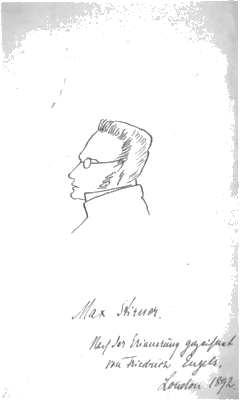
Max Stirner
Max Stirner was a Bayreuth Lutheran with a theology student's training and no recorded crisis of faith. He moved among Bauer's Berlin radicals until, in The Ego and Its Own (1844), he rejected not only God but the "Man" that Feuerbach and the humanist atheists had put in God's place. He refused the name atheist, because he counted those atheists among the pious. He restated the position once against his critics in 1845, and then fell silent into translation, debt and an early death.
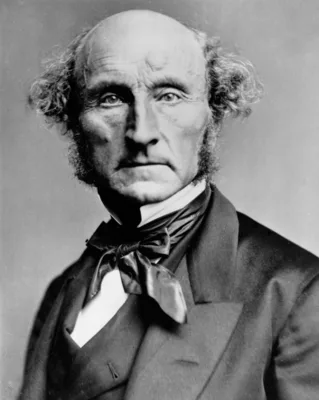
John Stuart Mill
John Stuart Mill was raised by his father without any religion, and "never had" a faith to lose. His crisis of 1826 was one of feeling, not belief, but it opened him to religion's emotional side. In 1834 he told Carlyle privately that he had only "a merely probable God". He kept public silence on religion by his father's rule, even as an MP, then defended the atheist Bradlaugh and lost his seat for it. In his last essay he stated the same probable God as a hope he called "legitimate and philosophically defensible", but never belief.
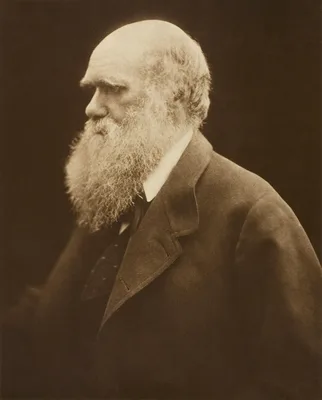
Charles Darwin
Charles Darwin was a would-be country clergyman who believed every word of the Bible. Between 1836 and 1839 he gave up Christianity as a revelation "at a very slow rate" and without distress, by reasoning about miracles, the Gospels and other religions. He kept a designing God until his own theory left design little to do, and ended "content to remain an Agnostic". He kept the whole road private, for his family's sake and from his own judgement that attacks on religion did no good.