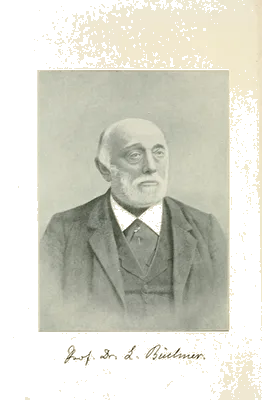
Ludwig Büchner was marked young by his brother Georg's death in exile, and set on his course by the 1848 thesis that the soul is unthinkable without matter. The Darmstadt physician wrote Force and Matter (1855) in a few weeks after the failed revolution, and lost his Tübingen post for it. He spent forty years defending and renaming his unbelief, from "atheistic" (1869) to "monism" (1891), founding a freethinkers' league and arguing atheism against Darwin's agnosticism. His brother saw a private pessimist who said he had missed his vocation.
The belief timeline
- Faith ((undocumented)) — No childhood religious instruction, confirmation or loss of belief is recorded in the sources read. What is recorded: a bookish boyhood, a sceptical teacher (c. 1838–42), a brother's death in exile (1837) as his first grief [6][5][7]
- Doubt (1848) — The first dated public position: the Giessen doctoral thesis that "the personal soul is unthinkable without a material substrate"; later biographers call it "the sentence that fixed the direction of his life." The 1840s sceptical tendency (Zimmermann) is the crack before it; Virchow (c. 1850) and Moleschott (1852) the reading that follows [13][7][17][22]
- Declaration (1855) — *Kraft und Stoff* published; teaching licence withdrawn within a year [24][32]
- Organisation (1881) — First president of the German Freethinkers' League; the London congress and the Darwin visit the same year [51][52]
- Revision (1883–1897) — 1883: restores passages he had cut under pressure; 1891: "materialism" an "incorrect" label, "monism" his own; 1897: argues against agnosticism; throughout his brother reports he privately "missed his vocation" [56][58][60][35]
Notes to the timeline (14)
- [6] No source read records his childhood religious instruction, confirmation, church-going, or any date on which belief ceased; Alex's "Life" (the fullest account) and the 1870 biography do not mention them — Alex Büchner, "The Life of Ludwig Büchner," in LastWords pp. ix–xxxiv (brother, three years younger; "chiefly a record of internal development and of the family life"). Eyewitness but affectionate; dates sparse, pp. ix–xxxiv; Büchner, Kraft und Stoff, 11th ed., "mit Bildniss und Biographie des Verfassers" (Leipzig: Thomas, 1870; BSB/MDZ scan on IA
11415591;research/texts/kus1870bio.txt). Authorised German biography pp. iii–xi; Fraktur OCR with long-s. Unsigned; probably the author's circle (see Open questions), pp. iii–xi; Franz Staudinger, "Büchner, Ludwig," Allgemeine Deutsche Biographie vol. 55 (Leipzig, 1910), pp. 459–461, with the Zusätze und Berichtigungen (p. 904). de.wikisource:https://de.wikisource.org/wiki/ADB:Büchner,_Ludwig; saved asresearch/texts/adb-buchner.txt(page markers stripped; p. 460 begins at "den Wirthshäusern", p. 461 at "spiritualistischen Dogmatikern"). PD, pp. 459–461 (absence checked). Not verified. - [5] In the unfinished autobiography in *Der neue Hamlet* (1885) he recalls his father's angry censure at table over Georg's politics, his mother weeping, and the black-sealed letter announcing Georg's death: "the first, but a deep and abiding, shadow on my young heart" — Büchner, "The Life of Ludwig Büchner,", pp. xxvi–xxvii (Alex quotes; the 1885 book not seen). Reported at second hand; the original has not been seen.
- [7] At the Darmstadt school the teacher Georg Zimmermann, a friend of brother Georg, had Ludwig as "favorite scholar" and "an appreciable influence on his master"; "both of them had already developed that sceptical tendency" which made them enthusiasts for Shakespeare, Sophocles and Goethe, "by no means a purely literary feeling"; ADB adds that Zimmermann awakened his "second soul," the literary-artistic — Büchner, "The Life of Ludwig Büchner,", pp. xiii–xiv; Staudinger, Allgemeine Deutsche Biographie, p. 460.
- [13] In the public disputation he defended the thesis "Die persönliche Seele ist ohne ihr materielles Substrat undenkbar" (the personal soul is unthinkable without its material substrate); ADB calls it the sentence "decisive for the direction of his thought for life," and notes it was praised in 1848 and cost him his post in 1855 — Büchner, Kraft und Stoff, pp. iv–v ("ihr"); Staudinger, Allgemeine Deutsche Biographie, p. 460 ("ein").
- [17] At Würzburg, Virchow's rising fame "fascinated him and partly determined his later direction"; he then went on to Vienna — Büchner, Kraft und Stoff, p. v.
- [22] In 1852 Rudolf Wagner's *Letters on Physiology* appeared; in April Moleschott signed the preface to *Circle of Life*; in September Vogt announced in *Pictures of Animal Life* that it was time to resist the "plague of authority"; Vogt's *Köhlerglaube und Wissenschaft* followed the Göttingen meeting of 1854 — F. A. Lange, The History of Materialism, tr. E. C. Thomas, vol. II (Boston: Osgood, 1877; IA
historyofmateria02lang;research/texts/lange2.txt), pp. 261–276 on the Materialismusstreit and Büchner. PD, p. 264. - [24] He wrote the book at Tübingen; Alex read it through at once, the manuscript went next day to young Meidinger in Frankfurt, a favourable reply with a modest fee came within a week and "four weeks later the work appeared"; Ludwig "could say with Lord Byron: 'I went to sleep an ordinary man, and woke up to find myself famous'" (Alex's gloss) — Büchner, "The Life of Ludwig Büchner,", pp. xxi–xxii; Büchner, Kraft und Stoff, p. vi (Meidinger 1855).
- [32] The Tübingen Senate withdrew his licence to teach because "the author of so pernicious a work could not possibly be retained as a teacher of Swabian and other youths"; Büchner in 1898: expelled from his position as private teacher "forty-two years ago," as it was feared he would "poison the hearts of the young students of Württemberg"; the 1870 biography says he had to "give up his chair"; Wikipedia: licence withdrawn 1855 — Büchner, "The Life of Ludwig Büchner,", p. xxiii; Büchner, Last Words on Materialism and Kindred Subjects, tr. Joseph McCabe, "with a Life of the Author by his brother Prof. Alex Büchner" (London: Watts for the Rationalist Press Association, 1901; IA
lastwordsonmater00bcrich;research/texts/lastwords1901.txt). Essays 1891–99. PD (published 1901, McCabe d. 1955; US PD as published before 1931), p. 228; Büchner, Kraft und Stoff, pp. vi–vii; Staudinger, Allgemeine Deutsche Biographie, p. 460 ("Entlassung"); "Ludwig Büchner," de.wikipedia (page last edited 2025-11-26 per search index), fetched 2026-10-14. Accounts differ; see the disputed points. - [51] German Freethinkers' League: ADB says he was "Begründer und Vorsitzender des deutschen Freidenkerbundes" in 1881; ADB Dulk says Dulk founded an "Allgemeiner Deutscher Freidenkerbund" in 1881 with Büchner and others; WP-de Freidenker gives 10 April 1881, Frankfurt, with August Specht; WP-de Büchner says with Wilhelm Liebknecht and others — Staudinger, Allgemeine Deutsche Biographie, p. 460; Staudinger, Allgemeine Deutsche Biographie, "Dulk" (de.wikisource, 48 pp. 149–160); "Freidenker," de.wikipedia (edit 2026-09-24 per index), section on organisations; fetched 2026-10-14; "Ludwig Büchner,".
- [52] Büchner and Aveling attended the International Federation of Freethinkers congress in London 25–27 Sept 1881 and visited Darwin at Down the next day (Wikipedia); Büchner dates the visit "1881 (six months before his death)" — "Ludwig Büchner," en.wikipedia, API extract fetched 2026-10-14 (revision id not captured). Text partly from EB 1911; Büchner, Last Words on Materialism and…, p. 147; 27-darwin fact sheet [69] (September 1881).
- [56] The preface to the 15th German edition (28 years after the first, c. 1883) says the author has restored passages he "had, under the pressure of the general and passionate opposition, expunged," chiefly "remarks which dealt with the moral consequences of his views," now a chapter on Morality, because the commonest objection was "that he was destroying the old faith and putting no new one in its place" — Büchner, Force and Matter or Principles of the Natural Order of the Universe, with a System of Morality, translated from the 15th German ed. (New York: Peter Eckler, 1891, reprint of the 4th English ed.; IA
forcematterorpri00buch;research/texts/fm1891.txt). Preface to the 15th edition (c. 1883) and the Morality chapter. PD, p. xii. - [58] 1891: "The equivocal term 'materialism' is an entirely incorrect, because much too narrow, title" for his system; he avoids it "in the titles of my own works"; McCabe's preface: "Monism is his own, and the correct, appellation" — Büchner, Last Words on Materialism and…, pp. 8–9; Translator's Preface pp. v–vi.
- [60] He rejects Spencer's "Unknowable": "the 'Unknowable' of modern Agnostics is nothing more than the good old God of the theologians," and agnostic reticence rests on "a contemptible fear of being taxed with atheism"; yet he admits "we as yet perhaps know very little" and that the first cause of things cannot be reached — Büchner, Force and Matter or Principles…, pp. 396–397; Büchner, Last Words on Materialism and…, pp. 14, 145–154; Staudinger, Allgemeine Deutsche Biographie, p. 461 (calls him "naturwissenschaftlicher Methodiker," not dogmatist).
- [35] Alex: Ludwig's "only impression" at the success "was one of deep astonishment. He, the poet of nature, found himself wandering in the province of materialism, which he had unwittingly entered"; later "he often told me he had missed his vocation, and declared that, if he had to begin again, he would not write his books"; "the antithesis of his innate idealism and his materialist philosophy" — Büchner, "The Life of Ludwig Büchner,", pp. xxii–xxiii.
Force and Matter
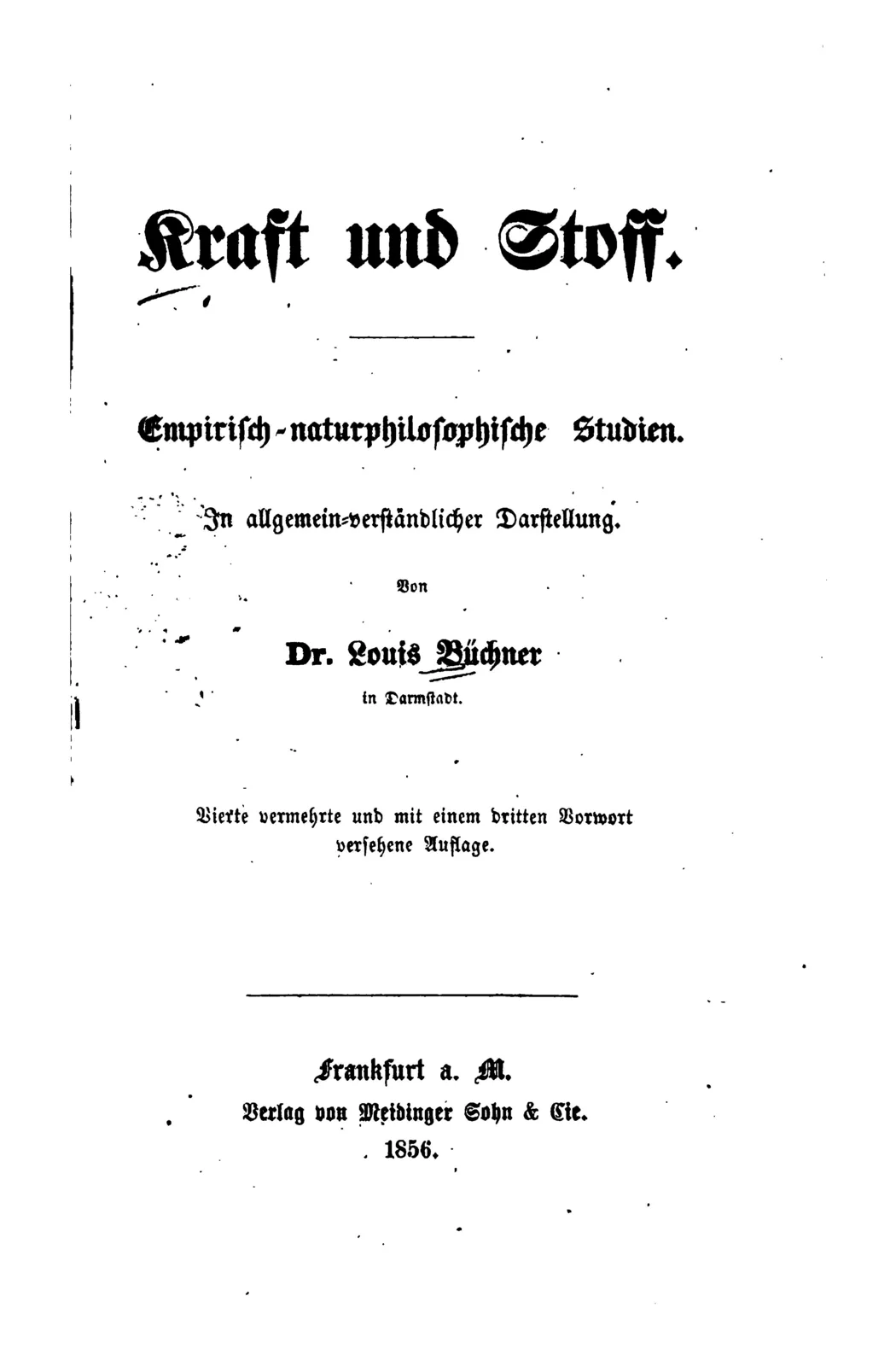
In 1855 a young assistant physician at the university clinic in Tübingen sent a manuscript to a small publisher in Frankfurt. A favourable answer came within a week, and four weeks later the book was in the shops. It was called Kraft und Stoff, Force and Matter, and it argued in plain German that there is "no force without matter, no matter without force", and therefore that "the world is not created, but existed from eternity".123 Within a few months two editions had sold out. Soon afterwards the University of Tübingen withdrew the author's licence to teach, because "the author of so pernicious a work could not possibly be retained as a teacher of Swabian and other youths".45
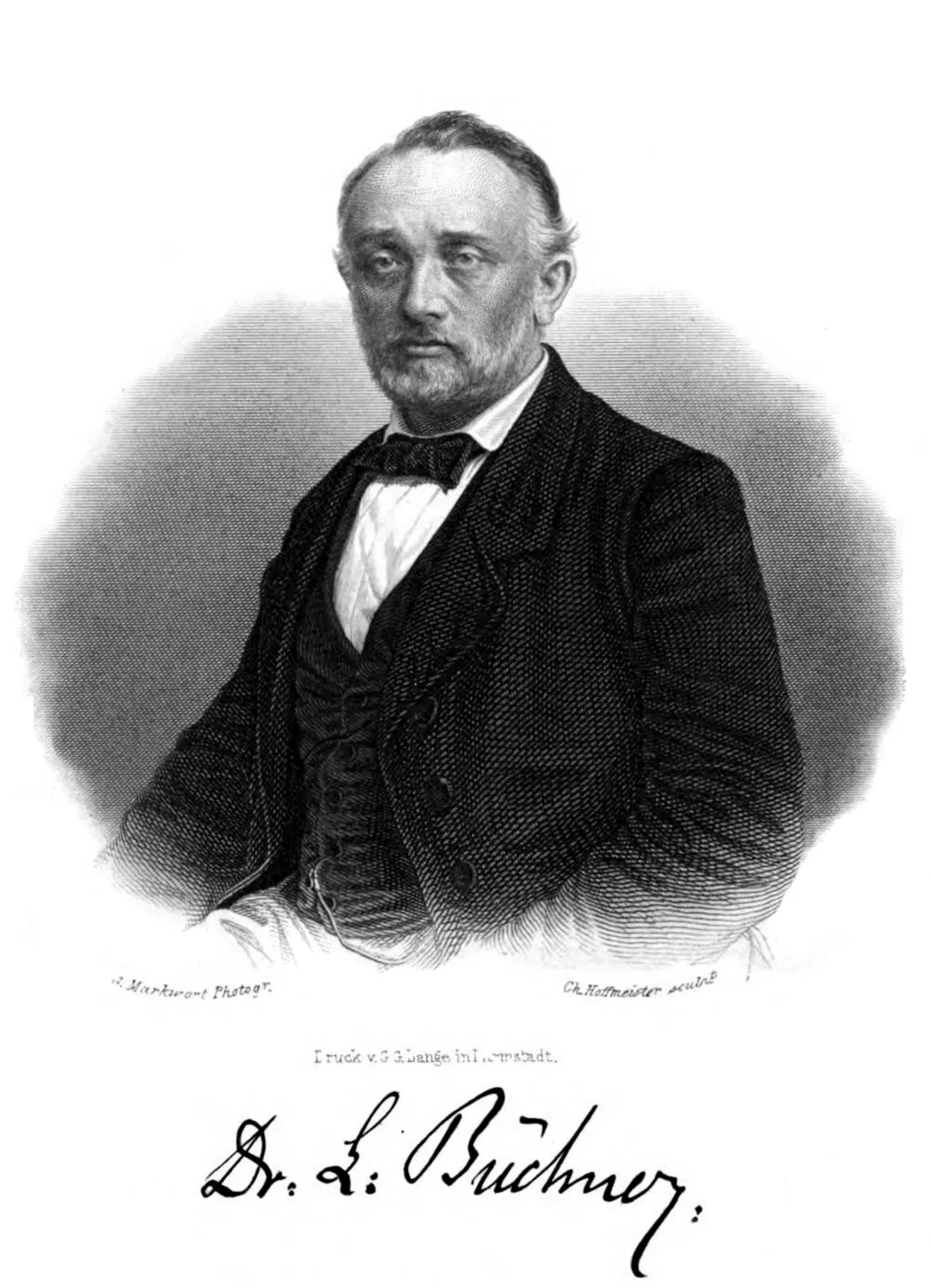
The author was Ludwig Büchner, and he spent the next forty-four years defending, softening, renaming and organising what he had written in a few weeks. This chapter asks how a doctor from Darmstadt came to write a book later called "the Bible of Materialism", why he would not accept the name his enemies gave it, and what his brother saw behind the public defiance. Translations are the Victorian ones unless said otherwise.
Georg's brother
He was born at Darmstadt in March 1824, the third son of a Hessian physician who had served as an army surgeon under Louis Napoleon in Holland.67 His eldest brother Georg, the author of Danton's Death, fled Germany for his politics and died at Zürich in 1837, at twenty-three.89 Ludwig later remembered the quarrels at table over Georg's politics, his mother weeping, and the black-sealed letter: "The scenes I then lived through cast the first, but a deep and abiding, shadow on my young heart, that until then had known naught but joy."1011
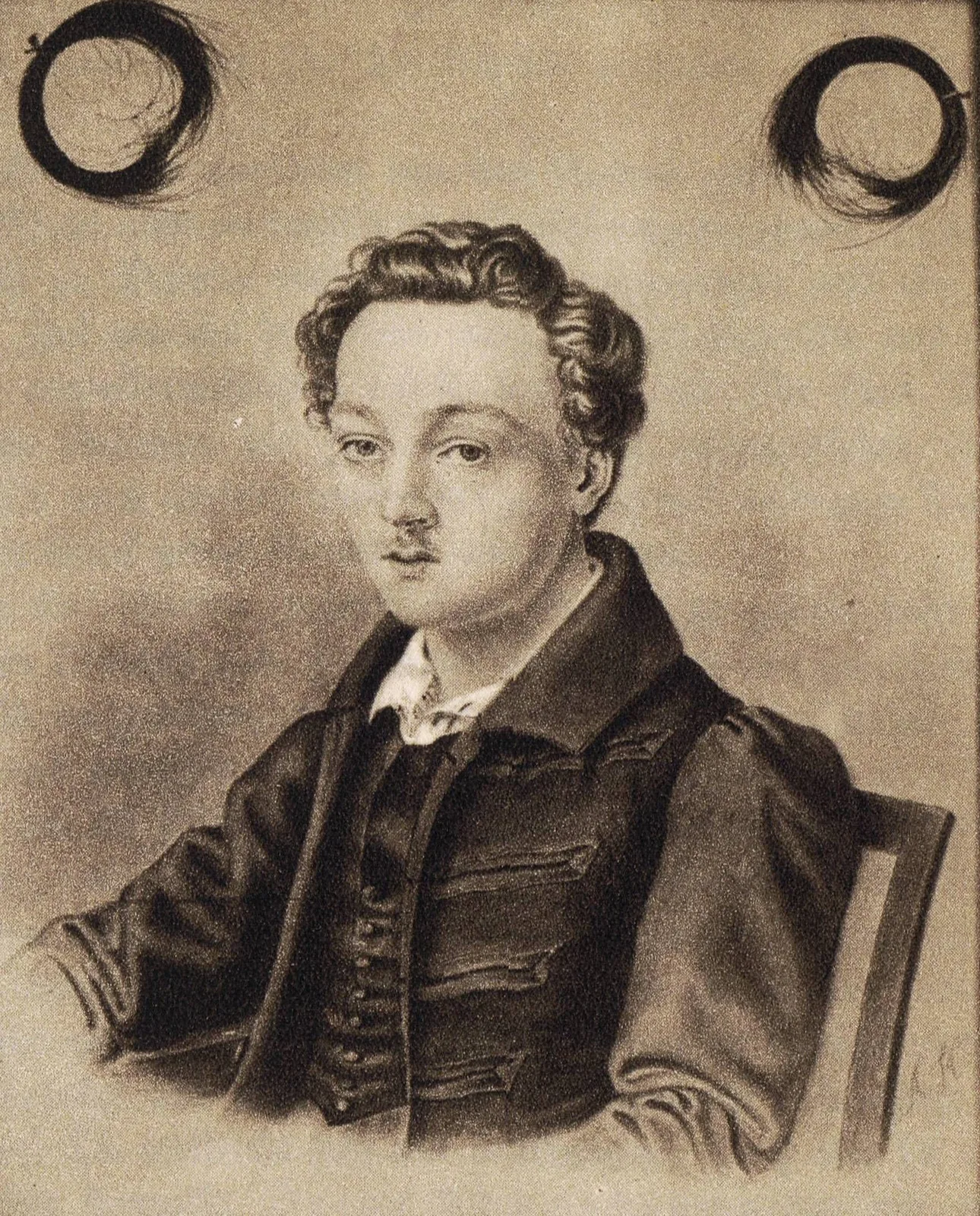
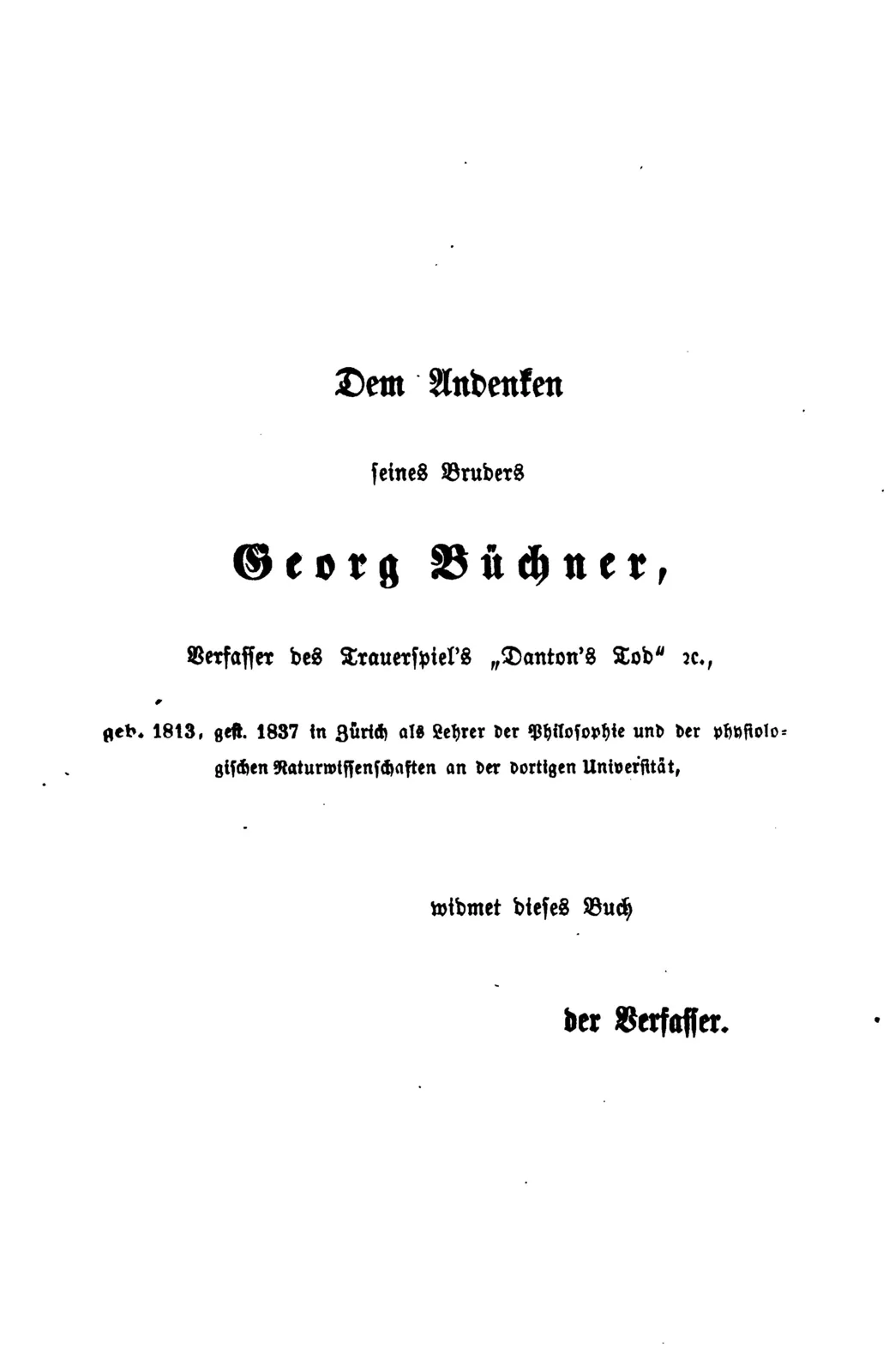
Nothing in the sources read records his childhood religion, his confirmation, or a day when he stopped believing; the belief timeline leaves his faith blank.12 What is recorded is a schoolmaster at Darmstadt, a friend of Georg's, who shared with the boy "that sceptical tendency" and a passion for Shakespeare and Goethe that was "by no means a purely literary feeling".13 At Giessen he studied philosophy and then, at his father's wish, medicine, just as the laboratory school of Liebig was replacing the old philosophy of nature.14
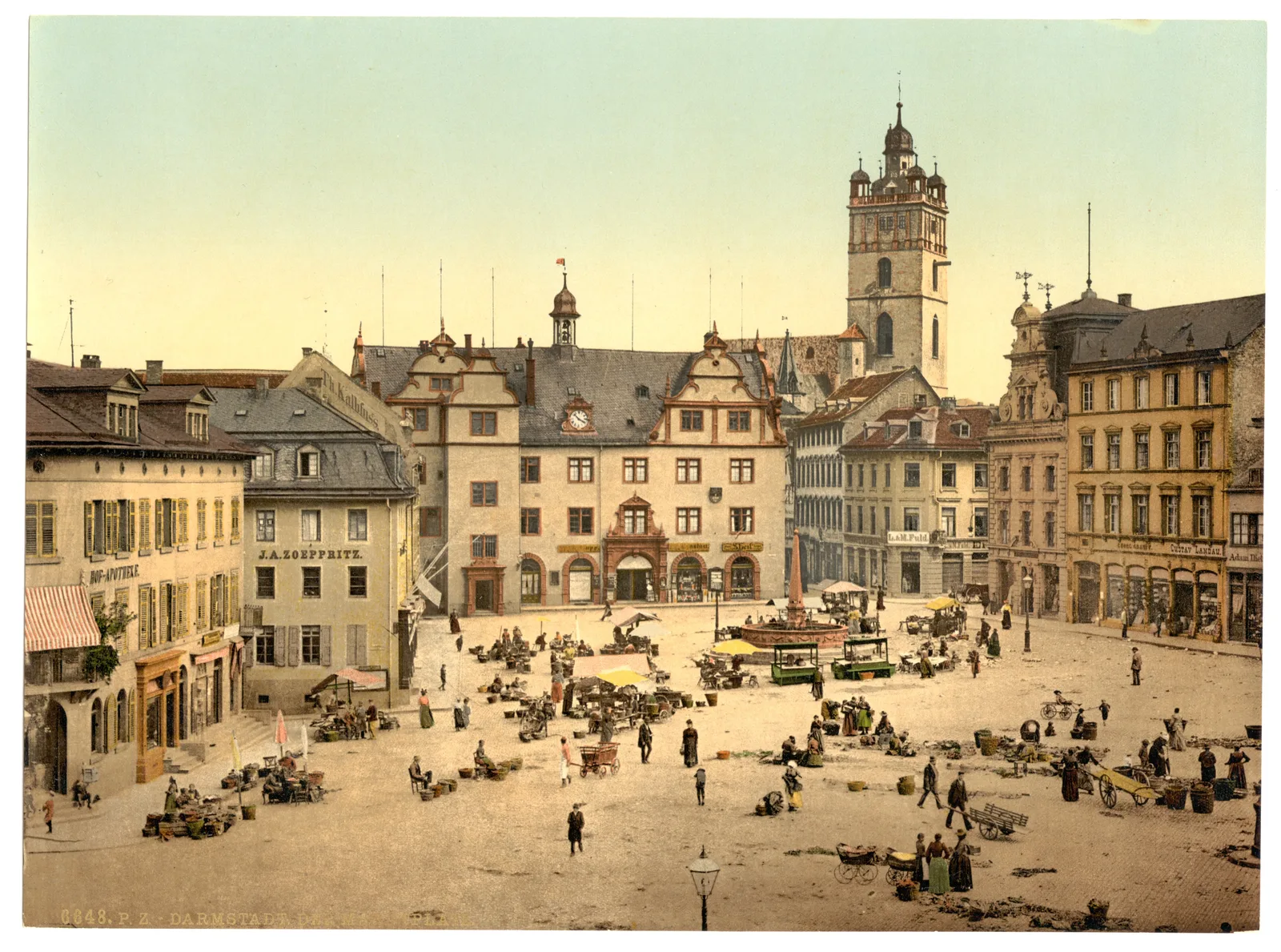
The soul and its substrate
In 1848 he passed his medical examinations at Giessen, and in the public disputation for his doctorate he defended a thesis that his biographers later called the sentence that set the direction of his life: "Die persönliche Seele ist ohne ein materielles Substrat undenkbar", the personal soul is unthinkable without a material substrate.151617 The belief timeline places his doubt at that thesis, the first dated statement of where he stood. It was praised in 1848; in 1855 it cost him his post.16
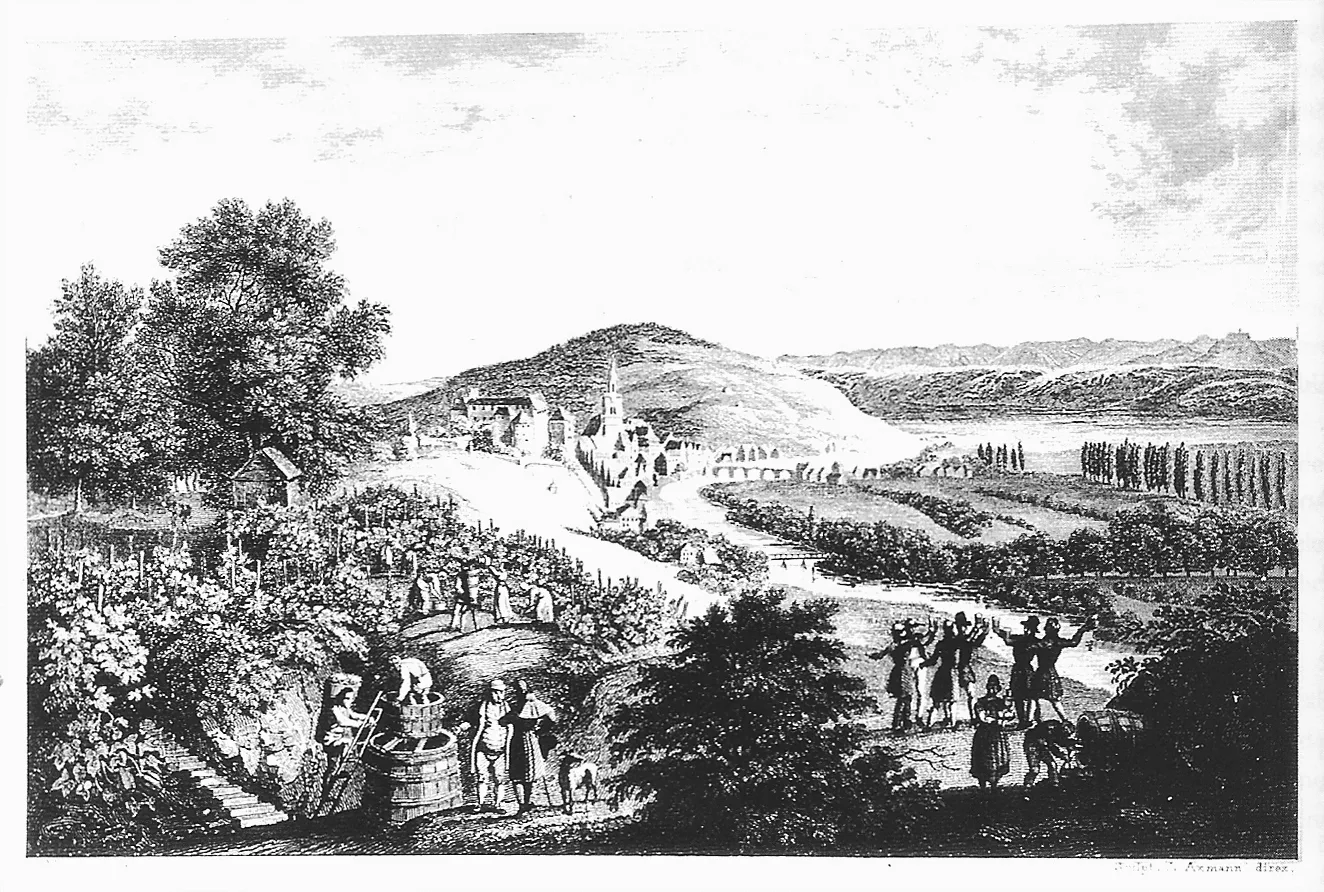
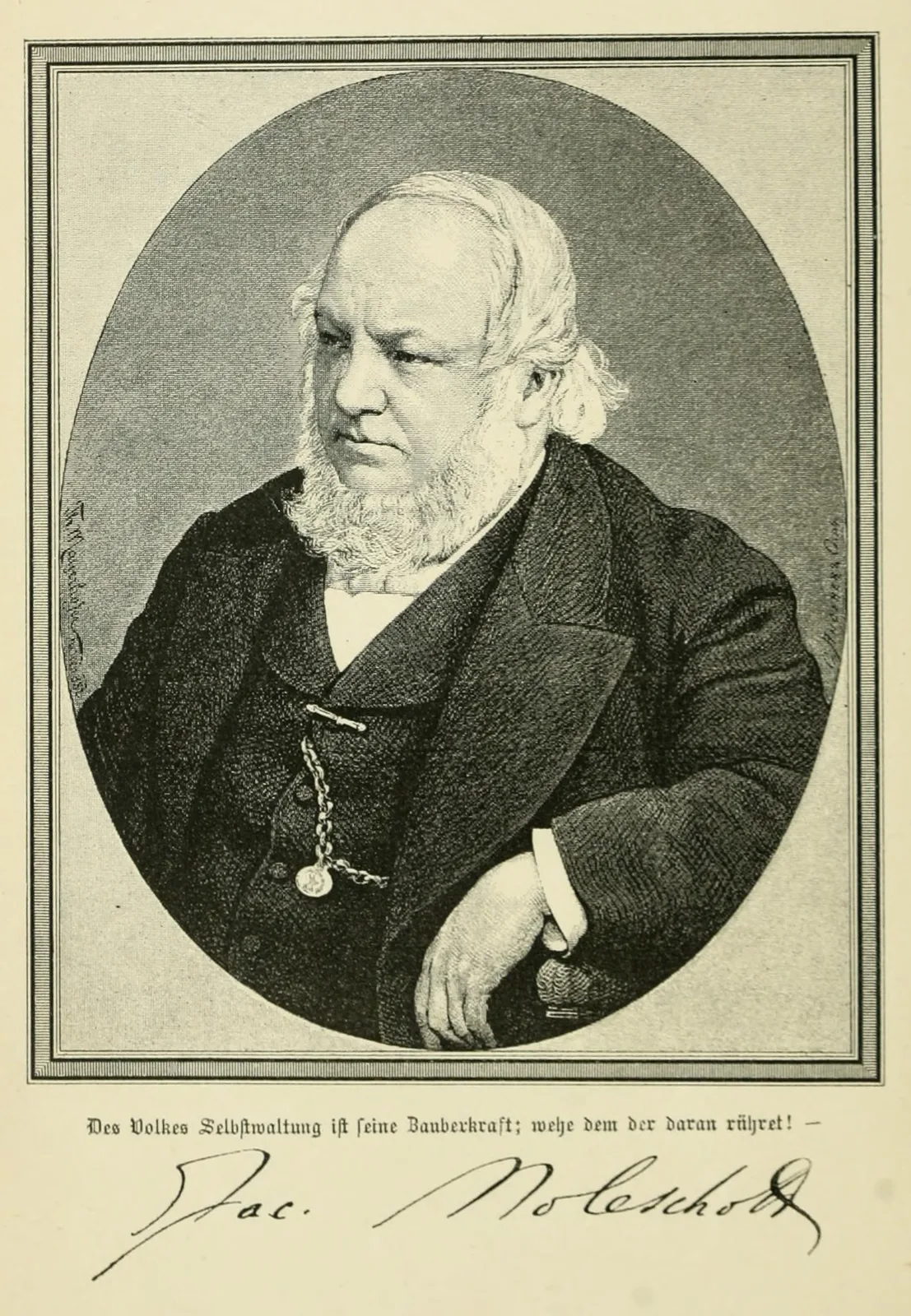
That same spring he and his younger brother declared themselves republicans, wrote for a democratic paper and sent reports from the Frankfurt parliament; for a while he was suspected as a dangerous agitator.18 The revolution failed. At Würzburg the young pathologist Rudolf Virchow "fascinated him and partly determined his later direction".19 At Tübingen, in the early 1850s, he read Jacob Moleschott's Circle of Life, followed the quarrel in which Carl Vogt answered the physiologist Rudolf Wagner's defence of the soul, and wrote newspaper reports on a congress of naturalists. Out of these, his biographers say, came the book.2021 His brother Alexander remembered him explaining why the moment was right: after "the recent defeat of their national and liberal aspirations", people were "turning with interest to the successful progress of scientific investigation, in which they see the hope of a new resistance to triumphant reaction".2223
Kraft und Stoff
On the timeline, the book is his declaration. Its first preface promised to speak the truth "regardless of the unavoidable consequences": "nothing appears to us more perverse than the efforts of respectable naturalists to introduce orthodoxy in the natural sciences."2425 The chapter on God denied that the idea of God is innate, and followed Ludwig Feuerbach: "all ideas of God, no matter of what religion, can only be human", a "self-idealisation".262728 It was careful, too. Vogt had written that thought stands to the brain as bile to the liver; Büchner, often blamed for the line, called the comparison "very badly chosen".2930
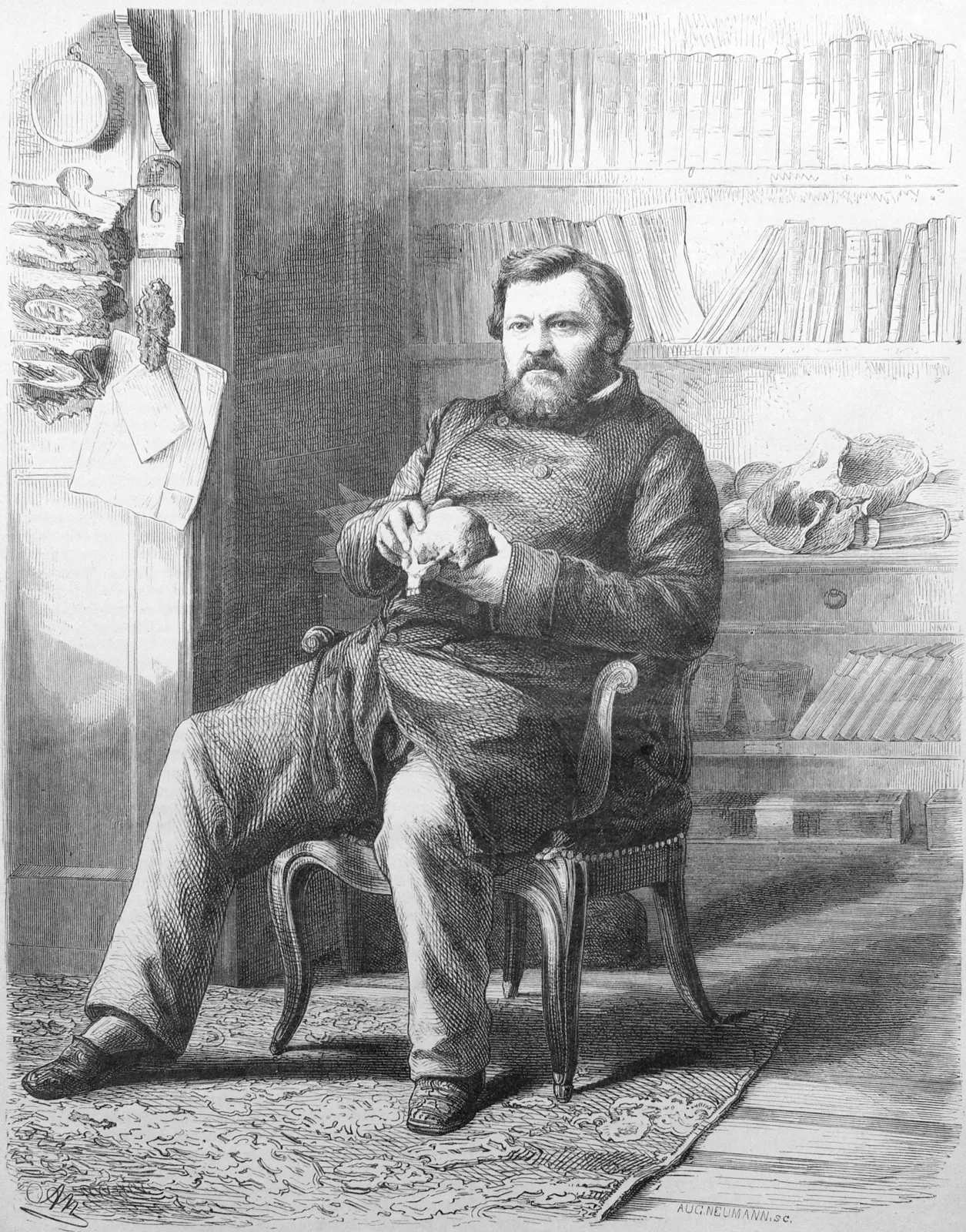
The outcry came from a Catholic church paper, the Allgemeine Zeitung and critics such as Wolfgang Menzel, who wrote that the book concealed "beneath its phlegmatic physiognomy the most virulent hatred of Christianity". "With regard to our presumed hatred of Christianity," Büchner answered, "we merely reply that it is never mentioned", which was not quite true.31323334 After the university dismissed him he went home to Darmstadt "shipwrecked" and practised medicine.535 Years later he remembered that after the book appeared "my academic temple at Tübingen was destroyed, and I encountered such a cross-fire of attacks that ... I was for a time well nigh distracted."3637
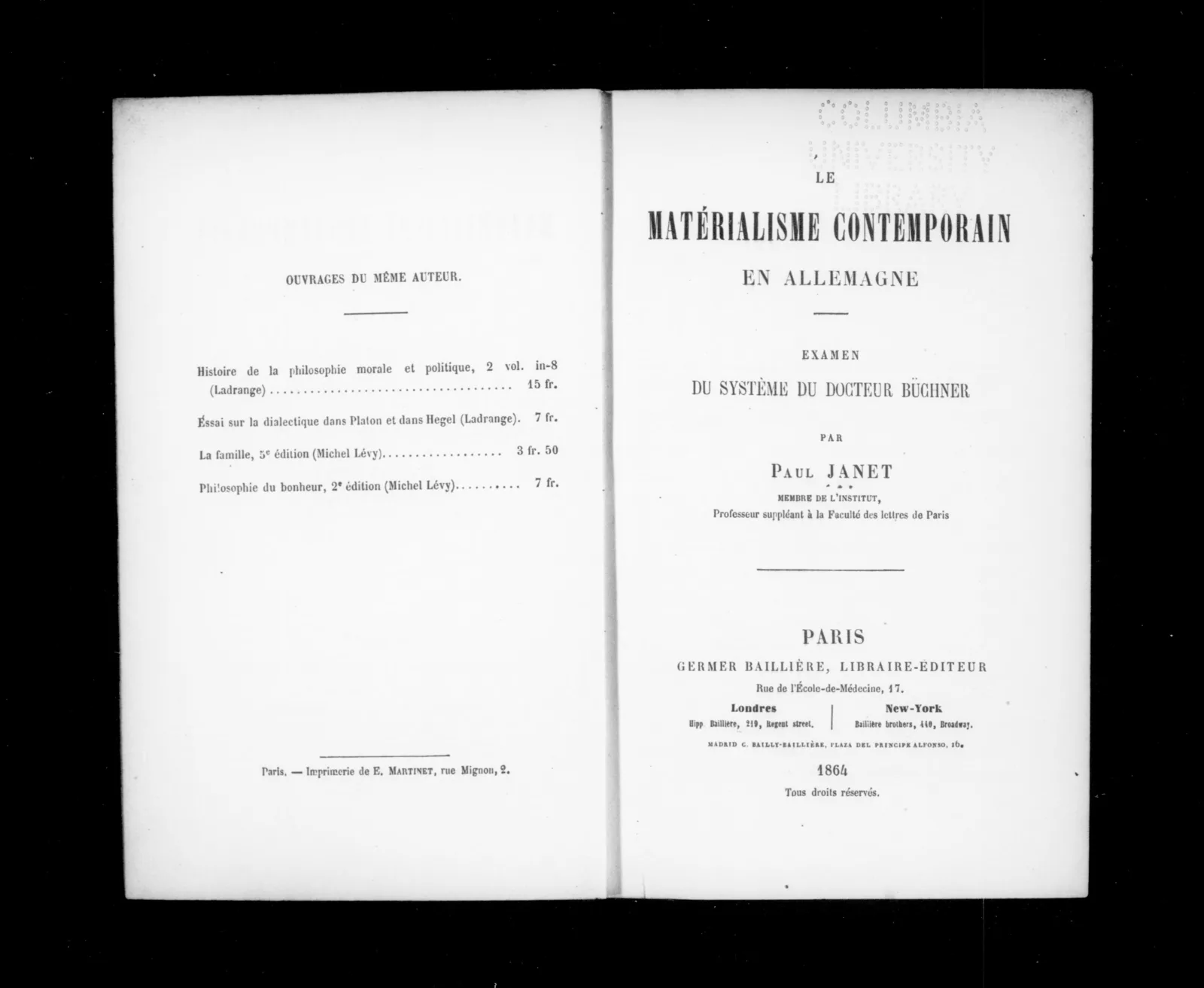
The fairest critics gave him something. The French philosopher Paul Janet called it "the clearest, frankest, and most luminous system of materialism which has appeared in Europe since the famous Système de la Nature", and thanked him for "giving us an adversary to grapple with"; then he made his central objection, that the author "has completely forgotten to tell us what matter is".3839 The historian F. A. Lange rejected the charges of immorality, and saw in Büchner's relentless negation "a wild enthusiasm for the progress of humanity".404142
Atheistic, then monist
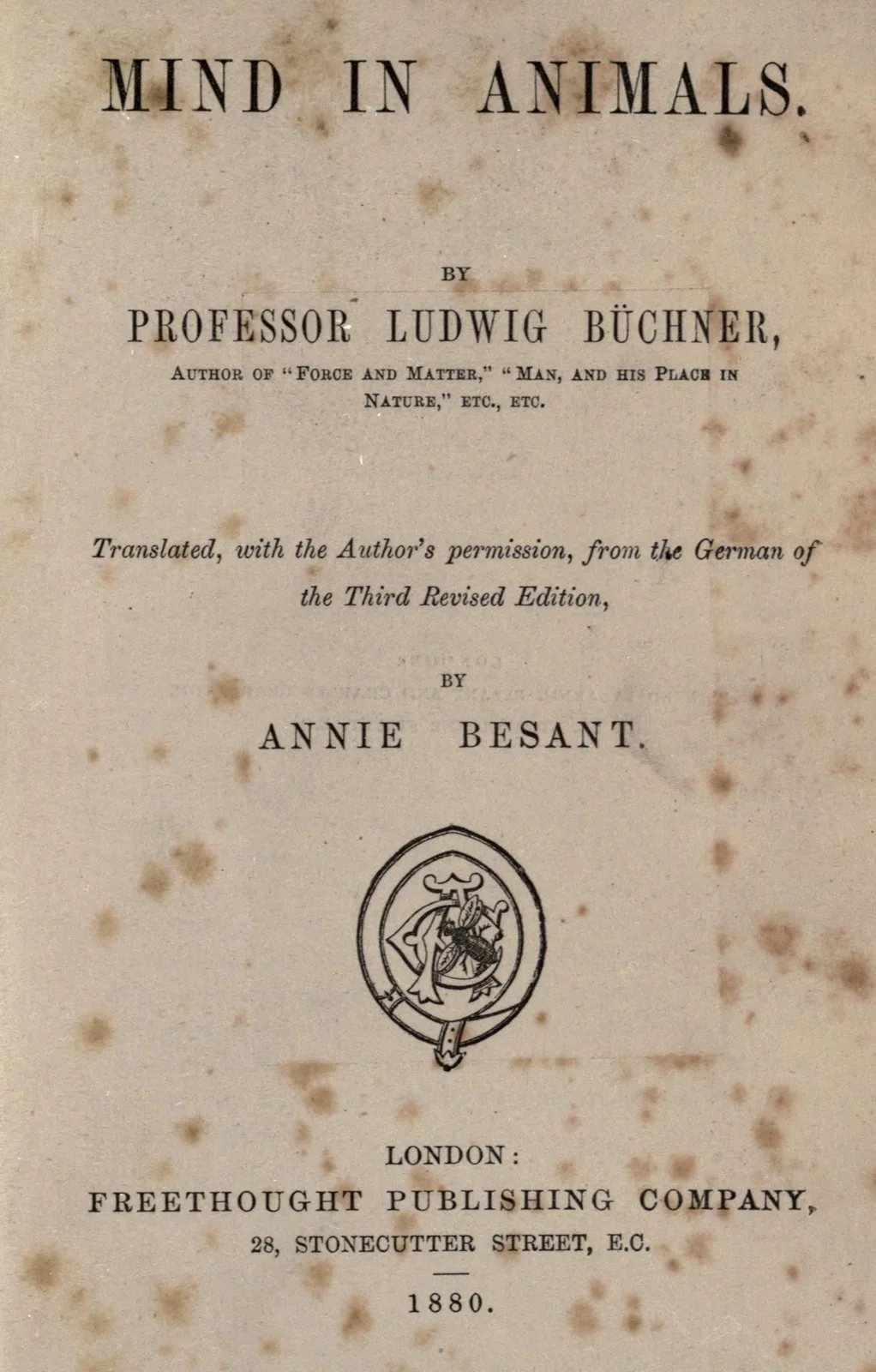
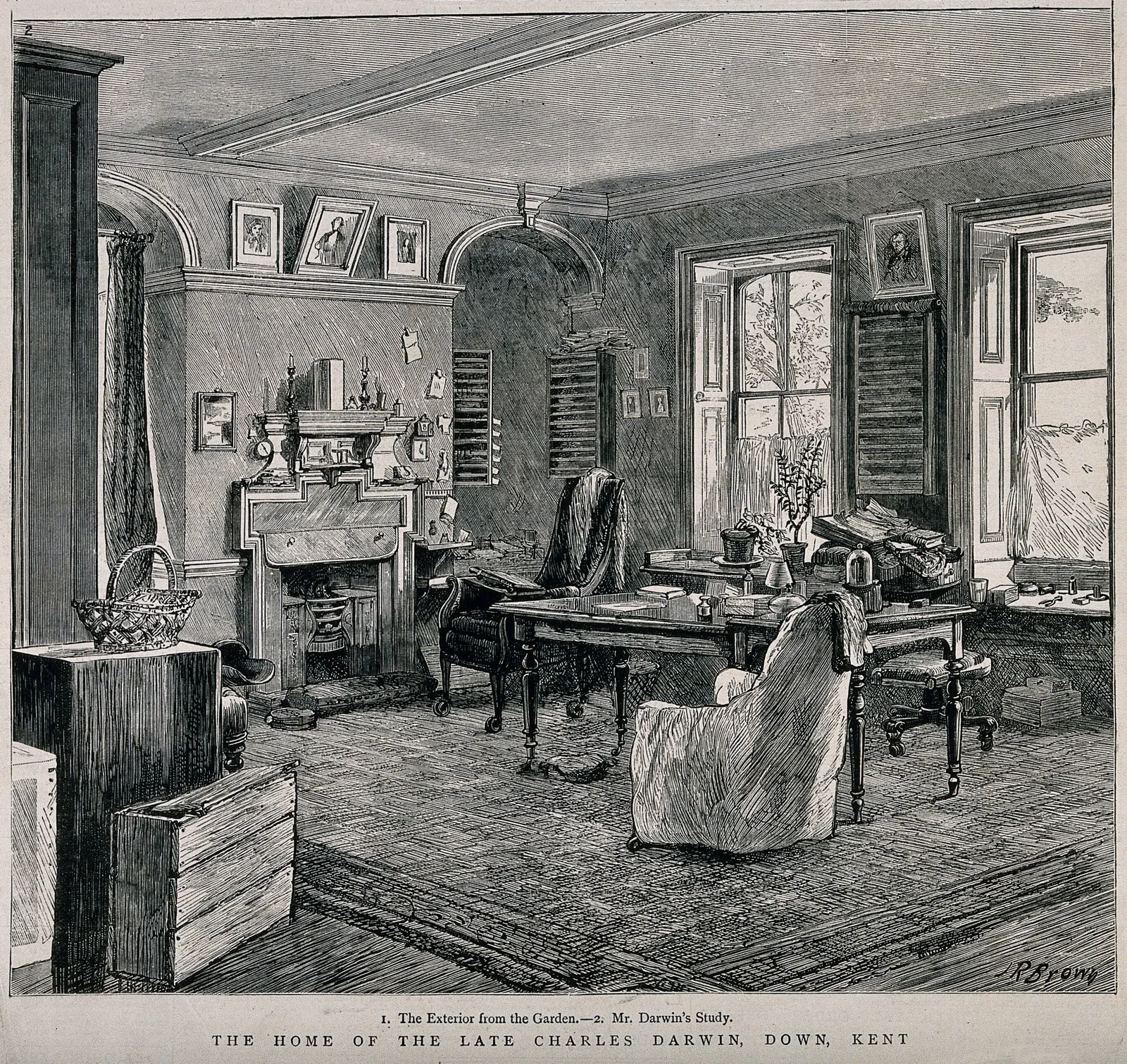
He did not stand still, and his words for himself kept changing. In 1863 he wrote to his English editor that religion itself would "become more spiritualised" once the government of the world was seen not as a personal power but "as the highest law itself".4344 In 1869 he went further: every philosophy "that seeks reality instead of appearance, truth instead of pretence, must necessarily be atheistic".4546 He took up Darwin as his ally.47 In 1880 Annie Besant and Charles Bradlaugh opened their Freethought Publishing Company's science library with his Mind in Animals, in Besant's translation.48 In 1881 he became founder and president of a German freethinkers' league, though accounts differ on who else founded it, and that September he and Edward Aveling visited Darwin at Down. Darwin, he wrote sixteen years later, defended agnosticism "with some warmth, in opposition to the more Atheistic views of myself and my companion".49505152
About 1883 he restored to the book passages he had cut years before "under the pressure of the general and passionate opposition", and added a chapter on morality, because the commonest objection was that he destroyed the old faith and put nothing in its place.5354 By 1891 he had dropped the word his enemies used: "materialism" was "an entirely incorrect, because much too narrow, title"; the right word was "monism".5556 He was impatient with the agnostics, whose "Unknowable" he called "nothing more than the good old God of the theologians", and whose caution, he thought, came from "a contemptible fear of being taxed with atheism".5758 On the timeline, that is his revision: not a retreat, but a change of name.
The pessimist
His brother Alexander saw another man. Ludwig was "a born optimist" who suffered "internal difficulties and much vacillation". He had been astonished at his own fame: "He, the poet of nature, found himself wandering in the province of materialism, which he had unwittingly entered." And "he often told me he had missed his vocation, and declared that, if he had to begin again, he would not write his books."596061 In 1885, under a pseudonym, Ludwig published poems and fragments as the papers of "a deceased pessimist": "We are like dogs on a treadmill," one of them begins.6263 No other source confirms the brother's picture.
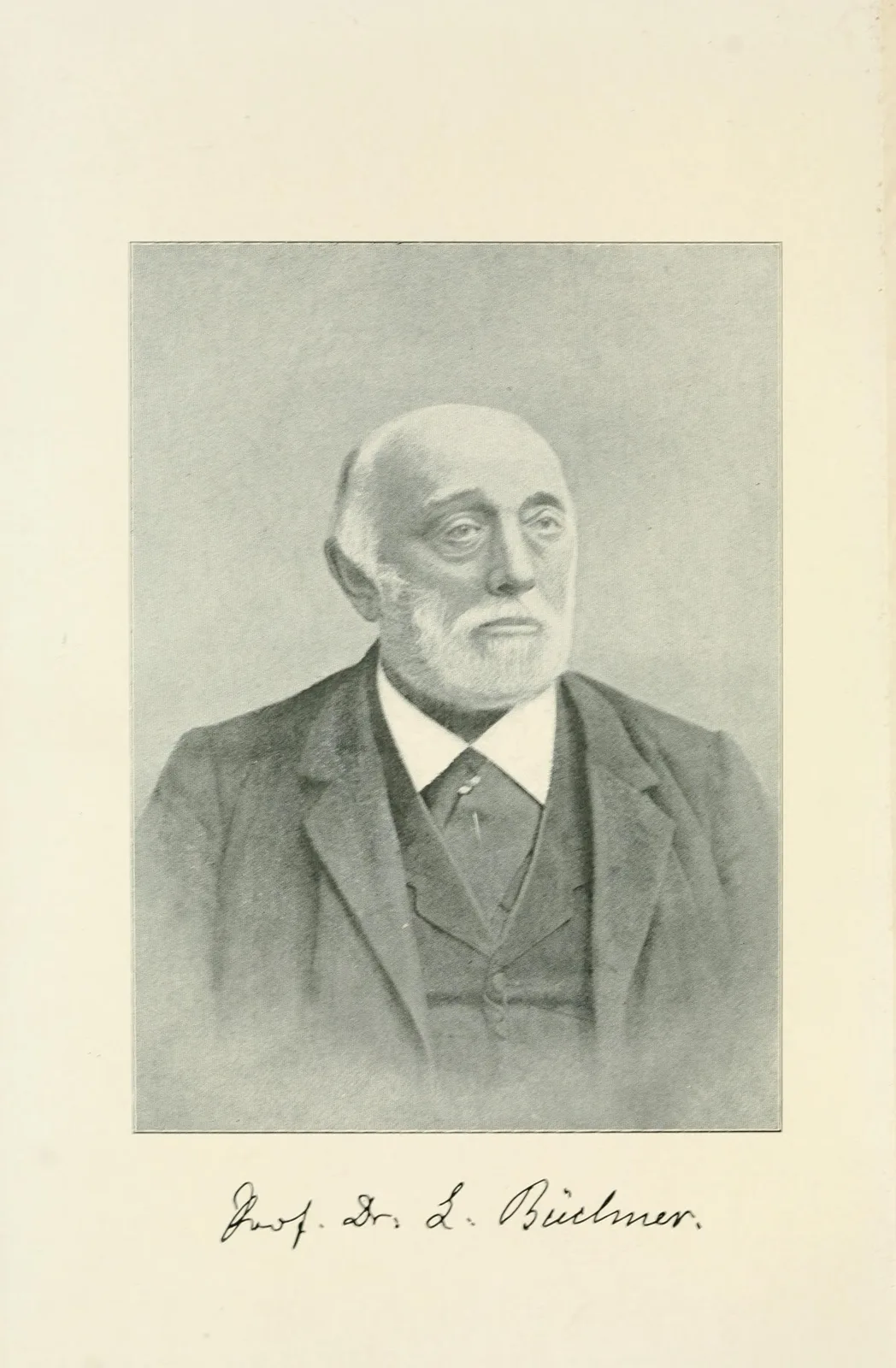
He died at Darmstadt on 1 May 1899; one reference gives 30 April.64 By then Kraft und Stoff had gone through more than twenty German editions and been translated into most European languages; in Cairo the physician Shibli Shumayyil had put his lectures on Darwin into Arabic.656667 The translator who brought Mind in Animals to English readers in 1880, and who later abandoned freethought for Theosophy, Annie Besant, has her own chapter in this book.
Footnotes
-
Alex Büchner, "The Life of Ludwig Büchner," in LastWords pp. ix–xxxiv (brother, three years younger; "chiefly a record of internal development and of the family life"). Eyewitness but affectionate; dates sparse, pp. xxi–xxii; Büchner, Kraft und Stoff, 11th ed., "mit Bildniss und Biographie des Verfassers" (Leipzig: Thomas, 1870; BSB/MDZ scan on IA
11415591;research/texts/kus1870bio.txt). Authorised German biography pp. iii–xi; Fraktur OCR with long-s. Unsigned; probably the author's circle (see Open questions), p. vi (Meidinger 1855). ↩ -
Büchner, Force and Matter: Empirico-philosophical Studies, Intelligibly Rendered, ed. J. Frederick Collingwood from the 8th German ed. (London: Trübner, 1864; IA
forceandmattere00bcgoog;research/texts/fm1864.txt). Contains the author's introductory letter, prefaces to the 1st, 3rd and 4th editions. PD, pp. 1–9 (esp. p. 8). ↩ -
Büchner, Force and Matter, p. 8. ↩
-
Büchner, Kraft und Stoff, p. vi; Büchner, Force and Matter, p. xxi. ↩
-
Büchner, "The Life of Ludwig Büchner,", p. xxiii; Büchner, Last Words on Materialism and Kindred Subjects, tr. Joseph McCabe, "with a Life of the Author by his brother Prof. Alex Büchner" (London: Watts for the Rationalist Press Association, 1901; IA
lastwordsonmater00bcrich;research/texts/lastwords1901.txt). Essays 1891–99. PD (published 1901, McCabe d. 1955; US PD as published before 1931), p. 228; Büchner, Kraft und Stoff, pp. vi–vii; Franz Staudinger, "Büchner, Ludwig," Allgemeine Deutsche Biographie vol. 55 (Leipzig, 1910), pp. 459–461, with the Zusätze und Berichtigungen (p. 904). de.wikisource:https://de.wikisource.org/wiki/ADB:Büchner,_Ludwig; saved asresearch/texts/adb-buchner.txt(page markers stripped; p. 460 begins at "den Wirthshäusern", p. 461 at "spiritualistischen Dogmatikern"). PD, p. 460 ("Entlassung"); "Ludwig Büchner," de.wikipedia (page last edited 2025-11-26 per search index), fetched 2026-10-14. Accounts differ; see the disputed points. ↩ ↩2 -
Büchner, Kraft und Stoff, p. iii; "Ludwig Büchner," en.wikipedia, API extract fetched 2026-10-14 (revision id not captured). Text partly from EB 1911; "Ludwig Büchner,", . ADB p. 459 says 28 March. ↩
-
Büchner, "The Life of Ludwig Büchner,", pp. ix–xi; Staudinger, Allgemeine Deutsche Biographie, p. 459 (died aged 80 in 1862). WP-de has 1861. ↩
-
Büchner, Kraft und Stoff, p. iii; Büchner, "The Life of Ludwig Büchner,", p. xii; Staudinger, Allgemeine Deutsche Biographie, p. 459. ↩
-
Büchner, Kraft und Stoff, p. iii; Büchner, "The Life of Ludwig Büchner,", pp. xi–xii; Staudinger, Allgemeine Deutsche Biographie, p. 459 (1837). ↩
-
Büchner, "The Life of Ludwig Büchner,", pp. xxvi–xxvii (Alex quotes; the 1885 book not seen). Reported at second hand; the original has not been seen. ↩
-
Büchner, "The Life of Ludwig Büchner,", p. xxvii. ↩
-
Büchner, "The Life of Ludwig Büchner,", pp. ix–xxxiv; Büchner, Kraft und Stoff, pp. iii–xi; Staudinger, Allgemeine Deutsche Biographie, pp. 459–461 (absence checked). Not verified. ↩
-
Büchner, "The Life of Ludwig Büchner,", pp. xiii–xiv; Staudinger, Allgemeine Deutsche Biographie, p. 460. ↩
-
Büchner, Kraft und Stoff, pp. iii–iv; Büchner, "The Life of Ludwig Büchner,", p. xiii. ↩
-
Büchner, Kraft und Stoff, p. iv; Büchner, "The Life of Ludwig Büchner,", p. xviii; "Ludwig Büchner,". ↩
-
Büchner, Kraft und Stoff, pp. iv–v ("ihr"); Staudinger, Allgemeine Deutsche Biographie, p. 460 ("ein"). ↩ ↩2
-
Staudinger, Allgemeine Deutsche Biographie, p. 460 (de.wikisource; Büchner, Kraft und Stoff, pp. iv–v prints "ohne ihr materielles Substrat"). ↩
-
Büchner, "The Life of Ludwig Büchner,", pp. xvi–xviii; Büchner, Kraft und Stoff, p. iv; Staudinger, Allgemeine Deutsche Biographie, pp. 459–460. ↩
-
Büchner, Kraft und Stoff, p. v. ↩
-
Büchner, Kraft und Stoff, p. vi; Staudinger, Allgemeine Deutsche Biographie, p. 460. ↩
-
F. A. Lange, The History of Materialism, tr. E. C. Thomas, vol. II (Boston: Osgood, 1877; IA
historyofmateria02lang;research/texts/lange2.txt), pp. 261–276 on the Materialismusstreit and Büchner. PD, p. 264. ↩ -
Büchner, "The Life of Ludwig Büchner,", p. xxi. ↩
-
Büchner, "The Life of Ludwig Büchner,", p. xxi. ↩
-
Büchner, Kraft und Stoff. Empirisch-naturphilosophische Studien. In allgemein-verständlicher Darstellung (1st ed., Frankfurt a. M.: Meidinger, 1855). Deutsches Textarchiv transcription (long-s),
https://www.deutschestextarchiv.de/buechner_kraft_1855; saved asresearch/texts/kus1855-dta.txt. German first-edition text; printed page markers in brackets. Used for German originals only; the quotation table uses English, title page; Büchner, Force and Matter or Principles of the Natural Order of the Universe, with a System of Morality, translated from the 15th German ed. (New York: Peter Eckler, 1891, reprint of the 4th English ed.; IAforcematterorpri00buch;research/texts/fm1891.txt). Preface to the 15th edition (c. 1883) and the Morality chapter. PD, pp. v n., vi (FM1864 OCR reads "1856"). ↩ -
Büchner, Force and Matter, p. xvii (Collingwood's translation). ↩
-
Büchner, Force and Matter, pp. 184–194. ↩
-
Büchner, Force and Matter, p. 184. ↩
-
Büchner, Force and Matter, p. 190. ↩
-
Büchner, Force and Matter, pp. 135–136; Lange, History of Materialism, vol. II, p. 272. ↩
-
Büchner, Force and Matter, p. 135. ↩
-
Büchner, Force and Matter, pp. xxii–xxxiv, lviii–lix. ↩
-
Büchner, Force and Matter, pp. xxxii–xxxiii. ↩
-
Wolfgang Menzel, Stuttgart critic and editor of the Literaturblatt (quoted by Büchner; the date "No. 25, Jan. 1855" is printed in FM1864 p. xxx but is suspect: the first preface is dated 1855 and the third edition followed the Allgemeine Zeitung of 21 Aug 1855): Büchner, Force and Matter, pp. xxxii–xxxiii (OCR "yirulent"). ↩
-
Büchner, Force and Matter, p. xxxiii. ↩
-
Büchner, "The Life of Ludwig Büchner,", p. xxiii; Büchner, Kraft und Stoff, p. vii; Staudinger, Allgemeine Deutsche Biographie, p. 460. ↩
-
Büchner, Last Words on Materialism and…, pp. 9–10. ↩
-
Büchner, Last Words on Materialism and…, p. 9. ↩
-
Paul Janet: Paul Janet, The Materialism of the Present Day: A Critique of Dr. Büchner's System, tr. Gustave Masson (London: Williams & Norgate, 1866; IA
materialismpres00janegoog;research/texts/janet1866.txt). French original from the Revue des Deux Mondes, 1863. PD. Page numbers from OCR running heads (preface xi = "xi"), p. 35. ↩ -
Paul Janet (his central argument): Janet, Materialism of the Present Day, p. 36. ↩
-
Lange, History of Materialism, vol. II, pp. 264–265. ↩
-
Friedrich Albert Lange, neo-Kantian historian of materialism (1866; English 1877); not a defender of the faith but a critic of Büchner's philosophy: Lange, History of Materialism, vol. II, p. 270. ↩
-
Friedrich Albert Lange (fair-minded defence on one count while denying philosophical weight): Lange, History of Materialism, vol. II, p. 265. ↩
-
Büchner, Force and Matter, pp. vii–viii, xv. ↩
-
Büchner, Force and Matter, p. xiii. ↩
-
Büchner, Man in the Past, Present and Future, tr. W. S. Dallas (London: Trübner, 1872; IA
maninpastpresent00bcuoft;research/texts/manpast1872.txt). Translation of Die Stellung des Menschen in der Natur (1869) with the author's notes. PD, p. 329. ↩ -
Büchner, Man in the Past, p. 329. ↩
-
Büchner, Force and Matter, pp. viii–ix; de.wikisource "Ludwig Büchner" author page: list of works and editions with links. Pointer only, (Lyell, Tier 4); Büchner, Man in the Past, title. Lyell pointer is the only source for this, as for the other details in this chapter cited to that source alone. ↩
-
Büchner, Mind in Animals, tr. Annie Besant (London: Freethought Publishing Co., 1880; IA
mindinanimals00bchniala;research/texts/mindinanimals1880.txt). Advertisement for the International Library of Science and Freethought; imprint "printed by Annie Besant and Charles Bradlaugh". PD, title page, Advertisement. ↩ -
Staudinger, Allgemeine Deutsche Biographie, p. 460; Staudinger, Allgemeine Deutsche Biographie, "Dulk" (de.wikisource, 48 pp. 149–160); "Freidenker," de.wikipedia (edit 2026-09-24 per index), section on organisations; fetched 2026-10-14; "Ludwig Büchner,". ↩
-
"Ludwig Büchner,"; Büchner, Last Words on Materialism and…, p. 147; 27-darwin fact sheet [69] (September 1881). ↩
-
Büchner, Last Words on Materialism and…, pp. 147–148 (essay 1897). ↩
-
Büchner, Last Words on Materialism and…, p. 147 ("The Unknowable," 1897). ↩
-
Büchner, Force and Matter or Principles…, p. xii. ↩
-
Büchner, Force and Matter or Principles…, p. xii. ↩
-
Büchner, Last Words on Materialism and…, pp. 8–9; Translator's Preface pp. v–vi. ↩
-
Büchner, Last Words on Materialism and…, p. 8. ↩
-
Büchner, Force and Matter or Principles…, pp. 396–397; Büchner, Last Words on Materialism and…, pp. 14, 145–154; Staudinger, Allgemeine Deutsche Biographie, p. 461 (calls him "naturwissenschaftlicher Methodiker," not dogmatist). ↩
-
Büchner, Force and Matter or Principles…, p. 396. ↩
-
Büchner, "The Life of Ludwig Büchner,", pp. xviii–xix. ↩
-
Büchner, "The Life of Ludwig Büchner,", pp. xxii–xxiii. ↩
-
Alex Büchner, reporting Ludwig: Büchner, "The Life of Ludwig Büchner,", p. xxiii. ↩
-
Büchner, "The Life of Ludwig Büchner,", pp. xxiv–xxvi; Staudinger, Allgemeine Deutsche Biographie, p. 460 and Berichtigung. ↩
-
Büchner, "The Life of Ludwig Büchner,", p. xxvi. ↩
-
Staudinger, Allgemeine Deutsche Biographie, p. 460; "Ludwig Büchner,"; "Ludwig Büchner,". ↩
-
Büchner, Force and Matter or Principles…, pp. ix–x; Staudinger, Allgemeine Deutsche Biographie, p. 461; "Ludwig Büchner,". ↩
-
63-shumayyil fact sheet [6; "Ludwig Büchner,". ↩
-
Büchner, Kraft und Stoff, p. viii n.. ↩
11415591; research/texts/kus1870bio.txt). Authorised German biography pp. iii–xi; Fraktur OCR with long-s. Unsigned; probably the author's circle (see Open questions).; Büchner, Force and Matter: Empirico-philosophical Studies, Intelligibly Rendered, ed. J. Frederick Collingwood from the 8th German ed. (London: Trübner, 1864; IA forceandmattere00bcgoog; research/texts/fm1864.txt). Contains the author's introductory letter, prefaces to the 1st, 3rd and 4th editions. PD.; Büchner, Last Words on Materialism and Kindred Subjects, tr. Joseph McCabe, "with a Life of the Author by his brother Prof. Alex Büchner" (London: Watts for the Rationalist Press Association, 1901; IA lastwordsonmater00bcrich; research/texts/lastwords1901.txt). Essays 1891–99. PD (published 1901, McCabe d. 1955; US PD as published before 1931); Franz Staudinger, "Büchner, Ludwig," Allgemeine Deutsche Biographie vol. 55 (Leipzig, 1910), pp. 459–461, with the Zusätze und Berichtigungen (p. 904). de.wikisource: https://de.wikisource.org/wiki/ADB:Büchner,_Ludwig; saved as research/texts/adb-buchner.txt (page markers stripped; p. 460 begins at "den Wirthshäusern", p. 461 at "spiritualistischen Dogmatikern"). PD.; "Ludwig Büchner," de.wikipedia (page last edited 2025-11-26 per search index), fetched 2026-10-14.; "Ludwig Büchner," en.wikipedia, API extract fetched 2026-10-14 (revision id not captured). Text partly from EB 1911.; F. A. Lange, The History of Materialism, tr. E. C. Thomas, vol. II (Boston: Osgood, 1877; IA historyofmateria02lang; research/texts/lange2.txt), pp. 261–276 on the Materialismusstreit and Büchner. PD.; Büchner, Kraft und Stoff. Empirisch-naturphilosophische Studien. In allgemein-verständlicher Darstellung (1st ed., Frankfurt a. M.: Meidinger, 1855). Deutsches Textarchiv transcription (long-s), https://www.deutschestextarchiv.de/buechner_kraft_1855; saved as research/texts/kus1855-dta.txt. German first-edition text; printed page markers in brackets. Used for German originals only; the quotation table uses English.; Büchner, Force and Matter or Principles of the Natural Order of the Universe, with a System of Morality, translated from the 15th German ed. (New York: Peter Eckler, 1891, reprint of the 4th English ed.; IA forcematterorpri00buch; research/texts/fm1891.txt). Preface to the 15th edition (c. 1883) and the Morality chapter. PD.; Paul Janet, The Materialism of the Present Day: A Critique of Dr. Büchner's System, tr. Gustave Masson (London: Williams & Norgate, 1866; IA materialismpres00janegoog; research/texts/janet1866.txt). French original from the Revue des Deux Mondes, 1863. PD. Page numbers from OCR running heads (preface xi = "xi").; Büchner, Man in the Past, Present and Future, tr. W. S. Dallas (London: Trübner, 1872; IA maninpastpresent00bcuoft; research/texts/manpast1872.txt). Translation of Die Stellung des Menschen in der Natur (1869) with the author's notes. PD.; de.wikisource "Ludwig Büchner" author page: list of works and editions with links. Pointer only.; Büchner, Mind in Animals, tr. Annie Besant (London: Freethought Publishing Co., 1880; IA mindinanimals00bchniala; research/texts/mindinanimals1880.txt). Advertisement for the International Library of Science and Freethought; imprint "printed by Annie Besant and Charles Bradlaugh". PD.; "Freidenker," de.wikipedia (edit 2026-09-24 per index), section on organisations; fetched 2026-10-14.In their own words
If we may, at the outset, claim any credit, it is for our determination to speak the truth, regardless of the unavoidable consequences of our mode of viewing nature. Things cannot be represented different from what they are; and nothing appears to us more perverse than the efforts of respectable naturalists to introduce orthodoxy in the natural sciences.
nay, religion itself will become more spiritualised by the elimination of the crude and senseless imaginings of past times, inasmuch as the supreme government of the world will no longer be considered as the attribute of a personal arbitrary power, giving and interrupting its own laws, but as the highest law itself, the source of all phenomena.
If it be correct that there are no innate intuitions, then must the assertion of those be incorrect, who assume that the idea of a God, or the conception of a supreme personal being, who created, who governs and preserves the world, is innate in the human mind, and therefore incontrovertible by any mode of reasoning.
all ideas of God, no matter of what religion, can only be human; and as man knows in animated nature no being intellectually superior to himself, it follows that his conceptions of a supreme being can only be abstracted from his own self, and must represent a self-idealisation.
Without in the least joining in the cry of condemnation raised by this sentence in the scientific, literary, and theological world, we cannot help considering this comparison very badly chosen.
What? I have delivered you, so far as the present state of science and the weakness of human knowledge permit me to do, from the two greatest and most dangerous enemies of humanity, viz., ignorance and superstition; and you ask me what I mean to put in their place?
the author has felt justified in reinstating, either wholly or in part, various expressions and utterances contained in the first edition of this book, which appearing to him to go to rather an undue length, he had, under the pressure of the general and passionate opposition, expunged from the subsequent editions.
The enthusiasts or fanatics of know-nothingism are in their way as intolerant as those of faith, and are the more dangerous in that they know how to spread around them the deceptive veil of objectivity, whilst in reality their pretension at trimming is merely based upon a contemptible fear of being taxed with atheism and upon want of the moral courage required for consistent thought.
I was expelled from my position as private teacher at the University of Tübingen forty-two years ago on account of the publication of Force and Matter, as it was feared that I would poison the hearts of the young students of Württemberg with my teaching.
immediately after the publication of my first work my academic temple at Tübingen was destroyed, and I encountered such a cross-fire of attacks that, in the confusion of sight and hearing, I was for a time well nigh distracted.
The equivocal term "materialism" is an entirely incorrect, because much too narrow, title for the system of natural and moral philosophy which has been erected on the enormous progress of science in the last century and the great principle of evolution, and to the foundation of which my Force and Matter gave the first impulse.
let me courteously entreat him to abandon the word "materialism," to which (it is not clear why) a certain scientific odium attaches, and substitute "monism" for it. A philosophic system which puts at its head, not matter as such, but the unity and indivisibility of force and matter, cannot possibly be described as materialism
he defended this position with some warmth, in opposition to the more Atheistic views of myself and my companion (Dr. Aveling).
One thing is essential, in my opinion: it is the recognition of a natural order of things, complete in itself, and connected by the law of cause and effect, and of a scientific view which is grounded on this and on the results of science.
Hence every science, and especially every philosophy, that seeks reality instead of appearance, truth instead of pretence, must necessarily be atheistic; otherwise it blocks up against itself the path to its end, the truth.
Things of this sort take just at present. The people are discouraged by the recent defeat of their national and liberal aspirations, and are turning with interest to the successful progress of scientific investigation, in which they see the hope of a new resistance to triumphant reaction.
he often told me he had missed his vocation, and declared that, if he had to begin again, he would not write his books.
The scenes I then lived through cast the first, but a deep and abiding, shadow on my young heart, that until then had known naught but joy.
We are like dogs on a treadmill; the red-hot irons of life goad us to unceasing action on the ever-turning yet motionless wheel, to a restless and aimless advance, until at length we sink exhausted into the grave we have dug.
German science is one of the glories of the world; it is time that it should lend in England that same aid to Freethought which in Germany has made every educated man a Freethinker.
Die persönliche Seele ist ohne ein materielles Substrat undenkbar
then there can be no doubt that the world is not created, but existed from eternity.
With regard to our presumed hatred of Christianity, we merely reply that it is never mentioned.
The other side
Dr. Buchner's book, besides, is far from being a contemptible production. He has very dexterously grouped and worked out the recent theories of natural and physical science, so as to make them express what they certainly do not contain, the demonstration of atheism.
They complete the exposition of the clearest, frankest, and most luminous system of materialism which has appeared in Europe since the famous Systeme de la Nature. The author can assuredly lay claim to no invention, to no originality; but he has brought together elements which were scattered here and there, connected what was incoherent, said aloud what many think, and that, in a book, short, concise, clear, well written. He does us a real service in giving us an adversary to grapple with
the author, who explains everything by the existence of matter, has completely forgotten to tell us what matter is, what he means by that word.
This book, written with much apparent calmness, nay, with a certain unction and immense self-sufficiency, conceals yet beneath its phlegmatic physiognomy the most virulent hatred of Christianity.
Keen, relentless, and consistent is he only in negation; but this keen negation is by no means the result of a dry, purely critical understanding; it springs rather from a wild enthusiasm for the progress of humanity, for the victory of the true and beautiful.
The Editor does not bring out this volume as one entirely in accordance with his opinions, for he cannot always subscribe to the alleged facts contained therein, nor does he agree in all the inferences drawn from these facts
We must distinctly repel the reproaches of immorality that were sought to be made against Büchner, chiefly with reference to his first edition.
Where accounts differ
| Point | One account | Another | How the page handles it |
|---|---|---|---|
| Birth day | 29 March 1824 (KuS1870 p. iii; WP-en; WP-de) | 28 March 1824 (ADB p. 459) | Say "late March 1824" or give 29 March with the authorised biography and Wikipedia; do not footnote. |
| Death day | 1 May 1899 (ADB; WP-de) | 30 April 1899 (WP-en) | "At the end of April or the first day of May 1899" or 1 May. |
| Father's death | 1862 (LastWords-Life p. xi; ADB p. 459) | 1861 (WP-de, dates 1786–1861) | Do not state; not needed. |
| Years at Tübingen | Three years (KuS1870 p. vi); assistant from 1852 and habilitation 1854 (WP-de; WP-en says lecturer 1852) | "Two very pleasant years" (LastWords-Life p. xxi) | "About three years" or "from 1852 to 1855." |
| Year of the Tübingen Naturforscher congress | 1854 (KuS1870 p. vi) | 1853 (ADB's own correction, "lies: 1853 (statt 1854)," p. 904) | Say "the scientists' congress at Tübingen, which he reported for two newspapers" without a year, or give 1853 with ADB. The Göttingen quarrel meeting was 1854 (Lange II p. 264). |
| Date of dismissal | 1855 (WP-de: licence withdrawn after publication of the book) | "Forty-two years ago" in an essay of 1898 gives 1856 (LastWords p. 228) | "Within a year of publication." |
| What he lost | "His chair" / "Lehrstuhl" (KuS1870 pp. vi–vii; McCabe1920; roster line) | A private teachership ("faculty of private tuition") as assistant physician and Privatdozent (LastWords-Life p. xxiii; LastWords p. 228; ADB p. 460 "Assistent ... mit der Berechtigung, Vorlesungen zu halten") | Say "his post and licence to teach," never "chair" or "professorship." The roster's "cost him his post at Tübingen" is fine. |
| US lecture tour | 1874 (LastWords-Life p. xxviii) | 1878 (ADB p. 460); his *Gartenlaube* letters from "the land of freedom" are 1872–73 (WS-de works) | Omit the date or say "in the 1870s". |
| Diderot statue speech | 1886 (LastWords-Life p. xxix) | 1880 (ADB p. 460) | Probably 1886 (the statue was unveiled that year, not checked in a source read); omit if not needed. |
| Founders of the Freethinkers' League | Büchner with August Specht, 10 April 1881 (WP-de Freidenker) | with Wilhelm Liebknecht and others (WP-de Büchner); with Albert Dulk and "other representatives of Freigeisterthum" (ADB "Dulk" p. 149 ff.) | Say "founded and first chaired by Büchner at Frankfurt in 1881." Do not name co-founders. |
| Editions and translations | 17 German and 22 foreign editions in 1883 (FM1891 p. ix) | 21 German editions and 15 translations by 1899 (ADB p. 461) | "Some twenty German editions in his lifetime" is safe. |
| First preface date | 1855 (FM1891 p. v n.; KuS1855) | "1856" (FM1864 OCR; probably OCR error) | 1855. |
| Menzel date | "No. 25, Jan. 1855" (FM1864 OCR, p. xxx) | The book itself appeared in 1855 after January | Give the review without a date. |
List of illustrations
This page uses only public-domain and Creative Commons images; each is credited with its source and licence.
- Ludwig Büchner (1824-1899) — G. Markwort, Photograph; Christian Hoffmeister (1818-1871), 1864 · G. Markwort, Photograph; Christian Hoffmeister (1818-1871), via Wikimedia Commons, Public domain · Public domain
- Georg Buechner (portrait drawing, 1835) — Adolf Hoffmann (1814-1896), 1835 · Adolf Hoffmann, via Wikimedia Commons, Public domain · Public domain
- Natur und Geist, dedication page: 'Dem Andenken seines Bruders Georg Buechner' — Dr. Louis Buechner; Meidinger, Frankfurt, 1857 · Natur und Geist, Internet Archive (Google scan), identifier naturundgeistge00bcgoog, scan page 13, public domain · Public domain (published 1857)
- [Market place, Darmstadt, the Rhine, Germany] — Detroit Publishing Co. (Library of Congress LCCN 2002714096), between 1890 and 1900 · Library of Congress, Prints and Photographs Division, via Wikimedia Commons, Public domain · Public domain
- Tuebingen vom Spitzberg — Louis Mayer; Johann Ignatz Anton Axmann (steel engraving), c. 1836 · Tuebingen collection, via Wikimedia Commons, Public domain · Public domain
- Jacob Moleschott — Unknown author, 1875 · Unknown author, via Wikimedia Commons, Public domain · Public domain
- Kraft und Stoff, 4th enlarged edition with a third preface (title page) — Buechner, Ludwig (Dr. Louis Buechner in Darmstadt); Meidinger Sohn & Cie, Frankfurt, 1856 · Kraft und Stoff, Internet Archive (Google scan), identifier kraftundstoffem01bcgoog, scan page 12, public domain · Public domain (published 1856)
- Karl Vogt (Die Gartenlaube 1867, illustration) — Die Gartenlaube (various), 1867 · Die Gartenlaube, via Wikimedia Commons, Public domain · Public domain
- Le materialisme contemporain en Allemagne: examen du systeme du docteur Buechner (title page spread) — Paul Janet; Germer Bailliere, Paris, 1864 · Le materialisme contemporain en Allemagne, Internet Archive (Columbia University microfilm), identifier lematrialismecon00jane, scan page 10, public domain · Public domain (published 1864)
- Mind in Animals (title page) — Professor Ludwig Buechner, trans. Annie Besant; Freethought Publishing Company, London, 1880 · Mind in Animals, Internet Archive, identifier mindinanimals00bchniala, scan page 5, public domain · Public domain (published 1880)
- The house of Charles Darwin (Down House) in Kent: the exterior (above) and Darwin's study (below). Wood engraving — J. R. Brown, active 1874-1890 (c. 1880) · Wellcome Collection, Public Domain Mark · Public Domain Mark
- Professor Dr. L. Buechner, frontispiece (Last Words on Materialism, 1901) — Unknown photographer; Watts & Co. for the Rationalist Press Association, 1901 · Last Words on Materialism, Internet Archive, identifier lastwordsonmater00bcrich, scan page 12, public domain · Public domain (published 1901)
Sources
Tier 1 — the subject's own words (writings, letters, diaries, trial records)
- [KuS1855] Büchner, Kraft und Stoff. Empirisch-naturphilosophische Studien. In allgemein-verständlicher Darstellung (1st ed., Frankfurt a. M.: Meidinger, 1855). Deutsches Textarchiv transcription (long-s),
https://www.deutschestextarchiv.de/buechner_kraft_1855; saved asresearch/texts/kus1855-dta.txt. German first-edition text; printed page markers in brackets. Used for German originals only; the quotation table uses English. - [FM1864] Büchner, Force and Matter: Empirico-philosophical Studies, Intelligibly Rendered, ed. J. Frederick Collingwood from the 8th German ed. (London: Trübner, 1864; IA
forceandmattere00bcgoog;research/texts/fm1864.txt). Contains the author's introductory letter, prefaces to the 1st, 3rd and 4th editions. PD. OCR noisy (long-s and Fraktur-free; some letter swaps). - [FM1891] Büchner, Force and Matter or Principles of the Natural Order of the Universe, with a System of Morality, translated from the 15th German ed. (New York: Peter Eckler, 1891, reprint of the 4th English ed.; IA
forcematterorpri00buch;research/texts/fm1891.txt). Preface to the 15th edition (c. 1883) and the Morality chapter. PD. - [LastWords] Büchner, Last Words on Materialism and Kindred Subjects, tr. Joseph McCabe, "with a Life of the Author by his brother Prof. Alex Büchner" (London: Watts for the Rationalist Press Association, 1901; IA
lastwordsonmater00bcrich;research/texts/lastwords1901.txt). Essays 1891–99. PD (published 1901, McCabe d. 1955; US PD as published before 1931). Cited as LastWords p. N; Alex's introduction as Life p. N (roman numerals). - [Man1872] Büchner, Man in the Past, Present and Future, tr. W. S. Dallas (London: Trübner, 1872; IA
maninpastpresent00bcuoft;research/texts/manpast1872.txt). Translation of Die Stellung des Menschen in der Natur (1869) with the author's notes. PD. - [Mind1880] Büchner, Mind in Animals, tr. Annie Besant (London: Freethought Publishing Co., 1880; IA
mindinanimals00bchniala;research/texts/mindinanimals1880.txt). Advertisement for the International Library of Science and Freethought; imprint "printed by Annie Besant and Charles Bradlaugh". PD. - [KuS1870] Büchner, Kraft und Stoff, 11th ed., "mit Bildniss und Biographie des Verfassers" (Leipzig: Thomas, 1870; BSB/MDZ scan on IA
11415591;research/texts/kus1870bio.txt). Authorised German biography pp. iii–xi; Fraktur OCR with long-s. Unsigned; probably the author's circle (see Open questions).
Tier 2 — scholarly biographies and encyclopedias
- [LastWords-Life] Alex Büchner, "The Life of Ludwig Büchner," in LastWords pp. ix–xxxiv (brother, three years younger; "chiefly a record of internal development and of the family life"). Eyewitness but affectionate; dates sparse.
- [ADB] Franz Staudinger, "Büchner, Ludwig," Allgemeine Deutsche Biographie vol. 55 (Leipzig, 1910), pp. 459–461, with the Zusätze und Berichtigungen (p. 904). de.wikisource:
https://de.wikisource.org/wiki/ADB:Büchner,_Ludwig; saved asresearch/texts/adb-buchner.txt(page markers stripped; p. 460 begins at "den Wirthshäusern", p. 461 at "spiritualistischen Dogmatikern"). PD. - [Lange II] F. A. Lange, The History of Materialism, tr. E. C. Thomas, vol. II (Boston: Osgood, 1877; IA
historyofmateria02lang;research/texts/lange2.txt), pp. 261–276 on the Materialismusstreit and Büchner. PD. - [Lange III] the same, vol. III (IA
historyofmateria03lang;research/texts/lange3.txt), p. 26 and index entries. - [McCabe1920] Joseph McCabe, A Biographical Dictionary of Ancient, Medieval, and Modern Freethinkers (Girard, Kans.: Haldeman-Julius, 1920), entry "Buchner"; en.wikisource copy saved as
research/texts/mccabe-biog-dict.txt. PD.
Tier 3 — popular biographies and journalism
- None used. Darwin Correspondence Project and Aveling's 1883 account of the Down visit were not reached (see Open questions).
Tier 4 — Wikipedia and similar reference sites (citable; give the article and revision date; prefer a higher tier where one exists)
- [WP-en] "Ludwig Büchner," en.wikipedia, API extract fetched 2026-10-14 (revision id not captured). Text partly from EB 1911.
- [WP-de] "Ludwig Büchner," de.wikipedia (page last edited 2025-11-26 per search index), fetched 2026-10-14.
- [WP-de Freidenker] "Freidenker," de.wikipedia (edit 2026-09-24 per index), section on organisations; fetched 2026-10-14.
- [WS-de works] de.wikisource "Ludwig Büchner" author page: list of works and editions with links. Pointer only.
Opposition sources — contemporary critics and religious responses
- [Janet] Paul Janet, The Materialism of the Present Day: A Critique of Dr. Büchner's System, tr. Gustave Masson (London: Williams & Norgate, 1866; IA
materialismpres00janegoog;research/texts/janet1866.txt). French original from the Revue des Deux Mondes, 1863. PD. Page numbers from OCR running heads (preface xi = "xi"). - [Menzel/Beda Weber/AZ via FM1864] Hostile reviews quoted and answered in Büchner's third and fourth prefaces (FM1864 pp. xxi–xxxiii, lix). Second-hand: the hostile originals were not reached.
- [Frauenstädt] Julius Frauenstädt, Der Materialismus. Seine Wahrheit und sein Irrthum. Eine Erwiderung auf Dr. Louis Büchner's "Kraft und Stoff" (Leipzig: Brockhaus, 1856; IA
dermaterialismu00fraugoog;research/texts/frauenstaedt1856.txt). Downloaded; Fraktur OCR is unusable, so nothing is quoted from it. Its preface (p. 1) is a Schopenhauer-based reply that says the usual refutation "makes up an opponent"; to be read from page images. - [Fabri] Friedrich Fabri, Briefe gegen den Materialismus (Stuttgart/Gotha, 3rd ed. 1864; IA
briefegegendenma00fabr;research/texts/fabri1864.txt). Downloaded; Fraktur OCR unusable; not quoted. - [Vogt1855] Carl Vogt, Köhlerglaube und Wissenschaft (Giessen, 1855; IA
khlerglaubeund00vogt;research/texts/vogt1855.txt). Downloaded; Fraktur OCR; not quoted. Source of the "bile and urine" phrase Büchner rejects (Vogt's own earlier Physiologische Briefe, per FM1864 p. 135; not located in this scan).
Related lives
Shibli Shumayyil, who arabised Büchner's Six Lectures on Darwin as *Sharh Bukhnir* in the 1880s (see 63-shumayyil); alternatives: Ernst Haeckel (monism, Büchner's "distinguished colleague"), or Annie Besant (translator of *Mind in Animals*, 1880).
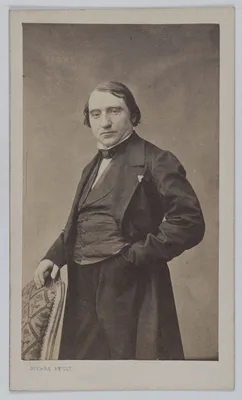
Ernest Renan
Ernest Renan was a Breton boy who never doubted his priests. He lost his faith not to a woman or to politics but to Hebrew philology at Saint-Sulpice, and walked out of the seminary in 1845 because he could not become a priest without hypocrisy. He told the life of Jesus as the life of an incomparable man (1863), and lost his chair for it. He ended neither believer nor atheist, writing that atheism is logical in this universe but that we may be atheists for not seeing far enough, and addressing "a hidden God".
Thomas Henry Huxley
Thomas Henry Huxley was a self-taught boy who learned from Hamilton that some questions have no answers. He never had a creed to lose, but at his son's grave in 1860 he refused to pretend to one. In 1869 he named that refusal "agnostic", and defended the word against the bishops as a method rather than a sect. He ended by holding that morality runs against nature, and never once called himself an atheist.
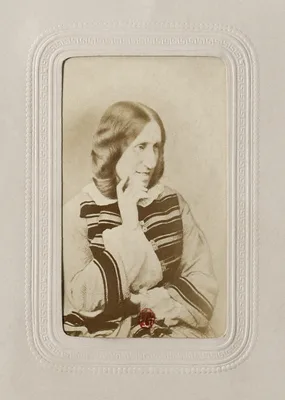
George Eliot
George Eliot was an ultra-Evangelical girl who lost the creed in 1841, reading Hennell among the Brays. She quarrelled with her father over church and regretted it all her life. In 1843 she gave up proselytising as "the quackery of infidelity", and she put her name only to Feuerbach's argument that God is human nature. She ended reverent toward the great religions, holding the idea of God to be "the ideal of a goodness entirely human" and unbelief to be the discipline of doing without opium.
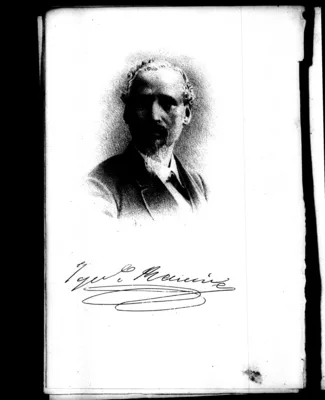
Ignacio Ramírez
Ignacio Ramírez was the son of a liberal family driven out by a clerical government. He read his way through the friars' and the cathedral's forbidden books, and at eighteen read a paper headed "No hay Dios" to the Academia de Letrán. He never retreated from it, but turned it from provocation into law: he fought "divine right" in the 1856 Congress and closed the convents as Juárez's minister. He held that a government should be neither Catholic nor atheist, and belief left to each conscience.