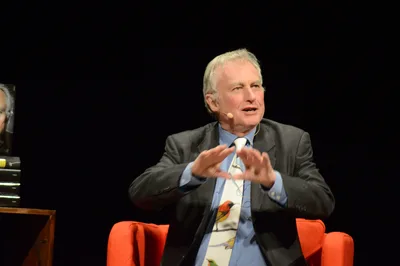
Richard Dawkins was a devout Anglican schoolboy, confirmed at thirteen. He first doubted at nine, on hearing that religions contradict one another. He gave up the Church at fourteen or fifteen, and at about sixteen gave up the creator he had kept for the design of living things, when a friend showed him the full force of Darwin's idea. The God Delusion (2006) made that biology-based unbelief public. His later talk of being a "cultural Anglican" renamed a loyalty to the Church's music and language that was already in print in 2006.
The belief timeline
- Faith (c. 1954) — Confirmed at 13 at the prep school and "intensely religious" around then (prayed nightly in "my own little corner with God"; hoped for an angel in the chapel) [6][39]
- First doubt (childhood) (c. 1950) — At about nine his mother tells him Christianity is one religion among many that contradict each other; the doubt is "first planted" here and he "reverted to earlier doubts" at Oundle [40][41]
- Doubt (c. 1955–57) — At Oundle: the Christian particulars go first (c. 14 to 15), then, about 16, a friend persuades him of the full force of Darwin and the creator is dropped; his own two accounts give 15 (2019) and about 16 (2013) [41][8][9][51]
- Declaration (c. 1958 (private) and 2006 (public)) — At 17 he and two friends refuse to kneel in chapel; the public declaration is *The God Delusion*, written, its Preface says, for people who "didn't know [they] could" leave [43][45]
- Revision (2009–2024) — "Cultural Anglican" (by 2009), "secular Christian" (2014), "Cultural Christian, not a Believing Christian" (2024); the same loyalty is already in print in 2006 [23][25][27][28][32]
Notes to the timeline (14)
- [6] He was confirmed into the Church of England at 13, at Chafyn Grove (not Oundle): the headmaster pressed all boys to be confirmed early "before they had to confront counter-influences" at public schools (his mother's recollection of the headmaster's phone calls); weekly classes from the vicar of St Mark's, Mr Higham; he was given a King James Bible he still uses — Richard Dawkins, An Appetite for Wonder: The Making of a Scientist (Ecco / HarperCollins, ebook edition October 2013, ISBN 9780062225818; first published by Bantam Press, London, 2013). Internet Archive item
appetiteforwonderthemakingofascientistan, full OCR saved as research/texts/appetite.txt. READ in full for religion, school and the Oxford years. The scan has no printed page numbers; every page given below is a range taken from the book's own index (e.g. "Confirmation 102-3") and should be checked against a print copy, pp. 102–3 (index "Confirmation 102-3"); Richard Dawkins, Outgrowing God: A Beginner's Guide (Bantam Press, 2019; ebook ISBN 9781473563513). Internet Archive itemoutgrowing-god, saved as research/texts/outgrowing.txt. READ. Cited by chapter (ch. 1, "So many gods!"); no printed pages in the scan, ch. 1 ("confirmed in the Church of England aged 13"). - [39] Around the time of his confirmation he became "intensely religious": upbraided his mother for not going to church, prayed nightly curled in bed in "my own little corner with God", and wished to steal down to the chapel at night hoping for an angel's vision; in his last term he was made a prefect — Dawkins, Appetite for Wonder, pp. 103–4 (index religion 103-4).
- [40] His first doubts were "first planted at the age of about nine", when his mother told him that Christianity was one of many religions that contradict each other, so why believe the one he happened to be born into; in 2019 he repeats that at about nine he worked out that, born to Viking parents, he would believe in Odin and Thor — Dawkins, Appetite for Wonder, pp. 139–40 (index Christianity 139-40); Dawkins, Outgrowing God, ch. 1.
- [41] In his first year at Oundle he went to Holy Communion a few times and, at 14, enjoyed it; then he "reverted to earlier doubts", gave up everything particular to Christianity, became contemptuous of all particular religions (the General Confession's "miserable offenders" angered him; so did original sin), but kept "a strong belief in some sort of unspecified creator" because of the beauty and apparent design of living things; he says he had not seen that a designer would itself need designing — Dawkins, Appetite for Wonder, pp. 139–41 (index design 140-1).
- [8] What ended his last belief was a friend, one of the two in whose company he later refused to kneel in chapel (neither a biologist), who persuaded him "of the full force" of Darwin's idea; the friend is not named — Dawkins, Appetite for Wonder, p. 142 (index "Shaw, Bernard 142"; "design 140-1"); Andrew Anthony, "Richard Dawkins: 'I don't think I am strident or aggressive'", The Observer, 14 September 2013 (snapshot.
- [9] Age at the end of belief: the memoir says he shed his "last vestige of theistic credulity, probably at the age of about sixteen", and became "strongly and militantly atheistic" soon after; *Outgrowing God* says he "finally gave up Christianity when I was 15"; the Telegraph says "early teens" — Dawkins, Appetite for Wonder, p. 142; Dawkins, Outgrowing God, ch. 1; Sarah Knapton, "Richard Dawkins: 'I am a secular Christian'", The Telegraph, 24 May 2014 (snapshot. Accounts differ; see the disputed points.
- [51] In *Outgrowing God* (2019) he says plainly that he "was brought up Christian", went to Christian schools, "was confirmed in the Church of England aged 13" and "finally gave up Christianity" at 15; and, for an atheist, explains that one can be an atheist "in the same (technically agnostic) way" one is an "a-teapotist"; he calls himself an atheist, not an agnostic — Dawkins, Outgrowing God, ch. 1.
- [43] In his last year, at 17, he and two friends "became militantly anti-religious": they refused to kneel in chapel and he later skipped chapel altogether; the school authorities never complained; his English teacher challenged him publicly and he "stammered"; his housemaster, Peter Ling, phoned the zoology master, who replied that two chapel services on a Sunday were doing him "positive harm"; Ling asked his parents to change his behaviour and by his mother's later recollection his father refused, saying it was not their business to control him — Dawkins, Appetite for Wonder, pp. 139–40, 143–4 (index chapel 139-40, Ling 143-4).
- [45] *The God Delusion* says it is written for people brought up in a religion who are unhappy in it or do not believe it but "didn't know" they could leave (the Preface takes its text from his wife's remark about school); four "consciousness-raising" aims: that being an atheist is a realistic, happy and moral aspiration; the power of natural selection (illusion of design explained); that nobody should speak of a "Christian child" or "Muslim child"; and atheist pride, a "coming out" movement like the gay movement — Richard Dawkins, The God Delusion (London: Bantam Press, 2006); the text read is the Houghton Mifflin paperback ebook of 2008 (with the "Preface to the paperback edition"), an unauthorised upload at Internet Archive item
DawkinsRichardGodDelusionThe(ePub converted to research/texts/goddelusion.txt). READ for the Preface, ch. 1, ch. 2, ch. 5 and ch. 9. No page numbers; cited by chapter. Hansard's "p. 185" for the love passage is the 2006 hardback and cannot be checked here, Preface (2008 paperback ebook). - [23] Before 4 Nov 2009 he said on a television programme debated with the Bishop of Bath and Wells, "But I'm a cultural Anglican" — UK Parliament, Hansard (Commons and Lords), speeches quoted in research/texts/hansard-dawkins.txt (54 contributions found by the Hansard search API; date, house, speaker, debate title and URL precede each). Open Parliament Licence v3.0: direct quotation permitted with attribution, Lords 2009-11-04 (Bishop of Bath and Wells; BBC: Humanism).
- [25] In an interview published 4 March 2013 he said he is a "cultural Christian" and a "cultural Anglican", comparing himself to a Jewish atheist who values Jewish tradition, while holding that belief about the cosmos is another matter — Paul Bowers, "Q&A with Richard Dawkins: 'I guess I'm a cultural Christian'", Charleston City Paper, 4 March 2013 (snapshot.
- [27] At the Hay Festival (reported 24 May 2014), asked by an American minister who no longer believed in miracles, he called himself "a secular Christian", saying he values the ceremonial side of church life but not its supernatural claims; the Telegraph adds he had an "Anglican upbringing" and "chose atheism in his early teens" after learning of Darwin — Knapton, "Richard Dawkins: 'I am a secular Christian'".
- [28] On 22 March 2024 he wrote that one can be a Cultural, a Political or a Believing Christian; he is a Cultural Christian, specifically a Cultural Anglican (educated in Christian schools, loves carols and Bach and Handel, plays hymn tunes on an electronic clarinet), but, since "Christian" for him means Believing Christian, "in my language" he is not a Christian; he calls Ayaan Hirsi Ali a Political Christian after her announced conversion; he judges Christianity morally preferable to Islam — Richard Dawkins, "Is Ayaan a Christian? Am I a Christian?", Substack "The Poetry of Reality", 22 March 2024. Read (research/notes/web-substack2024.txt).
- [32] On 24 Oct 2006 Lord Wedderburn read out *The God Delusion* passages (p. 185 on religion as by-product of love; and the claim that an atheistic world-view gives no reason to cut the Bible from education and that "we can retain a sentimental loyalty to the cultural and literary traditions of, say, Judaism, Anglicanism or Islam") in a Lords debate on compulsory worship in schools; both passages are now found in the book: the love passage in ch. 5, the loyalty passage in ch. 9 ("Religious education as a part of literary culture"); so the cultural position is in print in 2006 — Hansard, Lords 2006-10-24; Dawkins, God Delusion, ch. 5 and ch. 9.
A Friend, a Book, and the Design of Living Things
In November 2009, in a House of Lords debate on the BBC, the Bishop of Bath and Wells told the chamber about a television programme on which he had debated a well-known atheist. He had heard him say, on the same programme, "But I'm a cultural Anglican."12
The atheist was Richard Dawkins, whose The God Delusion had appeared three years earlier. The remark sounds like a late change of heart. His own memoir shows something else: a boy who was devout for a while, lost first the Church and then God, and kept a fondness for the Church's music and language all along. This chapter asks what made him stop believing, and why the most combative unbeliever of his generation still called himself an Anglican.
A boy at prayer
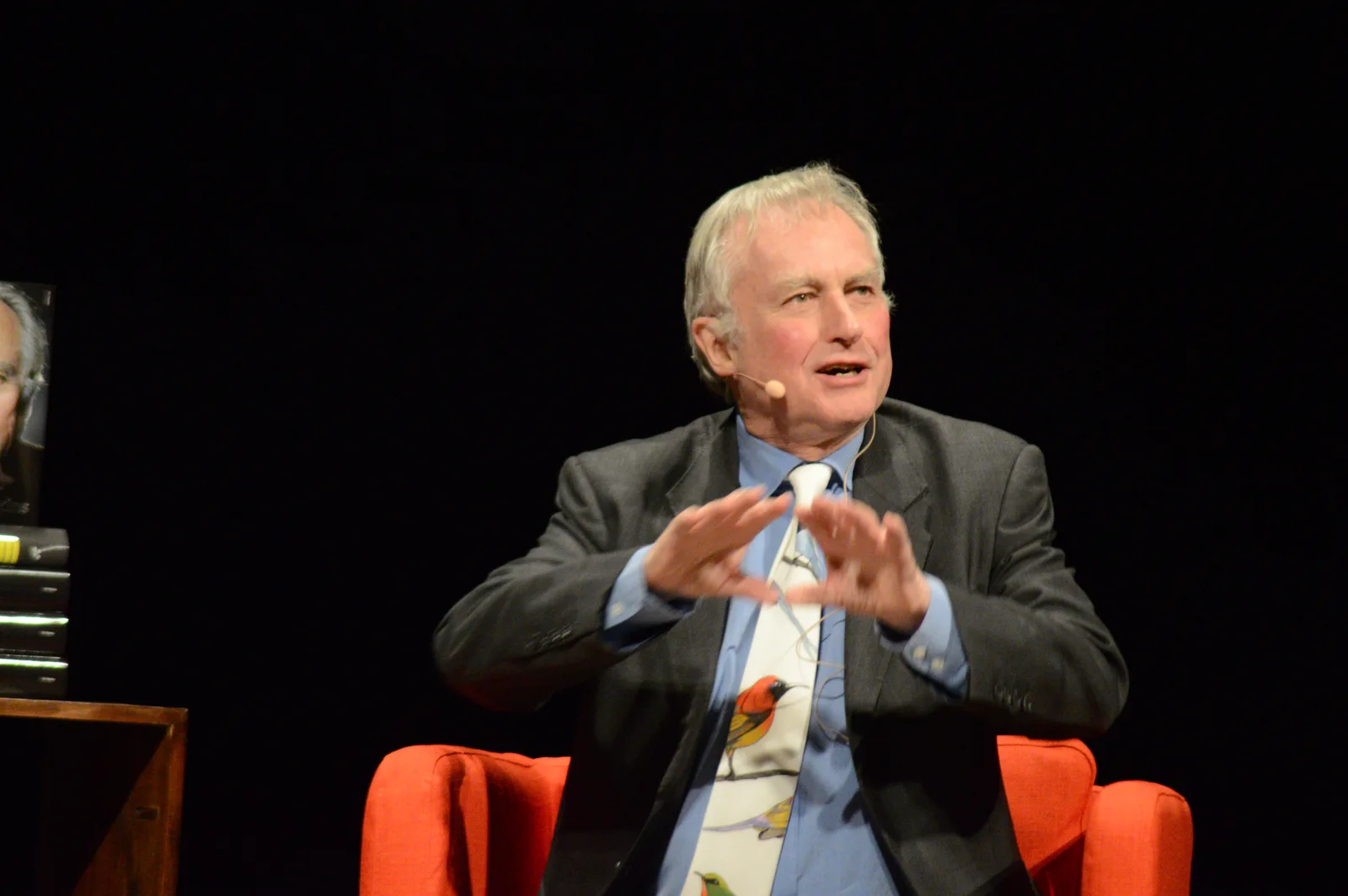
He was born in Nairobi in March 1941 and spent his early childhood in Nyasaland, now Malawi, where his father was an agricultural officer. In 1949 the family came home to farm in Oxfordshire.34 In Africa they had not gone to church, but he learned hymns from his parents, and as a small child he prayed in the hopeful way children do: against bullies, for a teacher to be transformed, for animals to gather round him.56 At his prep school in Salisbury there were prayers in chapel morning and evening and Matins on Sundays, and the headmaster was a sincere believer who pressed every boy to be confirmed before he went on to a public school.78
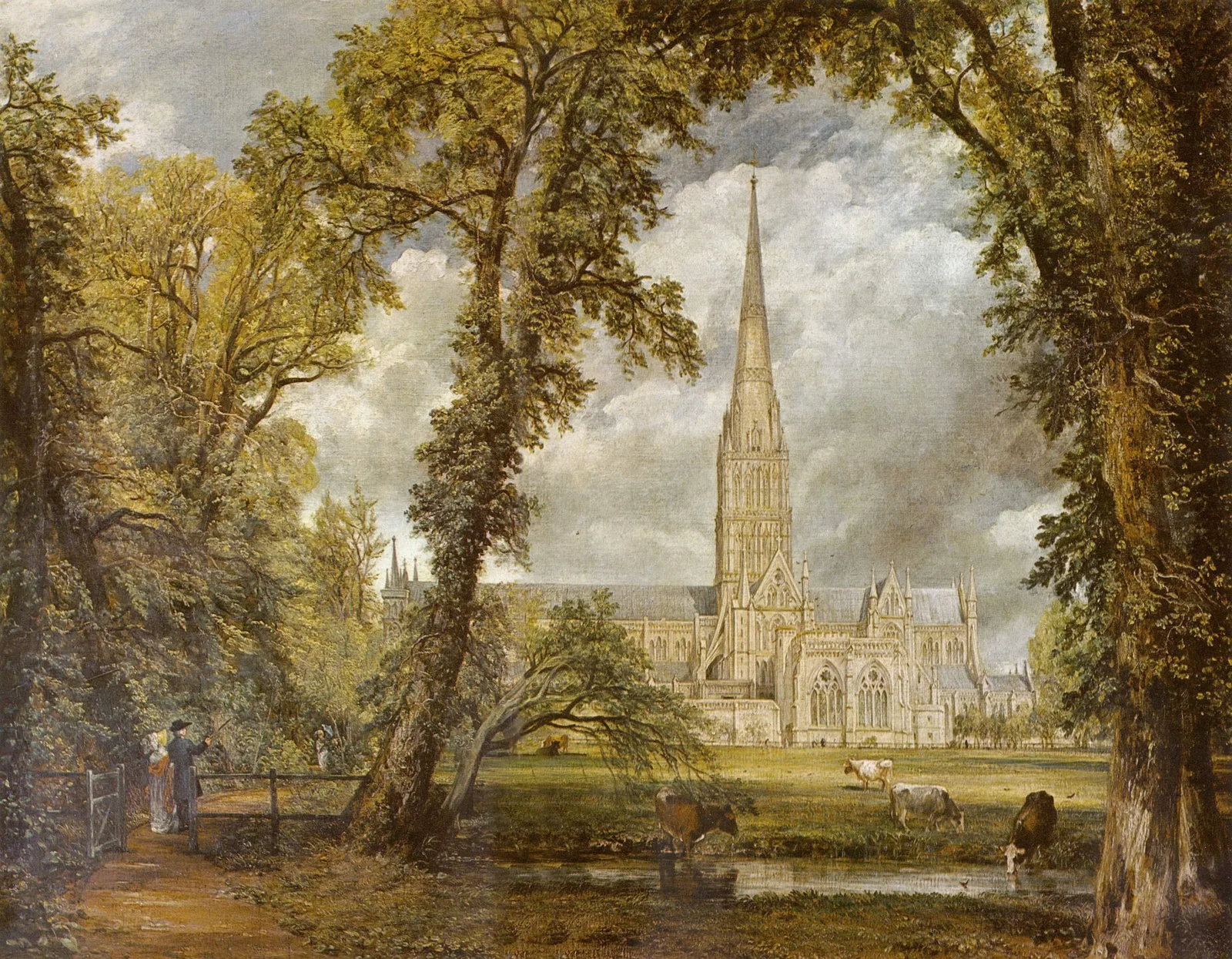
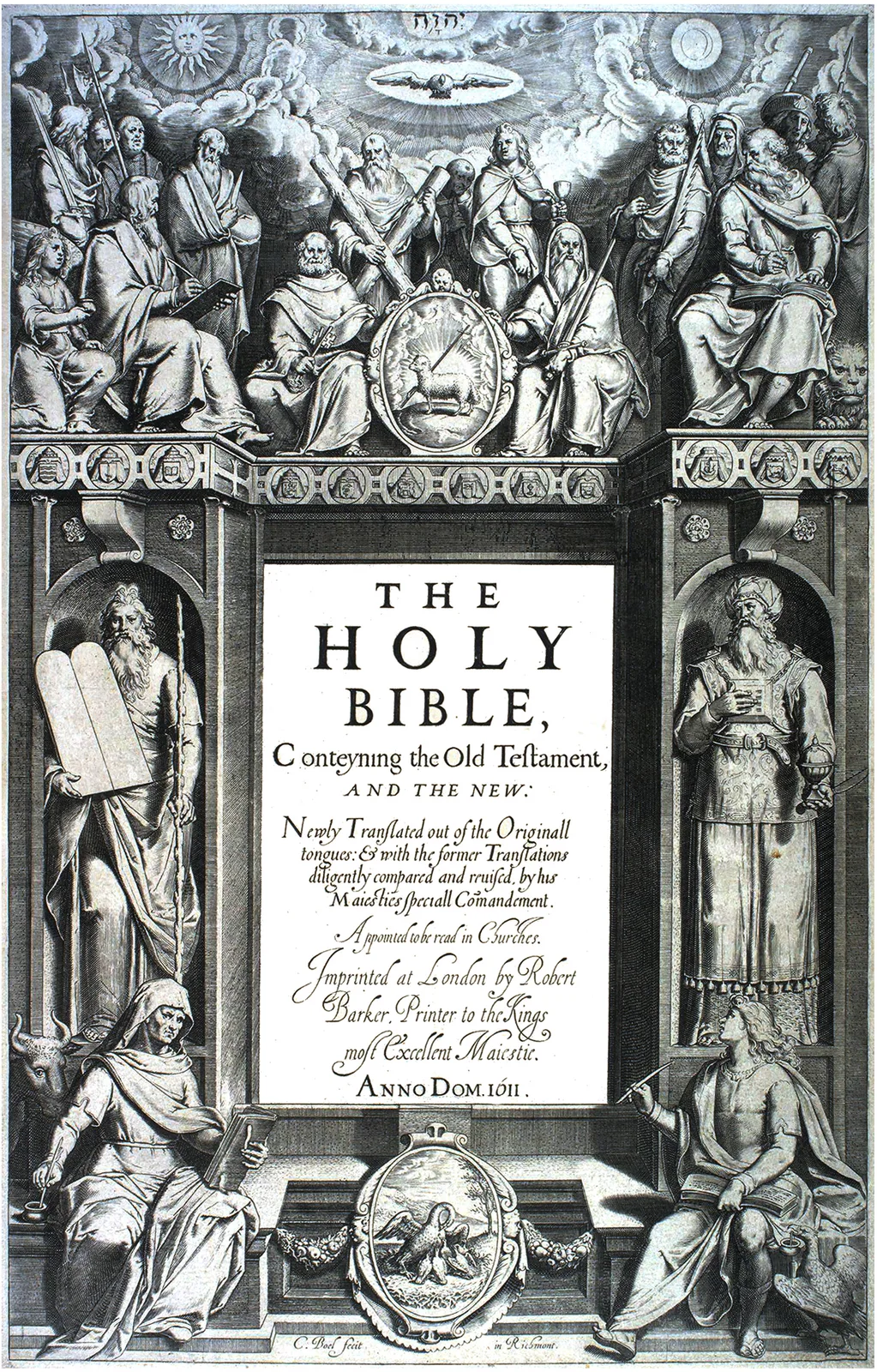
He was confirmed into the Church of England at thirteen and became, for a time, intensely religious. He scolded his mother for not going to church, prayed every night in his own small corner with God, and longed to slip down to the chapel at night in hope of seeing an angel.89 On the belief timeline, that is his faith.
The first doubt
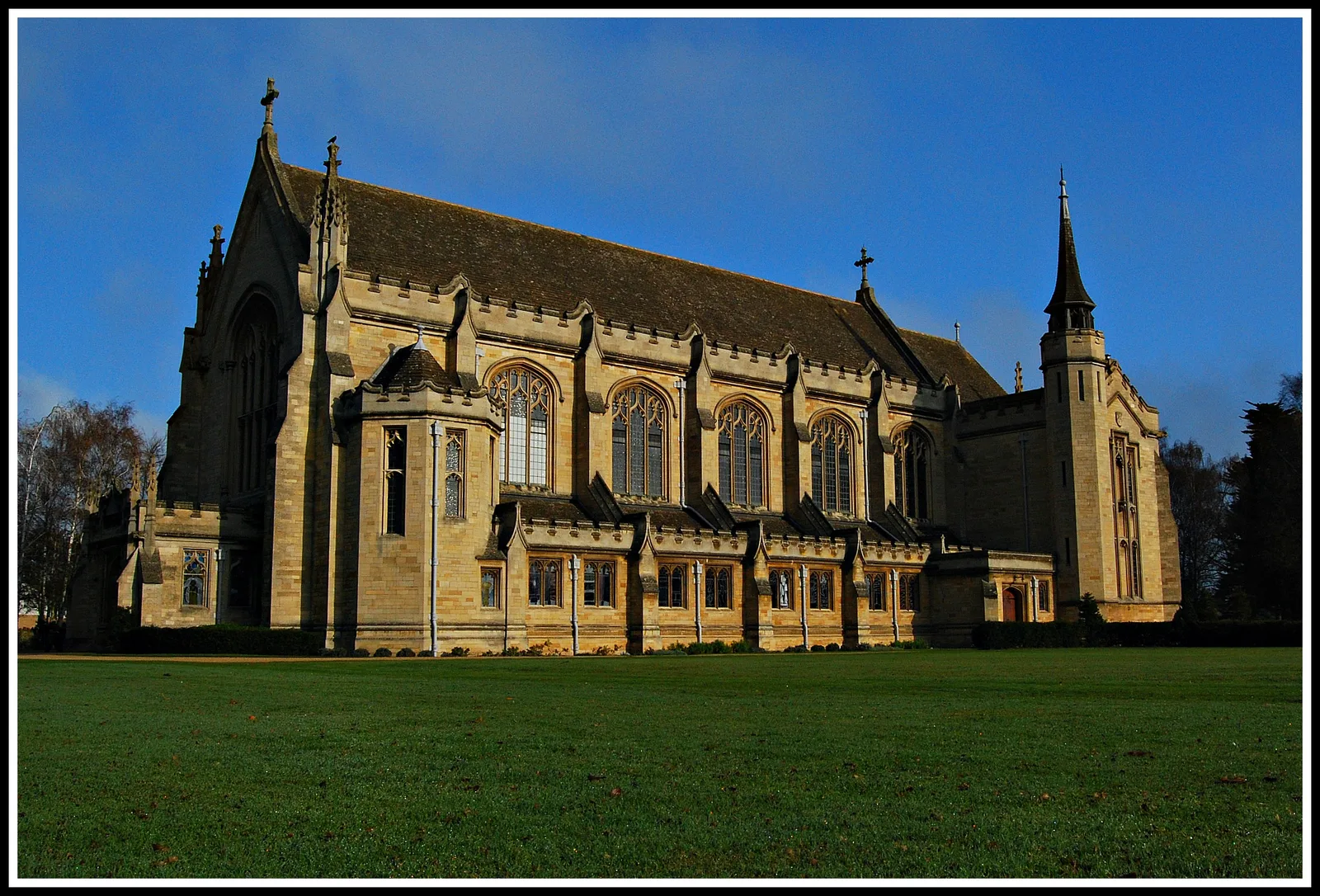
The first doubt had come earlier, at about nine. His mother told him that Christianity was only one of many religions, which contradicted one another, so why believe the one he happened to have been born into? He put it later in his own terms: born to Viking parents, he would have believed in Odin and Thor.10 The doubt went quiet during his devout year and came back at Oundle School, which he entered in 1954. After a few Holy Communions in his first year, he gave up everything particular to Christianity. The General Confession's "miserable offenders" angered him, and so did original sin. But he kept a strong belief in some unspecified creator, because living things seemed so beautifully designed. He had not yet seen, he wrote, that a designer would itself need explaining.1112
For a short while that belief even became a passion. He was an Elvis Presley fan, and in a shop in Chipping Norton he found the record Peace in the Valley, with the song "I Believe," on which Elvis said the natural world strengthened his faith. For a moment the boy half-believed it was a call to spend his life telling people about the creator, as a biologist like his father. It did not last, and he says he is not proud of it.13
The friend and the idea
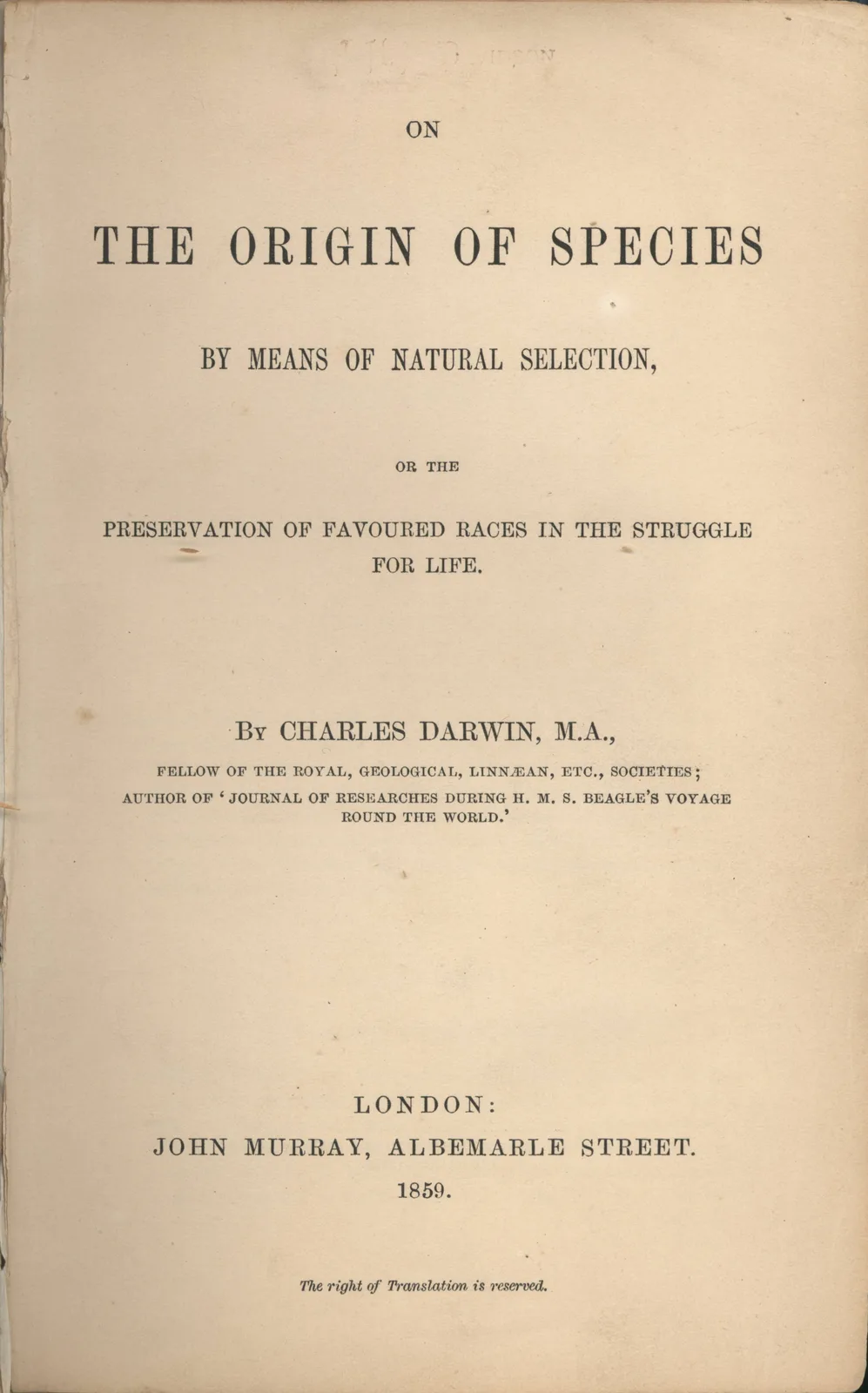
His father was the first to explain Darwin's theory of natural selection to him, but the boy was not convinced it was big enough to do the work, and Bernard Shaw's preface to Back to Methuselah, found in the school library, turned him against it for a while.14 What finally changed his mind was a friend, not a biologist, who persuaded him of the full force of Darwin's idea: that the appearance of design in living things needs no designer. That was the end of his last belief in God. He gives his age as about sixteen in his memoir of 2013, and as fifteen in a book for young readers of 2019; read together, the Church went first and the creator last.151617 On the timeline, his doubt sits at Oundle, in those years.
In his last year, at seventeen, he and two friends refused to kneel in chapel, and he later stopped going altogether. His housemaster asked his parents to make him behave; by his mother's later recollection his father refused, saying it was not their business to control him.18 The headmaster, driving him back from his Oxford entrance interviews, asked him about his rebellion against Christianity, and Dawkins remembered the talk as a revelation: a decent, intelligent Christian who wanted to understand his motives rather than condemn them.19 The believers in his own telling of these years are treated kindly.
The biologist
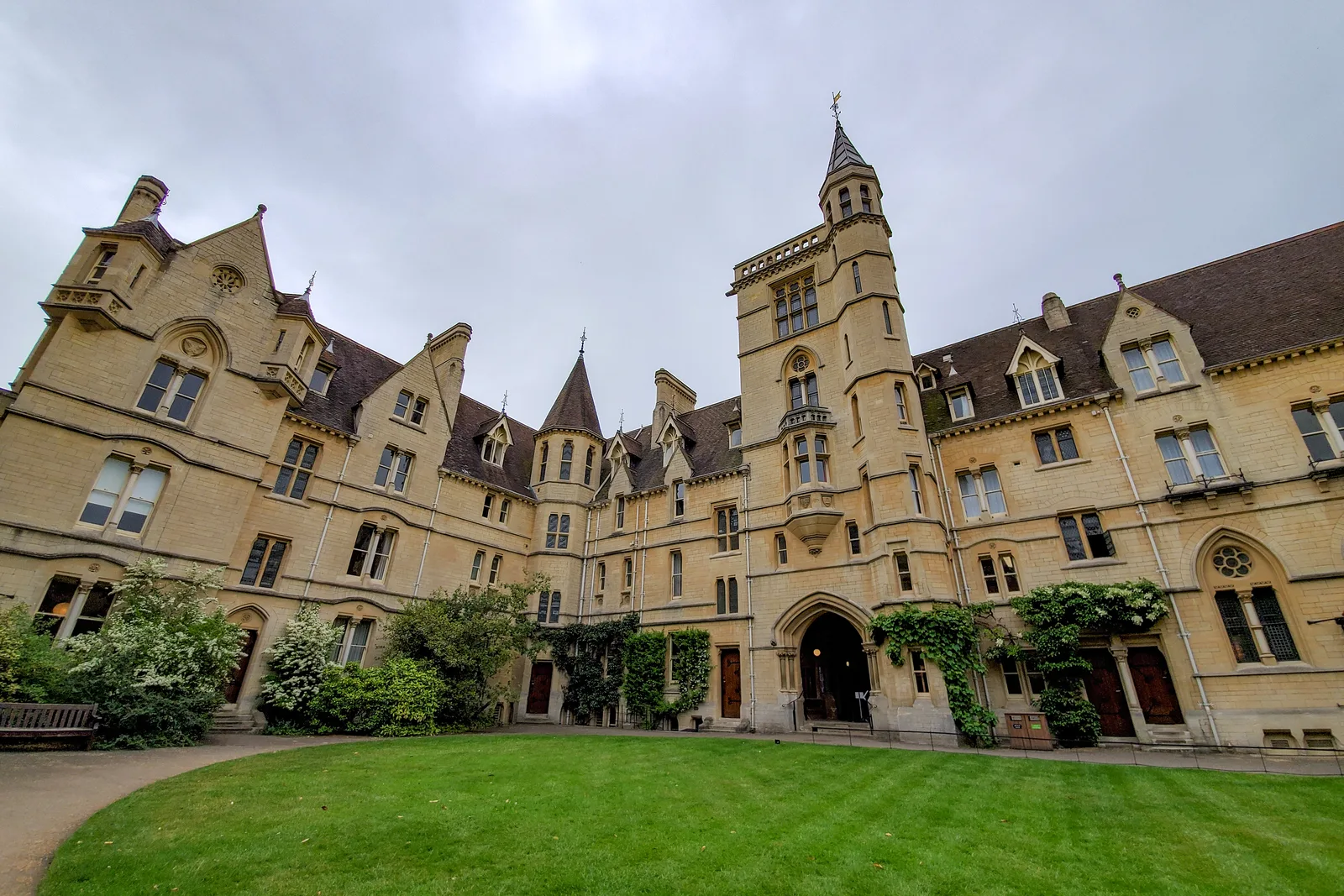
He read zoology at Balliol College, Oxford, from 1959, and Niko Tinbergen's tutorials changed the direction of his life; Tinbergen took him as a research student in 1962.20
The God Delusion
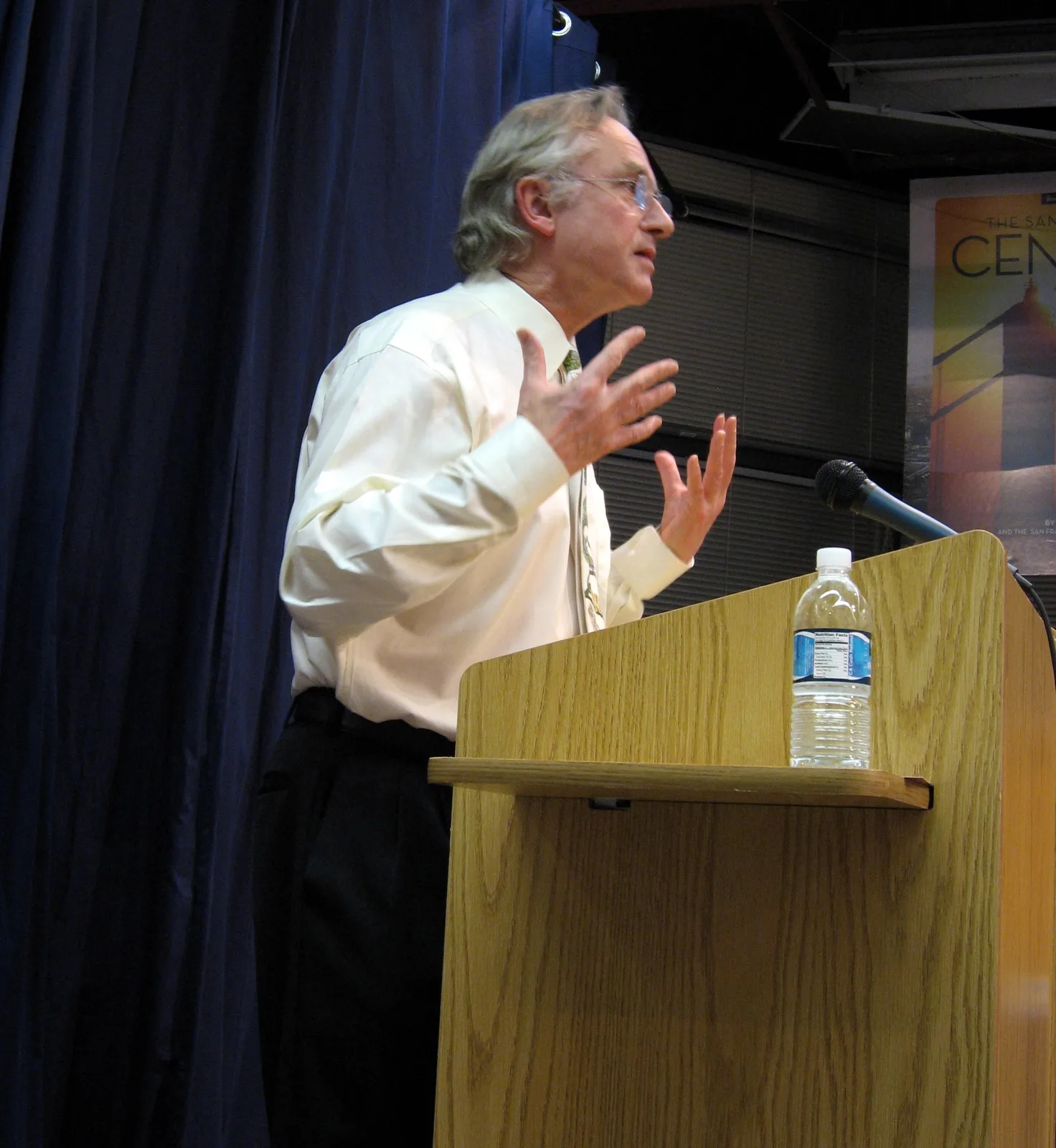
The God Delusion appeared in 2006. He wrote, in its preface, that it was meant for people brought up in a religion who no longer believed it but did not know they could leave. He gave it four aims: to show that an atheist can be happy and moral; to show the power of natural selection to explain the illusion of design; to stop people speaking of a "Christian child" or a "Muslim child"; and to encourage atheists to be open about it.26 On a seven-point scale from certainty that God exists to certainty that he does not, he put himself at six, leaning towards seven: an atheist in practice, and an agnostic only in the sense that he was agnostic about fairies at the bottom of the garden.27 On his timeline, the public declaration is this book.
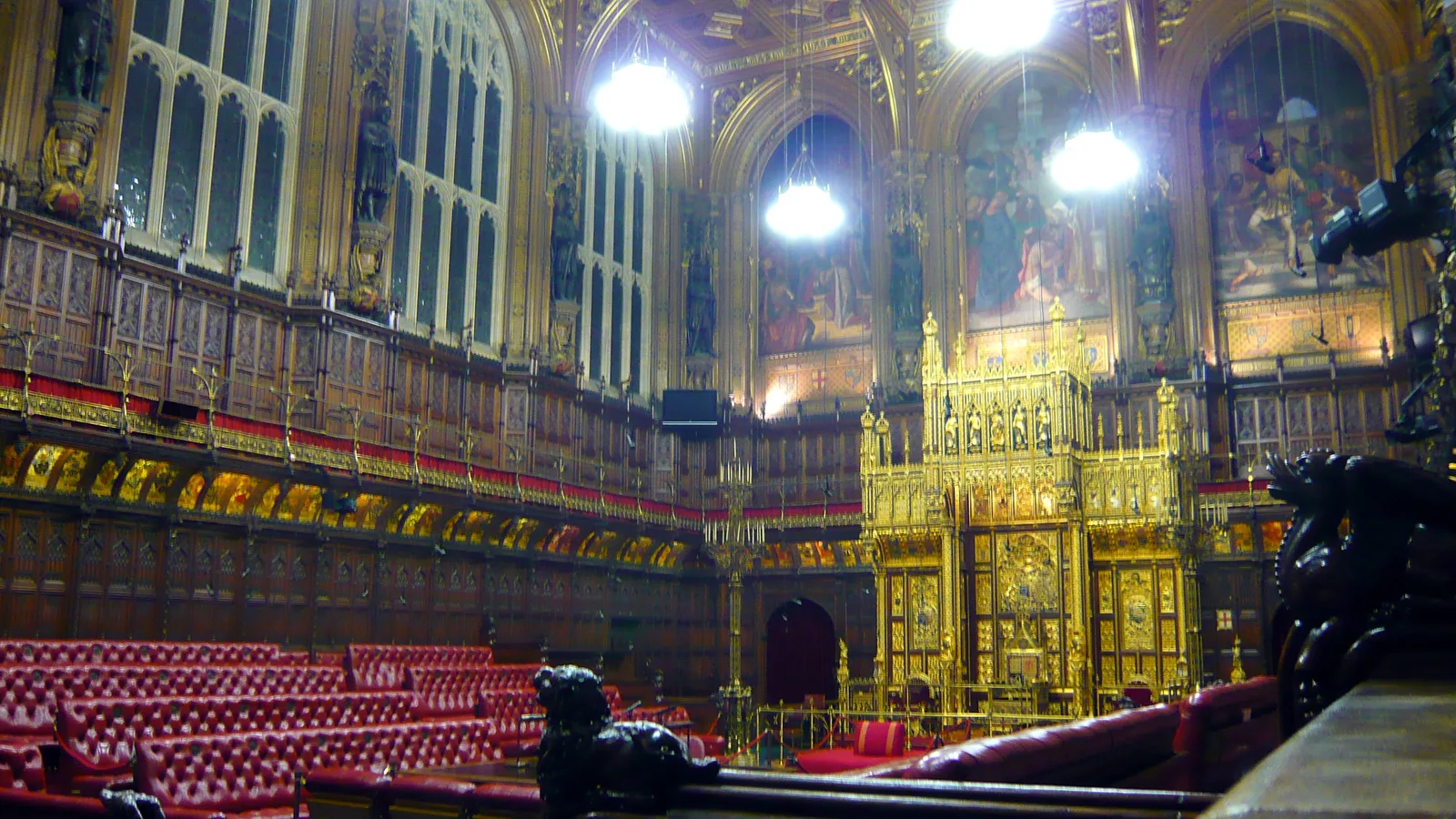
It was read aloud in the House of Lords within weeks. A Roman Catholic peer, Lord Alton, answered: "although Professor Dawkins is unable to believe in God, I am glad that God still believes in him."28 A Methodist minister, Lord Griffiths, said that the professor for the public understanding of science had "pilloried" religion with little use of scientific method.29 The former Bishop of Oxford, Lord Harries, who had debated him and worked with him on science teaching, recalled telling him: "My dear Richard, there are so many good arguments against religion. Don't keep dragging science into it."3031 Even unbelievers distanced themselves; Baroness Flather, who called herself a Hindu atheist, said that not all atheists were like him: "I do not push my atheism on to anybody else."32 A Labour peer defended him: he had attacked beliefs, she said, not people, and had written movingly about the King James Bible.33
Cultural Anglican
The fondness the Labour peer noticed was already in the book. In The God Delusion he wrote that an atheist world-view gave no reason to cut the Bible out of education, and that one could keep a sentimental loyalty to the cultural traditions of Anglicanism or Judaism without believing in the supernatural.34 By 2009 he was calling himself a "cultural Anglican"; in 2013 he told an interviewer he was a cultural Christian, like a Jewish atheist who values Jewish tradition; in 2014 he said he was "a secular Christian."23536 In March 2024, answering his friend Ayaan Hirsi Ali's announcement that she had become a Christian, he drew the line plainly: he was a cultural Christian, a lover of carols and hymns and Bach, but not a believing one, and so, in his own sense of the word, not a Christian at all.37
On the timeline, the revision is this relabelling. It is a change of name more than of mind: the loyalty was in print in 2006, and in the chapel music of his schooldays before that.
Ayaan Hirsi Ali, whose conversion prompted his last word on the question, has her own chapter in this book.
Footnotes
-
Bishop of Bath and Wells (reporting Dawkins), House of Lords, 4 November 2009: UK Parliament, Hansard (Commons and Lords), speeches quoted in research/texts/hansard-dawkins.txt (54 contributions found by the Hansard search API; date, house, speaker, debate title and URL precede each). Open Parliament Licence v3.0: direct quotation permitted with attribution, Lords 2009-11-04, debate "BBC: Humanism", https://hansard.parliament.uk/Lords/2009-11-04/debates/091104107000127/. ↩
-
Hansard, Lords 2009-11-04 (Bishop of Bath and Wells; BBC: Humanism). ↩ ↩2
-
Richard Dawkins, An Appetite for Wonder: The Making of a Scientist (Ecco / HarperCollins, ebook edition October 2013, ISBN 9780062225818; first published by Bantam Press, London, 2013). Internet Archive item
appetiteforwonderthemakingofascientistan, full OCR saved as research/texts/appetite.txt. READ in full for religion, school and the Oxford years. The scan has no printed page numbers; every page given below is a range taken from the book's own index (e.g. "Confirmation 102-3") and should be checked against a print copy, ch. 1 "Genes and pith helmets" (page not shown; the passport anecdote and the nursing home); Richard Dawkins, "Brief Scientific Autobiography", richarddawkins.net (Internet Archive snapshot of 21 June 2010). Read (research/notes/web-autobiog.txt), (1941, Kenya); Wikipedia map for 26 March. Not verified. ↩ -
Dawkins, Appetite for Wonder, pp. 79–80 (index "return to England, 1949 79-80"); ch. 2 (the 1943 recall); Dawkins, "Brief Scientific Autobiography". ↩
-
Dawkins, Appetite for Wonder, pp. 55–6 (index hymns 55-6, 64, 76), the Eagle School chapter; Sarah Knapton, "Richard Dawkins: 'I am a secular Christian'", The Telegraph, 24 May 2014 (snapshot. ↩
-
Dawkins, Appetite for Wonder, pp. 67–8, 77, 80 (index "prayer, children's 67-8, 77, 80"). ↩
-
Dawkins, Appetite for Wonder, pp. 100–4 (index chapel 100-1, 103-4; Galloway 100, 102-4; St Mark's 100, 103). ↩
-
Dawkins, Appetite for Wonder, pp. 102–3 (index "Confirmation 102-3"); Richard Dawkins, Outgrowing God: A Beginner's Guide (Bantam Press, 2019; ebook ISBN 9781473563513). Internet Archive item
outgrowing-god, saved as research/texts/outgrowing.txt. READ. Cited by chapter (ch. 1, "So many gods!"); no printed pages in the scan, ch. 1 ("confirmed in the Church of England aged 13"). ↩ ↩2 -
Dawkins, Appetite for Wonder, pp. 103–4 (index religion 103-4). ↩
-
Dawkins, Appetite for Wonder, pp. 139–40 (index Christianity 139-40); Dawkins, Outgrowing God, ch. 1. ↩
-
Dawkins, Appetite for Wonder, ch. "The spire by the Nene" (index Oundle 106, 119-45). ↩
-
Dawkins, Appetite for Wonder, pp. 139–41 (index design 140-1). ↩
-
Dawkins, Appetite for Wonder, pp. 141–2 (index "Presley, Elvis 141-2"); Andrew Anthony, "Richard Dawkins: 'I don't think I am strident or aggressive'", The Observer, 14 September 2013 (snapshot, (journalist's summary). ↩
-
Dawkins, Appetite for Wonder, p. 142 (index Shaw, Bernard 142). ↩
-
Dawkins, Appetite for Wonder, p. 142 (index "Shaw, Bernard 142"; "design 140-1"); Anthony, "Richard Dawkins: 'I don't think I…". ↩
-
Dawkins, Appetite for Wonder, p. 142; Dawkins, Outgrowing God, ch. 1; Knapton, "Richard Dawkins: 'I am a secular Christian'". Accounts differ; see the disputed points. ↩
-
Dawkins, Outgrowing God, ch. 1. ↩
-
Dawkins, Appetite for Wonder, pp. 139–40, 143–4 (index chapel 139-40, Ling 143-4). ↩
-
Dawkins, Appetite for Wonder, pp. 144–5 (index Knight, Richard 144-5). ↩
-
Dawkins, Appetite for Wonder, chs. "Dreaming spires", "Learning the trade", "West Coast dreamtime" (index Tinbergen, Niko 156 ff.). ↩
-
Dawkins, Appetite for Wonder, ch. "The Selfish Gene" (near the end of the book; page not shown). ↩
-
Dawkins, Appetite for Wonder, ch. on The Selfish Gene (near the end; page not shown). ↩
-
Lord Winston, House of Lords, 5 July 1996: Hansard, Lords 1996-07-05, "Society's Moral And Spiritual Well-Being". ↩
-
Hansard, Lords 1996-07-05 (Lord Winston; Society's Moral And Spiritual Well-Being). ↩
-
Caroline Frost, "Richard Dawkins: The foibles of faith", BBC News Online, 12 October 2001 (snapshot. ↩
-
Richard Dawkins, The God Delusion (London: Bantam Press, 2006); the text read is the Houghton Mifflin paperback ebook of 2008 (with the "Preface to the paperback edition"), an unauthorised upload at Internet Archive item
DawkinsRichardGodDelusionThe(ePub converted to research/texts/goddelusion.txt). READ for the Preface, ch. 1, ch. 2, ch. 5 and ch. 9. No page numbers; cited by chapter. Hansard's "p. 185" for the love passage is the 2006 hardback and cannot be checked here, Preface (2008 paperback ebook). ↩ -
Dawkins, God Delusion, copyright page; ch. 2 "The God Hypothesis" (section on the spectrum of probabilities); Hansard, Lords 2006-10-24. ↩
-
Lord Alton of Liverpool, Roman Catholic crossbencher, Lords, 24 October 2006: Hansard, Lords 2006-10-24, Education and Inspections Bill. ↩
-
Lord Griffiths of Burry Port, Methodist minister and broadcaster ("Thought for the Day" contributor for 17 years), Lords, 4 November 2009: Hansard, Lords 2009-11-04, BBC: Humanism. ↩
-
Lord Harries of Pentregarth (speaker field blank in the search record; the debate item matches him), former Bishop of Oxford, recalling what he said to Dawkins, Lords, 19 March 2009: Hansard, Lords 2009-03-19, Charles Darwin. ↩
-
Hansard, Lords 2009-03-19 (Charles Darwin; speaker field blank in the API, Lord Harries per the debate listing). ↩
-
Baroness Flather, self-described "Hindu atheist", Lords, 22 November 2012: Hansard, Lords 2012-11-22, Religion in the United Kingdom. ↩
-
Baroness Turner of Camden, Labour, defending him, Lords, 25 July 2013: Hansard, Lords 2013-07-25, Atheists and Humanists: Contribution to Society. ↩
-
Hansard, Lords 2006-10-24; Dawkins, God Delusion, ch. 5 and ch. 9. ↩
-
Paul Bowers, "Q&A with Richard Dawkins: 'I guess I'm a cultural Christian'", Charleston City Paper, 4 March 2013 (snapshot. ↩
-
Knapton, "Richard Dawkins: 'I am a secular Christian'". ↩
-
Richard Dawkins, "Is Ayaan a Christian? Am I a Christian?", Substack "The Poetry of Reality", 22 March 2024. Read (research/notes/web-substack2024.txt). ↩
appetiteforwonderthemakingofascientistan, full OCR saved as research/texts/appetite.txt. READ in full for religion, school and the Oxford years. The scan has no printed page numbers; every page given below is a range taken from the book's own index (e.g. "Confirmation 102-3") and should be checked against a print copy.; Richard Dawkins, "Brief Scientific Autobiography", richarddawkins.net (Internet Archive snapshot of 21 June 2010). Read (research/notes/web-autobiog.txt).; Sarah Knapton, "Richard Dawkins: 'I am a secular Christian'", The Telegraph, 24 May 2014 (snapshot.; Richard Dawkins, Outgrowing God: A Beginner's Guide (Bantam Press, 2019; ebook ISBN 9781473563513). Internet Archive item outgrowing-god, saved as research/texts/outgrowing.txt. READ. Cited by chapter (ch. 1, "So many gods!"); no printed pages in the scan.; Andrew Anthony, "Richard Dawkins: 'I don't think I am strident or aggressive'", The Observer, 14 September 2013 (snapshot.; Caroline Frost, "Richard Dawkins: The foibles of faith", BBC News Online, 12 October 2001 (snapshot.; Richard Dawkins, The God Delusion (London: Bantam Press, 2006); the text read is the Houghton Mifflin paperback ebook of 2008 (with the "Preface to the paperback edition"), an unauthorised upload at Internet Archive item DawkinsRichardGodDelusionThe (ePub converted to research/texts/goddelusion.txt). READ for the Preface, ch. 1, ch. 2, ch. 5 and ch. 9. No page numbers; cited by chapter. Hansard's "p. 185" for the love passage is the 2006 hardback and cannot be checked here.; Paul Bowers, "Q&A with Richard Dawkins: 'I guess I'm a cultural Christian'", Charleston City Paper, 4 March 2013 (snapshot.; Richard Dawkins, "Is Ayaan a Christian? Am I a Christian?", Substack "The Poetry of Reality", 22 March 2024. Read (research/notes/web-substack2024.txt).In their own words
I have had the privilege of debating with Richard Dawkins on television and hearing him say on the same programme, “But I’m a cultural Anglican”.
An atheistic world-view provides no justification for cutting the Bible, and other sacred books, out of our education. And of course we can retain a sentimental loyalty to the cultural and literary traditions of, say, Judaism, Anglicanism or Islam
Could irrational religion be a by-product of the irrationality mechanisms that were originally built into the brain by selection for falling in love? Certainly, religious faith has something of the same character as falling in love
a petty, unjust, unforgiving control freak; a vindictive, bloodthirsty ethnic cleanser; a misogynistic, homophobic, racist, infanticidal, genocidal, filicidal, pestilential, megalomaniacal, sadomasochistic, capriciously malevolent bully
as Professor Richard Dawkins has said, that they are not based on a religious belief, which may be said to rest on either revelation, tradition or authority
Professor Dawkins—he is a professed atheist—regards our morality as essentially of genetic origin. He says that our altruism is due to a form of self-protection which we have learnt by selection of the species through the years.
The other side
although Professor Dawkins is unable to believe in God, I am glad that God still believes in him.
I do not understand Richard Dawkins to be possessed of particularly great courage, since as the professor for the public understanding of science, he has resorted again and again to so much evidence of lack of the use of scientific method in the way that he has pilloried—yes, pilloried—religion.
My dear Richard, there are so many good arguments against religion. Don't keep dragging science into it
I recommend that he reads a better and more recent book, The Dawkins Delusion?
New atheists such as Richard Dawkins recognise that jettisoning what he refers to as “cultural Christianity”, something the post-war West has come perilously close to doing, means that the flowerings reeled off by Habermas will lose their roots and wither.
A lot of people seem to think that the only kind of atheist is like Dawkins; no, not all atheists are like him. I do not push my atheism on to anybody else.
There is a difference between that and the view that Richard Dawkins expresses, which is that religious people are wrong.
He has written successful books attacking religious beliefs, but not people. He has also written movingly about the Bible, the King James version, acknowledging its cultural significance and also praising the beauty of its language.
Where accounts differ
| Point | One account | Another | How the page handles it |
|---|---|---|---|
| Age at which he stopped believing | "I finally gave up Christianity when I was 15" (OutGod ch. 1, 2019) | "shed my last vestige of theistic credulity, probably at the age of about sixteen" (Appetite p. 142, 2013), after giving up the particulars of Christianity at Oundle at about 14 to 15 (pp. 139–41); the Telegraph says "early teens" (Tel14) | Both are his own. Read as two stages (the Church first, c. 15; the creator last, c. 16) and say "at fifteen or sixteen, by his own two accounts"; do not say "fifteen" flat |
| Where he was confirmed | Wikipedia map puts the confirmation among the Oundle entries | Appetite pp. 102–3: at Chafyn Grove, the prep school, aged 13, before Oundle (he arrived at Oundle in 1954 aged 13); OutGod says only "aged 13" | Follow the memoir: prep school |
| Whether the "religious frenzy" was before or after the doubt | Guardian13 puts it at Oundle as a phase of belief | Appetite pp. 141–2: it was a belief in a creator, not in Christianity, after he had given up Christian particulars at 14 to 15 and before the friend persuaded him; he says it "didn't last long" | Say plainly that it was belief in a creator, not the Church |
| When he first called himself a "cultural Christian/Anglican" | 2007 (Wikipedia map; roster) | Earliest lawful record: reported by the Bishop in Nov 2009 [23]; first print I could read is March 2013 [25] | Say "by 2009" if only Hansard is used; do not say 2007 until a source is found |
| Whether the cultural position is a revision | His March 2024 essay is presented in the press as a change of stance (e.g. the Telegraph's "secular Christian" in 2014; Lord Farmer 2025 uses it for his side) | Hansard 2006 reads aloud his book's "sentimental loyalty" to Judaism, Anglicanism or Islam [Q2], and the book text confirms it (ch. 9); the Appetite shows warmth for the school's chapel music and his King James Bible (pp. 103, 136–7) | The script can say the label changed while the position was already there in 2006; the thesis should not claim a late reversal |
| His position on the scale of belief | Wikipedia map: "6.9", a figure not found in the book | GodDel ch. 2: "category 6, but leaning towards 7" | Use the book's wording; leave out "6.9" until a source is found |
| Hansard calls him "professor of philosophical studies at Oxford" | Lord Elystan-Morgan, 5 March 2008 | His post was the Simonyi chair for the public understanding of science (to 2008; Lord Griffiths 2009; Wikipedia map) | Ignore the Lord's title; use the Simonyi title only after checking a source |
| Whether the Telegraph/Times-quoted "restless busybodies" line is by this Dawkins | Alistair Burt MP, 12 May 2008, cites a newspaper leader quoting "Richard Dawkins" and "presume[s] that must be some other Richard Dawkins" | Unclear | Do not use the line |
List of illustrations
This page uses only public-domain and Creative Commons images; each is credited with its source and licence.
- Richard Dawkins sthlm — Anders Hesselbom, 2015-12-12 · Anders Hesselbom, via Wikimedia Commons, Public domain · Public domain (Wikimedia Commons)
- John Constable - Salisbury Cathedral from the Bishop's Grounds — John Constable, 1823 · John Constable, via Wikimedia Commons, Public domain · Public domain (Wikimedia Commons)
- Oundle School Chapel - panoramio — cisko66, 2011-11-19 · cisko66, via Wikimedia Commons, CC BY 3.0 · CC BY 3.0 (Wikimedia Commons)
- Origin of Species title page — John Murray, Publisher, 1859 · John Murray, Publisher, via Wikimedia Commons, Public domain · Public domain
- Balliol College, Front Quadrangle — HarshLight, 2019-05-29 · HarshLight, via Wikimedia Commons, CC BY 2.0 · CC BY 2.0 (Wikimedia Commons)
- Richard Dawkins 2006 — Steve Jurvetson, 2006-10-29 · Steve Jurvetson, via Wikimedia Commons, CC BY 2.0 · CC BY 2.0 (Wikimedia Commons)
- House of Lords - November 2007 — Herry Lawford, 2007-11-08 · Herry Lawford, via Wikimedia Commons, CC BY 2.0 · CC BY 2.0 (Wikimedia Commons)
- KJV-King-James-Version-Bible-first-edition-title-page-1611 — Church of England, 1611 · Church of England, via Wikimedia Commons, Public domain · Public domain (Wikimedia Commons)
Sources
Tier 1 — the subject's own words (all in copyright; read for facts and paraphrase only; the Quotations table does not use them)
- [Appetite] Richard Dawkins, An Appetite for Wonder: The Making of a Scientist (Ecco / HarperCollins, ebook edition October 2013, ISBN 9780062225818; first published by Bantam Press, London, 2013). Internet Archive item
appetiteforwonderthemakingofascientistan, full OCR saved as research/texts/appetite.txt. READ in full for religion, school and the Oxford years. The scan has no printed page numbers; every page given below is a range taken from the book's own index (e.g. "Confirmation 102-3") and should be checked against a print copy. - [OutGod] Richard Dawkins, Outgrowing God: A Beginner's Guide (Bantam Press, 2019; ebook ISBN 9781473563513). Internet Archive item
outgrowing-god, saved as research/texts/outgrowing.txt. READ. Cited by chapter (ch. 1, "So many gods!"); no printed pages in the scan. - [GodDel] Richard Dawkins, The God Delusion (London: Bantam Press, 2006); the text read is the Houghton Mifflin paperback ebook of 2008 (with the "Preface to the paperback edition"), an unauthorised upload at Internet Archive item
DawkinsRichardGodDelusionThe(ePub converted to research/texts/goddelusion.txt). READ for the Preface, ch. 1, ch. 2, ch. 5 and ch. 9. No page numbers; cited by chapter. Hansard's "p. 185" for the love passage is the 2006 hardback and cannot be checked here. - [AutoNote] Richard Dawkins, "Brief Scientific Autobiography", richarddawkins.net (Internet Archive snapshot of 21 June 2010). Read (research/notes/web-autobiog.txt).
- [Subst24] Richard Dawkins, "Is Ayaan a Christian? Am I a Christian?", Substack "The Poetry of Reality", 22 March 2024. Read (research/notes/web-substack2024.txt).
- [BrCandle] Richard Dawkins, Brief Candle in the Dark: My Life in Science (Bantam Press, 2015; Ecco 2015). NOT READ: the Internet Archive copies (
briefcandleindar0000dawk,_w8z1,_t4z3) are lending items and return 401 or 403. - [Chaplain] Richard Dawkins, A Devil's Chaplain (Weidenfeld & Nicolson, 2003), with the letter to his ten-year-old daughter. NOT READ: lending items only (
devilschaplainse0000dawk,devilschaplain00rich,devilschaplainre0000dawk). - [Selfish] Richard Dawkins, The Selfish Gene (Oxford University Press, 1976). NOT READ (an Internet Archive item
the-selfish-gene-r.-dawkins-1976-wwexists; not needed for belief). - [Blind] Richard Dawkins, The Blind Watchmaker (Longman, 1986). NOT READ.
Tier 2 — scholarly biographies and encyclopedias
- None freely available. Royal Society, Oxford and Oxford DNB entries for a living person do not exist or are not free. Alan Macfarlane's recorded interview (
richarddawkinsho00alan) is a lending item and returned 401.
Tier 3 — popular biographies and journalism (read for facts, paraphrased; all copyright the publishers)
- [Guardian13] Andrew Anthony, "Richard Dawkins: 'I don't think I am strident or aggressive'", The Observer, 14 September 2013 (snapshot https://web.archive.org/web/20190529212022/https://www.theguardian.com/science/2013/sep/15/richard-dawkins-interview-appetite-wonder ). Read.
- [Tel14] Sarah Knapton, "Richard Dawkins: 'I am a secular Christian'", The Telegraph, 24 May 2014 (snapshot https://web.archive.org/web/20181221043247/https://www.telegraph.co.uk/culture/hay-festival/10853648/Richard-Dawkins-I-am-a-secular-Christian.html ). Read.
- [CCP13] Paul Bowers, "Q&A with Richard Dawkins: 'I guess I'm a cultural Christian'", Charleston City Paper, 4 March 2013 (snapshot https://web.archive.org/web/20130307014227/http://www.charlestoncitypaper.com/charleston/qanda-with-richard-dawkins-i-guess-im-a-cultural-christian/Content?oid=4581071 ). Read.
- [BBC01] Caroline Frost, "Richard Dawkins: The foibles of faith", BBC News Online, 12 October 2001 (snapshot https://web.archive.org/web/20180619035204/http://news.bbc.co.uk/1/hi/in_depth/uk/2000/newsmakers/1595744.stm ). Read.
- [Tel13] Telegraph, "Richard Dawkins admits he is a 'cultural Anglican'", 12 September 2013. Headline only; the Wayback Machine returned no snapshot for the URLs I guessed.
Tier 4 — maps to other sources only (Wikipedia and similar). Never cited in the script.
- English Wikipedia, "Richard Dawkins" (extract and external links saved in research/notes/wikipedia-map-dawkins.txt and wikipedia-extlinks.txt, fetched 2026-10-13). Used only for leads; every claim marked "Wikipedia map only" has no second source.
Opposition sources — contemporary critics and religious responses (all Hansard, Open Parliament Licence)
- [Hansard] UK Parliament, Hansard (Commons and Lords), speeches quoted in research/texts/hansard-dawkins.txt (54 contributions found by the Hansard search API; date, house, speaker, debate title and URL precede each). Open Parliament Licence v3.0: direct quotation permitted with attribution. Cited as "Hansard Lords 2006-10-24 (Wedderburn)". Where a speaker quotes Dawkins's book, the quoted passage remains Dawkins's copyright; treat as secondhand and short.
Related lives
Ayaan Hirsi Ali (b. 1969): he wrote his March 2024 definition of "cultural Christian" in answer to her announced conversion; alternatives: Christopher Hitchens or Daniel Dennett (the "Four Horsemen", Wikipedia map only).
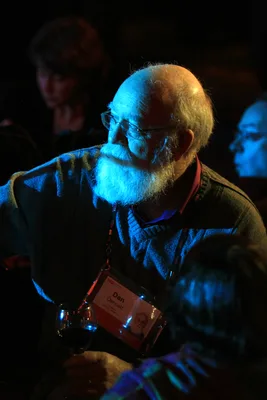
Daniel Dennett
Daniel Dennett was raised in a mild New England Christianity and stopped believing as a teenager, without any crisis. Only in 2003, alarmed by theocratic talk after 11 September, did he declare himself a "bright" in public. He then turned from arguing against God to studying religion, and the unbelieving clergy who serve it, as natural phenomena. He met his own brush with death in 2006 by thanking goodness, not God.
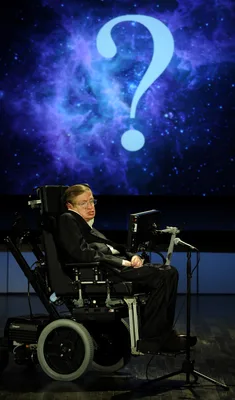
Stephen Hawking
Stephen Hawking was never a believer. He watched his schoolfriends' Christian enthusiasm with amused detachment, and asked from boyhood whether the universe needed a God to start it. For decades he kept "God" as a figure of speech for the laws of physics, the "mind of God" of 1988. From 2010 to 2011 he said plainly that God was unnecessary and heaven a fairy story, and in 2014 he called himself an atheist. In his posthumous book he still kept the word "God" as an impersonal name for the laws of nature.

Narendra Dabholkar
Narendra Dabholkar was a Satara doctor who had long since stopped believing in God. In 1982 he gave up medicine to fight superstition, and built a movement that, against his first wish, stayed neutral on God and attacked only fraud and exploitation. He defended that compromise as right for the cause. He was shot dead in Pune in 2013, and the law he fought for, which protects worship and never mentions God, was issued within days of his death.
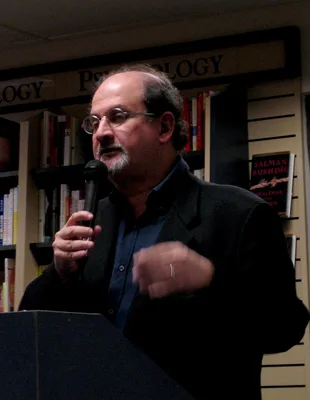
Salman Rushdie
Salman Rushdie was raised in a secular Muslim family with an atheist father. He left no record of a crisis of faith, only an undated drift from childhood belief in the stories. He made his unbelief public through The Satanic Verses (1988), a novel about revelation "from the point of view of an unbeliever", which brought the 1989 fatwa. Under that threat he signed the Muslim creed in December 1990 and disowned it by 1992. After that his unbelief hardened, through "hard-line atheist" in 2006 to a stabbing in 2022 that brought, he said, no revelation.