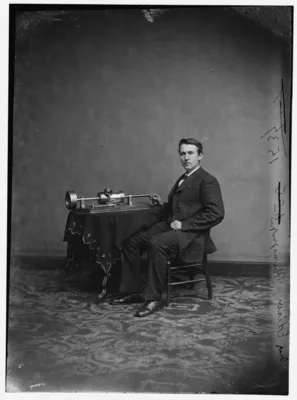
Thomas Edison was raised by a Baptist minister's daughter and set loose at thirteen on his father's shelf of Paine. He never lost a faith he is known to have held. In 1910 he told the New York Times that there were no gods of the religions, no soul and no use for a future life, while speaking in the same year of an Intelligence behind nature. In 1920 he revised the denial into a laboratory theory of indestructible "life entities" and an apparatus to test survival. He ended as Paine's defender and, like Paine, no atheist by his own word.
The belief timeline
- Household faith (1840s-50s) — Mother from a Baptist minister's family, "deep religious feeling"; father a rebel and owner of Paine [3][6]
- Paine (c. 1860) — At 13 reads Paine on the father's shelf: "a revelation" on "political and theological subjects" [6][7]
- Declaration (1910-10-02) — Tells Marshall there are no "gods of the religions", no soul, no personal immortality [14][15]
- Revision (1920-10-30) — "Life entities" that are indestructible, an apparatus to test survival of personality; wants scientific tests, not mediums [20][21][22]
Notes to the timeline (8)
- [3] Mother Nancy Elliott (b. 1810, Chenango County NY), a teacher, was the daughter of the Rev. John Elliott, a Baptist minister; "The family was evidently one of considerable culture and deep religious feeling", with two of her uncles and two brothers in the Baptist ministry — Dyer-Martin ch. II.
- [6] Edison found a set of Paine's writings on his father's bookshelves when he was thirteen — Paine Works I p. vii.
- [7] He found Paine's views on political and theological subjects "a revelation" and went back to the works "time and again" — Paine Works I pp. vii-viii.
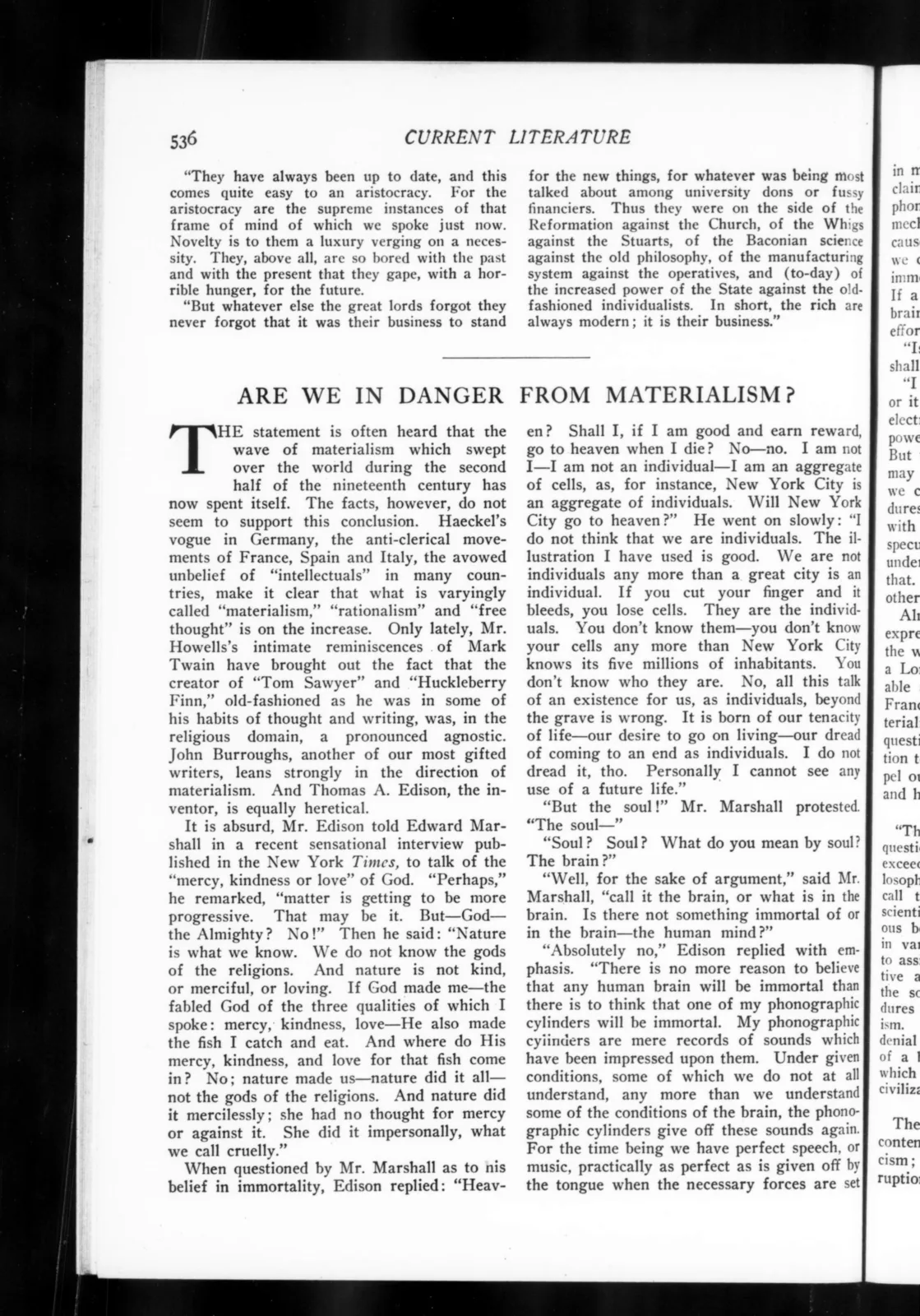
- [14] In it Edison said he did not know "the gods of the religions", that nature is not kind or loving, that he is "an aggregate of cells" and "cannot see any use of a future life" — CurrOp Nov 1910 pp. 536-37. Reported at second hand; the original has not been seen.
- [15] He compared the brain to his phonograph cylinders and refused immortality to "the human mind" ("Absolutely no") — CurrOp Nov 1910 pp. 536-37; CurrOp Dec 1910 p. 644.
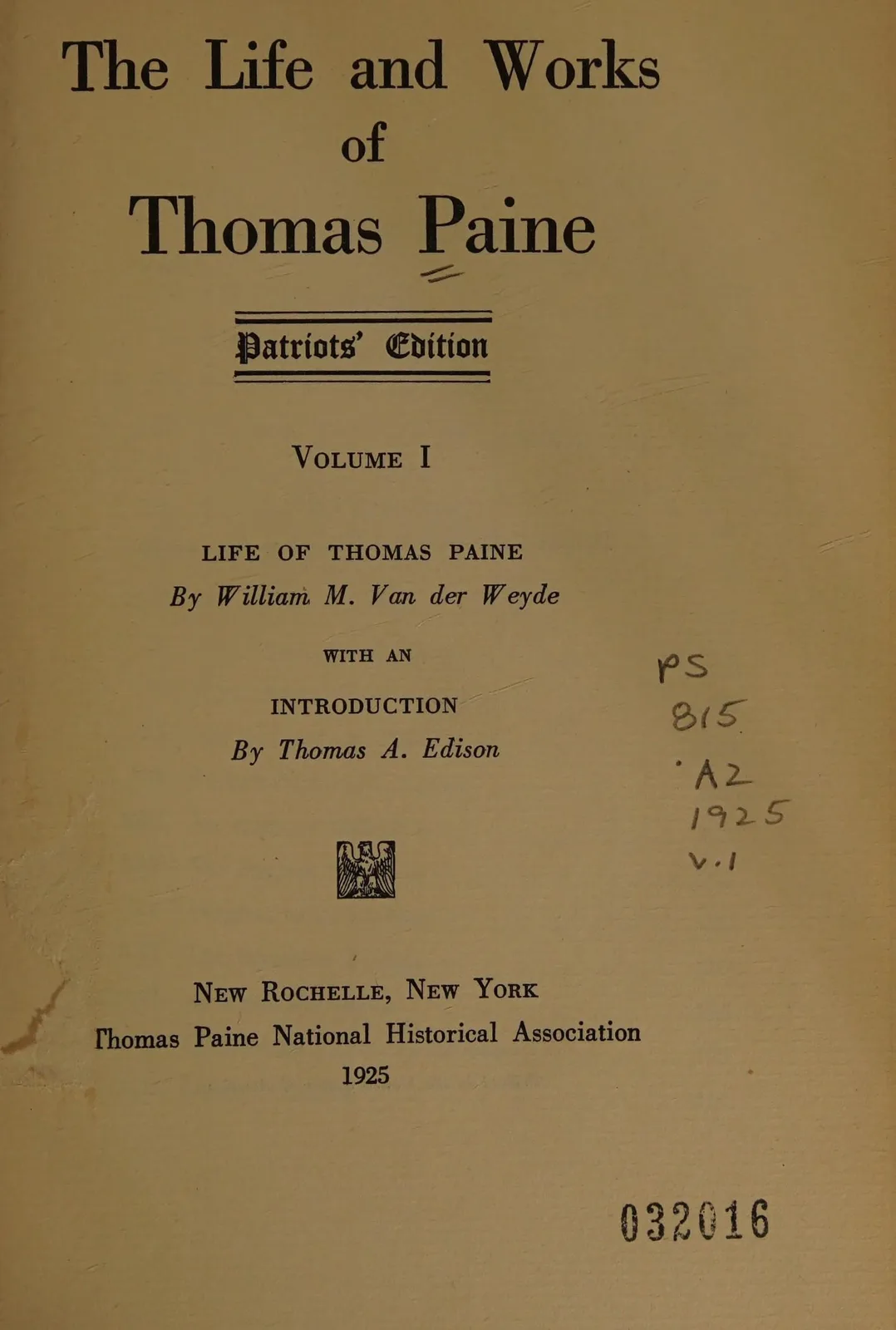
- [20] Edison was First Vice-President of the Thomas Paine National Historical Association, New York — Paine Works I p. 190 note.
- [21] In the 1925 Introduction he says of Age of Reason that Paine "was burnt in effigy, and was vilified outrageously" — Paine Works I p. ix.
- [22] The essay dated 7 June 1925 says Paine "has been called an atheist, but atheist he was not... Paine believed in a supreme intelligence", and says Roosevelt's "dirty little atheist" was "inaccurate" — Edison 1925b (thomaspaine.org). Not verified.
An Aggregate of Cells
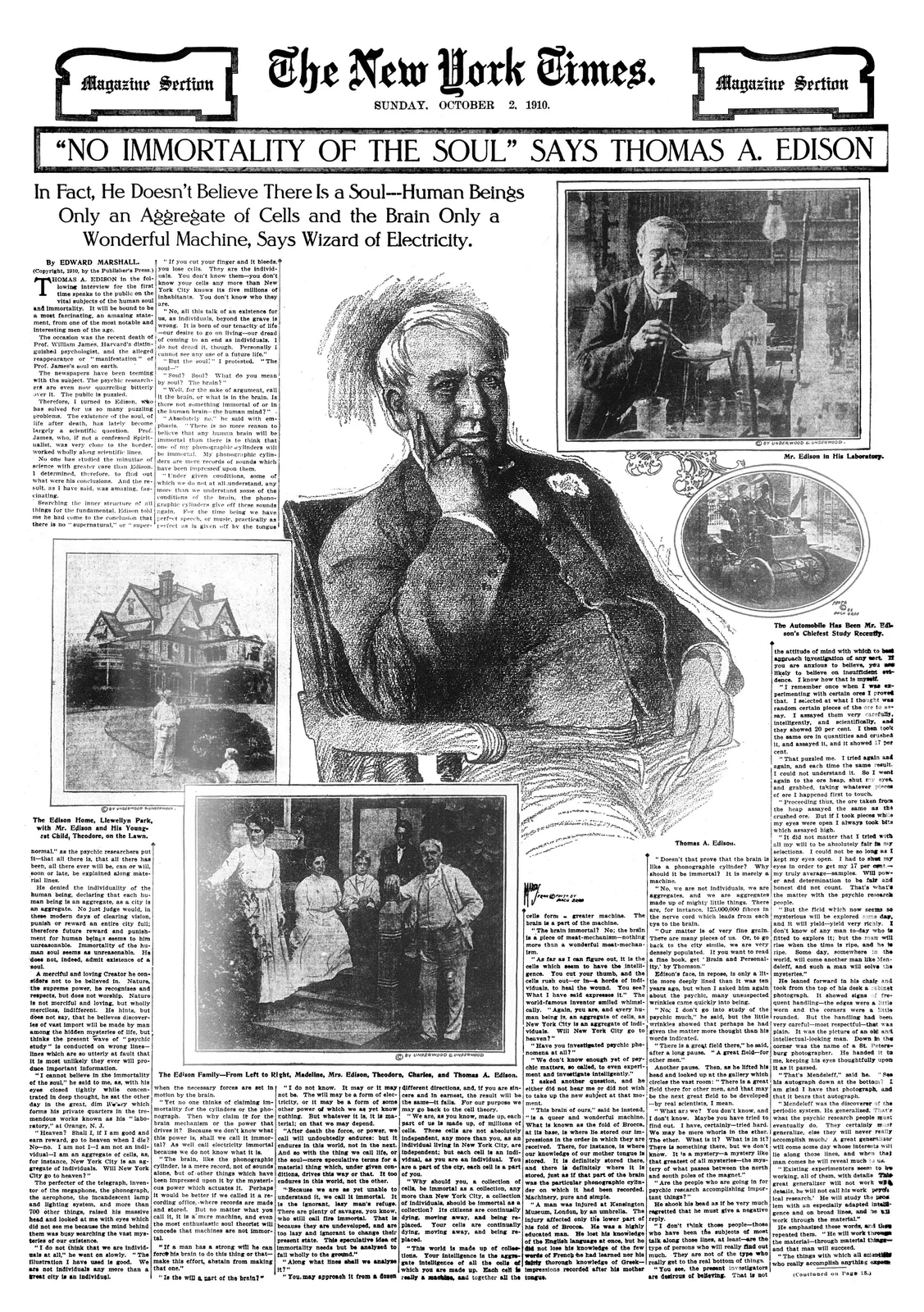
On Sunday 2 October 1910 the magazine section of the New York Times carried an interview with the most famous inventor in the world. The headline said: "'No Immortality of the Soul' Says Thomas A. Edison. In Fact, He Doesn't Believe There Is a Soul." Human beings, the standfirst explained, were "only an aggregate of cells and the brain only a wonderful machine".1 Within weeks the magazines were calling him "heretical" and a sign of a wave of "materialism", and a New York physician told the Times that people who did not believe in immortality were "abnormal, if not pathological".234
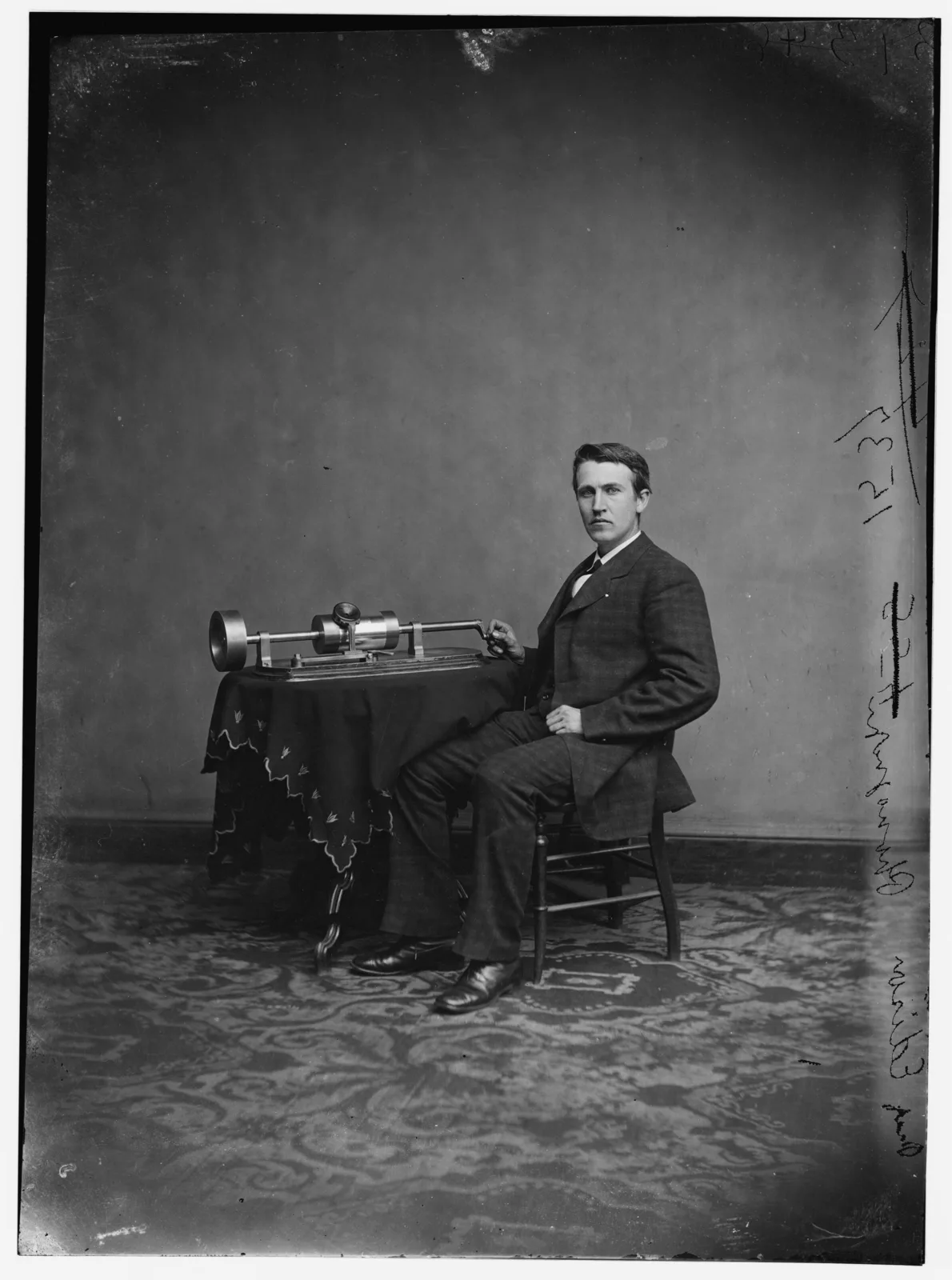
Edison never called himself an atheist, and in the same year he told his biographers that he could no more doubt "an Intelligence that is running things" than his own existence.56 This chapter follows a man who did not lose a faith so much as grow up beside one, and asks what he denied in 1910, what he kept, and how, ten years later, he came back to the question of death by way of the laboratory.
A minister's daughter and a rebel's books
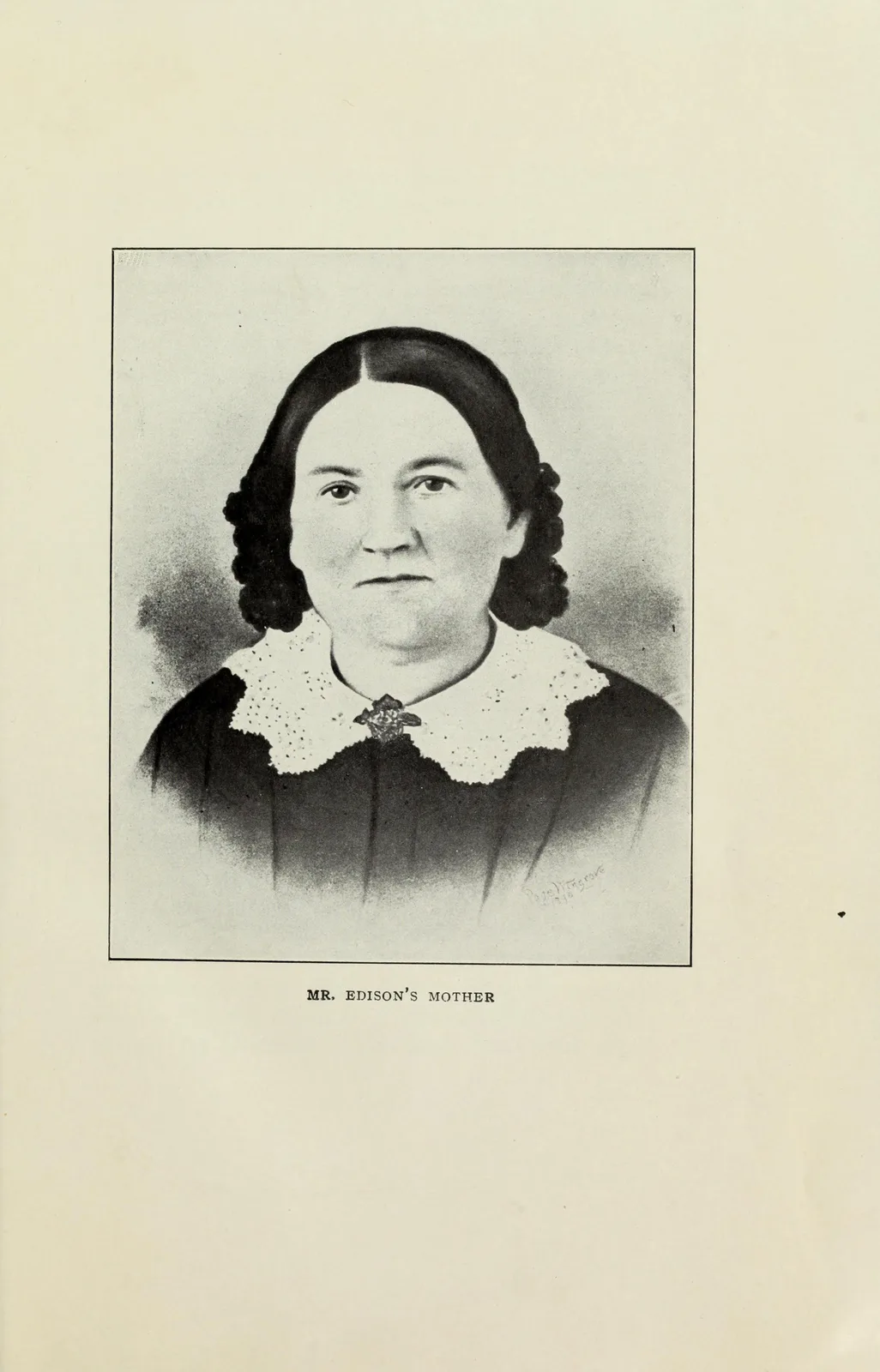
He was born at Milan, Ohio, on 11 February 1847.7 His father, Samuel Edison, had been a captain among the Canadian rebels of 1837 and had left Canada for good; the family reached Milan in 1842.8 His mother, Nancy Elliott, was a former teacher and the daughter of a Baptist minister; two of her uncles and two of her brothers were Baptist ministers too, and his early biographers called the family one "of considerable culture and deep religious feeling".9 Some accounts call the household Presbyterian; no source found for this chapter supports that.10
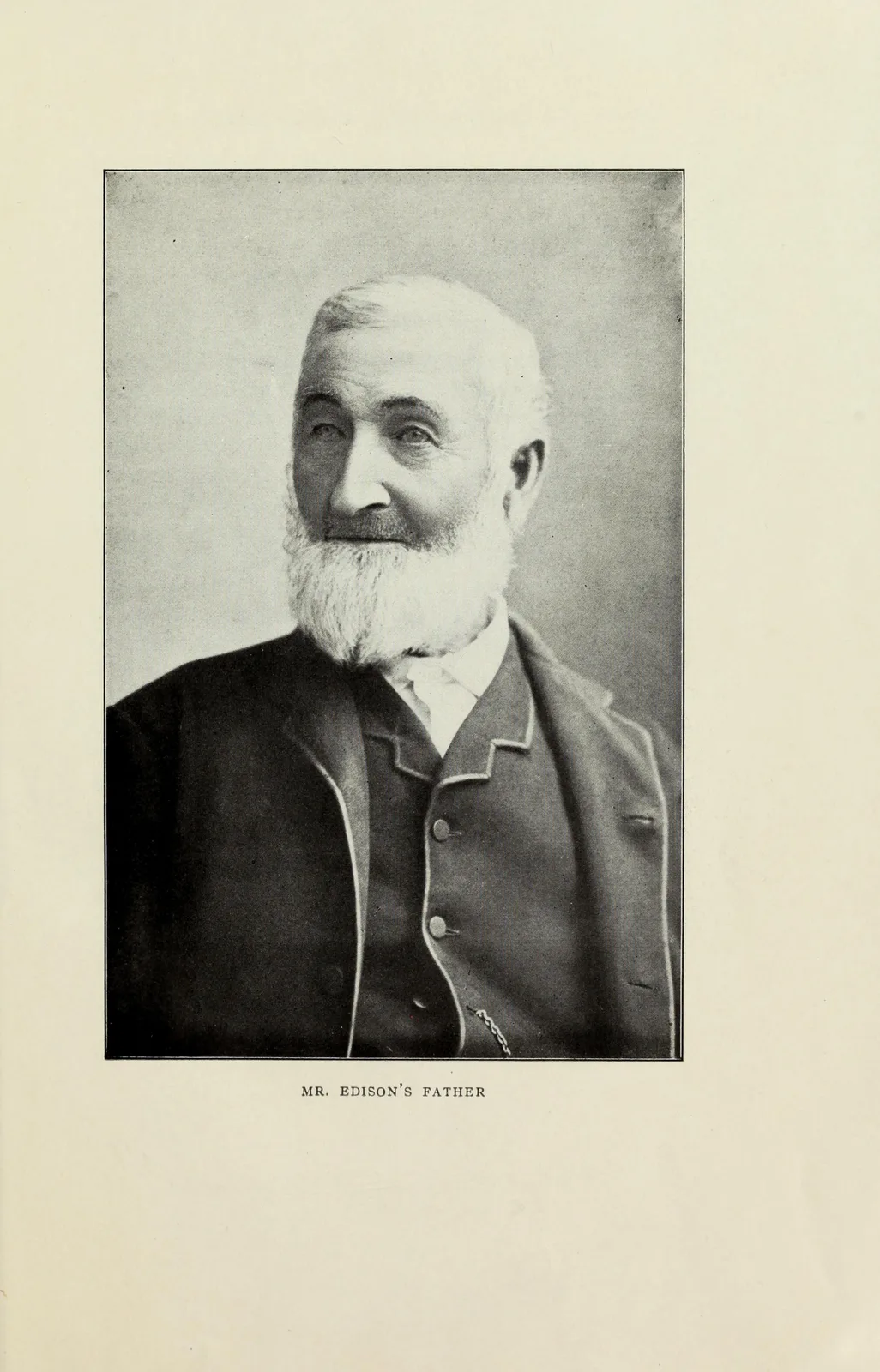
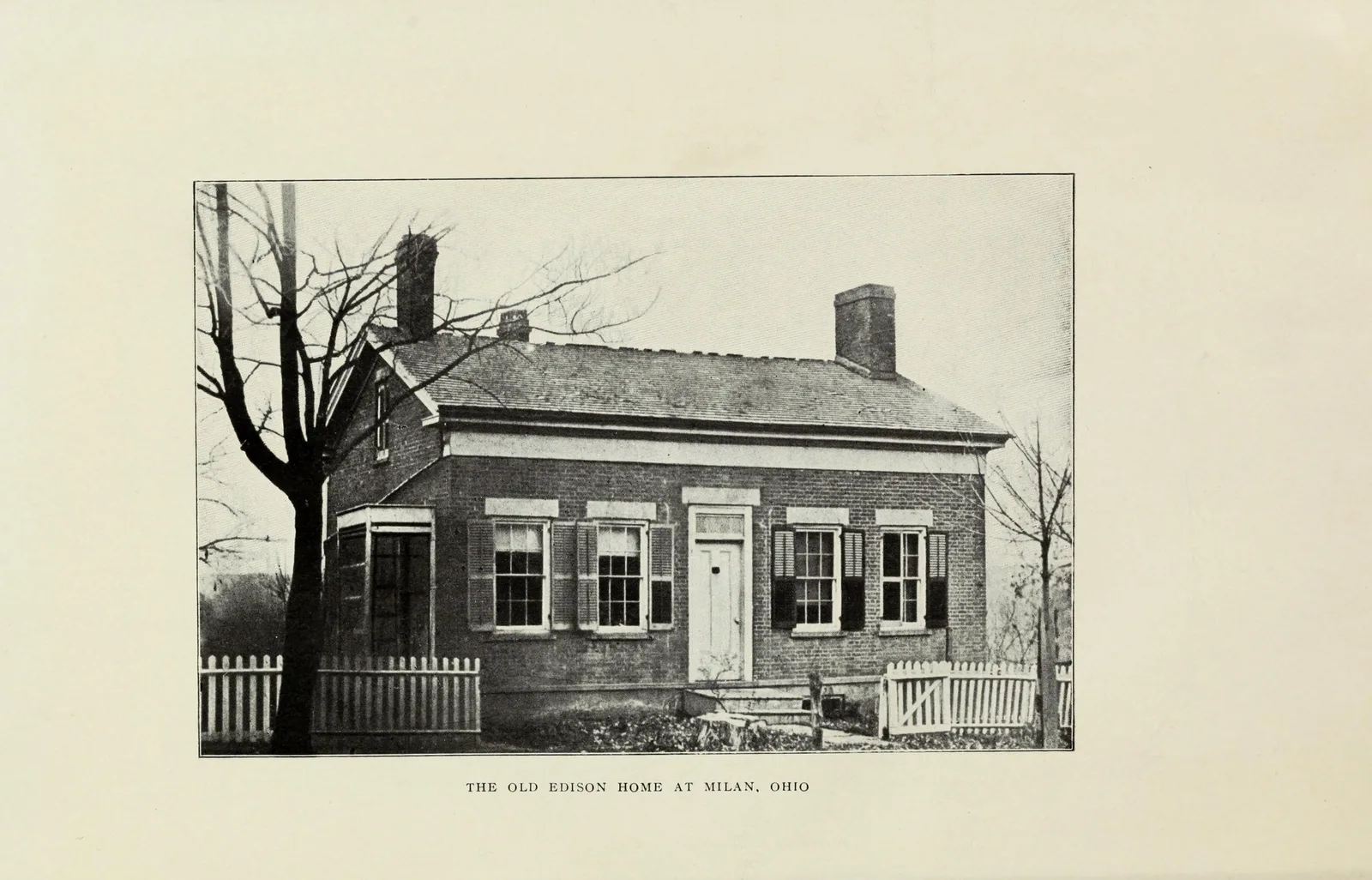
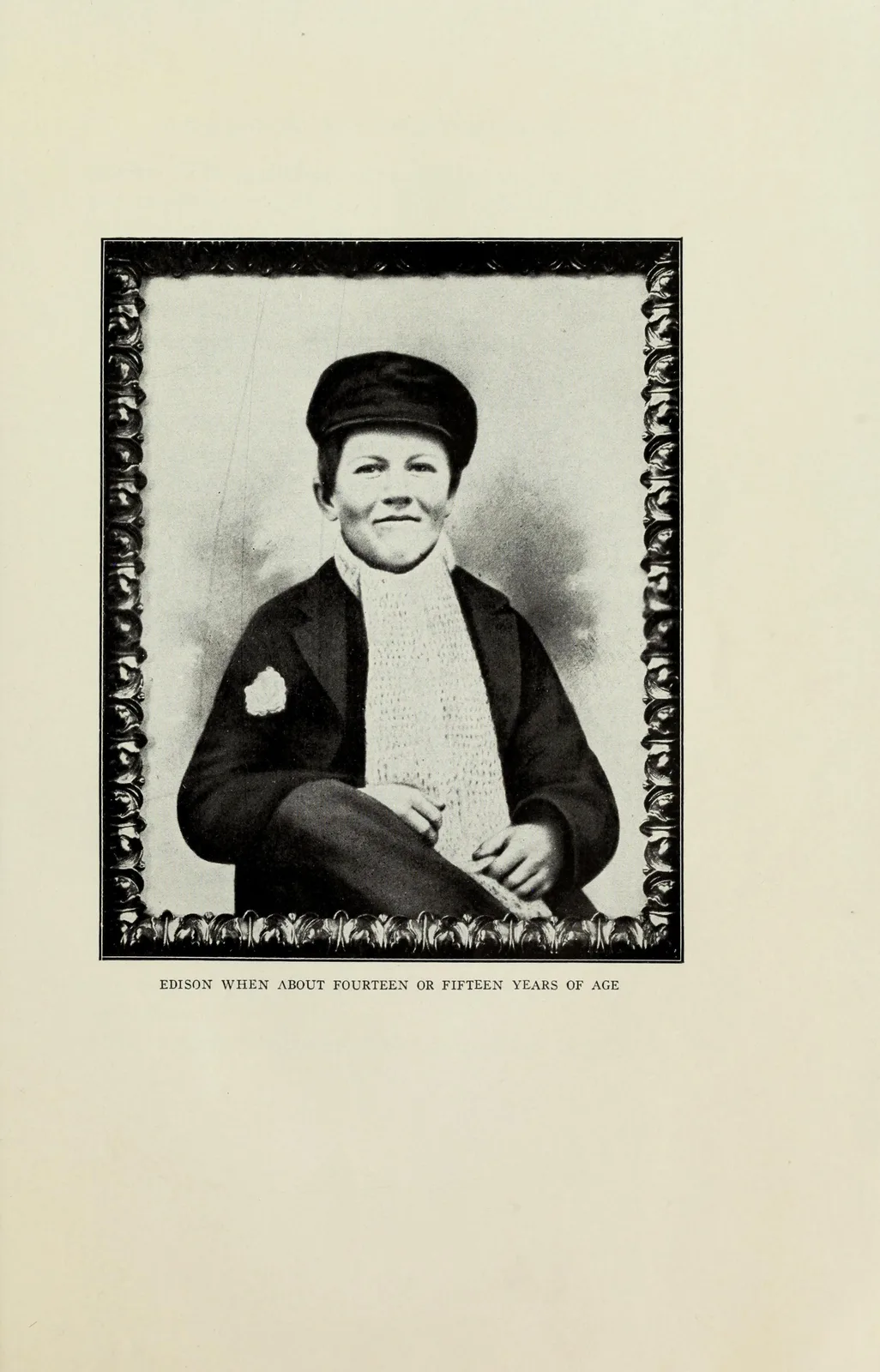
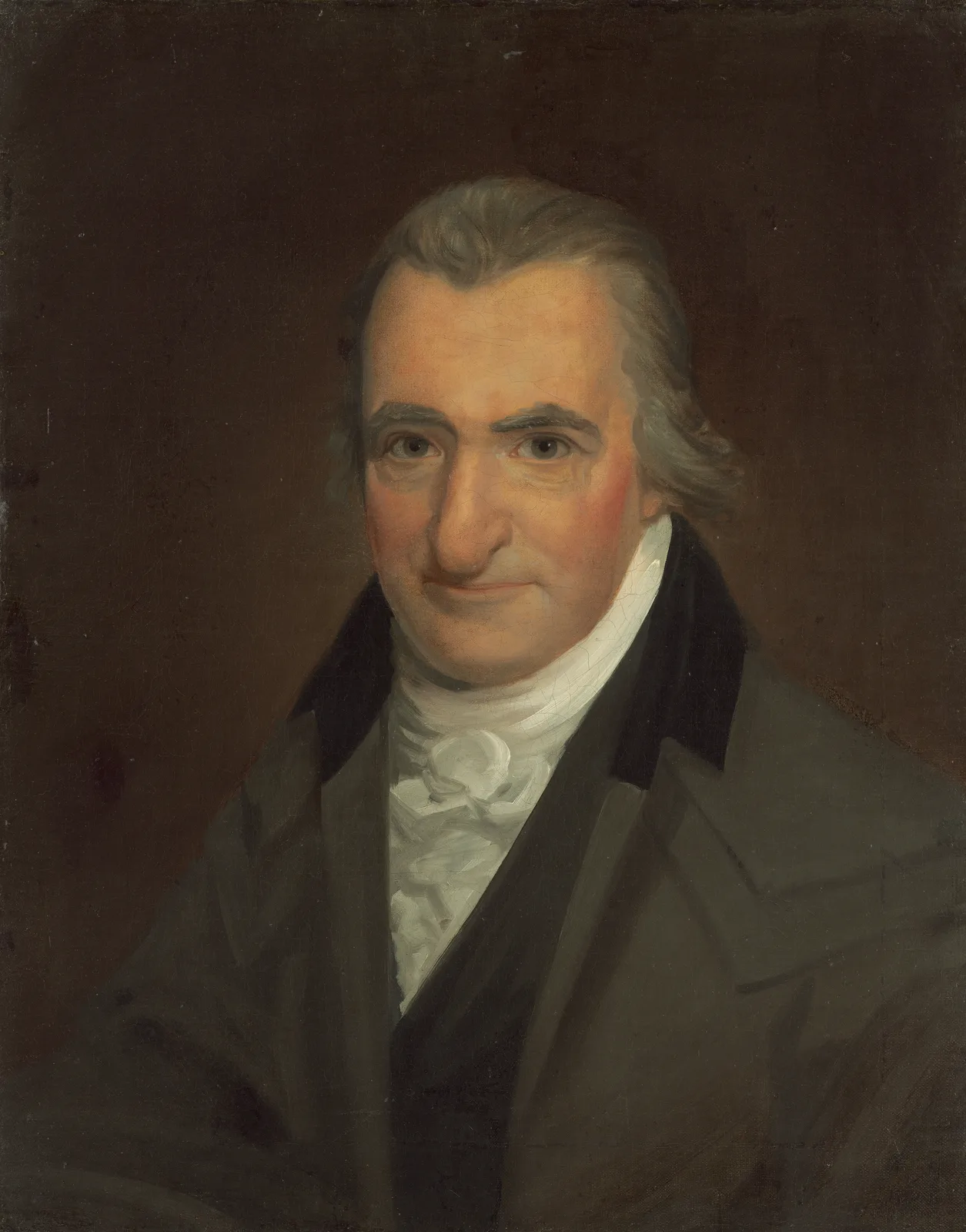
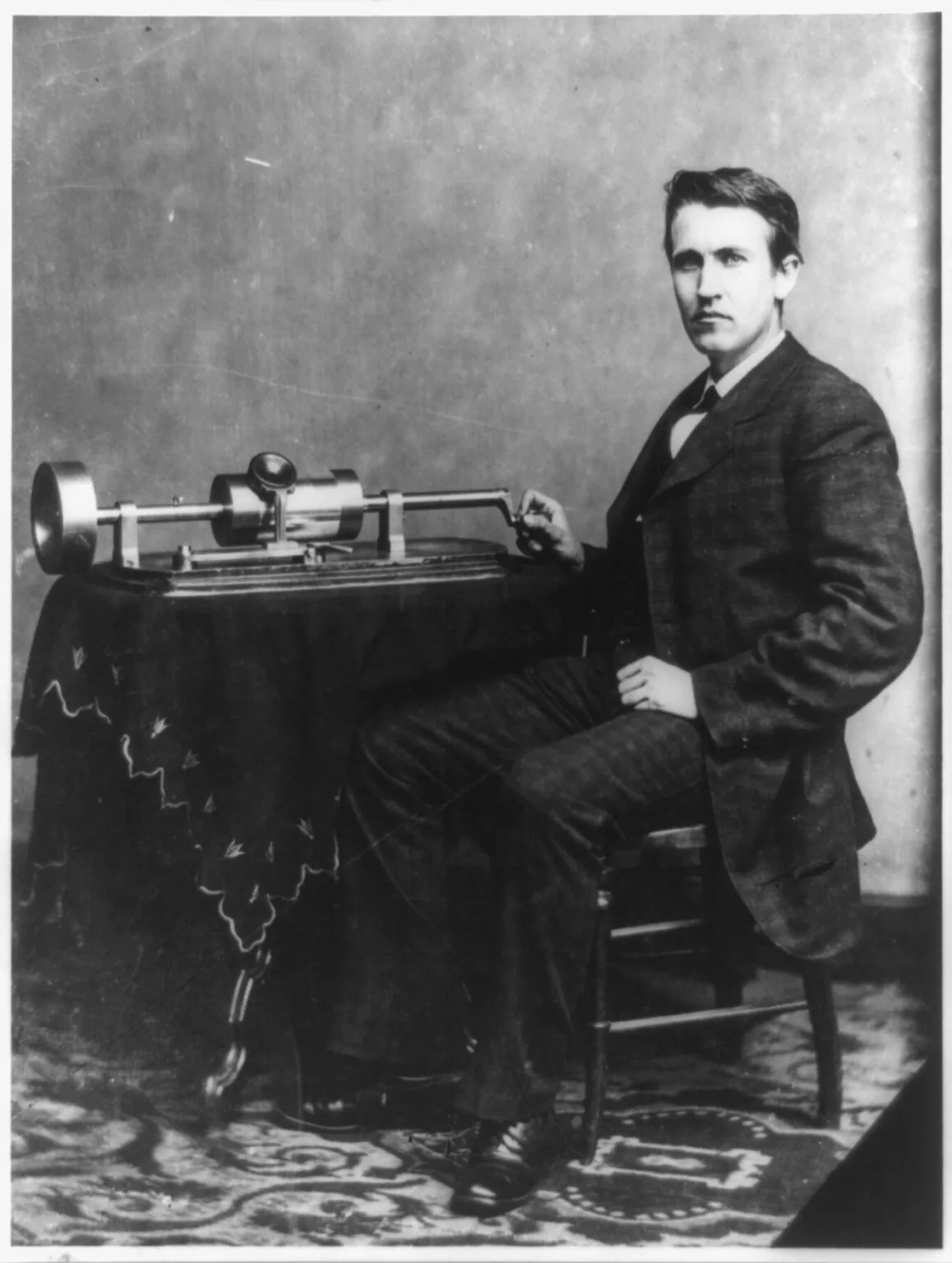
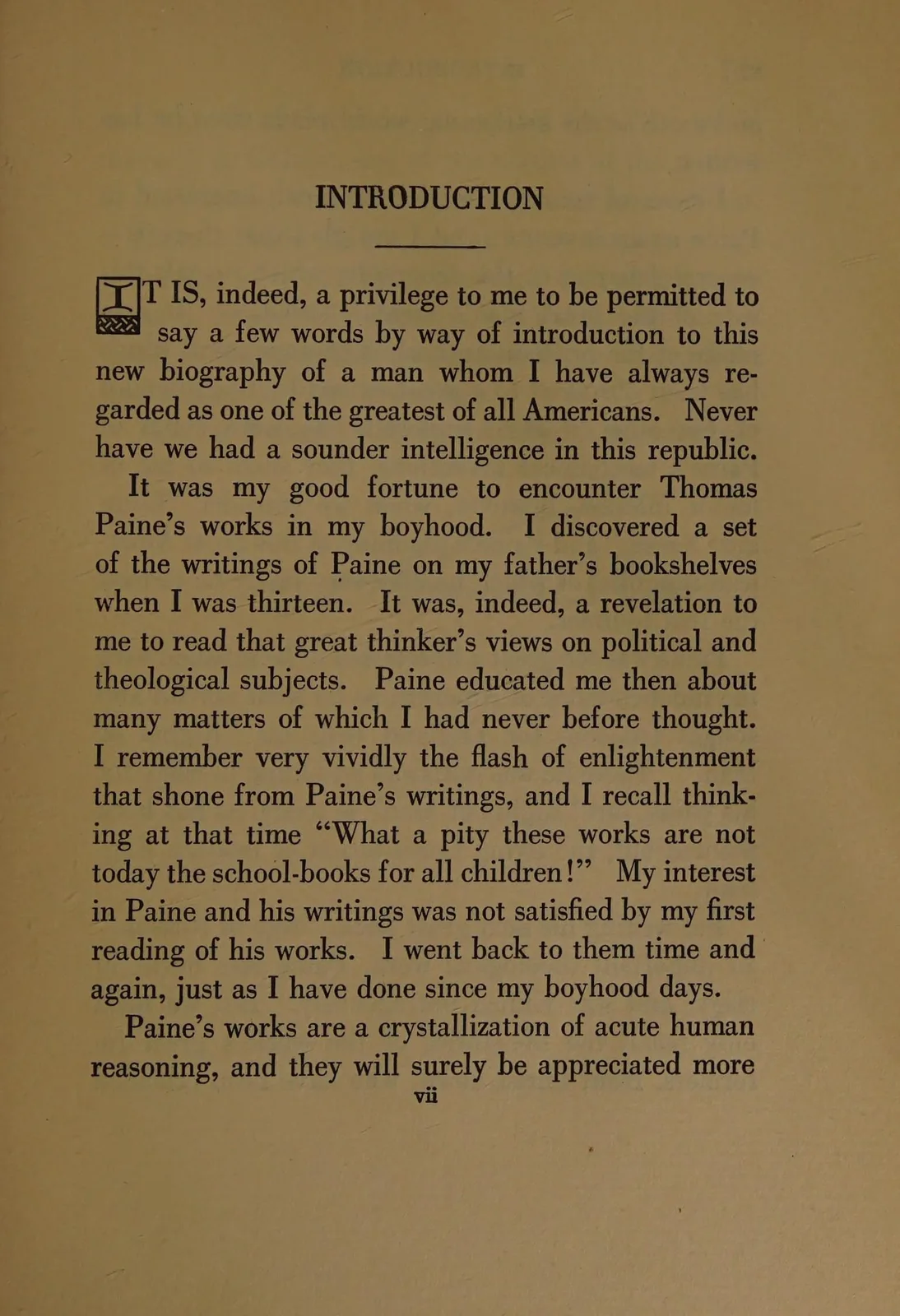
In 1854 the family moved to Port Huron, Michigan.11 His mother taught him at home, and before he was twelve, with her help, he had read Gibbon, Hume's History of England, Burton's Anatomy of Melancholy and a dictionary of the sciences.12 Paine is not on that list. He comes from Edison's own memory, written sixty-five years later: "I discovered a set of the writings of Paine on my father's bookshelves when I was thirteen." It was, he said, "a revelation to me to read that great thinker's views on political and theological subjects", and he went back to the books "time and again".13141516 He remembered thinking even then: "What a pity these works are not today the school-books for all children!"17 On the timeline, Paine is the first mark, and he is the only thing like a crack that the record shows; there is no account of a boyhood faith given up.
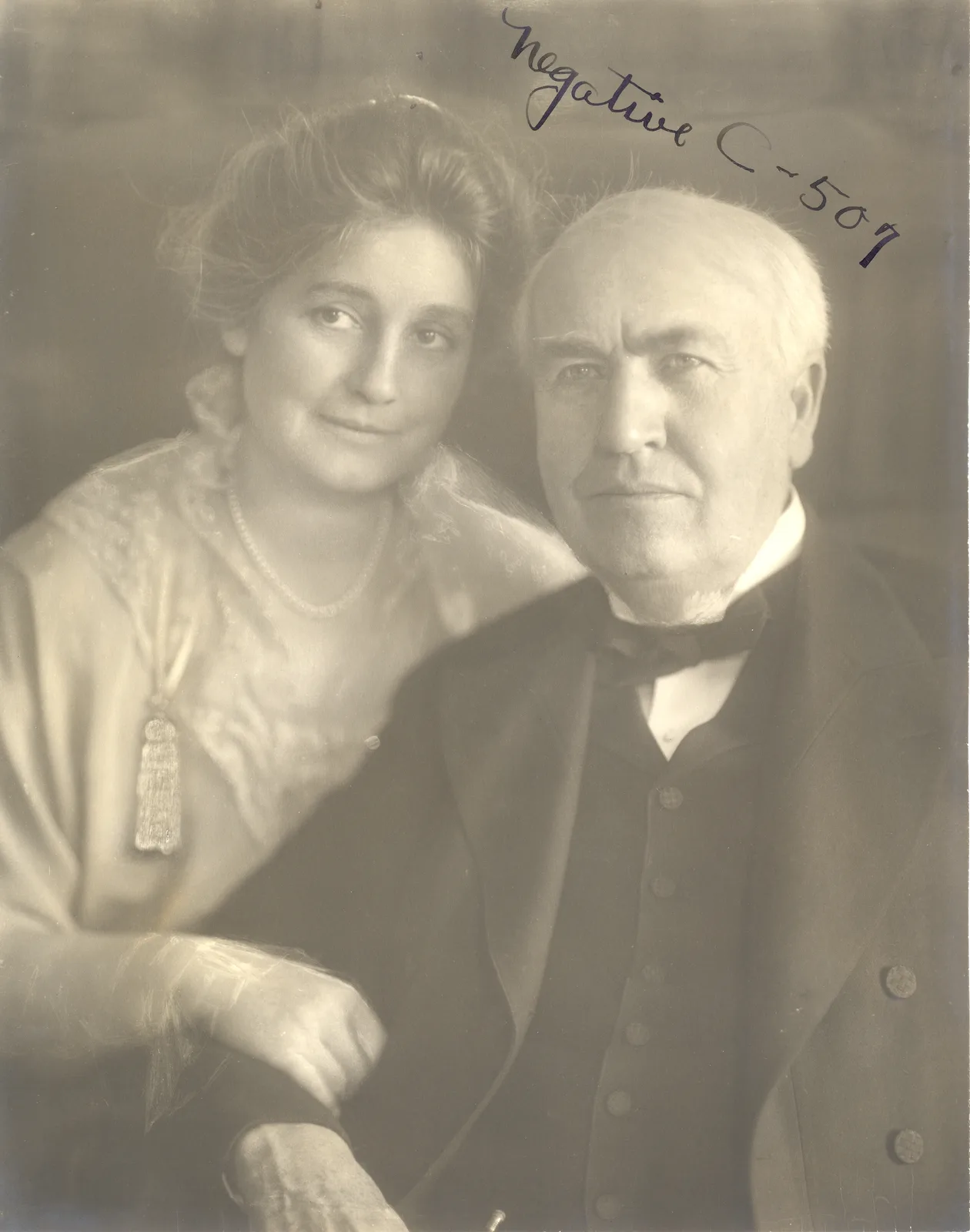
His mother spent her last years an invalid and died in 1871.18 He married Mary Stillwell in 1873; after her death in 1884 he married Mina Miller, daughter of one of the founders of the Methodist summer assembly at Chautauqua.19 According to Wikipedia she kept a strict Methodist faith all her life.20 The man who would deny the soul in print lived with a believer for forty-five years.
The Intelligence and the cells
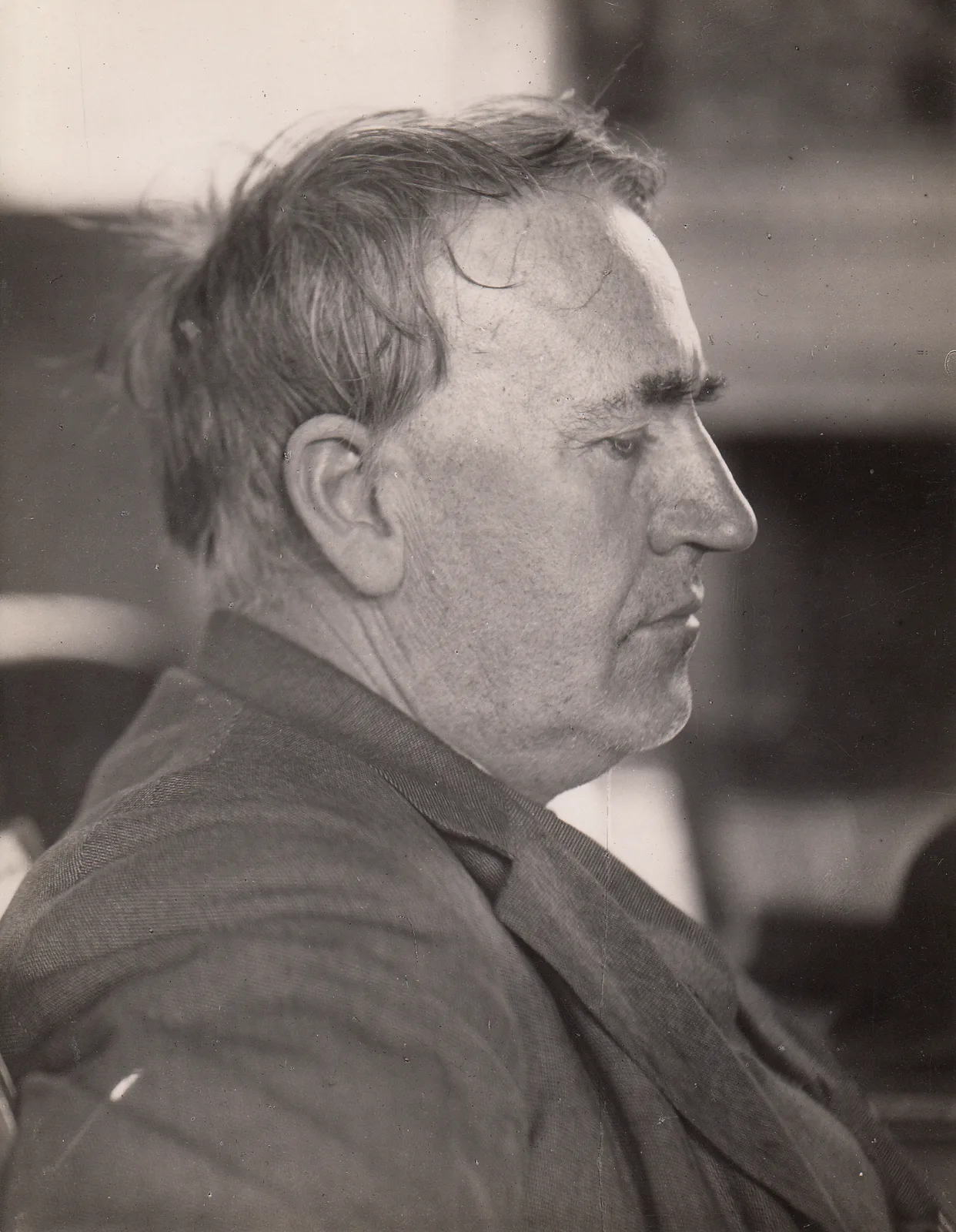
By 1910, at West Orange, New Jersey, Edison was the image of practical science. His authorised biographers, Dyer and Martin, wrote that year that he was "slow to discuss the great mysteries of life", "ever tolerant of others' beliefs", and "not a religious man in the sense of turning to forms and creeds".21 They printed his own words on design, drawn from watching how ice freezes: "After years of watching the processes of nature, I can no more doubt the existence of an Intelligence that is running things than I do of the existence of myself."56
The interview with Edward Marshall that October went further than the biography, and on the belief timeline it is his declaration. The text of the Times itself was not reached for this chapter, so his words here are as the magazine Current Literature reprinted them. "Nature is what we know," he said. "We do not know the gods of the religions. And nature is not kind, or merciful, or loving."2223 "Nature made us—nature did it all—not the gods of the religions."24 A person was a colony: "I am not I—I am not an individual—I am an aggregate of cells, as, for instance, New York City is an aggregate of individuals. Will New York City go to heaven?"25 Asked whether anything of the brain was immortal, he said, "Absolutely no," and reached for his own invention: "There is no more reason to believe that any human brain will be immortal than there is to think that one of my phonographic cylinders will be immortal."2627 He did not dread death, he added, but "Personally I cannot see any use of a future life."28
So he denied the personal God of the churches, the soul and personal survival, and in the same year spoke of an Intelligence behind nature. Whether that adds up to atheism, accounts differ; the magazines of 1910 read it as heresy and materialism.3
The doctor's reply
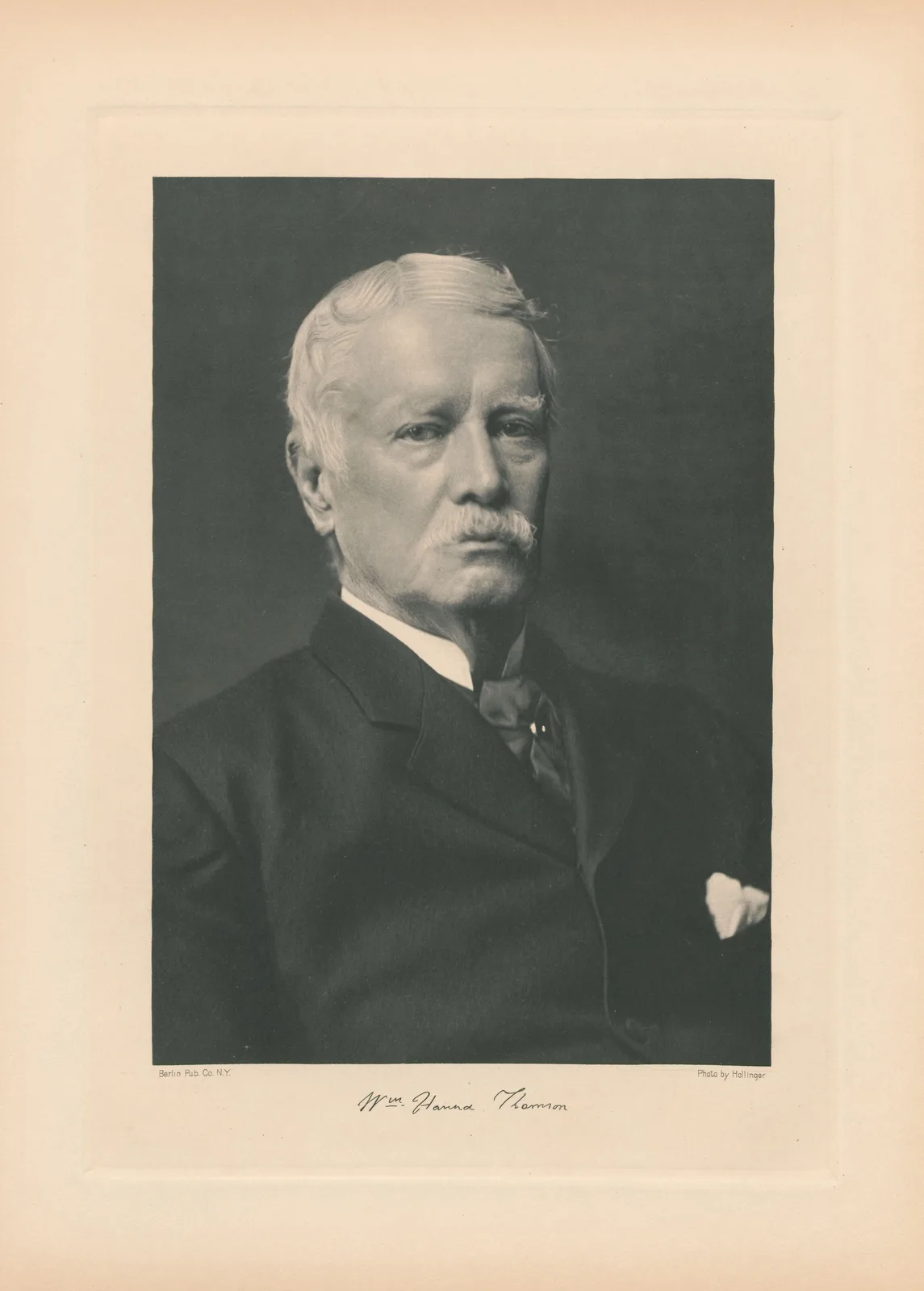
In the interview Edison had recommended a book, Brain and Personality, by the neurologist Dr William Hanna Thomson. The Times asked Thomson what he thought, and he "took direct issue".292 "Mr. Edison's view is unscientific," he said. "The fact that he is prominent in one branch of science does not entitle him to pass on other branches of science."30 He turned the inventor's own metaphor round: "The phonograph is no more responsible for the sound from its record than the brain is for speech that is uttered."31 Others called Edison's statements "dogmatic and contradictory".32
He did not retreat. In July 1911, according to a later biographer, the Century Magazine quoted him as saying that "Science cannot reach any other conclusion than that there is a great intelligence manifested everywhere", which was the biographers' Intelligence again, not the gods of the religions.3334
Life entities
The revision came ten years later, and it came as an experiment. In 1920 newspapers in America and Europe reported that Edison was building a machine to talk to the dead. On 30 October Scientific American printed his own account. He was making, he said, an apparatus that might help psychic investigators in their work; he made no claims for the survival of personality, and if the apparatus revealed nothing he would lose all faith in the survival of personality as we know it.353637 He wanted a test, not a séance.
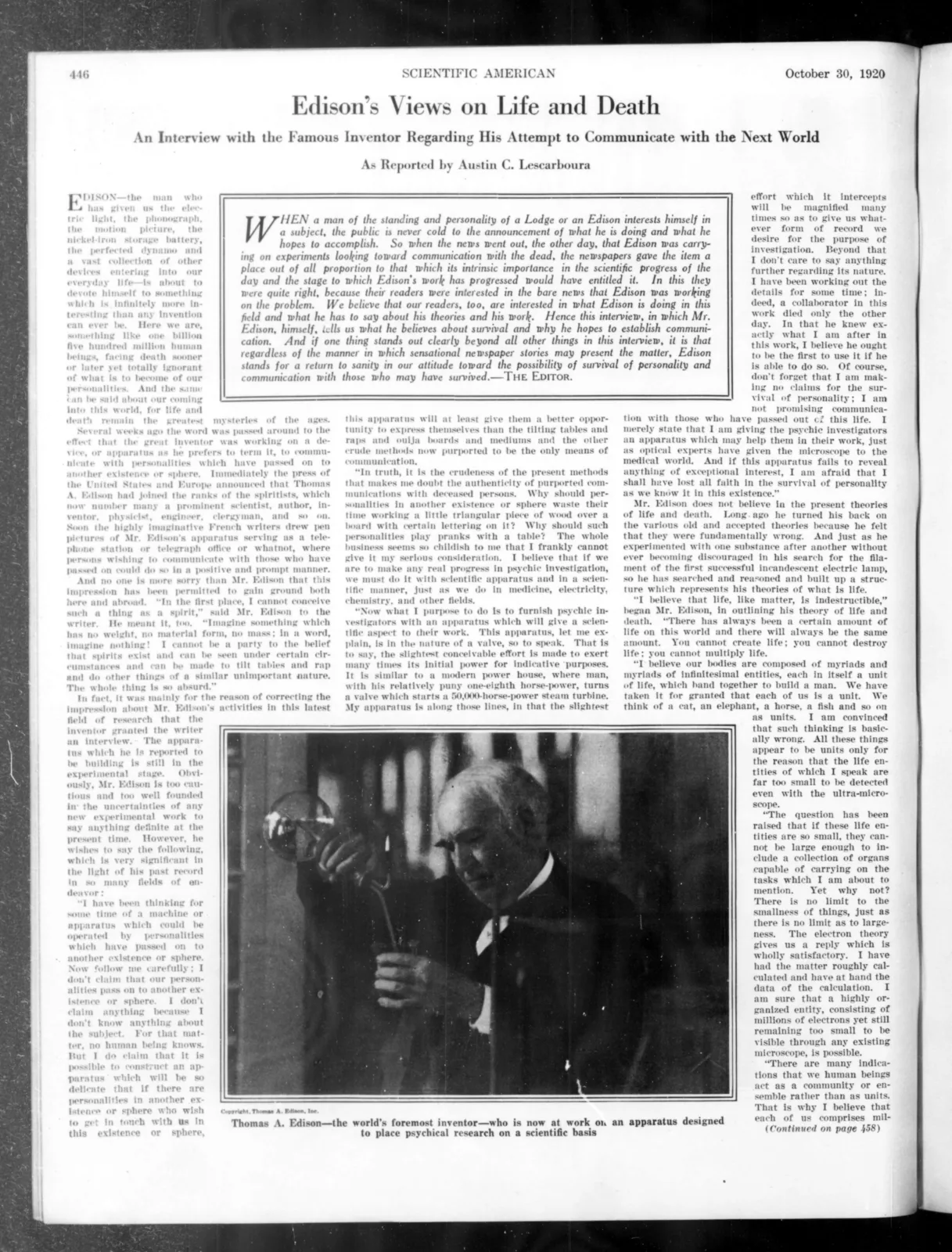
What he now believed was stranger than the cells of 1910. "I believe that life, like matter, is indestructible," he said. The body was built by "myriads of infinitesimal entities, each in itself a unit of life", which band together to make a man and leave him at death.3839 When a burned thumb grew back with the same print, he said, "I firmly believe that the life entities rebuild that thumb with consummate care, drawing upon their remarkable memory for all the details."4041 The entities, he said, live forever. That is not the soul of the churches and not a promise of personal survival, but it is not the plain "Absolutely no" of 1910 either; a biographer writing in 1926 said that the student would have a hard job reconciling the two.42 It is a revision in form rather than a conversion.
Paine again
In the 1920s he took sides in public. Of the battle between Fundamentalists and Modernists he said in 1924 that it marked "the transition from myth to facts".4344 In 1925 he wrote the introduction to a new edition of Paine and served as first vice-president of the Thomas Paine National Historical Association.4546 Paine, he wrote, was "one of the greatest of all Americans"; "Never have we had a sounder intelligence in this republic." He recalled that for The Age of Reason Paine had been "burnt in effigy, and was vilified outrageously".4547 An essay credited to him and dated 7 June 1925 says that Paine was no atheist but believed in a supreme intelligence; its first printing has not been found, so it is paraphrased here.48 It reads like a description of himself.
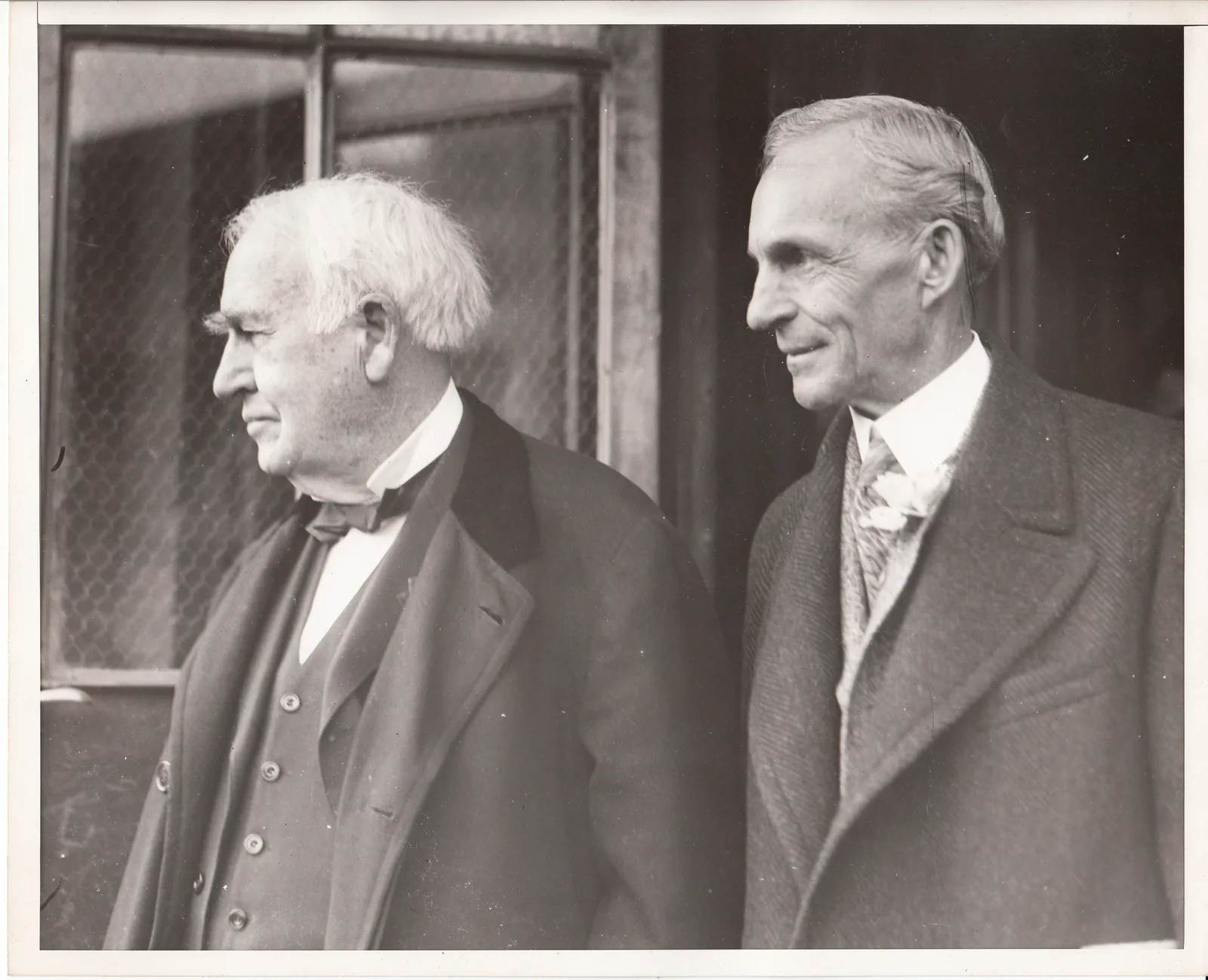
He died at West Orange on 18 October 1931.49 His unbelief was the inventor's kind: no gods of the religions, no soul that a phonograph could not match, an Intelligence he would not name, and in old age an experiment rather than a prayer. The boy who found Paine on his father's shelf ended by defending him. Luther Burbank, another American who spoke of a great power in the universe while denying a life after death, has his own chapter in this book.
Footnotes
-
NYT 1910 abstract page. ↩
-
CurrOp Dec 1910 pp. 644-45. Reported at second hand; the original has not been seen. ↩ ↩2
-
Dr William Hanna Thomson, neurologist and author of "Brain and Personality" (the book Edison recommended): Current Literature, Dec. 1910, p. 644. ↩
-
Dyer-Martin ch. II. ↩
-
Dyer-Martin ch. II. ↩
-
Dyer-Martin ch. II. ↩
-
Dyer-Martin ch. II; Wikipedia. Not verified. ↩
-
Dyer-Martin ch. II. ↩
-
Dyer-Martin ch. III. ↩
-
Paine Works I p. vii. ↩
-
Paine Works I pp. vii-viii. ↩
-
Paine Works I, 1925, Introduction, p. vii. ↩
-
Paine Works I, p. vii. ↩
-
Paine Works I, p. viii. ↩
-
Dyer-Martin ch. II. ↩
-
Dyer-Martin ch. XXIX. ↩
-
Wikipedia Edison (Personal life). ↩
-
Dyer-Martin ch. XXIX. ↩
-
CurrOp Nov 1910 pp. 536-37. ↩
-
Current Literature, Nov. 1910, pp. 536-37. ↩
-
Current Literature, Nov. 1910. ↩
-
Current Literature, Nov. 1910. ↩
-
CurrOp Nov 1910 pp. 536-37; CurrOp Dec 1910 p. 644. ↩
-
Current Literature, Dec. 1910, p. 644. ↩
-
Current Literature, Nov. 1910. ↩
-
CurrOp Dec 1910 p. 644. ↩
-
Dr William Hanna Thomson: Current Literature, Dec. 1910, p. 644. ↩
-
Dr William Hanna Thomson: Current Literature, Dec. 1910, p. 645. ↩
-
Bryan p. 289. ↩
-
Bryan p. 290 n. 46. ↩
-
Quoted in Bryan, 1926, p. 290. ↩
-
SciAm 1920 p. 446. ↩
-
SciAm 1920 p. 446. ↩
-
SciAm 1920 p. 446. ↩
-
SciAm 1920 pp. 446, 458. ↩
-
SciAm 30 Oct. 1920, p. 446. ↩
-
SciAm 1920 p. 458. ↩
-
SciAm 30 Oct. 1920, p. 458. ↩
-
Bryan p. 289. ↩
-
Bryan p. 290 n. 47. ↩
-
Quoted in Bryan, 1926, p. 290. ↩
-
Paine Works I p. 190 note. ↩
-
Paine Works I p. ix. ↩
-
Edison 1925b (thomaspaine.org). ↩
-
Wikipedia Edison. ↩
In their own words
It was my good fortune to encounter Thomas Paine's works in my boyhood. I discovered a set of the writings of Paine on my father's bookshelves when I was thirteen.
It was, indeed, a revelation to me to read that great thinker's views on political and theological subjects.
What a pity these works are not today the school-books for all children!
Nature is what we know. We do not know the gods of the religions. And nature is not kind, or merciful, or loving.
No; nature made us—nature did it all— not the gods of the religions.
I am not I—I am not an individual—I am an aggregate of cells, as, for instance, New York City is an aggregate of individuals. Will New York City go to heaven?
There is no more reason to believe that any human brain will be immortal than there is to think that one of my phonographic cylinders will be immortal.
Personally I cannot see any use of a future life.
After years of watching the processes of nature, I can no more doubt the existence of an Intelligence that is running things than I do of the existence of myself.
I believe that life, like matter, is indestructible
I firmly believe that the life entities rebuild that thumb with consummate care, drawing upon their remarkable memory for all the details.
Science cannot reach any other conclusion than that there is a great intelligence manifested everywhere.
the transition from myth to facts
The other side
people who do not believe in immortality are abnormal, if not pathological.
Mr. Edison's view is unscientific. The fact that he is prominent in one branch of science does not entitle him to pass on other branches of science.
The phonograph is no more responsible for the sound from its record than the brain is for speech that is uttered.
Where accounts differ
| Point | One account | Another | How the page handles it |
|---|---|---|---|
| Mother's denomination and the family's practice | Baptist ministers' family, "deep religious feeling" (Dyer-Martin ch. II) | "Presbyterian" (briefing, unsourced); Wikipedia says only that she taught him at home | Say "a Baptist minister's daughter"; do not say Presbyterian until a source is found (Josephson, borrowed copy) |
| Whether 1910 was a denial of God | Press and clergy read it as atheism (CurrOp Nov. 1910 "equally heretical") | Edison's later letter: "what you call God I call Nature" (Wikipedia only); Dyer-Martin 1910: belief in "Intelligence" | Say the interview denied the personal God of the religions, the soul and personal immortality, and that he spoke of an "Intelligence"; accounts differ whether that is atheism |
| Consistency 1910 v. 1920 | Bryan: hard to reconcile 1910 and 1923 views (p. 289) | Edison's own "life entities" are indestructible, which is a different claim from personal survival (SciAm 1920) | Present 1920 as a revision in form (entities live forever, personality perhaps not), not a conversion |
List of illustrations
This page uses only public-domain and Creative Commons images; each is credited with its source and licence.
- 19101002 "No Immortality of the Soul" Says Thomas A. Edison - The New York Times — Edward Marshall, in The New York Times - "Copyright 1910 by the Publisher's Press", 1910-10-02 · The New York Times Magazine Section (Publisher's Press), via Wikimedia Commons, public domain · Public domain (Wikimedia Commons: Public domain)
- Thomas Edison — Unknown photographer, 1870 · Library of Congress, Manuscript Division, Brady-Handy Collection, public domain · Public domain (Library of Congress: 'The contents of the Library of Congress Brady-Handy Collection are in the public domain and are free to use and reuse.')
- 'Mr. Edison's mother' (Nancy Elliott Edison), plate in Dyer and Martin, Edison: His Life and Inventions (Harper), leaf 35 — Frank Lewis Dyer and Thomas Commerford Martin (authors); photograph unattributed, undated photograph, in book of 1910 · Internet Archive (edisonhislifeinv00dyer), public domain · Public domain (published before 1931; Internet Archive scan)
- 'Mr. Edison's father' (Samuel Edison), plate in Dyer and Martin, Edison: His Life and Inventions (Harper), leaf 29 — Frank Lewis Dyer and Thomas Commerford Martin (authors); photograph unattributed, undated photograph, in book of 1910 · Internet Archive (edisonhislifeinv00dyer), public domain · Public domain (published before 1931; Internet Archive scan)
- 'The old Edison home at Milan, Ohio', plate in Dyer and Martin, Edison: His Life and Inventions (Harper), leaf 45 — Frank Lewis Dyer and Thomas Commerford Martin (authors); photograph unattributed, photograph of 1900s in book of 1910 · Internet Archive (edisonhislifeinv00dyer), public domain · Public domain (published before 1931; Internet Archive scan)
- 'Edison when about fourteen or fifteen years of age', plate in Dyer and Martin, Edison: His Life and Inventions (Harper), leaf 55 — Frank Lewis Dyer and Thomas Commerford Martin (authors); photograph unattributed, c. 1861-62 · Internet Archive (edisonhislifeinv00dyer), public domain · Public domain (published before 1931; Internet Archive scan)
- John Wesley Jarvis, Thomas Paine, c. 1806-1807, NGA 38935 — John Wesley Jarvis, c. 1806-1807 · John Wesley Jarvis, via Wikimedia Commons, CC0 · CC0 (Wikimedia Commons: CC0)
- Portrait of Mina Edison and Thomas Edison. (a5354a92f2e84fb18a699d0b3d2bac84) — Unknown photographer (Thomas Edison National Historical Park collection), 1908 · Thomas Edison National Historical Park (National Park Service), via NPGallery, public domain · Public domain (Wikimedia Commons: Public domain)
- Thomas Edison in the library of the West Orange lab. (47fba57ecd154f9bbb7c4e722d4a9d5a) — Unknown photographer (Thomas Edison National Historical Park collection), 1903-10-01 · Thomas Edison National Historical Park (National Park Service), via NPGallery, public domain · Public domain (Wikimedia Commons: Public domain)
- [Thomas Edison, full-length portrait, seated, facing front, with phonograph] — Unknown photographer, 1878 · Library of Congress, Prints & Photographs Division, public domain · Public domain (photograph dated 1878, before 1931; the Library of Congress record fetched states no rights text)
- William Hanna Thomson 56431240R — Berlin Publishing Company, 1911 · Medical World: biographical sketches of notable physicians and surgeons (Berlin Publishing Co., 1911), via Internet Archive and Wikimedia Commons, public domain · Public domain (Wikimedia Commons: Public domain)
- Current Literature (Current Opinion) vol. 49, no. 5, Nov. 1910, p. 536, 'Are We in Danger from Materialism?' (Edison interview reported), leaf 69 — Current Literature (periodical; Internet Archive record gives publisher 'Open Court Publishing Co'), 1910-11 · Internet Archive (sim_current-opinion_1910-11_49_5), public domain · Public domain (published before 1931; Internet Archive scan)
- Scientific American vol. 123, no. 18, 30 Oct. 1920, p. 446, opening of 'Edison's Views on Life and Death: An Interview with the Famous Inventor Regarding His Attempt to Communicate with the Next World' by Austin C. Lescarboura (two-page spread, leaf 7) — Scientific American (periodical); article by Austin C. Lescarboura, 1920-10-30 · Internet Archive (sim_scientific-american_1920-10-30_123_18), public domain · Public domain (published before 1931; Internet Archive scan)
- Thomas Edison in his West Orange Laboratory library. (30d6bf4a355c4a34b522e018c31bc8f9) — Unknown photographer (Thomas Edison National Historical Park collection), 1920-11-12 · Thomas Edison National Historical Park (National Park Service), via NPGallery, public domain · Public domain (Wikimedia Commons: Public domain)
- Title page: The Life and Works of Thomas Paine, Patriots' Edition, Volume I, Life of Thomas Paine by William M. Van der Weyde, with an Introduction by Thomas A. Edison (New Rochelle, N.Y.: Thomas Paine National Historical Association, 1925), leaf 13 — William M. Van der Weyde (author); Thomas A. Edison (Introduction); Thomas Paine National Historical Association (publisher), 1925 · Internet Archive (lifeworksofthoma0001will_y0g2), public domain · Public domain (published before 1931; Internet Archive scan)
- Edison's Introduction, p. vii, in The Life and Works of Thomas Paine, Patriots' Edition, vol. I (1925), leaf 19 — William M. Van der Weyde (author); Thomas A. Edison (Introduction); Thomas Paine National Historical Association (publisher), 1925 · Internet Archive (lifeworksofthoma0001will_y0g2), public domain · Public domain (published before 1931; Internet Archive scan)
- Thomas Edison and Henry Ford on Edison's 80th birthday. (7bd1a32a98eb42babe81105484377803) — Unknown photographer (Thomas Edison National Historical Park collection), 1927-02-11 · Thomas Edison National Historical Park (National Park Service), via NPGallery, public domain · Public domain (Wikimedia Commons: Public domain)
Sources
Tier 1 — the subject's own words
- Paine Works I Van der Weyde, The Life and Works of Thomas Paine, Patriots' Edition, vol. I (Thomas Paine National Historical Association, New Rochelle, 1925), with an Introduction by Thomas A. Edison. IA
lifeworksofthoma0001will_y0g2; textpaine-works-v1.txt. Pre-1931, public domain. - NYT 1910 Edward Marshall, "'No Immortality of the Soul' says Thomas A. Edison", New York Times, 2 Oct. 1910, Section M p. 1. Full text NOT reached (only the abstract page,
nyt-1910-10-02-page.txt; TimesMachine is subscriber-only). Quoted below only through Current Opinion's reprinting. - SciAm 1920 Austin C. Lescarboura, "Edison's Views on Life and Death", Scientific American 123:18, 30 Oct. 1920, pp. 446 and 458-59. IA
sim_scientific-american_1920-10-30_123_18. OCR in jumbled columns; short intact sentences only. - Dyer-Martin Dyer and Martin, Edison: His Life and Inventions (Harper, 1910), Gutenberg #820; text
dyer-martin.txt. No page numbers in the Gutenberg text; cited by chapter. - Edison 1925b Edison, "The Philosophy of Thomas Paine", 7 June 1925, as on thomaspaine.org (Wayback copy 2026-02-09;
edison-paine-1925-thomaspaine-org.txt). The page says it is reprinted from Runes (ed.), The Diary and Sundry Observations of Thomas Alva Edison (1948, in copyright). The 1925 first printing was not found, so treat as unverified for quotation.
Tier 2 — biographies
- Bryan George S. Bryan, Edison: The Man and His Work (Knopf, 1926). IA
edisonmanhiswork0000geor;edisonmanhiswork0000geor.txt. Pre-1931. - Dyer-Martin (above) also serves as Tier 2 for family and childhood.
- Josephson, Edison: A Biography (1959; IA
edisonbiography00jose) and Runes 1948: lending-library only, could not be downloaded. Read in a borrowed copy before the script.
Tier 3 — journalism and periodicals
- CurrOp Nov 1910 "Are We in Danger from Materialism?", Current Literature (now catalogued as Current Opinion) vol. 49, Nov. 1910. IA
sim_current-opinion_1910-11_49_5. Printed page about 536-37 (OCR page marker 536 precedes the passage; confirm on the image). - CurrOp Dec 1910 "Edison's Views on Immortality Criticized", Current Literature vol. 49, Dec. 1910, pp. 644-46. IA
sim_current-opinion_1910-12_49_6. - Century Magazine, July 1911, p. 417 (W. P. Warren, "Edison on Invention and Inventors"), cited by Bryan p. 290 n. 46; not seen.
Tier 4 — Wikipedia
- Wikipedia Edison "Thomas Edison", English Wikipedia, extract fetched 2026-10-14, section "Religion and metaphysics". Used only as a map; claims resting on it alone are marked.
Opposition sources
- CurrOp Dec 1910 Dr William Hanna Thomson's reply to the Times, as reported in Current Literature.
- Bryan pp. 289-90 summarises the 1910 criticism ("dogmatic and contradictory").
Related lives
Thomas Paine — the books on his father's shelf when he was thirteen, and the man he defended in 1925.
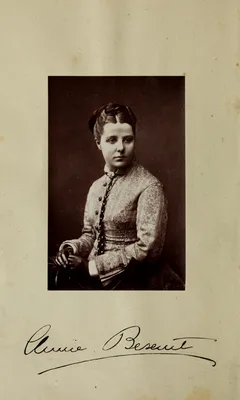
Annie Besant
Annie Besant left Christianity because she could not call good a God who let her baby suffer. She paid for her atheism with her marriage and her daughter. In 1889 she left atheism for Theosophy, because atheism gave her no motive strong enough to make people serve one another. She never unsaid her case against the supernatural.
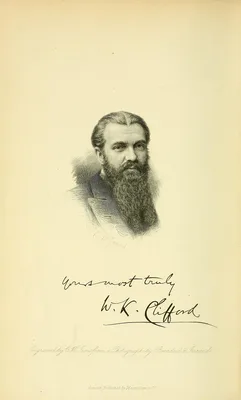
W. K. Clifford
W. K. Clifford was an ardent High Churchman at Trinity who tried to defend dogma with science. He gave up that faith in the late 1860s, under Darwin and Spencer, after a struggle his friend Pollock could not date. In "The Ethics of Belief" (1876–77) he turned his loss into a rule: it is wrong for anyone to believe on insufficient evidence. He never called himself an atheist in print, grieved openly for "the Great Companion", revered the believers he knew, and died at thirty-three without fear or retraction.
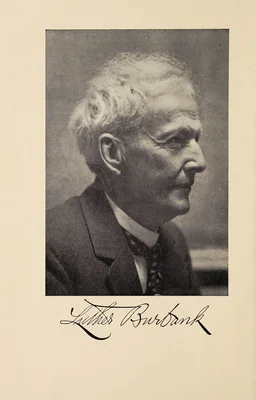
Luther Burbank
Luther Burbank was raised in a stern New England Baptist church. In his youth, as a friend told it, he lost its God of hell and judgement, and found in Darwin a new world. He spoke against "misleading theology" for forty years while keeping a reverence for nature he called God. In January 1926 he declared himself "an infidel" in the dictionary's sense, "a doubter, a questioner, a skeptic" who still recognised "a great universal power", and restated it from a pulpit. He died eleven weeks later without recanting.
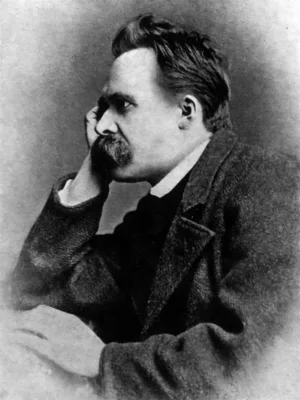
Friedrich Nietzsche
Nietzsche was a pastor's son who chose truth over peace at twenty. In 1882 he announced the death of God as a catastrophe Europe had not yet understood. He came to see his own unbelief not as the opposite of the faith he was raised in but as its last consequence: a Christian love of truth turned on Christianity itself.