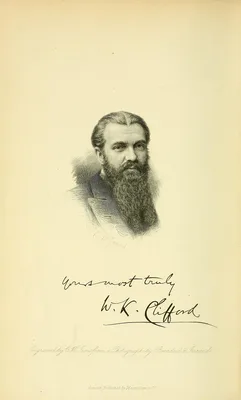
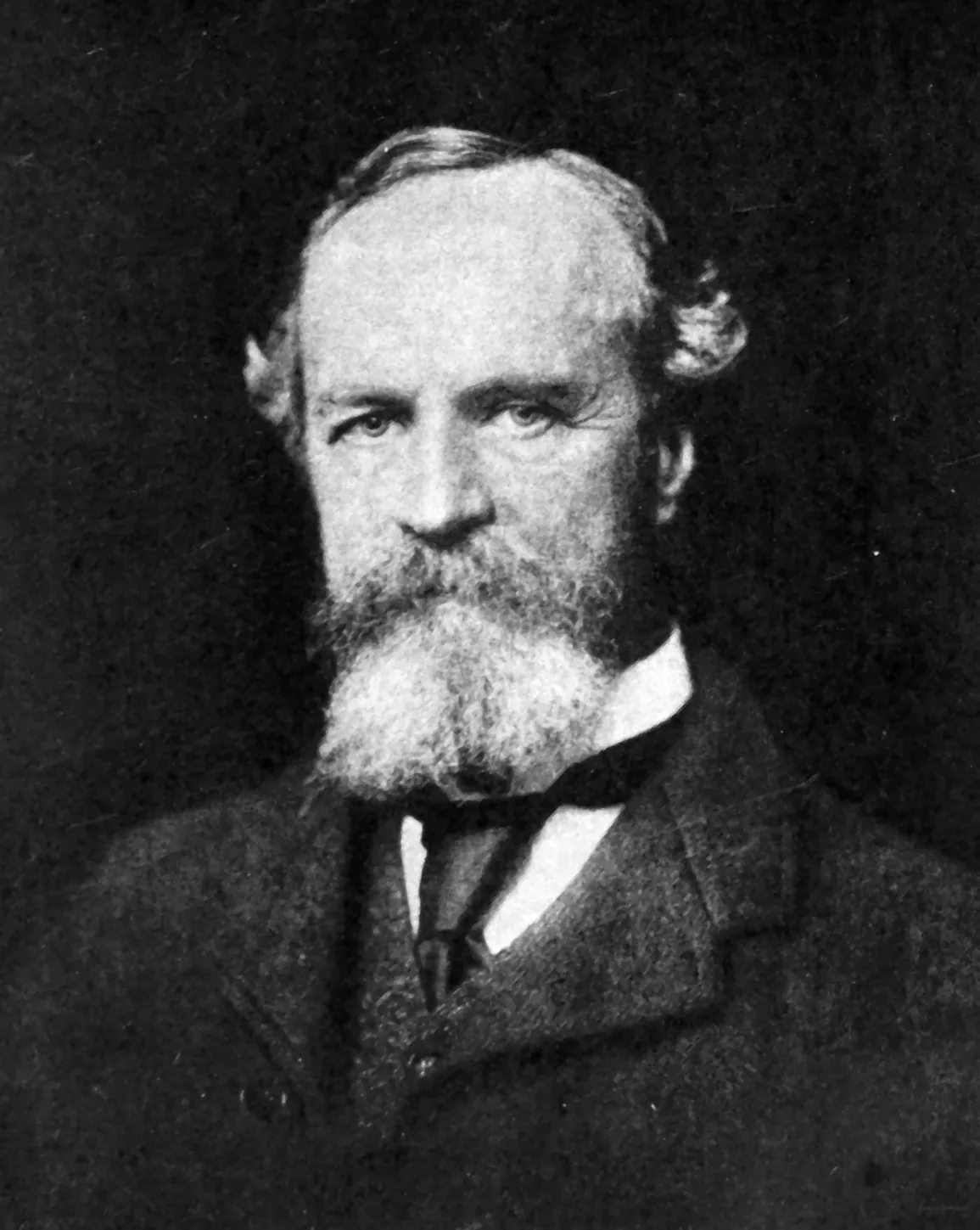
W. K. Clifford was an ardent High Churchman at Trinity who tried to defend dogma with science. He gave up that faith in the late 1860s, under Darwin and Spencer, after a struggle his friend Pollock could not date. In "The Ethics of Belief" (1876–77) he turned his loss into a rule: it is wrong for anyone to believe on insufficient evidence. He never called himself an atheist in print, grieved openly for "the Great Companion", revered the believers he knew, and died at thirty-three without fear or retraction.
The belief timeline
- Faith (1863-c. 1867) — High Churchman at Trinity; studies Aquinas; holds that theology is a special faculty beyond scientific proof [6][7][8]
- Doubt (c. 1867-1870 (undated by Pollock)) — Quasi-scientific Catholicism proves untenable; Darwin and Spencer; "an intellectual and moral struggle"; the Doubt mark sits here, not at 1863, because earlier he was making science and dogma harmonise and only later gave up the attempt [9][10]
- Declaration (1875-1877) — "Right and Wrong" (Nov 1875), "The Ethics of Belief" (read 1876, printed Jan 1877), "The Ethics of Religion" (1877), "Decline in Religious Belief" (April 1877) [21][24][29][31]
- Revision (1877-1879) — No retraction. A softening: reverence for the believers he knew, and for the "Great Companion"; he admits the loss was painful; dies "without fear" per Pollock. Whether this counts as a revision is an open question [30][32][38]
Notes to the timeline (12)
- [6] In Pollock's first year at Trinity, Clifford was reputed, "and at the time with truth", an ardent High Churchman; Pollock found this more remarkable at Cambridge than it would later be, the evangelical tradition being prevalent. — Frederick Pollock, "Introduction", Part I Biographical (pp. 1-43), in Lectures and Essays, vol. I (Macmillan, 1879), p. 3.
- [7] He acquired a close knowledge of Catholic theology (Aquinas) and defended the Catholic position with scientific arguments; DNB: "at this time a high churchman". — Pollock, Lectures and Essays, p. 31; "Clifford, William Kingdon", Dictionary of National Biography, vol. XI (London: Smith, Elder, 1887), pp. 83-85, p. 83.
- [8] In this phase he held religious beliefs to be outside scientific proof, held on certainty, and believed in a special theological faculty; he defined superstition as a belief held on religious grounds but capable of scientific proof or disproof. — Pollock, Lectures and Essays, pp. 31-32.
- [9] Pollock does not know when or how Clifford saw the "quasi-scientific Catholicism" to be untenable, but knows the discovery cost an intellectual and moral struggle, with no "violent reaction"; the change was a fuller development of earlier principles. — Pollock, Lectures and Essays, p. 32.
- [10] He was assimilating Darwin and Herbert Spencer; his Cambridge circle was "carried away by a wave of Darwinian enthusiasm" for two or three years; DNB: the High Church phase "was dispelled by his study of Darwin and Mr. Herbert Spencer". — Pollock, Lectures and Essays, p. 33; Dictionary of National Biography, p. 83.
- [21] In "Right and Wrong" (Sunday Lecture Society, 7 Nov. 1875) he wrote: "I cannot believe that any falsehood whatever is necessary to morality", and rejected the view that hope may be encouraged "in excess of the evidence". — Part III "Bibliographical" (pp. 67-70) of the same volume: dates of first reading and publication of each essay, p. 69; W. K. Clifford, Lectures and Essays, ed. Leslie Stephen and Frederick Pollock, vol. II (London: Macmillan, 1879), p. 176.
- [24] "The Ethics of Belief" was a paper read to the Metaphysical Society in 1876 and published, "with considerable additions", in the Contemporary Review of January 1877. — III, "Bibliographical", p. 69; Clifford, Lectures and Essays, vol. II, p. 177 (footnote).
- [29] "The Ethics of Religion" was given to the Sunday Lecture Society on 4 March 1877 as "The Bearing of Morals on Religion", and printed in the Fortnightly Review, July 1877 (Bibliog.); Pollock says it was the one piece written out in full "which he was unable to deliver himself" (see Disputed points). — III, "Bibliographical", p. 70; Pollock, Lectures and Essays, pp. 8-9; Clifford, Lectures and Essays, vol. II, p. 212 (footnote). Accounts differ; see the disputed points.
- [31] "The Influence upon Morality of a Decline in Religious Belief" appeared in the Nineteenth Century, No. 2 (April 1877), in a "Modern Symposium", answering Martineau's (third) and Frederic Harrison's (fourth) discourses. — Clifford, Lectures and Essays, vol. II, pp. 244, 249 (footnotes); III, "Bibliographical", p. 70.
- [30] In it he argues that the rule is "Keep your children away from the priest, or he will make them the enemies of mankind", aimed at priesthoods claiming to rule consciences; and yet writes: "No such comradeship with the Great Companion shall have anything but reverence from me... who now revere with all my heart the teaching of James Martineau". — Clifford, Lectures and Essays, vol. II, pp. 237, 242.
- [32] In it he grants that the theistic hypothesis, apart from other objections, "is a reasonable hypothesis", says theistic belief "is a comfort and a solace", and writes of those who "received it in our childhood and have parted from it since with such searching trouble as only cradle-faiths can cause": "we have felt with utter loneliness that the Great Companion is dead". The first person plural is general; the text does not say "I". — Clifford, Lectures and Essays, vol. II, pp. 245, 247.
- [38] Pollock's testimony: Clifford "utterly dismissed from his thoughts... all speculations on a future or unseen world", often quoted Spinoza's "Homo liber de nulla re minus quam de morte cogitat", and "as never man loved life more, so never man feared death less". A friend's witness, written to rebuke those who think dogma holds a monopoly of happiness. — Pollock, Lectures and Essays, pp. 24-25.
The Ethics of Belief
A shipowner, the story begins, was about to send an emigrant ship to sea. He knew she was old and had often needed repairs, and doubts came to him. He put them aside, told himself that she had come safely through many voyages, and let her sail. She went down in mid-ocean. "What shall we say of him? Surely this, that he was verily guilty of the death of those men." And if the ship had come home safely, he would have been no less guilty, because "the question of right or wrong has to do with the origin of his belief, not the matter of it; not what it was, but how he got it".123
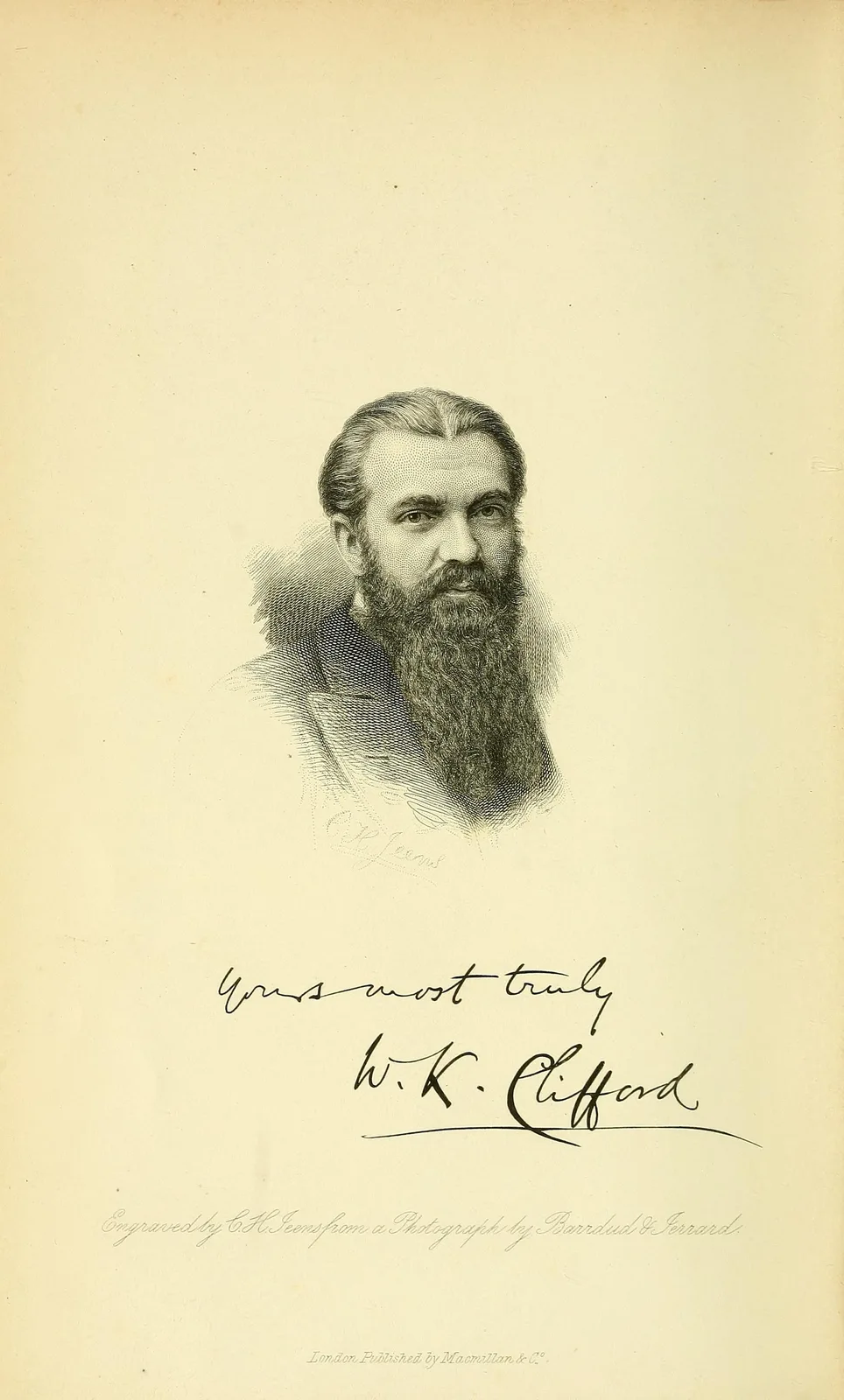
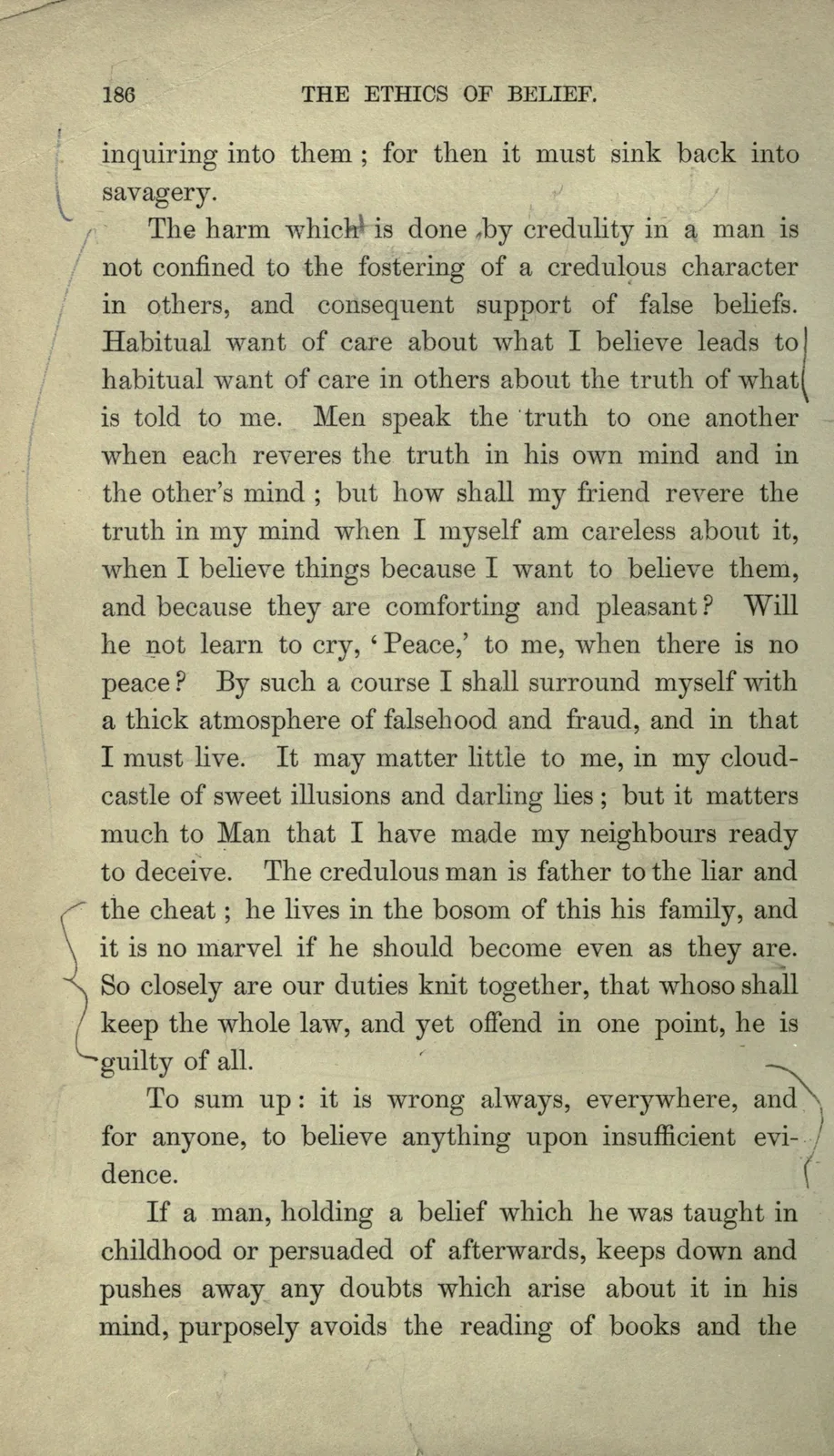
The parable opens "The Ethics of Belief", written in 1876 by a thirty-one-year-old professor of mathematics, William Kingdon Clifford. Its conclusion is a single sentence: "it is wrong always, everywhere, and for anyone, to believe anything upon insufficient evidence."45 This chapter asks how a devout young High Churchman came to write it, what it did and did not say about God, and how its author, who died at thirty-three, held his unbelief at the end.
The High Churchman
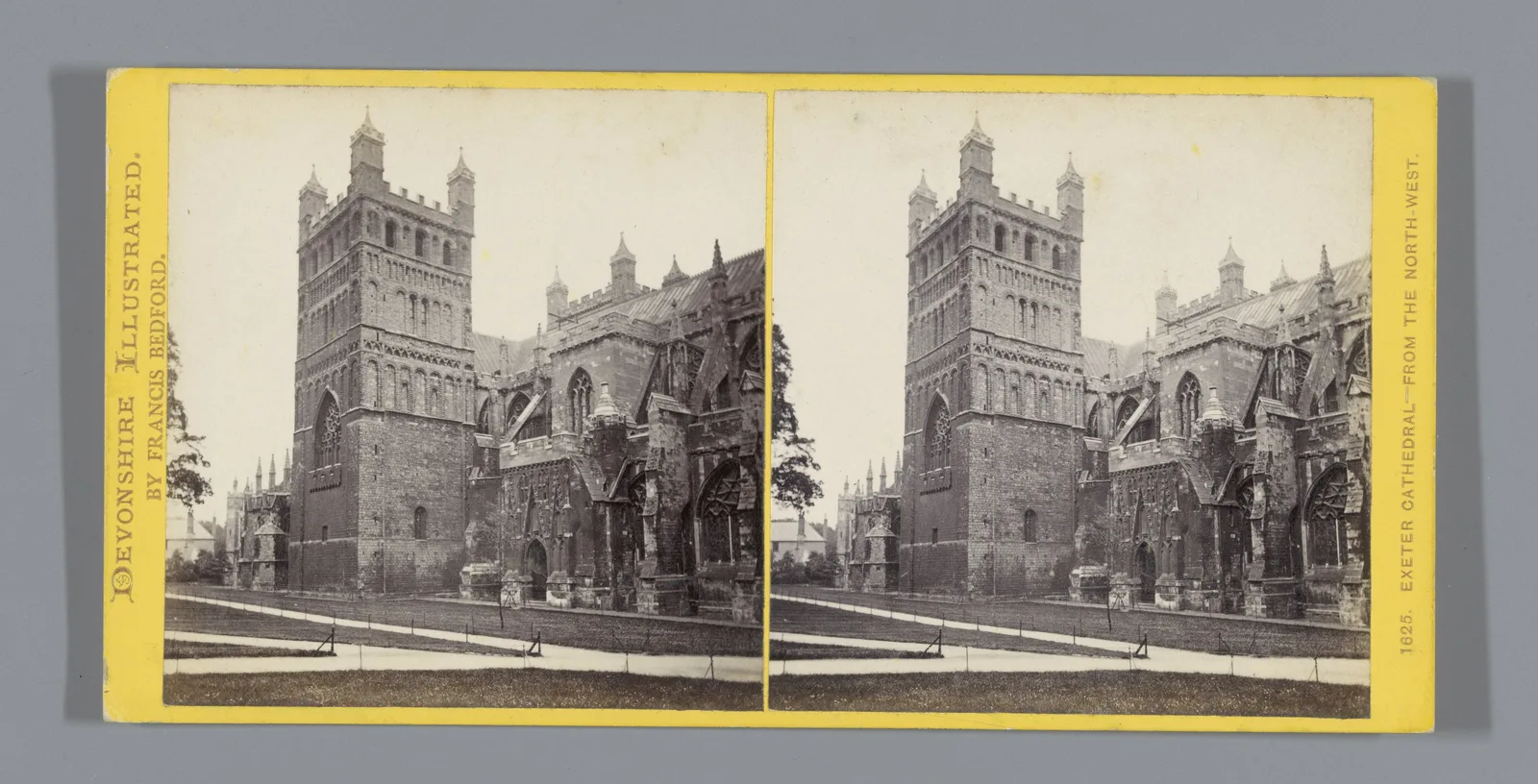
He was born at Exeter on 4 May 1845. His father was a well-known citizen and a justice of the peace; his mother died when he was young, in 1854 according to the Dictionary of National Biography.678 After school at Exeter and King's College, London, he went up to Trinity College, Cambridge, in October 1863.910 His friend Frederick Pollock remembered that in those first years Clifford was reputed, "and at the time with truth", an ardent High Churchman. He studied Aquinas, defended the Catholic position with scientific arguments, and held that religious truths lay beyond scientific proof, known by a special theological faculty.111213 He had a definition of superstition from those years: "a belief held on religious or theological grounds, but capable of scientific proof or disproof".14 On the belief timeline, that is his faith.
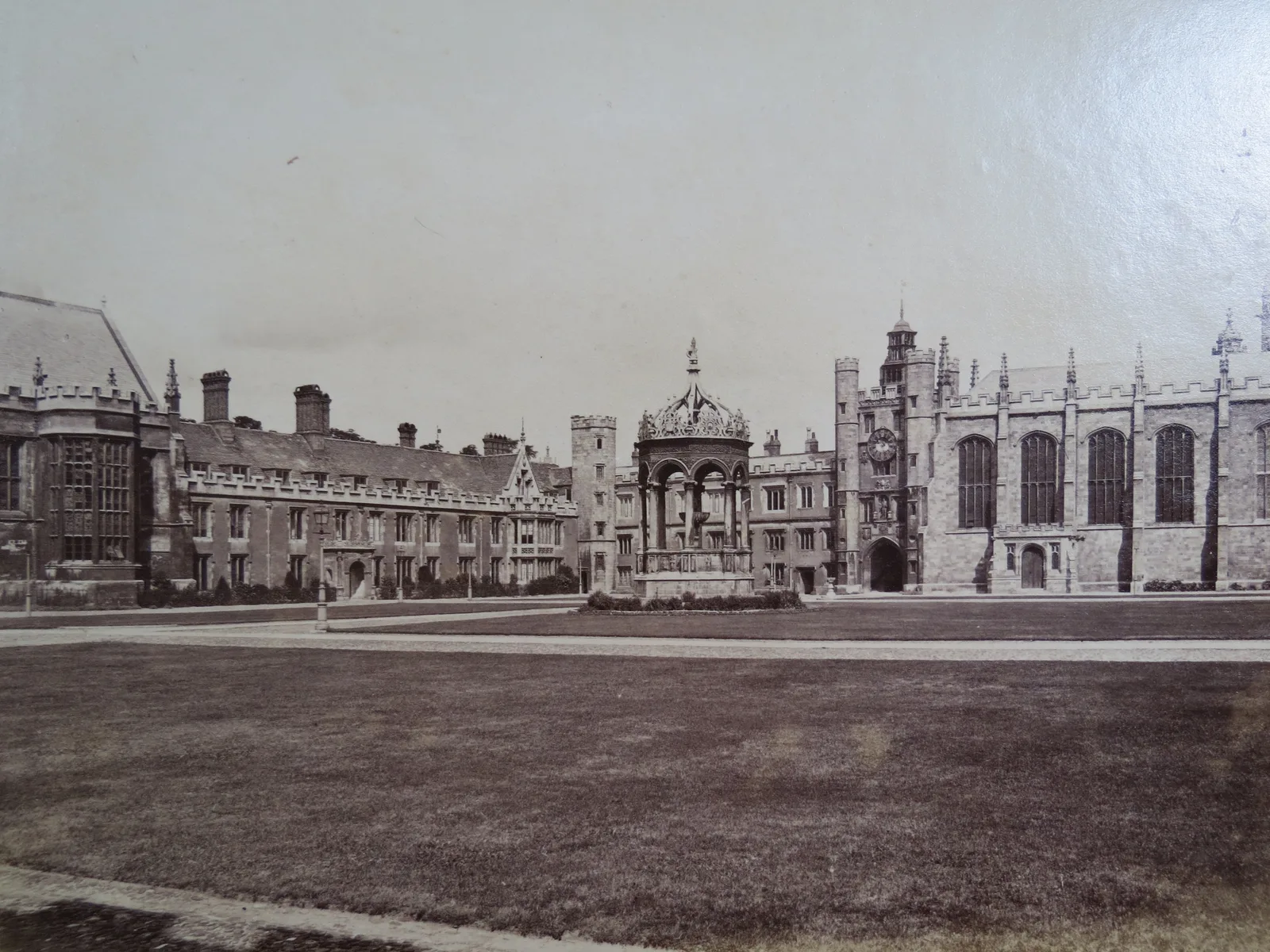
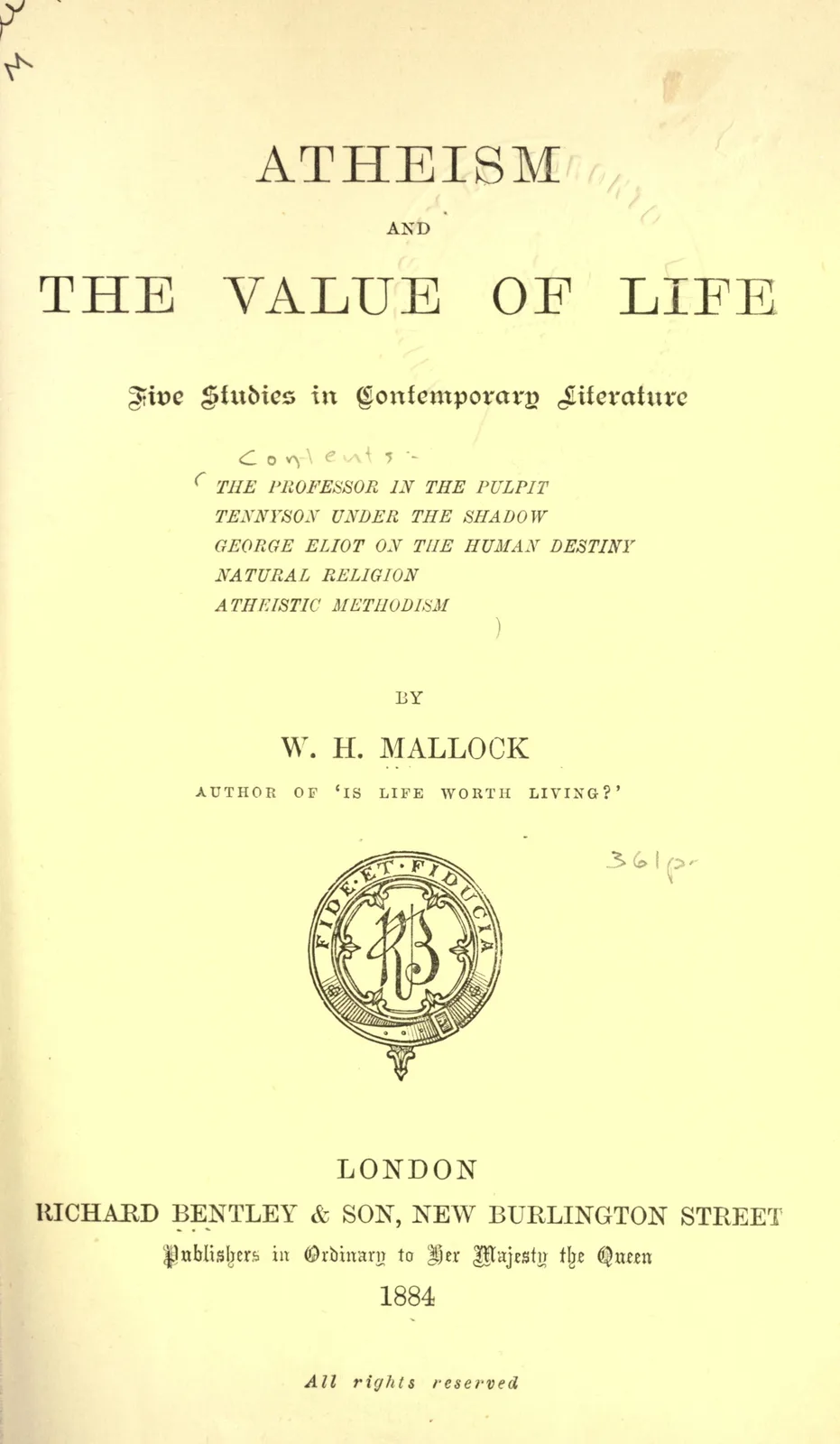
He was second wrangler in 1867 and a Fellow of Trinity in 1868.1516 At some point in those years his faith gave way. Pollock did not know when or how, only that the discovery that his "quasi-scientific Catholicism" was untenable "cost him an intellectual and moral struggle, of which traces may be found here and there in his essays", and that there was no violent reaction: the change was a fuller development of his earlier principles.1718 He was reading Darwin and Herbert Spencer; the Dictionary says the High Church phase "was dispelled" by them, and Pollock remembered their circle "carried away by a wave of Darwinian enthusiasm".19 W. H. Mallock later printed a story of an inverted crucifix topped with a revolutionary cap, but said he could not vouch for it; accounts differ.20 On the timeline his doubt falls between about 1867 and 1870, and not earlier, because until then he was still trying to make science and dogma agree.
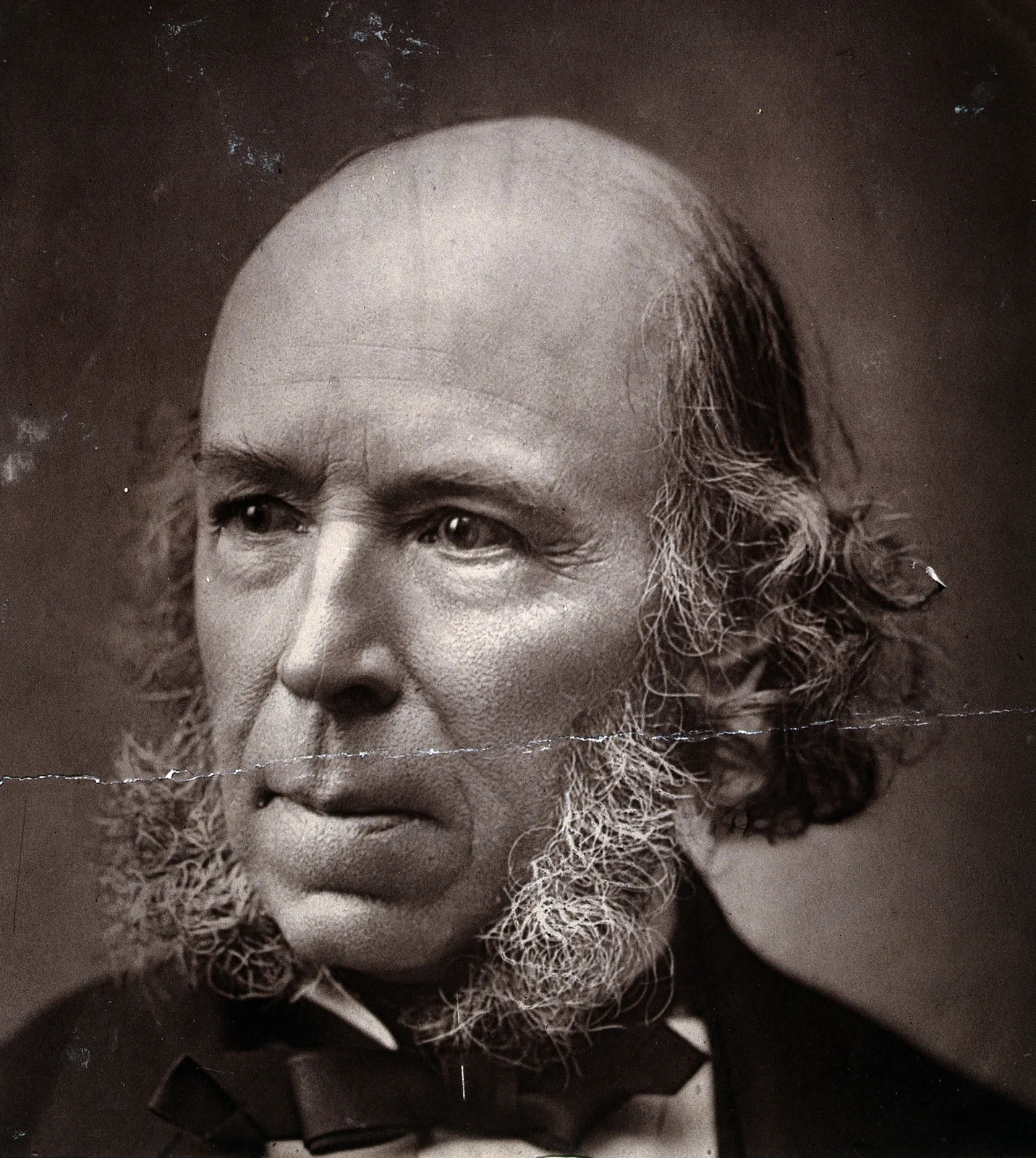
In a private letter of 1870 he called himself, half joking, "a dogmatic nihilist", and remarked that to say there is a God apart from the universe is to say "there is no real God at all; it may be all right, but it is atheism". It was a point about idealist philosophy, not a confession.2122 A year later he wrote: "I want to take up my cross and follow the true Christ, humanity; to accept the facts as they are, however bitter or severe."2324
Father Man
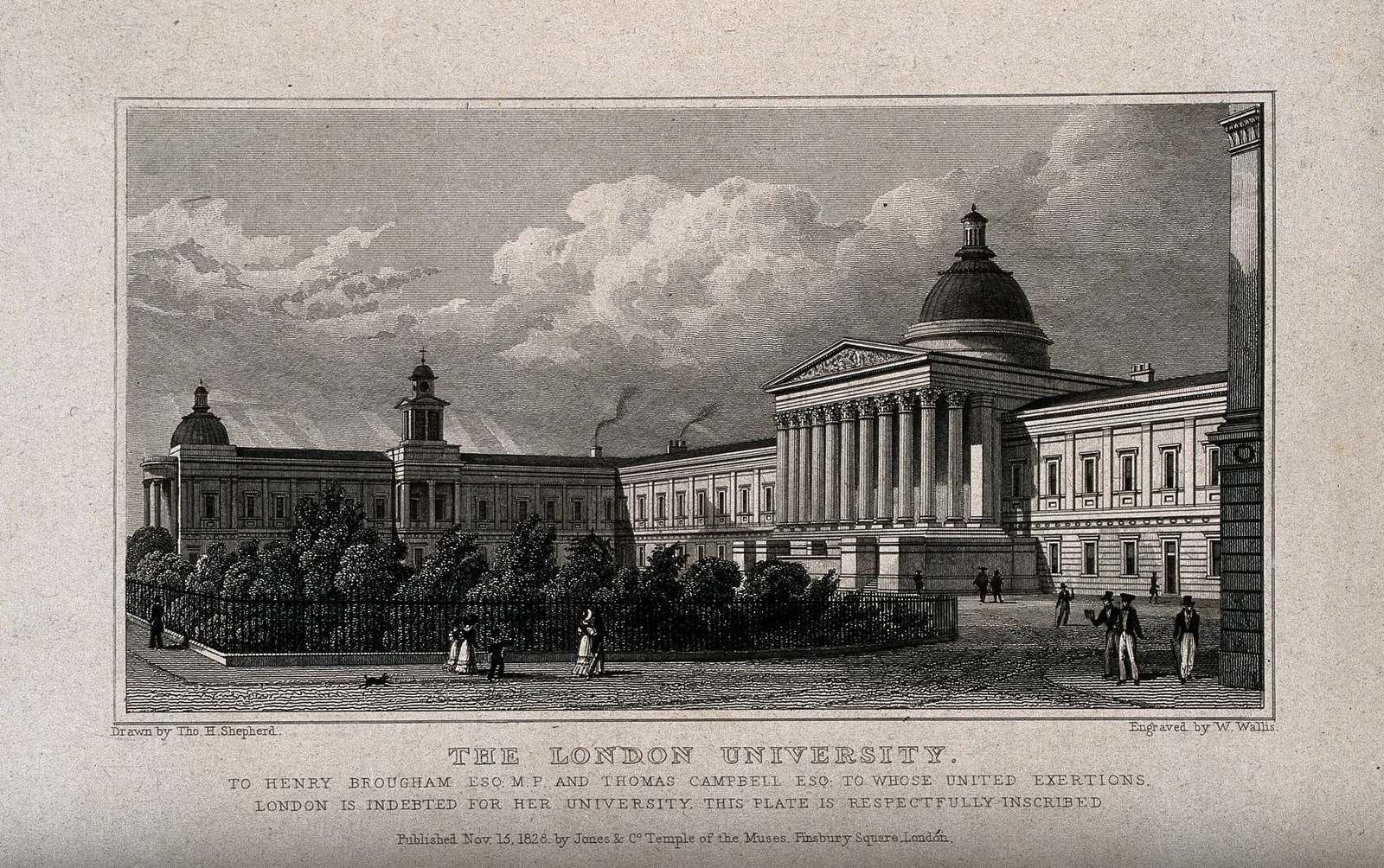
In 1871 he became professor of applied mathematics at University College London, and in 1874 a Fellow of the Royal Society and a member of the Metaphysical Society, where Huxley and Tyndall argued with Cardinal Manning, Gladstone and the Catholic philosopher W. G. Ward.252627 In 1875 he married Lucy Lane.28 That autumn, in a lecture called "Right and Wrong", he said: "I cannot believe that any falsehood whatever is necessary to morality. It cannot be true of my race and yours that to keep ourselves from becoming scoundrels we must needs believe a lie."2930
"The Ethics of Belief" was read to the Metaphysical Society in 1876 and printed in the Contemporary Review in January 1877.31 On the timeline it is his declaration, though it never mentions God. Belief, it says, "is ours not for ourselves, but for humanity".432 A person who keeps down his doubts about what he was taught in childhood, avoids the books and the company that question it, and calls such questions impious, lives "one long sin against mankind". "It is never lawful to stifle a doubt."333435 He did not demand certainty: we must act on probabilities, and we may believe a witness when there are reasonable grounds for trusting him.36 The essay ends: "where it is presumption to doubt and to investigate, there it is worse than presumption to believe."37
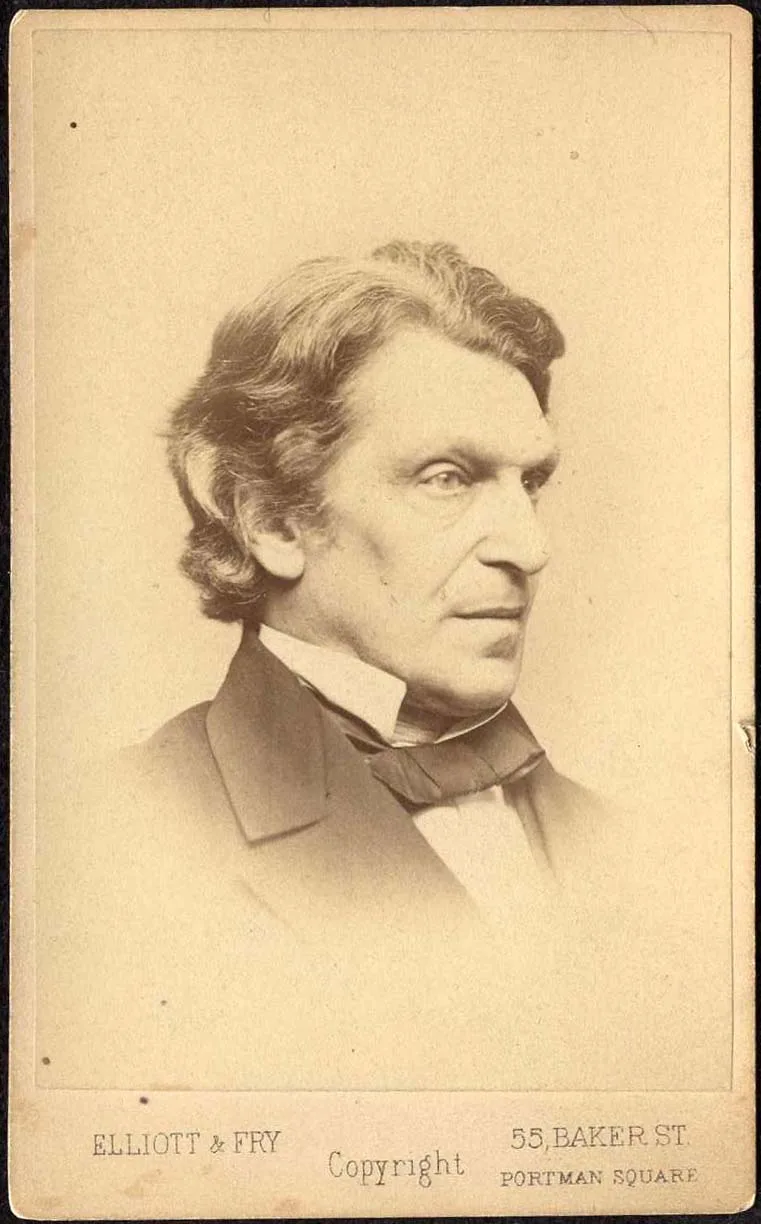
His essays on religion that year were harder. Against priesthoods that claimed to rule consciences he wrote: "Keep your children away from the priest, or he will make them the enemies of mankind." He ended one lecture with the face of "our father Man" saying, "Before Jehovah was, I am!"383940 His editors later admitted cutting passages he might have cancelled himself.41 Yet the same essay paid tribute to believers: comradeship with "the Great Companion" would have nothing but reverence from one who had known F. D. Maurice and Charles Kingsley and now revered "with all my heart" the Unitarian James Martineau.42 Answering Martineau in print, he granted that the theistic hypothesis "is a reasonable hypothesis and an explanation of the facts", and spoke for those who had parted from a childhood faith "with such searching trouble as only cradle-faiths can cause": "We have seen the spring sun shine out of an empty heaven, to light up a soulless earth; we have felt with utter loneliness that the Great Companion is dead."43444546 The "we" is general; he does not say "I". In the religion essays he never calls himself an atheist or an agnostic.47
The reply
His sharpest critic was an American. In 1880, and again in "The Will to Believe" (1896), William James answered him. "Our passional nature not only lawfully may, but must, decide an option between propositions, whenever it is a genuine option that cannot by its nature be decided on intellectual grounds." Clifford's rule, James said, was "like a general informing his soldiers that it is better to keep out of battle forever than to risk a single wound", and a man who would rather go without belief forever than believe a lie "merely shows his own preponderant private horror of becoming a dupe".484950515253 W. H. Mallock, a conservative critic, granted that "Clifford's conversion to unbelief was genuine": "He yielded with sorrow and reluctance to what he thought overwhelming evidence." But he argued that Clifford's moral fervour was only "the echo or the survival" of feelings learned at his mother's knee "or under the arches of Exeter Cathedral".54555657
Madeira
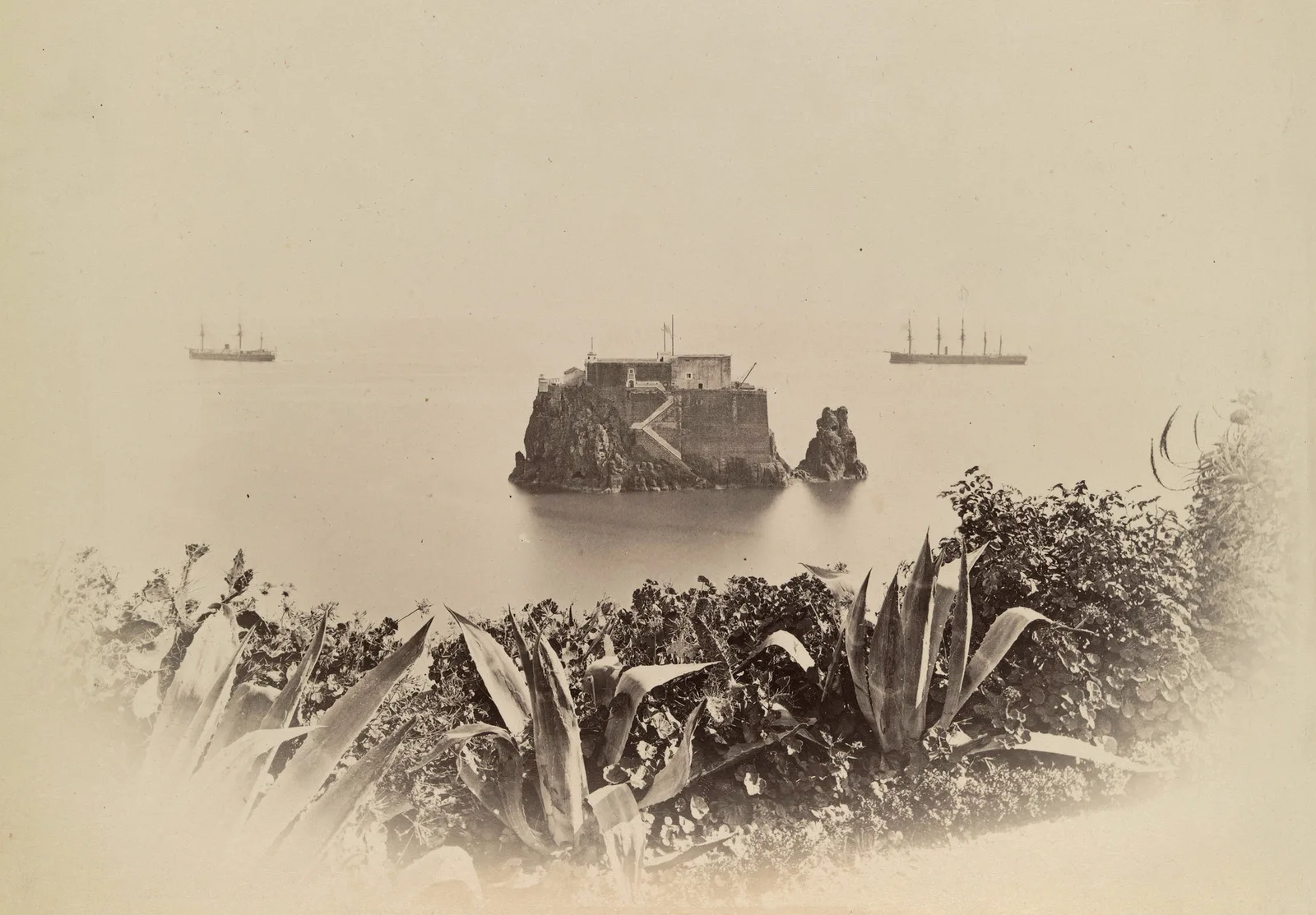
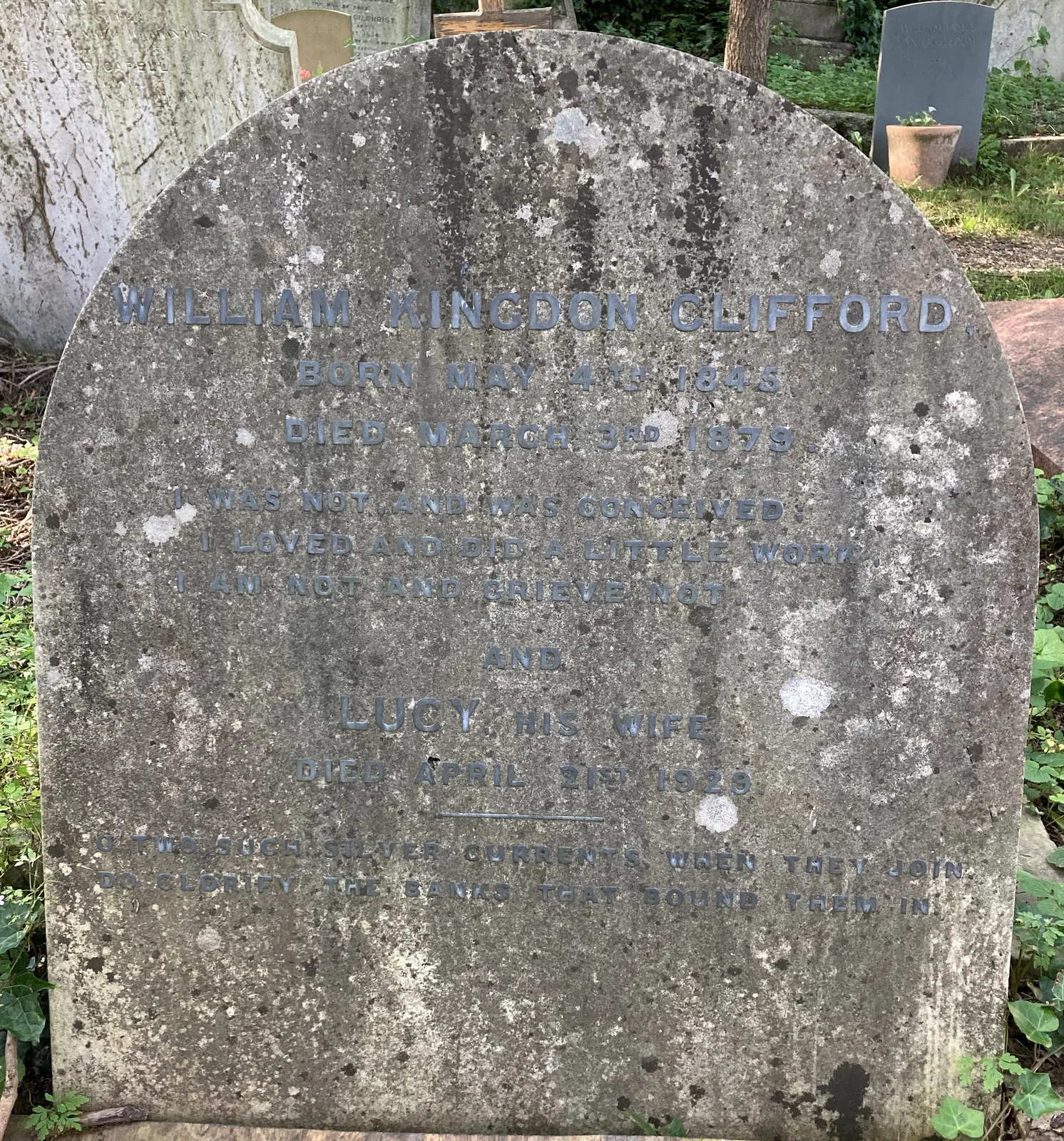
In the spring of 1876 he showed signs of lung disease.58 He spent the summer of 1876 in Algiers and Spain, collapsed in 1878 after his father's death, and early in 1879 sailed for Madeira, where he died on 3 March 1879, aged thirty-three.59606162 There was no retraction; the revision that the timeline records is the softening already in the essays, the reverence for believers and the admitted grief. Pollock, a friend and himself no believer, wrote that he "utterly dismissed from his thoughts" all speculation about a future life, and "as never man loved life more, so never man feared death less".6364 Even some of those to whom his opinions were most repugnant, Pollock added, wrote anxiously when he fell ill.65 He was buried at Highgate.66
Clifford's unbelief was less a conclusion about God than a rule about belief, held with a grief he did not hide and a respect for believers he did not have to show. Thomas Henry Huxley, his friend and fellow member of the Metaphysical Society, who had coined the word "agnostic" for a position close to his, has his own chapter in this book.
Footnotes
-
W. K. Clifford, Lectures and Essays, ed. Leslie Stephen and Frederick Pollock, vol. II (London: Macmillan, 1879), pp. 177-180. ↩
-
Clifford, Lectures and Essays, vol. II, p. 178. ↩
-
Clifford, Lectures and Essays, vol. II, p. 178. ↩
-
Clifford, Lectures and Essays, vol. II, pp. 182-183, 186. ↩ ↩2
-
Clifford, Lectures and Essays, vol. II, p. 186 (Ethics of Belief, "To sum up"). Often quoted with "everyone" (James writes "for every one"); the original is "for anyone". Often detached from the preceding pages about the shipowner. ↩
-
Frederick Pollock, "Introduction", Part I Biographical (pp. 1-43), in Lectures and Essays, vol. I (Macmillan, 1879), p. 5; "Clifford, William Kingdon", Dictionary of National Biography, vol. XI (London: Smith, Elder, 1887), pp. 83-85, vol. XI p. 83; Alexander Macfarlane, Lectures on Ten British Mathematicians of the Nineteenth Century (New York: Wiley, 1916), the Clifford chapter pp. 77-82, p. 77 (opening of chapter). ↩
-
Pollock, Lectures and Essays, p. 5; Macfarlane, Lectures on Ten British Mathematicians…, p. 77. ↩
-
Pollock, Lectures and Essays, p. 5; Dictionary of National Biography, p. 83. ↩
-
Pollock, Lectures and Essays, pp. 5-7; Dictionary of National Biography, p. 83. ↩
-
Pollock, Lectures and Essays, p. 9; Dictionary of National Biography, p. 83. ↩
-
Pollock, Lectures and Essays, p. 3. ↩
-
Pollock, Lectures and Essays, p. 31; Dictionary of National Biography, p. 83. ↩
-
Pollock, Lectures and Essays, pp. 31-32. ↩
-
Pollock, Lectures and Essays, p. 32. ↩
-
Pollock, Lectures and Essays, pp. 12-13; Dictionary of National Biography, p. 83. ↩
-
Pollock, Lectures and Essays, p. 15; Dictionary of National Biography, p. 83. ↩
-
Pollock, Lectures and Essays, p. 32. ↩
-
Frederick Pollock: Pollock, Lectures and Essays, p. 32. ↩
-
Pollock, Lectures and Essays, p. 33; Dictionary of National Biography, p. 83. ↩
-
Pollock, Lectures and Essays, p. 32; W. H. Mallock, "Professor Clifford's Lectures and Essays", chap. 1 of Atheism and the Value of Life (London: Bentley, 1884), pp. 1-83, pp. 19-20. An anecdote in the biography, not a documented event. ↩
-
Part II "Selections from Letters" (pp. 44-66) of the same volume; Clifford's letters to Pollock and Lady Pollock, pp. 44-45. ↩
-
II, "Selections from Letters", p. 45 (to F. Pollock, 2 April 1870). ↩
-
II, "Selections from Letters", p. 49. ↩
-
II, "Selections from Letters", p. 49 (to Lady Pollock, 26 Sept. 1871). ↩
-
Pollock, Lectures and Essays, p. 15; Dictionary of National Biography, p. 83. ↩
-
Dictionary of National Biography, p. 83; Part III "Bibliographical" (pp. 67-70) of the same volume: dates of first reading and publication of each essay, p. 69; Pollock, Lectures and Essays, p. 18; Wilfrid Ward, William George Ward and the Catholic Revival (London: Macmillan, 1893), IA
williamgeorgewar00warduoft;research/texts/ward-wg-ward.txt. Chapters on the Metaphysical Society (pp. 299-300) and the agnostic controversy (p. 346). A Catholic account of the Catholic W. G. Ward's side, pp. 299-300. ↩ -
Pollock, Lectures and Essays, pp. 15-16. ↩
-
Pollock, Lectures and Essays, p. 16; Dictionary of National Biography, p. 83. ↩
-
III, "Bibliographical", p. 69; Clifford, Lectures and Essays, vol. II, p. 176. ↩
-
Clifford, Lectures and Essays, vol. II, p. 176 (Right and Wrong). ↩
-
III, "Bibliographical", p. 69; Clifford, Lectures and Essays, vol. II, p. 177 (footnote). ↩
-
Clifford, Lectures and Essays, vol. II, pp. 182-183. ↩
-
Clifford, Lectures and Essays, vol. II, pp. 186-187. ↩
-
Clifford, Lectures and Essays, vol. II, pp. 186-187. ↩
-
Clifford, Lectures and Essays, vol. II, p. 187. ↩
-
Clifford, Lectures and Essays, vol. II, pp. 189, 210-211. ↩
-
Clifford, Lectures and Essays, vol. II, p. 211. ↩
-
Clifford, Lectures and Essays, vol. II, pp. 237, 242. ↩
-
Clifford, Lectures and Essays, vol. II, p. 237 (Ethics of Religion). ↩
-
Clifford, Lectures and Essays, vol. II, p. 243. ↩
-
III, "Bibliographical", p. 70. ↩
-
Clifford, Lectures and Essays, vol. II, p. 242. ↩
-
Clifford, Lectures and Essays, vol. II, pp. 244, 249 (footnotes); III, "Bibliographical", p. 70. ↩
-
Clifford, Lectures and Essays, vol. II, pp. 245, 247. ↩
-
Clifford, Lectures and Essays, vol. II, p. 245. ↩
-
Clifford, Lectures and Essays, vol. II, p. 247 (Decline in Religious Belief). ↩
-
Clifford, Lectures and Essays, vol. II, (text search). ↩
-
William James, The Will to Believe and Other Essays in Popular Philosophy (New York: Longmans, Green, 1897; first edition February 1897). Gutenberg #26659;
research/texts/james-will-to-believe.txt. Page numbers are the{n}markers in the Gutenberg text. "The Will to Believe": address to the Philosophical Clubs of Yale and Brown, New World, June 1896. "The Sentiment of Rationality": the part after p. 75 is a 1880 Harvard address, Princeton Review July 1882 (James's note); earlier part from Mind July 1879, pp. 92-94 and footnote after p. 94 (note to p. 63 essay). ↩ -
James, Will to Believe and Other…, p. 1 note; title page. ↩
-
James, Will to Believe and Other…, pp. 11, 18. ↩
-
William James, Harvard psychologist and pragmatist (1896 address to Yale and Brown philosophical clubs): James, Will to Believe and Other…, p. 11 ("The Will to Believe"). ↩
-
William James: James, Will to Believe and Other…, p. 19. ↩
-
William James: James, Will to Believe and Other…, p. 18. ↩
-
Mallock, Atheism and the Value of Life, pp. 16-17, 29-30. Reported at second hand; the original has not been seen. ↩
-
Mallock, Atheism and the Value of Life, pp. 80-81. ↩
-
W. H. Mallock, Anglican-minded critic and satirist (1884): Mallock, Atheism and the Value of Life, p. 29. ↩
-
W. H. Mallock: Mallock, Atheism and the Value of Life, pp. 80-81. ↩
-
Pollock, Lectures and Essays, p. 21; Dictionary of National Biography, p. 83. ↩
-
Pollock, Lectures and Essays, pp. 22-23; Dictionary of National Biography, p. 84. ↩
-
Pollock, Lectures and Essays, pp. 24-25; Dictionary of National Biography, p. 84. ↩
-
Pollock, Lectures and Essays, p. 26; Dictionary of National Biography, p. 84 (page image); Macfarlane, Lectures on Ten British Mathematicians…, p. 82. ↩
-
Pollock, Lectures and Essays, pp. 21-22; Dictionary of National Biography, p. 83; "William Kingdon Clifford", revision 1379964733 of 2026-10-12 (API extract). Used as a map: birth and death dates agree with Pollock and DNB; "died there of tuberculosis" is stated here and not in the free scans, rev. 1379964733. ↩
-
Pollock, Lectures and Essays, pp. 24-25. ↩
-
Frederick Pollock: Pollock, Lectures and Essays, p. 25. ↩
-
Pollock, Lectures and Essays, p. 17. ↩
-
Dictionary of National Biography, p. 84. ↩
williamgeorgewar00warduoft; research/texts/ward-wg-ward.txt. Chapters on the Metaphysical Society (pp. 299-300) and the agnostic controversy (p. 346). A Catholic account of the Catholic W. G. Ward's side.; William James, The Will to Believe and Other Essays in Popular Philosophy (New York: Longmans, Green, 1897; first edition February 1897). Gutenberg #26659; research/texts/james-will-to-believe.txt. Page numbers are the {n} markers in the Gutenberg text. "The Will to Believe": address to the Philosophical Clubs of Yale and Brown, New World, June 1896. "The Sentiment of Rationality": the part after p. 75 is a 1880 Harvard address, Princeton Review July 1882 (James's note); earlier part from Mind July 1879.; "William Kingdon Clifford", revision 1379964733 of 2026-10-12 (API extract). Used as a map: birth and death dates agree with Pollock and DNB; "died there of tuberculosis" is stated here and not in the free scans.In their own words
it is wrong always, everywhere, and for anyone, to believe anything upon insufficient evidence.
The question of right or wrong has to do with the origin of his belief, not the matter of it; not what it was, but how he got it; not whether it turned out to be true or false, but whether he had a right to believe on such evidence as was before him.
He had acquired his belief not by honestly earning it in patient investigation, but by stifling his doubts.
It is never lawful to stifle a doubt; for either it can be honestly answered by means of the inquiry already made, or else it proves that the inquiry was not complete.
Belief, that sacred faculty which prompts the decisions of our will, and knits into harmonious working all the compacted energies of our being, is ours not for ourselves, but for humanity.
If a man, holding a belief which he was taught in childhood or persuaded of afterwards, keeps down and pushes away any doubts which arise about it in his mind, purposely avoids the reading of books and the company of men that call in question or discuss it, and regards as impious those questions which cannot easily be asked without disturbing it, the life of that man is one long sin against mankind.
It is wrong in all cases to believe on insufficient evidence; and where it is presumption to doubt and to investigate, there it is worse than presumption to believe.
We have seen the spring sun shine out of an empty heaven, to light up a soulless earth; we have felt with utter loneliness that the Great Companion is dead.
I fully admit that the theistic hypothesis, so grounded, and considered apart from objections otherwise arising, is a reasonable hypothesis and an explanation of the facts.
If there is one lesson which history forces upon us in every page, it is this: Keep your children away from the priest, or he will make them the enemies of mankind.
No such comradeship with the Great Companion shall have anything but reverence from me, who have known the divine gentleness of Denison Maurice, the strong and healthy practical instinct of Charles Kingsley, and who now revere with all my heart the teaching of James Martineau.
From the dim dawn of history, and from the inmost depth of every soul, the face of our father Man looks out upon us with the fire of eternal youth in his eyes, and says, 'Before Jehovah was, I am!'
I cannot believe that any falsehood whatever is necessary to morality. It cannot be true of my race and yours that to keep ourselves from becoming scoundrels we must needs believe a lie.
In the same way to say that there is God apart from the universe is to say that the universe is not God, or that there is no real God at all; it may be all right, but it is atheism.
I want to take up my cross and follow the true Christ, humanity; to accept the facts as they are, however bitter or severe, to be a student and a lover, but never a lawgiver.
I suppose it frightens people to be told that historical Christianity as a social system invariably makes men wicked when it has full swing. Then I think the sooner they are well frightened the better.
a belief held on religious or theological grounds, but capable of scientific proof or disproof.
Then they killed him for disturbing the commonwealth; but they considered it impious to doubt that in general the world was light, and that there was one great light which caused it all.
the discovery cost him an intellectual and moral struggle, of which traces may be found here and there in his essays.
as never man loved life more, so never man feared death less.
Surely this, that he was verily guilty of the death of those men.
He held that metaphysical and theological problems ought to be discussed with exactly the same freedom from preconceived conclusions and fearlessness of consequences as any other problems.
The other side
Our passional nature not only lawfully may, but must, decide an option between propositions, whenever it is a genuine option that cannot by its nature be decided on intellectual grounds
It is like a general informing his soldiers that it is better to keep out of battle forever than to risk a single wound.
He who says, "Better go without belief forever than believe a lie!" merely shows his own preponderant private horror of becoming a dupe.
Simply because, like every human being of the slightest mental originality, he is peculiarly sensitive to evidence that bears in some one direction.
That Clifford's conversion to unbelief was genuine it is not possible to doubt. He yielded with sorrow and reluctance to what he thought overwhelming evidence.
the emotions expressed are not the result of his scientific observations or of his later experiences, but they are the echo or the survival of emotions that had been ingrained in him at his mother's knee or under the arches of Exeter Cathedral.
Brilliant men of science as Mr. Huxley, mathematicians of genius as Mr. W. K. Clifford, whose ability was beyond question, would treat such extensive deductions from the facts of consciousness as preposterous.
Where accounts differ
| Point | One account | Another | How the page handles it |
|---|---|---|---|
| When and how the High Church faith ended | Gradual: no "violent reaction", a fuller development of earlier principles; Pollock does not know the date (Pollock p. 32) | Sudden: an inverted crucifix topped with a Phrygian cap (Mallock pp. 19-20, who cannot vouch; unnamed source) | Say "accounts differ"; use Pollock; mention the crucifix story only, if at all, as Mallock's unverified report |
| The Ethics of Religion lecture | Delivered to the Sunday Lecture Society on 4 March 1877 as "The Bearing of Morals on Religion" (Bibliog. p. 70) | The only piece written out beforehand "which he was unable to deliver himself" (Pollock pp. 8-9) | Say it was prepared as a Sunday lecture in March 1877 and printed in July; do not say he spoke it |
| Ethics of Belief: 1876 or 1877 | Read to the Metaphysical Society in 1876 (Bibliog. p. 69) | Published January 1877 (Contemporary Review; Wikipedia gives the volume "29:289") | Say "written for the Metaphysical Society in 1876, printed in January 1877", as the roster's "1877" is the printing |
| Clifford's father | "Well-known and active citizen, justice of the peace" (Pollock p. 5) | A churchman's bookseller (Mallock p. 16) | Use Pollock; the trade is Mallock's alone |
| Death date in DNB | OCR of the DNB text reads "8 March 1879" | DNB page image, Pollock p. 26 and Macfarlane p. 82: 3 March 1879 | 3 March 1879 (OCR error; settled by the page image) |
| Cause of death | "pulmonary disease", collapse of strength (Pollock p. 21; DNB p. 83) | "tuberculosis" (Wikipedia only) | "lung disease" in narration; say tuberculosis only with a Tier 1-3 source |
List of illustrations
This page uses only public-domain and Creative Commons images; each is credited with its source and licence.
- Frontispiece engraving of W. K. Clifford with facsimile signature, Lectures and Essays vol. I — William Kingdon Clifford (eds. Leslie Stephen and Frederick Pollock), 1879 · Internet Archive; Lectures and Essays by the late William Kingdon Clifford, ed. Leslie Stephen and Frederick Pollock (London: Macmillan, 1879) · Public domain (published 1879)
- Exeter Cathedral from the north-west (Devonshire Illustrated) — Francis Bedford, ca. 1850-ca. 1880 · Rijksmuseum, Amsterdam (via Wikimedia Commons); photograph by Francis Bedford · CC0 (Rijksmuseum, via Wikimedia Commons)
- Great Court, Trinity College, Cambridge — Photographer for William Winfield (album of 58 Cambridge photographs), circa 1870 · Albumen print c.1870, collection of Kimberly Blaker, New Boston Fine and Rare Books (via Wikimedia Commons) · Public domain (Wikimedia Commons: Public domain)
- Herbert Spencer. Photograph, 1889. Iconographic Collections Keywords: portrait photographs · Wellcome Collection, London (via Wikimedia Commons); https://commons.wikimedia.org/wiki/File:Herbert_Spencer._Photograph,_1889._Wellcome_V0027201.jpg · CC BY 4.0 (Wikimedia Commons)
- University College, London: the main building in Gower Street — W. Wallis after T. H. Shepherd, 1828 · Wellcome Collection (V0013659), CC BY 4.0, via Wikimedia Commons · CC BY 4.0
- The Ethics of Belief, p. 186: 'it is wrong always, everywhere, and for anyone' — William Kingdon Clifford (eds. Leslie Stephen and Frederick Pollock), 1879 (essay 1877) · Internet Archive (University of California copy); Lectures and Essays by the late William Kingdon Clifford, ed. Leslie Stephen and Frederick Pollock (London: Macmillan, 1879) · Public domain (published 1879)
- James Martineau by Elliott & Fry, c1860s — Elliott & Fry, c. 1860s · Elliott & Fry (jcosmas), via Wikimedia Commons, public domain · Public domain (Wikimedia Commons: Public domain)
- William James (illustration from The Story of Philosophy) — Unknown, 1926 · Will Durant, The Story of Philosophy (1926), via Wikimedia Commons · Public domain (Wikimedia Commons: Public domain; Will Durant, The Story of Philosophy, 1926)
- Title page, Atheism and the Value of Life, by W. H. Mallock — W. H. Mallock, 1884 · Internet Archive (University of Toronto copy); W. H. Mallock, Atheism and the Value of Life (London: Richard Bentley and Son, 1884) · Public domain (published 1884)
- Funchal, Madeira, Portugal (Loo Rock) — Rev. J. N. Dalton, 1880 · Royal Collection Trust, RCIN 2580612, photograph by Rev. J. N. Dalton, via Wikimedia Commons · Public domain (Wikimedia Commons: Public domain; Royal Collection Trust RCIN 2580612)
- Grave of Lucy and William Clifford in Highgate Cemetery — Simon Edwards Esq, 2021-08-25 · Simon Edwards Esq, CC BY-SA 4.0, via Wikimedia Commons · CC BY-SA 4.0
Sources
Tier 1 — the subject's own words
- [Clifford II] W. K. Clifford, Lectures and Essays, ed. Leslie Stephen and Frederick Pollock, vol. II (London: Macmillan, 1879). IA
lecturesessaysby02clifrich; saved asresearch/texts/lectures-v2.txt. Contains Ethics of Belief (pp. 177-211), Ethics of Religion (212-243), Influence upon Morality of a Decline in Religious Belief (244-252), Cosmic Emotion (253ff), Right and Wrong (124ff), Body and Mind (31ff). Printed page numbers read from the OCR headers. - [Pollock] Frederick Pollock, "Introduction", Part I Biographical (pp. 1-43), in Lectures and Essays, vol. I (Macmillan, 1879). IA
lecturesessaysby01clif;research/texts/lectures-v1.txt. Tier 1/2: biography by an intimate friend, but also prints Clifford's letters. - [Letters] Part II "Selections from Letters" (pp. 44-66) of the same volume; Clifford's letters to Pollock and Lady Pollock.
- [Bibliog.] Part III "Bibliographical" (pp. 67-70) of the same volume: dates of first reading and publication of each essay.
- Not reached: Mathematical Papers (1882, IA
mathematicalpap00smitgoog, not downloaded: not needed for belief); Lucy Clifford's recollections (none found in a free scan, see [53]); the Metaphysical Society's own papers (no free scan located).
Tier 2 — biographies and reference entries
- [DNB] "Clifford, William Kingdon", Dictionary of National Biography, vol. XI (London: Smith, Elder, 1887), pp. 83-85. IA
in.ernet.dli.2015.45537;research/texts/dnb-vol11.txt. OCR reads the death date as "8 March"; the page image (leaf 92, p. 84) reads "3 March 1879" [37]. Author's initials not checked. - [Macfarlane] Alexander Macfarlane, Lectures on Ten British Mathematicians of the Nineteenth Century (New York: Wiley, 1916), the Clifford chapter pp. 77-82. IA
lecturesontenbri00macf;research/texts/macfarlane-ten-mathematicians.txt. Essentially a digest of Pollock.
Tier 3 — contemporary criticism and later writers
- [Pearson] Karl Pearson, The Ethic of Freethought (1888), IA
ethicoffreethoug00pear; saved, consulted for the epitaph (not found). Clifford's disciple; not cited below.
Tier 4 — Wikipedia (citable; prefer higher tiers)
- [Wikipedia] "William Kingdon Clifford", revision 1379964733 of 2026-10-12 (API extract). Used as a map: birth and death dates agree with Pollock and DNB; "died there of tuberculosis" is stated here and not in the free scans.
Opposition sources
- [James] William James, The Will to Believe and Other Essays in Popular Philosophy (New York: Longmans, Green, 1897; first edition February 1897). Gutenberg #26659;
research/texts/james-will-to-believe.txt. Page numbers are the{n}markers in the Gutenberg text. "The Will to Believe": address to the Philosophical Clubs of Yale and Brown, New World, June 1896. "The Sentiment of Rationality": the part after p. 75 is a 1880 Harvard address, Princeton Review July 1882 (James's note); earlier part from Mind July 1879. - [Mallock] W. H. Mallock, "Professor Clifford's Lectures and Essays", chap. 1 of Atheism and the Value of Life (London: Bentley, 1884), pp. 1-83. IA
atheismandvalue00malluoft;research/texts/mallock-atheism.txt. A hostile review; its anecdotes of Clifford's early life come from unnamed informants. - [Ward] Wilfrid Ward, William George Ward and the Catholic Revival (London: Macmillan, 1893), IA
williamgeorgewar00warduoft;research/texts/ward-wg-ward.txt. Chapters on the Metaphysical Society (pp. 299-300) and the agnostic controversy (p. 346). A Catholic account of the Catholic W. G. Ward's side.
Related lives
Leslie Stephen (editor of Clifford's essays, resigned his tutorship over lost faith, wrote An Agnostic's Apology) or William James is not on the roster; Huxley (who coined "agnostic" in 1869 and sat beside Clifford in the Metaphysical Society) is the natural pointer. Settle with David.
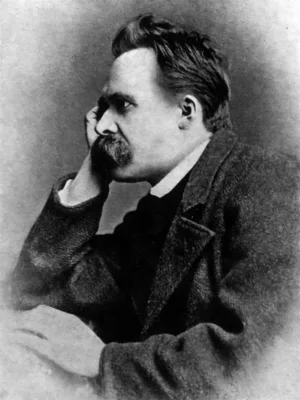
Friedrich Nietzsche
Nietzsche was a pastor's son who chose truth over peace at twenty. In 1882 he announced the death of God as a catastrophe Europe had not yet understood. He came to see his own unbelief not as the opposite of the faith he was raised in but as its last consequence: a Christian love of truth turned on Christianity itself.
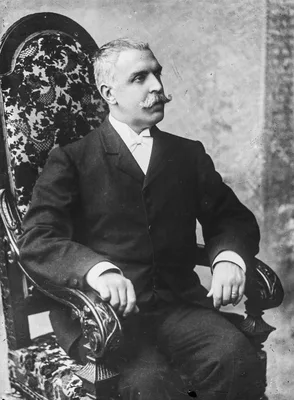
Manuel González Prada
Manuel González Prada was the son of a noble and conservative Lima family, and his early beliefs are disputed: deist verses in 1871, a "resolute atheist" by his own late account. The lost War of the Pacific made him a public unbeliever, and he attacked the Church as a pillar of the order that had ruined Peru. He then told freethinkers that hating priests was not a philosophy, and moved on to anarchism. At the end he admitted doubts about his own disbelief, without returning to faith.
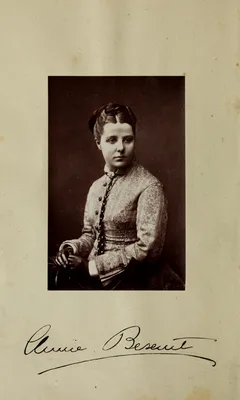
Annie Besant
Annie Besant left Christianity because she could not call good a God who let her baby suffer. She paid for her atheism with her marriage and her daughter. In 1889 she left atheism for Theosophy, because atheism gave her no motive strong enough to make people serve one another. She never unsaid her case against the supernatural.
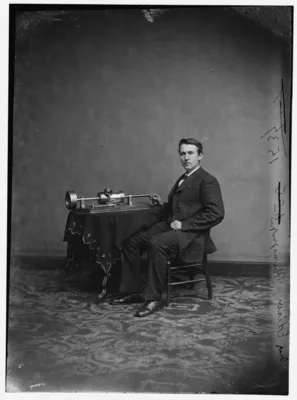
Thomas Edison
Thomas Edison was raised by a Baptist minister's daughter and set loose at thirteen on his father's shelf of Paine. He never lost a faith he is known to have held. In 1910 he told the New York Times that there were no gods of the religions, no soul and no use for a future life, while speaking in the same year of an Intelligence behind nature. In 1920 he revised the denial into a laboratory theory of indestructible "life entities" and an apparatus to test survival. He ended as Paine's defender and, like Paine, no atheist by his own word.