Wang Chong was a poor Confucian scholar of Kuaiji who read his way through the Luoyang bookstalls and could not accept what he found. He wrote the Lunheng to weigh the orthodox claims of his age against observation: Heaven has no mouth to rebuke rulers, thunder is a clash of natural forces, and the dead do not become conscious ghosts. He kept fate and omens as natural signs, and wrote partly to stop ruinous funerals. He never recanted, and ended his life accepting that people, like animals, live a while and die.
The belief timeline
- Faith (c. 33-45 CE) — Taught the Analects and Shujing as a boy; model pupil, filial, grave [4][5]
- Doubt (undated, after Luoyang) — Reading widely at the Luoyang bookstalls and under Ban Biao; finds "in the current books and common sayings... much, in which he could not acquiesce" (autobiography p. 66; paraphrase here, quotation not logged) [7][8][22]
- Declaration (c. 76-84) — Writes the Lunheng against Heaven's reprimands, ghosts, thunder as punishment [12][23]
- Revision (c. 89-97) — Accepts that life cannot be prolonged; tries a regimen anyway; no recantation [16][17]
Notes to the timeline (9)
- [4] At six he received first instruction; at eight he went to a school of over a hundred boys; he was taught the Analects and Shujing and read a thousand characters a day; he disliked frivolous games — Forke-I pp. 64-65.
- [5] He lost his father as a boy and was commended in his village for filial piety (Hou Han shu) — Forke-I p. 4; Forke notes the Hou Han shu "confirms that he was a good son" (p. 6). Reported at second hand; the original has not been seen.
- [7] His family being poor he owned no books, and read the books exposed for sale in the Luoyang market-place and shops (Hou Han shu); Giles repeats it as "recorded" — Forke-I p. 4 (quoted Q11); Giles-BD p. 819; Giles-Lit p. 94.
- [8] He remembered whatever he had once read; Forke adds a guess that he "probably made some sort of agreement with the booksellers" — Forke-I pp. 4, 6.
- [22] His stated purpose: "disgusted with the many deceitful books and popular literature devoid of veracity", he composed the Disquisitions (Lunheng); an earlier lost book, "Censures on Common Morals" (12 ch.), was written after friends abandoned him in poverty — Forke-I pp. 68-70; Forke Intro p. 8.
- [12] The Lunheng dates from c. 76-84 by Forke's inference from references to the reigns of Guangwu and Ming and omissions of the 84-88 omens — Forke-I p. 9.
- [23] His practical aim for the essays on death: to "show that the deceased have no consciousness, and cannot become ghosts", so readers will "restrain the extravagance of the burials" — Forke-I p. 90.
- [16] In old age he wrote a 16-chapter "Macrobiotics" (Yang-hsing-shu), lost; he "cherished the vital fluid", used wine and medicines and hoped to prolong his days — Forke-I p. 82 (autobiography); p. 8.
- [17] He closes the autobiography accepting that human life is limited: "Men like animals live for a while and die" — Forke-I p. 82.
A Ghost on Every Road
In the sixth month of the year 79, in the commandery of Kuaiji on the coast south of the Yangzi, a man named Chin Chuan was killed by lightning, and five of his sheep died with him. People said they knew what that meant: thunder was Heaven's anger, and lightning struck down the guilty. A local scholar, then in his fifties, wrote it down and asked a question: "What hidden faults had these animals, that the lightning killed them?"12
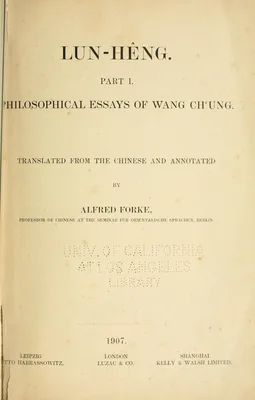
His name was Wang Chong, and in the same years he was writing a book he called the Lunheng, which means something like Discourses Weighed in the Balance. "For this reason the Lun-heng weighs the words, whether they be light or heavy, and holds up a balance for truth and falsehood."34 In it he argued that the dead do not become ghosts, that Heaven has no mouth or eyes and does not rebuke rulers with disasters, and that thunder is the clash of natural forces. He wrote under the Han dynasty, when the orthodox Confucian scholars taught exactly the opposite. This chapter follows him from a village school to that book, and asks what kind of unbelief a man could hold in the first-century Chinese empire. (His words are quoted in the English translation of Alfred Forke, published in 1907 and 1911.)
A poor scholar
He was born in 27 CE at Shangyu in Kuaiji, near modern Shaoxing, into a family that had come from the north; he told his own readers, to the scandal of later critics, that one of his ancestors had been "very bold and violent" and had killed men in a famine, and that the family had moved after feuds.567 At six he was taught manners, and at eight he went to a school of more than a hundred boys, where he read the Analects of Confucius and the Book of Documents and learned a thousand characters a day.8 He lost his father as a boy and was praised in his village as a filial son.9 On the belief timeline, his faith stands for that schooling, in the Confucian classics and the Confucian virtues.
The history of the Later Han dynasty, written four centuries afterwards, says he went to the capital, Luoyang, and studied at the Imperial College under the scholar Ban Biao. "His family being poor, he possessed no books. Therefore he used to stroll about the market-place and the shops in Loyang and read the books exposed there for sale," and he remembered whatever he read.10111213 He himself does not tell the bookshop story; it comes from the later history. In his own account he simply says that, reading widely, he found in the current books and common sayings much that he could not accept. That reading is where the timeline places his doubt, and no source dates it more closely than "after Luoyang."14
He went home, taught, and held a series of minor posts in the local government. Accounts differ on why he left them: the official history says he quarrelled with his superiors and colleagues, and his own autobiography says his relations with them were excellent.1516 He remained poor. "Although he was poor and had not an acre to dwell upon," he wrote of himself, "his mind was freer than that of kings and dukes."17
Heaven's reprimands
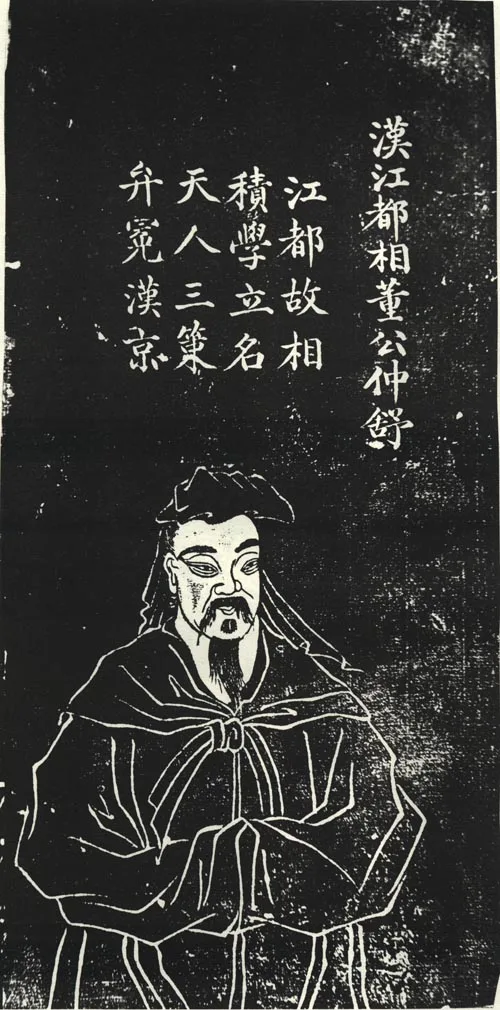
The orthodox teaching he set himself against was the doctrine of the Confucian scholar Dong Zhongshu, two centuries before him: that when a ruler went wrong, Heaven warned him with strange events, then struck his people, then struck him. In Wang's own report of it, "when of old a sovereign in his administration departed from the right way, Heaven reprimanded him by visiting him with calamities."18192021 Dong Zhongshu himself, in Forke's translation, explained that when a ruler was not enlightened, "heat and cold are out of order, and the people visited with diseases and epidemics."22
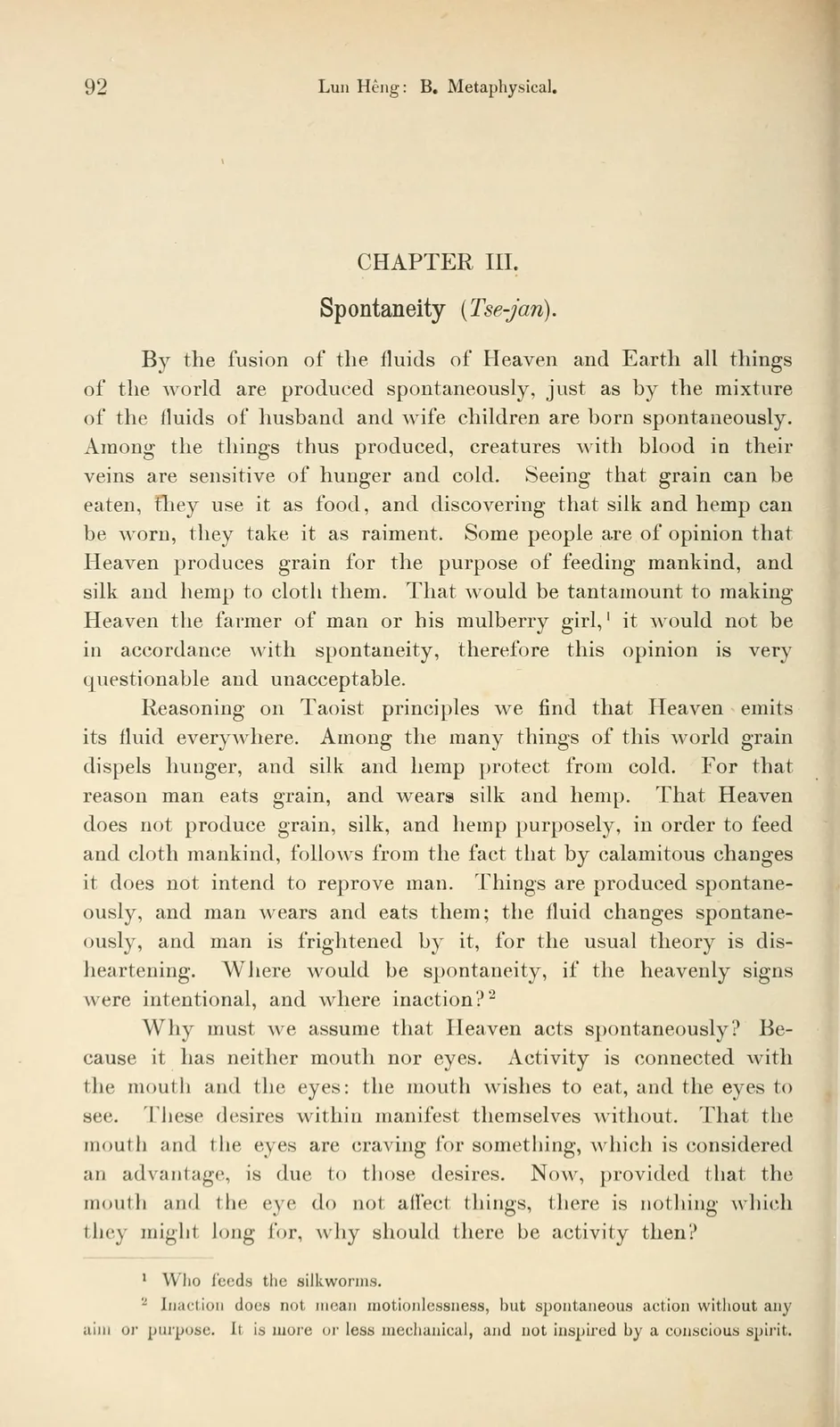
Wang answered politely and then without mercy. "I say that this seems very doubtful to me." "If they say that Heaven reprimands a sovereign through calamities, does it also reprove an individual through his misfortunes?" "These opinions of the literati are those of illiterate people."232425 Heaven, he said, acts by spontaneity, not by intention, because "it has neither mouth nor eyes." To say that Heaven grows grain and silk in order to feed and clothe us "would be tantamount to making Heaven the farmer of man or his mulberry girl."26272829 And if Heaven acted at all, it would no longer be spontaneous: "Heaven's principle, spontaneity, consists in inaction. If it did reprimand people, that would be action."30 He took the idea of spontaneity from the Taoists, but he would not take it on their word: "The Taoist school argues on spontaneity, but it does not know how to substantiate its cause by evidence."31
Thunder
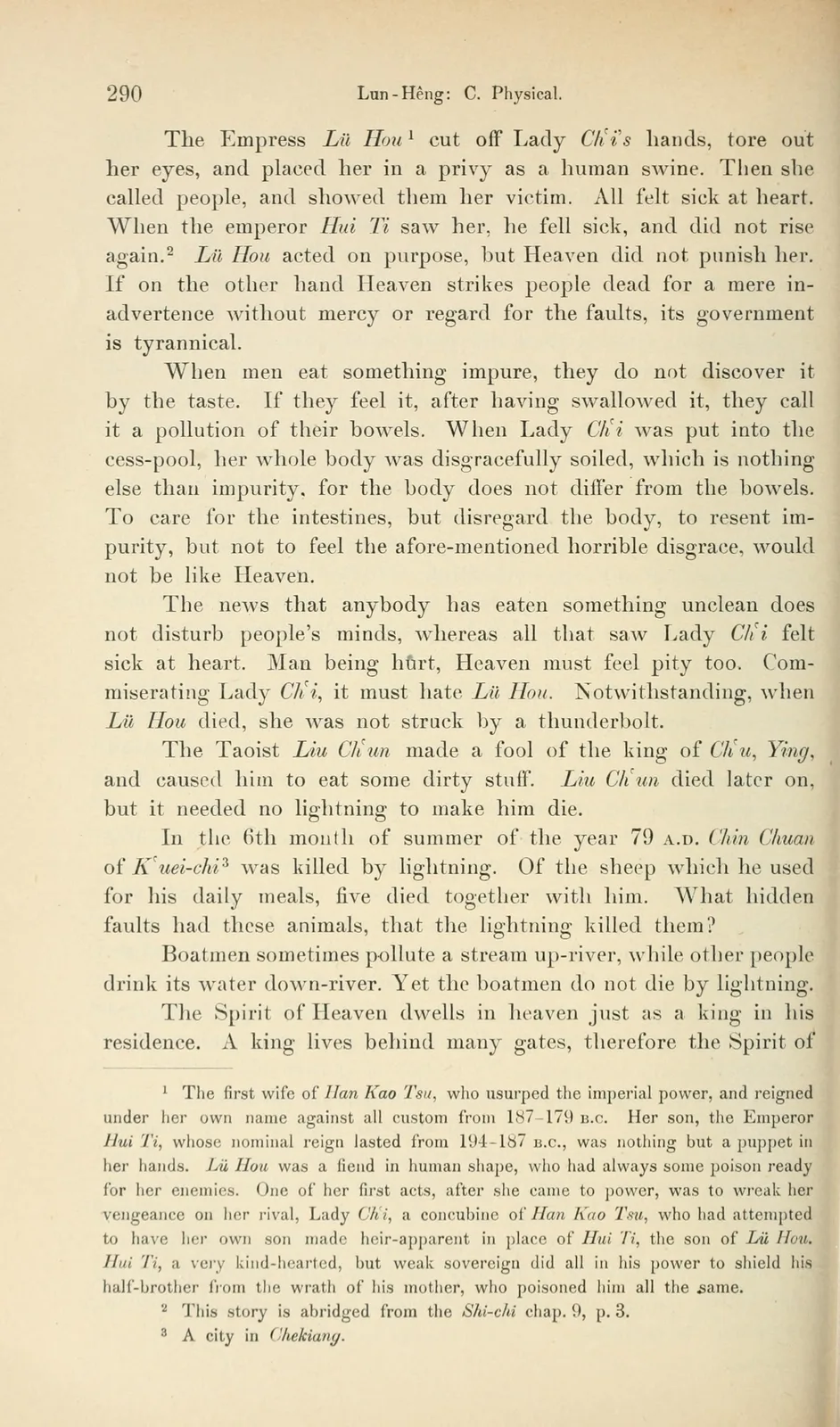
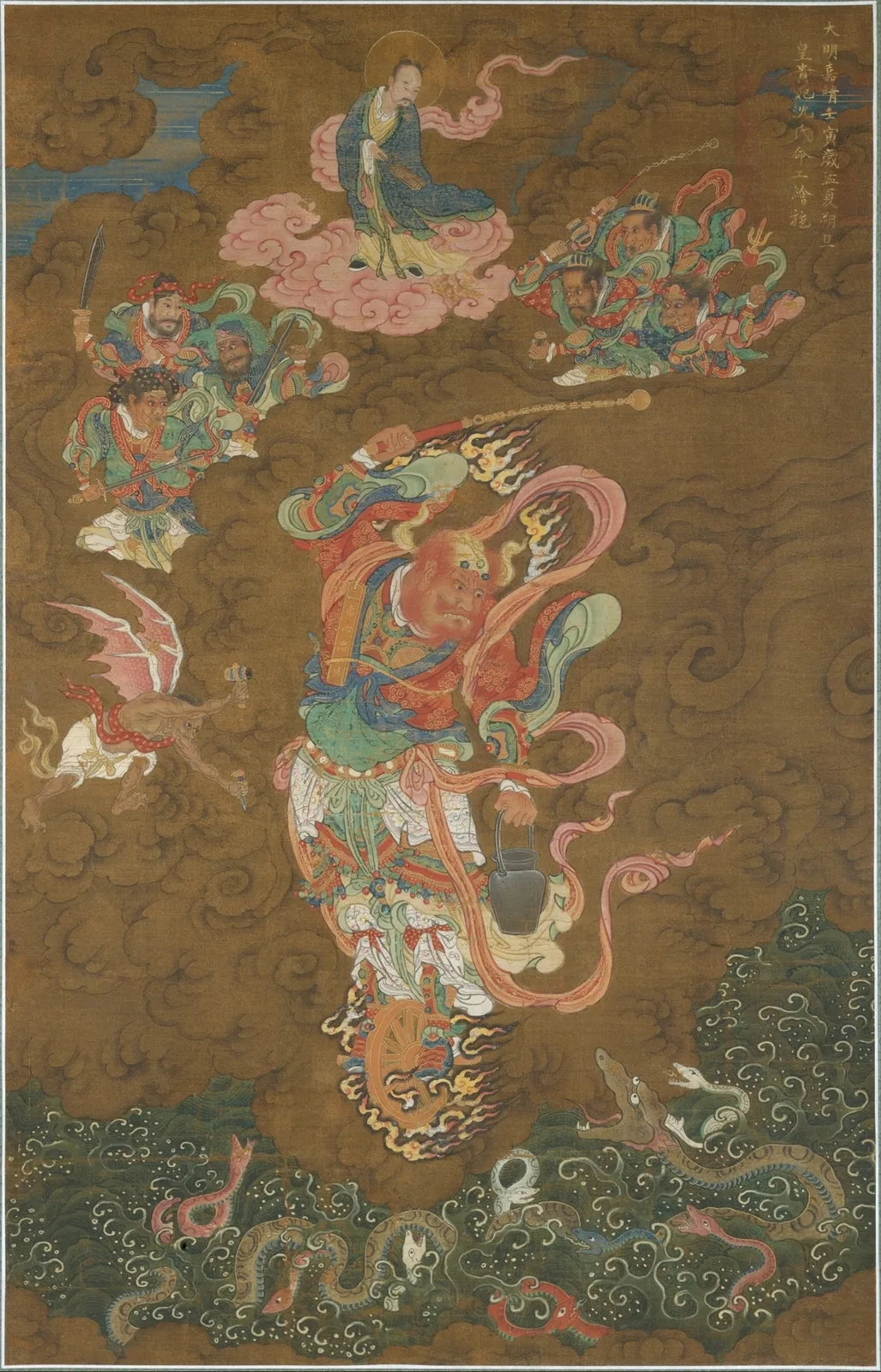
The essay on thunder is the clearest example of his method. People said that thunder was Heaven's anger and that lightning killed the wicked. "But if we look into the matter, taking human nature as a basis, we find that all this is nonsense."32 Thunder, he argued, is the collision of the two natural forces, yin and yang, and lightning is fire; it strikes sheep and trees as well as men.33 Then he gave his example from Kuaiji, the man and his five sheep. "Does Heaven in such a case indulge in useless anger?"134
The dead
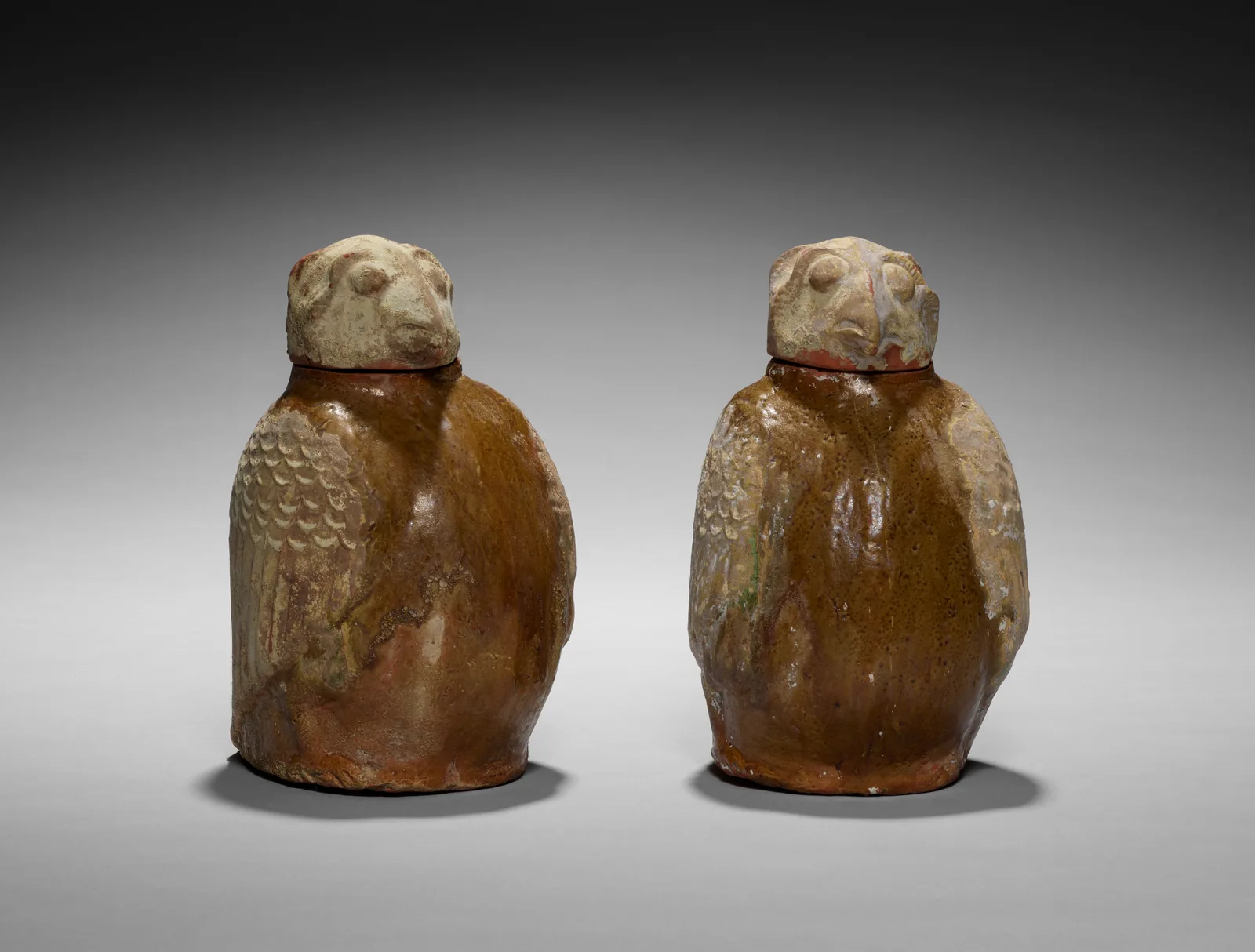
His most famous argument is about death. "The dead do not become ghosts, have no consciousness, and cannot injure others." Why should only human beings become ghosts, when other creatures do not? "If we suppose that after death a man becomes a ghost, there would be a ghost on every road, and at every step." "Human death is like the extinction of fire. When a fire is extinguished, its light does not shine any more, and when man dies, his intellect does not perceive any more."3536373839 The ghosts people saw, he thought, were "evoked by intense thinking and meditating," and the sick saw them because their strength was failing, "like Po Lo seeing horses or the cook seeing oxen."404142
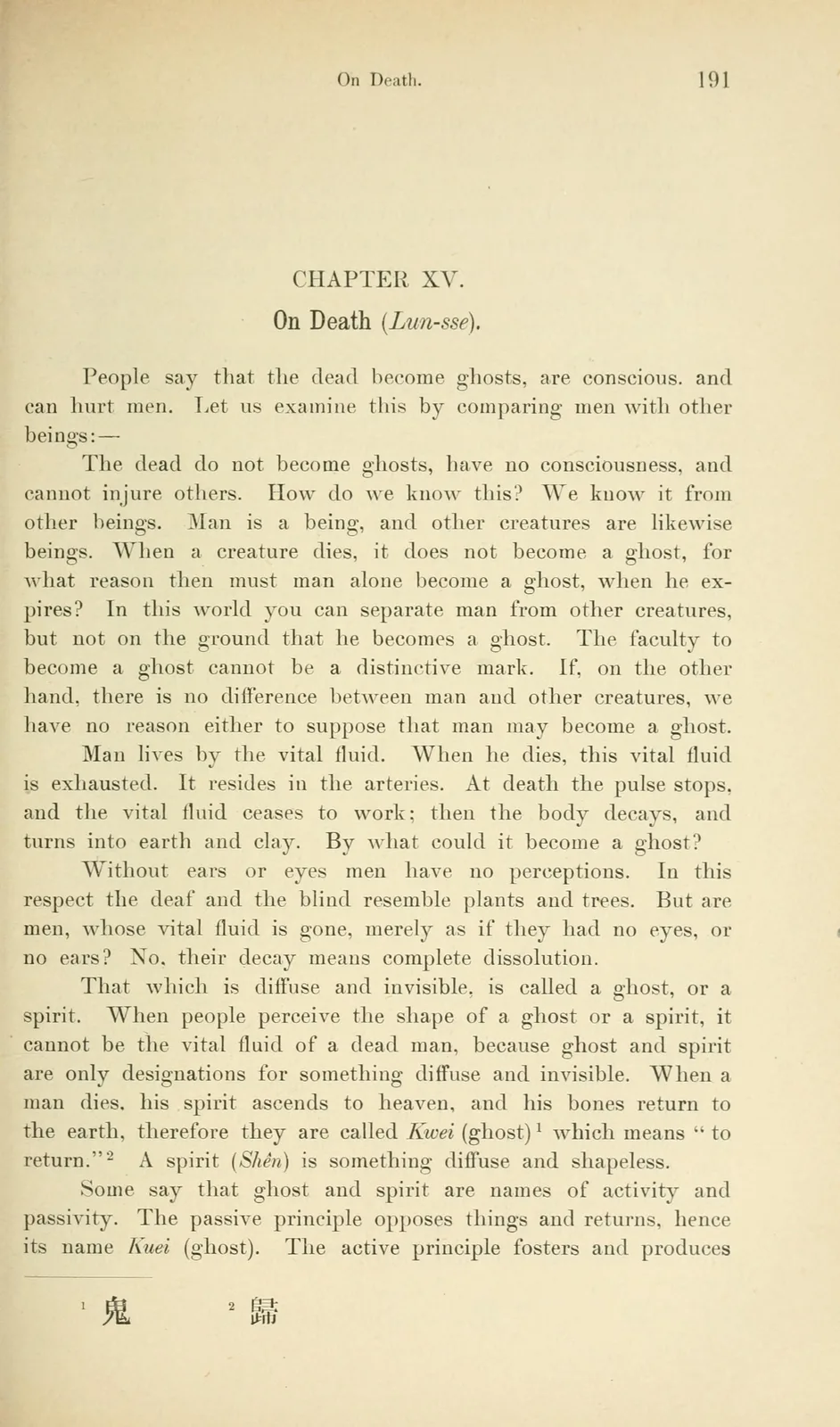
He gave his reason for writing it in plain words, and it was practical. "Now I have written the essays on Death and on the False Reports about the Dead to show that the deceased have no consciousness, and cannot become ghosts, hoping that, as soon as my readers have grasped this, they will restrain the extravagance of the burials, and become more economical."4344 In 76, during a famine in Henan, he had sent the emperor a memorial urging that waste and extravagance be forbidden so that the hungry could be fed; it was not accepted.4546 His argument against ghosts was, among other things, an argument against ruining families on funerals.
Confucius and the books
He did not spare the Sage himself. "The students of Confucianism of the present day like to swear in verba magistri, and to believe in antiquity," he wrote, using the Latin phrase Forke chose for "by the master's word." But he criticised Confucius as a student, not an enemy: "criticisms animate the discussion, and bring out the meaning, and opposition leads to greater clearness."474849 He wrote against "the many deceitful books and popular literature devoid of veracity and truthfulness," and against the habit of "taking everything indited on bamboo and silk for the records of wise and sage men and for absolutely true."145051 His translator thought he regarded himself as a Confucian all the same.52
What he kept
He was not a modern sceptic, and his translator was careful to say so. He kept a belief in fate, in astrology and physiognomy, and in omens as natural signs that arise of themselves; what he denied was that Heaven sent them on purpose.53 "Wang Ch'ung denies the immortality of the soul," Forke wrote, "but at the same time he believes in Ghosts and Spirits," though his ghosts are "very poor figures" with no consciousness.54 He praised the Han dynasty warmly, and argued that the empire was at peace even without omens.5556
The last years
In 86 he went to a post in the provinces, doing mostly official correspondence, and gave it up in 88, poor and ageing, his friends gone.57 A man of his district recommended him to the emperor, who summoned him; he was too ill to go.58 In his last years he wrote a book on prolonging life, now lost, and took wine and medicines, and he ended his autobiography by accepting what he could not change: "But the duration of human life is limited. Men like animals live for a while and die."596061 He died at home around 97.62 On the timeline, that is his revision, and it was no retraction, only an old man's attempt to stay alive a little longer and a plain acceptance that it could not last.
The critics
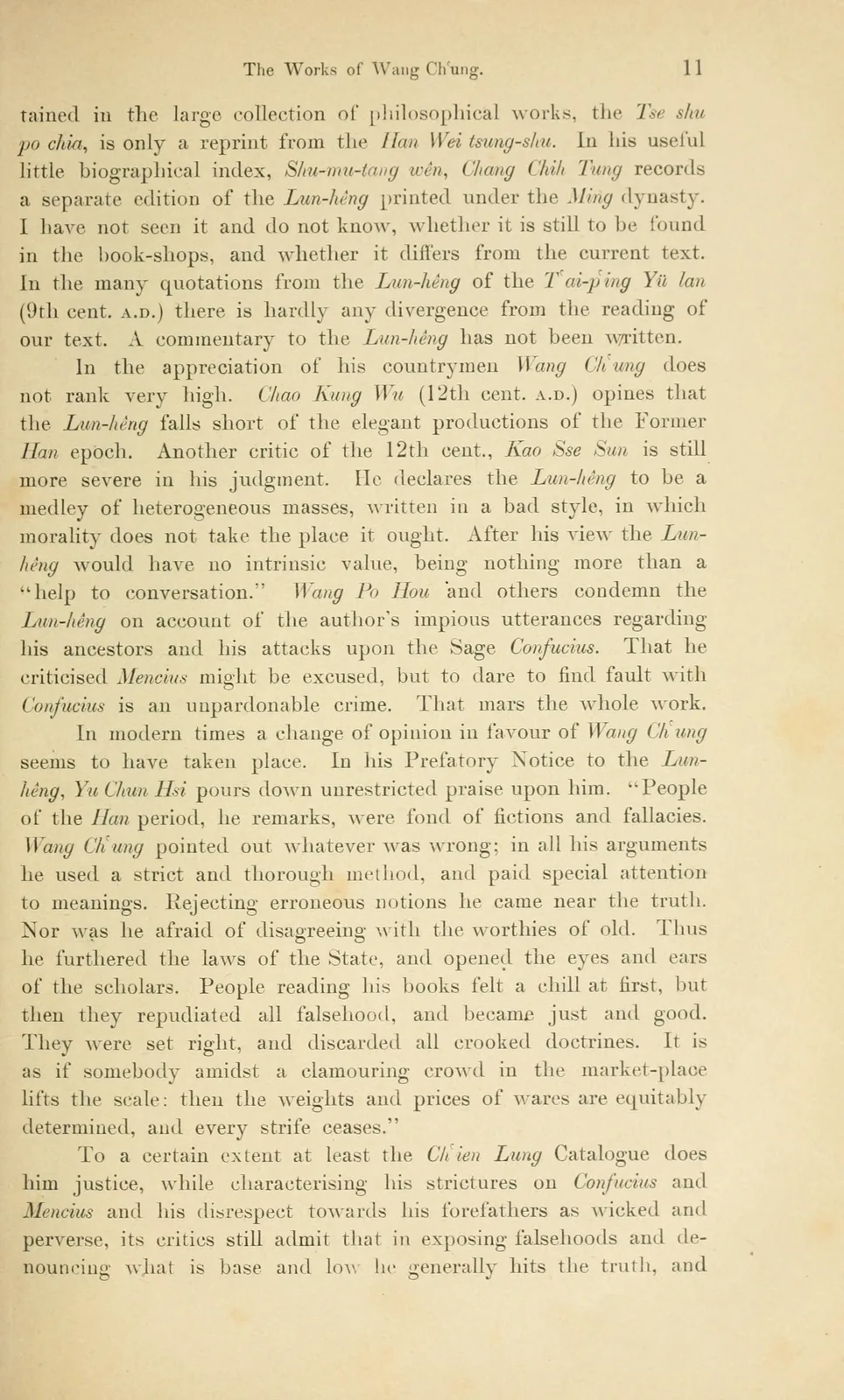
His book was slow to be read. The great scholar Cai Yong, it was said, found it and kept it secret "as a help to conversation."63 Later Chinese critics were hard on him. In the twelfth century one called the Lunheng "a medley of heterogeneous masses, written in a bad style, in which morality does not take the place it ought." Others condemned "the author's impious utterances regarding his ancestors and his attacks upon the Sage Confucius," for "to dare to find fault with Confucius is an unpardonable crime." The imperial catalogue of the eighteenth century called his attacks on Confucius and Mencius "wicked and perverse," yet admitted that "in exposing falsehoods and denouncing what is base and low he generally hits the truth."64656667 His own translator found some of his objections "far-fetched and groundless."68
Did his unbelief change shape?
It hardly could, since all of it went into one book written in middle age, and he left no record of a crisis. What the book shows is a method more than a creed. He took the received doctrines of his time, about Heaven's anger, the conscious dead and the infallibility of old books, and weighed each against what could be observed: sheep killed by lightning, roads not crowded with ghosts, Heaven with no mouth to speak a rebuke. His motive, in his own words, was partly practical, to stop families wasting their substance on the dead, and partly a scholar's disgust at "deceitful books." He kept a great deal that a modern unbeliever would reject, and he would not have recognised the word. But he insisted that a claim about Heaven be weighed like any other claim, and it was that insistence, not any single conclusion, that his critics found impious.
Epicurus and Lucretius, whom Forke compared him with at length, and who also argued that death is nothing to fear, have their own chapters in this book.
Footnotes
-
Wang Chong: Forke-I p. 290. ↩
-
Forke-I p. 85. ↩
-
Wang Chong: Forke-I p. 85, ch. II "Replies in Self-Defence". ↩
-
Forke-I p. 6; autobiography p. 64 and note 6. ↩
-
Forke-I p. 64 (autobiography); p. 6. ↩
-
Forke-I pp. 4, 6. ↩
-
Forke-I pp. 64-65. ↩
-
Forke-I p. 4; Forke notes the Hou Han shu "confirms that he was a good son" (p. 6). Reported at second hand; the original has not been seen. ↩
-
Forke-I pp. 4, 6 (Hou Han shu). ↩
-
Forke-I p. 4 (quoted Q11); Giles-BD p. 819; Giles-Lit p. 94. ↩
-
Forke-I pp. 4, 6. ↩
-
Hou Han shu (Fan Ye), translated by Forke: Forke-I p. 4, Introduction. ↩
-
Forke-I p. 65 (autobiography); p. 7. ↩
-
Forke-I pp. 4, 7, 65. Accounts differ; see the disputed points. ↩
-
Wang Chong (third person in Forke's rendering of the autobiography): Forke-I p. 66, ch. I "Autobiography" (Tse-chi). ↩
-
Forke-I pp. 119, 126; Forke Intro p. 18. ↩
-
Forke-I pp. 84, 4 (Tui-tso); Giles-BD pp. 791-92 (no. 2092). ↩
-
the Han savants' doctrine, as reported by Wang Chong: Forke-I p. 119. ↩
-
Han savants (literati), reported by Wang: Forke-I p. 126. ↩
-
Dong Zhongshu (Tung Chung Shu), Han Confucian; Chunqiu fanlu, ch. on the Five Elements (Forke's note gives the Chinese heading as 五行變救, "Wu hsing pien chiu", ch. "XV, 1 v" in his edition; OCR of the note uncertain): Forke-II 1911, p. 477, Appendix I, in Forke's translation. ↩
-
Wang Chong: Forke-I p. 119, ch. VI "On Reprimands" (Ch'ien-kao). ↩
-
Wang Chong: Forke-I p. 119. ↩
-
Wang Chong: Forke-I p. 126. ↩
-
Forke-I pp. 92-97. ↩
-
Forke-I pp. 92-93, 195-96; Intro pp. 14-19. ↩
-
Wang Chong: Forke-I p. 92, ch. III "Spontaneity" (Tse-jan). ↩
-
Wang Chong: Forke-I p. 92. ↩
-
Wang Chong: Forke-I p. 120. ↩
-
Wang Chong: Forke-I p. 97. ↩
-
Wang Chong: Forke-I p. 285, ch. XXII "On Thunder and Lightning" (Lei-hsu). ↩
-
Forke-I pp. 285-92; Intro p. 33. ↩
-
Wang Chong: Forke-I p. 287. ↩
-
Forke-I pp. 193-96. ↩
-
Wang Chong: Forke-I 1907, p. 191, ch. XV "On Death" (Lun-sse). ↩
-
Wang Chong: Forke-I p. 191. ↩
-
Wang Chong: Forke-I p. 193. ↩
-
Wang Chong: Forke-I p. 196. ↩
-
Forke-I pp. 239-40. ↩
-
Wang Chong: Forke-I p. 239, ch. XVIII "All about Ghosts" (Ting-kuei). ↩
-
Wang Chong: Forke-I p. 239. ↩
-
Forke-I p. 90. ↩
-
Wang Chong: Forke-I p. 90, ch. II "Replies in Self-Defence" (Tui-tso). ↩
-
Forke-I pp. 7, 87-88 (Replies in Self-Defence). ↩
-
Forke-I pp. 87-88. ↩
-
Forke-I pp. 392-97 (esp. 393, 397 note 4). ↩
-
Wang Chong: Forke-I p. 392, ch. XXXIII "Criticisms on Confucius" (Wen K'ung). ↩
-
Wang Chong: Forke-I p. 393. ↩
-
Wang Chong (third person): Forke-I p. 70. ↩
-
Wang Chong: Forke-II 1911, p. 240, ch. XXIII "Falsehoods in Books" (Shu-hsu). ↩
-
Forke-I Intro p. 13. ↩
-
Forke Intro pp. 24-27. ↩
-
Forke Intro pp. 27-28. ↩
-
Forke-II pp. 192-93; Forke-I p. 91 note 4. ↩
-
Wang Chong: Forke-II p. 192, "Praise of the Han Dynasty" (Hsuan Han). ↩
-
Forke-I p. 81-82 (autobiography); p. 7. ↩
-
Forke-I pp. 5, 8. ↩
-
Forke-I p. 82 (autobiography); p. 8. ↩
-
Forke-I p. 82. ↩
-
Wang Chong: Forke-I p. 82. ↩
-
Forke-I pp. 5, 8. ↩
-
Forke-I pp. 5, 10. ↩
-
Forke-I Intro pp. 11-12; Giles-Lit p. 94. ↩
-
Kao Sse Sun, critic of the 12th century, as summarised by Forke (not a direct translation): Forke-I p. 11. ↩
-
Wang Po Hou and other later Confucian critics, as summarised by Forke: Forke-I p. 11. ↩
-
the Qianlong Catalogue (Siku quanshu zongmu), as summarised by Forke: Forke-I pp. 11-12. ↩
-
Alfred Forke, translator, on Wang's argument about Kung Yeh Chang: Forke-I p. 397, note 4. ↩
In their own words
The dead do not become ghosts, have no consciousness, and cannot injure others.
When a creature dies, it does not become a ghost, for what reason then must man alone become a ghost, when he expires?
If we suppose that after death a man becomes a ghost, there would be a ghost on every road, and at every step.
A new man can be born, but a dead one cannot be resurrected.
Human death is like the extinction of fire. When a fire is extinguished, its light does not shine any more, and when man dies, his intellect does not perceive any more.
Now I have written the essays on Death and on the False Reports about the Dead to show that the deceased have no consciousness, and cannot become ghosts, hoping that, as soon as my readers have grasped this, they will restrain the extravagance of the burials, and become more economical.
The ghosts that are in the world are not the vital spirits of the dead, they are evoked by intense thinking and meditating.
Sick men seeing ghosts are like Po Lo seeing horses or the cook seeing oxen.
I say that this seems very doubtful to me.
For this reason the Lun-heng weighs the words, whether they be light or heavy, and holds up a balance for truth and falsehood.
His family being poor, he possessed no books. Therefore he used to stroll about the market-place and the shops in Loyang and read the books exposed there for sale.
If they say that Heaven reprimands a sovereign through calamities, does it also reprove an individual through his misfortunes?
Heaven's principle, spontaneity, consists in inaction. If it did reprimand people, that would be action, and not spontaneous.
These opinions of the literati are those of illiterate people.
Why must we assume that Heaven acts spontaneously? Because it has neither mouth nor eyes.
That would be tantamount to making Heaven the farmer of man or his mulberry girl
The Taoist school argues on spontaneity, but it does not know how to substantiate its cause by evidence.
But if we look into the matter, taking human nature as a basis, we find that all this is nonsense.
In the 6th month of summer of the year 79 A.D. Chin Chuan of K'uei-chi was killed by lightning. Of the sheep which he used for his daily meals, five died together with him. What hidden faults had these animals, that the lightning killed them?
Does Heaven in such a case indulge in useless anger?
The students of Confucianism of the present day like to swear in verba magistri, and to believe in antiquity.
criticisms animate the discussion, and bring out the meaning, and opposition leads to greater clearness.
Although he was poor and had not an acre to dwell upon, his mind was freer than that of kings and dukes
Furthermore disgusted with the many deceitful books and popular literature devoid of veracity and truthfulness, he composed the Disquisitions (Lun-heng).
I reply that in arguing, the essential thing is truth, not elegance, that the facts should at all events be correct, and that consensus is not the highest aim.
But the duration of human life is limited. Men like animals live for a while and die.
The world trusts in delusive books, taking everything indited on bamboo and silk for the records of wise and sage men and for absolutely true.
Being at ease, it is at peace, and then even the absence of omens would not be hurtful to the peaceful state.
The ears and the eyes of Heaven are very far away, and the fluid of sound does not reach it.
The other side
In regard to extraordinary calamities they say that, when of old a sovereign in his administration departed from the right way, Heaven reprimanded him by visiting him with calamities.
The savants also maintain that, when the administration of a sovereign is bad, Heaven sends extraordinary events. If he does not change, Heaven visits his people with misfortunes, and if he does not reform even then, it visits his own person.
When fire undergoes an extraordinary change, winter becomes warm, and summer cool. This is because the ruler is not enlightened: Excellent men are not rewarded, bad characters not removed; unworthy persons occupy the places of honour, and worthies live in obscurity. Therefore heat and cold are out of order, and the people visited with diseases and epidemics.
He declares the Lun-heng to be a medley of heterogeneous masses, written in a bad style, in which morality does not take the place it ought.
Wang Po Hou and others condemn the Lun-heng on account of the author's impious utterances regarding his ancestors and his attacks upon the Sage Confucius. That he criticised Mencius might be excused, but to dare to find fault with Confucius is an unpardonable crime.
characterising his strictures on Confucius and Mencius and his disrespect towards his forefathers as wicked and perverse, its critics still admit that in exposing falsehoods and denouncing what is base and low he generally hits the truth
Wang Ch'ung's objections are again far-fetched and groundless.
Where accounts differ
| Point | One account | Another | How the page handles it |
|---|---|---|---|
| Why he left office | Quarrelled with superiors and colleagues (Hou Han shu, Forke-I pp. 4, 7) | Excellent relations, would-be good official (his autobiography, p. 65-66) | "accounts differ"; Forke prefers the Hou Han shu |
| The bookshop story | Reads books in the Luoyang shops because poor (Hou Han shu; Giles repeats it) | Not in the autobiography; Forke adds a guess about a "sort of agreement" with sellers | say "the Hou Han shu says"; do not state the booksellers' agreement as fact |
| Date of death | "about the year 97", Yung-yuan period 89-104 (Forke-I pp. 5, 8) | Giles-BD: died of illness before he could take the post the emperor bestowed | say "around 97" |
| Whether he was a sceptic about spirits | Forke: denies immortality of the soul, yet "believes in Ghosts and Spirits" as unconscious phantoms (Forke-I pp. 27-28); materialist | Hu Shih lead (unverified) says scientific sceptic | the script says what he denied (conscious ghosts, Heaven's reprimands, thunder as punishment) and what he kept (fate, omens as spontaneous) |
| Giles's account of his career | Entered public life "once more" and again resigned (Giles-BD p. 819) | Forke: posts in Kuaiji then Anhui 86-88 | use Forke |
| Date of birth | 27 CE, from his own autobiography | none disputed | state |
List of illustrations
This page uses only public-domain and Creative Commons images; each is credited with its source and licence.
- Forke, Lun-Heng Part I, title page (1907) — Alfred Forke (translator); Wang Chong (author), 1907 · Alfred Forke, Lun-Heng Part I (Leipzig: Harrassowitz, 1907), Internet Archive copy, University of California Libraries, public domain · Public domain (published 1907; Internet Archive, no known restrictions)
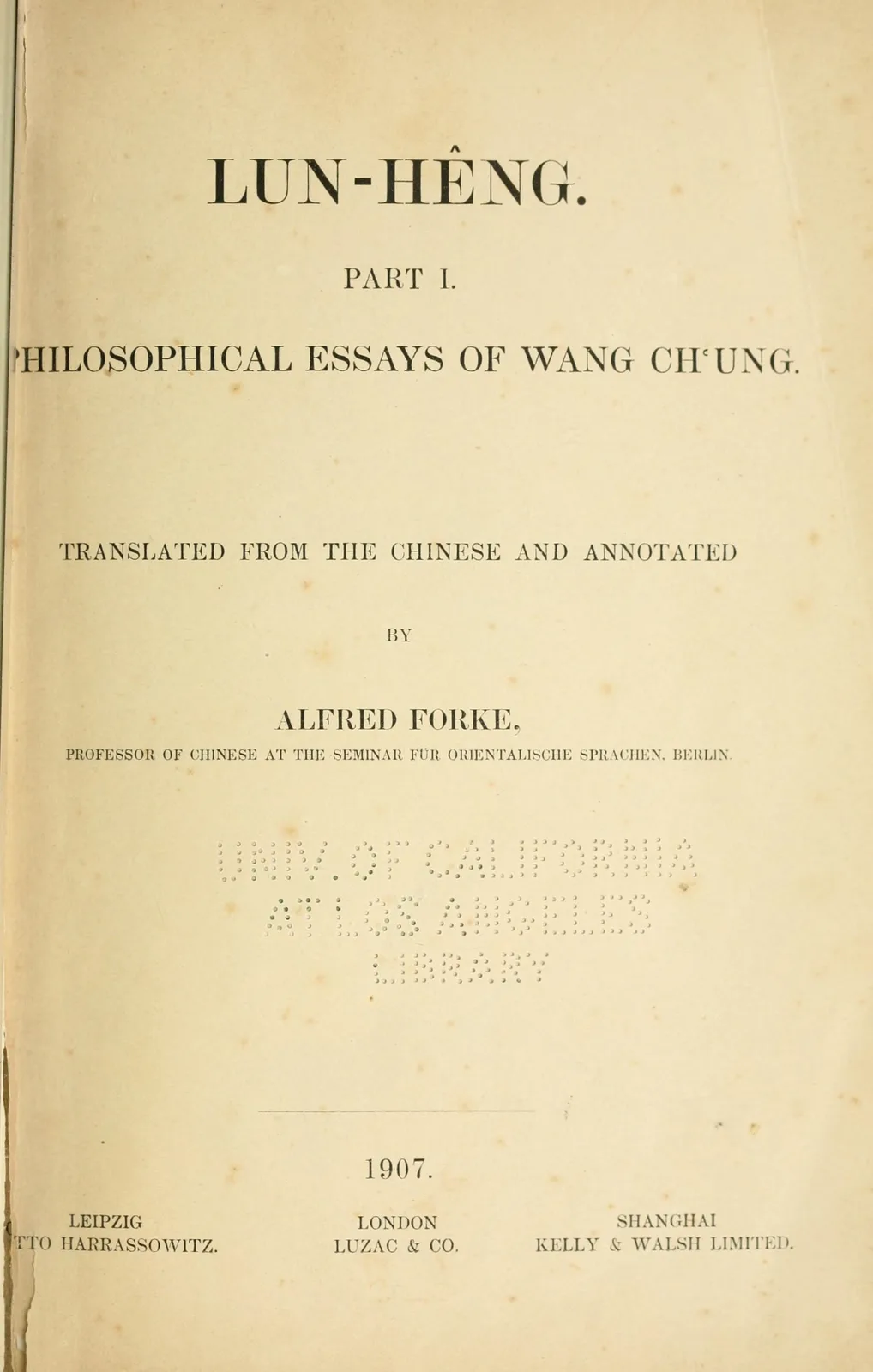
- Mirror with Deities, Chariot, and the White Tiger — Unknown (China, Han dynasty), 100–200 CE · The Cleveland Museum of Art, 1995.332, Open Access CC0 · CC0 (Cleveland Museum of Art Open Access)
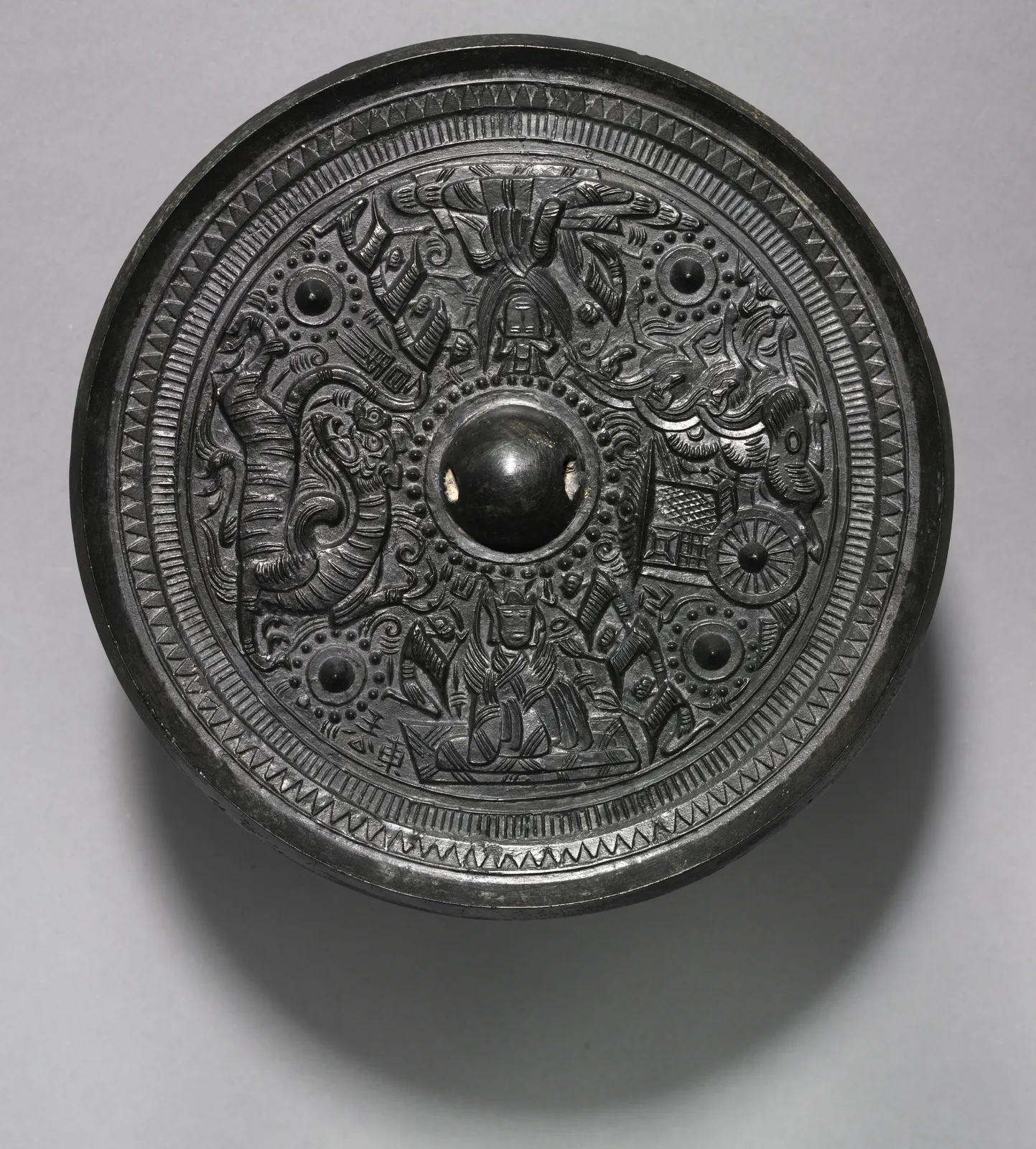
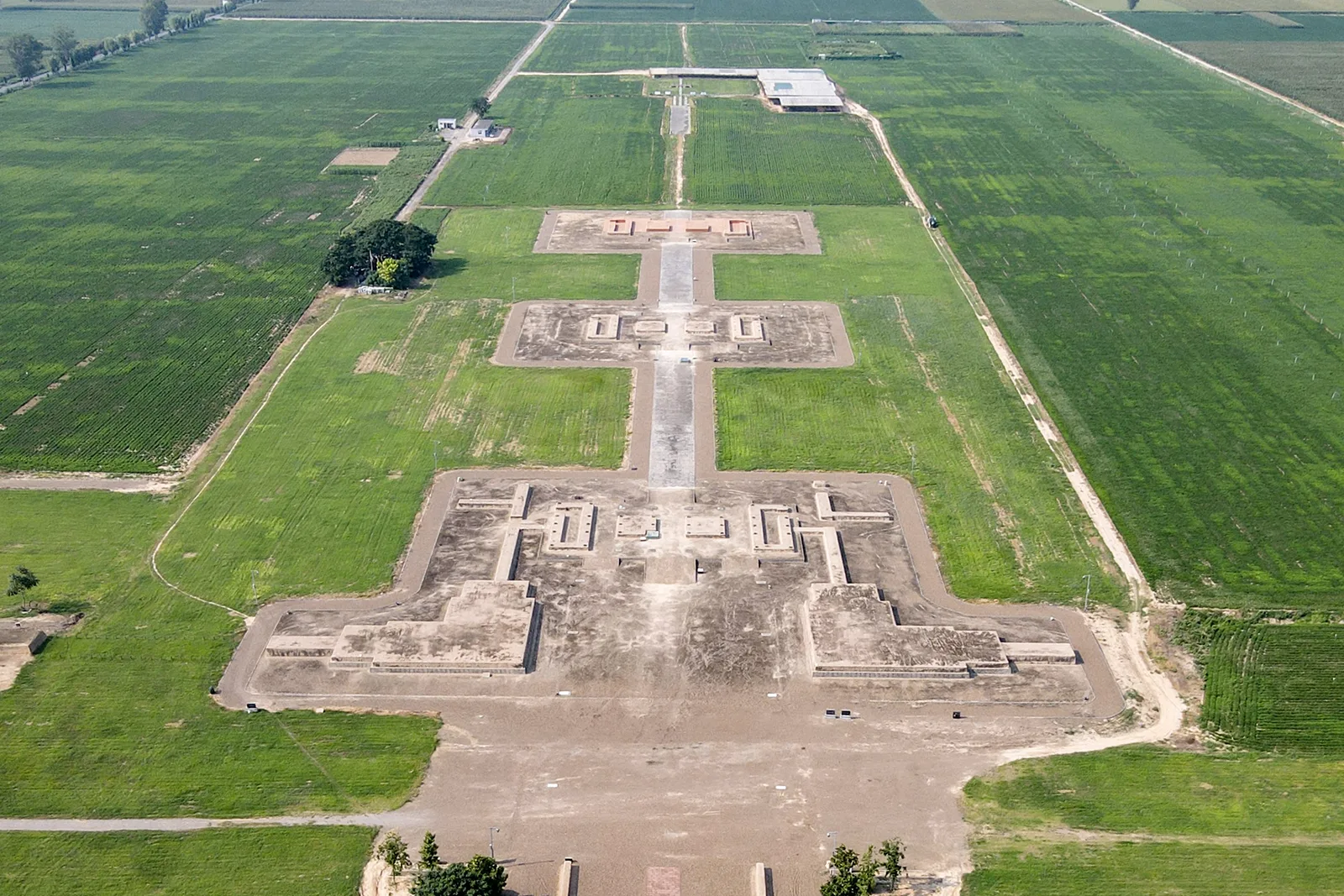
- Site of Luoyang City from Han to Wei, Palace City 01 — Windmemories, 2024-08-15 15:51:01 · Windmemories, via Wikimedia Commons, CC BY-SA 4.0 · CC BY-SA 4.0 (Wikimedia Commons)
- Dong Zhongshu, 1827 portrait by Kong Jiyao — 孔继尧, 1827 · 孔继尧, via Wikimedia Commons, Public domain · Public domain (Wikimedia Commons)
- Forke, Lun-Heng Part I, p. 92: Spontaneity: Heaven has neither mouth nor eyes (Q15, Q16) — Alfred Forke (translator); Wang Chong (author), 1907 · Alfred Forke, Lun-Heng Part I (Leipzig: Harrassowitz, 1907), Internet Archive copy, University of California Libraries, public domain · Public domain (published 1907; Internet Archive, no known restrictions)
- Forke, Lun-Heng Part I, p. 290: On Thunder and Lightning: Chin Chuan killed by lightning in 79 AD (Q19) — Alfred Forke (translator); Wang Chong (author), 1907 · Alfred Forke, Lun-Heng Part I (Leipzig: Harrassowitz, 1907), Internet Archive copy, University of California Libraries, public domain · Public domain (published 1907; Internet Archive, no known restrictions)
- Master Thunder (Lei Gong), dated 1542 — Unknown authorUnknown author, Dated 1542 · Unknown author, via Wikimedia Commons, Public domain · Public domain (Wikimedia Commons)
- Forke, Lun-Heng Part I, p. 191: On Death: 'The dead do not become ghosts' (Q1, Q2) — Alfred Forke (translator); Wang Chong (author), 1907 · Alfred Forke, Lun-Heng Part I (Leipzig: Harrassowitz, 1907), Internet Archive copy, University of California Libraries, public domain · Public domain (published 1907; Internet Archive, no known restrictions)
- Pair of Owl-shaped Jars — Unknown (China, Han dynasty), 206 BCE–9 CE · The Cleveland Museum of Art, 2020.178, Open Access CC0 · CC0 (Cleveland Museum of Art Open Access)
- Immortals Riding Dragons: Section of a Tomb Pediment — China; probably from Henan province, Han dynasty (206 BCE–220 CE), 1st century · Art Institute of Chicago, Gift of Mrs. Gordon Palmer, CC0 · CC0 (Art Institute of Chicago, public domain work)
- Forke, Lun-Heng Part I, p. 11: Introduction: later Chinese critics of the Lunheng (OQ4-OQ6) — Alfred Forke (translator); Wang Chong (author), 1907 · Alfred Forke, Lun-Heng Part I (Leipzig: Harrassowitz, 1907), Internet Archive copy, University of California Libraries, public domain · Public domain (published 1907; Internet Archive, no known restrictions)
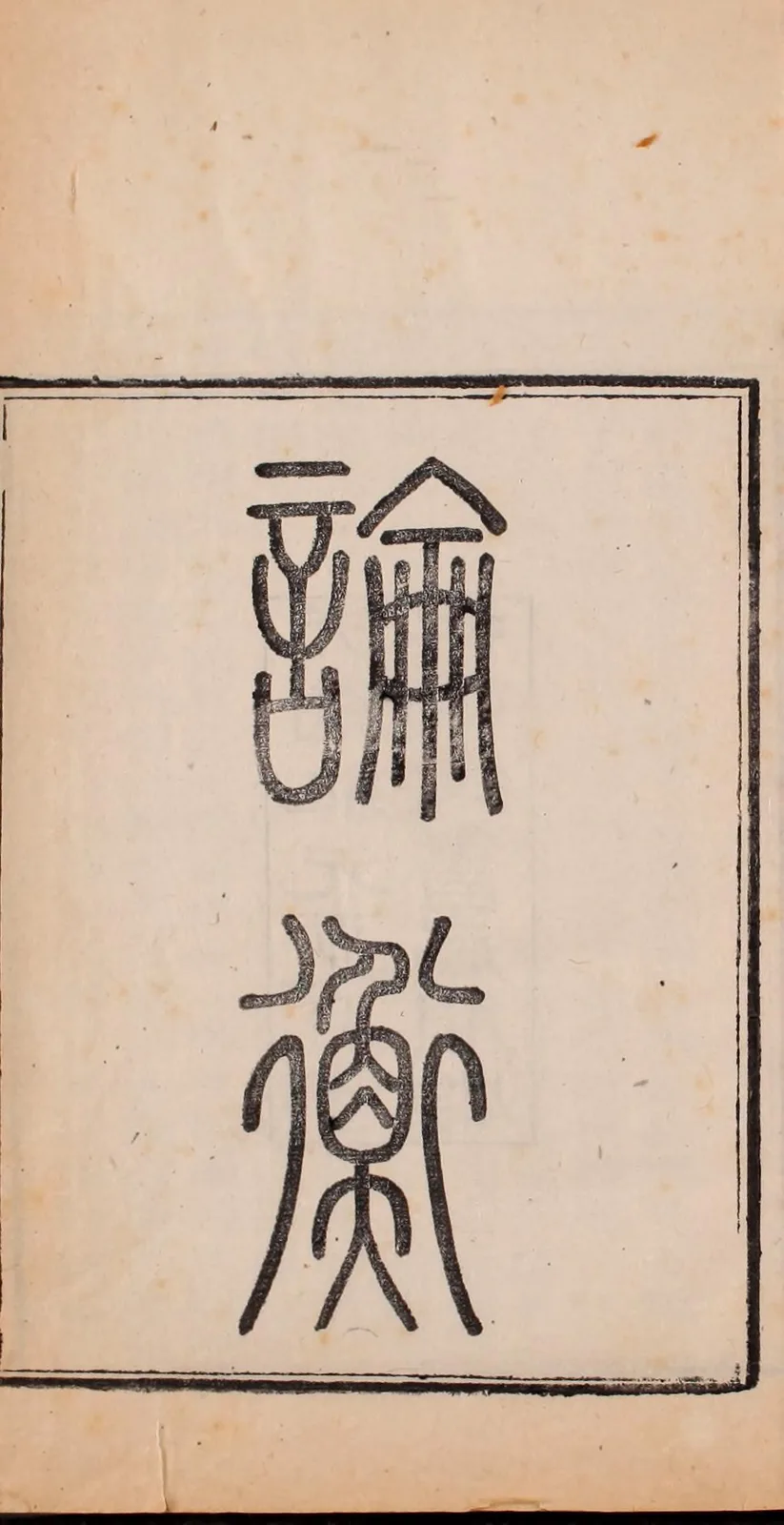
- Lunheng (Hubei printing of 1875), title leaf in seal script — Wang Chong (author); Chongwen shuju, Hubei (printer), 1875 · Lunheng, Hubei: Chongwen shuju, 1875, Internet Archive copy, public domain · Public domain (printed 1875; Internet Archive, no known restrictions)
Sources
Tier 1 — the subject's own words (translated)
- Forke-I Alfred Forke, Lun-Heng, Part I: Philosophical Essays of Wang Ch'ung (Leipzig: Harrassowitz; London: Luzac; Shanghai: Kelly & Walsh, 1907). IA
lunheng01wang; OCR inresearch/texts/forke1.txt. Pages as printed; page-confirmed against scan for pp. 4, 11, 191, 290. Forke's Wade-Giles romanisation (Lun-heng, Tse-chi, etc.); Pinyin added here. - Forke-II Alfred Forke, Lun-Heng, Part II: Miscellaneous Essays of Wang Ch'ung (1911; IA item
lunheng02wangis the 1962 Paragon reprint of the 1911 text, "unaltered and unabridged" per its title page; item metadata wrongly dates it 1907). OCR inresearch/texts/forke2.txt. Pagination of the reprint follows the 1911 edition. - Chinese originals: not downloaded. IA
lunheng02wang_0(Hubei printing, 1875, 146 leaves) and Commons digitisations (NLC/CADAL editions) exist; no Chinese quotation is used in this sheet.
Tier 2 — scholarly biographies and encyclopedias
- Forke-I Intro Forke's introduction, pp. 4-36: life (translating the Hou Han shu, ch. 79, Fan Ye, 5th c.), works, philosophy.
- Giles-BD Herbert A. Giles, A Chinese Biographical Dictionary (London: Quaritch; Shanghai: Kelly & Walsh, 1898), s.v. Wang Ch'ung, pp. 818-19 (running head 819); s.v. Tung Chung-shu, no. 2092, pp. 791-92. IA
chinesebiograph00gilea. Wang Ch'ung's entry number is not legible in the OCR. - Giles-Lit Herbert A. Giles, A History of Chinese Literature (1901), p. 94. IA
historyofchinese00gileiala. - Encyclopaedia Britannica 1911: no entry found on Wikisource under the name; not used.
Tier 3 — popular biographies and journalism
- none used.
Tier 4 — maps to other sources only (Wikipedia and similar). Never cited in the script.
- Hu Shih (Hu Shi): lead on his praise of Wang Chong as a scientific sceptic. Not verified: Hu Shih's The Development of the Logical Method in Ancient China (1922, IA
methodinchina00huuoft) mentions "Wang Chung" once, in an unrelated footnote; the 1919 Chinese essays are not on the Internet Archive. Do not use until a pre-1931 text is found.
Opposition sources — contemporary critics and religious responses
- Forke-II App. I Forke's Appendix I on the Five Elements (Forke-II pp. 475-78) translates Tung Chung Shu's Ch'un-ch'iu fan-lu (Chunqiu fanlu); the only English text of Dong Zhongshu in Forke.
- Forke-I Intro p. 11-12 Later Chinese judgments (Kao Sse Sun, 12th c.; Wang Po Hou; the Qianlong catalogue).
- Wang's own report of the opposing doctrine (Forke-I pp. 119, 126), where the "savants" and "literati" are quoted before he answers.
- No pre-1931 translation of the Chunqiu fanlu was found; the weft texts (chenwei, "apocrypha") are not treated by Forke; see Open questions.
Related lives
(for the expensive model to choose; candidates already on the roster: Epicurus or Lucretius, whom Forke compares him with at length, Forke I pp. 13-24)
Lucian of Samosata
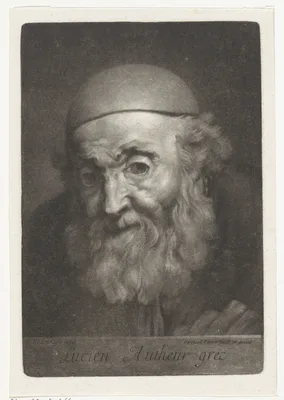
Lucian was a Syrian who escaped a sculptor's workshop for rhetoric, and then gave up on philosophy. In his forties he laughed at the gods of Olympus, their oracles, their sacrifices and their prophets, through comic characters whose masks he never removed. Only late in life did he declare for Epicurus. He never called himself an atheist, and what the surviving texts show is less a denial of the gods than a refusal to be frightened by them.
Lucretius
Almost nothing is known of Lucretius. He took Epicurus as his master for reasons no source records, and wrote a single unfinished poem to free its reader from religio, the fear of the gods and of death, keeping the gods only as remote and indifferent. His view never changes in the poem. His life was replaced by a Christian legend of madness, his text survived in one monastery copy, and it came back in 1417 to be read, imitated and answered as the oracle of atheists.
Euhemerus
Euhemerus, a friend of King Cassander, wrote a Sacred Record claiming that the gods had been early kings, whose deeds were found on a golden pillar on an island no one else ever reached. The book is lost, and nothing records what he himself believed. He survives only as each later reader needed him: a liar to the Greek geographers, an atheist to Plutarch and Theophilus, and to the Christian apologists the best witness that the pagan gods had been men.
Theodorus the Atheist
Theodorus of Cyrene was trained in the Cyrenaic school of pleasure and in the art of argument. He was remembered as the ancient world's plainest denier of the city's gods, and was driven out of Athens and of Cyrene for it. Nothing he wrote survives, and no source records why he stopped believing. "Atheist" meant something different to each of the writers who called him one.