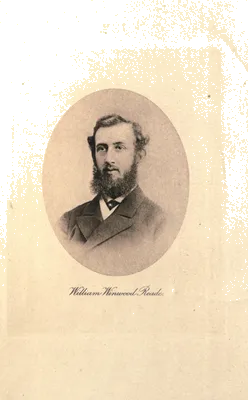
Winwood Reade was a failed Oxford novelist who wrote as a loyal Anglican in 1861. He went twice to West Africa and read Darwin and Spencer. In The Martyrdom of Man (1872), against his publisher's advice, he declared supernatural Christianity false and God-worship idolatry, while affirming a Supreme Power "higher than a Mind" and a religion of humanity. Reviewers called him an honest unbeliever. In the novel he wrote while dying, his narrator kept an incomprehensible God and allowed, of the afterlife, "I may be mistaken".
The belief timeline
- Faith (1861 (age 22)) — A conforming Anglican in print: "The Church of England, and the Church of Rome worship the same Christ"; the priesthood is "a body of pious, honourable, hard-working men" [12]
- Doubt (undated, c. 1862–1871) — Thin. Legge: "after some hesitation, sufficiently reflected in his works"; contributing factors in his own words: Darwin's *Origin* (1859), African savage religion, the Falaba illness. No dated statement of doubt found [9][17][25]
- Declaration (1872 (reviewed 11 May)) — *The Martyrdom of Man*: "Supernatural Christianity is false"; refuses publisher's and friends' advice to soften it, "my conscience is my adviser" [18][19][20]
- Revision (1875) — *The Outcast*: a confession of faith in "God the Incomprehensible"; disbelief in a future life "amounts to a positive conviction. But I may be mistaken"; Charles Reade predicted a recantation (disputed) [33][34][30]
Notes to the timeline (10)
- [12] *The Veil of Isis* (1861) calls the Church of England and Rome "worship the same Christ", warns of ritualist "false vipers", and praises the clergy as "a body of pious, honourable, hard-working men" — Reade, The Veil of Isis (London: Charles J. Skeet, 1861), pp. 130–131 (see Q3).
- [9] Preface: the work was suggested "several years ago by the 'Origin of Species'", intended as "The Origin of Mind", and Darwin's *Descent of Man* "has left little for me to say"; he follows Darwin "not from blind veneration" — Winwood Reade, The Martyrdom of Man (London: Trübner, 1872), first edition, pp. iv–v.
- [17] Detained three months at Falaba by Sewa; illness; reached the Niger at Farabana and the Boure goldfields; returned Freetown; short report to Kennedy 21 Dec 1869; published only in the *African Sketch-Book* (1873) as a journal to "Dear Margaret" — Same, 22nd edition with introduction by F. Legge (London: Kegan Paul, Trench, Trübner, 1910), pp. xv–xxii.
- [25] Preface lists his "chief guides" (Darwin, Lyell, Spencer, Huxley, Tylor, Lubbock, Comte, Buckle, Lecky, Mill, Renan, Spinoza, Gibbon among them) — Reade, Martyrdom of Man, Preface p. v.
- [18] The book grew from a history of Africa into a history of the world and ends with a defence of "the destruction of Christianity" as "essential to the interests of civilization"; chapters: War, Religion, Liberty, Intellect — Reade, Martyrdom of Man, Preface pp. iii–iv; p. 524.
- [19] He published the religious sections against the advice of "several literary friends, and of the publisher" — Reade, Martyrdom of Man, Preface p. vi (Q1).
- [20] Conclusions "result from our investigations": "Supernatural Christianity is false" etc. — Reade, Martyrdom of Man, p. 523 (Q2).
- [33] In *The Outcast* the narrator tells his daughter "I disbelieve" a Personal God and "I believe in God the Incomprehensible" — Reade, The Outcast (London: Chatto and Windus, 1875; no date in OCR; IA metadata 1875), pp. 48, 257 (Q13, Q14).
- [34] The narrator "disbelieve[s] in a future life" and calls it "a positive conviction. But I may be mistaken" — Reade, Outcast, pp. 260–261 (Q15).
- [30] Obituary (Daily Telegraph, attributed to Charles Reade by Legge) said he "entered life with excellent prospects" and might have "cured himself" of "certain obnoxious opinions", yet that truth does not need "burning or abusing men whose convictions are erroneous but honest" — Charles Reade, Readiana (London: Chatto and Windus, 1883), "Death of Winwood Reade" pp. 20–21 (reprinting the Daily Telegraph obituary), p. 21 (OQ6); Thompson Cooper, "Reade, William Winwood", Dictionary of National Biography, vol. XLVII (London: Smith, Elder, 1896), pp. 361–362, p. 362 quotes part.
The Martyrdom of Man
In 1896 or 1897 a young cavalry officer at Bangalore began to read seriously. One of the first books he read was a history of the world called The Martyrdom of Man, which his old colonel "had read many times over and regarded as a sort of Bible". "I was much startled and indeed offended by what I read," Winston Churchill wrote later. For a time he was "indignant at having been told so many untruths, as I then regarded them, by the schoolmasters and clergy who had guided my youth".1234
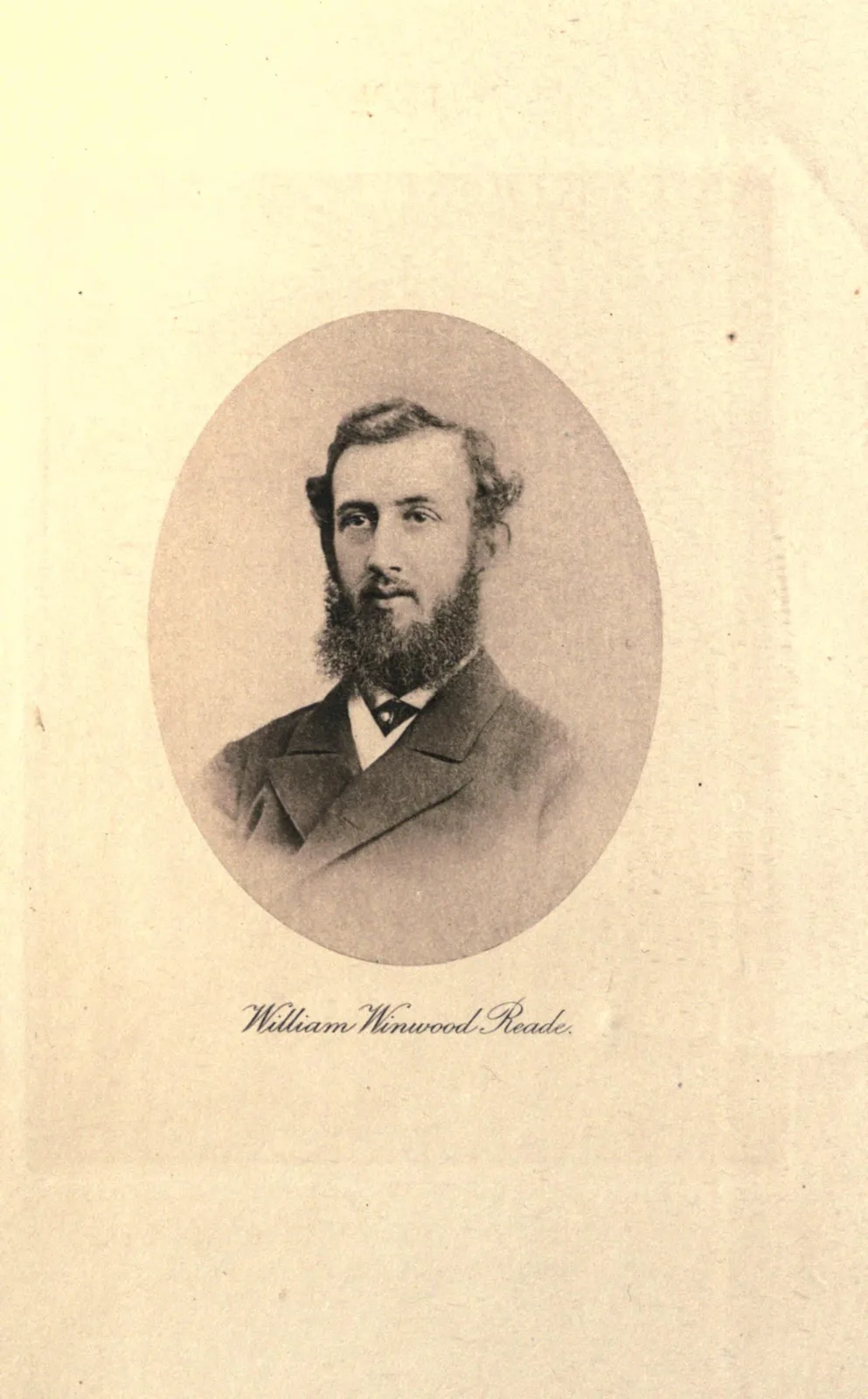
The book was then twenty-four years old, and its author had been dead for twenty-one. Winwood Reade had written it in his early thirties, after two journeys into West Africa, against the advice of his friends and his publisher. Its chapter on religion ended in five short sentences: "Supernatural Christianity is false. God-worship is idolatry. Prayer is useless. The soul is not immortal. There are no rewards and there are no punishments in a future state."567 This chapter asks how a young Anglican novelist came to write that, why the same book insists that there is a God, and what he said three years later as he was dying.
Our church
He was born in December 1838 at Murrayfield, near Crieff in Scotland, the eldest son of a family from Ipsden House in Oxfordshire; the Dictionary of National Biography says January 1838, but his own journal of December 1868 says he would be thirty the next day.8910 He went to Magdalen Hall, Oxford, in 1856 and left without a degree, wanting to be a novelist like his uncle Charles Reade, the author of The Cloister and the Hearth.1112 By 1861 he had published three books.13
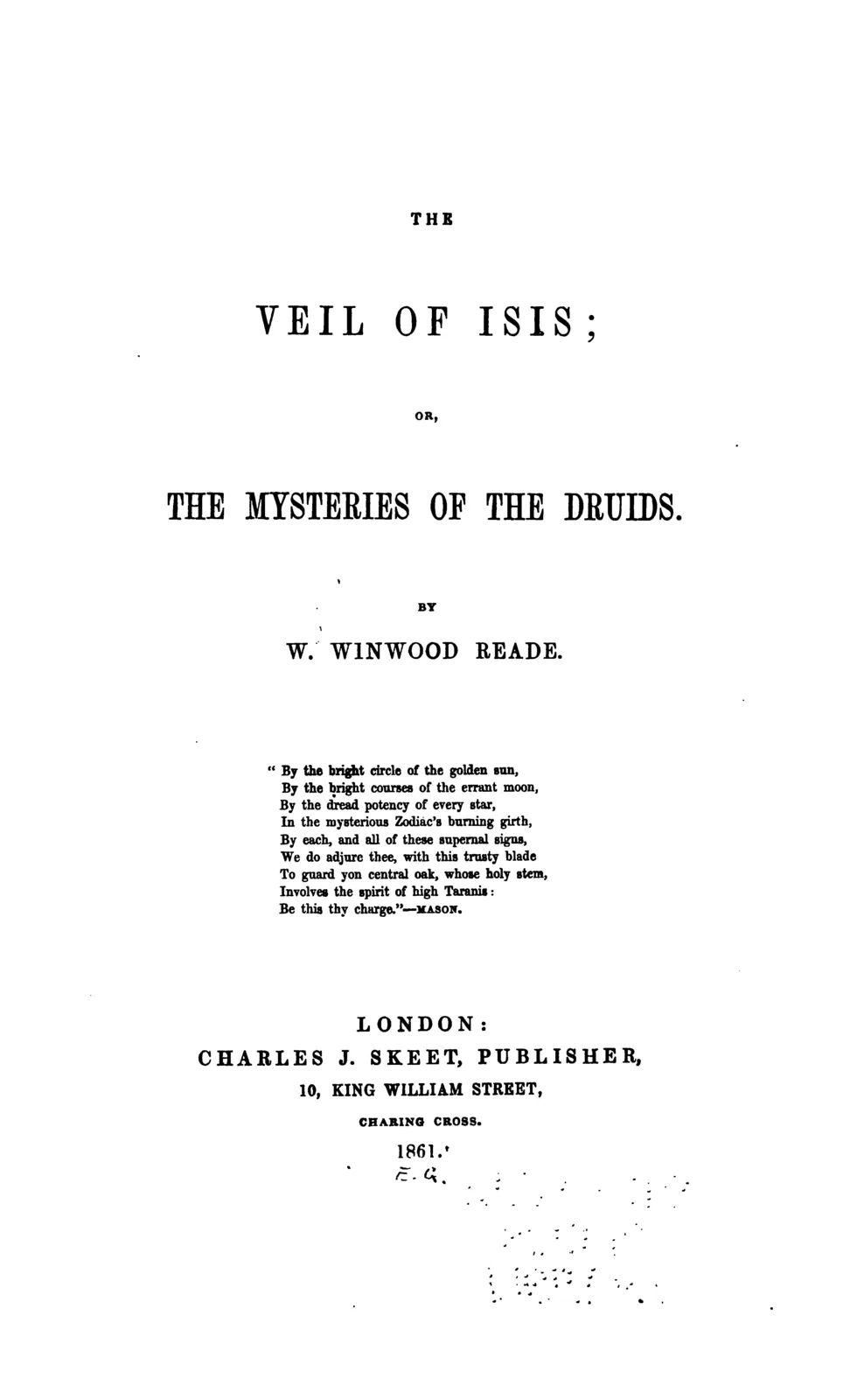
In The Veil of Isis (1861), at twenty-two, he wrote as a loyal member of the Church of England, attacking High Church ritualists and praising the clergy: "We can at present be proud of our priesthood. They constitute a body of pious, honourable, hard-working men."1415 On the belief timeline, that is his faith. No source read for this chapter records his upbringing or how he lost that faith; the doubt that follows is undated, and rests on the influences he named himself.16
Africa
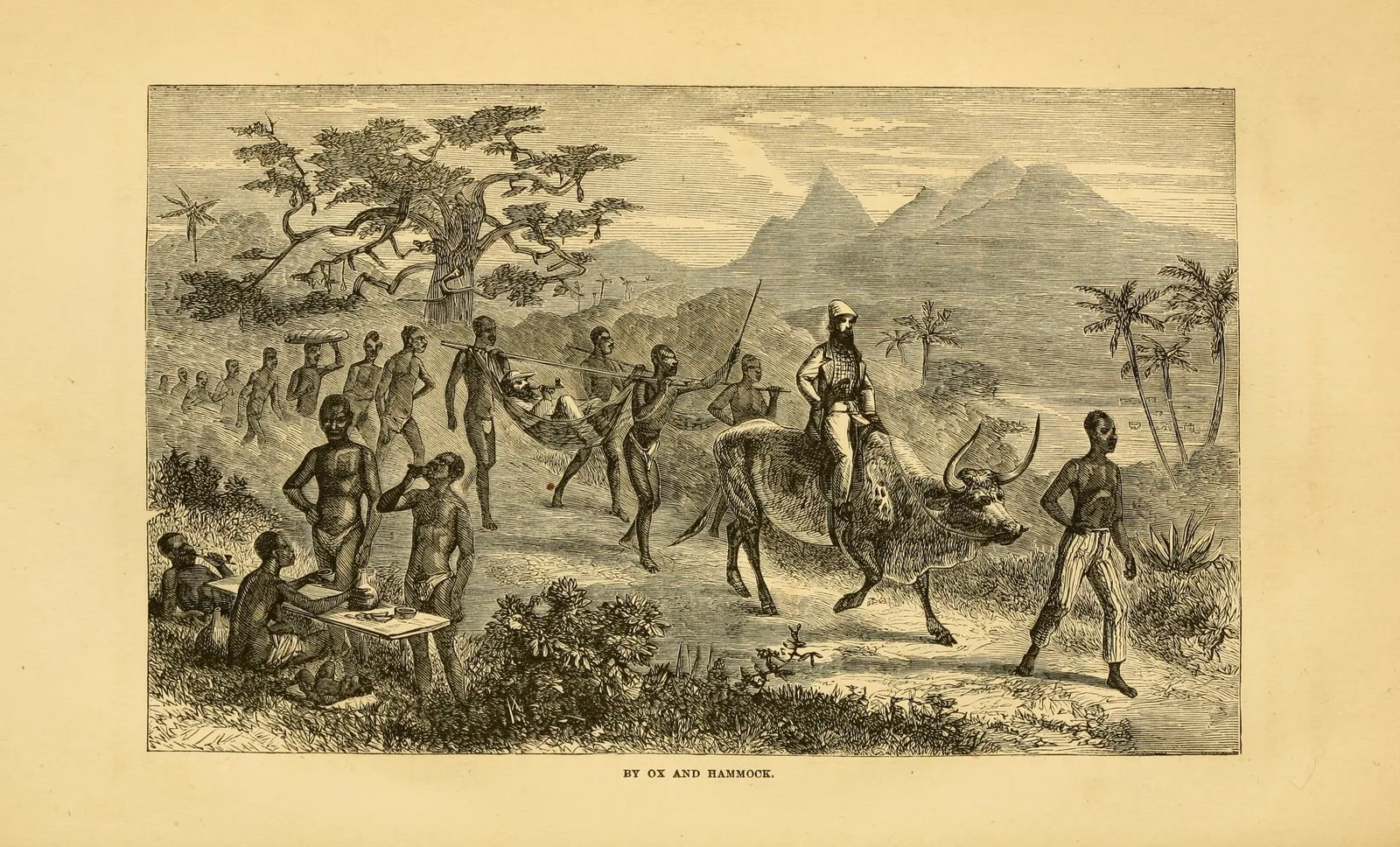
In December 1862, caught up in a quarrel over the explorer Du Chaillu's gorillas, he raised money on his inheritance and sailed for West Africa.17 Savage Africa came out on his return.18 He studied medicine for three years and ran a cholera hospital at Southampton in 1866.19 In the autumn of 1868 he went back to Africa, for the Royal Geographical Society, to look for the source of the Niger, and in January 1869 he wrote to Charles Darwin from Sierra Leone about the facial expressions of Gold Coast peoples.2021 He was held for three months at Falaba, fell ill, and reached the upper Niger at Farabana.22
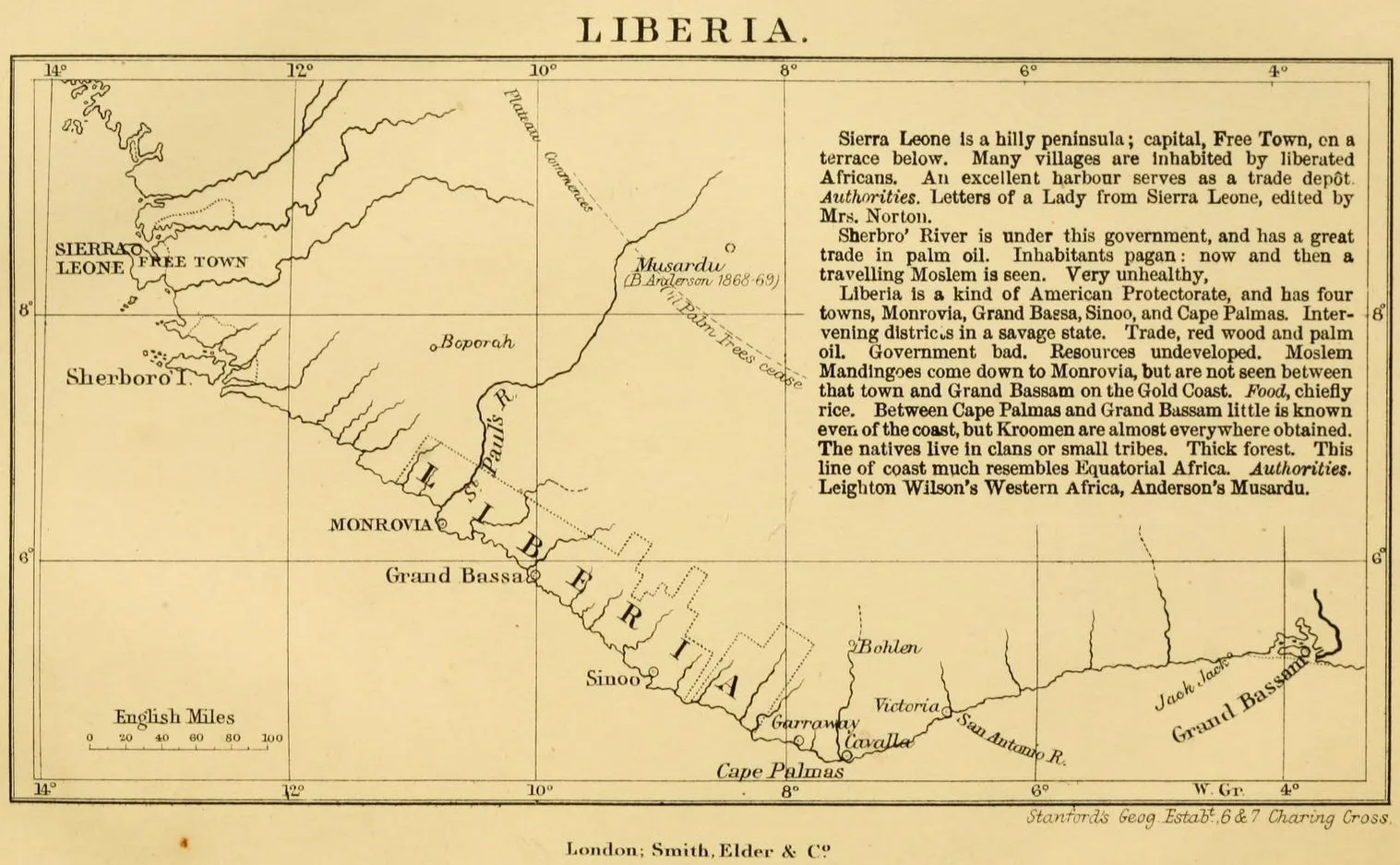
On the night before his thirtieth birthday, in Sierra Leone, he wrote in his journal: "For more than ten years I have been writing and writing, and yet have done nothing, absolutely nothing; and at length am learning the unpalatable truth that my fate is Mediocrity."2324 What he set out to write next was meant to change that.
The book
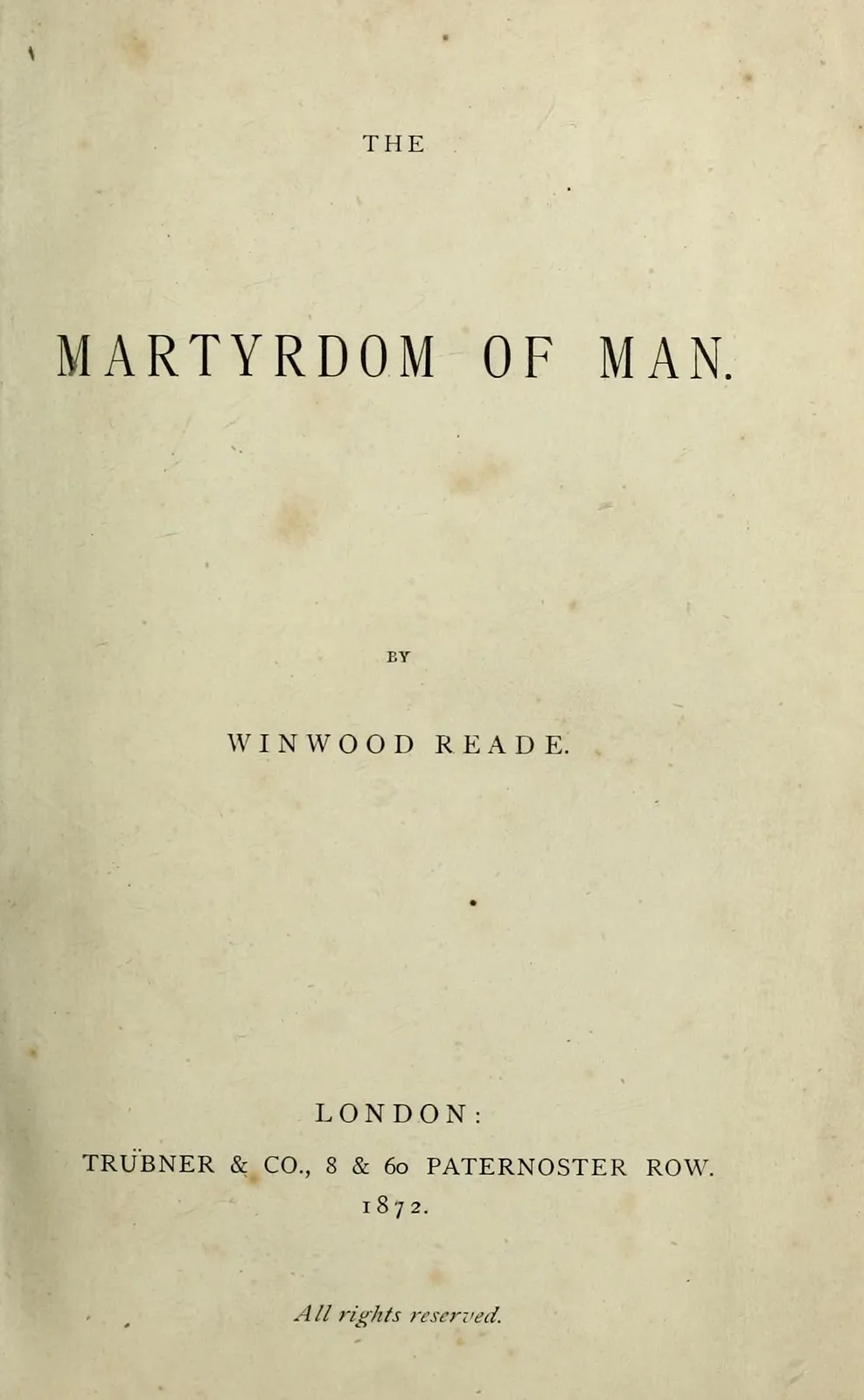
The Martyrdom of Man began as a history of Africa and became a history of the world, told in four chapters, War, Religion, Liberty and Intellect, without a single miracle.25 Its preface says it was suggested "several years ago by the 'Origin of Species'", and that Darwin's Descent of Man had since "left little for me to say". His chief guides included Darwin, Lyell, Spencer, Huxley, Comte, Mill, Renan and Spinoza.2627 His friends and his publisher urged him to cut the religious passages. "But in the matter of religion, I listen to no remonstrance, I acknowledge no decision save that of the divine monitor within me. My conscience is my adviser, my audience, and my judge."528
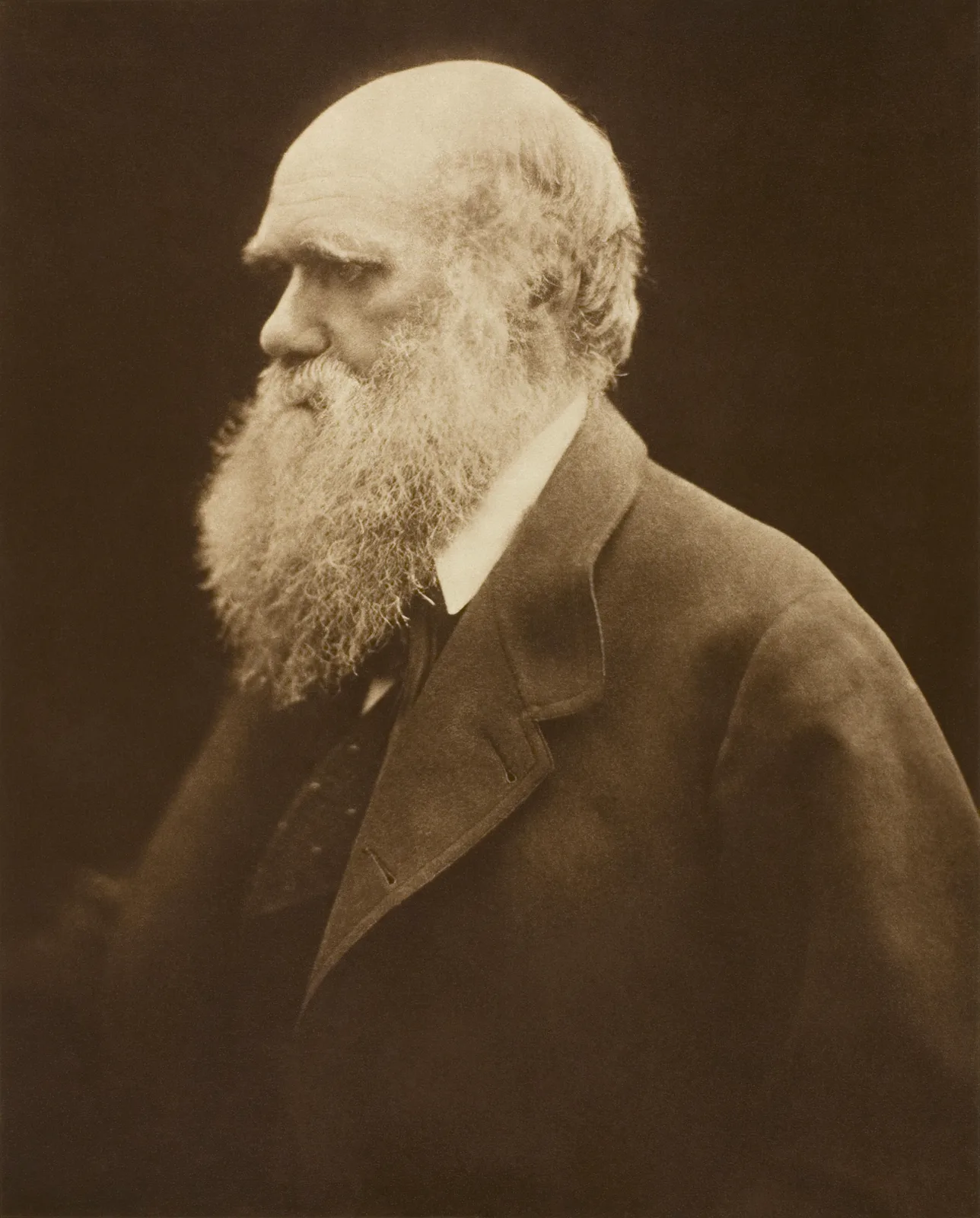
The argument against a loving God was the argument from nature's pain. "Murder is the law of Growth. Life is one long tragedy; creation is one great crime."2930 "The Author of the world invented not only the good but also the evil in the world; he invented cruelty; he invented sin. If he invented sin how can he be otherwise than sinful?"31 The worship of an idea of God was no better than the worship of a statue: "God-worship, therefore, is idolatry."3233 He meant to say so plainly: "In my future assaults on Christianity I shall use the clearest language that I am able to command. Ridicule is a destructive instrument, and it is my intention to destroy."343536 "Christianity must be destroyed," he wrote near the end.37
And yet the same pages refuse atheism. "We teach that there is a God, but not a God of the anthropoid variety."38 The Supreme Power "is not a Mind, but something higher than a Mind; not a Force, but something higher than a Force; not a Being, but something higher than a Being; something for which we have no words".2939 In its place he offered a religion of humanity: "Those who desire to worship their Creator must worship him through mankind." "Our religion therefore is Virtue, our Hope is placed in the happiness of our posterity; our Faith is the Perfectibility of Man."404142 He complained of a society "in which free-thinker is a term of abuse, and in which doubt is regarded as a sin".4344 On the timeline, the book is his declaration.
The reviews
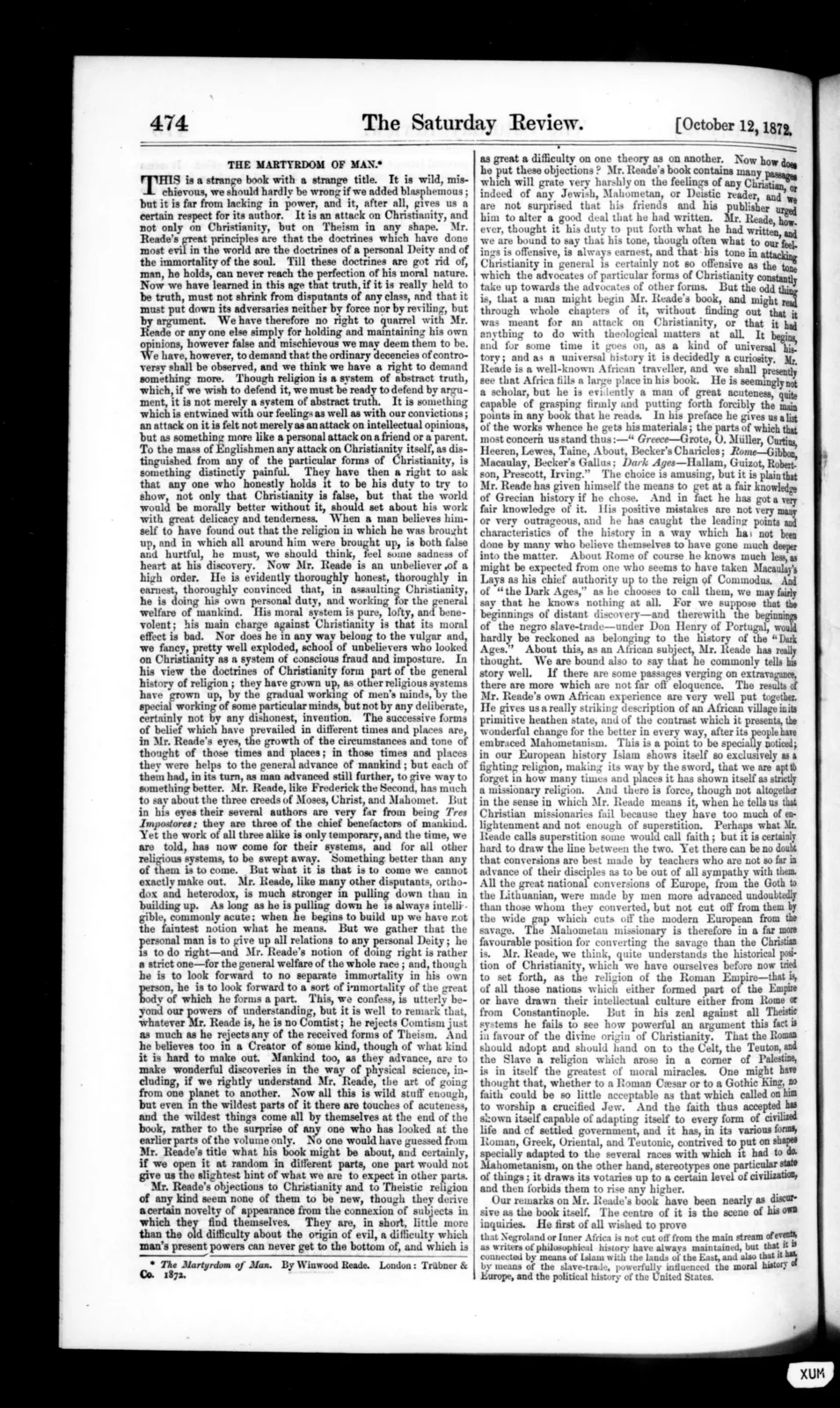
The Athenaeum called it "as trashy a production as we can remember", a "needlessly profane book, and an indecent one", which a schoolgirl might have made from "a few stray tracts by Mr. Bradlaugh".4546 The Saturday Review was fairer. The book was "wild, mischievous, we should hardly be wrong if we added blasphemous", but its author was "an unbeliever of a high order", "thoroughly honest, thoroughly in earnest".474849 It answered him with a real argument: that the Romans should adopt a religion from "a corner of Palestine" and hand it on to Celt, Teuton and Slav "is in itself the greatest of moral miracles". And it warned that "It is really too soon to take for granted that science and religion are opposed."505152 His editor Legge later wrote that the book had no favourable review until 1906, yet sold more than fifteen thousand copies.53
The Outcast
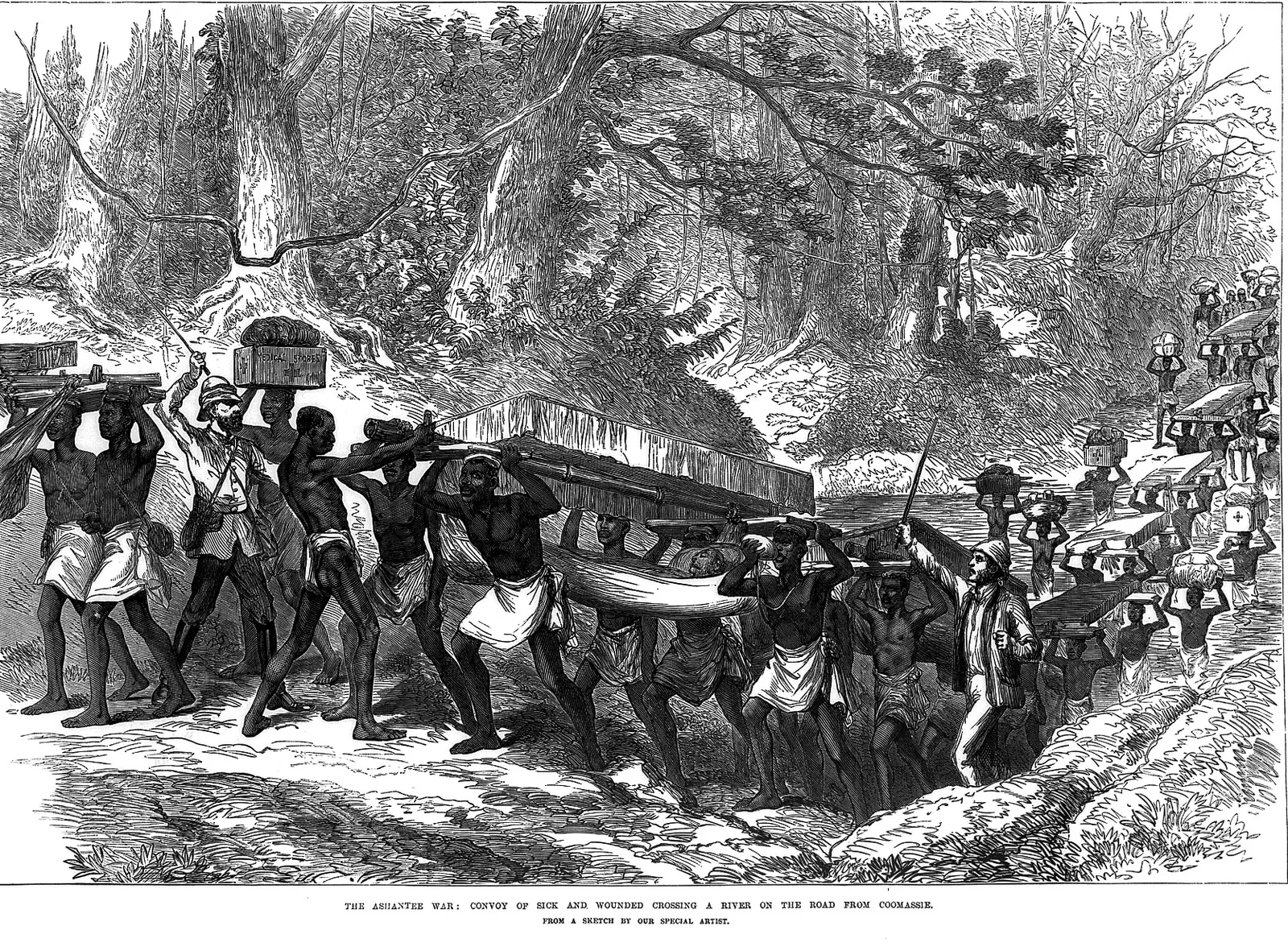
In 1873 he went to the Ashanti war as correspondent for The Times.54 He came home and wrote The Outcast, a novel about a man cast off for being openly against Christianity, "while the hand of death" was on him.5556 Its narrator, a father writing to his daughter, says of a personal God, "I disbelieve it", and also, "I believe in God the Incomprehensible, whose nature man can never ascertain." Of a future life: "this disbelief amounts to a positive conviction. But I may be mistaken. It is impossible to know."5758596061 Legge read these as Reade's own last confession of faith. They are a character's words, and no signed retraction survives; the revision that the timeline records is that qualified "I may be mistaken".62
He died at Wimbledon on 24 April 1875, in his thirty-seventh year, in the arms of his uncle.63 An obituary that Legge attributes to Charles Reade said that in another fifteen years he would probably have "cured himself, as many thinking men have done, of certain obnoxious opinions", and added that truth "can surely prevail without either burning or abusing men whose convictions are erroneous but honest".6465
The book outlived him, and Churchill was one of its readers.1 Critics called Reade an atheist, and his editor said no one was less an atheist; in his own words he denied a personal God and affirmed one he could not name.626667 Charles Darwin, the naturalist whose Origin of Species set him writing, has his own chapter in this book.
Footnotes
-
Winston S. Churchill, My Early Life: A Roving Commission (London: Thornton Butterworth, 1930), p. 129–130, pp. 129–130 (Q16–Q18). ↩ ↩2
-
Winston Churchill: Churchill, My Early Life, p. 129. ↩
-
Winston Churchill: Churchill, My Early Life, p. 129. ↩
-
Winston Churchill: Churchill, My Early Life, p. 129. ↩
-
Winwood Reade, The Martyrdom of Man (London: Trübner, 1872), first edition, Preface p. vi (Q1). ↩ ↩2
-
Reade, Martyrdom of Man, p. 523 (Q2). ↩
-
Reade, Martyrdom of Man, p. 523. Often quoted alone, which makes it sound like a flat atheist creed; in the book it is a set of "facts [that] result from our investigations", immediately followed by "It now remains to be considered whether it is right to say so." Legge reproduces it with the same wording (p. xxxiii). ↩
-
Same, 22nd edition with introduction by F. Legge (London: Kegan Paul, Trench, Trübner, 1910), p. v. Accounts differ; see the disputed points. ↩
-
Thompson Cooper, "Reade, William Winwood", Dictionary of National Biography, vol. XLVII (London: Smith, Elder, 1896), pp. 361–362, p. 361. ↩
-
Reade, The African Sketch-Book, vol. II (London: Smith, Elder, 1873), pp. 363–364 (dated [Dec. 1868]/[Jan.]). ↩
-
Legge, p. v; Cooper, Dictionary of National Biography, p. 361. ↩
-
Legge, pp. v–vi. ↩
-
Legge, pp. vi–vii; Cooper, Dictionary of National Biography, p. 362; Reade, The Veil of Isis (London: Charles J. Skeet, 1861), title page (1861). ↩
-
Reade, Veil of Isis, pp. 130–131 (see Q3). ↩
-
Reade, Veil of Isis, p. 131. ↩
-
—. Not verified. ↩
-
Legge, pp. viii–ix; Cooper, Dictionary of National Biography, p. 361. ↩
-
Legge, p. xi; Cooper, Dictionary of National Biography, p. 362; Reade, Savage Africa (New York: Harper, 1864), title page. ↩
-
Legge, pp. xi–xii; Cooper, Dictionary of National Biography, p. 362. ↩
-
Legge, p. xiii; Reade, Martyrdom of Man, Preface p. iii (travelled "'68-'70"). ↩
-
Reade to Darwin, 17 January 1869, Darwin Correspondence Project letter 6558 (DAR 83: 165–6),. Read for facts is the only source for this, as for the other details in this chapter cited to that source alone. ↩
-
Legge, pp. xv–xxii. ↩
-
Reade, African Sketch-Book, pp. 363–364. ↩
-
Reade, African Sketch-Book, pp. 363–364. ↩
-
Reade, Martyrdom of Man, Preface pp. iii–iv; p. 524. ↩
-
Reade, Martyrdom of Man, pp. iv–v. ↩
-
Reade, Martyrdom of Man, Preface p. v. ↩
-
Reade, Martyrdom of Man, Preface p. vi. ↩
-
Reade, Martyrdom of Man, pp. 520–521, 529 (Q3, Q4, Q6). ↩ ↩2
-
Reade, Martyrdom of Man, p. 520. ↩
-
Reade, Martyrdom of Man, p. 529. ↩
-
Reade, Martyrdom of Man, pp. 434, 527–529. ↩
-
Reade, Martyrdom of Man, p. 434. ↩
-
Reade, Martyrdom of Man, p. 526 (Q5). ↩
-
Reade, Martyrdom of Man, p. 526 (Q5). ↩
-
Reade, Martyrdom of Man, p. 526. ↩
-
Reade, Martyrdom of Man, p. 540. ↩
-
Reade, Martyrdom of Man, p. 536. ↩
-
Reade, Martyrdom of Man, p. 521. ↩
-
Reade, Martyrdom of Man, pp. 536–538 (Q7, Q8). ↩
-
Reade, Martyrdom of Man, p. 537. ↩
-
Reade, Martyrdom of Man, p. 537. ↩
-
Reade, Martyrdom of Man, p. 541 (Q10). ↩
-
Reade, Martyrdom of Man, p. 541. ↩
-
The Athenaeum, no. 2324, 11 May 1872, pp. 587–588 ("A Philosophy of the Universe"), pp. 587–588 (OQ5, OQ6). ↩
-
Unsigned reviewer, The Athenaeum (leading literary weekly), 11 May 1872: Athenaeum, p. 588. ↩
-
The Saturday Review, vol. 34, no. 885, 12 October 1872, pp. 474–475 ("The Martyrdom of Man"), pp. 474–475 (OQ1–OQ3). ↩
-
Unsigned reviewer, Saturday Review (the leading weekly of educated Anglican opinion): Saturday Review, p. 474. ↩
-
Same: Saturday Review, p. 474. ↩
-
Saturday Review, p. 475 (OQ4). ↩
-
Same (the argument from Christianity's spread, a real reason): Saturday Review, p. 474. ↩
-
Same: Saturday Review, p. 475. ↩
-
Legge, pp. xxxv–xxxvi. ↩
-
Legge, p. xxiii; Cooper, Dictionary of National Biography, p. 362. ↩
-
Legge, pp. xxiii–xxiv; Charles Reade, Readiana (London: Chatto and Windus, 1883), "Death of Winwood Reade" pp. 20–21 (reprinting the Daily Telegraph obituary), p. 21. ↩
-
Legge, pp. xxiii–xxv. ↩
-
Reade, The Outcast (London: Chatto and Windus, 1875; no date in OCR; IA metadata 1875), pp. 48, 257 (Q13, Q14). ↩
-
Reade, Outcast, pp. 260–261 (Q15). ↩
-
The narrator of The Outcast: Reade, Outcast, p. 48. ↩
-
The narrator of The Outcast: Reade, Outcast, p. 257. ↩
-
The narrator of The Outcast: Reade, Outcast, pp. 260–261. ↩
-
Legge, p. xxiv; Reade, Readiana, pp. 20–21. ↩
-
Reade, Readiana, p. 21 (OQ6); Cooper, Dictionary of National Biography, p. 362 quotes part. ↩
-
Charles Reade, uncle and fellow author, Daily Telegraph obituary (attribution to Charles Reade is Legge's, "said to have been written by Charles Reade"; Readiana prints it as an article in the collection): Reade, Readiana, p. 21. ↩
-
Cooper, Dictionary of National Biography, p. 362. ↩
-
Legge, p. xlv. ↩
In their own words
But in the matter of religion, I listen to no remonstrance, I acknowledge no decision save that of the divine monitor within me. My conscience is my adviser, my audience, and my judge.
Supernatural Christianity is false. God-worship is idolatry. Prayer is useless. The soul is not immortal. There are no rewards and there are no punishments in a future state.
the Supreme Power is not a Mind, but something higher than a Mind; not a Force, but something higher than a Force; not a Being, but something higher than a Being; something for which we have no words, something for which we have no ideas.
Murder is the law of Growth. Life is one long tragedy; creation is one great crime.
In my future assaults on Christianity I shall use the clearest language that I am able to command. Ridicule is a destructive instrument, and it is my intention to destroy.
The Author of the world invented not only the good but also the evil in the world; he invented cruelty; he invented sin. If he invented sin how can he be otherwise than sinful?
Those who desire to worship their Creator must worship him through mankind.
Our religion therefore is Virtue, our Hope is placed in the happiness of our posterity; our Faith is the Perfectibility of Man.
Christianity must be destroyed. The civilised world has outgrown that religion, and is now in the condition of the Roman Empire in the pagan days.
What a state of society is this in which free-thinker is a term of abuse, and in which doubt is regarded as a sin.
To worship the image made of stone is to worship the work of the human hand. To worship the image made of ideas is to worship the work of the human brain. God-worship, therefore, is idolatry.
To-morrow I shall be thirty years old. For more than ten years I have been writing and writing, and yet have done nothing, absolutely nothing; and at length am learning the unpalatable truth that my fate is Mediocrity
You suspect that I doubt it too. My dear, you are wrong; I disbelieve it. There is no doubt in my mind about the matter.
I believe in God the Incomprehensible, whose nature man can never ascertain.
I disbelieve in a future life; and this disbelief amounts to a positive conviction. But I may be mistaken. It is impossible to know.
The first of these books was The Martyrdom of Man by Winwood Reade. This was Colonel Brabazon's great book. He had read it many times over and regarded it as a sort of Bible.
I was much startled and indeed offended by what I read.
For a time I was indignant at having been told so many untruths, as I then regarded them, by the schoolmasters and clergy who had guided my youth.
We can at present be proud of our priesthood. They constitute a body of pious, honourable, hard-working men.
The other side
It is wild, mischievous, we should hardly be wrong if we added blasphemous; but it is far from lacking in power, and it, after all, gives us a certain respect for its author.
Mr. Reade is an unbeliever of a high order. He is evidently thoroughly honest, thoroughly in earnest, thoroughly convinced that, in assaulting Christianity, he is doing his own personal duty, and working for the general welfare of mankind.
But in his zeal against all Theistic systems he fails to see how powerful an argument this fact is in favour of the divine origin of Christianity. That the Romans should adopt and should hand on to the Celt, the Teuton, and the Slave a religion which arose in a corner of Palestine, is in itself the greatest of moral miracles.
It is really too soon to take for granted that science and religion are opposed. To assume their opposition and to put it forward in the tone in which Mr. Reade does can only do harm to science.
It is a simple duty to denounce a thoroughly worthless book. When it is, into the bargain, a needlessly profane book, and an indecent one, the duty increases.
There is about it a vulgarity which will at once frighten any precocious schoolboy off who might otherwise be in danger of falling a convert to "the Religion of Reason and of Love"; and, except that it is offensive in its tone, we see no reason whatever why it should be put upon the Index Expurgatorius
yet in another fifteen he would probably have won a great name, and cured himself, as many thinking men have done, of certain obnoxious opinions, which laid him open to reasonable censure, and also to some bitter personalities that were out of place, since truth can surely prevail without either burning or abusing men whose convictions are erroneous but honest.
Where accounts differ
| Point | One account | Another | How the page handles it |
|---|---|---|---|
| Birth date | 26 Dec 1838 (Legge p. v, citing Burke's Landed Gentry p. 1408) | 30 Jan 1838 (DNB47 p. 361). Reade's own December 1868 journal ("To-morrow I shall be thirty") favours December 1838 [3] | Say "born in December 1838; the Dictionary of National Biography has January 1838, which his own journal contradicts." |
| Date of the second journey | Autumn 1868, Preface "'68-'70", letter from Freetown 17 Jan 1869 | DNB47 p. 362: "In 1869 he revisited" | Use 1868–70 |
| Year of *Savage Africa* | 1863 (DNB47 p. 362; Legge p. xi "end of 1863" on return) | 1864 (Harper New York title page, the scan used; IA lists 1864) | "1863 in London, 1864 in New York" |
| Date he left for Ashanti | 12 September 1873 on the s.s. *Ambriz* (Legge p. xxiii) | November 1873 (DNB47 p. 362; Readiana p. 21) | Say "late summer or autumn 1873" |
| Date of Daily Telegraph obituary | 27 April 1875 (Legge p. ix note, p. xxiv note; DNB47 p. 362) | "April 26, 1876" printed in *Readiana* p. 20 (a misprint: Reade died in 1875) | Use 27 April 1875 |
| Was he an atheist? | "Atheistical opinions" (DNB47); the Athenaeum's "demonstrating the non-existence of God"; critics generally | Legge: "no one was less an atheist than Reade"; own words in Q3, Q14 | Say that critics called him an atheist and that he affirmed an unknowable God but denied a personal one; the early label problem is the story |
| *The Veil of Isis* | "An attack on all religious beliefs, particularly the catholic religion" (DNB47) | Anglican affection, High Church attacks (Legge pp. vii, xxxiv; Veil pp. 130–131) | Follow the book; flag that DNB differs |
| Did he later soften? | Charles Reade expected recantation in fifteen years (Readiana p. 21); Legge adds "his religious ideas had more than once undergone change" | Q15 and Q14 are fiction; no signed retraction found | "He qualified some of his sentences in *The Outcast*, in a novel's narrator; no signed retraction survives" |
| Reade's "failure" at Oxford | Wikipedia "failed at Oxford" | Legge and DNB: left without a degree; Legge calls the Hall of "no great reputation" | Say "left without a degree" |
| Wikipedia says he reached "Cape Town" in 1862 | — | Legge: the s.s. *Armenian* to Fernando Po and the Gaboon (West Africa) | Ignore the Wikipedia statement |
List of illustrations
This page uses only public-domain and Creative Commons images; each is credited with its source and licence.
- Frontispiece portrait of Winwood Reade, 22nd edition of The Martyrdom of Man — Unknown photographer/engraver (frontispiece, Kegan Paul edition), 1910 · Internet Archive scan (leaf 6) of the 1910 Kegan Paul, Trench, Trubner edition, via Internet Archive, public domain · Public domain (published before 1931)
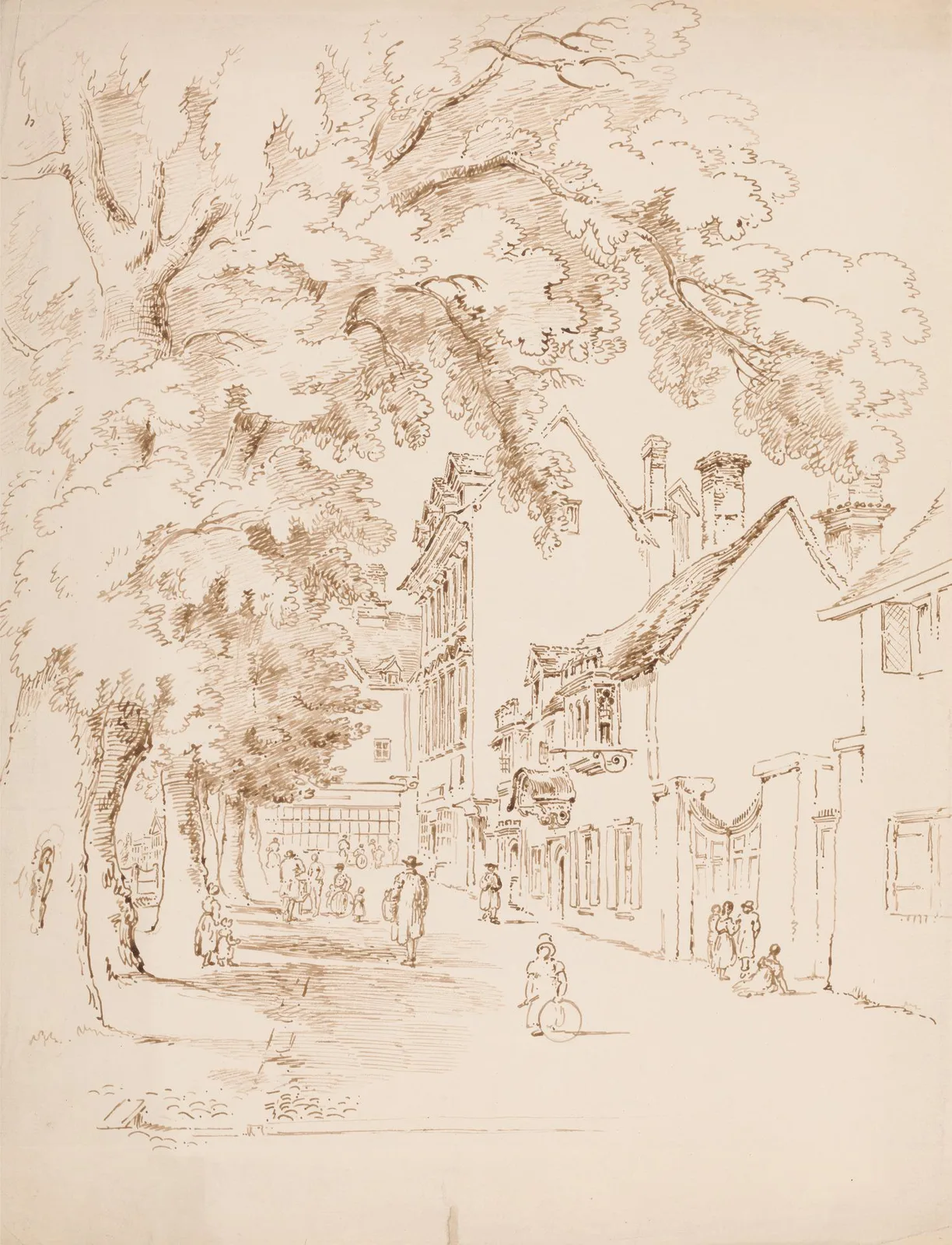
- Buildings Belonging to Magdalen Hall, Oxford — Alexander Monro, undated (early 19th century) · Alexander Monro, Yale Center for British Art, Paul Mellon Collection, via Wikimedia Commons, CC0 · CC0
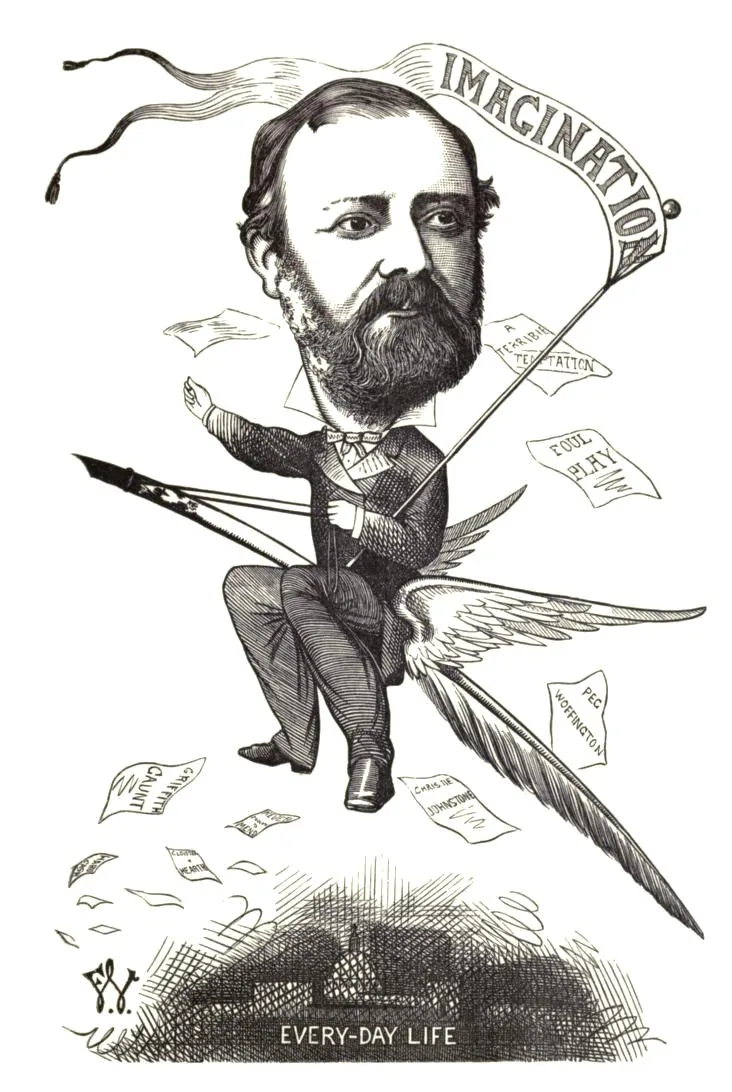
- Charles Reade, 'Something like a novelist', cartoon portrait — Frederick Waddy, 1873 · Frederick Waddy, Cartoon Portraits and Biographical Sketches of Men of the Day (1873), via Wikimedia Commons, public domain · Public domain (Commons: 'Public domain'; published 1873)
- The Veil of Isis; or, The Mysteries of the Druids, title page — W. Winwood Reade (Charles J. Skeet), 1861 · Internet Archive (Google-digitised, New York Public Library copy), leaf 7, via Internet Archive, public domain · Public domain (published before 1931)
- By Ox and Hammock (Reade riding an ox in Angola), plate from Savage Africa p. 270 — Unknown engraver, in W. Winwood Reade, Savage Africa, 1864 · Internet Archive scan (leaf 278) of Savage Africa, Harper, 1864, via Internet Archive, public domain · Public domain (published before 1931)
- Map of Liberia and Sierra Leone, from The African Sketch-Book vol. II — William Winwood Reade, 1873 · Winwood Reade, The African Sketch-Book (1873), via Internet Archive/Boston University and Wikimedia Commons, public domain · Public domain (published 1873)
- The Martyrdom of Man, title page, first edition — Winwood Reade (Trubner & Co.), 1872 · Internet Archive scan (leaf 5) of the 1872 Trubner edition, via Internet Archive, public domain · Public domain (published before 1931)
- Charles Darwin by Julia Margaret Cameron, c. 1868 — Julia Margaret Cameron / Adam Cuerden, circa 1868date QS:P,+1868-00-00T00:00:00Z/9,P1480,Q5727902, printed 1875 · Julia Margaret Cameron / Adam Cuerden, via Wikimedia Commons, Public domain · Public domain
- The Saturday Review, 12 October 1872, p. 474: review 'The Martyrdom of Man' — The Saturday Review (London), 1872-10-12 · Internet Archive periodical scan, The Saturday Review vol. 34 no. 885, via Internet Archive, public domain · Public domain (published before 1931)
- The Ashantee War: convoy of sick and wounded crossing a river on the road from Coomassie — The Illustrated London News, 1874-03-28 · Wellcome Collection (L0010846), via Wikimedia Commons, CC BY 4.0 · CC BY 4.0
- The Outcast, title page (Chatto and Windus) — Winwood Reade, 1875 · Internet Archive scan (leaf 5), University of California Los Angeles copy, via Internet Archive, public domain · Public domain (published before 1931)
Sources
Tier 1 — the subject's own words
- [Martyrdom1872] Winwood Reade, The Martyrdom of Man (London: Trübner, 1872), first edition. IA
martyrdomofman72read; texts/martyrdom1872.txt. Page numbers cited are this edition's printed pages (Preface vi, text 434, 520–541). - [Legge] Same, 22nd edition with introduction by F. Legge (London: Kegan Paul, Trench, Trübner, 1910). IA
martyrdomofman00readiala; texts/martyrdom1910.txt. Introduction pp. v–xlv (roman); the main text is repaginated, so quotations are cited to [Martyrdom1872]. - [Eckler12] Same, twelfth edition (New York: Peter Eckler, n.d. c. 1890s). IA
cu31924029764739; texts/martyrdom1890.txt. Cross-check only. - [Outcast] Reade, The Outcast (London: Chatto and Windus, 1875; no date in OCR; IA metadata 1875). IA
outcast00read; texts/outcast1875.txt. A novel in letters: the narrator is a fictional father. - [Sketch2] Reade, The African Sketch-Book, vol. II (London: Smith, Elder, 1873). IA
africansketchbook00read; texts/sketchbook1873-v2.txt. [Sketch1] vol. I, IAafricansketchboo01read; texts/sketchbook1873.txt. - [Savage] Reade, Savage Africa (New York: Harper, 1864). IA
savageafricabein00read; texts/savage-africa1864.txt. - [Veil] Reade, The Veil of Isis (London: Charles J. Skeet, 1861). IA
veilisisormyste00readgoog; texts/veil-of-isis.txt. - [LibertyHall] Reade, Liberty Hall, Oxon. (1860). IA
libertyhalloxon01readgoog; texts/liberty-hall1860.txt. Searched for Oxford and religion; nothing used. - [DCP6558] Reade to Darwin, 17 January 1869, Darwin Correspondence Project letter 6558 (DAR 83: 165–6), https://www.darwinproject.ac.uk/letter/DCP-LETT-6558.xml. Read for facts only; not openly licensed; not quoted.
Tier 2 — biographies and reference entries
- [Legge] (introduction, above): the fullest early life; he draws on Burke's Landed Gentry, the Daily Telegraph obituary and Reade's own books.
- [DNB47] Thompson Cooper, "Reade, William Winwood", Dictionary of National Biography, vol. XLVII (London: Smith, Elder, 1896), pp. 361–362. IA
dictionaryofnati47stepuoft; texts/dnb-vol47-1896.txt. - [Readiana] Charles Reade, Readiana (London: Chatto and Windus, 1883), "Death of Winwood Reade" pp. 20–21 (reprinting the Daily Telegraph obituary). IA
cu31924013538859; texts/readiana1883.txt. - [Churchill] Winston S. Churchill, My Early Life: A Roving Commission (London: Thornton Butterworth, 1930), p. 129–130. IA
dli.ministry.17592(Indian reprint scan); texts/churchill-early-life1930.txt. 1930 publication is US public domain from 1 January 2026 (David's brief). Tier 2 for Churchill's reading, Tier 1 for Churchill.
Tier 3
- None used.
Tier 4 — Wikipedia (citable; prefer higher tiers)
- [Wiki] "William Winwood Reade", English Wikipedia, raw text fetched 2026-10-14 (revision id not recorded). Map to Hesketh 2015, Driver 1999, Hargreaves 1957, Foot 1986; none of those seen.
Opposition sources
- [SatRev] The Saturday Review, vol. 34, no. 885, 12 October 1872, pp. 474–475 ("The Martyrdom of Man"). IA
sim_saturday-review-uk_the-saturday-review-of-p_1872-10-12_34_885; texts/satrev-1872-10-12.txt. Page checked on the scan image (leaf 27 is p. 476). - [Athen] The Athenaeum, no. 2324, 11 May 1872, pp. 587–588 ("A Philosophy of the Universe"). IA
sim_athenaeum-uk_1872-05-11_2324; texts/athenaeum-1872-05-11.txt.
Related lives
Winston Churchill is not on the roster; candidates are Charles Darwin (Reade's guide, whose Descent of Man he followed), Thomas Henry Huxley or Bradlaugh (the Athenaeum reviewer coupled Reade with "a few stray tracts by Mr. Bradlaugh"). Never write "Next:" in narration (lessons.md); this line is for David's choice.
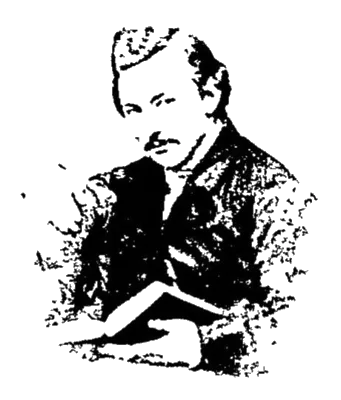
Thomas Hardy
Thomas Hardy was a church-musician's son who dreamed of the pulpit. In his twenties he lost his faith to the new biblical criticism, to Darwin, and to Newman's Apologia, whose chain of reasoning, he wrote in his notebook, had "no first link". He kept the loss private for thirty years, and said it in public only after Jude the Obscure drove him from the novel to verse. He spoke it as grief rather than triumph, refused the word atheist, and never ceased to love the church he could not believe in.
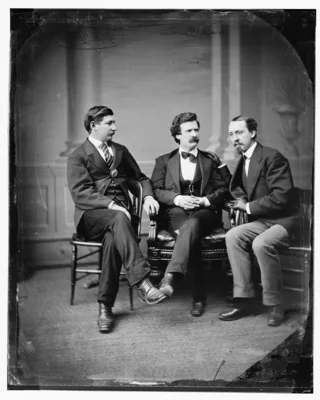
Mark Twain
Mark Twain grew from a Hannibal boy terrified of hell into a man who could not sit through his wife's Bible readings without feeling a hypocrite. In private he denied every Christian doctrine while keeping a distant God. Out of love for his family and caution with his public, he put his sharpest writing on religion away for after his death.
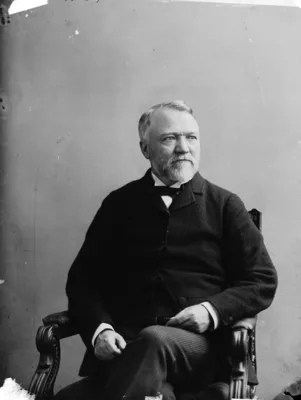
Andrew Carnegie
Andrew Carnegie was raised among Dunfermline radicals who had walked out of Calvinism over the damnation of infants. He kept a mild Swedenborgian faith into his teens, and lost it with a circle of Pittsburgh friends who "voted down" the dogmas in the 1850s. By the 1880s he had found "a philosophy at last" in Spencer and Darwin. In public he preached a gospel of wealth in Christ's name and gave organs to churches for the music. He said plainly that he "had got rid of theology and the supernatural" only in an autobiography published after his death, and hedged even there with a "hope of immortality".
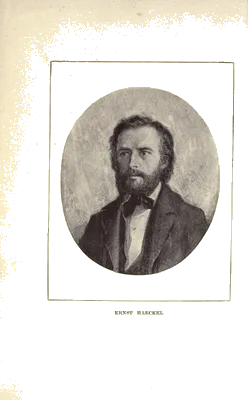
Ernst Haeckel
Ernst Haeckel's liberal Protestant faith, still defended in his letters at twenty-one, wore away between 1855 and 1857, under medicine, his teachers and what he saw of Catholic practice. Darwin (1860) and the death of his wife Anna (1864) drove him to build a "monistic" system in its place. He declared it as a pantheist's confession (1892) and as a "new monistic religion" that accepted atheism as its negative side (1899), organised it in the Monist League (1906), and made it outward only in 1910, when he left the church for political reasons. The creed did not change after that, and it carried his ranking of the races with it.