Yamagata Bantō was an Osaka merchant's clerk, schooled in the rational Confucianism of the Kaitokudō and in European astronomy learned through Dutch books. He had no creed to lose. In a private book begun at fifty-four and finished blind, he set down that there are no gods, buddhas or ghosts, because a teaching should say plainly what exists, and the measured globe held no paradise. He kept that conclusion to his death verses.
The belief timeline
- Faith (undated, before 1782) — Formation at the Kaitokudō: Confucian rationalism, in which rites to ancestors are kept as moral acts and no spirits are believed to appear [11][40]
- Doubt (undated, c. 1770s–1790s) — Astronomy under Asada and the Dutch books: the earth moves, and Europeans who sail round it find no paradise in the west [13][14][34][35]
- Declaration (1802–1803) — Begins writing, first as Saiga no tsugunai: "if there are gods, say so; if none, say none"; heliocentrism and no-spirits claimed as his own ideas [27][28][31][32]
- Revision (1820) — The postscript written blind, and two death verses: no hell, no paradise, no gods, no buddhas, no ghosts, nothing marvellous [29][43]
Notes to the timeline (12)
- [11] Bantō studied under Chikuzan and his brother Riken; the school called him its Zhuge Liang (Kōmei); the brothers praised his "capacity" (識量); Nishimura lists him among Chikuzan's chief Osaka pupils — Tsunoda Kuka, 續近世叢語 vol. 5 (弘化2 = 1845), in kanbun. NDL 2602920. File
tsunoda-zoku-kinsei-sogo-1845.txt. The earliest biography, 24 years after his death; everything before 1910 derives from it (Kameda p. 6); Okamoto Buzan, 浪華人物誌 vol. 3 (1920 reprint of the 19th-century work), entry 山片蟠桃. NDL 1240927. Fileokamoto-naniwa-jinbutsushi3-1920.txt. Near-contemporary (written after Bantō's death, from Tsunoda), vol. 3; Kameda Jirō, 山片蟠桃 (全國書房, 1943), quotes the 1802 preface, the 1820 postscript, the foreword (凡例) and many passages of volumes 1, 2, 9, 10 and 11 (listed in Tier 2 too), pp. 28–29; Nishimura Tokihiko (Tenshū), 懷德堂考 (1925). NDL 1019806. Filenishimura-kaitokudo-1925.txt. Cited by section number (六 foundation; 十八 Chikuzan as head; Bantō in the section on Chikuzan's pupils), §18. - [40] He keeps the Confucian "as if present" (如在) as the meaning of ritual: spirits exist only in the moral awareness of the person remembering ancestors and parents; ancestors may be honoured but the dead do not appear — Kameda (1943), pp. 184–185 (summary); 日本哲學全書 第12巻 (第一書房, 1936), ed. Saegusa Hiroto: pp. 101–199 print 無鬼 (volumes 10–11) from the 1916 text collated with two manuscripts in the Naikaku Bunko, with Saegusa's introduction (pp. 103–107). NDL 3430218 (same book as 1913937 and 1257117). File
tetsugaku-1936.txt. Bantō's text is public domain; Saegusa's introduction, punctuation and kana changes are a 1936 Japanese work (see Open questions 4), pp. 106–107. Reported at second hand; the original has not been seen. - [13] Asada Gōryū: born Kyōhō 19 (1734) at Kitsuki, Bungo; fourth son of a domain scholar (Ayabe Kōsai); fled his domain for Osaka, took the surname Asada, practised medicine and studied astronomy; died on the 22nd of the 5th month of Kansei 11 (1799) aged 66 — 御贈位舊藩侯先哲頌德記念 (大分縣速見郡教育會, 1918), the Asada Gōryū memoir. NDL 957907. File
oita-senjin-1918.txt, pp. 16–28 (OCR leaves 22–26). Accounts differ; see the disputed points. - [14] His pupils included Takahashi Yoshitoki and Mamada Ōgyō, who made the Kansei calendar (completed 12th month, Kansei 9 = 1797) with Asada's methods, and Yamagata Bantō — Oita (1918), (leaf 25–26, pupil list); Kameda (1943), pp. 28–29, 54.
- [34] He argues Europeans' astronomy is better because they sail around the world and measure on the spot, while "Indian, Chinese and Japanese" cosmology is empty; "show it to a European and even a three-year-old would hold his sides laughing" — Kameda (1943), pp. 98–101.
- [35] In volume 9 (heresies) he uses the globe against the Pure Land: sailing west from India one passes Persia, Arabia, Europe, the Atlantic, America, the Pacific, Japan, China and returns to India, and nowhere is there a "paradise ten trillion lands to the west" — Kameda (1943), pp. 188–189.
- [27] Yume no shiro began as a draft of seven volumes, Saiga no tsugunai ("Saiga's atonement"; Saiga fell asleep by day and was rebuked by Confucius), written in 1802 and 1803; Chikuzan returned it with notes in his own hand; Riken objected and renamed it; Kōda bought the draft with Chikuzan's letter and marginal notes at an Izumi sale — Kameda (1943), pp. 66–73, 76–79; Kōda Shigetomo, 讀史餘錄 (大岡山書店, 1928), pp. 74–79, "升屋小右衞門" (first printed in the Osaka Asahi, January 1910). NDL 1918123. File
koda-dokushi-1928.txt. Kōda bought both the 12-volume manuscript and the draft Saiga no tsugunai and wrote after consulting the Yamagata family and Inami district office, p. 74. - [28] Preface dated "Kyōwa 2, summer, the 6th month": he is over fifty, tired of idleness in the long days, and wants to write down "what I heard from Chikuzan and Riken" for his descendants; "it is only a family matter, not a book for others to see" — Kameda (1943), pp. 76–79; Kōda (1928), p. 77.
- [31] In the foreword he says all of it is what he heard from the two Nakai teachers, except the theory of the "sun and bright world" and the no-spirits argument, which he has "some claim to as his own discovery" — Kōda (1928), p. 78; Kameda (1943), pp. 186–187.
- [32] Motive he gives for no-spirits: the sages' teaching is on "straightness" (直道); if there are gods, say so; if none, say none; do not mislead people with what does not exist, as the Buddhists' "expedient means" do; he fears later critics and the objection that the sages revered spirits — Kameda (1943), pp. 184–185.
- [29] Postscript (Bunsei 3, 8th month 15th day): he has been blind eight years, the book stood neglected twenty years, he is ill and may die in spring, so he writes an appendix; it names his son Yoshitatsu and scribes Yamamoto Yoshimichi and Kondō (Kōda: Endō) Hidezane — Kameda (1943), pp. 78–81; Kōda (1928), p. 77; Saegusa (1936), p. 103.
- [43] The appendix has two death verses (辭世の歌) "to be read after I die" — Kameda (1943), pp. 78–79, 198–199; Saegusa (1936), p. 105.
In Place of Dreams
In the eighth month of 1820, a blind old man in Osaka finished a book he had been writing for eighteen years. He had been blind for eight years, and his son and two scribes wrote it down for him.1 At the end he added two short poems, to be read after his death:
There is no hell, and no paradise, and no self; all that is, is people and the ten thousand things. No gods, no buddhas, no ghosts; in this world there is nothing strange or wondrous.23
The man was Yamagata Bantō, head clerk of a great Osaka merchant house, a rice broker and banker to the lords of Sendai. His book was called Yume no shiro, "In Place of Dreams." It was never printed in his lifetime. This chapter asks how a man who spent his life keeping accounts came to write that there are no spirits at all, and what he meant by it.
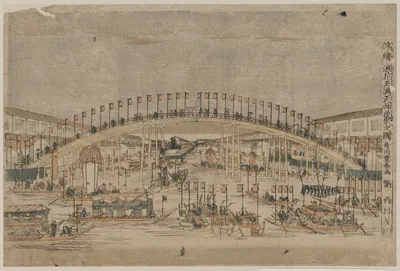
The apprentice who read
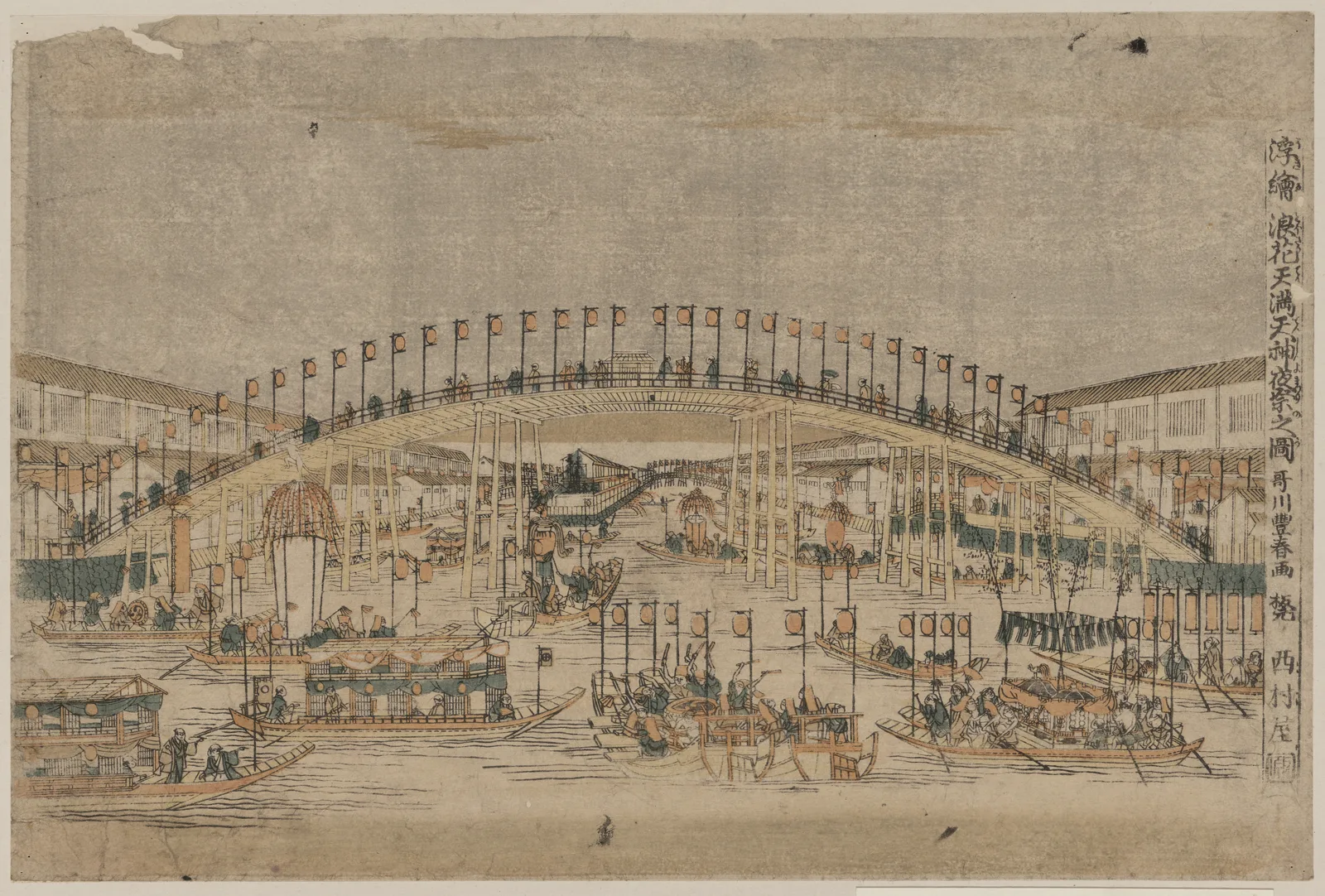
He was born in 1748, the younger son of the Hasegawa family, who kept a shop called Itoya in the village of Kamitsume in Harima province, west of Osaka; a long-repeated account gives the year as 1746.45 As a boy he was sent to Osaka as an apprentice in a merchant house at Imabashi. He liked reading better than errands, and his master dismissed him.6
Another merchant took him in. Masuya Heiemon, of Kajiki-chō, was a lender to the lords of the provinces and himself a member of the city's merchant academy; his biographers guessed that this was why he looked kindly on a boy who read.7 The Masuya house, the family later said, had begun in speculation on the Dōjima rice market.8 Bantō served two masters there. When the elder died and the heir was only five, it was Bantō who ran the house for him, "like a nurse," and he rose to head clerk and then to a branch house of his own, taking the family name Yamagata.9 In 1805 the house raised him to family rank. He accepted, but asked to keep his place as a retainer.10
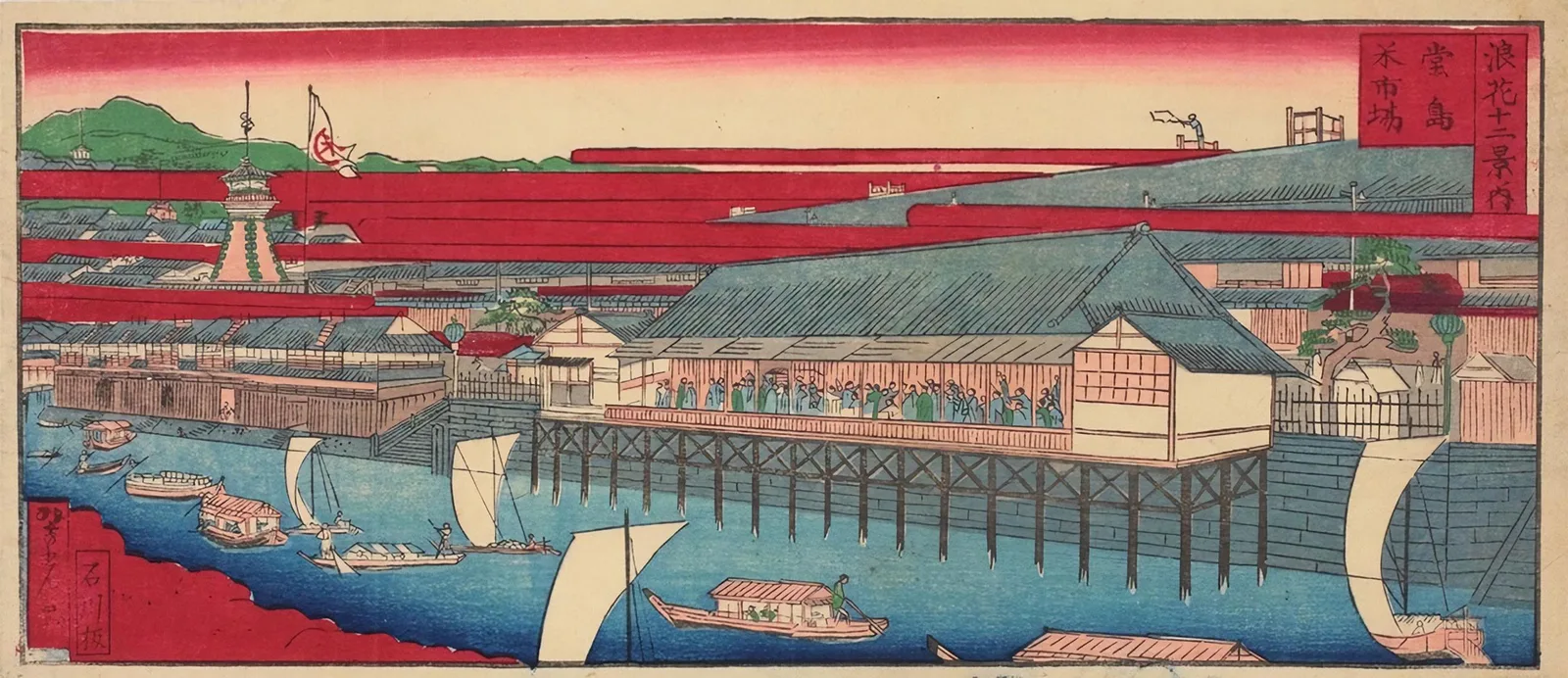
The merchants' academy
The academy was the Kaitokudō, founded by five Osaka merchants with a scholar in 1724 and licensed by the shogunate two years later, a school for townsmen, half public and half private.11 Bantō studied there under two brothers, Nakai Chikuzan, who became its head in 1782, and Nakai Riken. The school called him its Zhuge Liang, after the famous strategist of Chinese history, and the brothers praised his "capacity."1213
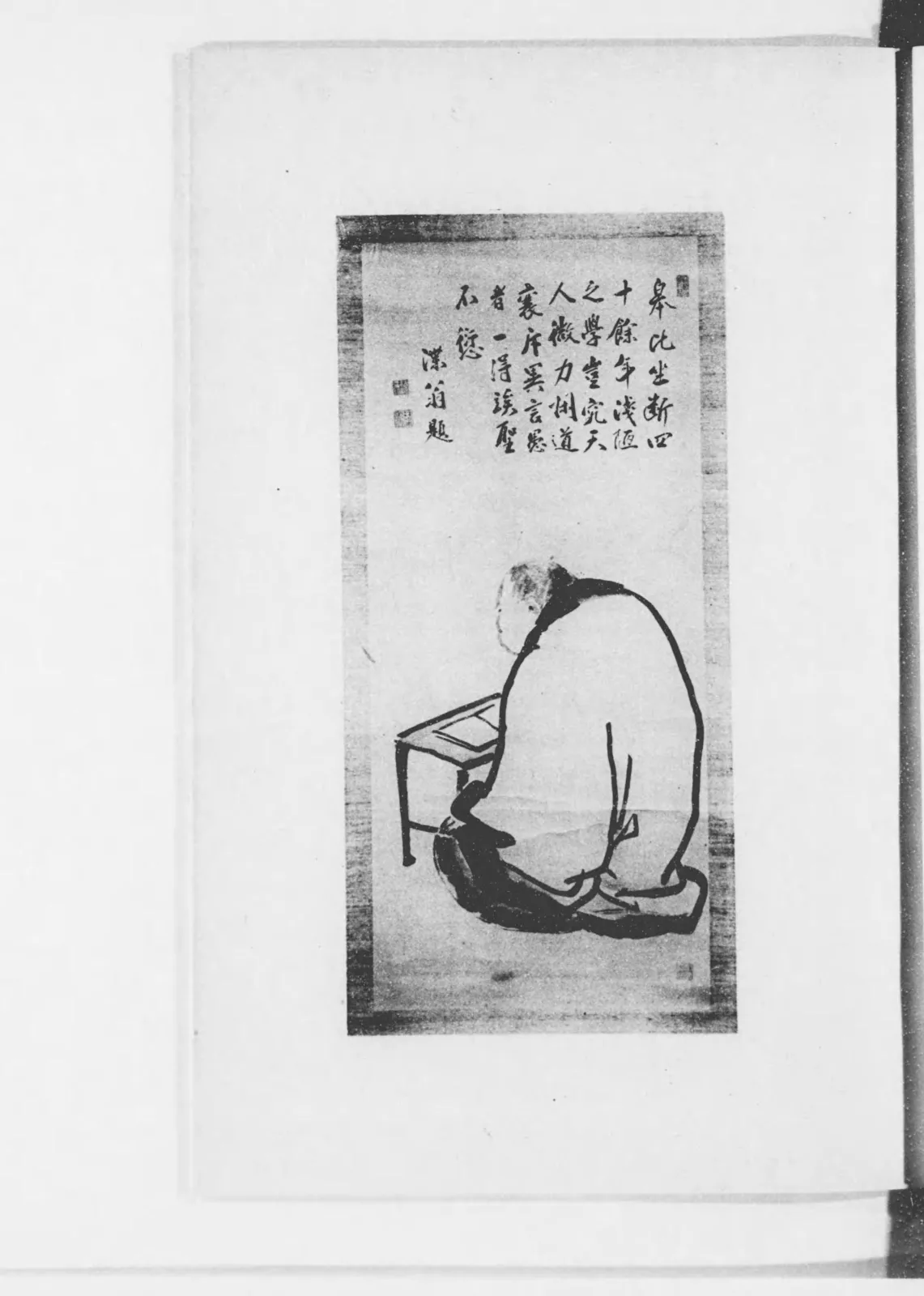
What the Nakai brothers taught was Confucian, and rational. The ancestors were to be honoured, but in the Confucian phrase "as if present": the rite was a moral act of remembering, and the dead did not appear.14 Bantō would later say that almost everything in his book was only what he had heard from his two teachers.15 On the belief timeline, this schooling stands for his faith. He had no creed to lose. No source records a time when he believed in gods or ghosts, or a moment when he stopped.
The earth moves
The second teacher of his life came to Osaka around 1770. Asada Gōryū was a physician who had left his lord's domain in Kyushu to study the heavens; his pupils later built the shogunate's new calendar of 1797, and Bantō was one of them.1617 Among his friends from that school were Mamada Ōgyō, who kept a private observatory on the Nagahori canal, and an umbrella-maker, Hashimoto Sōkichi, who had gone to Edo to learn Dutch.18 The Masuya library came to hold Dutch and Chinese books, a Dutch-printed astronomy, and a Bible.19
From the astronomers he took the idea that the earth moves round the sun, which he called "at present forbidden"; the sources do not show a formal ban, and other Japanese scholars had already translated it from the Dutch.202122 What struck him was how Europeans came to know things. "In the countries of Europe they do not draw or speak of a place they have not walked," he wrote; "they travel to foreign lands, measure and test, and only then speak."23 "Do not doubt the Western methods," he advised. "They are to be trusted firmly and followed."24 The star-lore of India and China, he said, if shown to a European, would make "even a three-year-old ... clutch his belly laughing."2526
The globe gave him his sharpest argument against the Buddhist paradise of the Pure Land, said to lie far in the west:
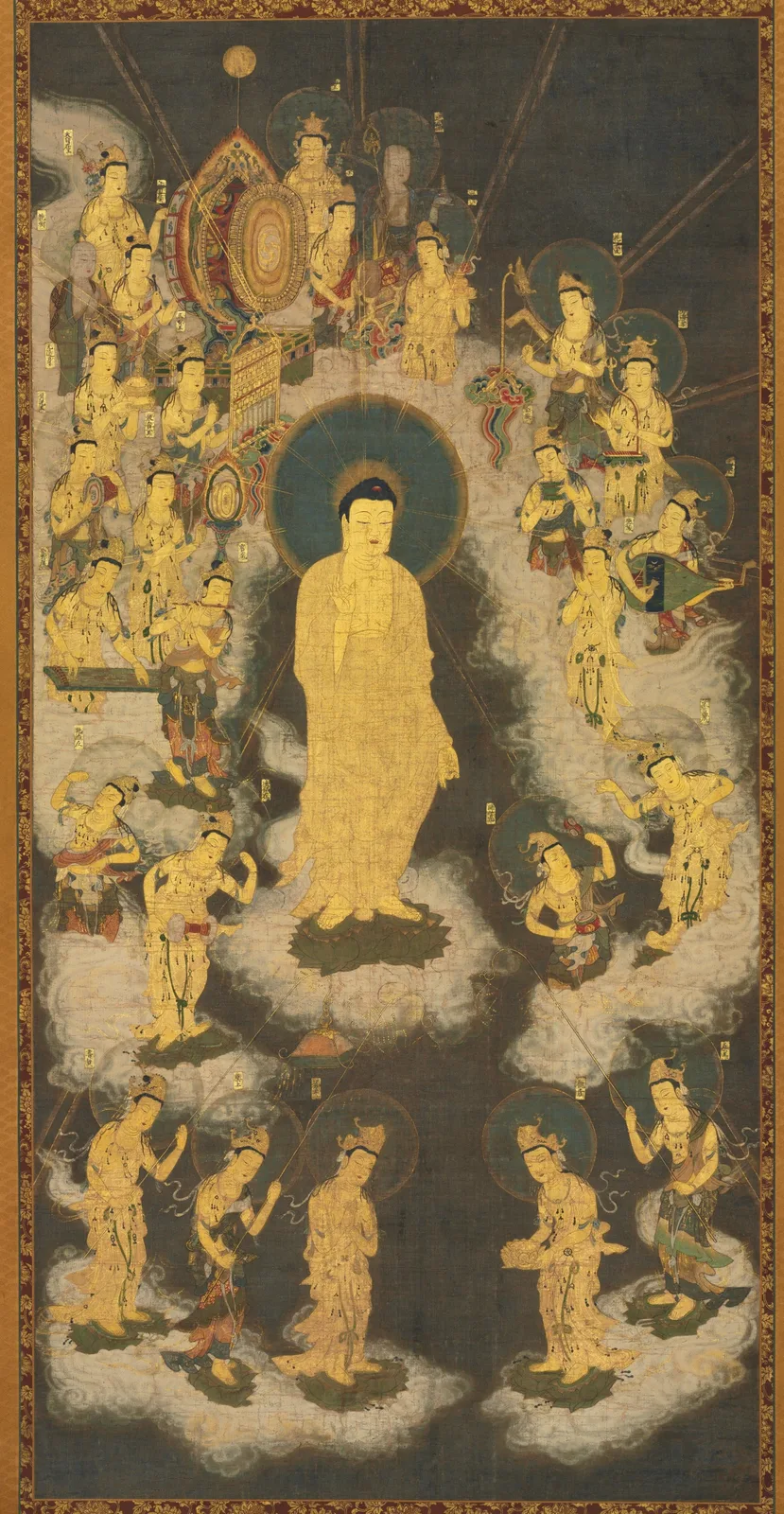
Look at a map of the earth. West of India lie Persia, Arabia, Judea and Anatolia, then the countries of Europe, then an ocean, and beyond it the great land of America; past that is another ocean, then Japan and China, and so back to India. Nowhere on it is the "paradise" of the sutras.2728
The timeline places his doubt in these years of astronomy, from about 1770 into the 1790s, though no source dates his turn, and he never described one.
A book to stay awake
Meanwhile he became one of the great managers of his city. From 1799 the Masuya house was the official rice agent of Sendai, a large domain in the north, and his schemes for its rice and its debts were admired by a contemporary economist, who said other Osaka houses copied his house rules.293031 In 1819 the shogunate itself rewarded him for his service to the Masuya house.32
In the summer of 1802, past fifty, he began to write. "I am already past fifty," his preface says, "and to eat rice and wear cloth to no purpose, and do nothing but lean on a pillow, is that not shameful?"3334 He called the draft Saiga's Atonement, after a disciple of Confucius scolded for sleeping by day; Riken found fault with the title and renamed it Yume no shiro.3536 Chikuzan read the draft and returned it with notes in his own hand.36 As the preface insisted, "this concerns my own house only, and is not a book for other people to see."37
Twelve volumes grew from it: astronomy, geography, the age of the gods, history, institutions, economics, the classics, heresies, and two volumes called Muki, "No Spirits."38 In his foreword he gave his teachers the credit for nearly all of it, with two exceptions: "the theory of the sun and the bright world and the argument that there are no spirits I may fairly call discoveries of my own."3915 He knew the second would be attacked. "As for the no-spirits argument, I fear what later men will say," he wrote, for it would seem to go against the sages, who revered the spirits.40 His answer was plain dealing. "If there are gods, say there are; if there are none, say there are none. Why present what does not exist as existing and lead people astray?"4142 On the timeline, his declaration falls here, in 1802 and 1803, when the draft was written.
No spirits
The no-spirits volumes argue in the language of his schooling. The soul, he wrote, "is there when one is born and is nothing when one dies."4344 He made fun of ghost stories: a ghost in everyday dress or an official's robes, he said, should have left its clothes in the chest of drawers, so "how would it bring them along and put them on?"45 He scolded the Confucian scholar and shogunal adviser Arai Hakuseki, who had written a treatise on spirits from books of marvels: "I read Master Arai's treatise on spirits, closed the volume, and sighed."4647 Hakuseki had begun his own treatise by admitting that the subject was hard to speak of, hard to hear about, and hardest of all to believe.48
Against Buddhism he wrote "as if it were an enemy," but said he held no grudge against Buddhists; only so could "the harm of heresy" be exposed.4950 Christianity was banned in Japan, and he thought Buddhism, whatever its harm, was better than "the Jesus sect," which could take the country: "it is better to ban Jesus and let Buddhism stand."5152 He kept the Confucian rites as well, as acts of moral memory.14 Scholars have called him a Confucian who kept the ethics and politics of his school and replaced its picture of the universe with European astronomy.53
Blind, and finished
Eye disease came on in the Bunka years, after 1804, and by 1820 he had been blind eight years.54 The book had lain neglected for twenty years. In his postscript of 1820 he wrote that he was ill and might die by spring, "and I do not know whom to entrust this book to so that it may be published, so I write an appendix though ill."551 The appendix ends with the two death verses. The timeline puts his revision at this postscript. It changed nothing in his argument, and its last word was that "in this world there is nothing strange or wondrous."2
He died in the second month of 1821 and was buried at the Zendō-ji in Osaka.56 The book had gone out only in a dozen or more hand-copied manuscripts given to friends, and no printed reply to it from his lifetime has been found.5758 It was said that Matsudaira Sadanobu, lord of Kuwana and a former senior councillor of the shogunate, had admired Bantō, and admired him more after reading the book.5960
The first part of it reached print in 1892, the whole only in 1916.61 Its editor of 1892 called its argument on spirits "very direct and refreshing": "readers, do not take it lightly."62 In 1897 the historian Naitō Konan named it one of only three books in three hundred years of Japanese writing that "owed nothing to others."6364 A historian of science pointed out in 1922 that he was not the first in Japan to teach that the earth moves.65
Bantō never used the word atheist. What he denied were the spirits, the paradise in the west, the ghosts in their borrowed clothes, and he denied them for the reason he gave himself: the Europeans who sailed round the earth and measured it had found no such places, and a teaching should say plainly what is and what is not. His view did not change at the end of his life; he kept it in his last poems.
Wang Chong, who argued in Han China that the dead have no consciousness and do not become ghosts, has his own chapter in this book.
Footnotes
-
Kameda Jirō, 山片蟠桃 (全國書房, 1943), quotes the 1802 preface, the 1820 postscript, the foreword (凡例) and many passages of volumes 1, 2, 9, 10 and 11 (listed in Tier 2 too), pp. 78–81; Kōda Shigetomo, 讀史餘錄 (大岡山書店, 1928), pp. 74–79, "升屋小右衞門" (first printed in the Osaka Asahi, January 1910). NDL 1918123. File
koda-dokushi-1928.txt. Kōda bought both the 12-volume manuscript and the draft Saiga no tsugunai and wrote after consulting the Yamagata family and Inami district office, p. 77; 日本哲學全書 第12巻 (第一書房, 1936), ed. Saegusa Hiroto: pp. 101–199 print 無鬼 (volumes 10–11) from the 1916 text collated with two manuscripts in the Naikaku Bunko, with Saegusa's introduction (pp. 103–107). NDL 3430218 (same book as 1913937 and 1257117). Filetetsugaku-1936.txt. Bantō's text is public domain; Saegusa's introduction, punctuation and kana changes are a 1936 Japanese work (see Open questions 4), p. 103. Accounts differ; see the disputed points. ↩ ↩2 -
Bantō, the two death verses at the end of Yume no shiro (appendix, 1820): Saegusa (1936), p. 105 (OCR leaf 59); Kameda (1943), pp. 78–79 and 198–199. Not checked against the original (no (found in two later printings; not checked against 1916)). ↩ ↩2
-
Kameda (1943), pp. 78–79, 198–199; Saegusa (1936), p. 105. ↩
-
Kameda (1943), pp. 6–7; Kōda (1928), p. 75. ↩
-
Kōda (1928), p. 75; Kameda (1943), pp. 46–47. ↩
-
Kōda (1928), p. 75; Takimoto Seiichi, 日本經濟典籍考 (日本評論社, 1928), entry "夢の代" (pp. 329–331 in the OCR). NDL 1280333. File
takimoto-tenseki-1928.txt. Editor of the 1916 text; reprints Kōda's biography, p. 329; Kameda (1943), pp. 6–9. ↩ -
Kōda (1928), p. 75; Kameda (1943), pp. 8–9. ↩
-
Kameda (1943), pp. 8–11. ↩
-
Kōda (1928), pp. 75–76; Kameda (1943), pp. 8–11. ↩
-
Kameda (1943), pp. 12–19 (quoting three documents of the Yamagata house). Reported at second hand; the original has not been seen. ↩
-
Nishimura Tokihiko (Tenshū), 懷德堂考 (1925). NDL 1019806. File
nishimura-kaitokudo-1925.txt. Cited by section number (六 foundation; 十八 Chikuzan as head; Bantō in the section on Chikuzan's pupils), §6, §14; Kōda (1928), p. 74. ↩ -
Nishimura (1925), §18 and the section on Chikuzan's death. ↩
-
Tsunoda Kuka, 續近世叢語 vol. 5 (弘化2 = 1845), in kanbun. NDL 2602920. File
tsunoda-zoku-kinsei-sogo-1845.txt. The earliest biography, 24 years after his death; everything before 1910 derives from it (Kameda p. 6); Okamoto Buzan, 浪華人物誌 vol. 3 (1920 reprint of the 19th-century work), entry 山片蟠桃. NDL 1240927. Fileokamoto-naniwa-jinbutsushi3-1920.txt. Near-contemporary (written after Bantō's death, from Tsunoda), vol. 3; Kameda (1943), pp. 28–29; Nishimura (1925), §18. ↩ -
Kameda (1943), pp. 184–185 (summary); Saegusa (1936), pp. 106–107. ↩ ↩2
-
御贈位舊藩侯先哲頌德記念 (大分縣速見郡教育會, 1918), the Asada Gōryū memoir. NDL 957907. File
oita-senjin-1918.txt, pp. 16–28 (OCR leaves 22–26). ↩ -
Oita (1918), (leaf 25–26, pupil list); Kameda (1943), pp. 28–29, 54. ↩
-
Kameda (1943), pp. 54–55. ↩
-
Kameda (1943), pp. 22–29. ↩
-
Bantō, foreword (凡例): Kameda (1943), pp. 96–97. Not checked against the original (no (one later quotation)). ↩
-
Kameda (1943), pp. 96–103. ↩
-
Kameda (1943), pp. 104–109. ↩
-
Bantō, volume 1: Kameda (1943), pp. 98–99. Not checked against the original (no (one later quotation)). ↩
-
Bantō, volume 1 (天文): Kameda (1943), pp. 100–101. Not checked against the original (no (one later quotation)). ↩
-
Bantō, volume 1: Kameda (1943), pp. 98–99. Not checked against the original (no (one later quotation)). ↩
-
Kameda (1943), pp. 98–101. ↩
-
Bantō, volume 9 (異端), section 4: Kameda (1943), pp. 188–189. Not checked against the original (no (one later quotation; not checked against 1916)). ↩
-
Kameda (1943), pp. 188–189. ↩
-
Kameda (1943), pp. 140–143. ↩
-
Kameda (1943), pp. 144–147, citing Kaihō Seiryō. ↩
-
Saegusa (1936), pp. 104–105 (quoting Seiryō); Kameda (1943), pp. 30–31, 140. ↩
-
Kōda (1928), pp. 75–76; Takimoto (1928), pp. 329–330. ↩
-
Bantō, preface of 1802 (Kyōwa 2): Kameda (1943), pp. 76–77. Not checked against the original (no (one later quotation; not checked against 1916)). ↩
-
Kameda (1943), pp. 76–79; Kōda (1928), p. 77. ↩
-
Bantō, preface of 1802: Kameda (1943), pp. 76–77. Not checked against the original (no (one later quotation)). ↩
-
Bantō, preface of 1802: Kameda (1943), pp. 76–77. Not checked against the original (no (one later quotation)). ↩
-
Kameda (1943), pp. 82–85; Kōda (1928), p. 77; Takimoto (1928). ↩
-
Bantō, foreword (凡例): Kōda (1928), p. 78; Kameda (1943), pp. 186–187. Not checked against the original (no (two later quotations; not checked against 1916)). ↩
-
Bantō himself (the text of Q8), stating the objection he expects: that denying spirits goes against the sages who revered them: Kameda (1943), pp. 184–185. Not checked against the original (no (one later quotation)). ↩
-
Bantō, foreword (凡例): Kameda (1943), pp. 184–185. Not checked against the original (no (one later quotation; the OCR interleaves two columns of the page here, so the sentence is reconstructed from two fragments of the scan text)). ↩
-
Kameda (1943), pp. 184–185. ↩
-
Bantō, volume 10 (無鬼上), section 14: Kameda (1943), pp. 196–197; Naitō 1892 (variant: 「其聚散を云ものこれ迷亂の始なりその魂魄と云ものも生ずれはあり死すれは無これ有無と云て可也」). Not checked against the original (no (two printings agree in sense; wording differs in kana)). ↩
-
Kameda (1943), pp. 196–197; Naitō 1892 (variant wording). ↩
-
Bantō, volume 10: Saegusa (1936), p. 109; Naitō 1892 (variant: 「常服官服を着たる幽靈は其衣服は簞笥にあるべし何そ其衣を持來て着むや」). Not checked against the original (no (two printings agree)). ↩
-
Bantō, volume 10, section 15, on Arai Hakuseki: Kameda (1943), pp. 194–195. Not checked against the original (no (one later quotation)). ↩
-
Kameda (1943), pp. 192–195. ↩
-
Arai Hakuseki, Confucian scholar and shogunal adviser, Kishin ron (opening); the sceptical-but-believing scholar Bantō argues against: Kameda (1943), pp. 192–193 (quoting Hakuseki); Q15 for Bantō's reply. Not checked against the original (no (one later quotation; Hakuseki's own Kishin ron not read)). ↩
-
Bantō, foreword (凡例): Kameda (1943), pp. 186–187. Not checked against the original (no (one later quotation)). ↩
-
Kameda (1943), pp. 186–189. ↩
-
Bantō, volume 9, section 28: Kameda (1943), pp. 190–191. Not checked against the original (no (one later quotation)). ↩
-
Kameda (1943), pp. 190–191. ↩
-
Nagata Hiroshi, 日本唯物論史 (白揚社, 1936), chapter 1, section 4, pp. 39–48. NDL 1257012. File
nagata-1936.txt. A Marxist history of materialism; frank about its framework, pp. 39–48. ↩ -
Kameda (1943), pp. 78–80 (the 1820 postscript, Q2). ↩
-
Bantō, postscript of 1820 (Bunsei 3): Kameda (1943), pp. 78–79; Saegusa (1936), p. 103. Not checked against the original (no (two later quotations, wording agrees except small kana variants; not checked against 1916)). ↩
-
Kameda (1943), pp. 46–49; Kōda (1928), p. 76. ↩
-
Kameda (1943), pp. 80–81. ↩
-
—. Not verified. ↩
-
Okamoto Buzan (and Tsunoda 1845 in kanbun): Okamoto, vol. 3, entry 山片蟠桃; Saegusa (1936), p. 105 (quoting Okamoto); Tsunoda (1845), (kanbun: 桑名老侯樂翁公素嘉蟠桃為人、及讀夢代、益以奇之). ↩
-
Tsunoda (1845); Okamoto, vol. 3; Nishimura (1925). ↩
-
Kameda (1943), pp. 80–83; Saegusa (1936), p. 107; Nagata (1936), p. 39. ↩
-
Naitō Chisō, headnote to 無鬼論辨, 1892: Naitō 1892 (OCR leaf 3). ↩
-
Naitō Konan, 近世文學史論, 1897: Naitō Torajirō (Konan), 近世文學史論 (1897), p. 116. NDL 871814. File
naito-konan-1897.txt, p. 116. ↩ -
Naitō Konan (1897), p. 116 (also quoted in Kameda 1943 pp. 74–77). ↩
-
Kuwaki Ayao, physicist and historian of science, 1922: doubts Bantō was the first to teach heliocentrism in Japan: Kuwaki Ayao, 物理學と認識 (改造社, 1922). NDL 931171. File
kuwaki-1922.txt(read for one sentence only), (NDL leaf 123; printed page not read). ↩
koda-dokushi-1928.txt. Kōda bought both the 12-volume manuscript and the draft Saiga no tsugunai and wrote after consulting the Yamagata family and Inami district office.; 日本哲學全書 第12巻 (第一書房, 1936), ed. Saegusa Hiroto: pp. 101–199 print 無鬼 (volumes 10–11) from the 1916 text collated with two manuscripts in the Naikaku Bunko, with Saegusa's introduction (pp. 103–107). NDL 3430218 (same book as 1913937 and 1257117). File tetsugaku-1936.txt. Bantō's text is public domain; Saegusa's introduction, punctuation and kana changes are a 1936 Japanese work (see Open questions 4).; Takimoto Seiichi, 日本經濟典籍考 (日本評論社, 1928), entry "夢の代" (pp. 329–331 in the OCR). NDL 1280333. File takimoto-tenseki-1928.txt. Editor of the 1916 text; reprints Kōda's biography.; Nishimura Tokihiko (Tenshū), 懷德堂考 (1925). NDL 1019806. File nishimura-kaitokudo-1925.txt. Cited by section number (六 foundation; 十八 Chikuzan as head; Bantō in the section on Chikuzan's pupils).; Tsunoda Kuka, 續近世叢語 vol. 5 (弘化2 = 1845), in kanbun. NDL 2602920. File tsunoda-zoku-kinsei-sogo-1845.txt. The earliest biography, 24 years after his death; everything before 1910 derives from it (Kameda p. 6).; Okamoto Buzan, 浪華人物誌 vol. 3 (1920 reprint of the 19th-century work), entry 山片蟠桃. NDL 1240927. File okamoto-naniwa-jinbutsushi3-1920.txt. Near-contemporary (written after Bantō's death, from Tsunoda).; 御贈位舊藩侯先哲頌德記念 (大分縣速見郡教育會, 1918), the Asada Gōryū memoir. NDL 957907. File oita-senjin-1918.txt.; Nagata Hiroshi, 日本唯物論史 (白揚社, 1936), chapter 1, section 4, pp. 39–48. NDL 1257012. File nagata-1936.txt. A Marxist history of materialism; frank about its framework.; Naitō Torajirō (Konan), 近世文學史論 (1897), p. 116. NDL 871814. File naito-konan-1897.txt.; Kuwaki Ayao, 物理學と認識 (改造社, 1922). NDL 931171. File kuwaki-1922.txt (read for one sentence only).In their own words
地獄なし極樂もなし我もなしたゞ有物は人と萬物 / 神佛化物もなし世の中に奇妙不思議の事はなをなし
予嚮に夢の代を述て小兒輩にあたふ、夫より二十年の間打捨置しが、內十年餘は塵事打つゞいて空しく止ぬ、殊に文化の比より眼病にかゝりて、遂に明を失ふことこゝに八年ゆゑに、無事終に果さず、然るに去年來病におかされ、春來は命も絕なんとす、然るに此書の旨やむにちかし、誰にか託して世に行はん、ゆゑに病をおかして附錄を作る
我すでに齡五十に過て、徒に稻を喰ひ布帛を衣て、枕にのみなづむは、口惜しきことにあらずや
其中には國家の事に及びし事もあるべきなれども、答むべからず、唯これ一家の事のみ、他人の見る書にあらず
此卷の始は眠を止めて書しまゝに、宰予の償と題せしに、履軒先生難じて、夢の代とあらため題すといふのみ
スベテ中井兩夫子ニ聞クコトアルニ與フモノヽミ、余ガ發明ニアラザルナリ、シカレドモ太陽明界ノ說及ビ無鬼ノ論ニ至リテハ、余ガ發明ナキニシモアラズ
神アラバ有ト云ペシ、無クバナシト云ベシ、何ゾナキモノヲ有トシテ人ヲ迷サンヤ
無鬼ノコトニ到リテハ後人ノ議論ヲ恐ル、唯コレ聖賢鬼神ヲ敬シテ〓ヲ立ルノ義ニ背クナラン
地球ノ圖ヲ閱スルニ、天竺ノ西ハ「ハルシヤ・アラビヤ・ジユデヤ・ナトリヤ」ヨリ歐羅巴諸國ヲ過テ大洋アリテ、ソノ西ニ「アメリカ」ノ大國アリ、ソレヲ過テ、又大洋ヲ經テ日本漢土ヲ過テ、元ノ天竺ニ還ル、經ニ所謂極樂ナルモノ無シ
此書佛法ヲ排スルコト讎敵ノ如シ、何ゾ佛家ニ怨恨アランヤ、只カクノ如クナラザレバ、異端ノ害ヒラカレザルナリ
佛氏ノ害至ラザル處ナシト雖耶蘇宗ヨリ見レバ、人氣ヲ奪ハルヽノミニシテ、國ヲ奪ルヽホドニ至ラズ、コレヲ見レバヤソヲ禁ジテ佛ヲ立オカレ
其ノ聚散ヲ云モノ、コレ迷亂ノ始ナリ、ソノ魂魄ト云モノ、生レバ有、死スレバ無、コレ有無ト云テ可也
世に幽靈ありと云ふも非也、無と云ふも推量のみ。深山の人は海の話を實とせず。これ己が見ざる所を以て無とするのみ。予をして論ぜしめば、我いまだ幽靈をみず、故に有りとは云はず、見しと云ふ人あれば、無とも亦さだめがたし
常服官服を着たる幽靈は、其の衣服は簞笥にあるべし。何ぞ其の衣を持ち來たりて着んや
我新井氏ノ鬼神論ヲミテ卷ヲ掩フテ歎息ス、只此人ノ學流ハ博キヲ勉ムルノミ
天文地理ノ部ニ於テハ、初メニハ謹シミテ古法ヲ述ブト雖、ツヒニハ當時制禁ノ地動ノ說ヲ主張シ
必シモ西洋ノ術ヲ疑フコトナカレ、アツク信ジテ從フベキモノナリ
歐羅巴ノ國々ニオイテハ、ソノ實地ヲ踏ザレバ、圖セズ云ハズ、天文ノ如キハ海外諸國ニ往來シ、測量試識シテコレヲ云ユヱニ
西洋人ニ見セタランニハ、三歲ノ小兒ト雖腹ヲカヽヘテ笑フベシ
自然の道理そなはりて生を遂ぐる處をさして、聖人これを神となづく
升小ガ升平ノ家ヲ興シタルハ、家法ヲ立テタルガ始マリ也
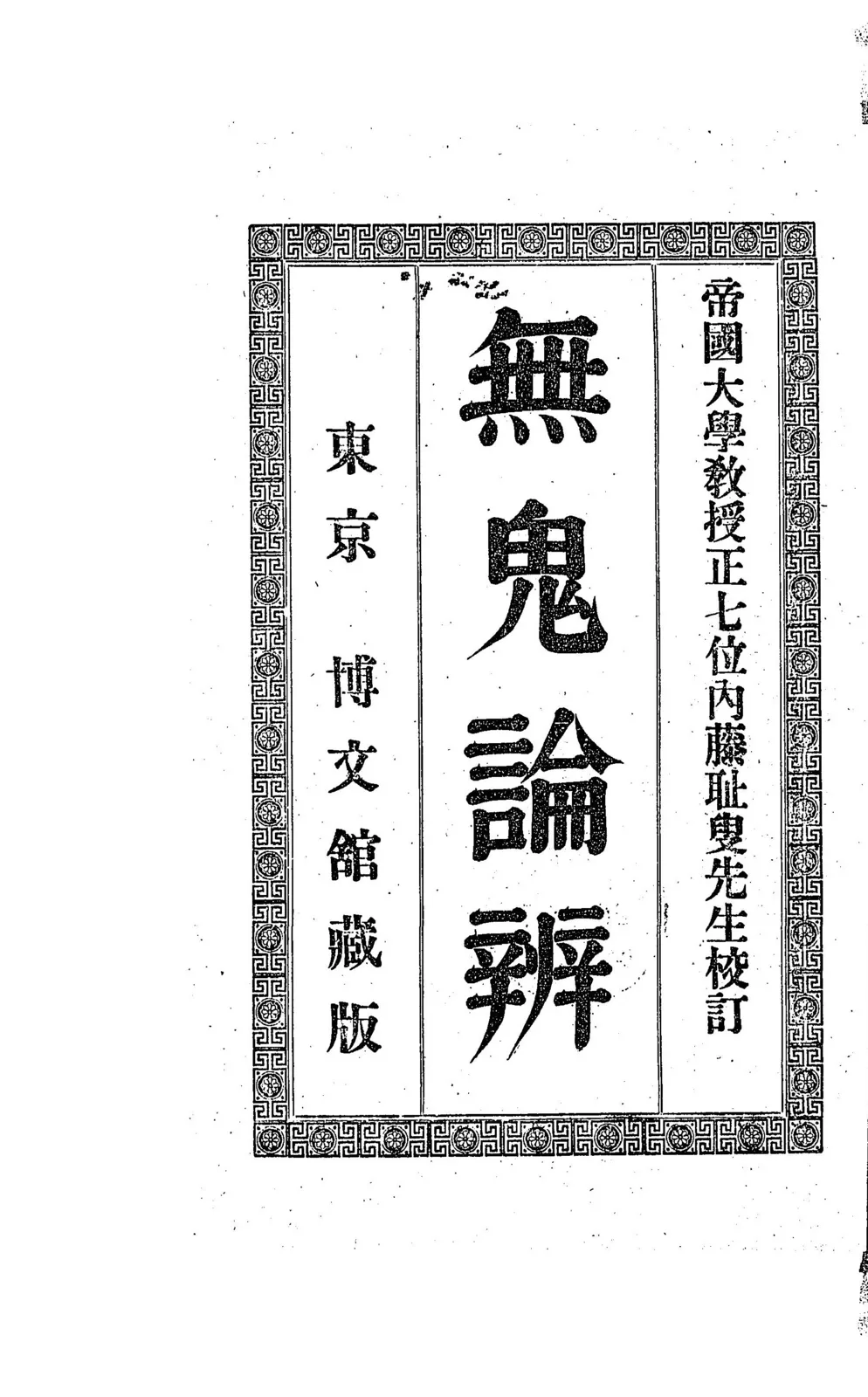
無鬼論の事を辨する頗直截痛快なり因て之を揭出す讀者輕視する勿れ
三百年間、其の一毫人に資る所なくして、斷々たる創見發明の說を爲せる者、富永仲基の出定後語、三浦梅園の三語、山片蟠桃の夢の代、三書是のみ
桑名老侯松平樂翁、もと蟠桃の人と爲りを嘉せしが、夢の代を讀むに及び、益々之を奇とせり
然ルニ三大考ノ如ク、今又更ニコレヲ作リ出スコトヲヤ、アヽ悲シムベシ、其見識ノ鄙劣愚ナリト云ベシ
The other side
無鬼ノコトニ到リテハ後人ノ議論ヲ恐ル、唯コレ聖賢鬼神ヲ敬シテ〓ヲ立ルノ義ニ背クナラン
履軒先生難じて、夢の代とあらため題す
鬼神の事、誠に言ひがたし。只言ふ事の難きのみにあらず、聞く事又難し。唯聞く事の難きのみにあらず、信ずる事又難し。信ずる事の難き事は、是れ知る事の難きにぞよれる
或は大阪の山片蟠桃の「夢の代」が我國で地動說を唱へた最初とも云はれるが、夫は文化文政の頃で安永より三四十年を遲れ、其頃までには長崎の新知識が
Where accounts differ
| Point | One account | Another | How the page handles it |
|---|---|---|---|
| Birth year | 1746 (Enkyō 3) (Kōda 1928 p. 75, followed by all later writers until Kameda) | 1748 (Kan'en 1), computed from "age 74" on the gravestone, if age is counted the Japanese way (Kameda 1943 pp. 46–47) | Say "born in 1748, though a long-repeated account says 1746"; the roster uses 1748 |
| Origin of the Masuya house | Exchange house (両替商) (Kōda 1928; Takimoto; early biographies) | Never an exchange house; a rice-market speculator who became a lender to daimyo (Yamagata family to Kameda 1943 pp. 8–11) | Avoid "money-changer"; say "a rice broker and lender to daimyo" |
| Birthplace | Kakogawa, Harima (Tsunoda 1845; Okamoto; 1911 lecture; the Kako district history) | Kamitsume village, six kilometres west (Kōda; Kameda) | Use Kamitsume or "near Kakogawa" |
| Burial | Zentsū-ji, Tenma (Kōda 1928 p. 76) | Zendō-ji, Higashi-teramachi; found 1922 (Kameda 1943 pp. 46–47) | Not needed in narration; if shown, Zendō-ji |
| Third scribe's name | Endō Hidezane (Kōda 1928 p. 77) | Kondō Hidezane (Kameda 1943 pp. 78–79) | Not needed in narration |
| "Forbidden" heliocentrism | Bantō says the theory was forbidden (Q16) | Dutch scholars (Shizuki Tadao, 1798–1802) had translated it openly; Kuwaki (1922) says Bantō's book came 30–40 years after the first Japanese notice | Say "Bantō says it was forbidden", and do not call him the first; the sources do not show a legal ban |
| Wording of volume 10 | The ghost-hedge passage (Q13) appears in Saegusa 1936 | The 1892 text (Naitō Chisō) does not have it and states flatly that ghosts do not exist | Do not use Q13 until compared with the 1916 edition |
| Date Asada reached Osaka | Meiwa 6 (1769) (Shibukawa's eclipse record, Oita 1918 leaf 23) | Meiwa 7 (1770) (domain records) or Meiwa 8 (1771) (Kinsei sōsho, Baien zenshū) (Oita 1918) | Say "around 1770" |
| Bantō and Ōtsuki Genchaku | Kameda: "certainly" acquainted (Kameda 1943 pp. 54–57) | The only evidence names a "Yamagata Koemon" who might be the son (same page) | Do not state as fact |
| Sadanobu's praise | Tsunoda 1845, Okamoto, Nishimura: Sadanobu read and admired Yume no shiro | No text by Sadanobu seen; earliest source 24 years after Bantō's death | Say "it was said that" |
| What the book is | A private family book for descendants (the preface; Kōda 1928 p. 77) | An extended argument "like a public attack" with a dozen copies given to friends (Kameda 1943 pp. 80–81) | Say it was written for his family and circulated among friends |
List of illustrations
This page uses only public-domain and Creative Commons images; each is credited with its source and licence.
- Ukie Naniwa Tenma Tenjin yomatsuri no zu (perspective print of the Tenma Tenjin night festival, Osaka) — Utagawa Toyoharu (1735-1814), 1764 · Library of Congress, Prints and Photographs Division, Japanese Prints and Drawings · Public domain (published before 1931). LoC: does not own rights; Japanese Fine Prints and Drawings, pre-1915 rights page
- Dōjima Rice Exchange (Dōjima kome kaisho), ukiyo-e — Yoshimitsu Sasaki (1850-1891), c. 1880 · Osaka Prefectural Nakanoshima Library, via Wikimedia Commons · Public domain (Wikimedia Commons: Public domain; artist died 1891)
- Chikuzan sensei shōzō narabi ni jisan (竹山先生肖像並自賛): portrait of Nakai Chikuzan with his own inscription, plate in Kaitokudō kō — Portrait scroll of Nakai Chikuzan (1730-1804); plate in Nishimura Tokihiko, Kaitokudō kō, 1925 (plate reproducing an Edo-period hanging scroll) · National Diet Library, Japan, NDL Digital Collections, PID 1019806 (plate facing the caption 竹山先生肖像並自賛) · Public Domain Mark (NDL Digital Collections; book published 1925; the scroll is by an artist or sitter who died in 1804)
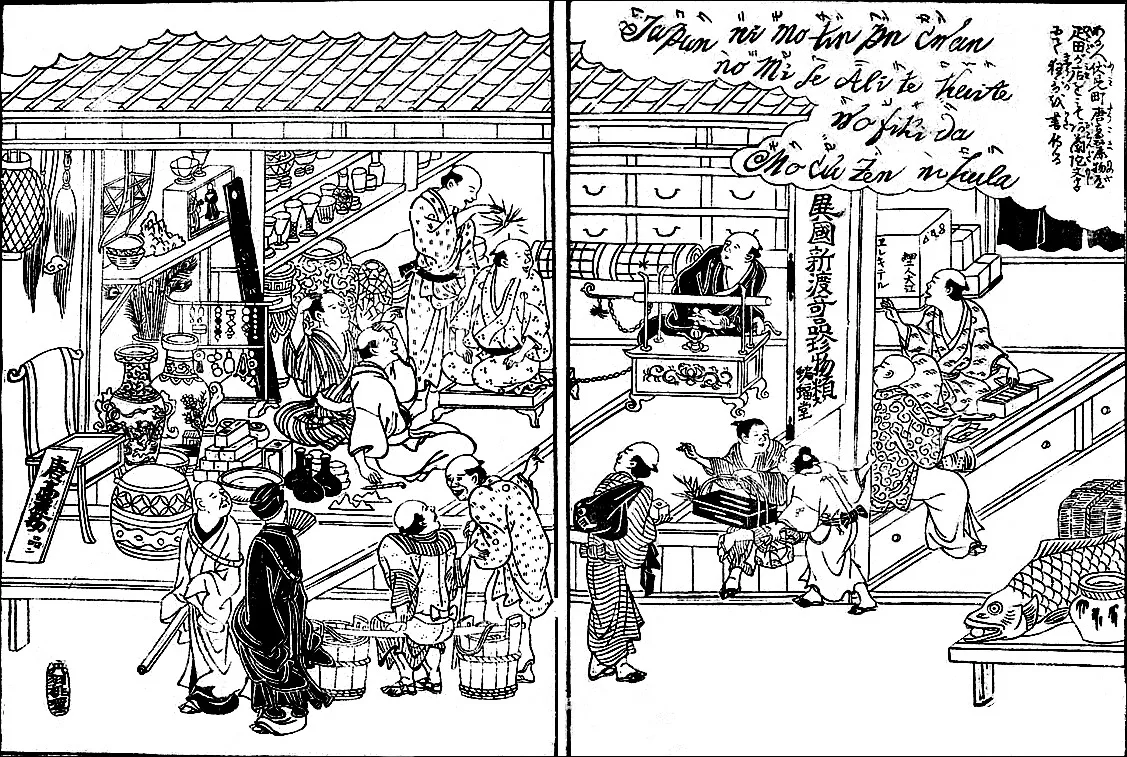
- Karamonoya (imported curio store, demonstration of a static electricity generator), Settsu meisho zue vol. 4 — Niwa Tōkei (ill.); Akisato Ritō (ed.), 1798 · Settsu meisho zue (1798), via Wikimedia Commons · Public domain (Wikimedia Commons: Public domain; 1798 woodblock book)
- Welcoming Descent of Amida (Amida Raigō) — Anonymous (Japan, Kamakura period), 1300-1333 · The Cleveland Museum of Art, Open Access, CC0 · CC0
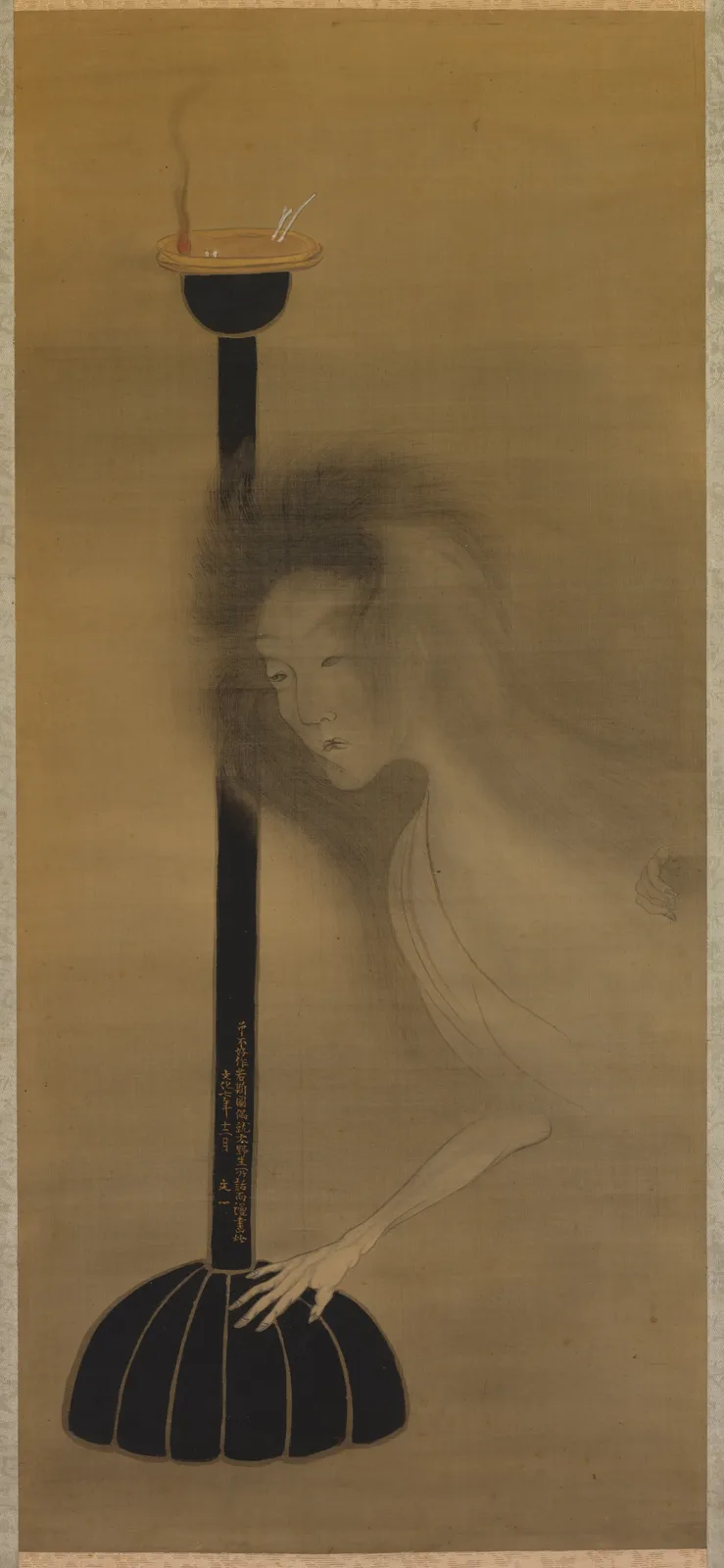
- Ghost and Oil Lamp — Tani Bun'ichi (1787-1818), 1810 · The Cleveland Museum of Art, Open Access, CC0 · CC0
- Mukiron ben (無鬼論辨), title page, in Shōnen hitsudoku Nihon bunko no. 12 — Yamagata Bantō; ed. Naitō Chisō; Hakubunkan, Tokyo, 1892 · National Diet Library, Japan, NDL Digital Collections, PID 992436 · Public Domain Mark (NDL Digital Collections; Meiji printing, published 1892)
Sources
Tier 1 — the subject's own words (writings, letters, diaries, trial records)
- [Yume 1892] Yamagata Bantō, 無鬼論辨 (the first half of volume 10 of Yume no shiro), ed. Naitō Chisō, in 少年必讀日本文庫 第12編 (1892). NDL 992436. File
naito-chisou-nihonbunko12-1892.txt. Public domain (Meiji printing). Earliest printed text of any part; has the headnote quoted at Q22. - [Yume 1916] Yamagata Bantō, 夢ノ代, in 日本經濟叢書 vol. 25, ed. Takimoto Seiichi (日本經濟叢書刊行會, 1916); reprinted in 日本經濟大典 vol. 37 (啓明社, Nov. 1929). The first complete printing and the basis of all later texts (Kameda pp. 80–83; Nagata p. 39). NOT AVAILABLE as OCR in the NDL full-text service; not read. Public domain (published before 1931). Quotations from it below are therefore taken from the quoting printings and flagged "not checked against 1916".
- [Saegusa 1936] 日本哲學全書 第12巻 (第一書房, 1936), ed. Saegusa Hiroto: pp. 101–199 print 無鬼 (volumes 10–11) from the 1916 text collated with two manuscripts in the Naikaku Bunko, with Saegusa's introduction (pp. 103–107). NDL 3430218 (same book as 1913937 and 1257117). File
tetsugaku-1936.txt. Bantō's text is public domain; Saegusa's introduction, punctuation and kana changes are a 1936 Japanese work (see Open questions 4). - [Kameda 1943] Kameda Jirō, 山片蟠桃 (全國書房, 1943), quotes the 1802 preface, the 1820 postscript, the foreword (凡例) and many passages of volumes 1, 2, 9, 10 and 11 (listed in Tier 2 too).
Tier 2 — scholarly biographies and encyclopedias
- [Kameda 1943] Kameda Jirō, 山片蟠桃 (全國書房, 1943). NDL 1058237. File
kameda-1943.txt. The fullest biography; Kameda found the grave (1922) and wrote two earlier papers (1918, 1923). Kameda writes that some of Bantō's views are deliberately not discussed "in the present circumstances" (p. 94), i.e. wartime censorship, so his account of the religious chapters may be trimmed. - [Kōda 1928] Kōda Shigetomo, 讀史餘錄 (大岡山書店, 1928), pp. 74–79, "升屋小右衞門" (first printed in the Osaka Asahi, January 1910). NDL 1918123. File
koda-dokushi-1928.txt. Kōda bought both the 12-volume manuscript and the draft Saiga no tsugunai and wrote after consulting the Yamagata family and Inami district office. - [Takimoto 1928] Takimoto Seiichi, 日本經濟典籍考 (日本評論社, 1928), entry "夢の代" (pp. 329–331 in the OCR). NDL 1280333. File
takimoto-tenseki-1928.txt. Editor of the 1916 text; reprints Kōda's biography. - [Nishimura 1925] Nishimura Tokihiko (Tenshū), 懷德堂考 (1925). NDL 1019806. File
nishimura-kaitokudo-1925.txt. Cited by section number (六 foundation; 十八 Chikuzan as head; Bantō in the section on Chikuzan's pupils). - [Nagata 1936] Nagata Hiroshi, 日本唯物論史 (白揚社, 1936), chapter 1, section 4, pp. 39–48. NDL 1257012. File
nagata-1936.txt. A Marxist history of materialism; frank about its framework. - [Oita 1918] 御贈位舊藩侯先哲頌德記念 (大分縣速見郡教育會, 1918), the Asada Gōryū memoir. NDL 957907. File
oita-senjin-1918.txt. - [Kuwaki 1922] Kuwaki Ayao, 物理學と認識 (改造社, 1922). NDL 931171. File
kuwaki-1922.txt(read for one sentence only). - [Naitō Konan 1897] Naitō Torajirō (Konan), 近世文學史論 (1897), p. 116. NDL 871814. File
naito-konan-1897.txt. - [Nihon 1916 note] see [Yume 1916] above.
Tier 3 — popular biographies and journalism
- [Okamoto] Okamoto Buzan, 浪華人物誌 vol. 3 (1920 reprint of the 19th-century work), entry 山片蟠桃. NDL 1240927. File
okamoto-naniwa-jinbutsushi3-1920.txt. Near-contemporary (written after Bantō's death, from Tsunoda). - [Tsunoda 1845] Tsunoda Kuka, 續近世叢語 vol. 5 (弘化2 = 1845), in kanbun. NDL 2602920. File
tsunoda-zoku-kinsei-sogo-1845.txt. The earliest biography, 24 years after his death; everything before 1910 derives from it (Kameda p. 6). - [Tsuchiya 1912] Tsuchiya Genzaku, 新學の先驅 (1912). NDL 993657. File
tsuchiya-shingaku-1912.txt. Downloaded but not used except as a pointer.
Tier 4 — maps to other sources only (Wikipedia and similar). Never cited in the script.
- Not consulted. Modern English translations (Najita, Visions of Virtue in Tokugawa Japan, 1987, and Najita's other writing) are in copyright and were not read: leads only, to be paraphrased and cited if used.
- Japanese editions after 1930 that are not in the OCR set: 日本思想大系 (1973), 日本の名著 (1971), 山片蟠桃の研究 (Suenaka Tetsuo, 1971), 日本思想闘諍史料 vol. 6 (1930, contains an abridged 夢之代 — public domain, not in the OCR service).
Opposition sources — contemporary critics and religious responses
- None found from Bantō's lifetime that answers the book (see Open question 5 and the Opposition voices table). The opposition in the book is Bantō's own presentation of the views he attacks: Arai Hakuseki on spirits (quoted by Kameda from Hakuseki's Kishin ron), the Confucian sages' rites of "as if present", Buddhist Pure Land teaching, and the Kokugaku school of Motoori Norinaga (quoted by Nagata).
Related lives
Andō Shōeki (1703–1762), the other Edo-period thinker whom Nagata names beside him as one of "two great thinkers who represent the materialist tendency before the Meiji period"; Shōeki wrote from a northern village, Bantō from the counting-house.
Jeremy Bentham
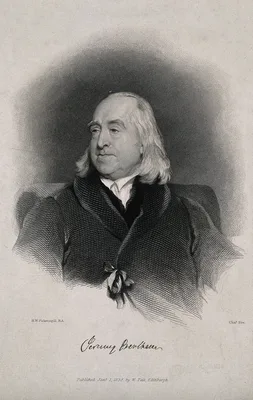
Jeremy Bentham was a Church of England child who "believed as hard as I could". At Oxford he signed the Thirty-nine Articles against his conscience, and never forgot it. He kept his doubts to private notes for decades. In his seventies he attacked the Church under his own name (1818), and natural religion and St Paul under invented ones (1822–23), never calling himself an atheist. He arranged his death so that his body served science, and his preserved figure stood in place of a religious rite.
Sylvain Maréchal
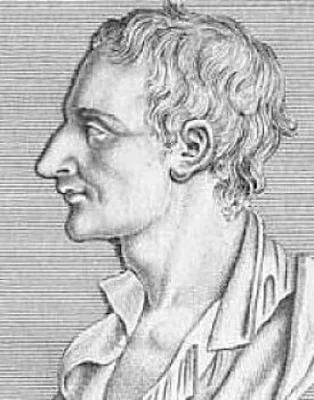
Sylvain Maréchal had no recorded faith to lose. The Paris poet declared himself "a peaceful atheist" in verse by 1781, and paid for a calendar without saints with a burned book and a cell in Saint-Lazare in 1788. He carried the same unbelief through the Revolution and Babeuf's conspiracy. In 1800 he made it into a list, the Dictionary of Atheists, whose preface defined the true atheist as one who says "I can be wise without a God". He never revised it, only narrowed it to "the virtuous man", and died at Montrouge without recanting.
Constantin-François Volney
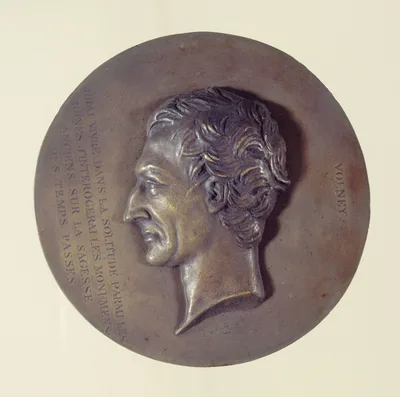
Constantin-François Volney was schooled by priests and met d'Holbach's circle in Paris. In 1782 he went east to see where the opinions that govern us were born, and came back to set the world's religions side by side in The Ruins of 1791, speaking only as a meditating traveller. He kept God as the name of nature's order. In 1797 he refused Priestley's demand for a creed, on the ground that no one had the right to ask it, and in old age he regretted provocation more than doubt.
Baron d'Holbach
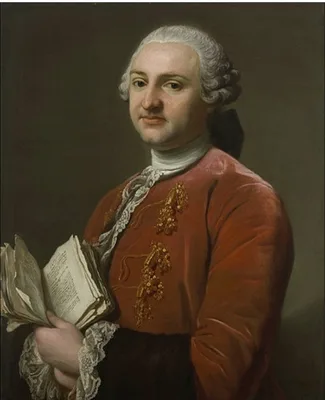
The Baron d'Holbach was raised a Catholic, and his translations of earth science first set the evidence against Genesis. He taught atheism openly at his own table and published it only under dead men's names, from Christianity Unveiled in 1761 to the System of Nature in 1770, while the pedlars who sold his books were flogged and branded. Late in life he turned from destroying belief to building a secular morals and politics. He was named as the author only after his death.